
 Find-R-Scopes

 Filters
 Lenses
 Cameras
 Lighting

 Accessories







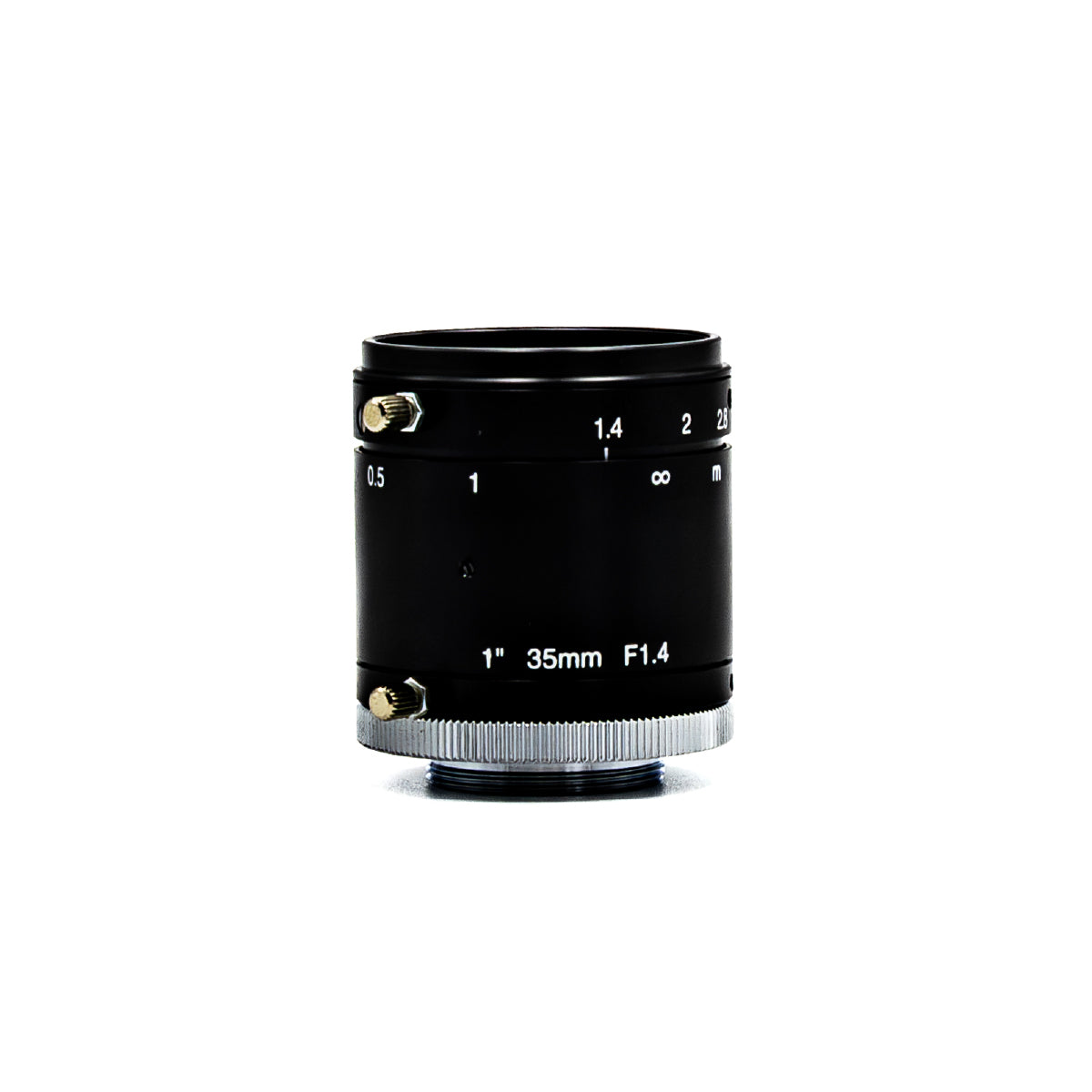
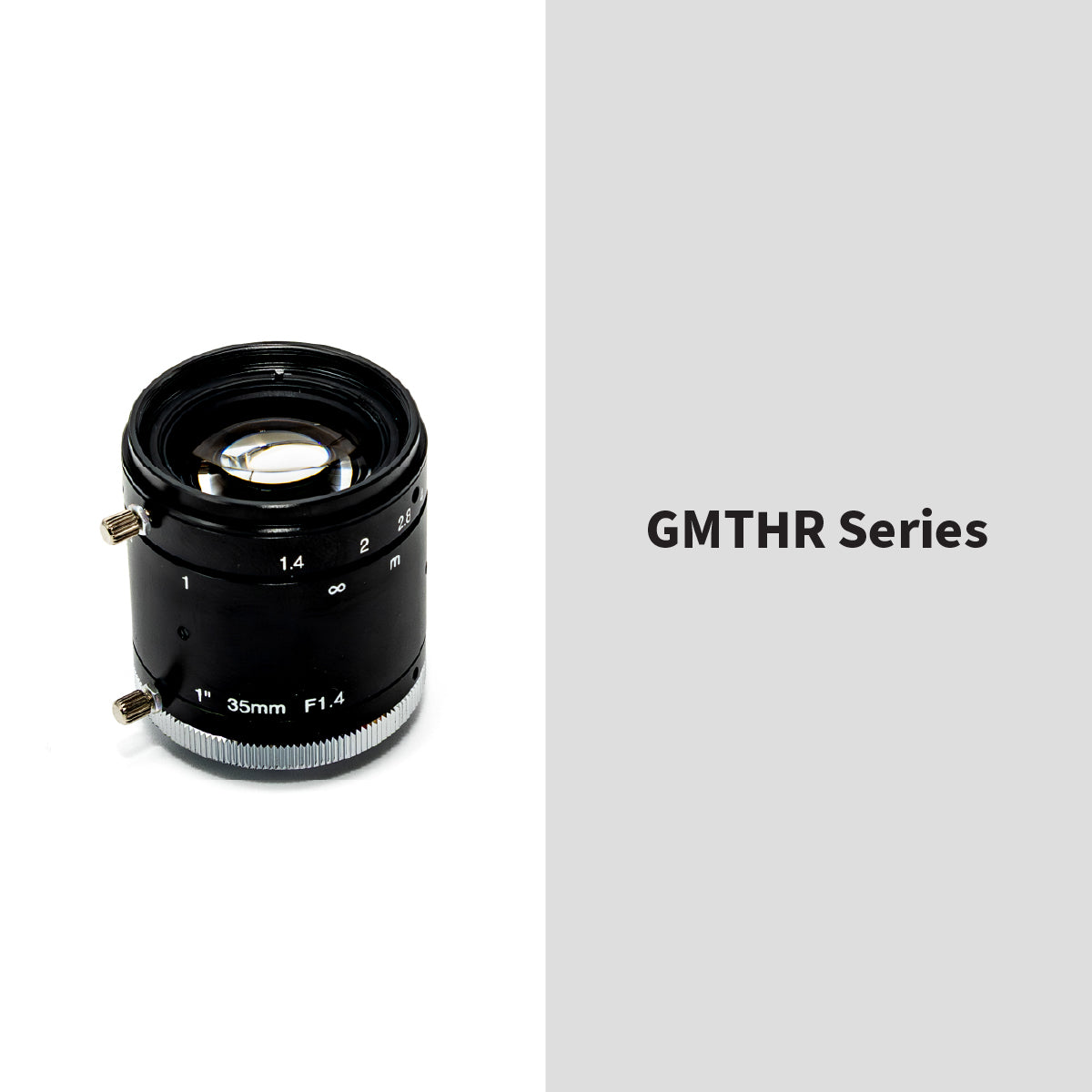


Selecting the right lens is critical to the success of any machine vision system. While cameras and lighting often get the spotlight, the lens ultimately determines image clarity, field of view, magnification and inspection accuracy. Two of the most common lens types used in industrial imaging are fixed focal lenses and zoom lenses, each with distinct advantages depending on the application.
What Is a Fixed Focal Lens?
A fixed focal lens has a single, non-adjustable focal length. This means the field of view and magnification remain constant once the lens is installed and focused. Fixed focal lenses have superior optical performance with high resolution and low distortion; have excellent repeatability, ideal for automated inspection; are compact and durable, suited for harsh industrial environments; and are cost-effective compared to complex zoom designs
Because they are optimized for a specific focal length, fixed focal lenses often deliver sharper images across the entire sensor, especially important for high-resolution machine vision cameras.
The cons of fixed focal lenses are limited flexibility if working distances or part sizes change, and they require lens replacement to alter field of view. Best uses include high-speed inspection systems; applications with fixed camera-to-object distances; barcode reading, metrology and defect detection; and production lines requiring long-term stability
What Is a Zoom Lens?
A zoom lens allows users to adjust focal length across a defined range, changing magnification and field of view without swapping lenses. They offer flexibility during setup and prototyping; are ideal for applications with variable part sizes or distances; reduce the need to stock multiple lenses; and simplify system design during early development.
The cons of zoom lenses are they are larger and heavier than fixed focal lenses, have more optical elements that can reduce maximum resolution, are higher cost compared to single focal designs and are less robust for high-vibration environments. They're best used during prototyping and system development, on low-volume or multi-product inspection lines and in situations where camera positioning may change.
Fixed Focal vs. Zoom: Which Should You Choose?
| Requirement | Best Choice |
|---|---|
| Maximum image sharpness | Fixed focal lens |
| High-speed inspection | Fixed focal lens |
| Flexible field of view | Zoom lens |
| Prototyping & setup | Zoom lens |
| Harsh industrial environments | Fixed focal lens |
In many cases, zoom lenses are used to determine the optimal focal length during setup, then replaced with a fixed focal lens for production to maximize performance and consistency.
Both fixed focal and zoom lenses play important roles in machine vision systems. Fixed focal lenses excel in precision, reliability and image quality, while zoom lenses offer unmatched flexibility during development and changing inspection scenarios.
Choosing the right lens depends on your application requirements, environment and long-term production goals. By understanding these differences, you can design a vision system that delivers consistent, high-quality results.