Filter & Sort
Brand
Lens Series
13 products

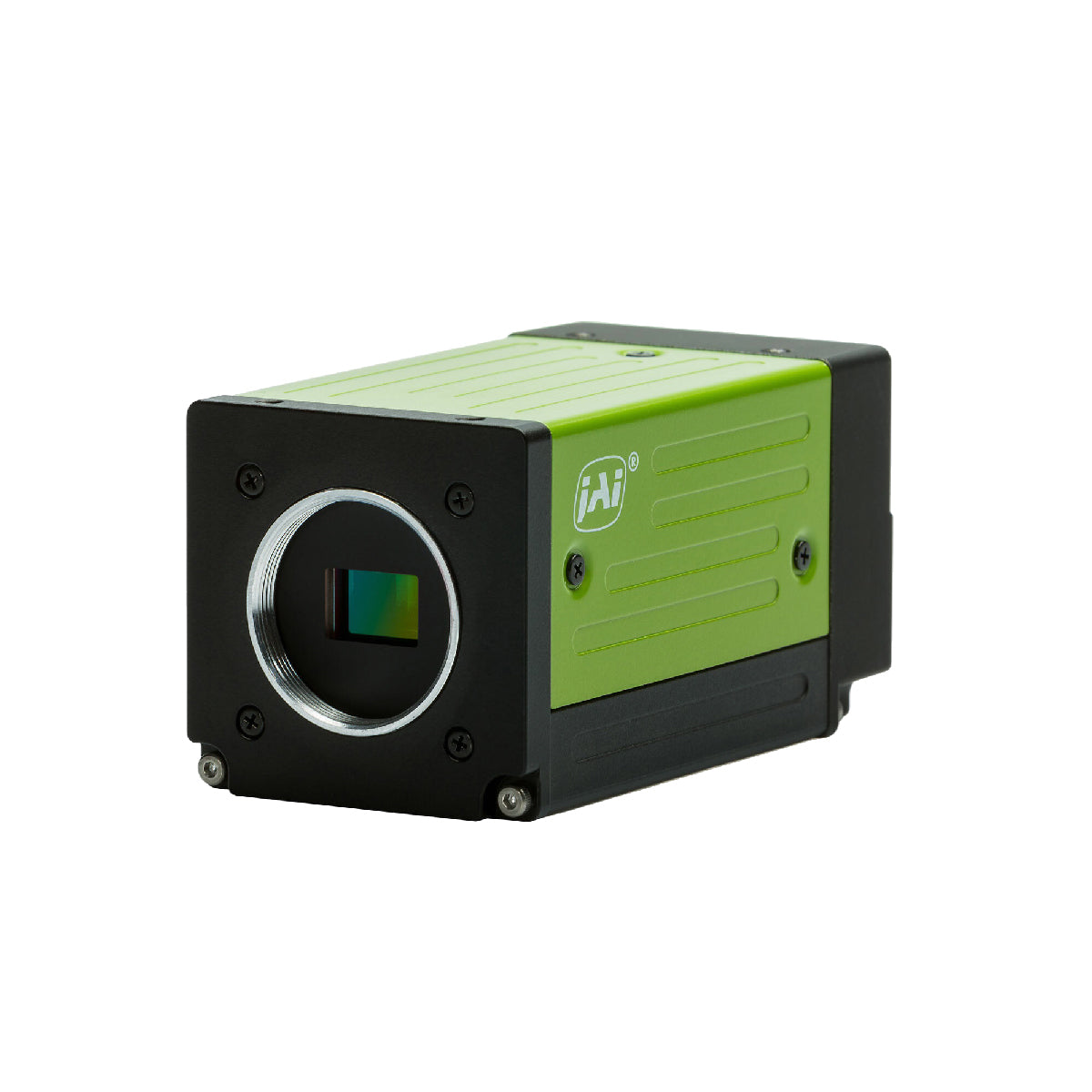
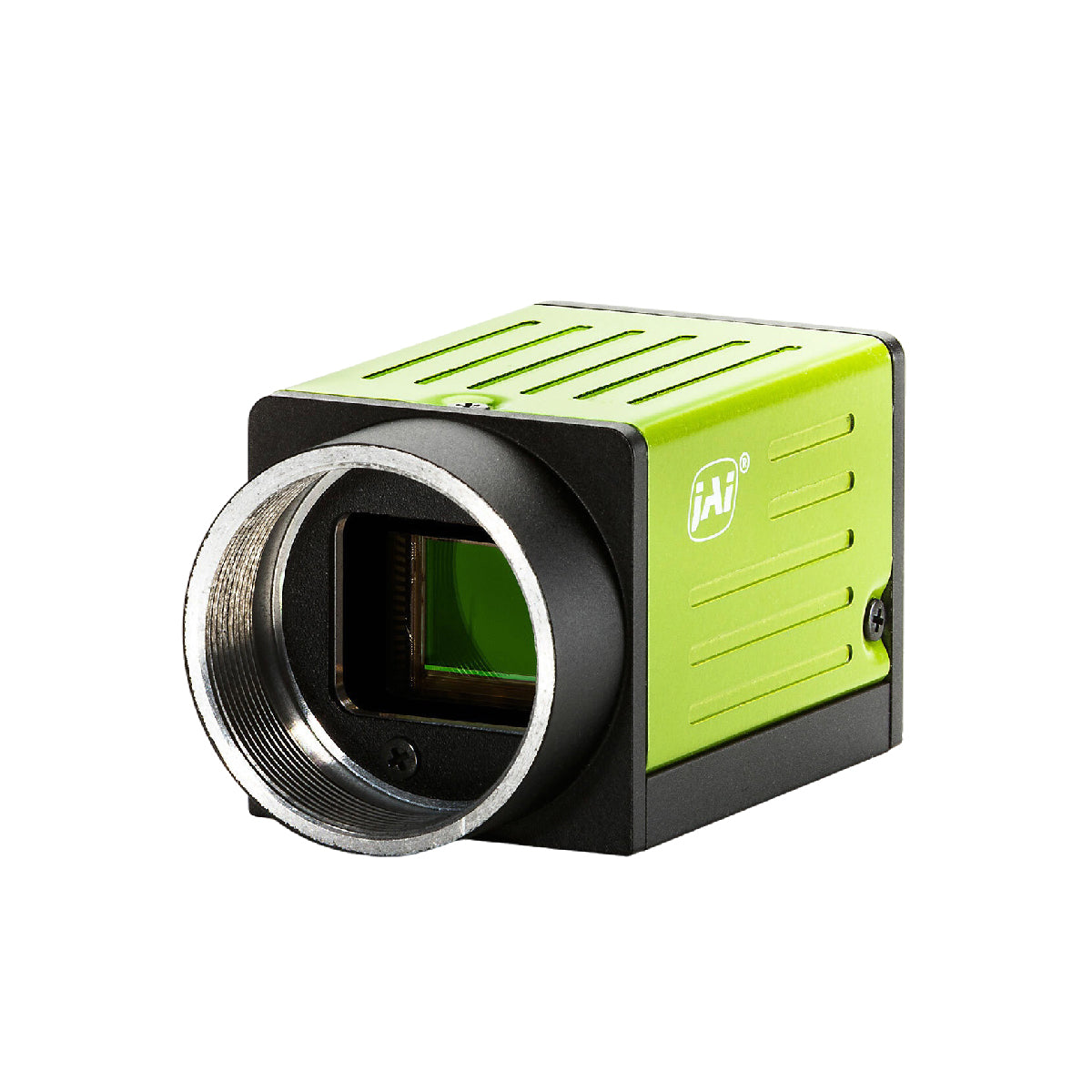
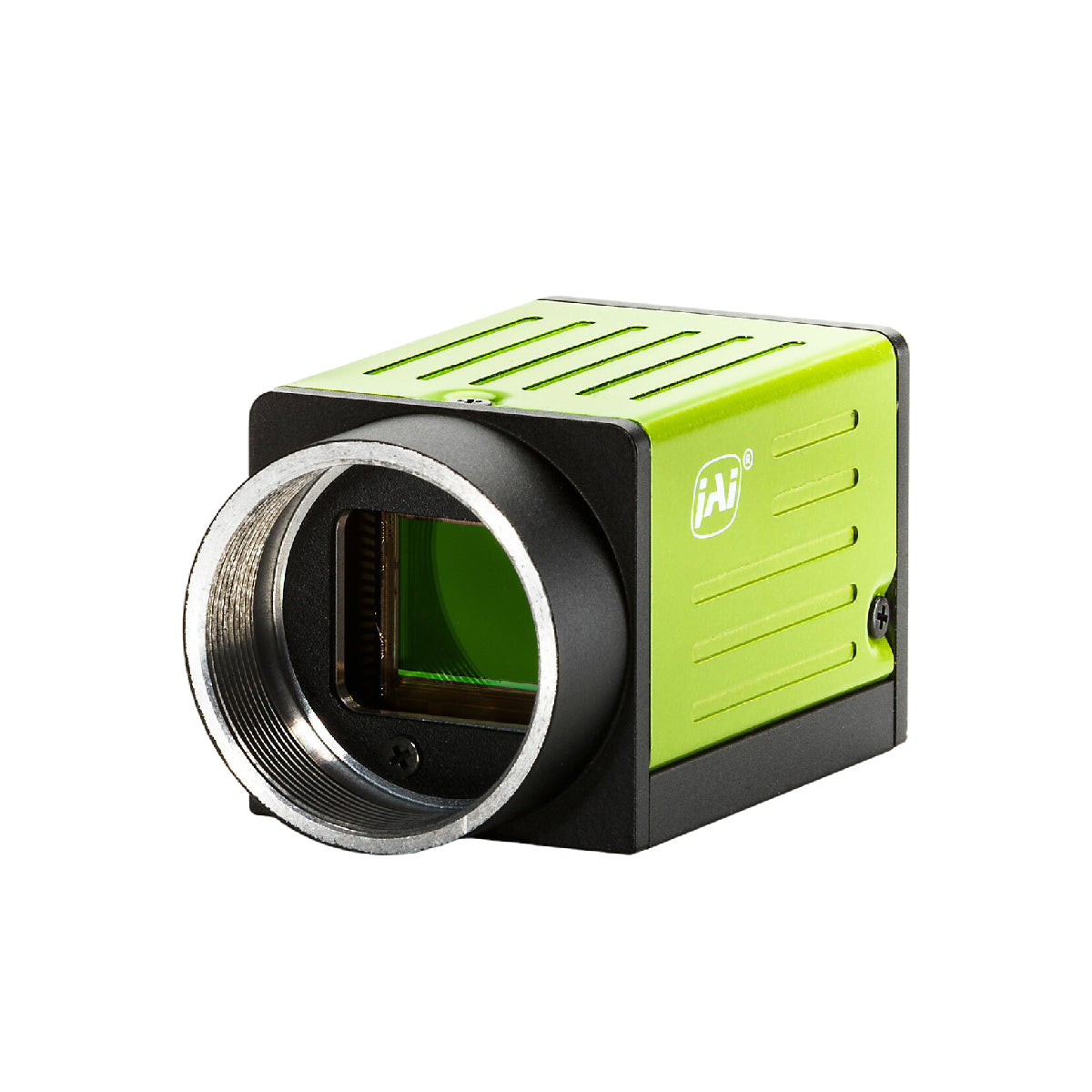
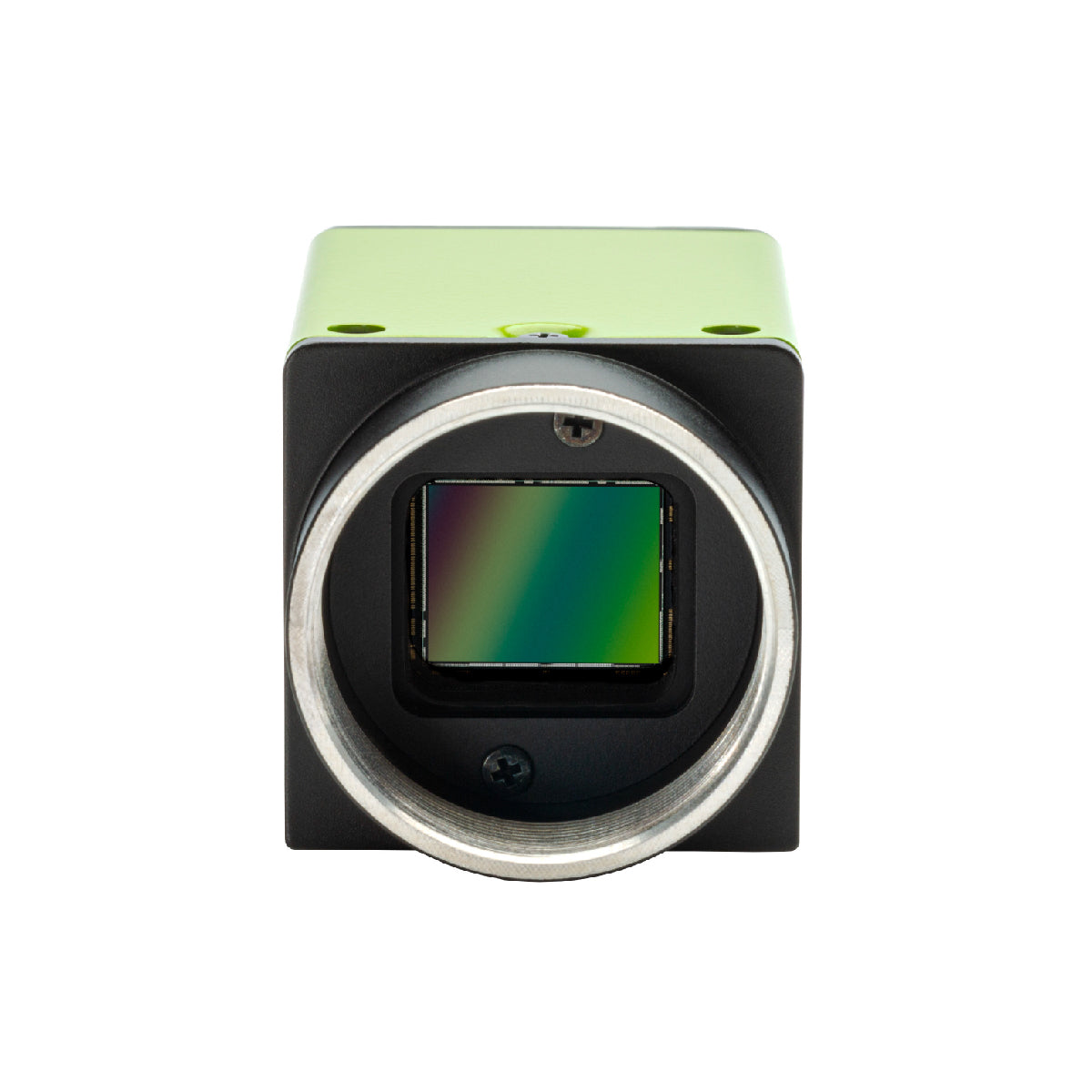
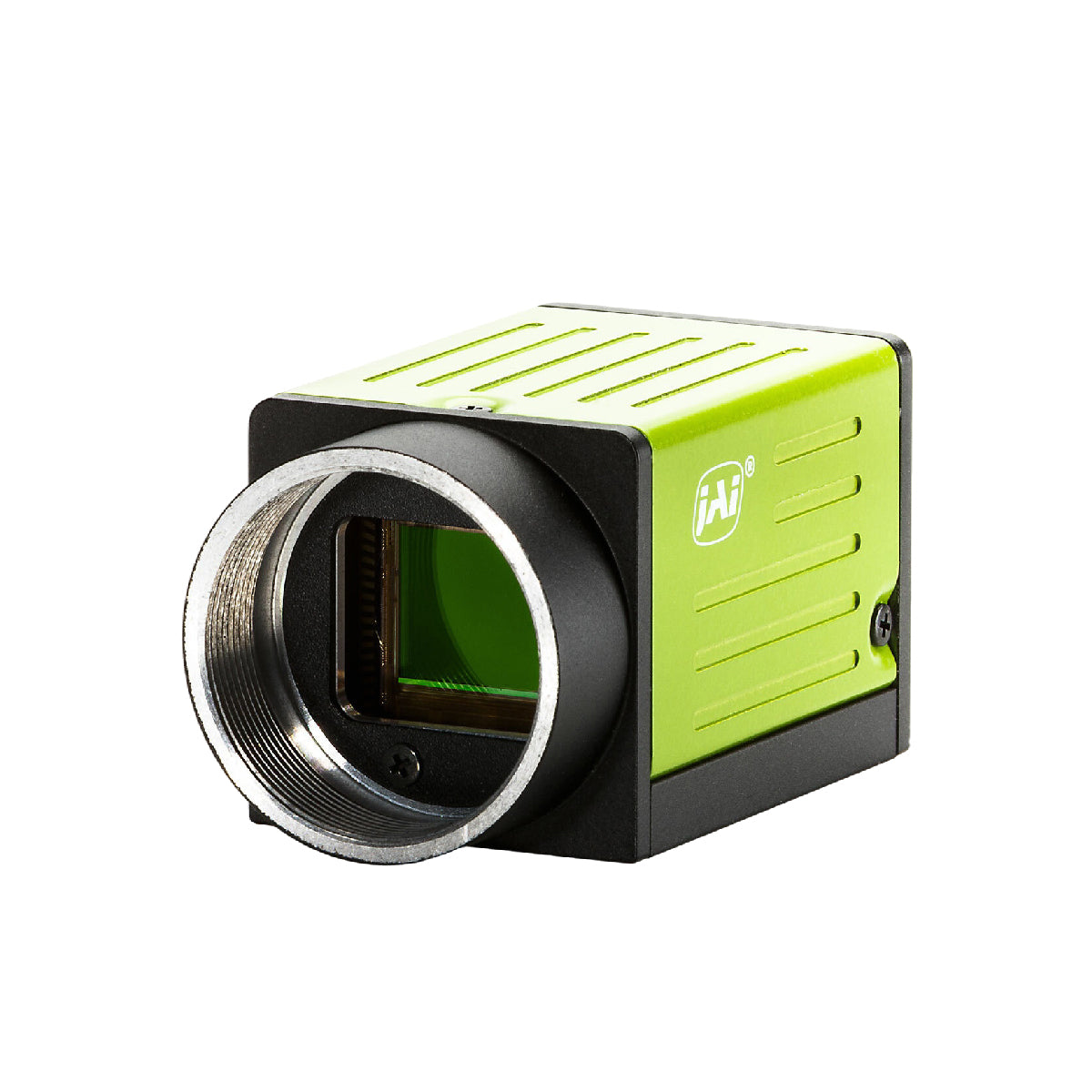
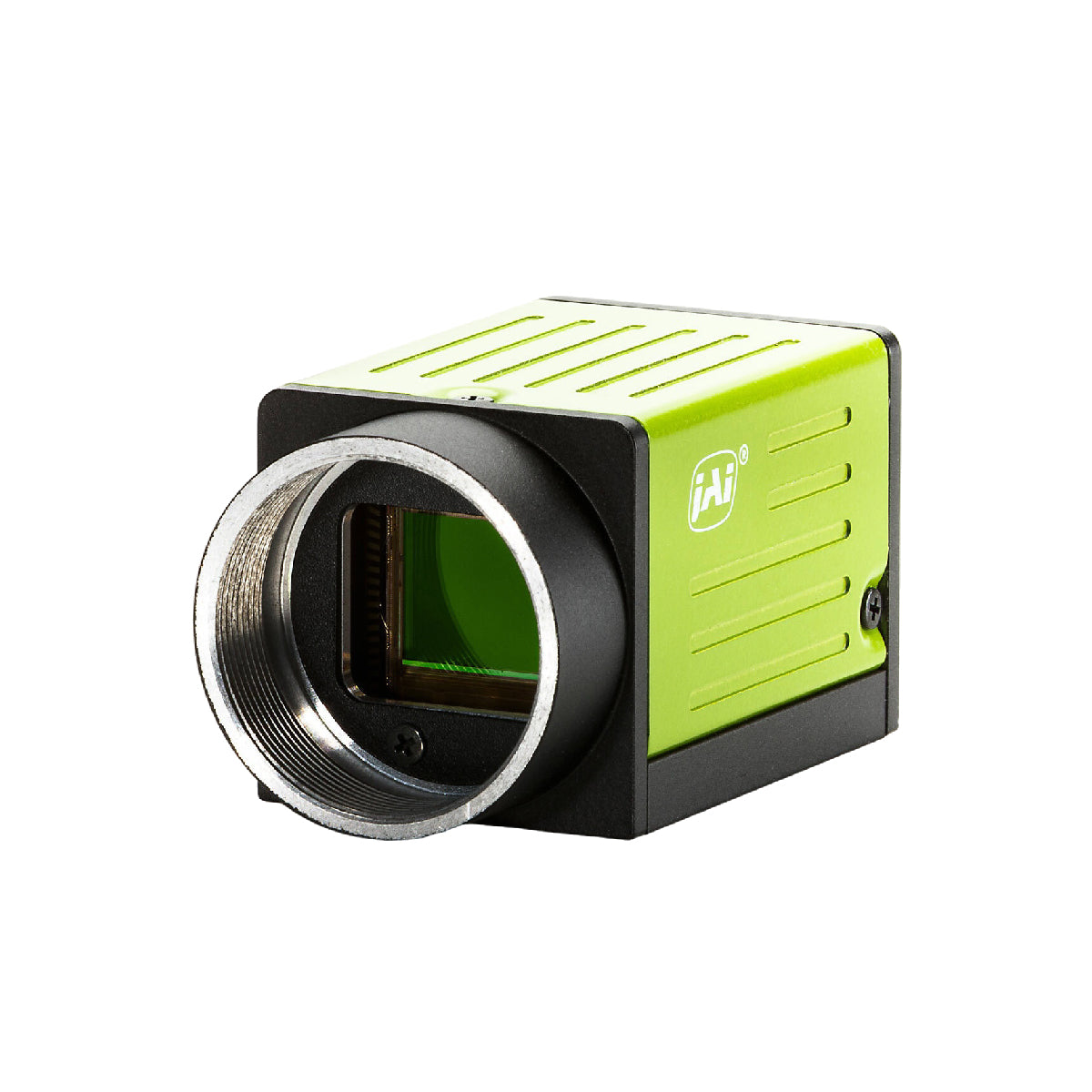
Industrial Machine Vision Cameras for Precision Imaging & Automation

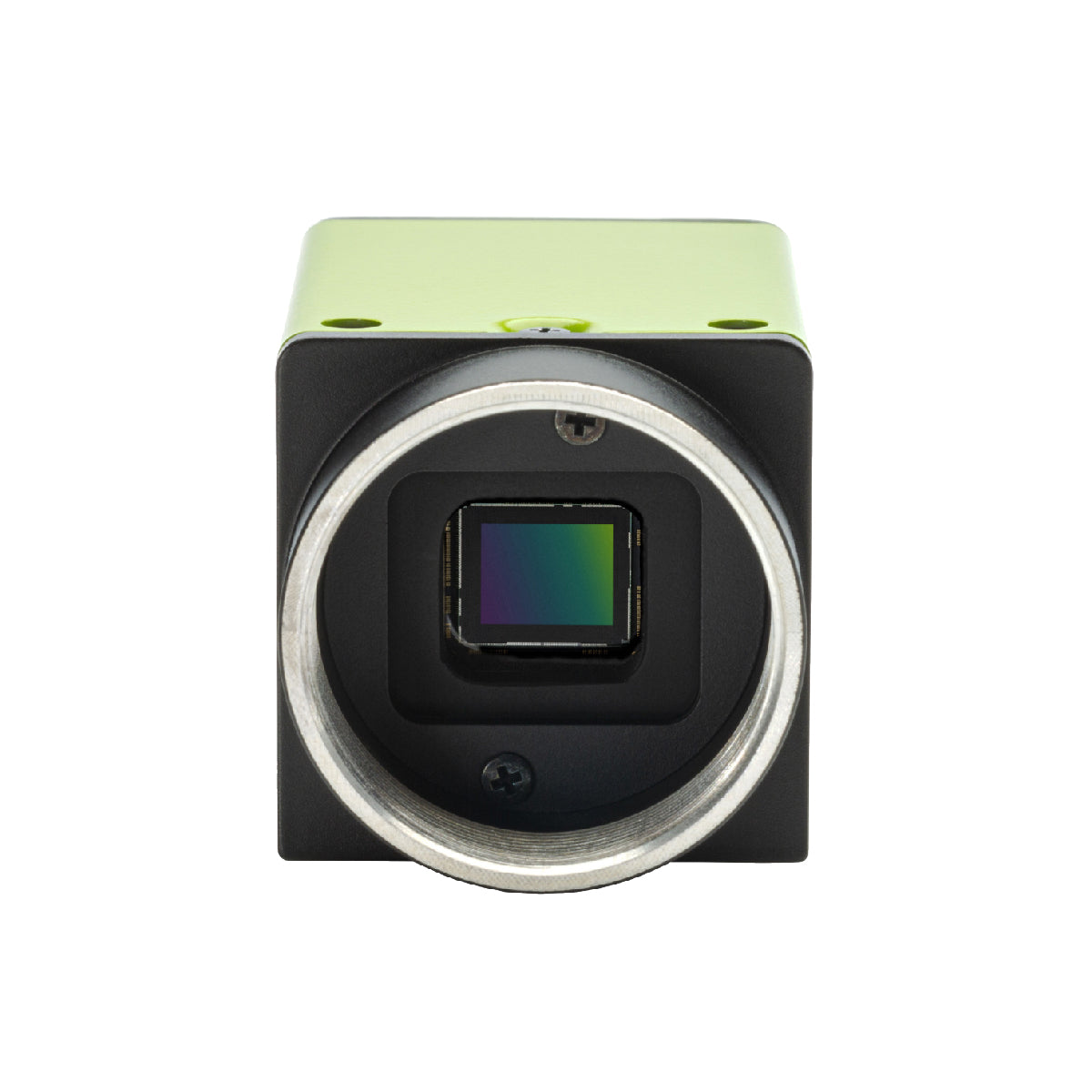
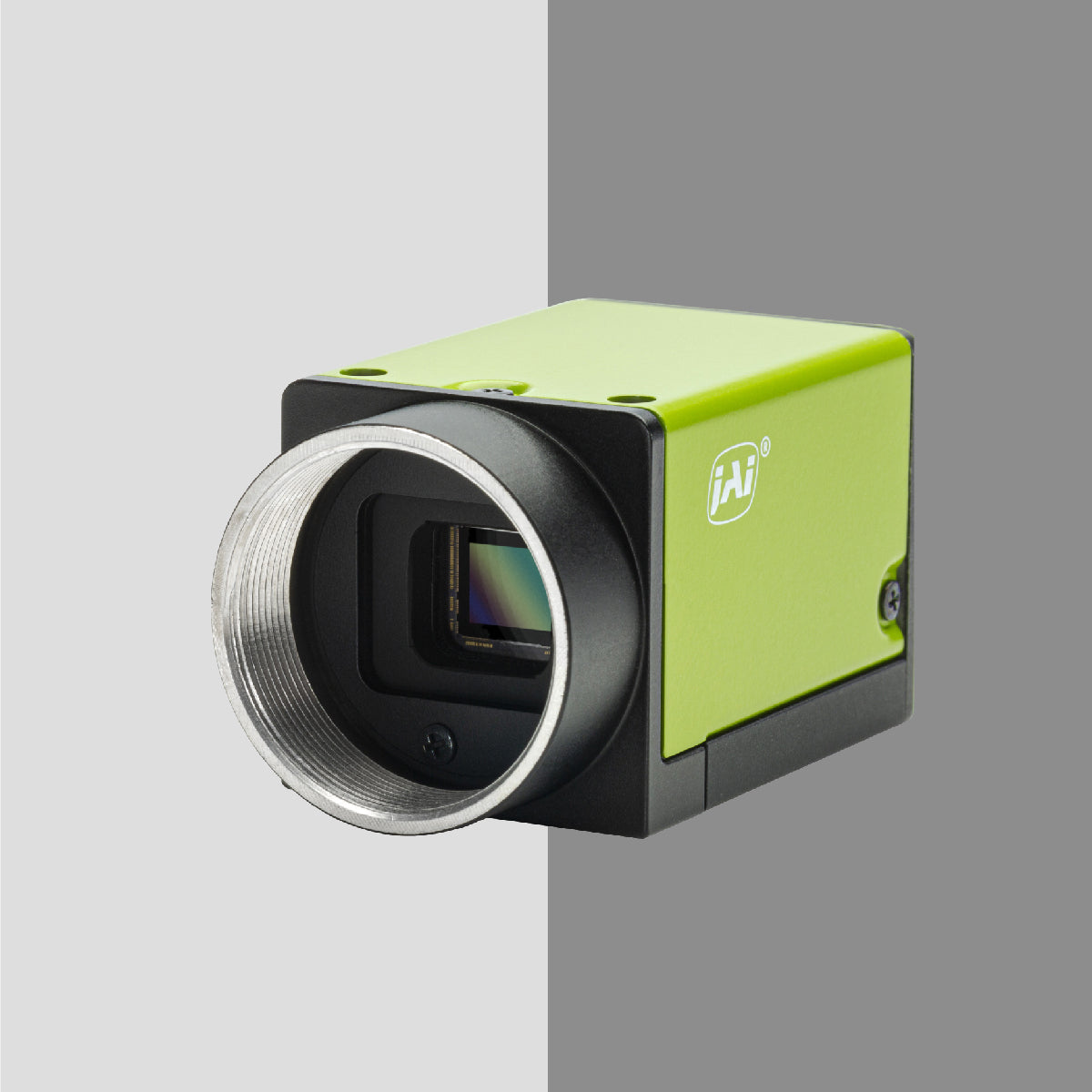
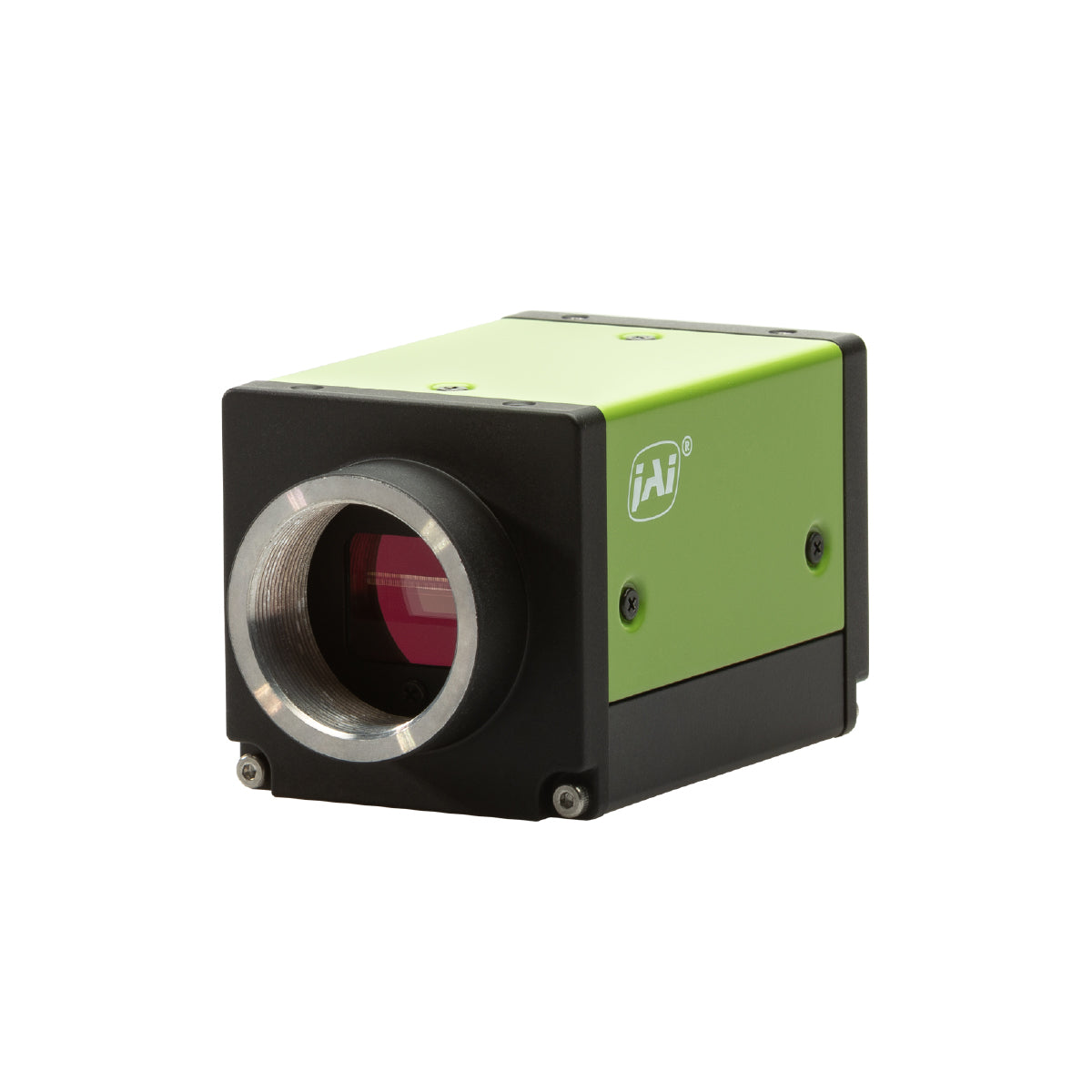
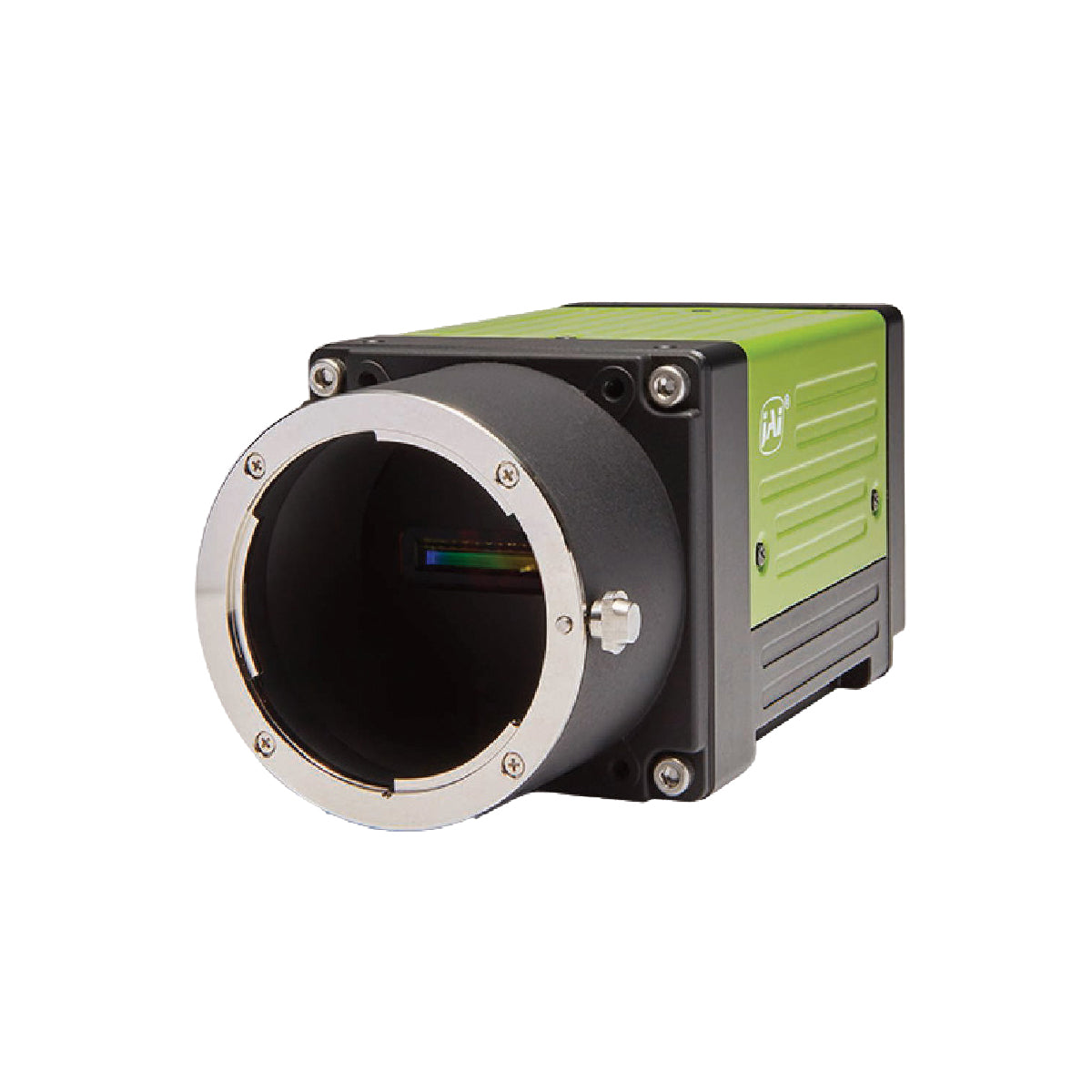
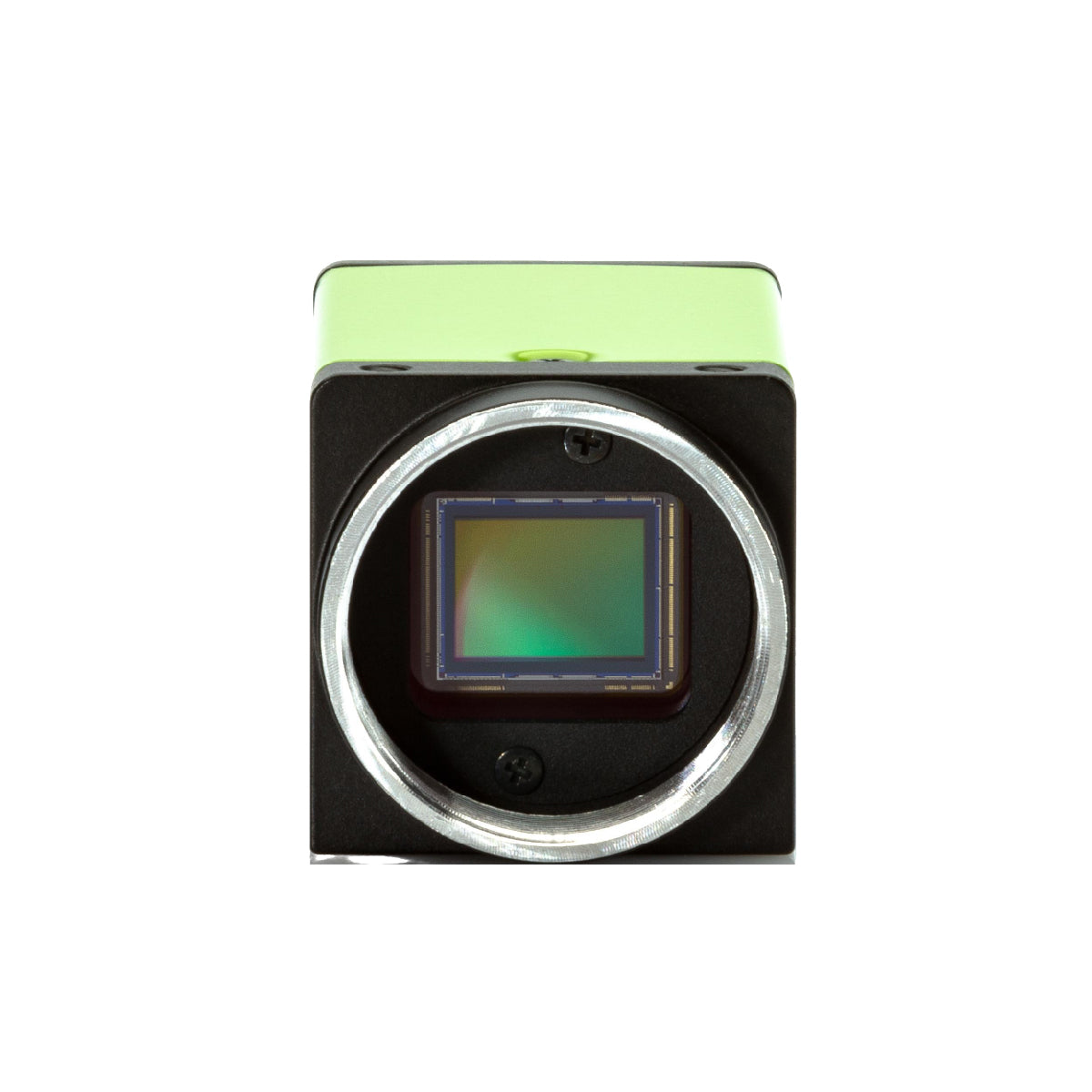
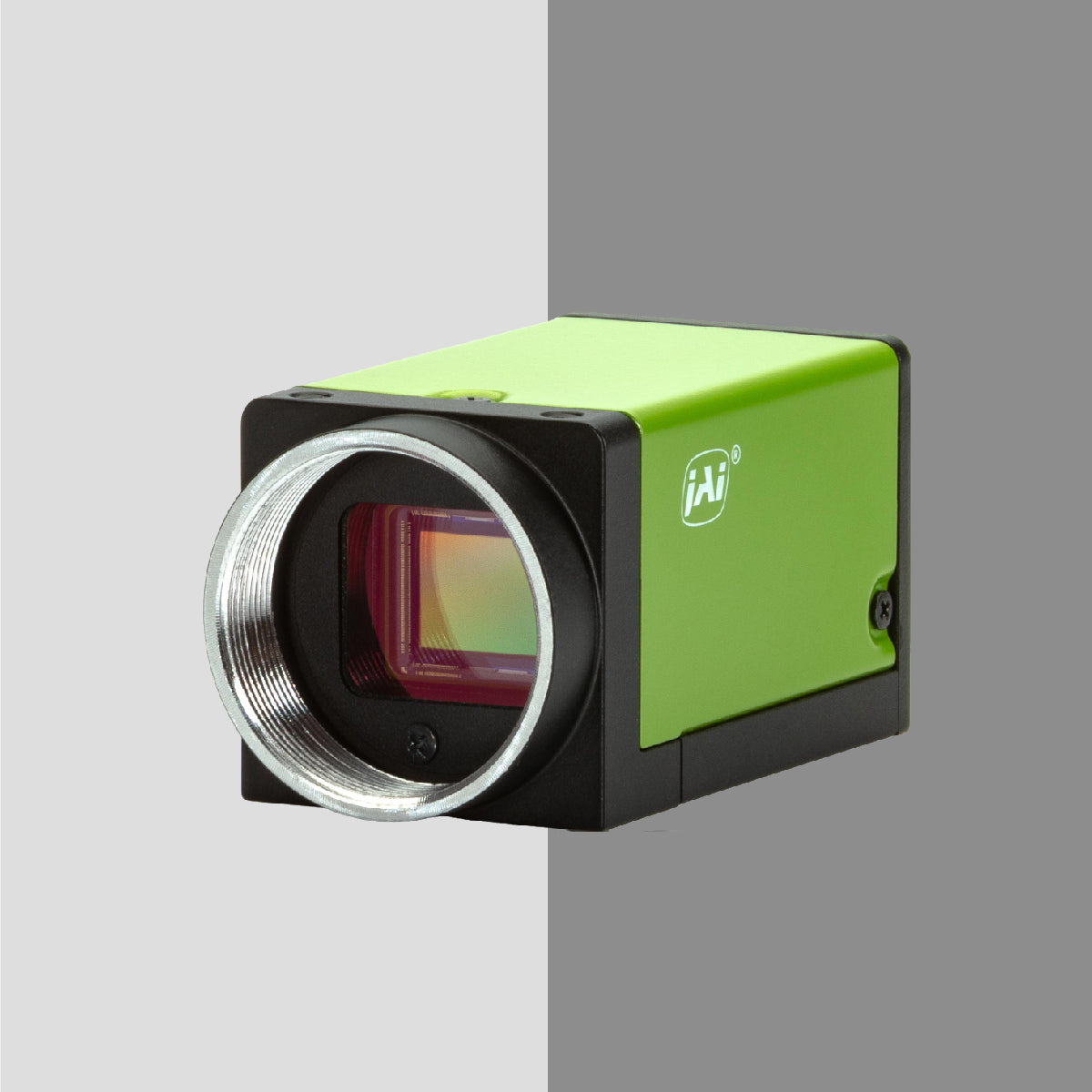
Industrial machine vision cameras play a critical role in modern automation, quality inspection, and imaging systems. These cameras are specifically designed for industrial environments where accuracy, reliability, and speed are essential. Unlike consumer cameras, machine vision cameras are built to integrate seamlessly with automated systems, software platforms, and production workflows.

At FJW Optical, we offer a wide selection of industrial machine vision cameras suitable for manufacturing, robotics, inspection systems, research labs, and advanced imaging applications. Whether you need high-resolution image capture, fast frame rates, or stable performance in demanding environments, our cameras provide dependable solutions for professional use.

What Are Industrial Machine Vision Cameras?

Machine vision cameras are specialized imaging devices used in automated systems to capture images for analysis, inspection, and decision-making. These cameras work together with lighting, lenses, vision software, and processing units to perform tasks such as defect detection, measurement, identification, and positioning.

Industrial vision cameras are commonly used in:

  • Manufacturing and assembly lines
  • Quality control and inspection stations
  • Robotics and automation systems
  • Packaging and labeling verification
  • Medical and scientific imaging
  • Research and development environments

Because of their industrial design, these cameras offer consistent image quality, long operational life, and compatibility with machine vision standards.

Key Benefits of Industrial Vision Cameras

High Image Accuracy and Resolution

Industrial cameras deliver precise, high-resolution images that allow systems to detect small defects, variations, or alignment issues. This level of detail is essential for inspection and measurement applications.

Fast Frame Rates for Real-Time Processing

Many machine vision applications require high-speed imaging. Industrial cameras support fast frame rates, making them ideal for real-time inspections on high-speed production lines.

Reliable Performance in Industrial Environments

Machine vision cameras are built to perform in challenging conditions, including vibration, temperature changes, and continuous operation.

Seamless System Integration

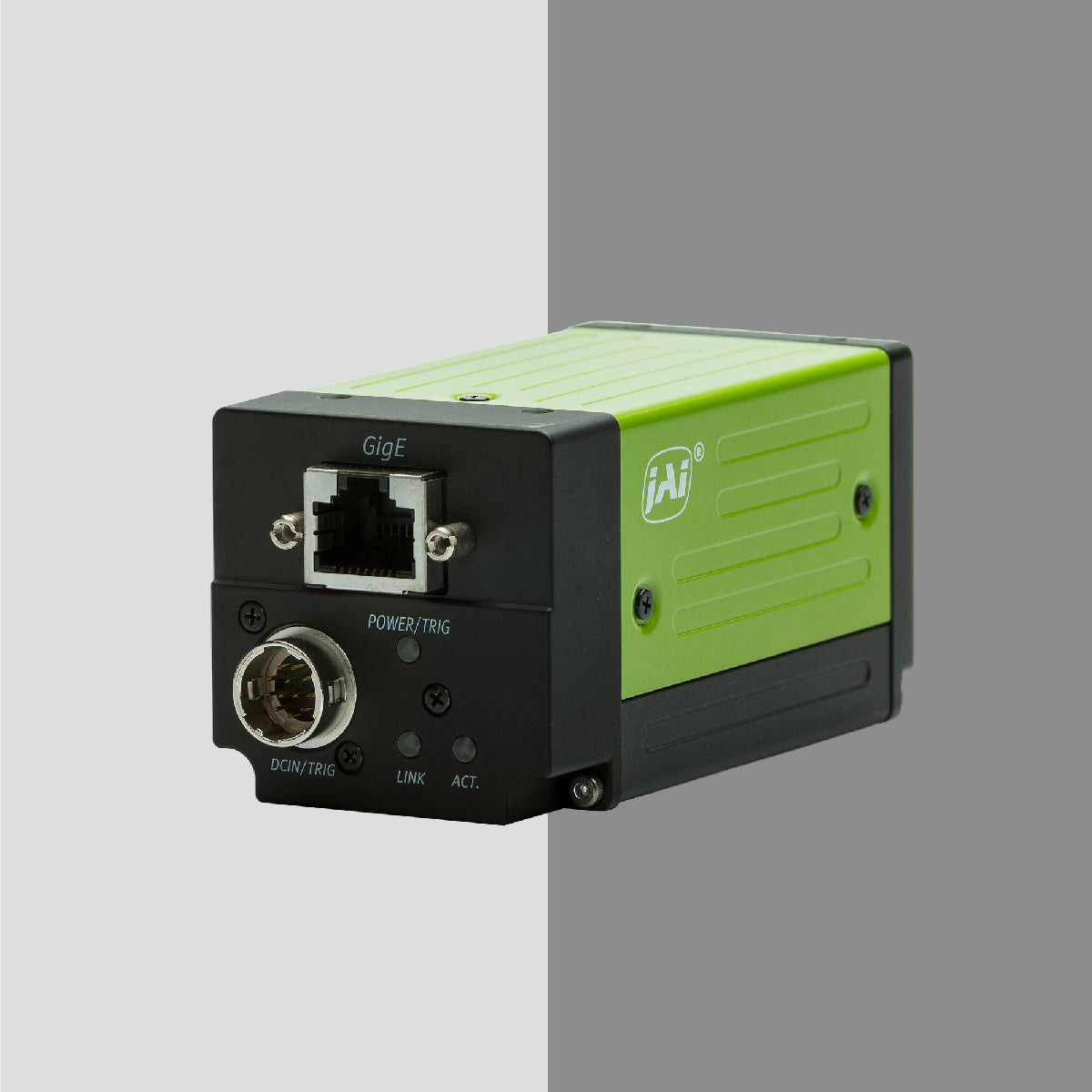
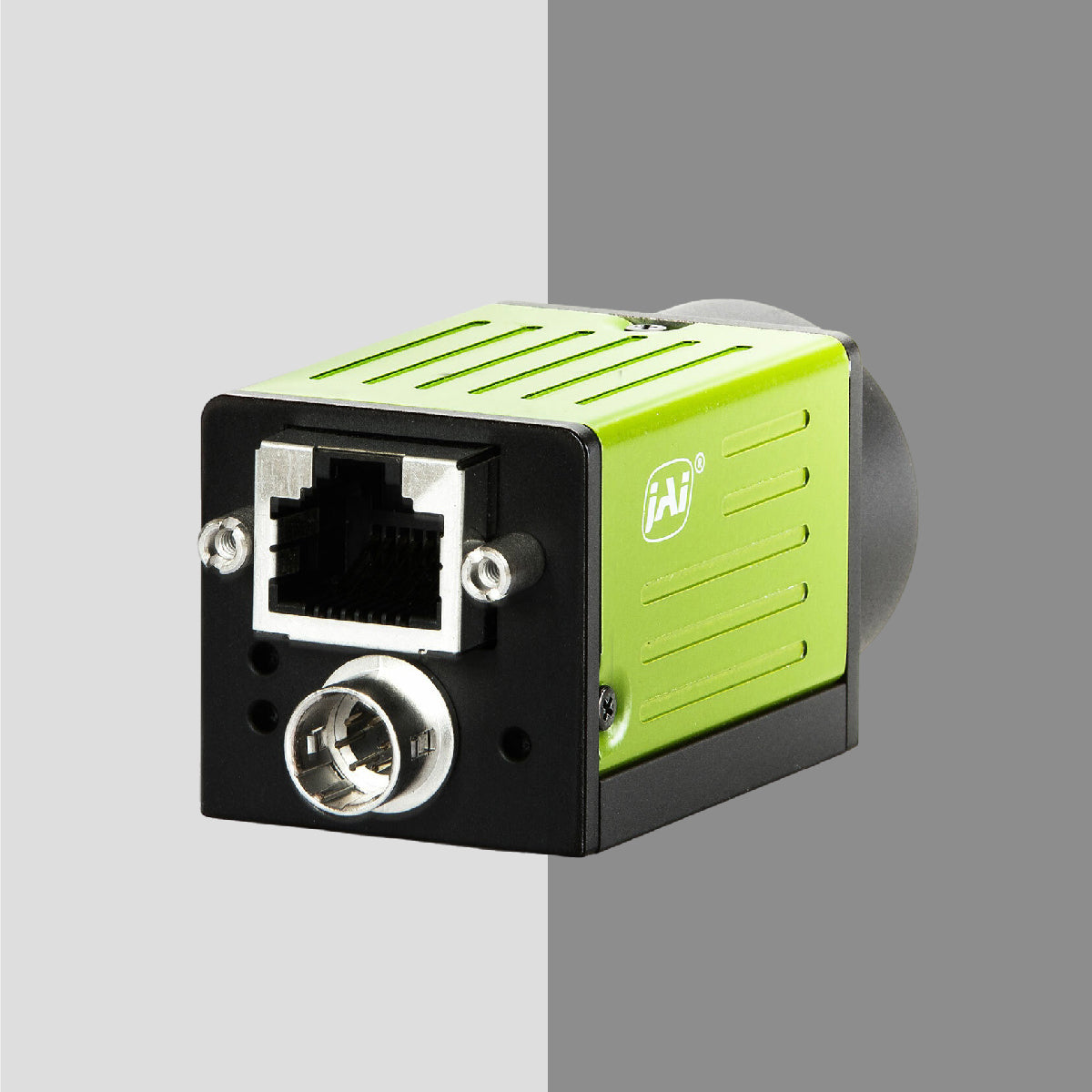
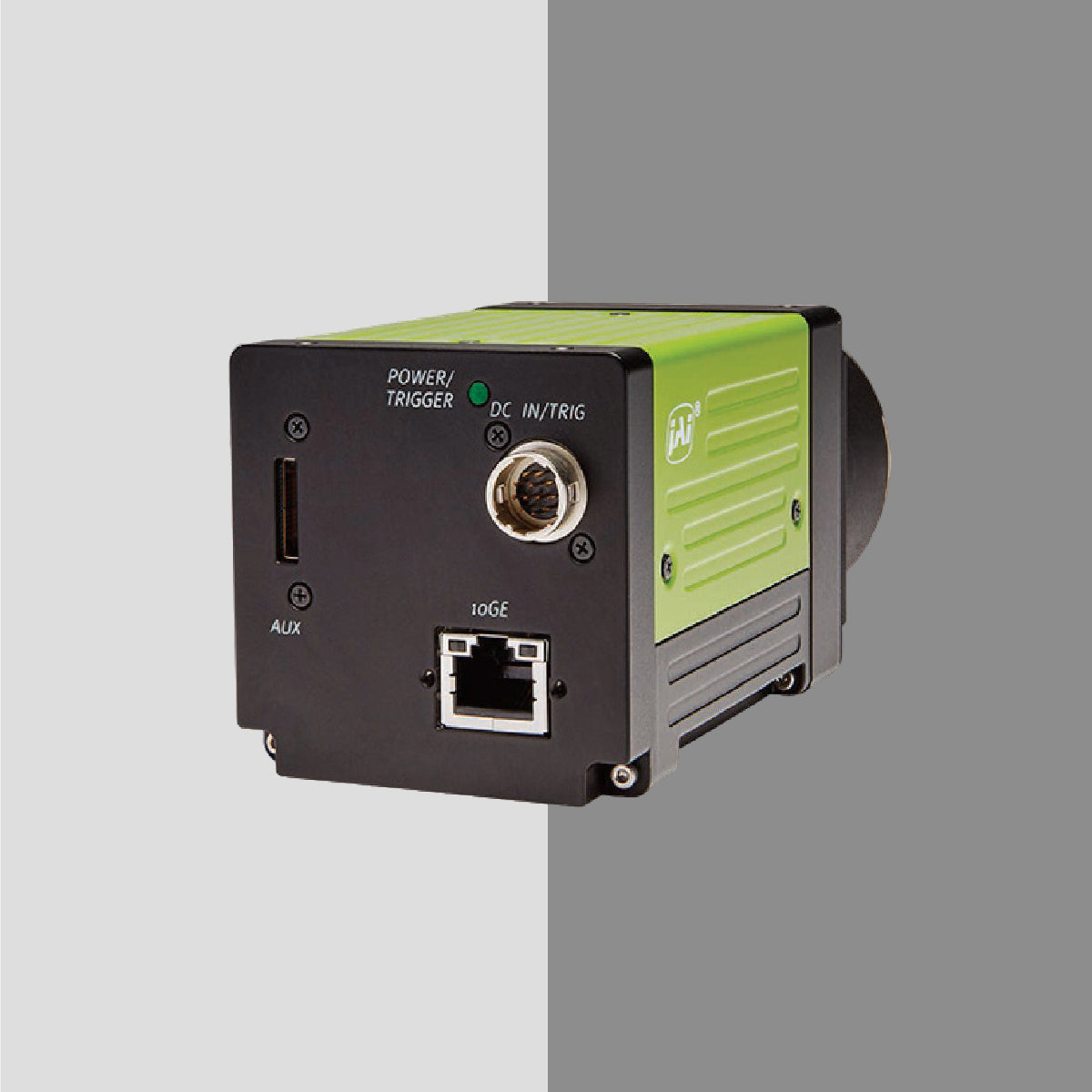
These cameras support standard industrial interfaces such as GigE Vision, USB3 Vision, Camera Link, and Smart Camera platforms, allowing easy integration with existing vision systems and software.

Types of Machine Vision Cameras Available

Area Scan Cameras

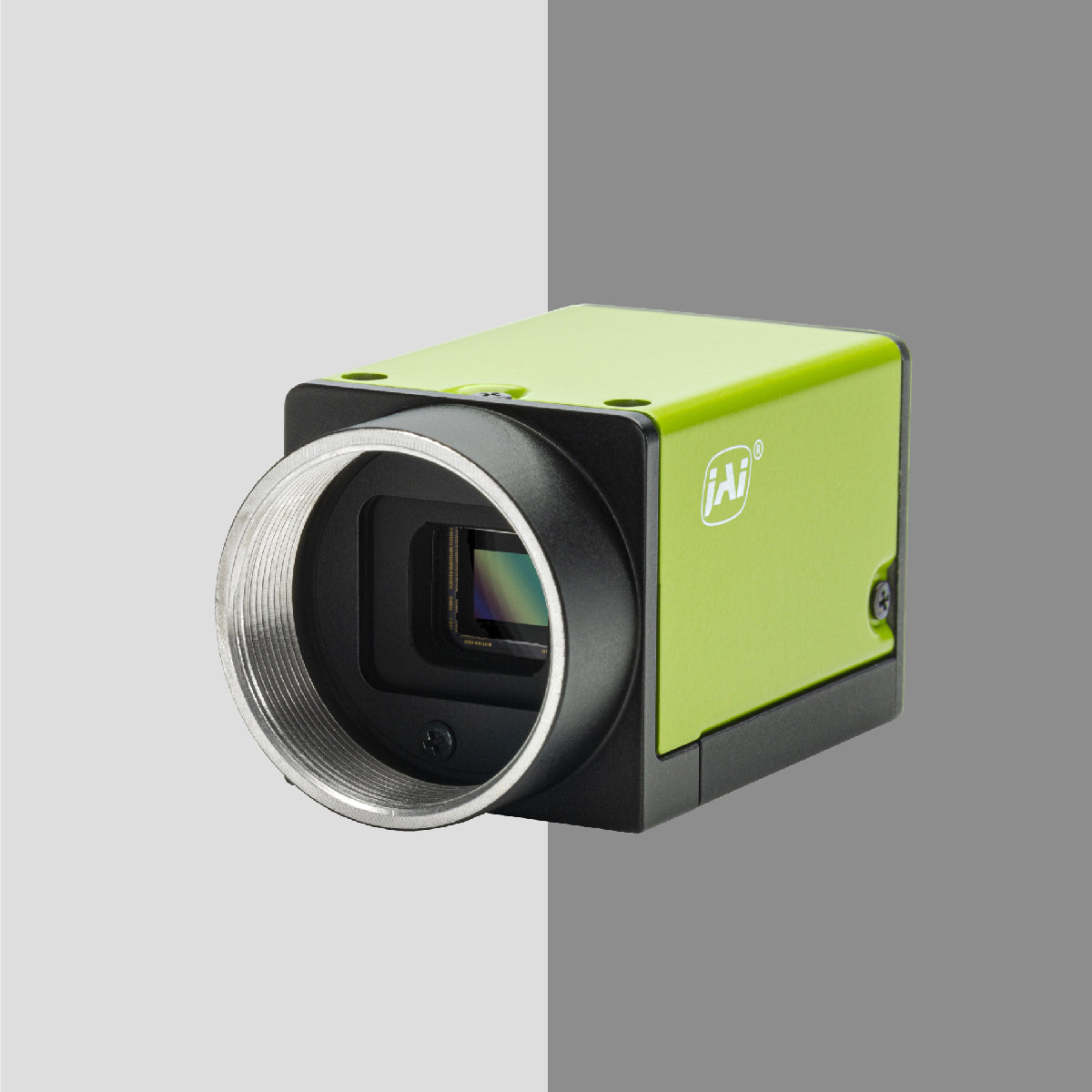
Area scan cameras capture full 2D images and are commonly used for inspection, measurement, and identification tasks. They are ideal for applications where complete image capture is required.

High-Resolution Vision Cameras

High-resolution cameras provide detailed imaging for precision inspection tasks, such as surface analysis, component verification, and quality assurance.

High-Speed Cameras

Designed for fast-moving production lines, high-speed cameras capture images at rapid frame rates to ensure no defects are missed.

Specialized Vision Cameras

Some applications require cameras optimized for low-light imaging, thermal detection, or specific industrial use cases. These specialized cameras support advanced imaging requirements.

Common Applications of Machine Vision Cameras

Industrial machine vision cameras are used across multiple industries, including:

  • Manufacturing: Detect defects, measure components, and ensure product consistency
  • Automation: Enable robotic guidance and positioning
  • Quality Control: Inspect products before packaging or shipment
  • Electronics: Verify circuit boards and micro-components
  • Medical & Scientific Research: Support imaging and analysis tasks
  • Packaging: Check labels, barcodes, and seals

These cameras improve efficiency, reduce human error, and increase production accuracy.

Choosing the Right Machine Vision Camera

Selecting the right camera depends on your specific application. Important factors to consider include:

  • Resolution: Determines image detail and inspection accuracy
  • Frame Rate: Required speed for real-time processing
  • Sensor Type: CMOS or CCD depending on application needs
  • Interface: GigE, USB3, Camera Link, or other industrial standards
  • Lighting Conditions: Low-light or controlled lighting environments
  • System Compatibility: Software and hardware integration

Our team can help you identify the best machine vision camera for your application.

Why Buy Industrial Cameras from FJW Optical?

At FJW Optical, we specialize in professional imaging solutions. Our machine vision cameras are sourced from trusted manufacturers and designed to meet industrial performance standards.

When you choose us, you benefit from:

  • High-quality industrial imaging products
  • Solutions suitable for automation and inspection systems
  • Reliable performance and long-term durability
  • Expert support for technical and application needs

We are committed to helping you build efficient and accurate vision systems.

Recent Article : Cameras: Five Signs It’s Time to Upgrade Your Machine Vision Camera

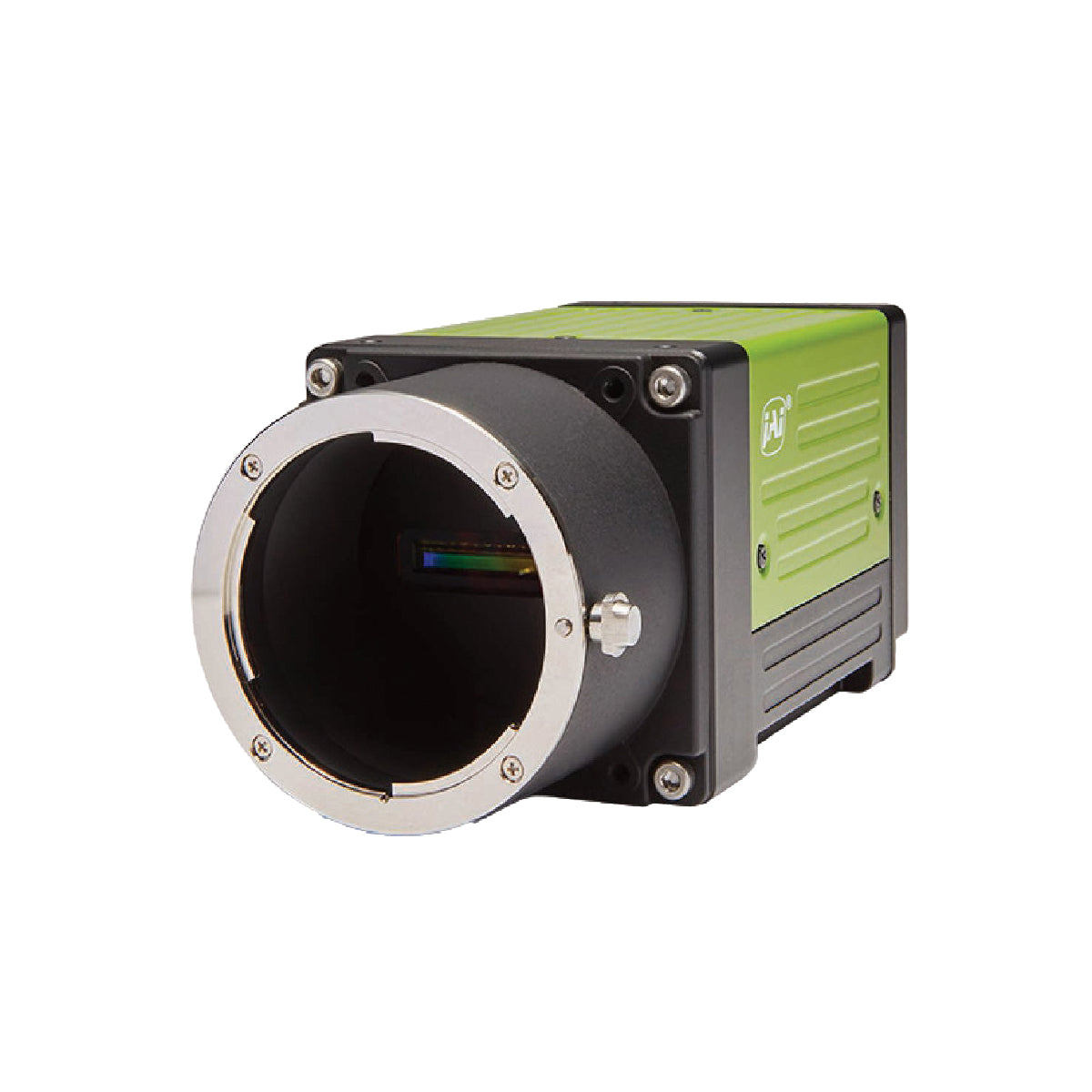
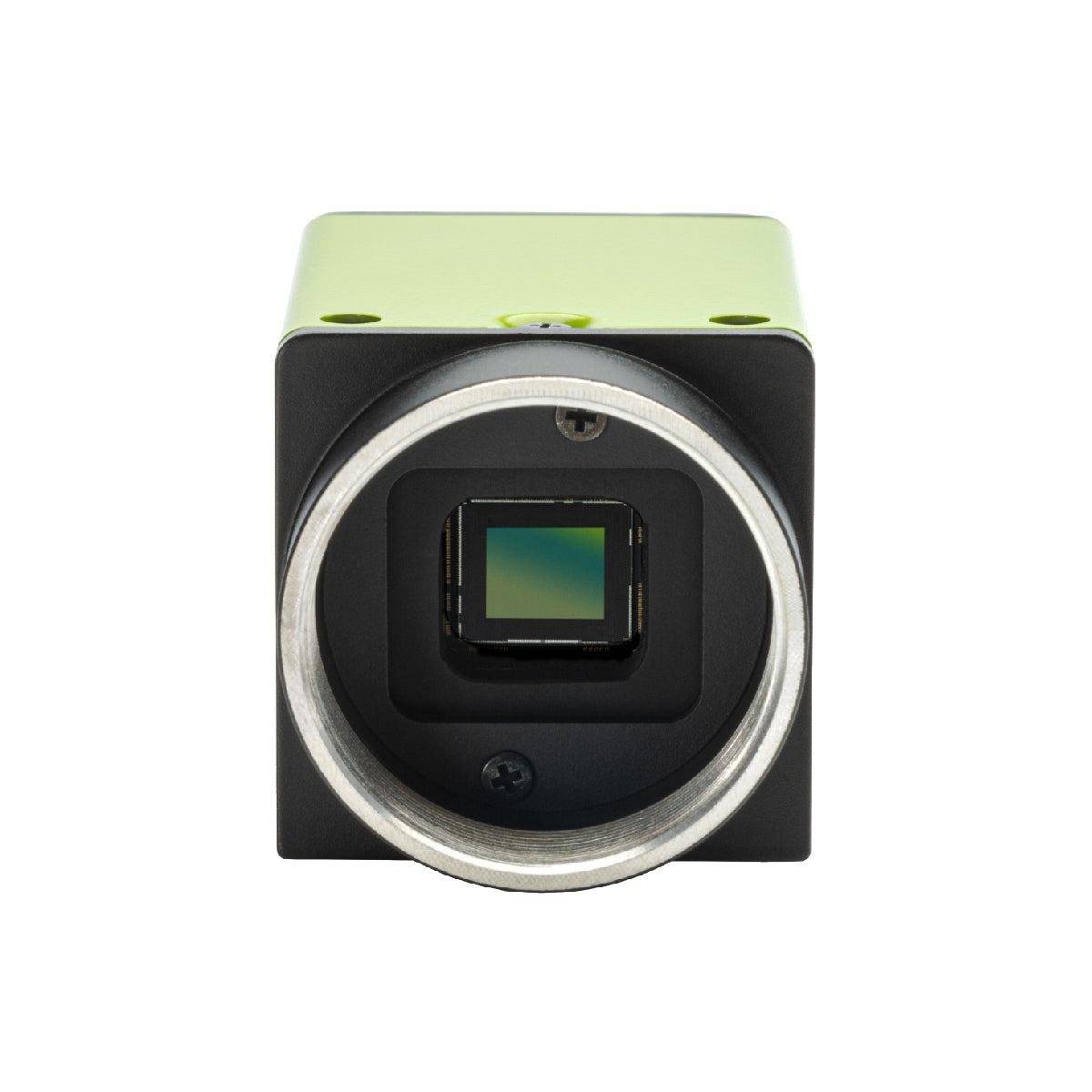
Our industrial machine vision cameras feature imaging technologies from manufacturers known for reliability, speed, and long-term system stability. Camera solutions from JAI are widely used in automation, inspection, and high-performance imaging systems where consistent image quality and precise data capture are essential.

Frequently Asked Questions

What is an industrial machine vision camera?

An industrial machine vision camera is a specialized camera used in automated systems to capture images for inspection, measurement, and analysis in industrial environments.

How are machine vision cameras different from regular cameras?

Machine vision cameras are designed for automation, offering higher accuracy, faster speeds, industrial durability, and system integration capabilities that consumer cameras lack.

Which industries use machine vision cameras?

They are widely used in manufacturing, automation, electronics, medical research, packaging, robotics, and quality control applications.

What resolution is best for machine vision?

The ideal resolution depends on your application. High-precision inspections require higher resolution, while simple detection tasks may need less.

What interfaces do industrial cameras support?

Common interfaces include GigE Vision, USB3 Vision, Camera Link, and Smart Camera platforms.

Can machine vision cameras work in low-light conditions?

Yes, many industrial cameras are optimized for low-light environments when paired with the right sensor and lighting setup.

Do I need special software for machine vision cameras?

Yes, machine vision cameras typically work with dedicated vision software for image processing, inspection, and automation tasks.

How long do industrial machine vision cameras last?

With proper use, industrial cameras are designed for long-term operation and continuous use in demanding environments.