
 Find-R-Scopes
 Filters
 Lenses
 Cameras
 Lighting
 Accessories









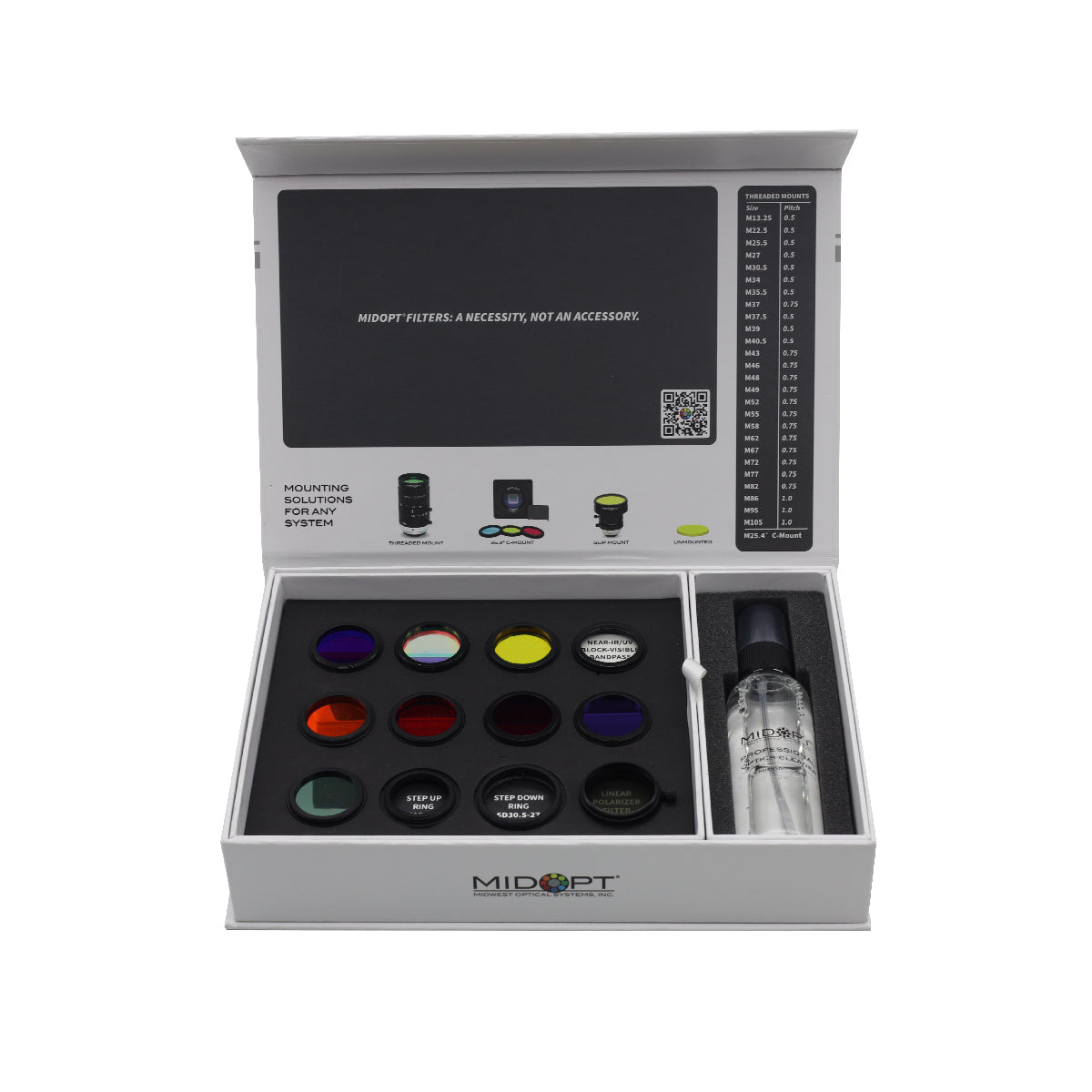
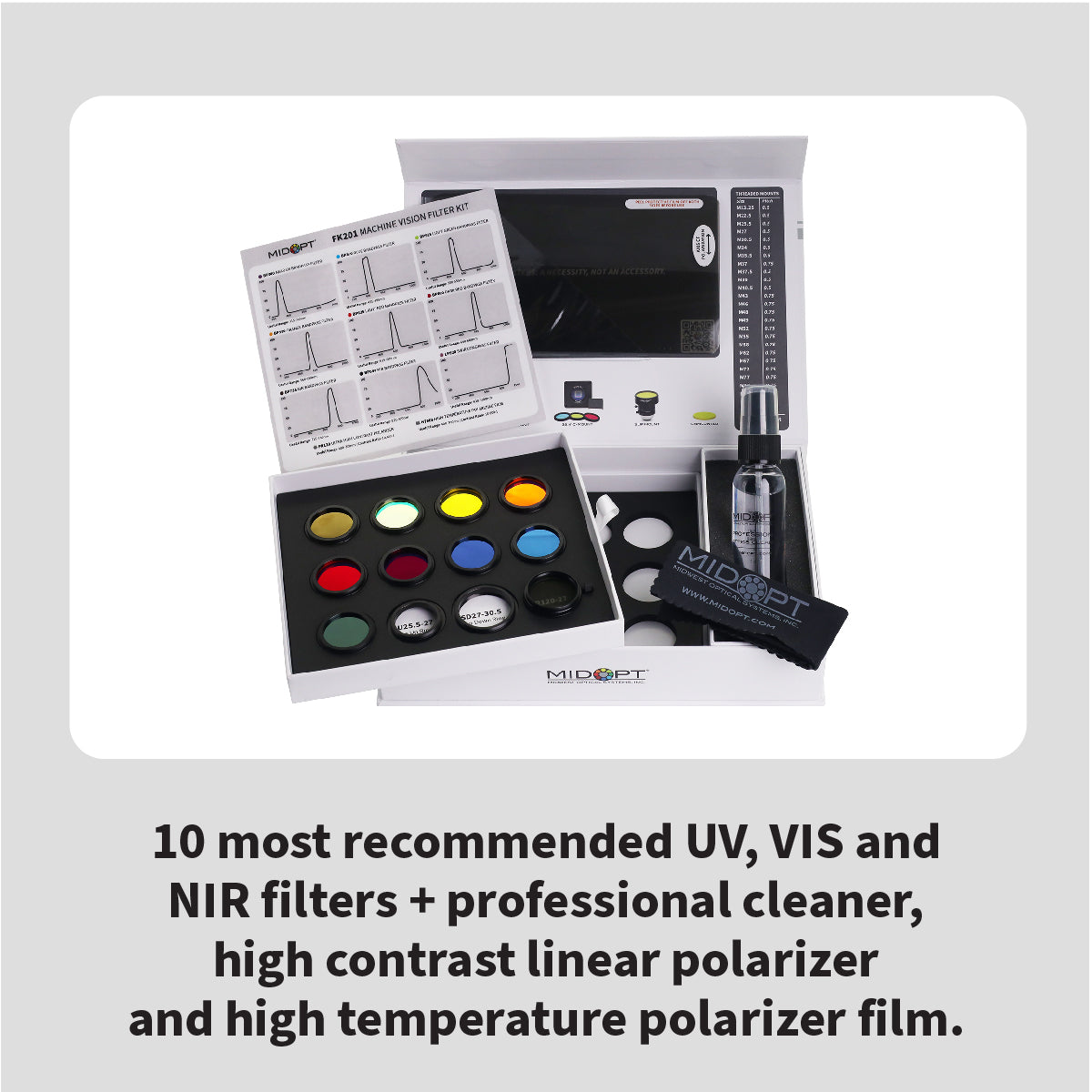
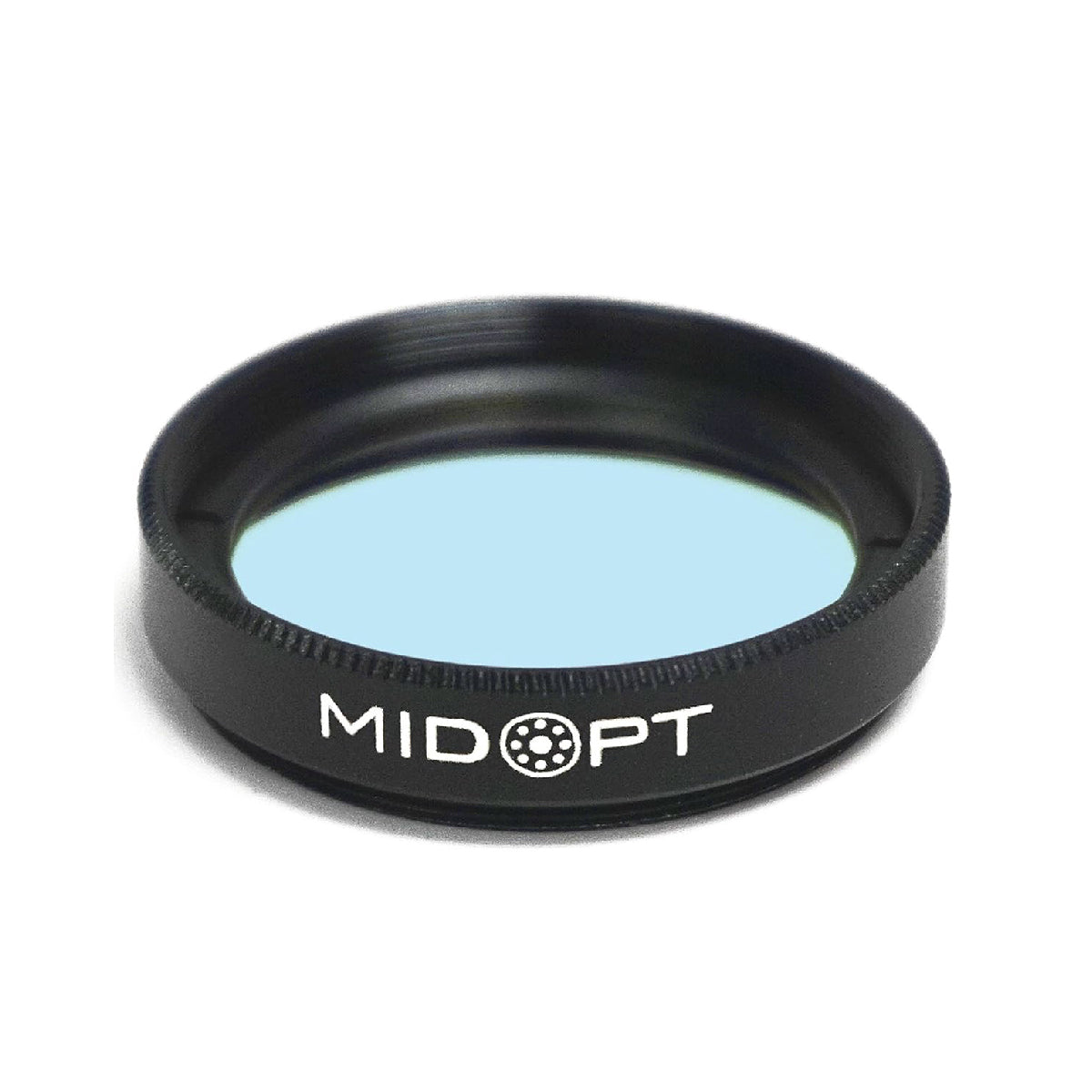


In machine vision systems, image quality determines inspection accuracy. Even the highest-resolution industrial camera cannot detect defects if lighting and filtering are poorly designed.
Lighting and optical filters are not competing components — they are complementary tools that control contrast, suppress noise, and enhance feature visibility.
This 2026 optimization guide explains how lighting and filters work together, when to use each, and how to design the right combination for industrial inspection applications.
Why Image Quality Determines Inspection Accuracy
Inspection reliability depends on:
- Contrast between feature and background
- Signal-to-noise ratio
- Uniform illumination
- Reflection control
- Wavelength selection
Defects that are invisible to the human eye can be detected by machine vision systems — but only when lighting and filtering are properly engineered.
Poor illumination causes:
- Washed-out edges
- False defect detection
- Missed micro-cracks
- Barcode misreads
- Surface glare interference
Before upgrading your camera, optimize lighting and filtering.
Understanding Machine Vision Lighting
Lighting defines how the object appears to the camera sensor.
Industrial LED lighting systems are designed to provide:
- Stable intensity
- Controlled wavelength
- Consistent geometry
- High repeatability
Common Types of Machine Vision Lighting
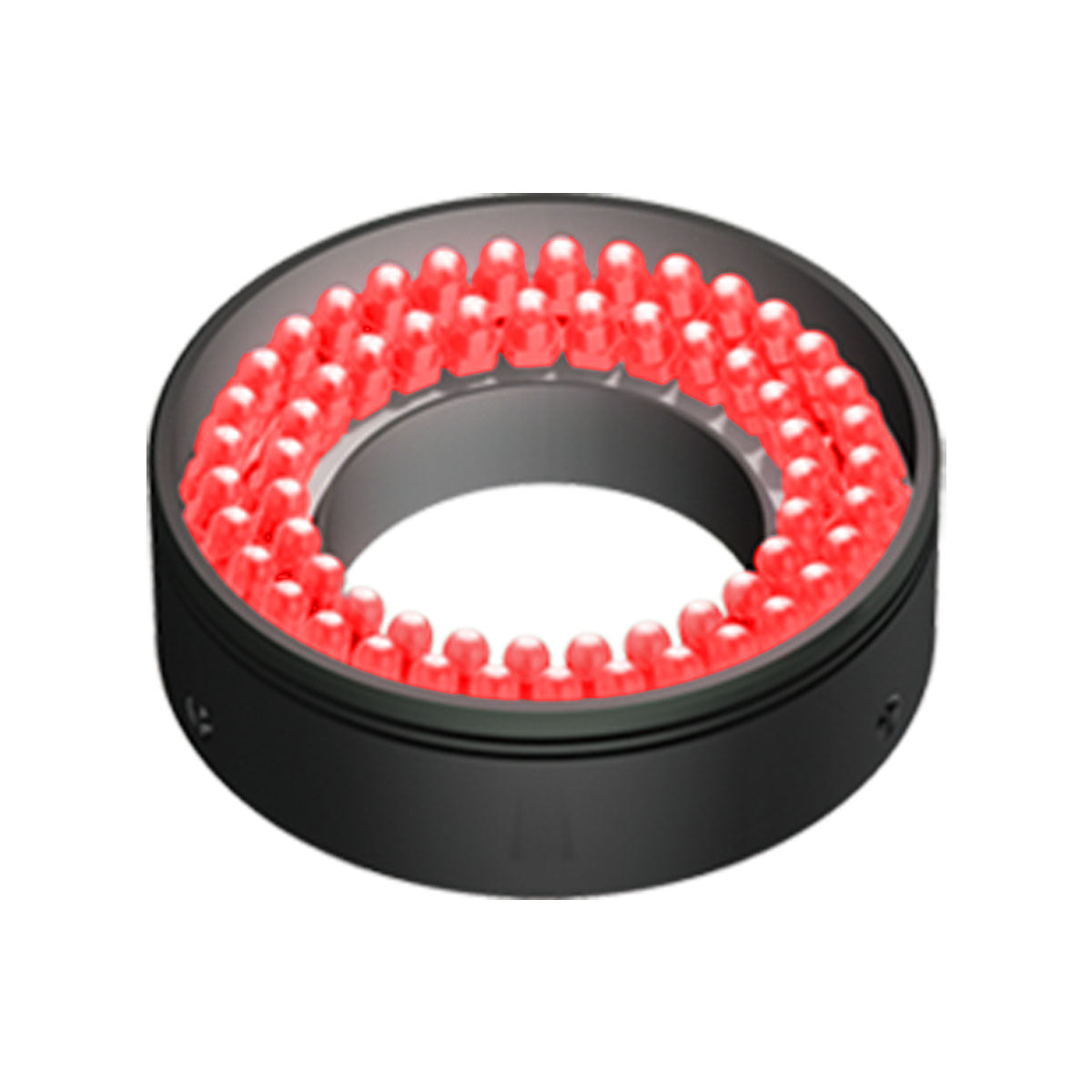
1. Ring Lights
Mounted around the lens.
Best for:
- General-purpose inspection
- Flat surfaces
- Label reading
Provides uniform frontal illumination.
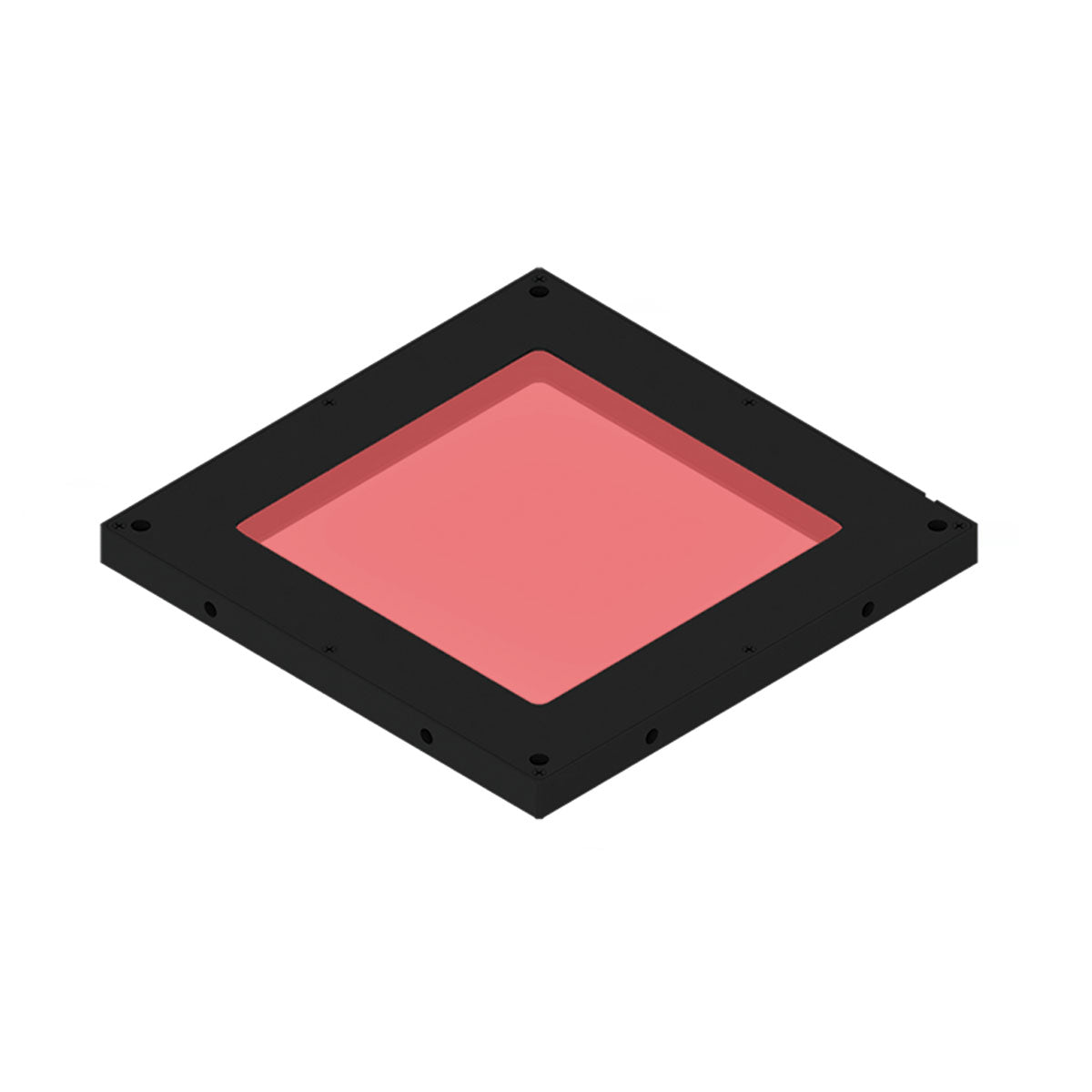
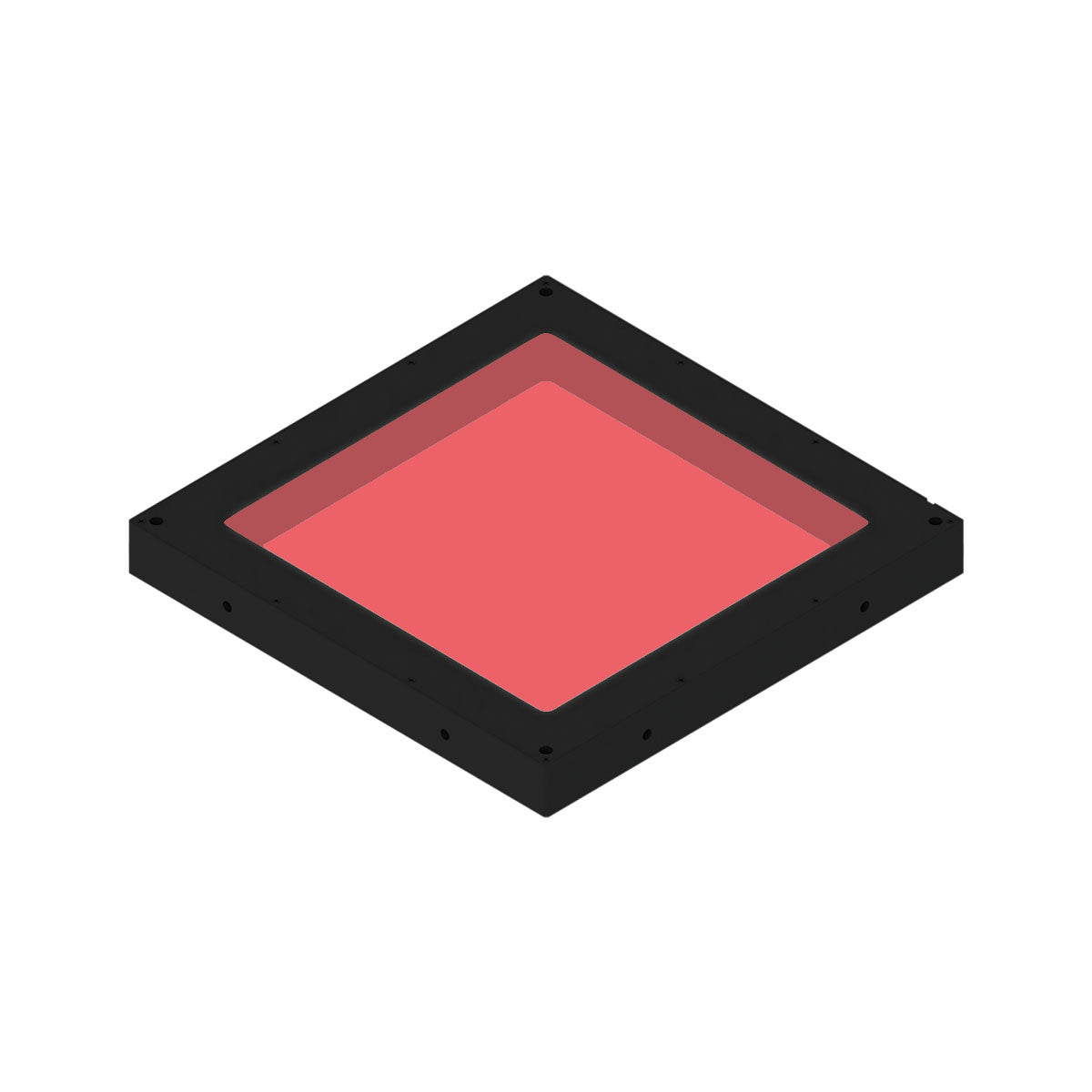
2. Backlighting
Placed behind the object.
Best for:
- Edge detection
- Silhouette measurement
- Diameter and gap inspection
Produces high-contrast outlines.
3. Dome Lighting
Diffuse illumination from multiple angles.
Best for:
- Reflective surfaces
- Curved metal parts
- Glossy materials
Reduces harsh reflections.
4. Bar Lighting
Directional linear illumination.
Best for:
- Texture enhancement
- Surface defect detection
- Scratch detection
Angle selection is critical.
What Optical Filters Do in Machine Vision Systems
Lighting controls how light hits the object.
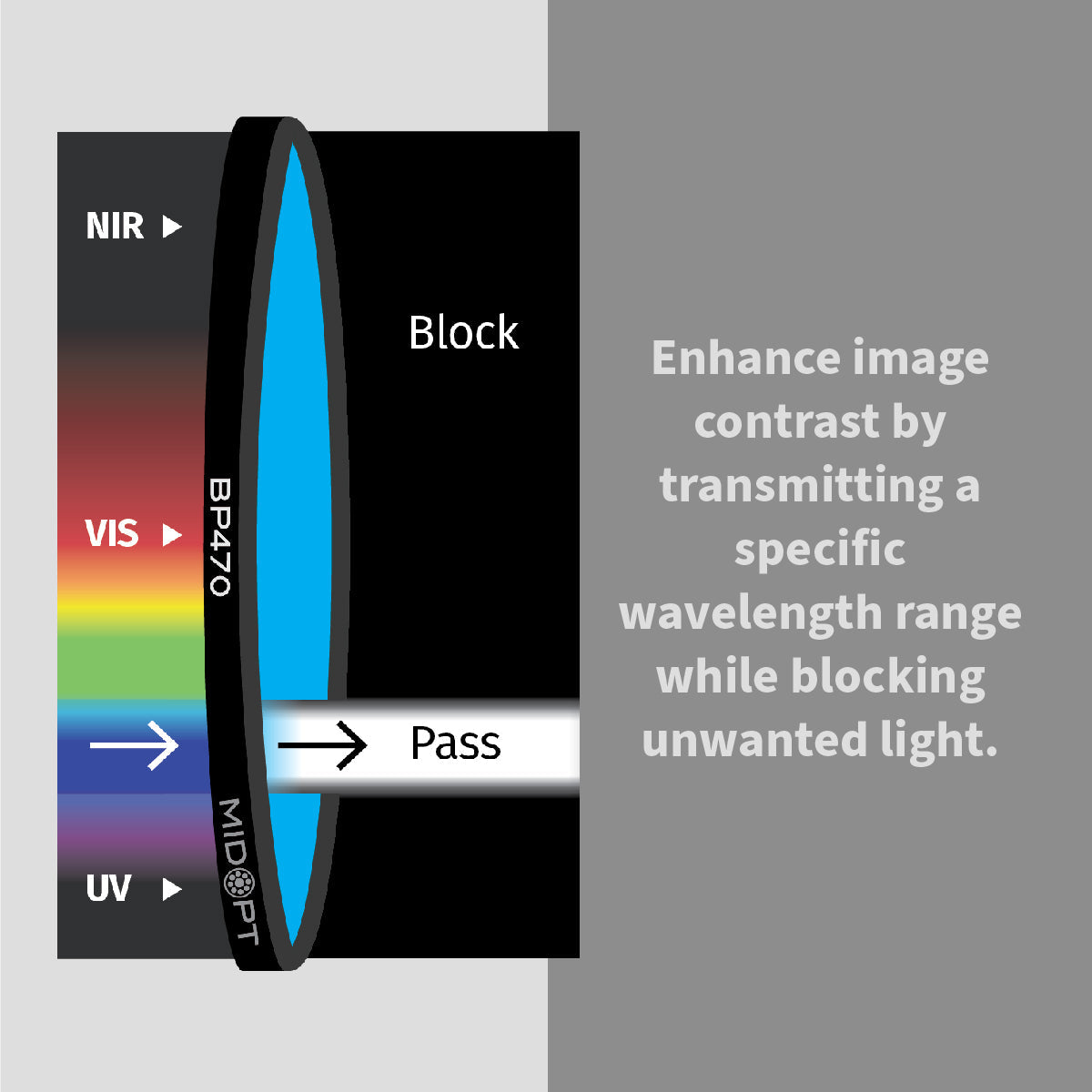
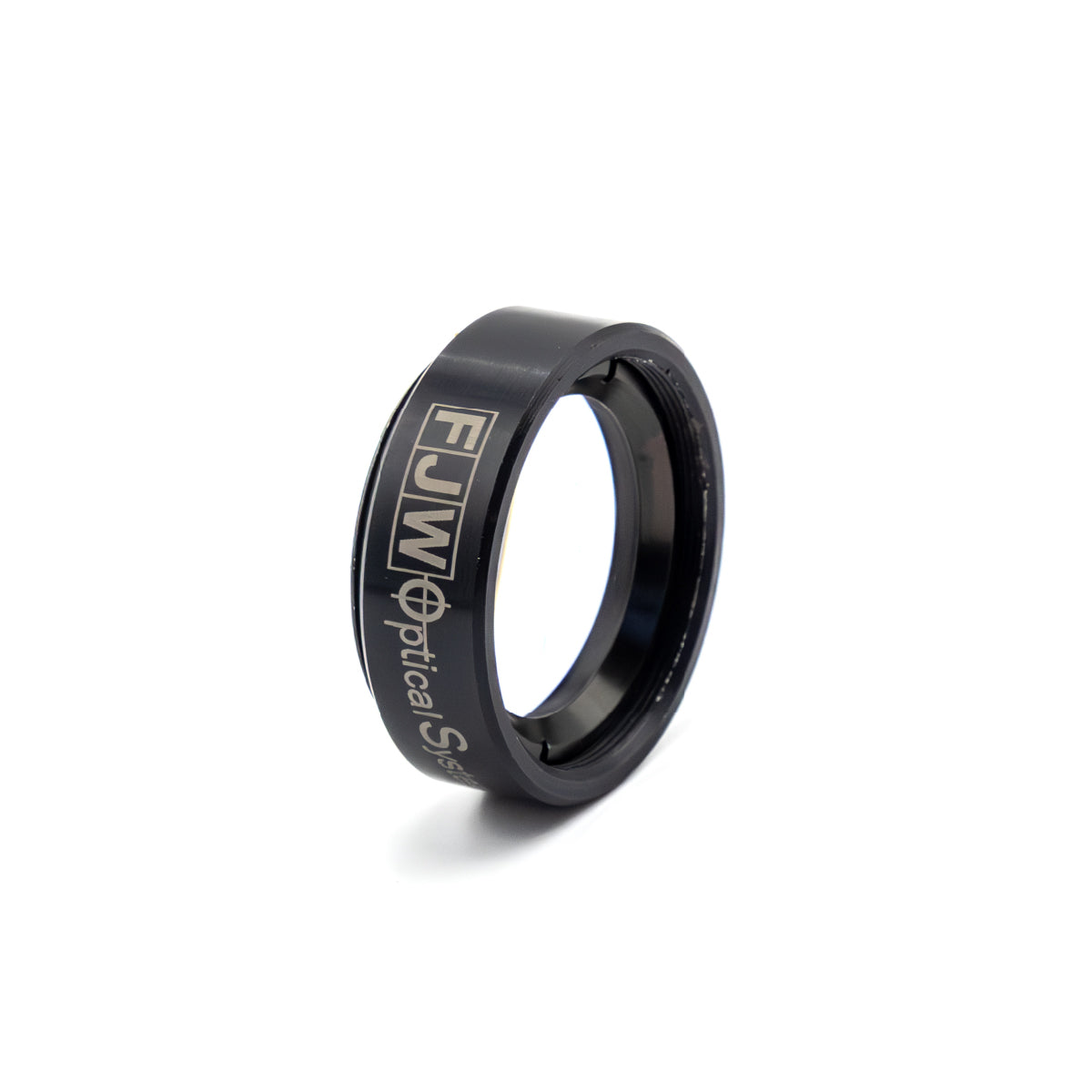
Filters control what light reaches the camera sensor.
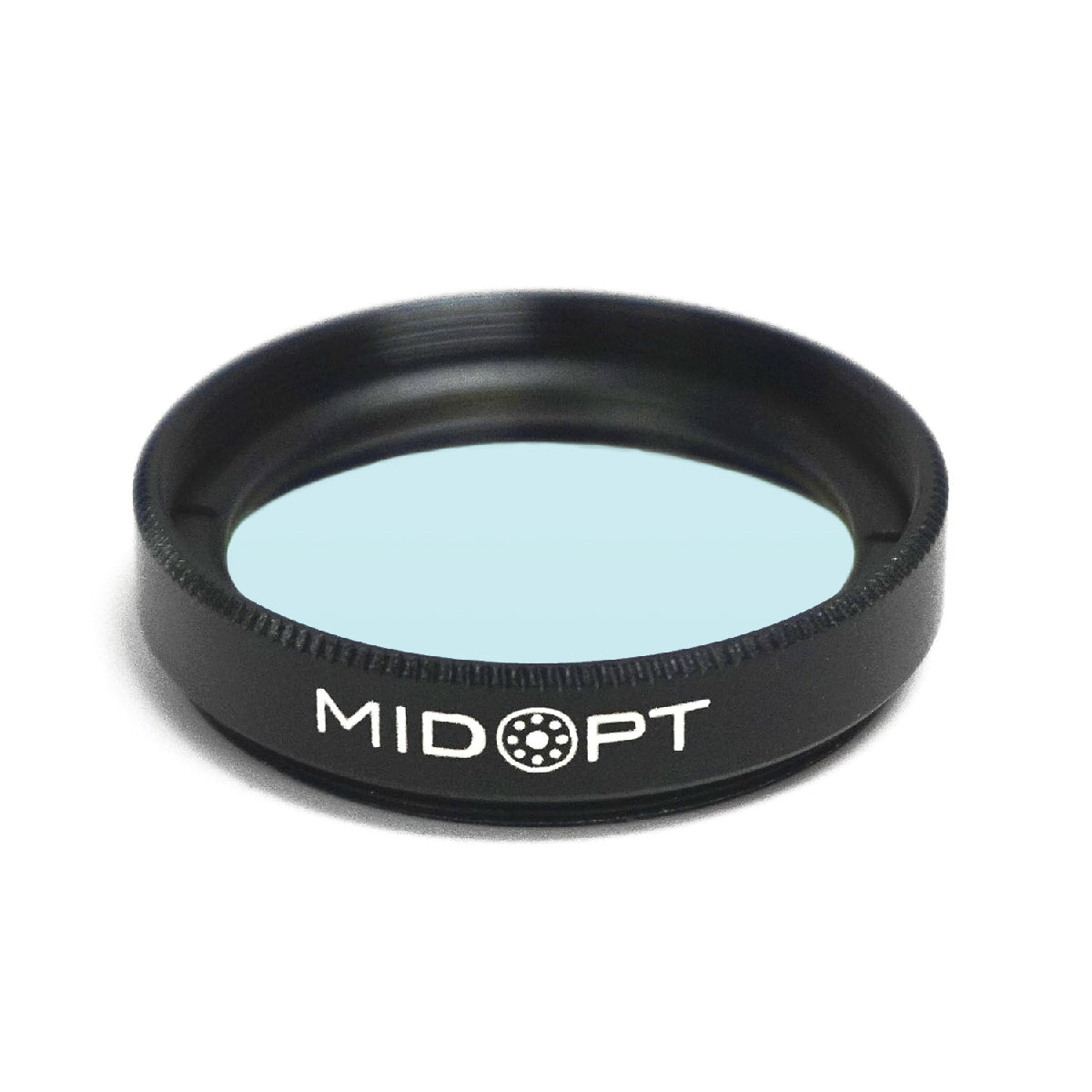
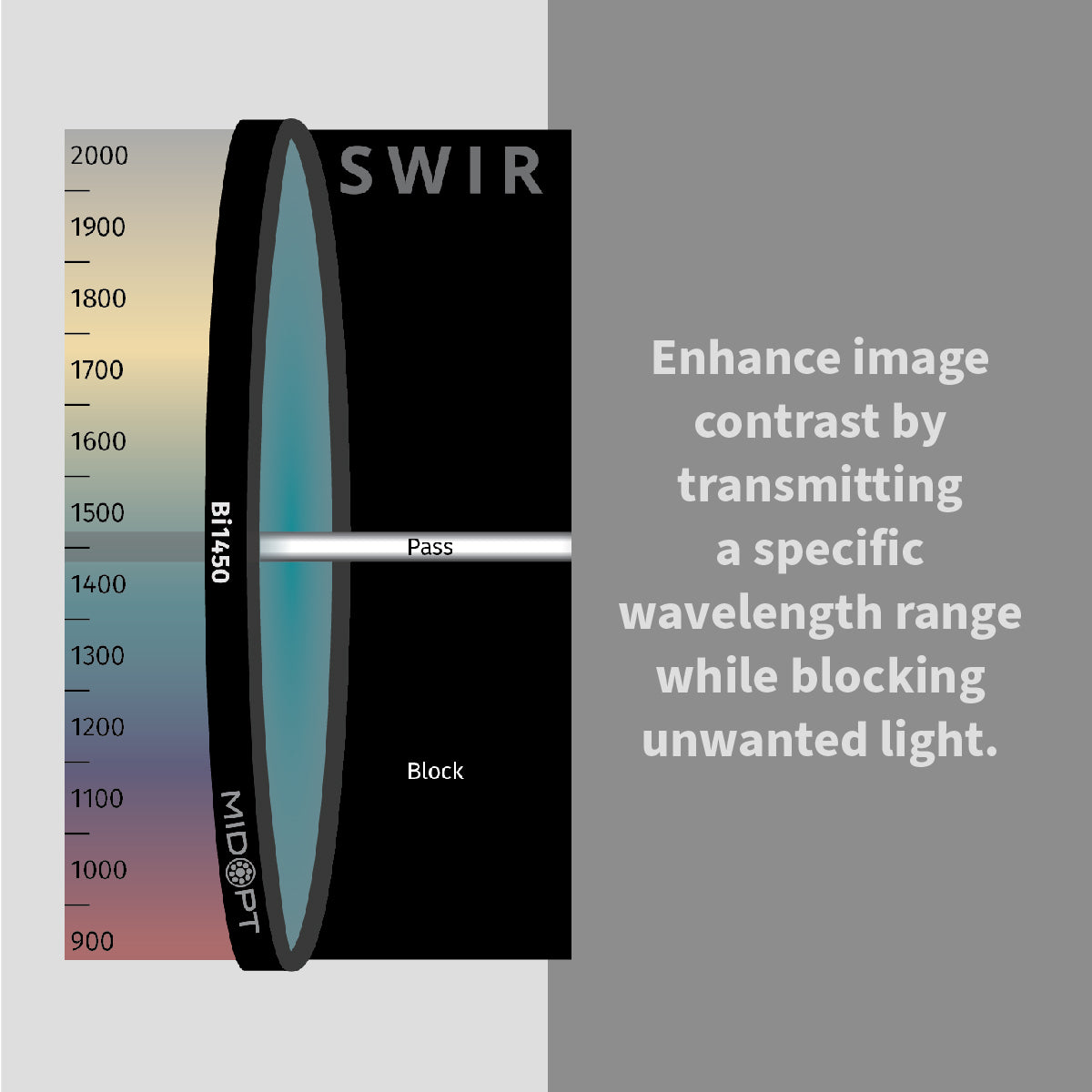
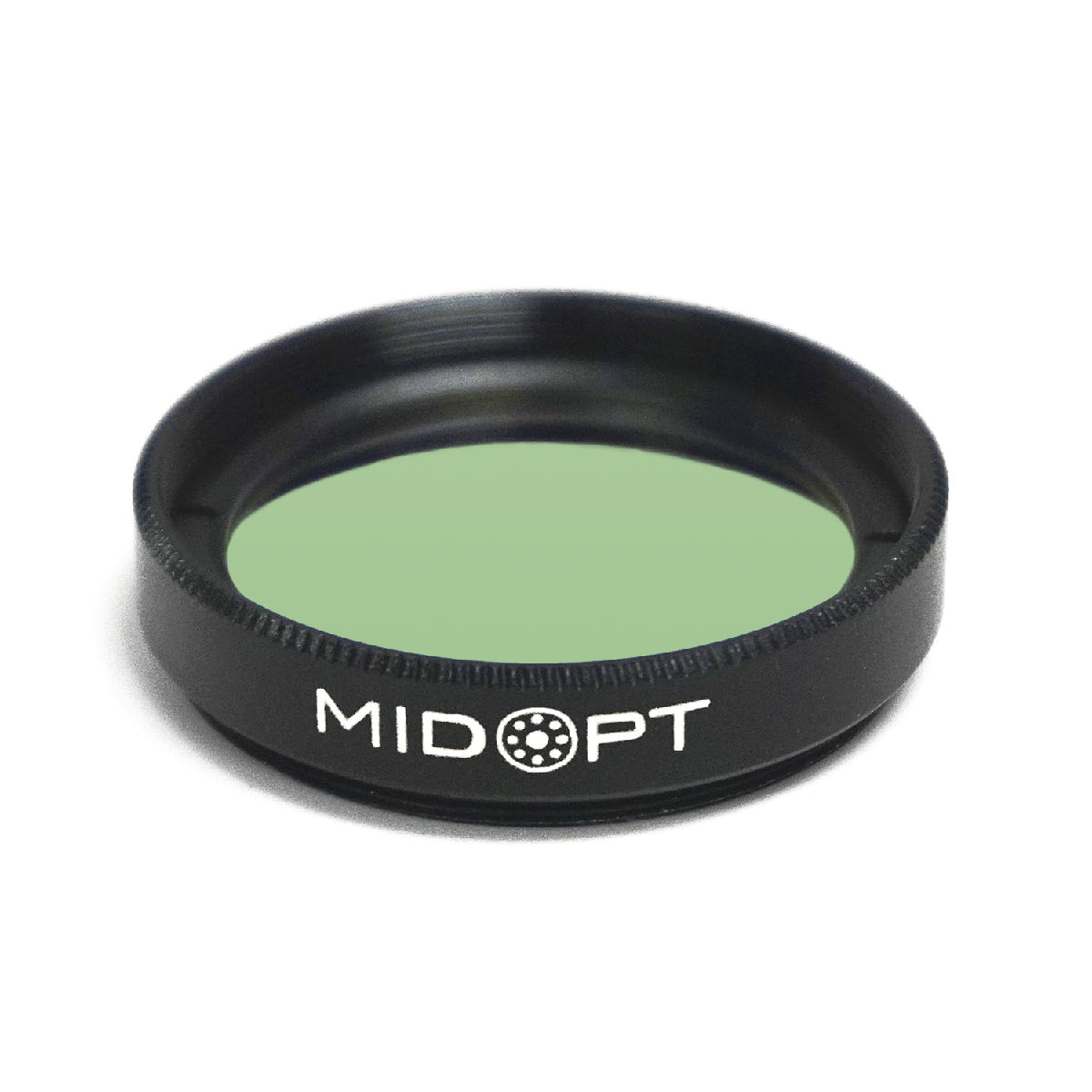
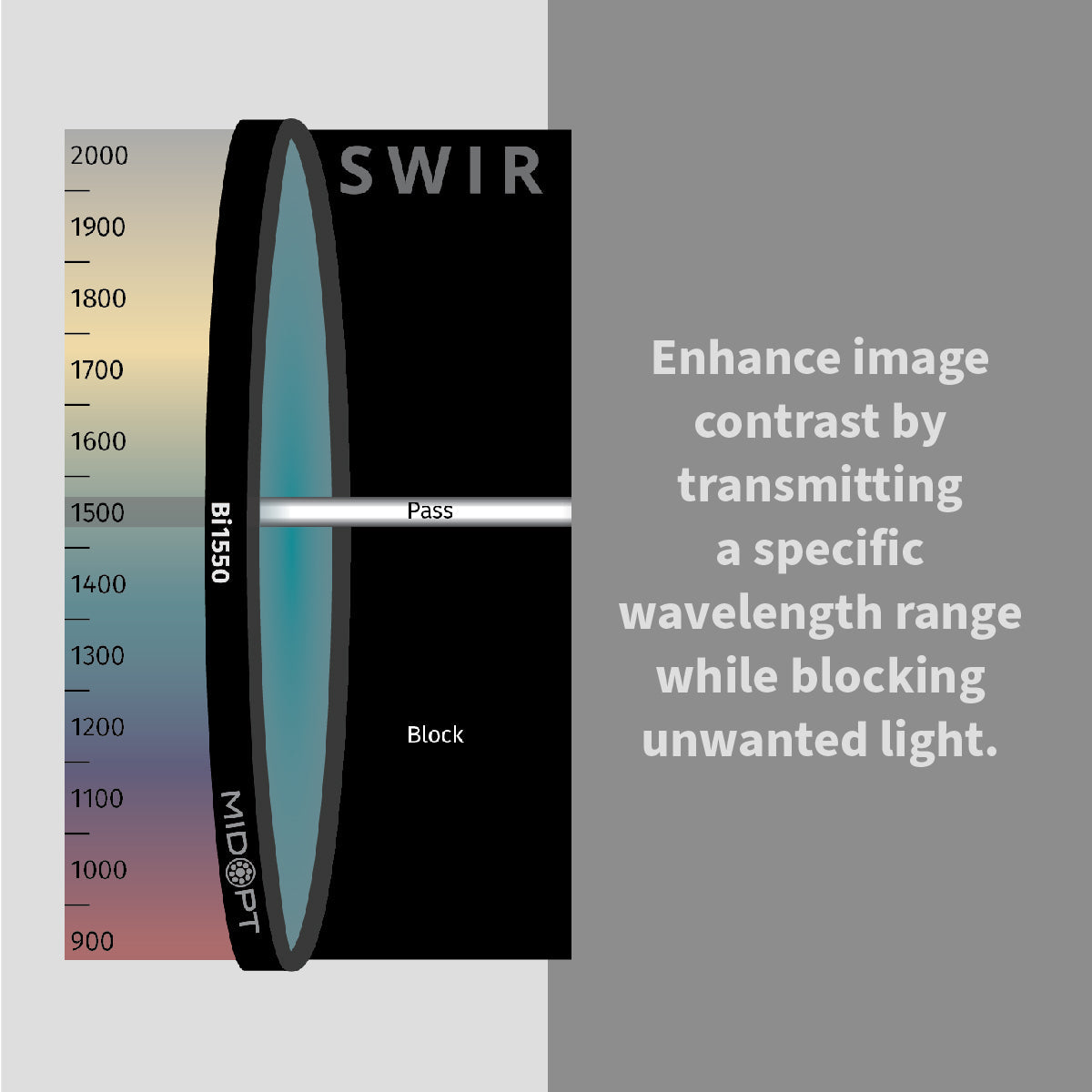
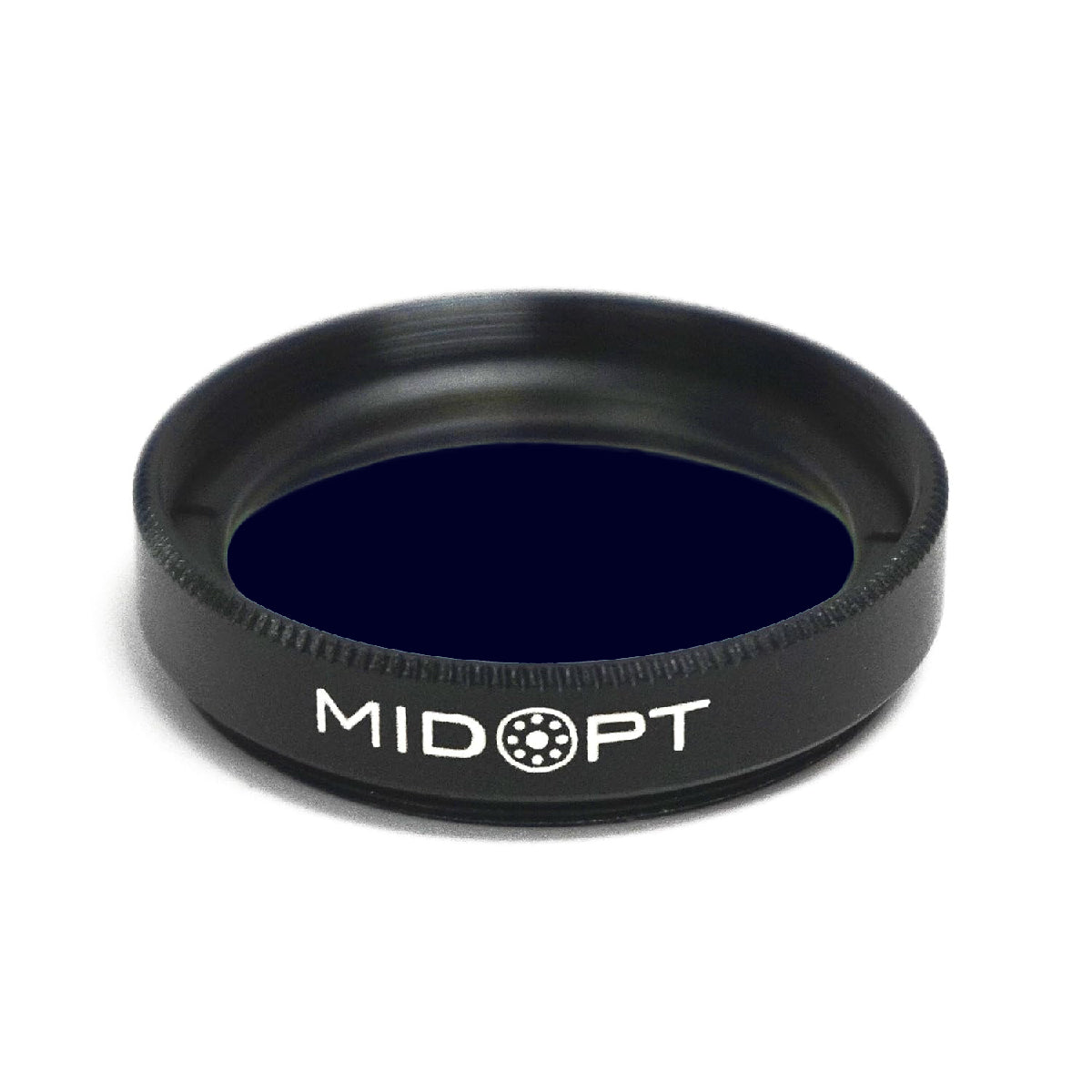
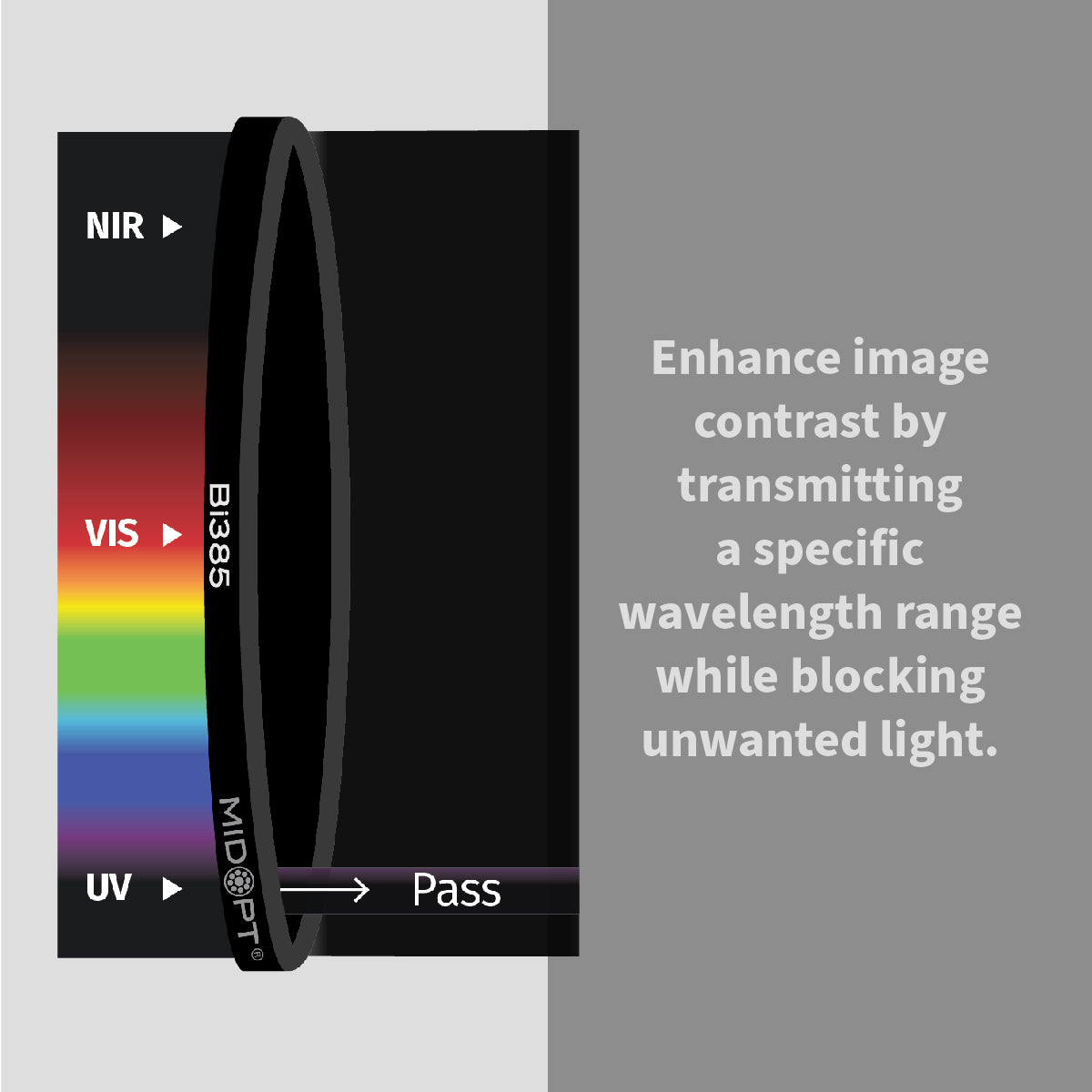
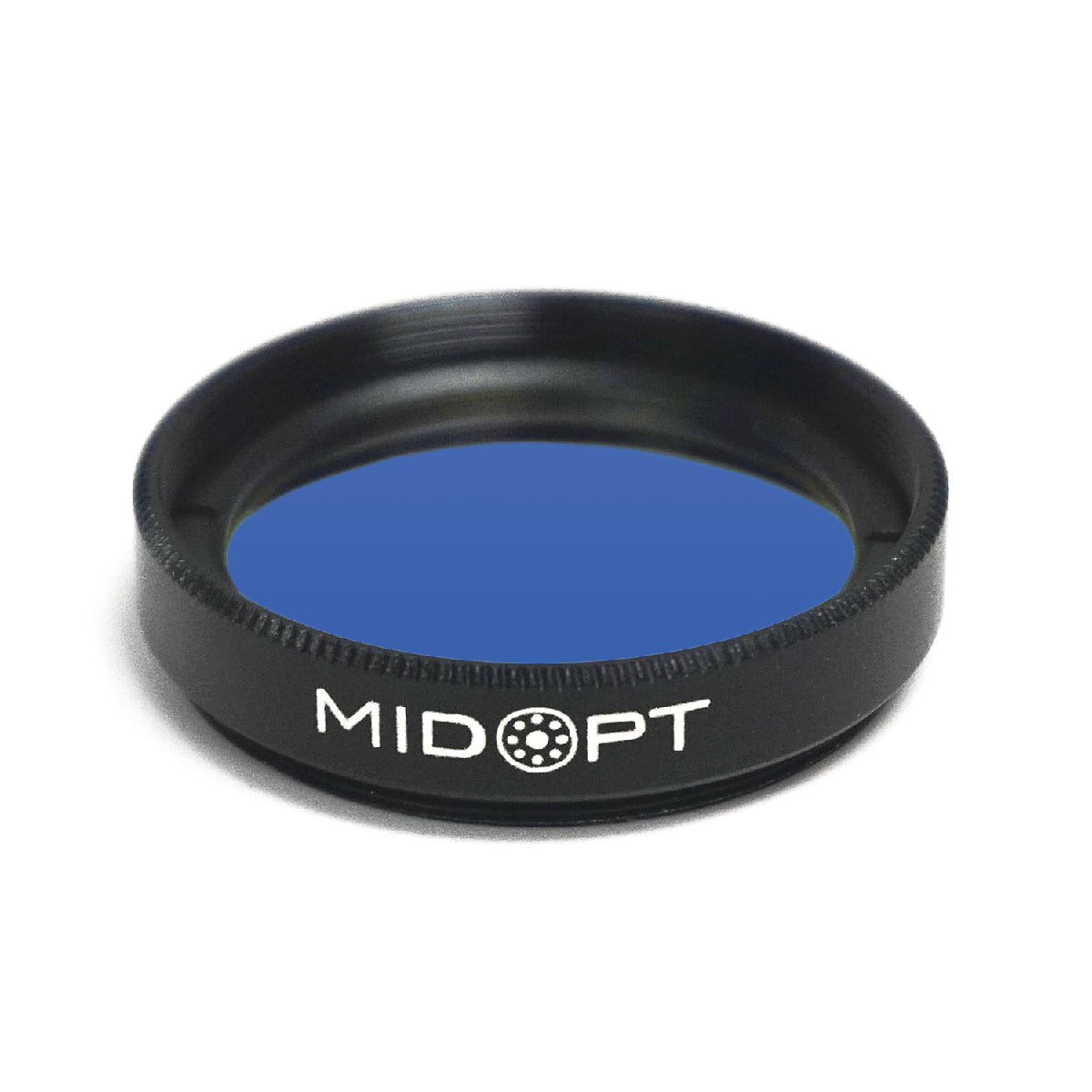
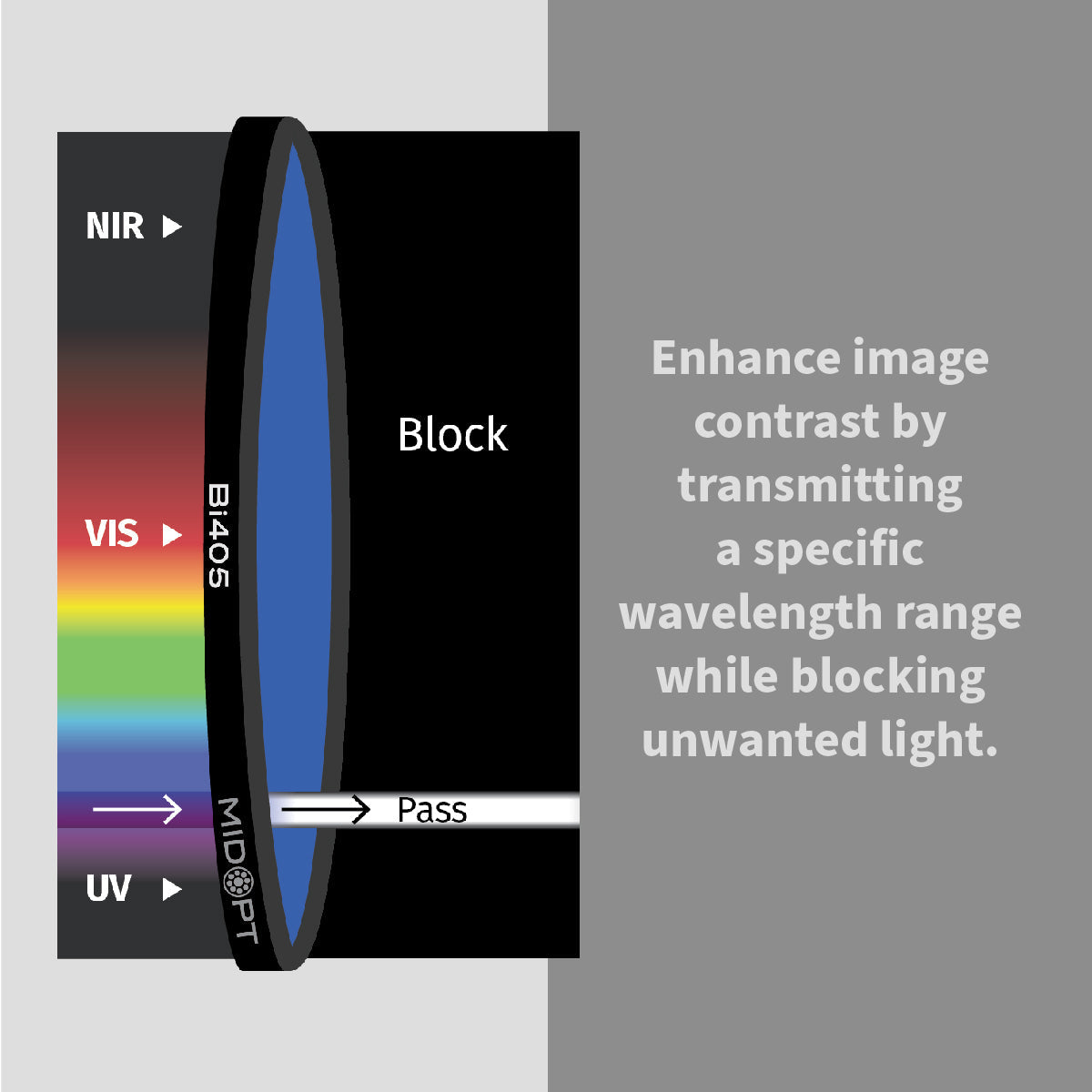
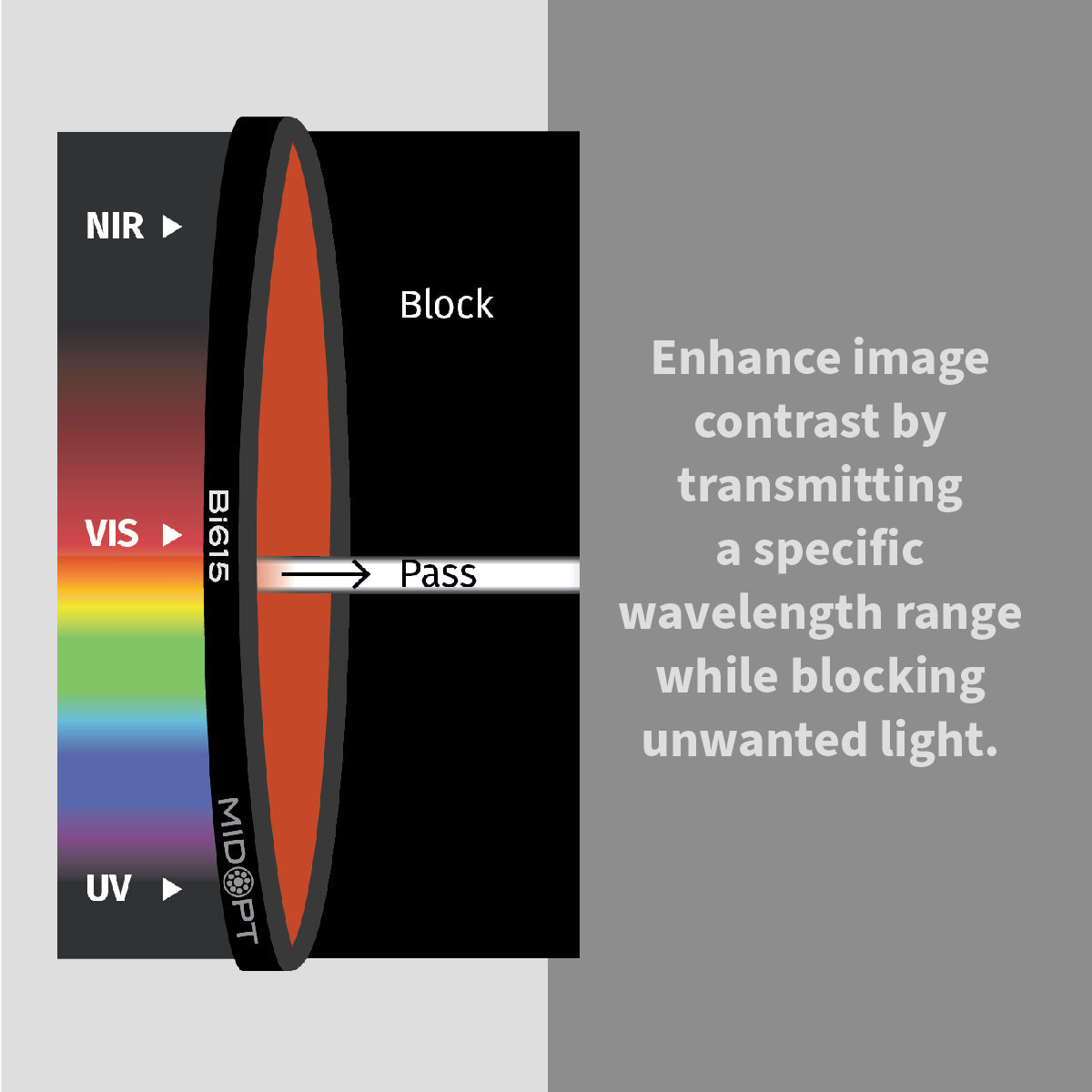
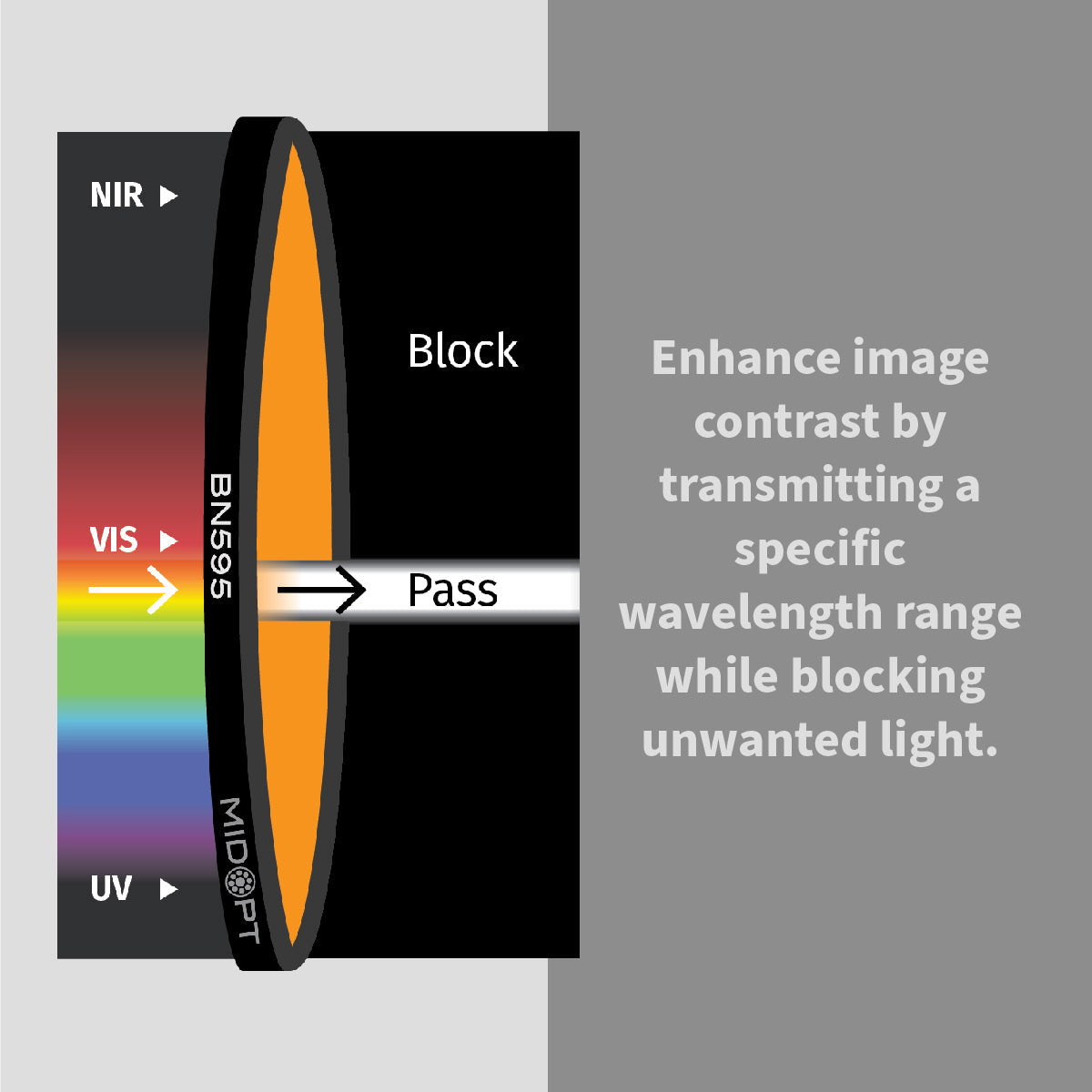
Optical filters isolate specific wavelengths and suppress unwanted light, improving clarity and consistency.
Types of Optical Filters Used in Industrial Inspection
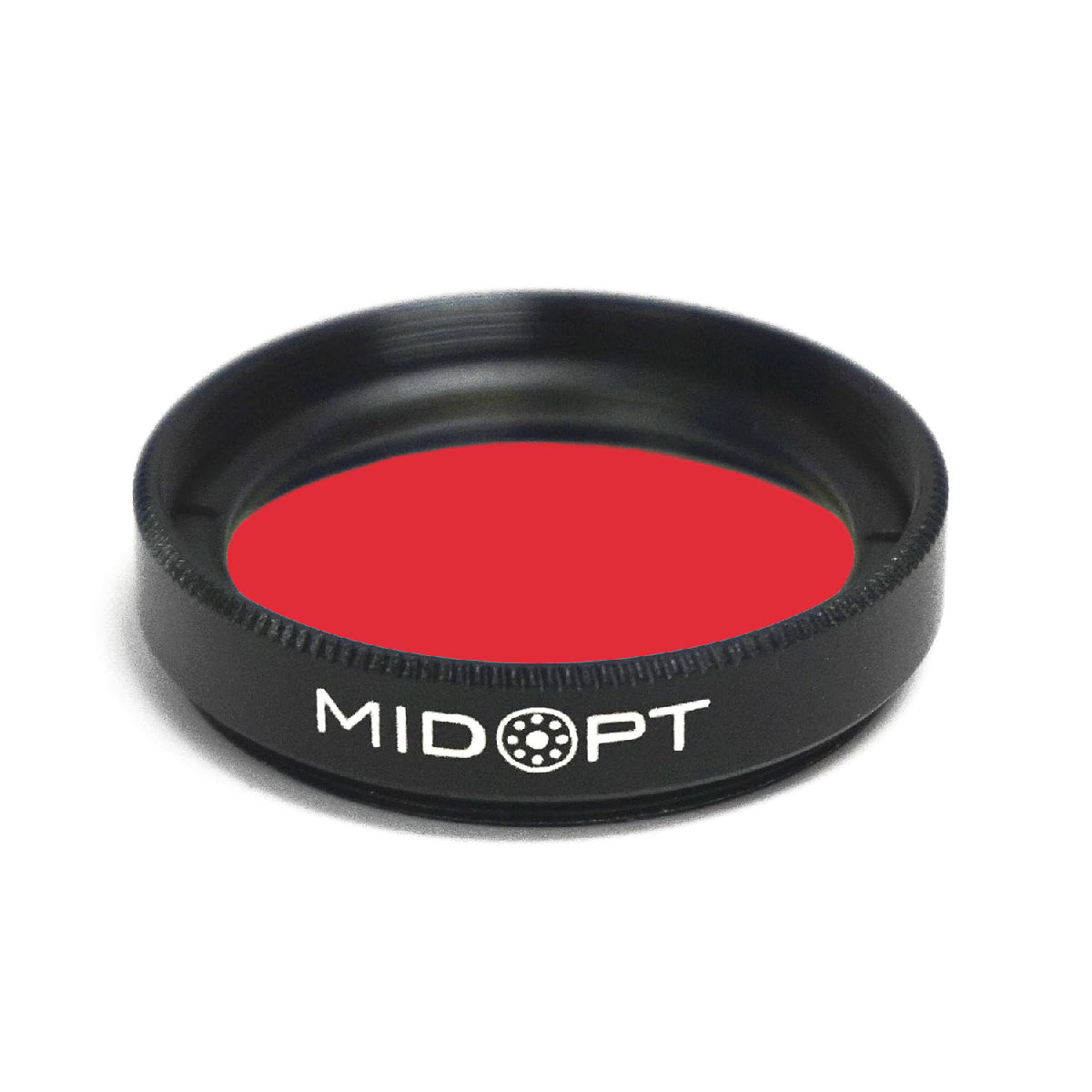
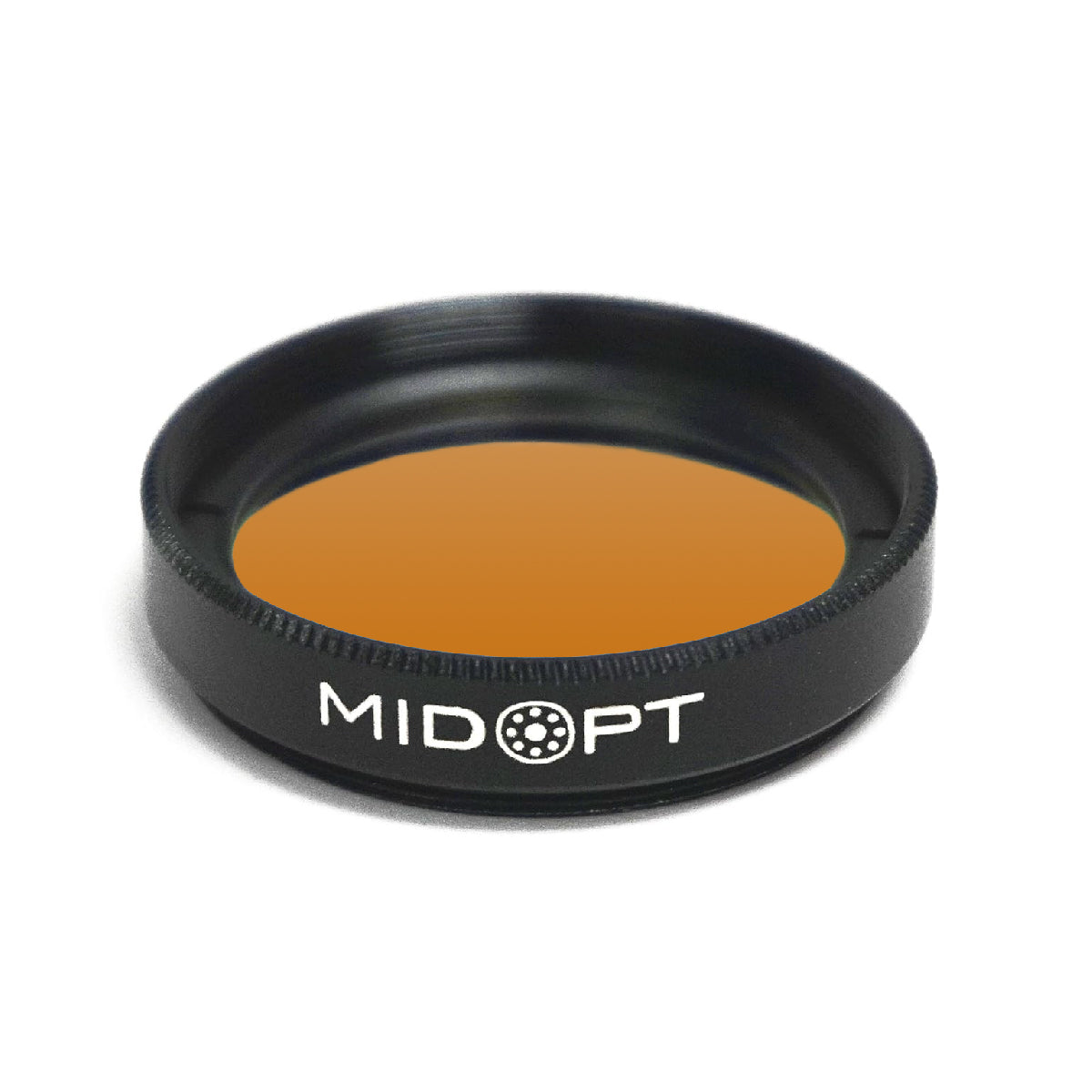
1. Bandpass Filters
Allow only a narrow wavelength range to pass.
Example:
Red LED lighting + red bandpass filter.
This eliminates ambient white factory lighting and increases contrast.
Best for:
- High-precision inspection
- Laser-based systems
- Controlled wavelength setups
2. Polarizing Filters
Reduce glare and specular reflections.
Used for:
- Shiny metal
- Plastic packaging
- Glass surfaces
Often combined with polarized lighting.
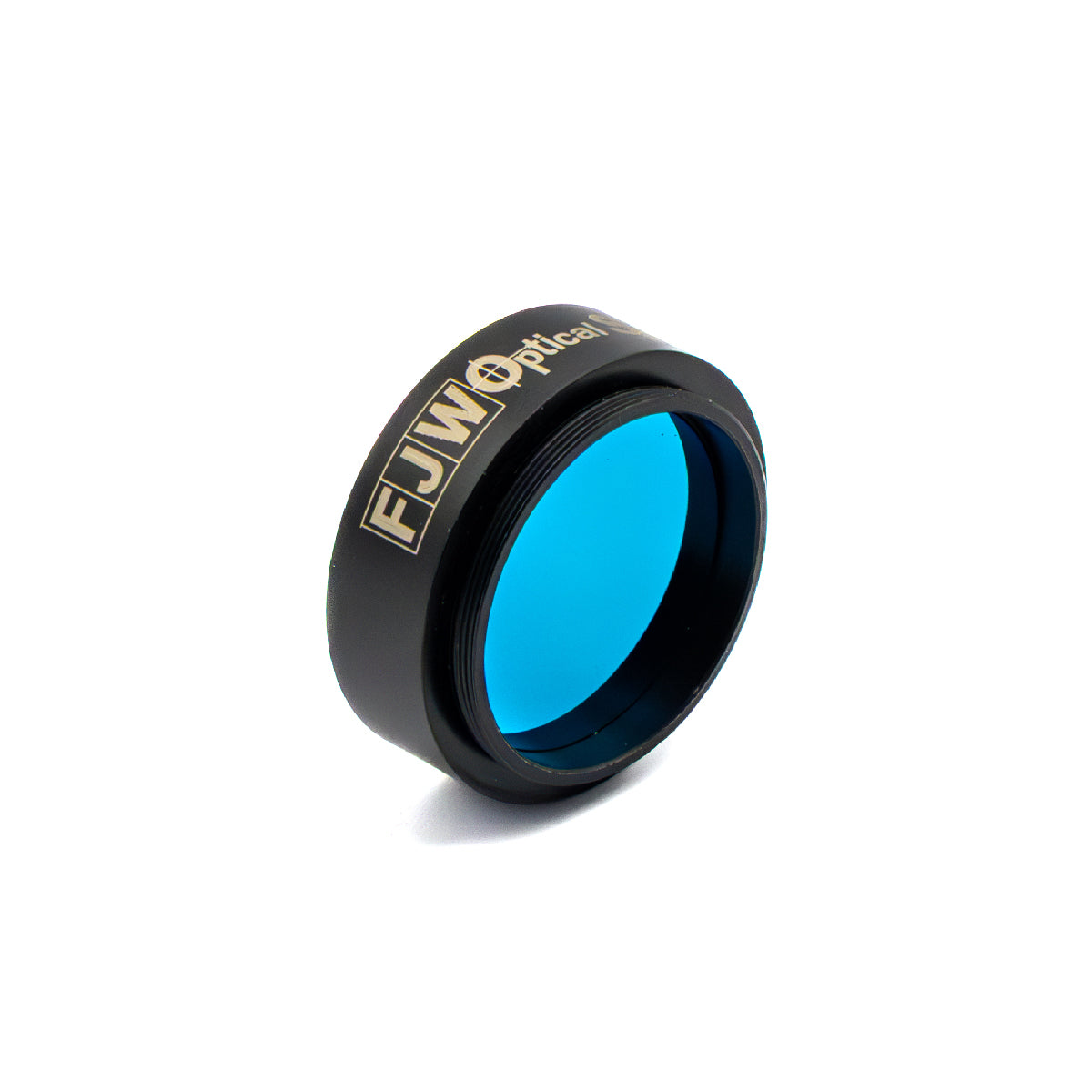
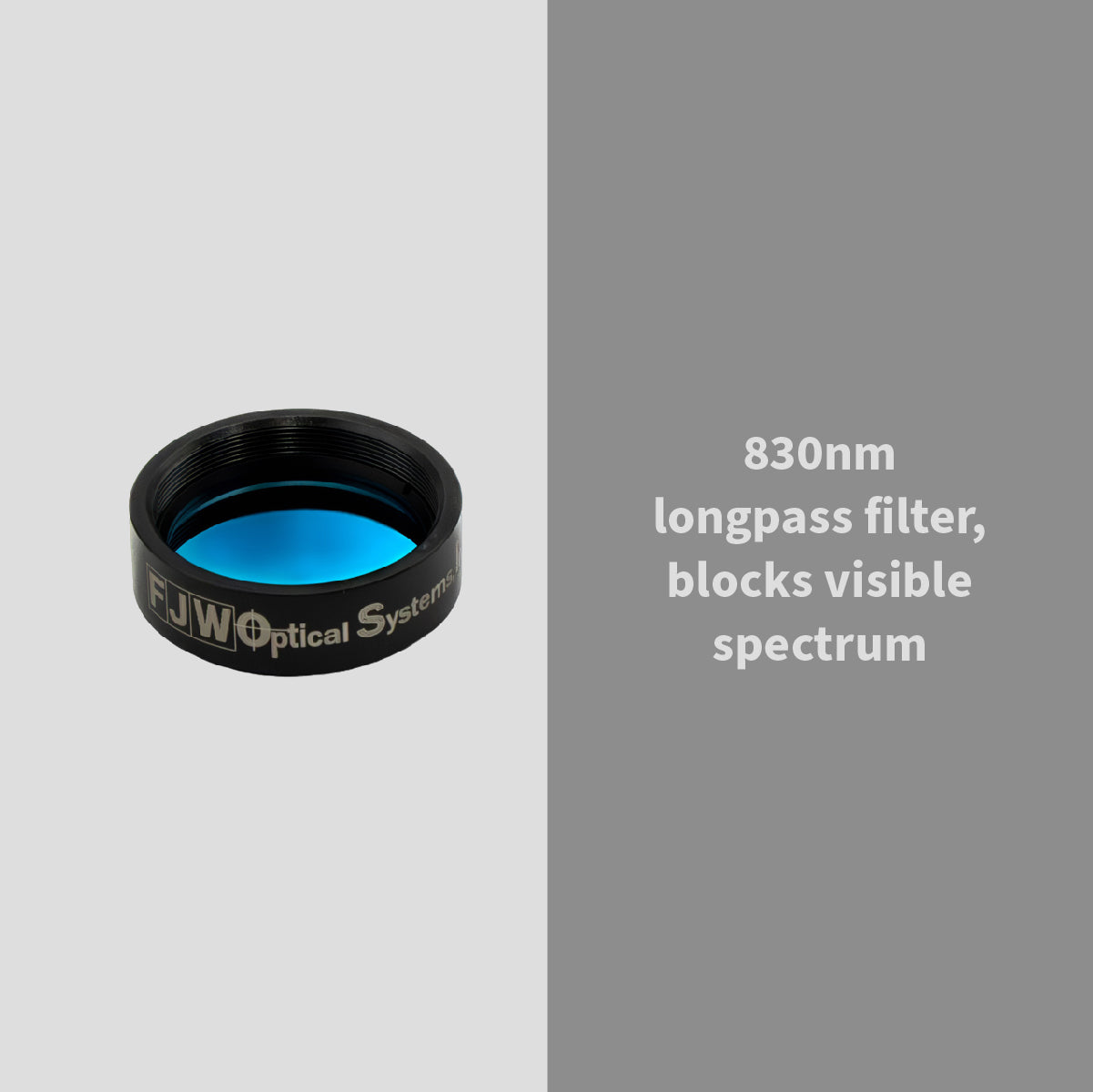
3. IR Filters
Block visible light or isolate infrared wavelengths.
Used for:
- IR inspection
- Thermal-sensitive materials
- Hidden pattern detection
4. Neutral Density (ND) Filters
Reduce light intensity without changing wavelength.
Used when:
- Light is too strong
- Exposure time must be controlled
Lighting vs Filters: What’s the Difference?
Lighting modifies illumination at the source.
Filters modify illumination at the sensor.
Think of lighting as shaping the scene, and filters as refining the captured image.
Lighting primarily controls:
- Shadow direction
- Contrast creation
- Surface texture visibility
Filters primarily control:
- Wavelength selection
- Reflection suppression
- Noise reduction
The highest-performing systems use both strategically.
Lighting + Filter Optimization Strategies
Now let’s explore real-world combinations.
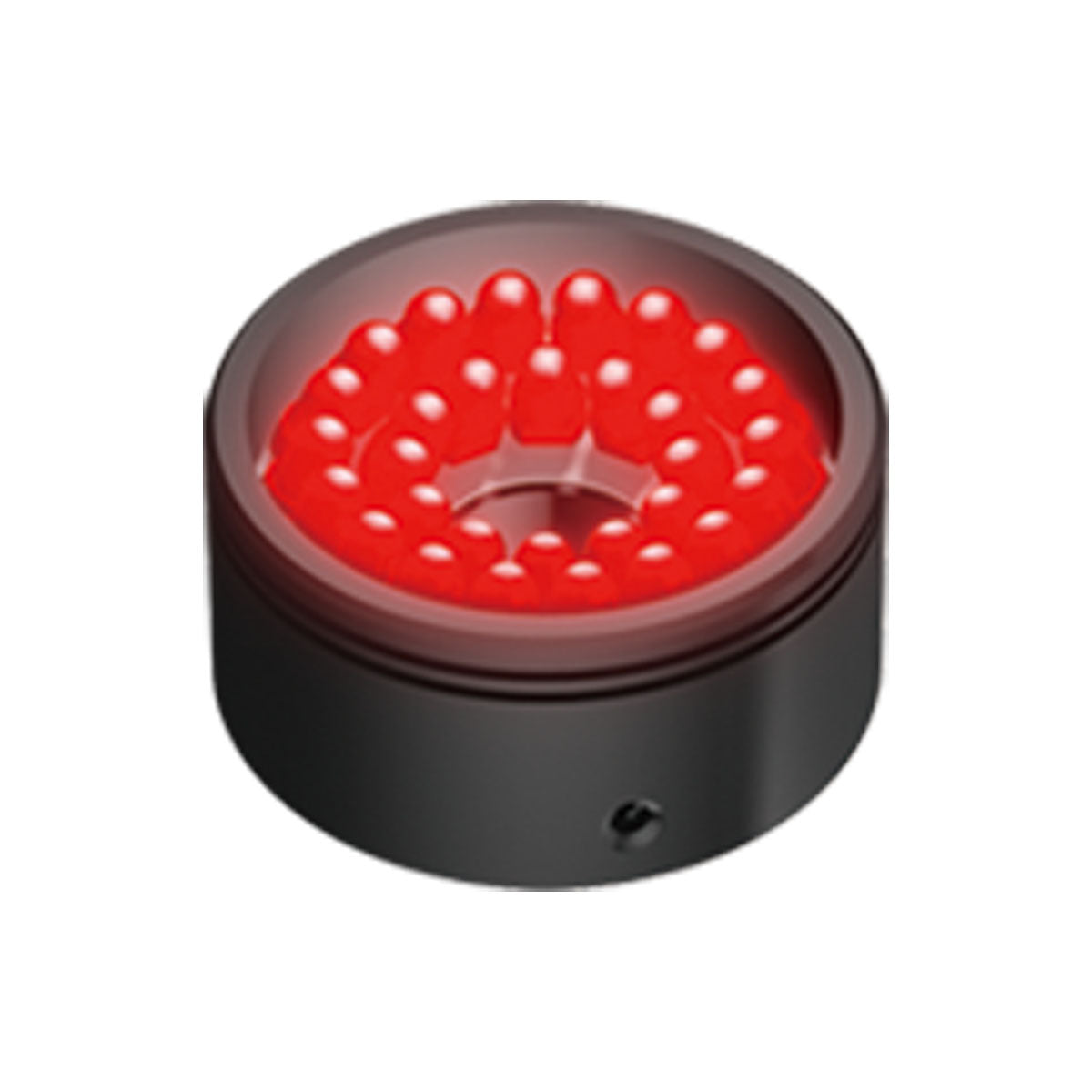
1. Red LED + Red Bandpass Filter
Use Case:
Detecting dark marks on light packaging.
Why It Works:
- Red light enhances contrast
- Bandpass filter removes ambient white light
- Improves signal-to-noise ratio
Result:
Sharper edges and improved defect detection.
2. Low-Angle Bar Light + Polarizer
Use Case:
Detecting surface scratches on metal.
Why It Works:
- Low-angle lighting highlights texture
- Polarizer reduces specular glare
Result:
Enhanced visibility of micro-defects.
3. Backlight + No Filter
Use Case:
Dimensional measurement.
Why It Works:
- Backlight creates silhouette
- Filters unnecessary unless ambient interference exists
Result:
Clean edge detection for measurement accuracy.
4. IR Illumination + IR Bandpass Filter
Use Case:
Inspecting materials where visible light creates noise.
Why It Works:
- IR penetrates surface layers
- Filter blocks visible interference
Result:
Improved feature isolation.
How Lighting and Filters Impact Camera Performance
Lighting and filters directly affect:
- Exposure time
- Gain settings
- Motion blur
- Noise levels
Short exposure times require strong lighting.
Improper filtering forces cameras to increase gain, which increases noise.
Industrial machine vision cameras perform best when:
- Illumination is controlled
- Wavelength is optimized
- Reflections are minimized
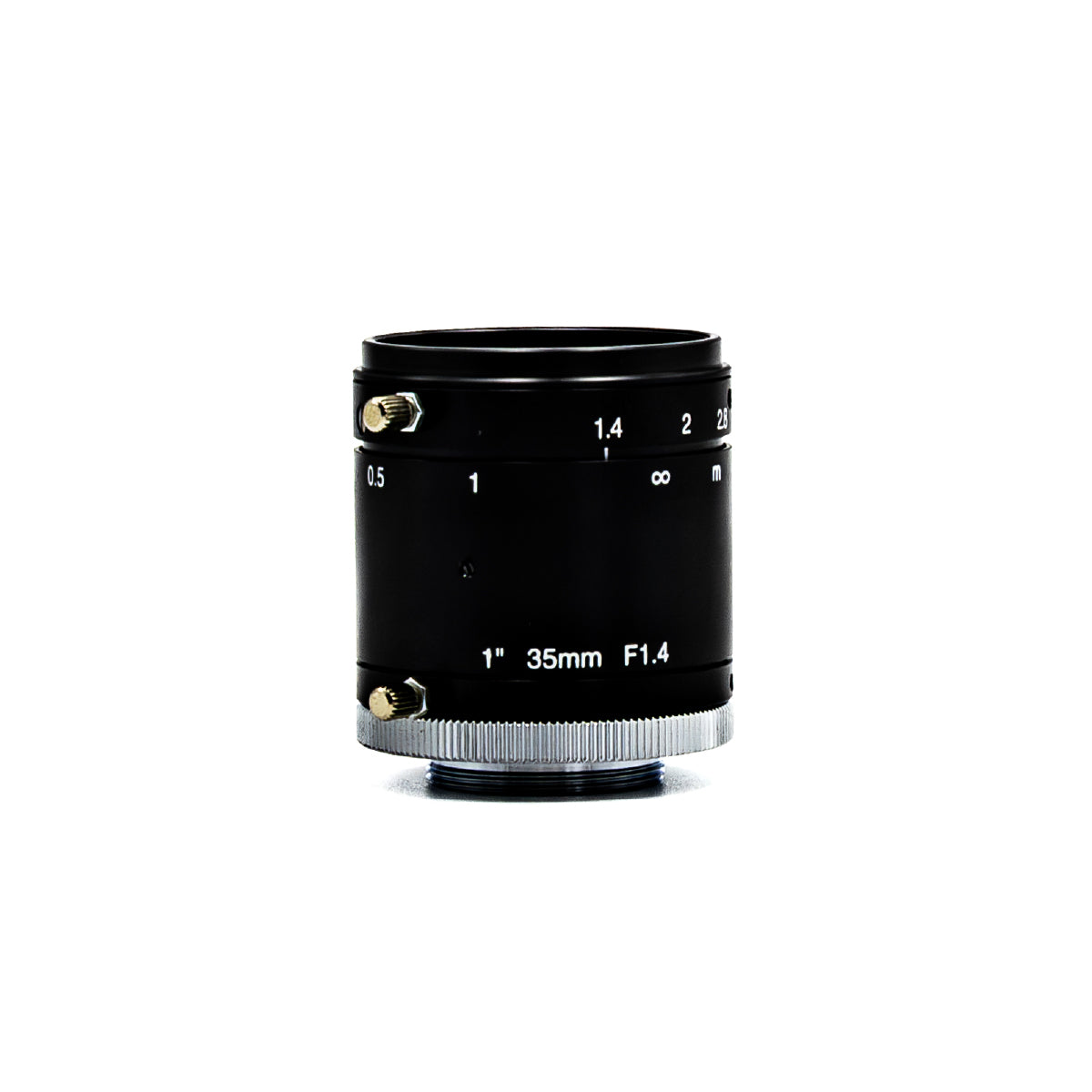
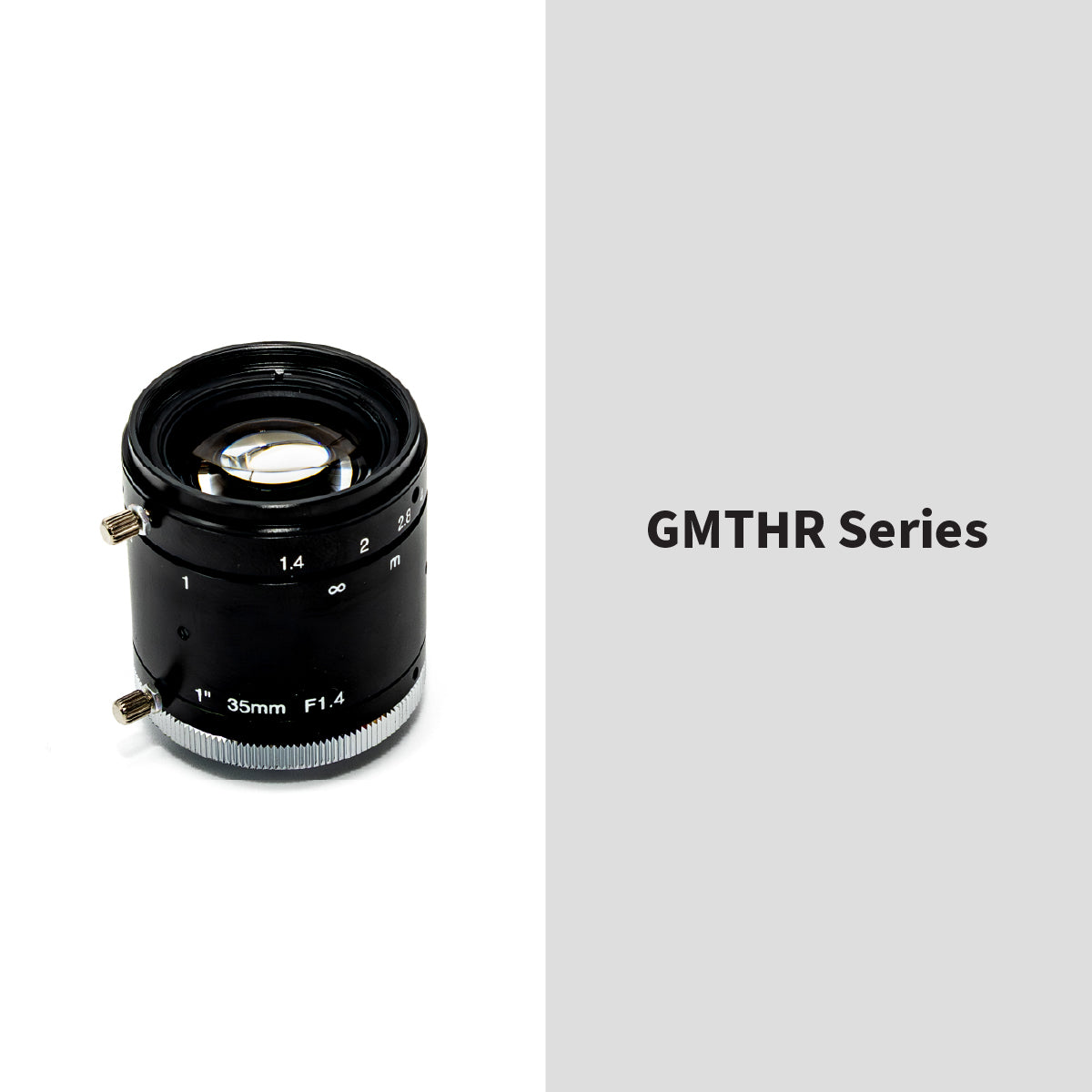
Integrating Lenses into the Optimization Process
Lighting and filters cannot compensate for incorrect lens selection.
Lens choice affects:
- Field of view
- Working distance
- Depth of field
- Distortion
For example:
Telecentric lenses combined with backlighting provide extremely precise measurement capability.
Precision imaging lenses maintain clarity across the entire sensor area.
Advanced Optimization Trends (2026)
Modern machine vision systems increasingly use:
- Multi-spectral illumination
- High dynamic range (HDR) imaging
- Structured lighting
- Coaxial illumination systems
- AI-assisted image preprocessing
These systems combine lighting geometry and wavelength control for highly repeatable results.
Practical Optimization Workflow
Follow this sequence:
- Define inspection objective
- Choose lighting geometry
- Select wavelength
- Test contrast
- Add filter if ambient interference exists
- Adjust exposure and gain
- Lock mechanical stability
Ensure mounting systems prevent vibration or angle shifts.
Frequently Asked Questions
When should I use a bandpass filter?
Use a bandpass filter when you want to isolate a specific LED wavelength and eliminate ambient light interference.
Do I need both lighting and filters?
Not always. However, high-precision inspections often benefit from combining both to maximize contrast and reduce noise.
How do I reduce glare in inspection images?
Use diffuse dome lighting, adjust angle of incidence, and add polarizing filters when necessary.
Can lighting alone fix poor image quality?
Lighting improves contrast, but filters refine wavelength control. The best systems use both.
Final Thoughts
Lighting and filters are not optional enhancements — they are foundational components of high-performance machine vision systems.
Optimizing image quality requires:
- Correct lighting geometry
- Proper wavelength selection
- Strategic use of optical filters
- Camera exposure calibration
- Precision lens integration
When lighting and filters are properly combined, inspection systems achieve:
- Higher detection accuracy
- Lower false rejects
- Improved measurement precision
- Greater production stability
Before upgrading your camera, optimize illumination and filtering. The improvement in inspection reliability can be dramatic.