
 Find-R-Scopes
 Filters
 Lenses
 Cameras
 Lighting


 Accessories









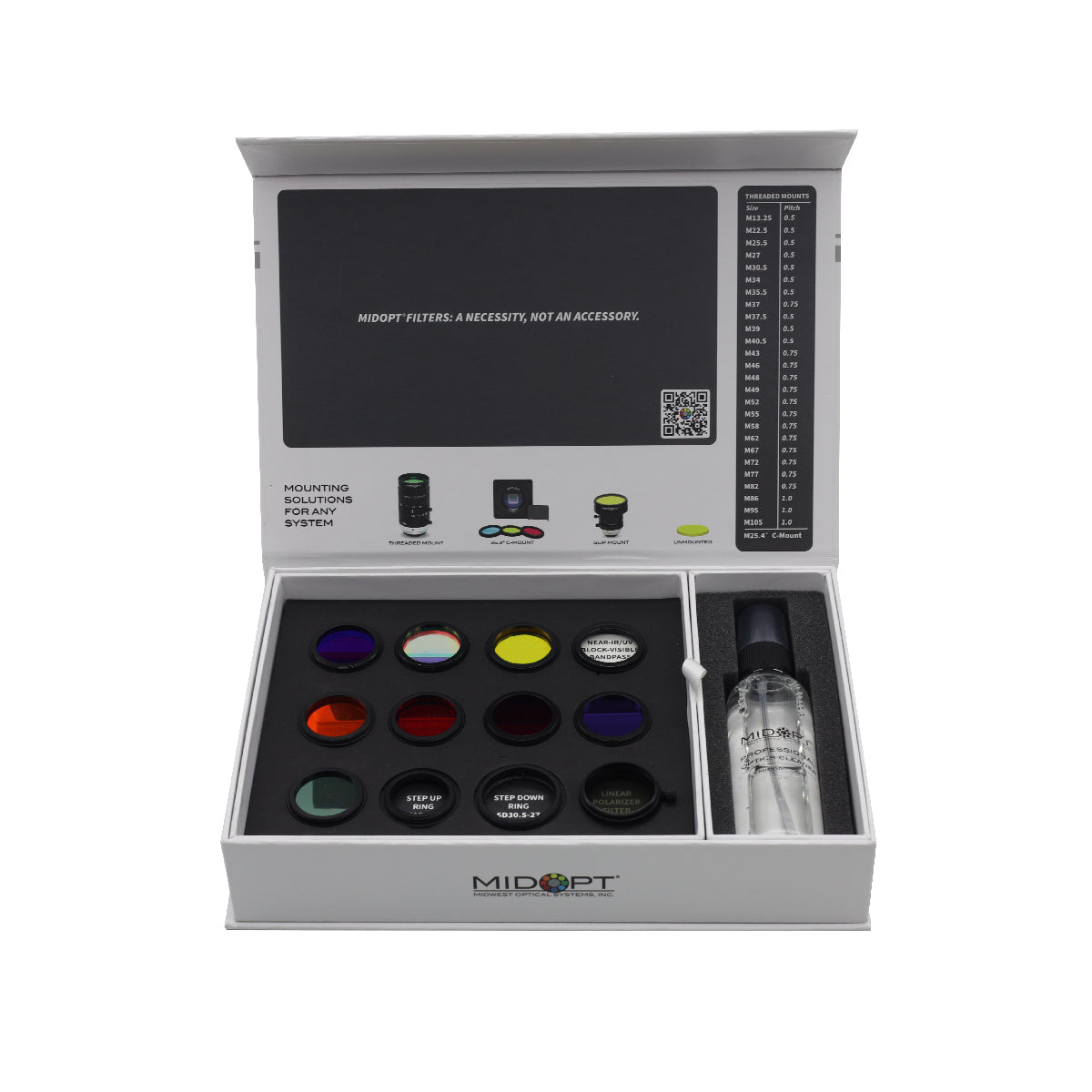
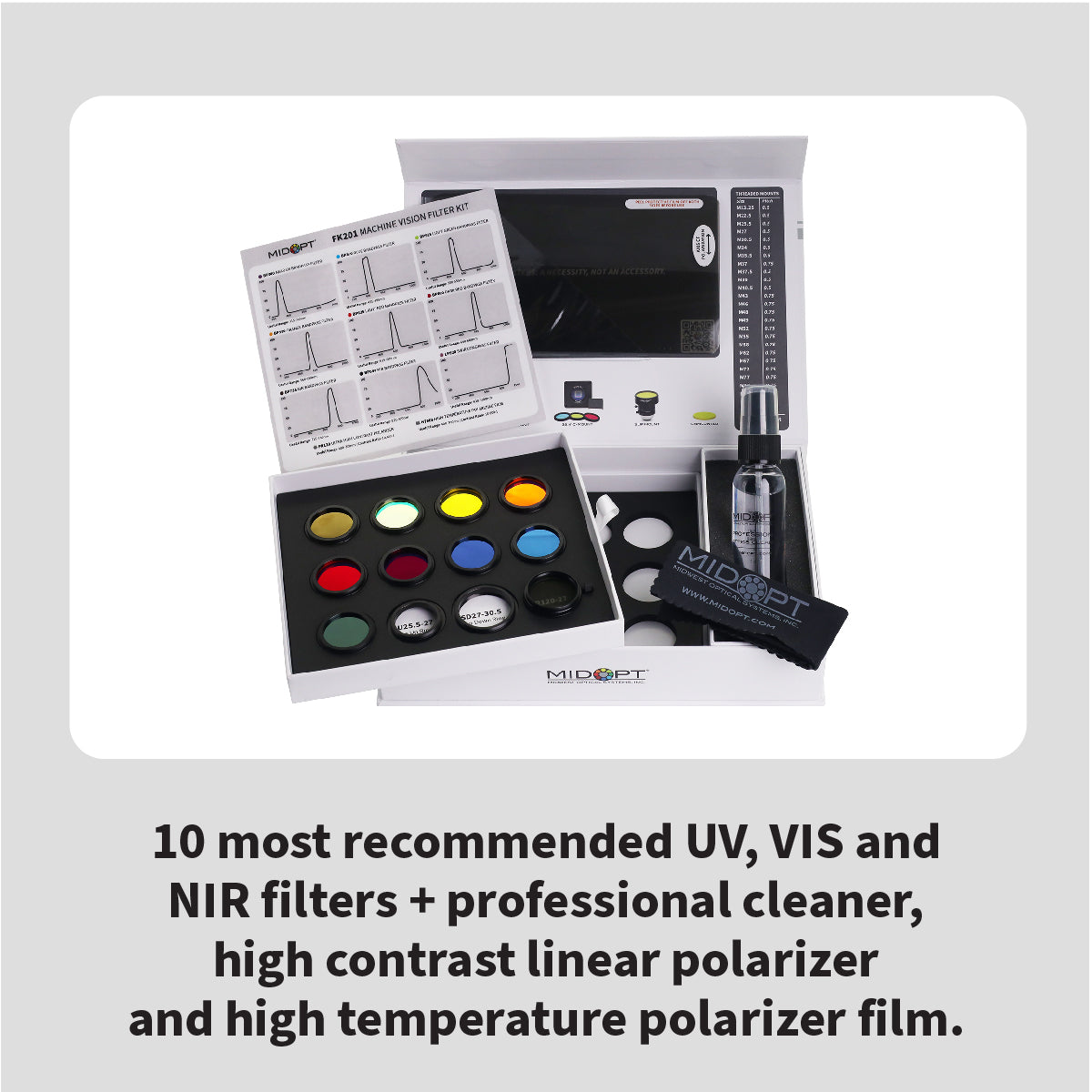
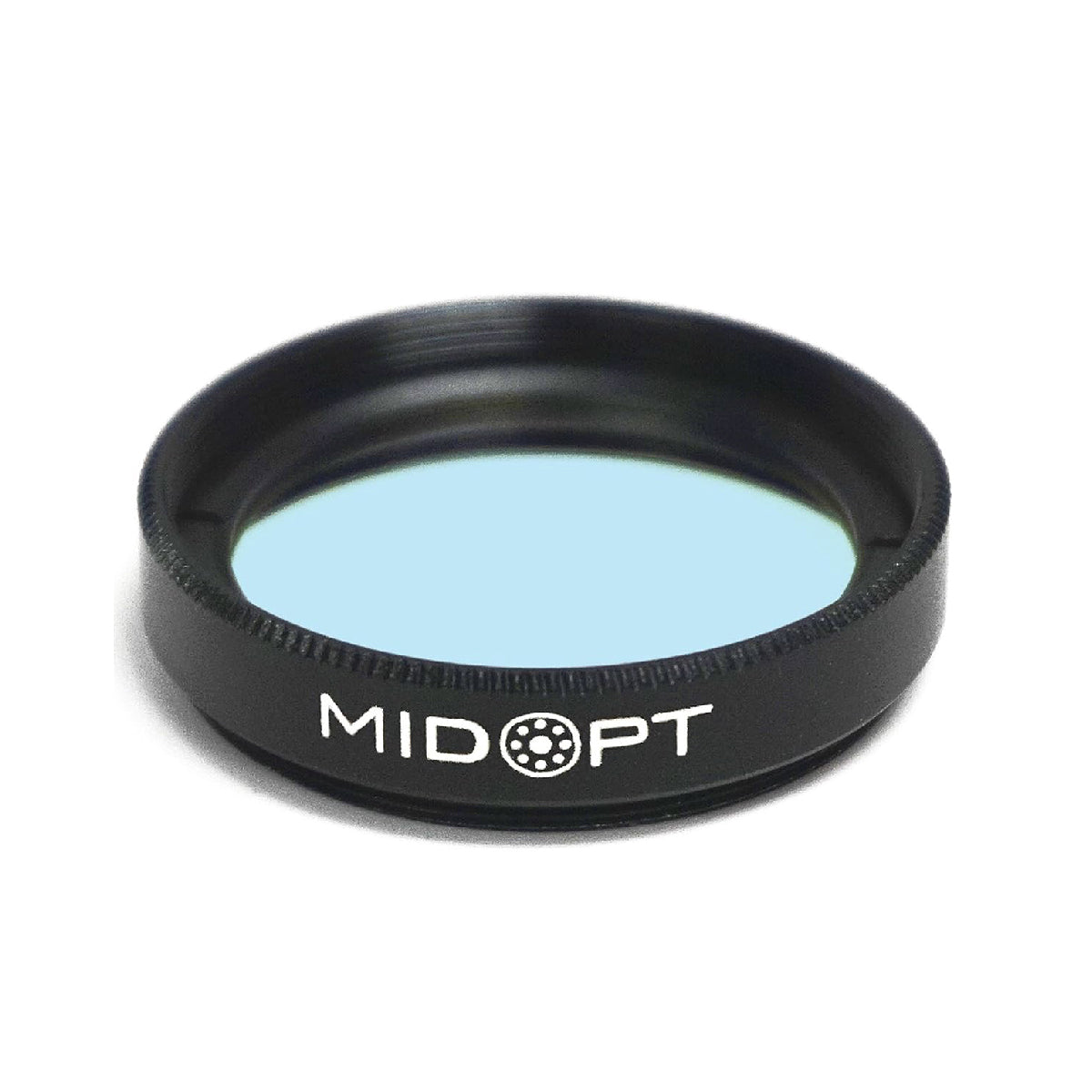
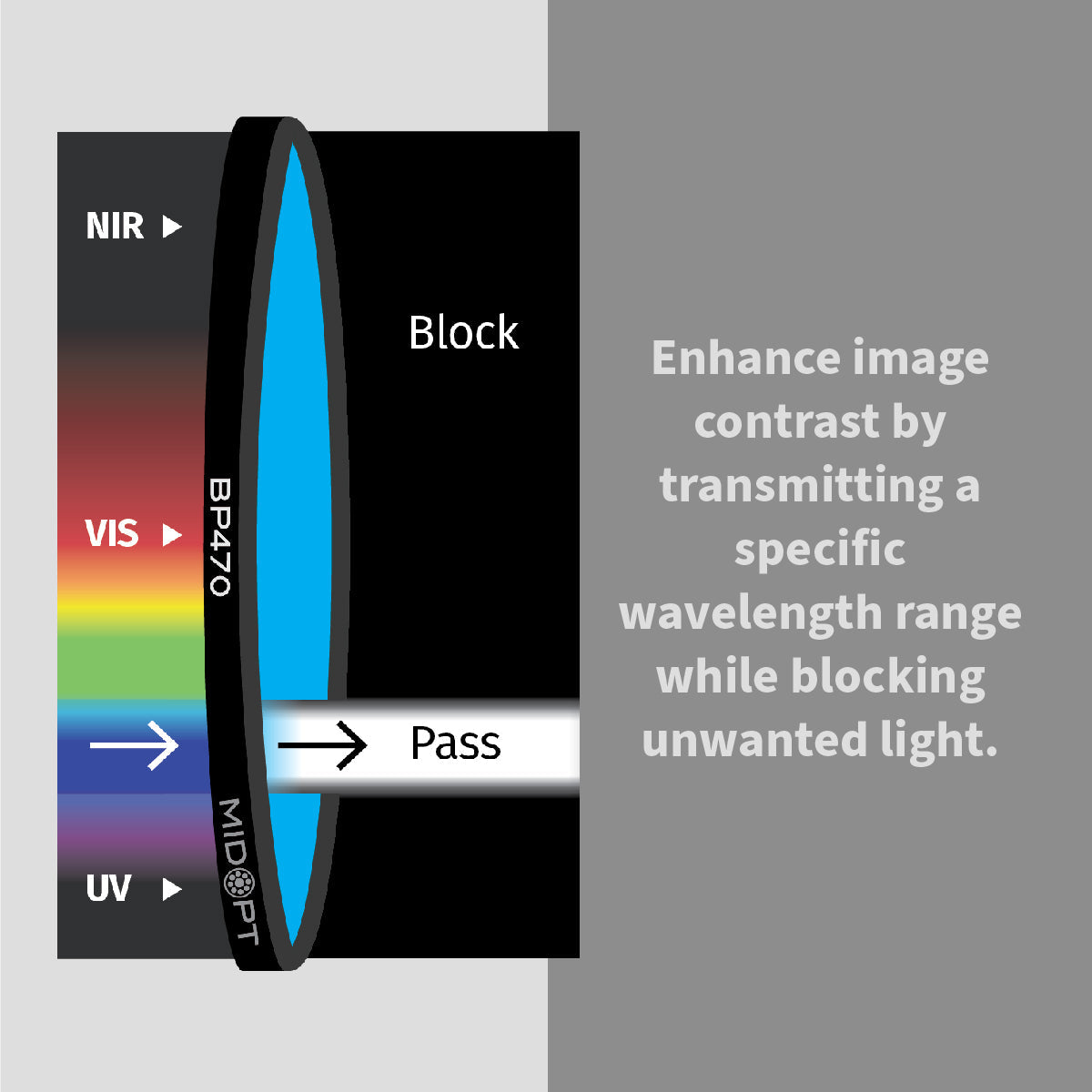
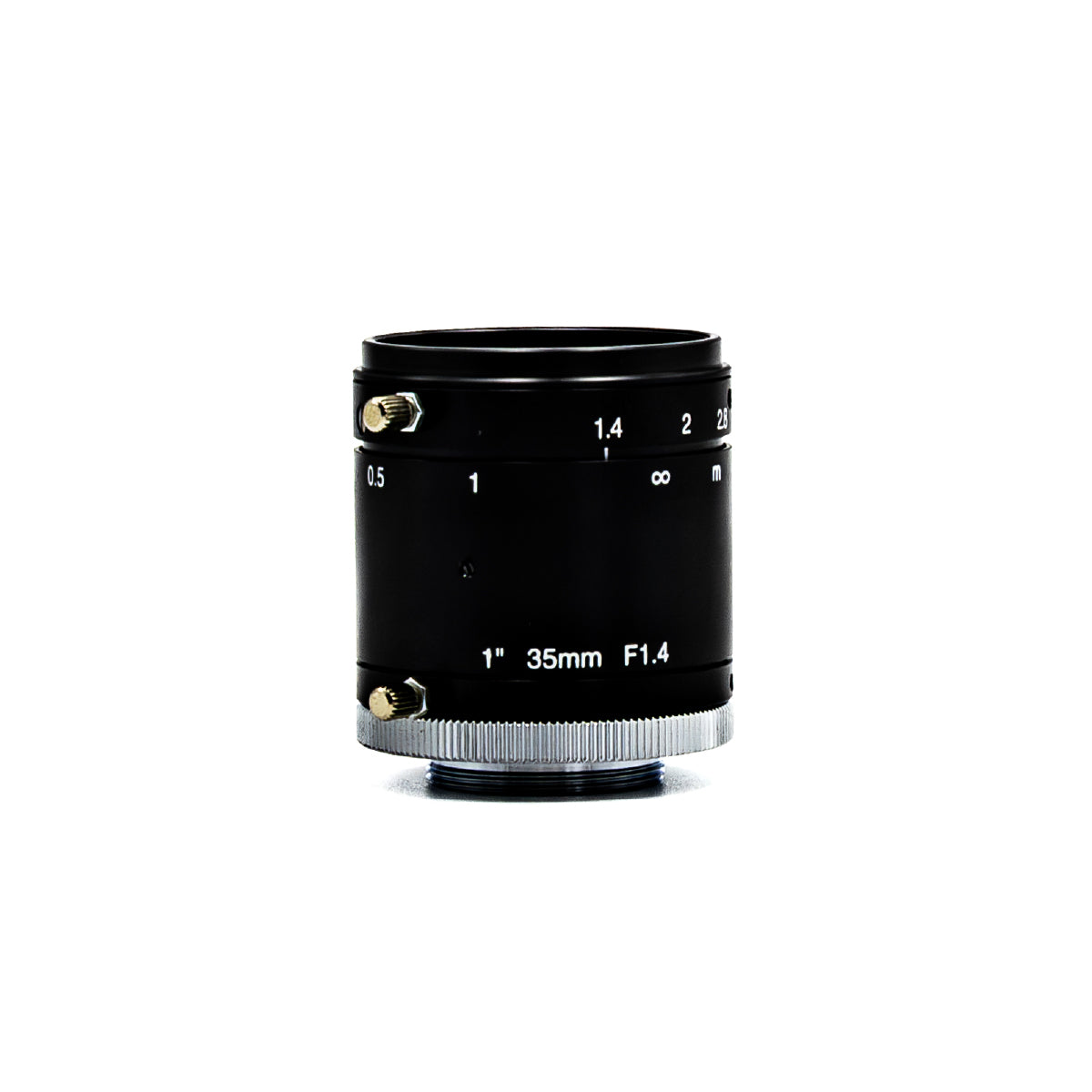


In machine vision, image quality is everything. Whether a system is tasked with inspecting tiny components, reading barcodes at high speed, verifying assembly quality or guiding robots with absolute precision, the camera can only make decisions based on the light it receives. That’s why optical filters – a sometimes overlooked part of a vision system – play a critical role in ensuring accurate, repeatable imaging.
While many engineers focus on sensor resolution, lens selection and lighting intensity, the performance of the machine vision filter is just as important. And at the heart of many high-performance filters is one key element: high-transmission AR (anti-reflection) coating.
What AR Coatings Do for Machine Vision Filters
Every time light strikes an uncoated glass surface, roughly 4% of it is reflected away. Because most filters have two optical surfaces, this can result in 8% light loss before the image even hits the sensor. In machine vision systems running narrow-band illumination or working in low-light environments, that loss is significant.
A high-quality AR coating reduces surface reflections to less than 0.5% per surface, ensuring that the majority of incoming light passes through the filter and reaches the sensor. This leads to:
✔ Higher signal-to-noise ratio: More light reaching the sensor improves contrast and reduces noise, especially critical in monochrome imaging or when detecting subtle differences in grayscale values.
✔ Brighter, clearer images: Filters with poor transmission can make lighting appear insufficient even when intensity is high.
✔ Reduced flare and ghosting: Internal reflections, especially from bright LED illumination, can create artifacts that obscure defects or distort measurements.
✔ More consistent color performance: For applications relying on accurate wavelength blocking or transmission, such as IR photography or color sorting, AR coatings ensure the filter performs exactly as intended.
Why Some Applications Require High-Transmission AR Coatings
While every machine vision system benefits from reduced reflections, certain applications depend on it more than others:
1. Low-Light or High-Speed Imaging: Short exposure times and fast-moving targets give sensors little time to collect light. Losing even 5-10% of available illumination due to reflection can dramatically reduce image quality. High-transmission coatings maximize the amount of usable light.
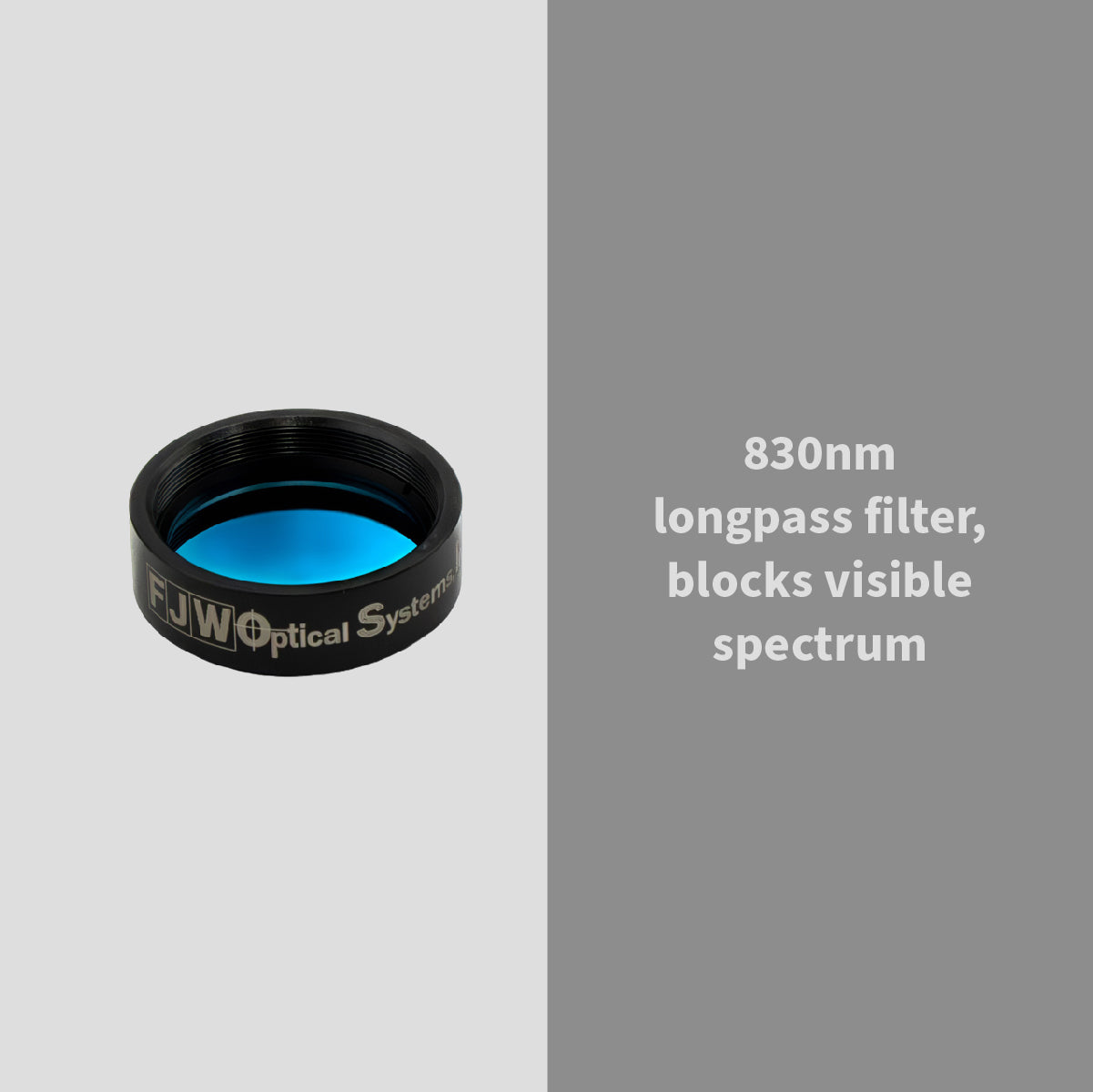
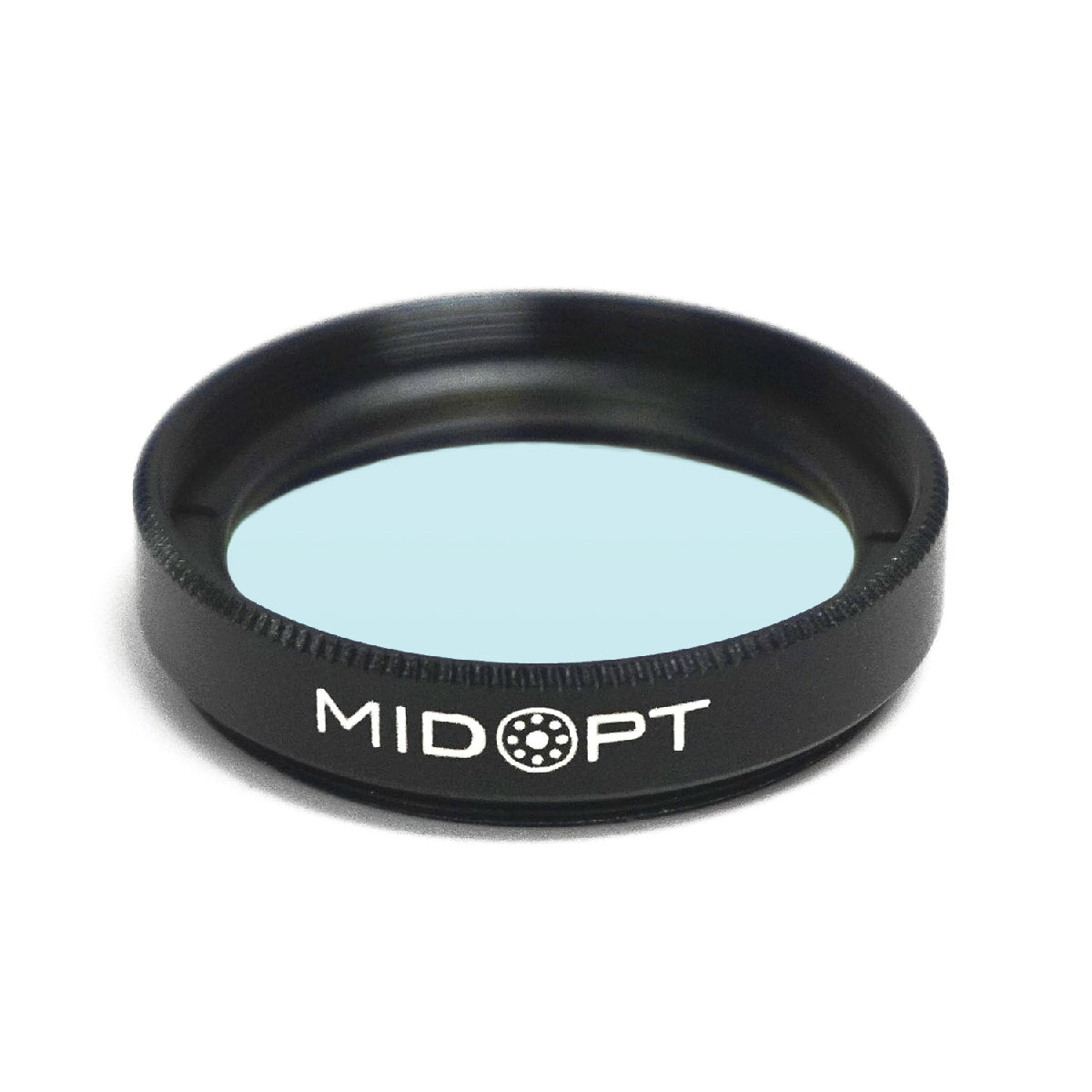
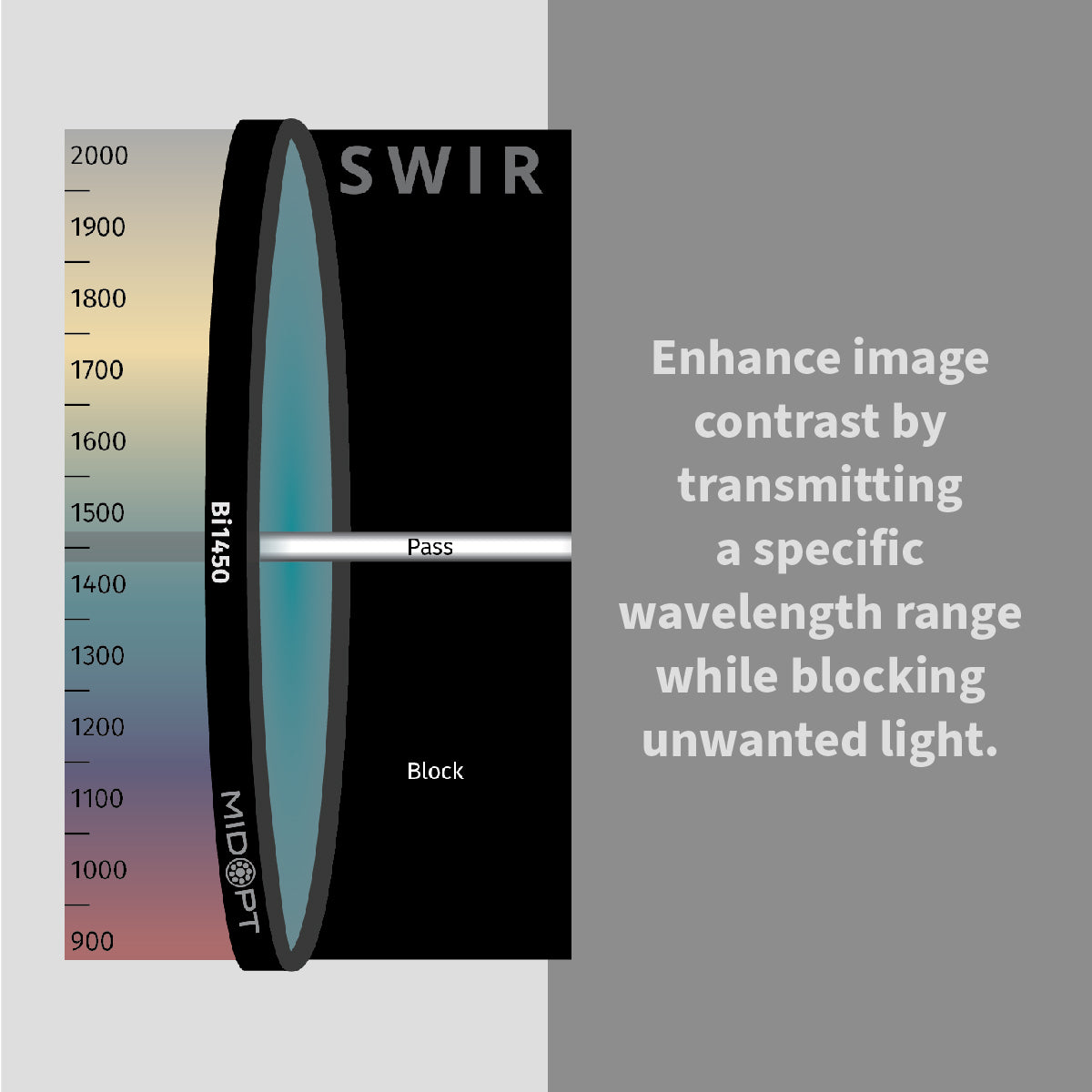
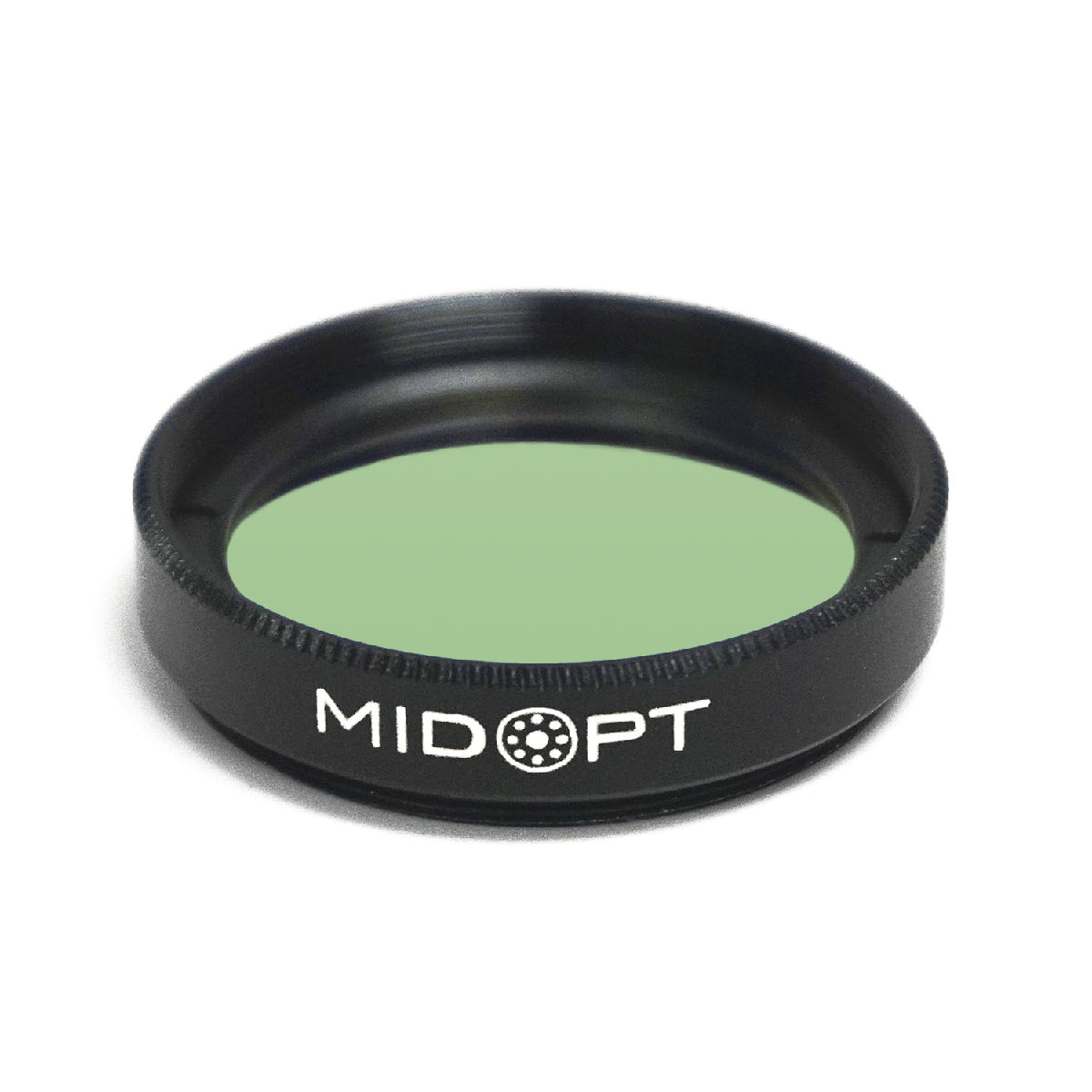
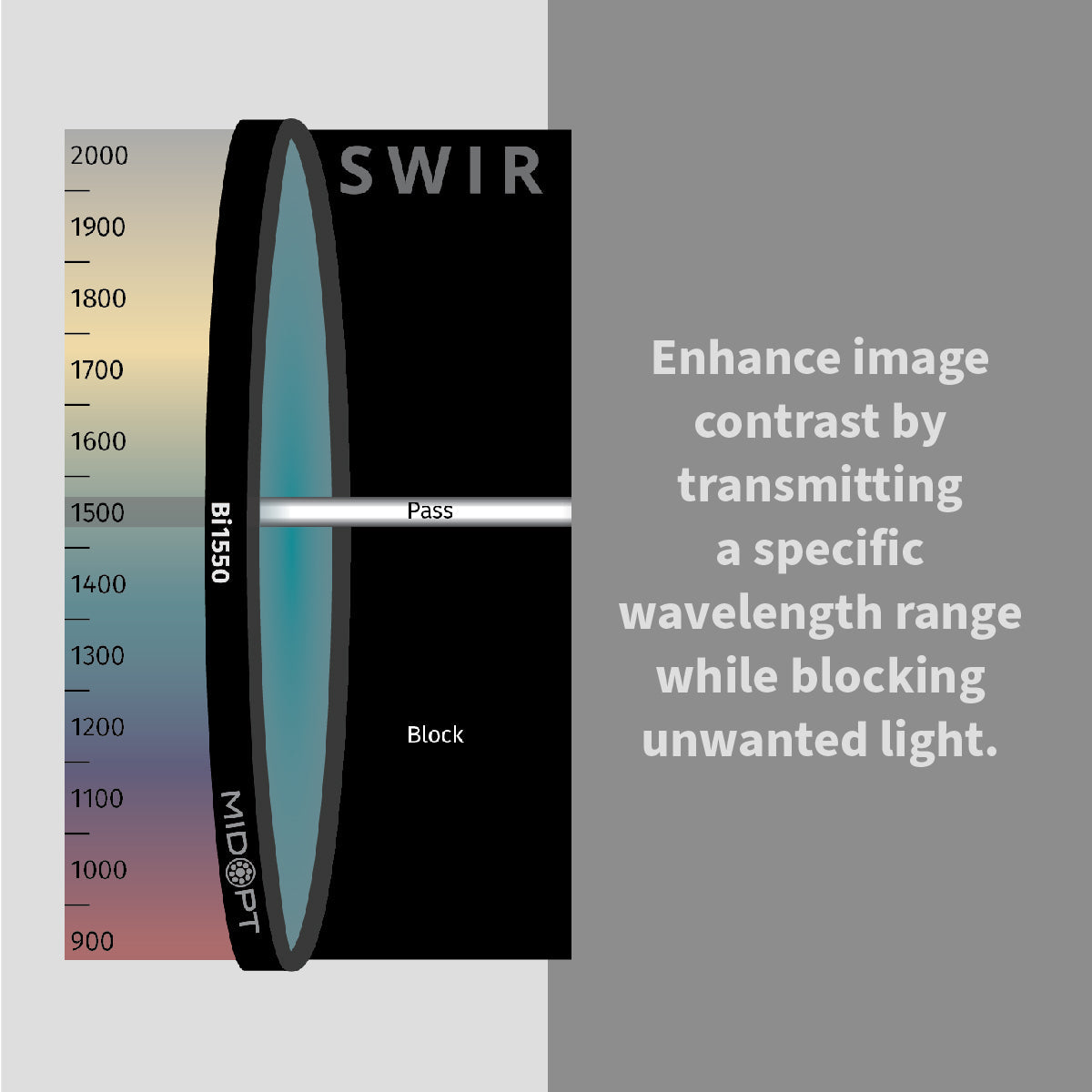
2. Infrared & NIR Illumination: IR cameras and light sources typically operate with: lower sensor sensitivity, lower LED output efficiency and higher required contrast. An IR (infrared) bandpass filter with poor transmission can cripple an otherwise well-designed system. A filter engineered with IR-optimized AR coatings ensures the peak bandwidth is transmitted efficiently and consistently.
3. Vision-Guided Robotics & Precision Metrology: Robotic pick-and-place, alignment, and metrology rely on crisp, stable edges and predictable contrast. Glare or reflections inside the optical path can cause misalignment errors or inconsistent results. Low-reflection coatings maintain reliable, repeatable imaging across thousands of cycles.
4. Outdoor and Harsh-Environment Imaging: Sunlight, reflections and uncontrolled lighting introduce flare and ghost images. Filters with high-performance AR coatings help minimize these issues to maintain clarity, even in environments where lighting conditions vary drastically.
5. LED-Based Illumination Systems: Machine vision often uses narrow-spectrum LEDs. A filter designed for the matching wavelength, – along with a high-performance AR coating for certain applications – ensures nearly all available light passes through, boosting contrast and eliminating spectral contamination.
AR Coatings Enable Consistency Across Variables
A well-engineered AR coating does more than improve brightness. It ensures stable performance as conditions change, including: different angles of incidence, varying temperatures, wide spectral ranges, high-vibration environments and long-term continuous operation. This stability is particularly important in automated production environments where uptime and repeatability are critical.
Machine vision filters may look similar on the surface, but the difference between the quality of the product and their coatings can be drastic. When image quality, speed and reliability matter, investing in high-quality filters is essential.