
 Find-R-Scopes

 Filters
 Lenses
 Cameras
 Lighting


 Accessories










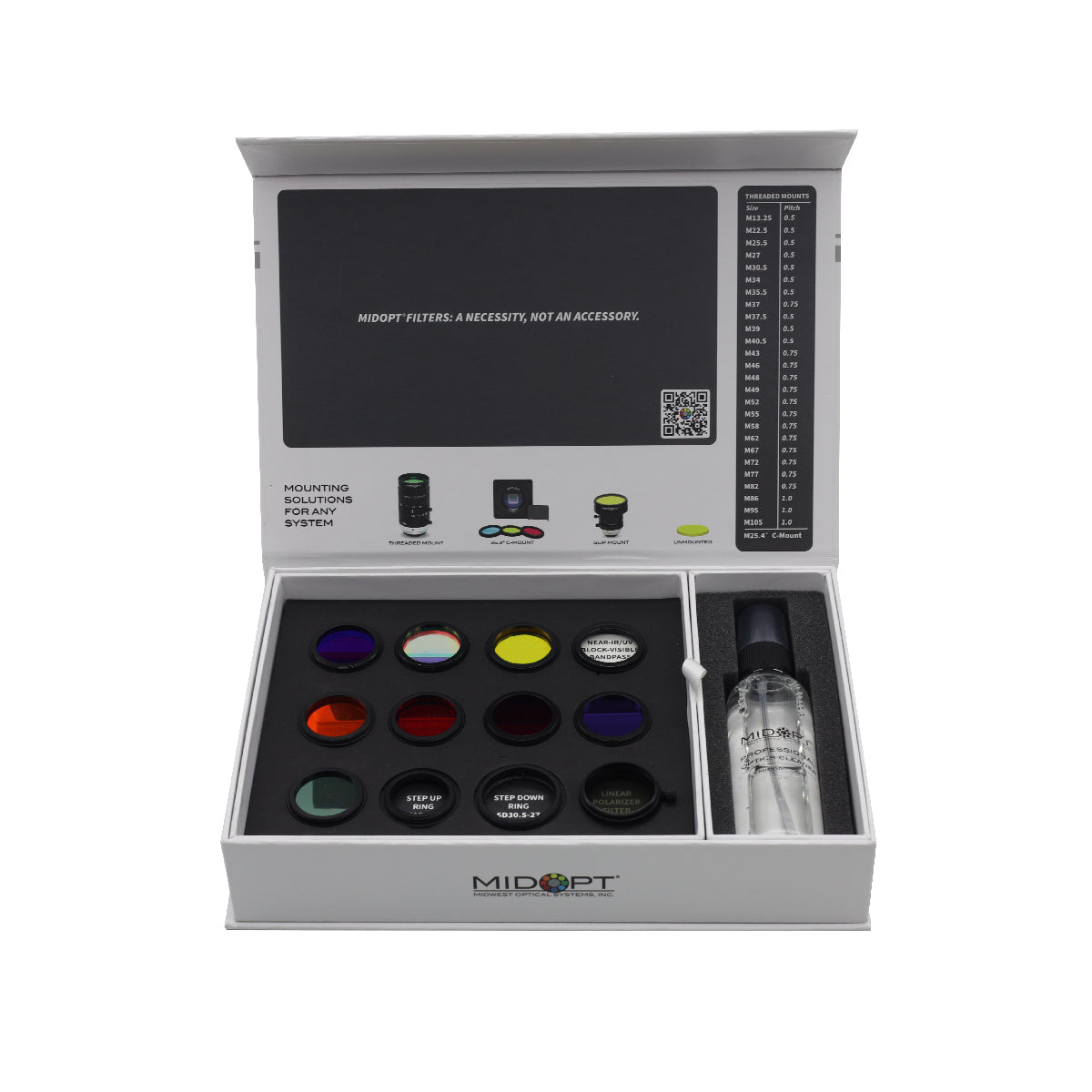
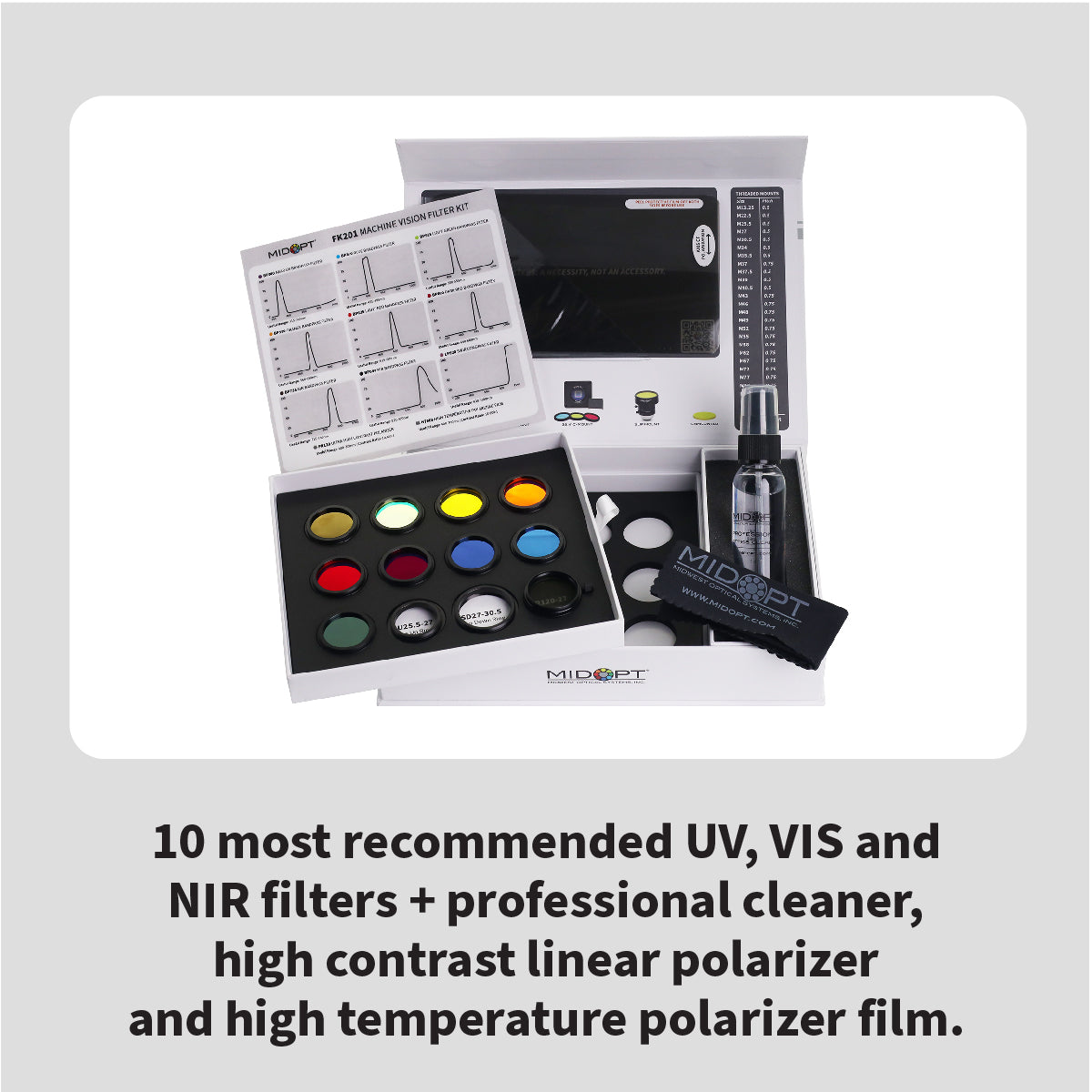
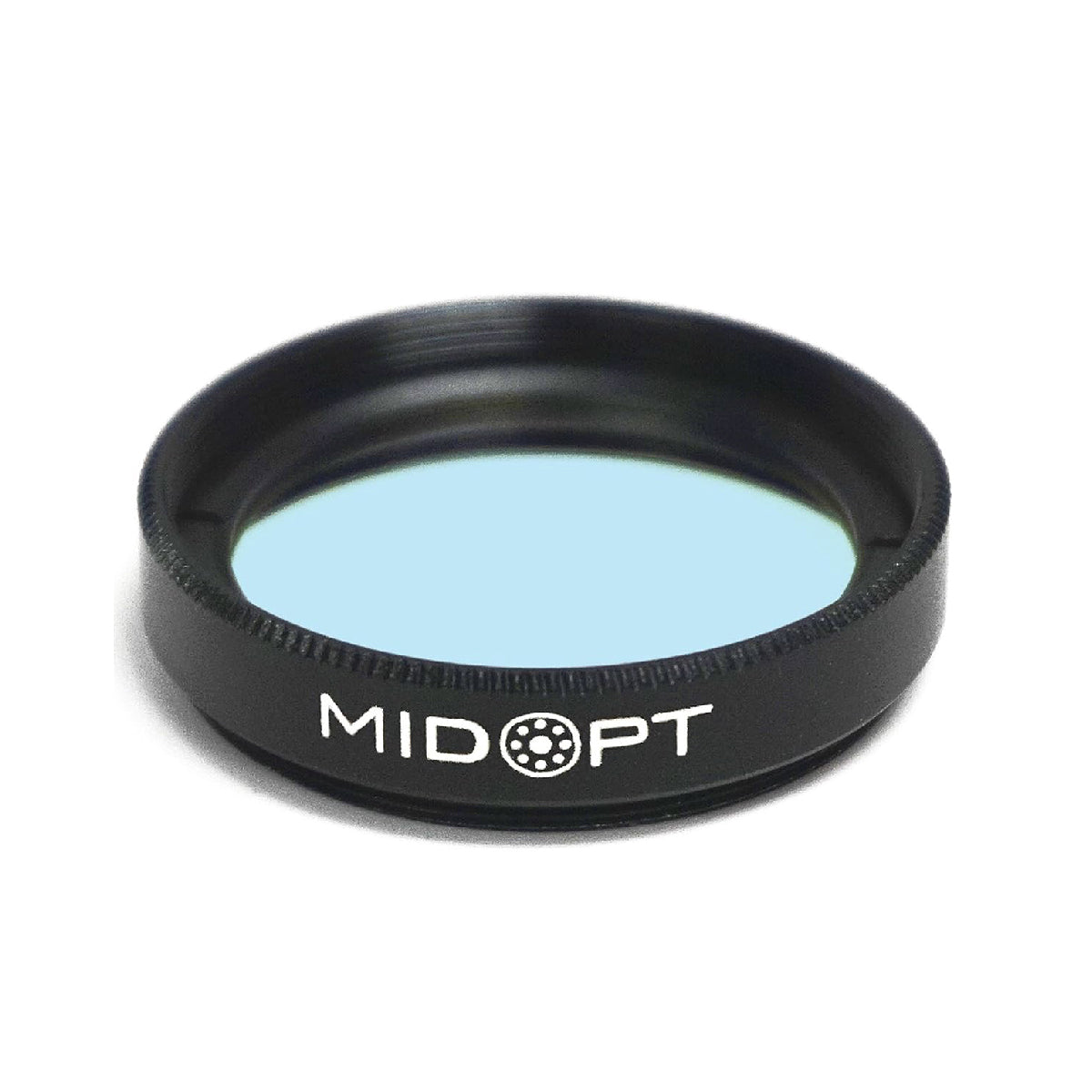
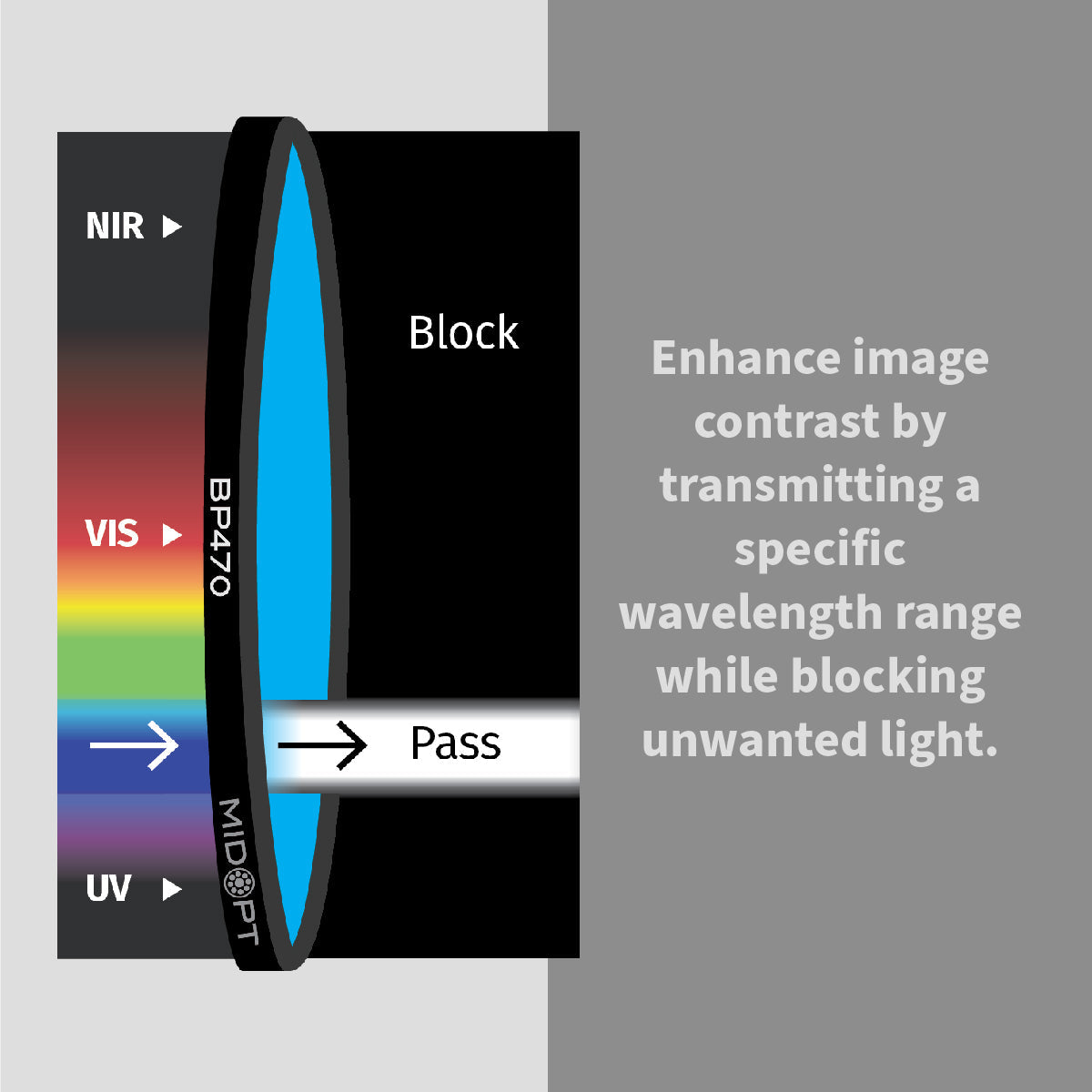
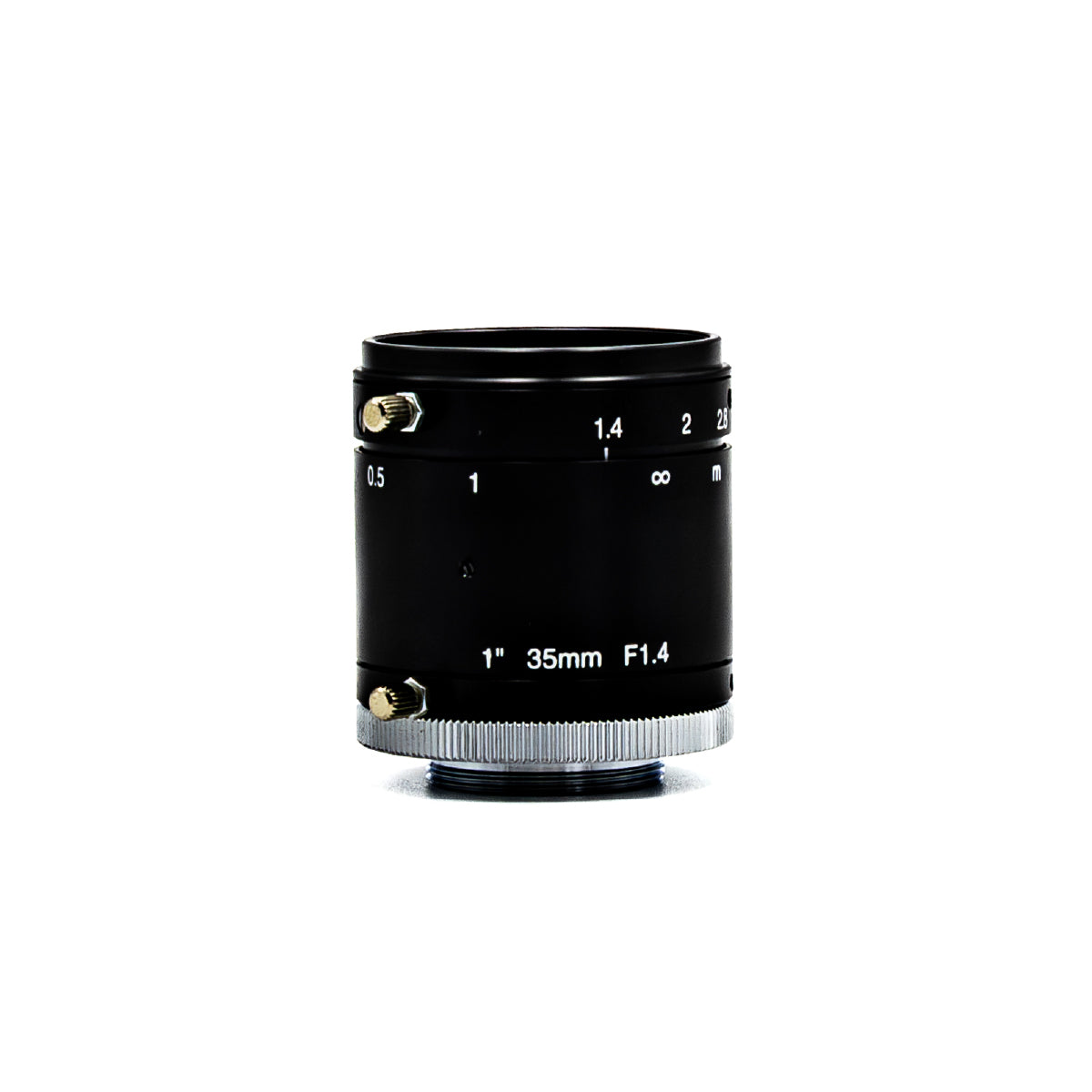
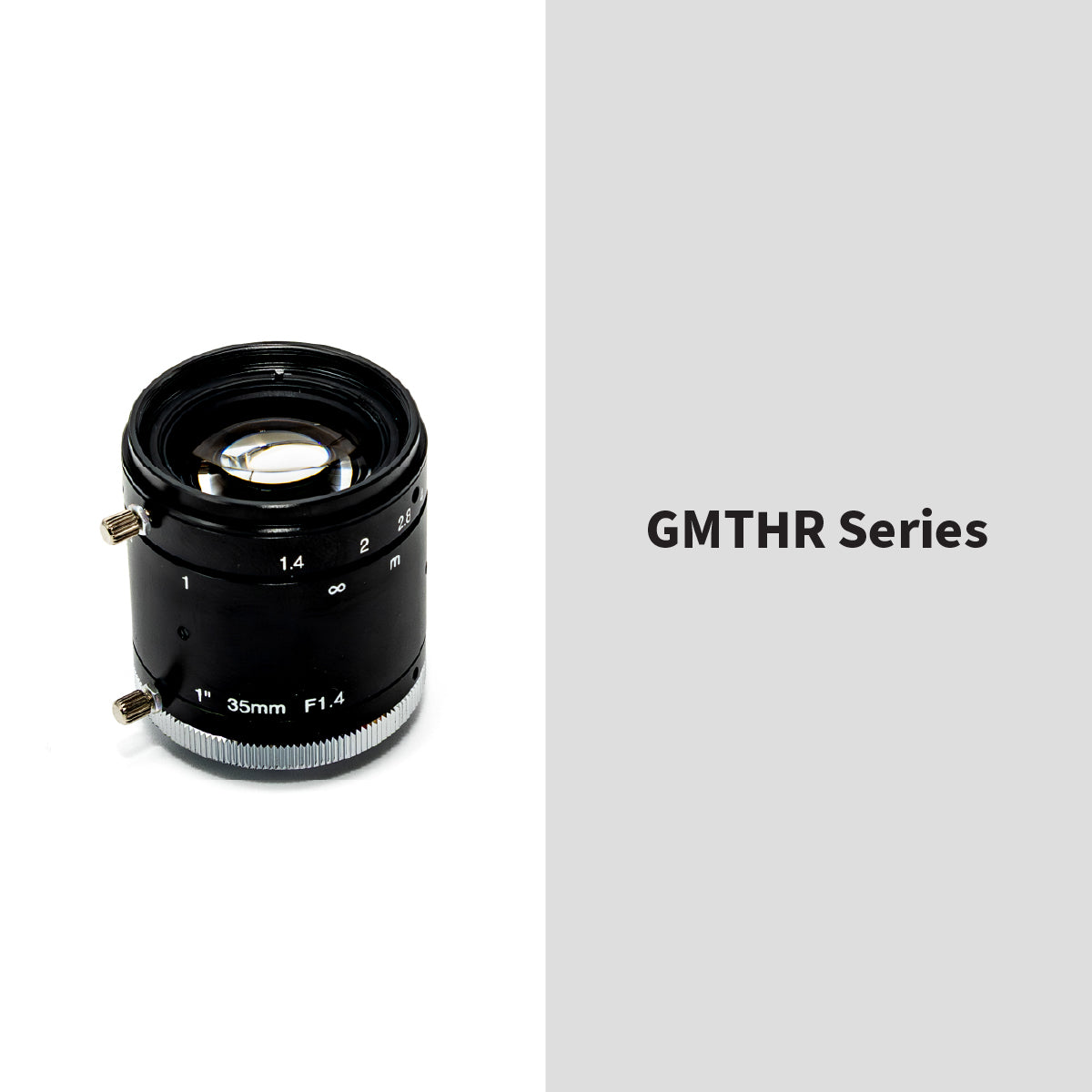
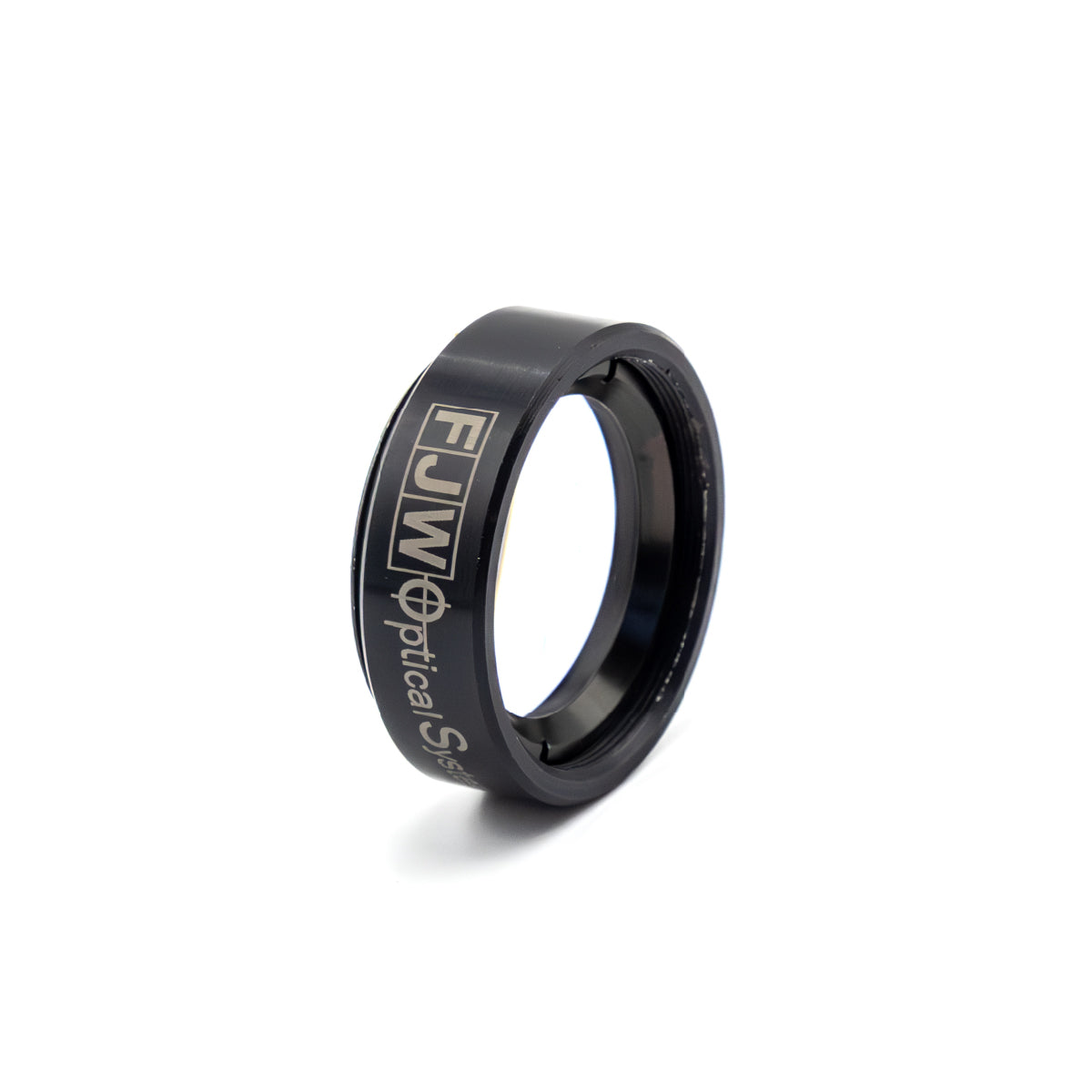


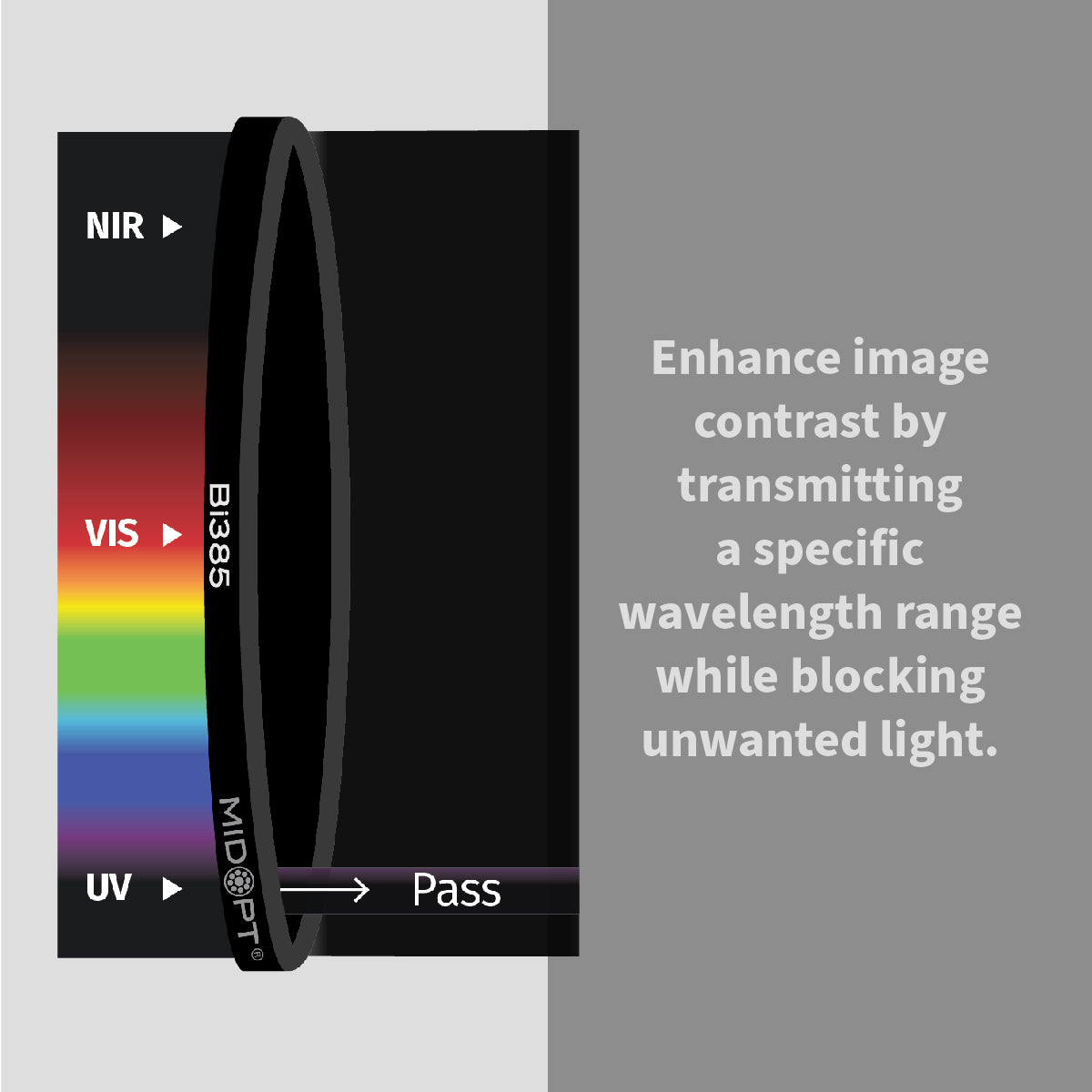
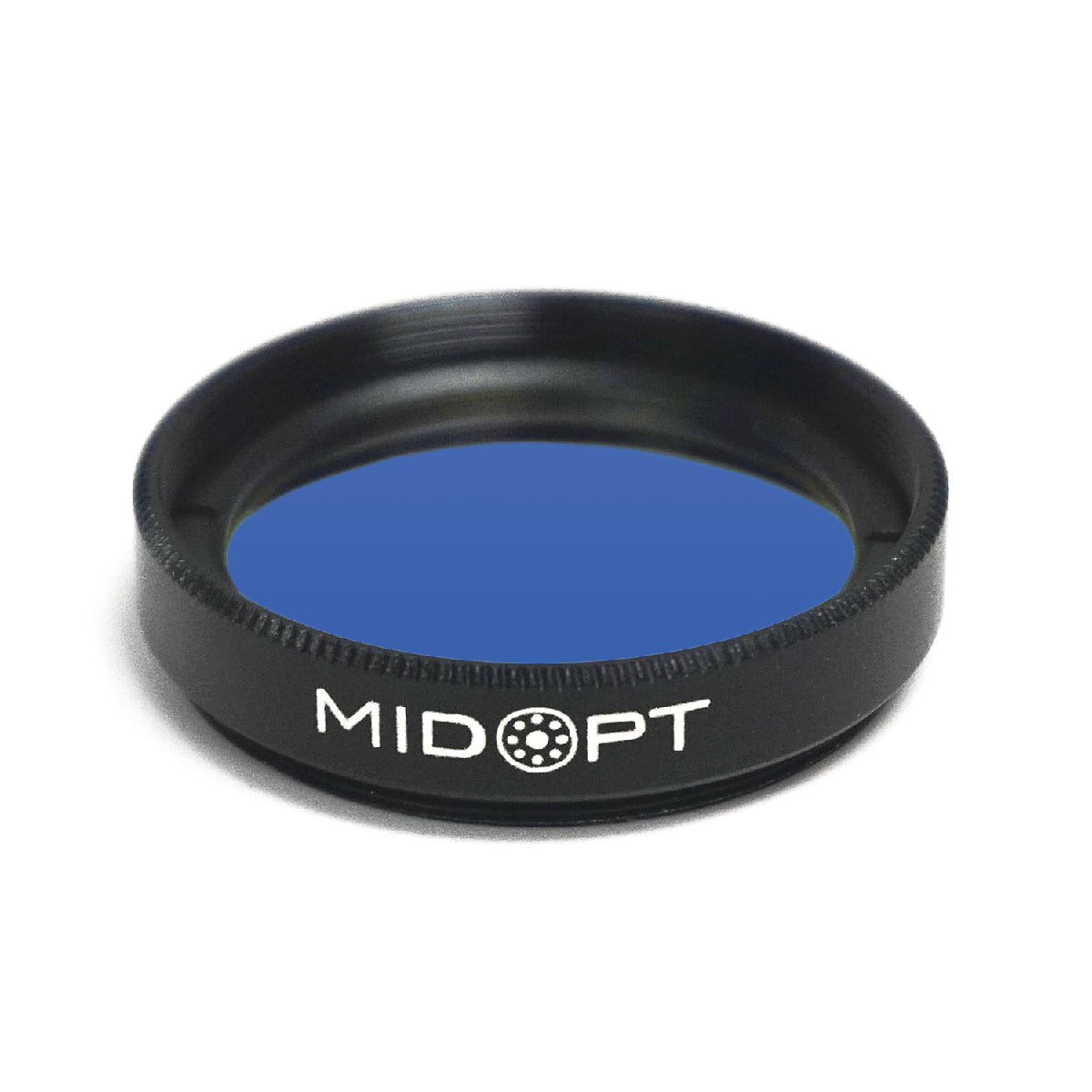
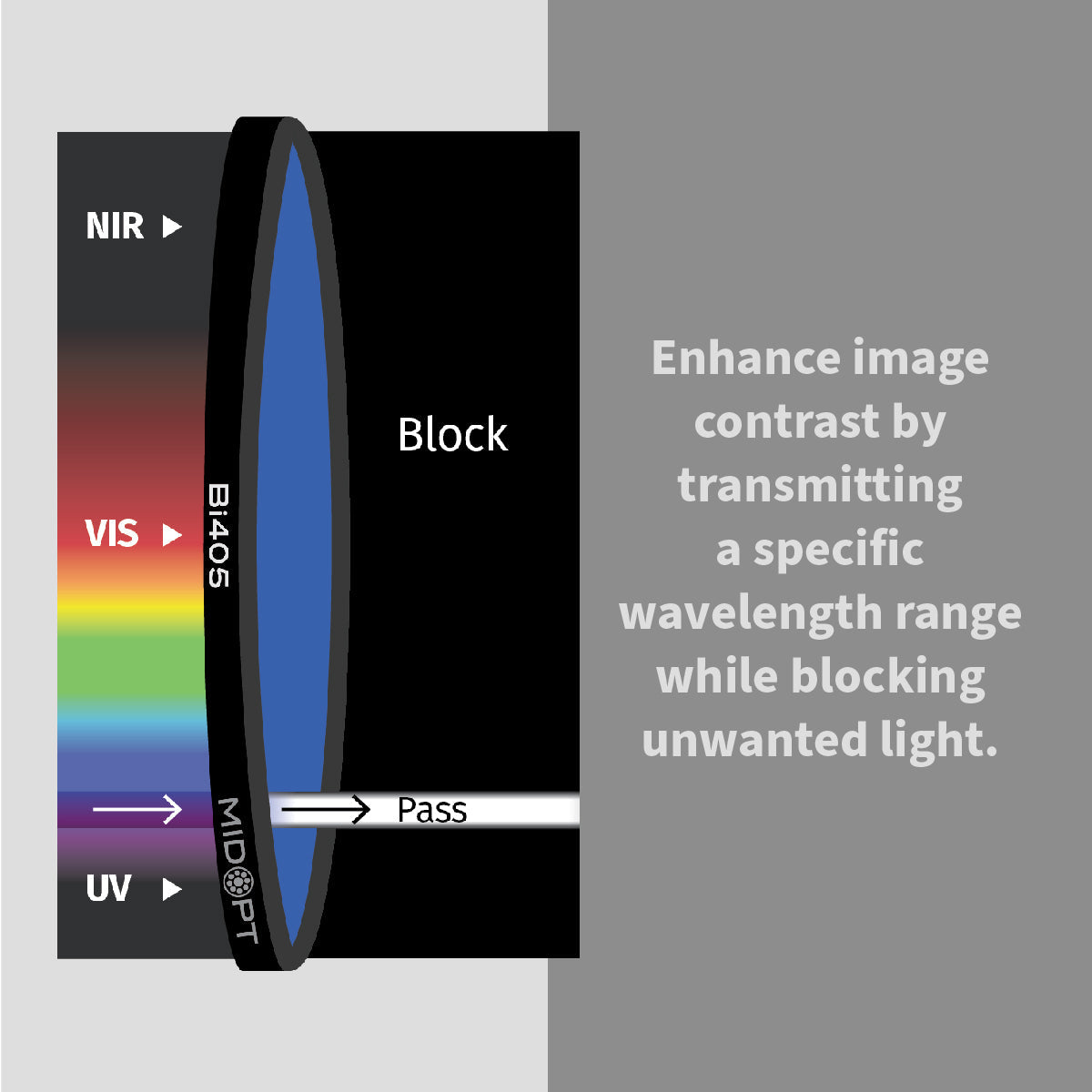
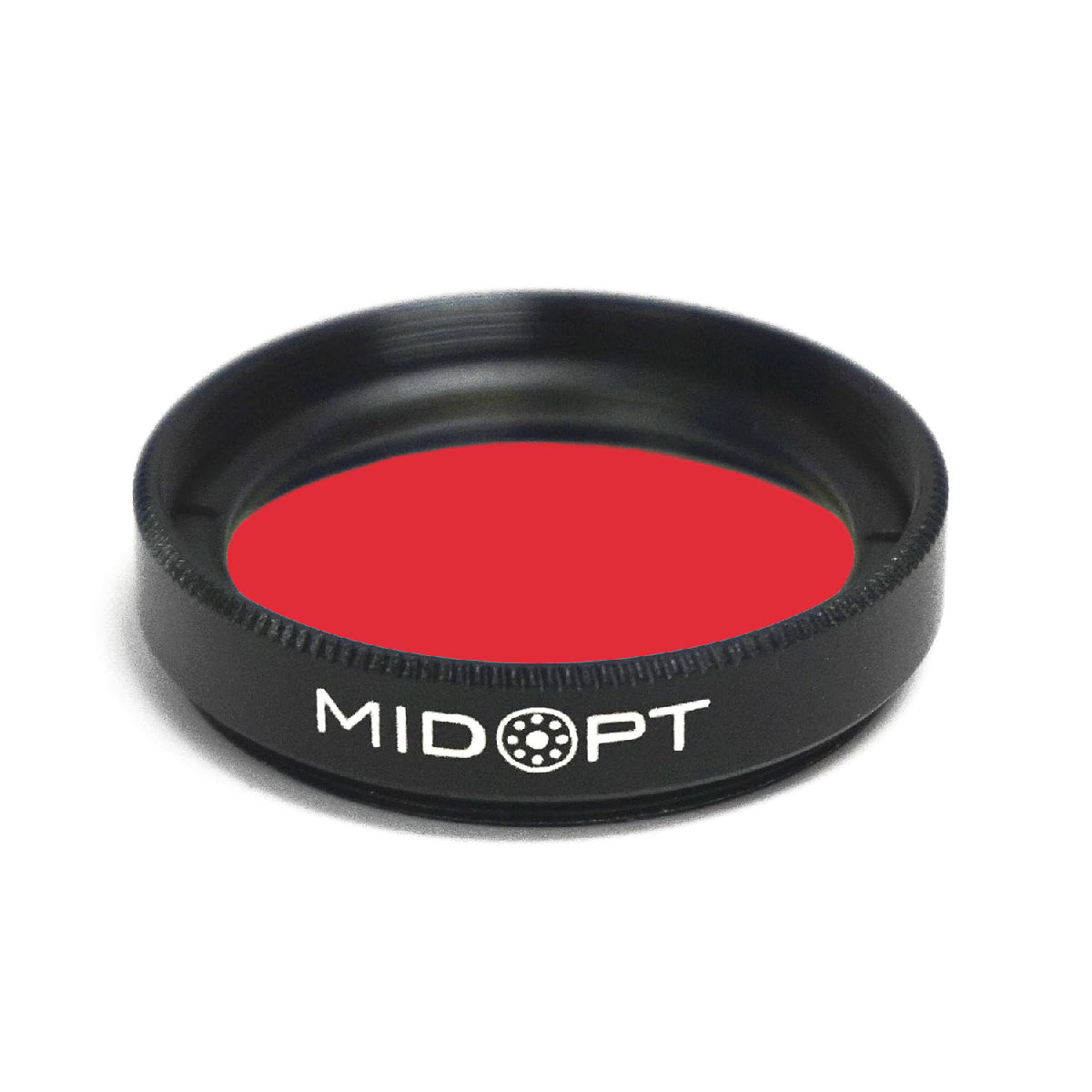
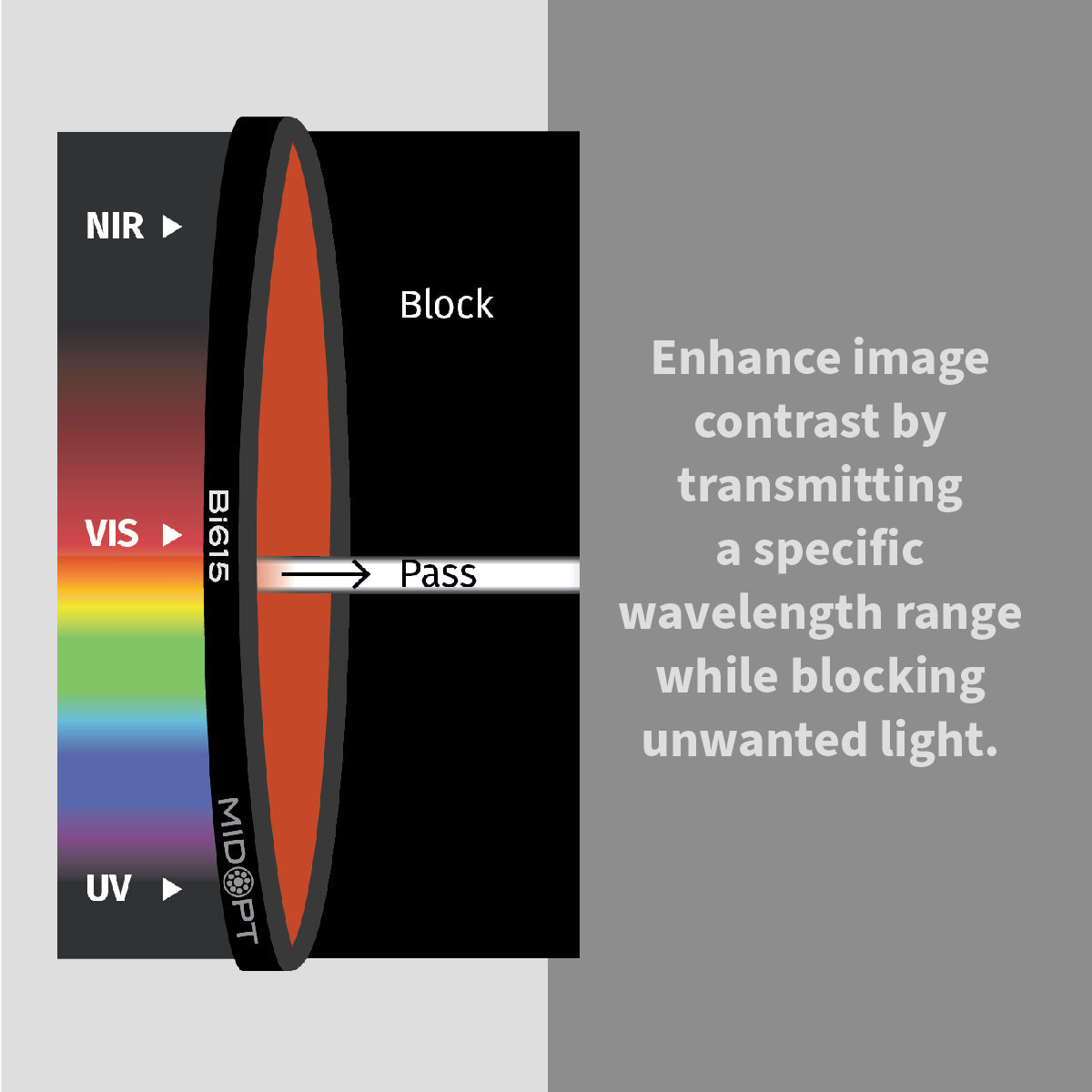
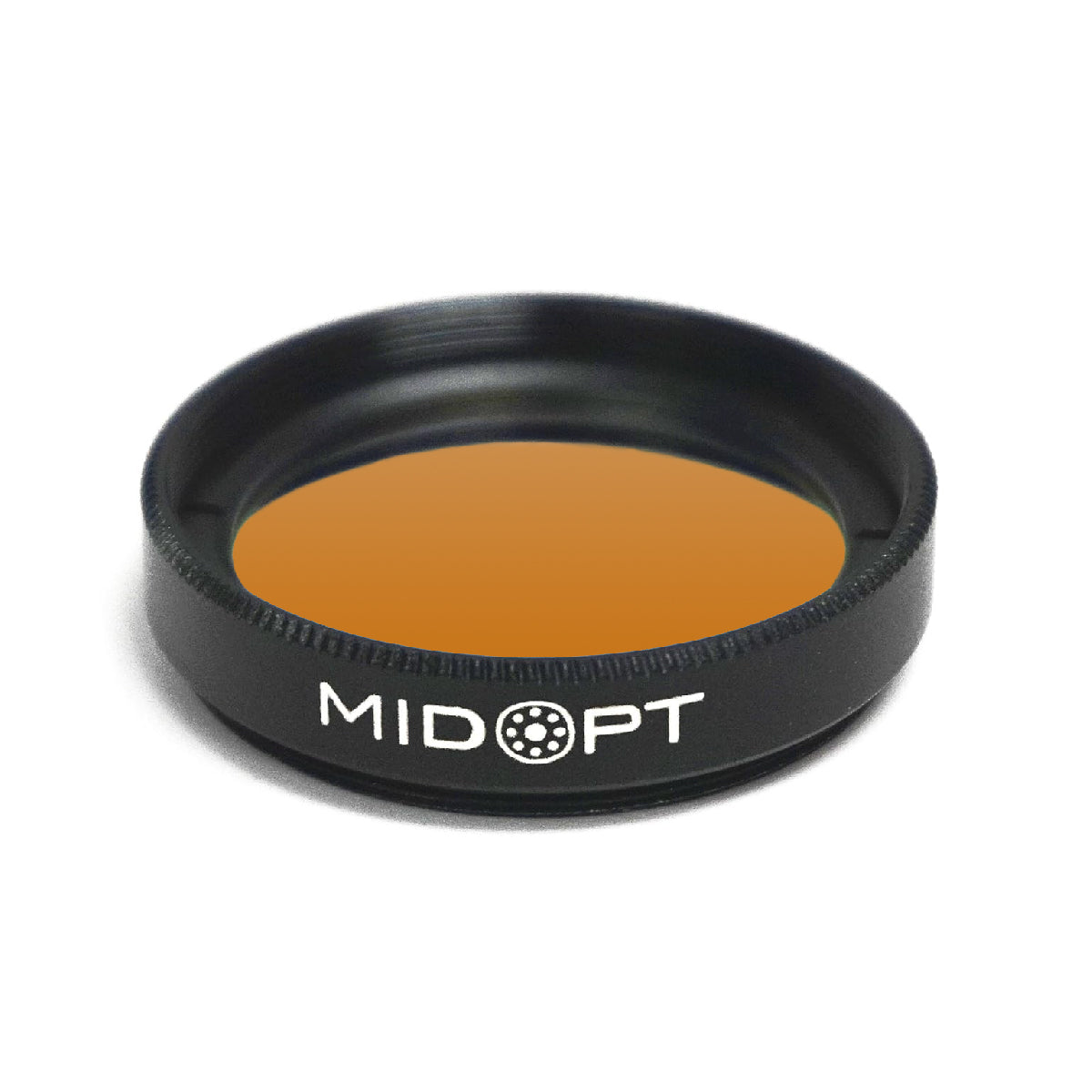
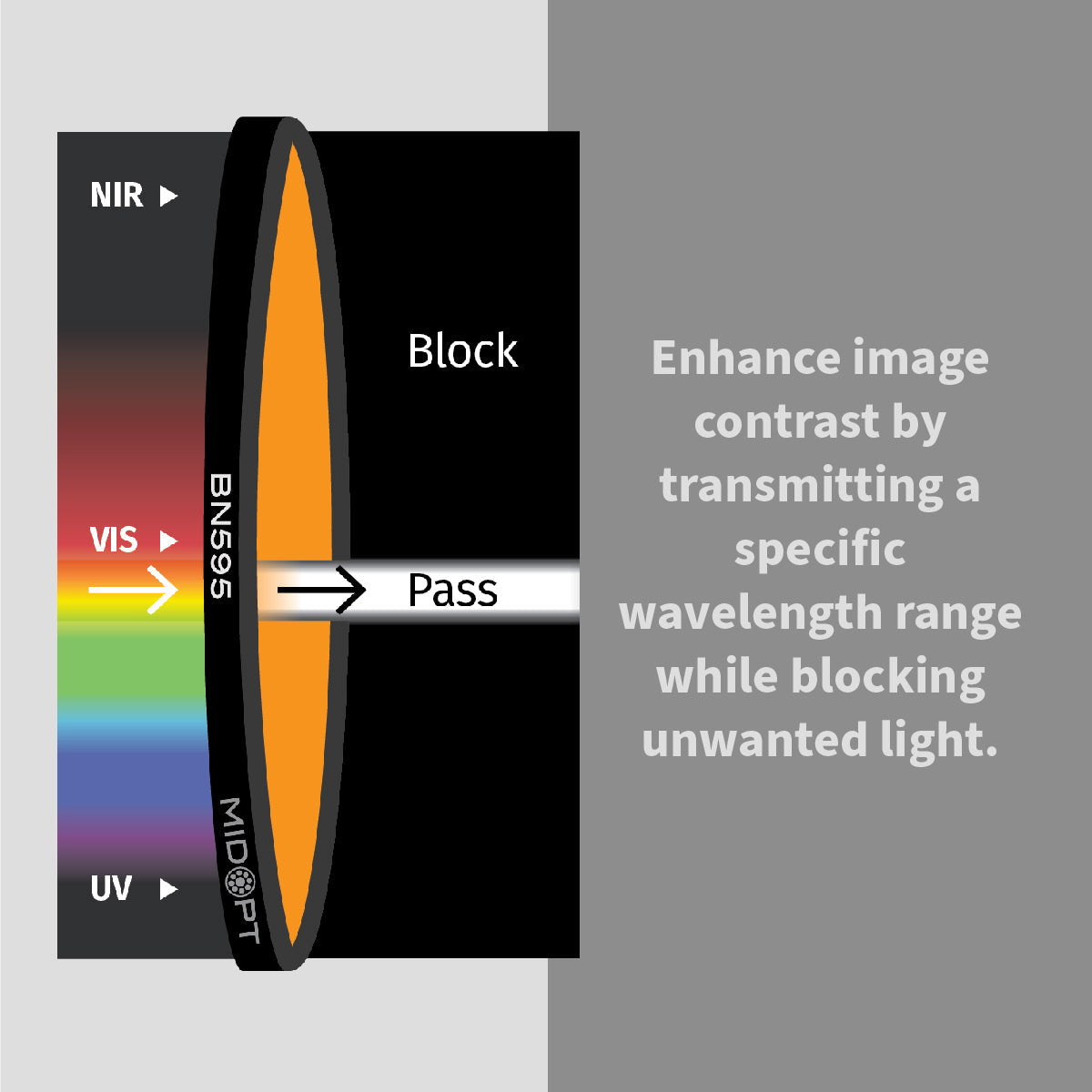
In high-performance industrial environments, image accuracy determines inspection reliability. Machine vision bandpass filters are engineered to isolate specific wavelengths of light, eliminating unwanted spectral noise and enhancing image contrast in automated inspection systems.
For manufacturers operating semiconductor inspection lines, fluorescence imaging setups, or robotics-based quality control systems, precision bandpass filters are essential optical components that directly impact measurement accuracy and system consistency.
Why Bandpass Filters Matter in Industrial Machine Vision
Industrial facilities often contain:
- Ambient overhead lighting
- Reflections from metallic surfaces
- Multi-wavelength LED systems
- Laser illumination interference
Without proper wavelength control, imaging systems capture excess light, reducing contrast and increasing false detections.
High-performance machine vision bandpass filters isolate narrow wavelength ranges, ensuring that only targeted spectral bands reach the camera sensor.
How Bandpass Filters Improve Inspection Accuracy
Precision bandpass filters enhance automated inspection systems by:
- Increasing signal-to-noise ratio
- Blocking ambient light contamination
- Improving fluorescence signal isolation
- Enhancing edge detection performance
- Supporting repeatable quality control
In automated optical inspection (AOI) systems, even minor lighting inconsistencies can affect pass/fail accuracy. Industrial-grade optical filtering stabilizes system output and reduces recalibration downtime.
Integration with Cameras, Lenses, and Lighting Systems
Bandpass filters do not operate independently. They function as part of a complete optical ecosystem.
To achieve optimal results, filters must integrate with:
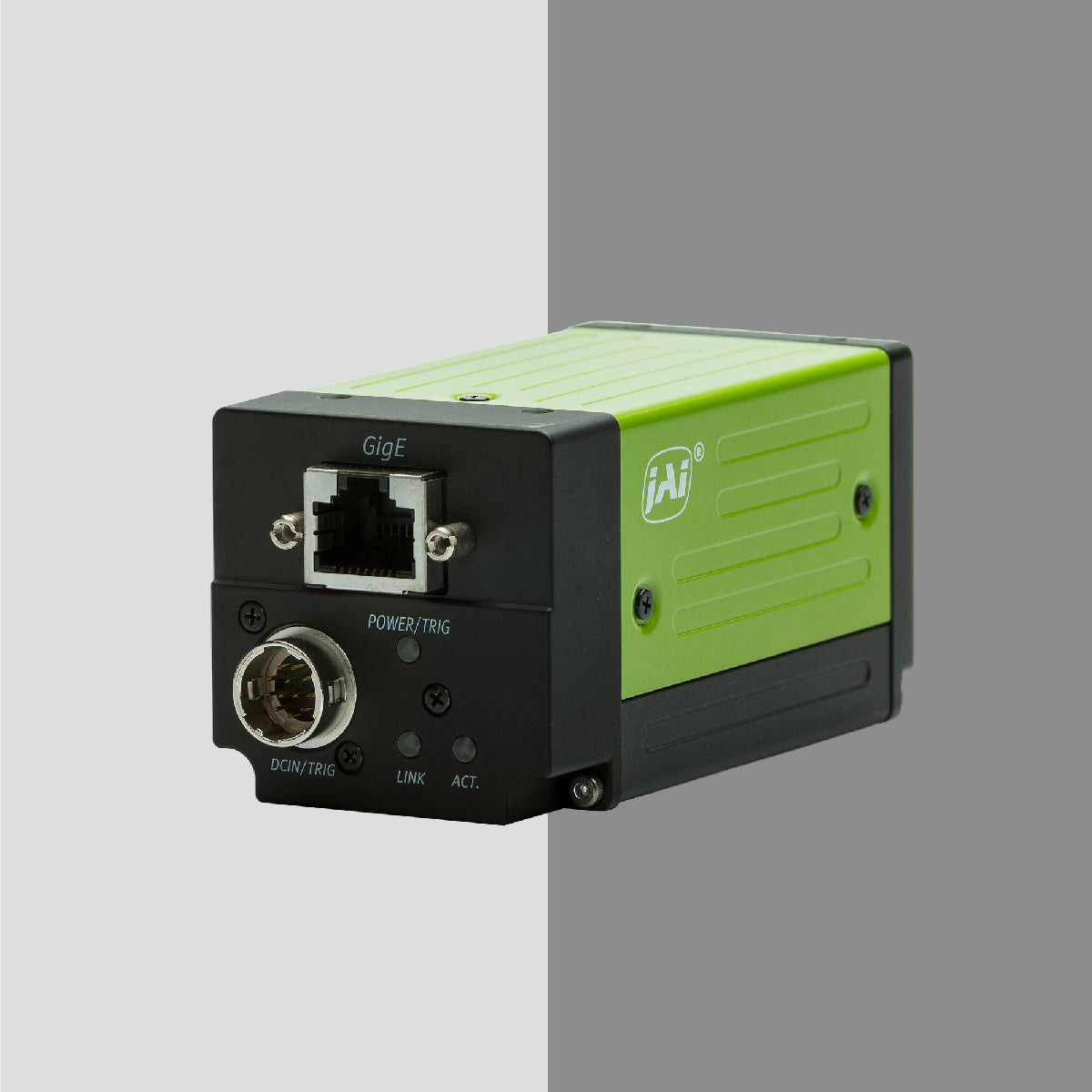
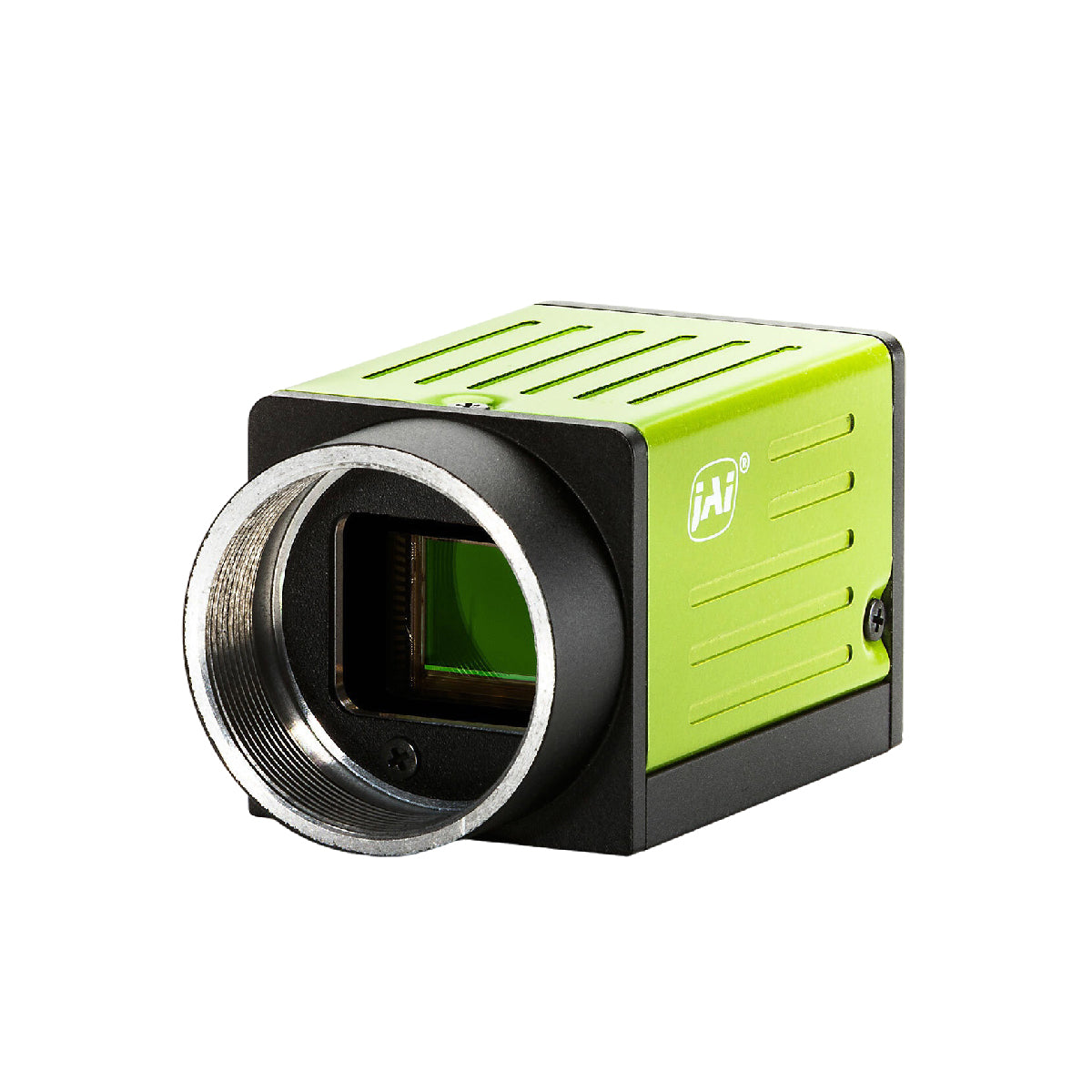
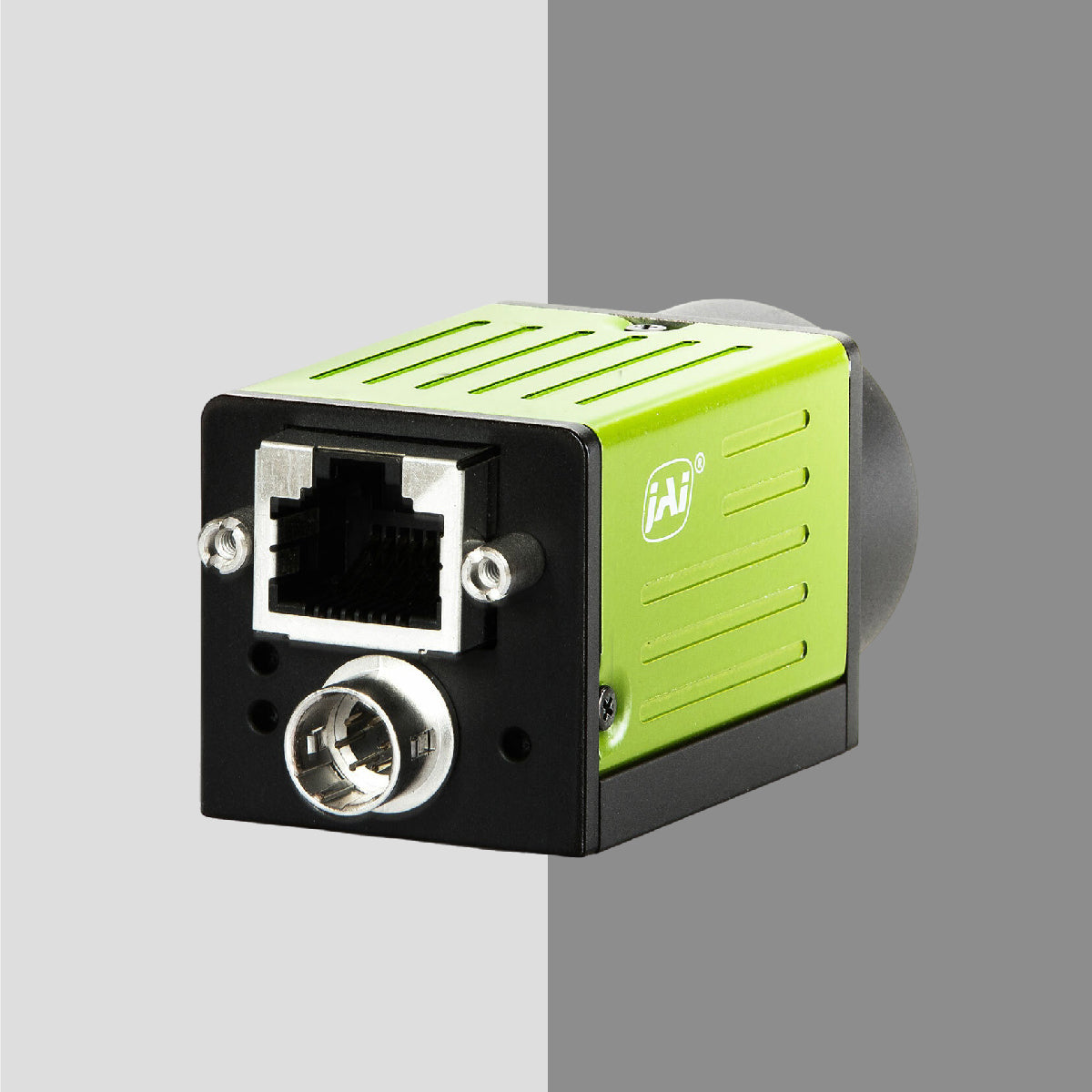
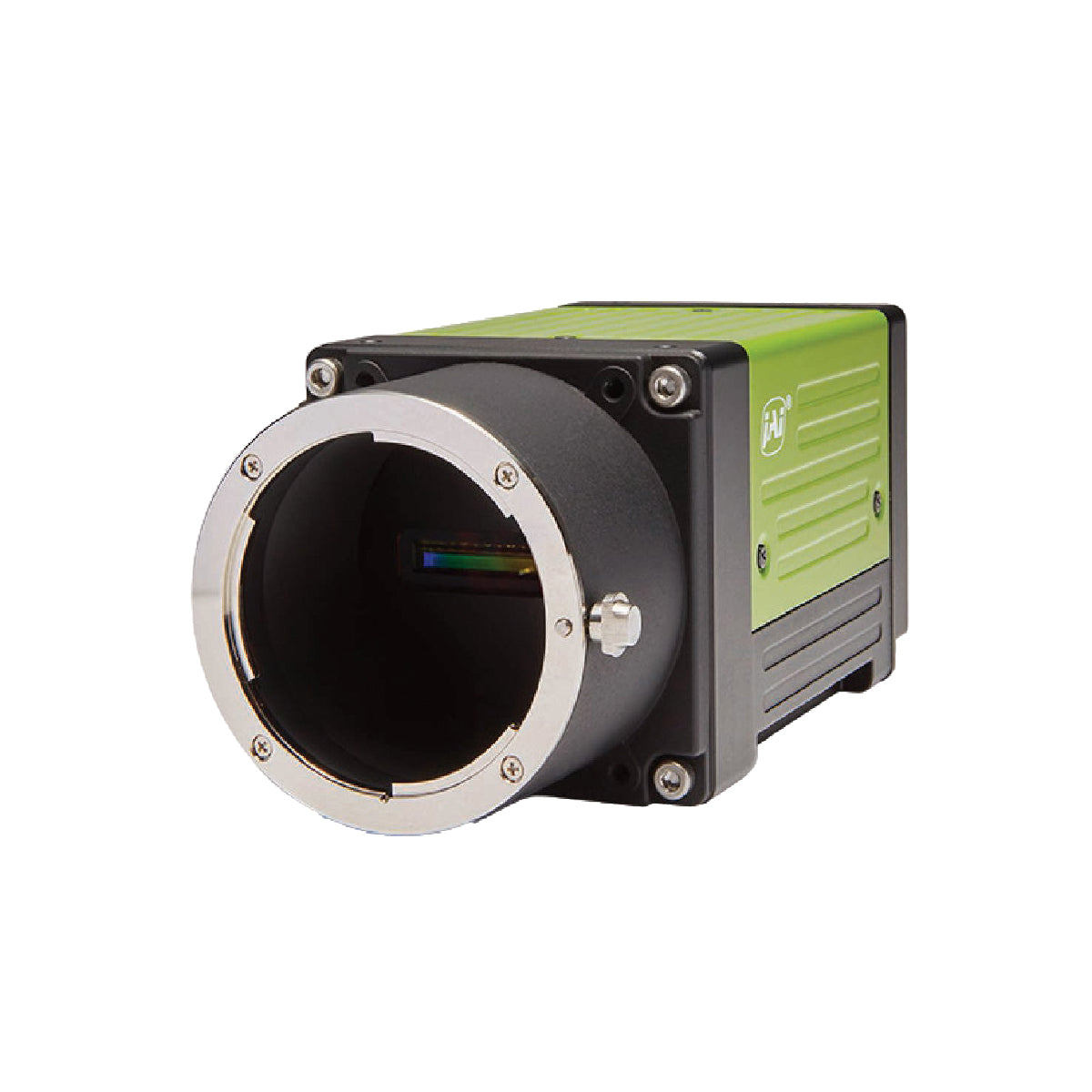
- High-resolution machine vision cameras
- Precision machine vision lenses
- Structured machine vision lighting systems
Proper system alignment ensures maximum contrast, improved depth-of-field performance, and enhanced measurement repeatability.
Applications That Require Bandpass Filters
Industrial bandpass filters are widely used in:
- Semiconductor wafer inspection
- PCB defect detection
- Laser line imaging systems
- Fluorescence microscopy
- Robotics-based sorting systems
- Automated optical inspection (AOI)
In applications requiring narrow wavelength isolation, a precision-engineered industrial bandpass filter ensures stable imaging performance in demanding production environments.
Bandpass Filters vs Lighting: Understanding the Difference
While illumination determines brightness and coverage, filtering controls spectral precision. Selecting the correct filter ensures that only desired wavelengths interact with the camera sensor.
For a deeper comparison of how filters and lighting systems work together in machine vision setups, read our detailed guide on:
🔗 machine vision lighting vs filters
This helps engineers determine when filtering is necessary versus adjusting illumination.
Technical Factors to Consider
When specifying bandpass filters for inspection systems, consider:
- Center wavelength accuracy
- FWHM bandwidth tolerance
- Peak transmission percentage
- Coating durability
- Thermal and environmental resistance
In high-speed manufacturing environments, filter stability directly impacts production consistency.
Machine vision bandpass filters are critical components in modern inspection systems. By isolating precise wavelength ranges, they improve contrast, reduce interference, and support reliable quality control in industrial automation.
Explore our full range of precision bandpass filters for machine vision designed for demanding imaging applications.
Frequently Asked Questions About Machine Vision Bandpass Filters
What is a bandpass filter in machine vision?
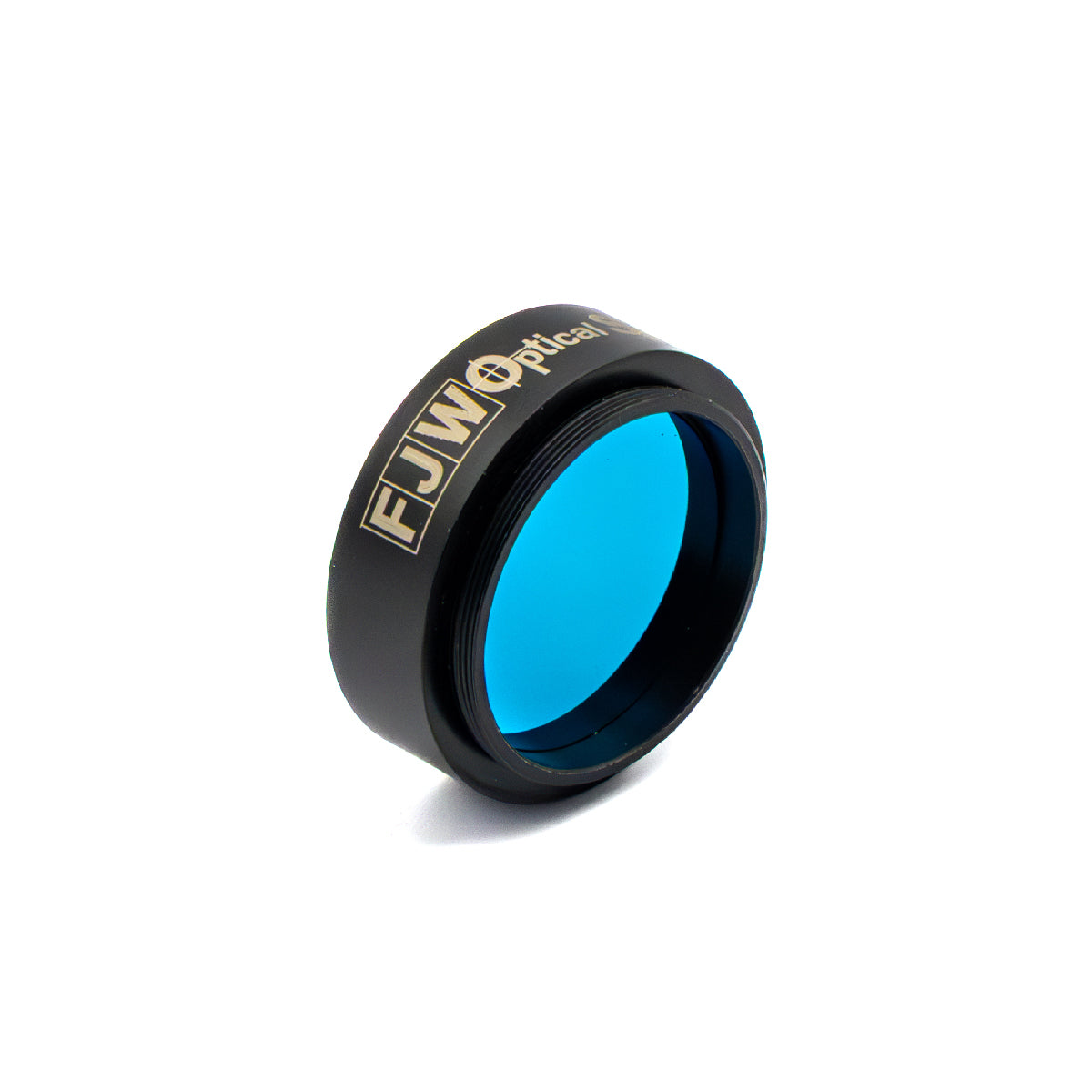
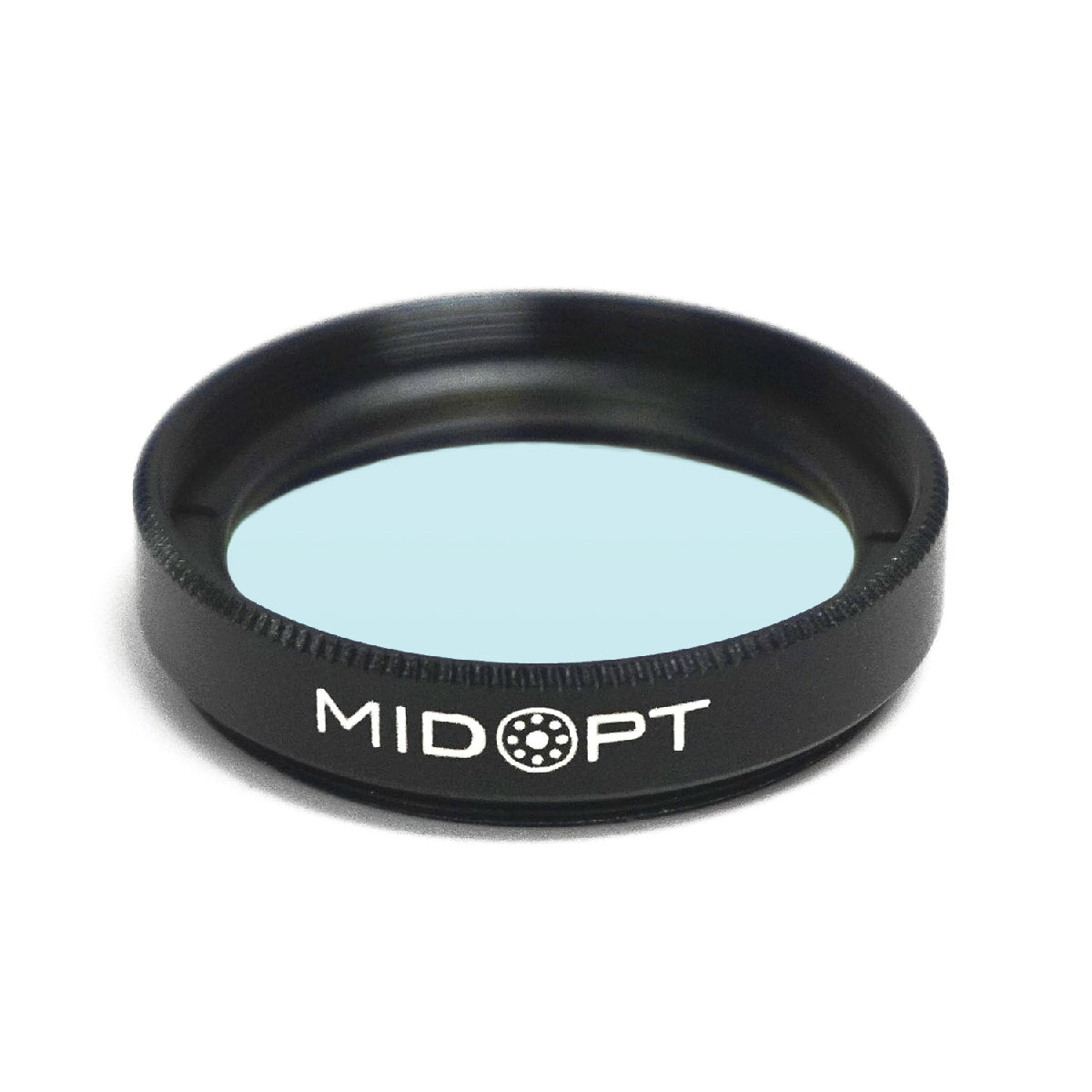
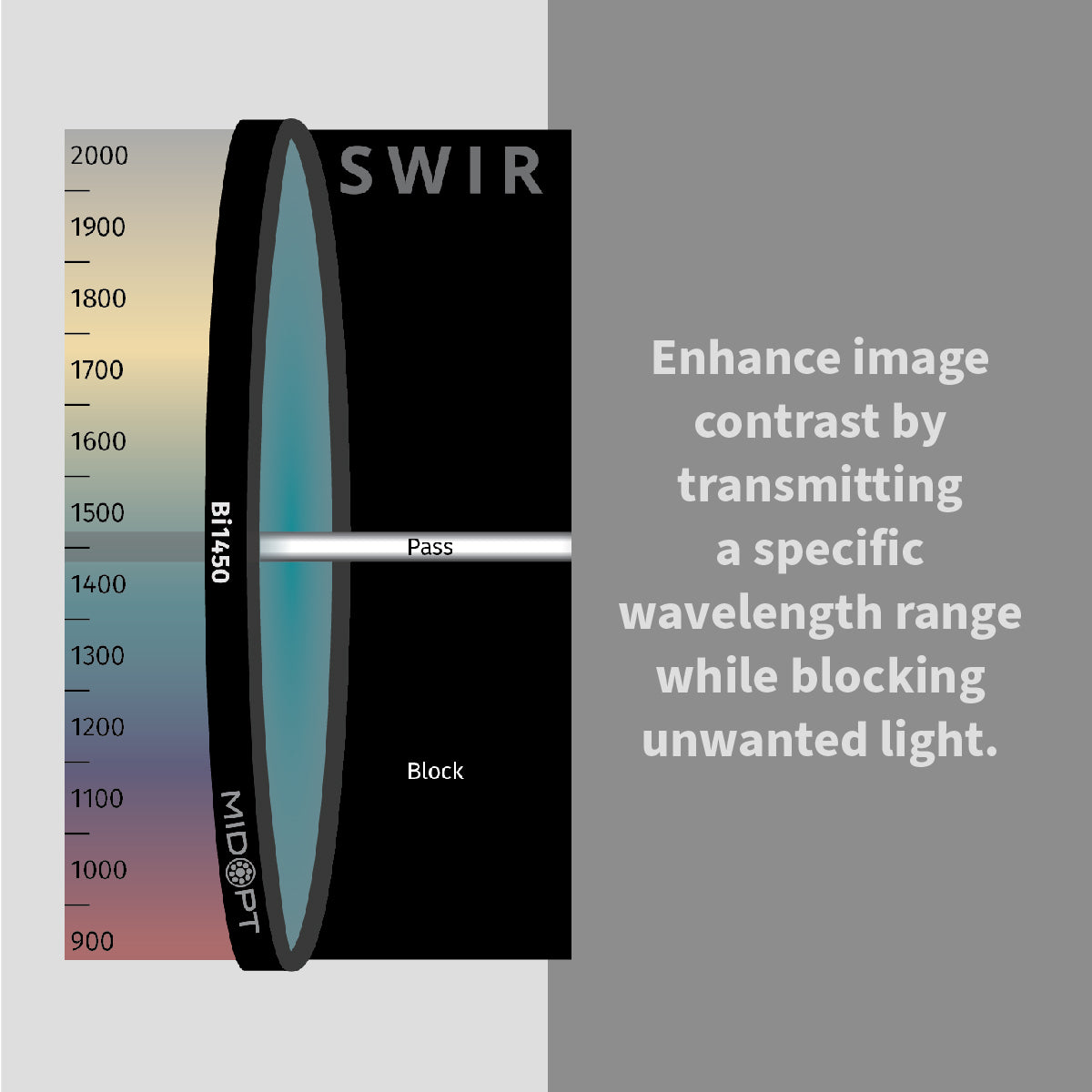
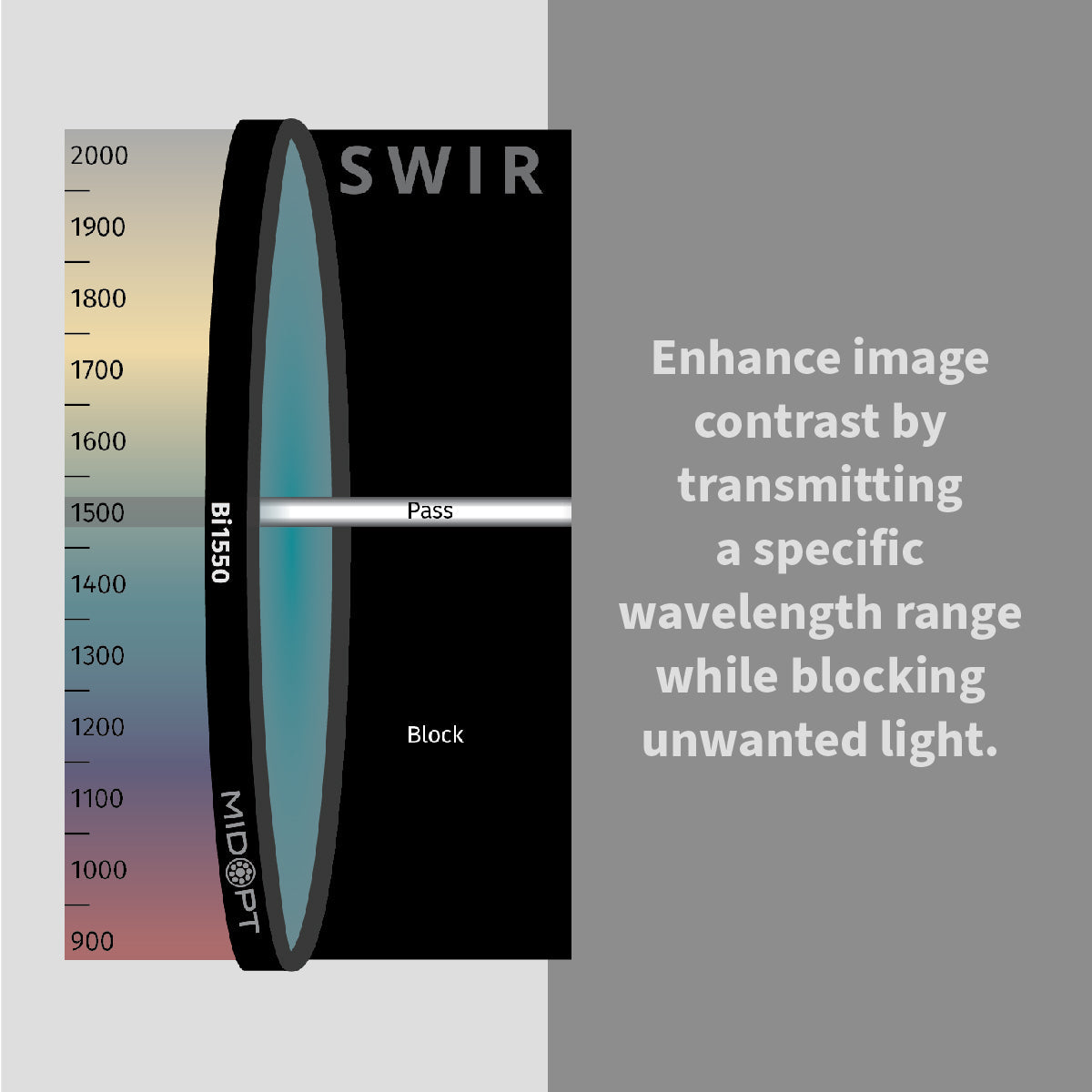
A bandpass filter allows a specific wavelength range of light to pass while blocking other wavelengths. In machine vision systems, it improves contrast and reduces unwanted ambient light interference.
How do bandpass filters improve inspection accuracy?
By isolating targeted wavelengths, bandpass filters increase signal-to-noise ratio and enhance edge detection, leading to more accurate automated inspection results.
What is the difference between bandpass and longpass filters?
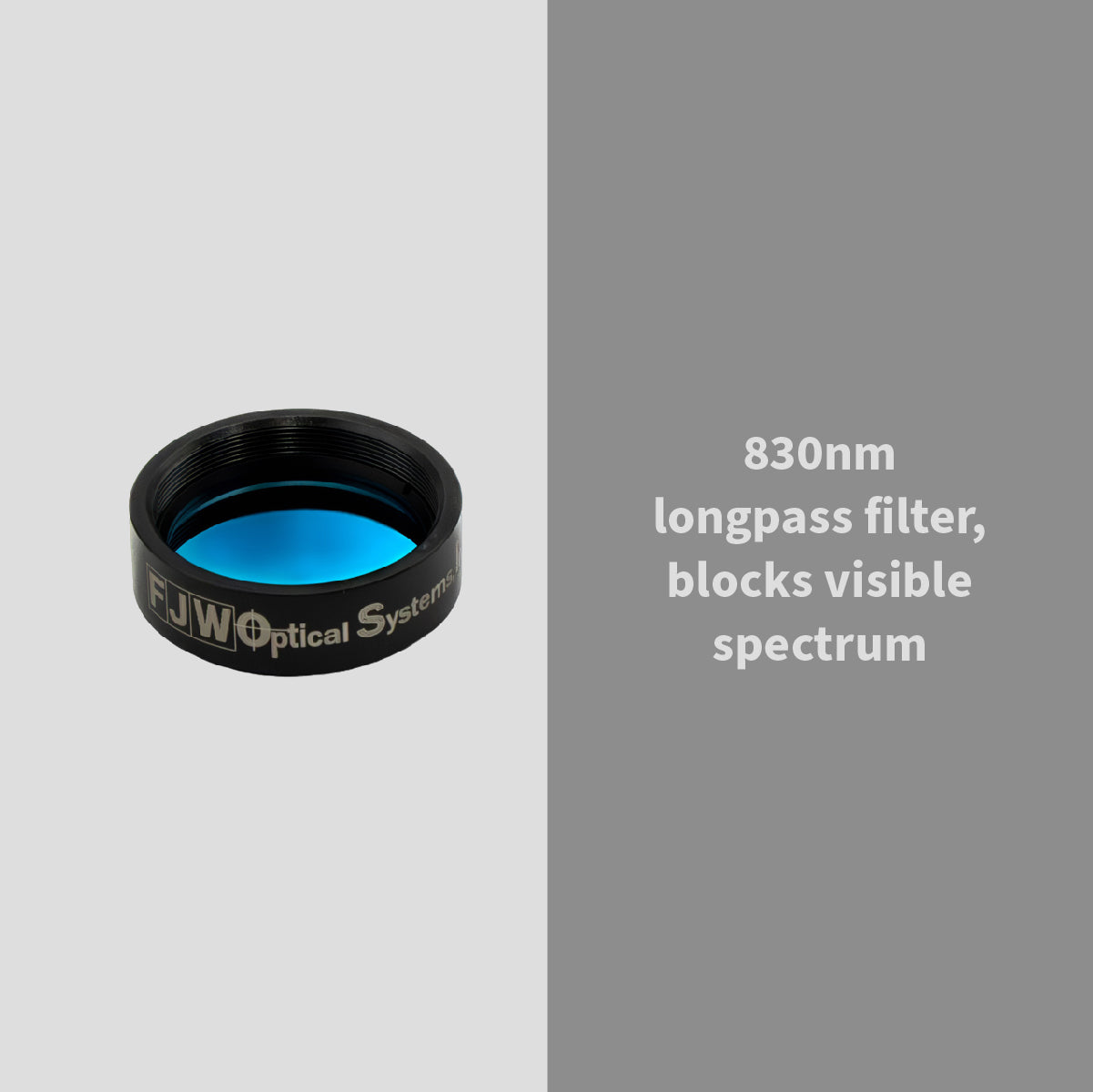
Bandpass filters isolate a narrow spectral range, while longpass filters allow all wavelengths above a cutoff point to pass. Bandpass filters are typically used when precise wavelength isolation is required.
Do I need a bandpass filter for LED-based machine vision systems?
If your inspection system requires isolating a specific LED wavelength or reducing ambient factory lighting interference, a bandpass filter significantly improves system reliability.