
 Find-R-Scopes

 Filters
 Lenses
 Cameras
 Lighting

 Accessories












In machine vision and precision imaging, clarity is everything. Yet even with high-end cameras and sensors, image quality can be compromised by optical imperfections. One of the most common being chromatic aberration. Understanding what chromatic aberration is, how it impacts your system and how to correct it is essential for achieving accurate, repeatable results.
What is Chromatic Aberration?
Chromatic aberration occurs when a lens fails to focus all wavelengths of light to the same point. Because different colors (wavelengths) of light refract at slightly different angles as they pass through glass, they don’t converge perfectly on the sensor.
This results in:
- Color fringing (typically red, green, or blue outlines)
- Blurred edges
- Reduced sharpness and contrast
There are two primary types:
- Longitudinal Chromatic Aberration (LoCA): Different wavelengths focus at different distances along the optical axis.
- Lateral Chromatic Aberration (LaCA): Different wavelengths focus at different positions across the image plane, often visible near the edges of the frame.
Why Chromatic Aberration Matters in Machine Vision
In industrial and scientific imaging, even small distortions can lead to inaccurate measurements or missed defects.
Chromatic aberration can negatively impact:
- Edge detection: Color fringing reduces edge clarity, making it harder for algorithms to identify boundaries
- Measurement accuracy: Misalignment of color channels can introduce dimensional errors
- Inspection reliability: Fine details may appear blurred or distorted, especially in high-contrast scenes
For applications like metrology, electronics inspection and automated quality control, these issues can significantly affect performance.
Common Causes
Several factors contribute to chromatic aberration in imaging systems:
- Lens design limitations: Lower-quality or non-corrected lenses are more prone to dispersion issues
- Wide spectral range: Systems using broadband or white light increase the likelihood of wavelength separation
- High-contrast scenes: Chromatic aberration is more visible where light and dark regions meet
How to Reduce or Eliminate Chromatic Aberration
1. Use Apochromatic or Achromatic Lenses
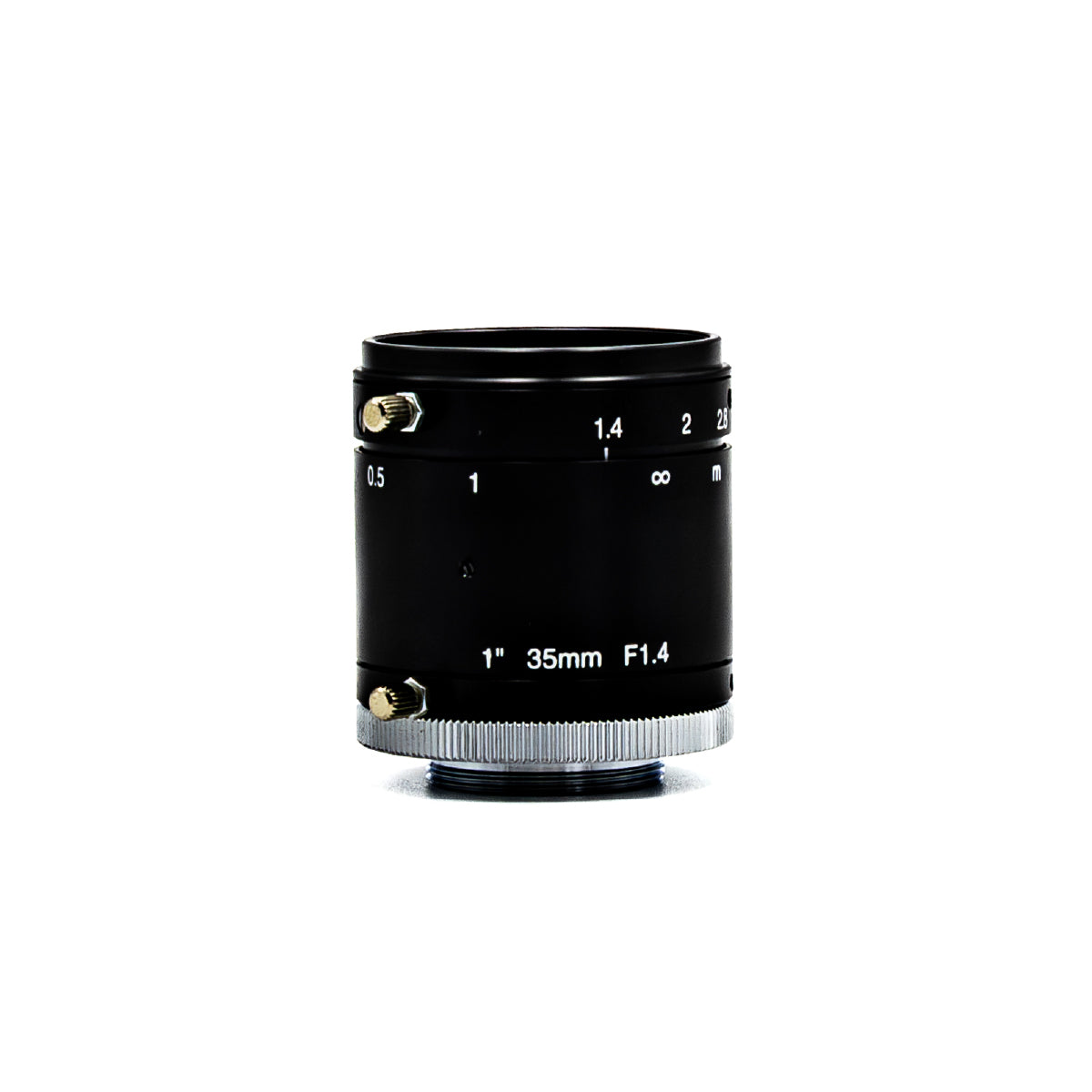
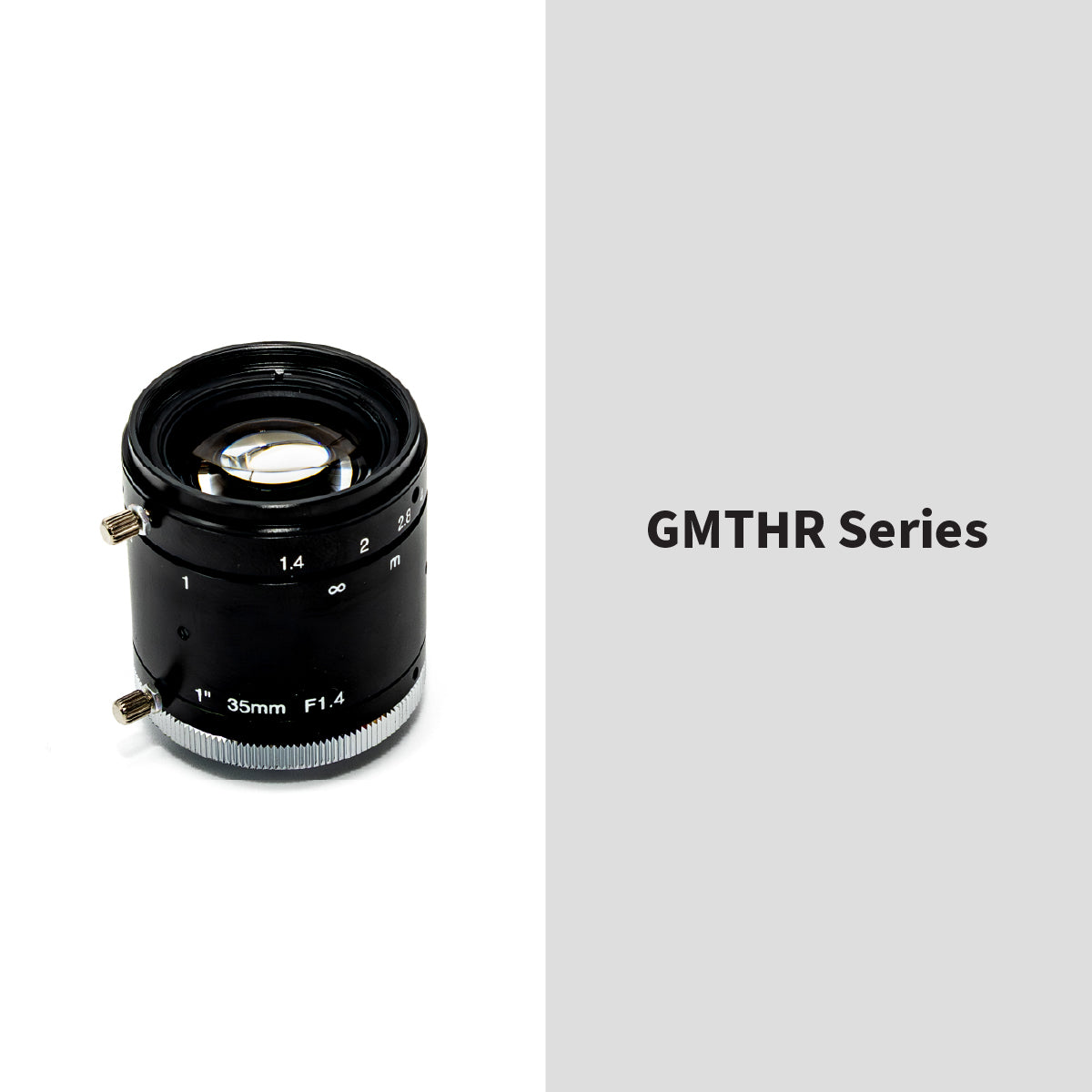
High-quality lenses are specifically designed to correct for chromatic aberration by bringing multiple wavelengths into focus at the same plane.
- Achromatic lenses correct for two wavelengths
- Apochromatic lenses correct for three or more, offering superior performance
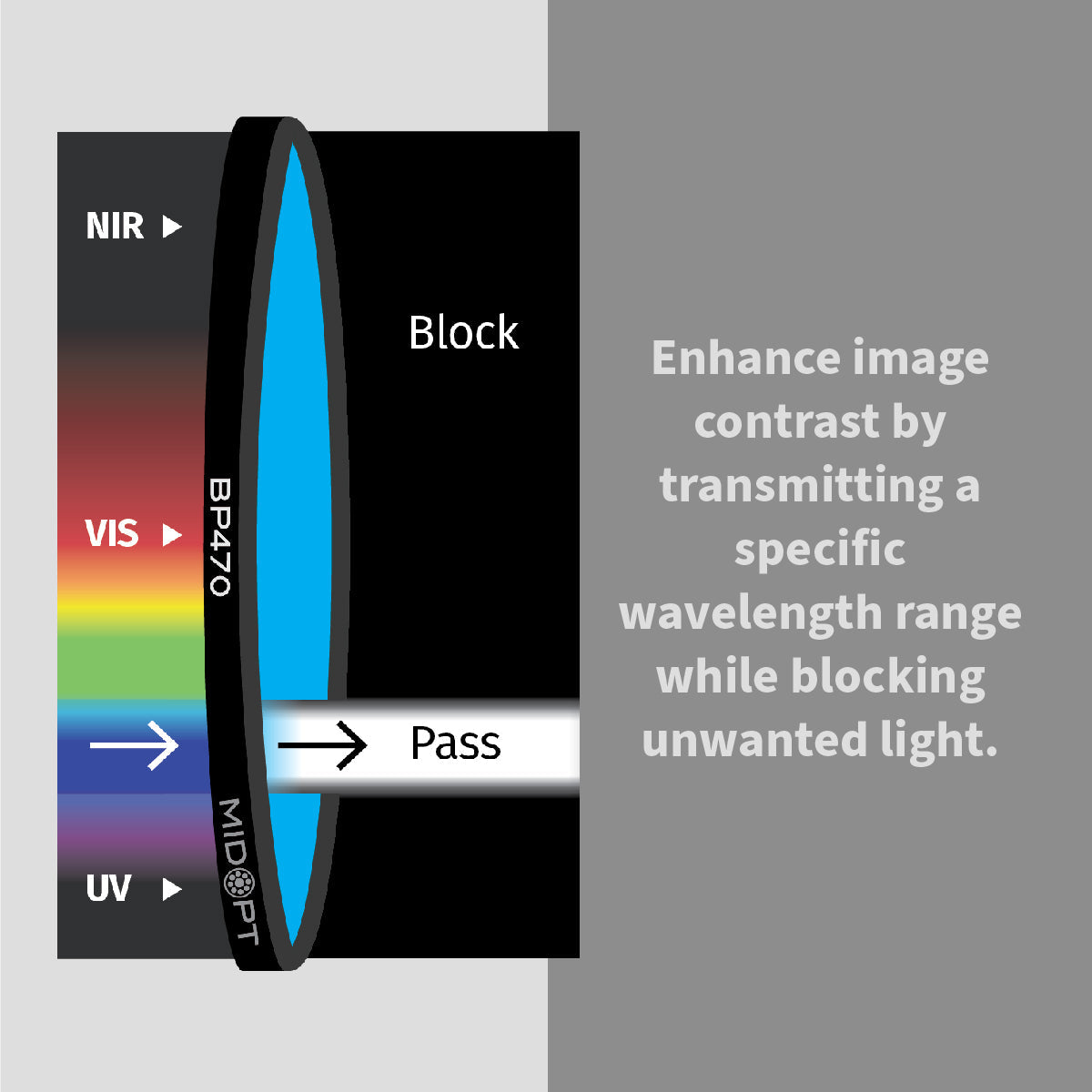
2. Narrow the Spectral Band
Using monochromatic lighting or narrowband illumination reduces the range of wavelengths entering the lens, minimizing dispersion effects.
3. Incorporate Optical Filters
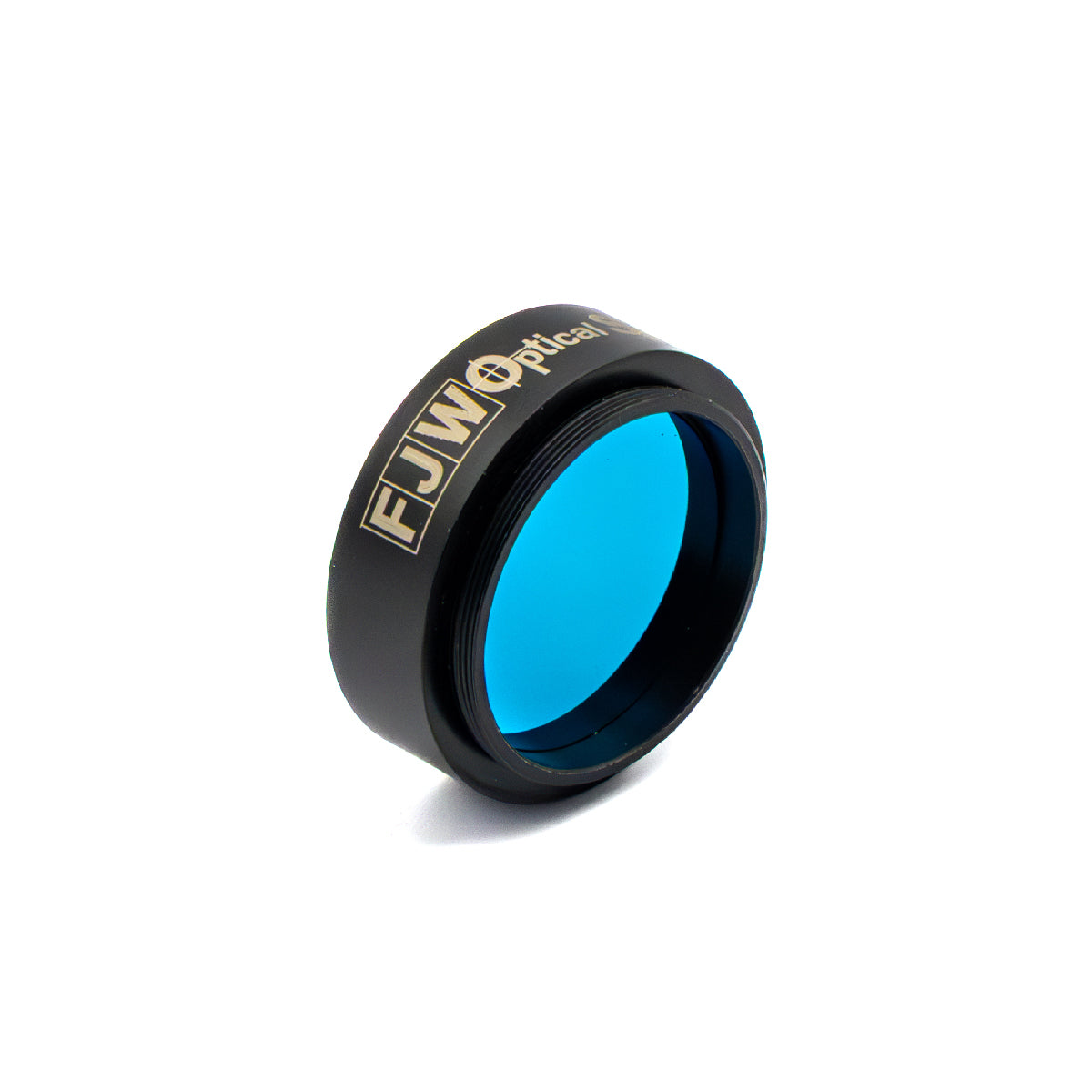
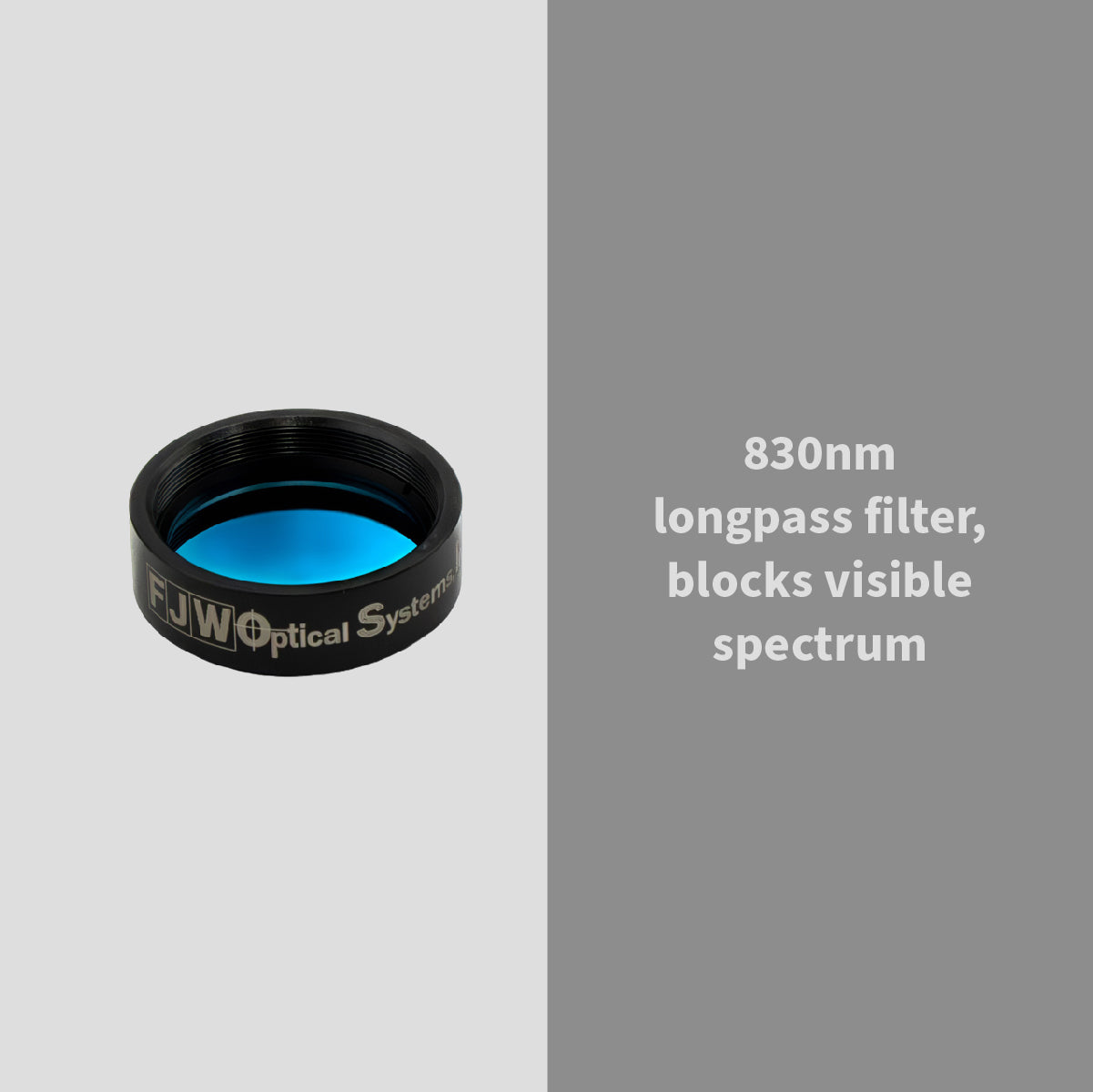
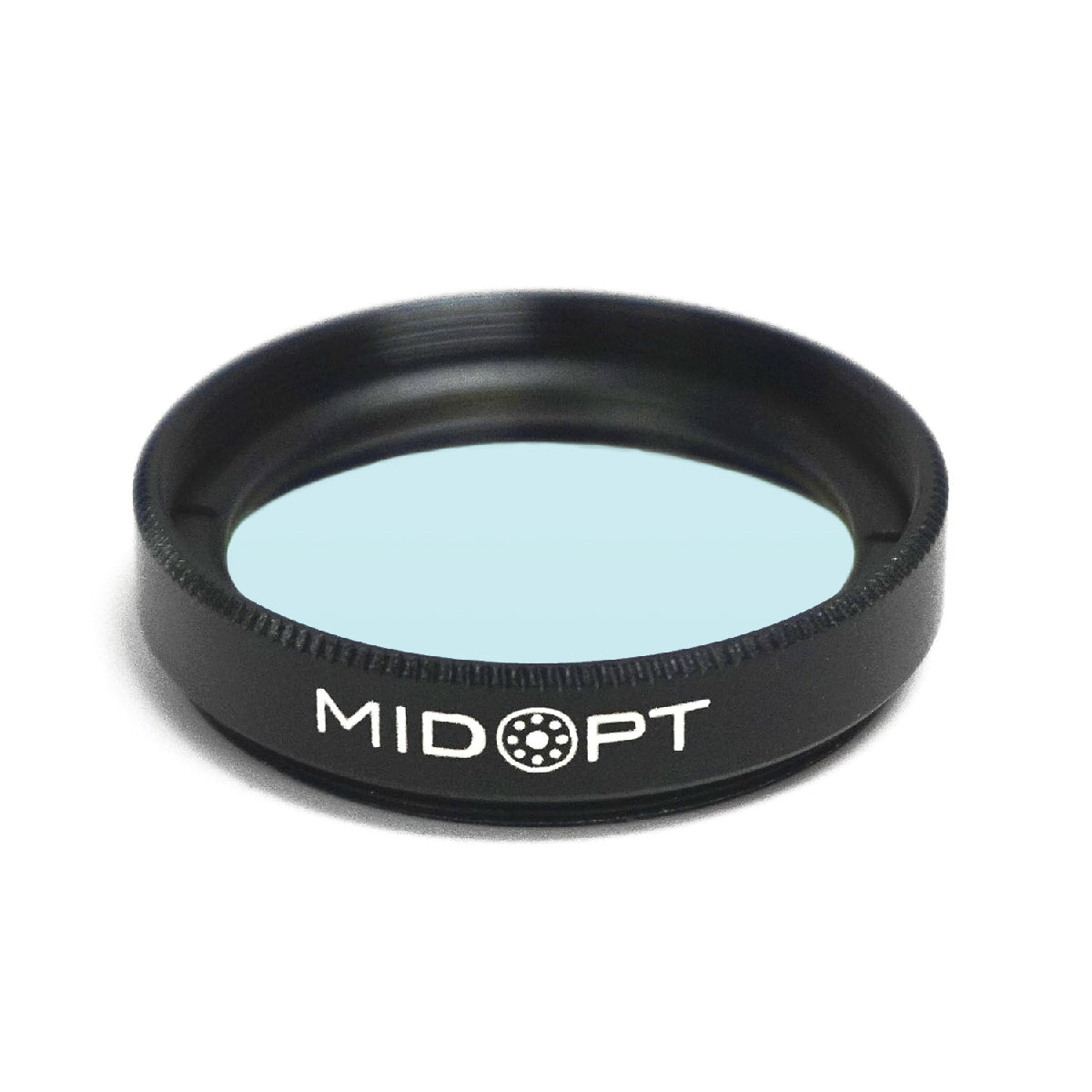
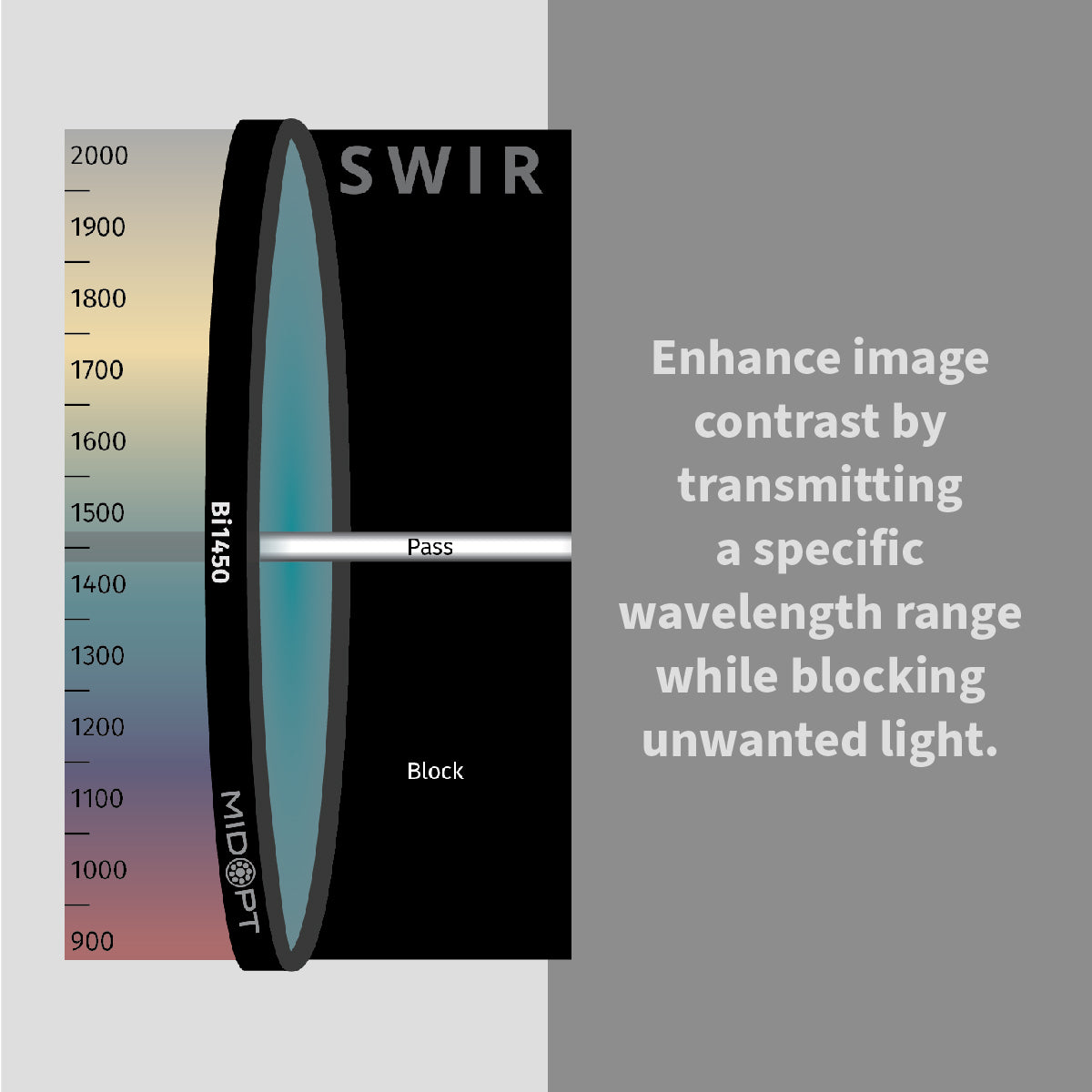
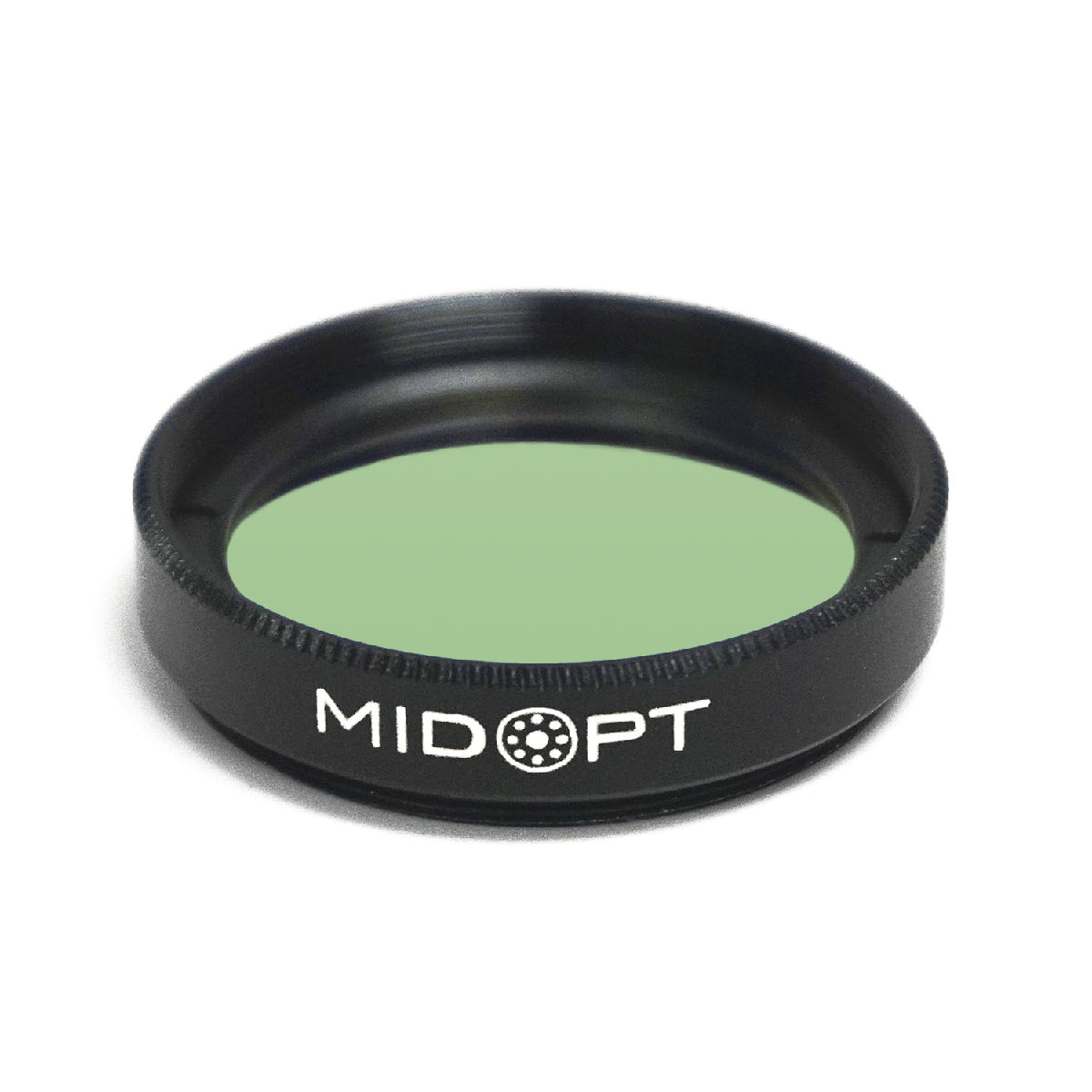
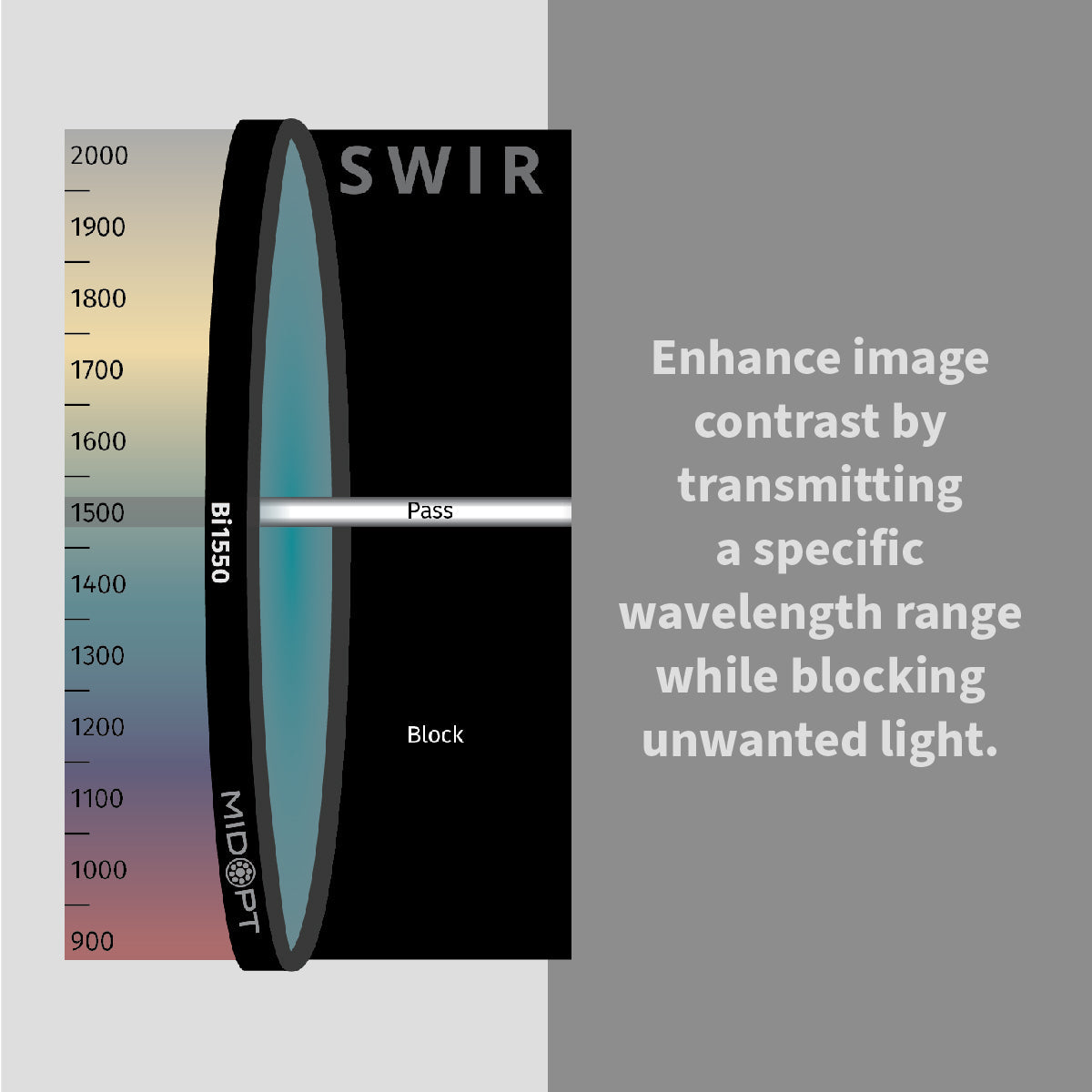
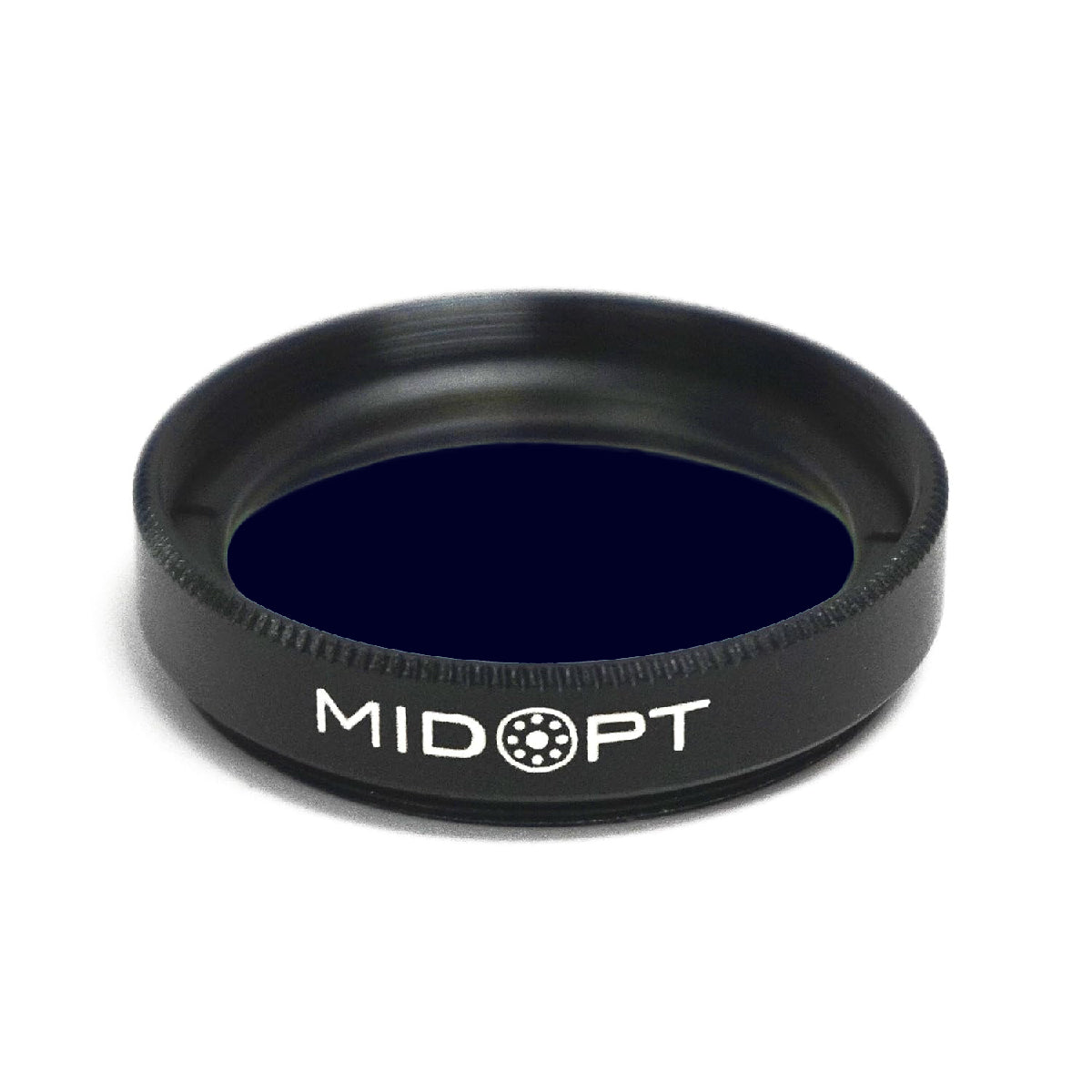
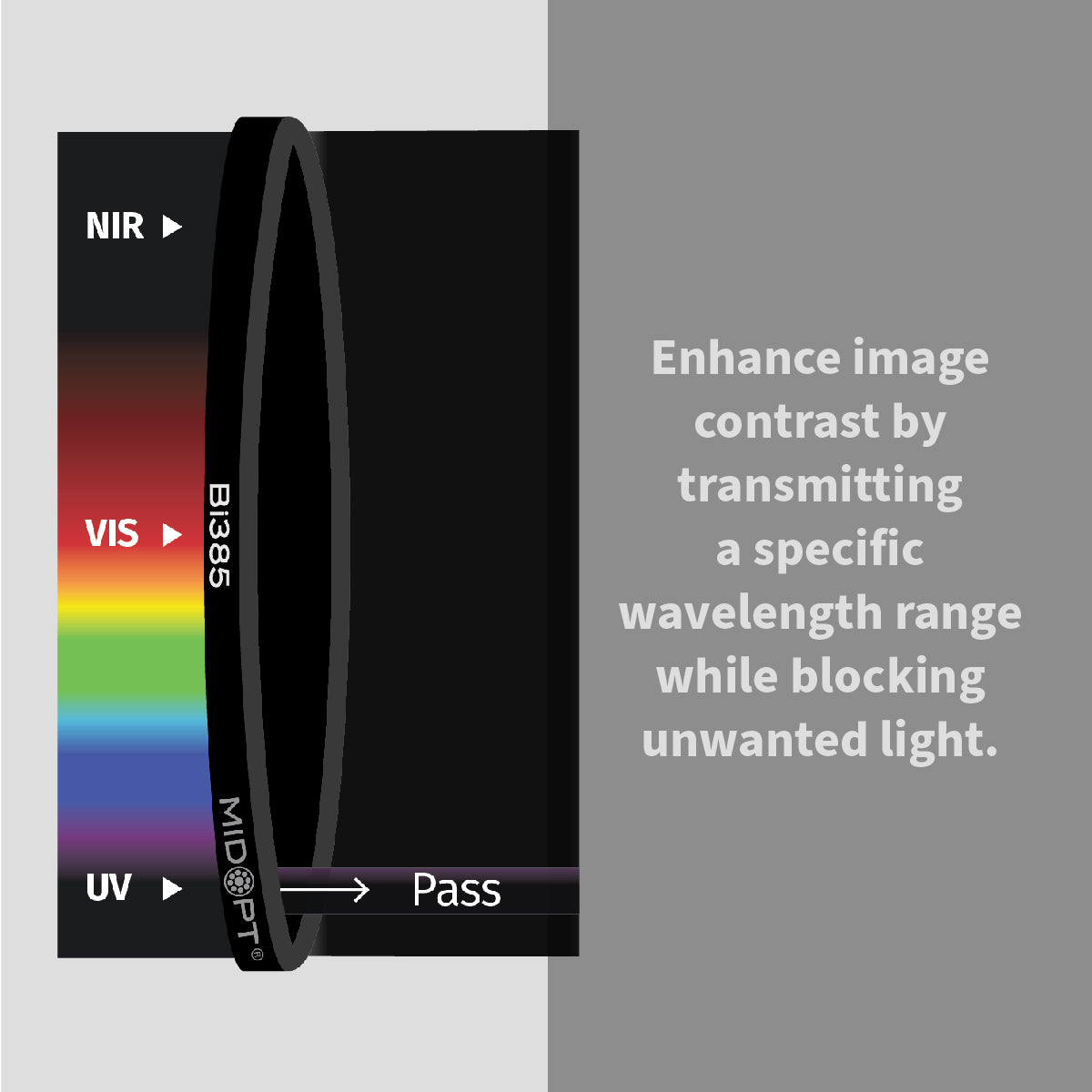
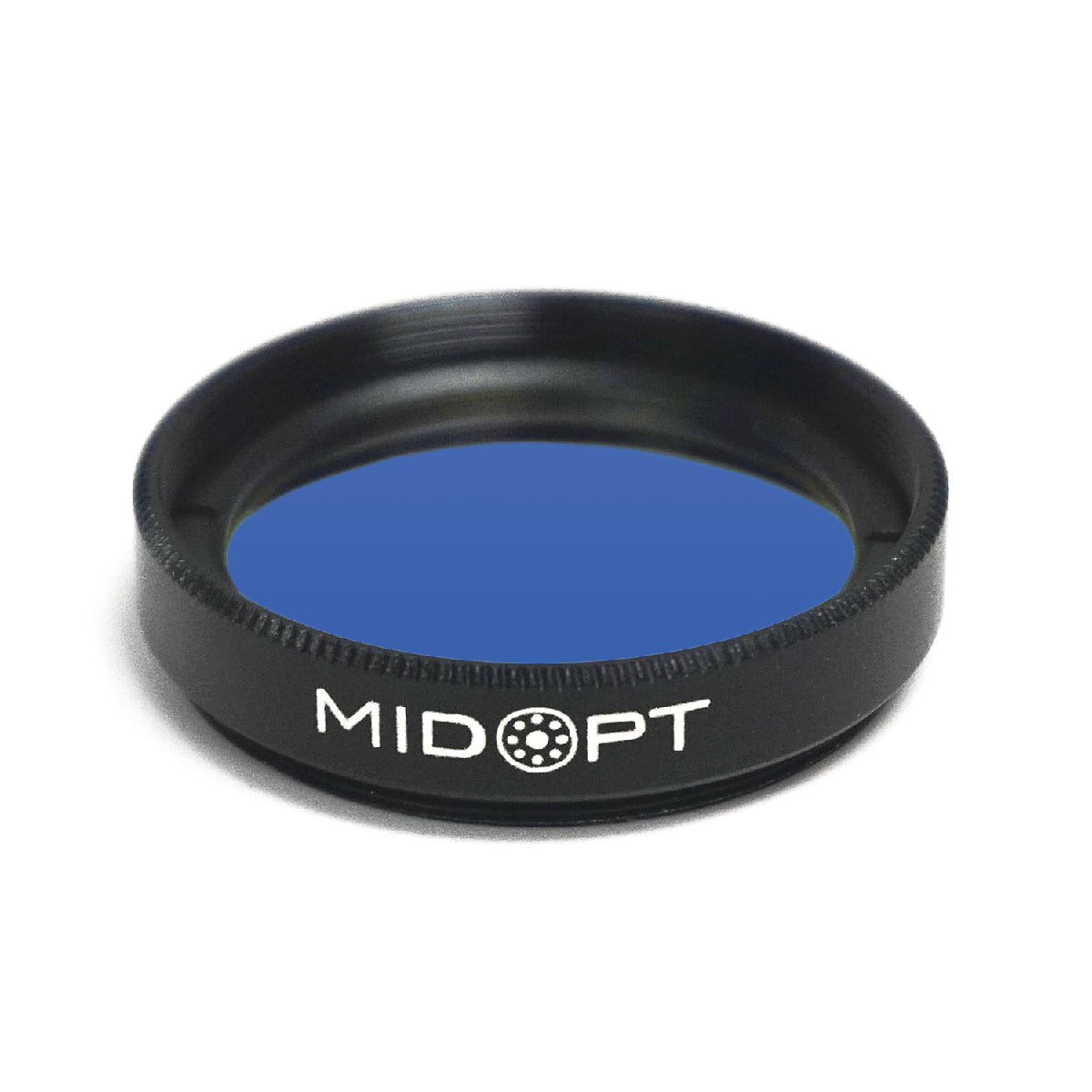
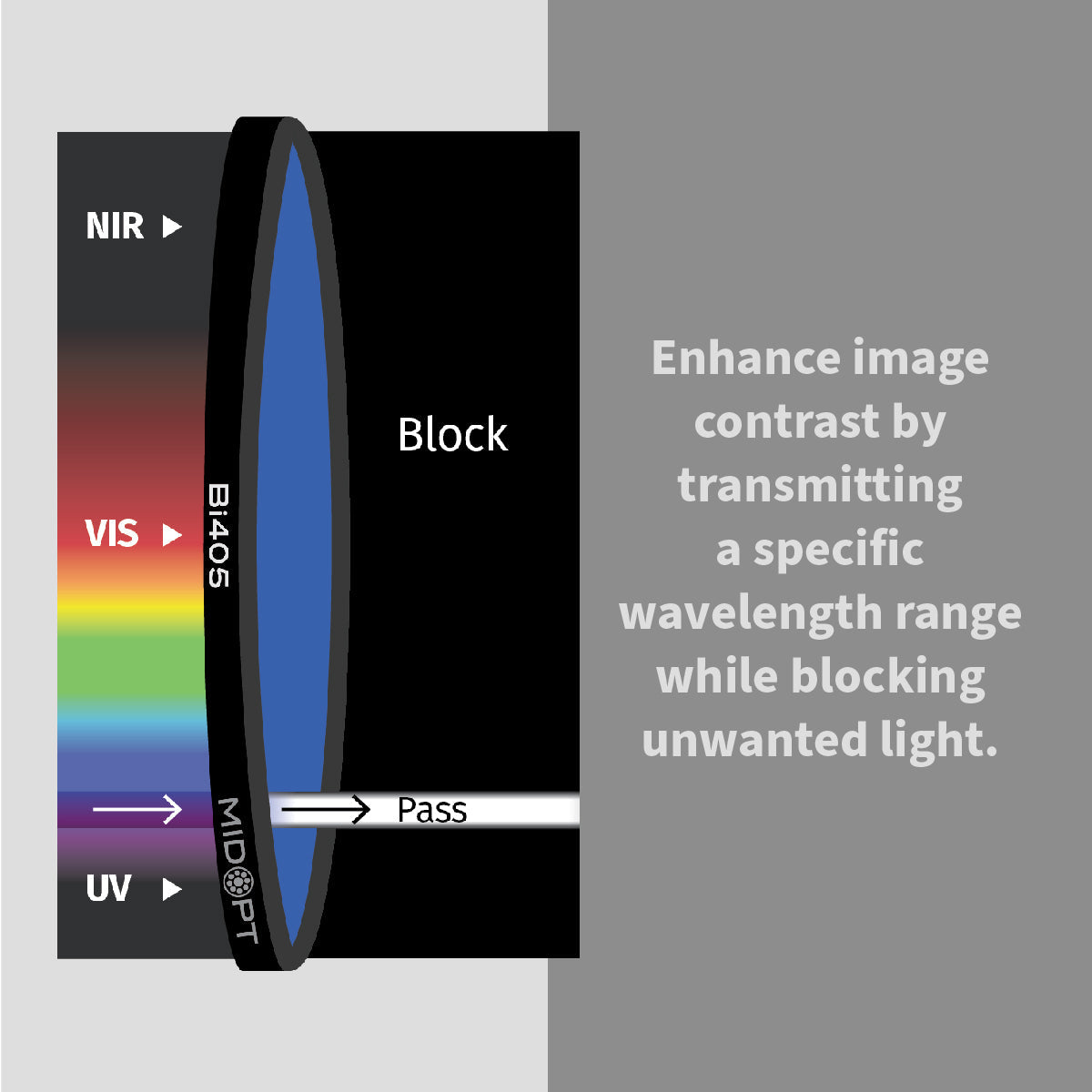
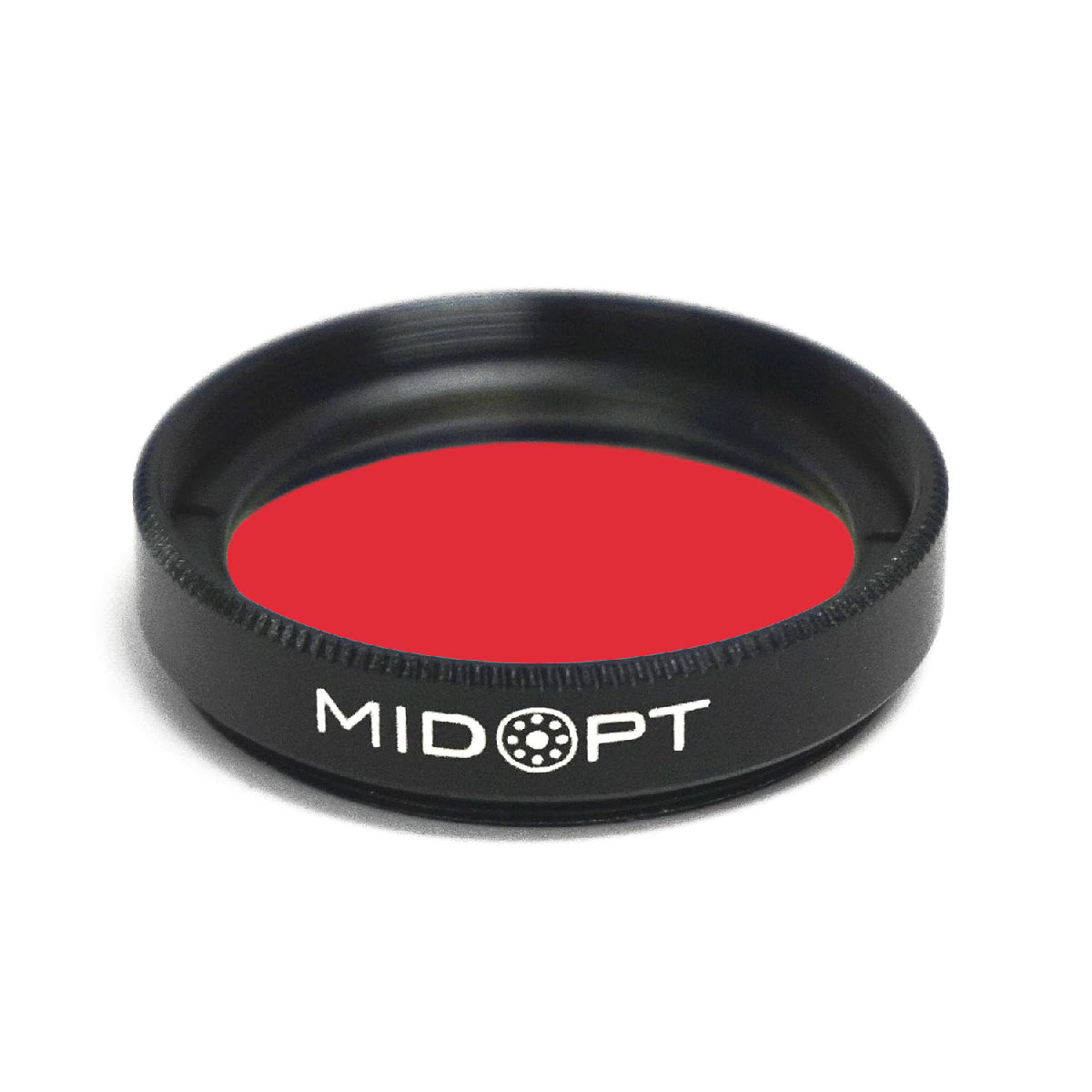
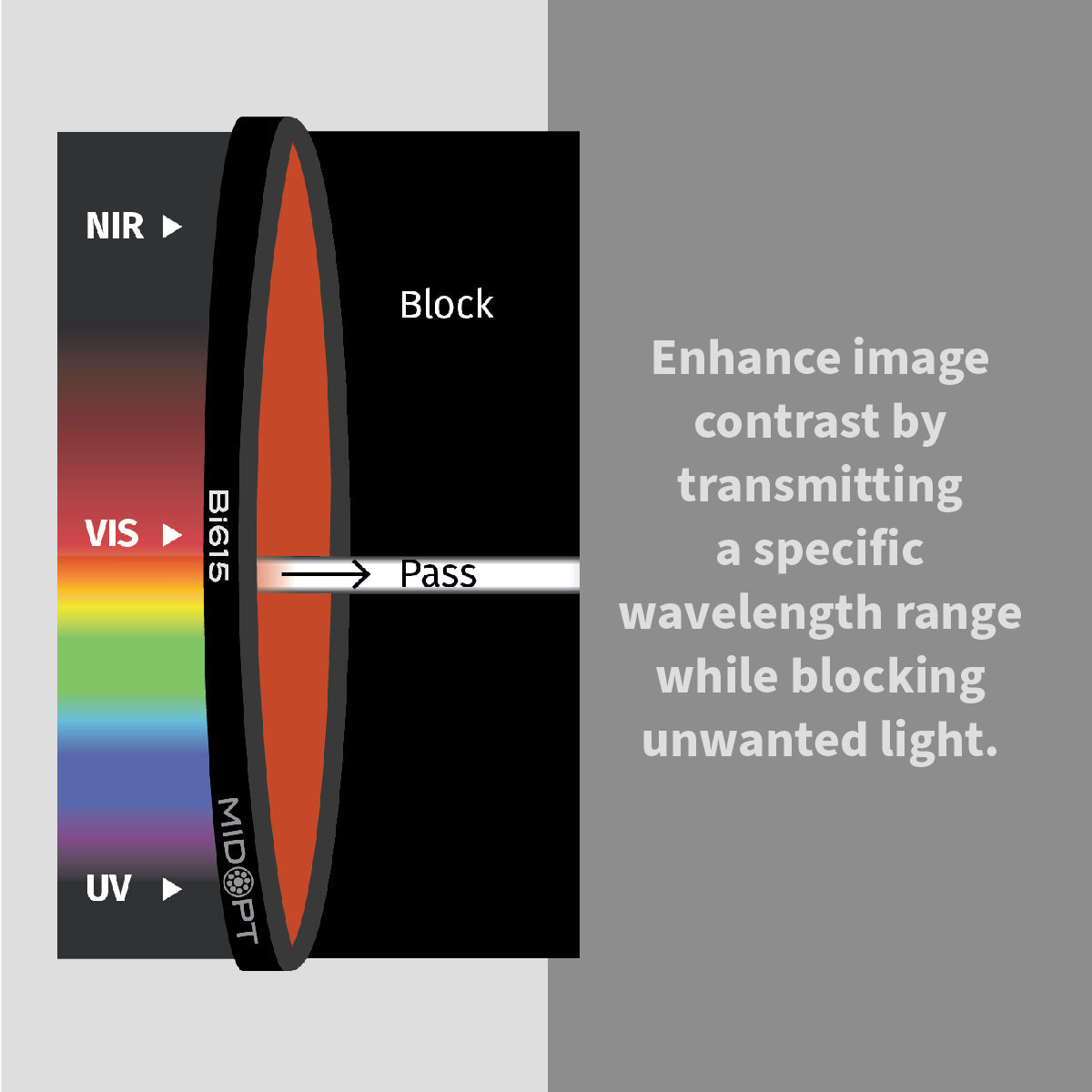
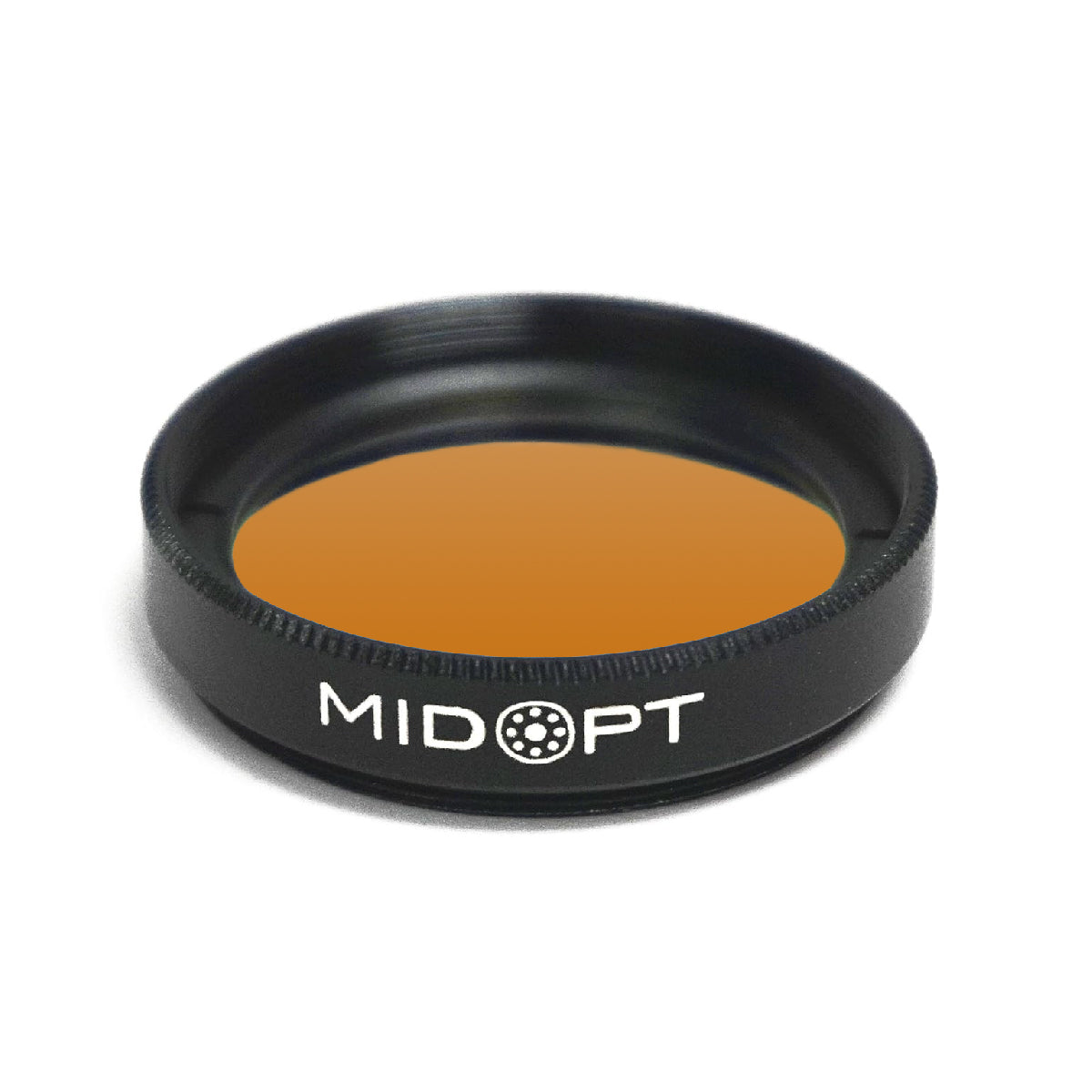
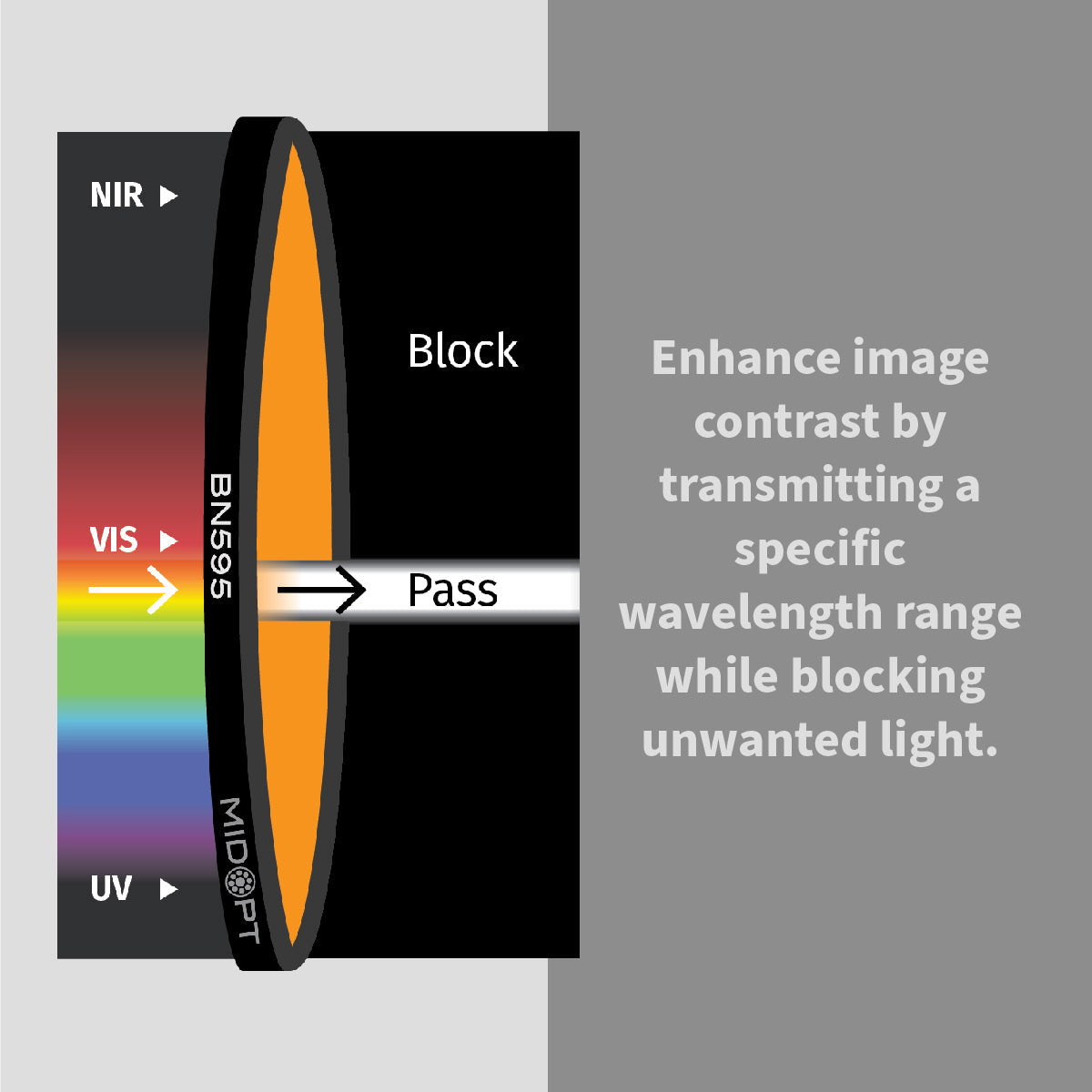
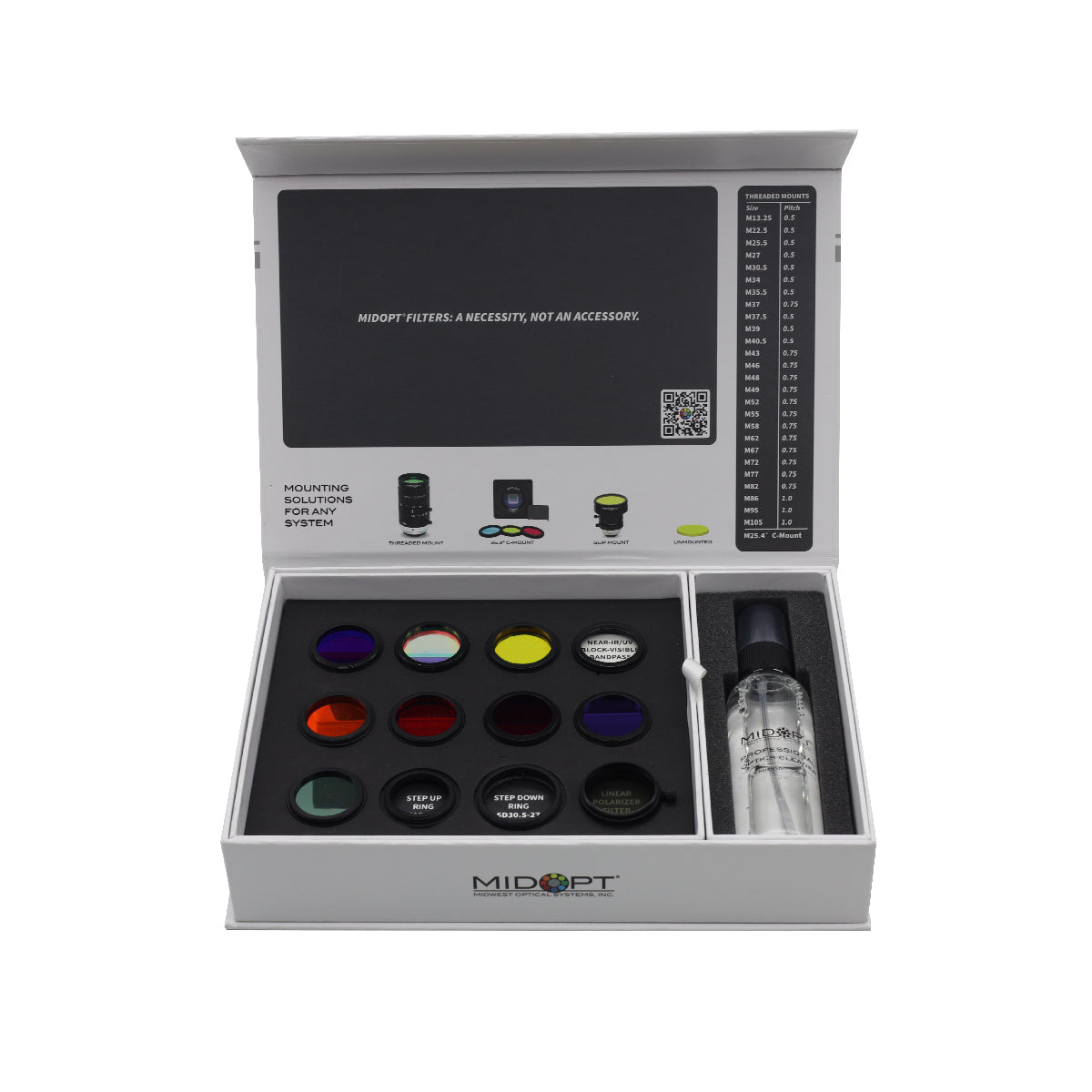
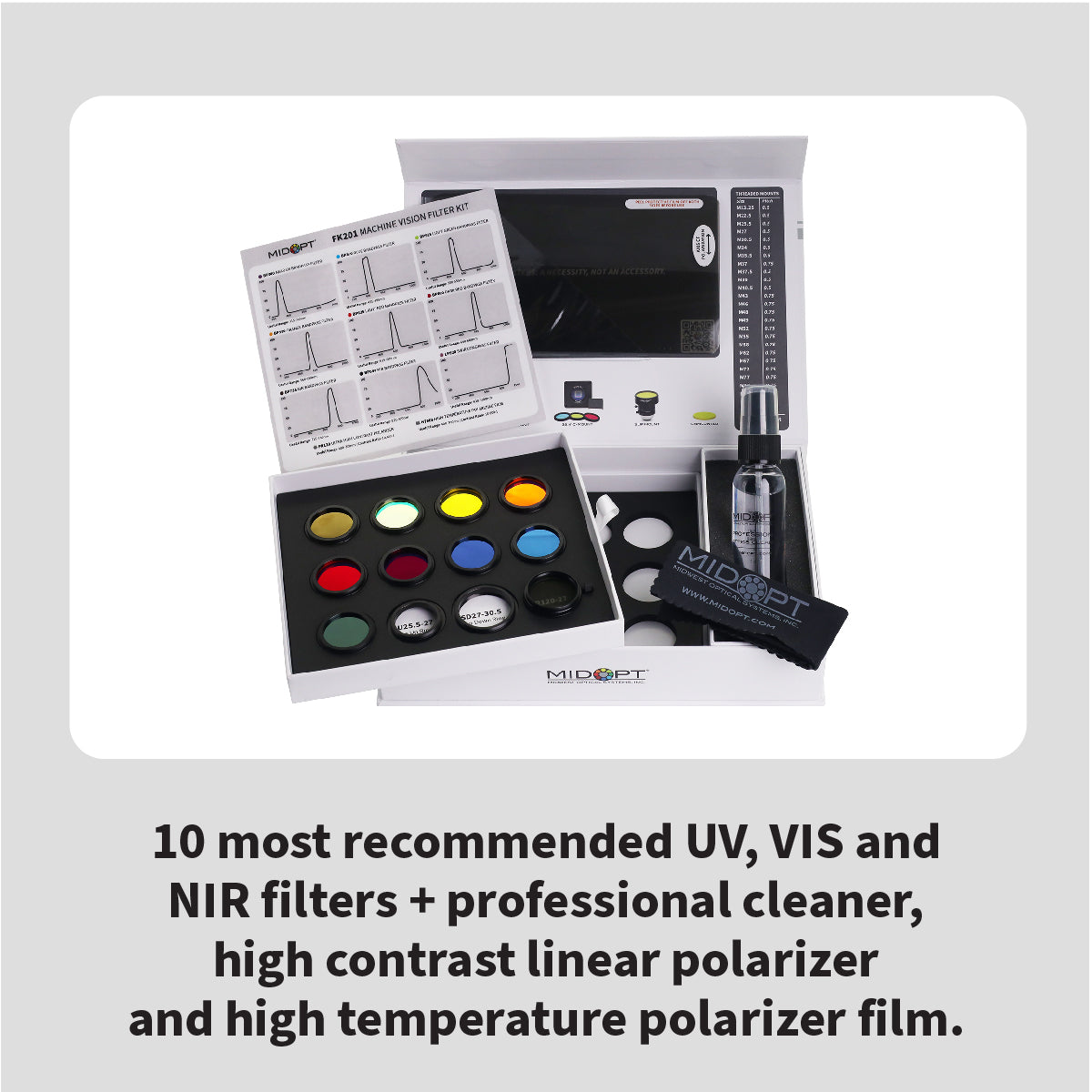
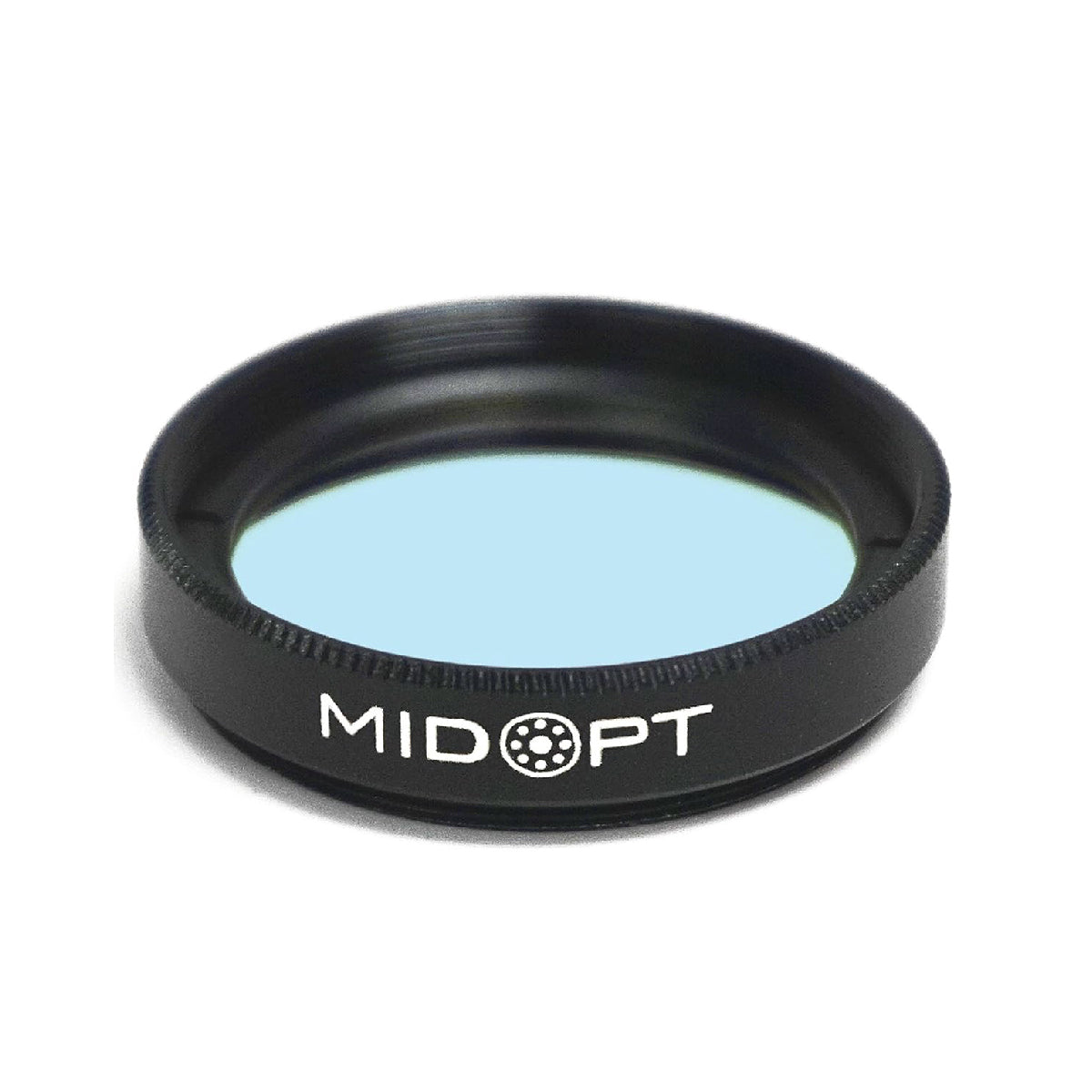
Optical filters can isolate specific wavelengths, effectively eliminating unwanted spectral variation. This is especially useful in machine vision systems where consistency is critical.
At FJW Optical, precision filters are engineered to tightly control wavelength transmission, helping reduce chromatic artifacts and improve overall image clarity.
4. Optimize Lens Selection for the Application
Choosing a lens designed for your sensor size, resolution, and working distance is key. Overspecifying or underspecifying optics can introduce unintended aberrations.
5. Post-Processing (When Necessary)
Software correction can reduce visible chromatic aberration, but it should not replace proper optical design. Hardware solutions always provide more reliable, repeatable results.