$15.00
$15.00

 Find-R-Scopes
 Filters
 Lenses
 Cameras
 Lighting


 Accessories









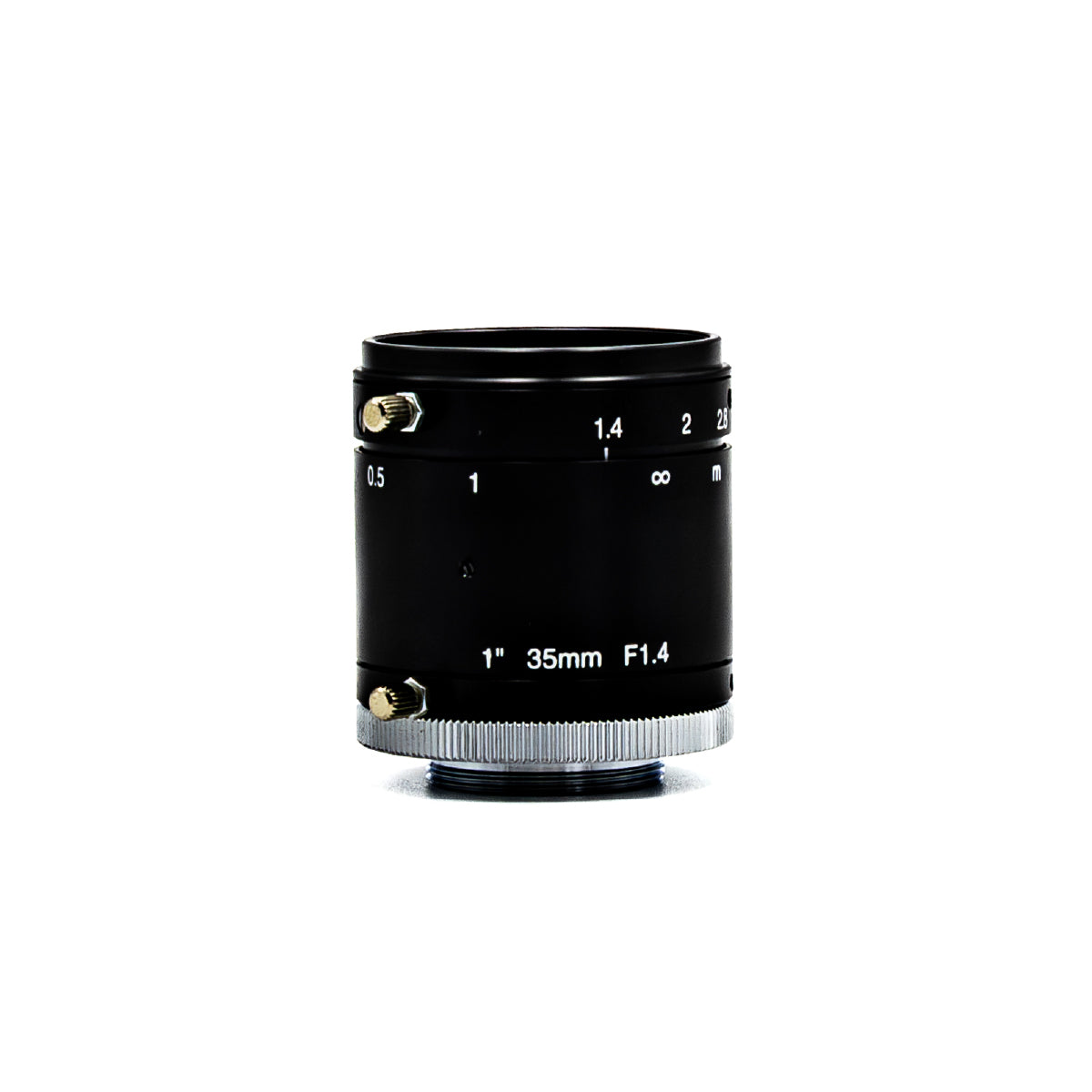
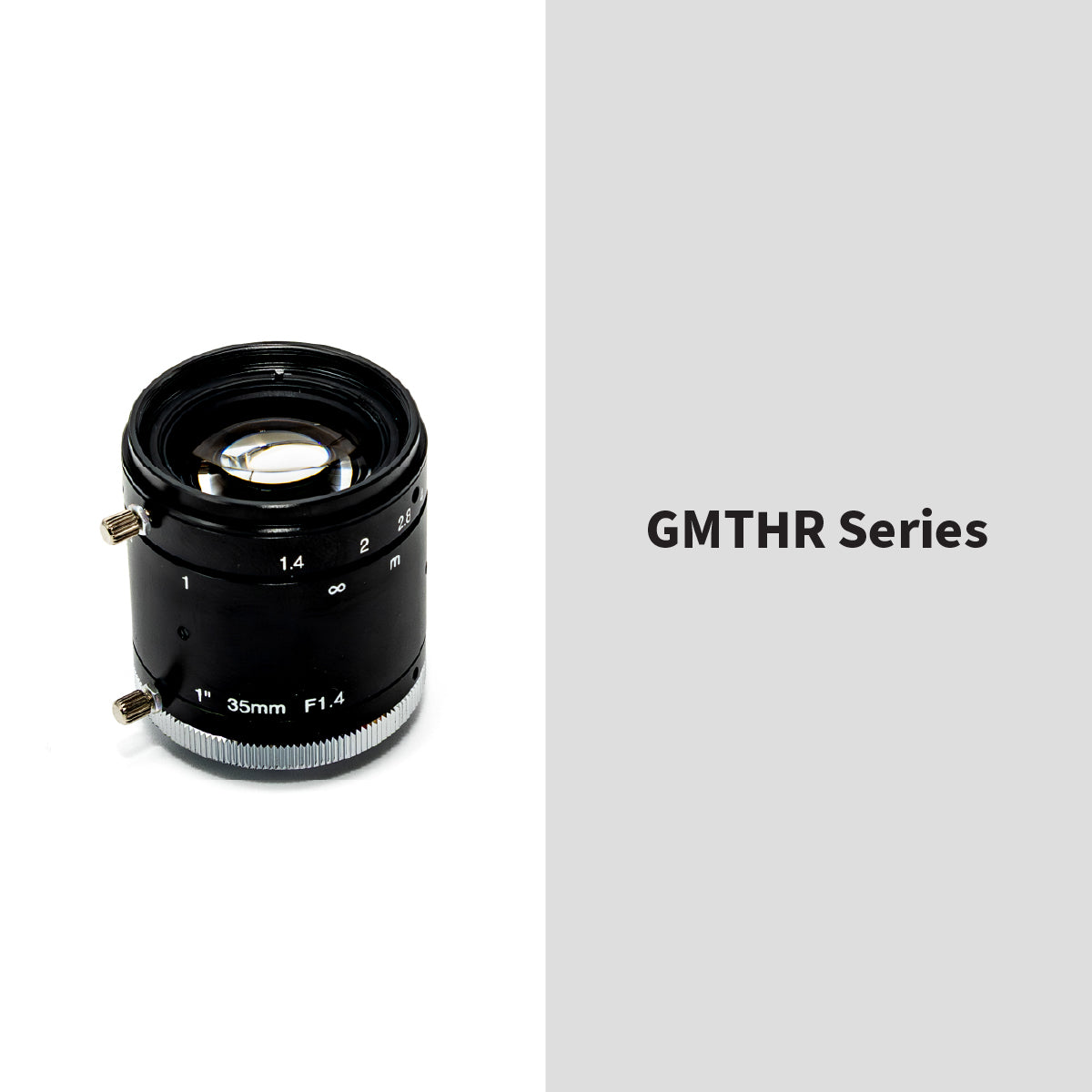

A robotic vision system is only as effective as the image it delivers. While camera resolution, lighting and image-processing software receive significant attention, the machine vision lens plays an equally important role in determining what the camera can see and how accurately the system can interpret it.

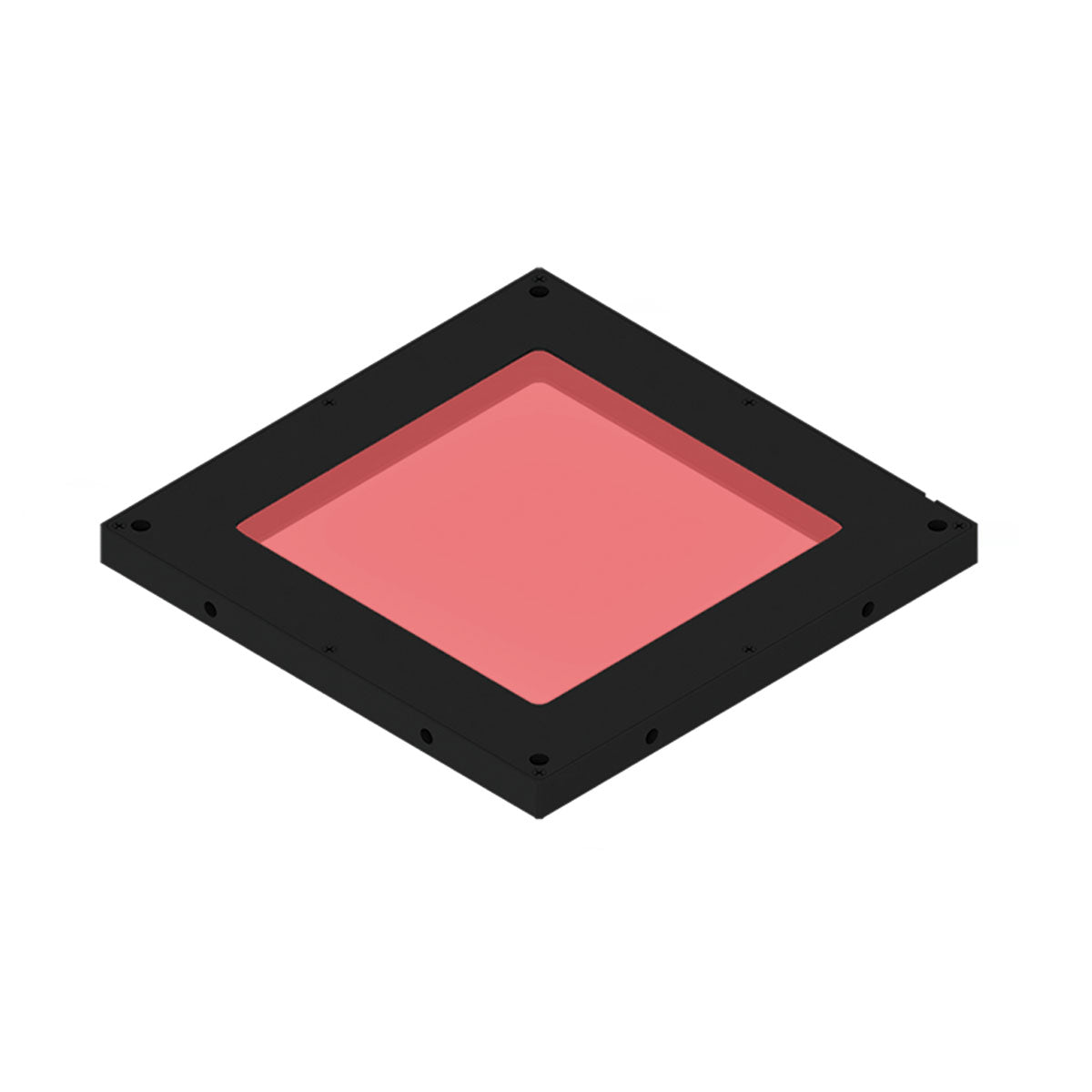
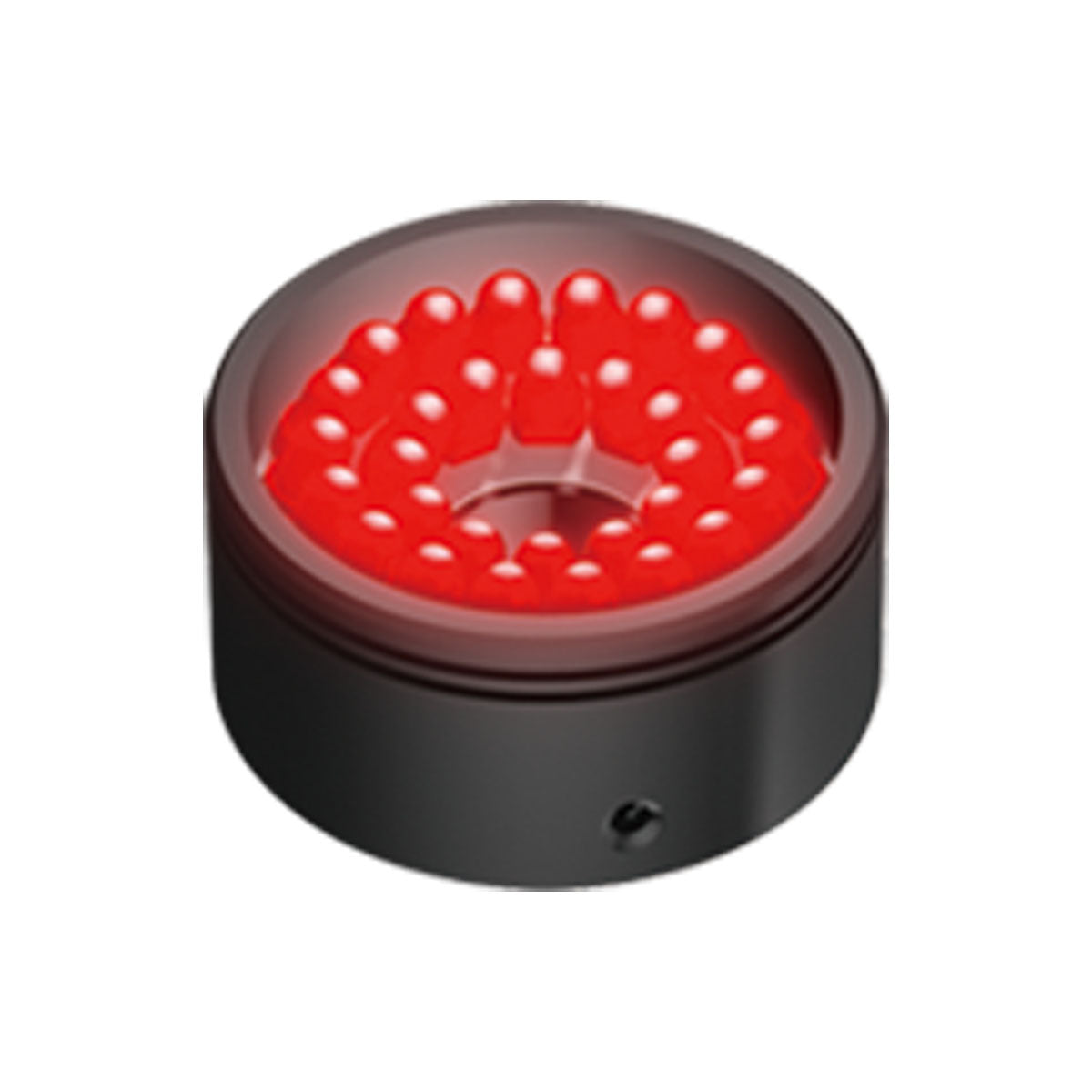
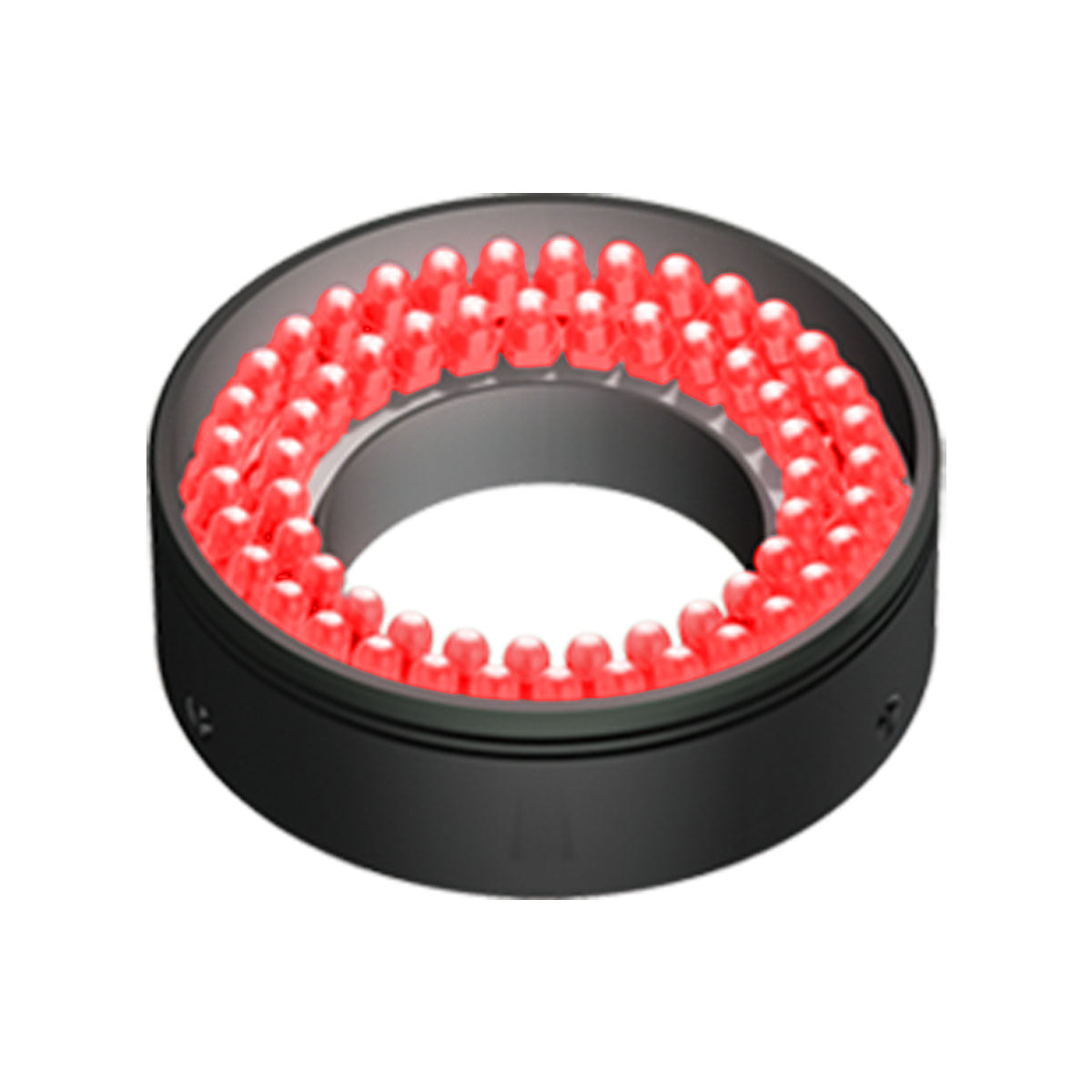
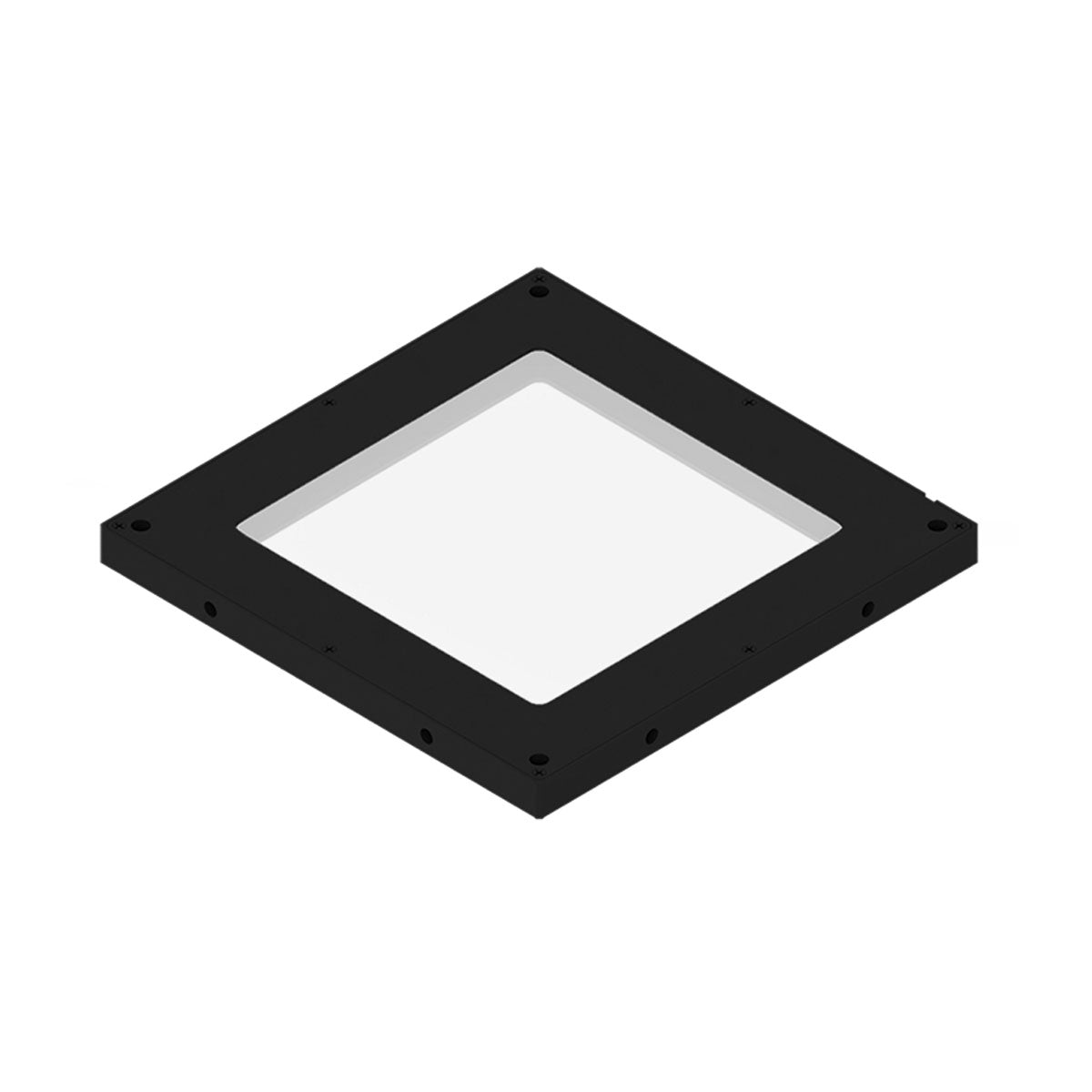
Robotic vision systems depend on more than cameras and software. The quality, direction and consistency of illumination can determine whether a vision system clearly identifies an object or struggles with shadows, reflections and insufficient contrast.

Modern robots are fast, precise and increasingly adaptable, but they still need reliable visual information to understand their surroundings. In robotic guidance and pick-and-place systems, industrial machine vision cameras serve as the eyes of the robot, providing the image data needed to locate parts, determine orientation, verify placement and make automated decisions.

As industrial robots take on increasingly complex tasks, the performance of their vision systems becomes critical to accuracy, speed and repeatability. From robotic bin picking and material handling to automated assembly, sorting and quality inspection, robots rely on cameras to identify objects, locate features and make decisions in real time.

Modern robots are fast, precise and increasingly adaptable, but they still need reliable visual information to understand their surroundings. In robotic guidance and pick-and-place systems, industrial machine vision cameras serve as the eyes of the robot, providing the image data needed to locate parts, determine orientation, verify placement and make automated decisions.

As electronic devices continue to become smaller, faster, and more sophisticated, manufacturers face increasing pressure to produce flawless products at higher speeds. Printed circuit boards (PCBs), semiconductor devices, batteries, displays, connectors, and electronic assemblies all require precise inspection throughout production to ensure quality and reliability.

Modern warehouses and fulfillment centers are under constant pressure to process more orders, reduce errors and keep products moving faster than ever. As e-commerce continues to grow, automation has become essential for maintaining efficiency while meeting customer expectations for speed and accuracy.

The semiconductor industry continues to push the boundaries of precision manufacturing. As device geometries shrink and production volumes increase, inspection systems must identify smaller defects, operate at higher speeds and maintain exceptional image quality throughout the manufacturing process.

In bottling and beverage manufacturing, speed and precision are everything. Production lines move fast, margins are tight and even minor defects can lead to costly waste, recalls or brand damage. High-speed machine vision cameras play a critical role in maintaining quality, ensuring every bottle meets strict standards before it reaches the consumer.

In today’s automated environments, robots are expected to do more than just repeat motions – they must see, interpret and react in real time. Whether it’s high-speed pick-and-place or complex bin picking, machine vision cameras are at the core of enabling robots to operate with precision, flexibility and intelligence.

Lighting plays a critical role in machine vision systems. Even the best camera and lens cannot produce accurate results without proper illumination.

In modern food processing, speed and consistency are everything. From fresh produce and grains to packaged snacks and frozen meals, manufacturers must inspect thousands of products per minute while maintaining strict quality and safety standards. This is where machine vision cameras have become a game-changing technology for the food industry.

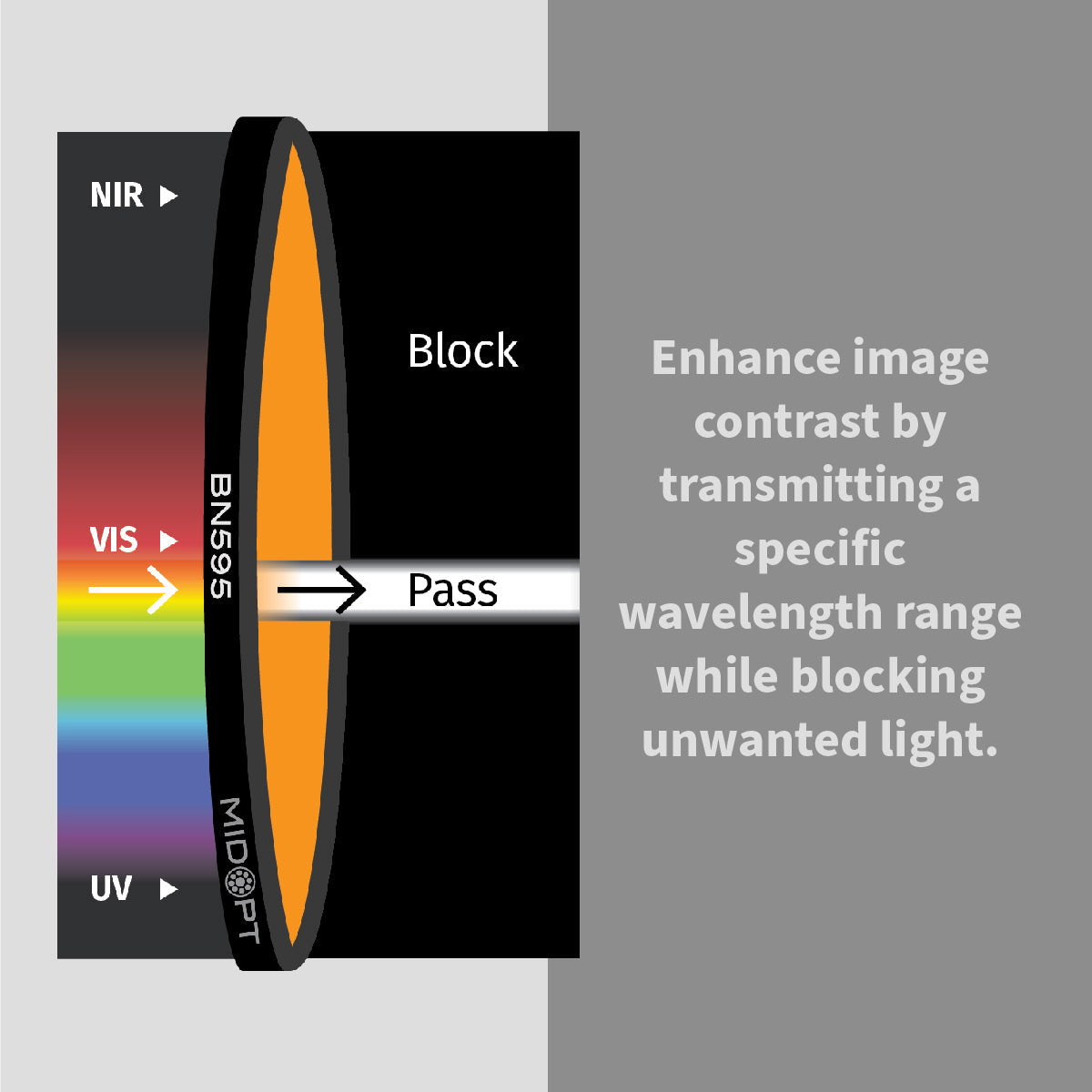
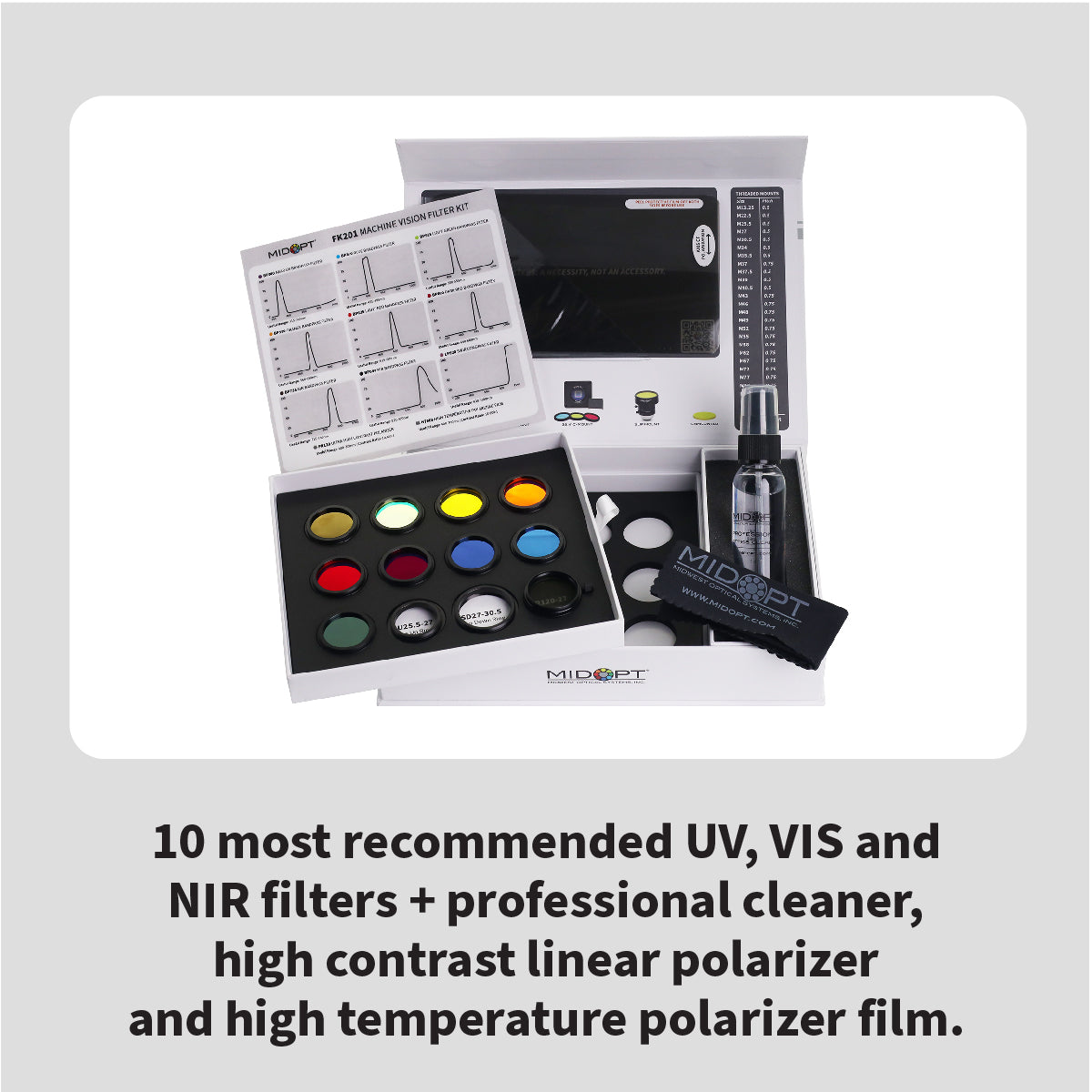
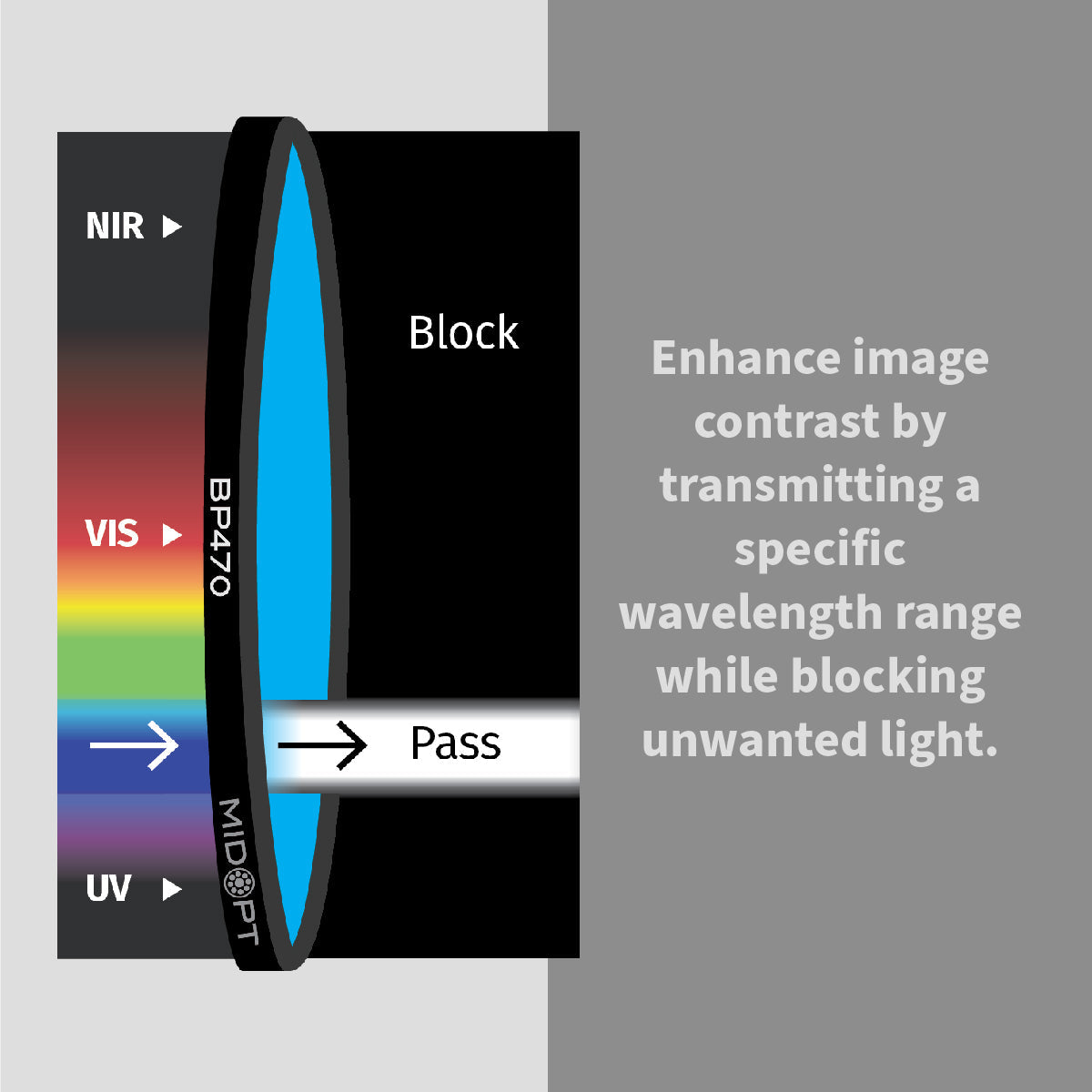
This 2026 optimization guide explains how lighting and filters work together, when to use each, and how to design the right combination for industrial inspection applications.

Selecting the right industrial inspection camera is one of the most critical decisions in machine vision system design. The wrong choice can result in missed defects, false rejects, reduced production speed, and costly downtime.

Machine vision cameras are the backbone of any inspection, measurement or automation system. But as sensor technology, interfaces and processing demands evolve, older cameras can quietly become a bottleneck, limiting performance, accuracy and scalability. If your system is struggling to keep up, it may be time for an upgrade.

In machine vision and industrial inspection, understanding the difference between infrared vs thermal imaging is essential for choosing the right technology. Although the two are often confused or used interchangeably, they rely on different wavelength regions, serve different purposes and are optimized for specific types of applications.

Machine vision is an essential technology for automation, quality control, robotics and industrial inspection. But with so many types of machine vision systems available today, it can be challenging to determine which configuration is right for your application.

Quality standards continue to rise in manufacturing environments while defect tolerance grows increasingly narrow. Traditional machine vision systems, typically relying on standard color or monochrome sensors, can struggle to catch flaws that are invisible to the human eye or obscured by lighting, surface finishes or material properties. Because of this, multispectral imaging has become a powerful tool for advanced inspection.

In today’s connected cities, intelligent traffic systems (ITS) and automatic number plate recognition (ANPR) are essential tools for improving safety, enforcing regulations and streamlining traffic flow. At the heart of these systems are machine vision cameras –designed to capture clear, precise images in complex, fast-changing environments.

In modern food and beverage manufacturing, getting it right means more than taste and packaging – it’s about consistency, safety and visual perfection. Machine vision cameras, when properly implemented, help ensure we catch defects, meet hygiene standards and keep up with consumer expectations. Below are ways high-quality imaging systems upgrade quality control.