
 Find-R-Scopes
 Filters
 Lenses
 Cameras
 Lighting


 Accessories









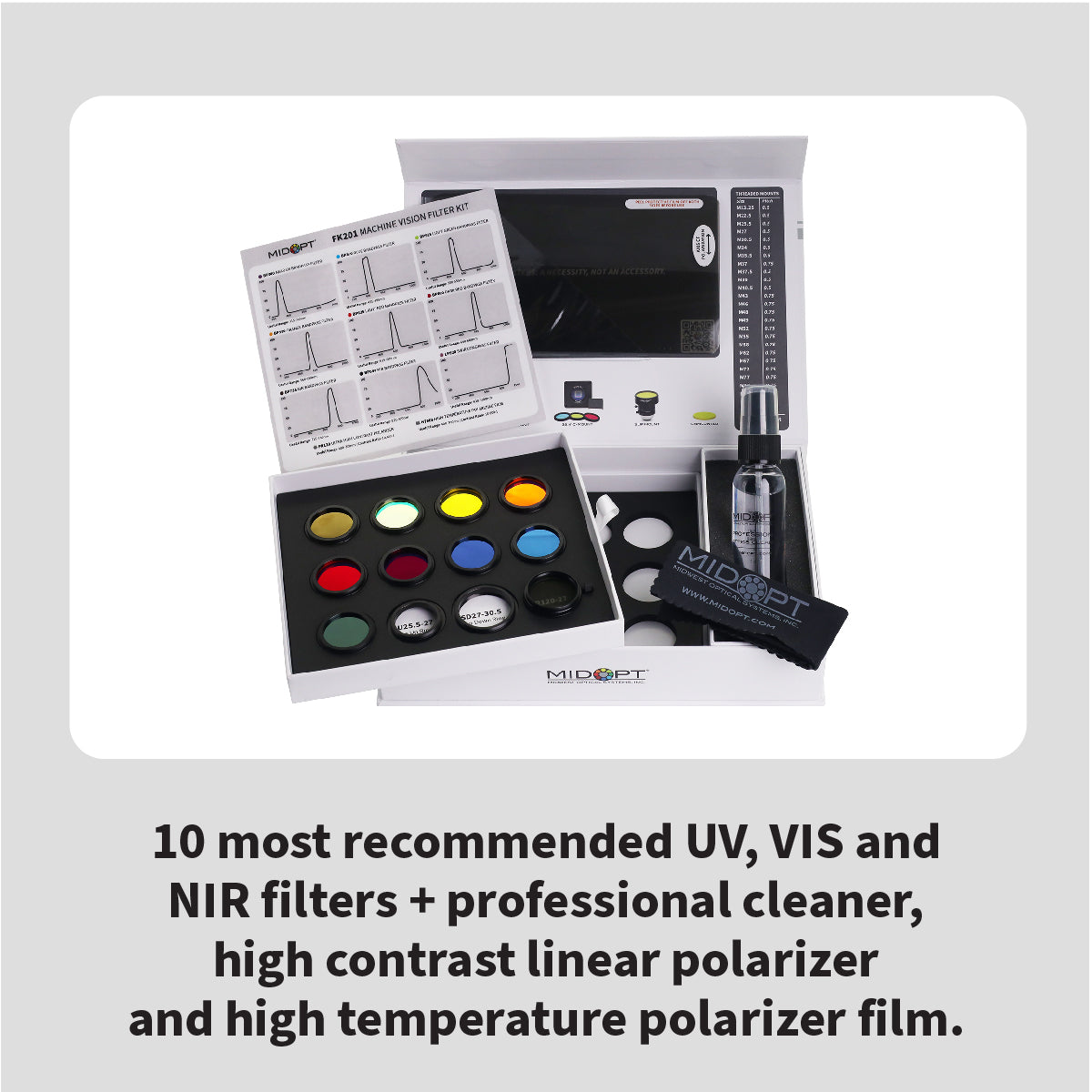
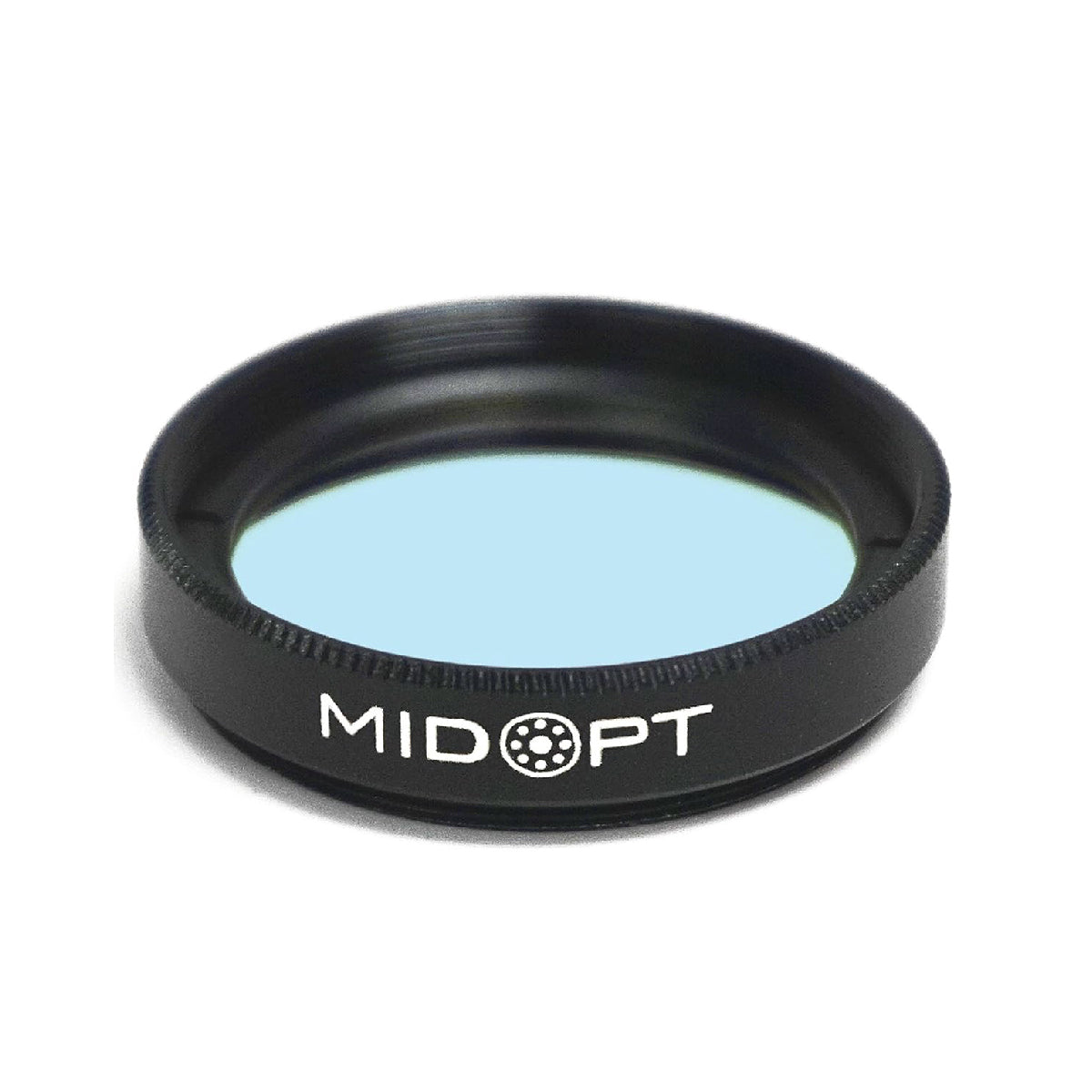


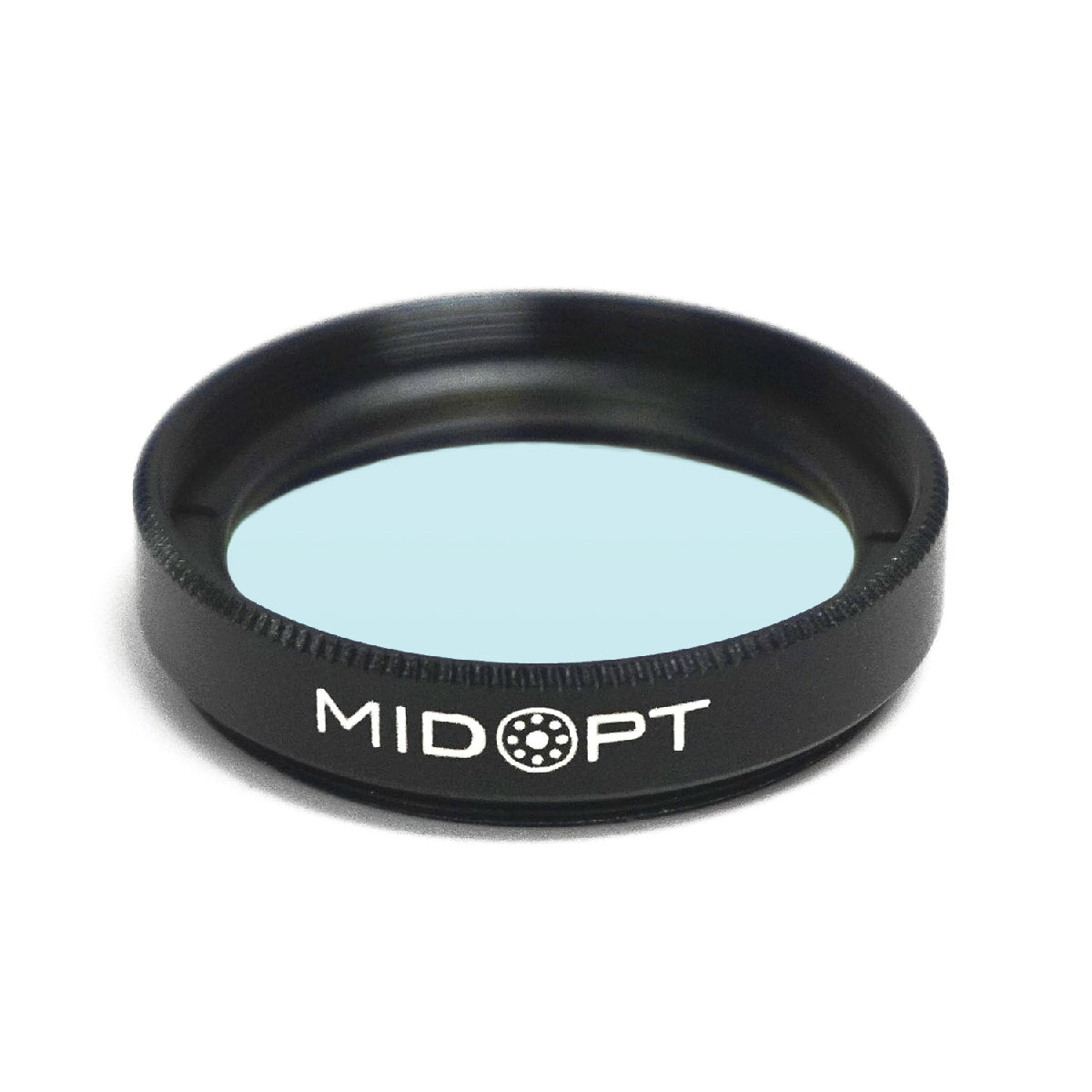
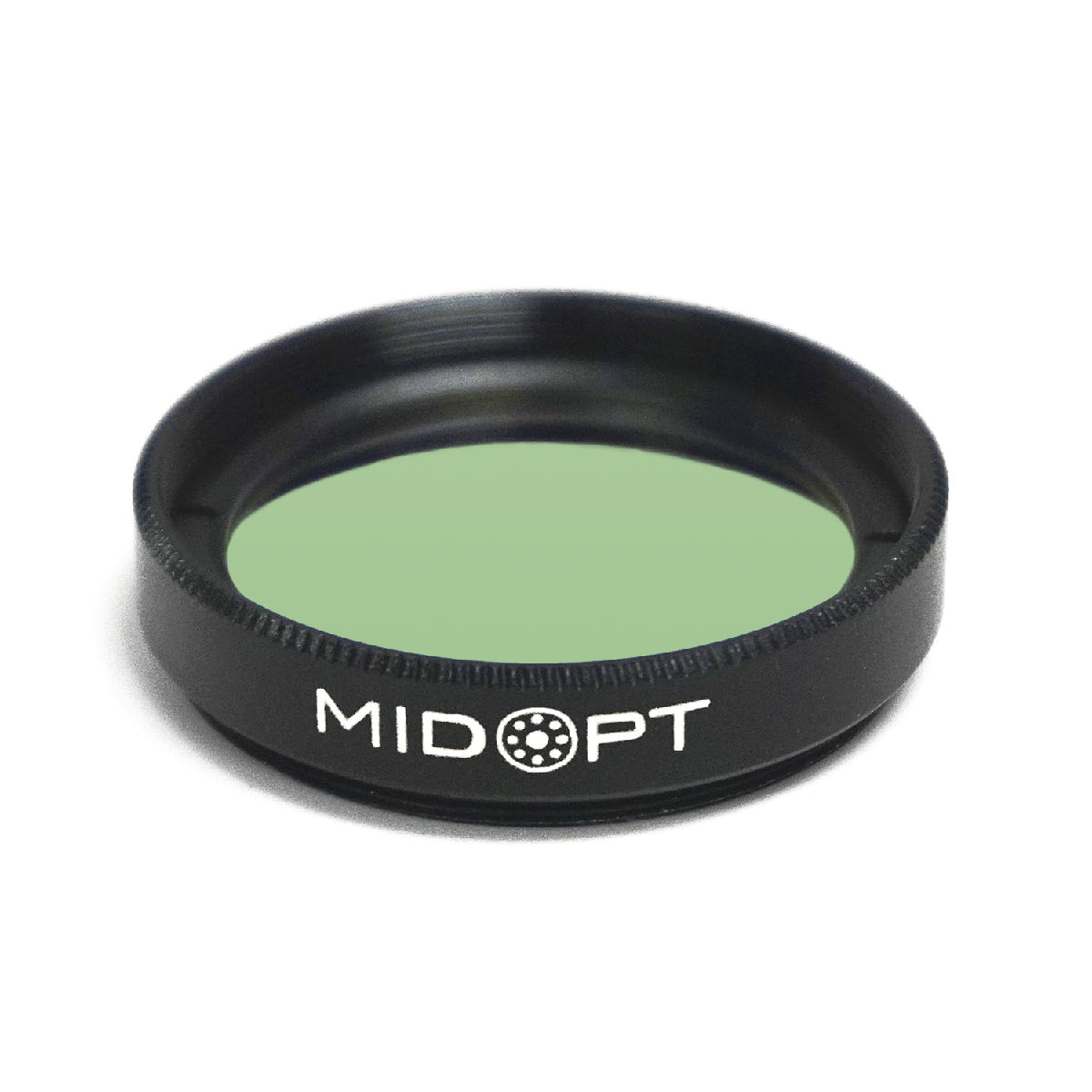
For over three decades, MidOpt® has focused exclusively on developing high-performance machine vision filters designed specifically for industrial imaging applications. Their philosophy is simple: create optical filters for machine vision using the precision of machine vision.
Why Machine Vision Filters Matter
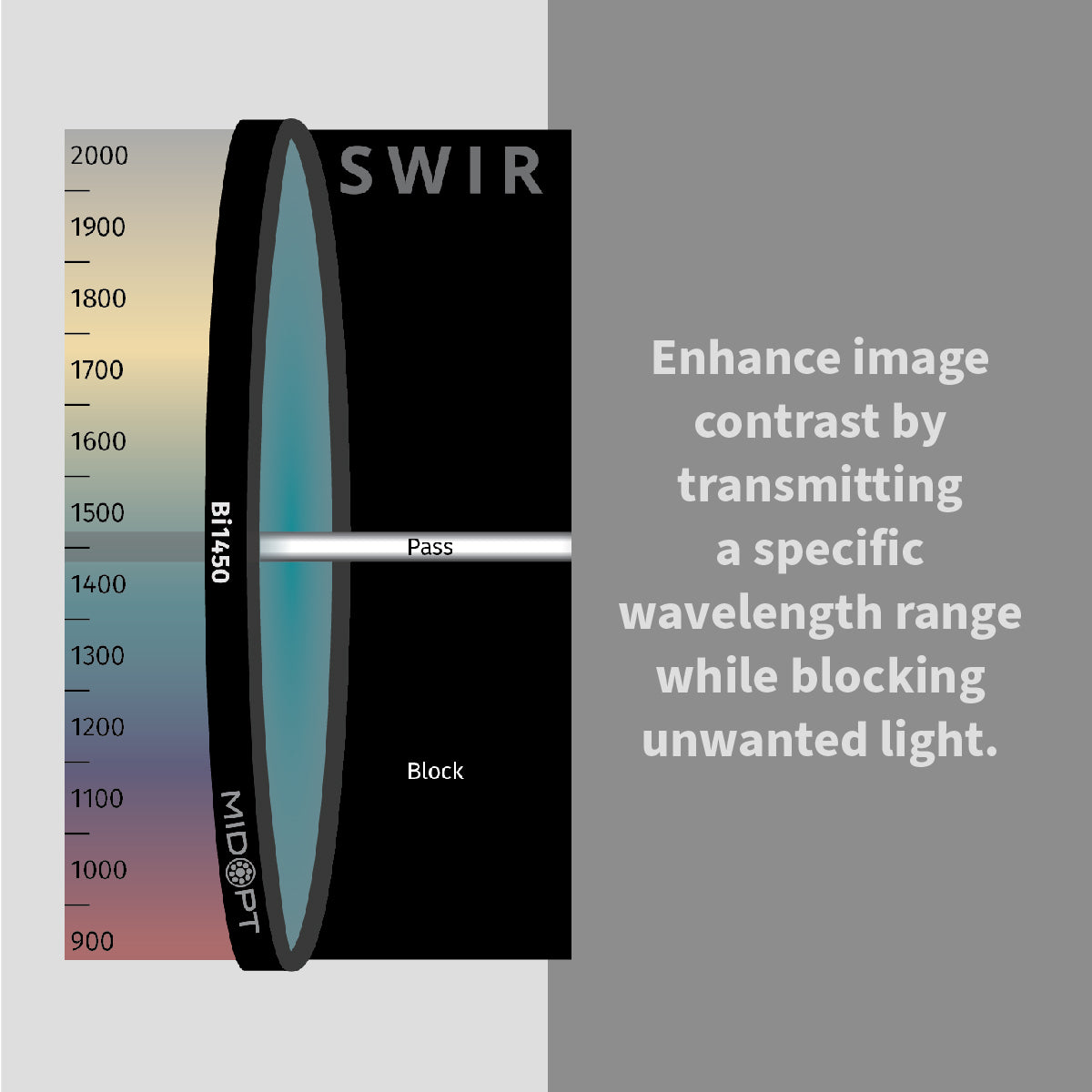
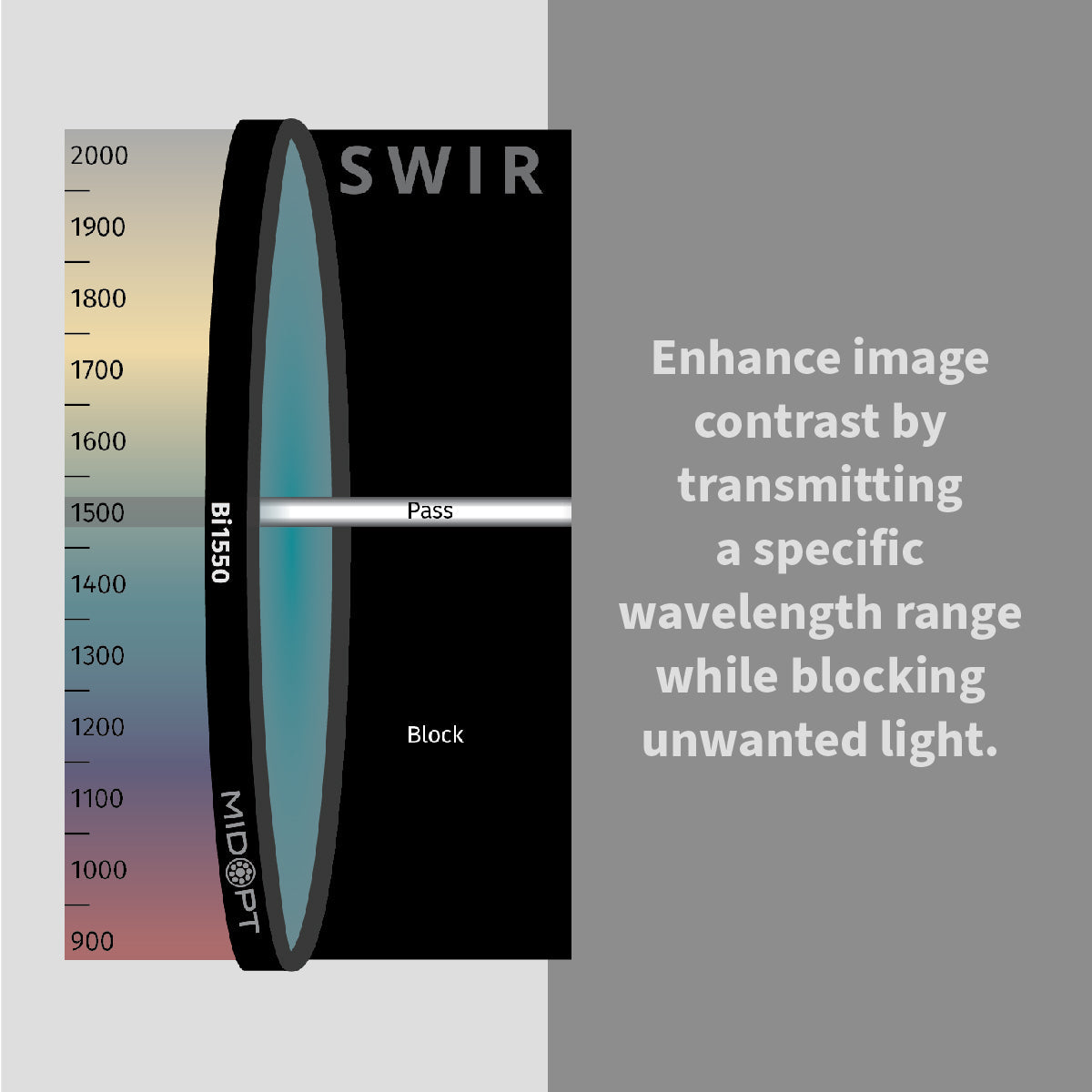
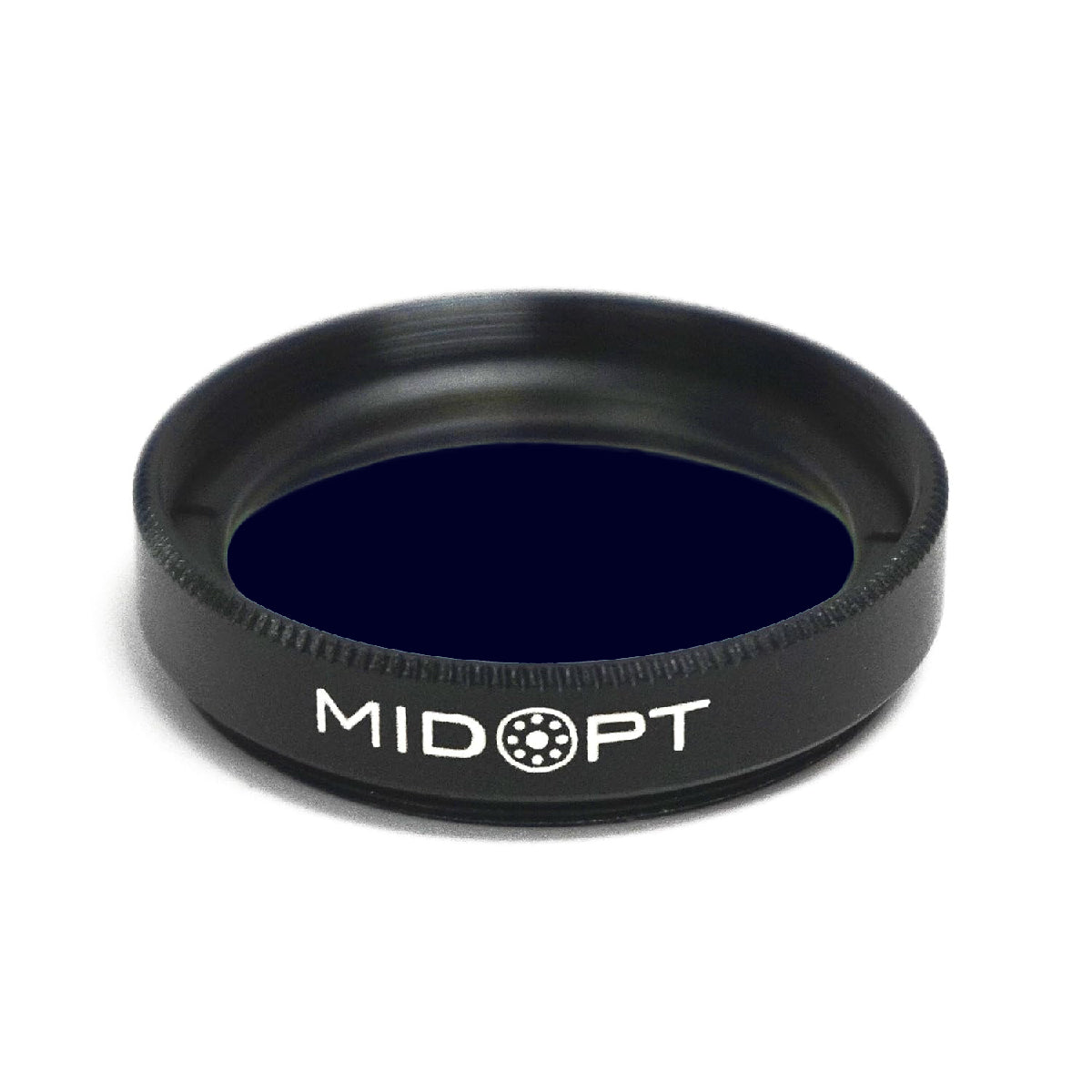
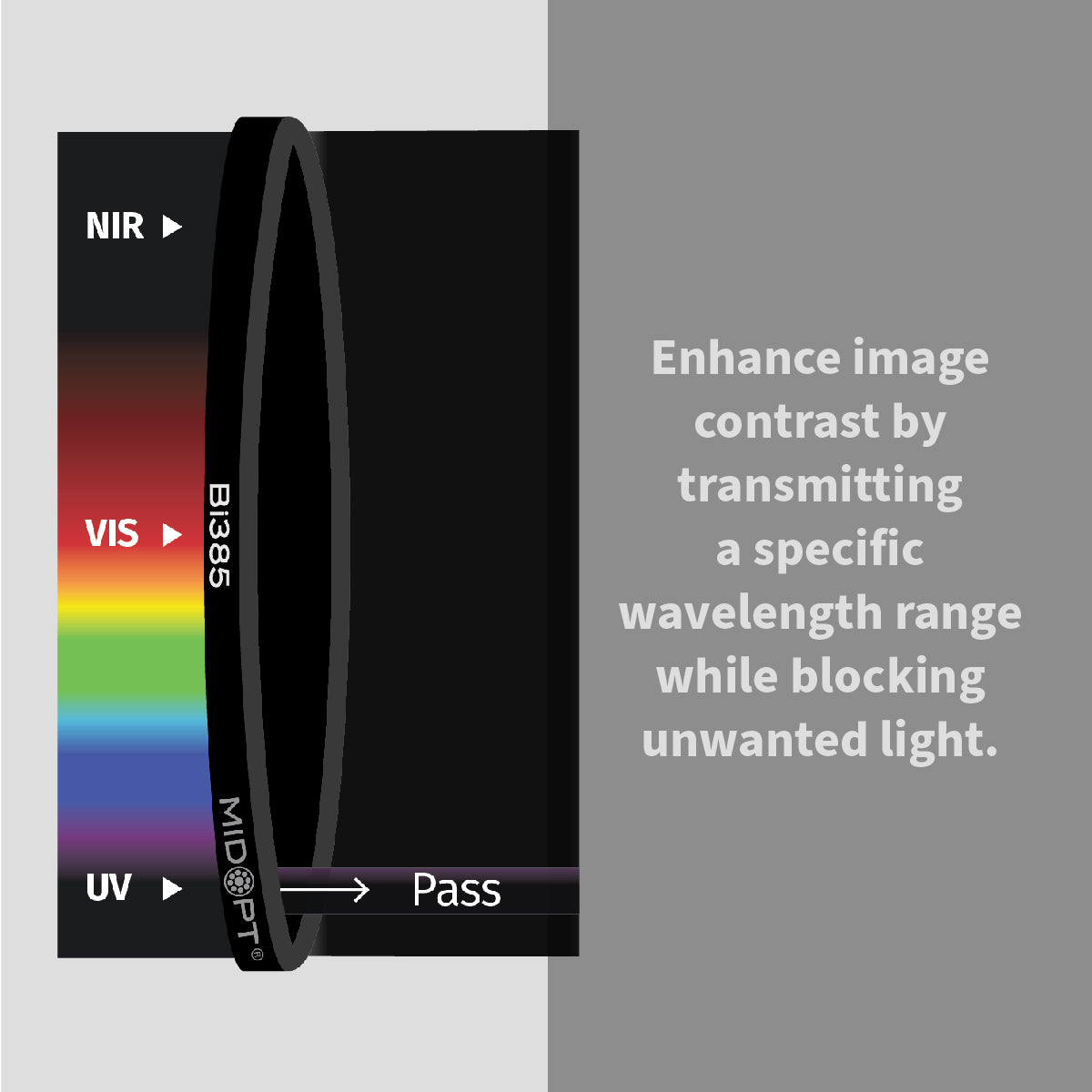
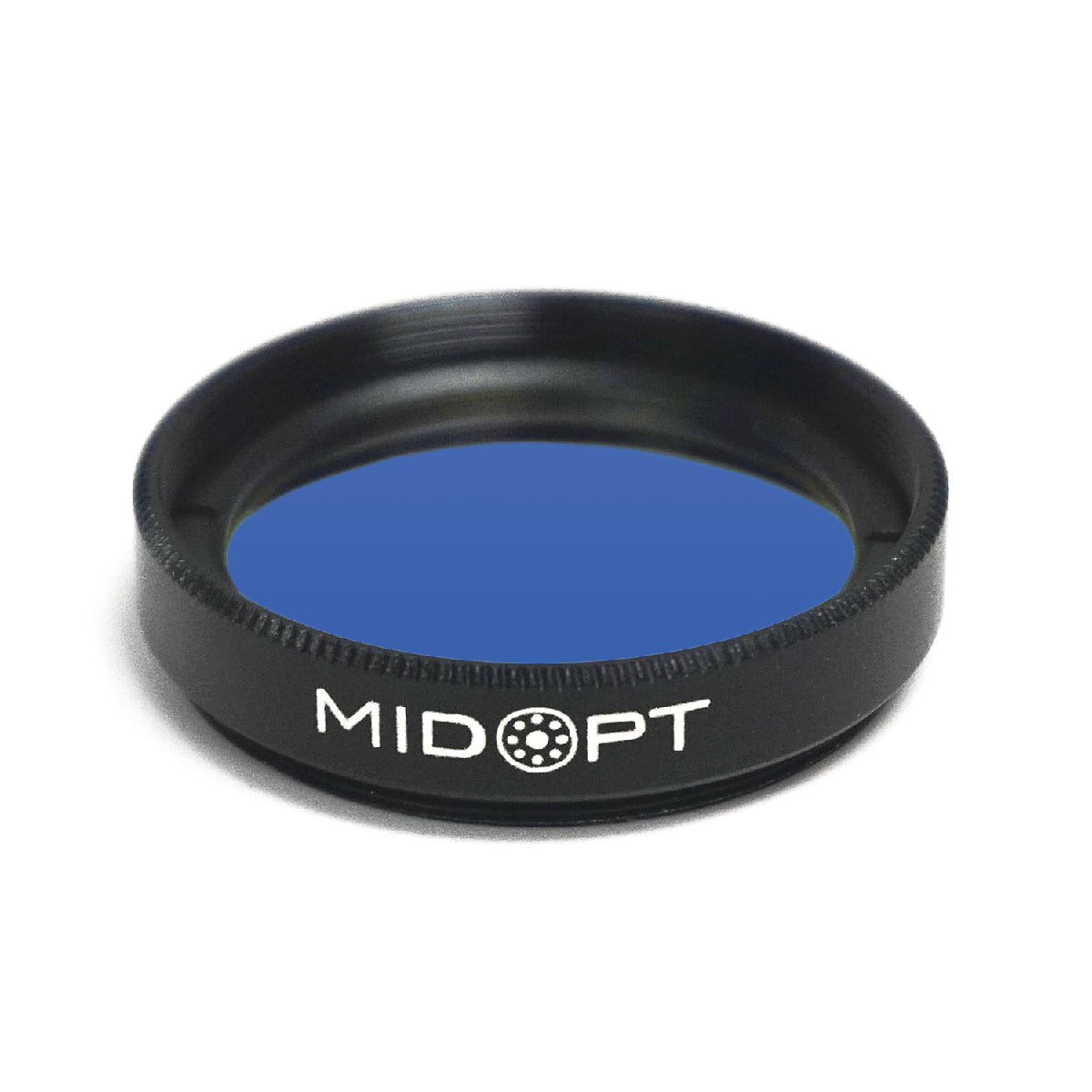
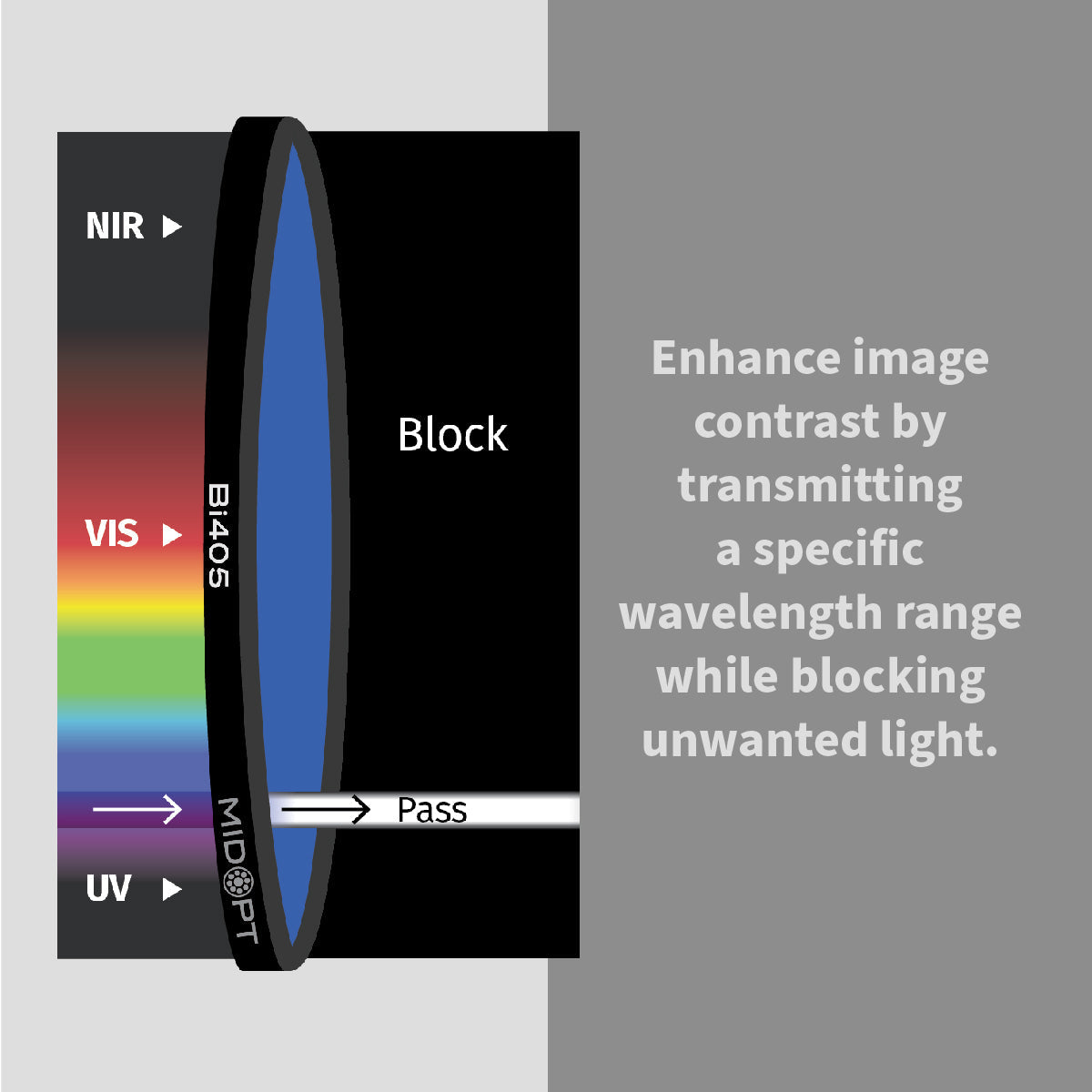
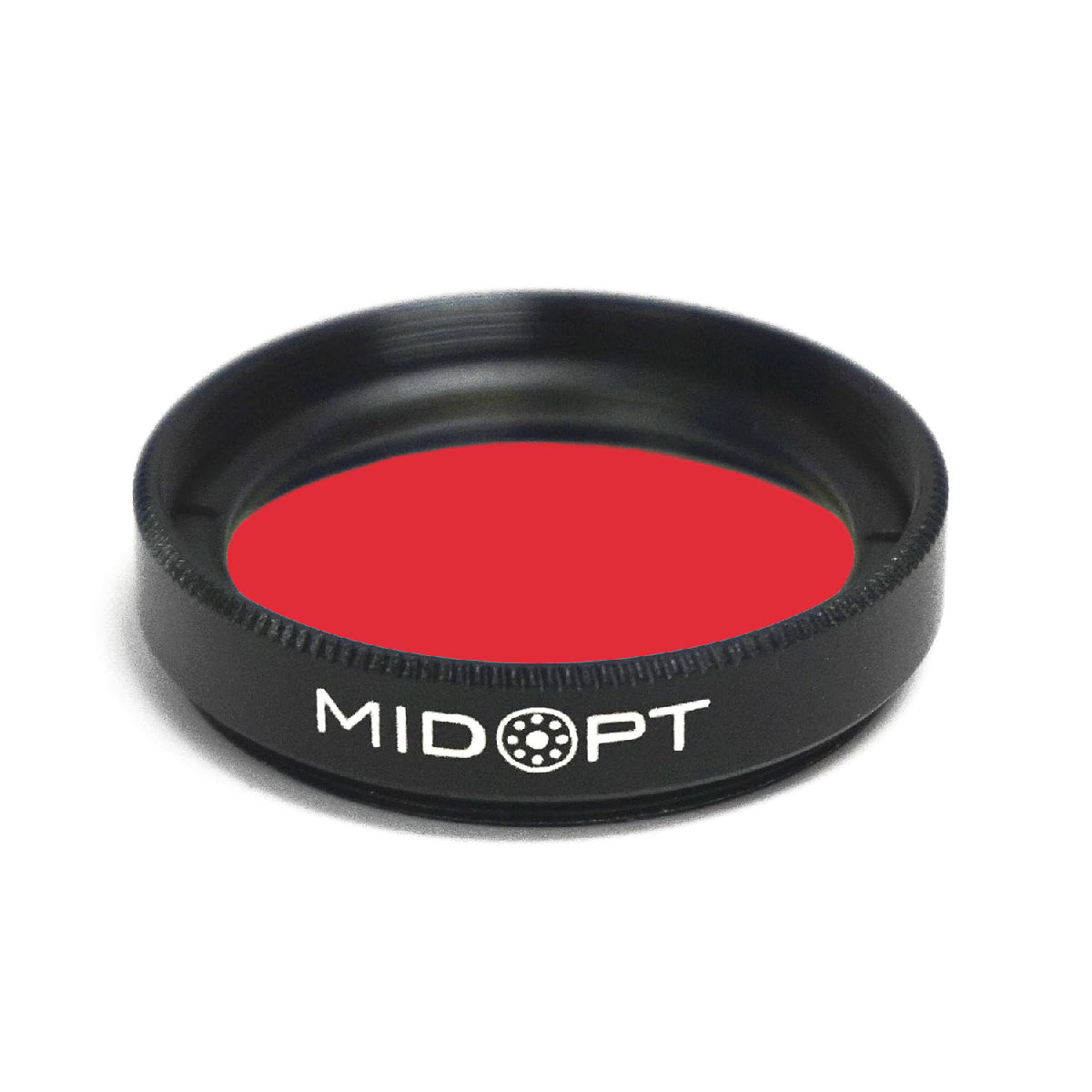
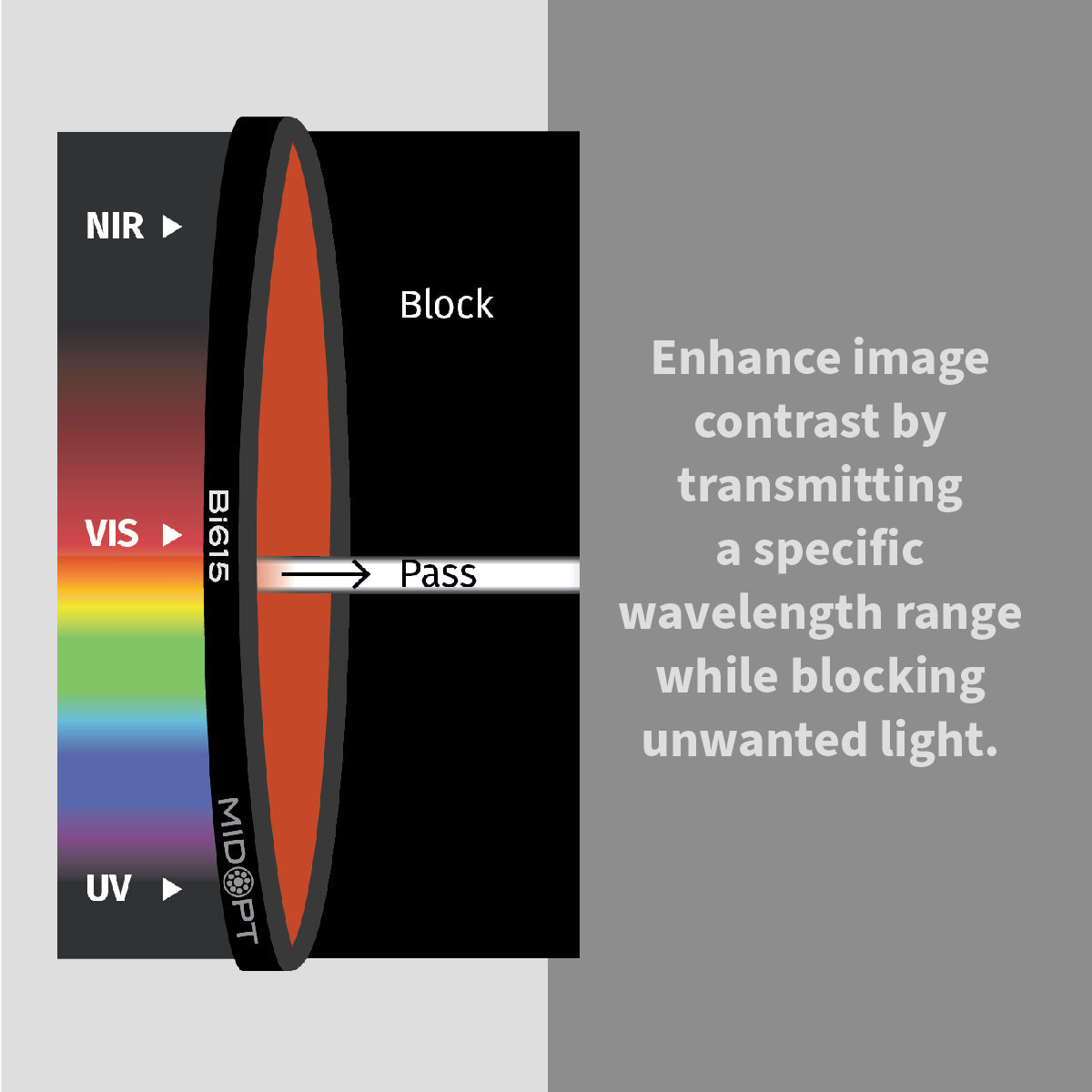
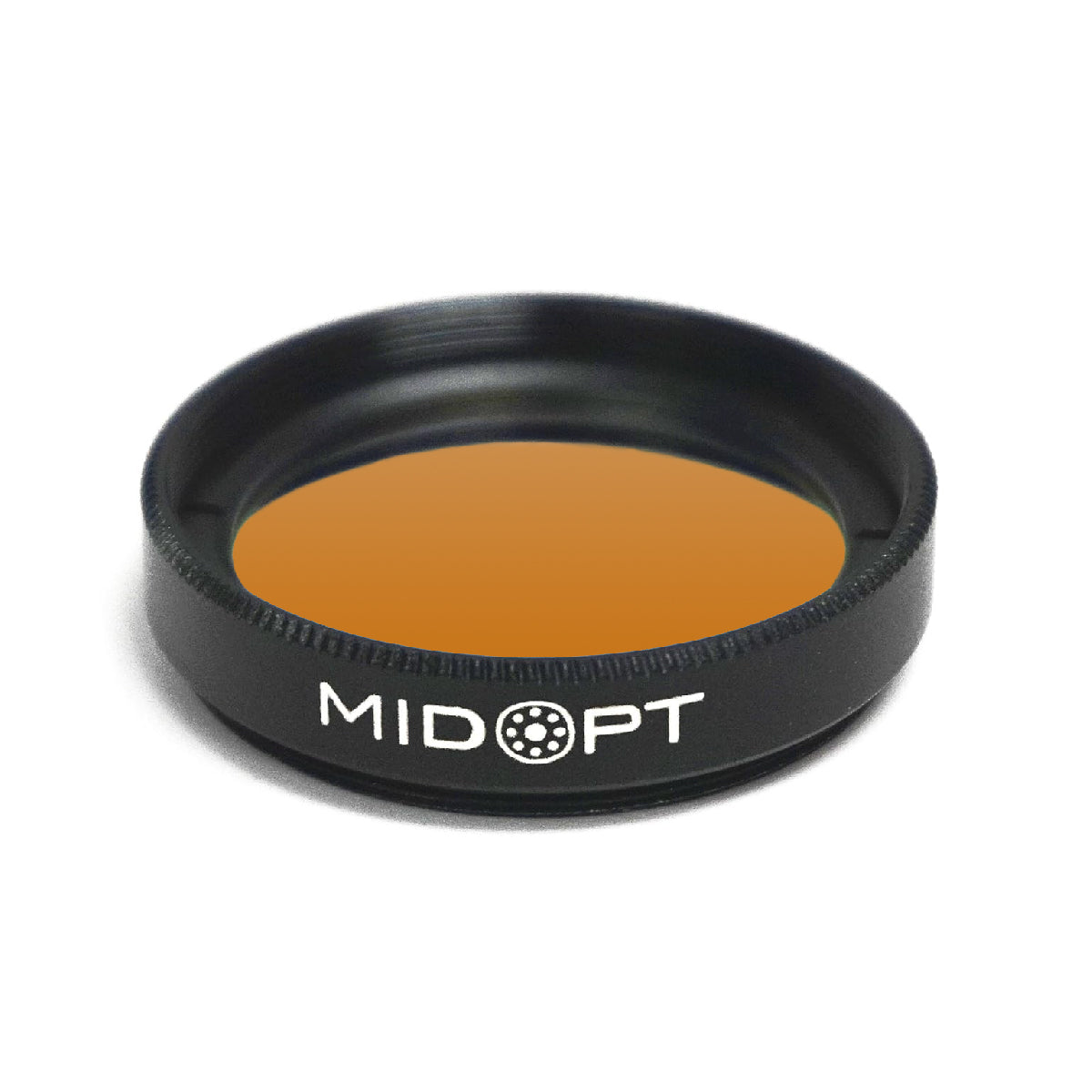
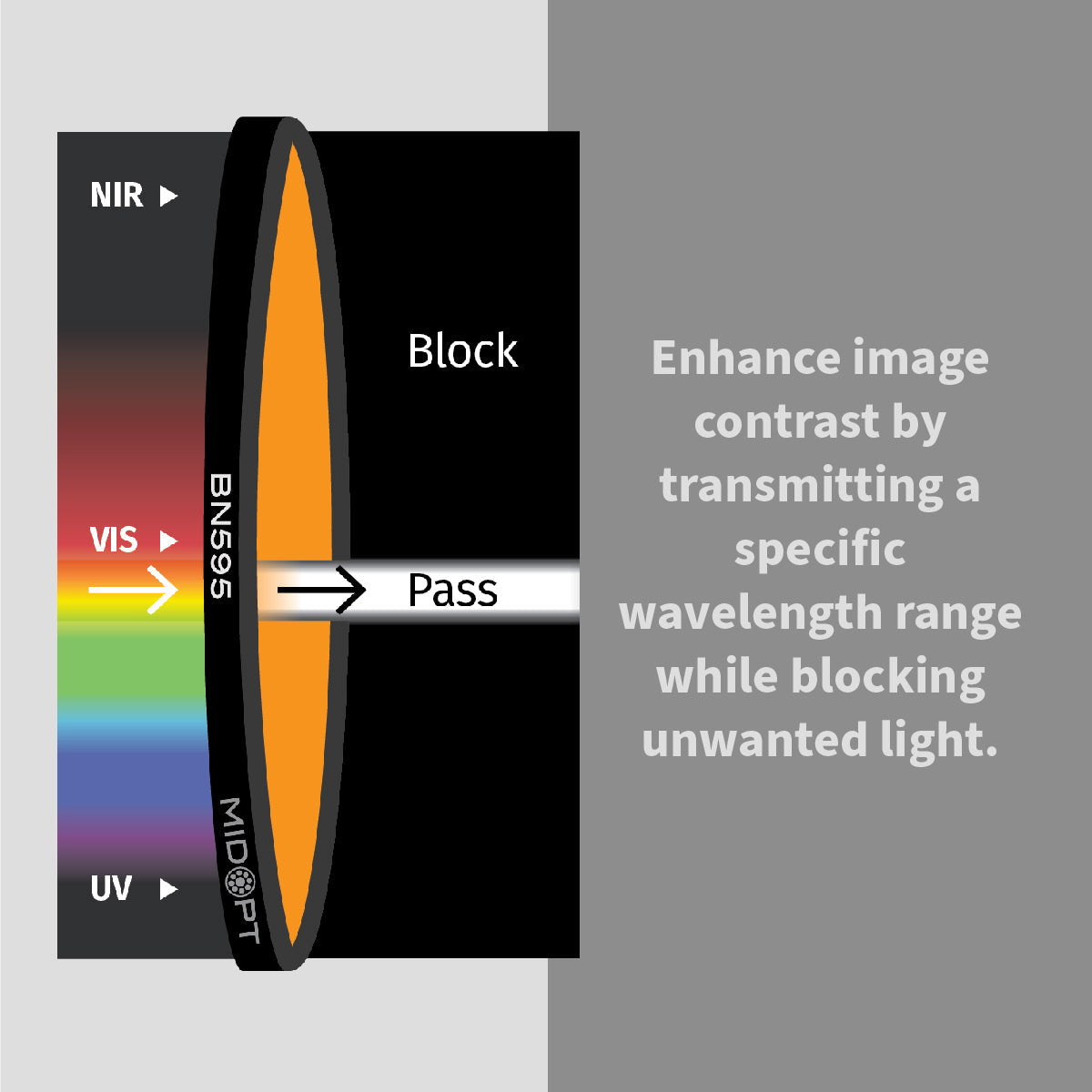
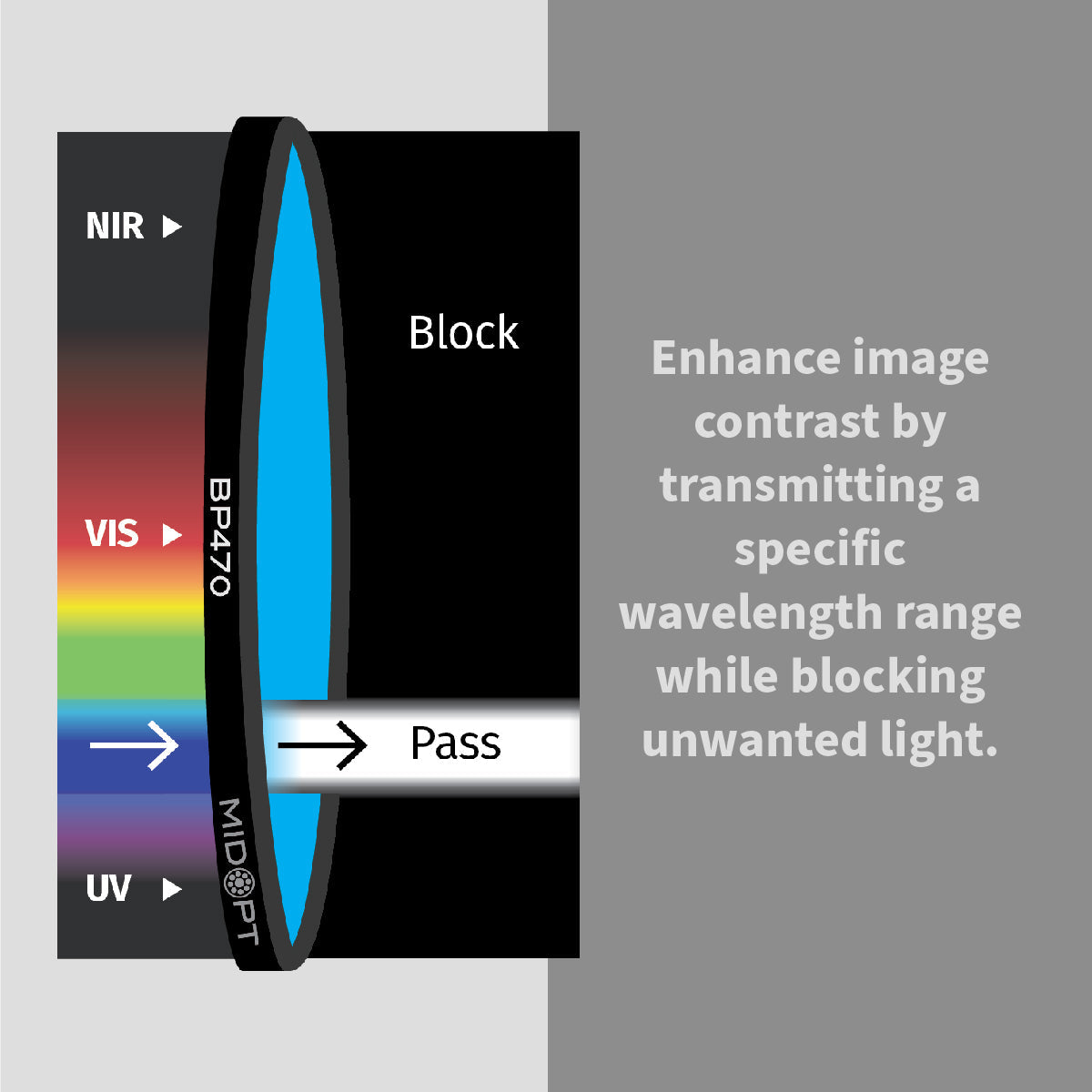
A machine vision filter is designed to selectively transmit or block specific wavelengths of light. By controlling the light reaching the camera sensor, filters can:
- Improve image contrast
- Eliminate unwanted ambient light
- Enhance feature recognition
- Reduce glare and reflections
- Improve color separation
- Increase inspection repeatability
Whether you're inspecting electronics, pharmaceuticals, food products, automotive components or packaging, selecting the right optical filter can significantly improve detection accuracy and system reliability.
Superior Wavelength Control with StablEDGE®
One of the most common challenges in machine vision imaging is wavelength shift, often called "short-shifting." This occurs when light enters a traditional interference filter at wider angles, causing the filter's transmission characteristics to shift and reducing imaging performance.
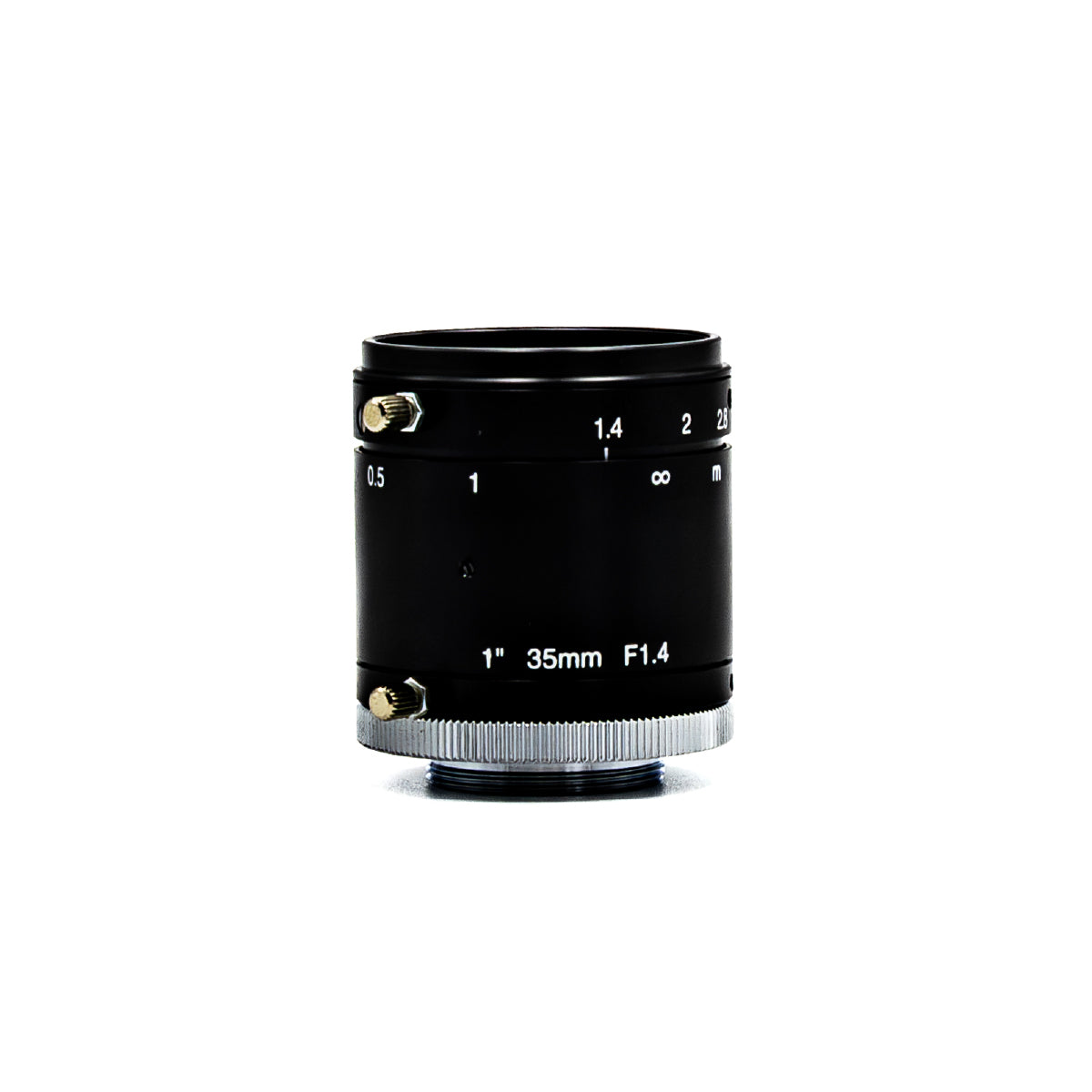
MidOpt addresses this challenge with its proprietary StablEDGE® technology, which minimizes angular sensitivity while maintaining exceptional blocking performance. This is particularly important for wide-angle machine vision lenses and compact inspection systems where space constraints require shorter focal lengths.
For applications involving LED illumination, barcode reading, robotic guidance and automated inspection, StablEDGE® helps maintain consistent performance across the entire field of view.
Optimized Bandpass Filters for Maximum Contrast
Not all bandpass filters are created equal.
Many filters on the market feature flat-top transmission curves that can inadvertently allow unwanted ambient light to reach the sensor. MidOpt takes a different approach by designing bandpass filters that closely match the spectral output of common machine vision LEDs.
This Gaussian-style passband design improves contrast and enhances the effectiveness of monochrome imaging systems by allowing the desired illumination wavelength to pass while blocking competing light sources.
The result is cleaner images, improved edge detection and more reliable inspections.
Advanced Optical Coatings for Better Imaging
Every glass surface naturally reflects a portion of incoming light. Without proper coatings, these reflections can reduce transmission, lower contrast and create unwanted ghost images.
MidOpt utilizes advanced anti-reflection coatings that reduce surface reflections to less than 1%, maximizing light transmission and improving overall system efficiency. Additionally, optional oleophobic coatings help resist fingerprints, oils, moisture and contamination in demanding industrial environments.
These coatings are especially valuable in:
- Food and beverage inspection
- Pharmaceutical manufacturing
- Outdoor vision systems
- Automated warehouse operations
- Semiconductor inspection
Built for Precision and Repeatability
As machine vision cameras continue to increase in resolution, optical quality becomes even more important.
MidOpt filters are double-side polished to achieve exceptional flatness and minimize optical distortion. Surface quality standards exceed typical industry requirements, helping ensure images remain free of defects and artifacts that could affect inspection results. Each filter is verified using advanced spectrophotometer testing to confirm transmission accuracy and consistency.
This commitment to quality helps maintain repeatable performance across production environments where reliability is critical.
Robotic Manufacturing for Consistent Results
To ensure every filter meets stringent quality standards, MidOpt employs advanced robotic assembly and inspection systems.
Their automated inspection process eliminates human variability while utilizing multiple lighting conditions and magnification levels to detect scratches, digs and cosmetic imperfections. Robotic assembly also ensures proper torque-controlled mounting, preventing optical distortion caused by excessive mounting stress.
The result is consistent filter performance from batch to batch, helping manufacturers maintain stable inspection processes over time.
Complete Machine Vision Filter Solutions
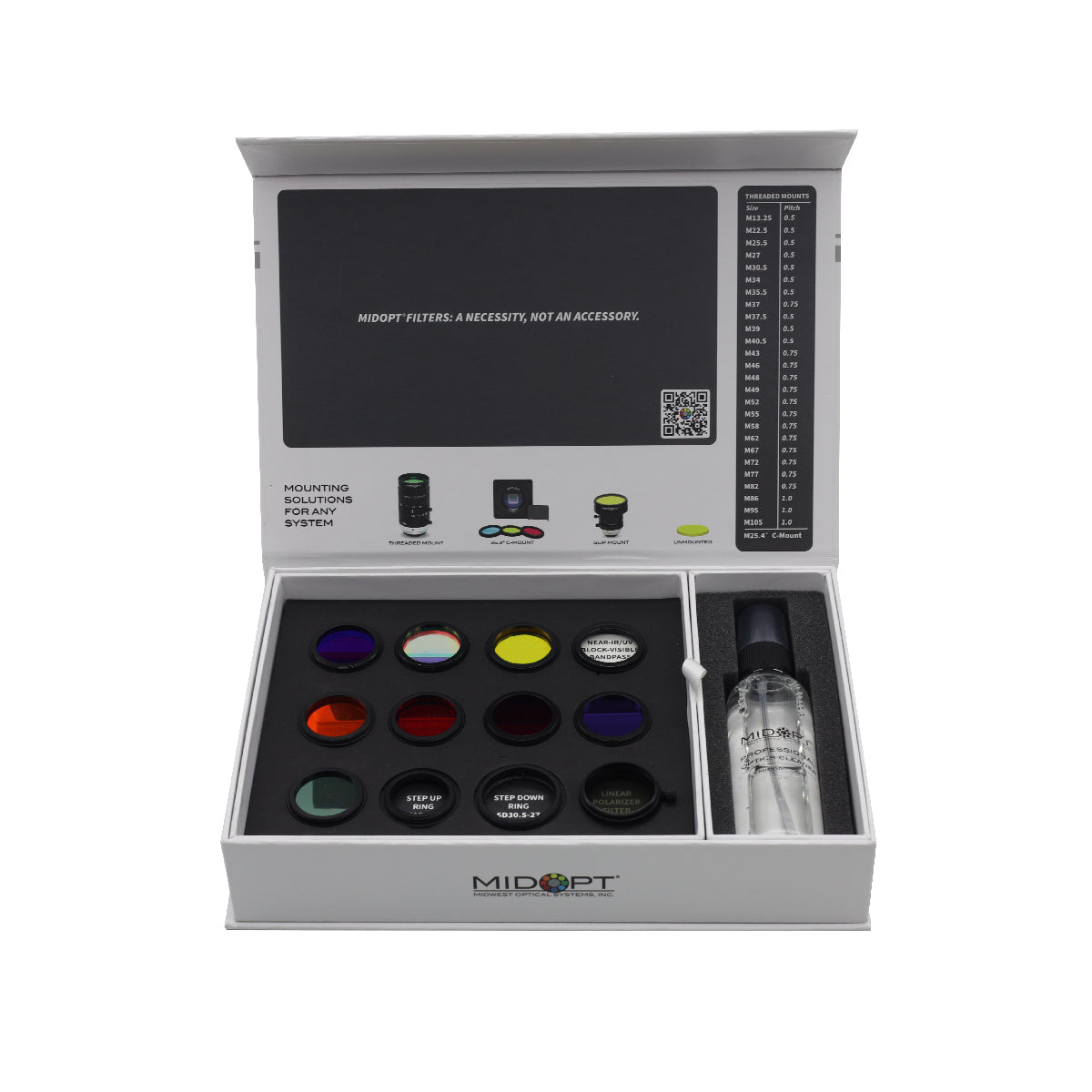
MidOpt offers one of the industry's most comprehensive selections of optical filters for machine vision, including:
- Bandpass Filters
- Multi-Bandpass Filters
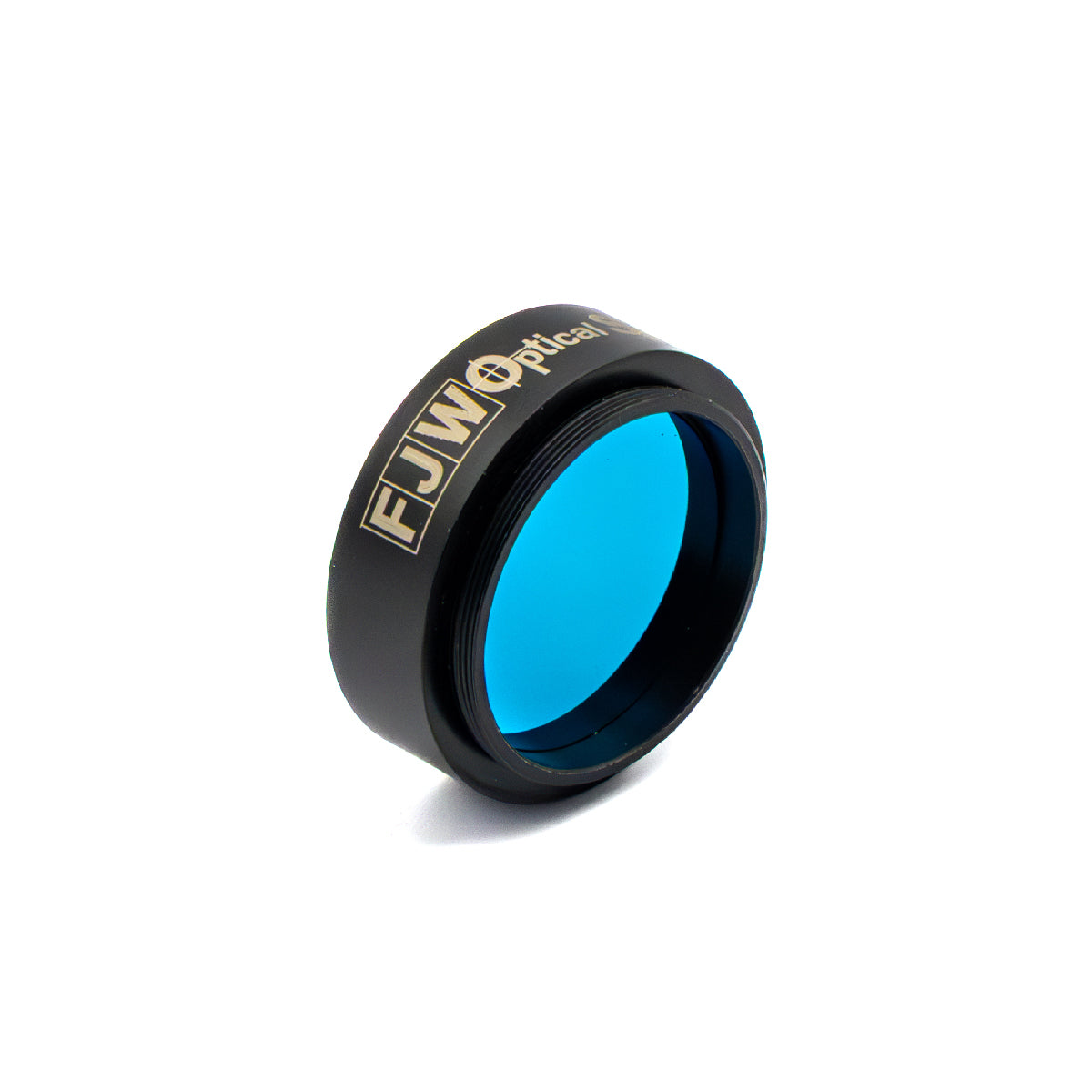
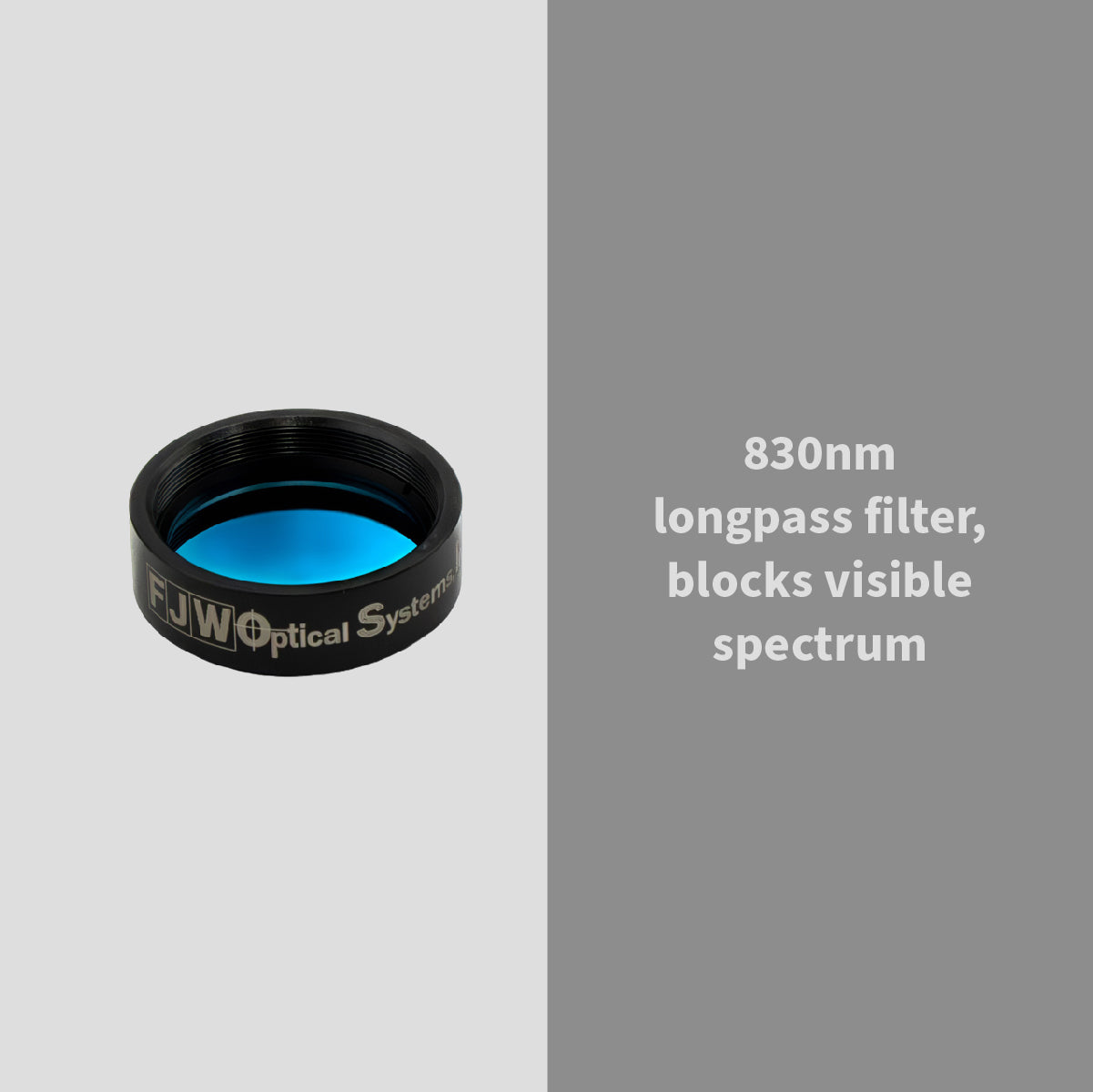
- Longpass Filters
- Shortpass Filters
- NIR Cut Filters
- Polarizing Filters
- Neutral Density Filters
- Protective Windows
- Diffusers
- Light Balancing Filters
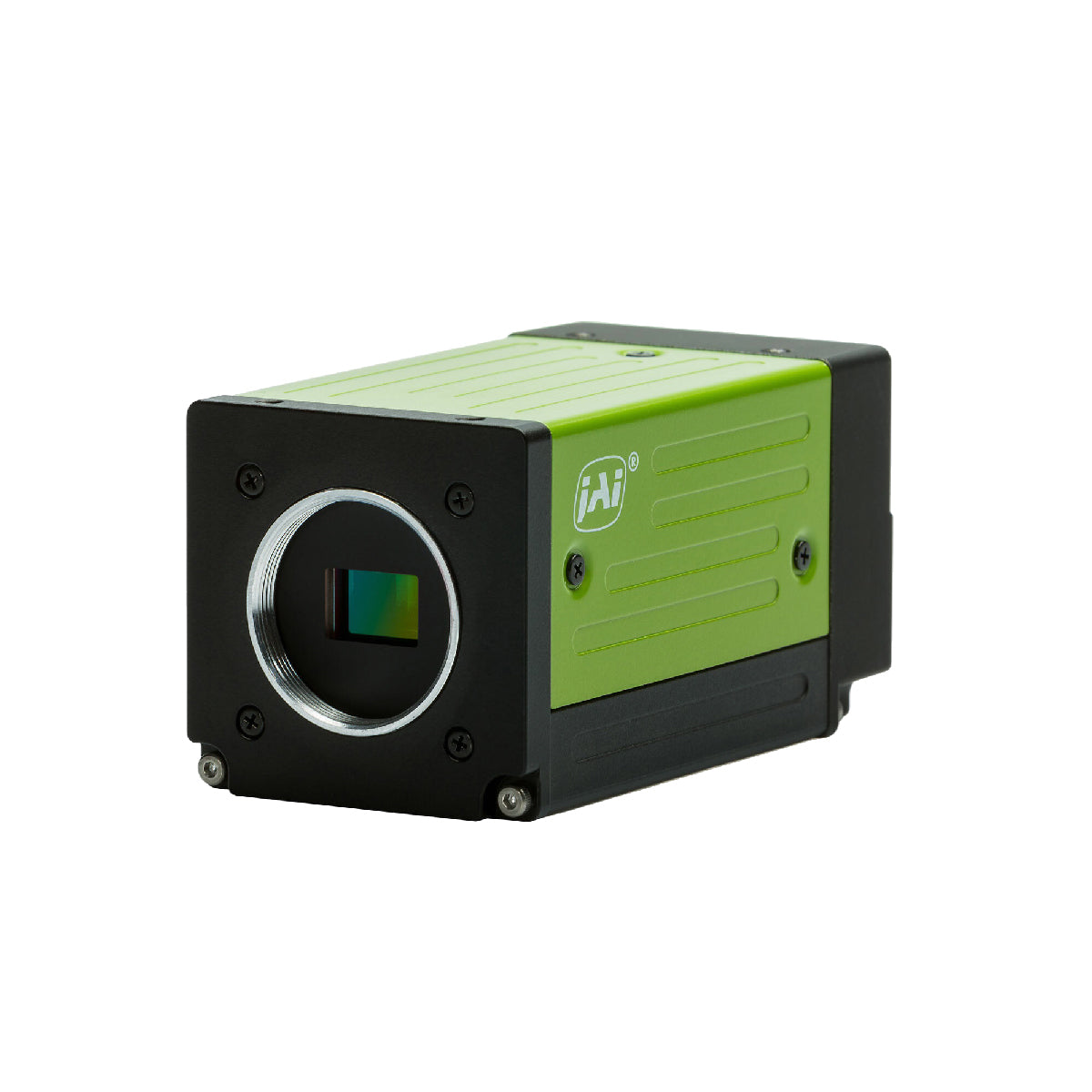
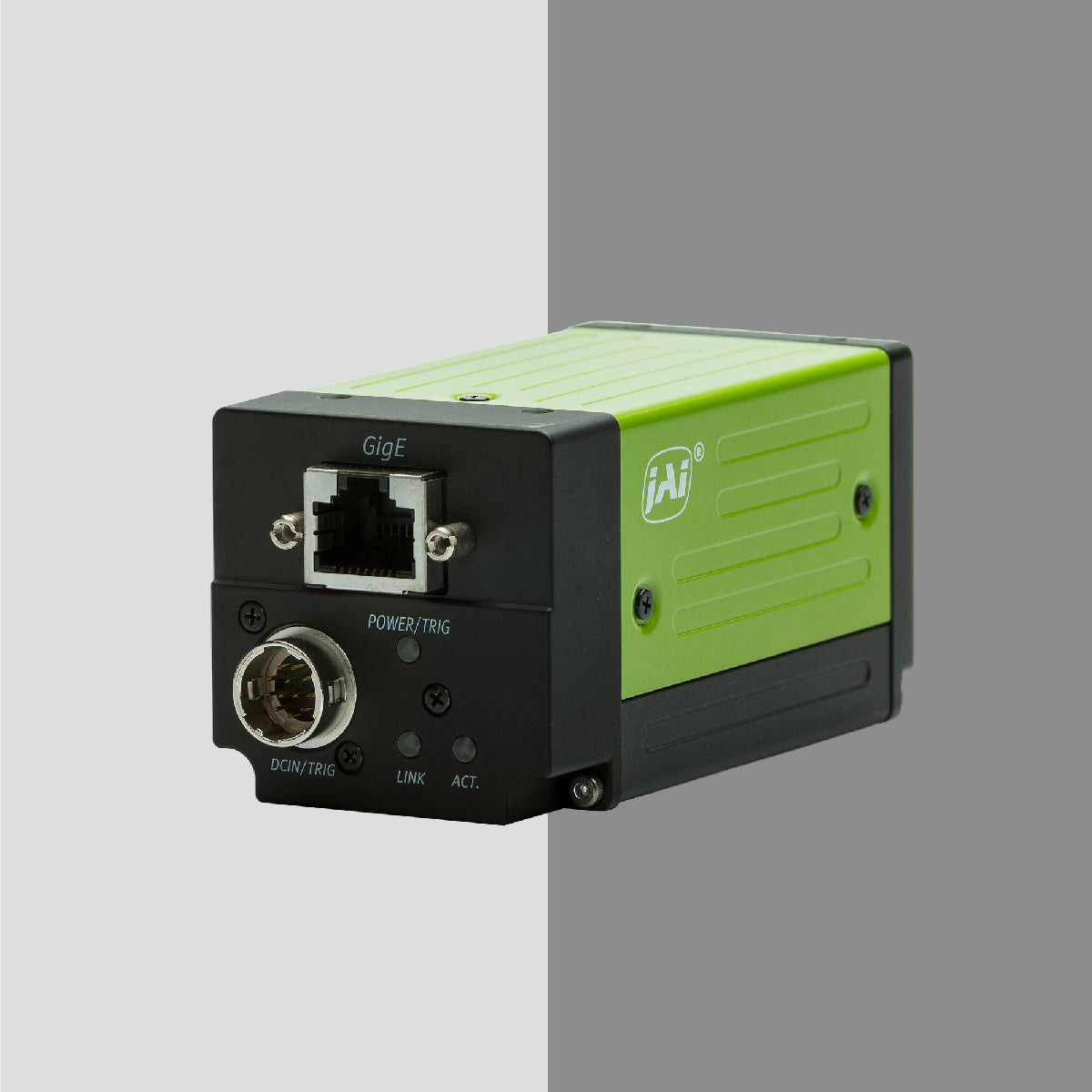
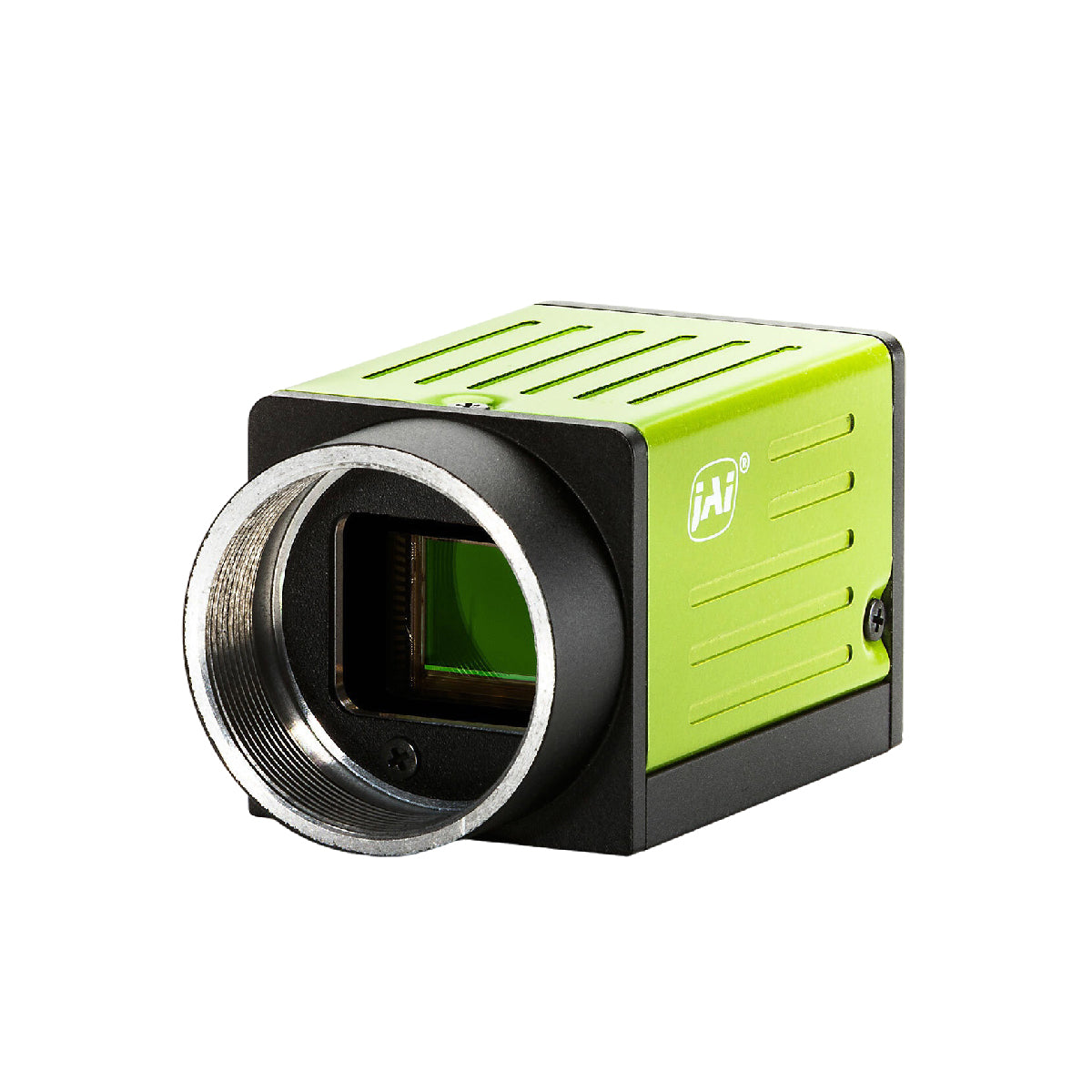
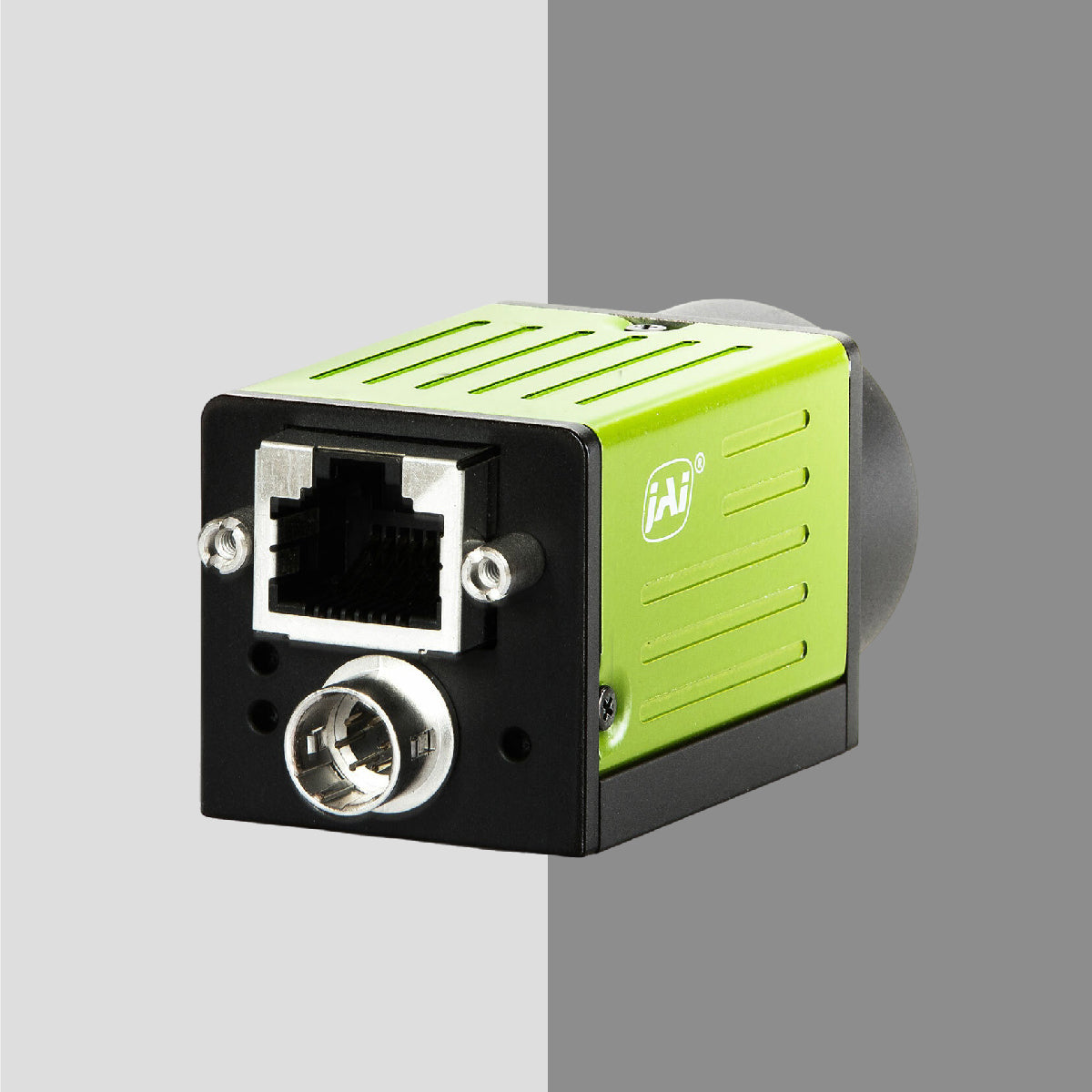
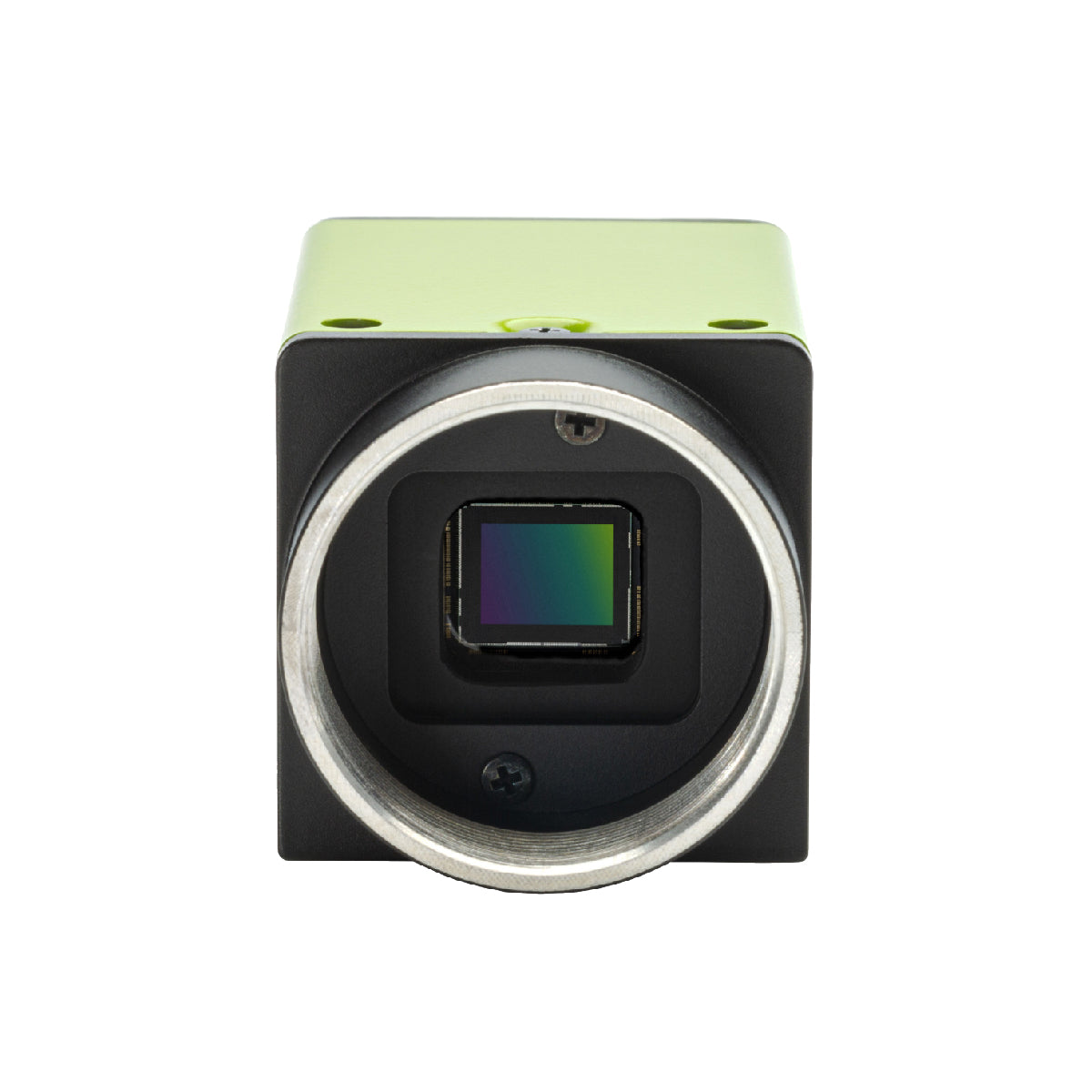
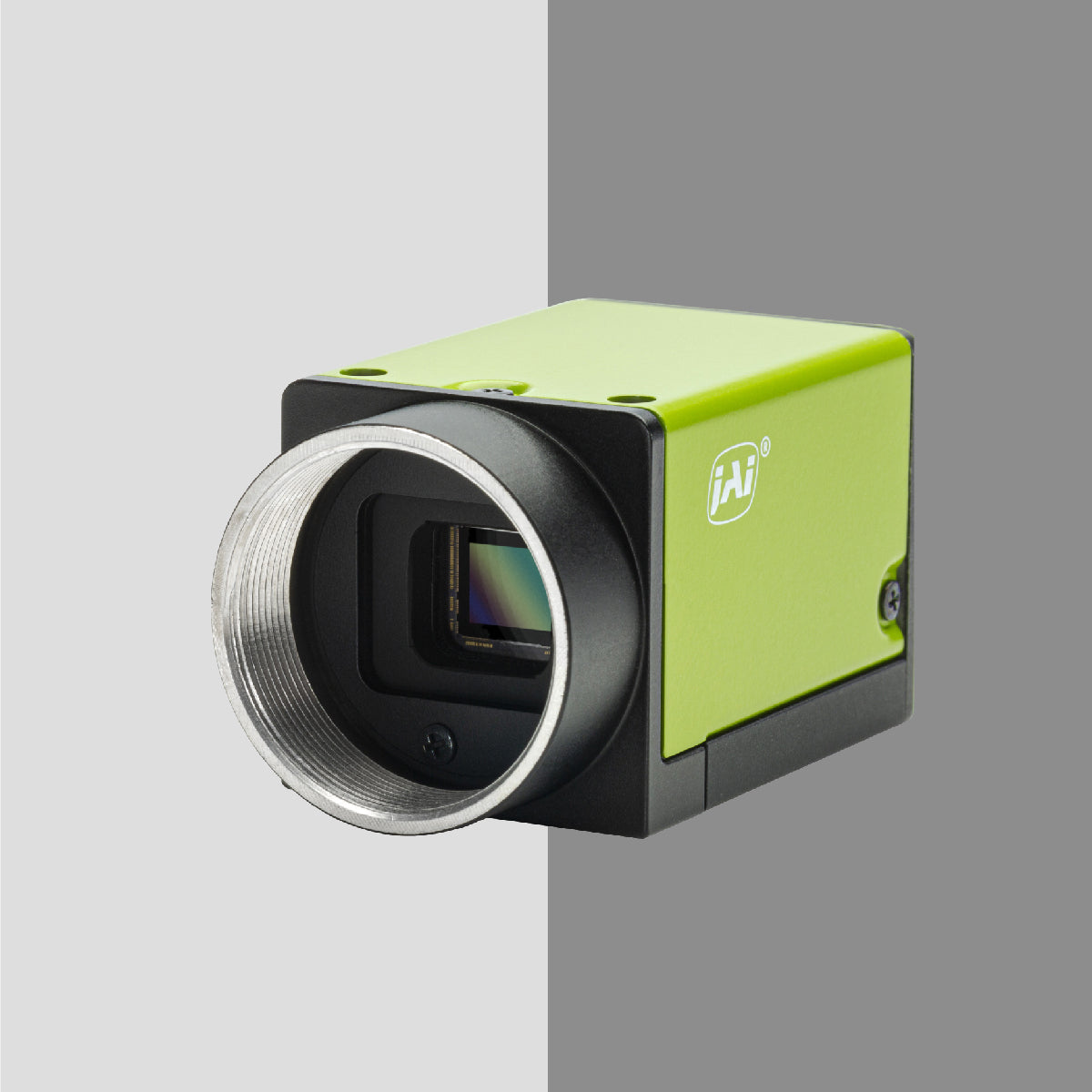
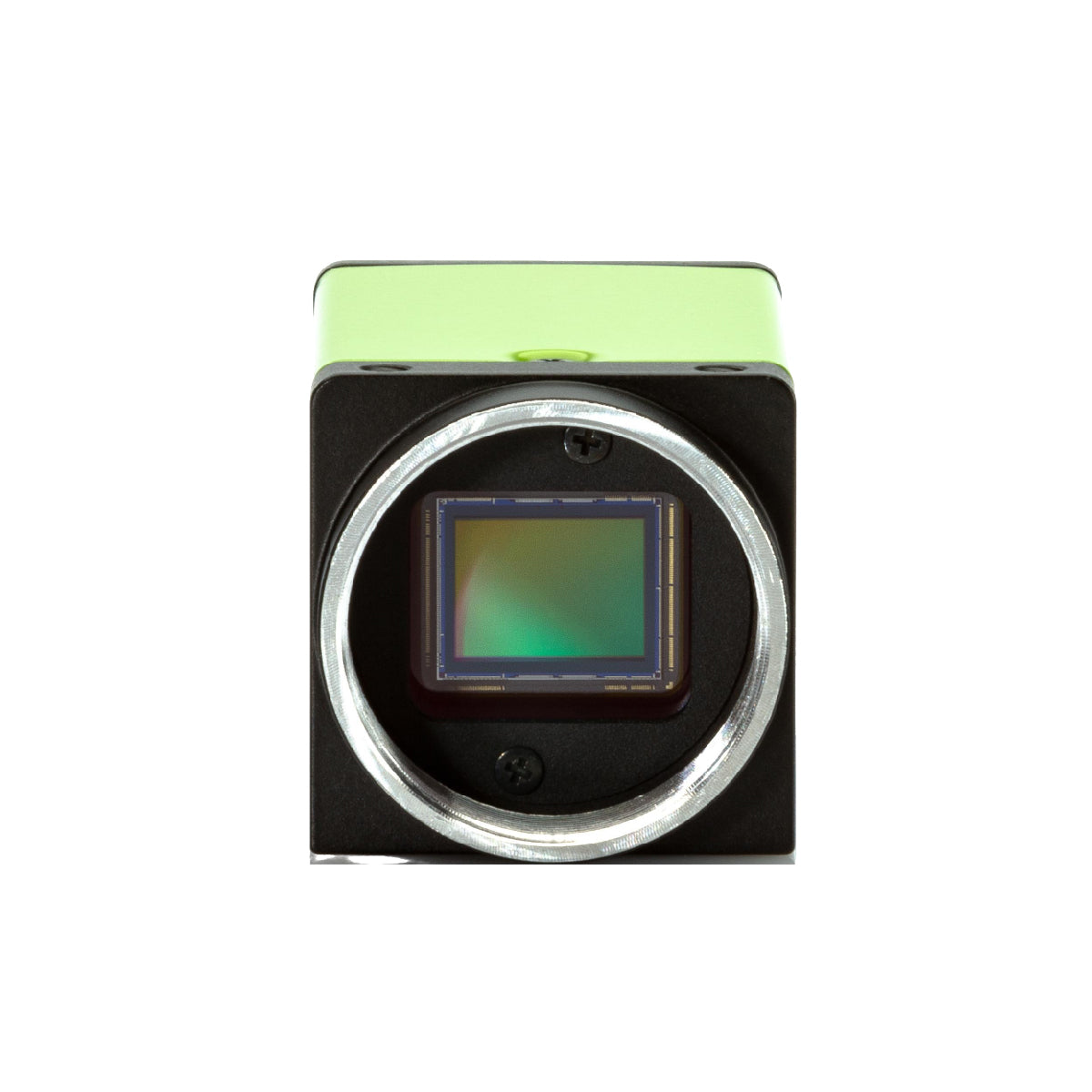
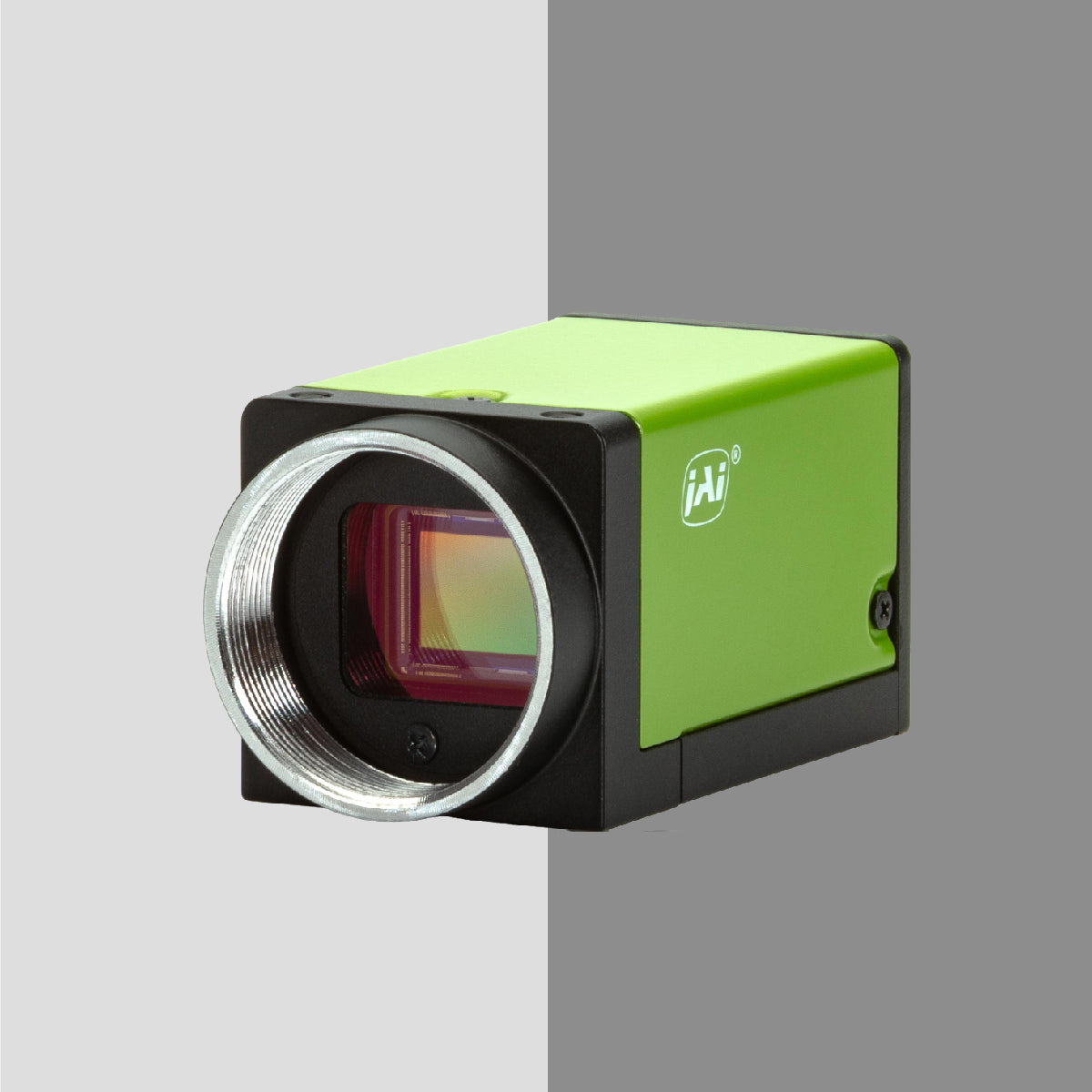
Combined with our extensive lineup of machine vision cameras, lenses, lighting and accessories on FJW, MidOpt filters provide a complete solution for optimizing industrial imaging systems.
Find the Right Machine Vision Filter at FJW Optical
At FJW Optical, we work closely with manufacturers, system integrators and OEMs to help identify the best machine vision filter solutions for their applications. Whether you're designing a new inspection system or optimizing an existing machine vision setup, MidOpt filters deliver the performance, consistency and reliability required for today's demanding industrial environments.
Explore our full selection of MidOpt machine vision filters and discover how the right optical filter can elevate the performance of your machine vision system.