
 Find-R-Scopes
 Filters
 Lenses
 Cameras
 Lighting


 Accessories









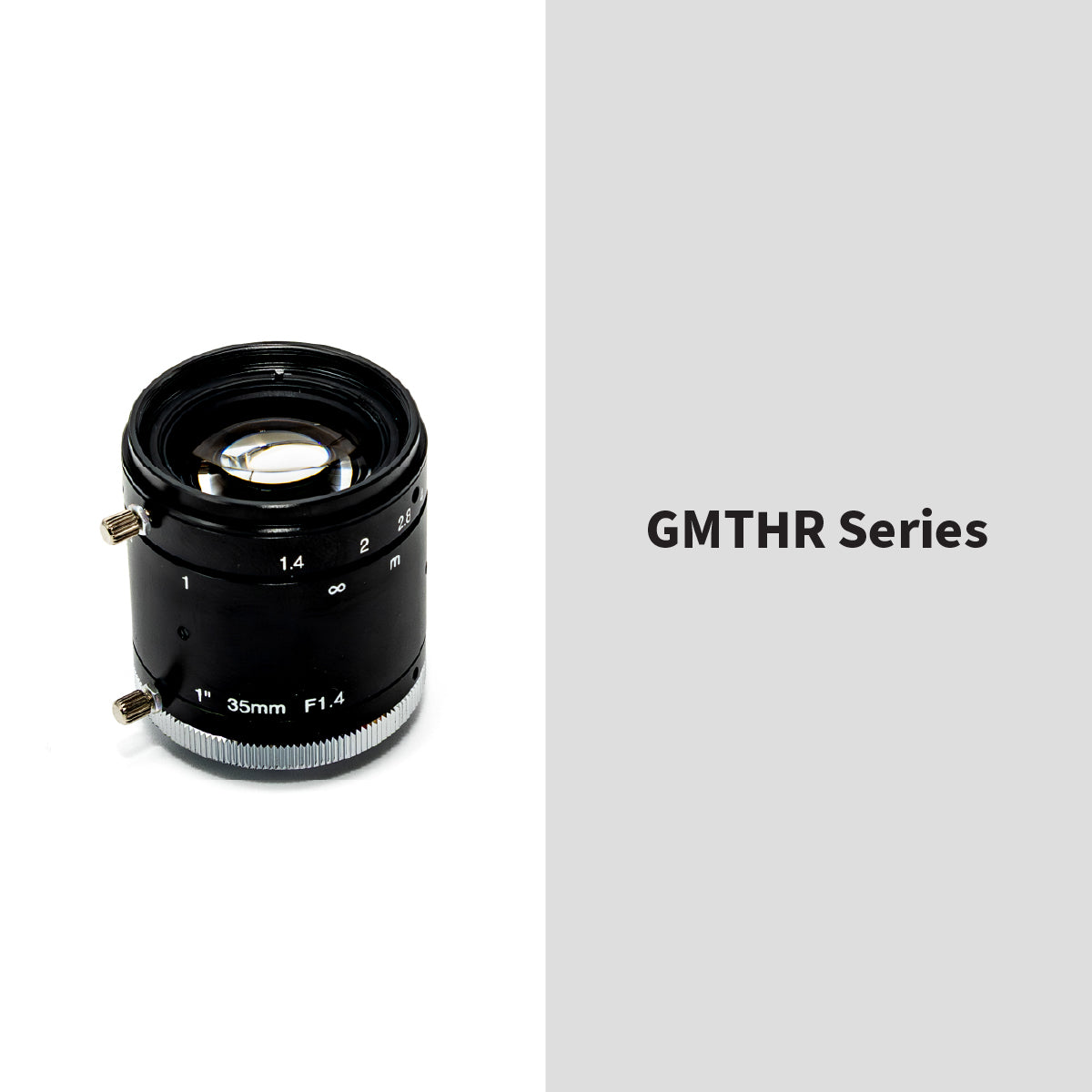


Barcodes and optical character recognition (OCR) are at the heart of modern automation. From warehouse fulfillment and logistics to pharmaceutical packaging, food production, and manufacturing, reliable code reading is essential for traceability, quality control, and operational efficiency.
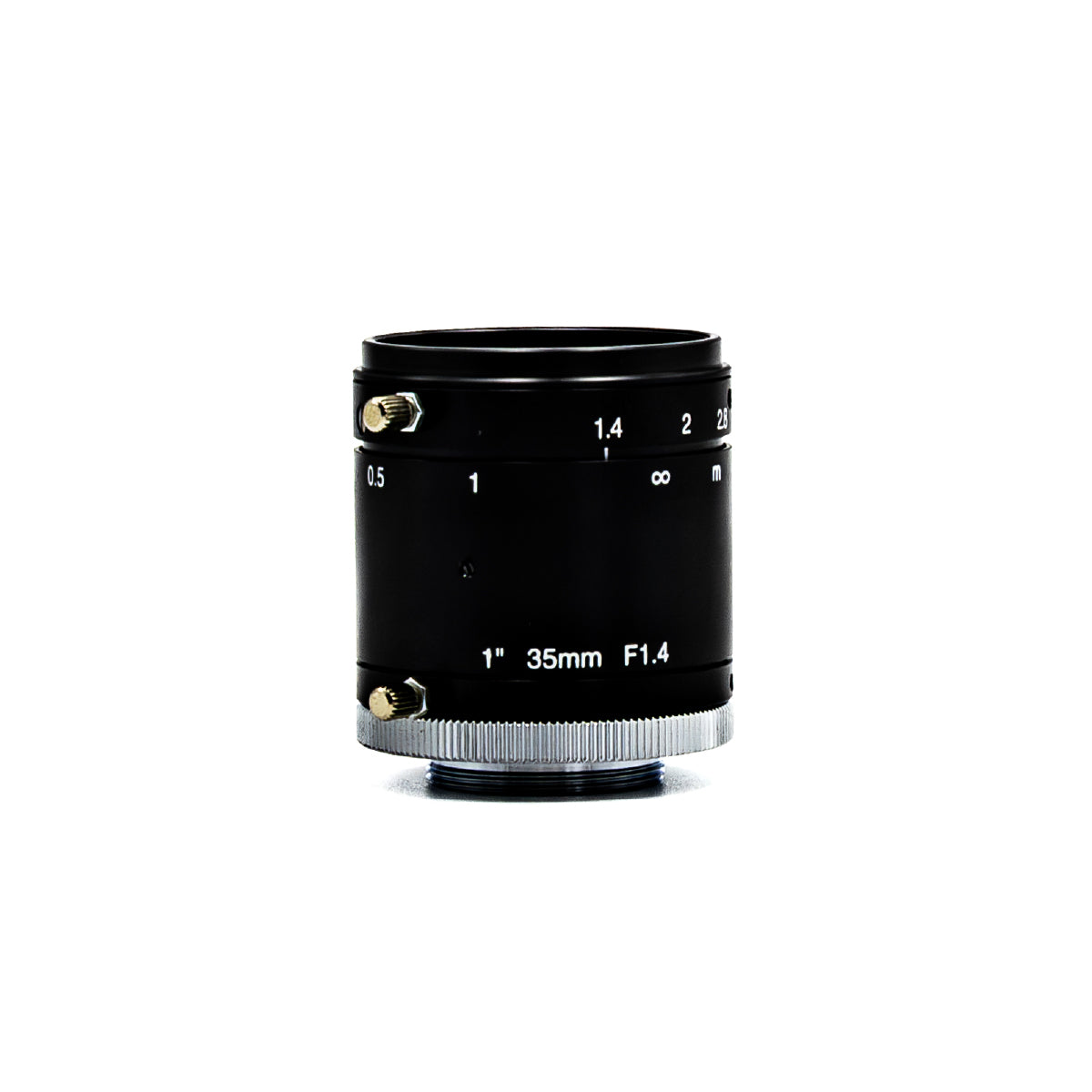
While cameras and software often receive the most attention, the lens plays an equally critical role in determining whether a barcode or printed character is captured with the clarity needed for accurate decoding. Selecting the right lens can dramatically improve read rates, reduce errors and ensure consistent performance across changing production environments.
Why the Lens Matters
Barcode readers and OCR systems depend on crisp, high-contrast images. Even the most advanced decoding software cannot compensate for blurry edges, distortion or insufficient resolution caused by an improperly selected lens. A quality machine vision lens helps provide:
- Sharp edge definition
- Uniform focus across the image
- Minimal distortion
- Consistent image brightness
- High contrast for easier decoding
The result is faster processing, higher read accuracy, and fewer rejected parts.
Match Lens Resolution to Your Camera
One of the first considerations is lens resolution. Today's machine vision cameras commonly range from 5 MP to over 25 MP. Using a lower-quality lens on a high-resolution sensor limits the overall performance of the imaging system. When selecting a lens:
- Pair high-resolution cameras with lenses capable of resolving fine detail.
- Ensure the lens can support the sensor size without sacrificing edge sharpness.
- Choose optics designed for industrial imaging rather than consumer photography.
Higher-resolution lenses preserve the fine lines and edges that barcode readers rely on when decoding both 1D and 2D codes.
Choose the Correct Focal Length
Focal length determines the field of view and working distance. Applications inspecting large shipping labels require a wider field of view than those reading tiny Data Matrix codes on electronic components. Typical considerations include:
- Wide focal lengths for cartons, pallets, and large packages
- Medium focal lengths for packaging lines and assembly inspection
- Long focal lengths for distant inspection points or large conveyor systems
The correct focal length ensures the barcode occupies enough pixels for reliable decoding while capturing the necessary inspection area.
Prioritize Low Distortion
Barcode algorithms assume straight lines remain straight. Lens distortion can warp codes near the edges of the image, making decoding more difficult. For OCR, distortion may stretch or compress characters, reducing recognition accuracy. Low-distortion machine vision lenses help maintain:
- Accurate barcode geometry
- Uniform measurements
- Consistent OCR character spacing
- Reliable inspection across the full image
This becomes especially important when reading multiple barcodes simultaneously or inspecting wide conveyor belts.
Maintain Sharpness Across the Entire Field
Many inspection systems capture multiple products within a single image. If only the center of the image is sharp, barcodes near the edges may become unreadable. Industrial machine vision lenses are designed to provide:
- High center resolution
- Excellent corner sharpness
- Flat image fields
- Reduced field curvature
Uniform sharpness ensures every code receives the same image quality regardless of its position.
Consider Working Distance
Barcode reading applications can vary from a few inches away to several feet. The selected lens should comfortably achieve focus at the intended working distance while maintaining the desired field of view. Examples include:
- Close-range OCR on pharmaceutical blister packs
- Mid-range label inspection on packaging equipment
- Long-distance barcode verification on warehouse conveyors
- High-mounted readers above pallet handling systems
Proper working distance improves installation flexibility while maximizing image quality.
Aperture and Depth of Field
Production environments often involve products moving at high speeds with slight variations in height. A properly selected aperture balances:
- Image brightness
- Motion stopping capability
- Depth of field
- Optical sharpness
Greater depth of field allows barcodes at varying heights to remain in focus, reducing missed reads without requiring constant refocusing.
Large Sensors Need Larger Image Circles
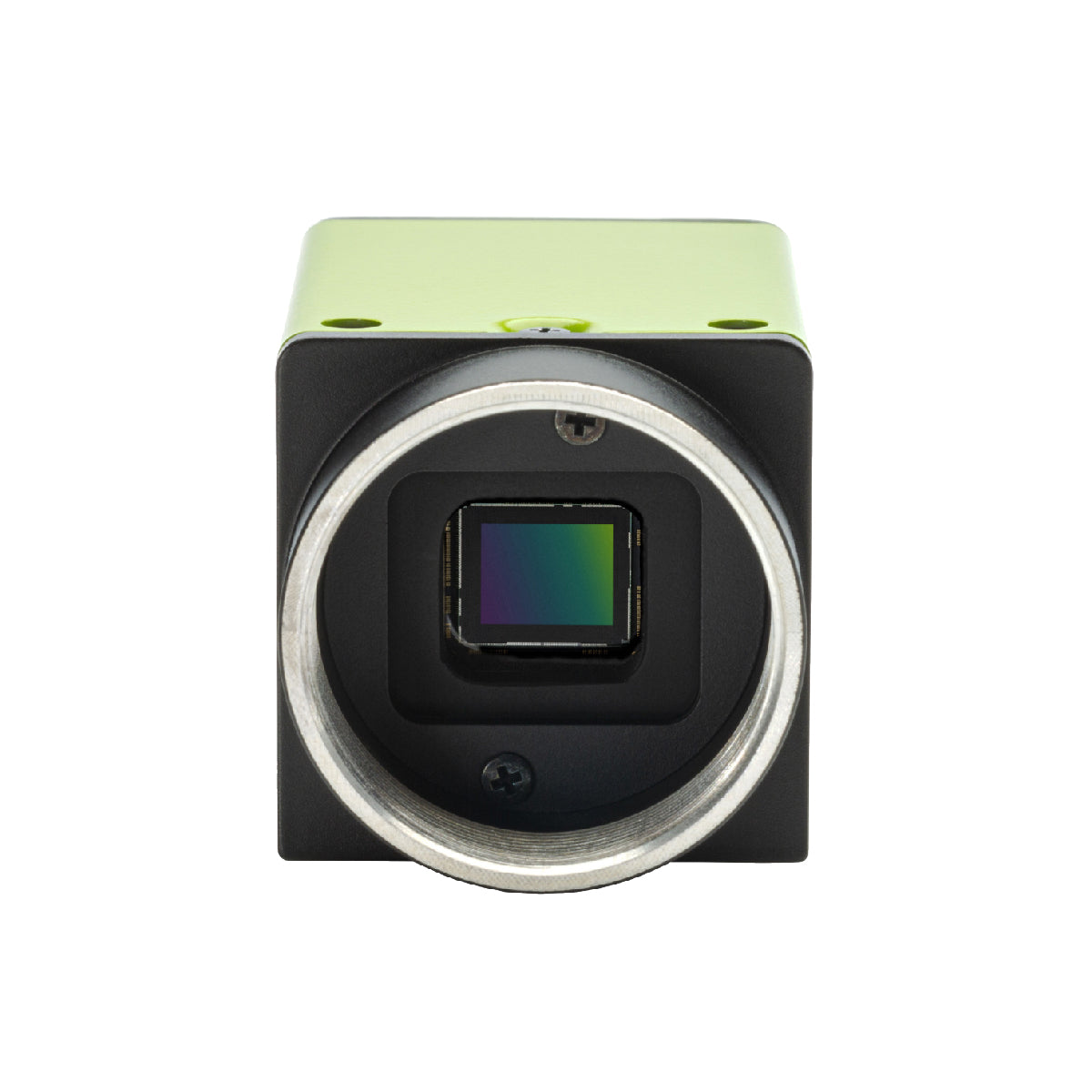
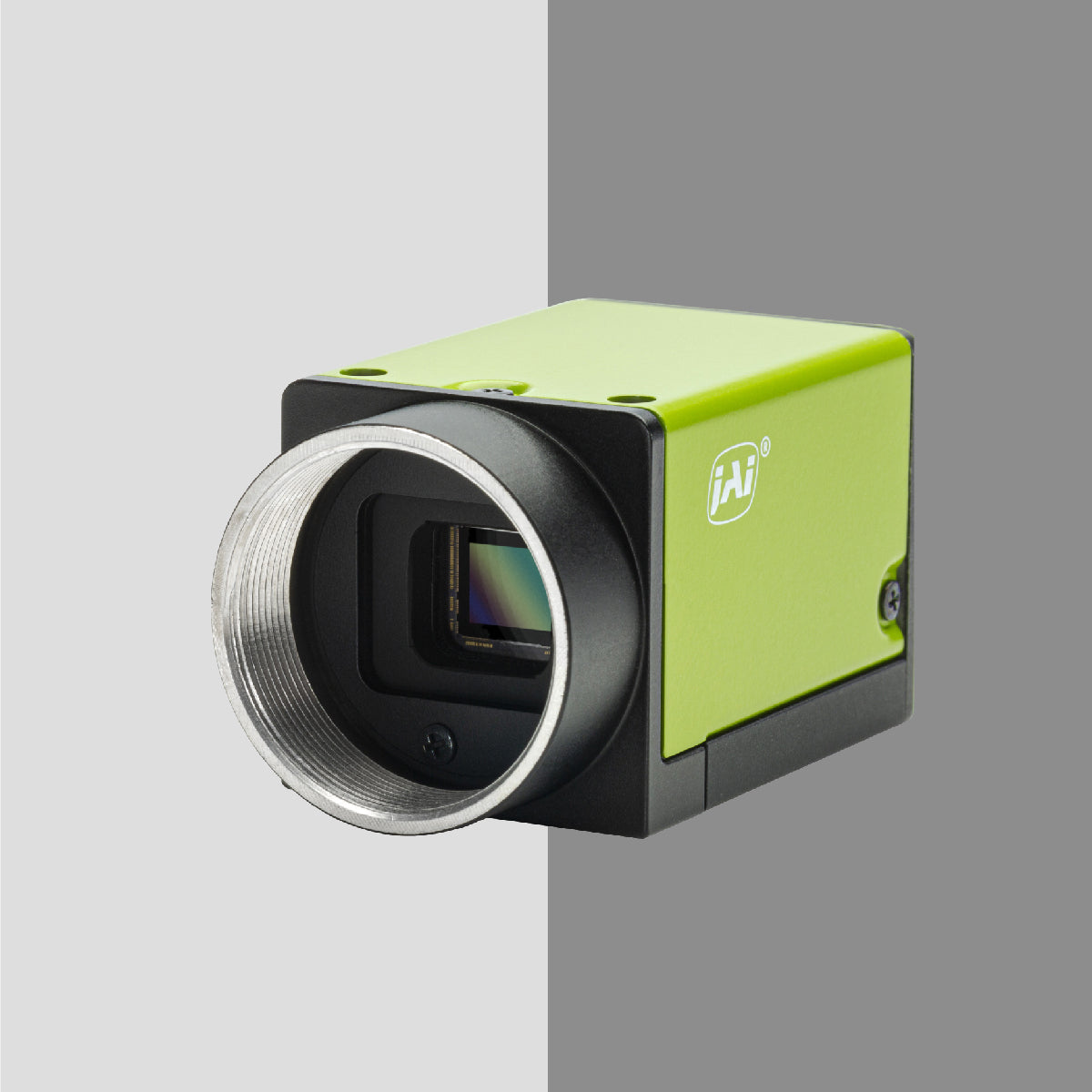
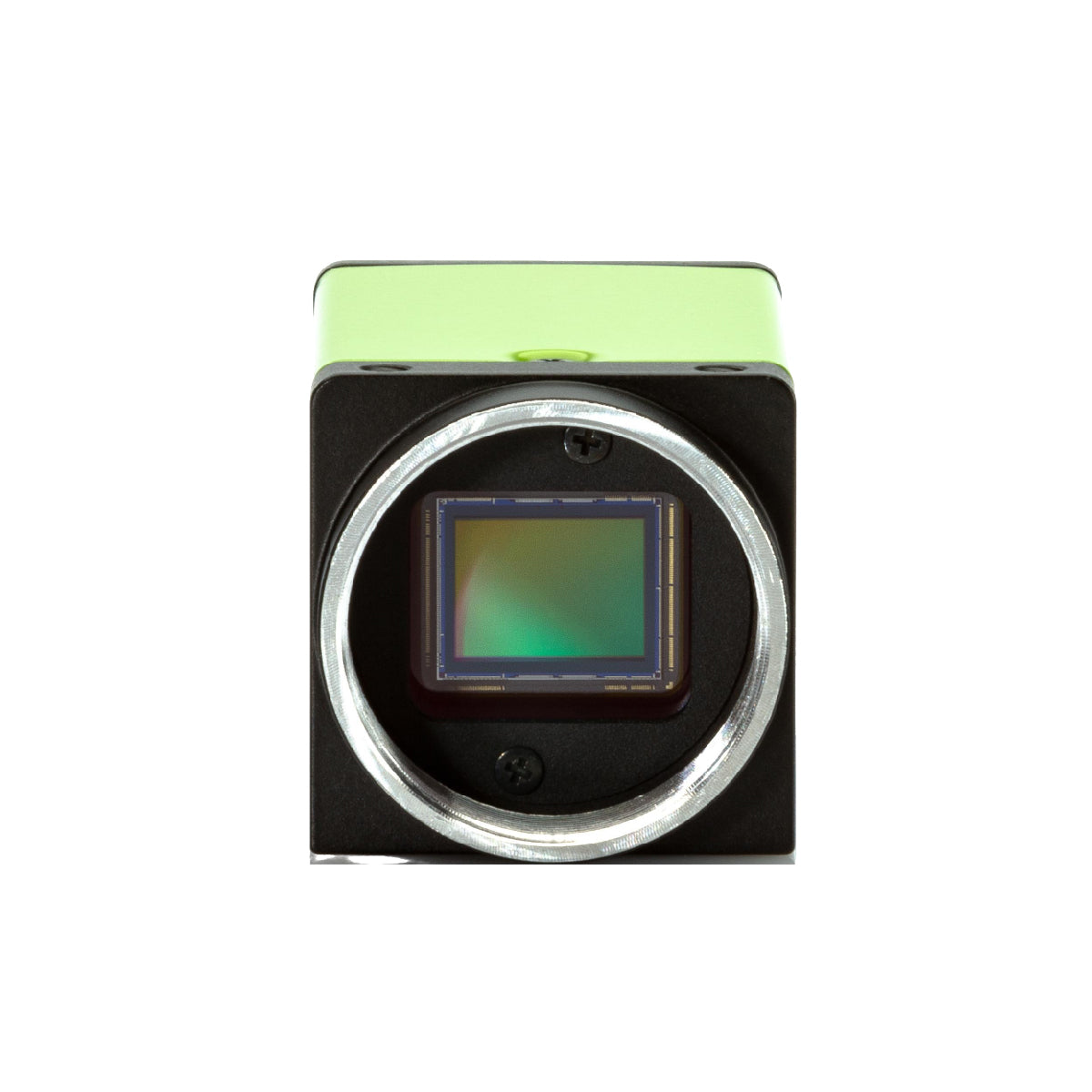
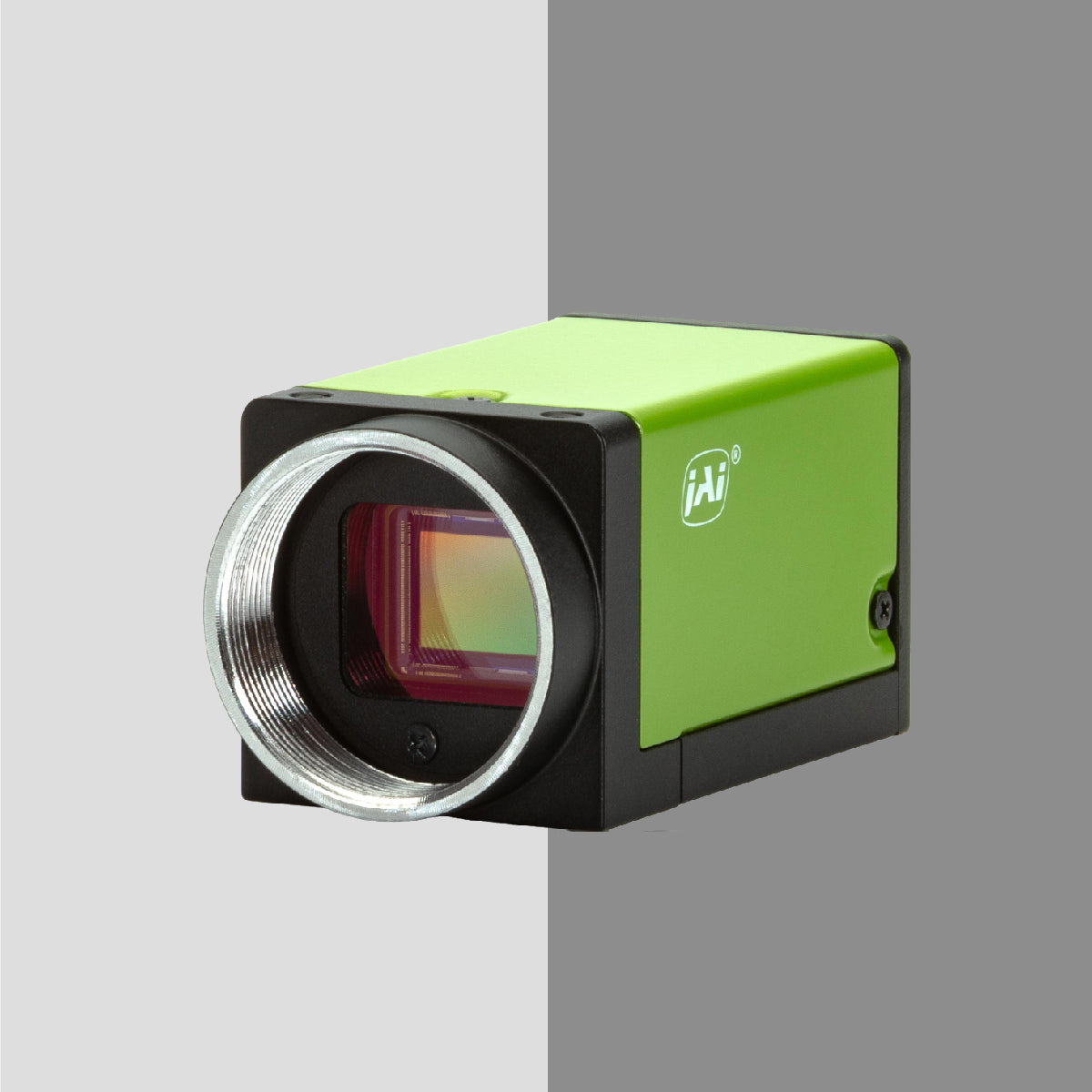
Modern machine vision cameras frequently utilize sensors larger than traditional 1/2-inch formats. When pairing these cameras with a lens, verify the lens fully covers the sensor. Using an undersized image circle may introduce:
- Dark corners (vignetting)
- Reduced sharpness
- Edge performance loss
Matching the lens to the sensor size ensures consistent image quality across the entire frame.
Fixed vs. Varifocal Lenses
Both fixed focal length and varifocal lenses have advantages.
Fixed focal length lenses offer:
- Excellent optical performance
- High resolution
- Stable calibration
- Lower distortion
These are ideal for permanent inspection stations.
Varifocal lenses provide:
- Flexible installation
- Adjustable field of view
- Easier system setup
- Ability to fine-tune working distance
These are useful for prototype systems or installations where product sizes may change.
Don't Forget the Lighting
Even the best lens cannot overcome poor illumination. Proper lighting works together with the lens to maximize barcode contrast and OCR readability. Depending on the application, lighting may include:
- Bright field illumination
- Dark field illumination
- Diffuse lighting
- Backlighting
- Polarized lighting to reduce glare
Selecting the right combination of lens and illumination often produces the greatest improvement in decoding performance.
Typical Applications
Proper lens selection benefits barcode and OCR systems across numerous industries, including:
- Warehouse automation
- Distribution centers
- Food and beverage packaging
- Pharmaceutical serialization
- Electronics manufacturing
- Automotive production
- Logistics and shipping
- Parcel sorting
- Medical device manufacturing
- Consumer goods inspection
Choosing the Right Lens for Your Inspection System
Every barcode reading application presents unique challenges involving working distance, code size, sensor resolution, lighting conditions, and production speed. Selecting a machine vision lens that matches these requirements can significantly improve barcode decoding, OCR accuracy, and overall inspection reliability.
At FJW Optical Systems, we offer a wide range of industrial machine vision lenses designed for barcode reading, OCR, logistics automation, manufacturing and high-speed inspection applications. Our team can help you select the ideal lens for your camera, lighting and inspection requirements to maximize system performance and long-term reliability.