
 Find-R-Scopes

 Filters
 Lenses
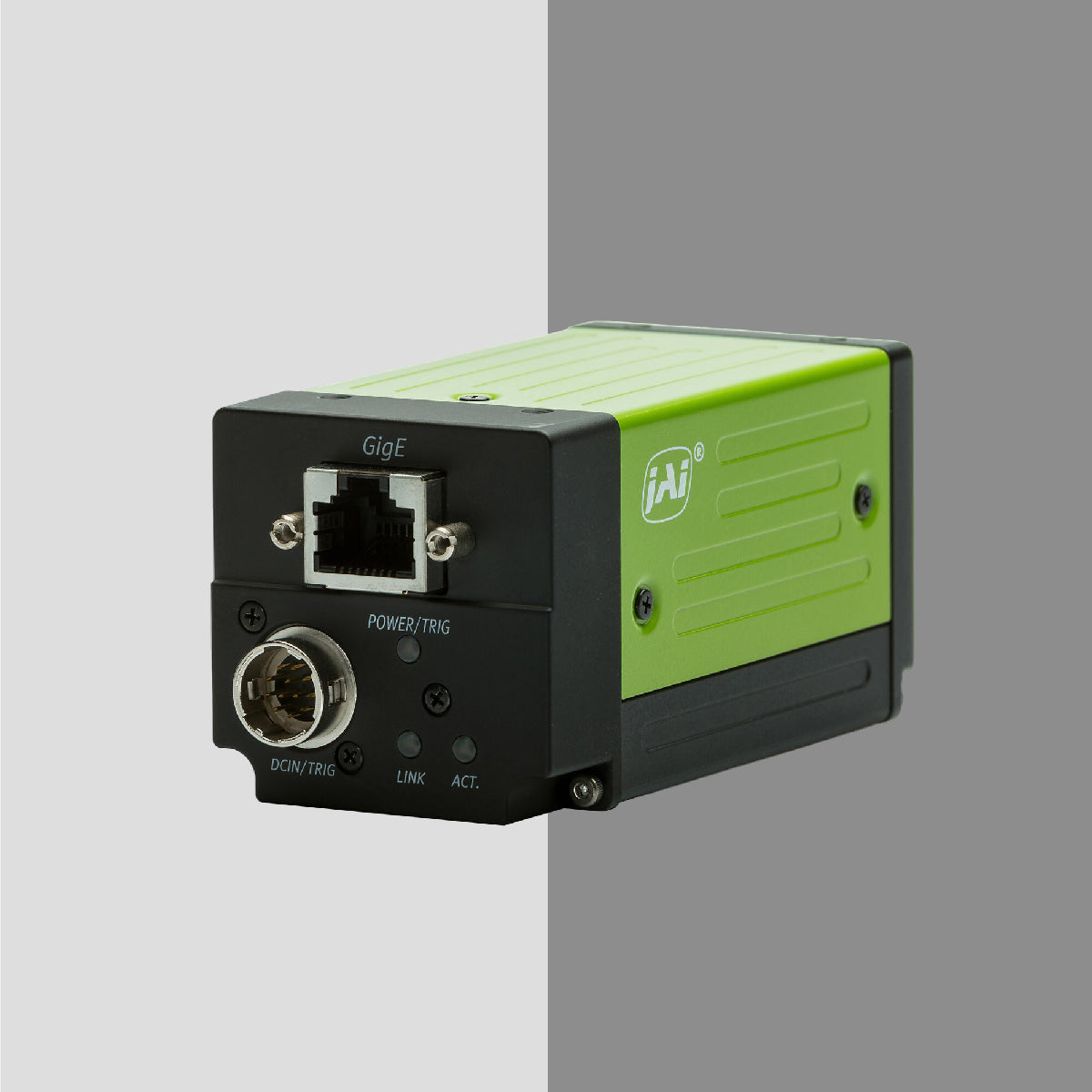
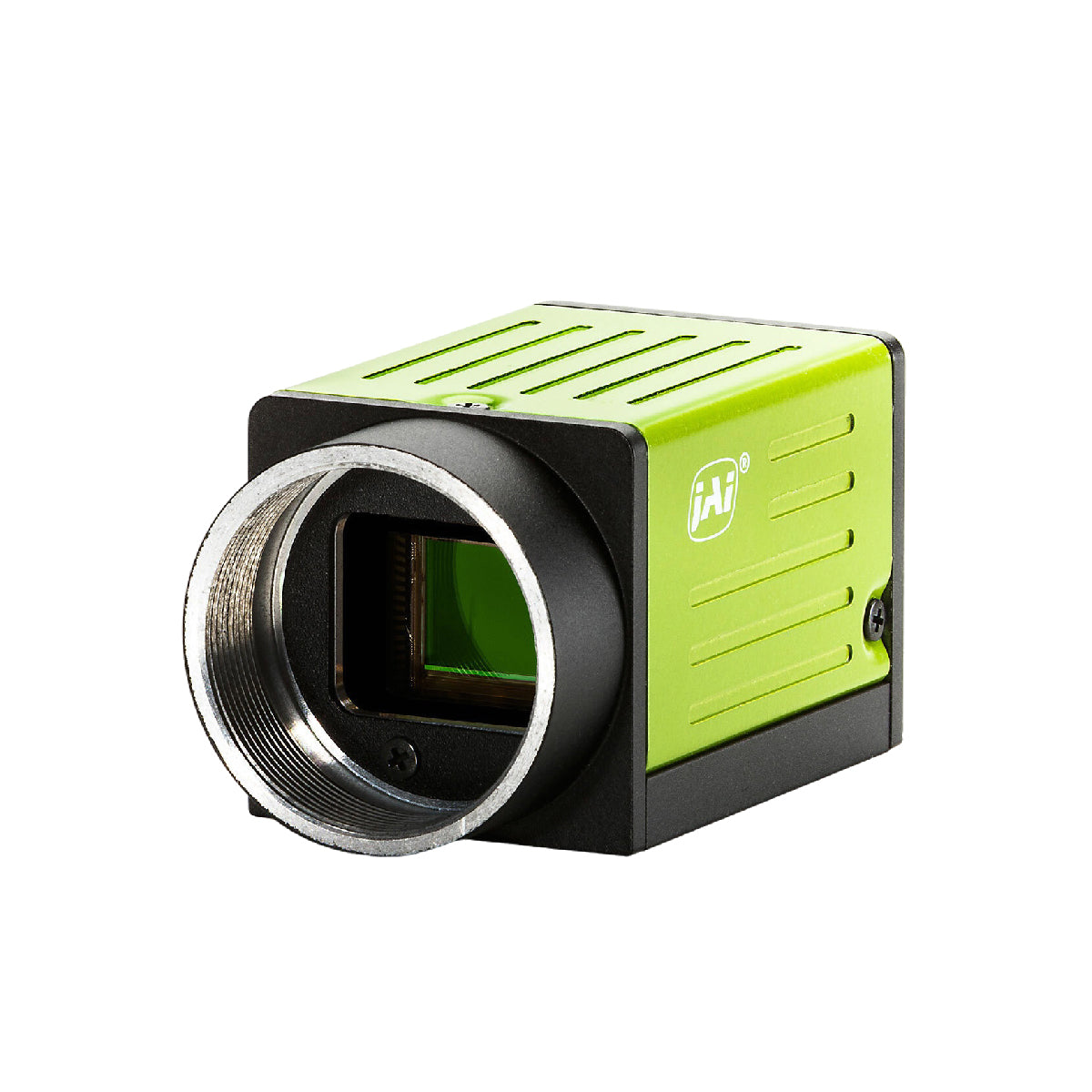
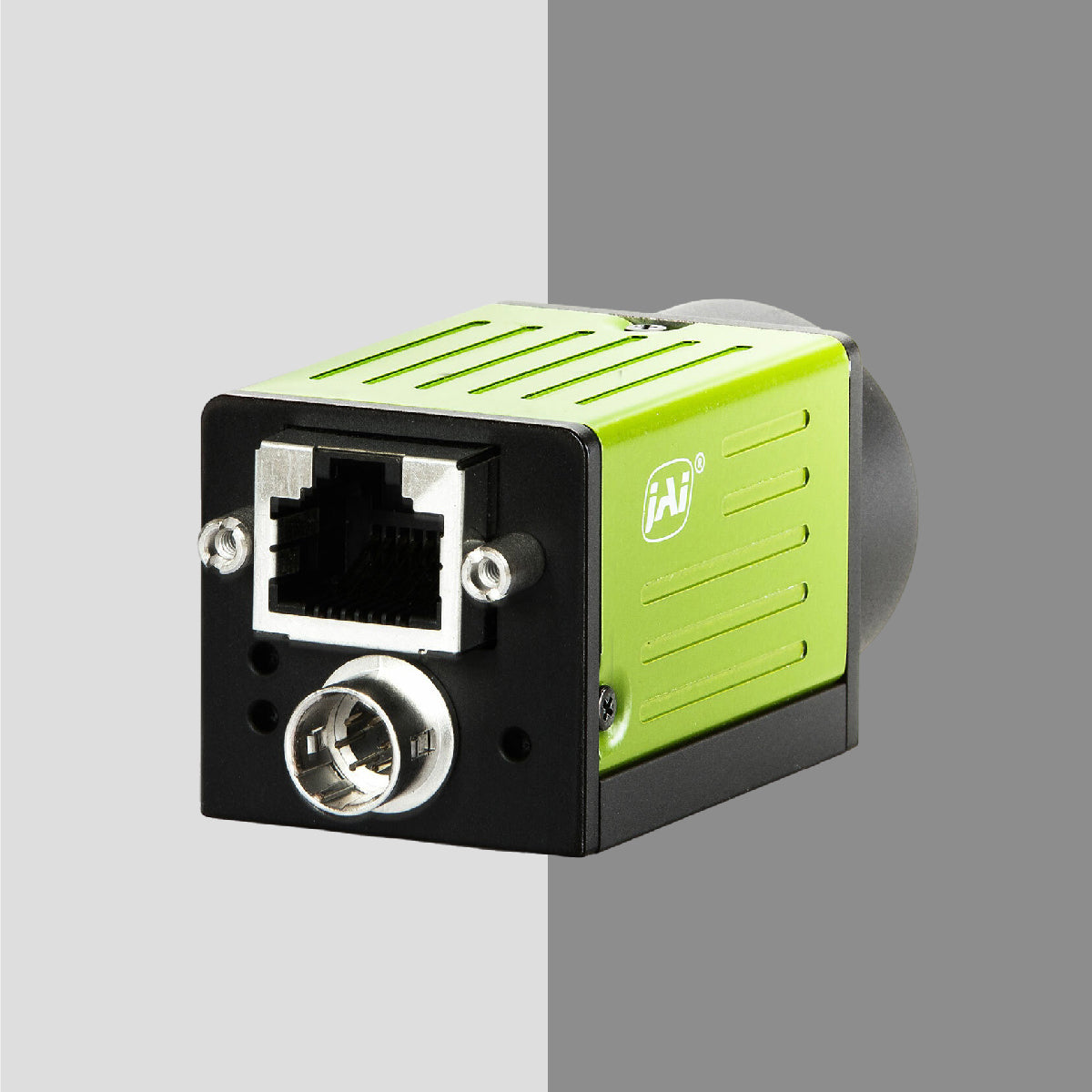
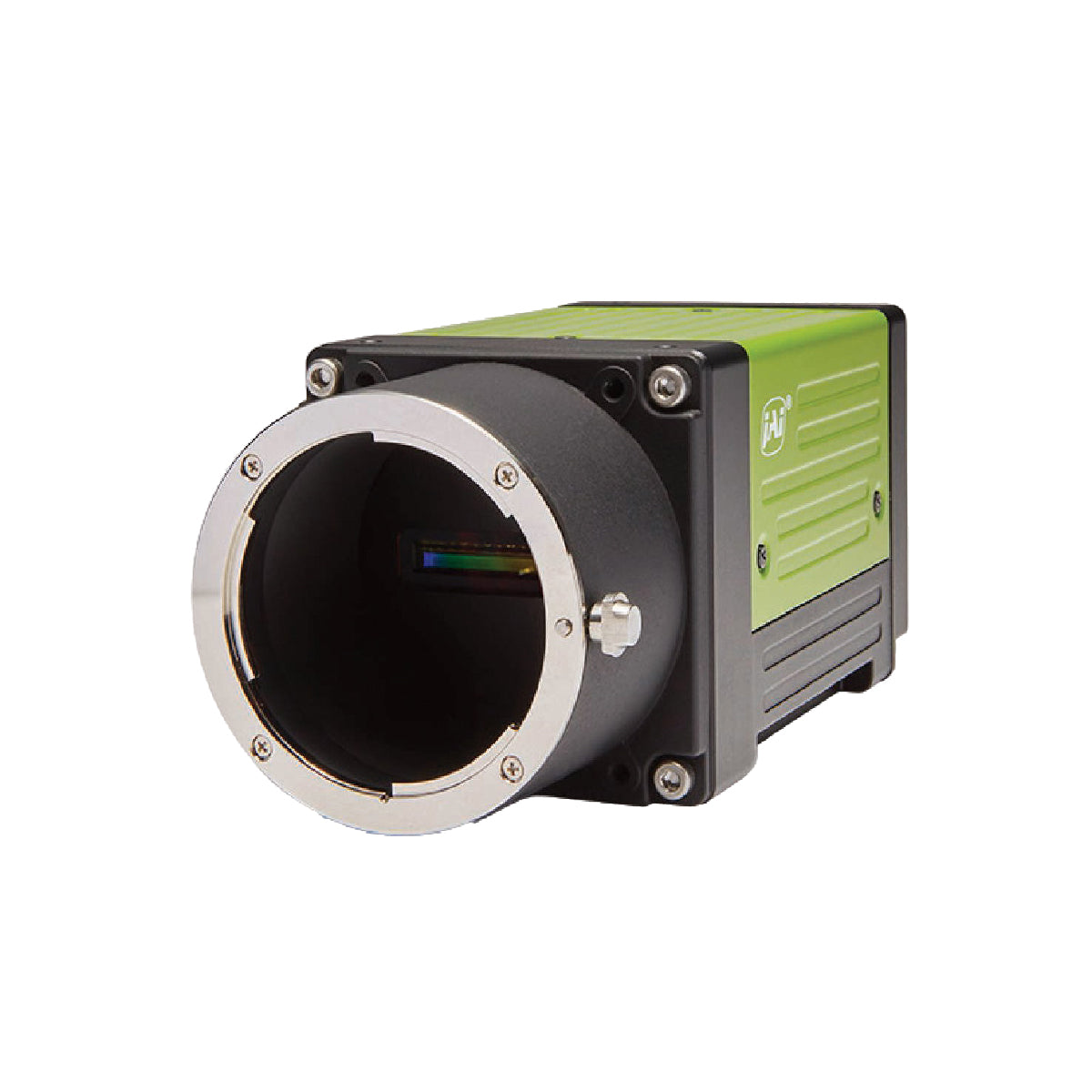
 Cameras
 Lighting


 Accessories











In the food processing industry, maintaining product quality and preventing contamination are critical to protecting consumers, reducing waste, and meeting demanding production standards. Even small foreign materials, such as plastic fragments, glass, metal, stones, or unwanted organic matter, can create significant challenges for food manufacturers.
As production lines become faster and more automated, traditional manual inspection methods may struggle to keep up. Industrial machine vision cameras offer a powerful solution, enabling food manufacturers to inspect products continuously, identify visible defects, and detect certain foreign materials before products reach consumers.
By combining advanced camera technology with specialized lighting, optical filters, and image processing software, automated food inspection systems can improve inspection consistency, support food safety initiatives, and increase production efficiency.
Why Foreign Material Detection Matters in Food Processing
Foreign material contamination can occur at multiple stages of food production, including harvesting, transportation, sorting, processing and packaging. Contaminants may originate from raw ingredients, equipment wear, packaging materials or the surrounding production environment.
Common foreign materials include:
- Plastic and rubber: Fragments from packaging, conveyor components, seals or processing equipment.
- Metal: Small pieces from machinery, fasteners or processing tools.
- Glass: Fragments from containers, lighting or other equipment.
- Stones and debris: Materials introduced during harvesting or raw ingredient handling.
- Unwanted organic matter: Leaves, stems, shells, insects, and other materials mixed with food products.
Detecting these contaminants early helps manufacturers reduce product waste, avoid costly recalls and maintain consistent food quality.
However, not every contaminant is easily identified using conventional imaging. Materials that closely resemble the color or texture of food products may require more advanced machine vision cameras, specialized illumination, or multispectral imaging techniques.
How Machine Vision Cameras Detect Foreign Materials
A machine vision food inspection system captures images of products as they move along a conveyor belt or through a sorting system. These images are analyzed using image processing algorithms that identify differences in color, shape, size, texture or spectral response.
When a potential contaminant is identified, the system can trigger a rejection mechanism, alert an operator or record the inspection results for quality control purposes. Modern industrial cameras support several important capabilities for food processing automation.
1. High-Resolution Imaging for Small Contaminant Detection
High-resolution machine vision cameras capture detailed images that help inspection systems identify small particles, product defects and foreign objects. For applications involving nuts, grains, vegetables and packaged foods, sufficient camera resolution is essential for distinguishing contaminants from acceptable products.
High-resolution imaging can help detect:
- Small plastic fragments with visible contrast
- Stones or debris mixed with grains
- Insects or unwanted organic materials
- Damaged or defective food products
- Packaging defects and visible contamination
The appropriate camera resolution depends on the size of the smallest defect that must be detected, the inspection area, lens performance and the required production speed.
2. Color Machine Vision Cameras for Food Sorting
Color cameras are widely used in automated food sorting and quality inspection because they can identify differences in appearance that may be difficult to distinguish using monochrome imaging. For example, color machine vision cameras can help separate discolored vegetables, identify foreign objects in processed foods, and detect irregularities in packaged products.
Advanced industrial color cameras, including those using multi-sensor prism-based imaging technology, can provide precise color separation for applications requiring accurate color discrimination. This is particularly valuable when inspecting products where subtle color differences indicate contamination, spoilage or inconsistent quality.
3. High-Speed Cameras for Continuous Production Lines
Food processing facilities often operate at high production speeds, making inspection speed just as important as image quality. High-speed industrial cameras capture images rapidly, allowing automated inspection systems to monitor moving products without significantly slowing production.
Global shutter cameras are particularly useful for conveyor-based inspection because they capture moving objects without the geometric distortion associated with rolling shutters. When paired with synchronized strobe lighting and appropriate exposure settings, these cameras can minimize motion blur and provide sharper images of products traveling at high speeds. This helps food manufacturers maintain production throughput while improving inspection reliability.
4. Line Scan Cameras for High-Speed Food Inspection
For continuous production environments, line scan cameras provide an effective solution for inspecting products moving along conveyor belts or through free-fall sorting systems. Unlike area scan cameras, which capture a complete image in one exposure, line scan cameras acquire individual lines of image data as products move through the inspection area. These lines are combined to create detailed images for analysis.
Line scan cameras are particularly useful for:
- Sorting grains, rice, beans, and nuts
- Detecting foreign materials in bulk food products
- Inspecting fruits and vegetables on conveyor belts
- Monitoring continuous streams of processed foods
- Identifying surface defects and irregularities
Multi-sensor prism-based line scan cameras offer additional advantages for high-speed food sorting. By capturing multiple color channels through a common optical path, these cameras help maintain accurate color alignment even when products rotate, tumble or move unpredictably. This technology can improve foreign material detection and reduce false rejections in demanding automated sorting applications.
Beyond Visible Light: NIR, SWIR and Multispectral Imaging
Some foreign materials are difficult to distinguish from food products using conventional visible-light cameras. For example, a light-colored plastic fragment may closely resemble a piece of food, making detection challenging. Multispectral imaging cameras provide additional information by capturing images at different wavelengths, including near-infrared (NIR) and short-wave infrared (SWIR).
Near-Infrared Imaging for Food Quality Control
NIR imaging captures information beyond the visible spectrum, allowing inspection systems to identify certain differences in material composition that may not be apparent in standard color images.
In food processing applications, NIR cameras can help with:
- Differentiating food products from certain foreign materials
- Identifying bruising or early signs of spoilage
- Detecting unwanted organic matter
- Improving sorting accuracy for agricultural products
- Supporting moisture-related inspection applications
Combining visible and NIR imaging provides more information for automated food quality control, particularly when products and contaminants have similar visible appearances.
SWIR Cameras for Advanced Foreign Material Detection
SWIR cameras typically operate in the short-wave infrared region, approximately 900-1700nm for many industrial InGaAs cameras, although the broader SWIR band extends beyond this range. Because materials interact differently with SWIR wavelengths, these cameras can reveal contrast that conventional visible-light cameras may miss.
SWIR imaging can be particularly valuable for distinguishing certain plastics, organic materials, and moisture-related differences in food products. For example, a food sorting system may use visible imaging to evaluate product color while simultaneously using SWIR imaging to identify foreign objects or defects based on their spectral characteristics.
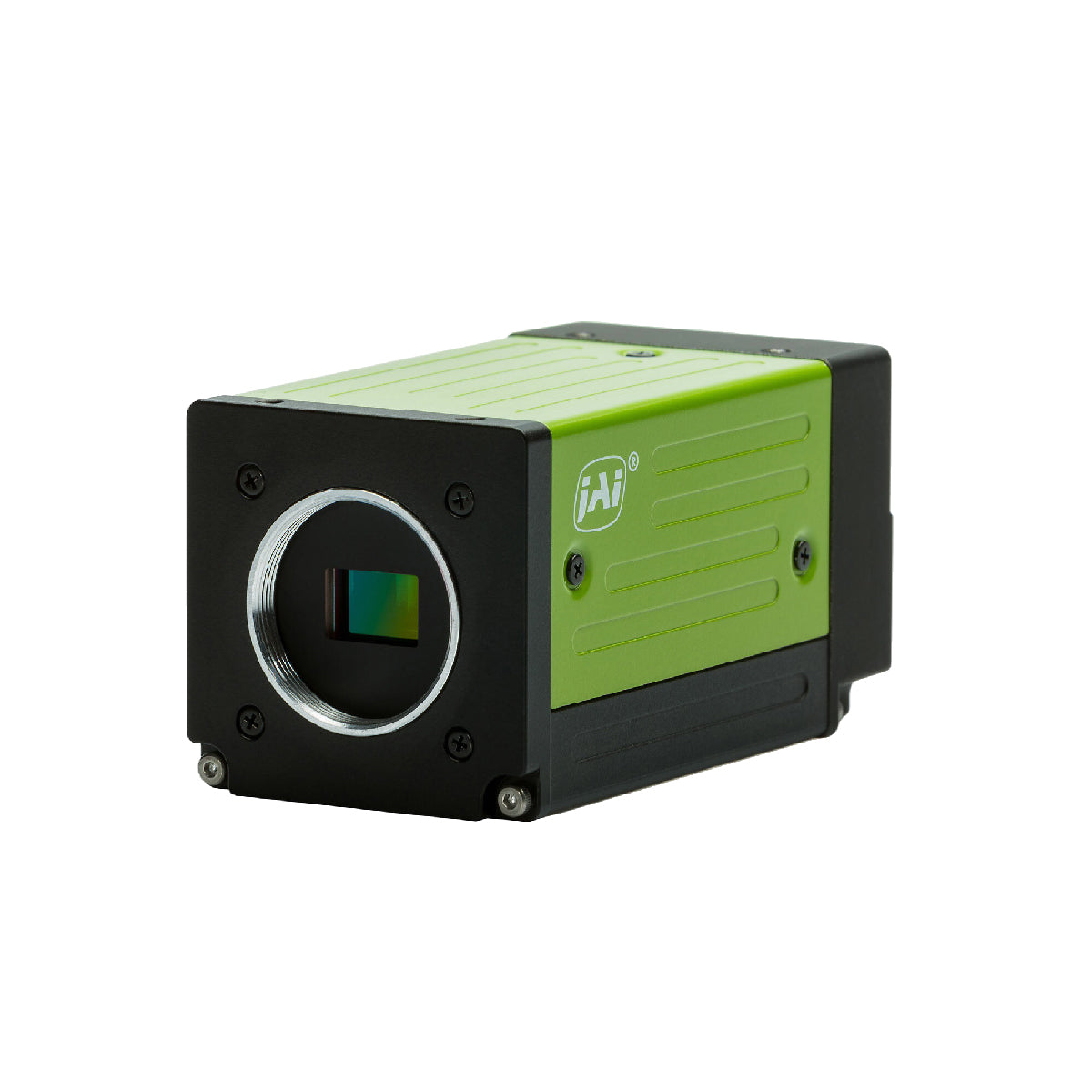
Advanced multispectral cameras can capture RGB and SWIR image data through a single optical system, simplifying integration and improving alignment between visible and infrared images. The effectiveness of SWIR foreign material detection depends on the specific contaminant, food product, illumination wavelengths, and inspection conditions.
Selecting the Right Industrial Camera for Food Processing
Choosing the appropriate food inspection camera requires evaluating the specific application, production environment, and contaminants that must be detected.
Several factors influence camera selection:
|
Camera Feature |
Importance for Food Inspection |
|---|---|
|
High resolution |
Helps detect small foreign objects and fine product defects |
|
High frame rate |
Supports inspection on fast-moving production lines |
|
Global shutter |
Reduces motion-related distortion |
|
Accurate color imaging |
Helps identify discoloration and visible contaminants |
|
Line scan technology |
Supports continuous conveyor and free-fall sorting |
|
NIR and SWIR sensitivity |
Provides additional contrast for certain materials |
|
Industrial interfaces |
Supports reliable image transfer and system integration |
Area Scan vs. Line Scan Cameras
Both camera types play important roles in food processing automation. Area scan cameras are often suitable for inspecting individual products, packaged foods, containers, and defined inspection areas. They provide complete images and can be integrated into automated inspection stations. Line scan cameras are especially useful for continuous product streams, wide conveyor belts, and high-speed sorting systems where products move consistently through the field of view. Selecting between these technologies depends on product movement, required resolution, inspection speed, and system design.
The Importance of Lighting and Optical Filters in Food Inspection
Even the most advanced industrial camera depends on proper illumination to produce reliable inspection results. Machine vision lighting helps establish contrast between acceptable food products and foreign materials. Different lighting techniques can reveal specific defects or material characteristics.
Common approaches include:
- Bright-field lighting: Provides uniform illumination for general product inspection.
- Dark-field lighting: Highlights surface irregularities, scratches, and certain foreign objects.
- Backlighting: Creates silhouettes for detecting shape variations, edges, and protruding contaminants.
- NIR and SWIR illumination: Helps reveal material differences beyond the visible spectrum.
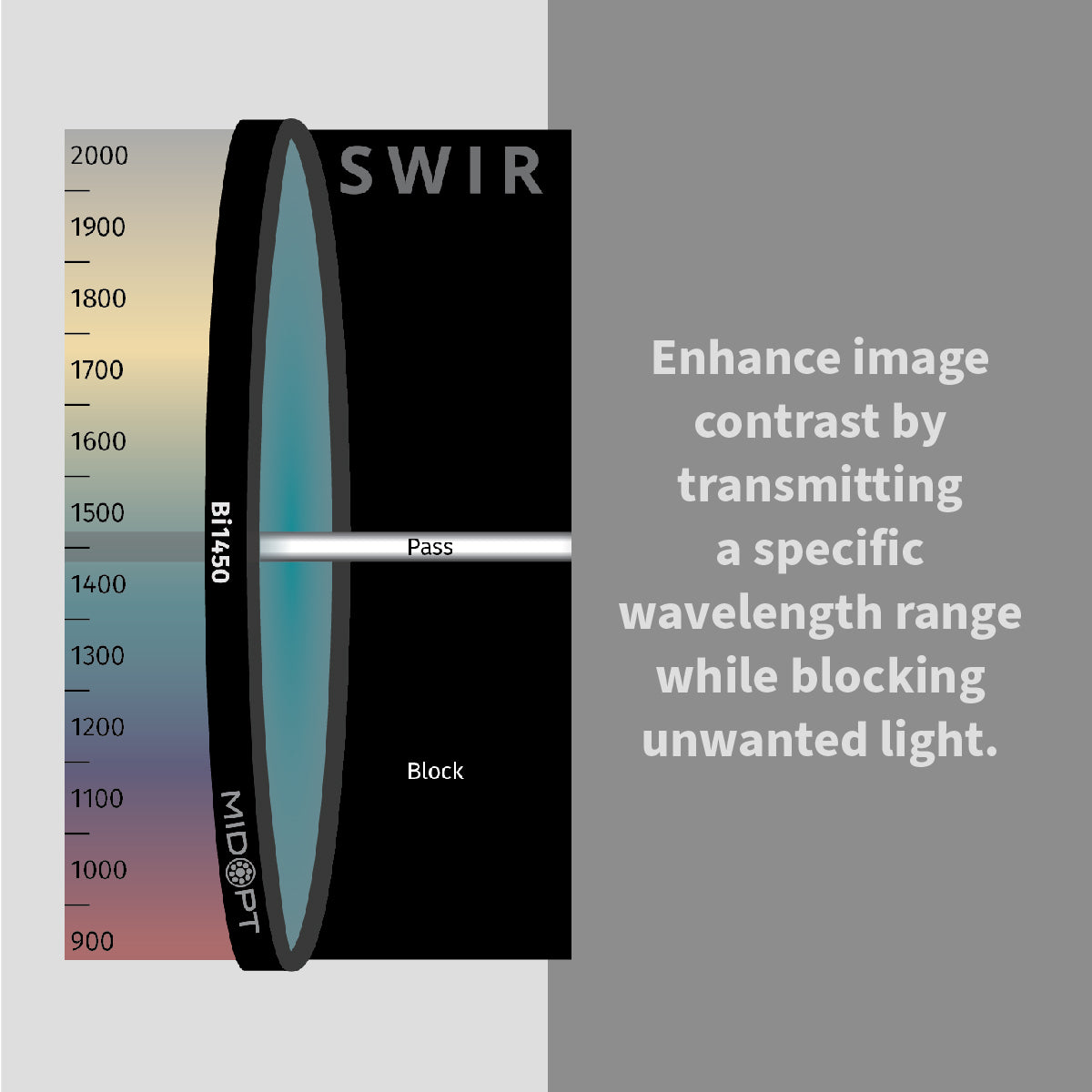
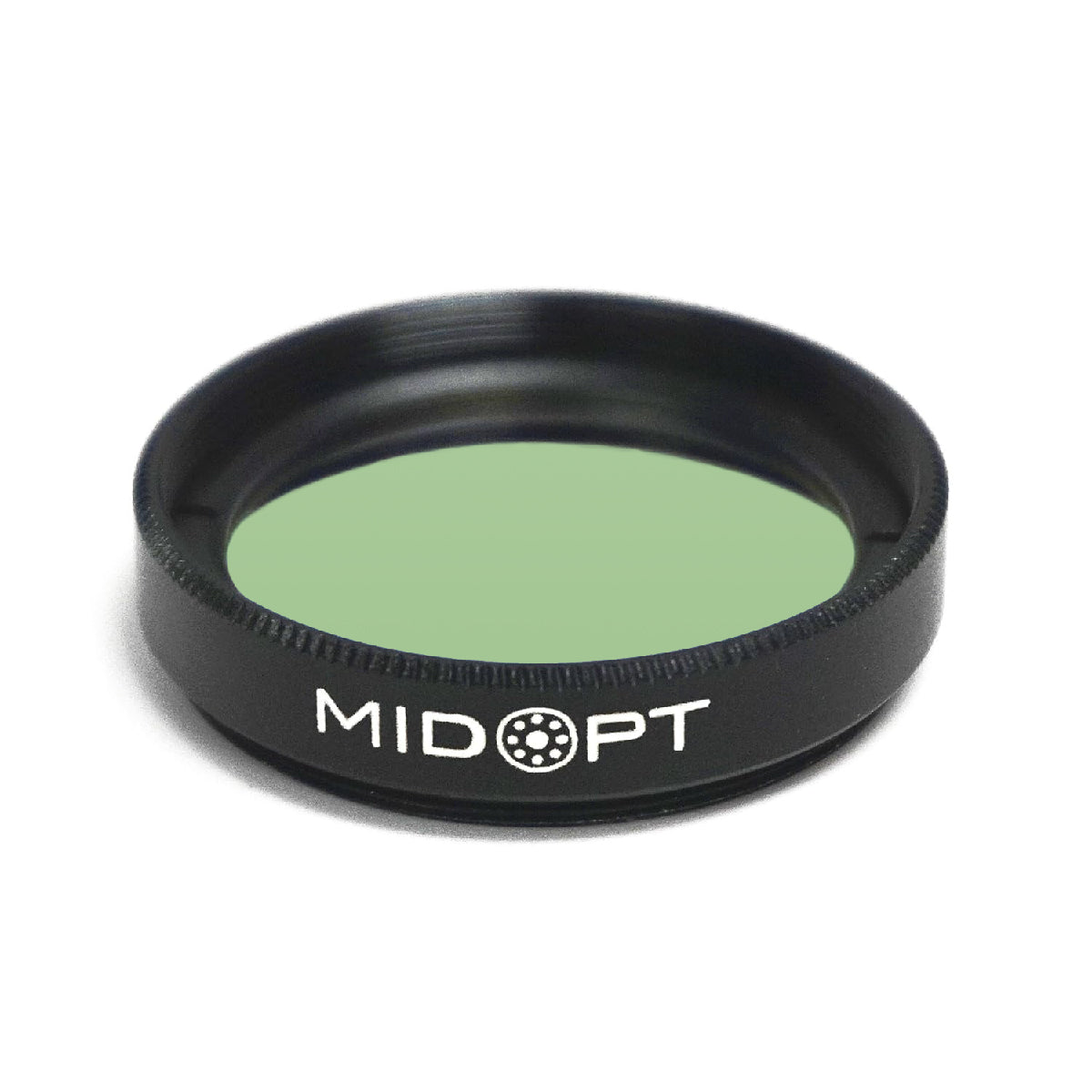
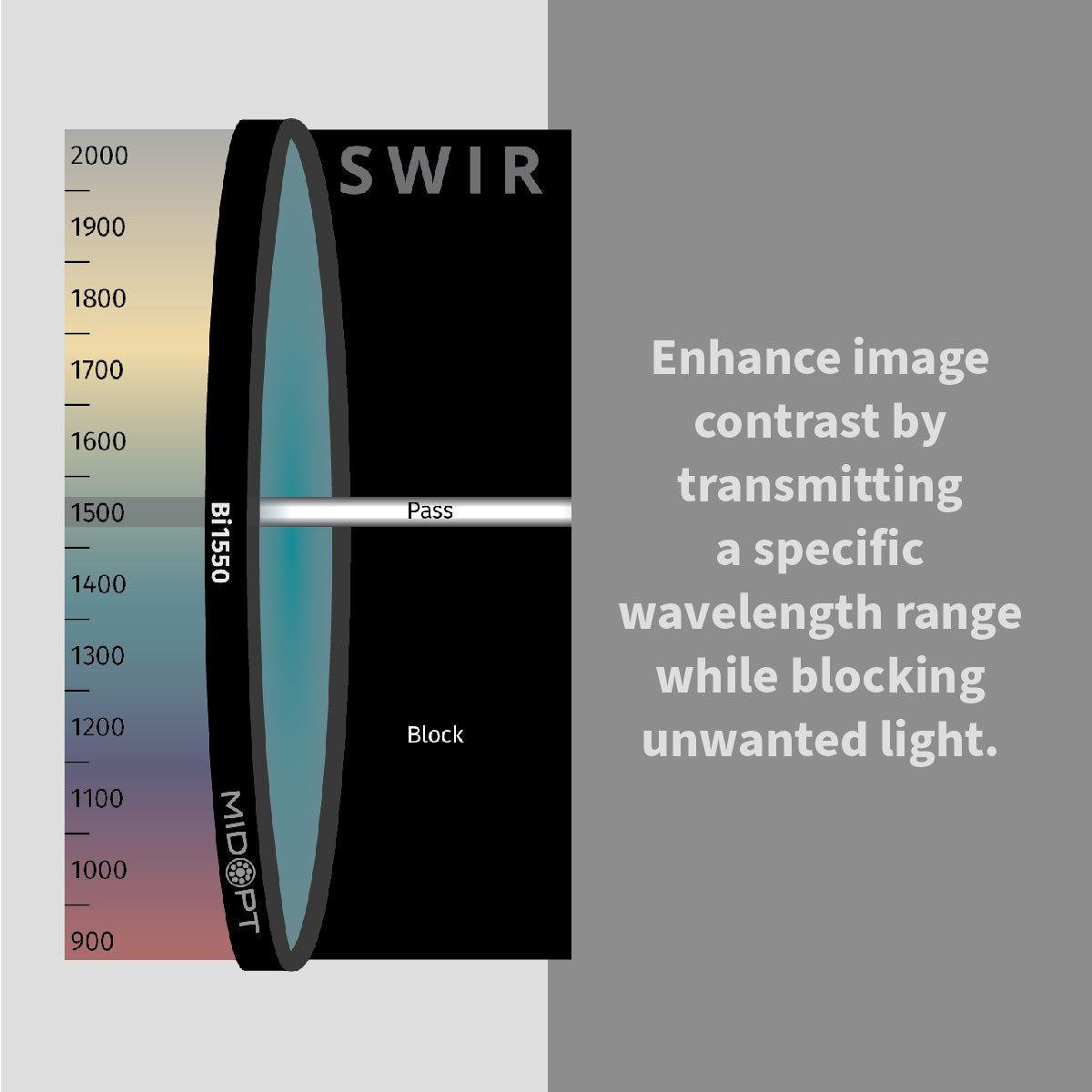
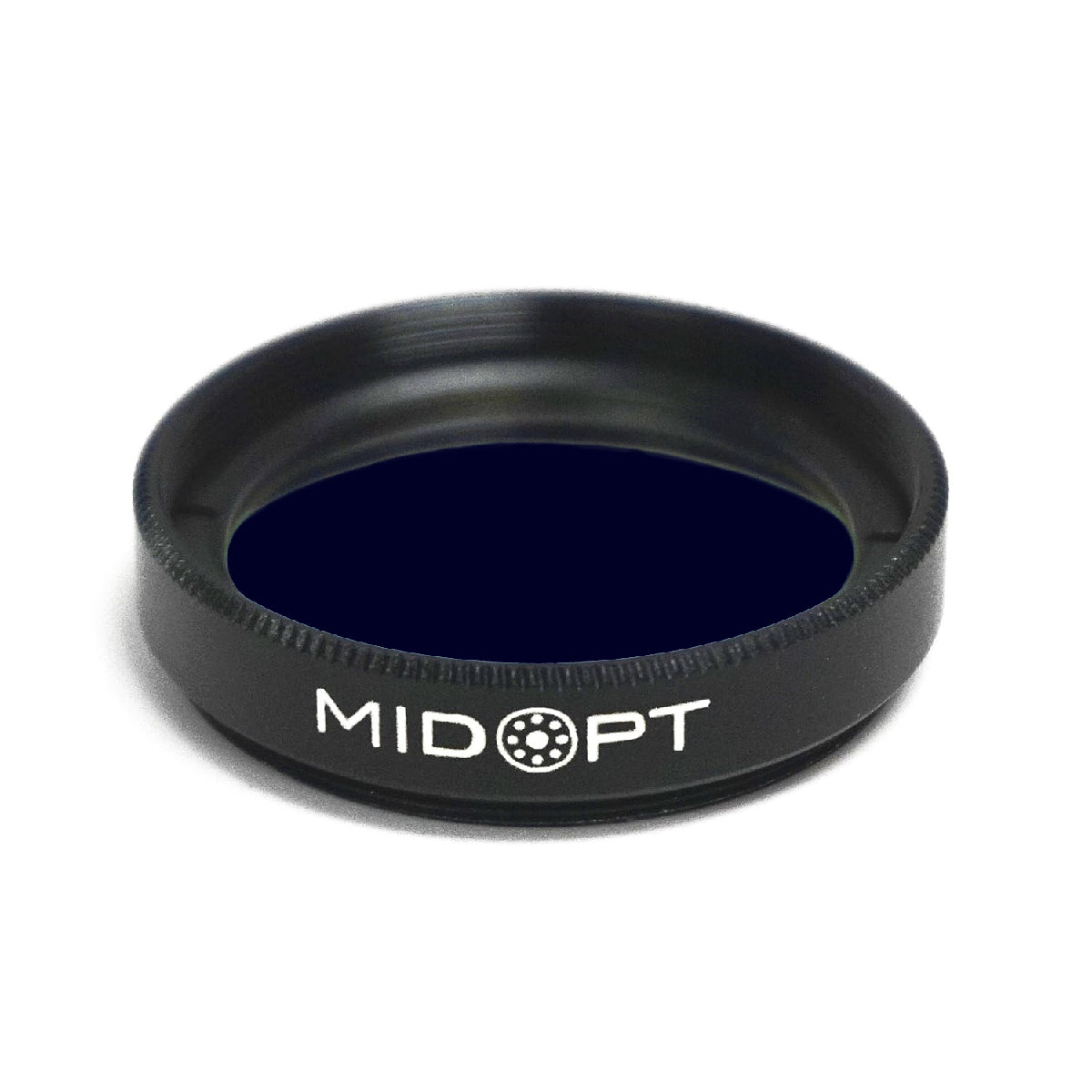
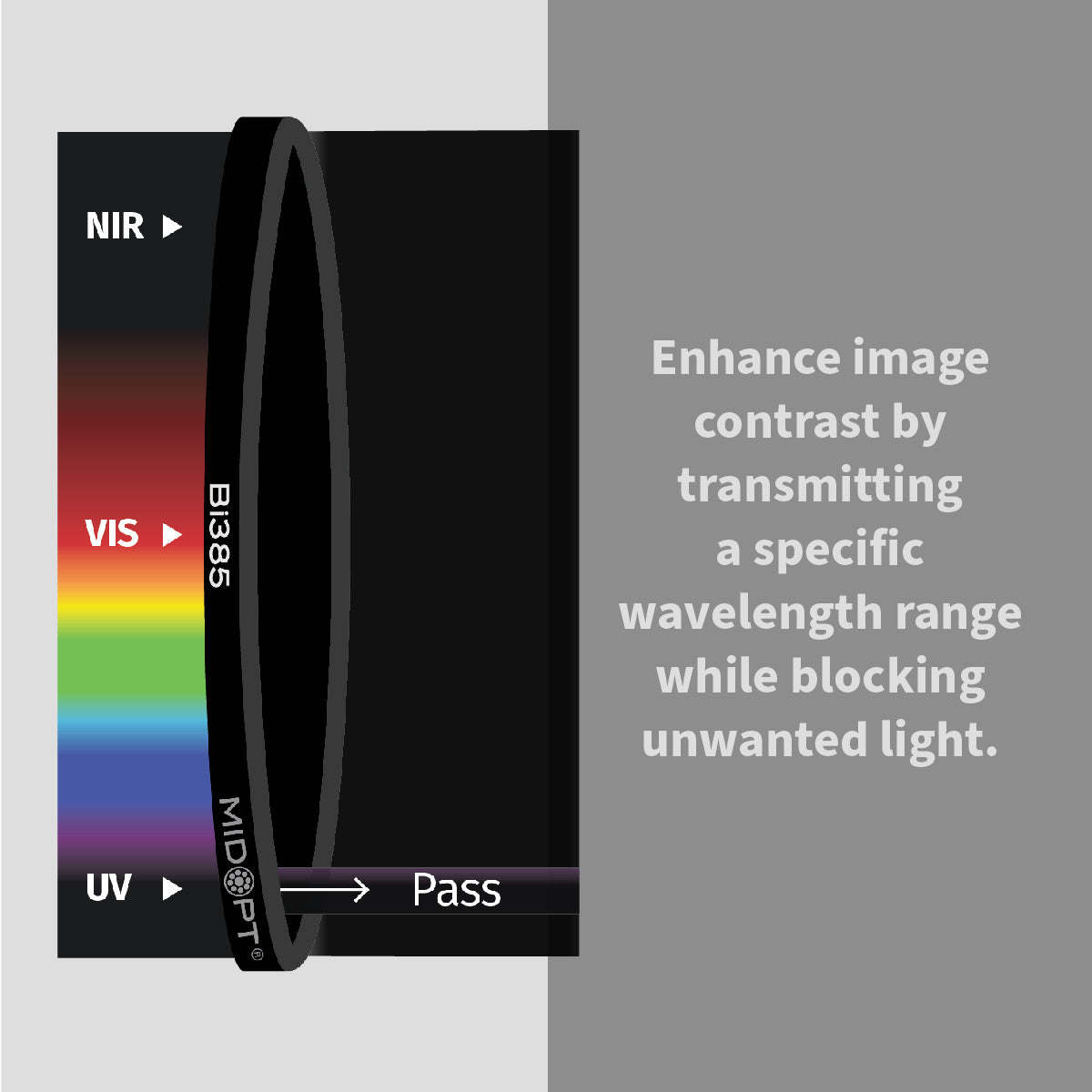
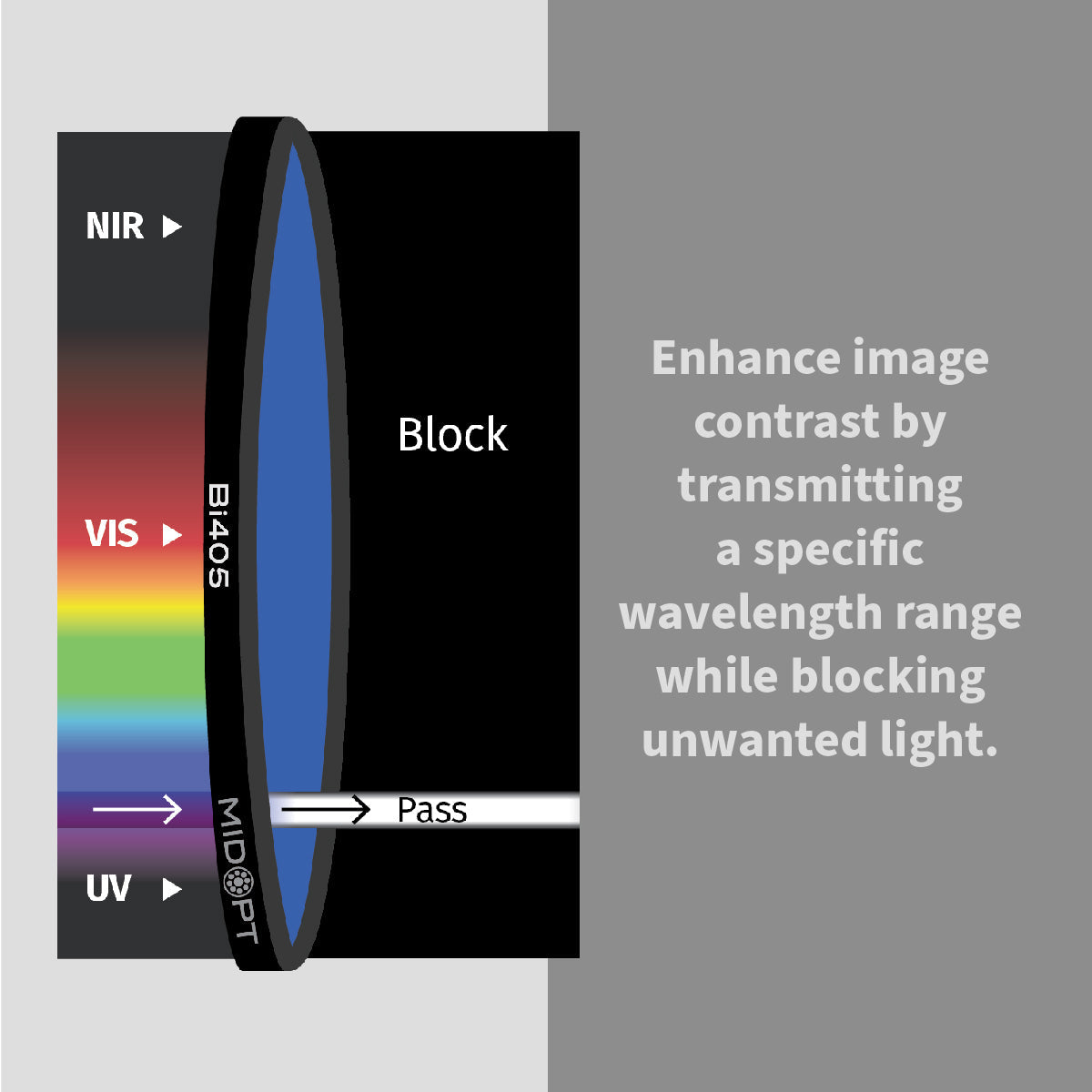
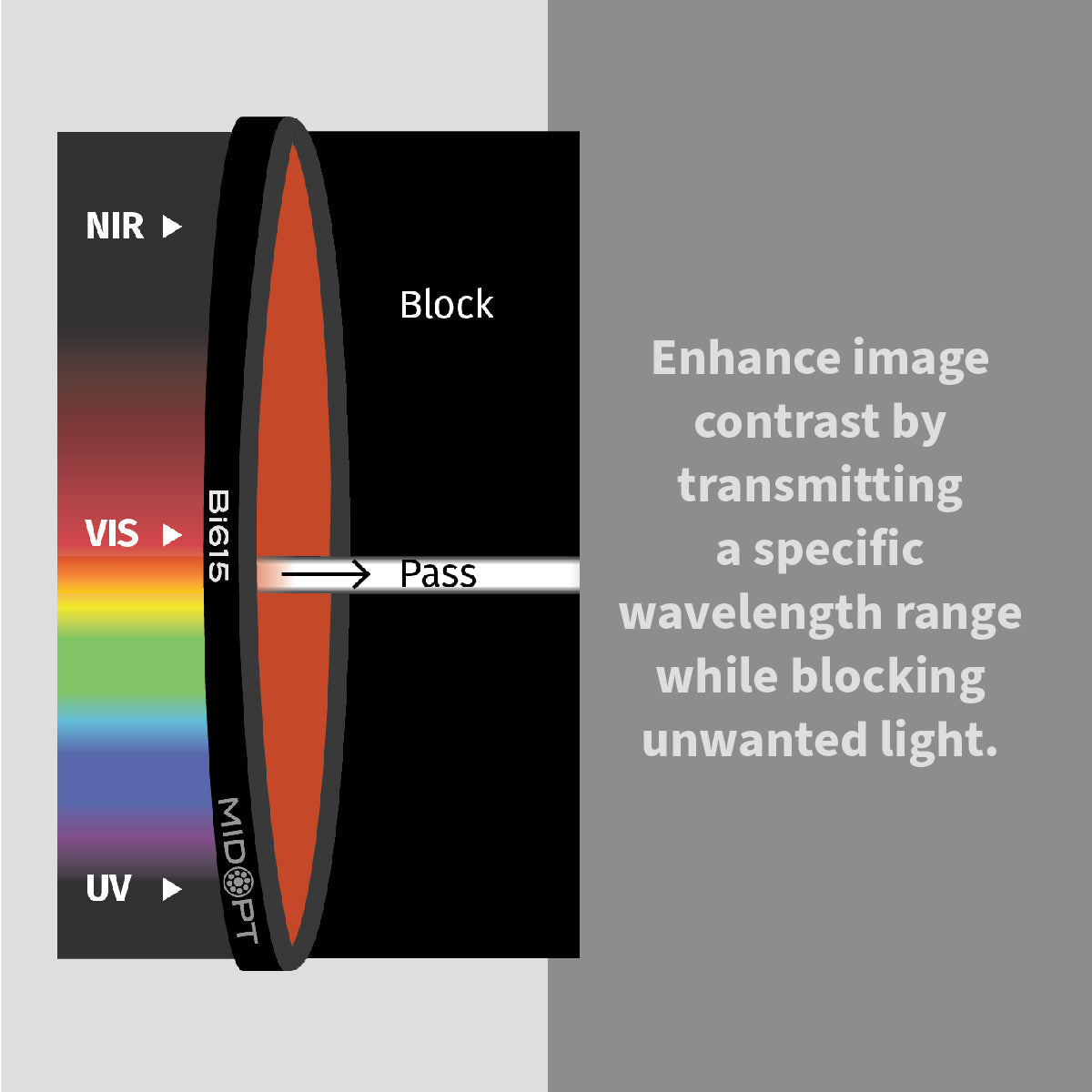
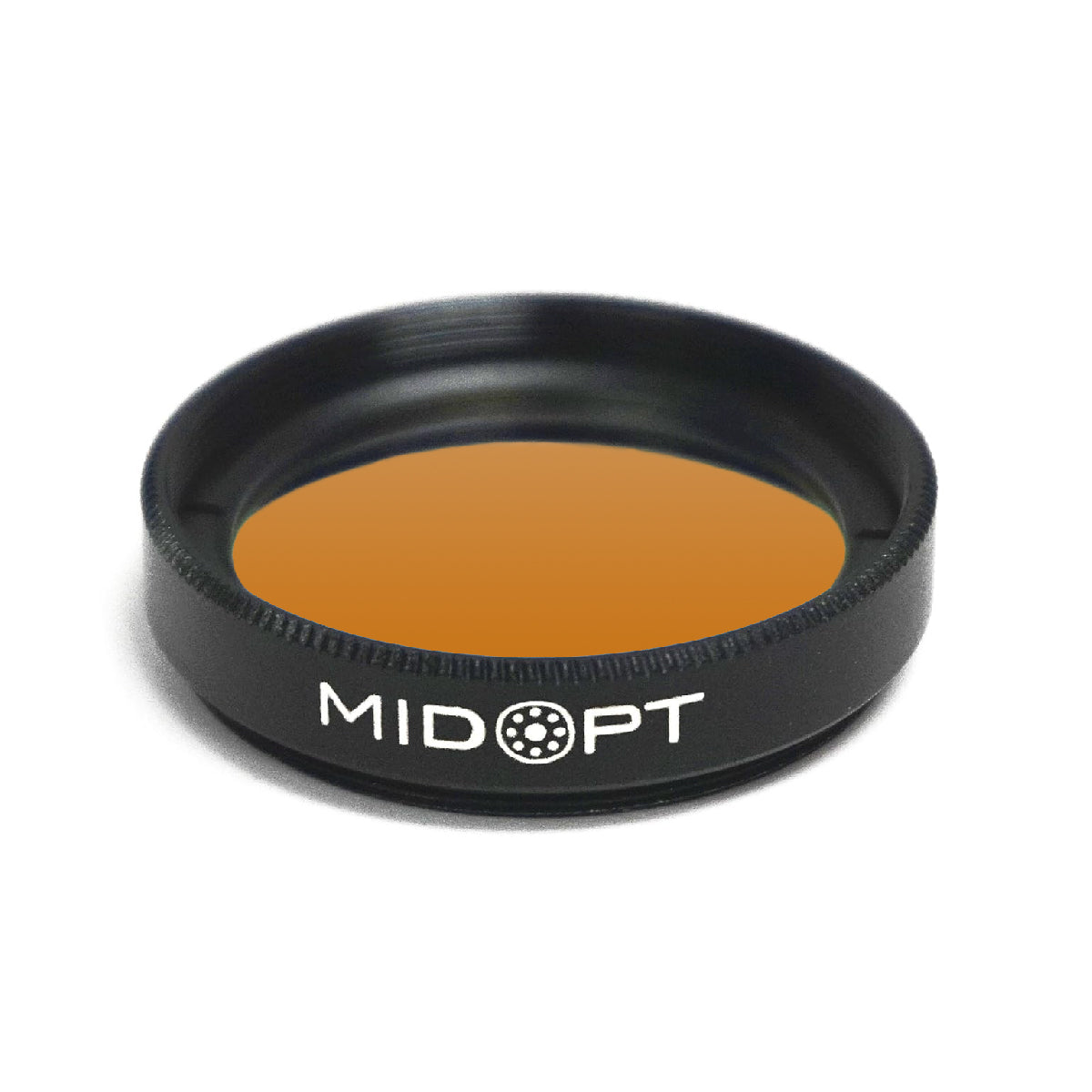
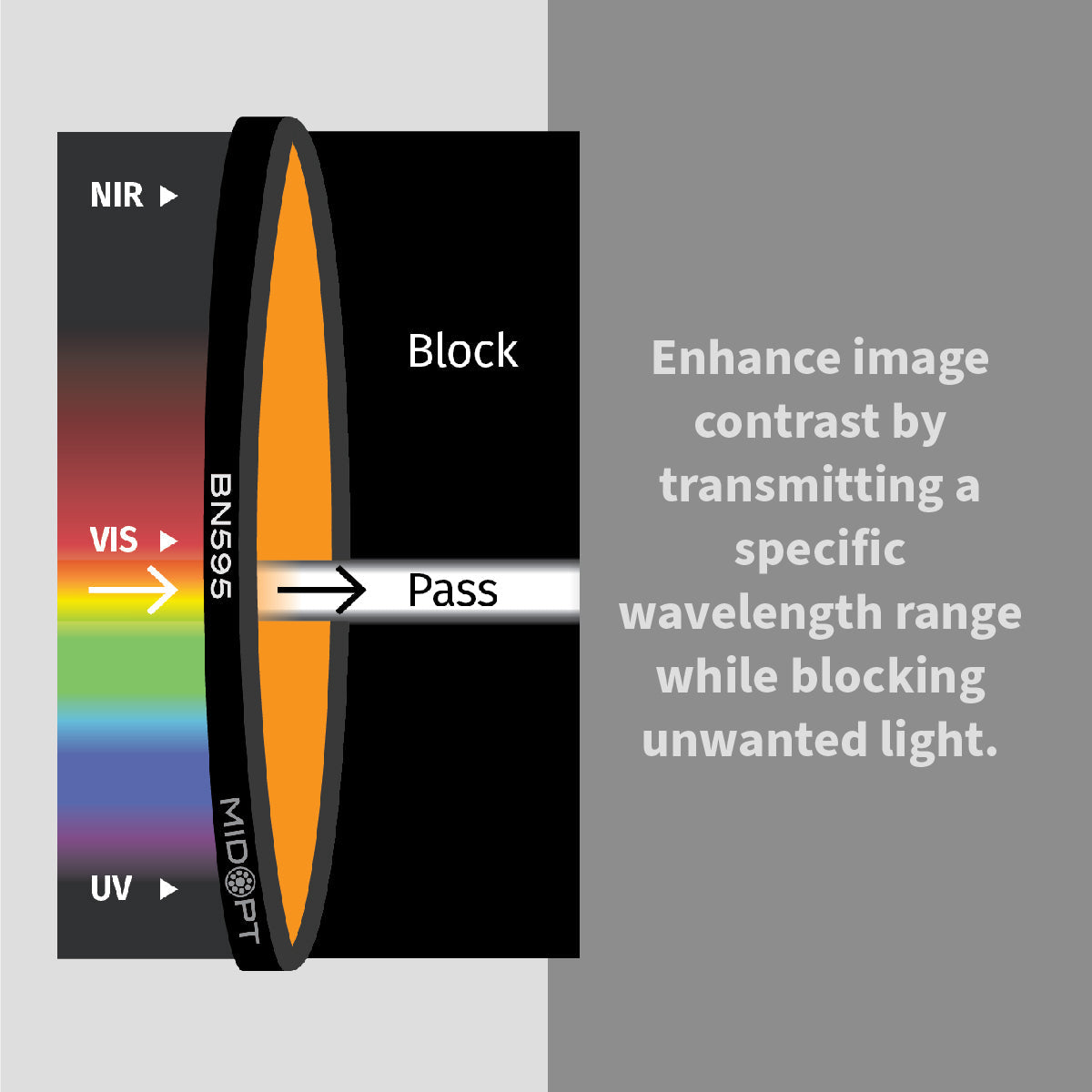
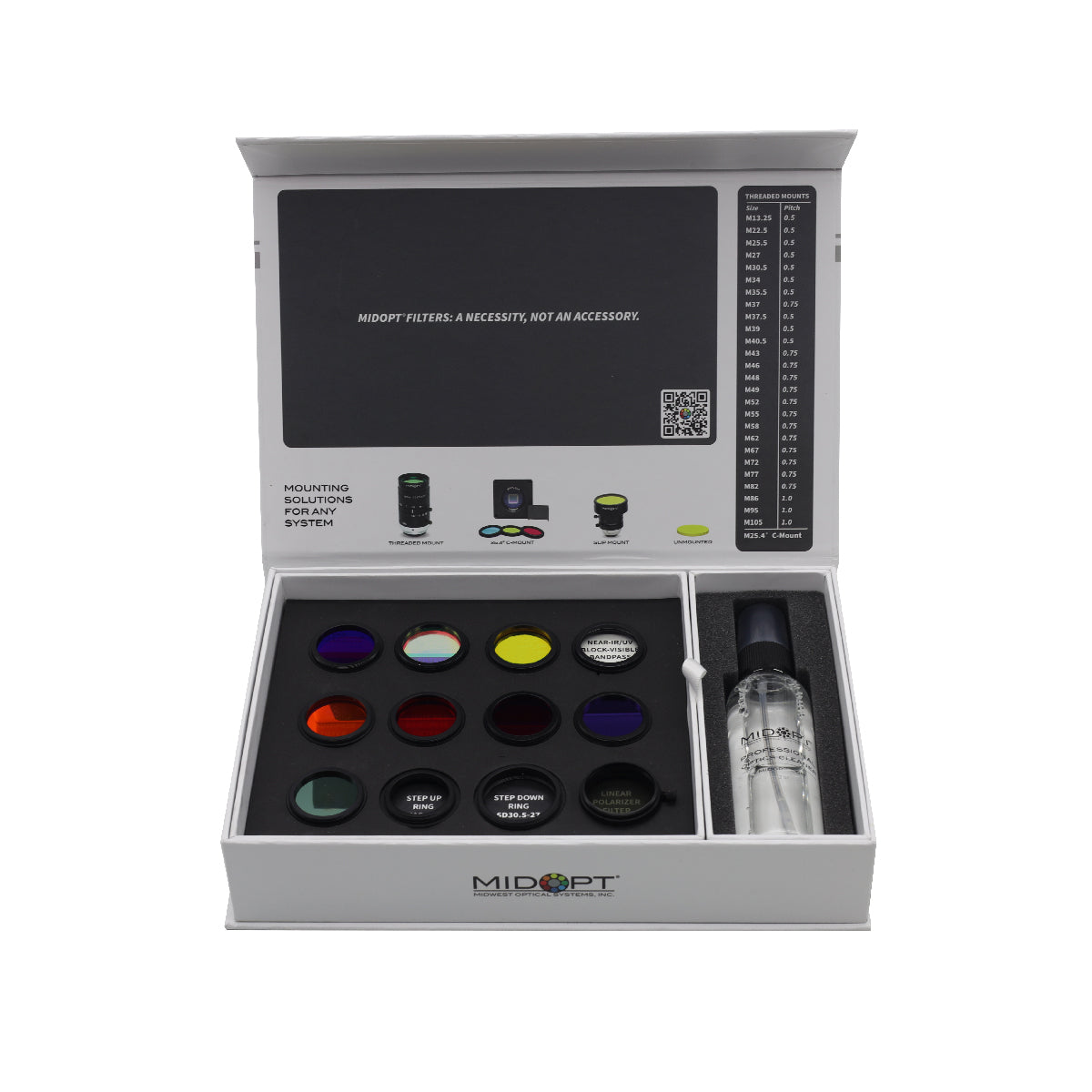
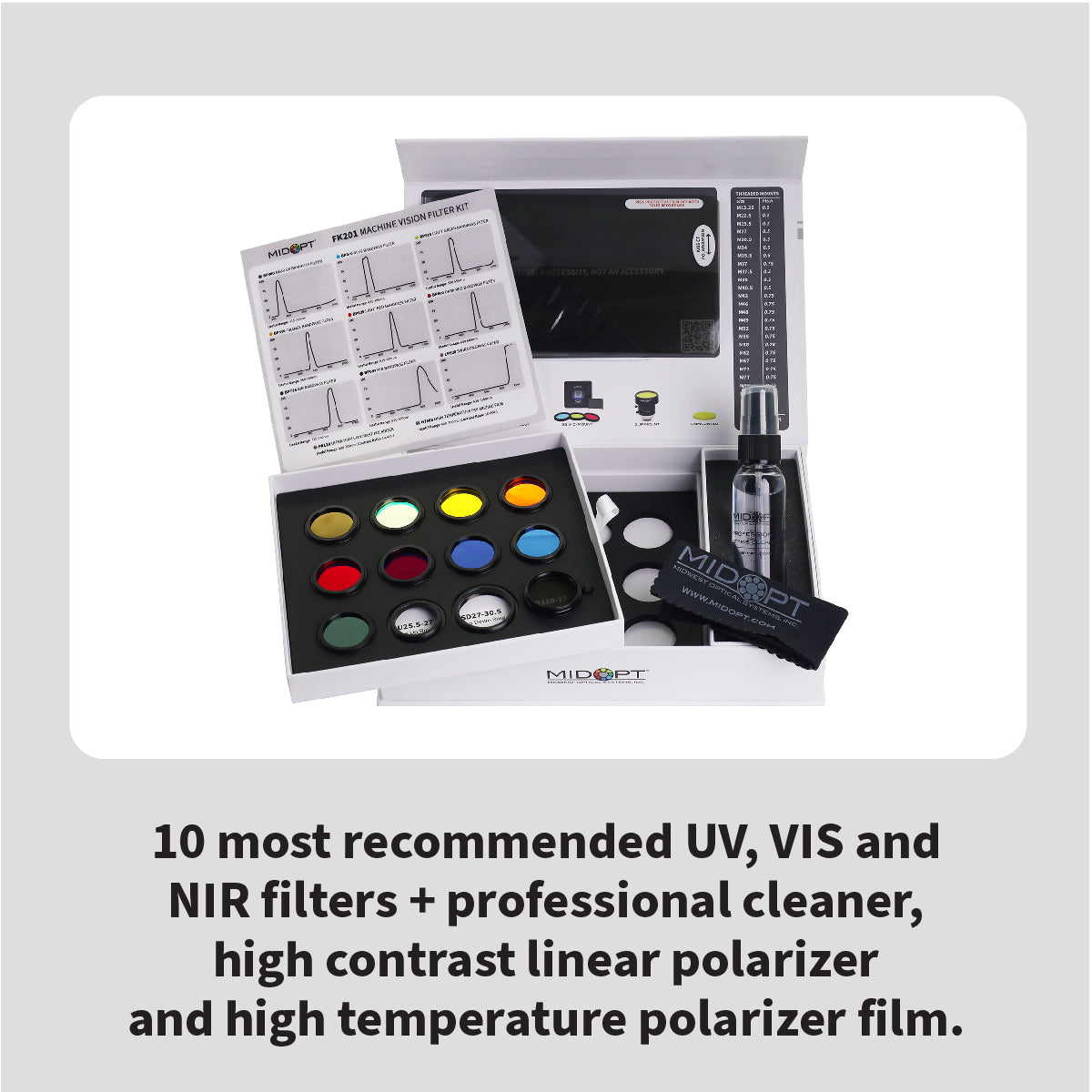
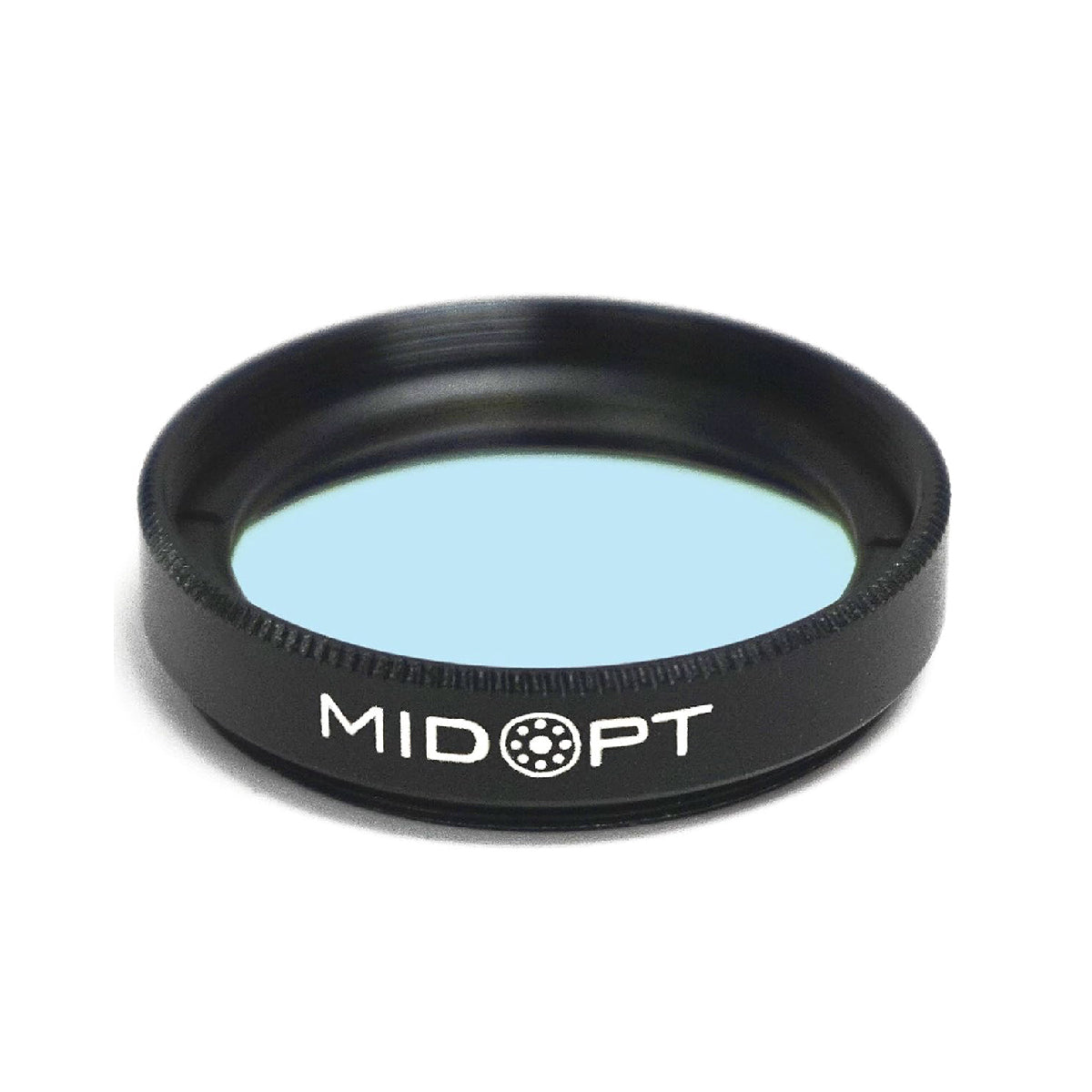
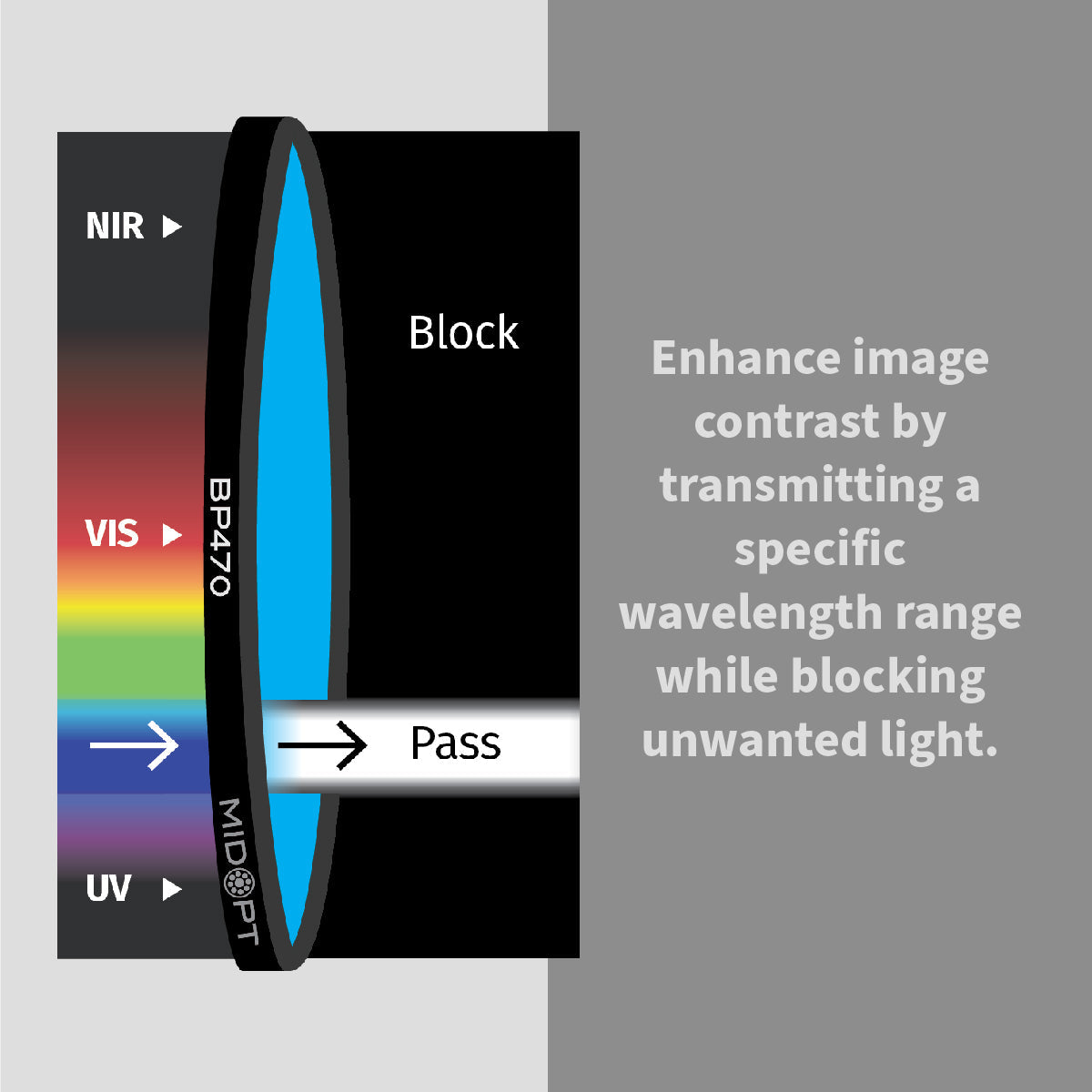
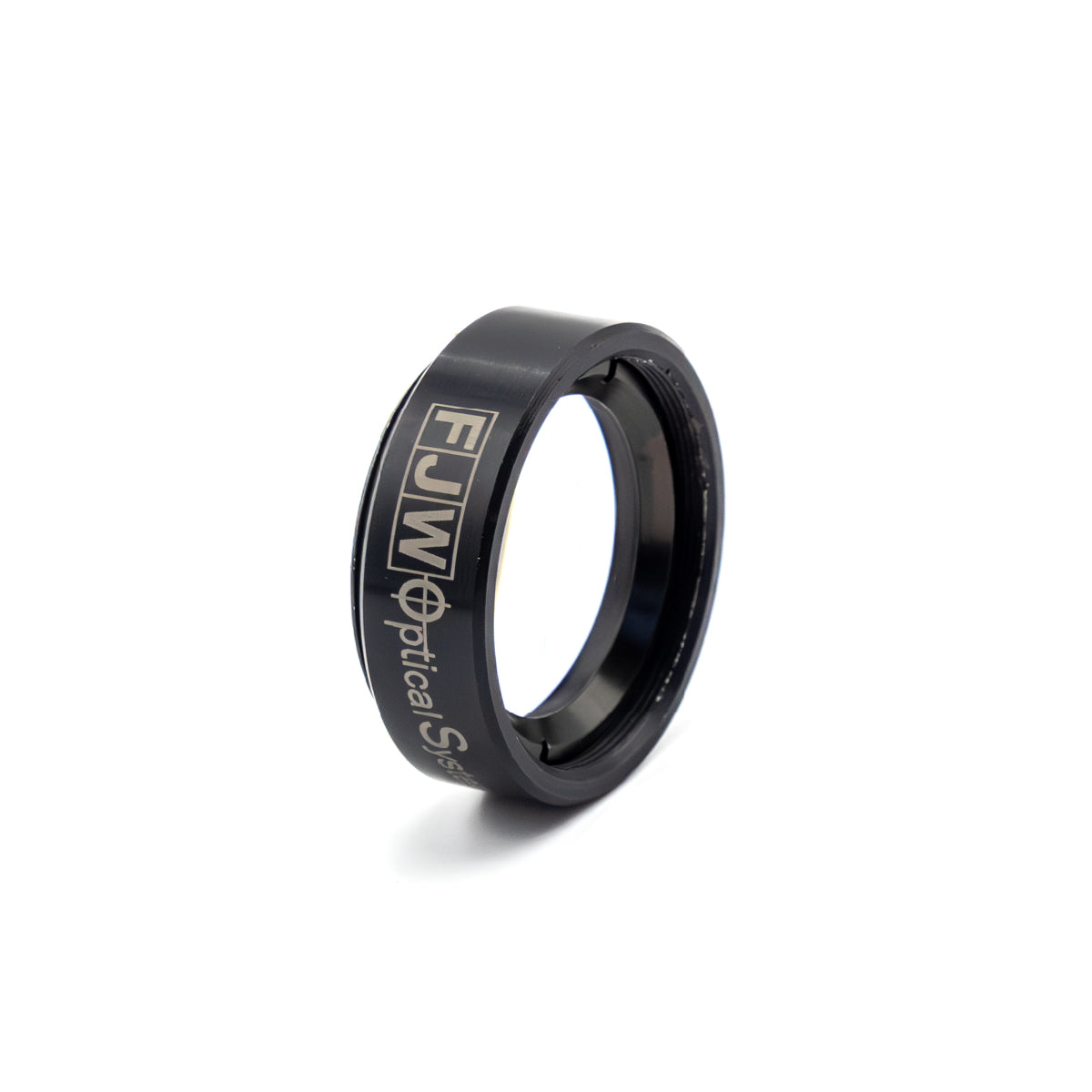
Optical filters further improve image quality by controlling the wavelengths of light reaching the camera sensor. For example, bandpass filters can isolate specific wavelengths for targeted inspection, while polarizing filters can help reduce reflections from shiny or wet food surfaces when paired with appropriate polarized illumination.
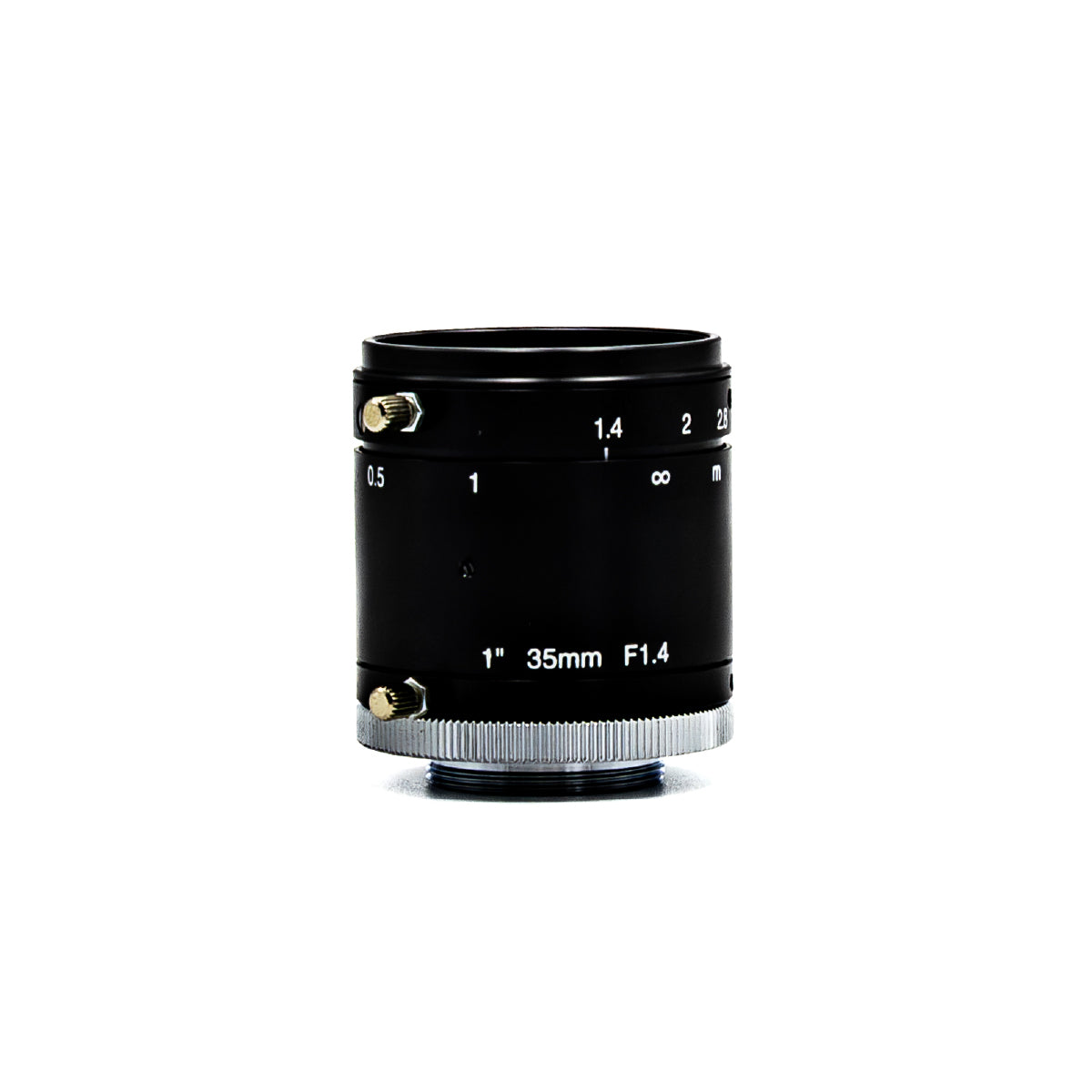
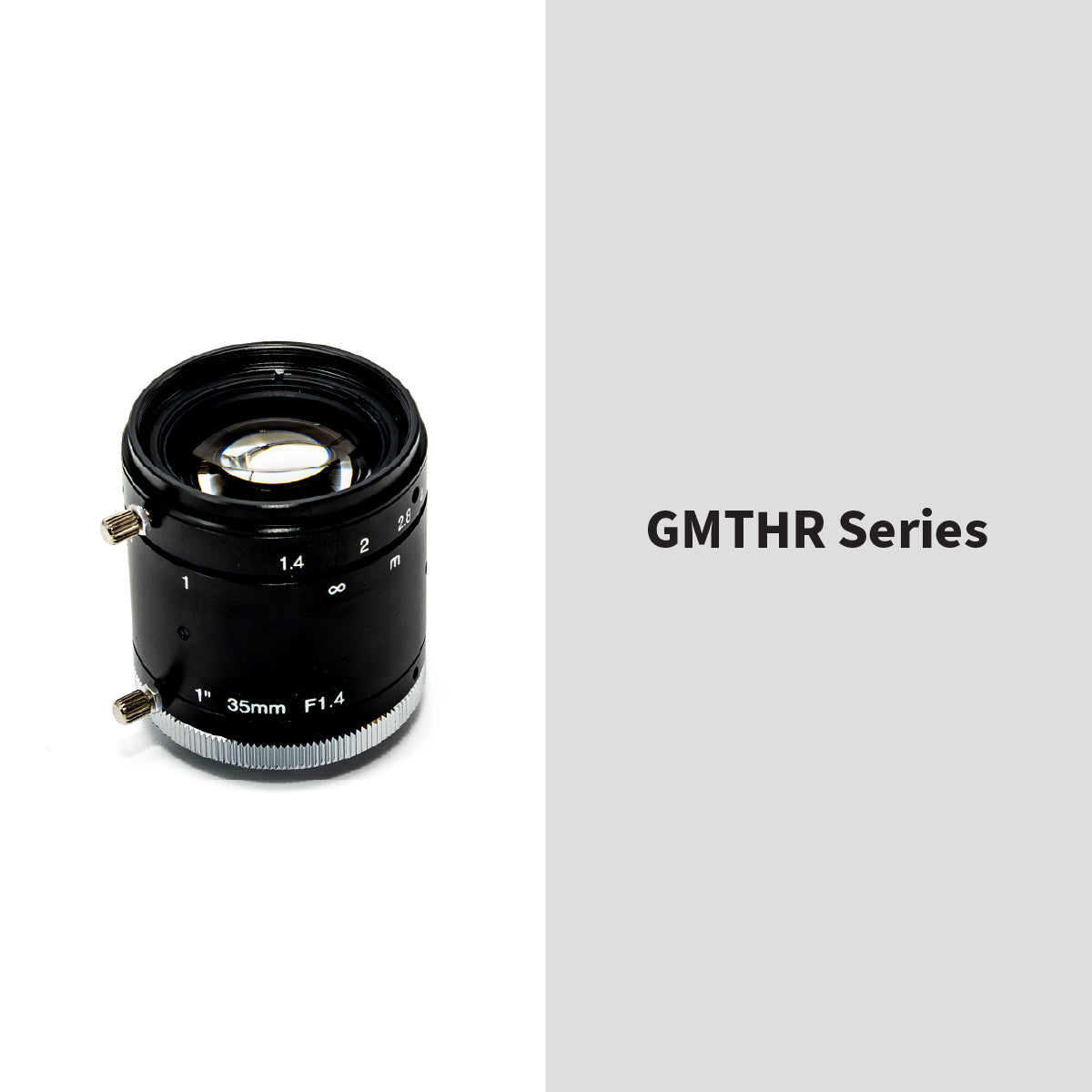
By combining industrial imaging cameras, optical filters, lenses, and lighting, manufacturers can create more reliable inspection systems tailored to their specific food processing requirements.
Applications of Machine Vision Cameras in Food Processing
Automated food inspection technology supports a wide range of applications throughout the food manufacturing industry.
Grain, Rice, and Nut Sorting
High-speed machine vision cameras help identify stones, shells, stems, discolored products, and other unwanted materials mixed with bulk agricultural products.
Fruit and Vegetable Inspection
Color and multispectral cameras can evaluate produce based on size, shape, ripeness, surface defects, and certain foreign materials. They can also help identify bruising or decay that may be difficult to detect through conventional imaging.
Meat and Seafood Processing
Industrial cameras can support visual inspection for product defects, discoloration, size inconsistencies, and certain visible foreign materials. Specialized spectral imaging may provide additional contrast for specific inspection tasks.
Packaged Food Inspection
Area scan cameras can inspect packaging for incorrect labels, damaged seals, missing components, and visible contaminants. Additional inspection technologies may be necessary for foreign materials concealed inside opaque packaging.
Bakery and Prepared Foods
Machine vision systems can inspect baked goods and prepared foods for color consistency, shape, missing components, surface defects, and visible unwanted materials.
Benefits of Automated Foreign Material Detection
Integrating machine vision cameras into food processing equipment offers several operational advantages.
Improved inspection consistency: Automated imaging systems apply repeatable inspection criteria, reducing variability associated with manual inspection.
Increased production efficiency: High-speed cameras can inspect products continuously while supporting automated sorting and rejection.
Reduced product waste: Accurate identification of defective or contaminated products can help prevent unnecessary rejection of acceptable items.
Better quality control: Detailed image data supports defect classification, process monitoring, and ongoing improvements in food manufacturing.
Improved traceability: When integrated with appropriate software and data systems, machine vision equipment can record inspection results for quality assurance and production analysis.
Machine vision is an important part of food safety inspection, but it is not a universal contaminant detection solution. X-ray inspection, metal detection, and other complementary technologies may still be required, particularly for hidden contaminants or materials that cannot be reliably differentiated optically.
Build a More Effective Food Inspection System with FJW Optical Systems
At FJW Optical Systems, we provide industrial imaging components to support machine vision applications throughout the food processing and manufacturing industries.
From high-resolution industrial cameras and advanced imaging lenses to optical filters and machine vision lighting, FJW offers components designed to help system integrators and manufacturers develop reliable automated inspection solutions.
Whether you're building a high-speed food sorting system, improving product quality control, or exploring multispectral imaging for foreign material detection, selecting the right imaging components is essential.