
 Find-R-Scopes
 Filters
 Lenses
 Cameras
 Lighting


 Accessories








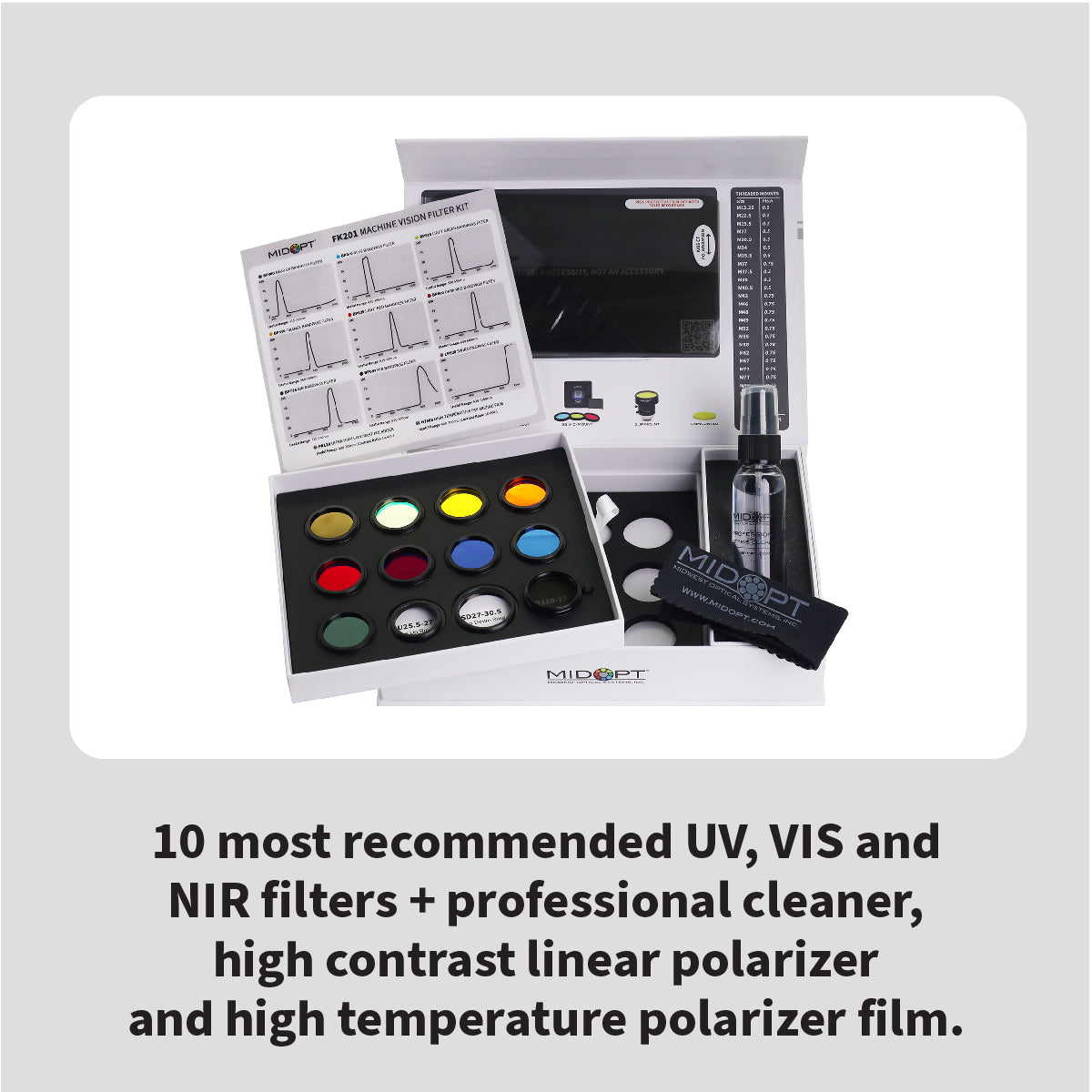
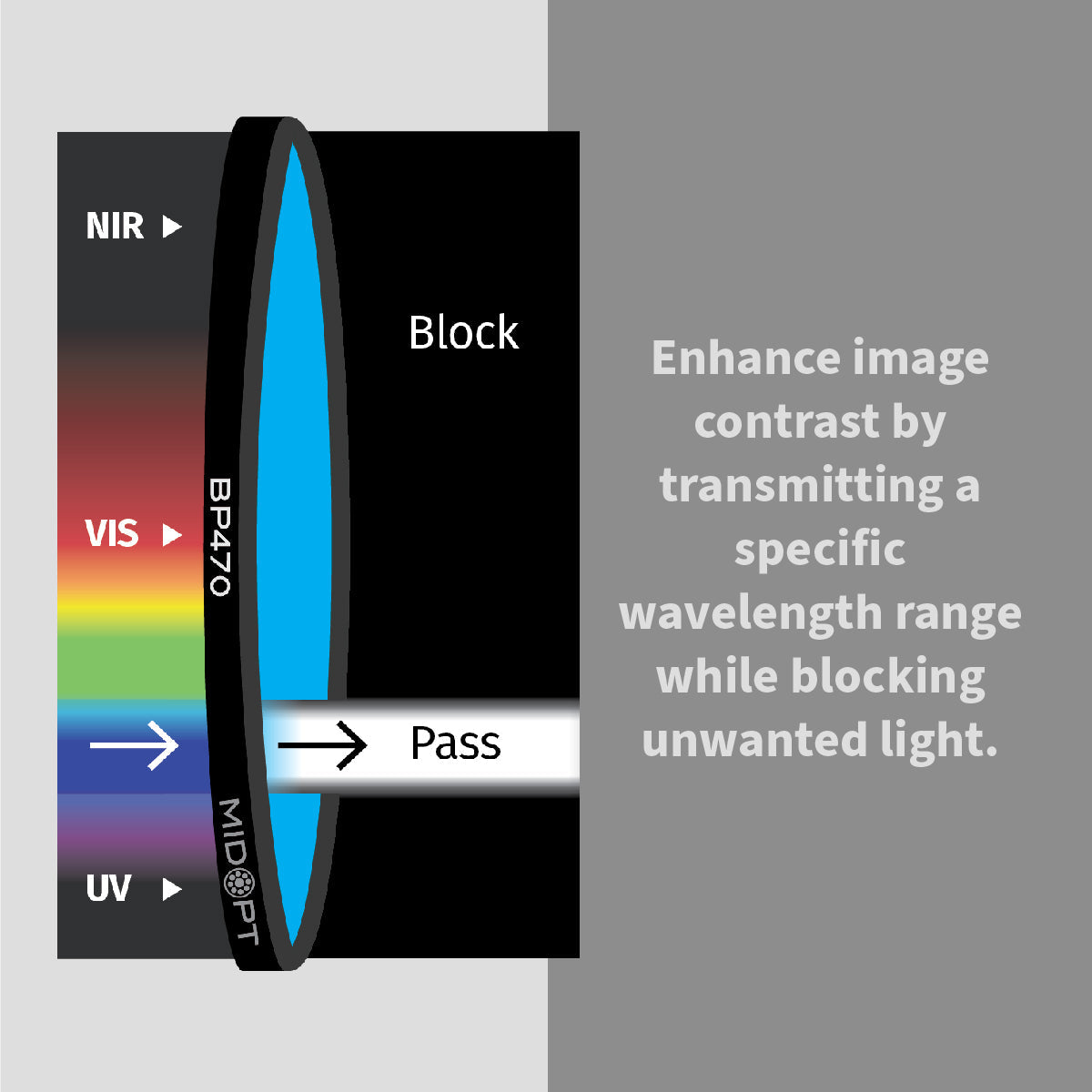
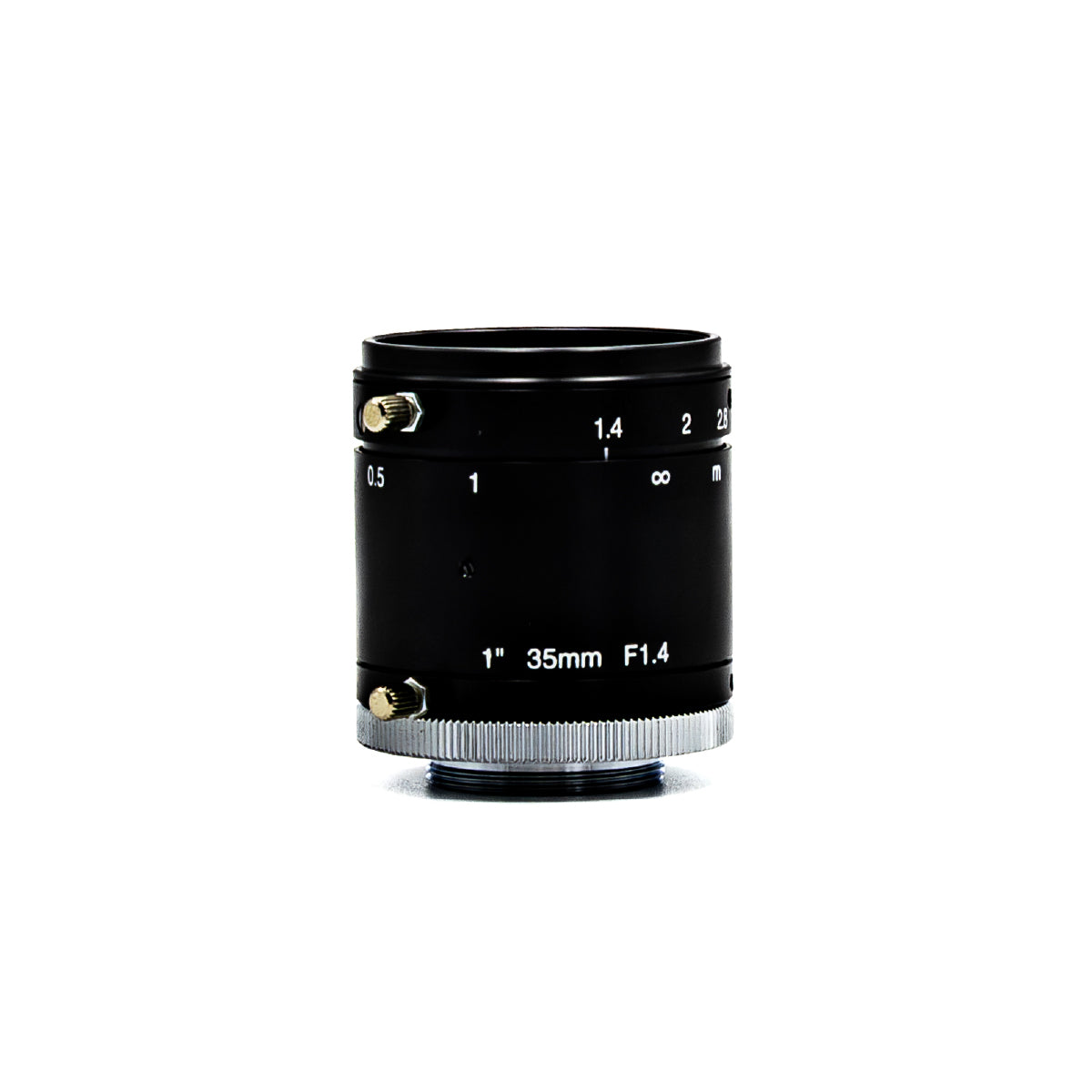
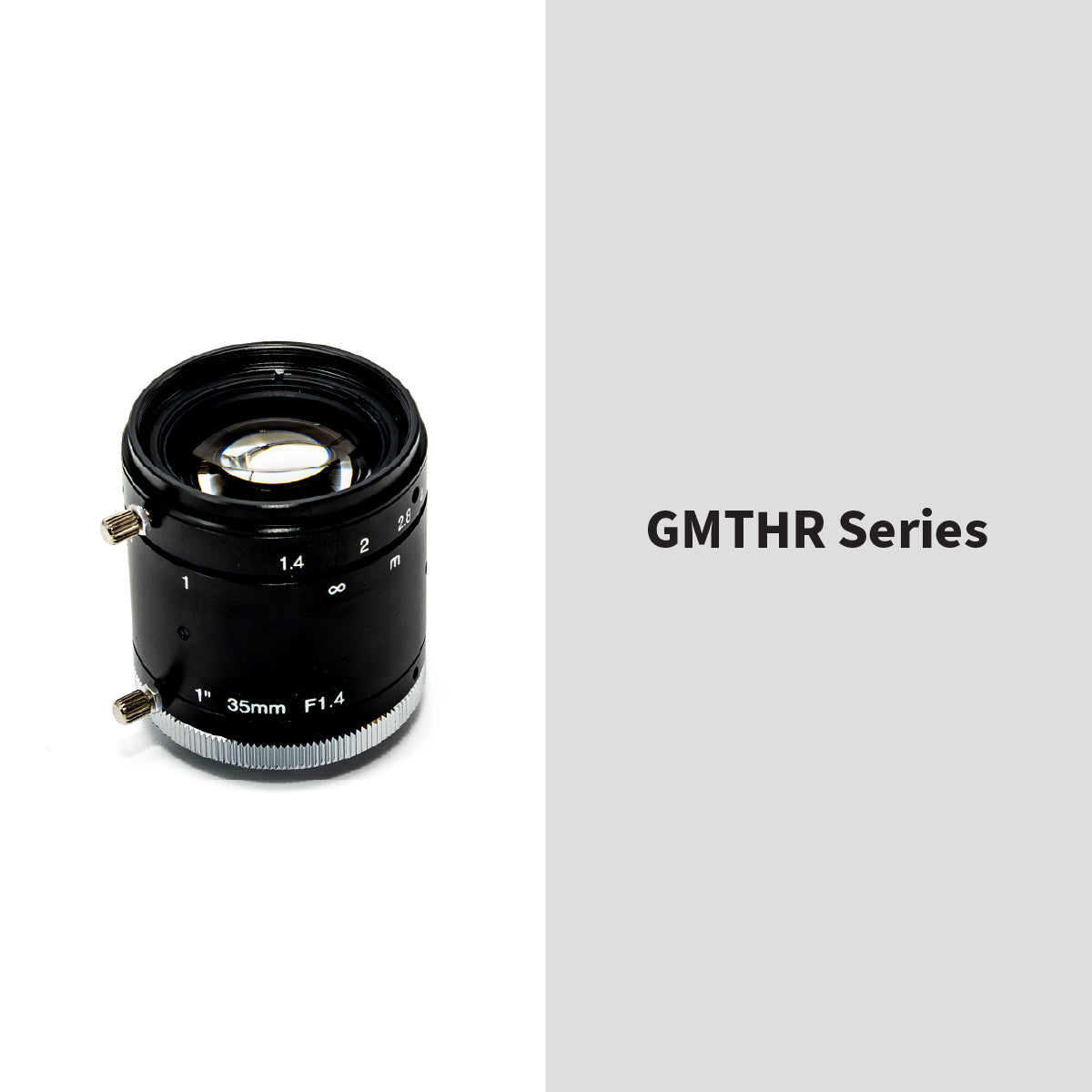


In the food and beverage industry, maintaining consistent product quality, improving production efficiency and meeting strict safety standards are essential. As manufacturers increasingly rely on automated food inspection systems, selecting the right imaging components has become more important than ever. While industrial cameras, lighting and image processing software all contribute to inspection performance, machine vision lenses for food processing play a critical role in capturing the clear, detailed images needed for accurate analysis.
From identifying defects in fresh produce to verifying packaging labels and inspecting products on high-speed conveyor belts, the right industrial imaging lens can significantly improve inspection accuracy and reliability. Understanding how lens resolution, focal length, distortion, working distance and environmental conditions affect imaging performance helps manufacturers build more effective food inspection machine vision systems.
Why Lens Selection Matters in Food Processing
Food processing environments present unique challenges for machine vision systems. Production lines often operate at high speeds, products vary in size, shape and texture, and equipment may be exposed to moisture, temperature fluctuations, vibration and frequent cleaning.
An improperly selected lens can introduce image distortion, reduce sharpness, or limit the camera's ability to capture critical product details. These limitations can lead to missed defects, false rejects, and inconsistent inspection results.
Choosing the appropriate food processing inspection lens helps manufacturers achieve:
- Improved defect detection: Identify bruises, discoloration, contamination, and surface imperfections.
- Greater inspection accuracy: Capture consistent, high-resolution images for automated quality control.
- Reliable high-speed imaging: Maintain image clarity on fast-moving production lines.
- Reduced image distortion: Support accurate measurement of product dimensions, shape, and positioning.
- More consistent production: Minimize false rejects and improve automated sorting efficiency.
For manufacturers investing in industrial food inspection systems, lens performance directly affects the quality of the information available to the machine vision software.
Key Factors When Choosing Machine Vision Lenses for Food Processing
1. Lens Resolution and Image Quality
High-resolution imaging is essential for detecting small defects, reading printed information, and inspecting intricate product features. When selecting high-resolution machine vision lenses, it is important to match the lens's optical resolving capability with the camera's sensor resolution and pixel size. A high-megapixel industrial camera paired with a lens that cannot resolve fine details may fail to deliver the expected image quality.
Applications requiring detailed inspection, such as identifying small foreign particles, examining food surfaces or verifying expiration dates, benefit from lenses designed to maintain sharpness across the image. For example, a high-resolution camera and compatible precision lens can help inspect packaged products for label defects, seal irregularities, and missing printed information.
Lens selection tip: Evaluate the lens's modulation transfer function (MTF), sensor compatibility, and edge-to-edge image sharpness rather than relying on megapixel ratings alone.
2. Focal Length and Field of View
Focal length determines how much of a production line or individual product the camera can capture from a given working distance. Selecting the appropriate focal length is particularly important in automated food sorting systems, where the camera may need to inspect multiple products simultaneously.
Shorter focal length lenses provide wider fields of view, making them useful for monitoring conveyor belts, inspecting large packaging areas, and capturing groups of products. Longer focal length lenses provide narrower fields of view, making them better suited for detailed inspection of individual products or small features from greater distances. For example, a wide-angle industrial camera lens may be appropriate for inspecting an entire conveyor belt, while a longer focal length lens may be preferable for examining small defects on individual food items.
The ideal focal length depends on the sensor dimensions, working distance and required inspection area.
3. Low Distortion for Accurate Measurements
Many food and beverage quality control applications require accurate measurements of product size, shape, and placement. Optical distortion can cause straight lines to appear curved or alter the apparent dimensions of objects, reducing measurement accuracy.
Low distortion machine vision lenses are especially valuable for applications such as:
- Measuring baked goods for consistent size and shape.
- Verifying bottle cap placement and alignment.
- Inspecting packaging dimensions and product positioning.
- Measuring portion sizes in automated food production.
- Checking container fill boundaries and product spacing.
For dimensional inspection, selecting a lens with minimal geometric distortion can improve measurement consistency and reduce the amount of software correction required. When precise measurements are critical, telecentric optics may also be appropriate because they help minimize perspective-related measurement errors.
4. Working Distance and Installation Space
Working distance refers to the distance between the front of the lens and the object being inspected. In food processing facilities, machine vision equipment must often fit within limited spaces around conveyors, robotic equipment, and packaging machinery.
Compact C-mount machine vision lenses can be useful in space-constrained installations, provided they offer the required sensor coverage, field of view, and optical performance. For applications where cameras must be positioned farther away from the production line, lenses with longer focal lengths and suitable working distances may be more appropriate. Proper working distance also helps protect imaging equipment from accidental contact with products, splashing liquids, and moving machinery.
5. Environmental Durability and Reliability
Unlike controlled laboratory environments, food manufacturing facilities can expose imaging equipment to demanding operating conditions. Moisture, humidity, temperature changes, cleaning chemicals, and mechanical vibration can affect optical performance and equipment reliability.
When selecting machine vision lenses for food processing environments, consider:
- Temperature stability: Lenses should maintain focus and imaging performance within the expected operating temperature range.
- Vibration resistance: Secure focus and iris locking mechanisms help prevent unwanted adjustments.
- Protective enclosures: Cameras and lenses may require hygienic, washdown-rated housings in areas exposed to water or cleaning agents.
- Optical protection: Compatible protective windows can help shield lenses from dust, splashes, and airborne particles.
- Maintenance accessibility: Equipment should be positioned to allow inspection, cleaning, and servicing without unnecessary production interruptions.
A standard industrial lens should not be assumed to be washdown-rated or suitable for direct food contact. The complete imaging assembly, including its enclosure, seals, and mounting hardware, must be evaluated for the intended environment.
Common Food Processing Applications for Machine Vision Lenses
APPLICATIONS
Automated Food Sorting and Grading: Machine vision systems inspect fruits, vegetables, nuts and other food products for size, color, shape and visible surface defects. High-resolution lenses help capture the detail needed for consistent grading and automated sorting.
Food Packaging Inspection: Industrial imaging lenses support verification of packaging alignment, printed labels, date codes, and visible seal defects. Low-distortion optics are particularly useful for precise packaging measurements.
Beverage Bottling Inspection: Automated vision systems verify cap positioning, label placement, container integrity, and fill levels. Suitable lenses help maintain image clarity across multiple bottles on high-speed production lines.
Bakery and Prepared Food Quality Control: Machine vision systems evaluate the dimensions, shape, surface color, and appearance of baked goods and prepared foods. Proper lens selection supports consistent measurements and defect identification.
Additional Considerations for Optimizing Food Inspection Systems
6. Depth of Field and Aperture Control
Food products are rarely uniform in height or shape. Items such as produce, baked goods and packaged foods may vary in thickness, requiring a lens that maintains adequate focus across different surfaces. Depth of field determines the range of distances over which objects appear acceptably sharp.
Lenses with adjustable apertures allow engineers to control depth of field and light transmission. A smaller aperture can increase depth of field, helping keep products of varying heights in focus. However, smaller apertures also reduce the amount of light reaching the sensor and, at very small openings, can introduce diffraction-related softness.
For high-speed food inspection, balancing aperture, lighting intensity, exposure time and lens resolution is essential for capturing sharp images without excessive motion blur.
7. Wide-Angle Lenses for Conveyor Belt Inspection
Wide-angle machine vision lenses are particularly useful when a large inspection area must be captured within limited installation space. In food processing automation, wide-angle optics can help inspect conveyor belt coverage, product distribution, and packaging placement without requiring cameras to be positioned far from the production line.
However, not all wide-angle lenses provide the same optical performance. For applications involving measurement or robotic positioning, low-distortion wide-angle lenses can help maintain more accurate object geometry across the field of view.
Choosing a lens with strong edge-to-edge sharpness is equally important when defects must be detected anywhere within the inspection area.
8. Vibration Resistance for Continuous Production
Food processing machinery often operates continuously, creating vibration that can affect imaging equipment. Lenses designed for industrial environments may incorporate mechanical features that help maintain optical alignment, focus stability, and resolution under repeated vibration. Some industrial lens designs are specifically engineered to limit optical-axis movement under shock. For automated food quality control, these features can be valuable in conveyor inspection, robotic handling, and packaging machinery where stable image capture is essential.
How to Select the Right Lens for Your Food Processing Application
Before selecting an industrial machine vision lens, manufacturers and system integrators should evaluate the specific requirements of their inspection process.
|
Inspection requirement |
Lens characteristic to prioritize |
|---|---|
|
Small defect detection |
High resolution and strong MTF |
|
Wide conveyor inspection |
Wide field of view and edge sharpness |
|
Product size measurement |
Low distortion or telecentric optics |
|
Products of varying heights |
Adequate depth of field |
|
High-speed production |
Suitable aperture and light-gathering capability |
|
Compact machinery |
Small form factor and compatible C-mount |
|
Vibrating production lines |
Secure focus and iris locks, vibration-resistant design |
|
Washdown environments |
Compatible protective enclosure and optical window |
The most effective machine vision lens selection begins with understanding the inspection objective, required image detail, camera sensor specifications, installation constraints, and operating environment.
Improve Food Processing Inspection with Quality Machine Vision Lenses
As food manufacturers continue adopting automation, artificial intelligence, and advanced imaging technologies, the demand for reliable machine vision optics continues to grow. Choosing the right lens can help improve defect detection, reduce inspection errors, support faster production, and maintain consistent quality standards.
Whether inspecting fresh produce, packaged foods, beverages or baked goods, the combination of high-resolution industrial lenses, compatible cameras, and properly designed illumination provides the foundation for an effective automated inspection system.
Find the Right Machine Vision Lenses at FJW Optical Systems
At FJW Optical Systems, we offer a wide selection of industrial imaging components designed to support machine vision and automated inspection applications.
From high-resolution machine vision lenses and wide-angle optics to industrial cameras, optical filters and machine vision lighting, FJW helps manufacturers and system integrators find the components needed for demanding food and beverage inspection environments.