
 Find-R-Scopes
 Filters
 Lenses
 Cameras
 Lighting


 Accessories









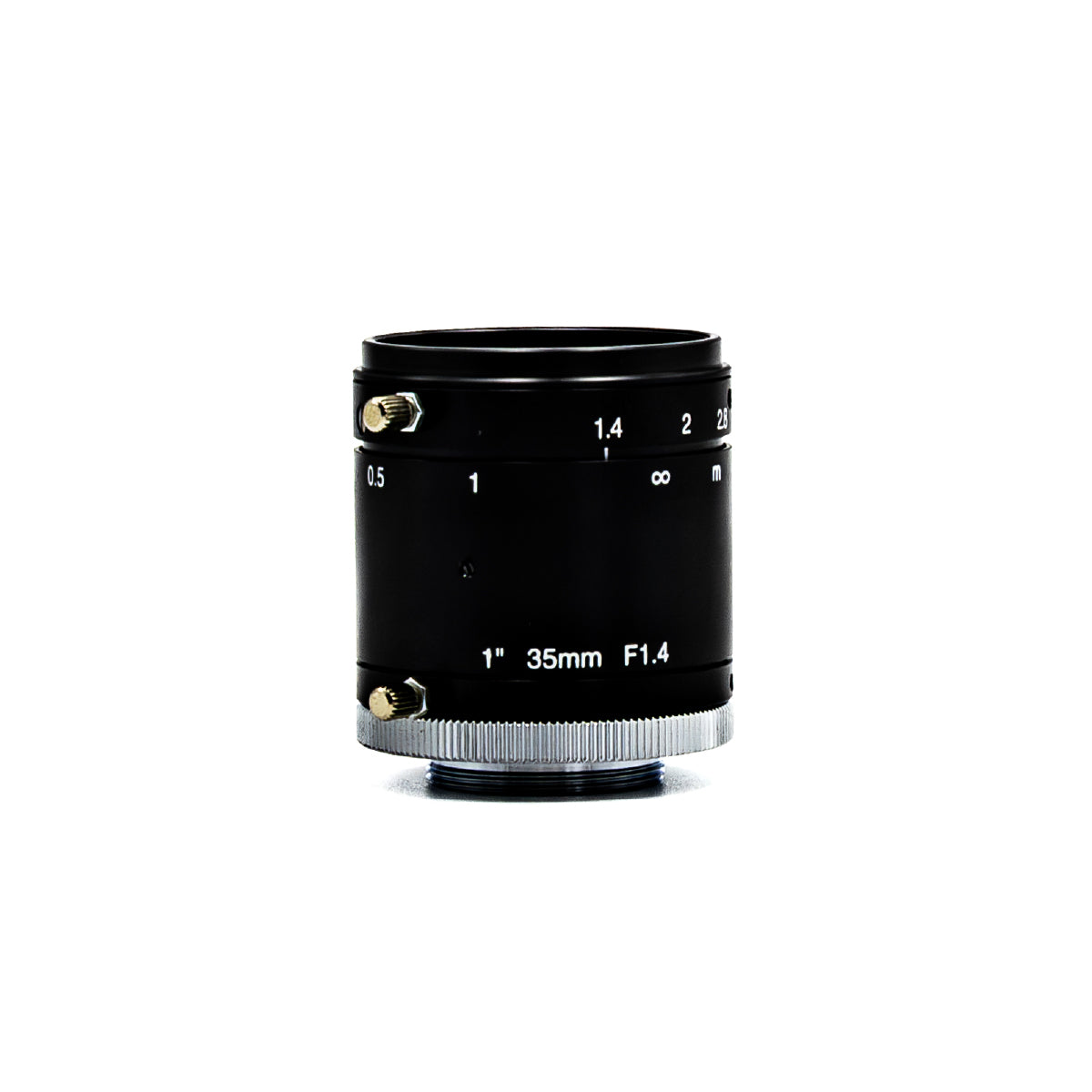
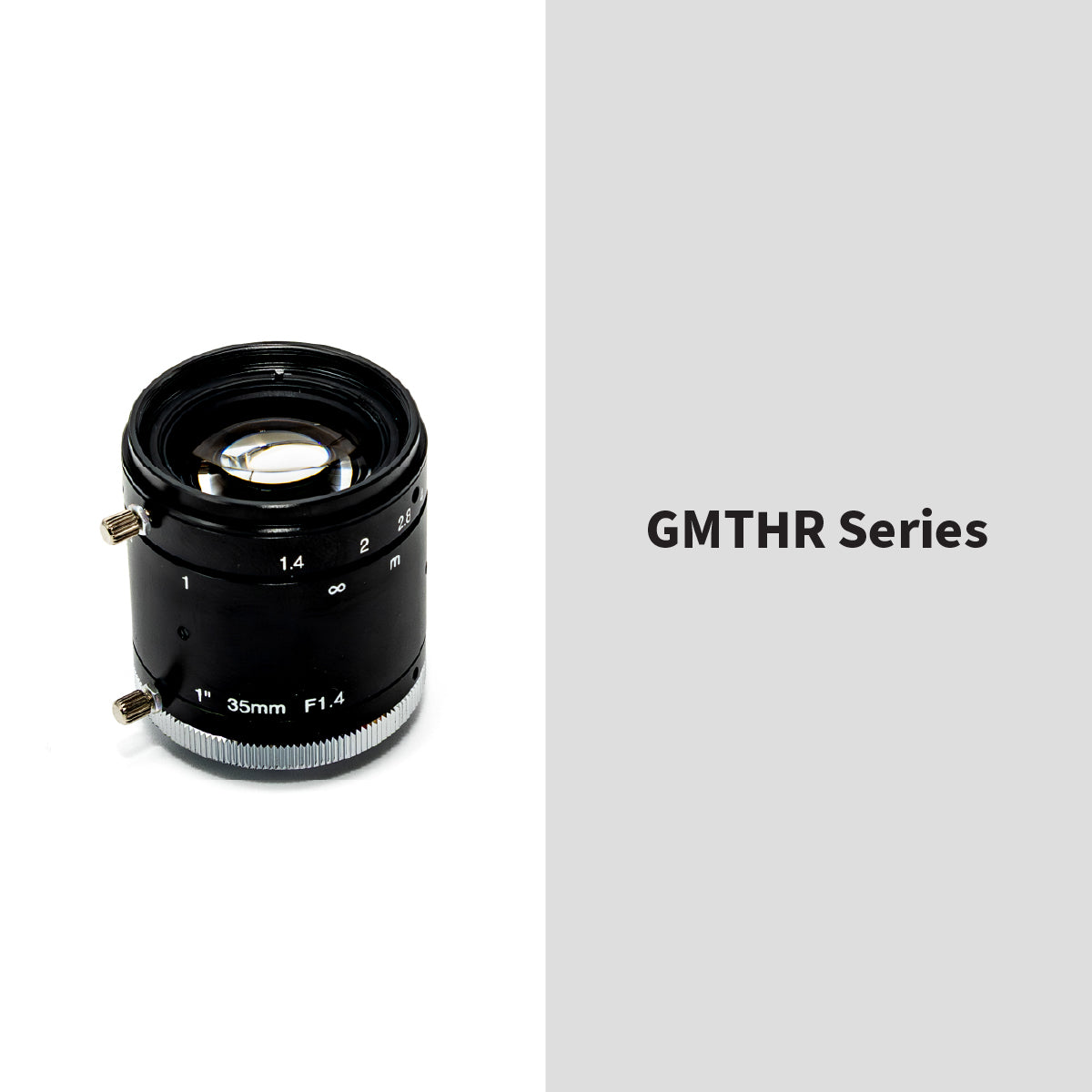


Selecting the right lens is one of the most critical decisions in building a successful machine vision system. While cameras and lighting often get the spotlight, the lens ultimately determines how well your system captures detail, maintains accuracy and performs over time.
Choosing the wrong lens can lead to distortion, poor resolution, inconsistent measurements and costly redesigns. Understanding the most common mistakes can help you avoid these pitfalls and build a more reliable vision system from the start.
Mistake #1: Ignoring Sensor Compatibility
One of the most frequent errors is selecting a lens that doesn’t properly match the camera sensor size. If the lens cannot fully cover the sensor, you may experience vignetting (dark corners) or reduced image quality.
It’s important to ensure:
- The lens format matches or exceeds the sensor size
- The image circle fully covers the sensor
- Resolution is sufficient for the pixel size
A mismatch here can limit performance before the system even gets started.
Mistake #2: Overlooking Resolution Requirements
Not all lenses are designed to resolve the same level of detail. Pairing a high-resolution camera with a low-quality lens can result in blurred images and lost information.
Key considerations include:
- Matching lens resolving power to sensor resolution
- Ensuring sharpness across the entire field of view
- Maintaining contrast at fine detail levels
A lens should complement – not bottleneck – the capabilities of your camera.
Mistake #3: Choosing the Wrong Focal Length
Focal length directly impacts your field of view and working distance. Selecting the wrong focal length can make it impossible to capture the full object or achieve the required detail.
Common issues include:
- Field of view too narrow or too wide
- Inability to fit the system within space constraints
- Reduced measurement accuracy due to scaling issues
Always calculate the required field of view and working distance before selecting a lens.
Mistake #4: Ignoring Distortion
Lens distortion can significantly impact measurement accuracy, especially in applications requiring precise dimensional analysis.
Types of distortion include:
- Barrel distortion (image bulges outward)
- Pincushion distortion (image pinches inward)
Even small amounts of distortion can lead to errors in inspection or alignment tasks. For measurement-critical applications, low-distortion or telecentric lenses may be necessary.
Mistake #5: Not Considering Aperture and Depth of Field
Aperture (f-stop) affects both light intake and depth of field. Choosing the wrong setting or lens capability can result in parts of the image being out of focus.
Important factors:
- Larger apertures allow more light but reduce depth of field
- Smaller apertures increase depth of field but may require more
- Balancing aperture with lighting and exposure is critical
Failing to account for this can lead to inconsistent or unusable images.
Mistake #6: Overlooking Environmental Conditions
Machine vision systems often operate in demanding environments. Temperature fluctuations, vibration and contaminants can all impact lens performance.
Consider:
- Ruggedized designs for harsh environments
- Locking mechanisms to maintain focus and aperture
- Resistance to dust, moisture and vibration
A lens that performs well in a lab may not hold up on a production floor without proper protection.
Mistake #7: Neglecting Working Distance and Mounting Constraints
Physical constraints are often overlooked until late in the design process. The wrong lens may not physically fit or may require repositioning other components.
Be sure to evaluate:
- Available mounting space
- Required working distance
- Integration with existing hardware
Planning ahead prevents costly redesigns and delays.
Mistake #8: Forgetting About Lighting Interaction
A lens does not operate in isolation. It works together with lighting. Poor alignment between lens choice and illumination can reduce contrast and visibility.
Examples include:
- Glare from reflective surfaces
- Insufficient contrast due to improper lighting
- Mismatch between wavelength and lens coatings
Coordinating lens and lighting choices ensures optimal image quality.
Mistake #9: Prioritizing Cost Over Performance
While budget is always a consideration, choosing a lens based solely on price can lead to long-term costs far exceeding the initial savings.
Lower-cost lenses may introduce:
- Reduced sharpness and contrast
- Higher distortion
- Shorter lifespan in industrial environments
Investing in a quality lens upfront helps ensure consistent performance and reduces the need for replacements or system adjustments.
A machine vision system is only as strong as its weakest component, and the lens is often that critical link. Avoiding these common mistakes can save time, reduce costs and significantly improve system performance.
By carefully considering sensor compatibility, resolution, focal length, distortion and environmental factors, you can select a lens that delivers the clarity and precision your application demands.