
 Find-R-Scopes
 Filters
 Lenses
 Cameras
 Lighting


 Accessories












Modern warehouses and fulfillment centers are under constant pressure to process more orders, reduce errors and keep products moving faster than ever. As e-commerce continues to grow, automation has become essential for maintaining efficiency while meeting customer expectations for speed and accuracy.
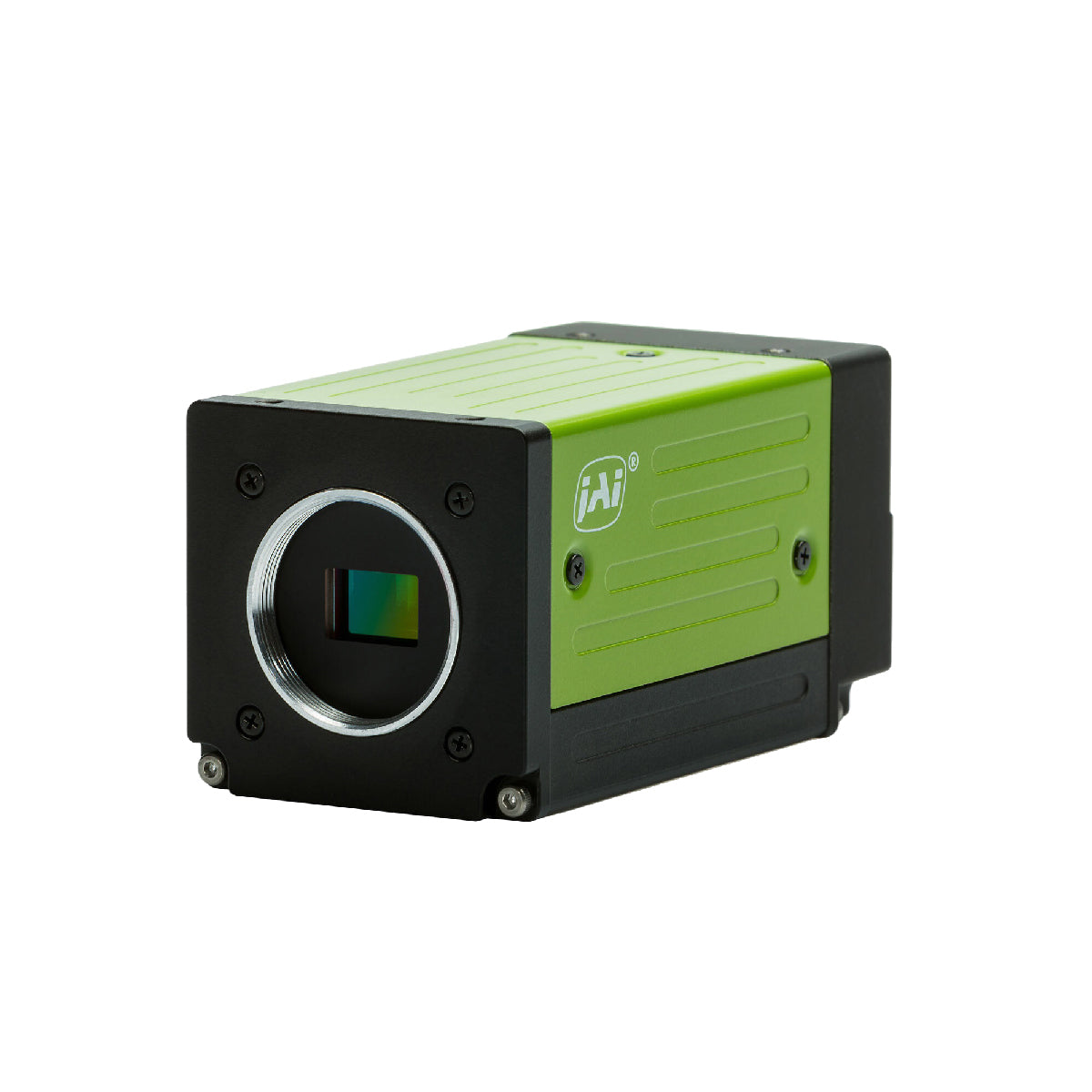
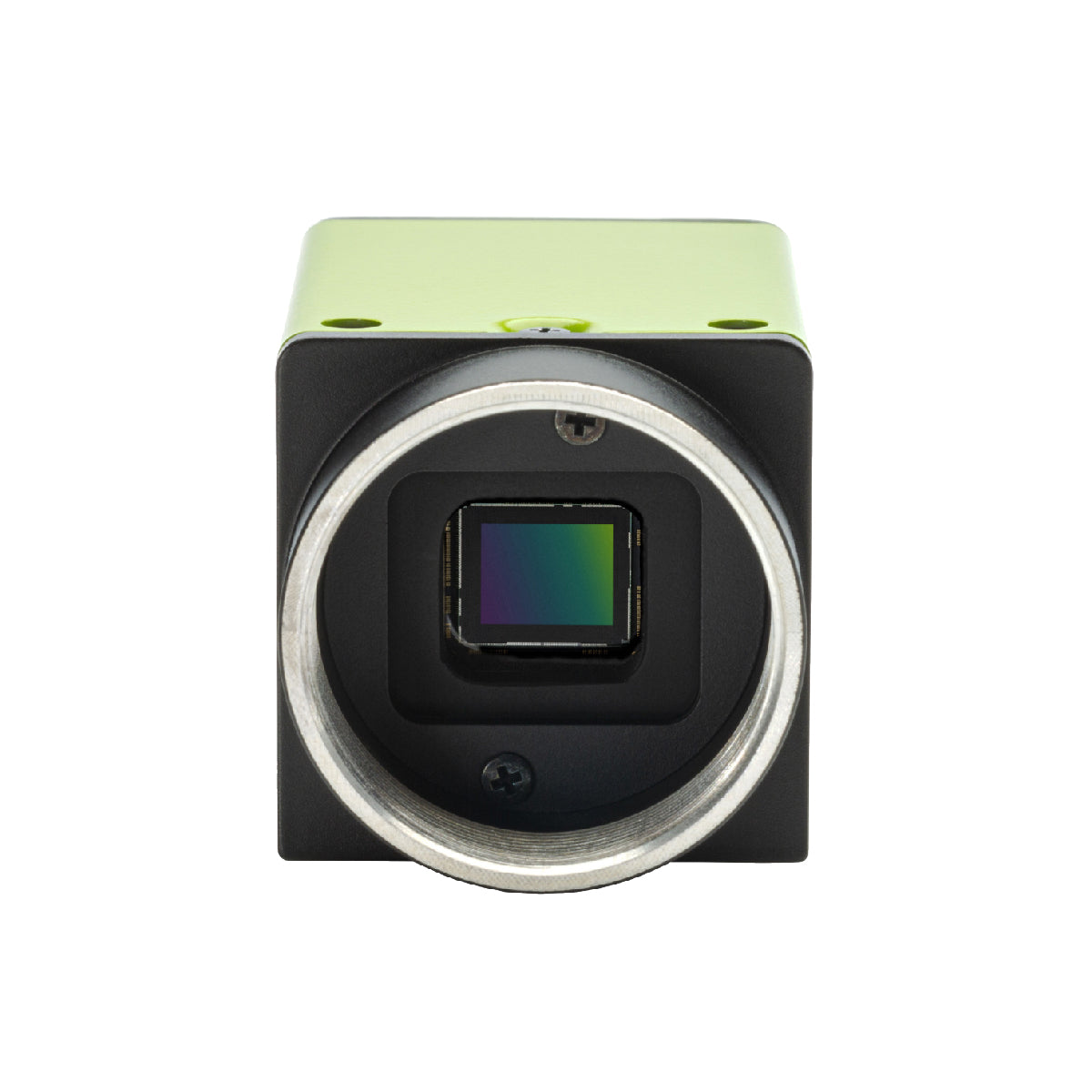
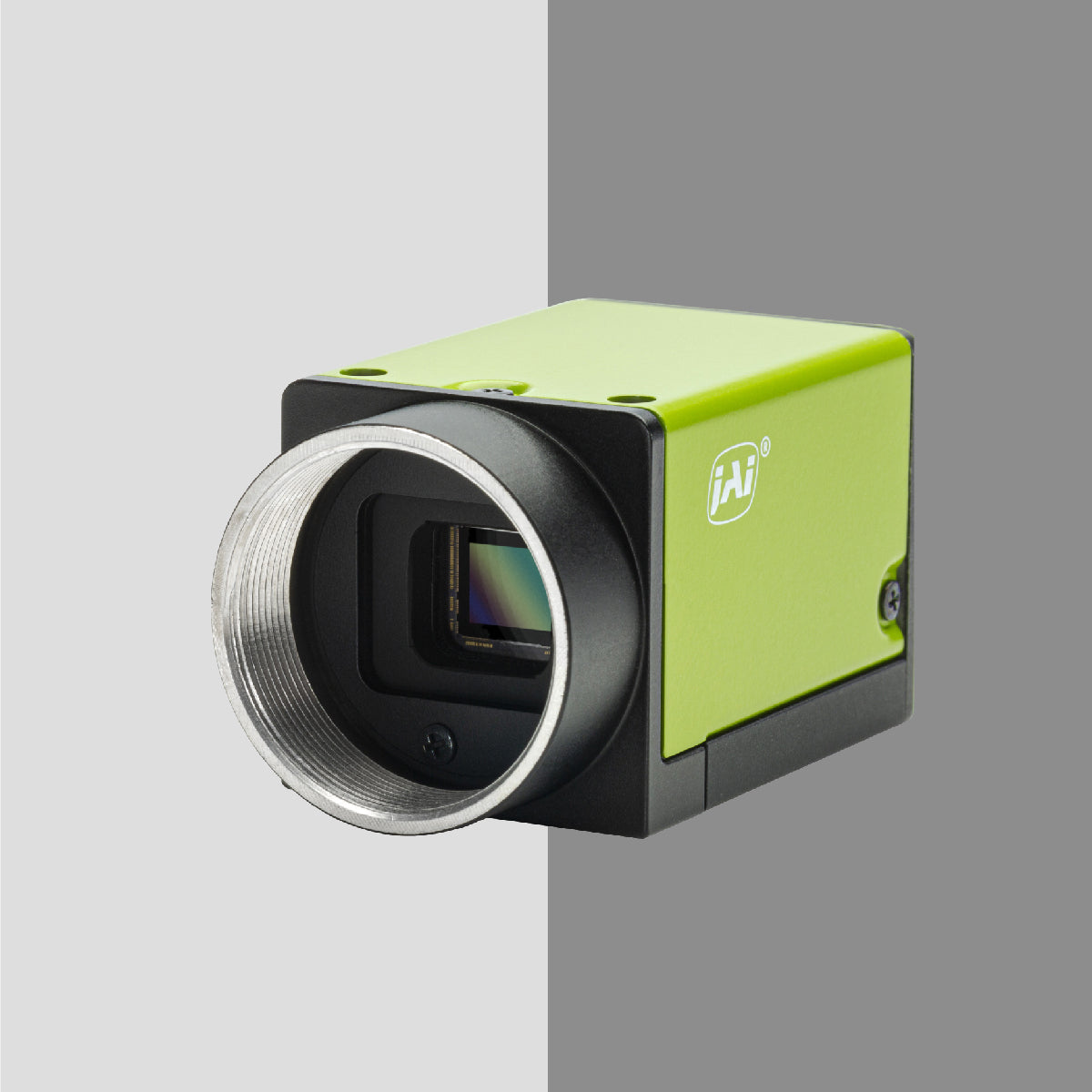
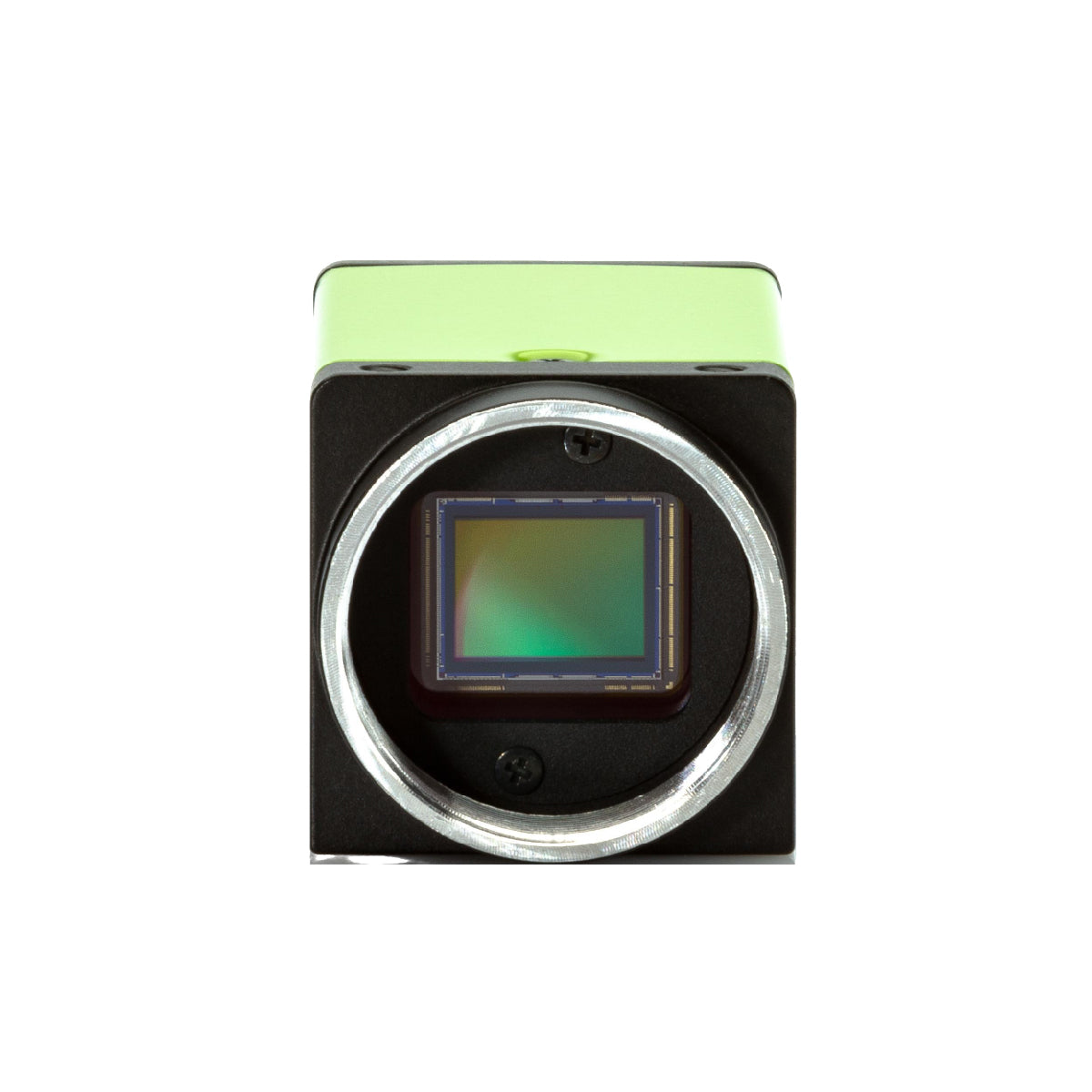
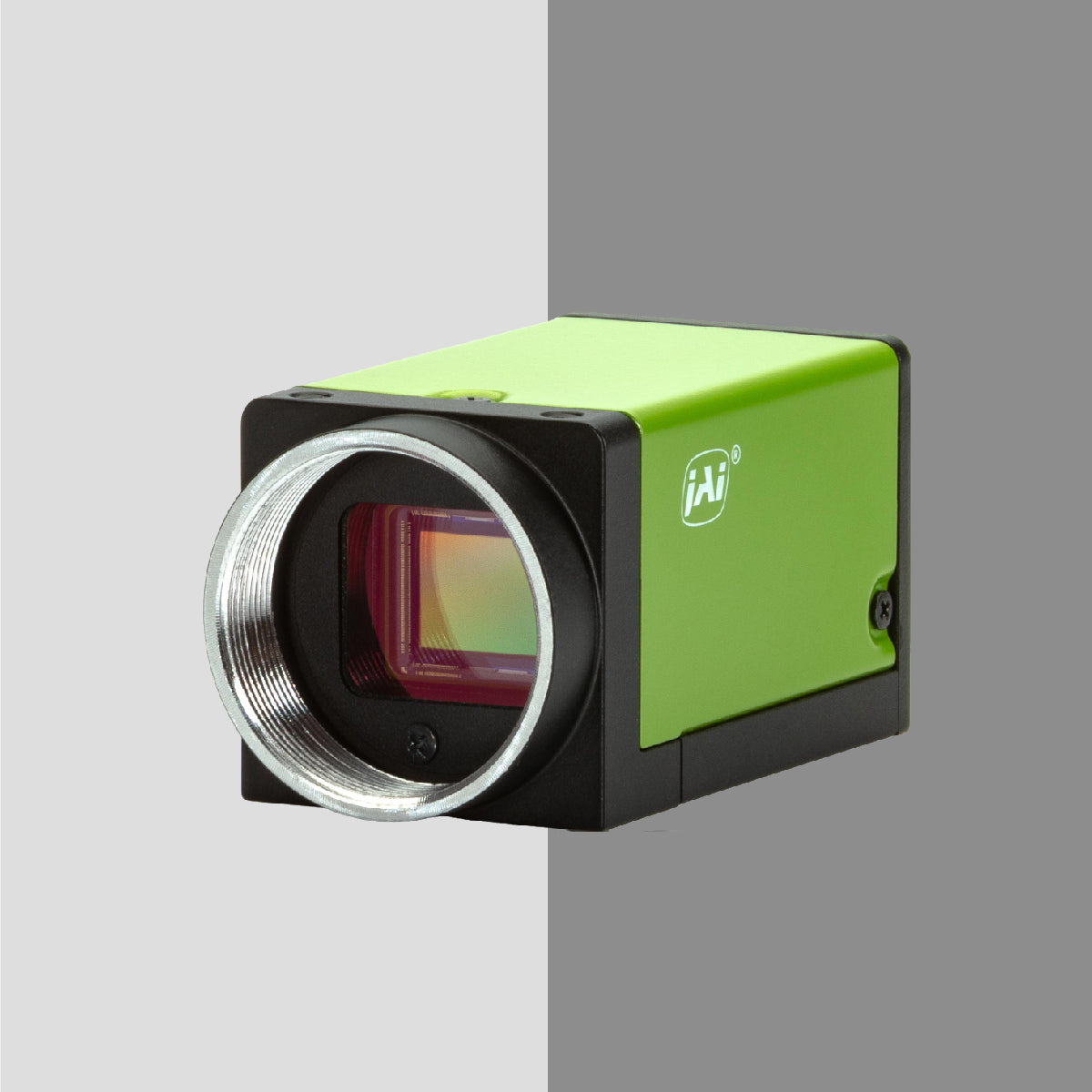
At the heart of many automated warehouse systems are machine vision cameras. These industrial imaging systems provide the visual intelligence needed for robots, conveyors, automated storage and retrieval systems (AS/RS), autonomous mobile robots (AMRs), and barcode reading stations to operate with speed and precision.
Whether identifying packages, verifying labels, guiding robotic pickers or inspecting products before shipment, machine vision cameras help warehouses improve throughput while reducing costly mistakes.
Why Machine Vision Matters in Warehouse Automation
Warehouse operations involve thousands of repetitive visual tasks every day. Traditional barcode scanners can only solve part of the problem, while modern machine vision systems can simultaneously identify, inspect, measure and track products in real time. Common warehouse applications include:
- Barcode and QR code reading
- OCR (Optical Character Recognition)
- Package identification
- Parcel dimensioning
- Robotic pick-and-place guidance
- Pallet inspection
- Sortation systems
- Inventory tracking
- Label verification
- Damage detection
- Autonomous mobile robot navigation
These applications require cameras capable of delivering reliable images under changing lighting conditions while operating continuously in demanding industrial environments.
Key Camera Features for Warehouse Automation
High-Speed Image Capture
Conveyor belts rarely stop moving. Machine vision cameras must capture sharp images of packages traveling at high speeds without introducing motion blur. Global shutter sensors are often preferred because every pixel is exposed simultaneously, allowing fast-moving objects to be captured accurately. This makes them ideal for:
- High-speed conveyors
- Parcel sorting
- Barcode reading
- Automated inspection
High frame rates also allow systems to inspect more products every minute, increasing overall throughput.
High Resolution for Small Details
Today's warehouses process packages of every shape and size. Cameras with higher resolutions allow systems to:
- Read small barcodes
- Verify shipping labels
- Detect damaged packaging
- Inspect print quality
- Identify tiny defects
Higher resolution also gives system designers greater flexibility by allowing one camera to monitor larger fields of view while maintaining sufficient detail.
Color and Monochrome Options
Different warehouse applications benefit from different sensor types. Color cameras are commonly used for:
- Product identification
- Label verification
- Packaging inspection
- Color sorting
Monochrome cameras often provide:
- Higher sensitivity
- Better low-light performance
- Improved contrast
- Faster imaging
When combined with appropriate lighting and optical filters, monochrome systems can significantly improve barcode reading reliability.
Multiple Interface Options
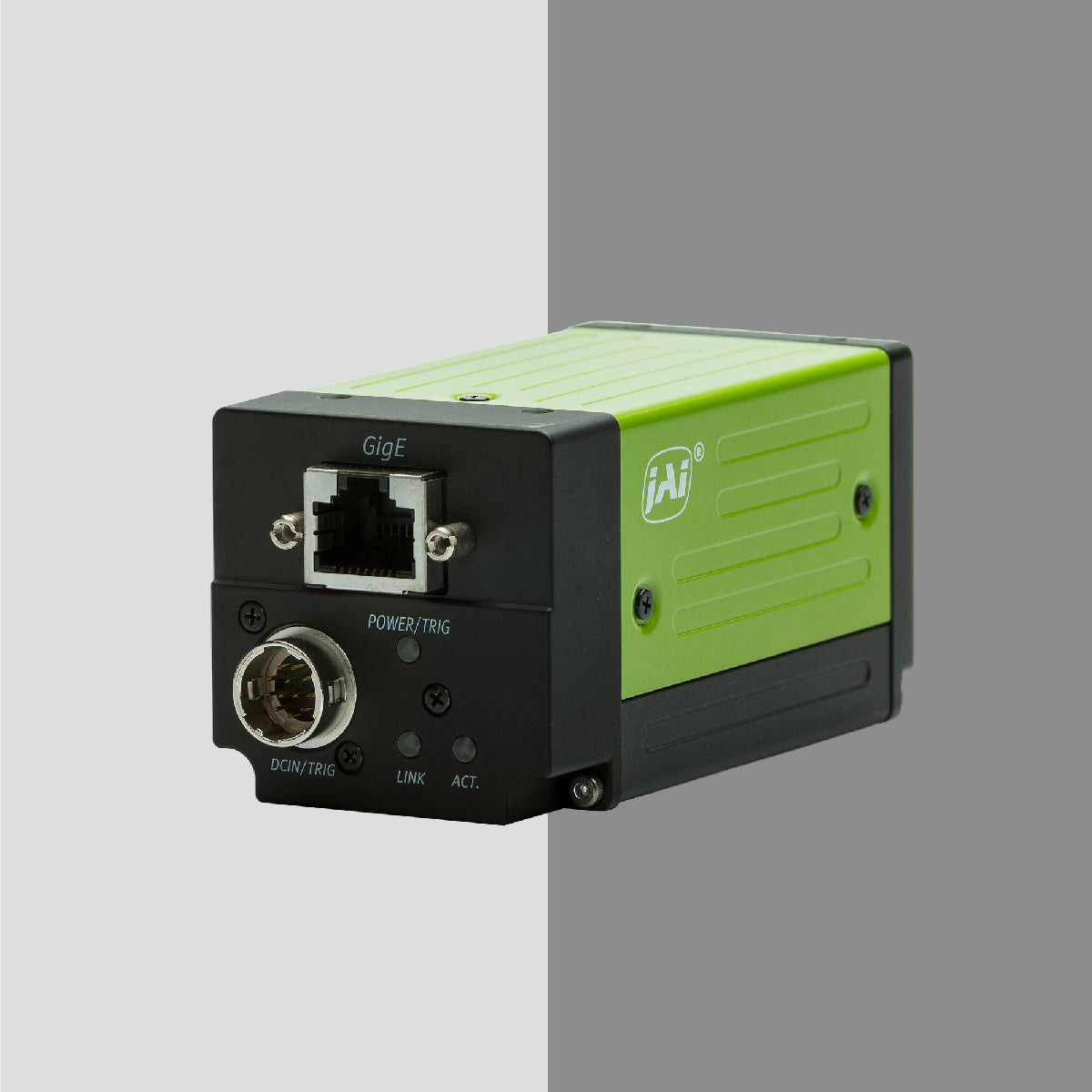
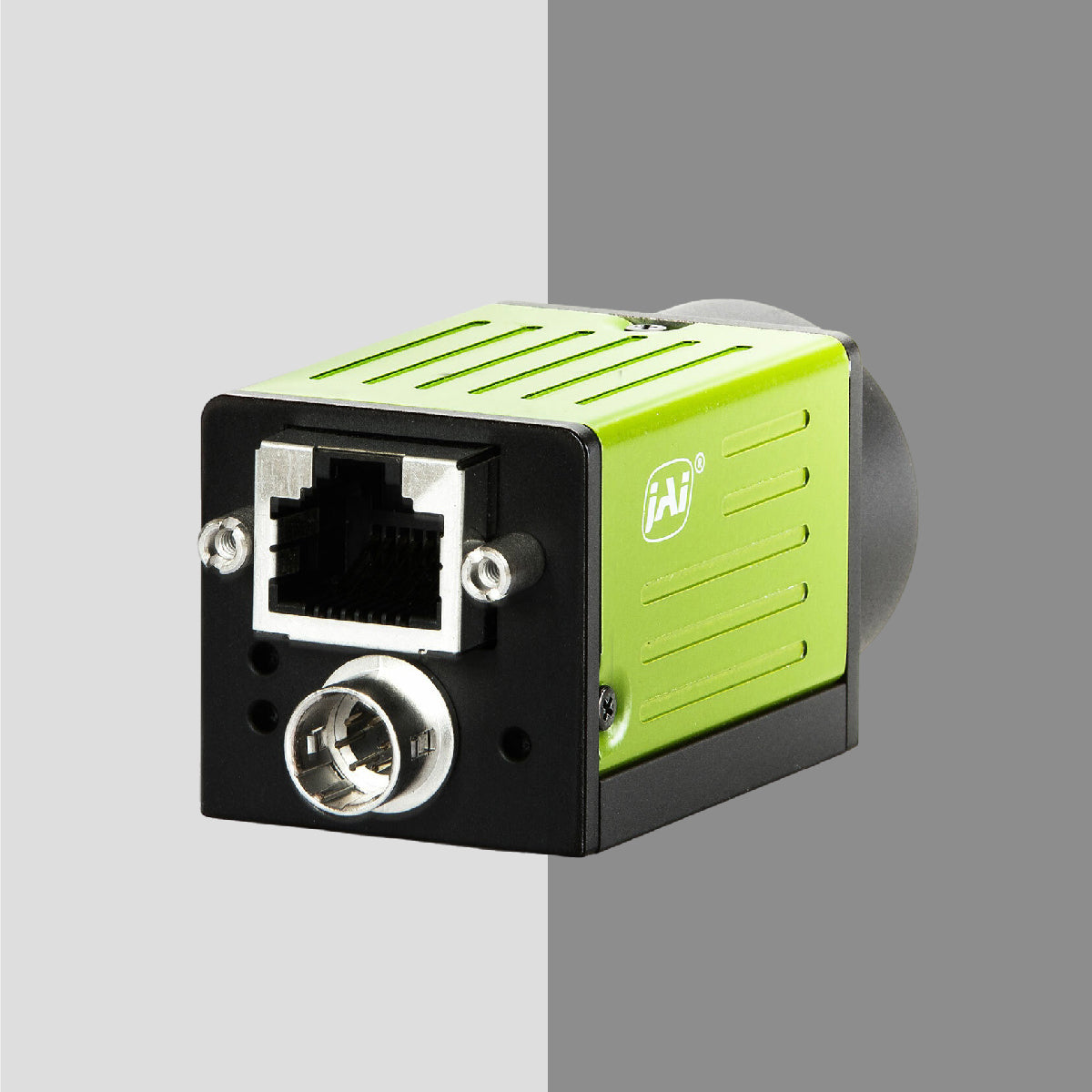
Warehouse automation systems rely on fast communication between cameras and industrial computers. Popular interfaces include:
- GigE Vision
- USB3 Vision
- 10GigE
- CoaXPress (for extremely high-speed applications)
GigE cameras remain a popular choice because they allow long cable lengths and easy integration into distributed warehouse systems. USB3 cameras provide high bandwidth for compact inspection stations, while higher-speed interfaces support demanding applications requiring extremely fast data transfer.
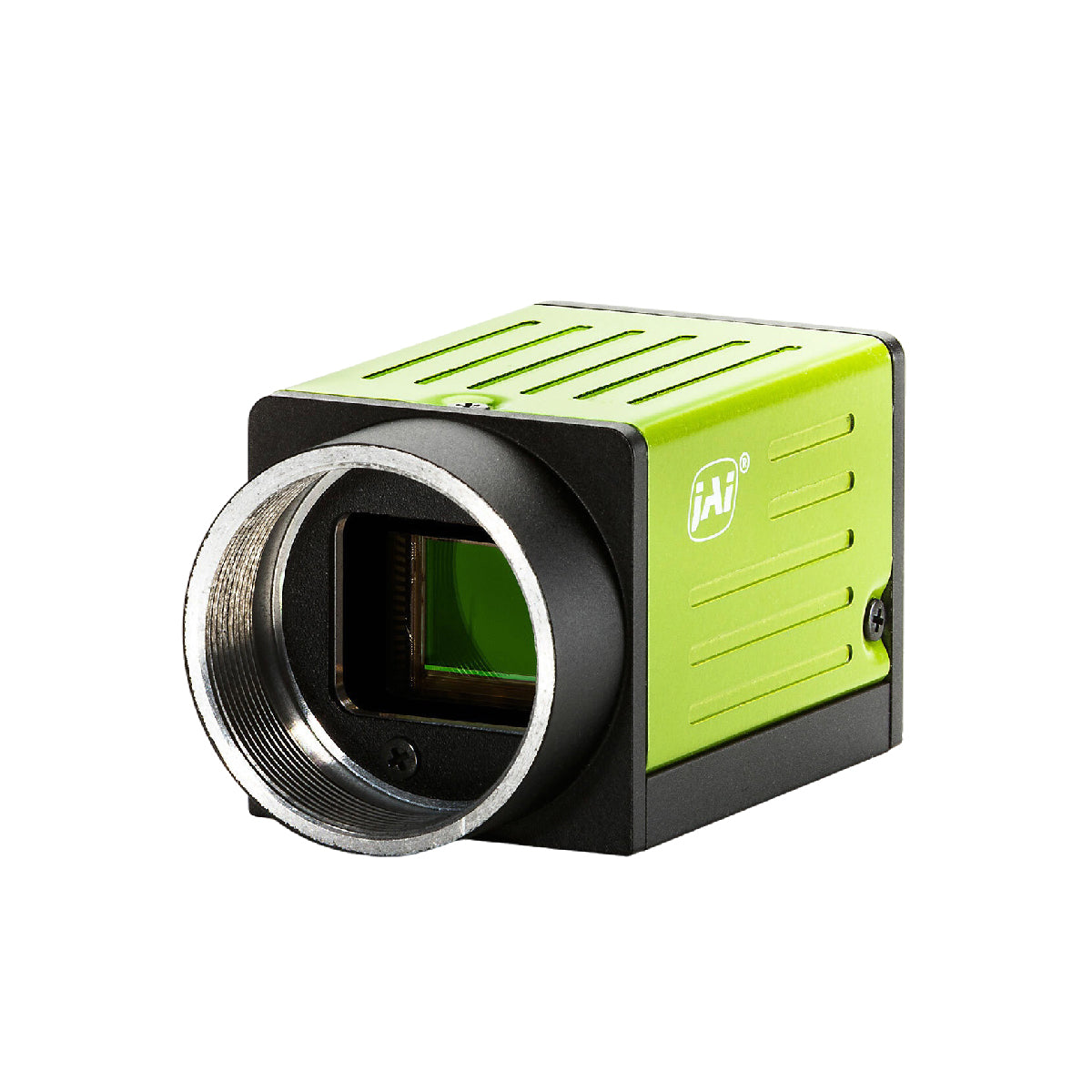
Compact Designs for Tight Spaces
Modern fulfillment centers use increasingly compact automation equipment. Cameras often need to fit inside robotic arms, conveyors, scanning tunnels, and automated storage systems. Compact industrial cameras make it easier to:
- Reduce system size
- Simplify installation
- Minimize cable routing
- Integrate into existing equipment
Small cameras also reduce weight for robotic applications where every gram matters.
Imaging for Robotic Picking
One of the fastest-growing warehouse technologies is robotic picking. Machine vision cameras provide robots with the visual information needed to:
- Locate products
- Determine orientation
- Measure position
- Avoid collisions
- Confirm successful picks
Many systems use multiple cameras to generate three-dimensional information, enabling robots to accurately handle randomly positioned products inside bins or totes.
Barcode Reading Beyond Traditional Scanners
Unlike conventional laser barcode readers, machine vision systems can decode:
- 1D barcodes
- 2D Data Matrix codes
- QR codes
- Damaged labels
- Poorly printed markings
- Multiple codes in a single image
Advanced image processing allows cameras to recover codes that would otherwise require manual intervention, reducing downtime and improving fulfillment accuracy.
OCR and Label Verification
Warehouse operations frequently require reading printed text in addition to barcodes. Machine vision cameras can verify:
- Shipping addresses
- Tracking numbers
- Expiration dates
- Product serial numbers
- Lot codes
- Custom labels
OCR capabilities help ensure every package reaches the correct destination while minimizing shipping errors.
Reliable Operation Around the Clock
Warehouse automation often operates 24 hours a day. Industrial machine vision cameras are designed for:
- Continuous operation
- Long product lifecycles
- Stable image quality
- Low maintenance
- Industrial reliability
These characteristics help reduce downtime while supporting consistent inspection performance across multiple shifts.
Pairing Cameras with the Right Optics
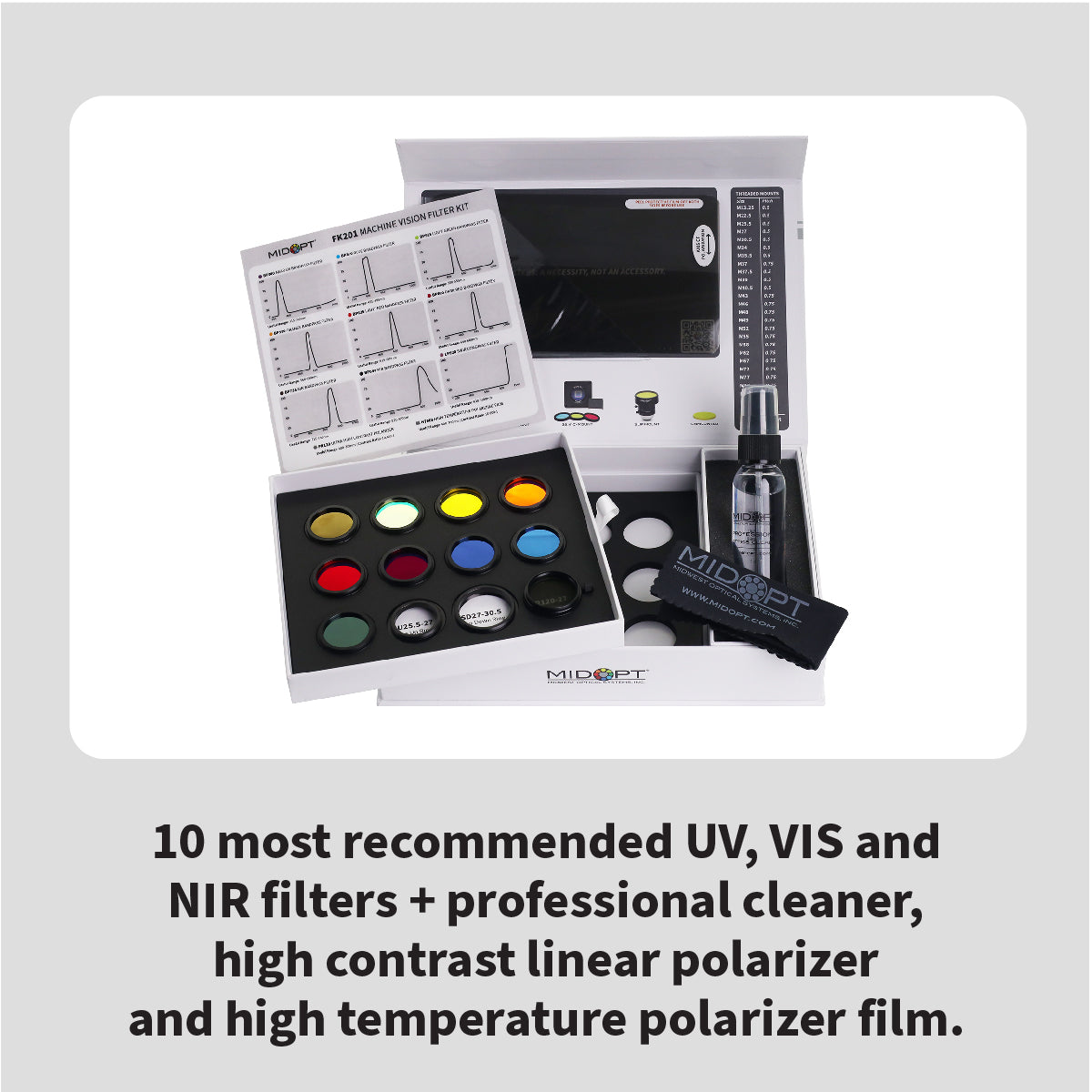
A camera is only one part of a successful machine vision system. Selecting the proper combination of machine vision lenses, industrial lighting and optical filters can dramatically improve image quality and inspection reliability. For warehouse applications, this may include:
- Polarizing filters to reduce glare from plastic packaging
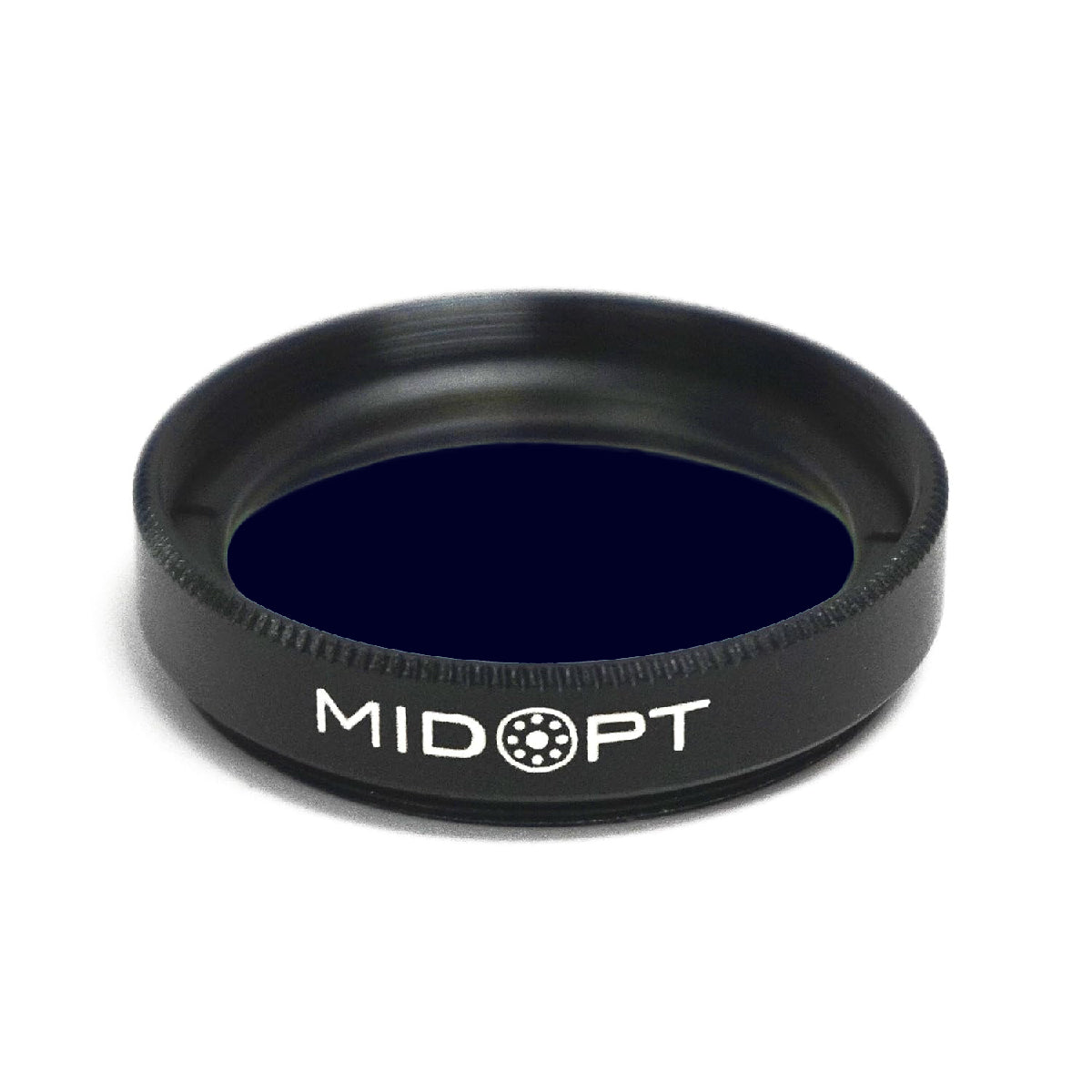
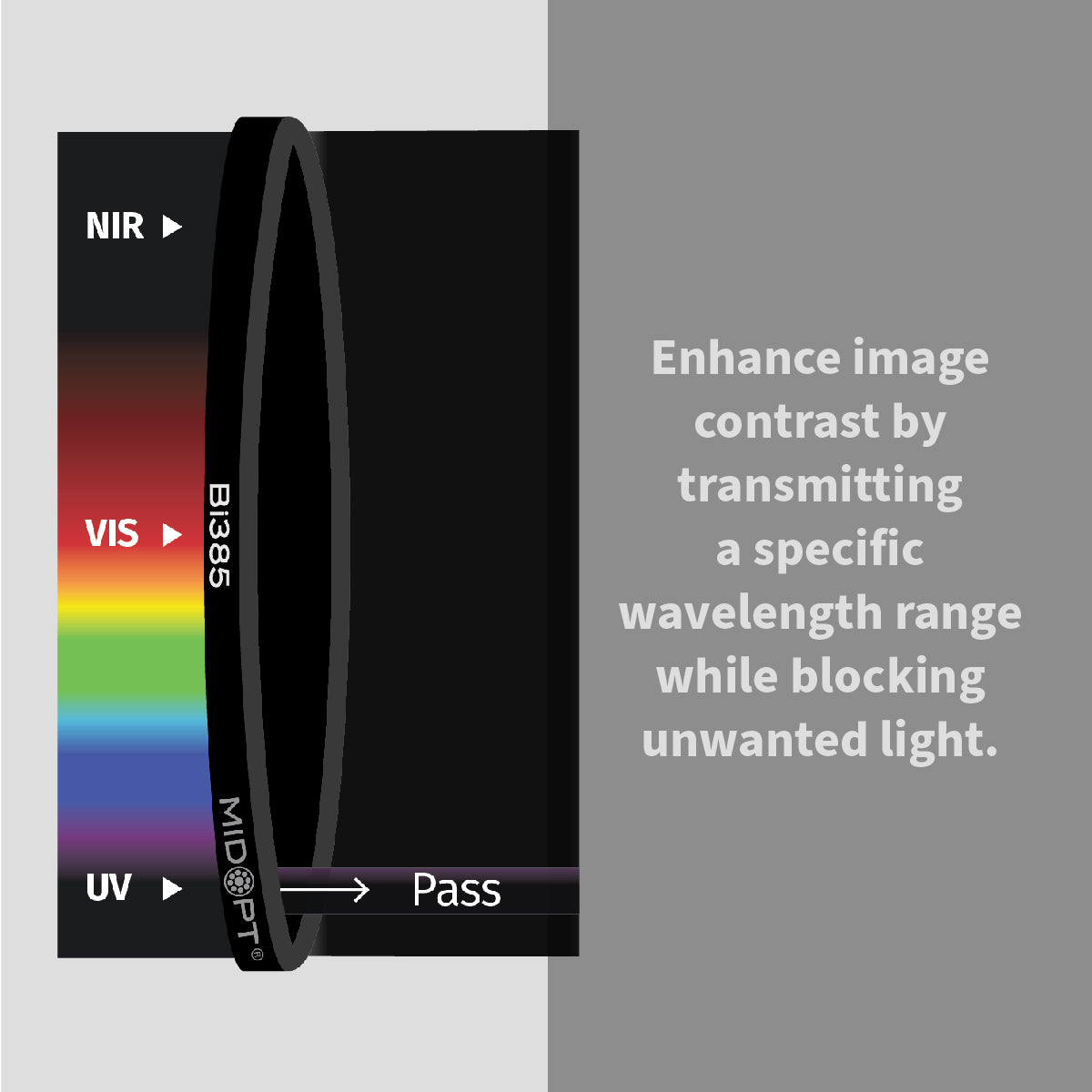
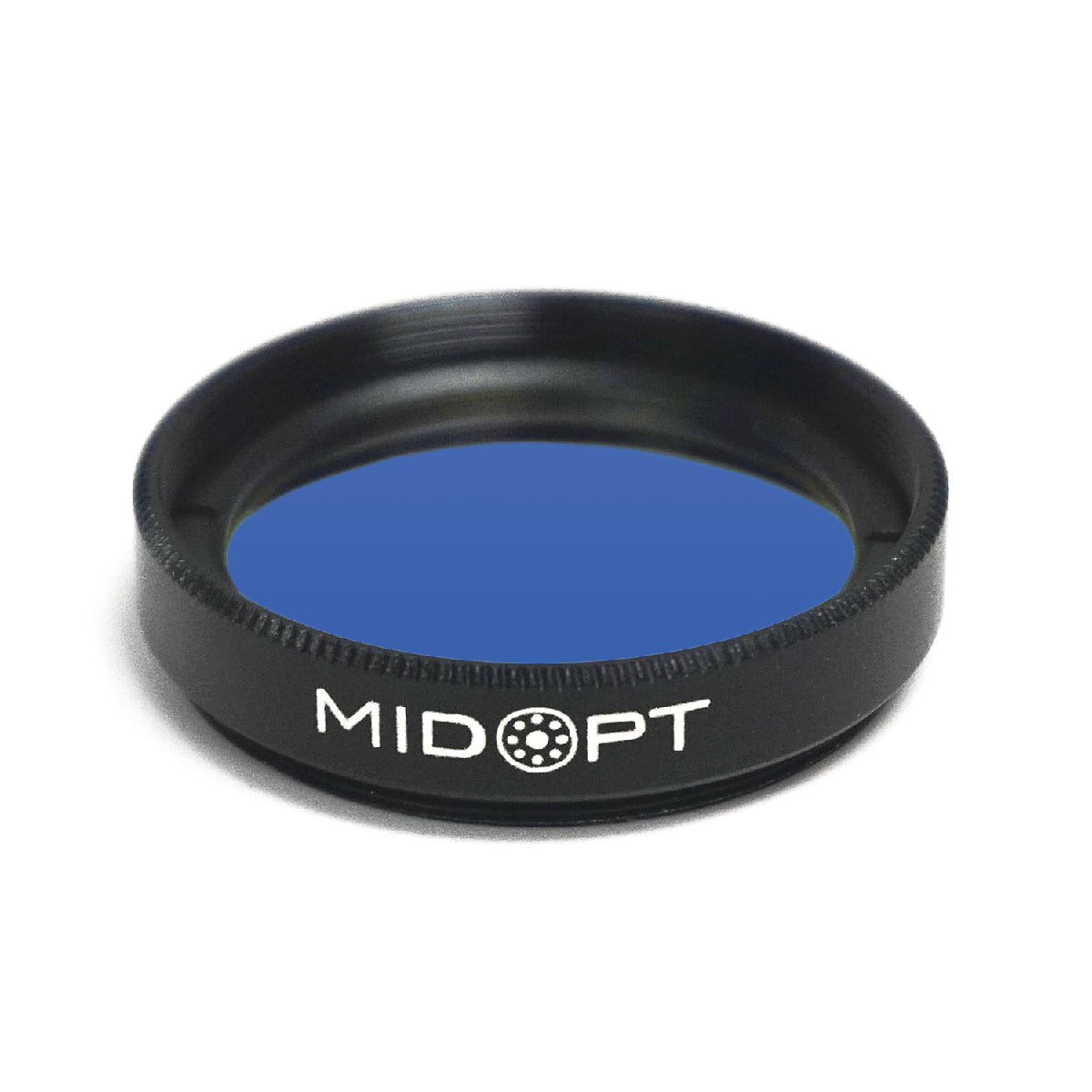
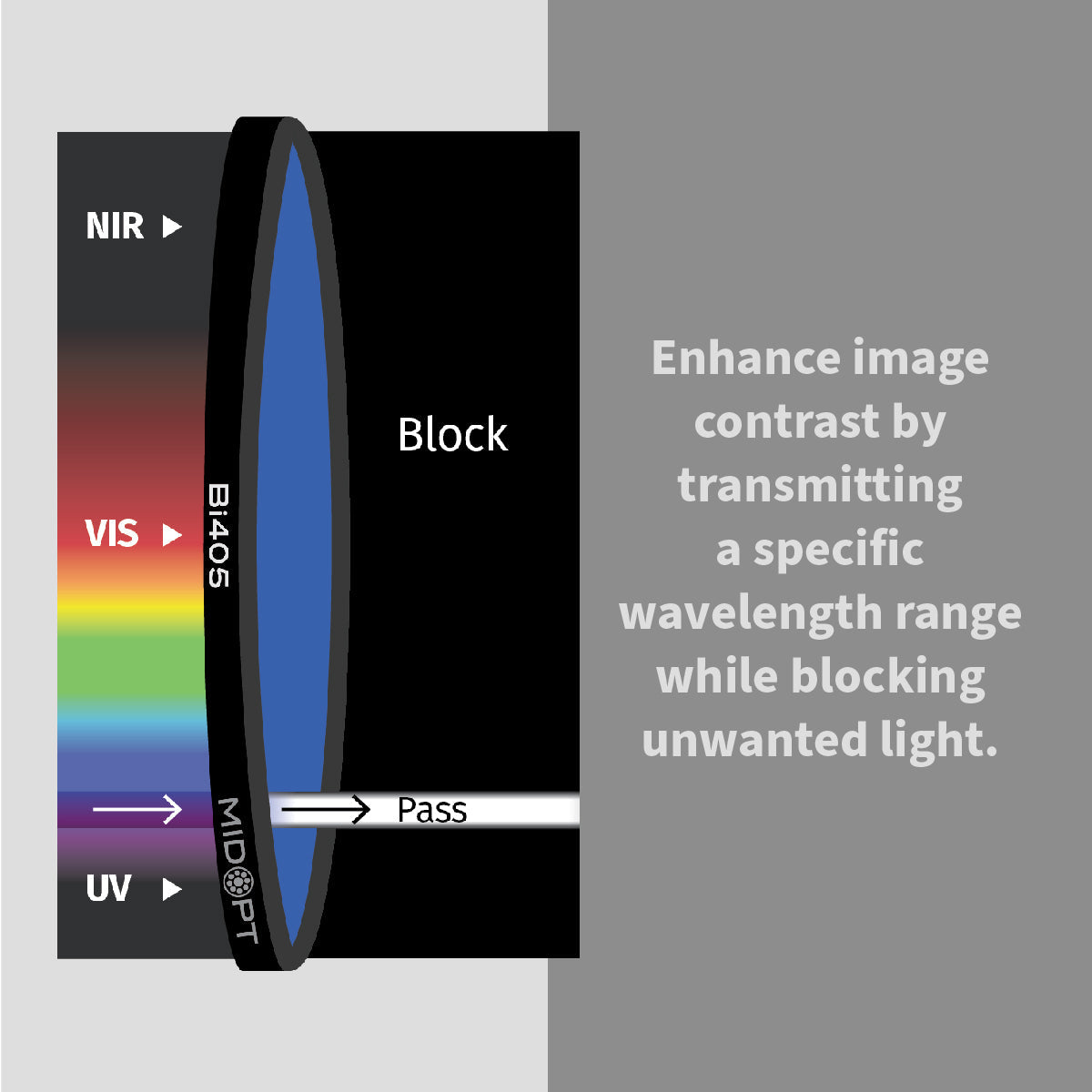
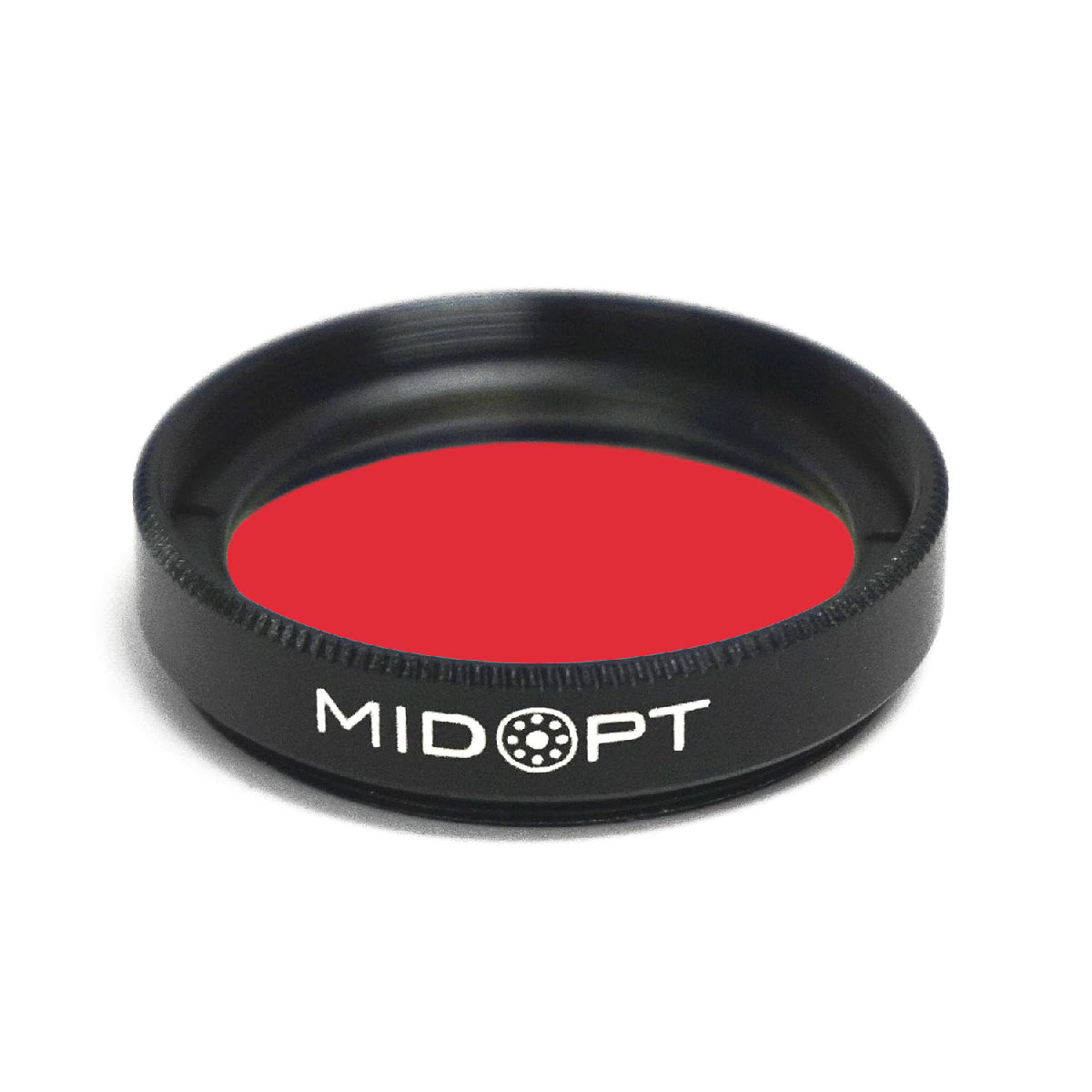
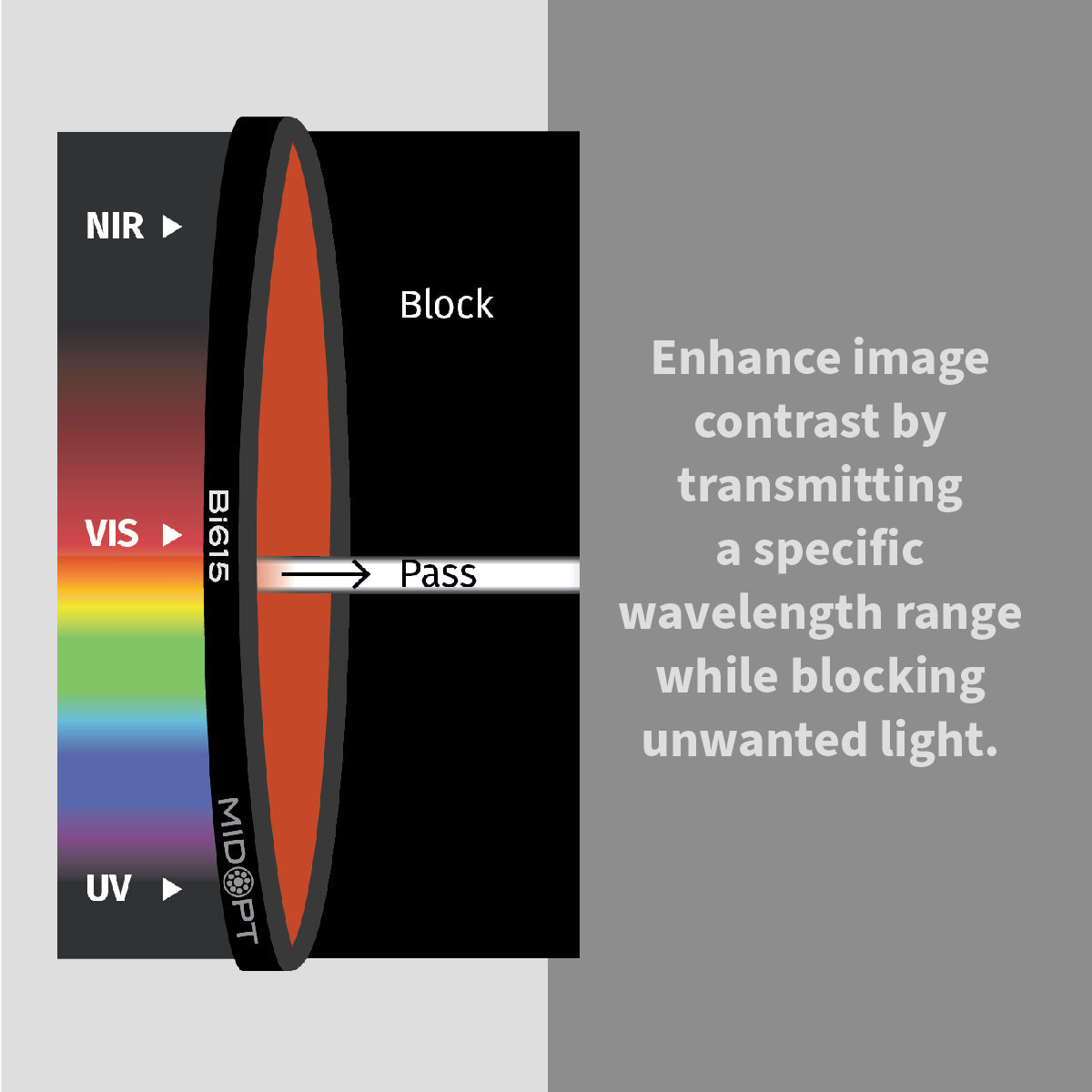
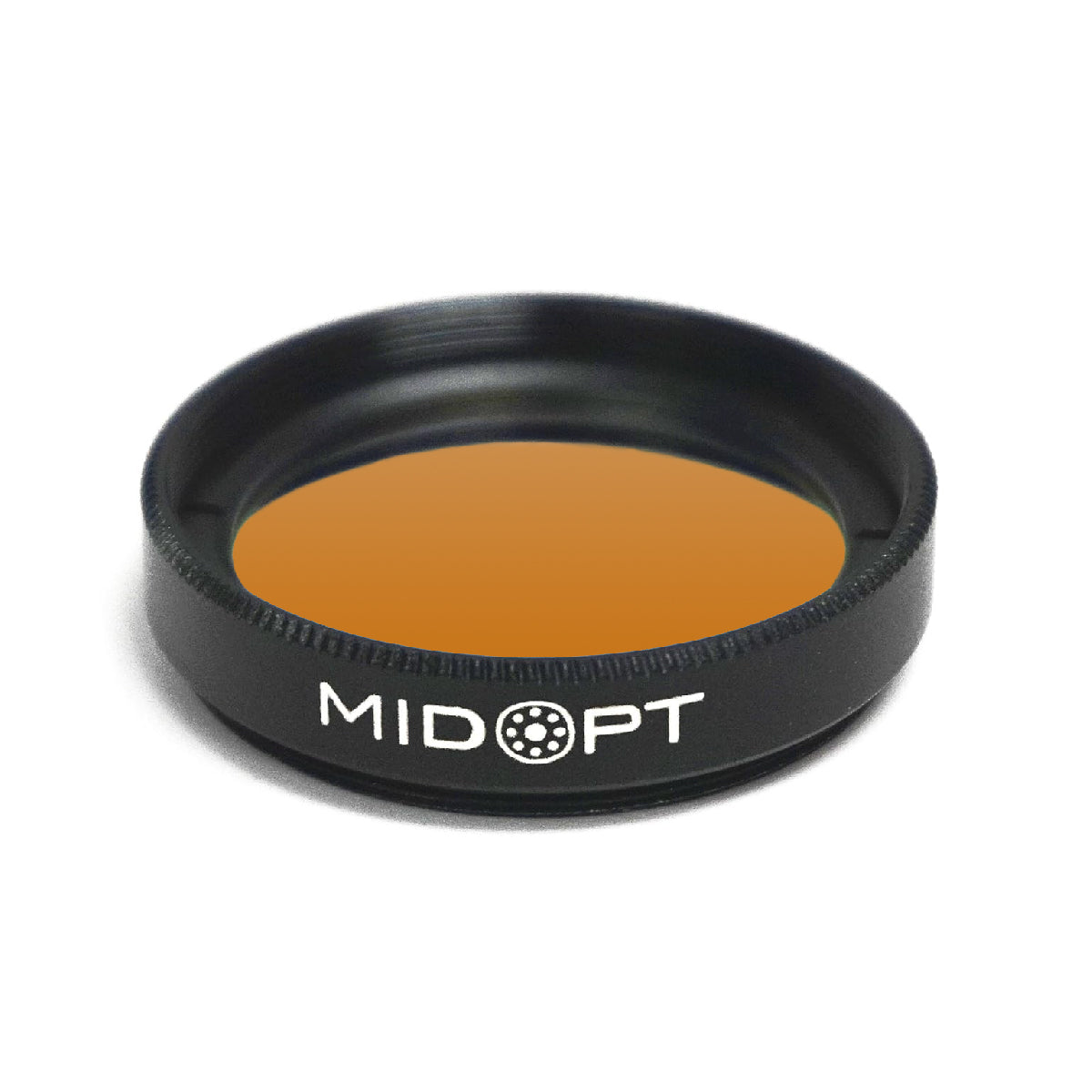
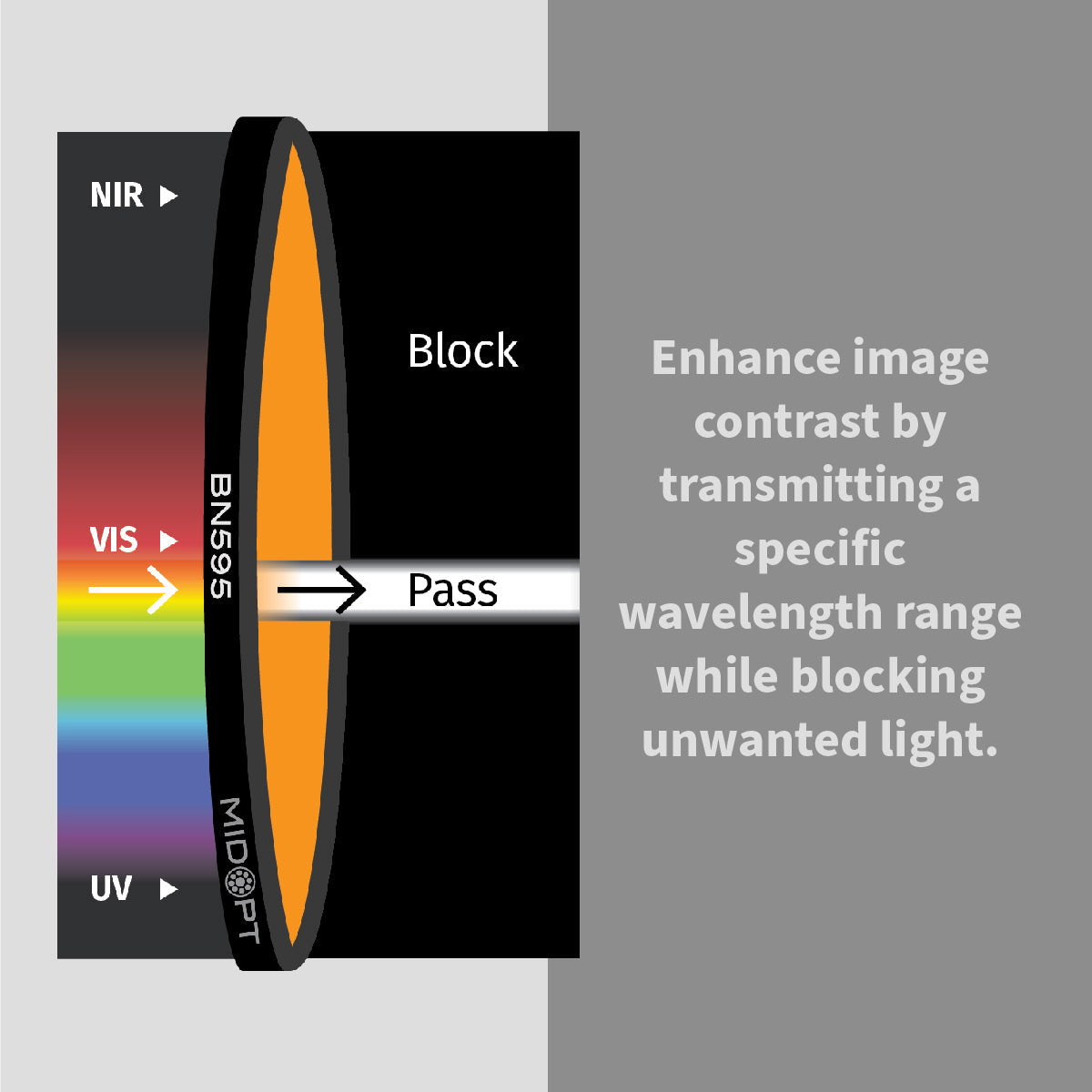
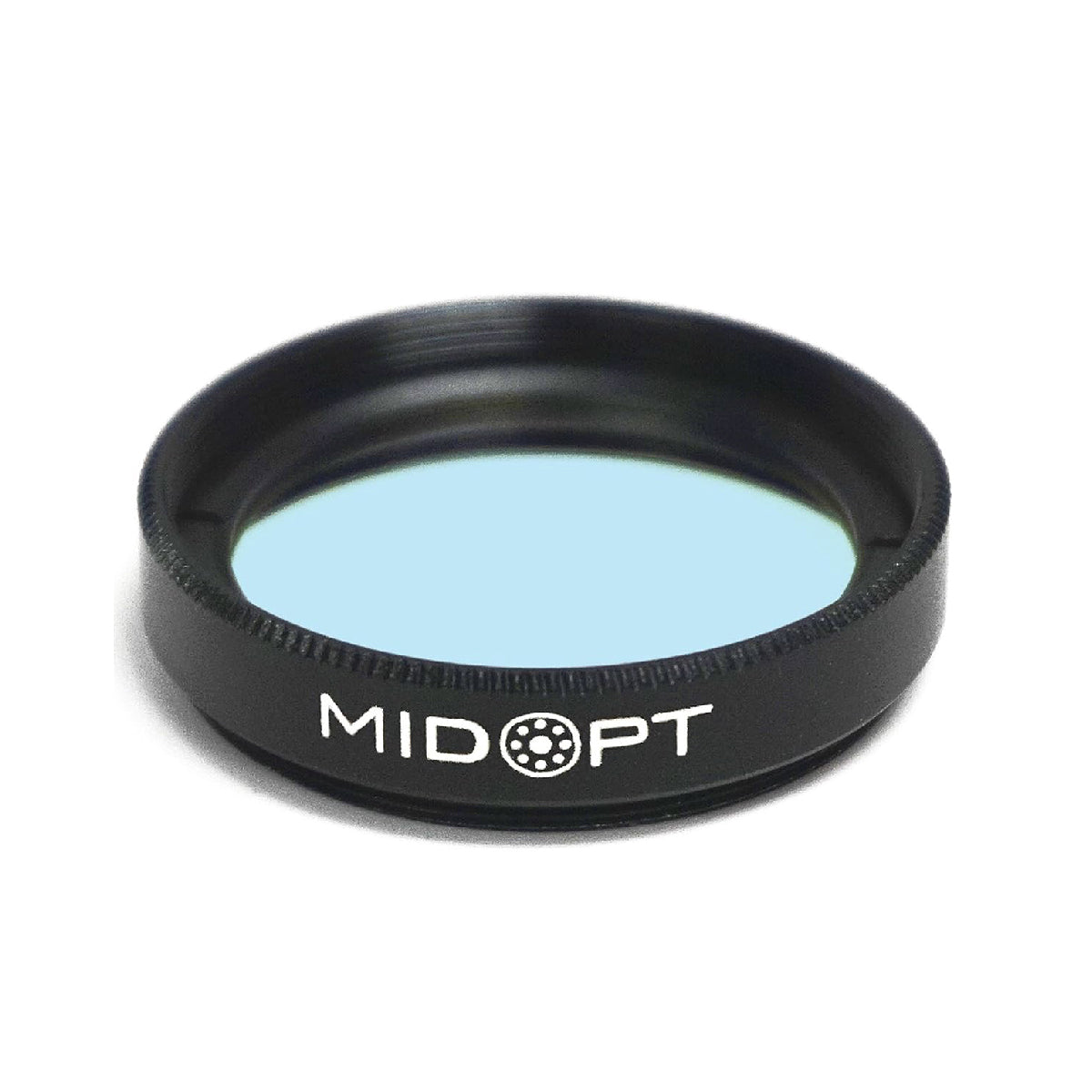
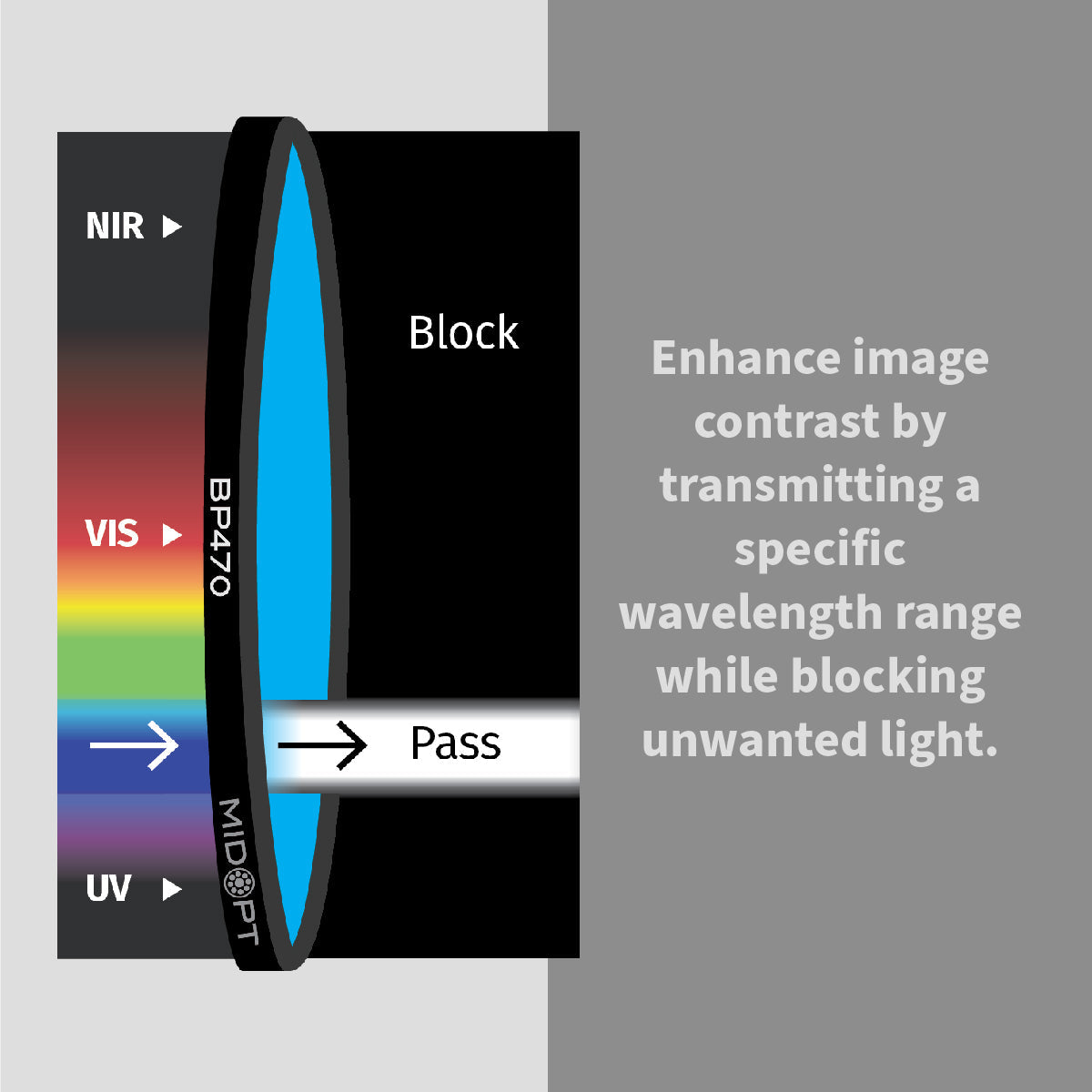
- Bandpass filters for enhanced contrast
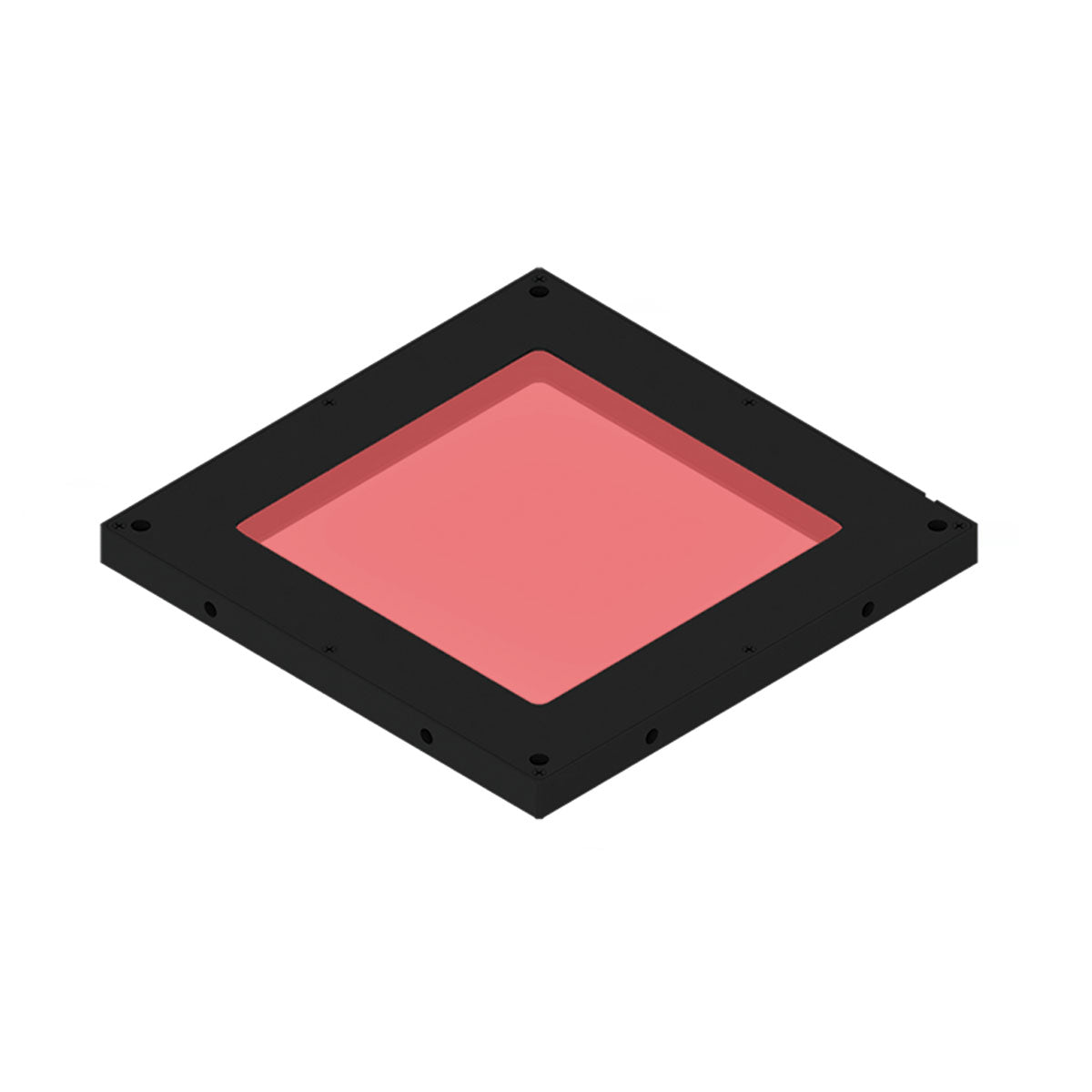
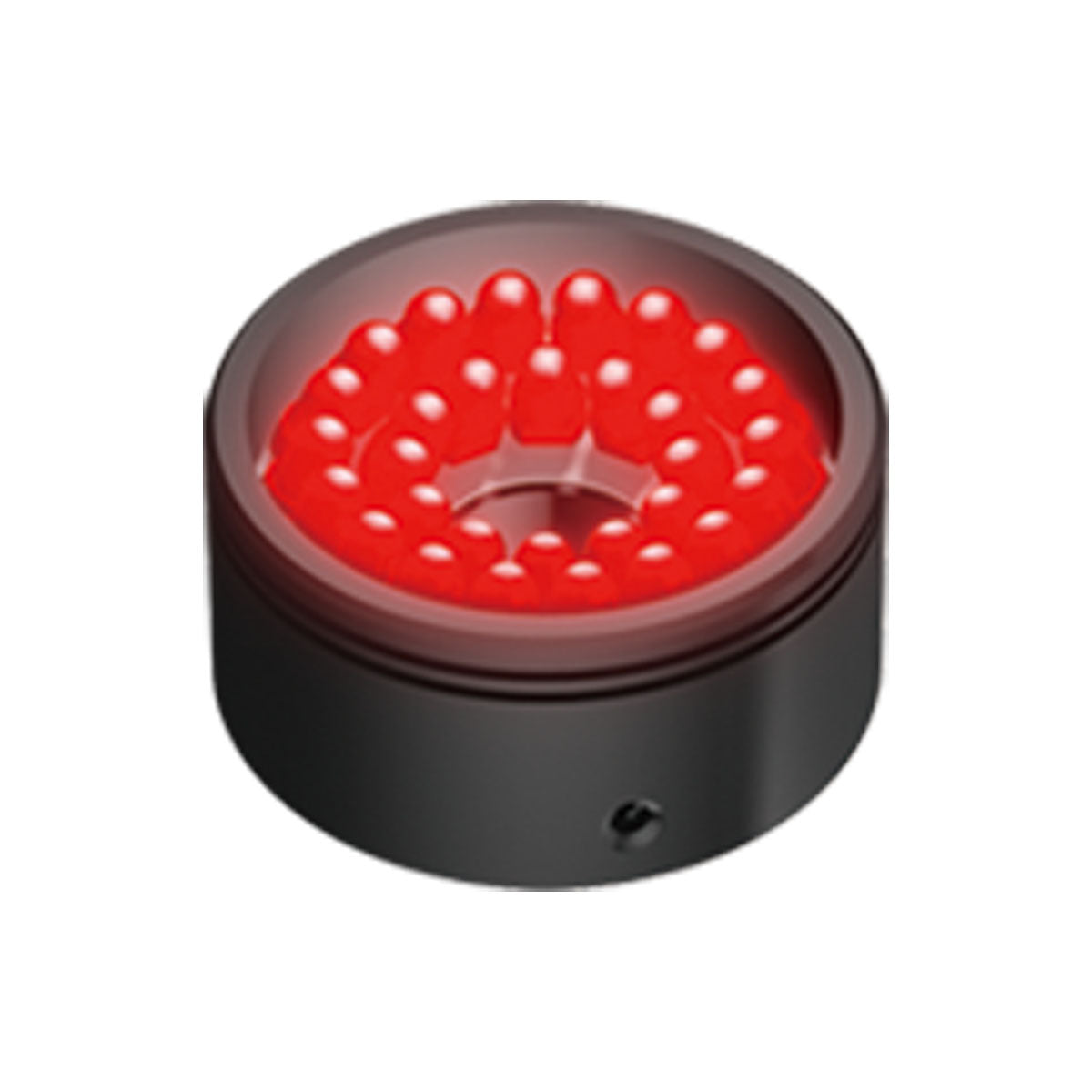
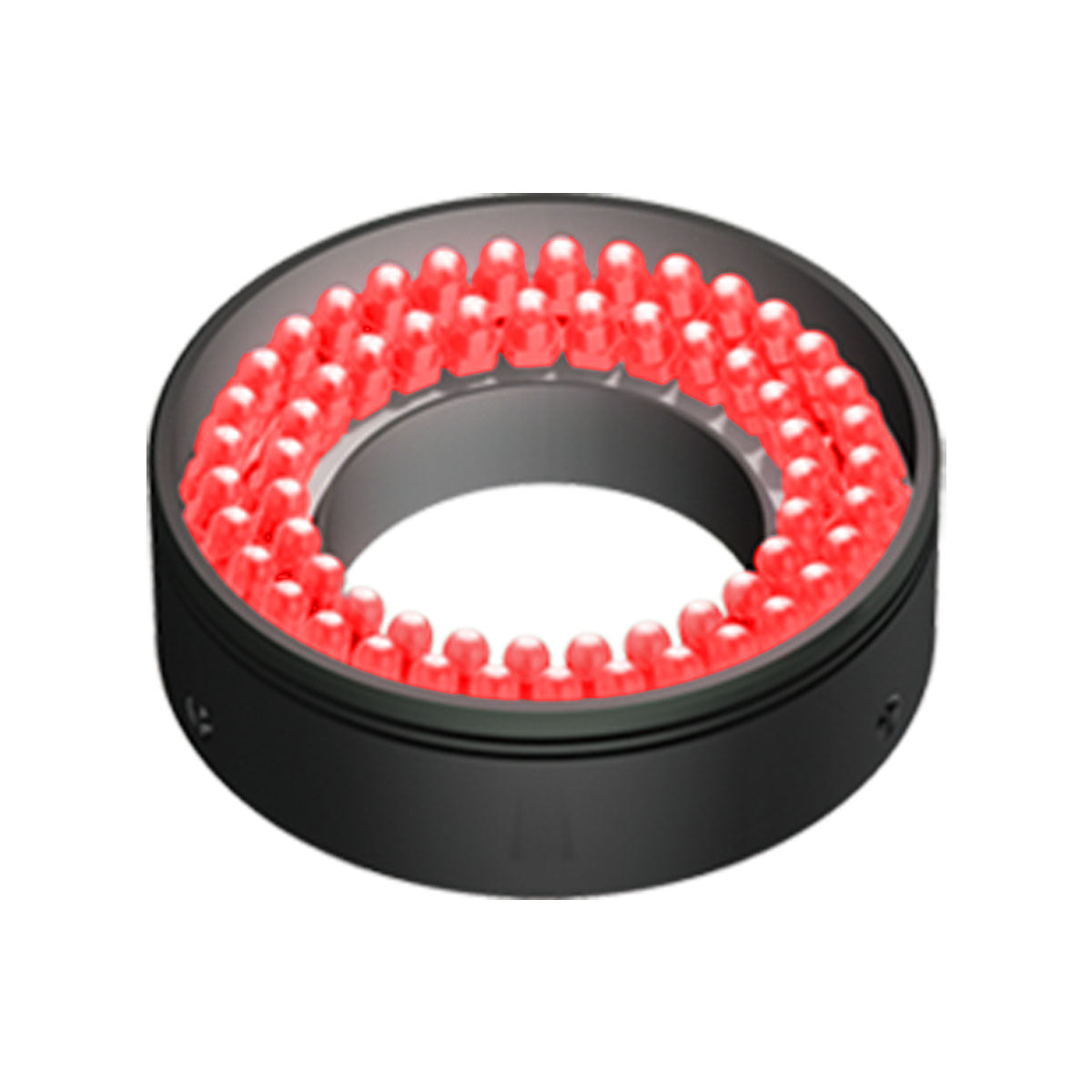
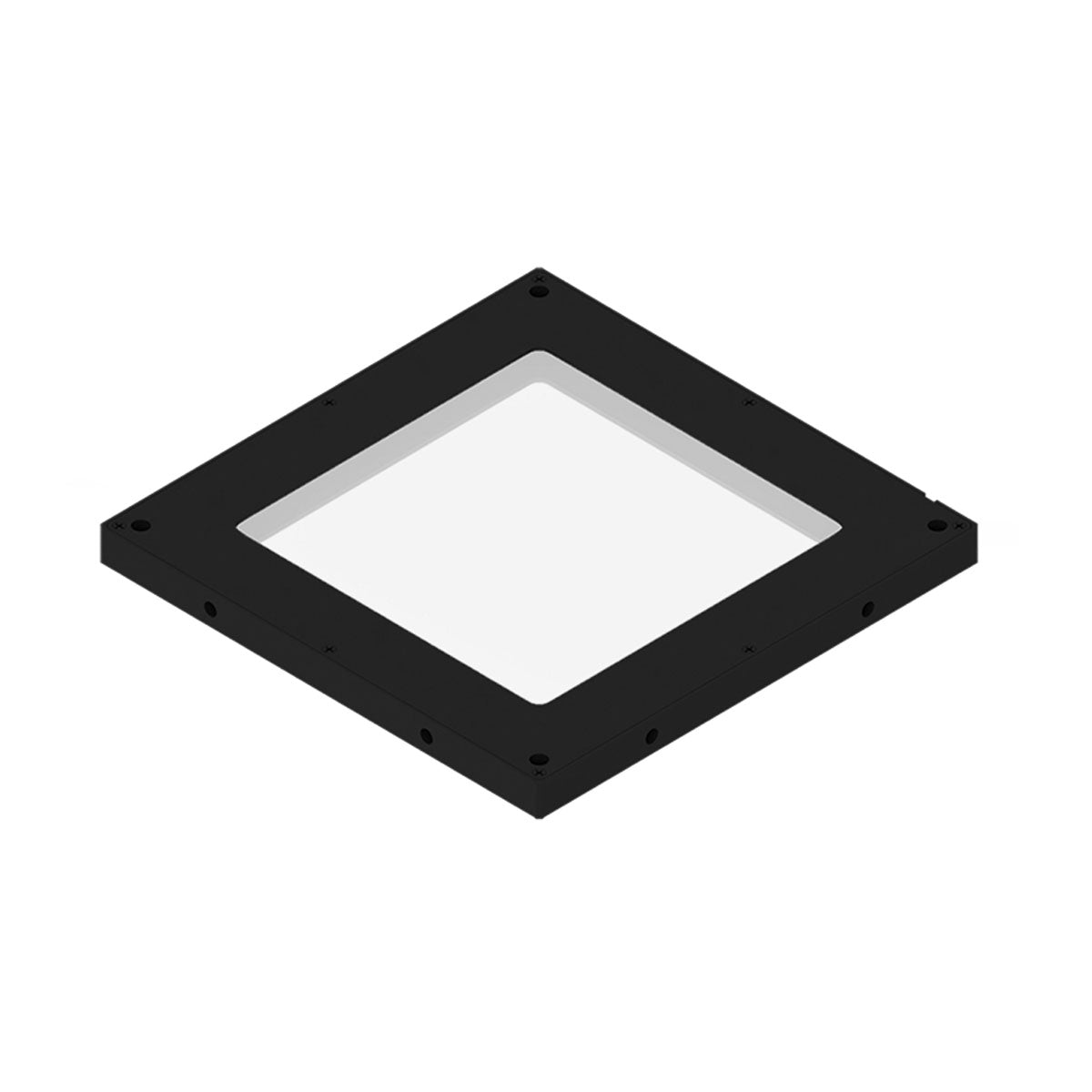
- High-performance LED lighting
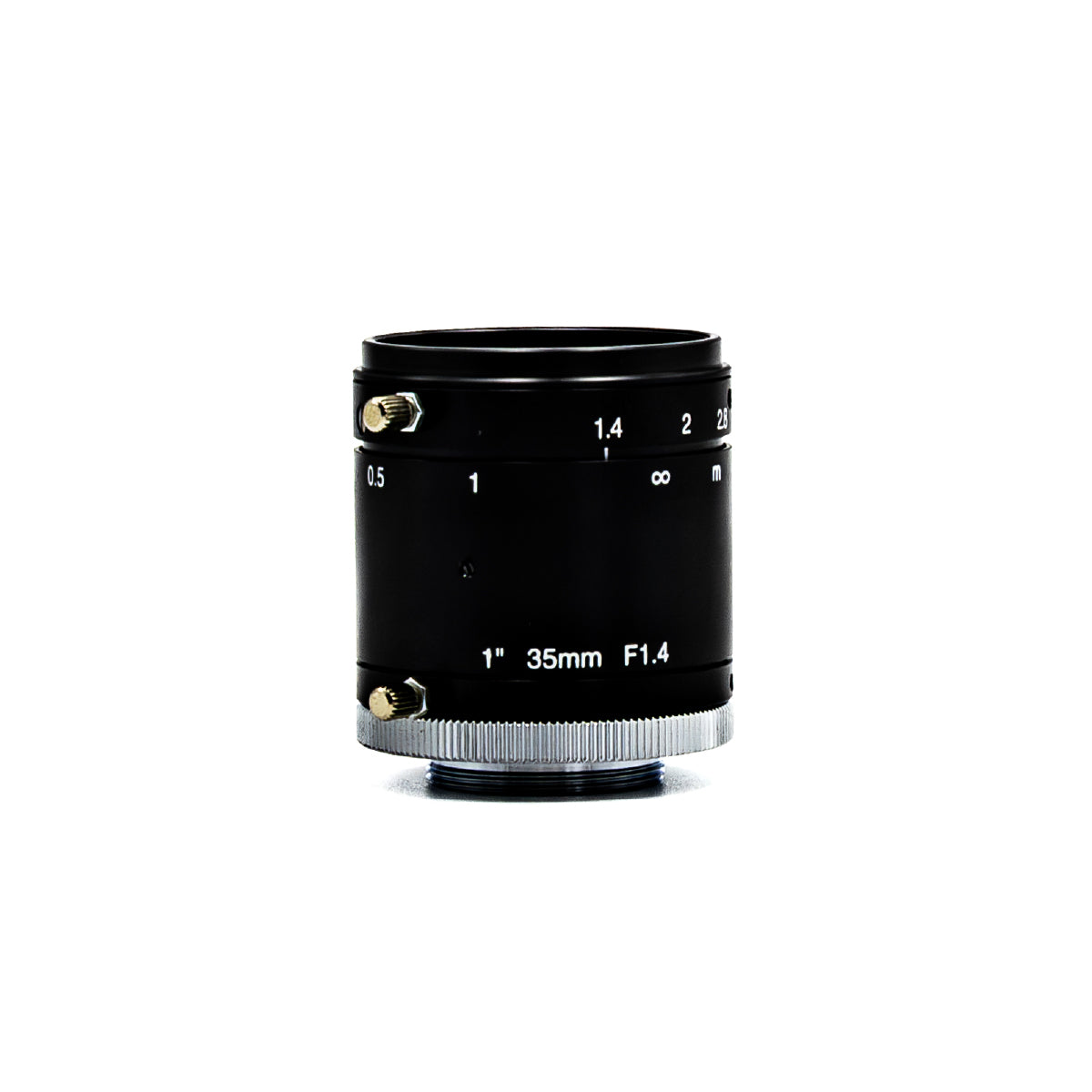
- Low-distortion machine vision lenses
- Protective optical windows for harsh environments
Optimizing the entire imaging system helps maximize barcode read rates and inspection accuracy.
Choosing the Right Camera
When selecting a camera for warehouse automation, consider:
- Sensor resolution
- Global or rolling shutter
- Frame rate
- Interface type
- Sensor size
- Color or monochrome imaging
- Required working distance
- Available lighting
- Integration requirements
- Environmental conditions
Matching these specifications to the application ensures reliable performance while maximizing return on investment.