
 Find-R-Scopes
 Filters
 Lenses
 Cameras
 Lighting


 Accessories







In the food and beverage industry, packaging quality is just as important as the product inside. From verifying labels and expiration dates to detecting damaged seals and identifying packaging defects, manufacturers rely on automated inspection systems to maintain quality, improve efficiency and reduce costly production errors.
One of the most important components of any successful food packaging inspection system is lighting. Even the most advanced industrial camera may struggle to detect defects if the lighting does not provide sufficient contrast or consistent illumination.
By selecting the right machine vision lighting strategy, manufacturers can improve defect detection, reduce false rejects and achieve more reliable packaging quality control across high-speed production lines.
Why Lighting Matters in Food and Beverage Packaging Inspection
Food and beverage packaging presents unique challenges for machine vision systems. Packaging materials vary widely in shape, texture, transparency, color and reflectivity. Glossy labels, transparent plastic containers, metallic foils and curved glass bottles all interact differently with light.
Without properly configured industrial LED lighting, reflections, shadows, and inconsistent illumination can interfere with image analysis and make defects difficult to identify.
Effective LED lighting for machine vision helps manufacturers:
- Detect damaged, missing, or improperly applied labels
- Verify printed expiration dates, lot numbers, and barcodes
- Identify seal defects and packaging irregularities
- Inspect transparent containers and liquid fill levels
- Detect dents, cracks, and surface imperfections
- Maintain consistent inspection performance at high production speeds
The key is selecting a lighting technique that emphasizes the specific features or defects the imaging system needs to detect.
1. Backlighting for Silhouette and Fill-Level Inspection
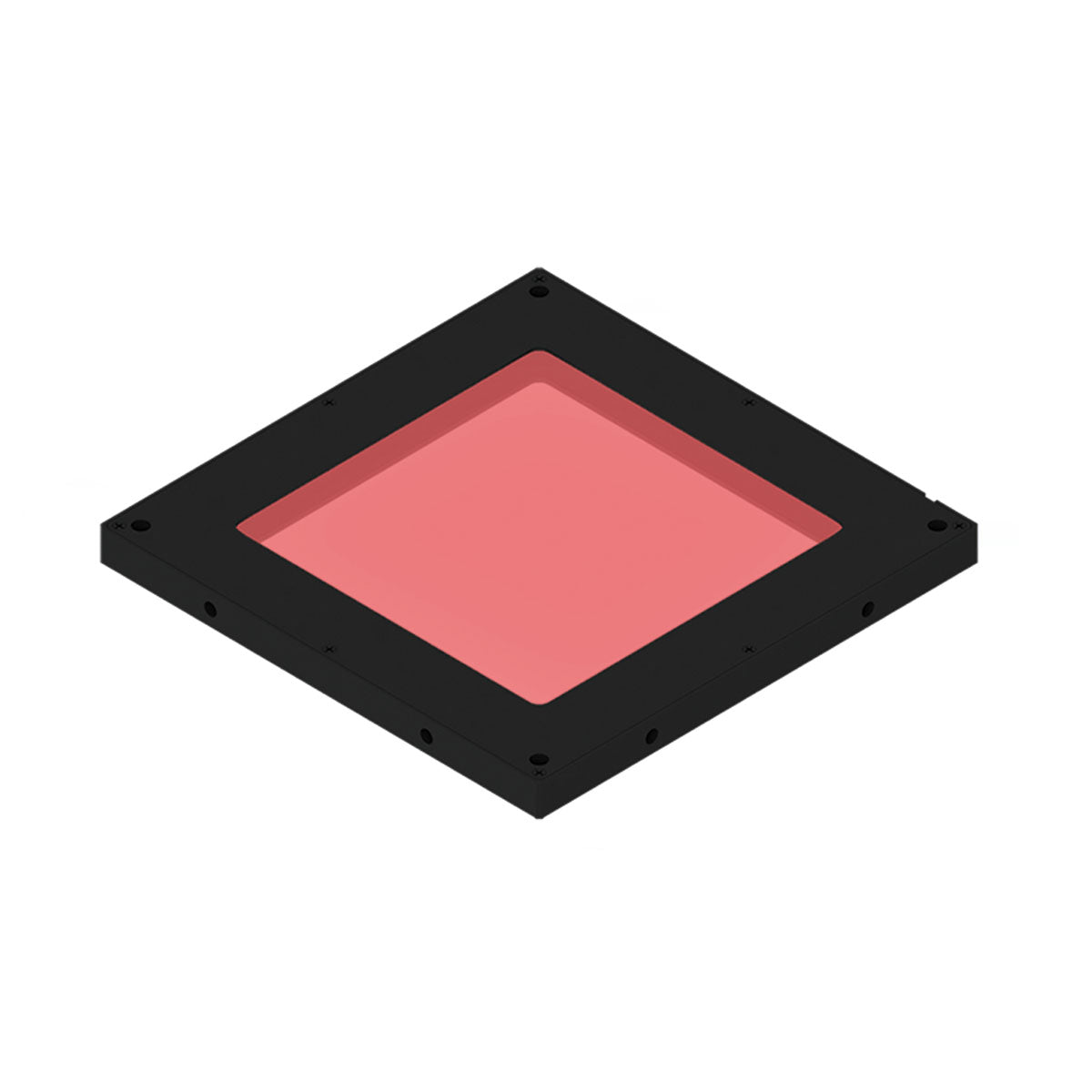
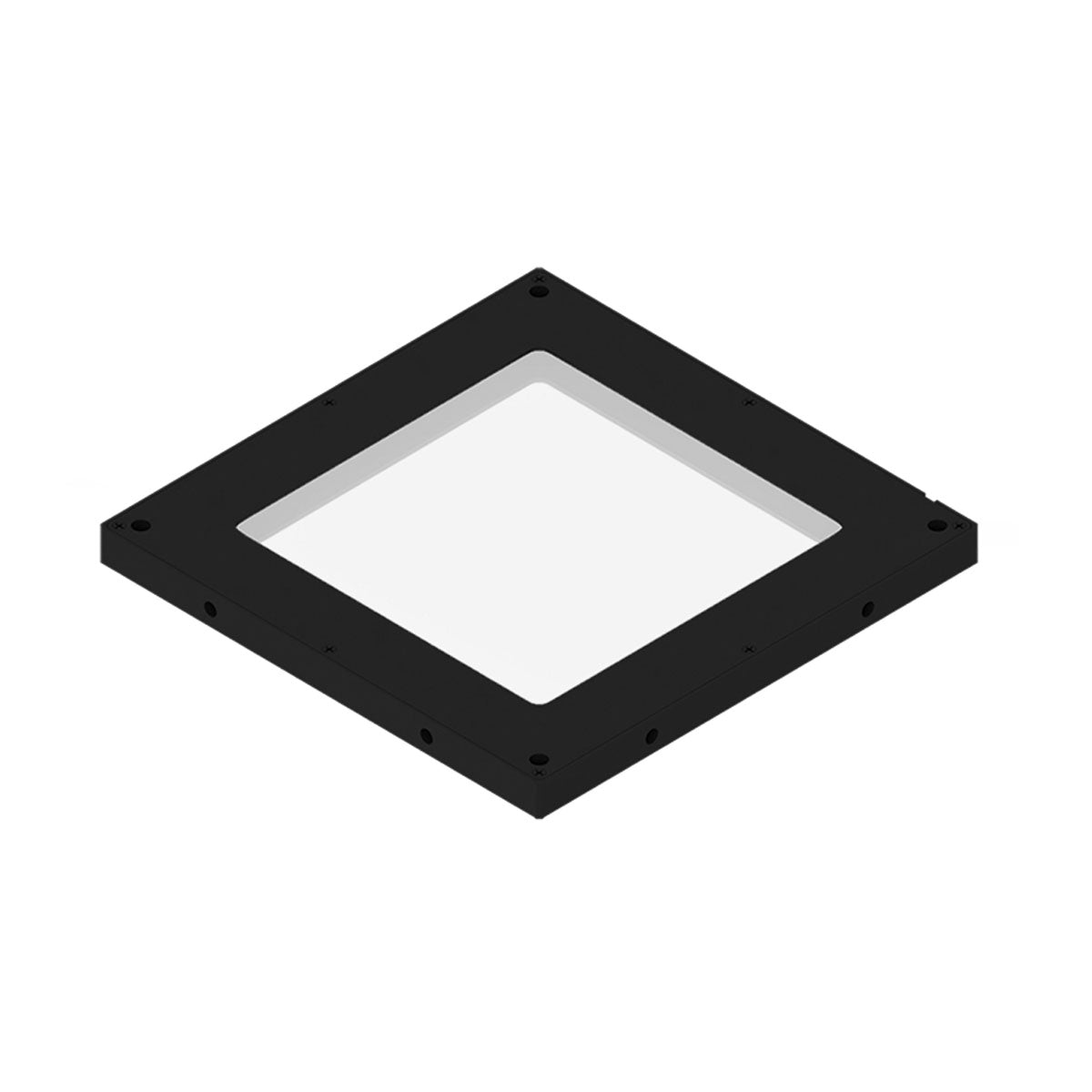
Backlighting is one of the most effective techniques for inspecting packaging outlines, container dimensions, and certain fill-level characteristics. By positioning a light source behind the product and placing the camera on the opposite side, backlighting creates a high-contrast silhouette that makes edges and dimensional variations easier to identify.
Common applications include:
- Detecting improperly shaped bottles and containers
- Measuring package dimensions
- Identifying missing caps or irregular closures
- Inspecting transparent packaging
- Monitoring liquid fill levels when the container and product provide sufficient contrast
For beverage packaging inspection, backlighting can be particularly useful when inspecting transparent bottles and containers. Depending on the material and contents, transmitted light can help reveal fill boundaries, container defects or dimensional inconsistencies.
2. Dome Lighting for Reflective Packaging and Labels
Glossy labels, metallic packaging, and curved containers can create bright reflections that obscure important details during inspection. Dome lighting addresses this challenge by surrounding the object with diffuse, multidirectional illumination. The result is more uniform lighting that reduces harsh reflections and shadows.
This approach is especially valuable for automated packaging inspection applications involving:
- Glossy beverage cans
- Reflective plastic packaging
- Curved glass bottles
- Metallic food containers
- Printed labels on irregular surfaces
By minimizing unwanted glare, dome lighting improves image consistency and helps machine vision cameras capture label information and surface details more reliably.
3. Dark Field Lighting for Surface Defect Detection
Not all packaging defects are easy to identify using conventional illumination. Small scratches, dents, wrinkles, and raised imperfections may blend into the surrounding material under direct lighting. Dark field lighting uses low-angle illumination to emphasize surface irregularities. Light scattered by defects is directed toward the camera, while much of the light reflected by a smooth surface remains outside the camera's viewing path. This technique can make subtle imperfections appear brighter against a darker background.
Typical applications include:
- Detecting scratches on plastic or glass containers
- Identifying dents in aluminum cans
- Inspecting surface damage on packaging films
- Highlighting wrinkles and raised defects
- Detecting certain closure and seal irregularities
For packaging defect detection, dark field lighting can provide the contrast needed to identify defects that might otherwise go unnoticed.
4. Coaxial Lighting for Printed Codes and Flat Surfaces
Accurate label verification and code reading are essential to food and beverage traceability. Manufacturers must frequently inspect expiration dates, batch numbers, barcodes, and printed information to ensure that products are correctly identified before distribution. Coaxial lighting directs illumination along the camera's optical axis, providing relatively uniform illumination on suitable flat, reflective surfaces.
This technique is particularly useful for:
- Inspecting printed codes on flat packaging
- Verifying text and graphics on reflective surfaces
- Detecting missing or inconsistent printed information
- Inspecting flat labels and package components
For barcode inspection and optical character recognition (OCR), coaxial lighting can improve image quality when surface geometry and reflectivity are appropriate. Other lighting geometries may be preferable for curved, textured, or highly diffuse materials.
5. High-Intensity Strobe Lighting for High-Speed Packaging Lines
Food and beverage production lines often operate at high speeds, leaving very little time for cameras to capture each package. When products move rapidly through the inspection area, motion blur can make small defects or printed details difficult to detect. High-intensity strobe lighting helps address this challenge by delivering short, powerful bursts of illumination synchronized with camera exposure.
Advantages of strobe lighting include:
- Reduced motion blur on moving products
- Improved image sharpness during high-speed inspection
- Consistent illumination when properly synchronized
- Better visibility of small defects and printed details
- Support for shorter camera exposure times
For high-speed packaging inspection, synchronized LED strobes can help maintain image clarity without requiring manufacturers to slow their production lines.
6. Selecting the Right Lighting Color and Wavelength
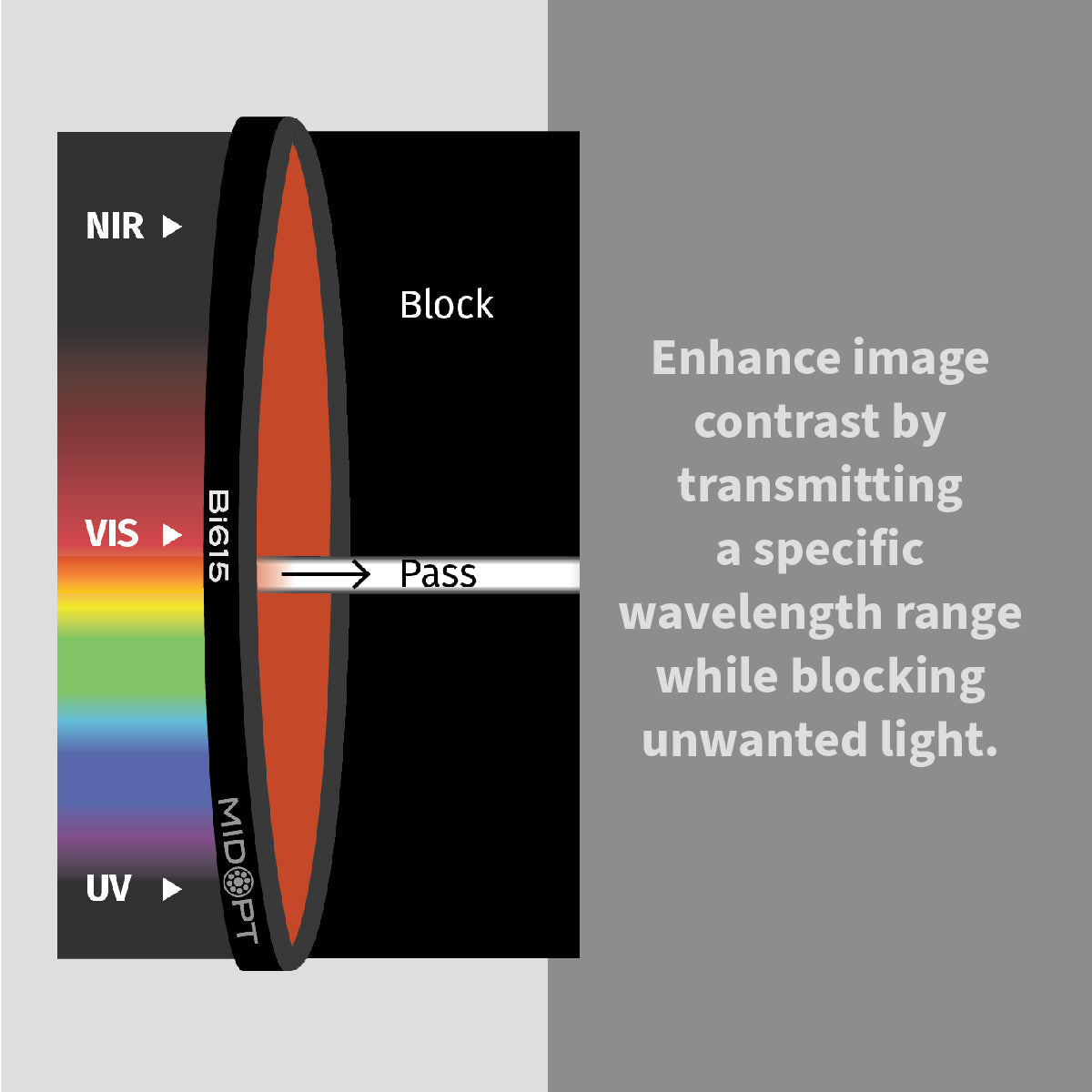
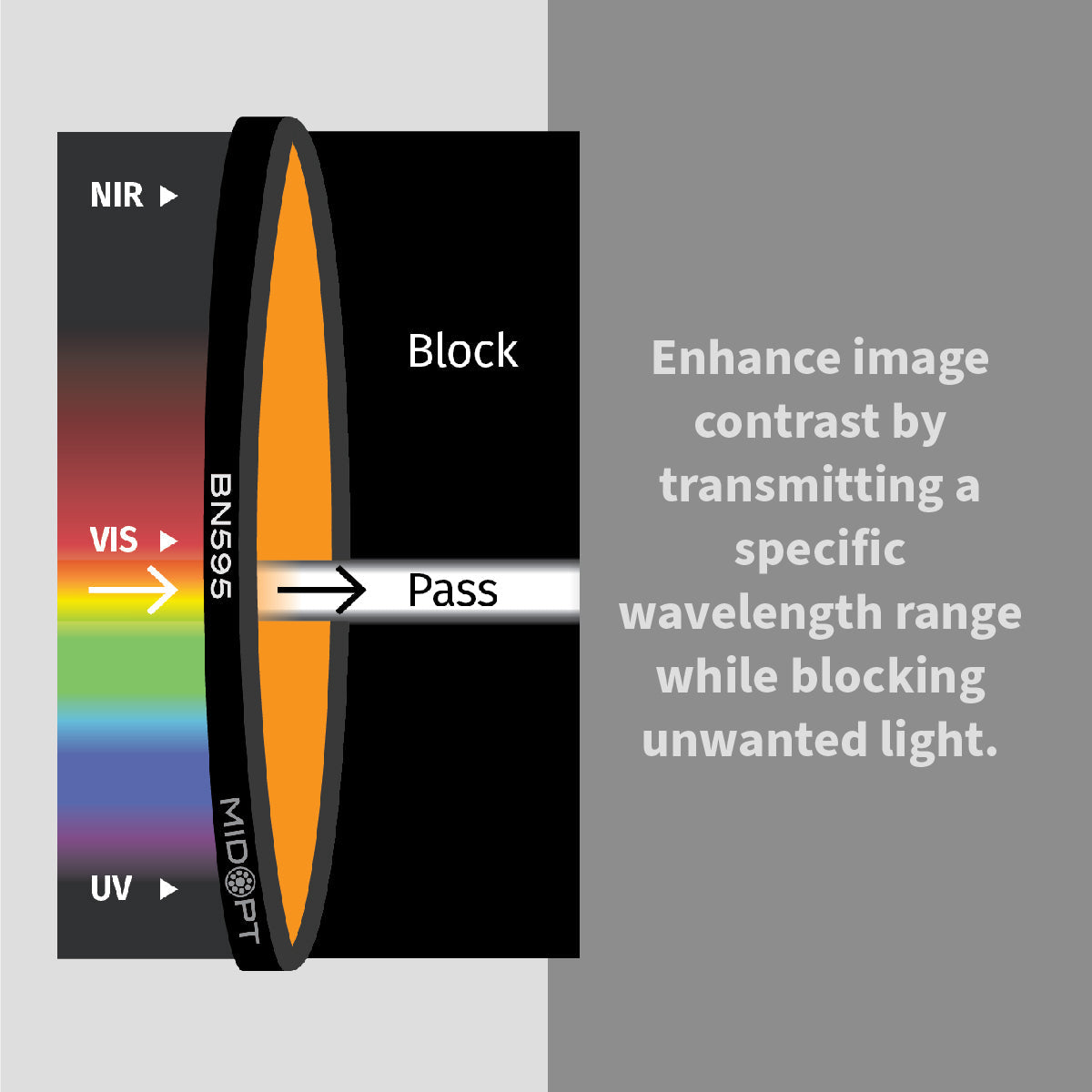
The wavelength of illumination can significantly affect the visibility of packaging features and defects. Different materials, inks, coatings, and contaminants absorb or reflect light differently. Selecting an appropriate wavelength can improve contrast and help machine vision systems distinguish features that appear similar under ordinary white light.
White LED lighting: Provides broad-spectrum illumination for general packaging inspection, color verification, and label analysis.
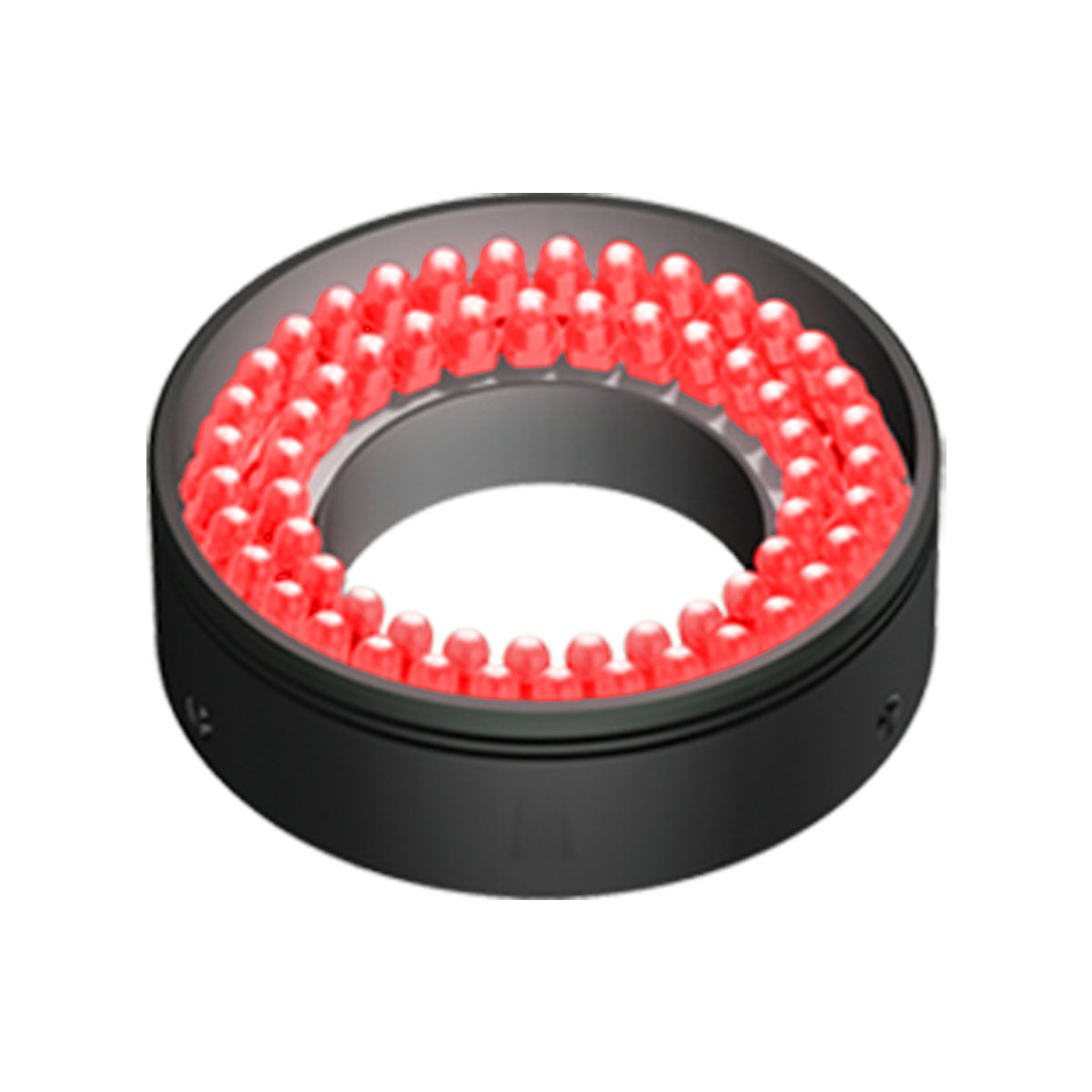
Red LED lighting: Can provide strong contrast for certain monochrome inspection applications and is often useful for dimensional and edge detection.
Blue LED lighting: May help emphasize fine surface features and provide useful contrast on selected materials.
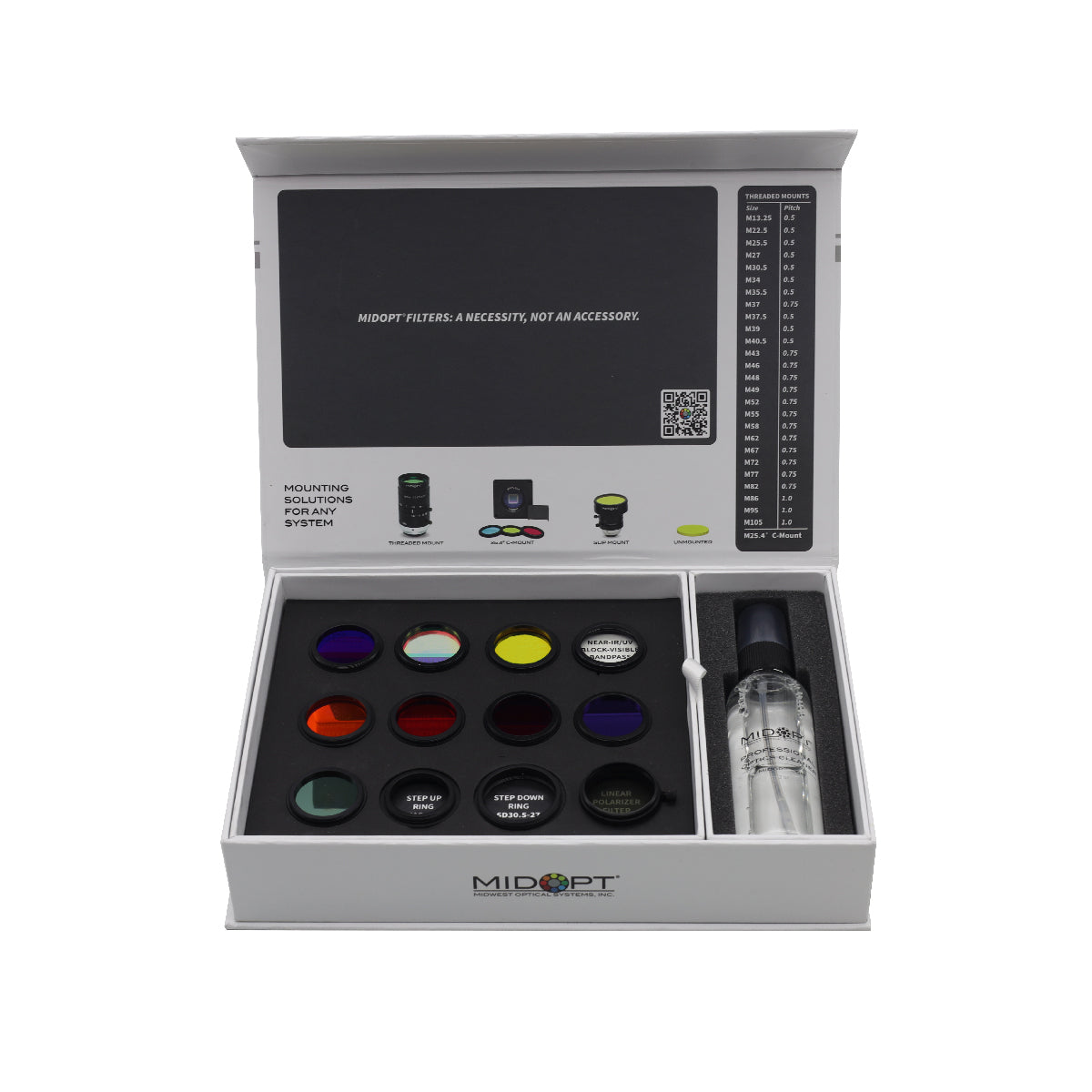
Near-infrared lighting: Can improve visibility through some printed films, inks, or packaging materials, depending on their spectral properties.
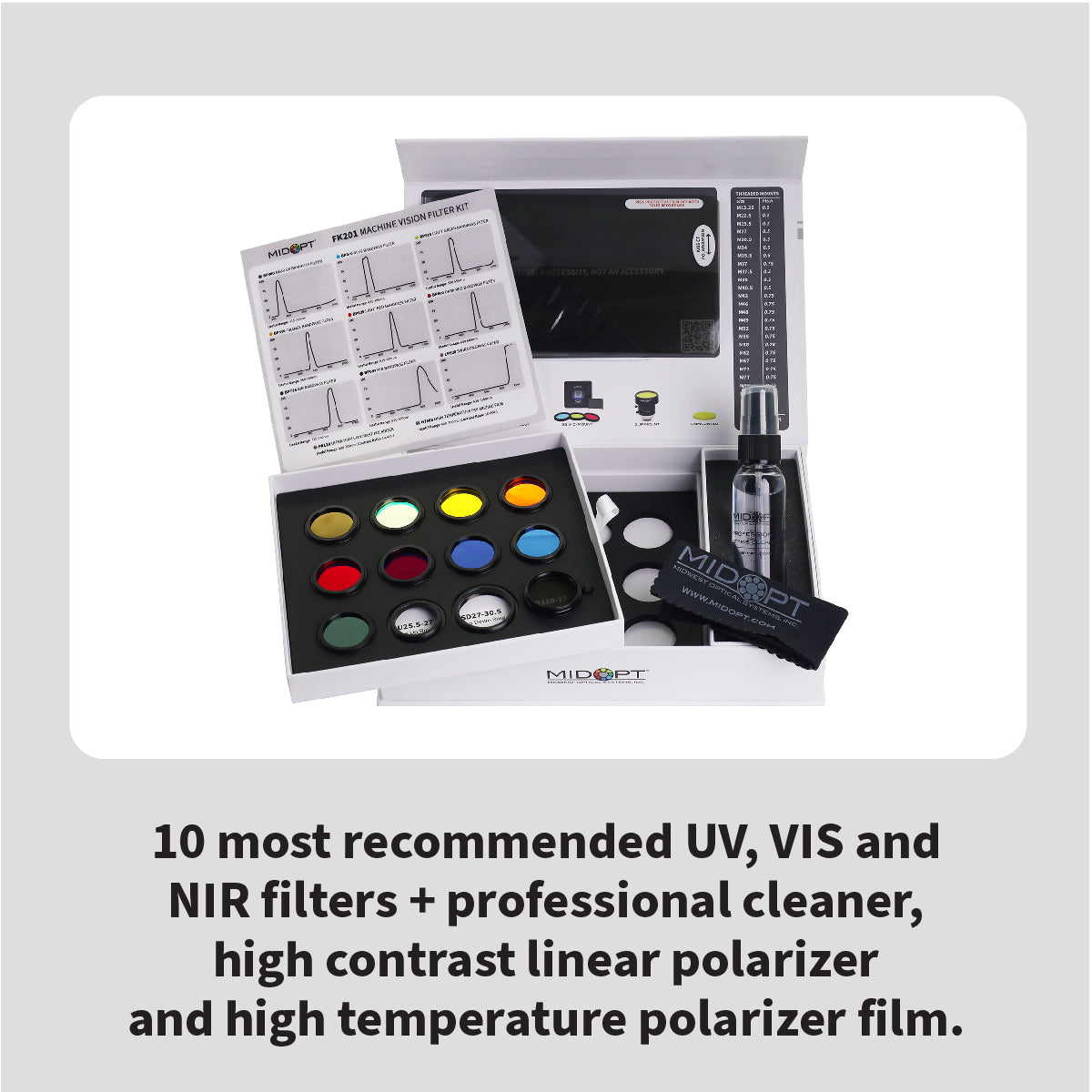
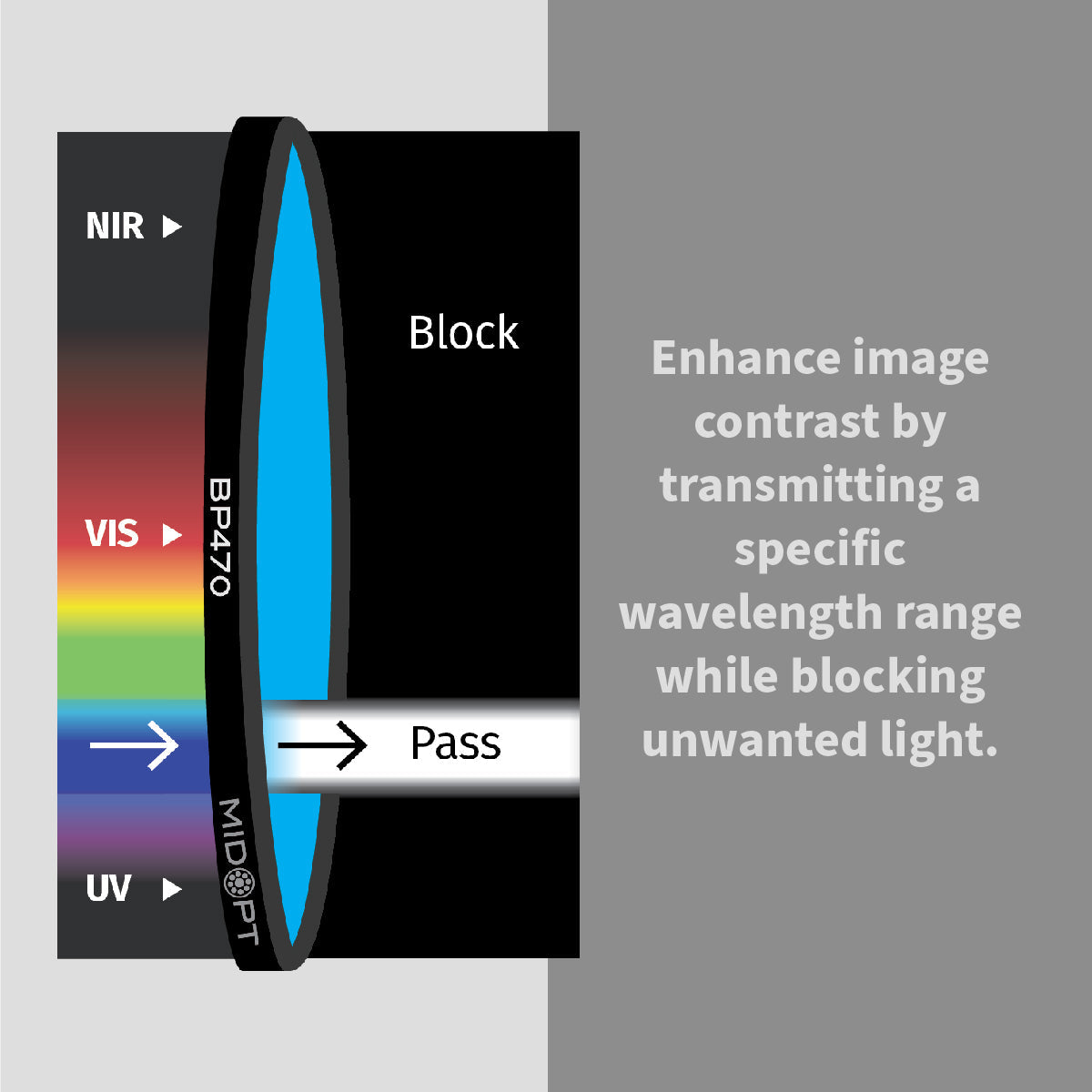
For more complex food and beverage machine vision applications, wavelength selection should be evaluated alongside camera sensitivity, optical filters, and the spectral properties of the packaging material.
7. Combining Lighting Techniques for Comprehensive Packaging Quality Control
A single lighting technique may not be sufficient to inspect every feature of a food or beverage package. For example, a beverage bottling line may require multiple inspection stations, each optimized for a different task.
A typical system might use:
- Backlighting to verify bottle shape and fill level
- Dome lighting to inspect glossy labels and curved surfaces
- Dark field lighting to detect scratches or surface damage
- Coaxial lighting to verify printed information on suitable flat surfaces
- Strobe lighting to capture sharp images at high conveyor speeds
By combining different machine vision lighting techniques, manufacturers can create a more comprehensive inspection system capable of identifying multiple defect types while maintaining production efficiency.
Choosing the Right Industrial LED Lighting for Your Application
When selecting lighting for food packaging inspection, manufacturers should consider several factors:
Packaging material: Transparent, reflective, textured, and opaque materials require different lighting approaches.
Inspection objective: The optimal lighting setup depends on whether the system is inspecting labels, seals, printed codes, dimensions, or surface defects.
Production speed: High-speed applications may require synchronized strobe lighting to minimize motion blur.
Working distance and available space: The physical layout of the production line affects lighting geometry and mounting options.
Camera and lens compatibility: Lighting should be selected alongside the camera, lens, and optical filters to maximize image contrast and inspection reliability.
Environmental conditions: Washdown requirements, moisture, temperature, and cleaning procedures may influence fixture selection and installation.
Evaluating these factors during system design helps ensure consistent imaging performance and reduces the need for adjustments after installation.
Improve Food and Beverage Packaging Inspection with FJW Optical Systems
Reliable automated packaging inspection starts with the right combination of lighting, cameras, lenses and optical filters.
At FJW Optical Systems, we offer a wide selection of industrial imaging solutions designed to support machine vision applications across food processing, beverage manufacturing, packaging automation, and quality control.