
 Find-R-Scopes
 Filters
 Lenses
 Cameras
 Lighting
 Accessories
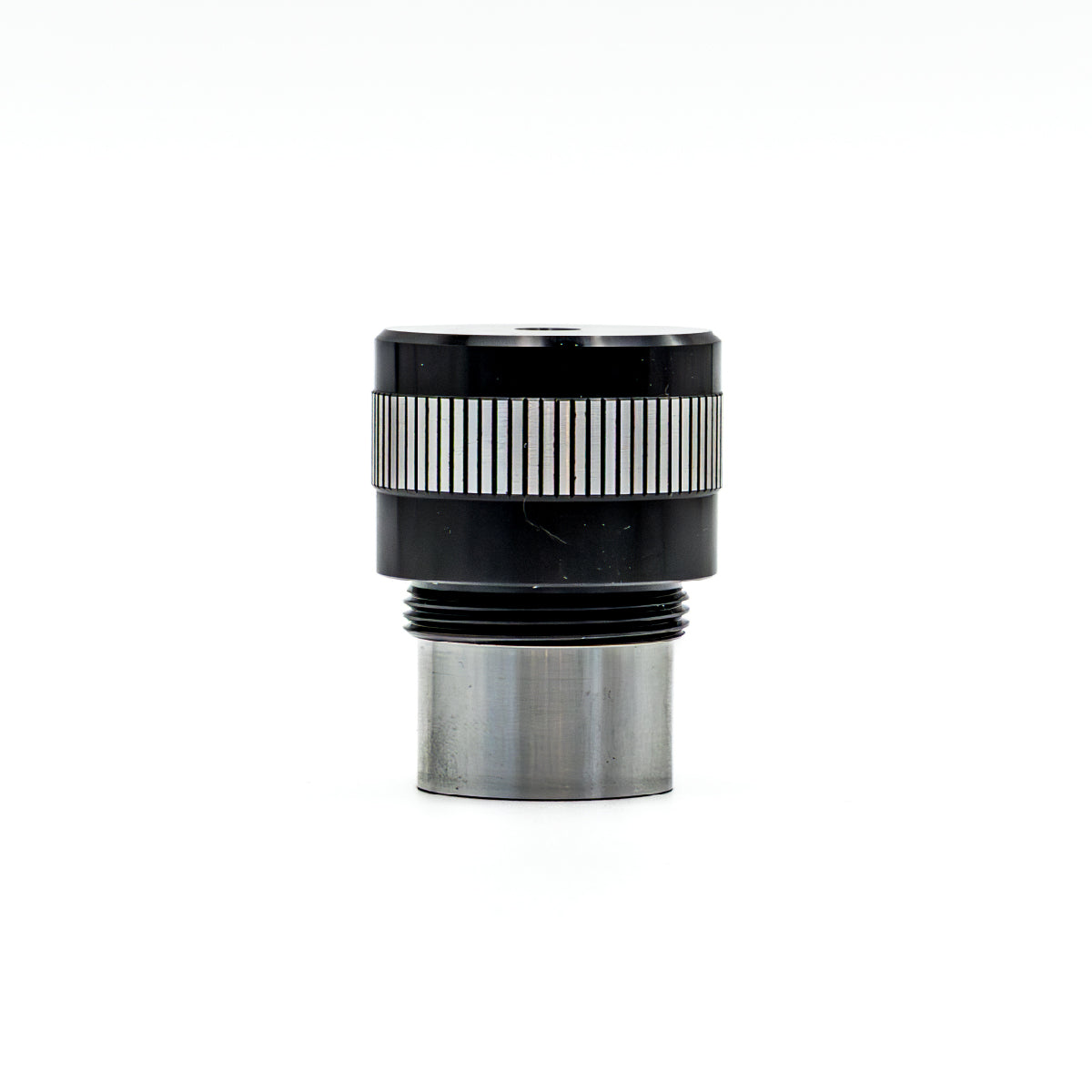







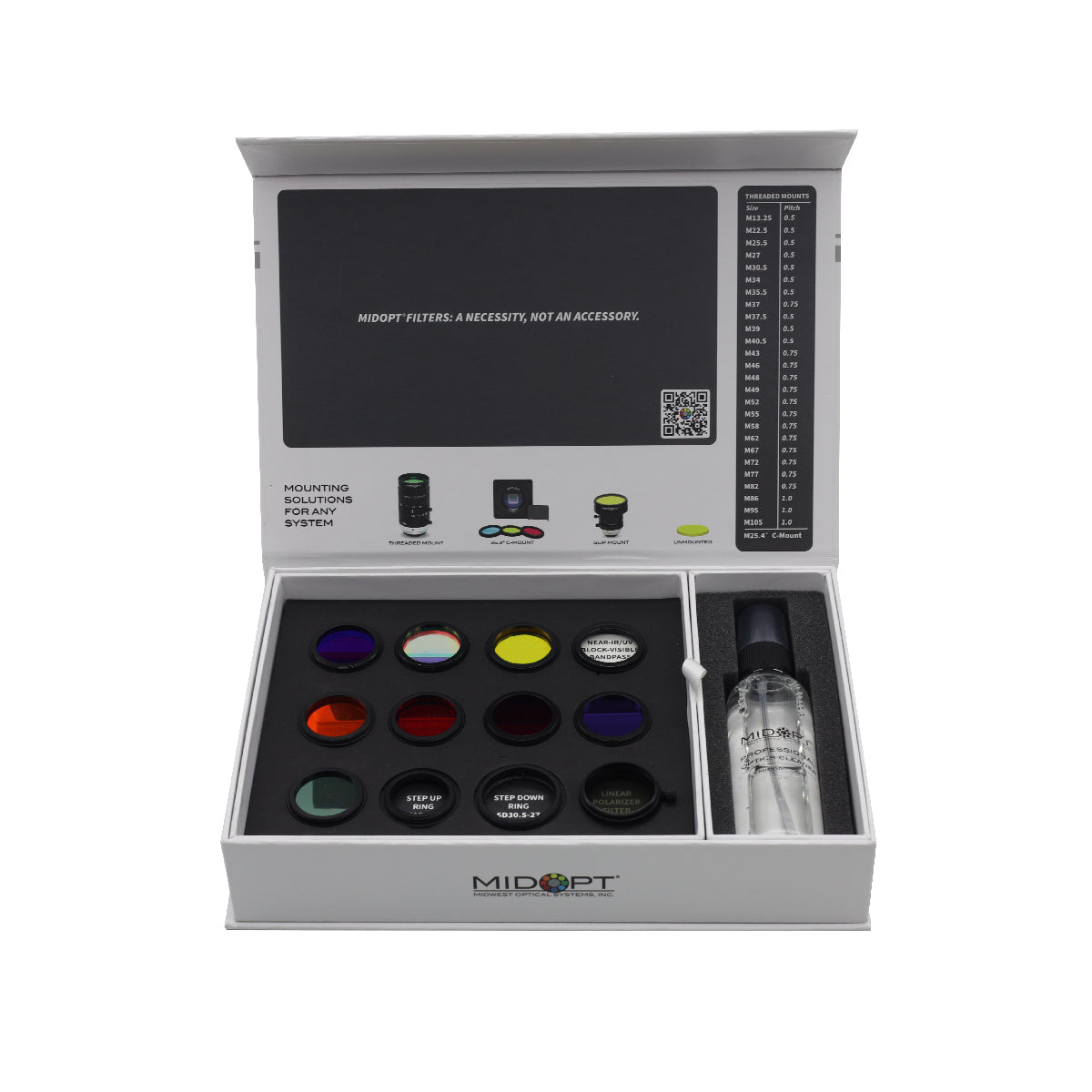
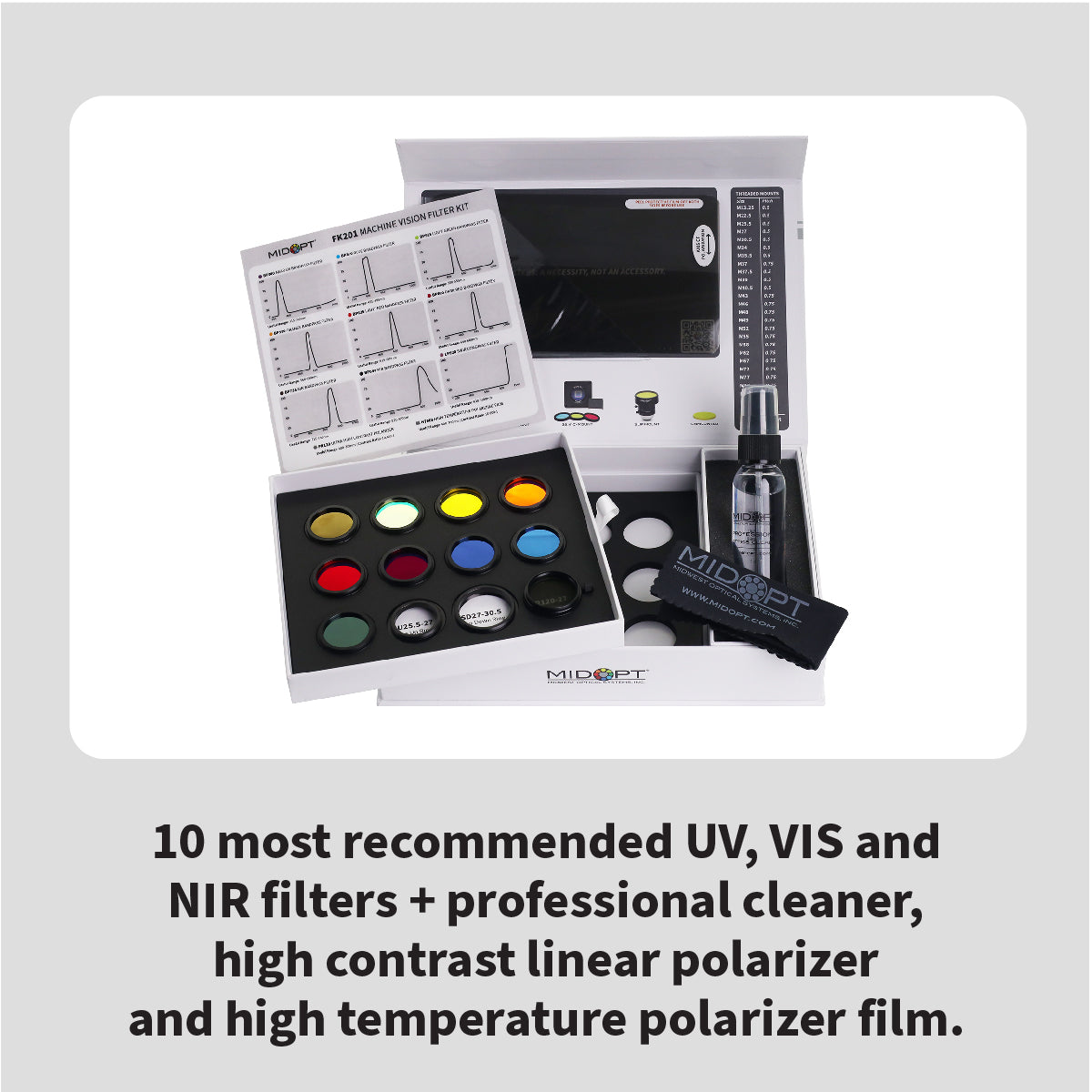
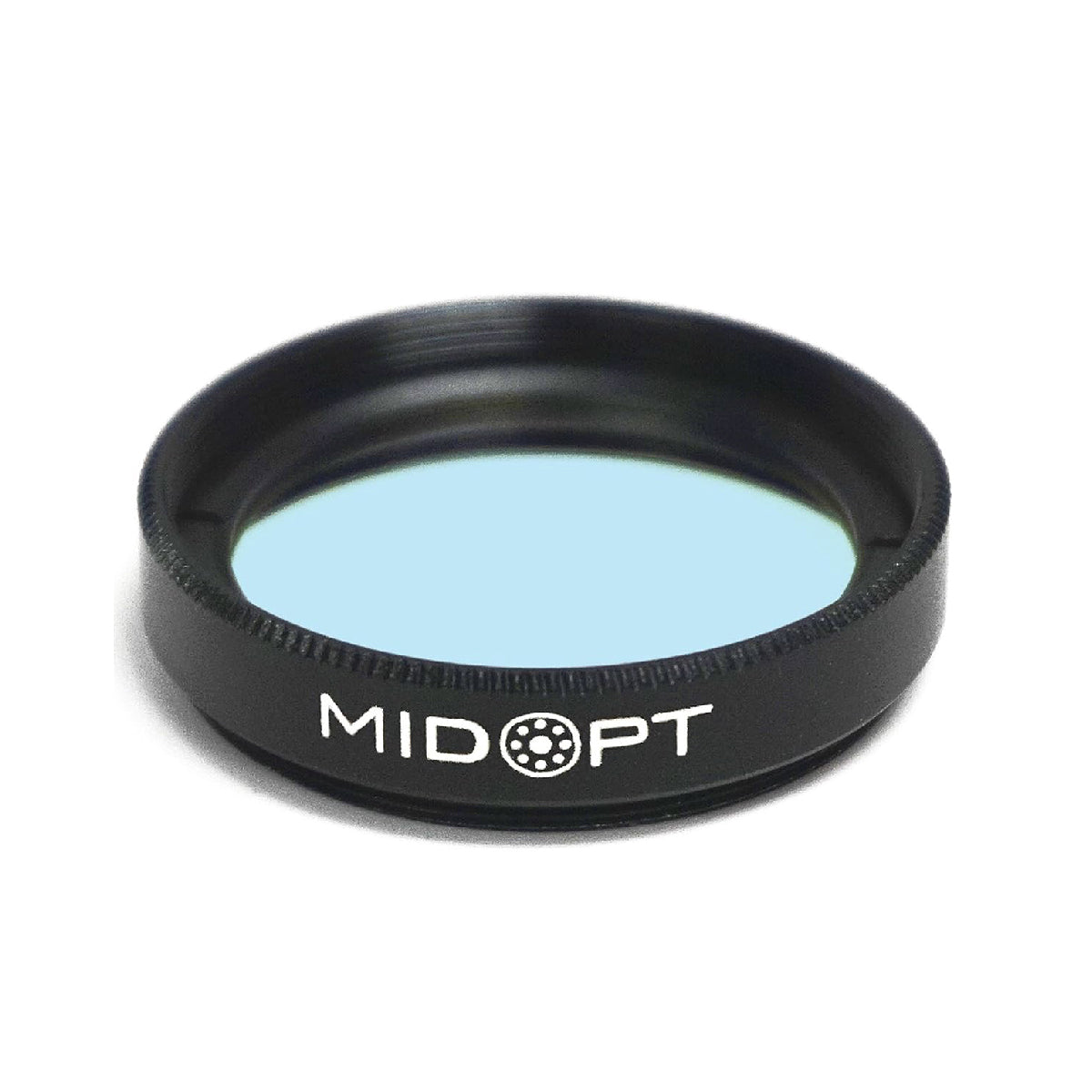
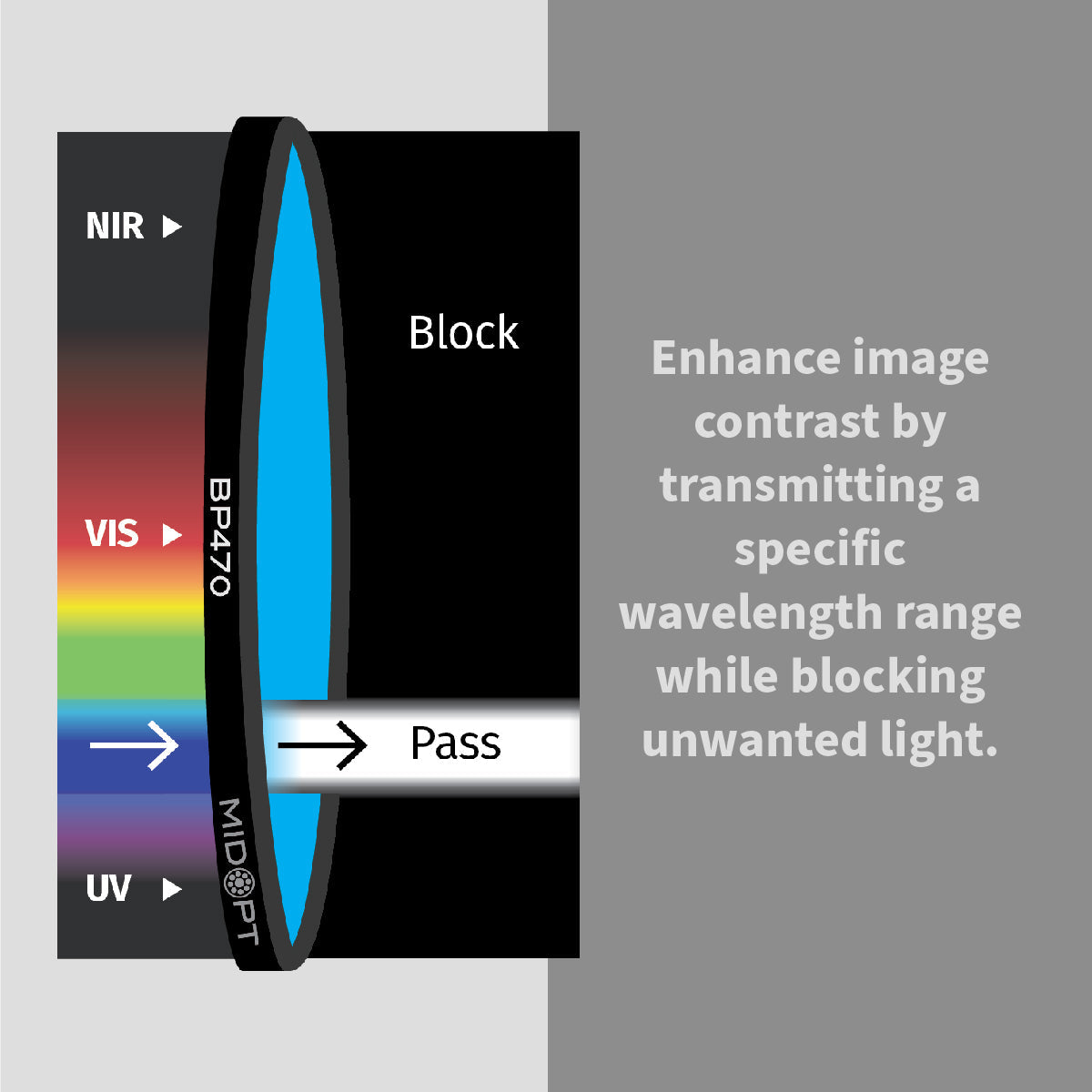
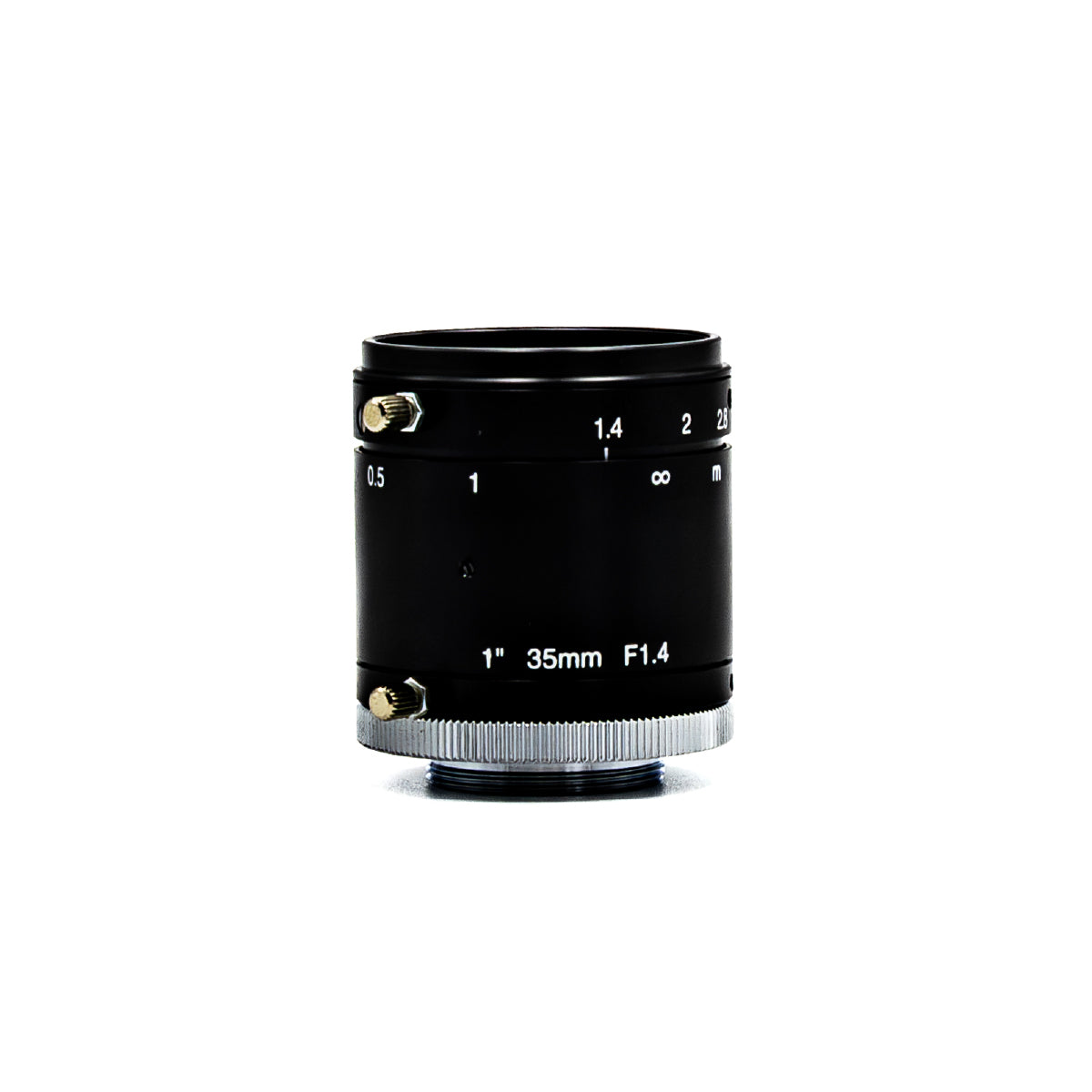
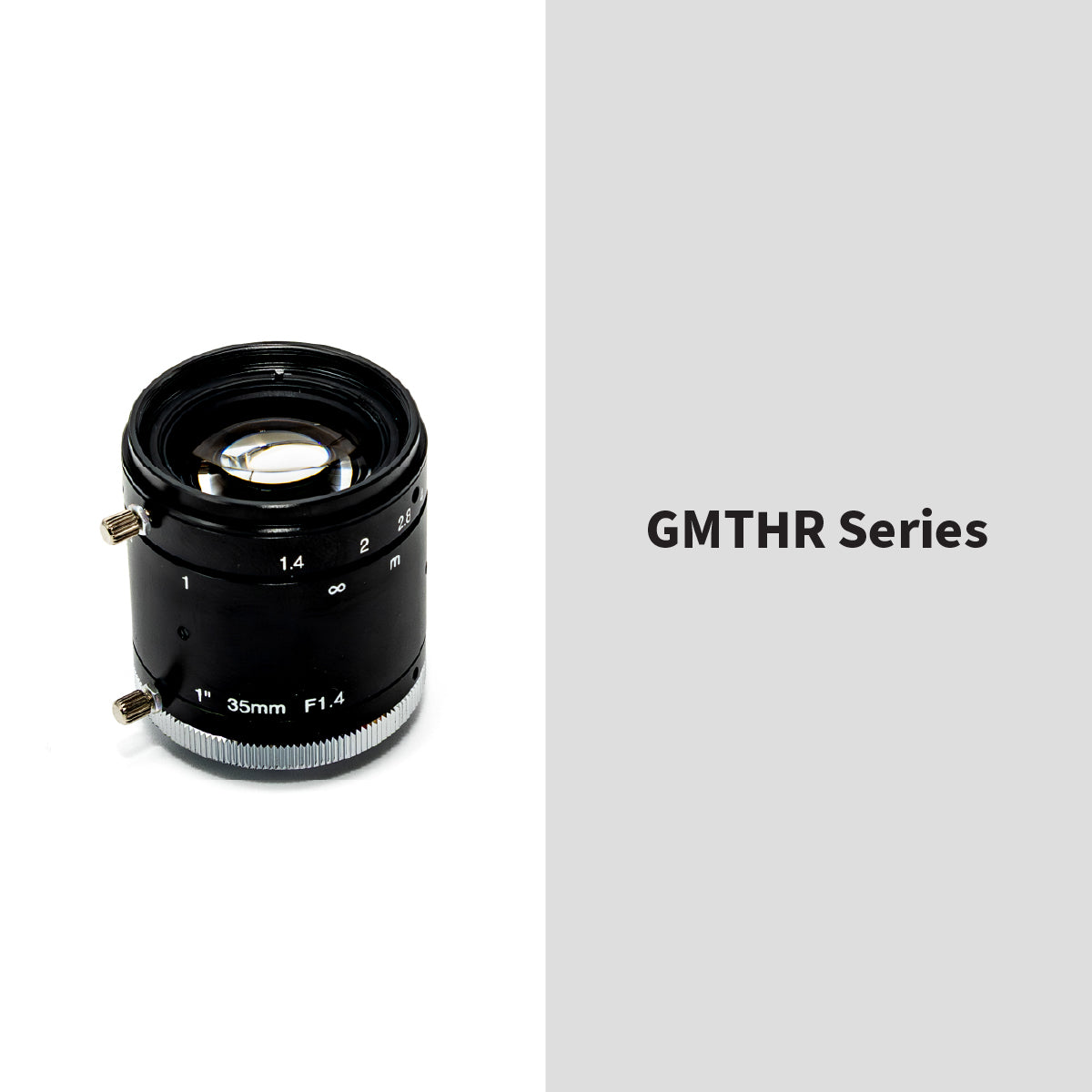
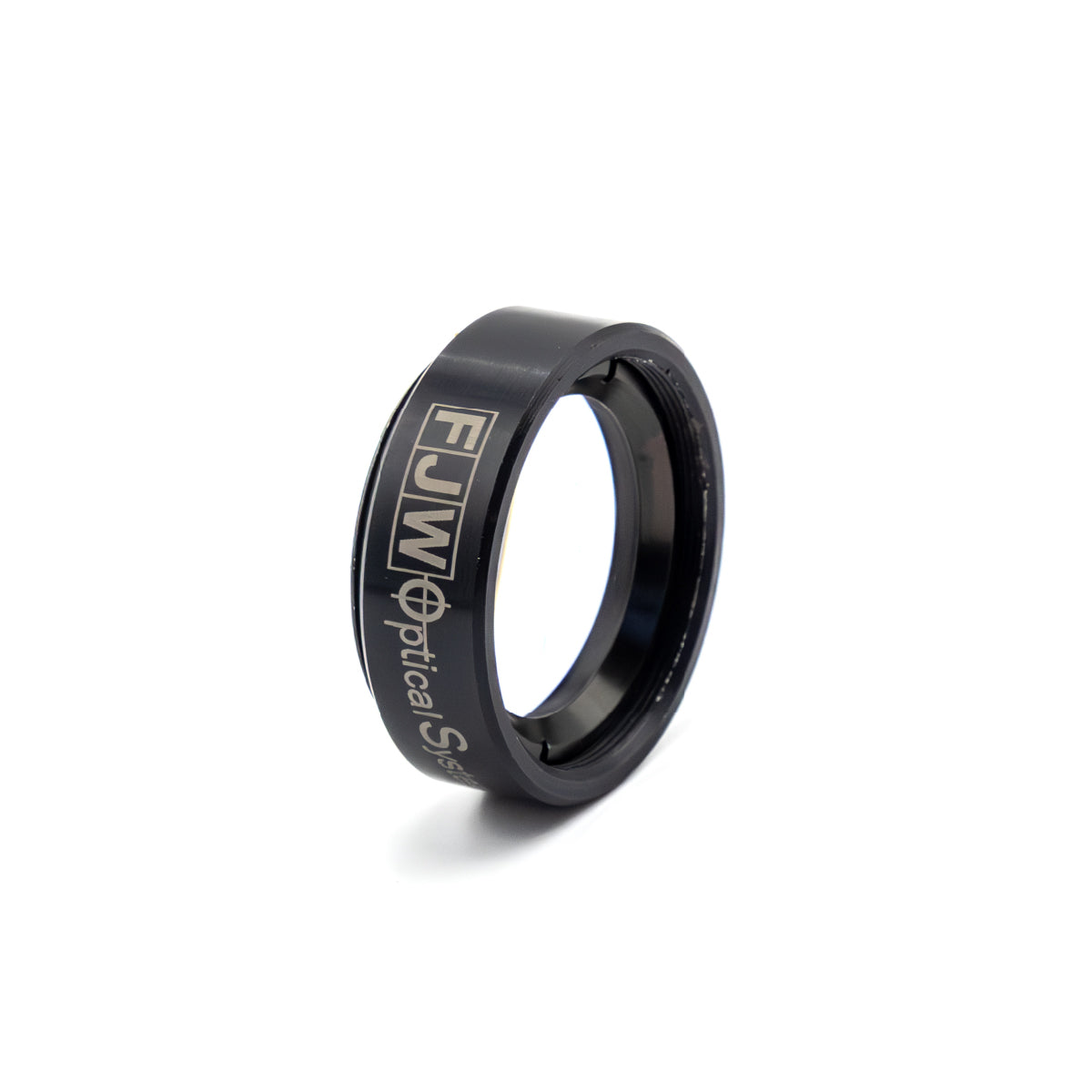
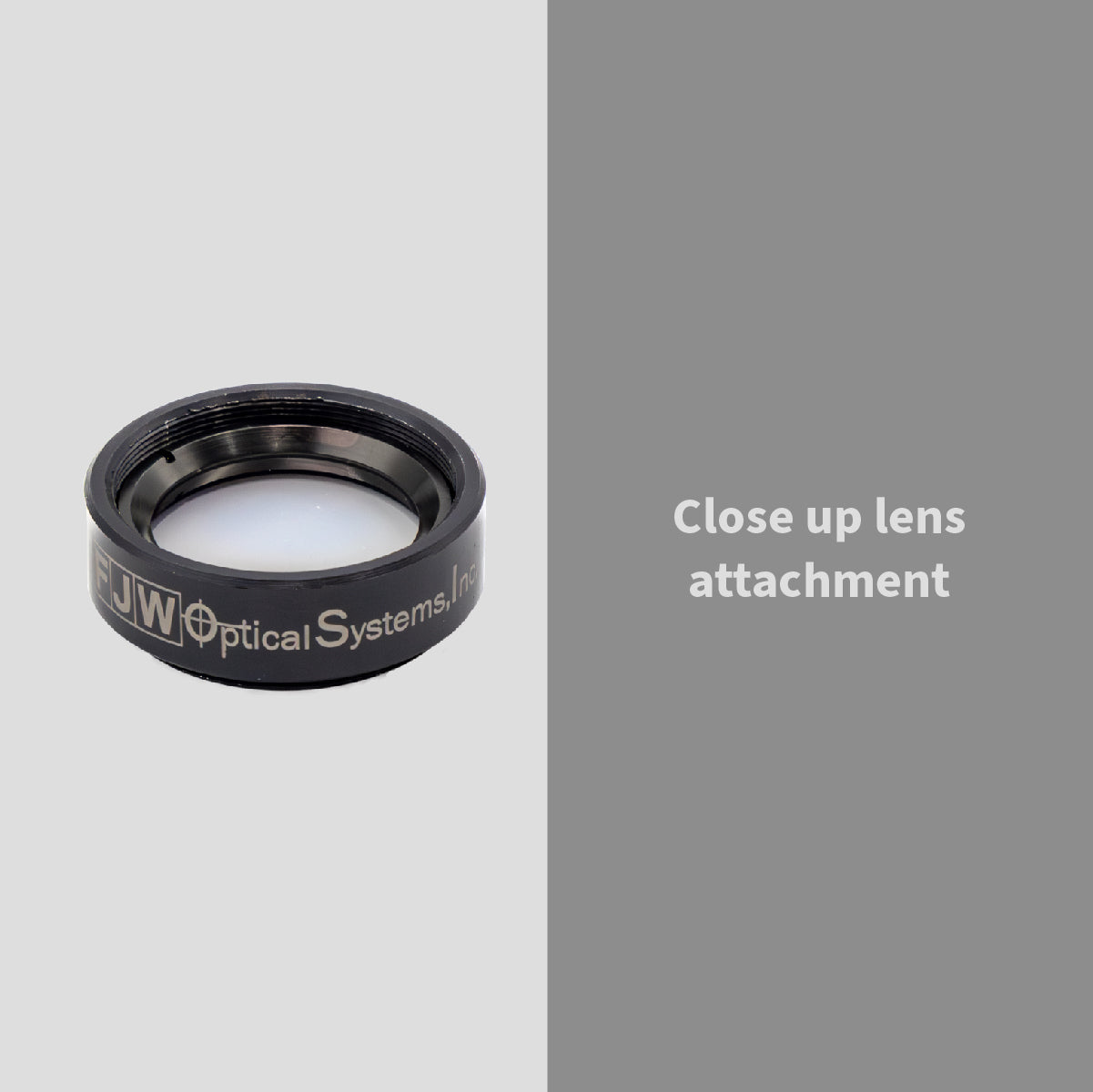


Even the highest-resolution camera cannot compensate for poor illumination or an improperly selected lens. In fact, lighting and lenses work as a team – one controls how the object is illuminated, while the other determines how that light is captured and delivered to the sensor.
Understanding the relationship between machine vision lighting and machine vision lenses is critical for achieving high-contrast, repeatable images that drive reliable inspection results.
Why Lighting and Lenses Must Be Considered Together
A common mistake in machine vision system design is selecting lighting and optics independently. While each component has its own specifications, their performance is closely connected.
The lighting determines:
- How features are illuminated
- Object contrast
- Reflection behavior
- Shadow placement
- Surface visibility
The lens determines:
- Field of view
- Image sharpness
- Depth of field
- Light collection efficiency
- Distortion characteristics
When properly matched, the lighting and lens work together to maximize image quality and simplify image processing.
The Importance of Light Collection
Every lens has a finite ability to gather light. The amount of light reaching the camera sensor depends on factors such as:
- Aperture (f-stop)
- Working distance
- Focal length
- Lens transmission efficiency
In low-light applications, a lens with a larger aperture can capture more illumination, allowing for shorter exposure times and reducing motion blur. This is especially important in:
- High-speed manufacturing
- Robotics
- Semiconductor inspection
- Packaging systems
- Logistics automation
If lighting levels are insufficient, even a high-performance lens may struggle to produce usable images.
Matching Lens Field of View to Lighting Coverage
The illuminated area should match the lens's field of view whenever possible. For example, if a lens captures a 200mm inspection area but the lighting only provides uniform illumination across 150mm, image quality can suffer near the edges of the image. Properly sized lighting helps ensure:
- Consistent brightness
- Uniform contrast
- Accurate measurements
- Reliable defect detection
This is particularly important when using high-resolution machine vision cameras where illumination inconsistencies become more noticeable.
Controlling Reflections and Glare
Many machine vision applications involve reflective surfaces such as:
- Metal parts
- Glass
- Electronics
- Semiconductor wafers
- Plastic packaging
Lighting geometry significantly impacts how reflections appear within the lens. For example:
Direct Illumination
Direct lighting can create bright reflections that obscure important details.
Diffuse Lighting
Dome lights and diffuse illuminators spread light evenly across the object, reducing hotspots and improving image consistency.
Dark Field Illumination
Low-angle lighting emphasizes surface defects such as scratches, dents, and cracks that may not be visible under standard lighting conditions. Selecting the correct lens helps capture these enhanced features while minimizing unwanted reflections.
Lens Resolution Must Match Lighting Performance
Many modern machine vision systems utilize cameras with resolutions exceeding 20 megapixels. While these sensors can reveal incredible detail, the lens and lighting must support the same level of performance. High-resolution machine vision lenses provide:
- Greater edge sharpness
- Improved contrast
- Reduced distortion
- Better detail reproduction
However, without sufficient illumination, the camera cannot fully utilize the lens's resolving power.
This is why high-performance lenses from manufacturers such as GOYO, Fujinon and Theia are often paired with advanced LED lighting systems to maximize image quality.
Improving Depth of Field
Depth of field refers to the range of distances that remain in focus. Many inspection applications require large depth of field to accommodate varying part heights or uneven surfaces. One way to increase depth of field is by stopping down the lens aperture. However, reducing the aperture also decreases the amount of light entering the camera. Additional illumination is often required to compensate for this light loss. This demonstrates one of the most important relationships between lenses and lighting:
Better lighting often allows greater flexibility in lens settings.
Specialized Lighting and Lens Combinations
Certain applications benefit from highly optimized optical configurations.
Backlighting + Telecentric Lenses
For precision measurement applications, telecentric lenses combined with backlighting provide highly accurate edge detection and dimensional measurements.
Infrared Lighting + SWIR Lenses
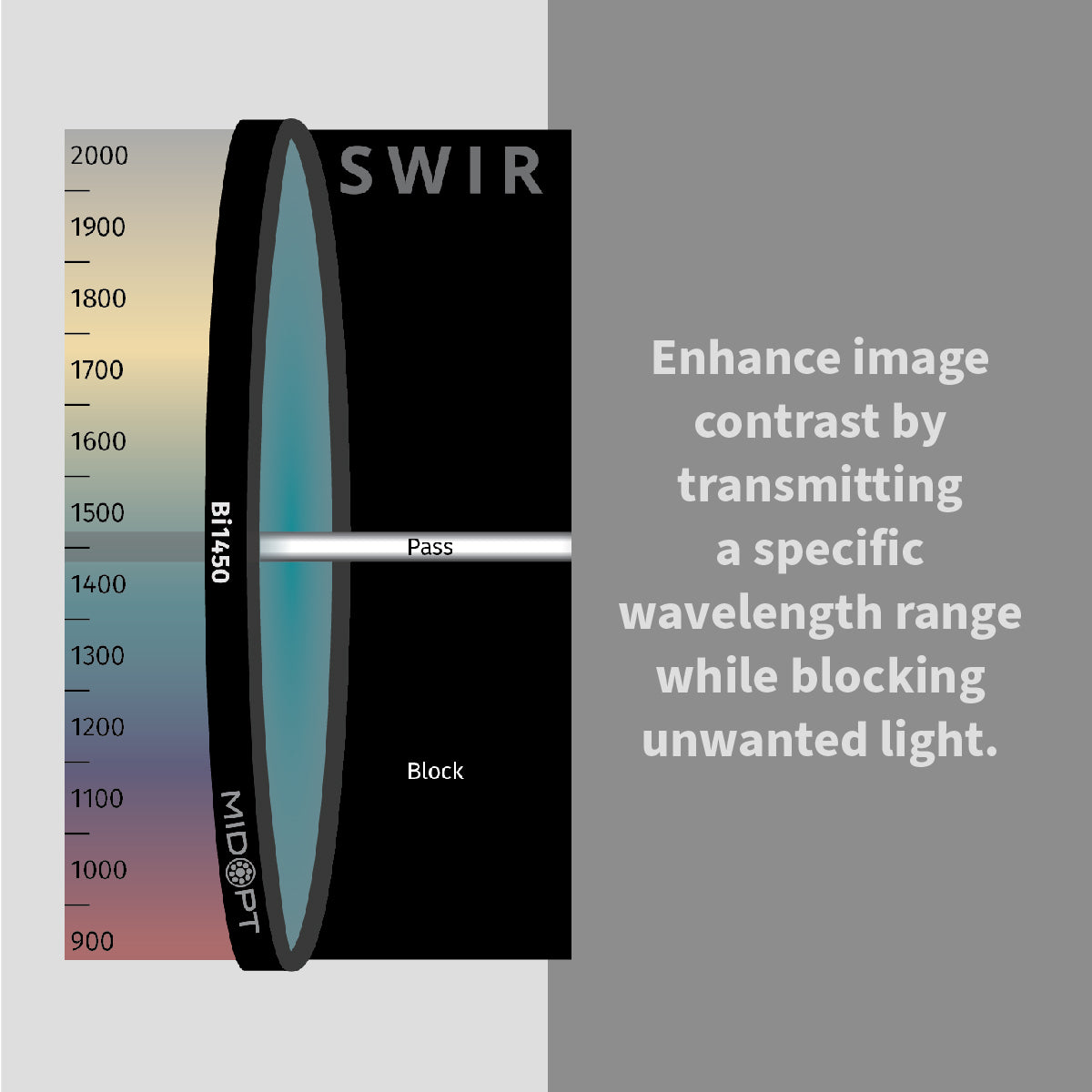
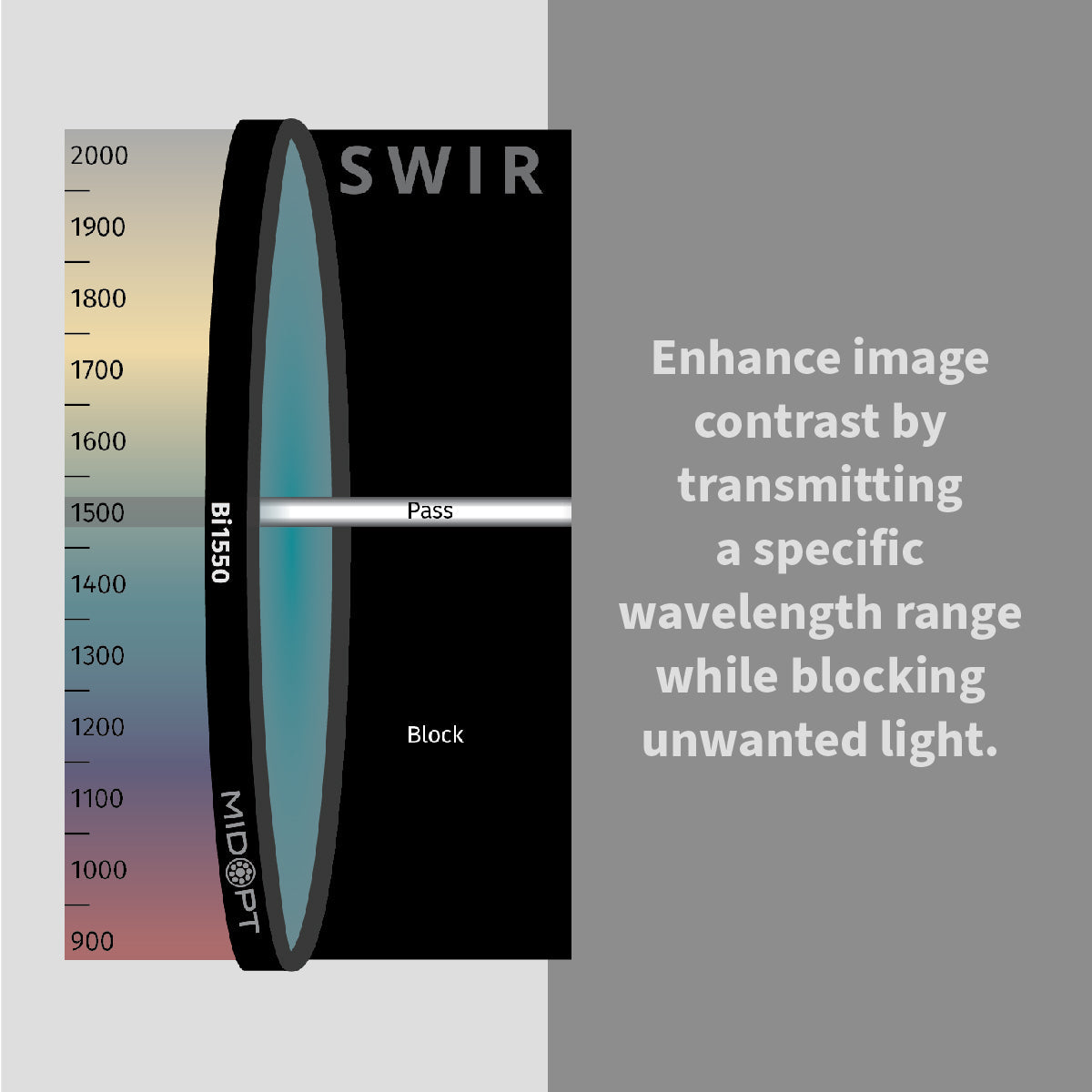
Near-infrared (NIR) and short-wave infrared (SWIR) imaging applications require lenses designed to transmit wavelengths beyond the visible spectrum while maintaining focus accuracy. These systems are commonly used for:
- Semiconductor inspection
- Electronics manufacturing
- Agricultural imaging
- Material sorting
Polarized Lighting + Polarizing Filters
Combining polarized illumination with polarizing optics can dramatically reduce glare from shiny surfaces, improving image contrast and inspection reliability.
Testing is Key to Success
Because every application is unique, lighting and lens selection should ideally be tested together before finalizing a system design. Factors like the following can all influencer performance:
- Part geometry
- Surface finish
- Material properties
- Inspection speed
- Environmental conditions
Application testing allows engineers to evaluate multiple lighting geometries, focal lengths, apertures and working distances to determine the optimal solution.
Build Better Vision Systems with FJW Optical
A machine vision system is only as strong as its weakest optical component. While cameras often receive the spotlight, lighting and lenses frequently determine whether an inspection succeeds or fails.
At FJW Optical, we help manufacturers, OEMs, and systems integrators identify the ideal combination of machine vision lighting, lenses, cameras and filters for their specific applications. From high-resolution imaging and precision measurement to high-speed automation and semiconductor inspection, our team can help optimize your entire imaging system.
By treating lighting and lenses as a unified solution rather than separate components, you can improve image quality, increase inspection accuracy, and achieve more reliable results across your production environment.