$15.00
$15.00

 Find-R-Scopes
 Filters
 Lenses
 Cameras
 Lighting


 Accessories









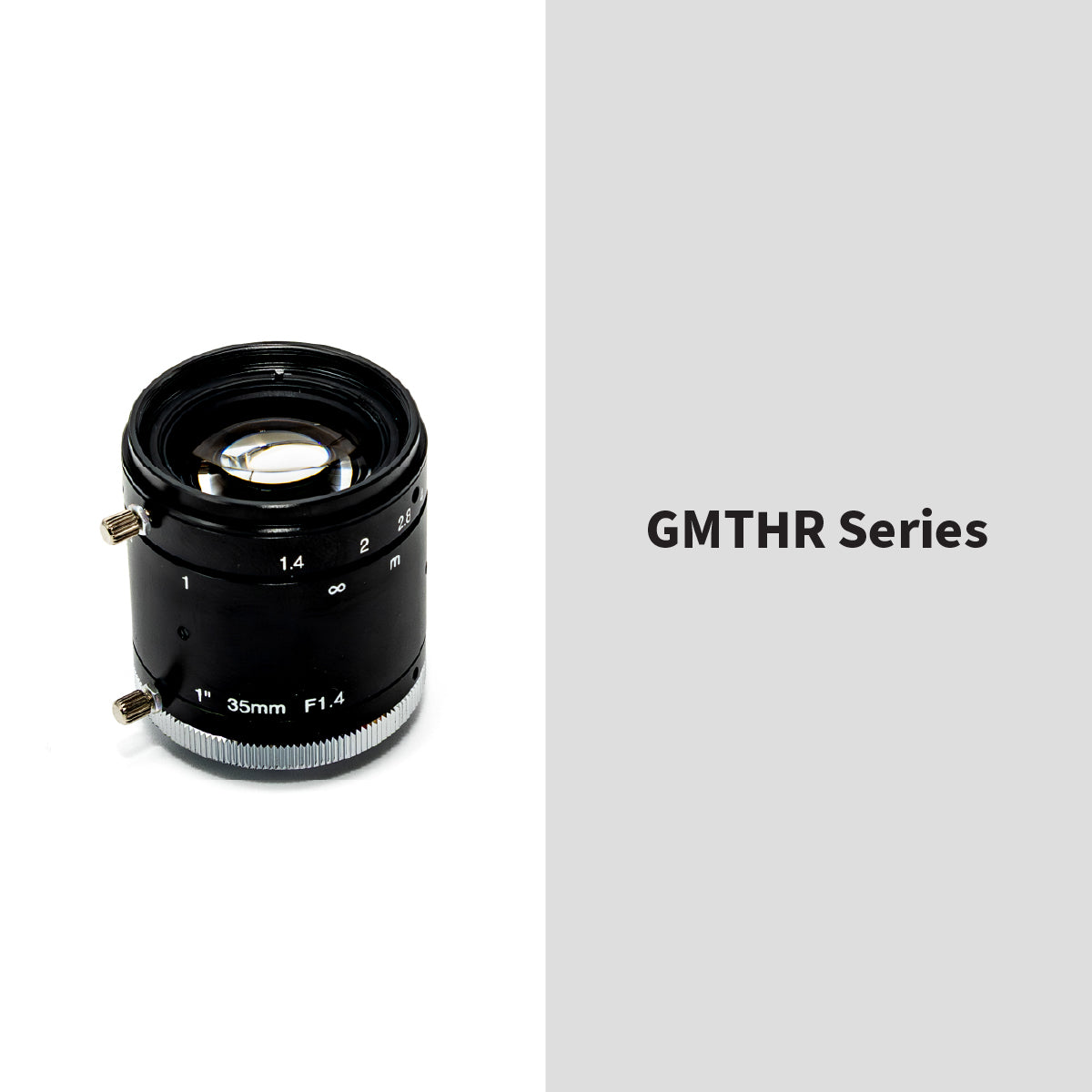

A robotic vision system is only as effective as the image it delivers. While camera resolution, lighting and image-processing software receive significant attention, the machine vision lens plays an equally important role in determining what the camera can see and how accurately the system can interpret it.

Robotic vision systems depend on more than cameras and software. The quality, direction and consistency of illumination can determine whether a vision system clearly identifies an object or struggles with shadows, reflections and insufficient contrast.

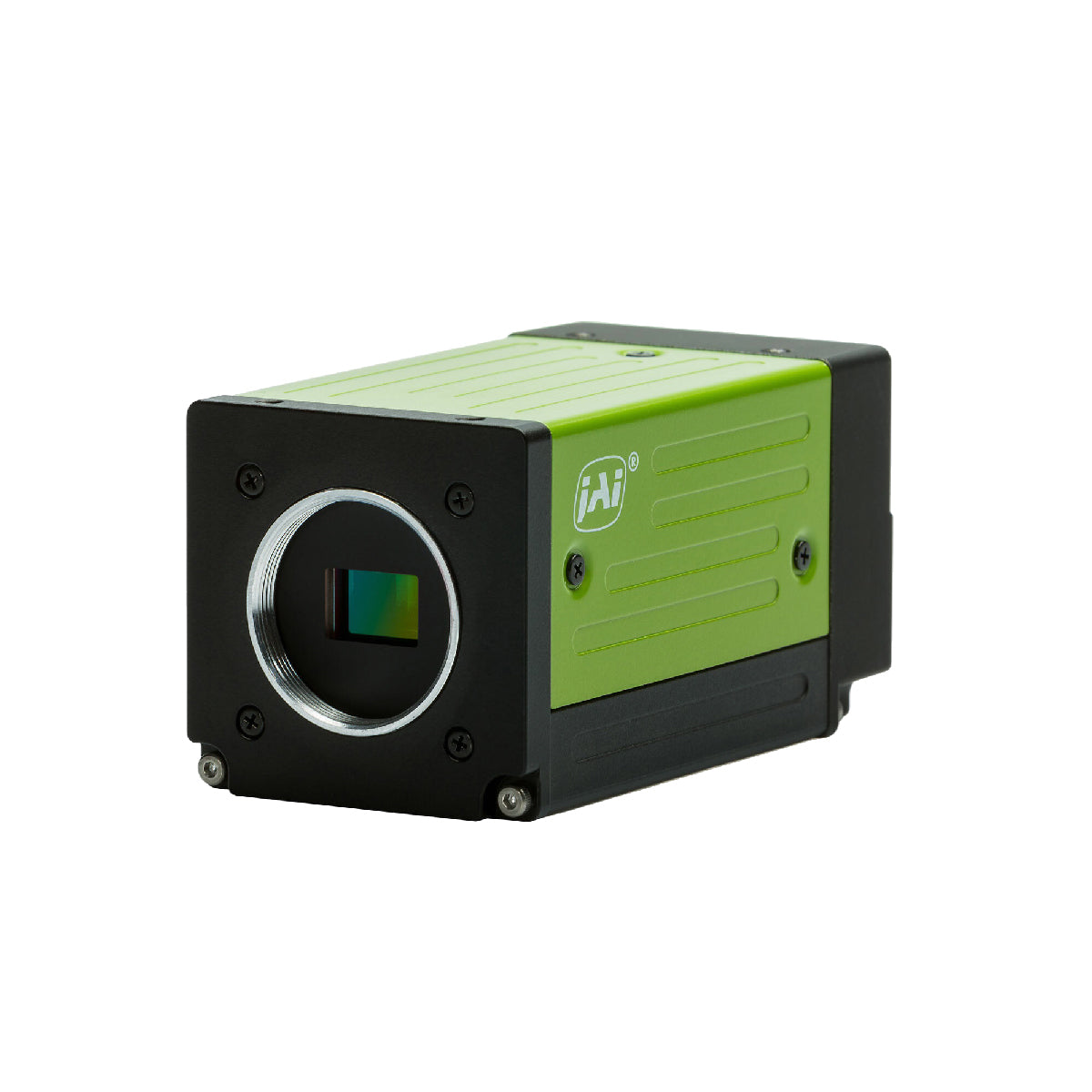
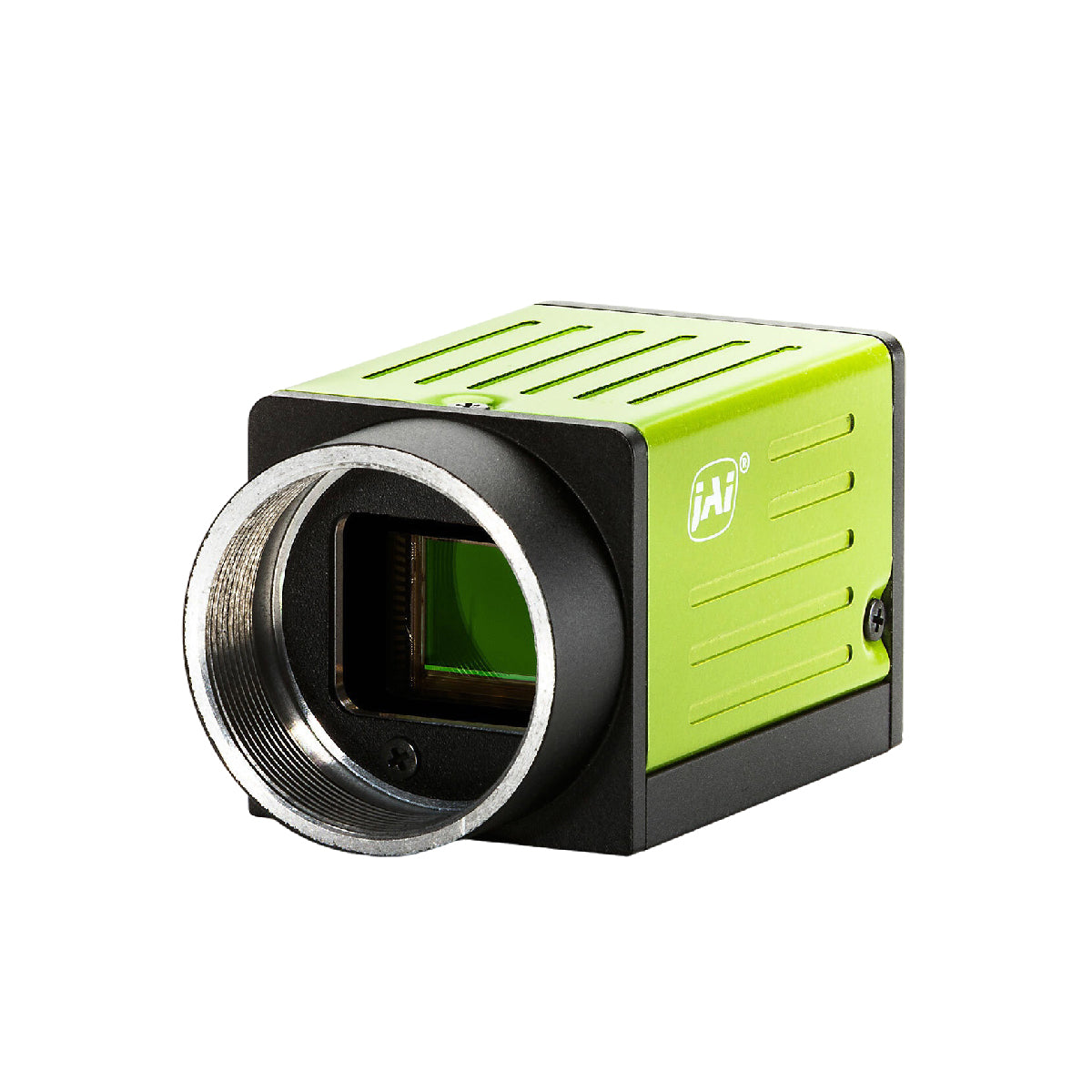
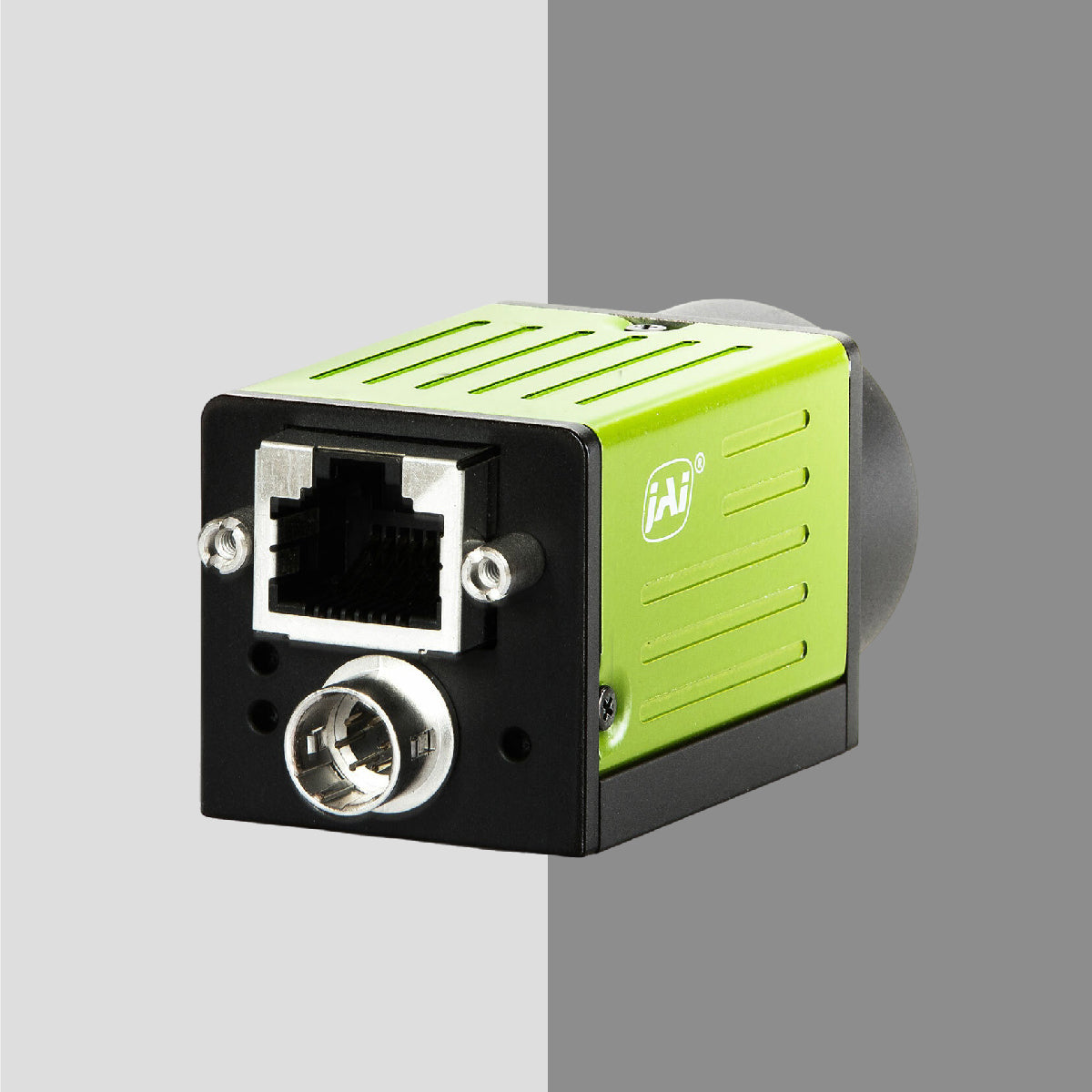
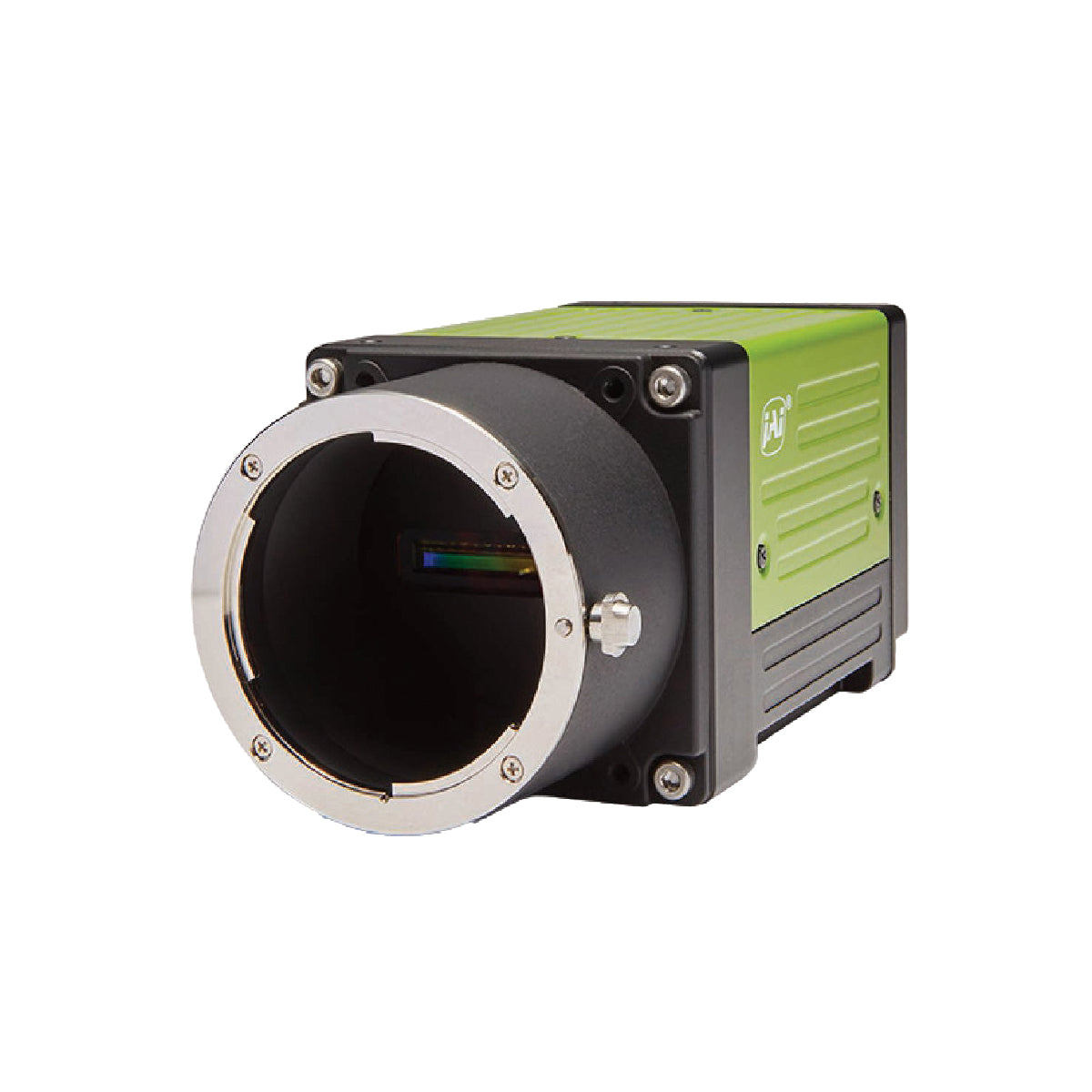
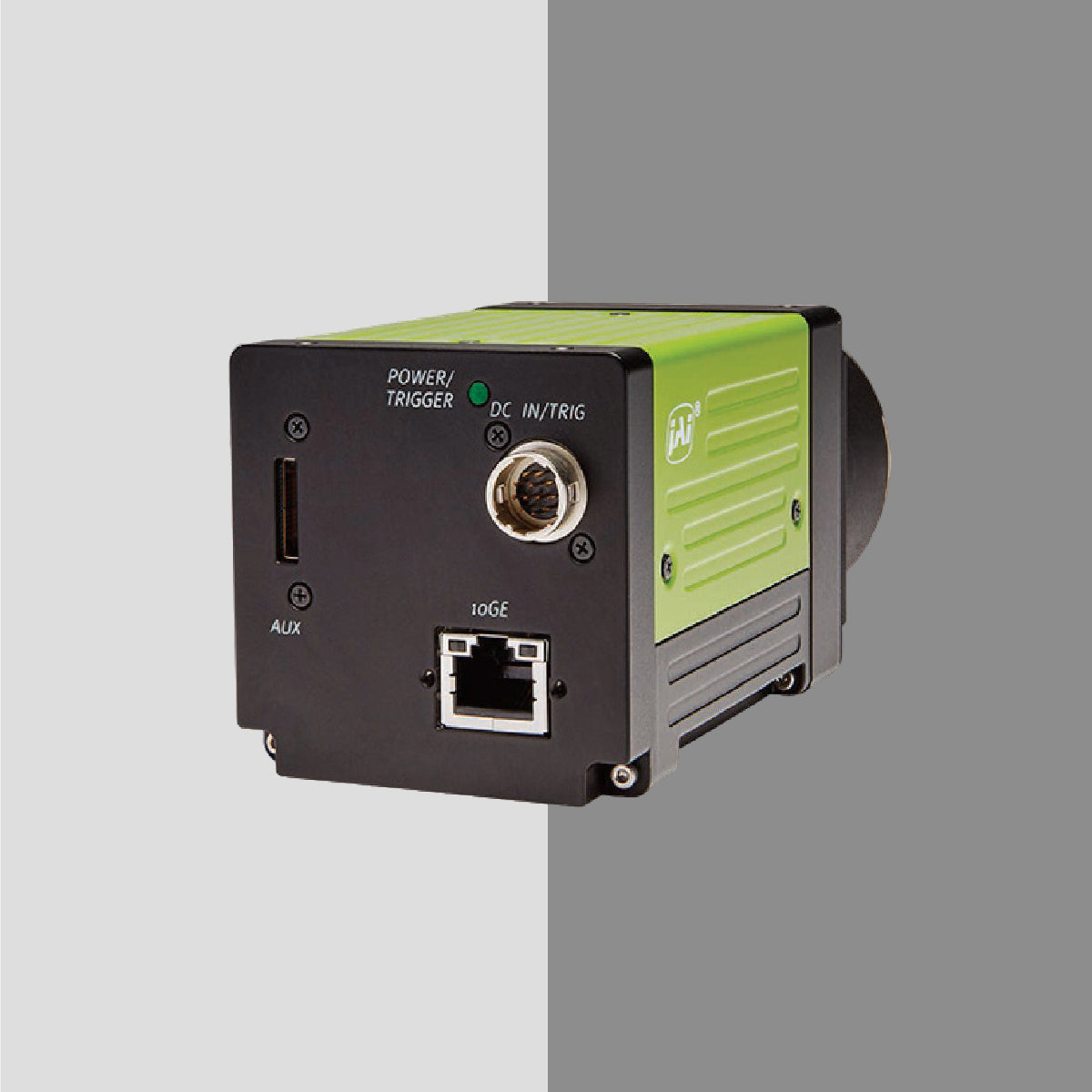
Modern robots are fast, precise and increasingly adaptable, but they still need reliable visual information to understand their surroundings. In robotic guidance and pick-and-place systems, industrial machine vision cameras serve as the eyes of the robot, providing the image data needed to locate parts, determine orientation, verify placement and make automated decisions.

As industrial robots take on increasingly complex tasks, the performance of their vision systems becomes critical to accuracy, speed and repeatability. From robotic bin picking and material handling to automated assembly, sorting and quality inspection, robots rely on cameras to identify objects, locate features and make decisions in real time.

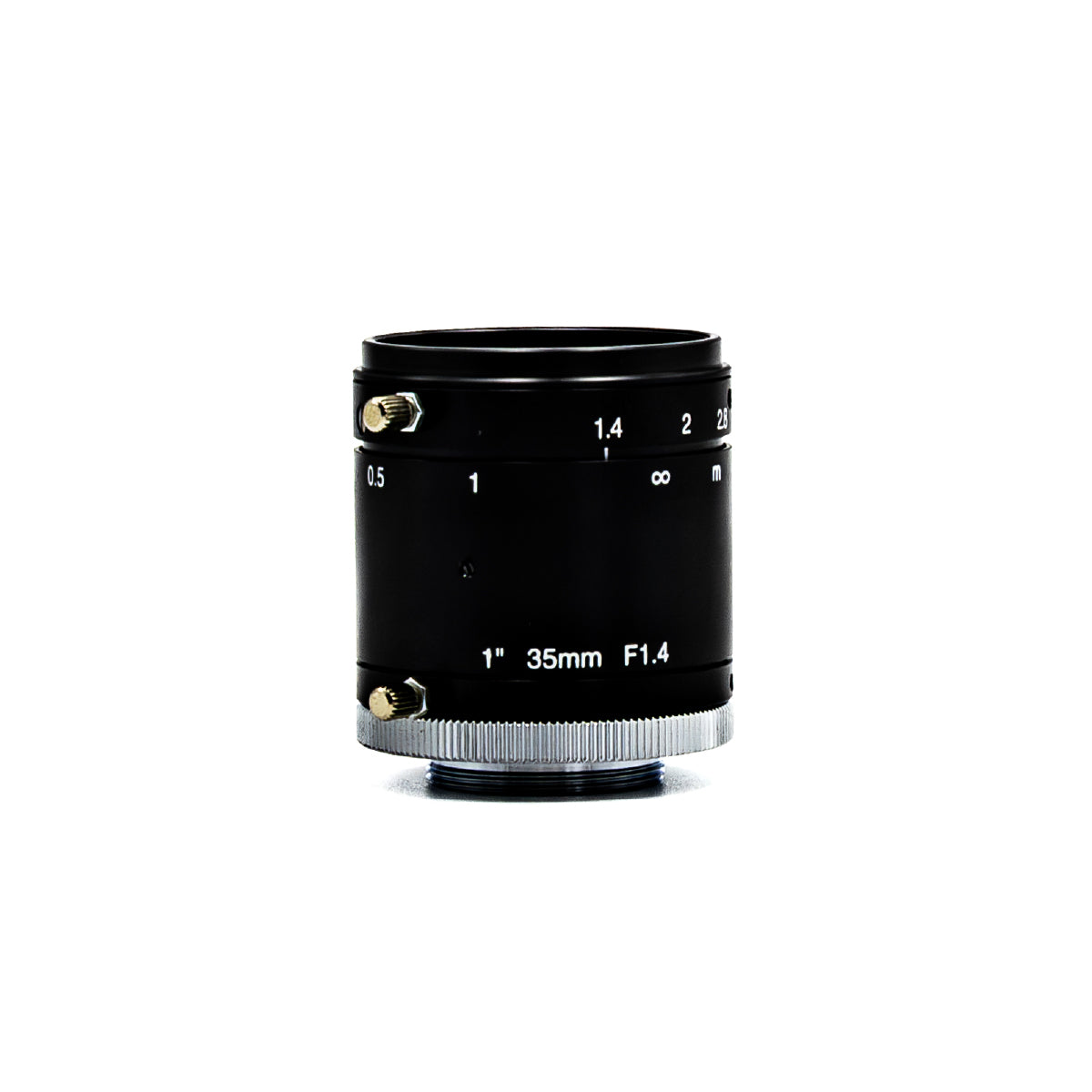
A robotic vision system is only as effective as the image it delivers. While camera resolution, lighting and image-processing software receive significant attention, the machine vision lens plays an equally important role in determining what the camera can see and how accurately the system can interpret it.
Robotic vision systems depend on more than cameras and software. The quality, direction and consistency of illumination can determine whether a vision system clearly identifies an object or struggles with shadows, reflections and insufficient contrast.
Modern robots are fast, precise and increasingly adaptable, but they still need reliable visual information to understand their surroundings. In robotic guidance and pick-and-place systems, industrial machine vision cameras serve as the eyes of the robot, providing the image data needed to locate parts, determine orientation, verify placement and make automated decisions.
As industrial robots take on increasingly complex tasks, the performance of their vision systems becomes critical to accuracy, speed and repeatability. From robotic bin picking and material handling to automated assembly, sorting and quality inspection, robots rely on cameras to identify objects, locate features and make decisions in real time.

Printed circuit board (PCB) inspection is one of the most demanding applications in machine vision. As electronic assemblies become more compact and densely populated, manufacturers rely on automated optical inspection (AOI) systems to identify increasingly smaller defects while maintaining high production speeds.

From printed circuit board (PCB) inspection and component placement verification to solder joint analysis and semiconductor inspection, the lens is a critical part of achieving reliable image quality.

As electronic devices continue to become smaller, faster, and more sophisticated, manufacturers face increasing pressure to produce flawless products at higher speeds. Printed circuit boards (PCBs), semiconductor devices, batteries, displays, connectors, and electronic assemblies all require precise inspection throughout production to ensure quality and reliability.

As printed circuit boards (PCBs) become smaller, more densely populated, and increasingly complex, manufacturers require machine vision systems capable of detecting microscopic defects with exceptional accuracy. From solder paste inspection and component placement verification to automated optical inspection (AOI) and semiconductor manufacturing, image quality directly impacts production efficiency and product reliability.

In today's automated manufacturing and logistics environments, production lines are moving faster than ever. Whether inspecting pharmaceutical packaging, automotive components, food products, electronics or parcels, machine vision systems must capture sharp, consistent images while products travel across conveyors at high speeds. One of the most critical factors in achieving reliable inspection results isn't just the camera – it's the lighting.

Barcodes and optical character recognition (OCR) are at the heart of modern automation. From warehouse fulfillment and logistics to pharmaceutical packaging, food production, and manufacturing, reliable code reading is essential for traceability, quality control, and operational efficiency.

In today's automated manufacturing, logistics, warehousing and distribution environments, barcode reading and Optical Character Recognition (OCR) systems must perform flawlessly. Even a small decrease in read accuracy can lead to production delays, costly manual intervention, and reduced throughput.

Modern warehouses and fulfillment centers are under constant pressure to process more orders, reduce errors and keep products moving faster than ever. As e-commerce continues to grow, automation has become essential for maintaining efficiency while meeting customer expectations for speed and accuracy.

Whether you're inspecting electronics, pharmaceuticals, automotive components, food products or semiconductor wafers, proper lighting can mean the difference between detecting critical defects and missing them entirely. That's why lighting simulation and testing have become essential tools for optimizing machine vision performance before a system is deployed.

Even the highest-resolution camera cannot compensate for poor illumination or an improperly selected lens. In fact, lighting and lenses work as a team – one controls how the object is illuminated, while the other determines how that light is captured and delivered to the sensor.

The semiconductor industry continues to push the boundaries of precision manufacturing. As device geometries shrink and production volumes increase, inspection systems must identify smaller defects, operate at higher speeds and maintain exceptional image quality throughout the manufacturing process.

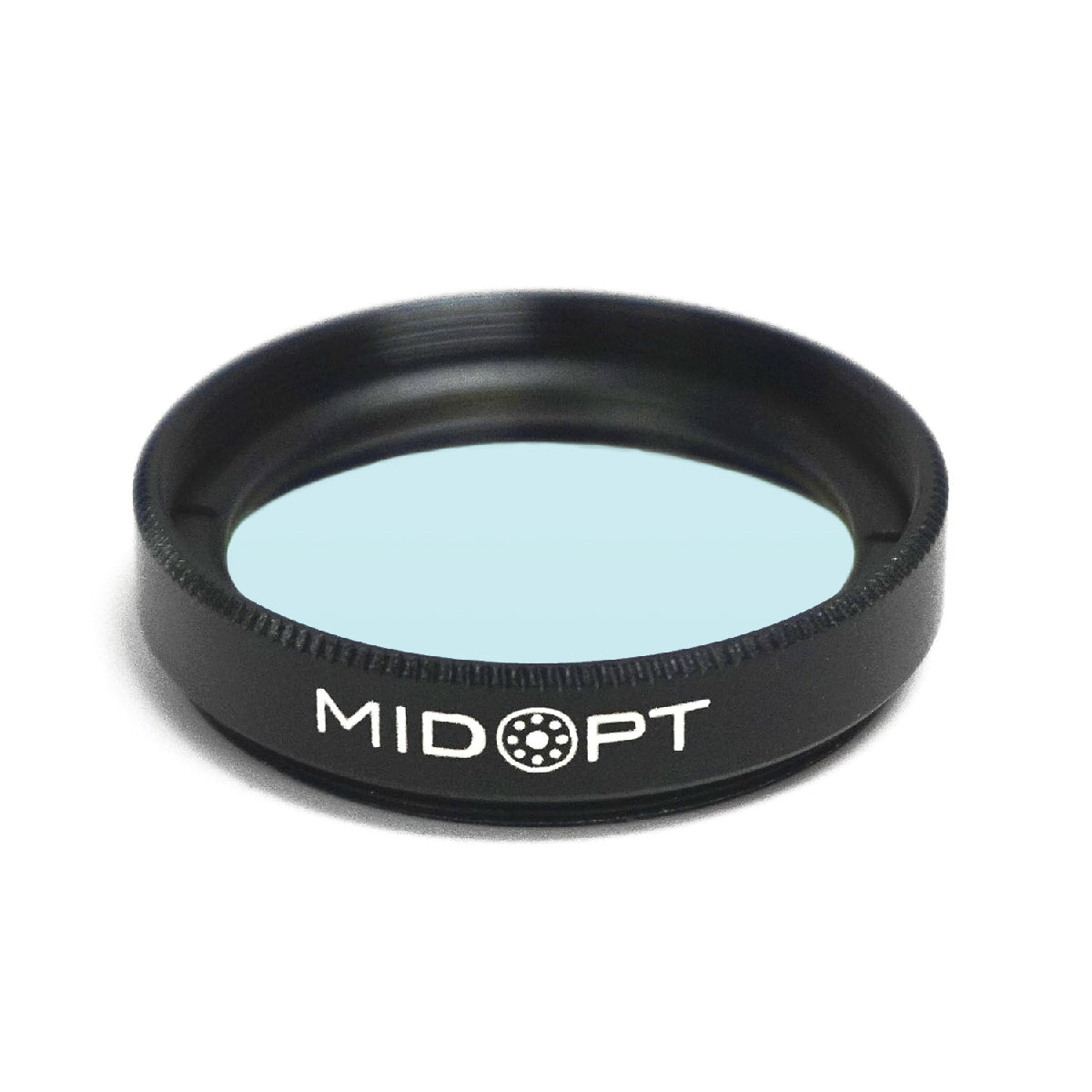
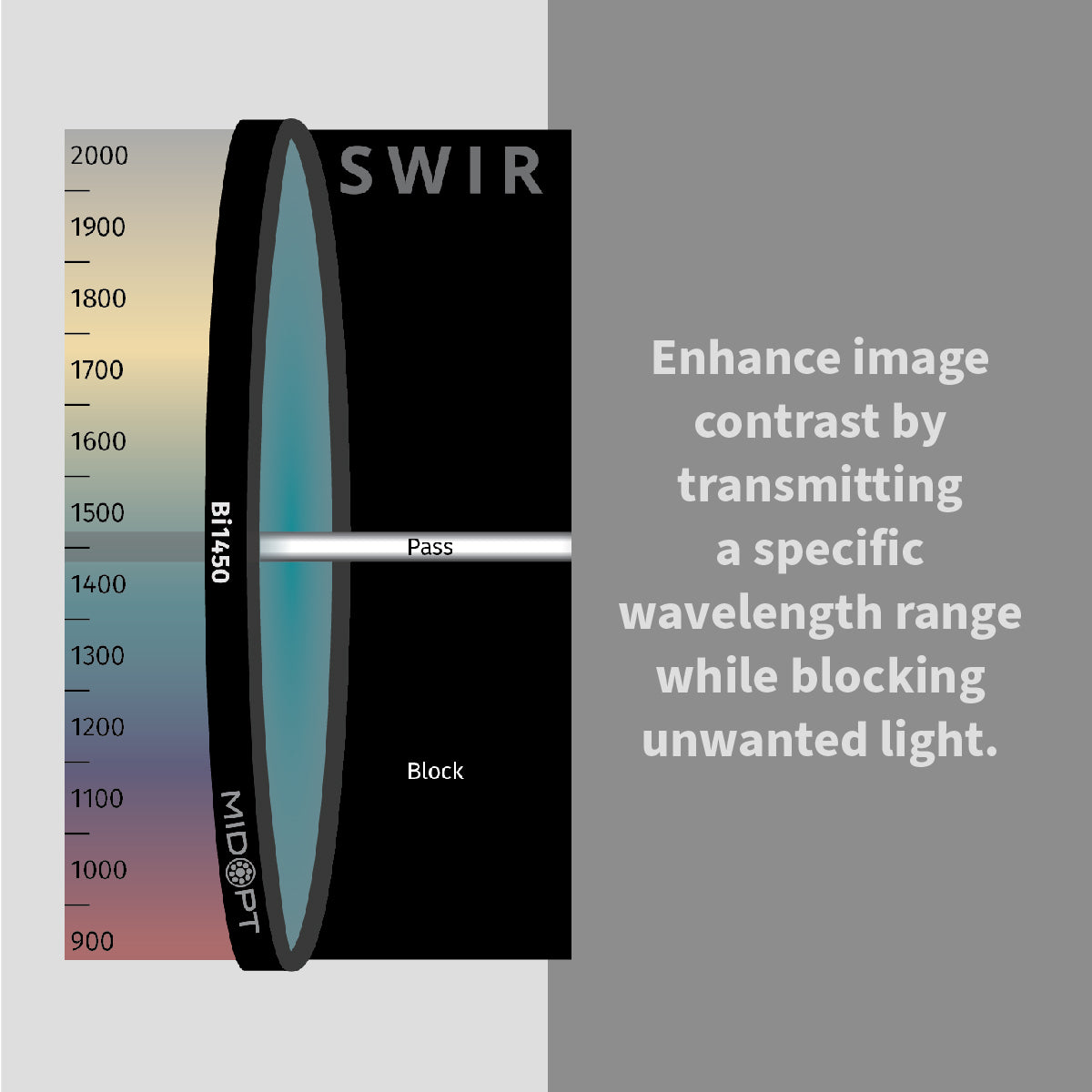
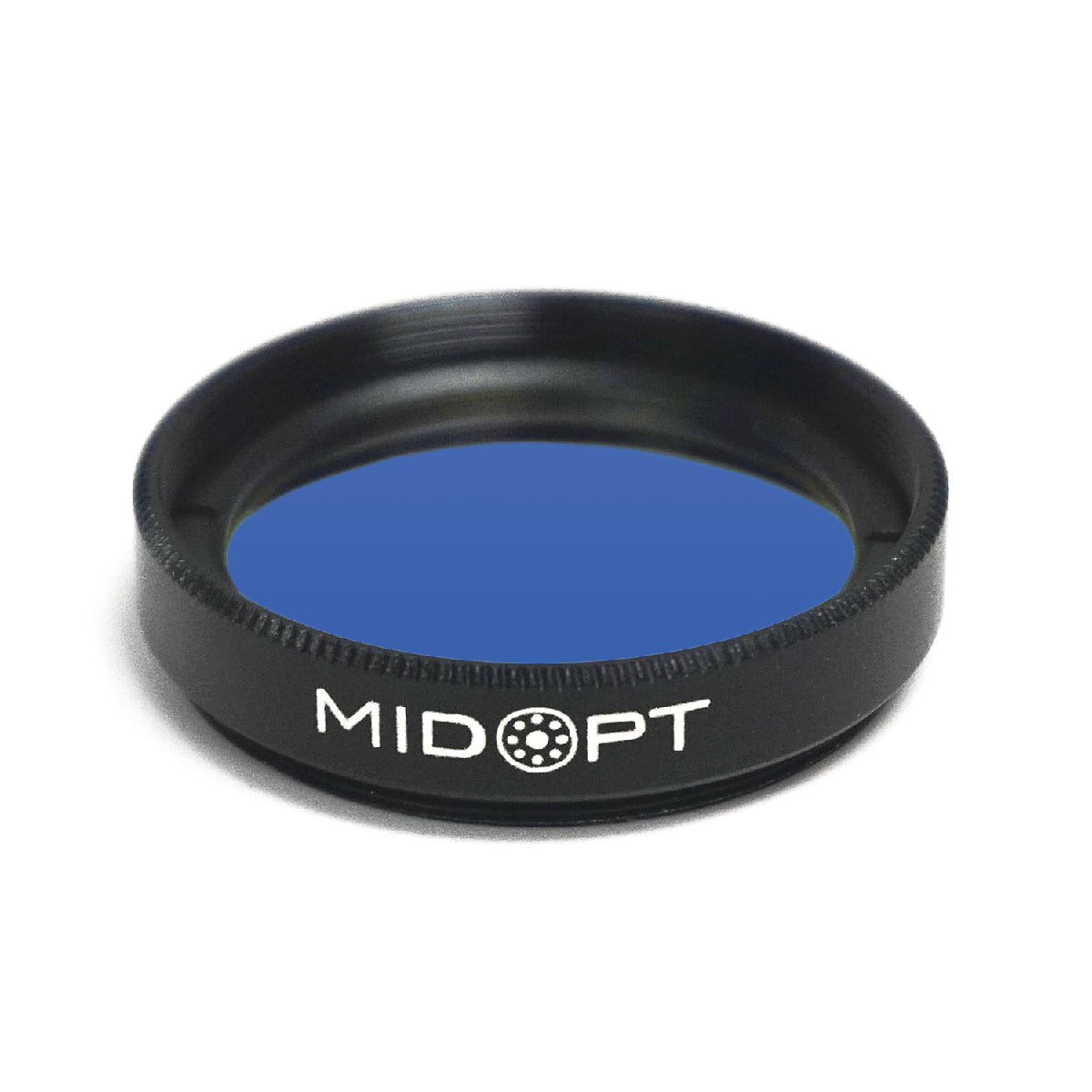
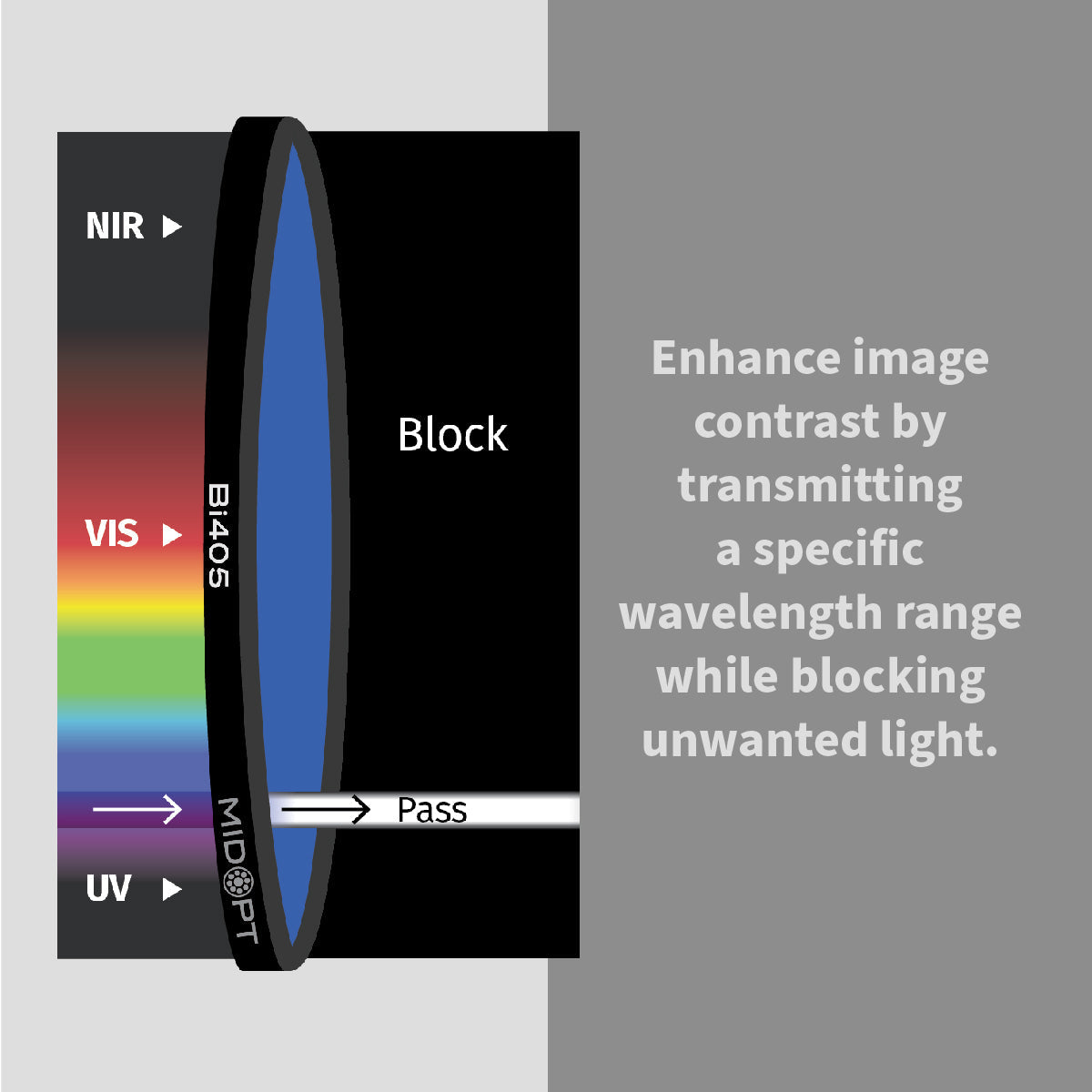
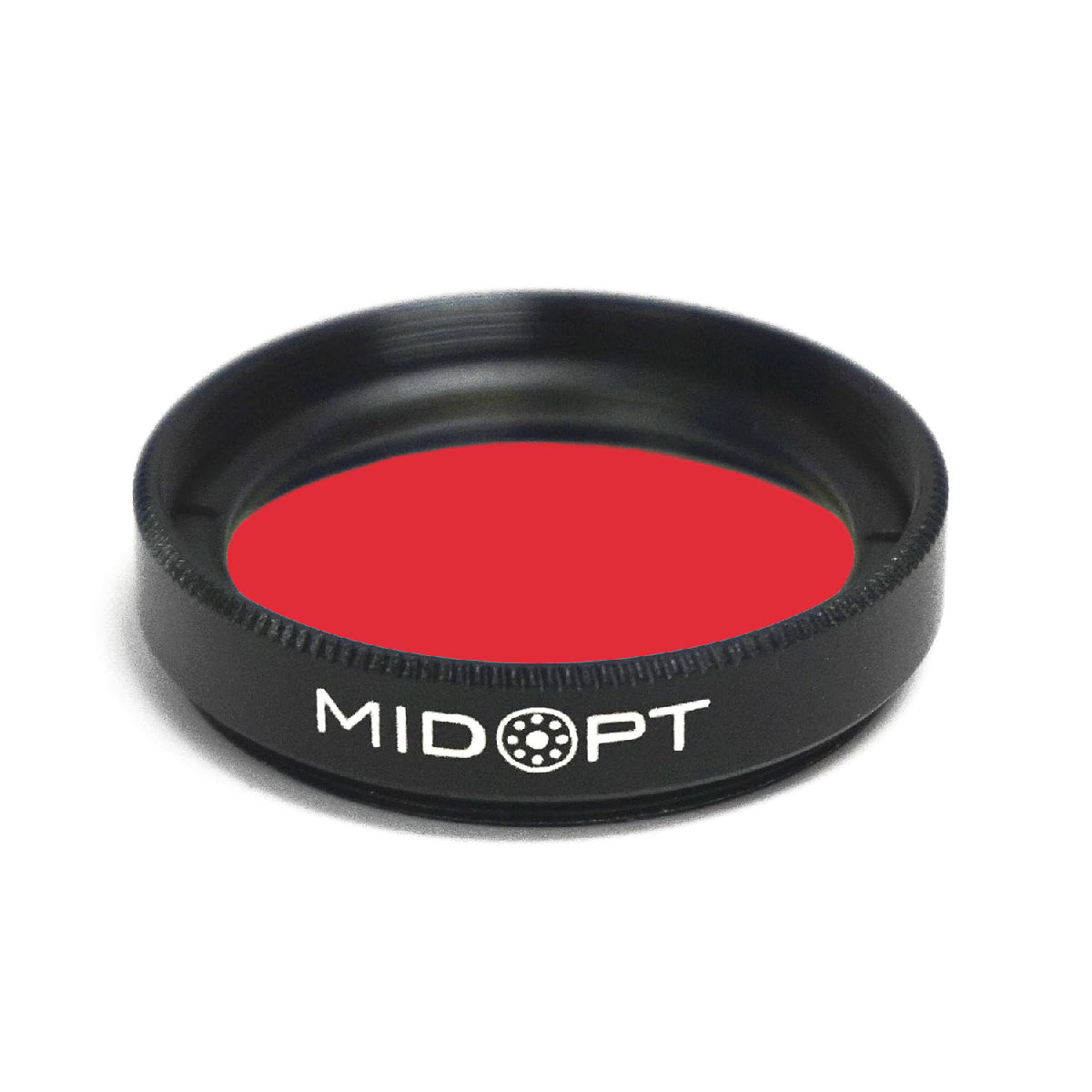
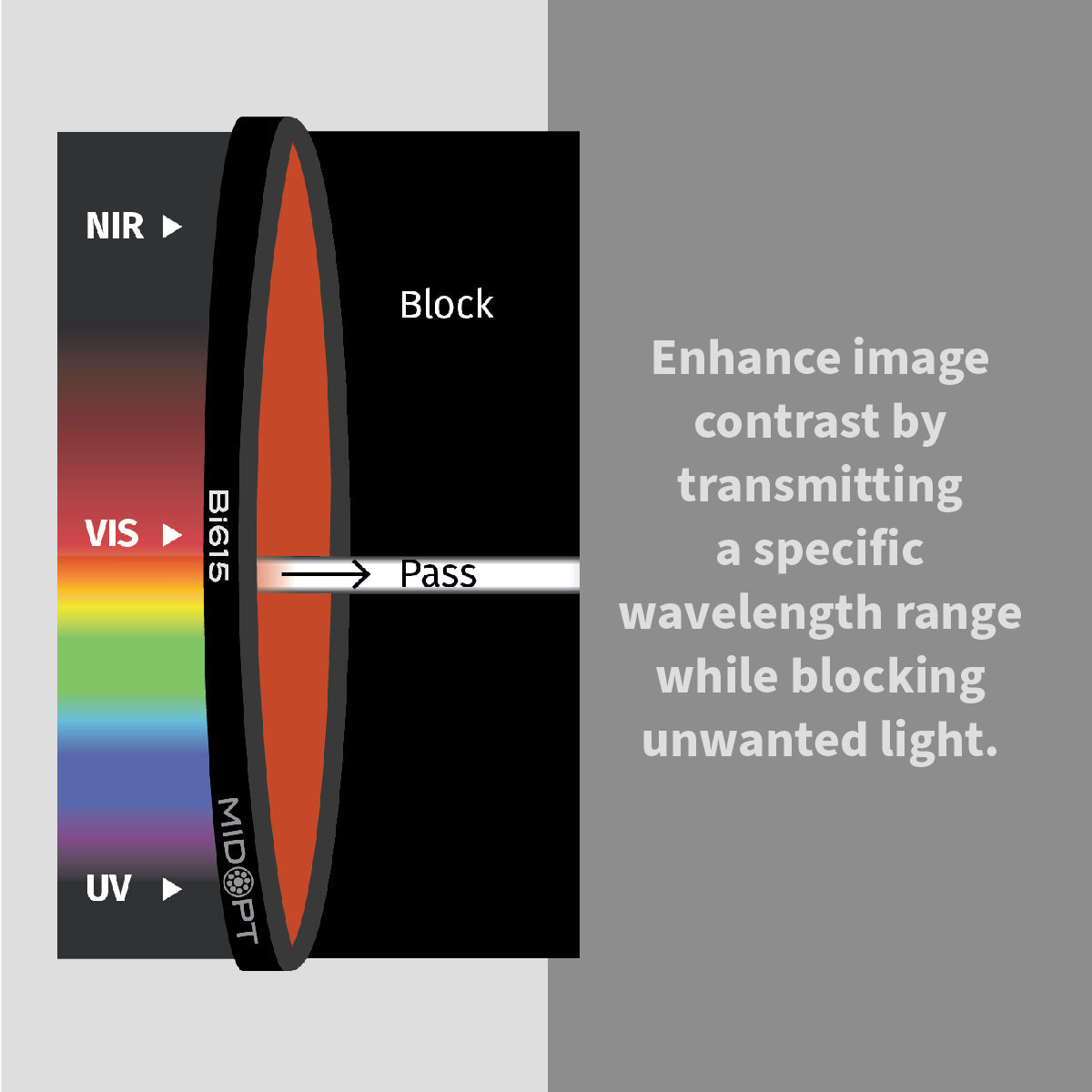
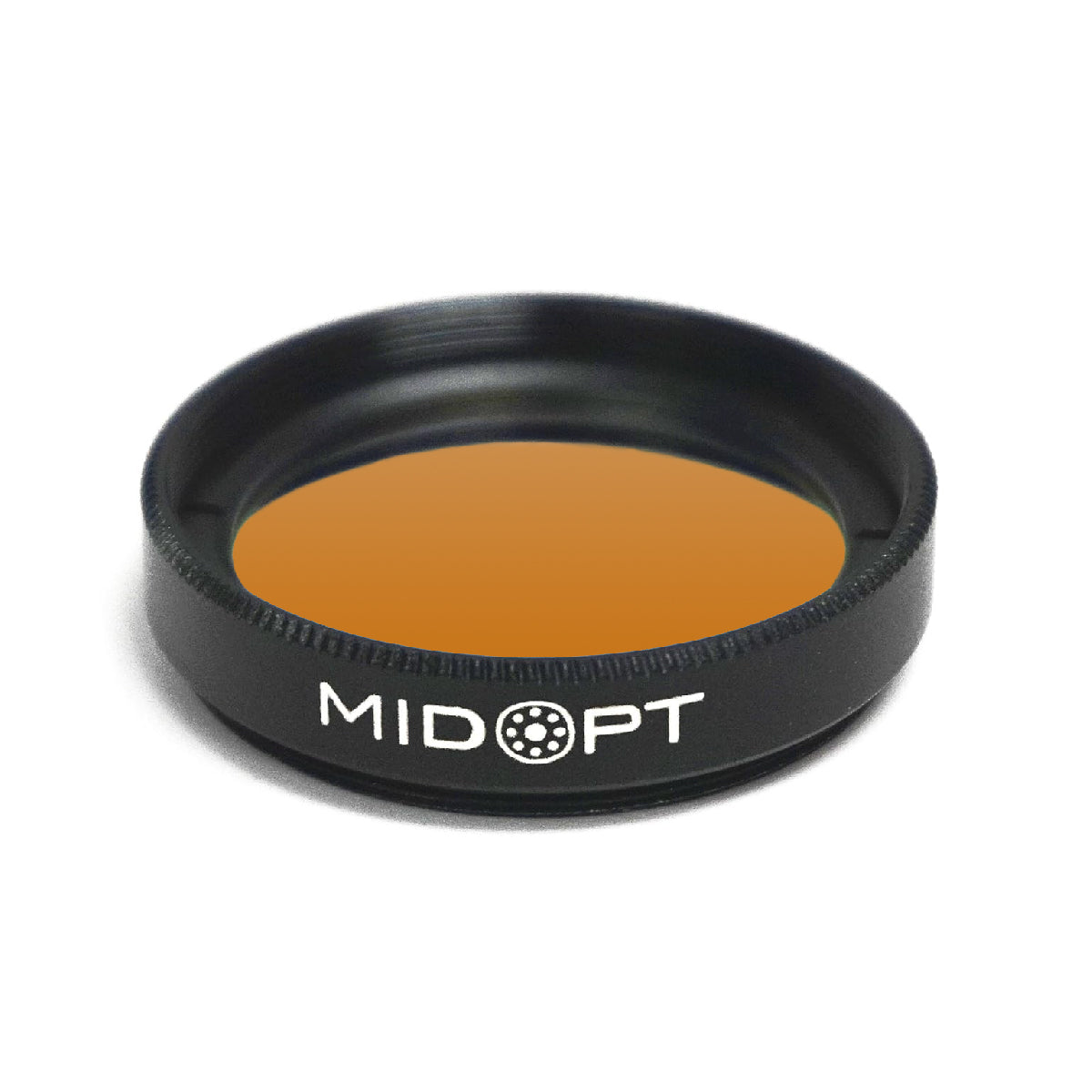
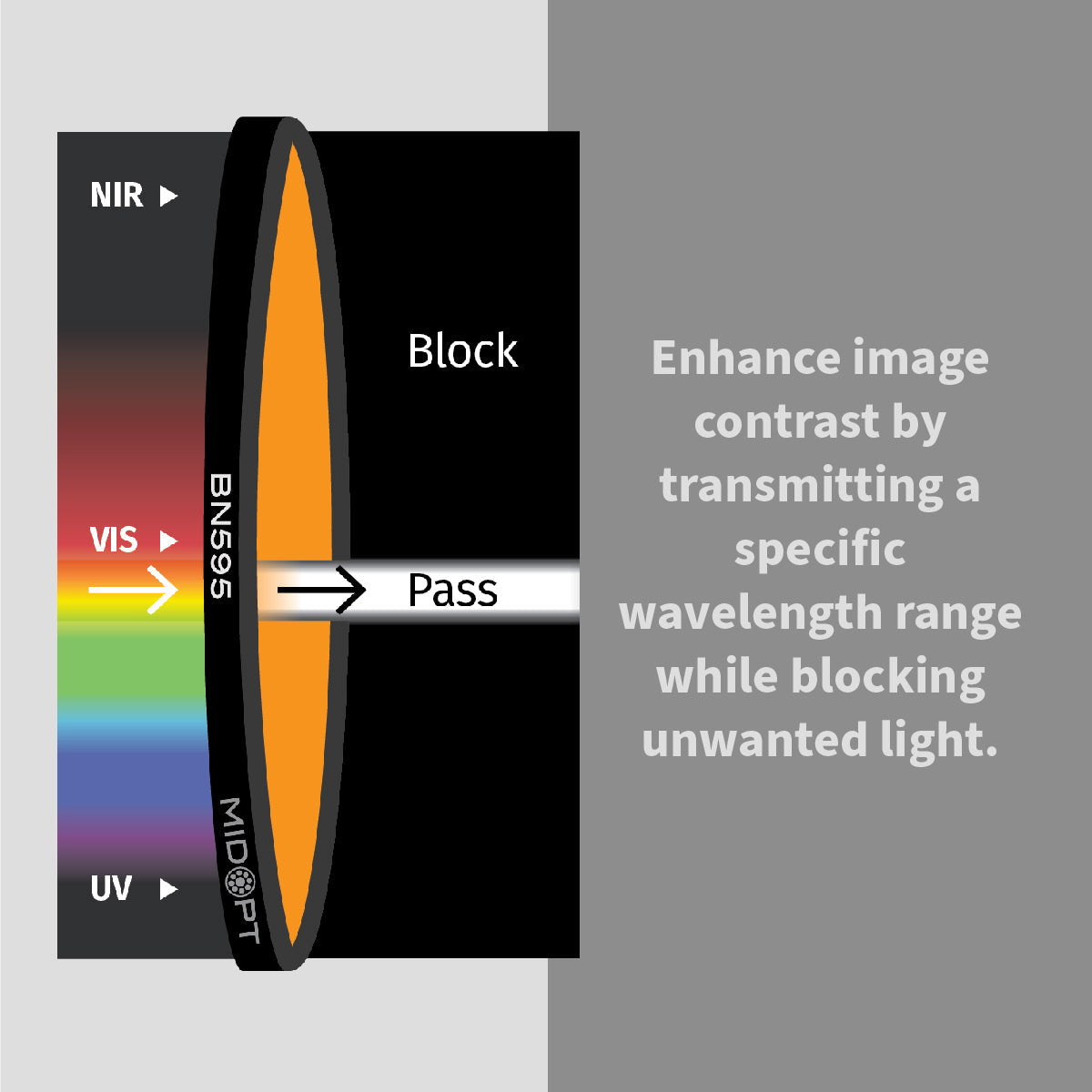
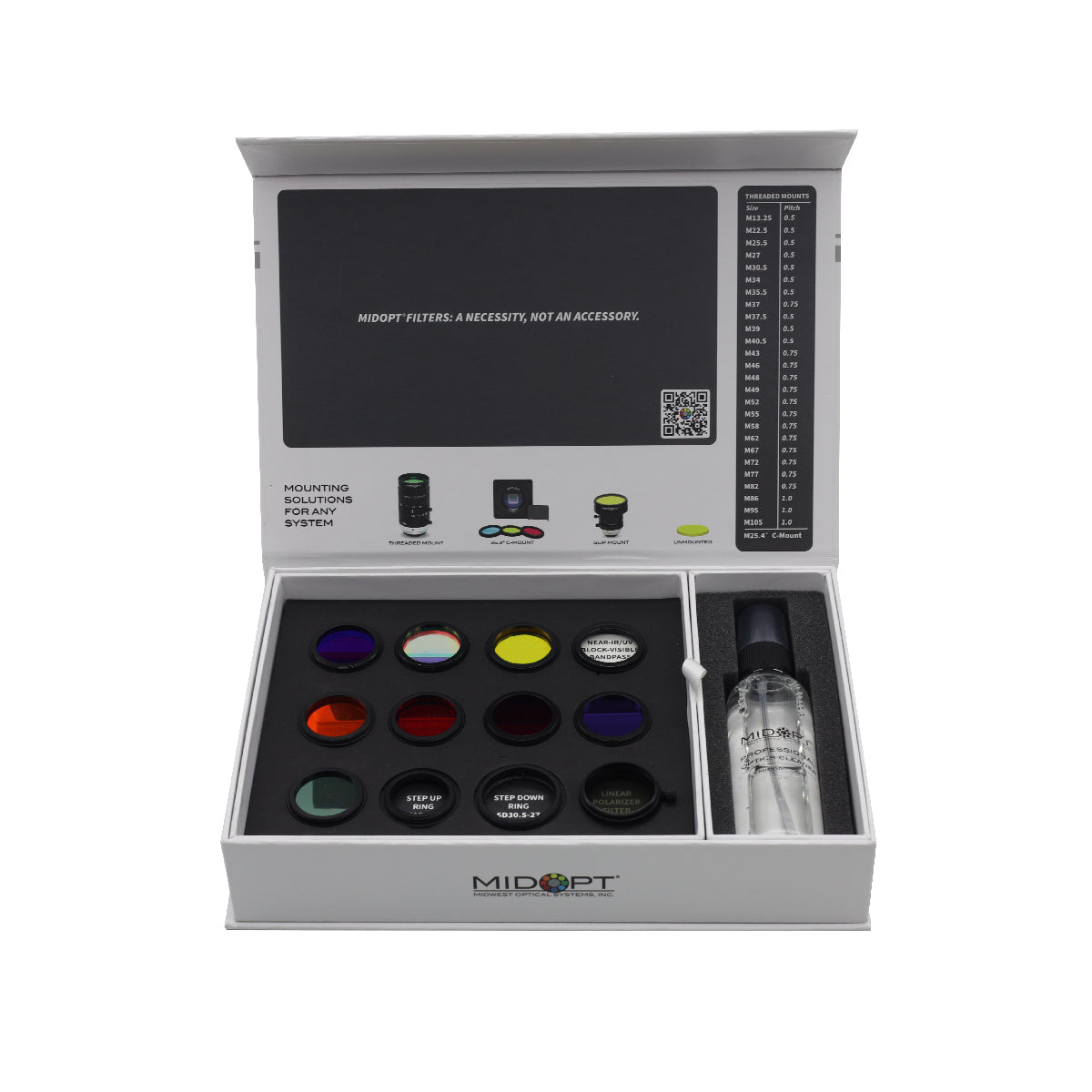
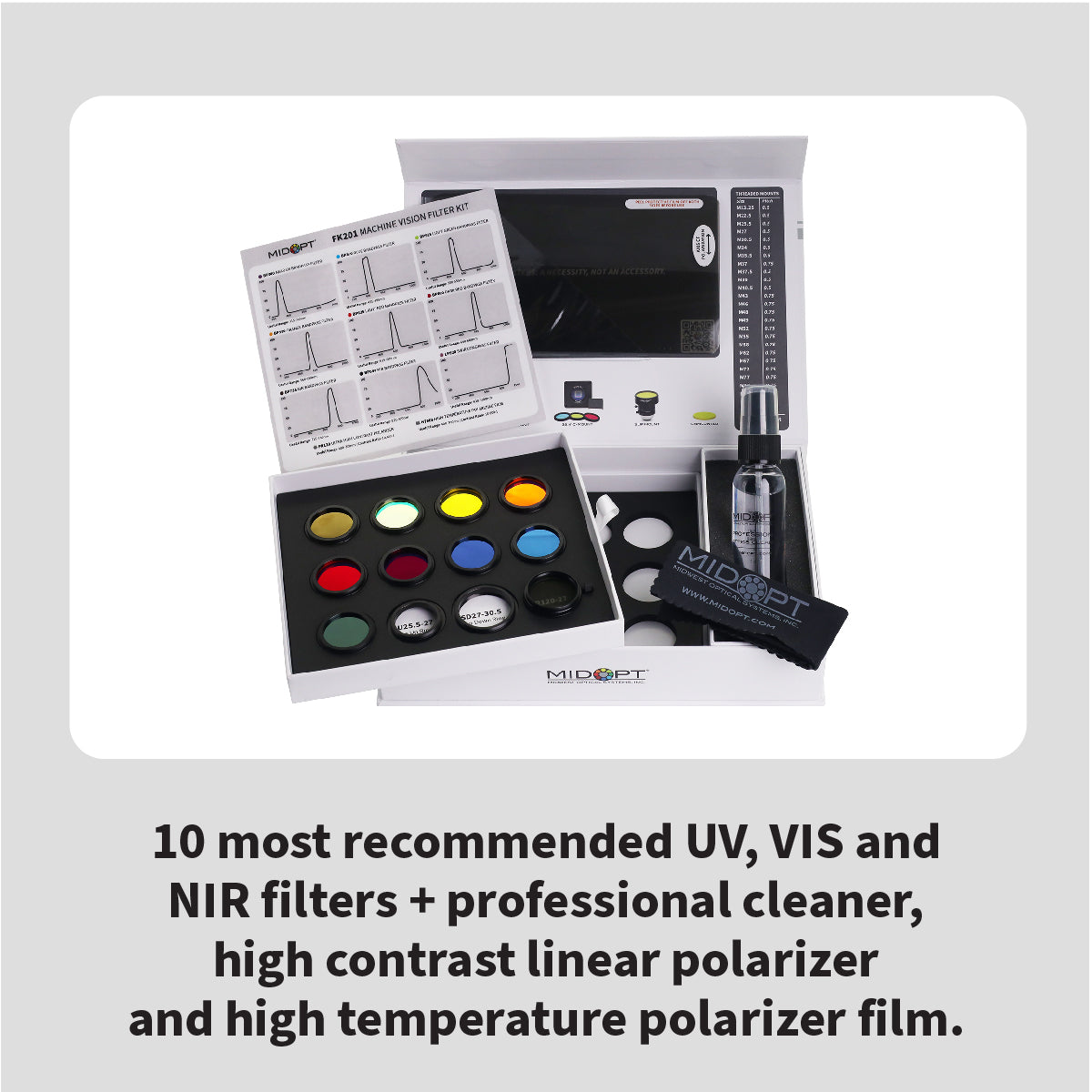
For over three decades, MidOpt® has focused exclusively on developing high-performance machine vision filters designed specifically for industrial imaging applications. Their philosophy is simple: create optical filters for machine vision using the precision of machine vision.