
 Find-R-Scopes

 Filters
 Lenses
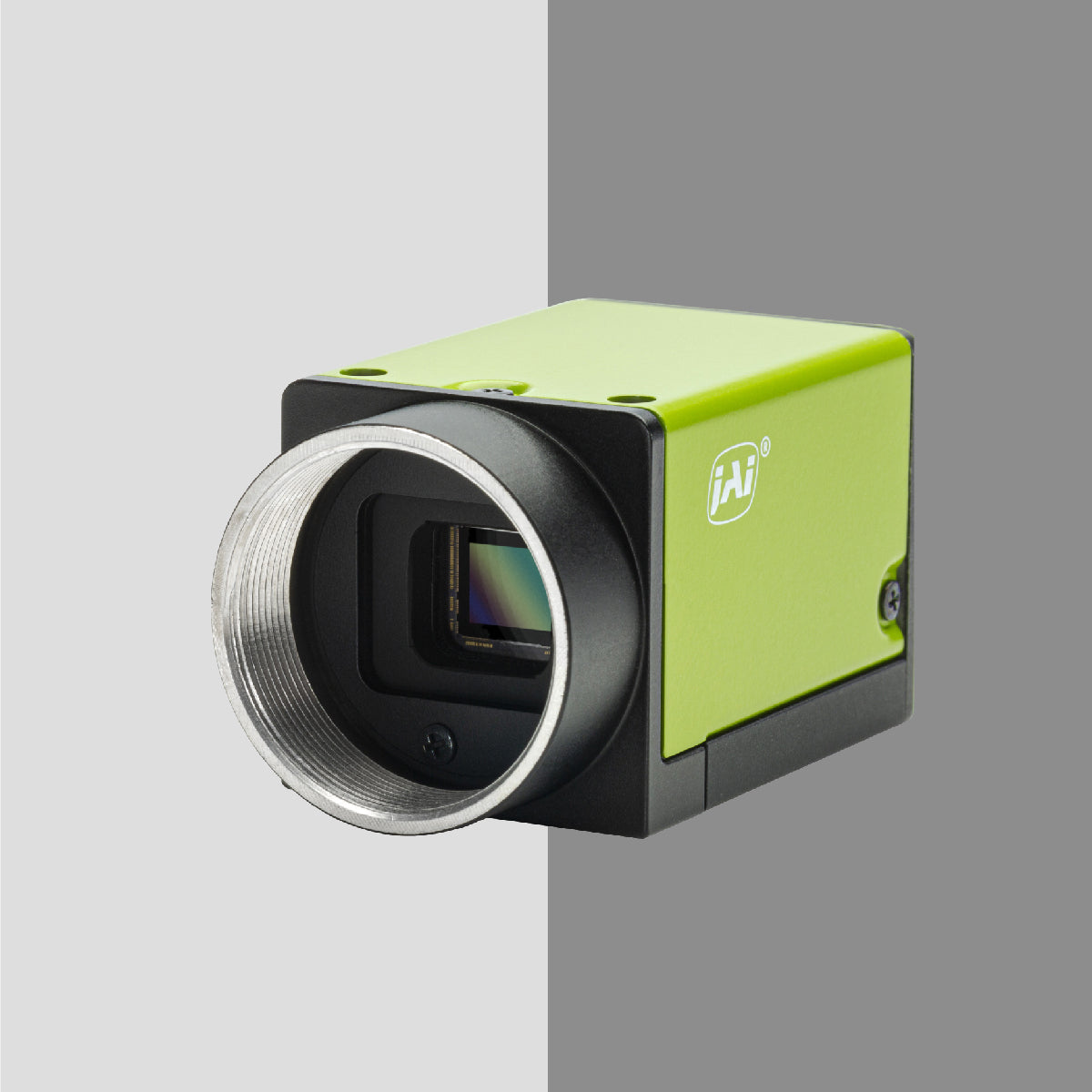
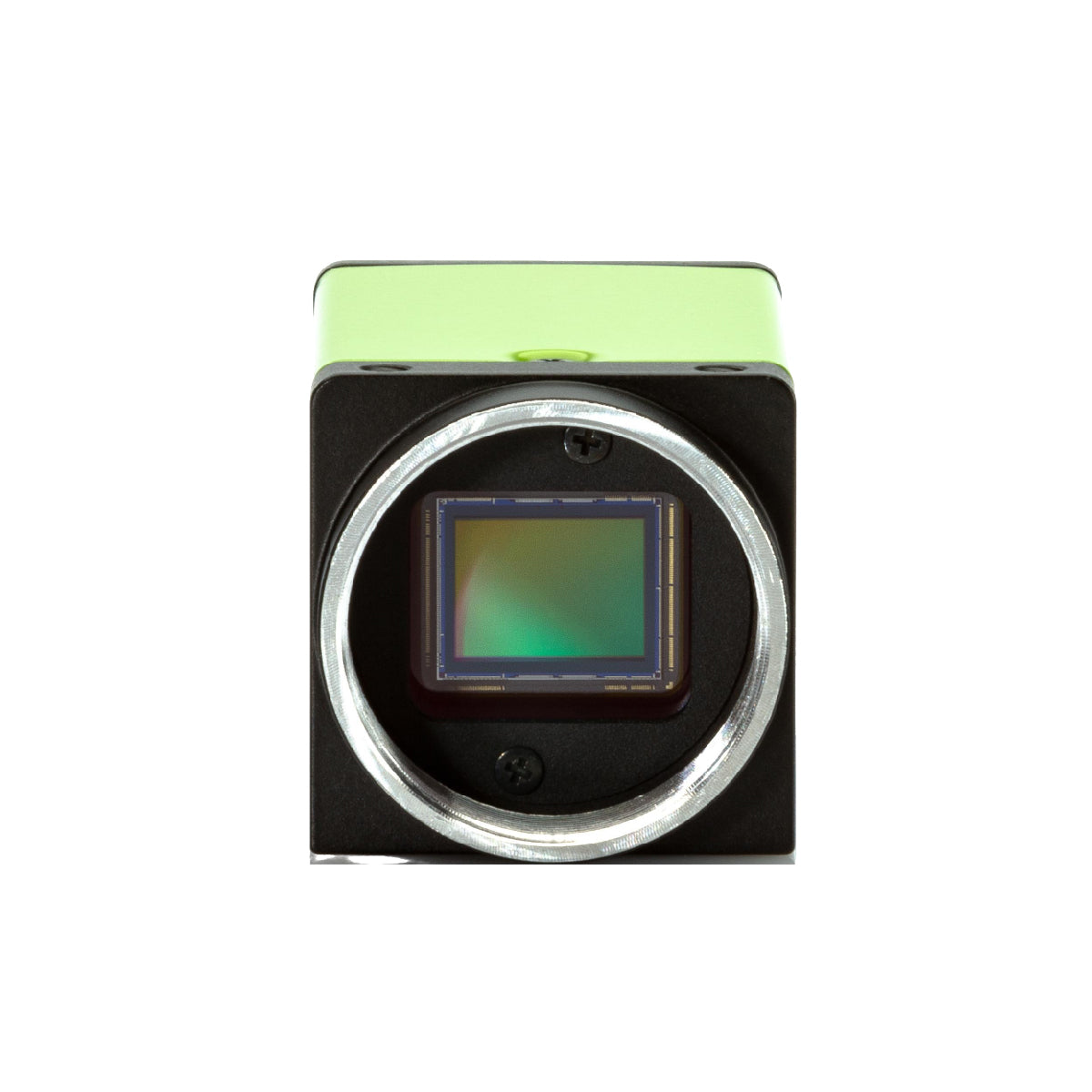
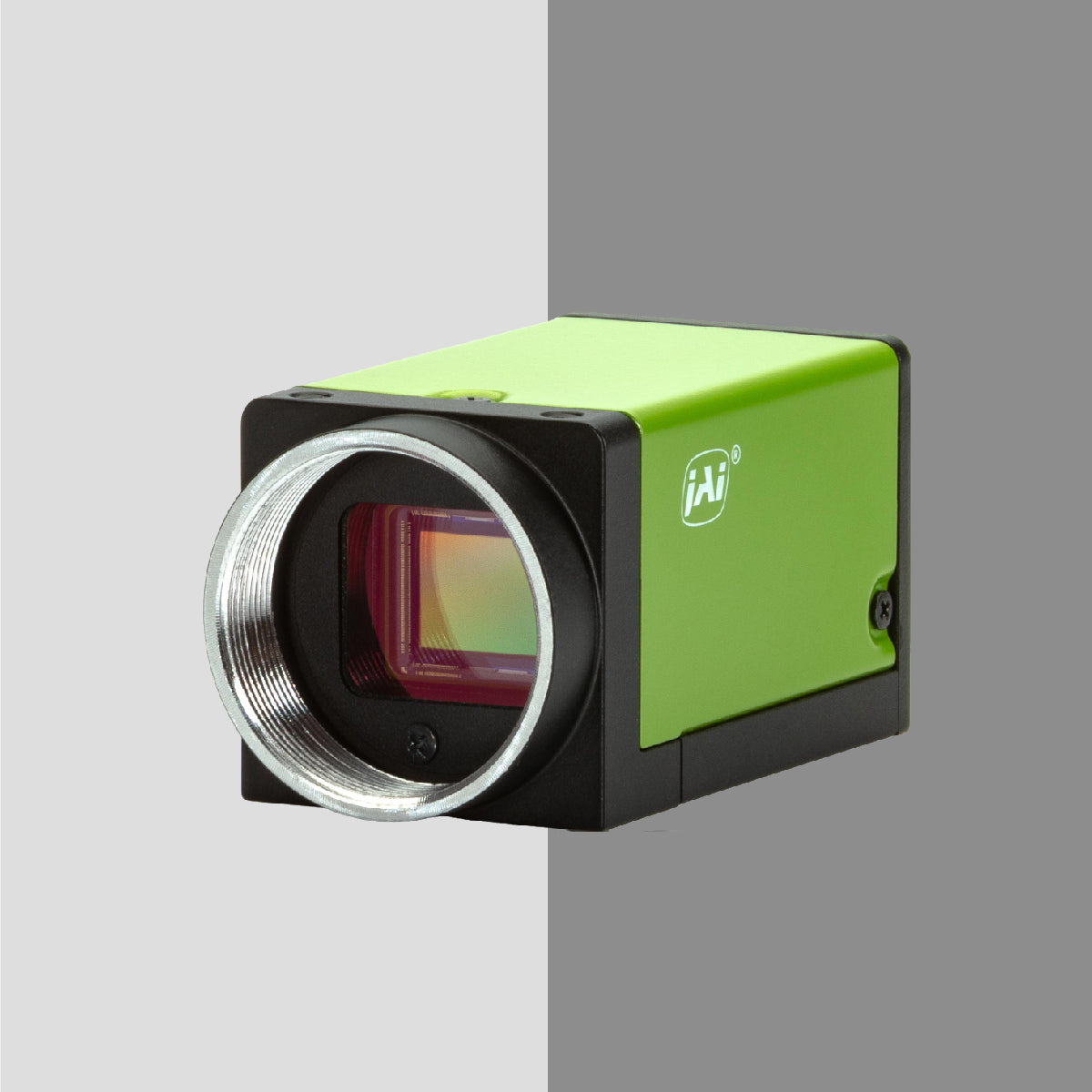
 Cameras
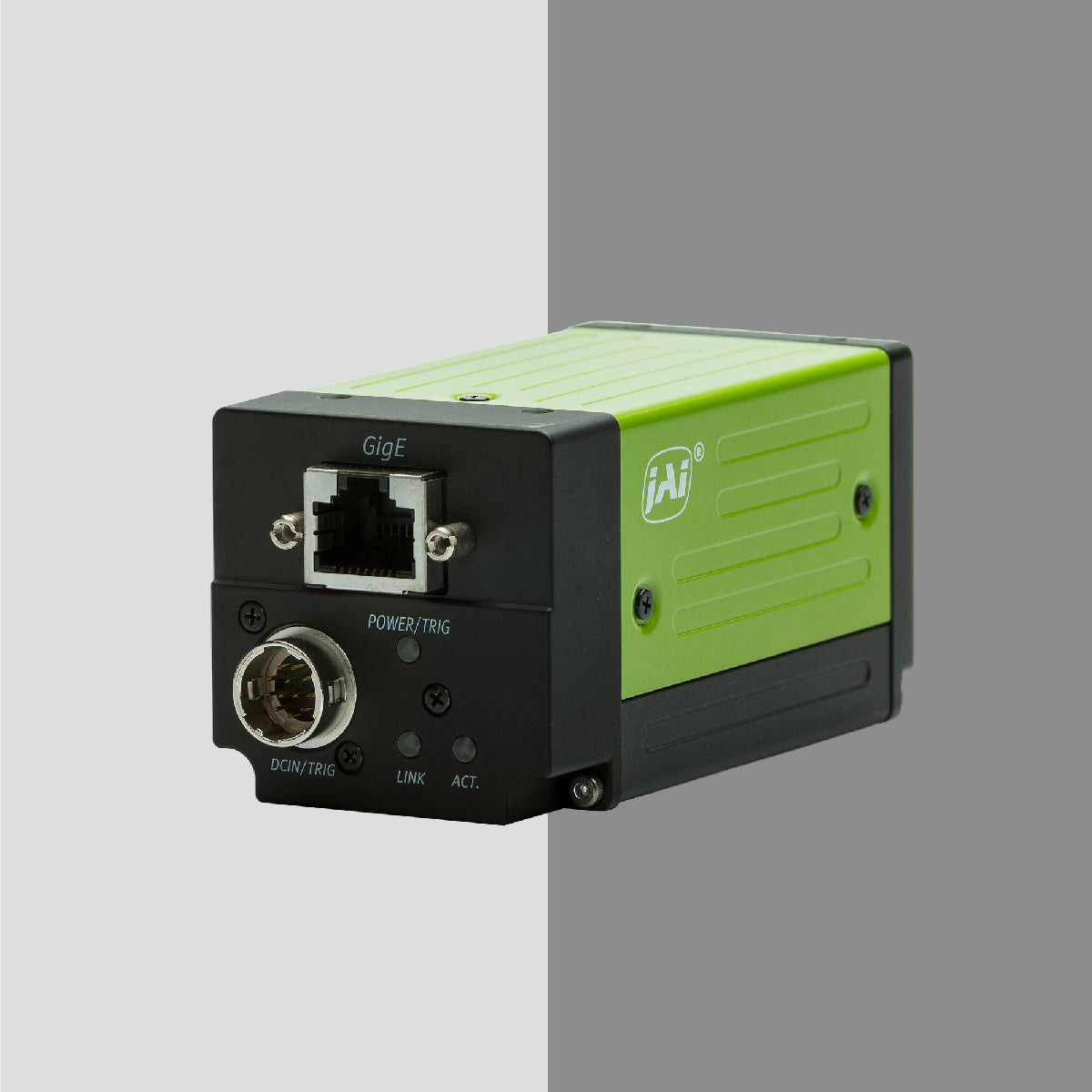
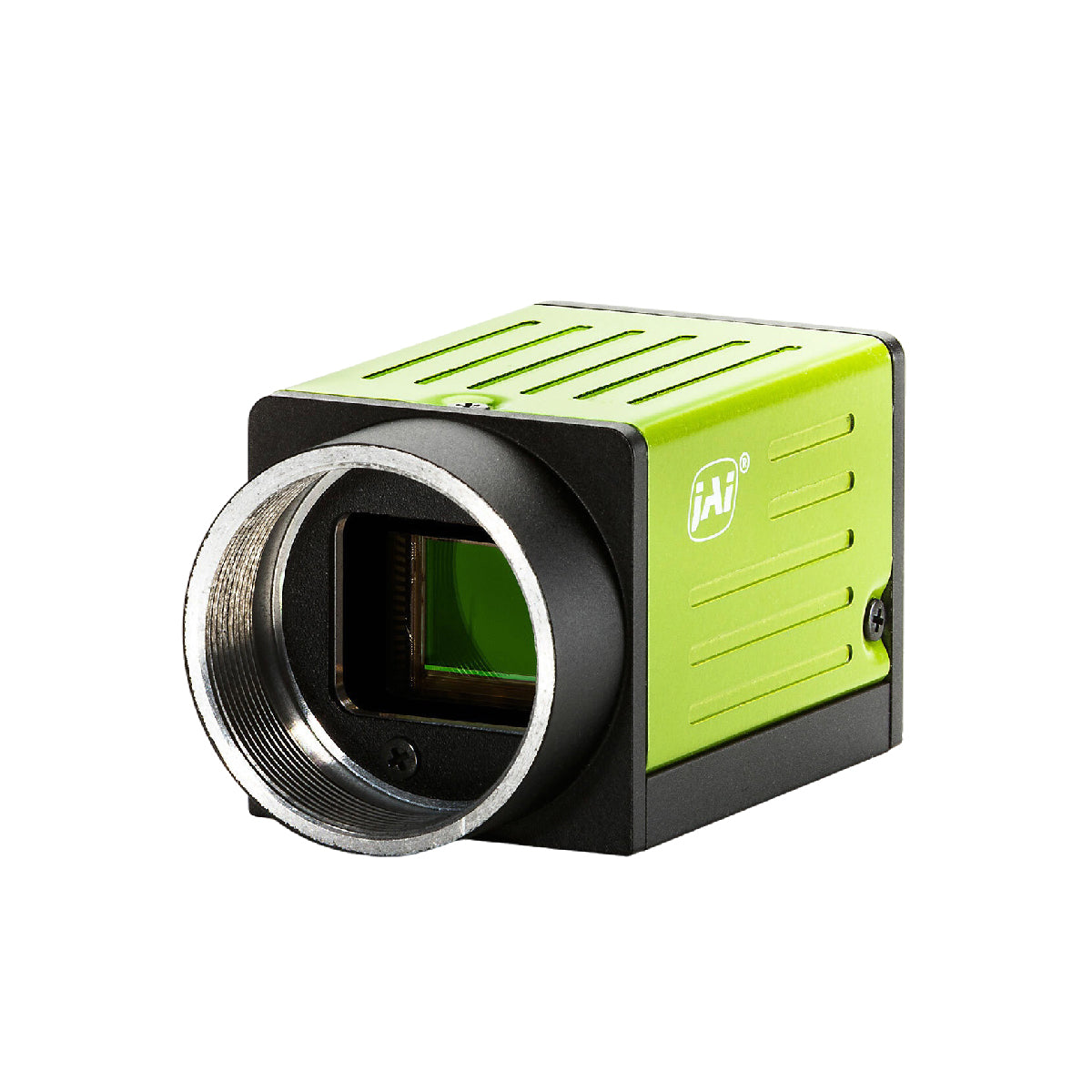
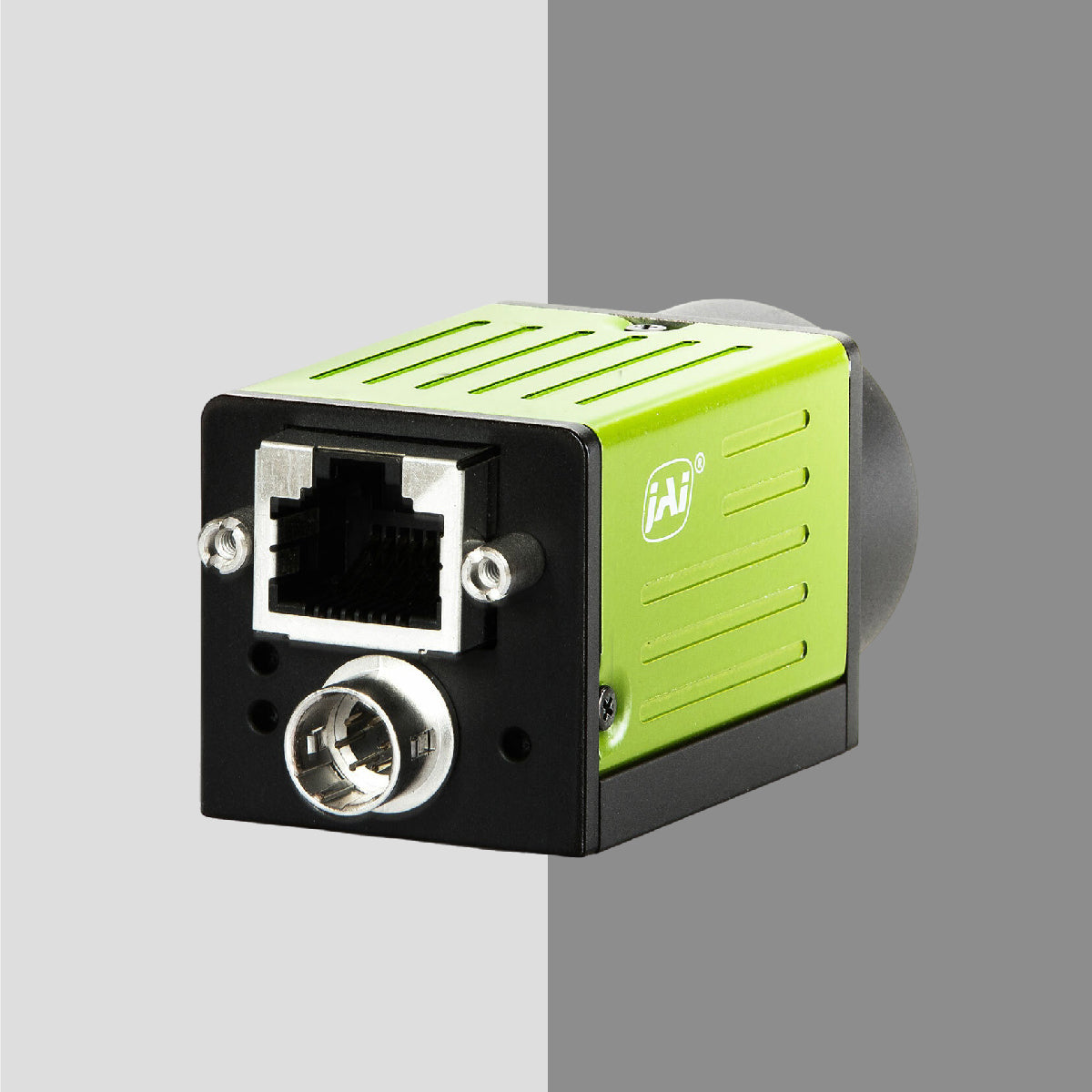
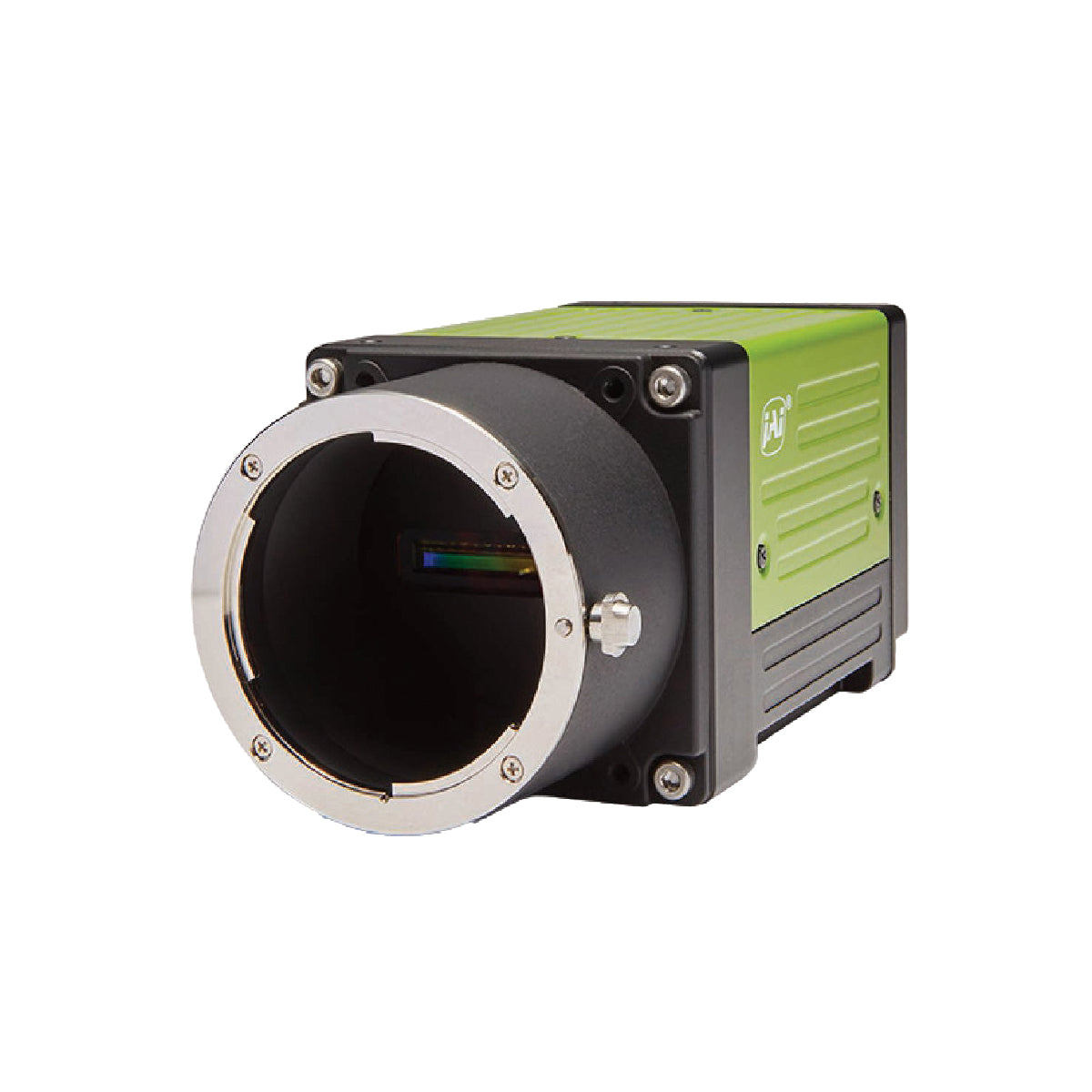
 Lighting


 Accessories

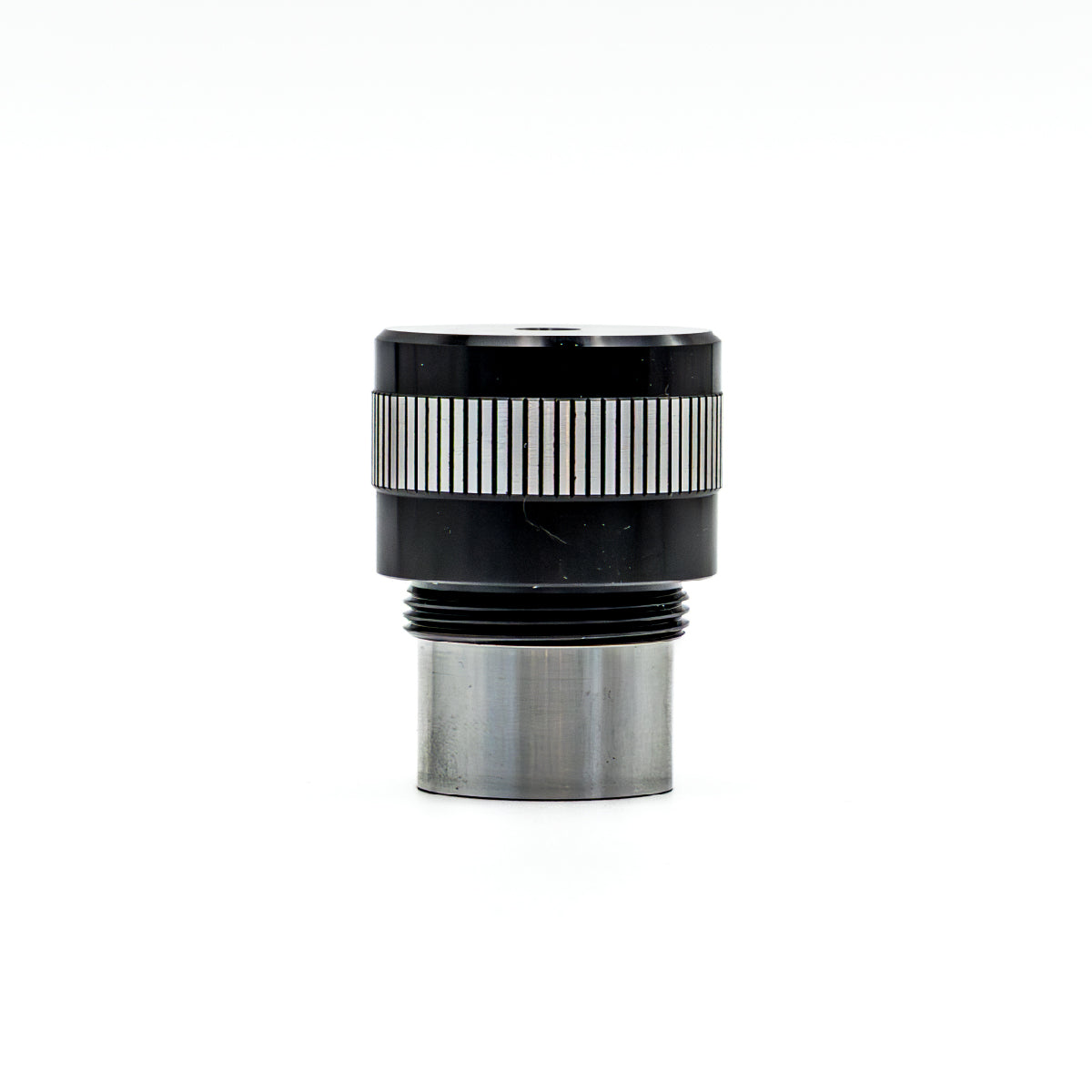









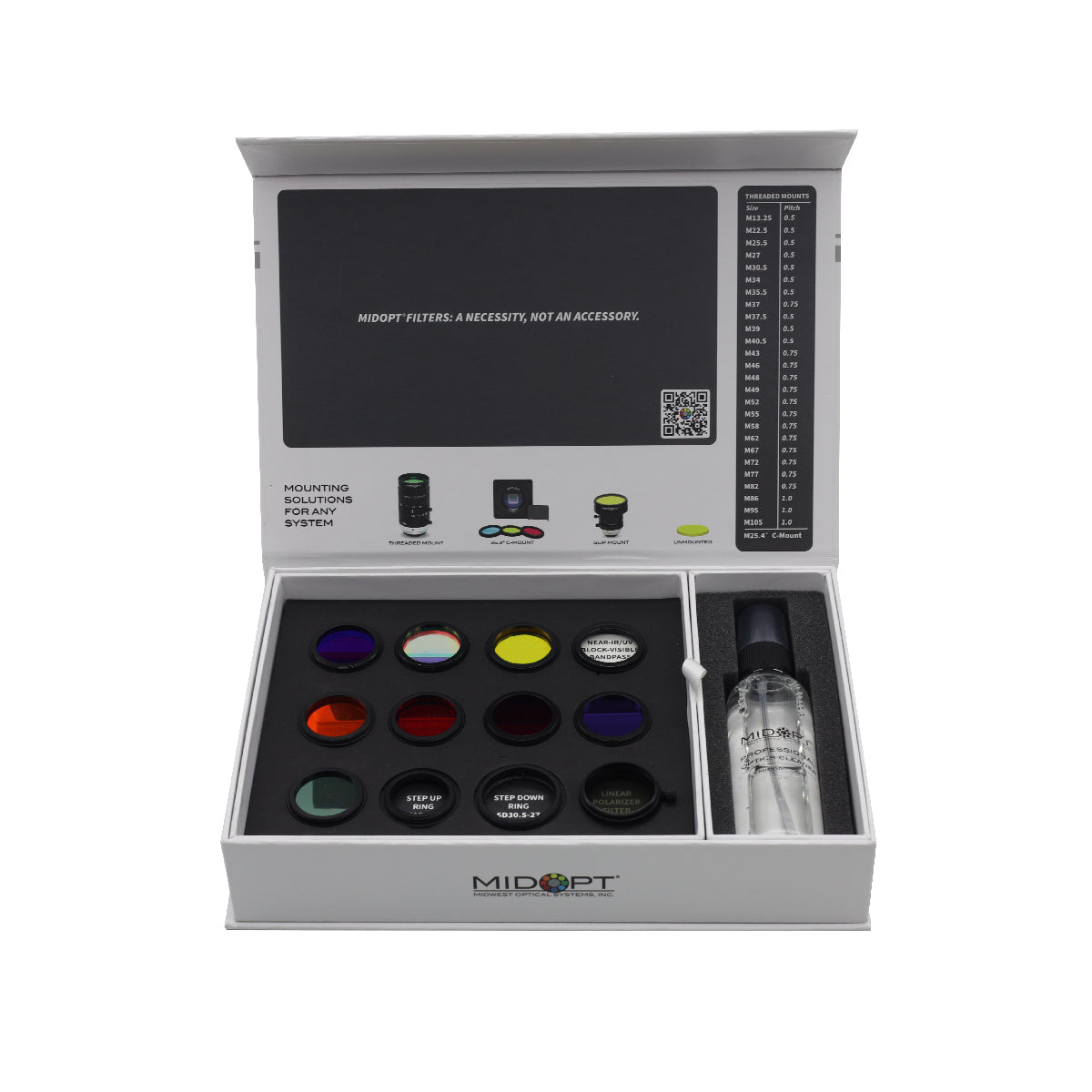
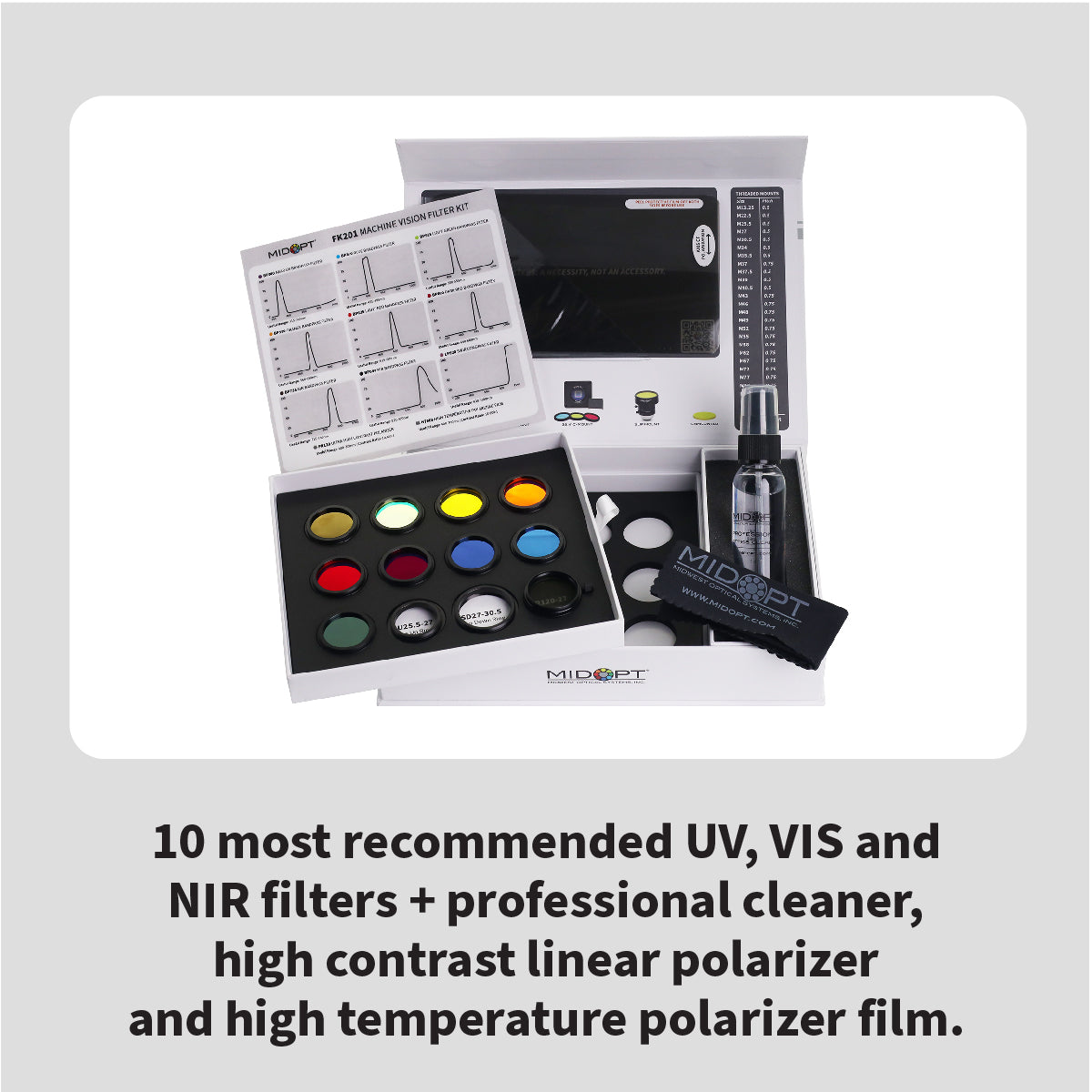
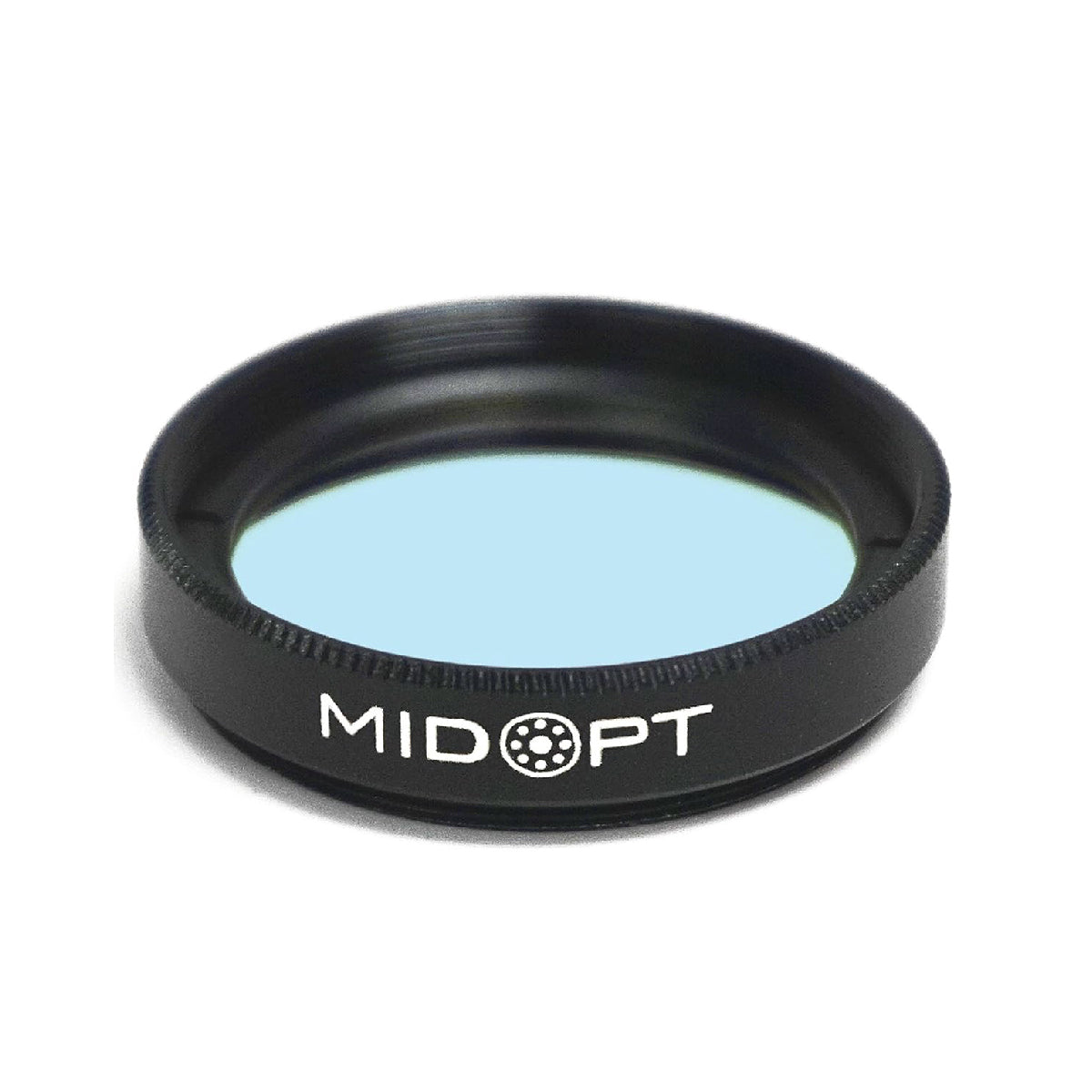
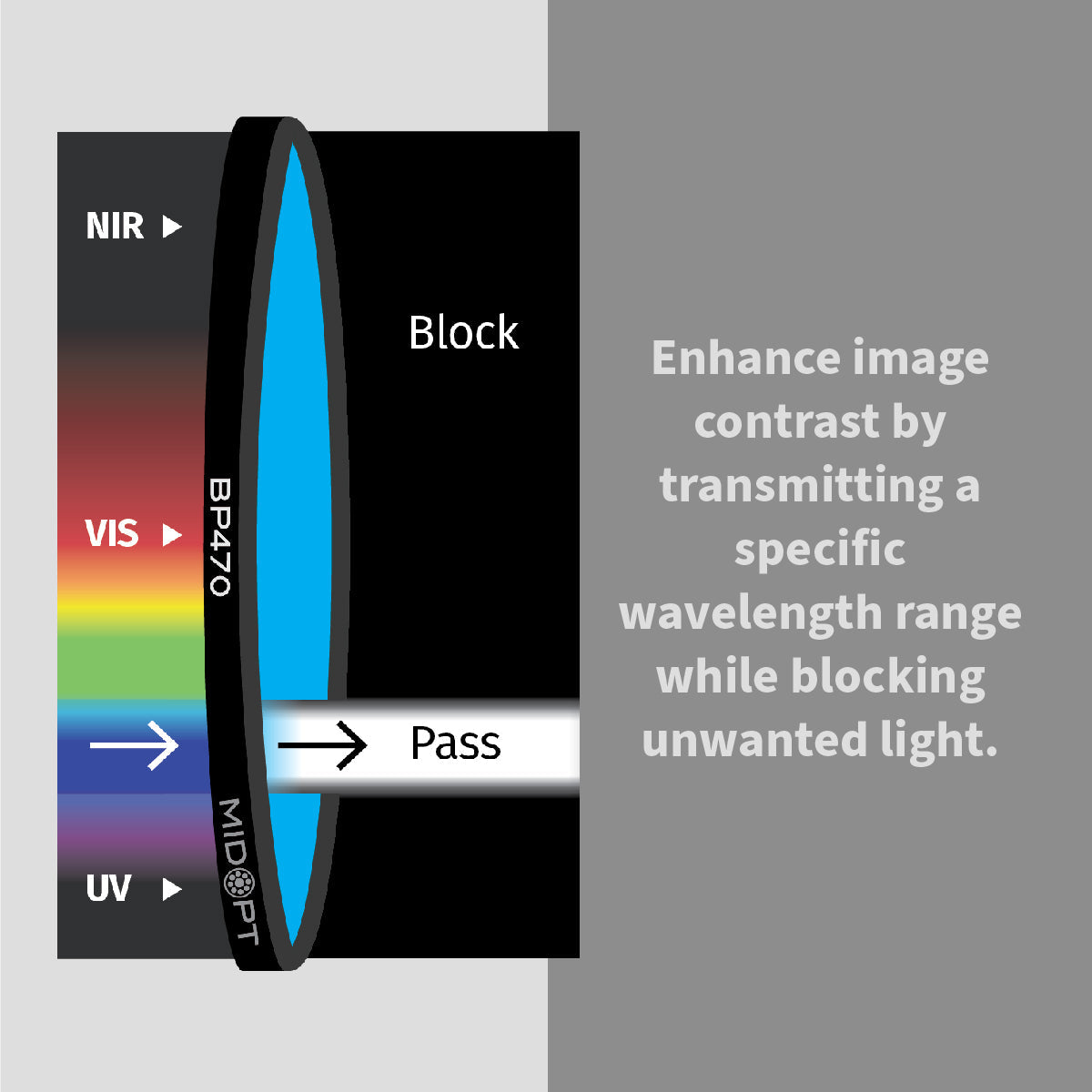
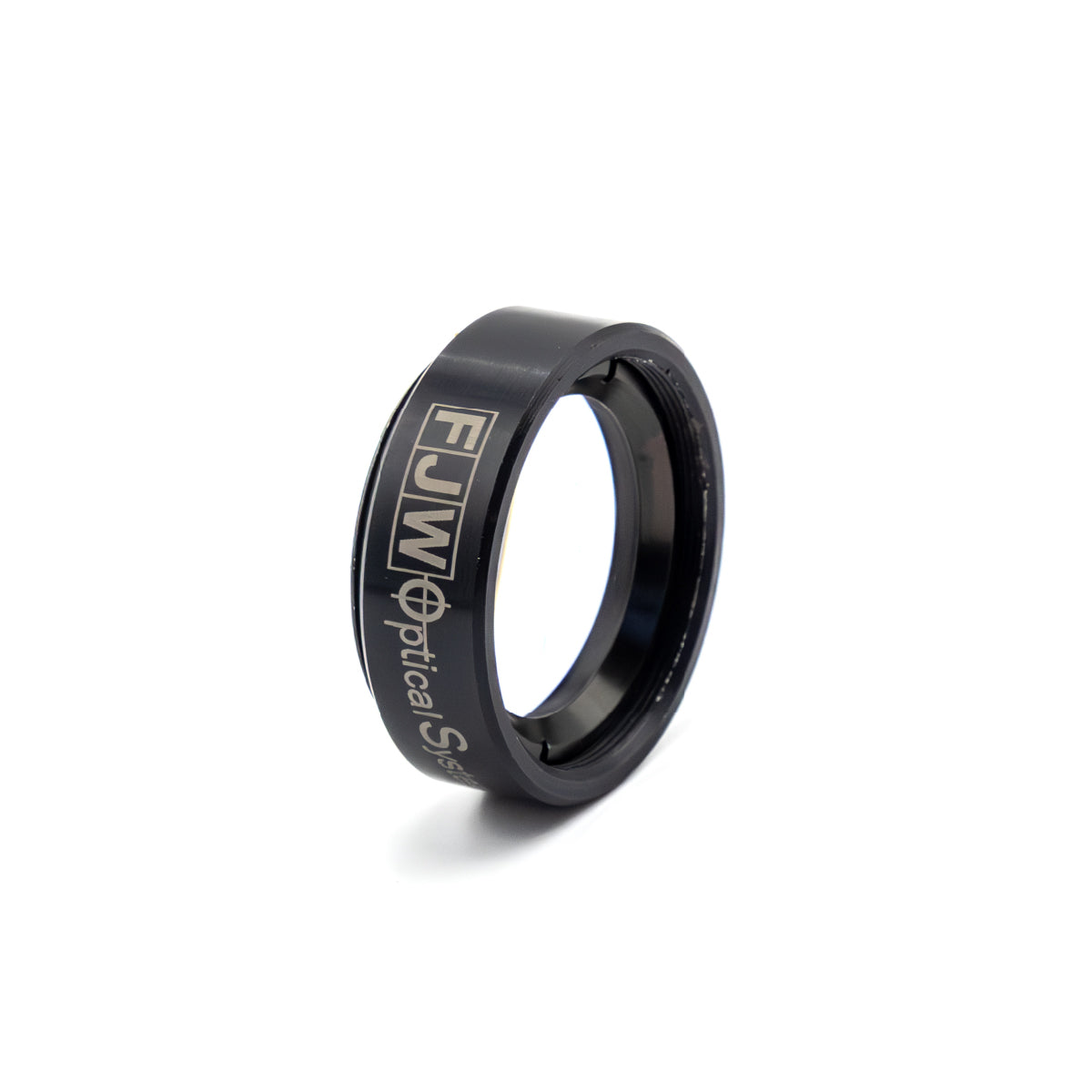


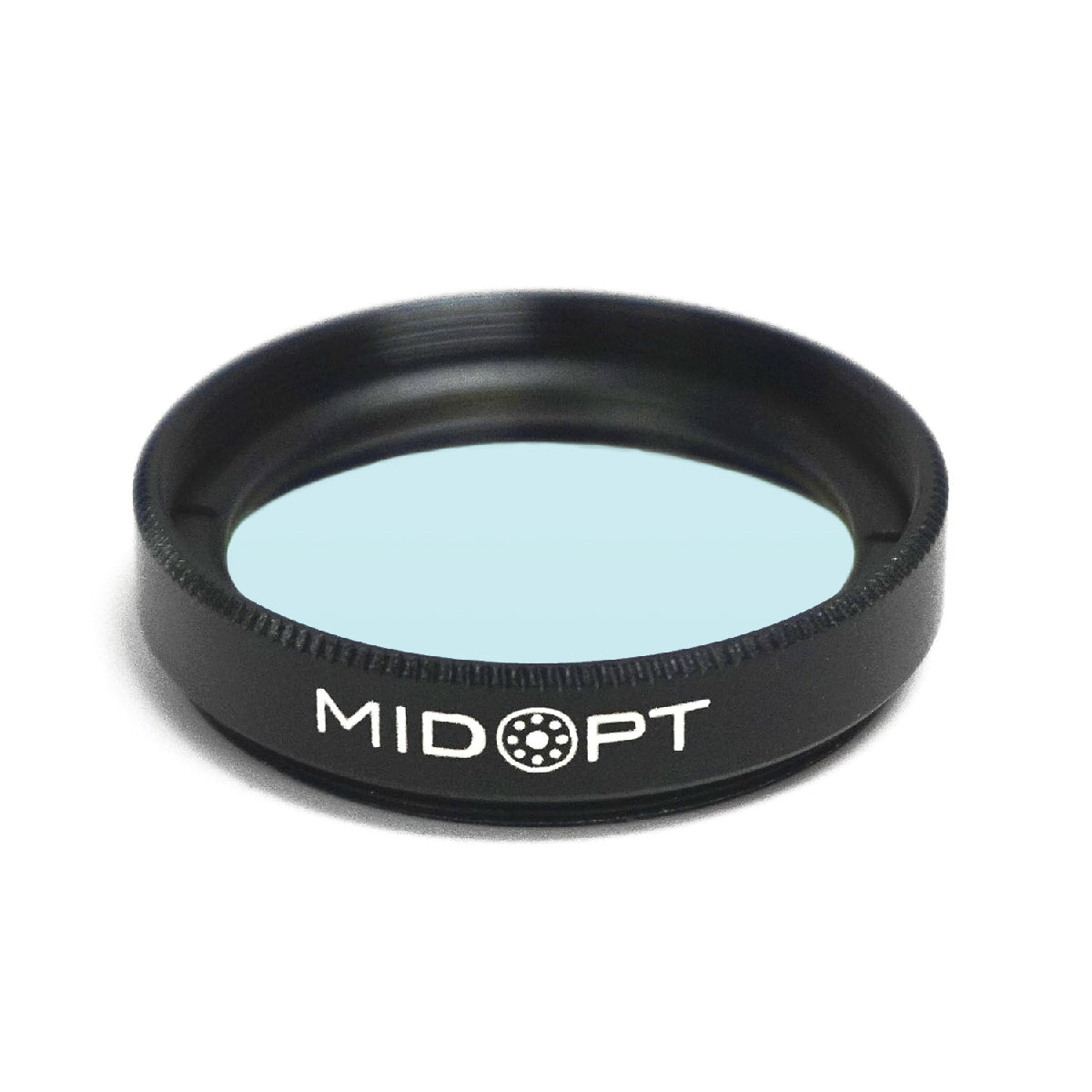
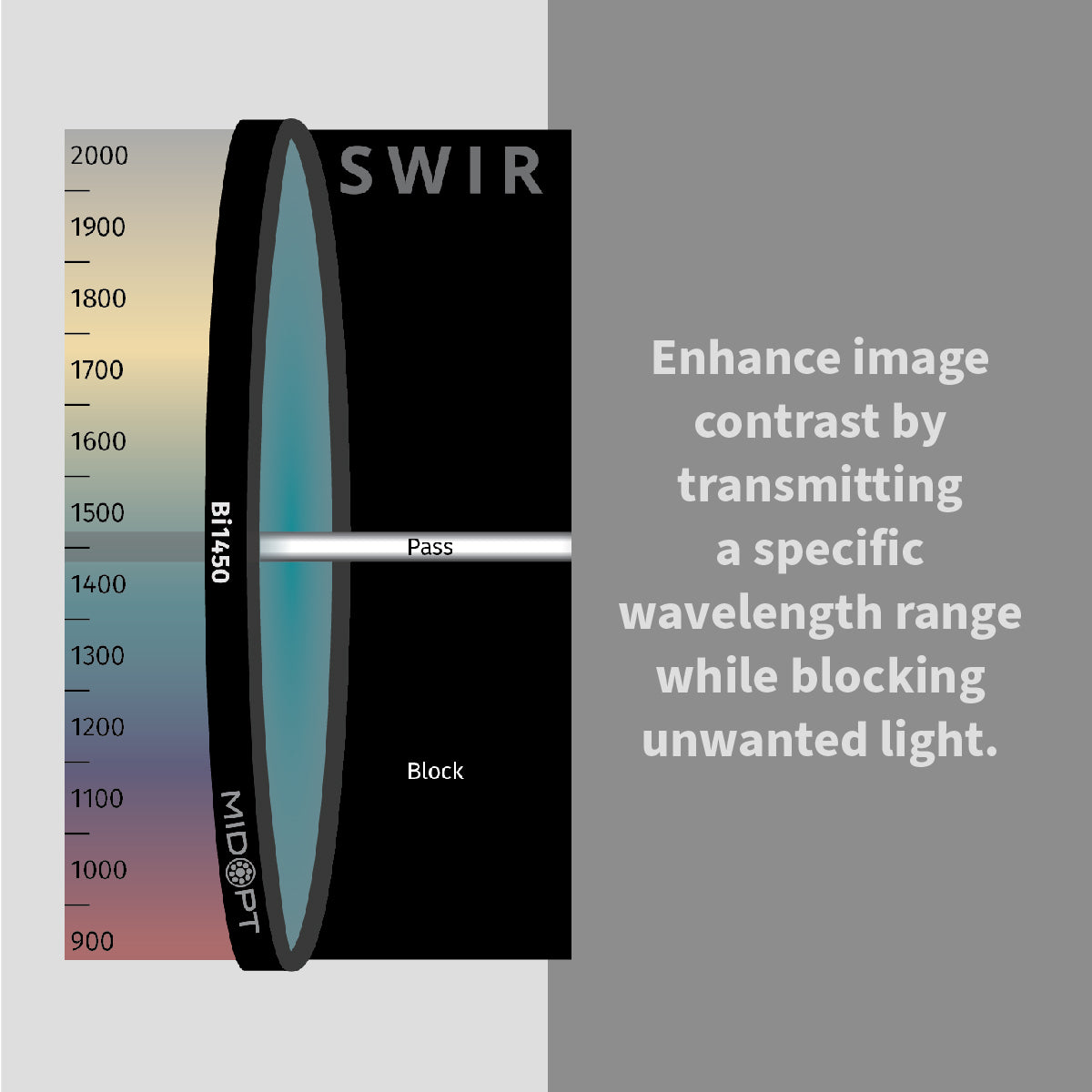
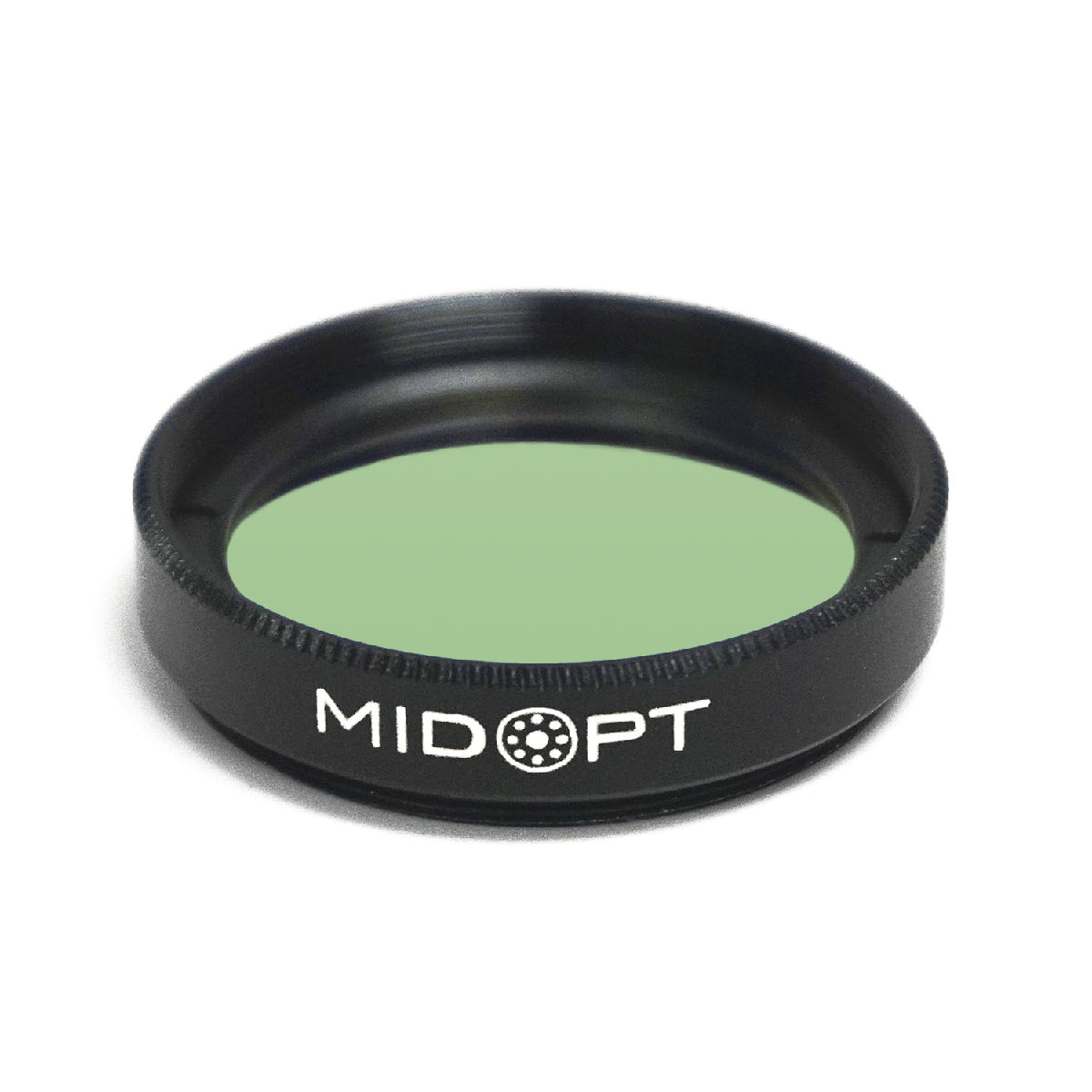
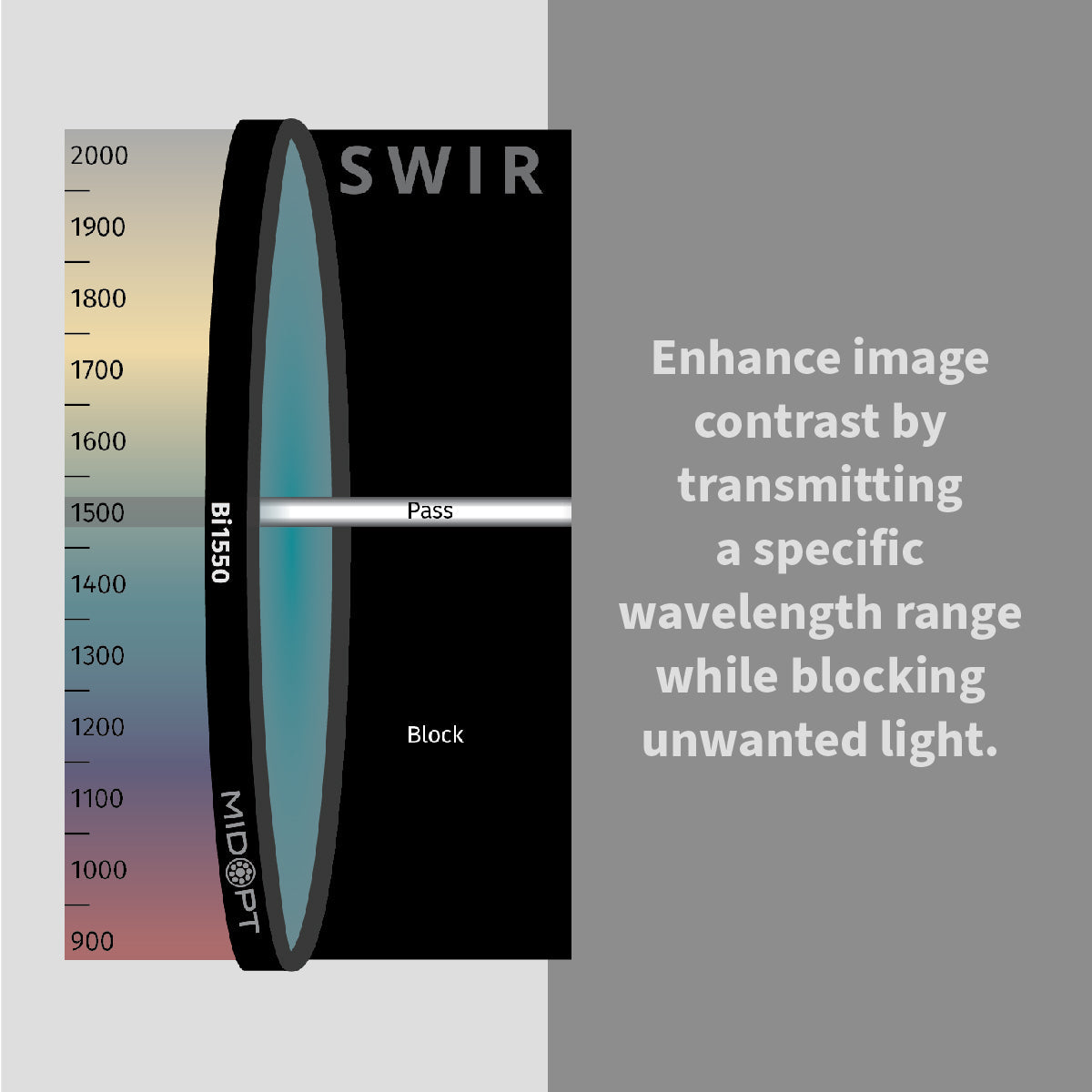
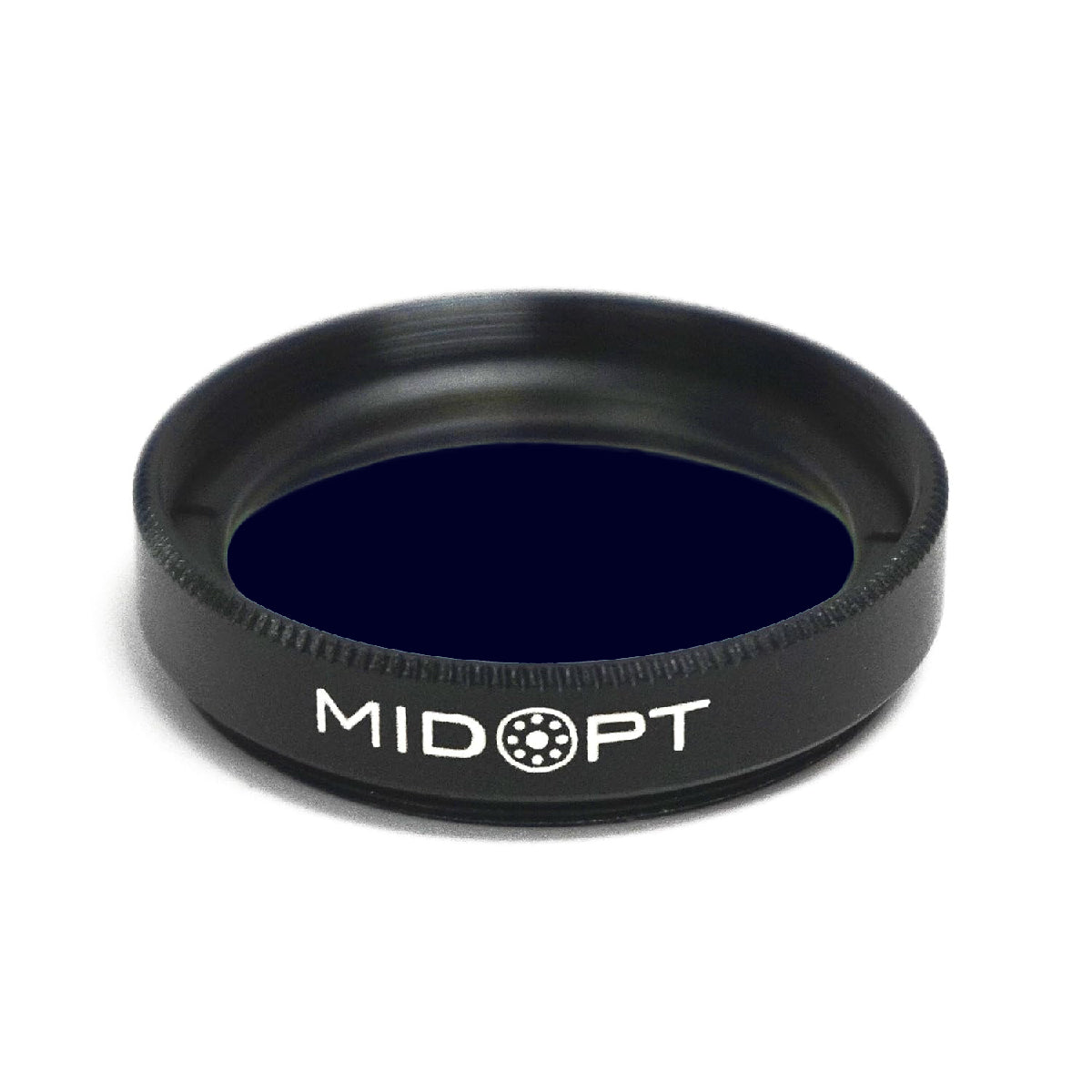
Selecting the correct optical filter is critical for optimizing image contrast, reducing noise, and improving detection accuracy in industrial machine vision systems. MidOpt filters are widely trusted across automation, biomedical imaging, and scientific research due to their precision engineering and high transmission performance.
In this guide, we’ll explain how to select the right MidOpt filter based on application, lighting, and camera configuration.
Understanding Optical Filtering in Machine Vision
In any imaging system, three components work together:
- Camera sensor
- Illumination source
- Optical filter
When properly configured, filters block unwanted wavelengths and allow only relevant light to reach the sensor.
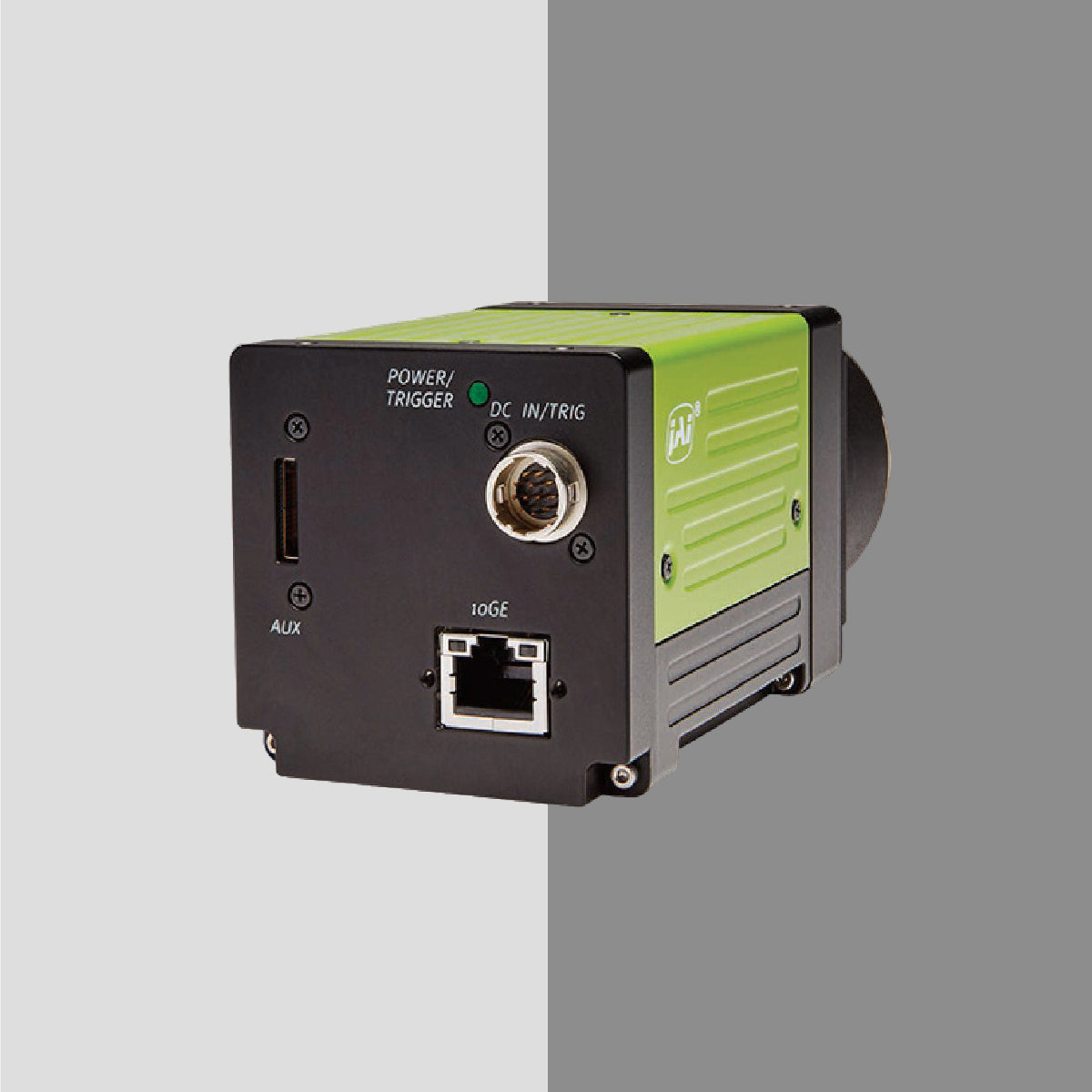
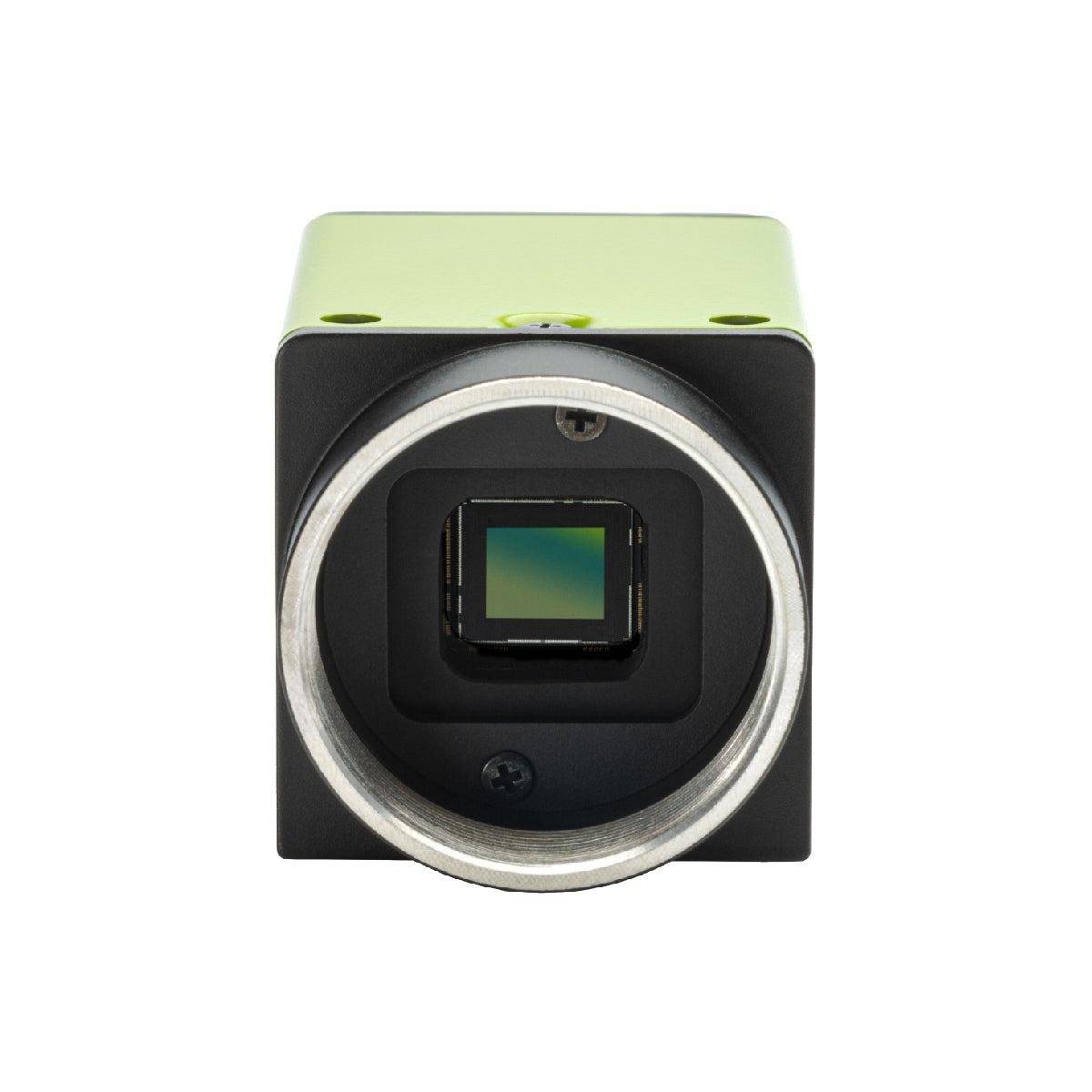
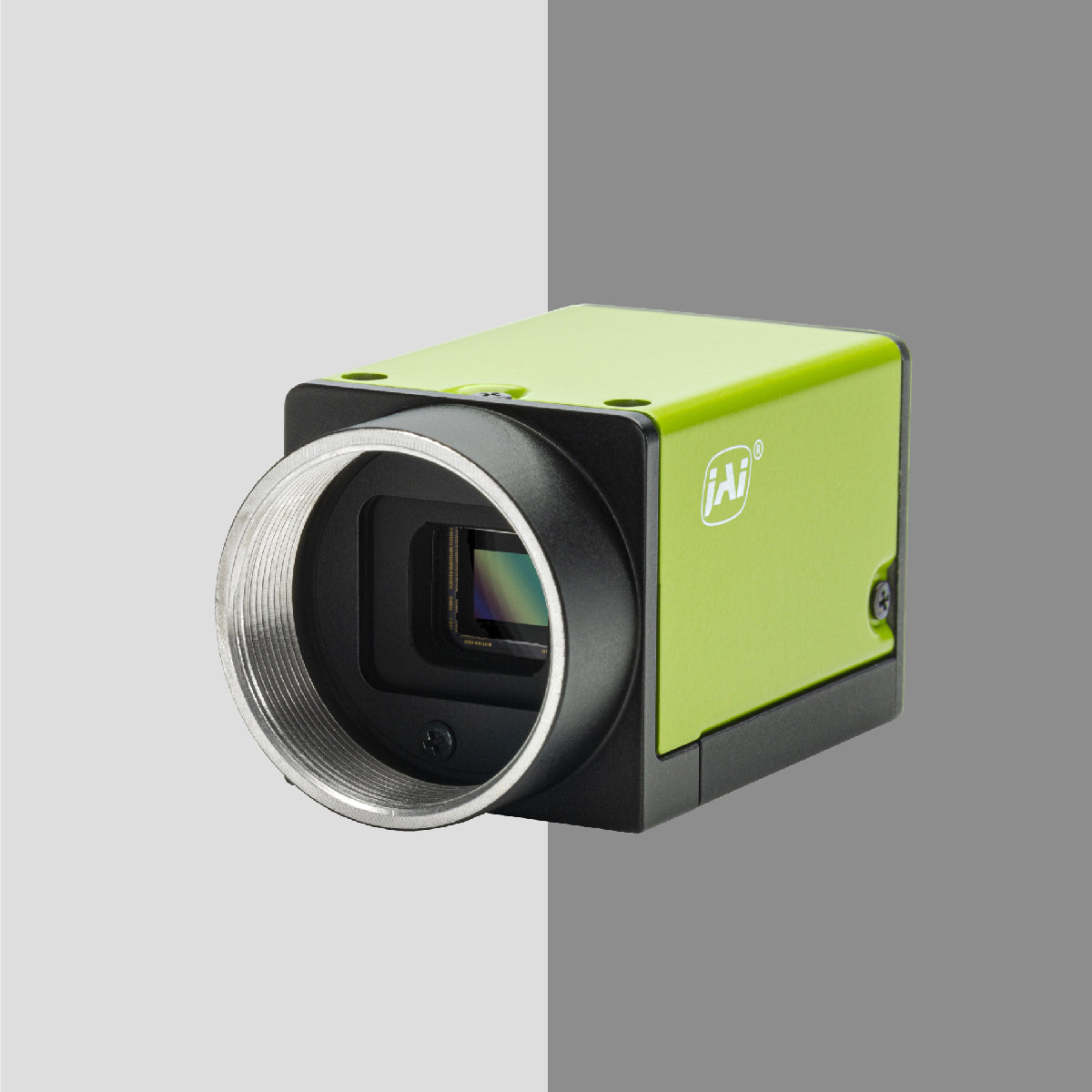
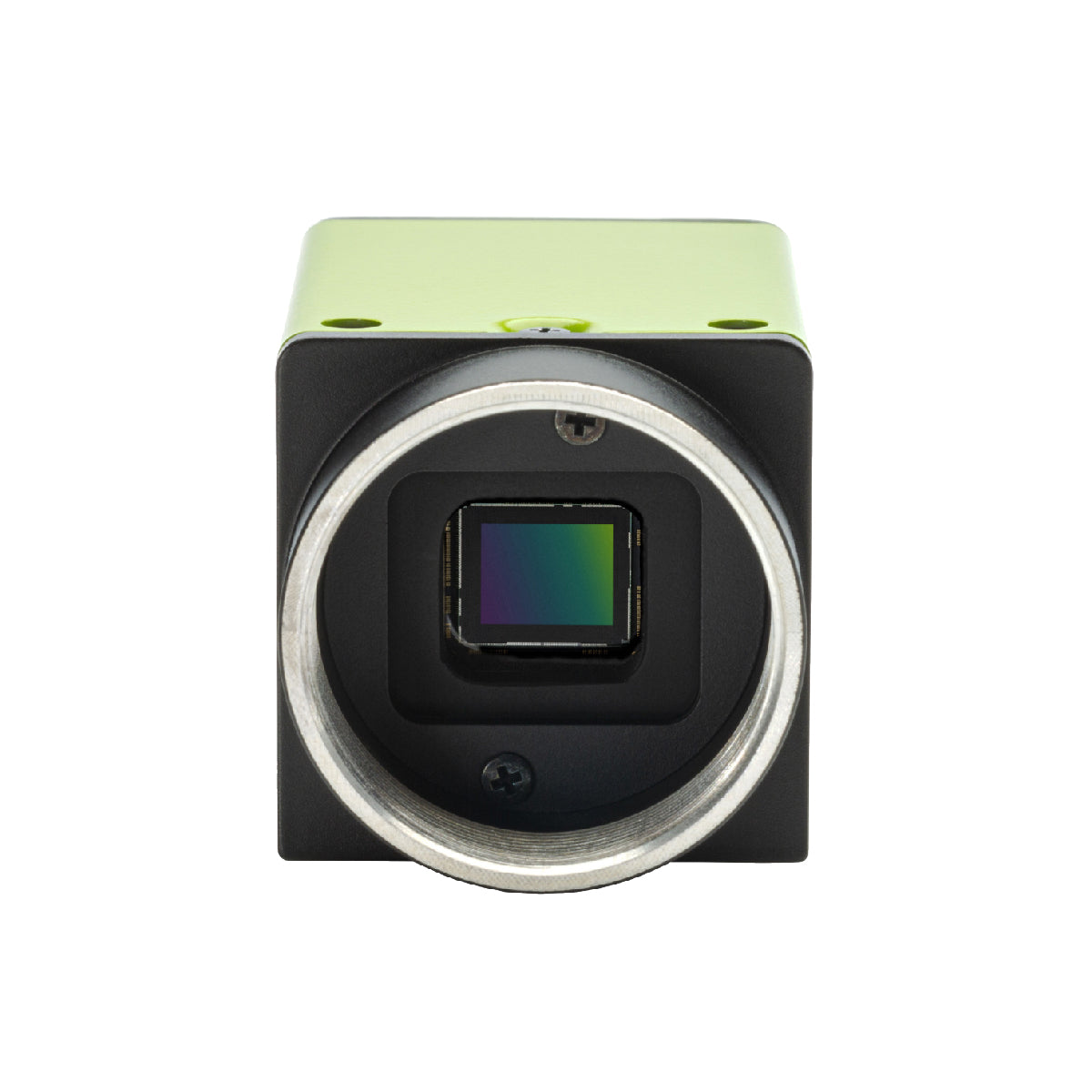
For complete imaging systems, review our industrial camera solutions.
Step 1: Identify Your Illumination Type
Different lighting types require different filter configurations.
For example:
- LED lighting often pairs with narrow bandpass filters
- Laser illumination requires wavelength-matched filters
- Fluorescence applications require excitation & emission separation
Explore compatible machine vision lighting options here.
Step 2: Choose the Appropriate Filter Type
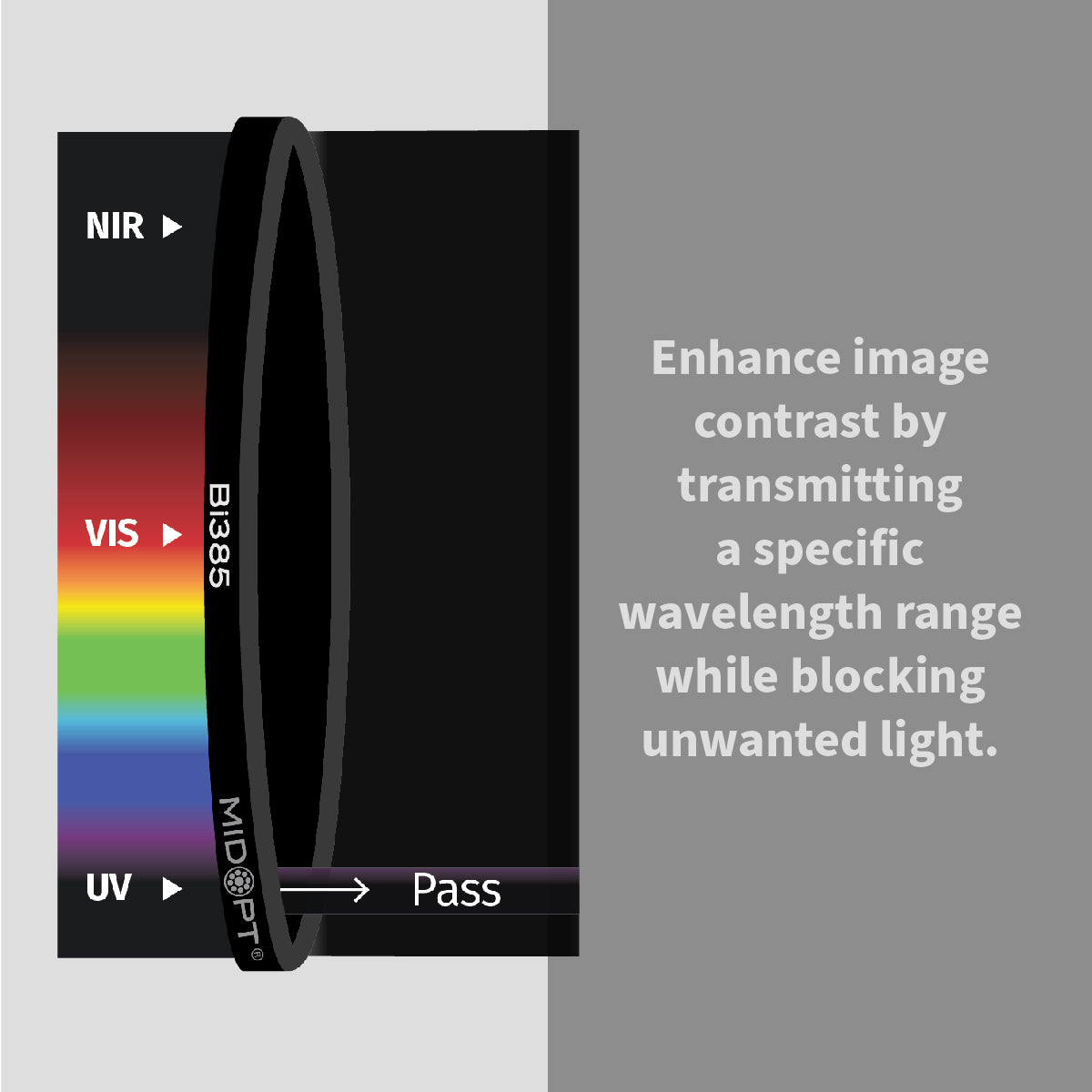
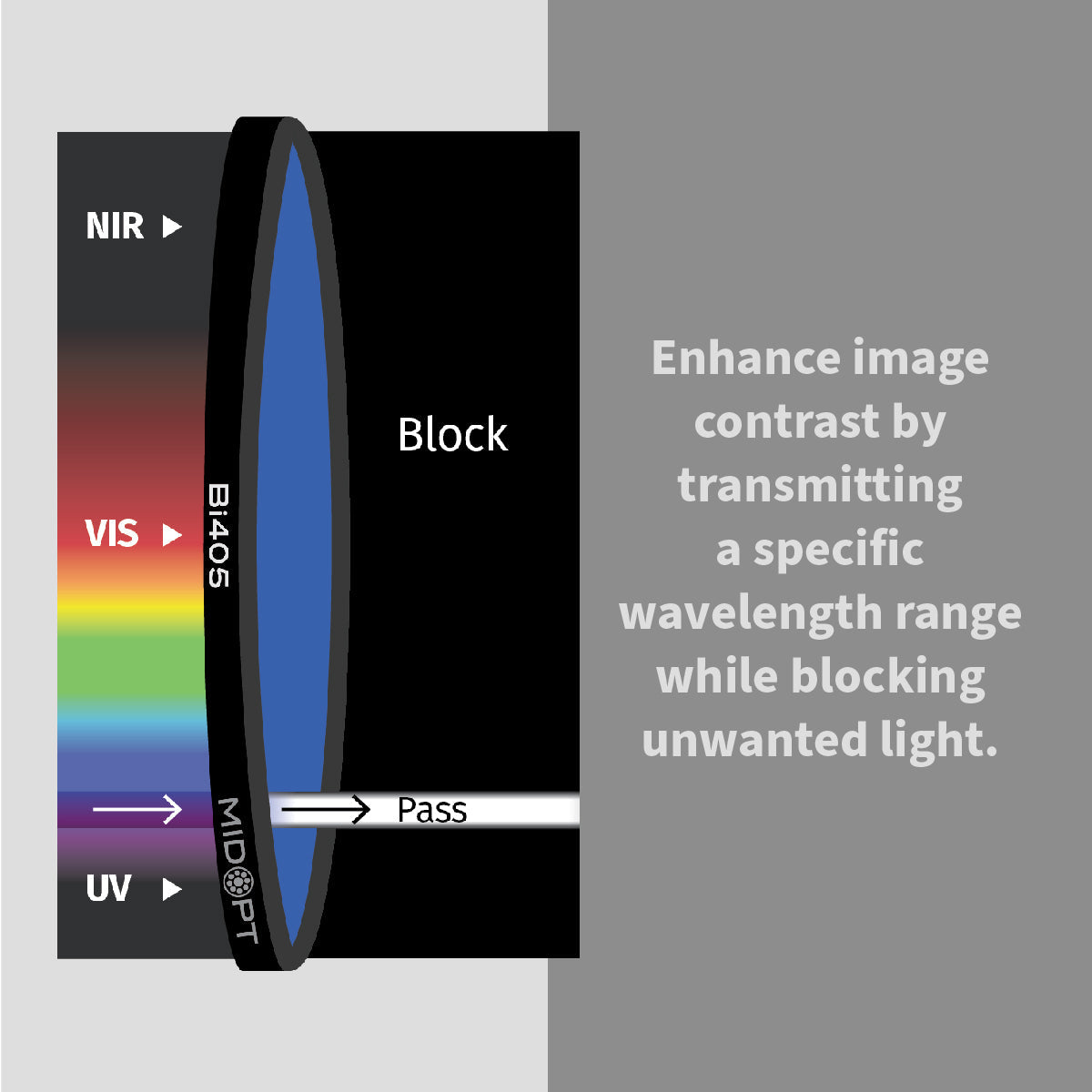
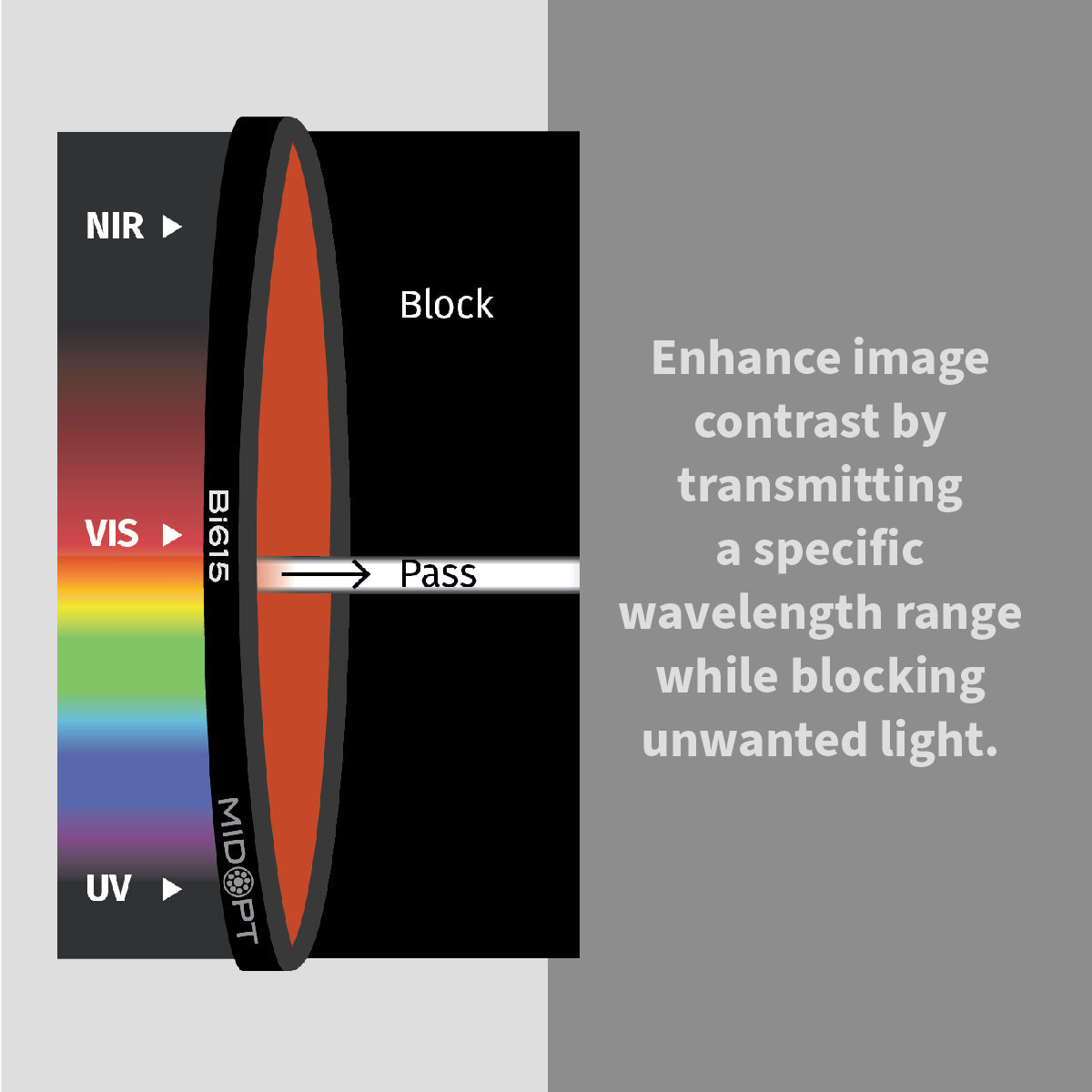
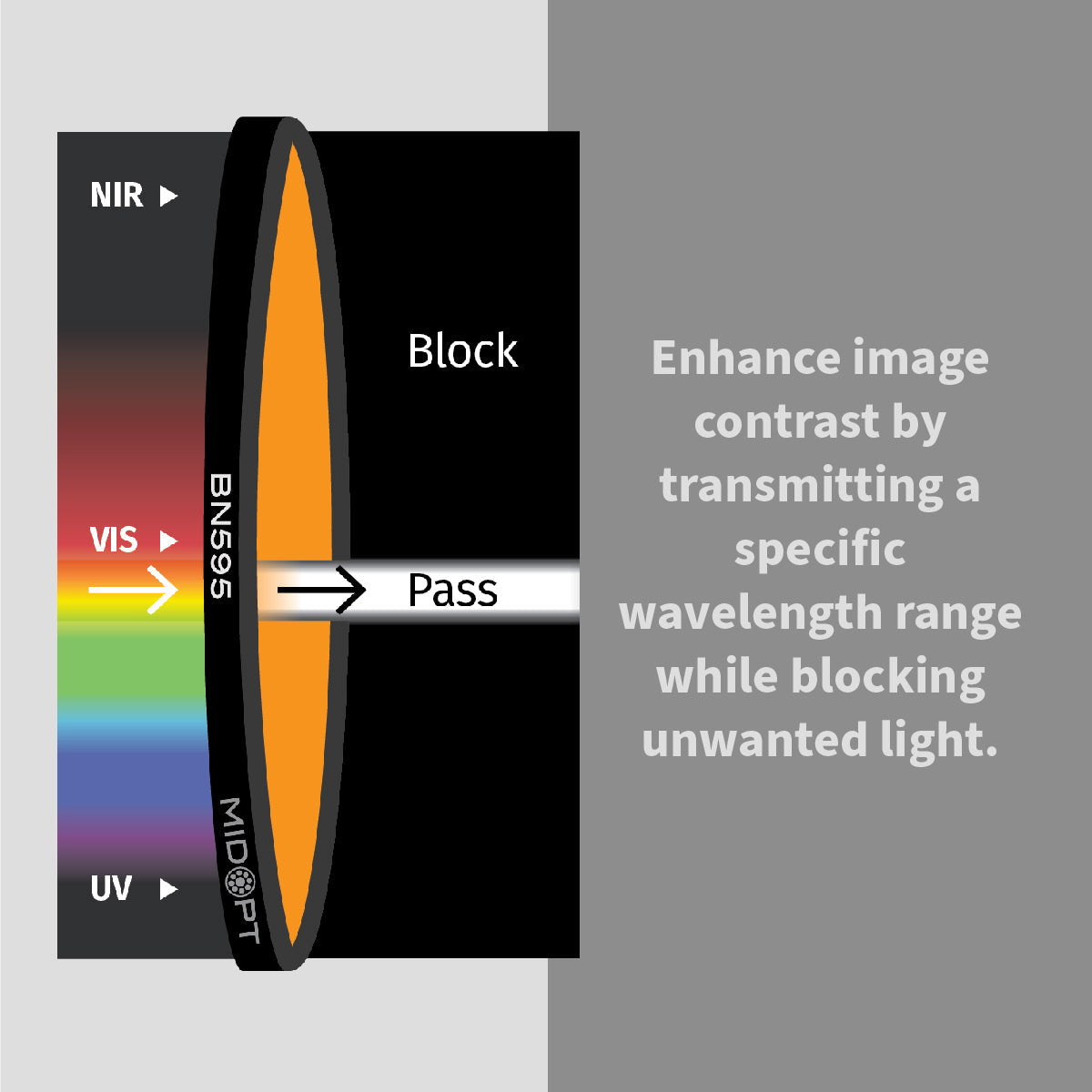
Bandpass Filters
Best for isolating a specific LED wavelength.
(Internal Link C → Bandpass Filters Collection)
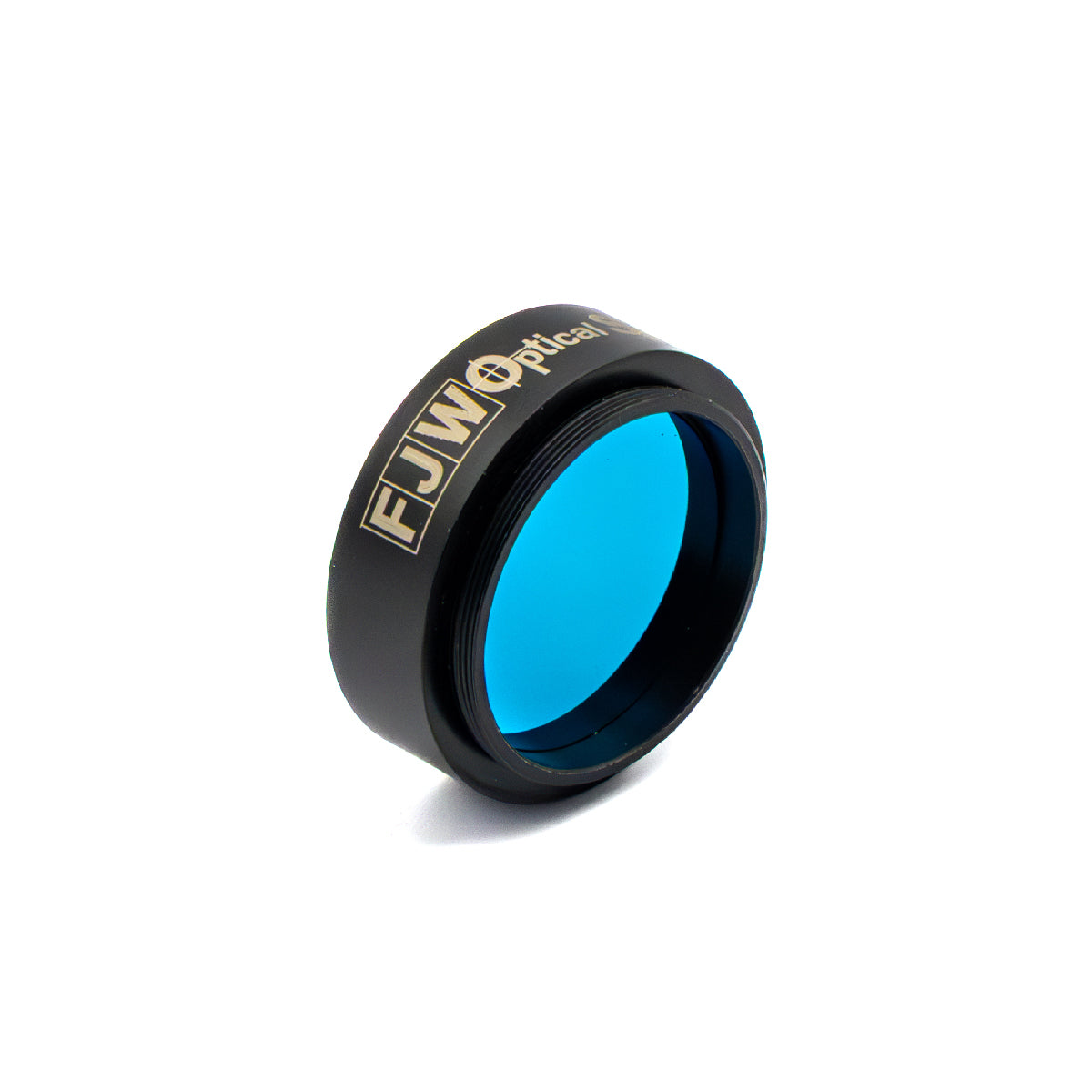
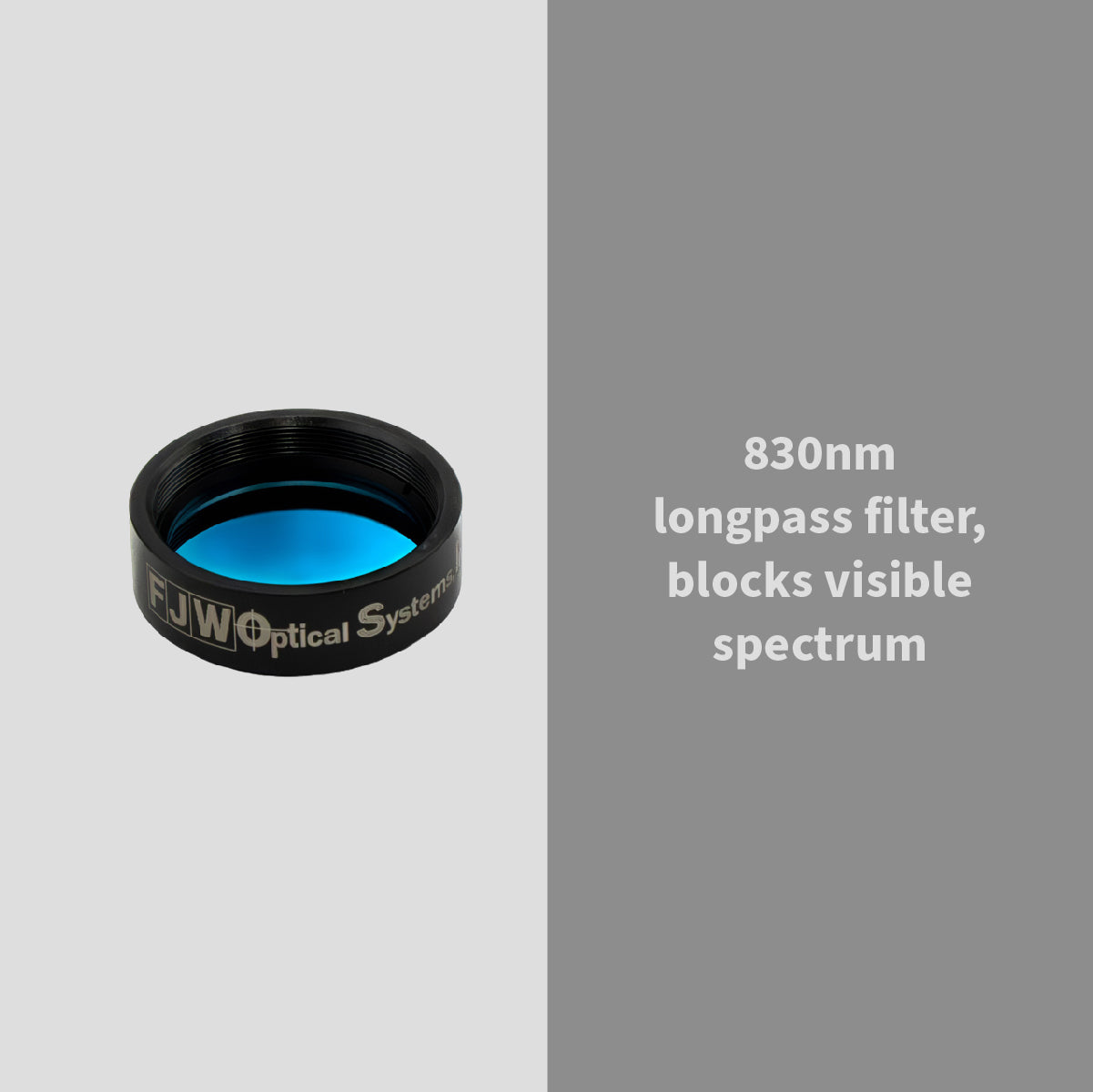
Longpass Filters
Used when blocking shorter wavelength interference.
Shortpass Filters
Ideal for blocking IR or longer wavelength noise.
Neutral Density Filters
Control light intensity without altering color balance.
Step 3: Match Filter to Camera Sensor
Sensor sensitivity varies across visible and near-IR ranges.
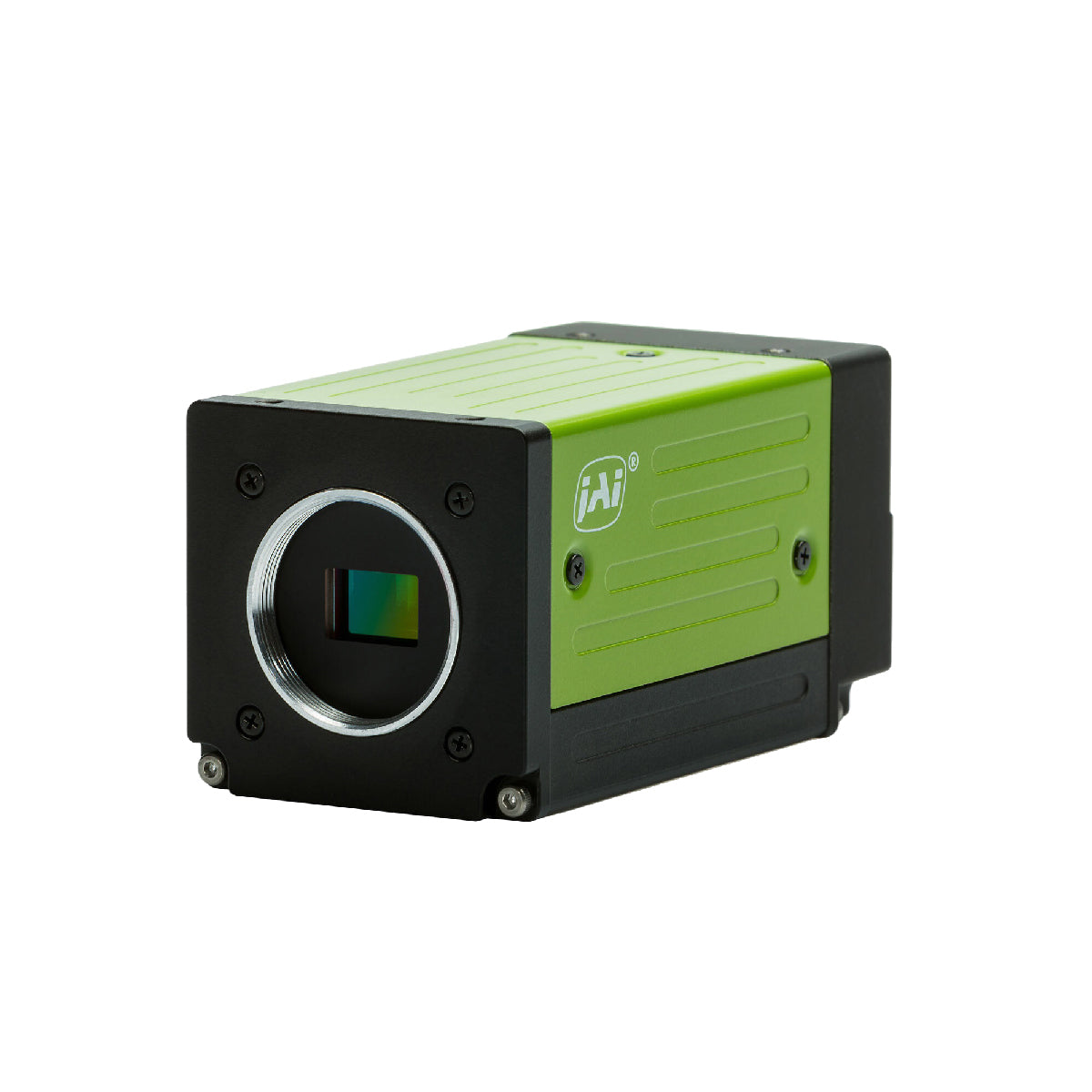
High-resolution industrial cameras require precise optical filtering to maintain image clarity.
See our full range of machine vision cameras.
Step 4: Consider Lens Compatibility
Filters must be compatible with lens thread size and optical design.
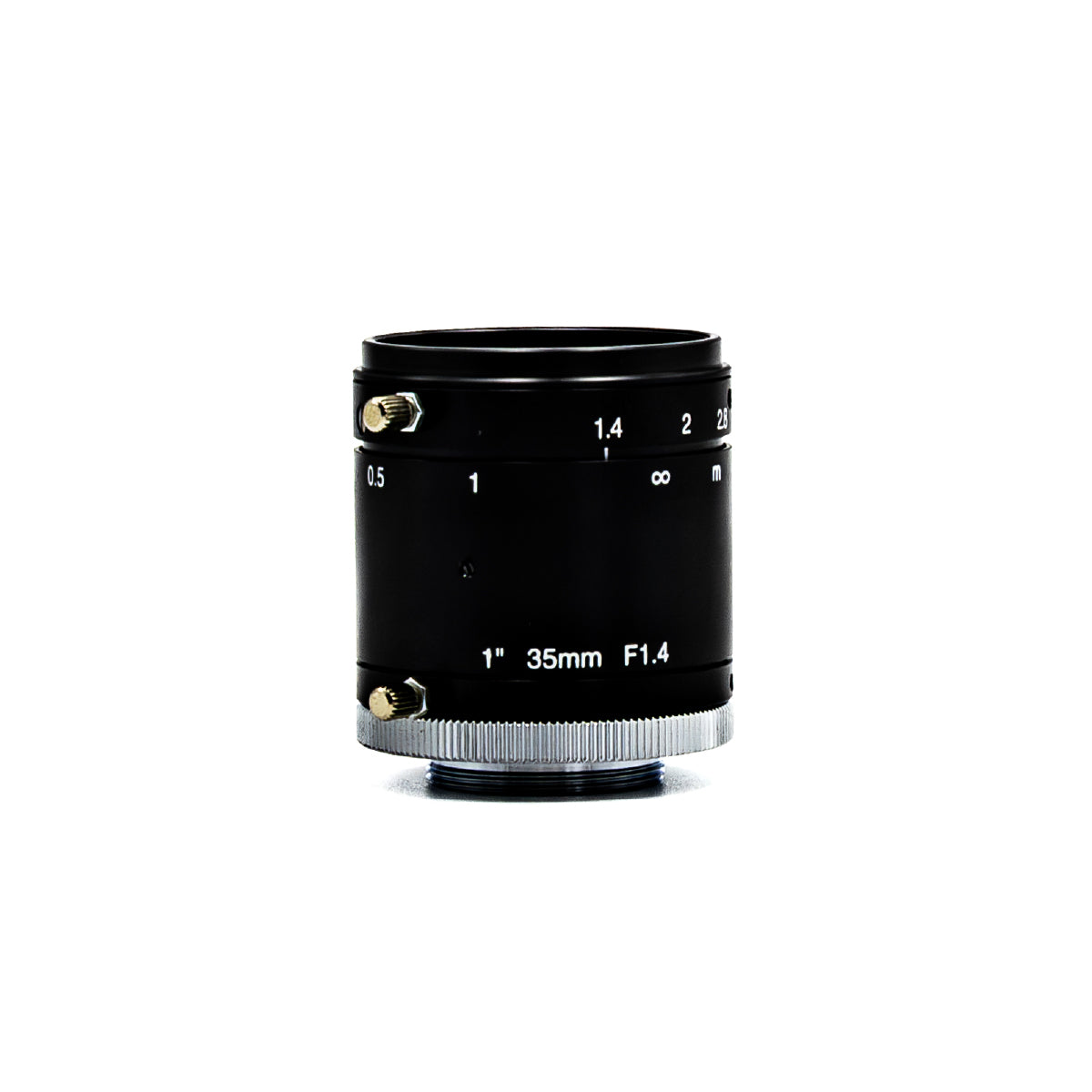
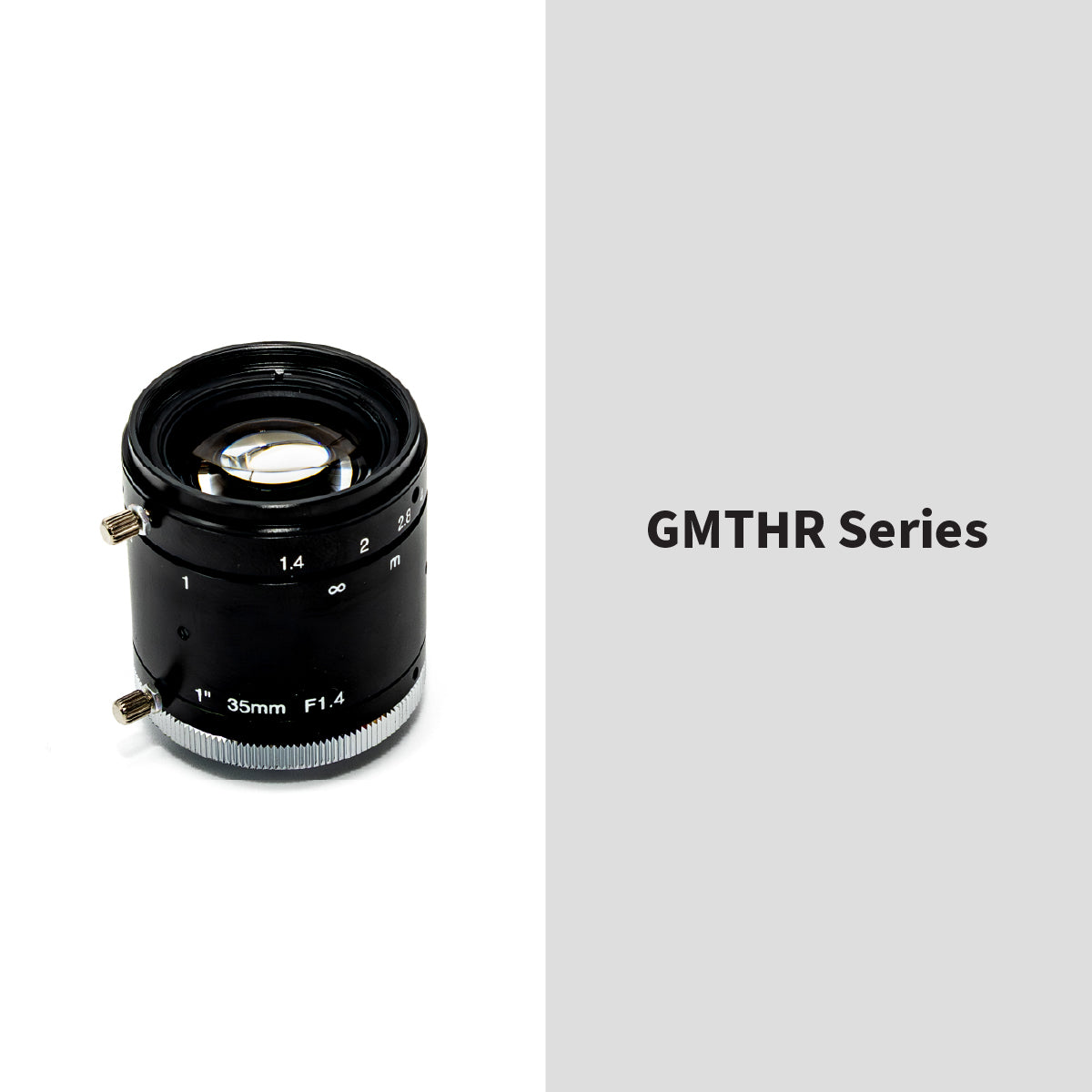
Explore compatible precision lenses here.
Step 5: Consider Complete System Integration
In many automation environments, filters work alongside:
- Cameras
- Lenses
- Lighting
- Accessories
Browse machine vision accessories for mounting and integration solutions.
Why MidOpt Filters Stand Out
- Exceptional blocking outside passband
- Consistent wavelength accuracy
- Durable industrial coatings
- Reliable OEM integration
Explore our full MidOpt collection here.
Choosing the right MidOpt filter requires understanding your illumination source, sensor sensitivity, and application environment. When combined with the right camera, lighting, and lens system, MidOpt filters significantly enhance inspection accuracy and imaging reliability.
For application guidance or bulk OEM orders, contact FJW Optical for expert support.