$15.00
$15.00

 Find-R-Scopes

 Filters
 Lenses
 Cameras
 Lighting


 Accessories










Printed circuit board (PCB) inspection is one of the most demanding applications in machine vision. As electronic assemblies become more compact and densely populated, manufacturers rely on automated optical inspection (AOI) systems to identify increasingly smaller defects while maintaining high production speeds.

From printed circuit board (PCB) inspection and component placement verification to solder joint analysis and semiconductor inspection, the lens is a critical part of achieving reliable image quality.

As electronic devices continue to become smaller, faster, and more sophisticated, manufacturers face increasing pressure to produce flawless products at higher speeds. Printed circuit boards (PCBs), semiconductor devices, batteries, displays, connectors, and electronic assemblies all require precise inspection throughout production to ensure quality and reliability.

As printed circuit boards (PCBs) become smaller, more densely populated, and increasingly complex, manufacturers require machine vision systems capable of detecting microscopic defects with exceptional accuracy. From solder paste inspection and component placement verification to automated optical inspection (AOI) and semiconductor manufacturing, image quality directly impacts production efficiency and product reliability.


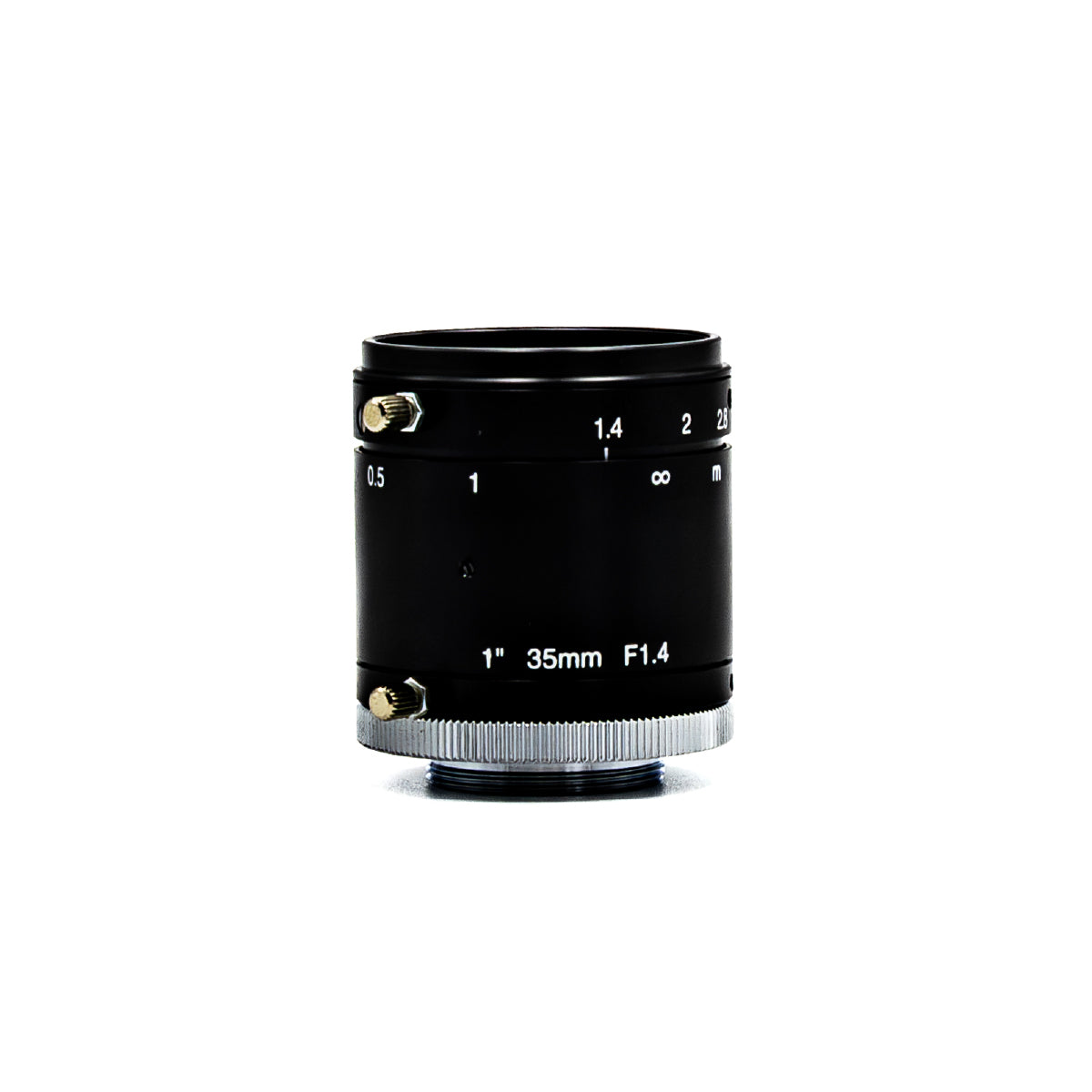
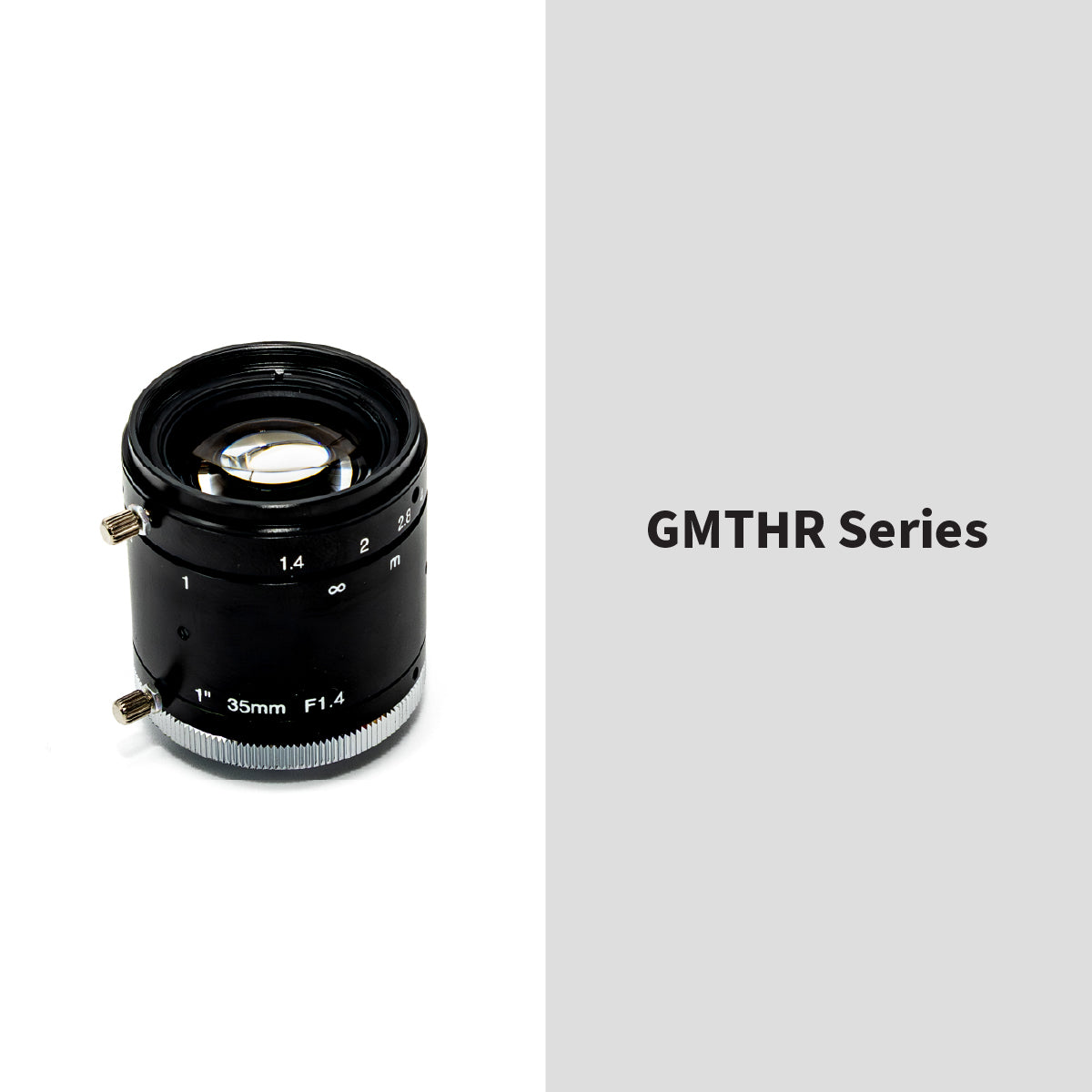
Selecting the right lens is one of the most critical decisions in building a successful machine vision system. While cameras and lighting often get the spotlight, the lens ultimately determines how well your system captures detail, maintains accuracy and performs over time.

In bottling and beverage manufacturing, speed and precision are everything. Production lines move fast, margins are tight and even minor defects can lead to costly waste, recalls or brand damage. High-speed machine vision cameras play a critical role in maintaining quality, ensuring every bottle meets strict standards before it reaches the consumer.

When it comes to machine vision systems, the lens is am important component. While it’s tempting to prioritize cameras, lighting or software, the reality is simple: your system is only as good as the image it captures. And that starts with the lens. Investing in a high-quality machine vision lens can dramatically improve accuracy, consistency and long-term performance. Here’s why it’s worth it.

As agriculture and environmental monitoring become increasingly data-driven, NDVI (Normalized Difference Vegetation Index) has become one of the most widely used tools for assessing vegetation health.

In high-speed inspection environments, image quality depends just as much on lighting as it does on the camera itself. This is especially true for line scan systems, where images are built one line at a time as an object moves through the field of view. Proper lighting is critical to ensure consistent, high-contrast images that support accurate detection and measurement.

In today’s automated environments, robots are expected to do more than just repeat motions – they must see, interpret and react in real time. Whether it’s high-speed pick-and-place or complex bin picking, machine vision cameras are at the core of enabling robots to operate with precision, flexibility and intelligence.

Choosing the right lighting is one of the most critical steps in building a successful machine vision system. Illumination affects everything from contrast and resolution to inspection speed and system reliability. Selecting the wrong light unit can result in poor image quality, inconsistent results or even complete inspection failure. Here are key items to check when evaluating a light source.

Protective windows act as a barrier between the imaging system and real-world environment. Whether operating in a factory, outdoors or in harsh industrial conditions, these optical elements help protect sensitive components while preserving image quality.

In machine vision and precision imaging, clarity is everything. Yet even with high-end cameras and sensors, image quality can be compromised by optical imperfections. One of the most common being chromatic aberration. Understanding what chromatic aberration is, how it impacts your system and how to correct it is essential for achieving accurate, repeatable results.

In machine vision, lighting is everything. Even the most advanced camera and lens can underperform if the lighting setup isn’t optimized. Poor illumination leads to inconsistent results, missed defects and unreliable data. But the good news is most lighting issue are common, and fixable.

Lighting plays a critical role in machine vision systems. Even the best camera and lens cannot produce accurate results without proper illumination.

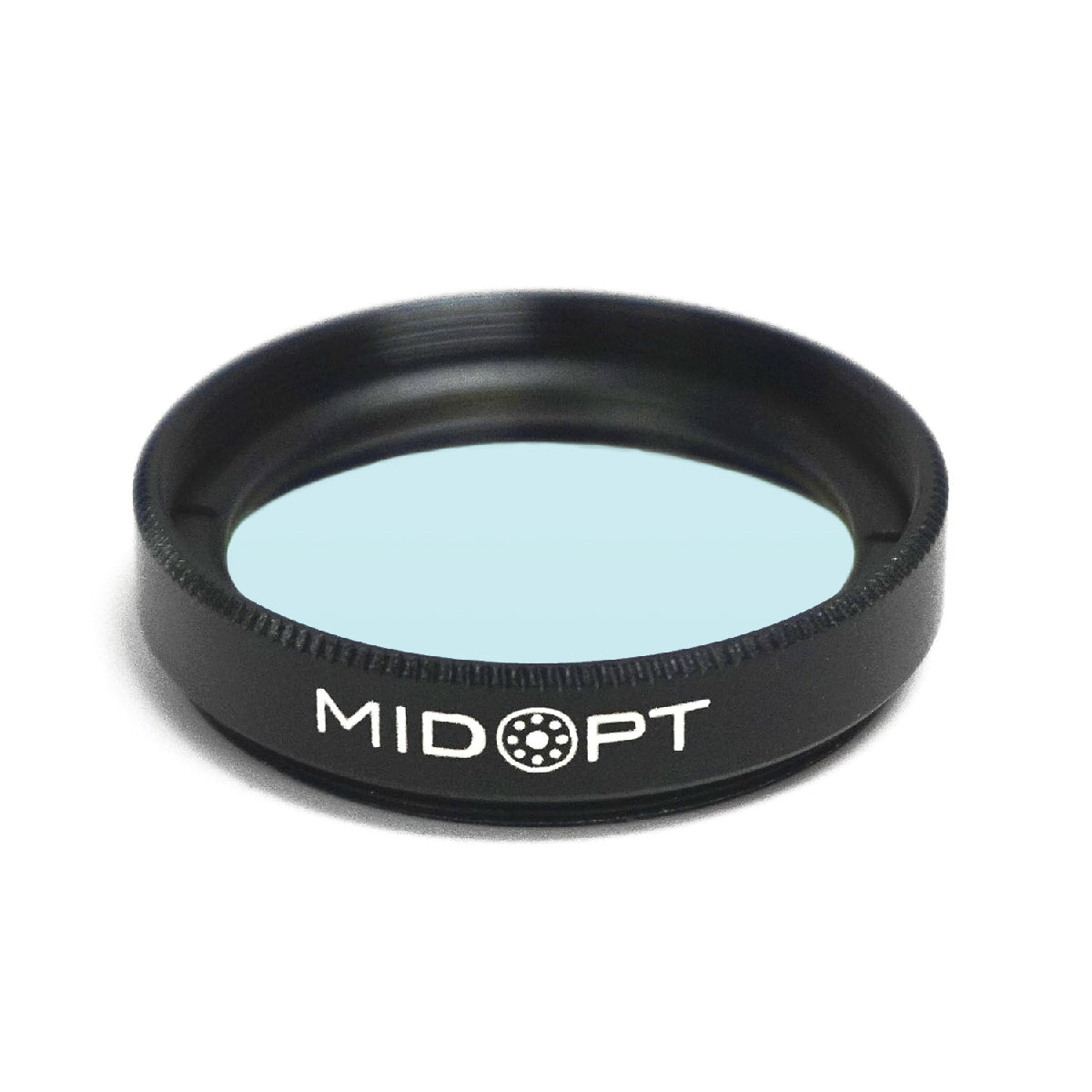
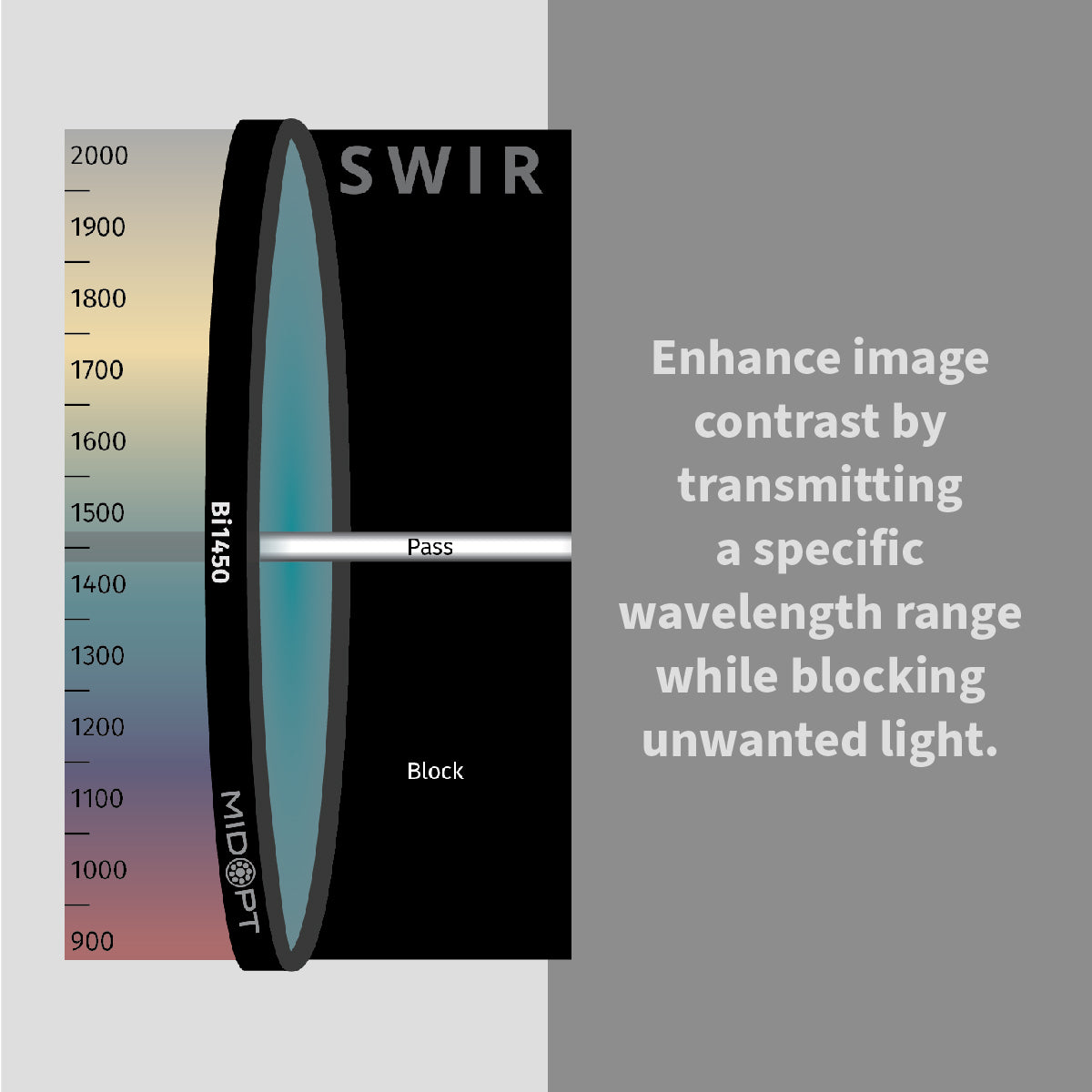
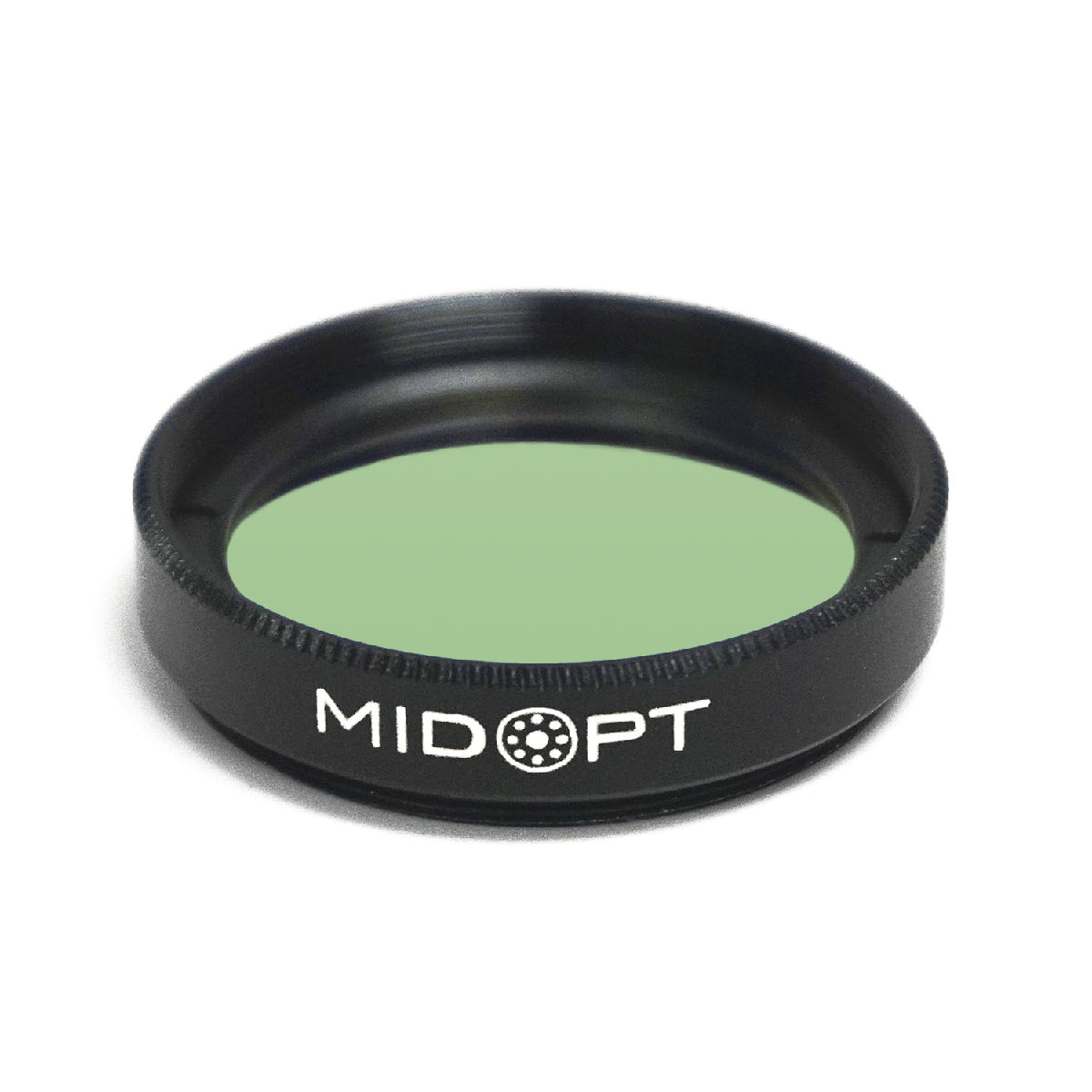
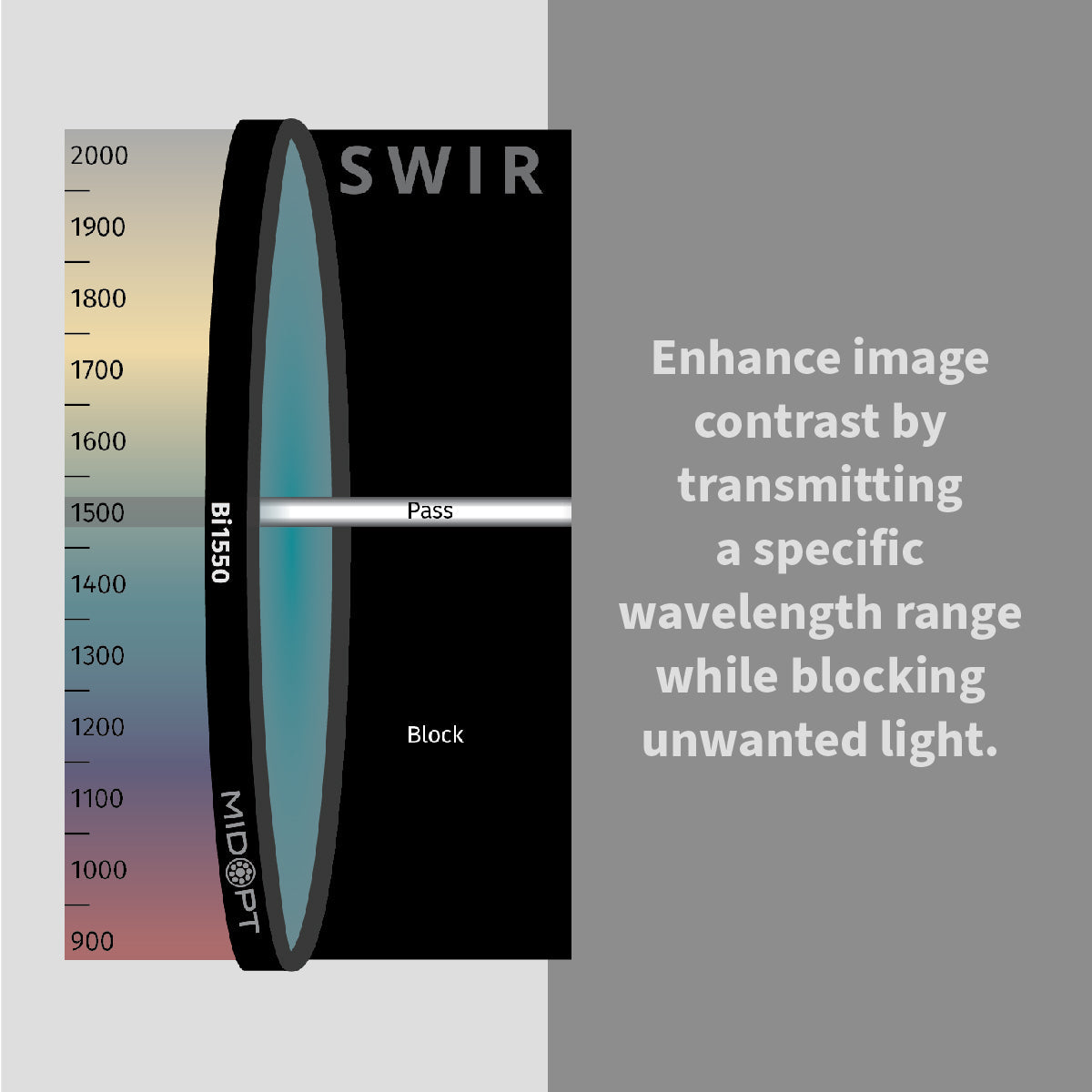
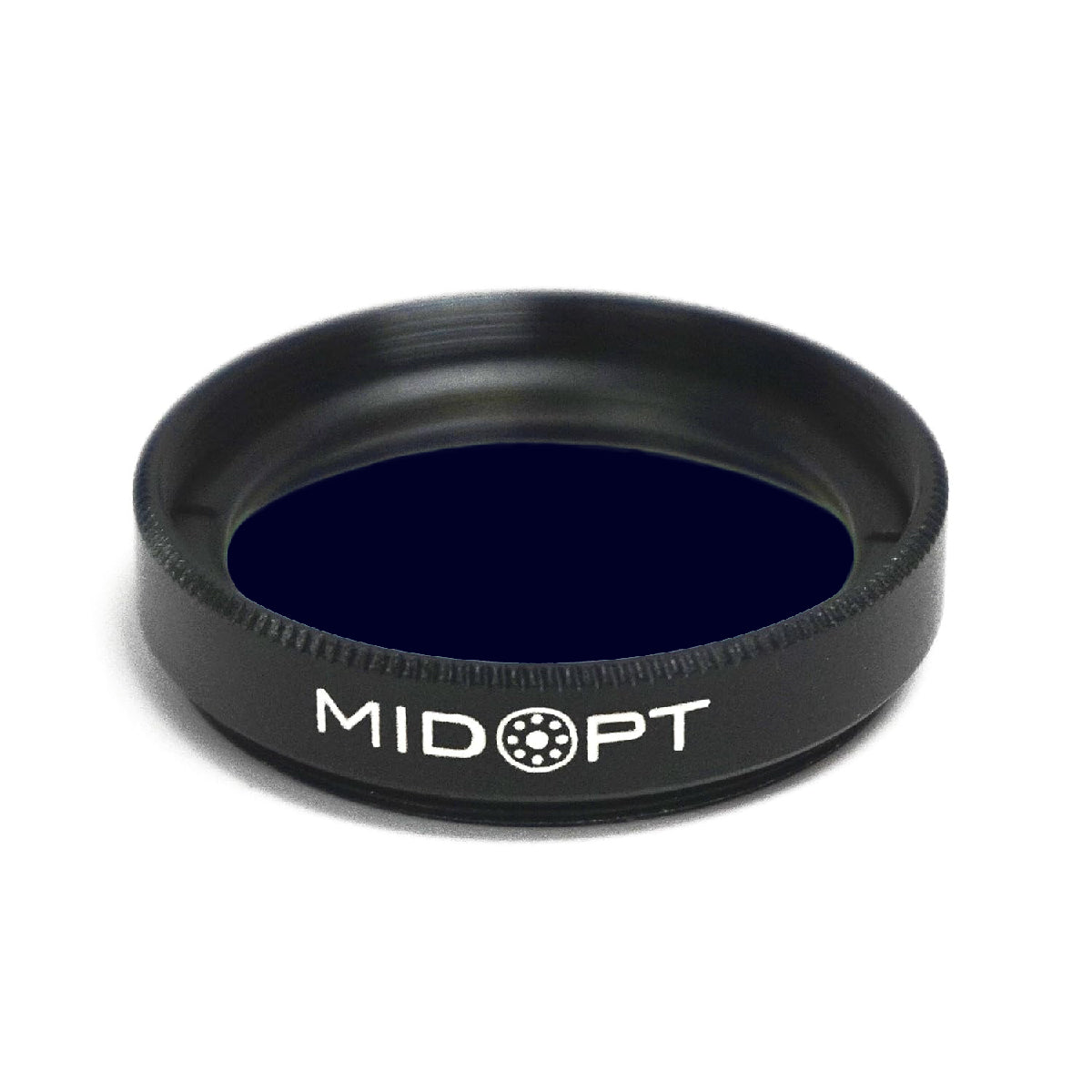
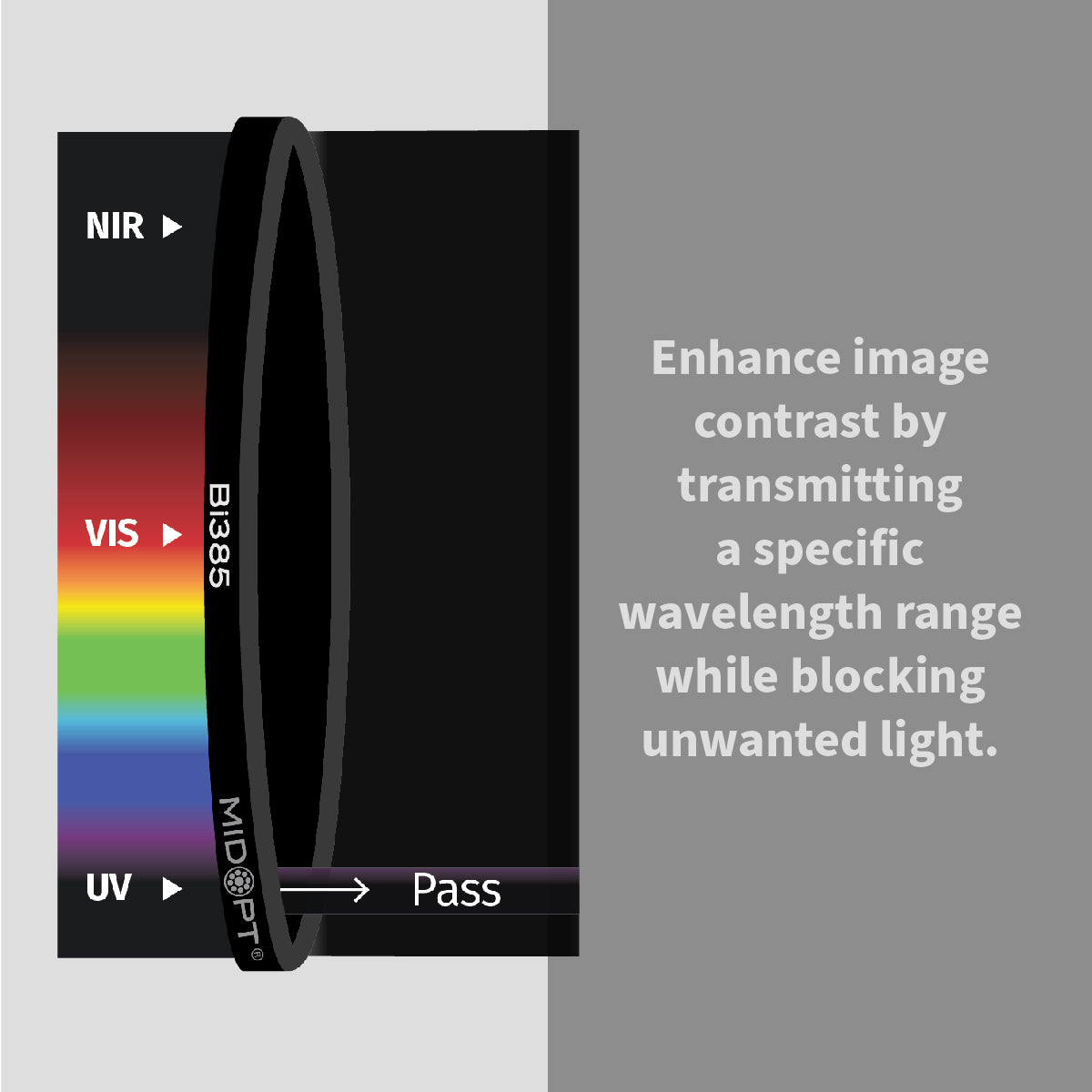
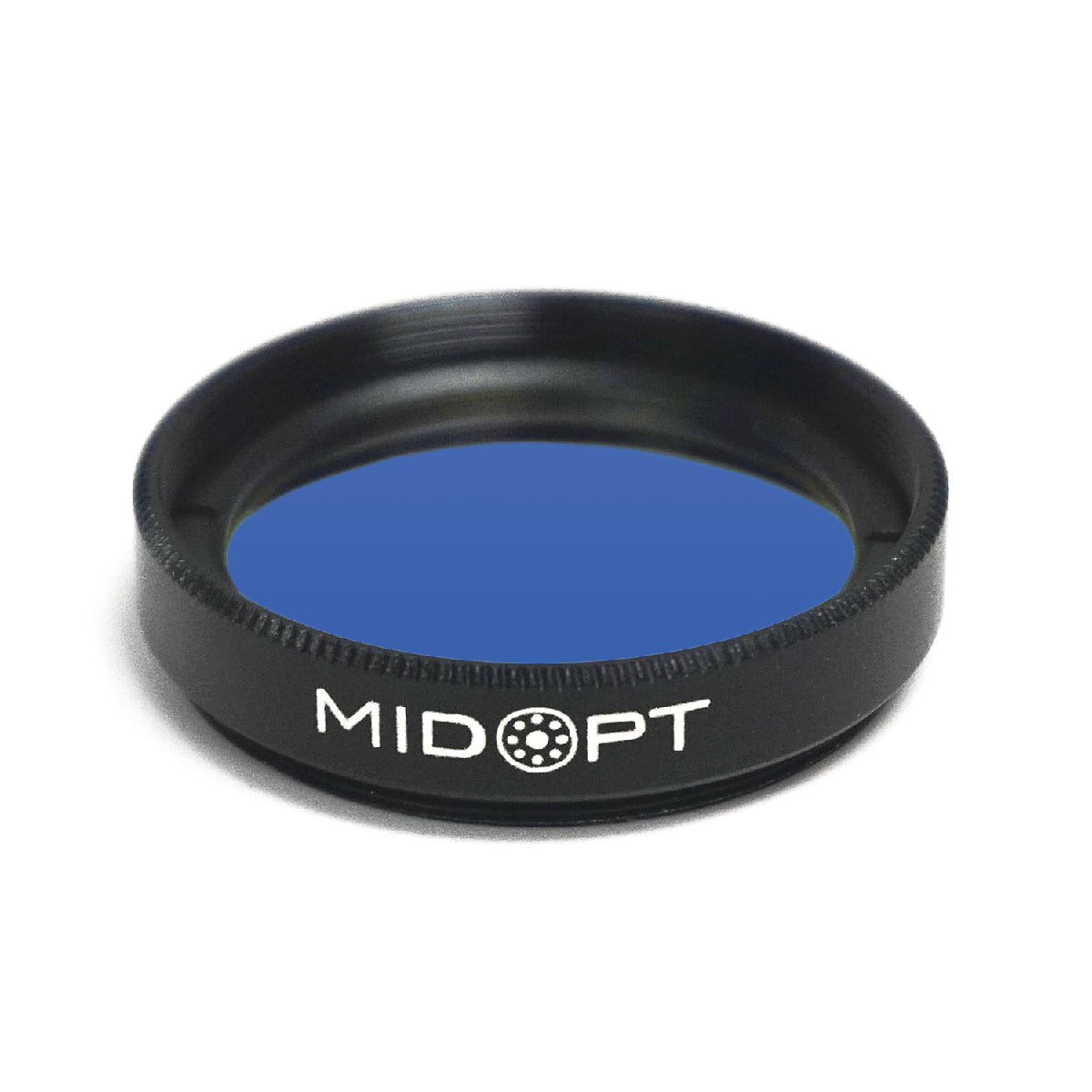
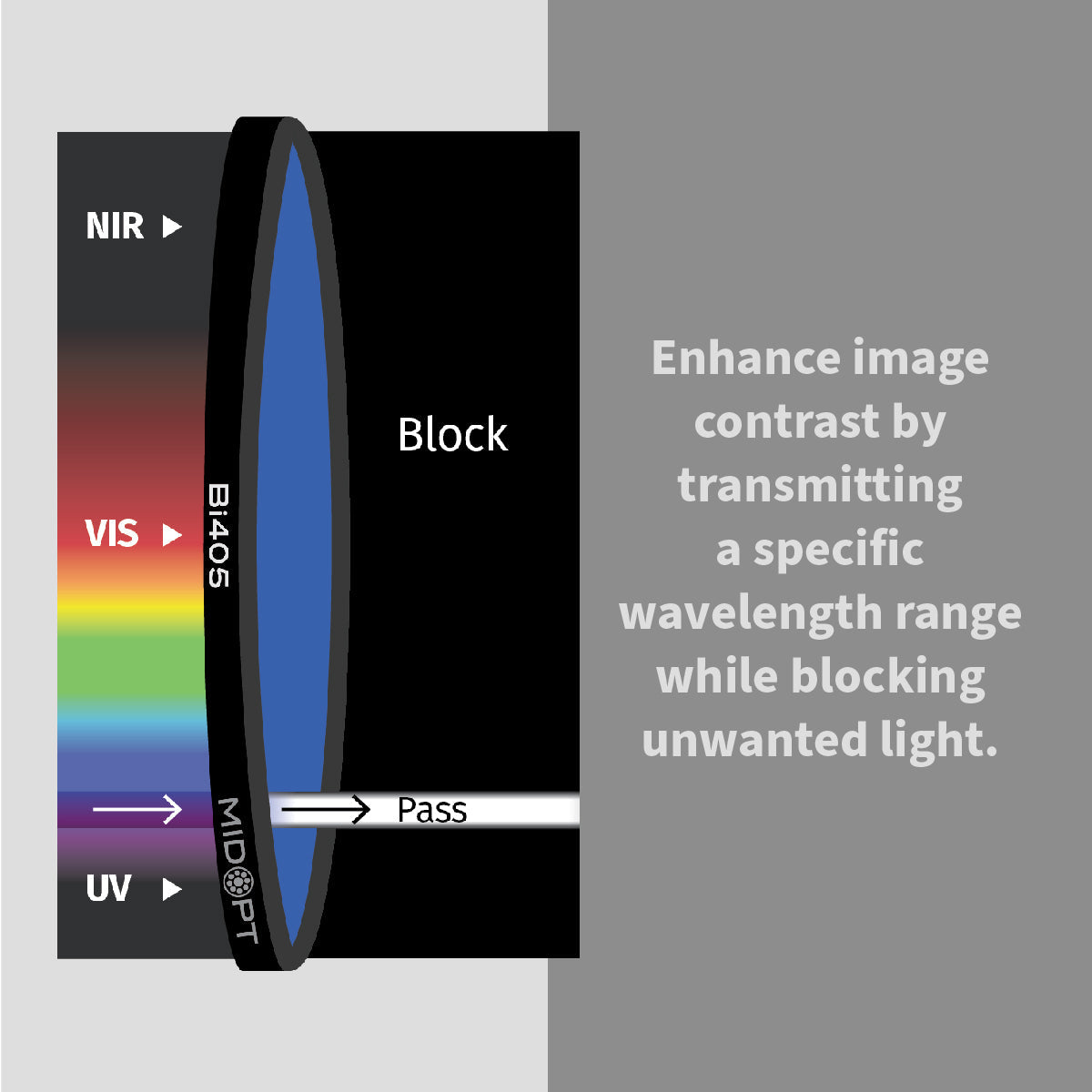
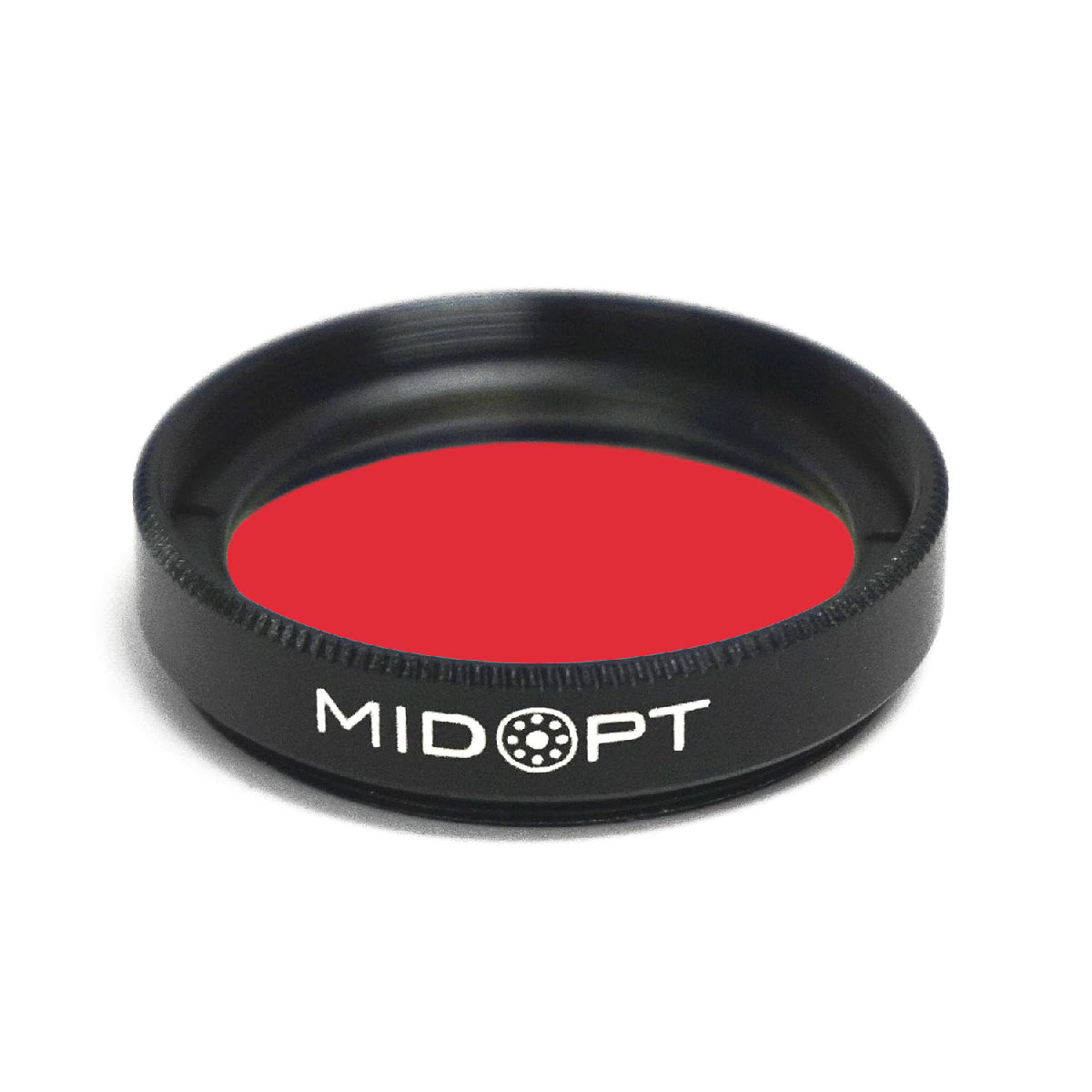
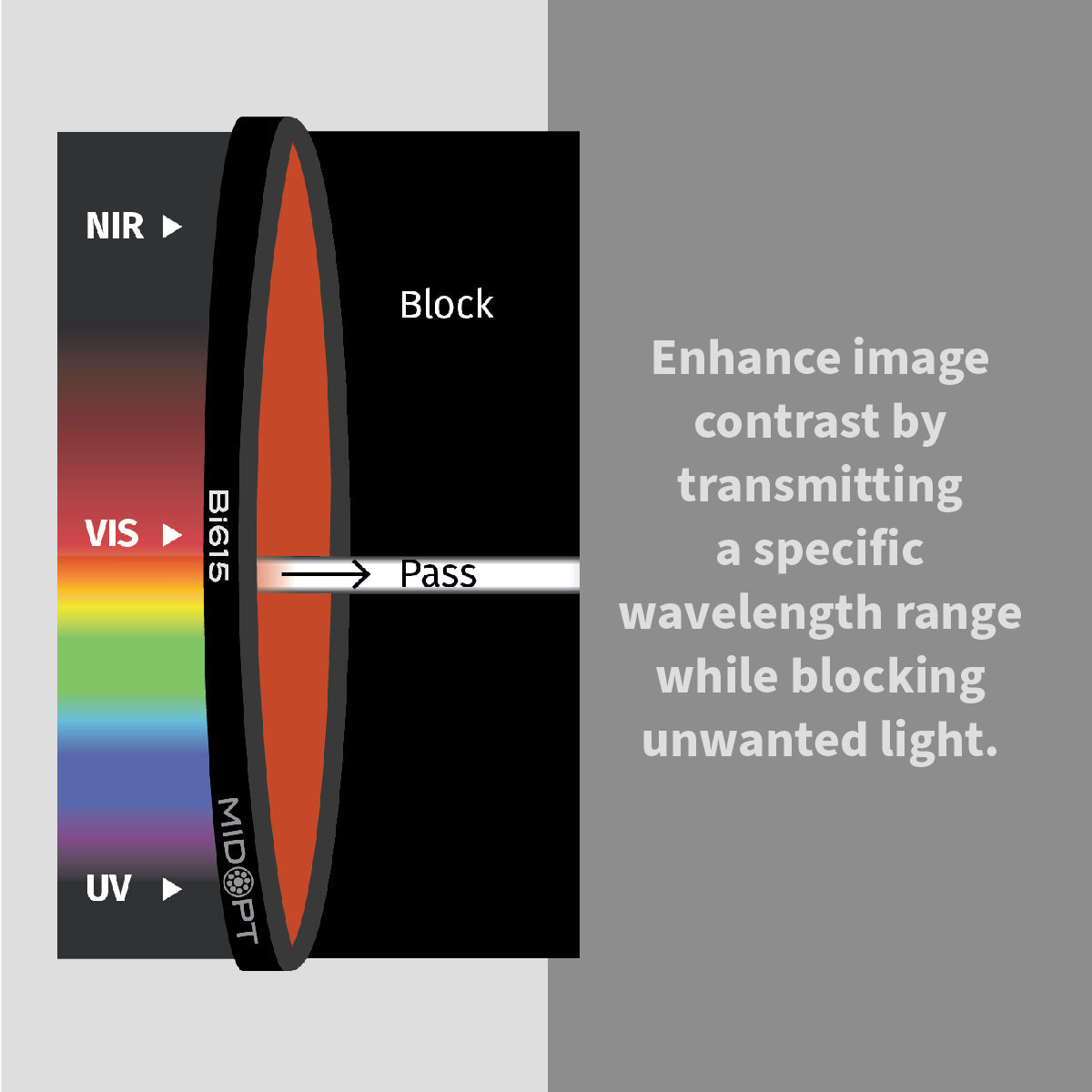
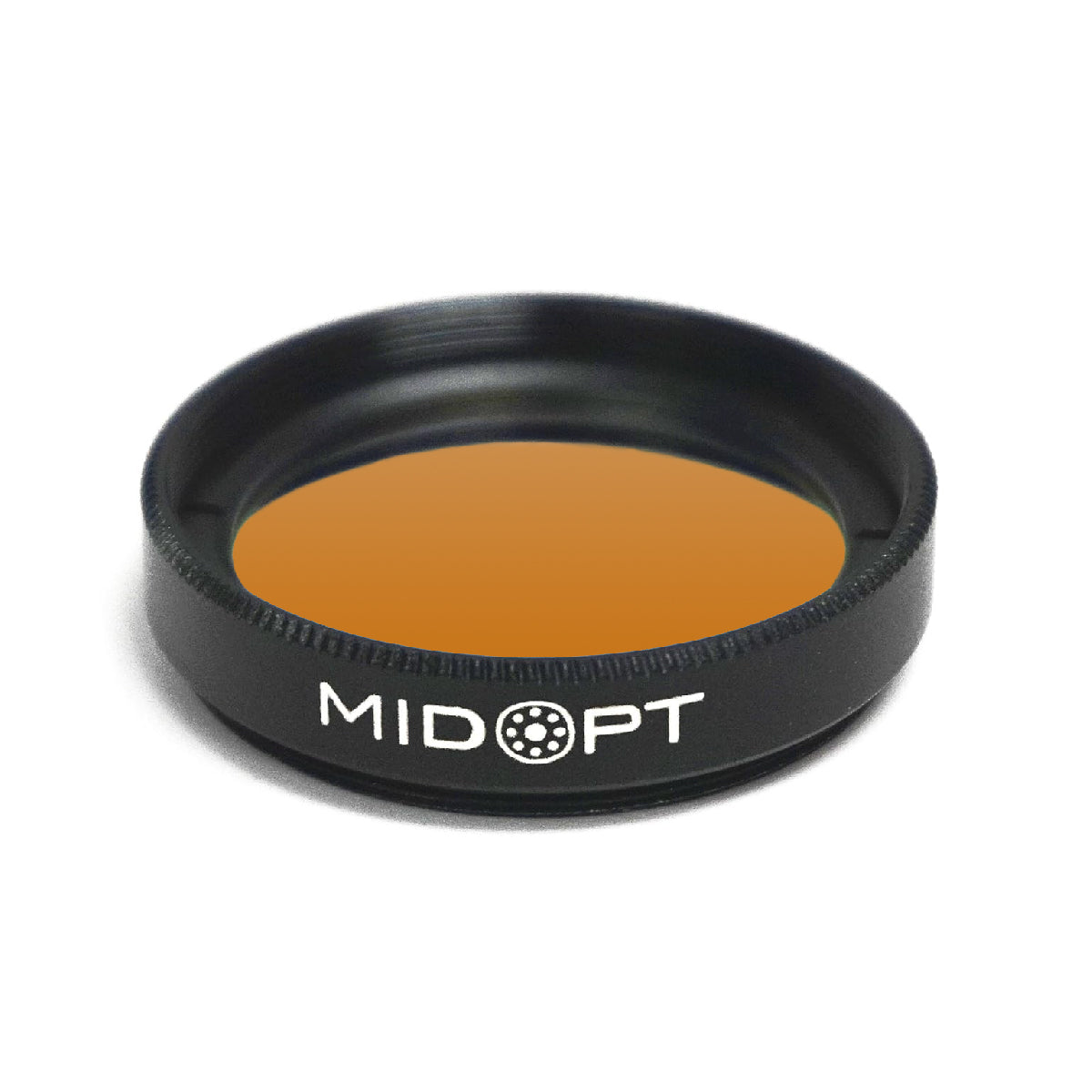
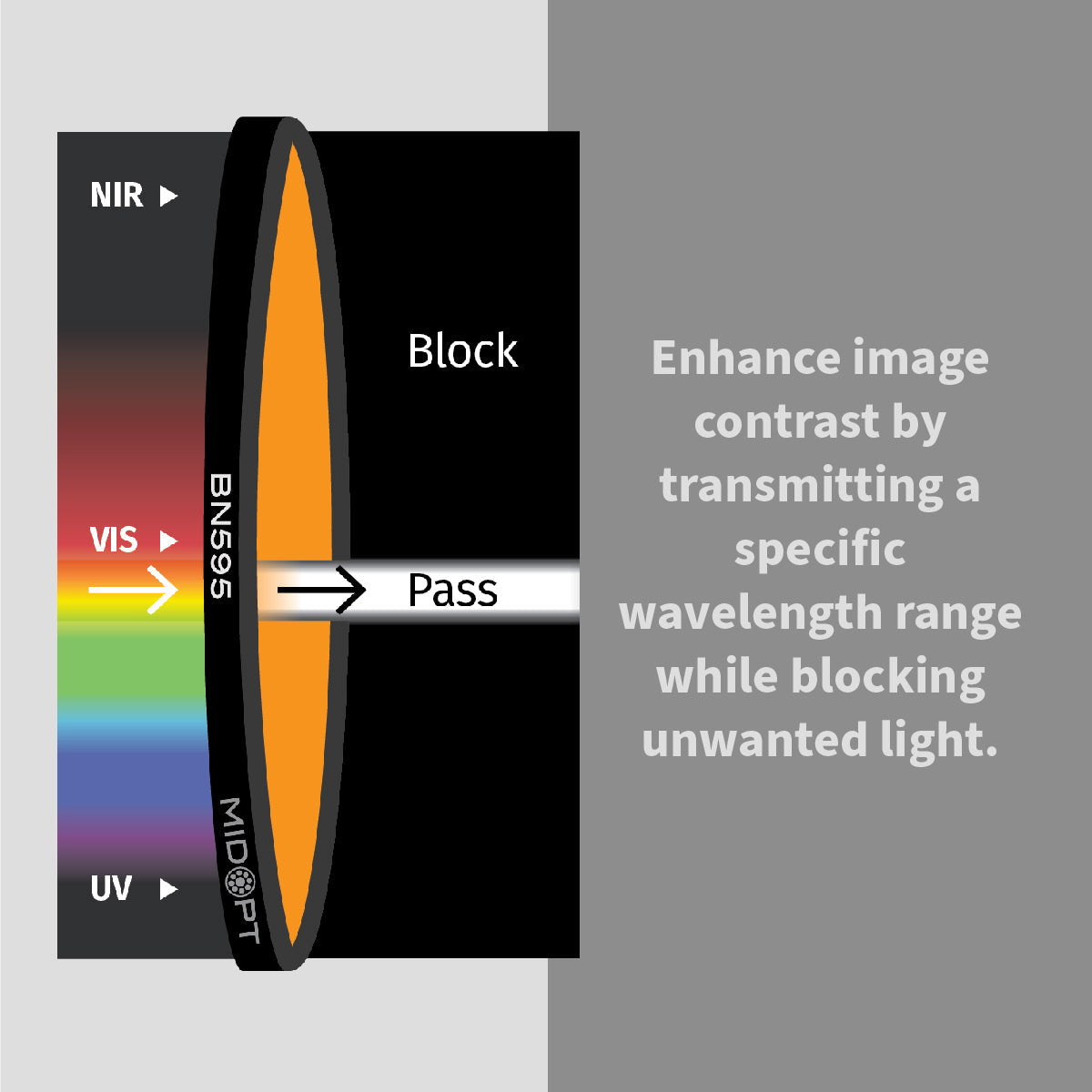
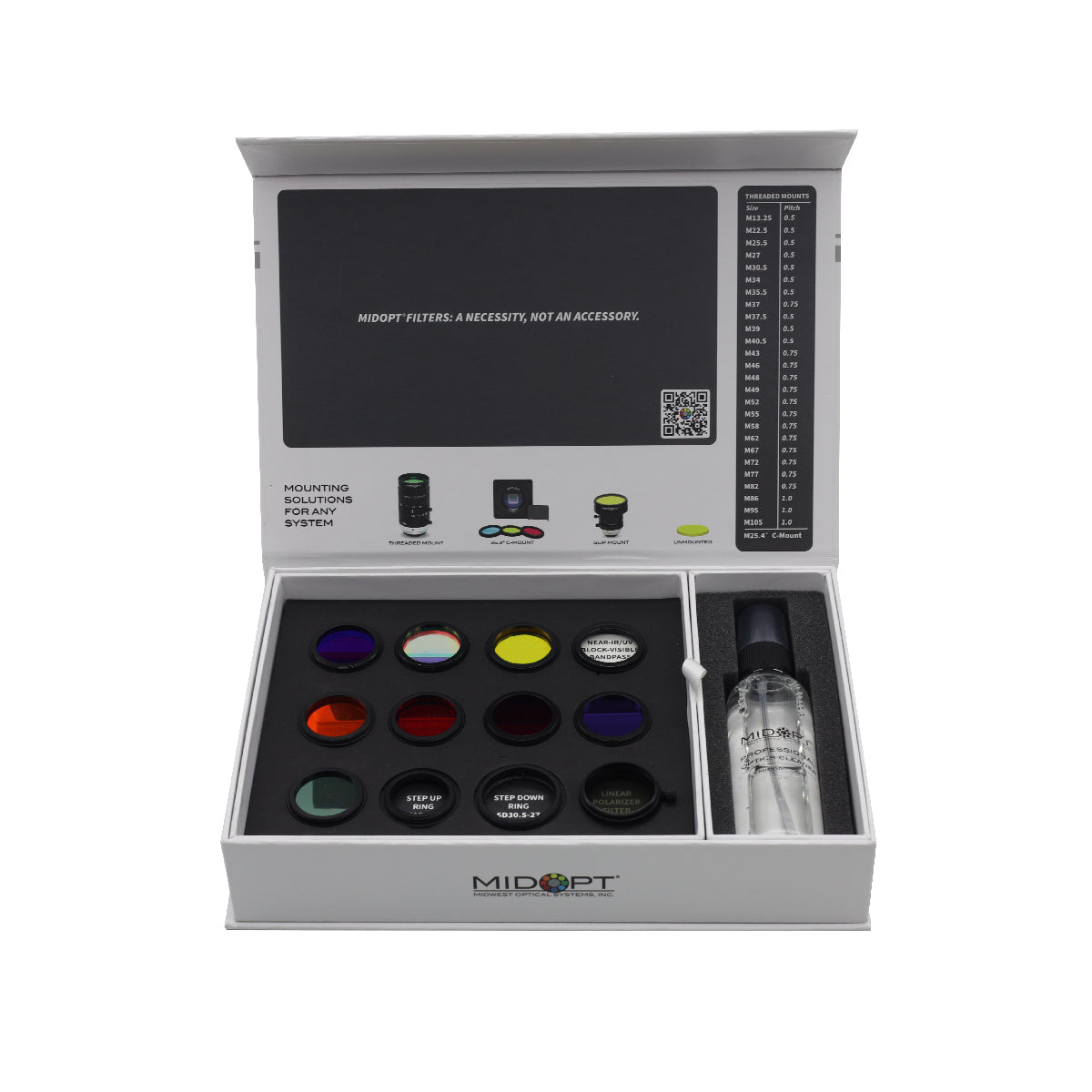
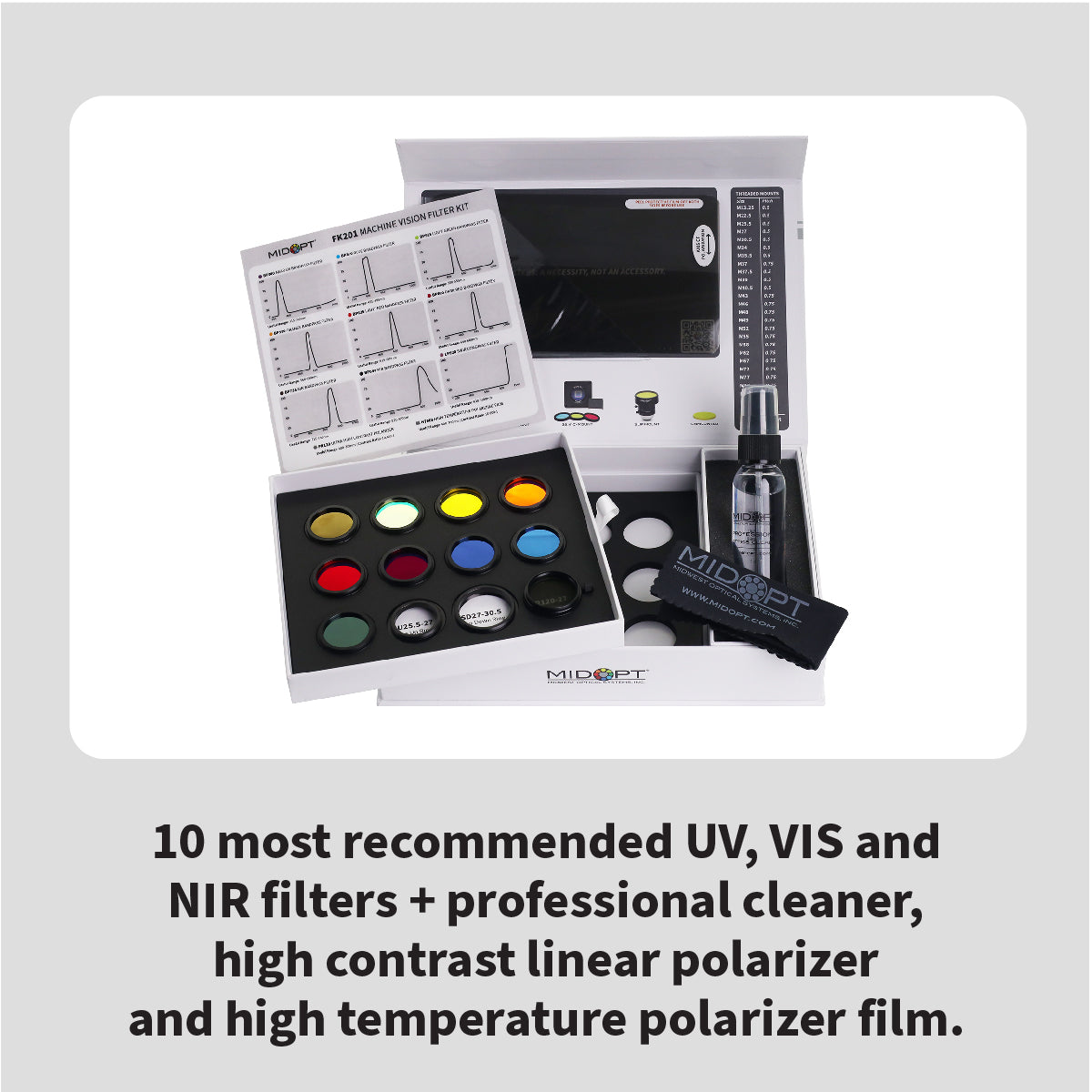
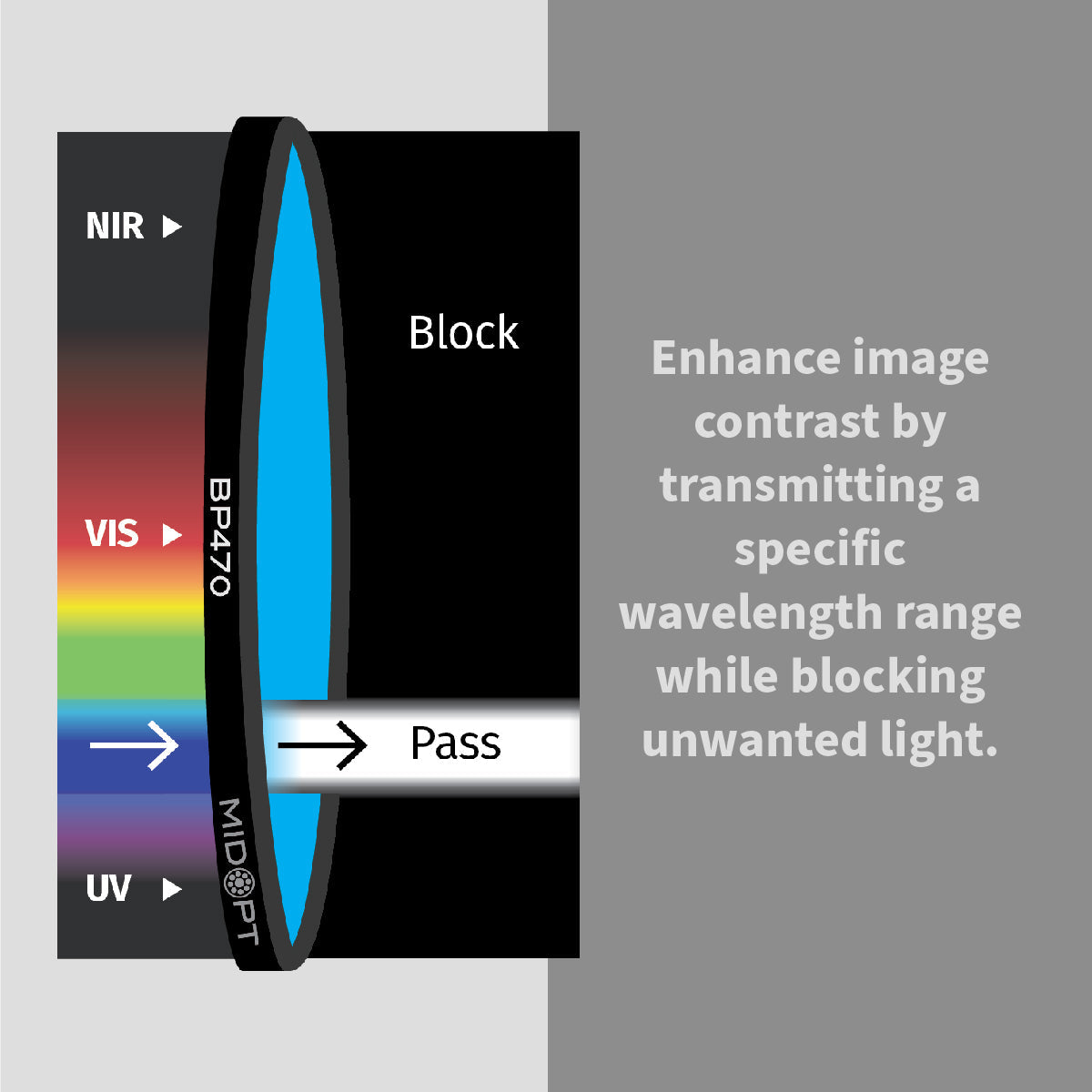
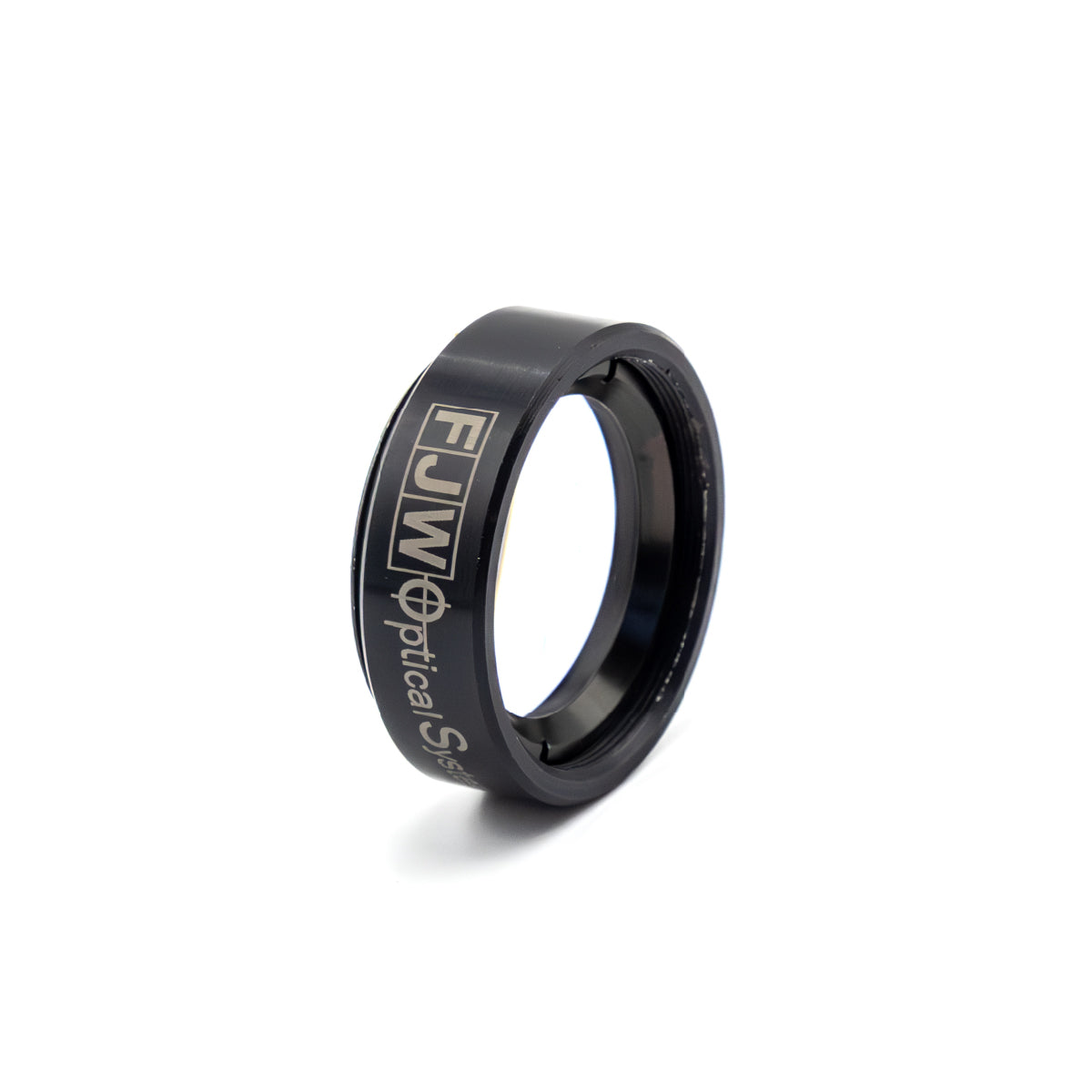
Machine vision filters are one of the most important components in any industrial imaging system. They directly affect how clearly a camera can detect features, measure objects, and identify defects. Without the right filter, even a high-end camera and lighting setup can produce inconsistent or inaccurate results.

In modern food processing, speed and consistency are everything. From fresh produce and grains to packaged snacks and frozen meals, manufacturers must inspect thousands of products per minute while maintaining strict quality and safety standards. This is where machine vision cameras have become a game-changing technology for the food industry.

Modern agriculture is rapidly evolving and at the center of that transformation is multispectral imaging. By combining advanced camera technology with data-driven insights, farmers and agronomists can monitor crop health with a level of precision that was once impossible.

Optical filters remain one of the most important components in modern imaging systems used in machine vision, semiconductor inspection, biomedical research, and automated manufacturing.

For decades, the NDVI (Normalized Difference Vegetation Index) has been the standard approach for assessing plant health. NDVI uses a camera equipped with red and NIR (near-infrared) filters and is calculated using the formula: