
 Find-R-Scopes

 Filters
 Lenses
 Cameras
 Lighting


 Accessories

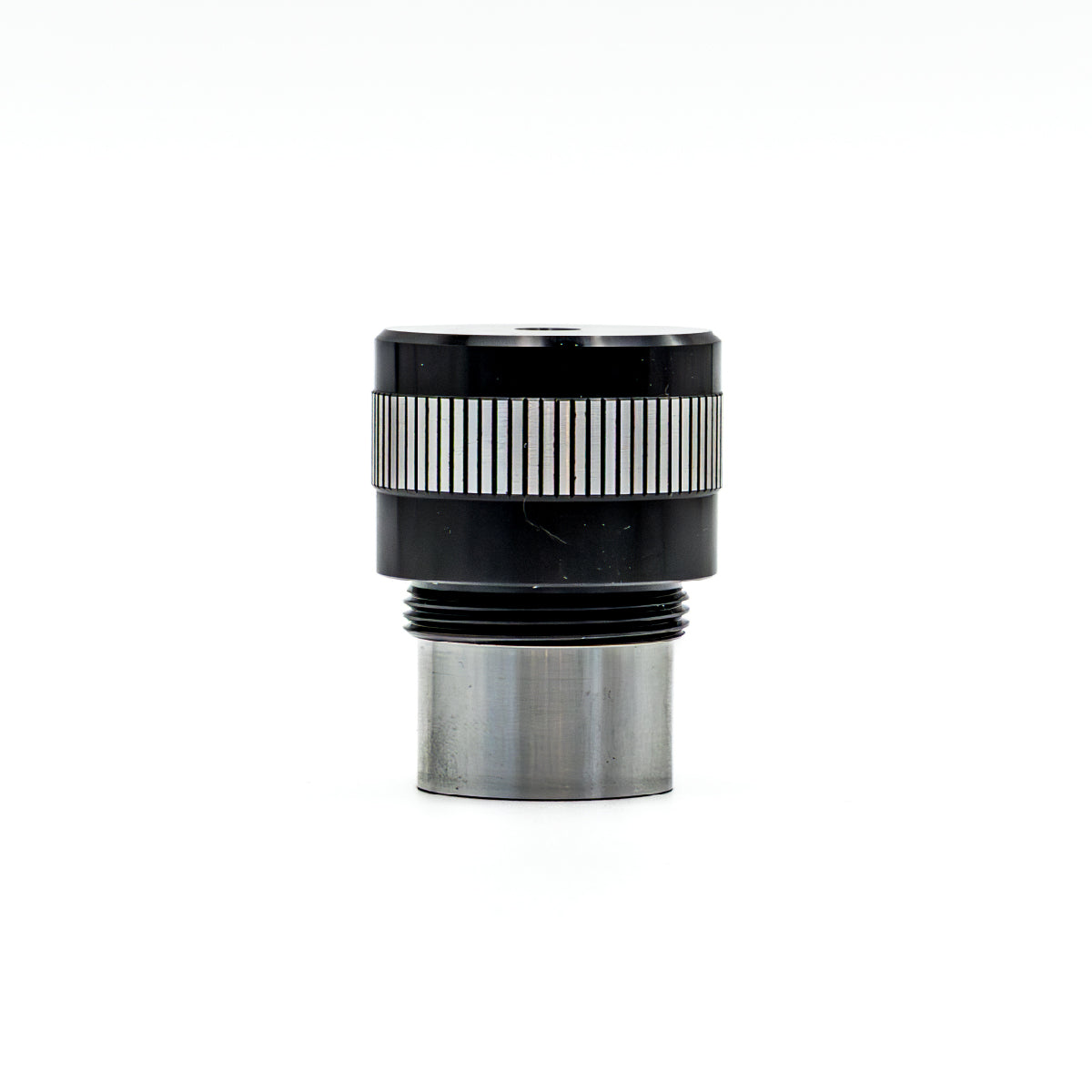









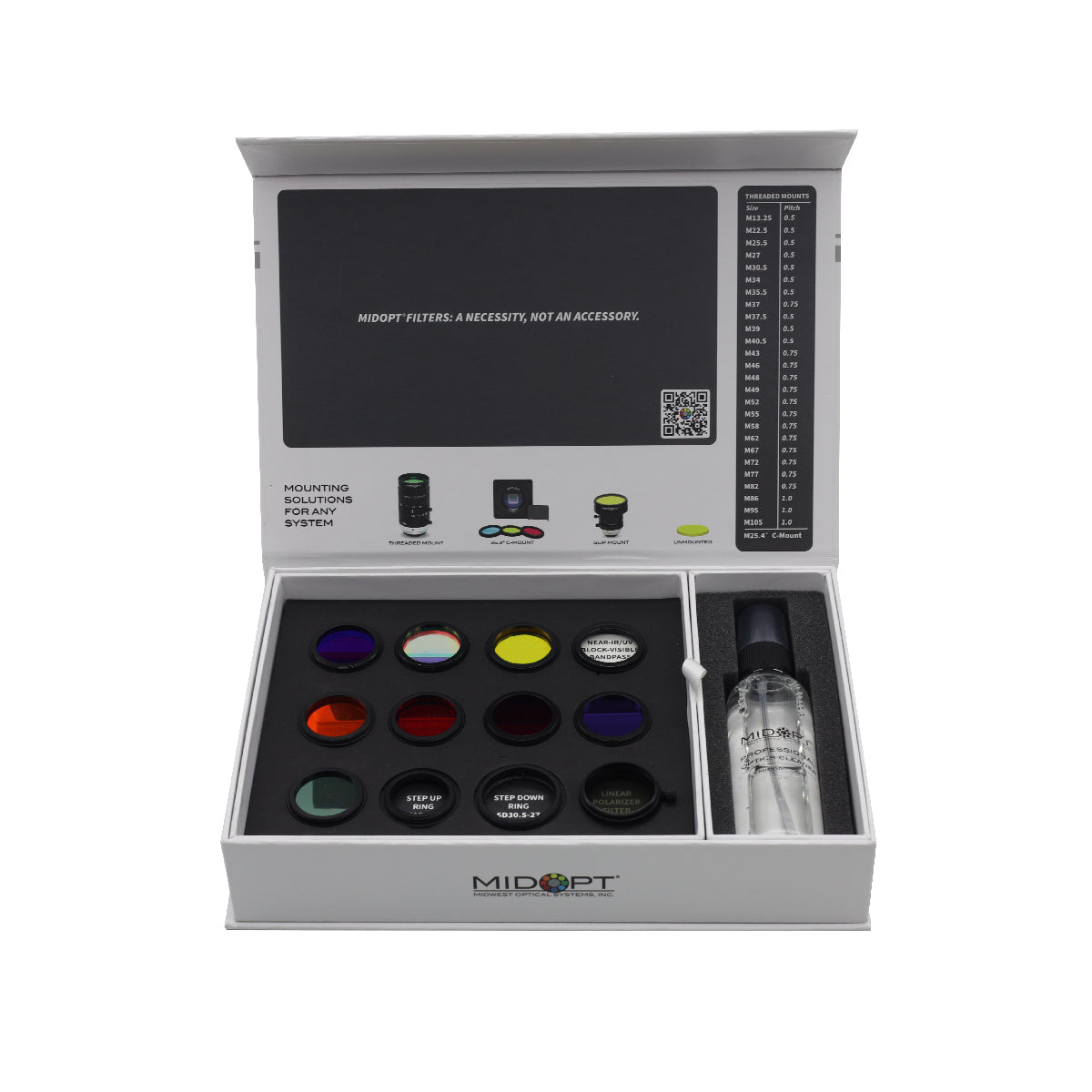
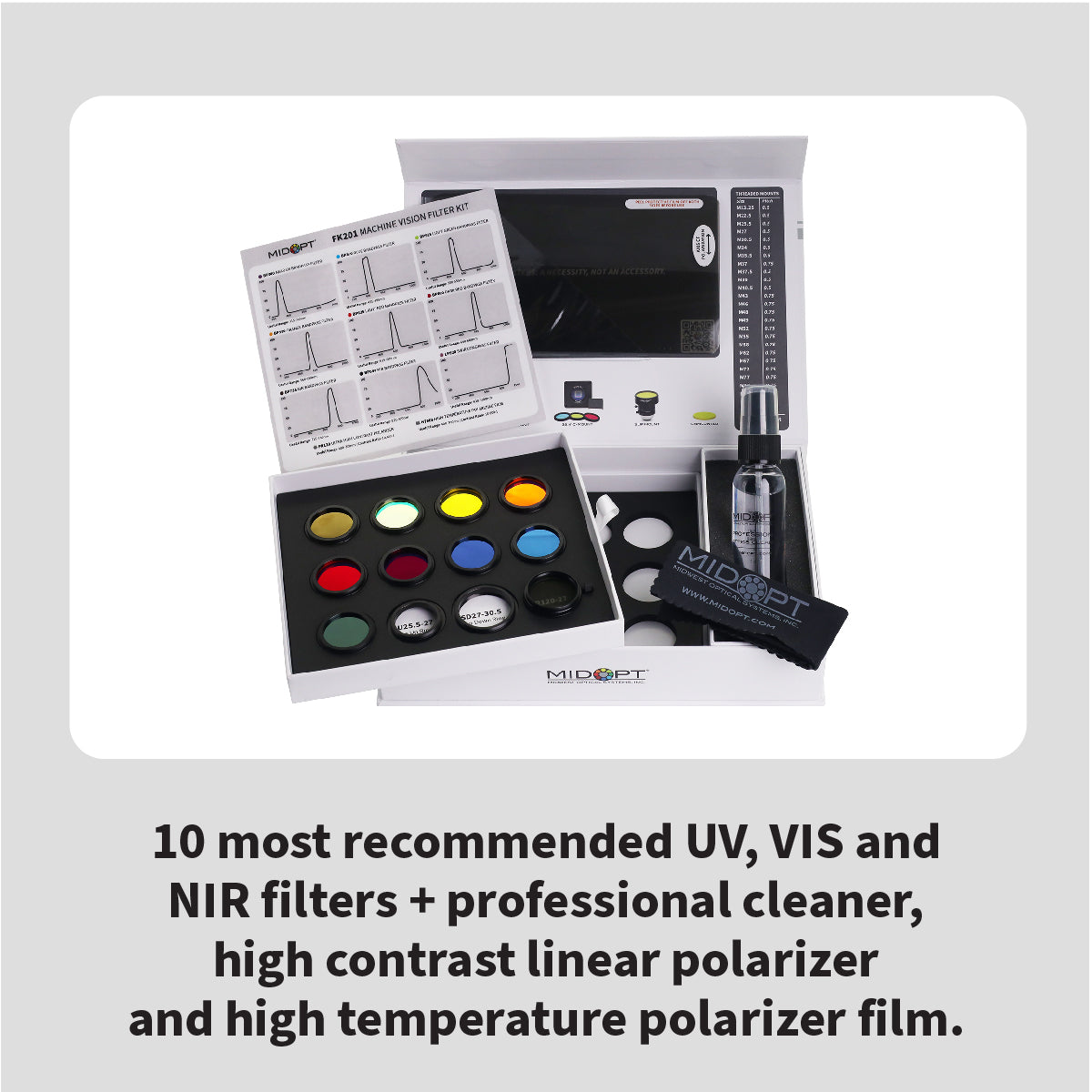
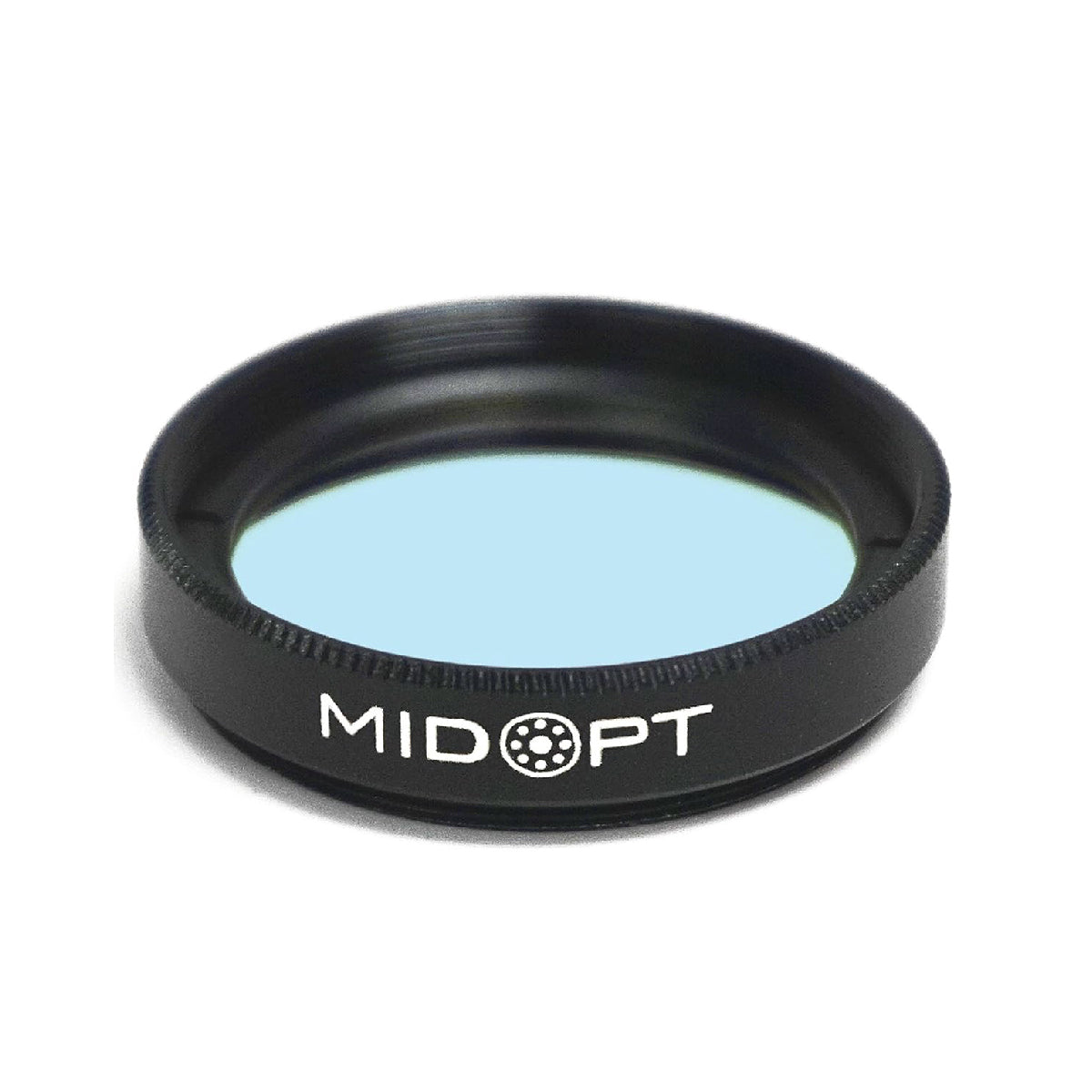
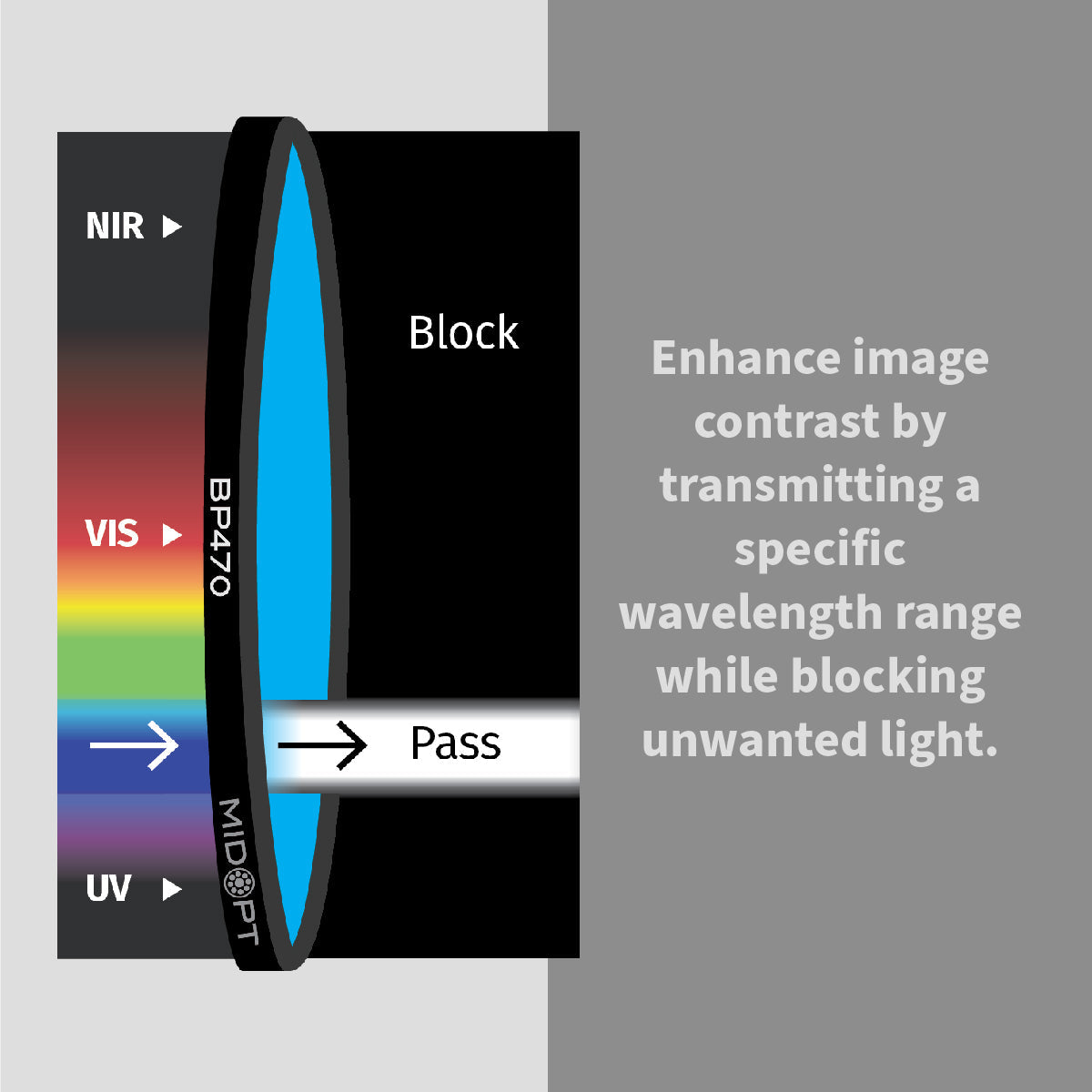
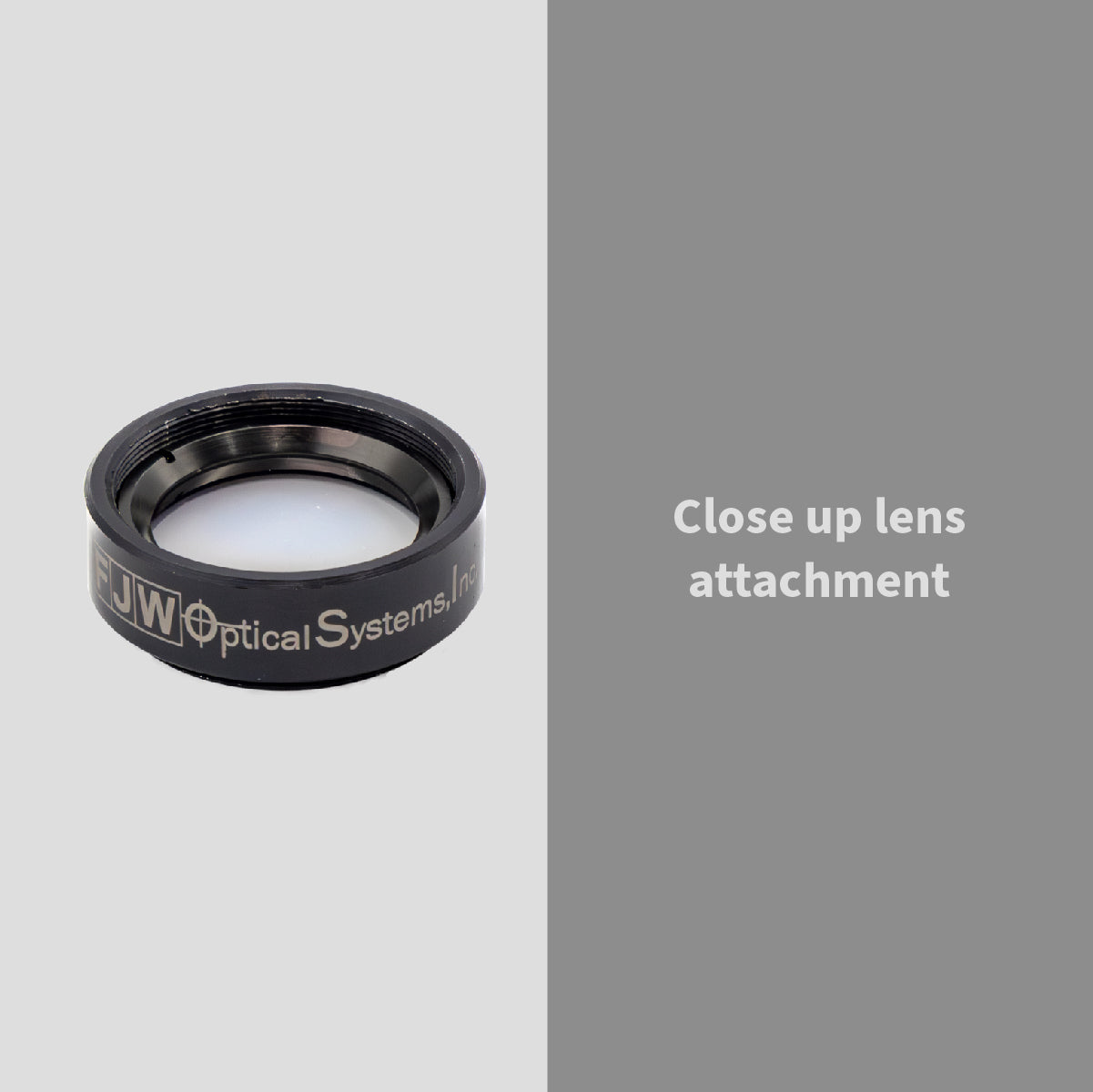


Optical filters remain one of the most important components in modern imaging systems used in machine vision, semiconductor inspection, biomedical research, and automated manufacturing.
Among the most widely used spectral filters are longpass filters and shortpass filters. These filters control how different wavelengths of light reach imaging sensors, helping cameras capture accurate and high-contrast images.
As imaging technologies continue to evolve, optical filters are becoming even more critical for ensuring reliable detection in automated environments. Precision filtering reduces noise, improves contrast, and allows imaging systems to isolate specific wavelengths required for analysis.
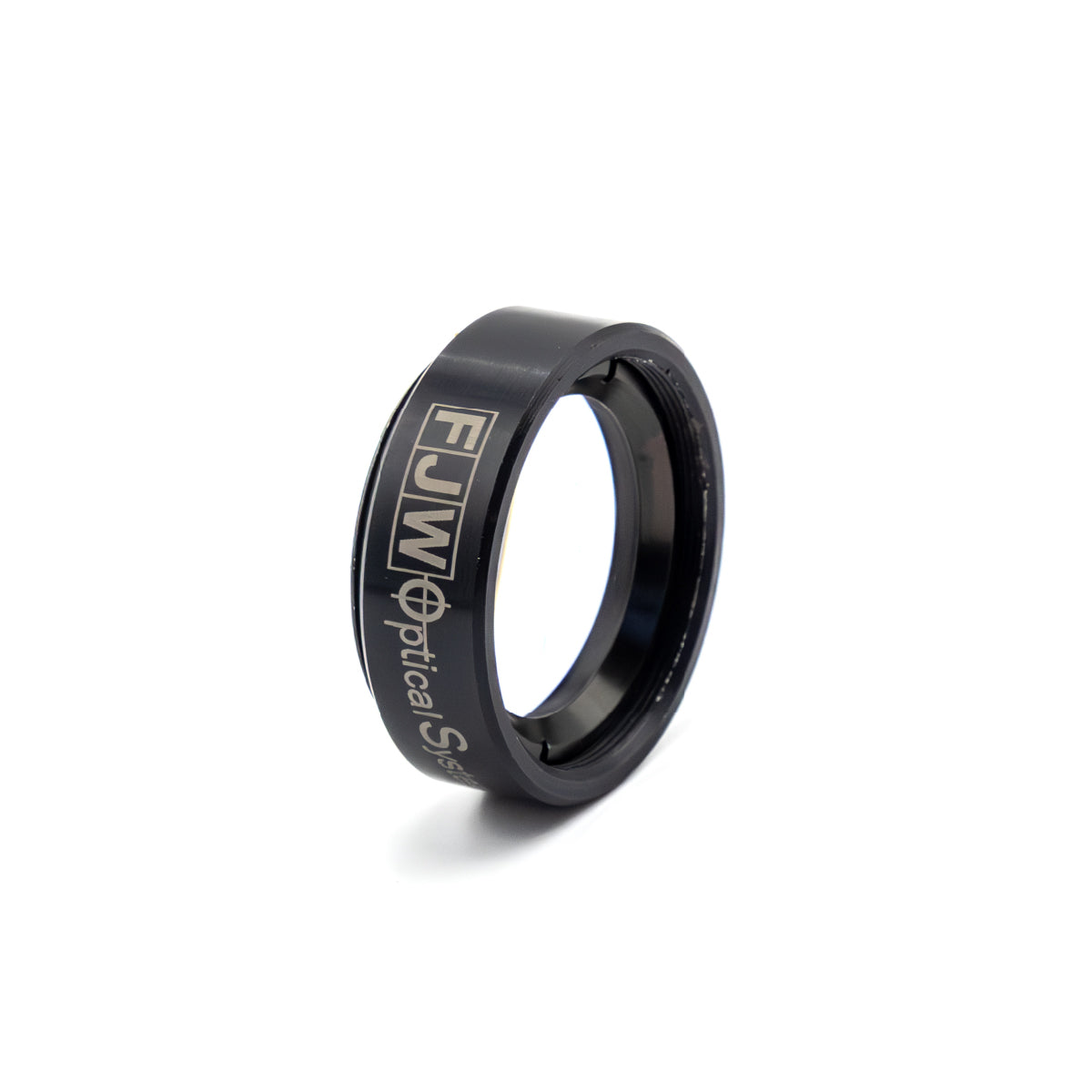
Companies such as FJW Optical provide specialized optical components designed for industrial imaging systems and machine vision applications.
Engineers working with spectral imaging technologies can explore a range of solutions within the Optical Filters Collection.
What Are Longpass Filters?
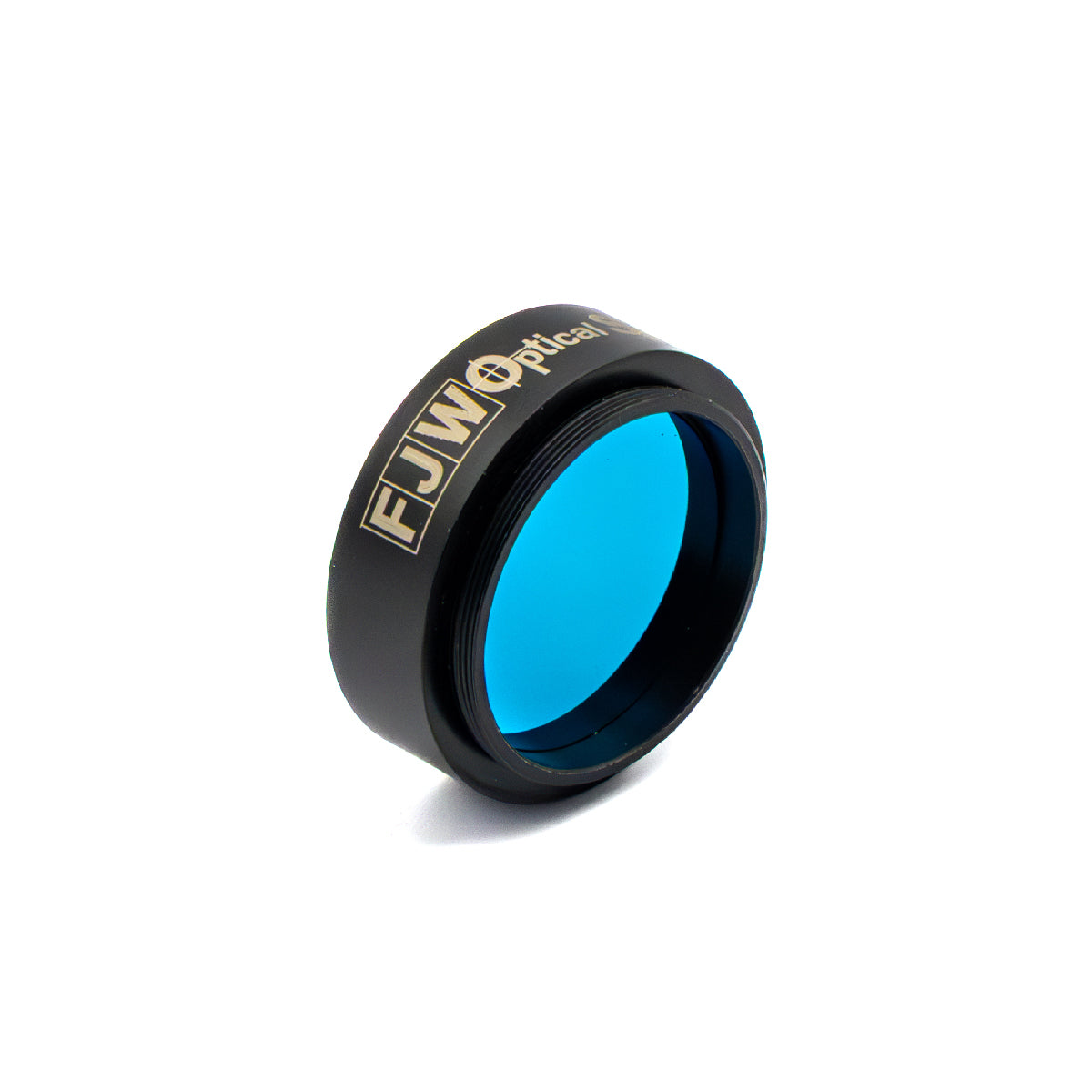
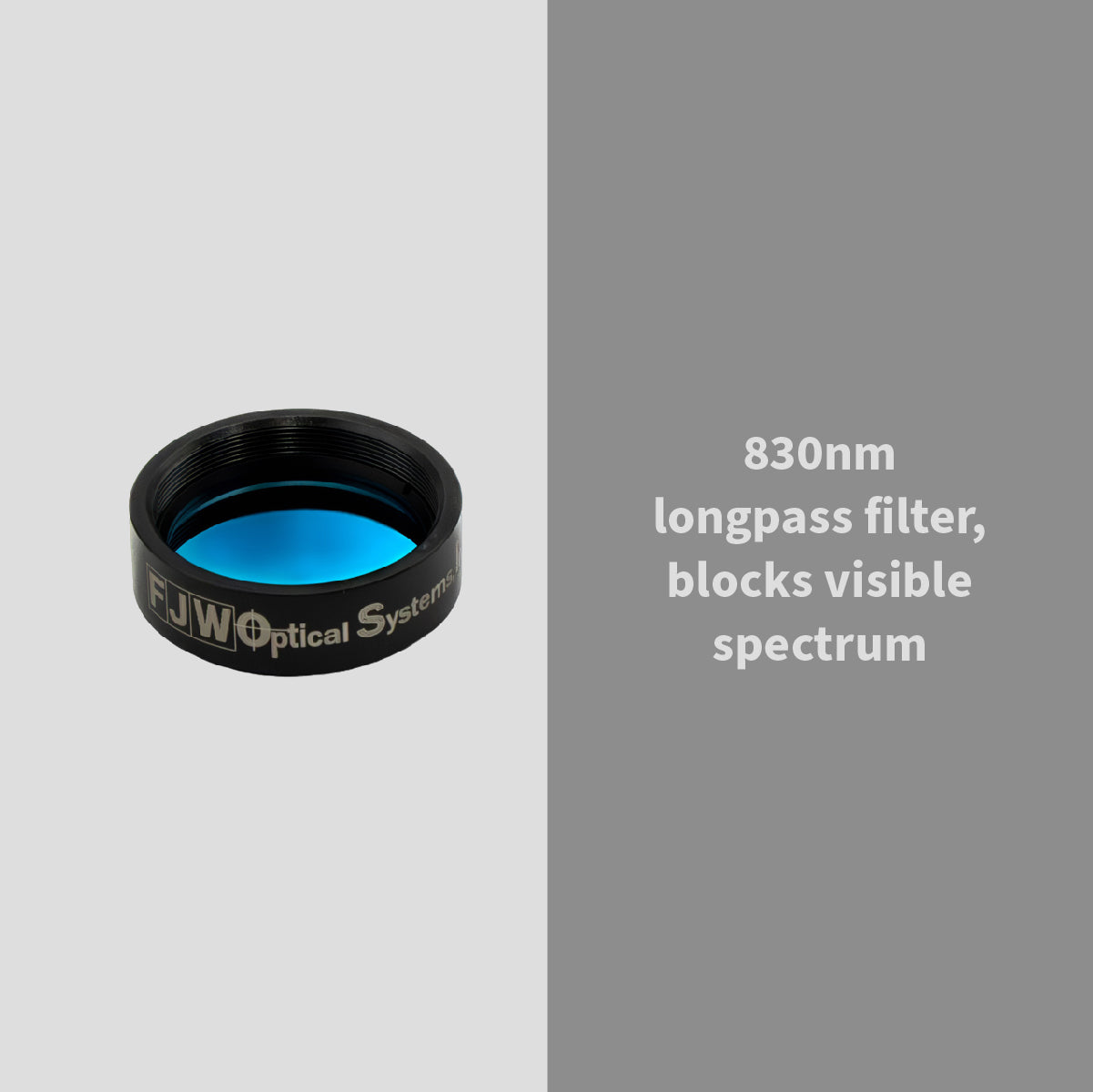
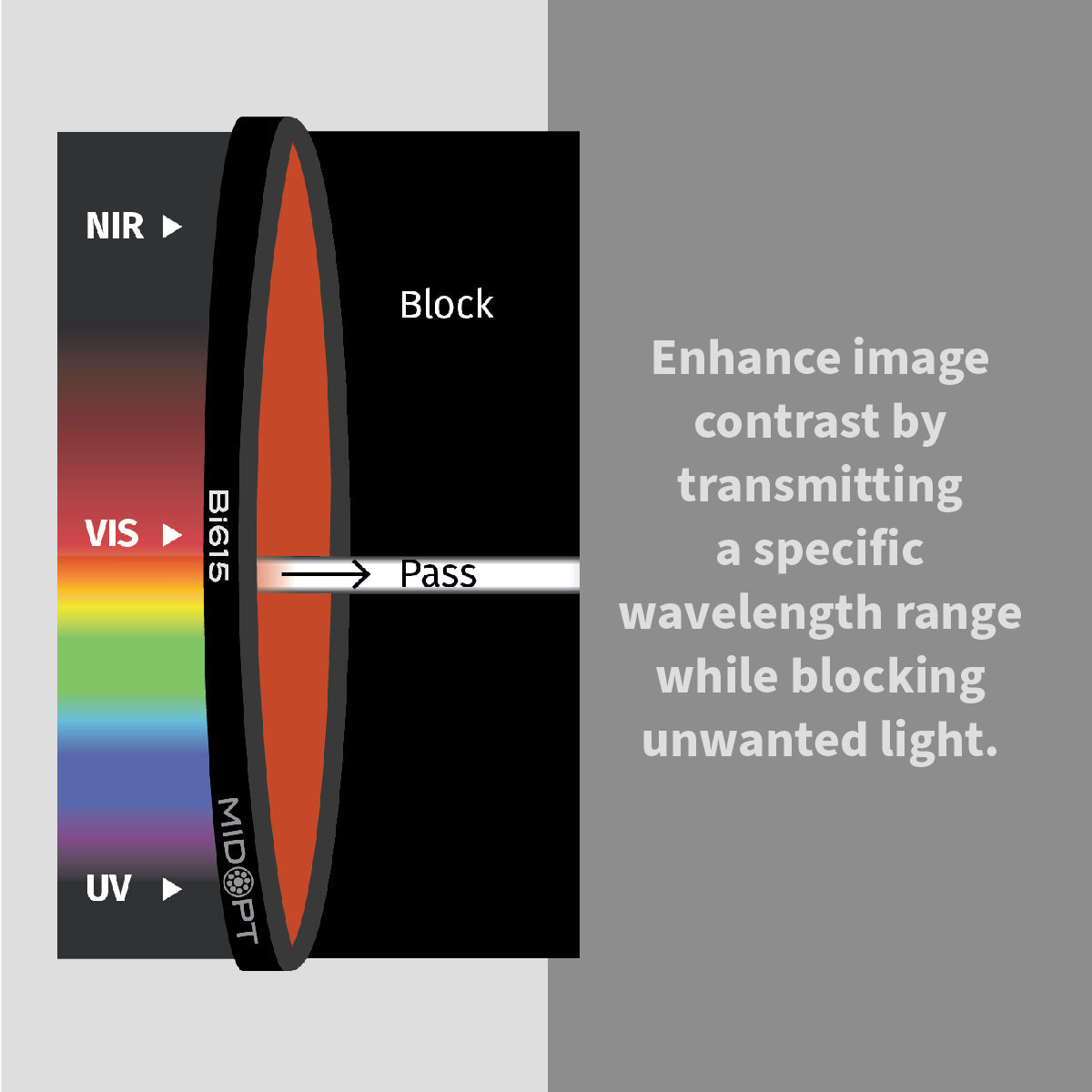
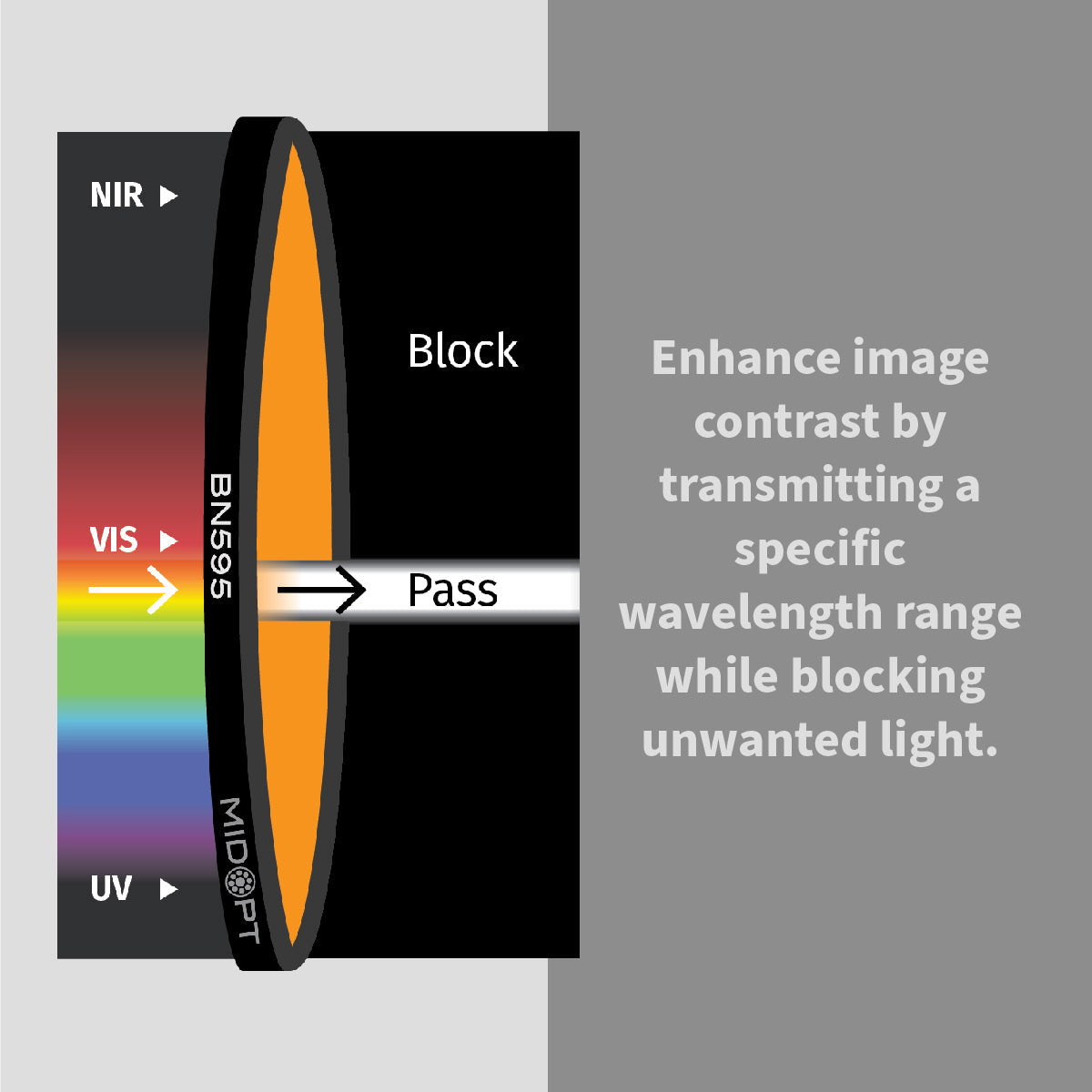
Longpass filters are optical filters designed to transmit wavelengths longer than a specific cutoff wavelength while blocking shorter wavelengths.
For example, a 650 nm longpass filter allows wavelengths above 650 nm to pass through while blocking wavelengths below that threshold.
This filtering process makes longpass filters ideal for imaging systems that rely on infrared light detection or laser illumination.
These filters are widely used in automated inspection systems, fluorescence imaging, and laser measurement technologies.
Explore available optical filter options in the Logpass Filters Collection.
Applications of Longpass Filters in Modern Imaging
Longpass filters are commonly used across several advanced imaging applications.
Infrared Machine Vision Systems
Infrared imaging systems rely on longpass filters to remove visible light and isolate infrared wavelengths, improving the detection of surface defects and material differences.
Fluorescence and Biomedical Imaging
Longpass filters help isolate emission wavelengths in fluorescence imaging systems used in biological and medical research.
Laser-Based Inspection Systems
Laser inspection platforms often integrate longpass filters to remove ambient light and capture only the reflected laser signal.
Industrial Automation Imaging
Many automated inspection systems use longpass filters to enhance contrast and improve object detection accuracy.
What Are Shortpass Filters?
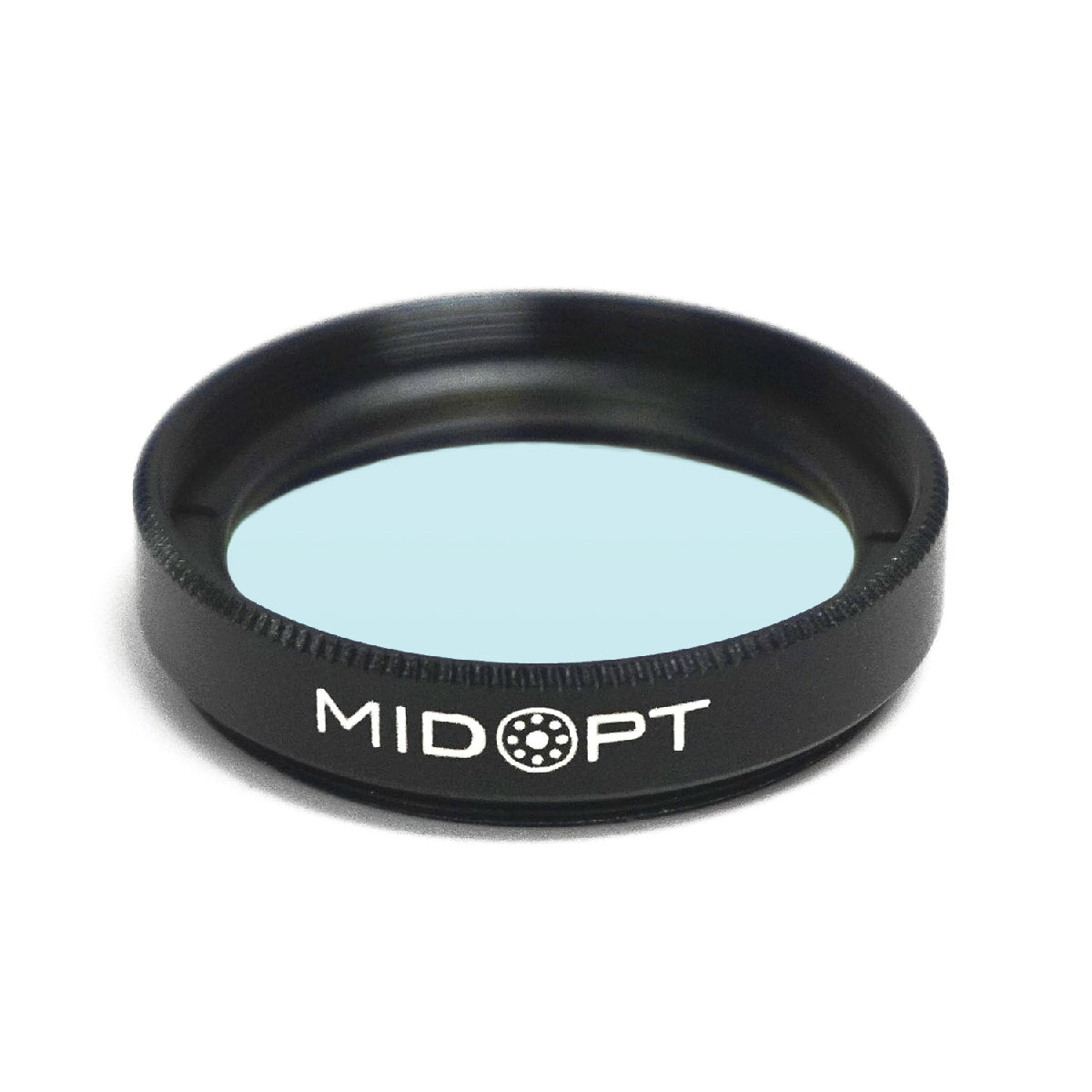
Shortpass filters perform the opposite spectral filtering function. These filters transmit shorter wavelengths while blocking longer wavelengths above a defined cutoff point.
For example, a 500 nm shortpass filter allows wavelengths below 500 nm to pass through while blocking wavelengths above that value.
Shortpass filters are commonly used when imaging systems must remove infrared interference and capture ultraviolet or visible wavelengths.
Explore available solutions in the Shortpass Filters Collection.
Applications of Shortpass Filters
Shortpass filters support many high-precision imaging environments.
Machine Vision Inspection
Shortpass filters remove infrared noise that may interfere with camera sensors, allowing machine vision systems to capture clearer images.
Fluorescence Microscopy
Shortpass filters isolate excitation wavelengths required to stimulate fluorescent signals used in biological imaging.
Scientific Research Imaging
Laboratory imaging systems rely on shortpass filters to analyze materials and biological samples with improved spectral accuracy.
Semiconductor Manufacturing Inspection
Shortpass filters help improve imaging contrast during wafer inspection, enabling the detection of microscopic defects.
Longpass vs Shortpass Filters: Key Functional Differences
Although both filters control light transmission, their spectral functions are opposite.
Longpass Filters
Longpass filters allow longer wavelengths such as infrared light to pass through the filter while blocking shorter wavelengths. These filters are commonly used in infrared imaging systems and laser-based inspection platforms.
Shortpass Filters
Shortpass filters allow shorter wavelengths such as ultraviolet or visible light to pass through while blocking longer wavelengths like infrared light.
These filters are often used in scientific imaging systems and fluorescence applications where precise wavelength control is required.
In many imaging systems, engineers combine these filters with
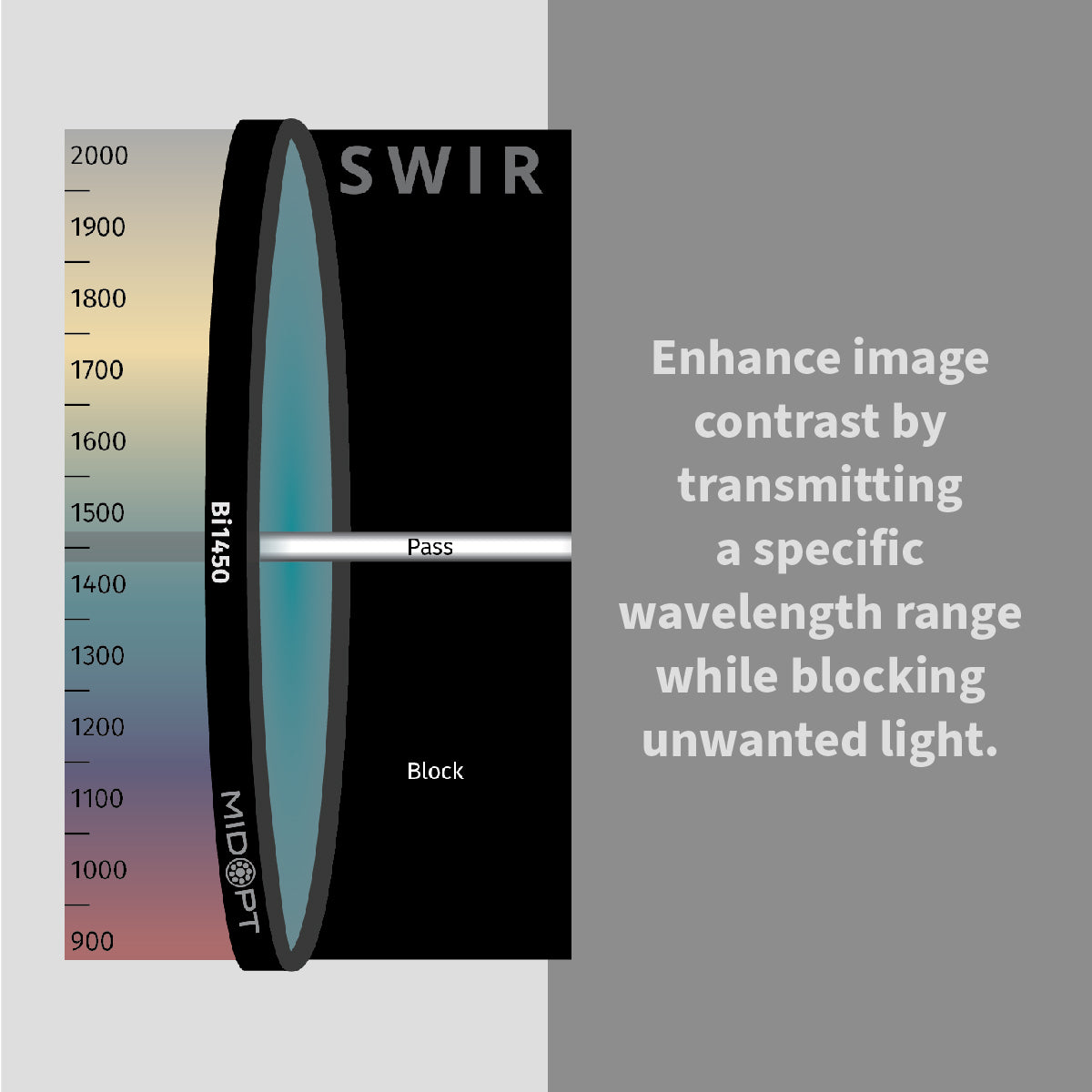
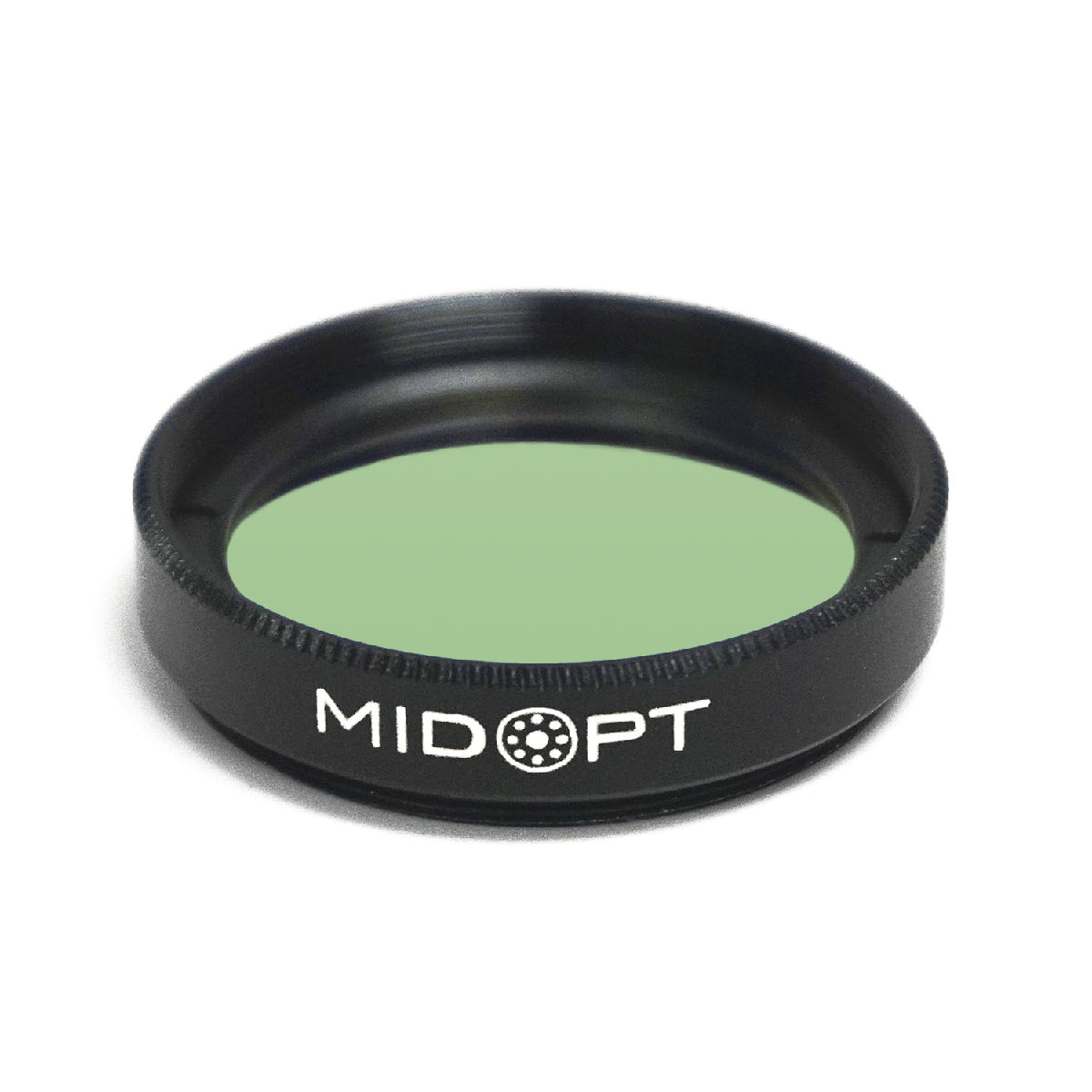
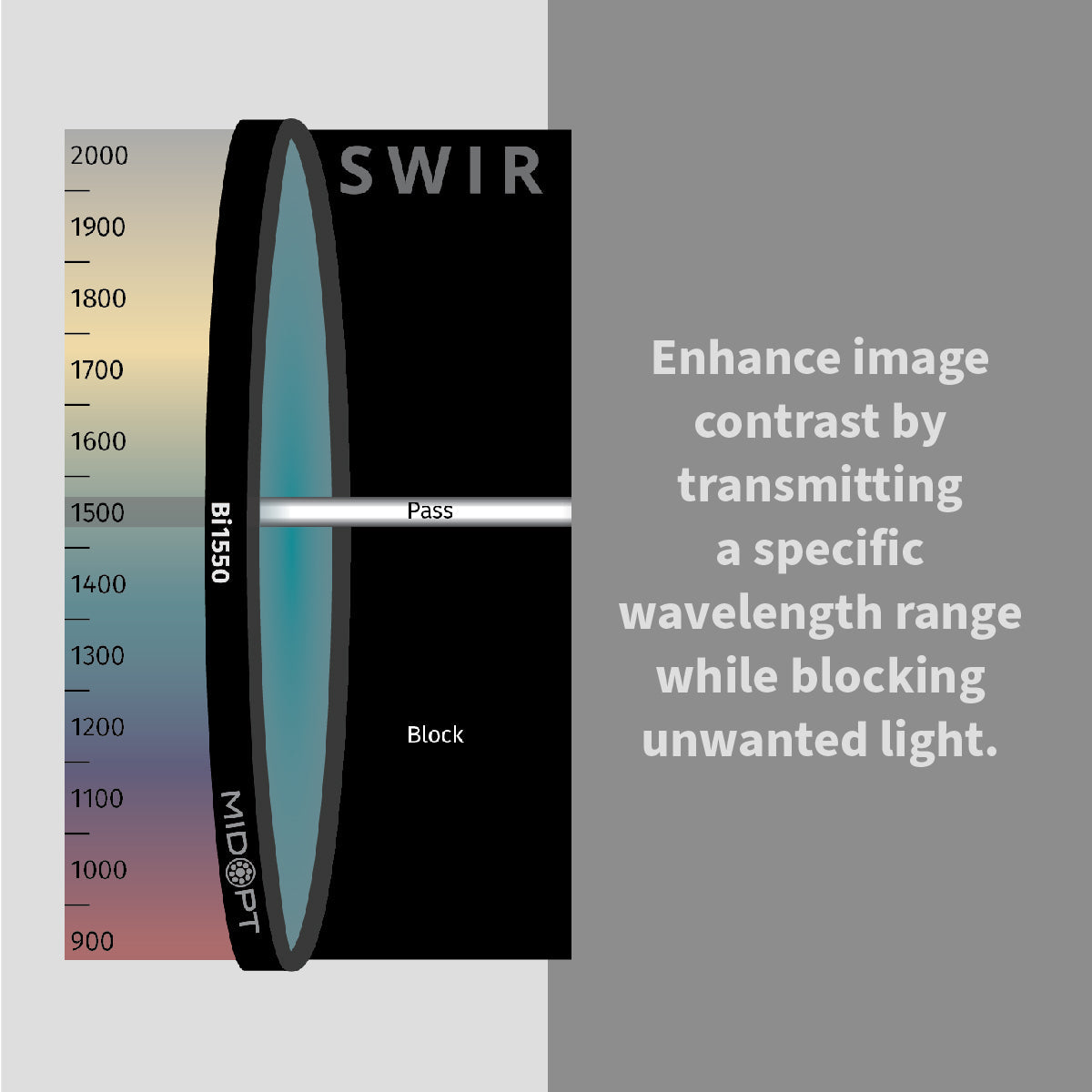
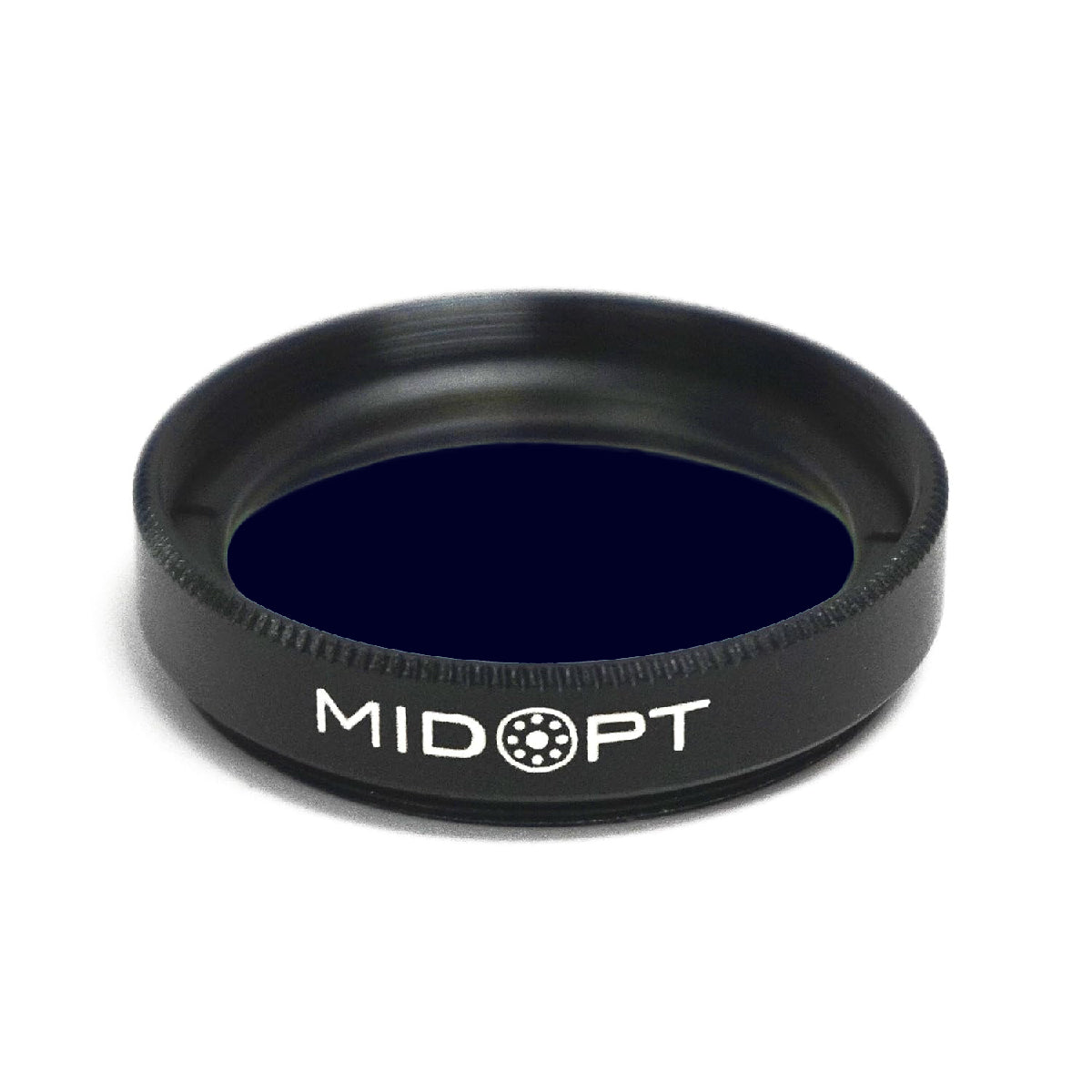
Bandpass Filters Collection
to isolate very narrow wavelength ranges for specialized applications.
Optical Filters in Advanced Machine Vision Systems
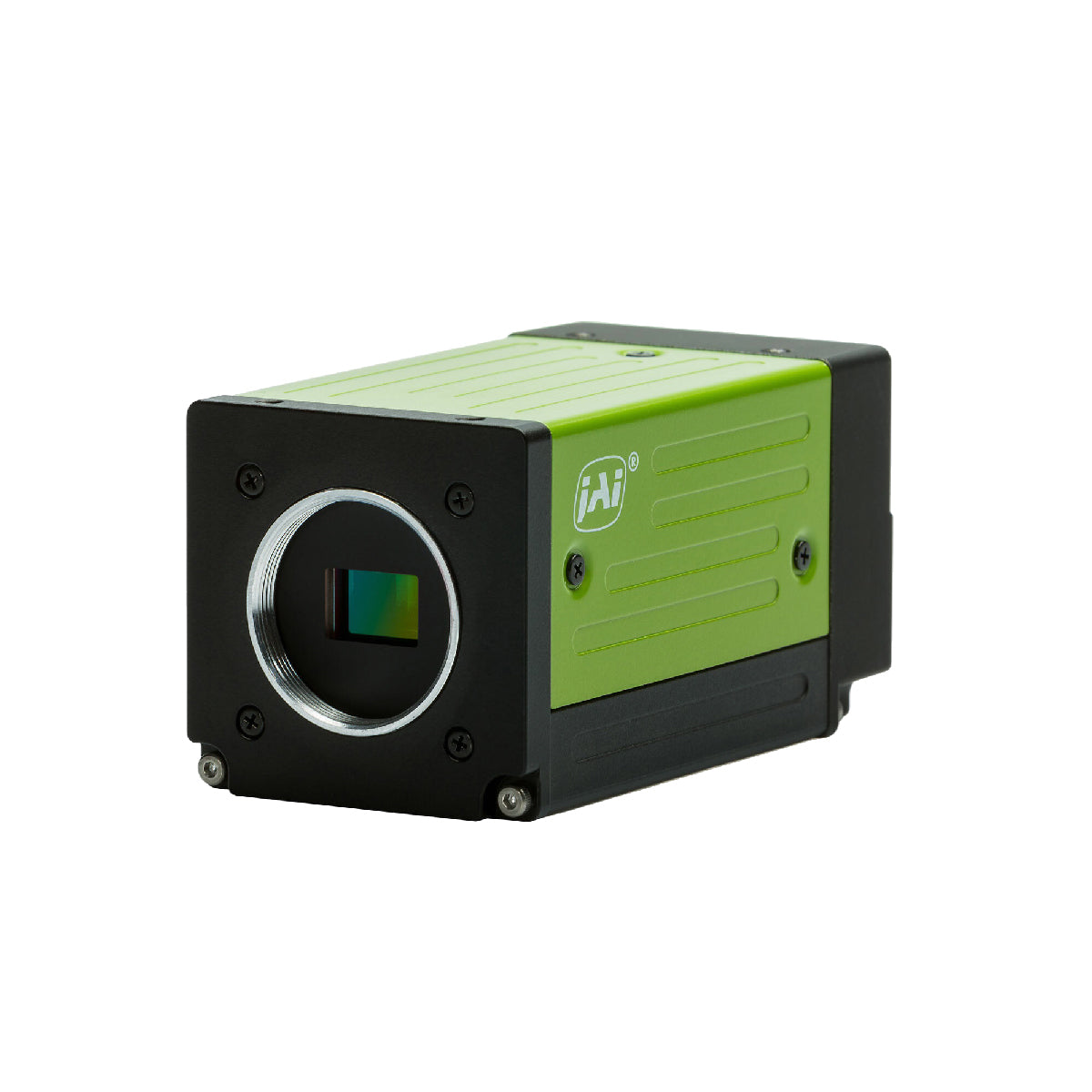
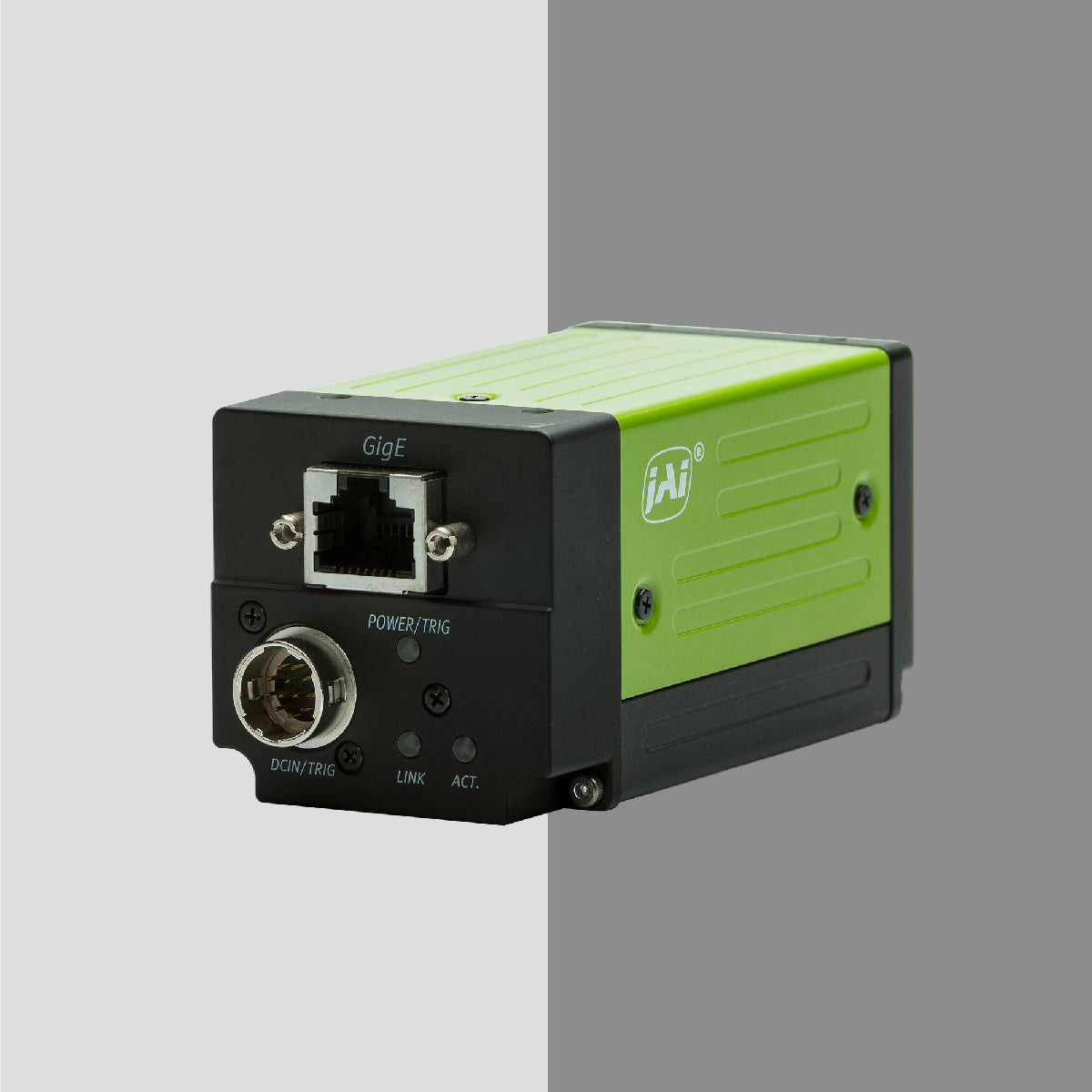
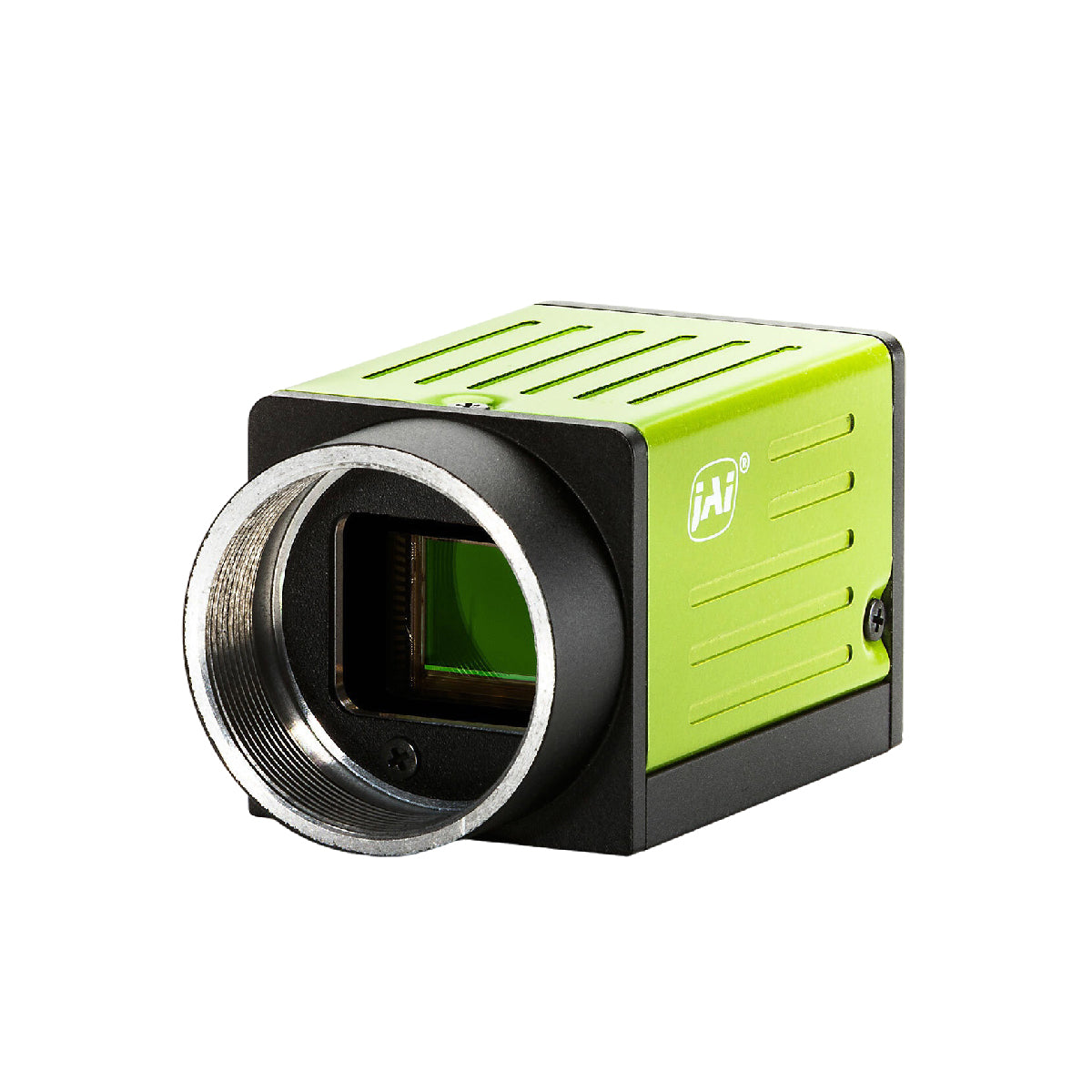
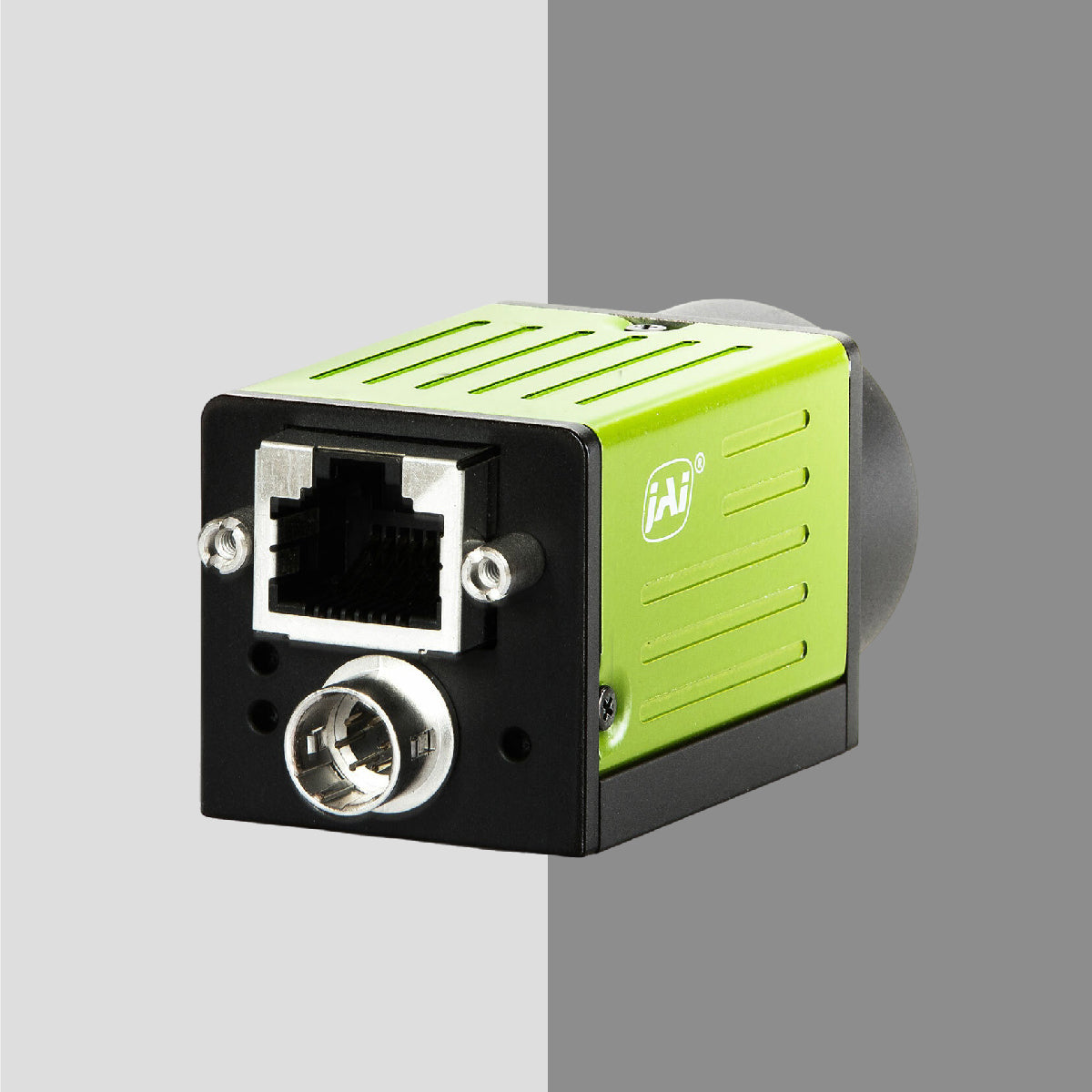
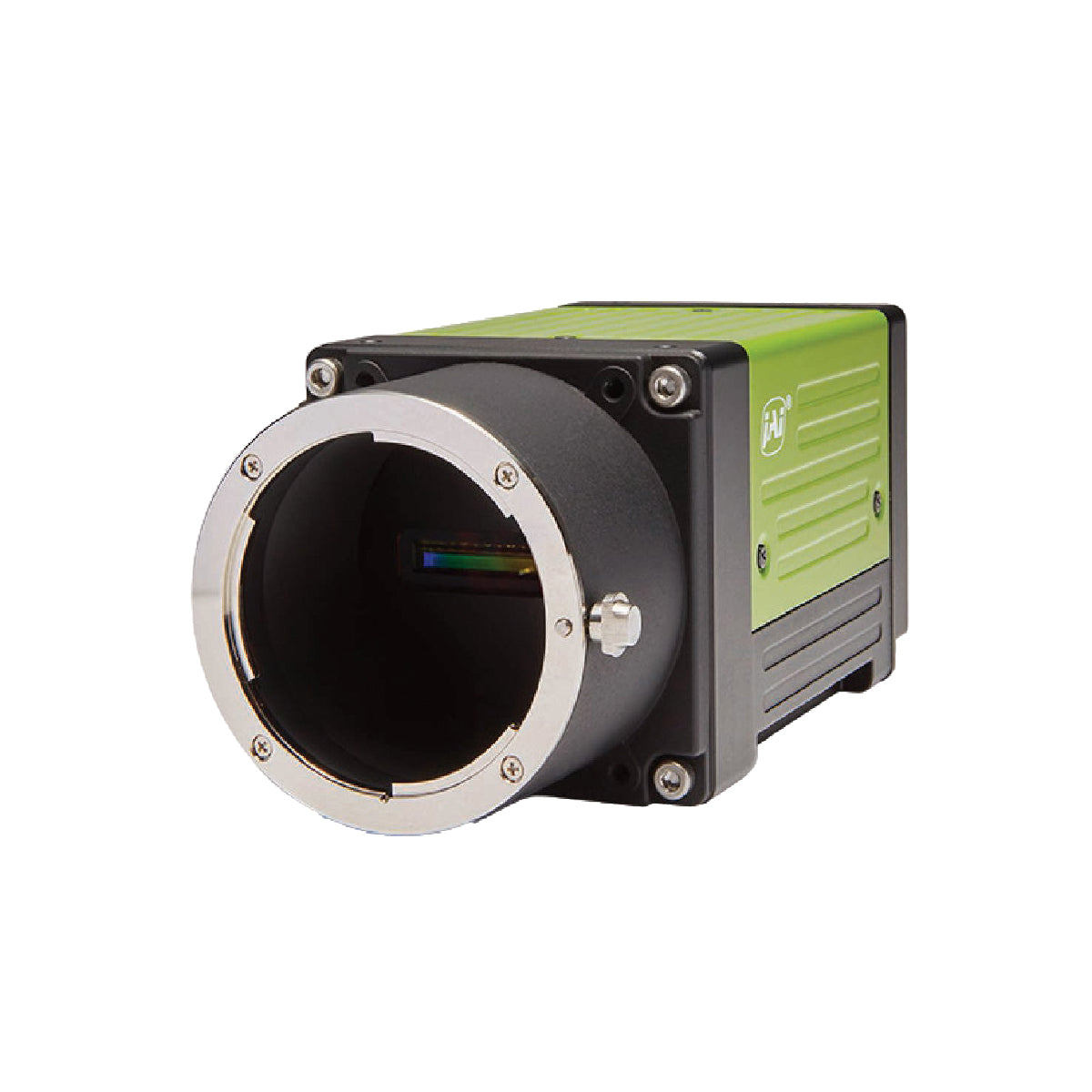
Modern machine vision systems rely on several integrated components working together to capture high-quality images.
Typical systems include:
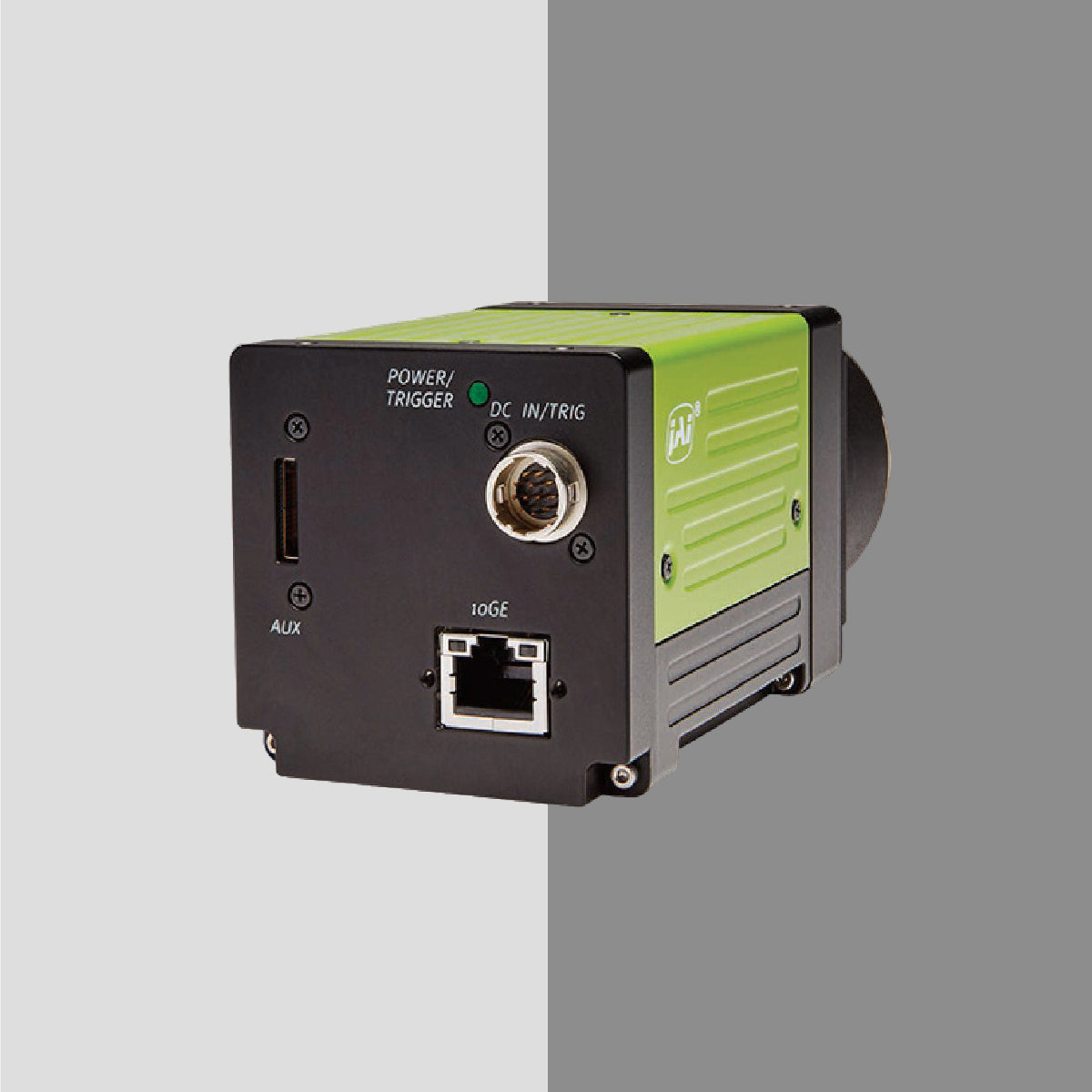
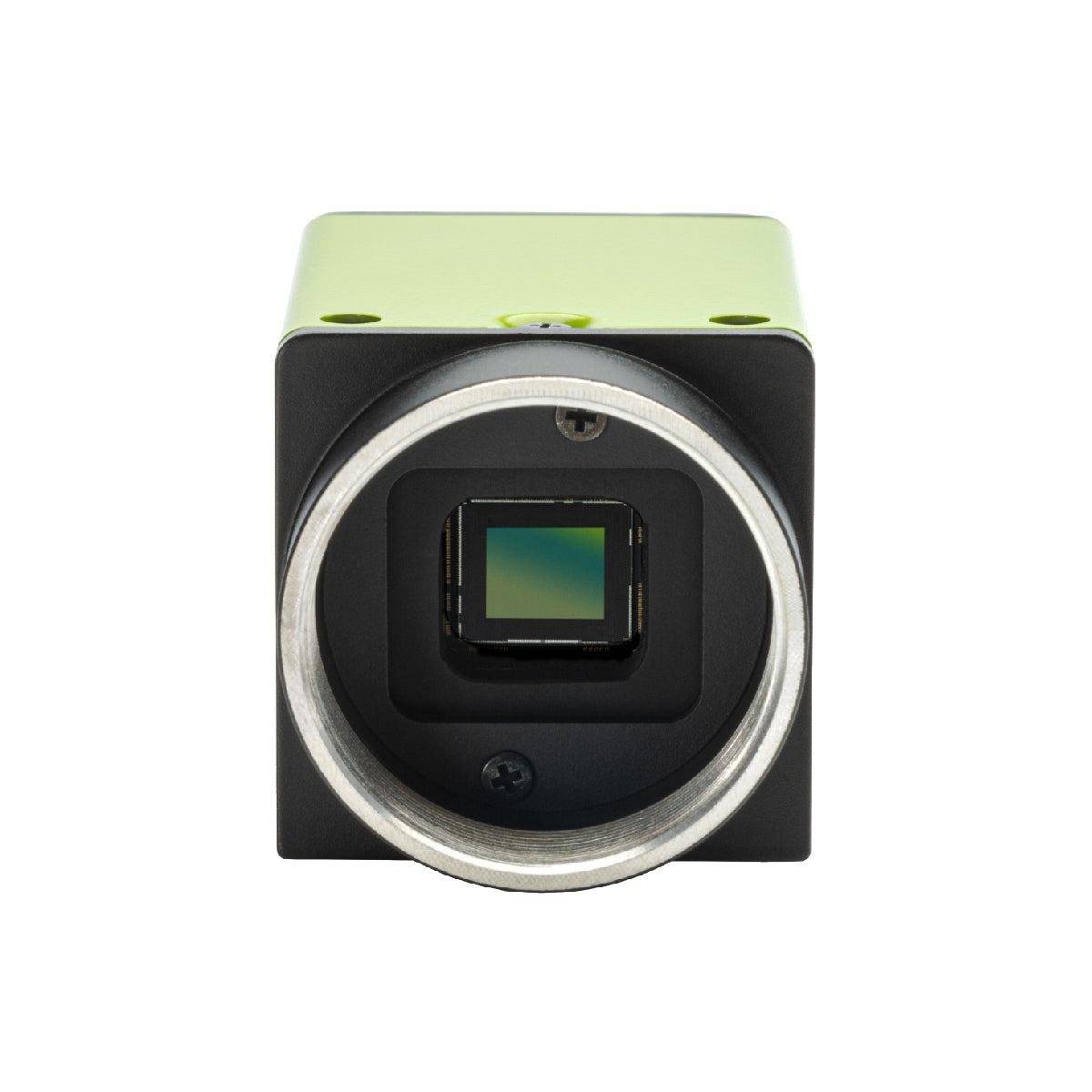
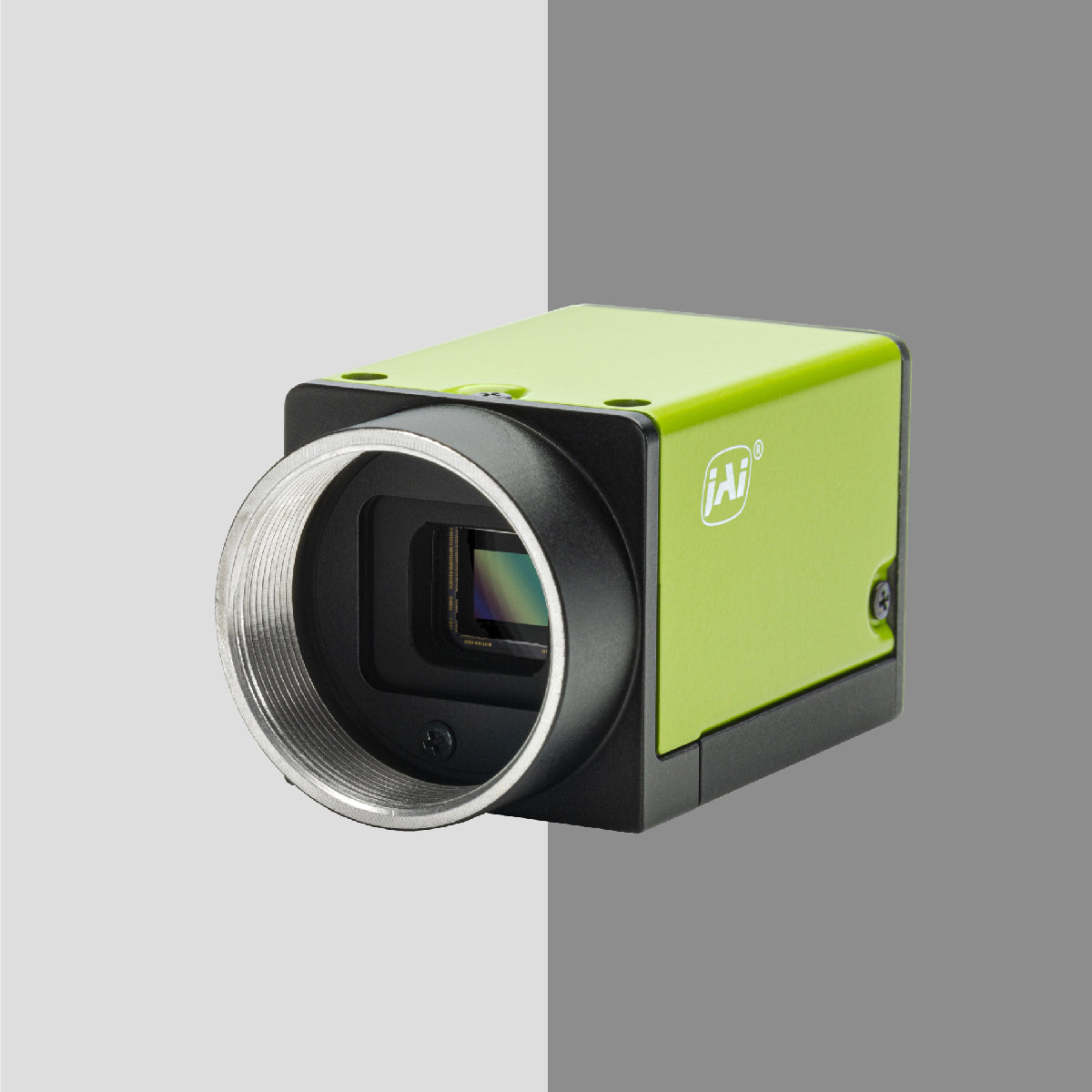
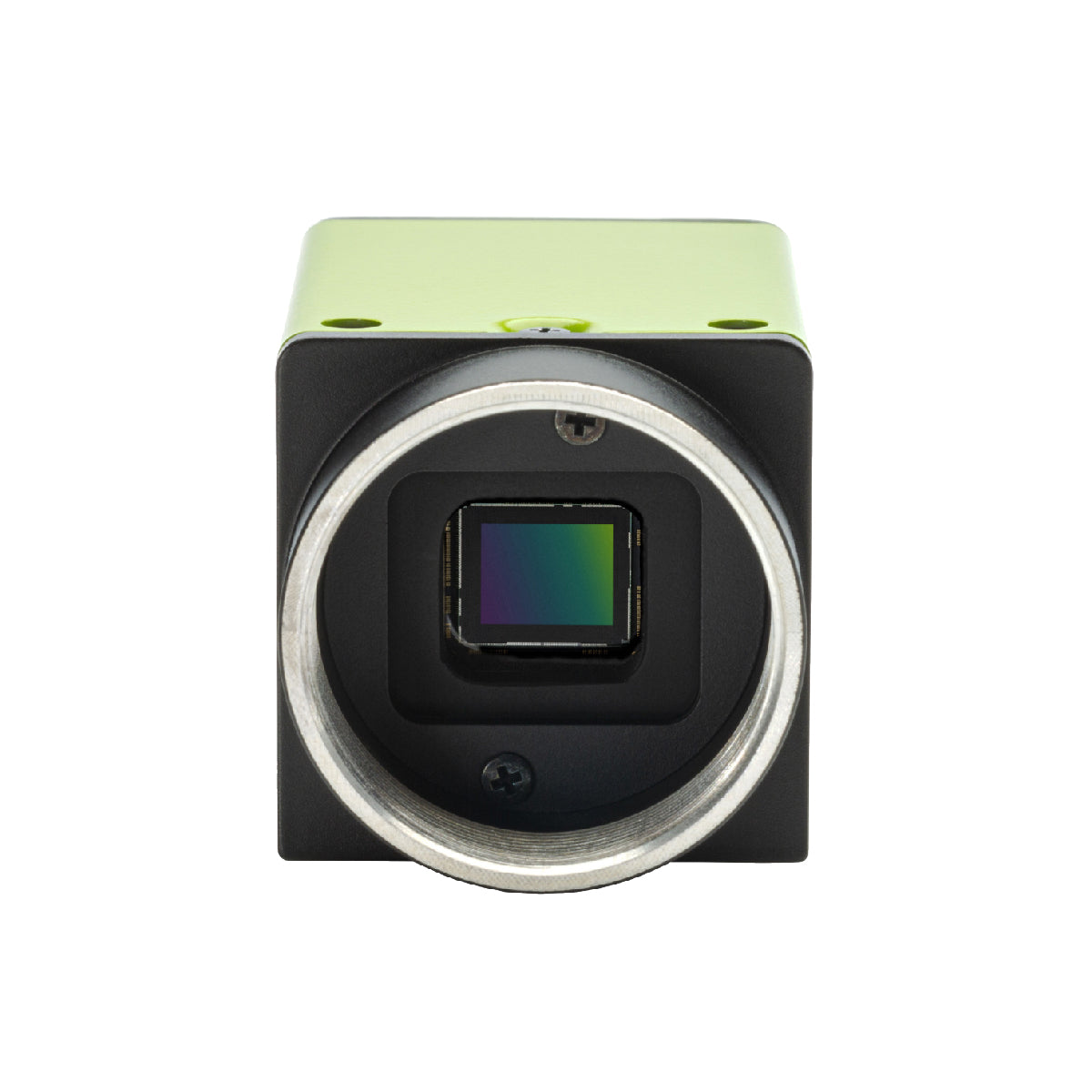
• Industrial cameras
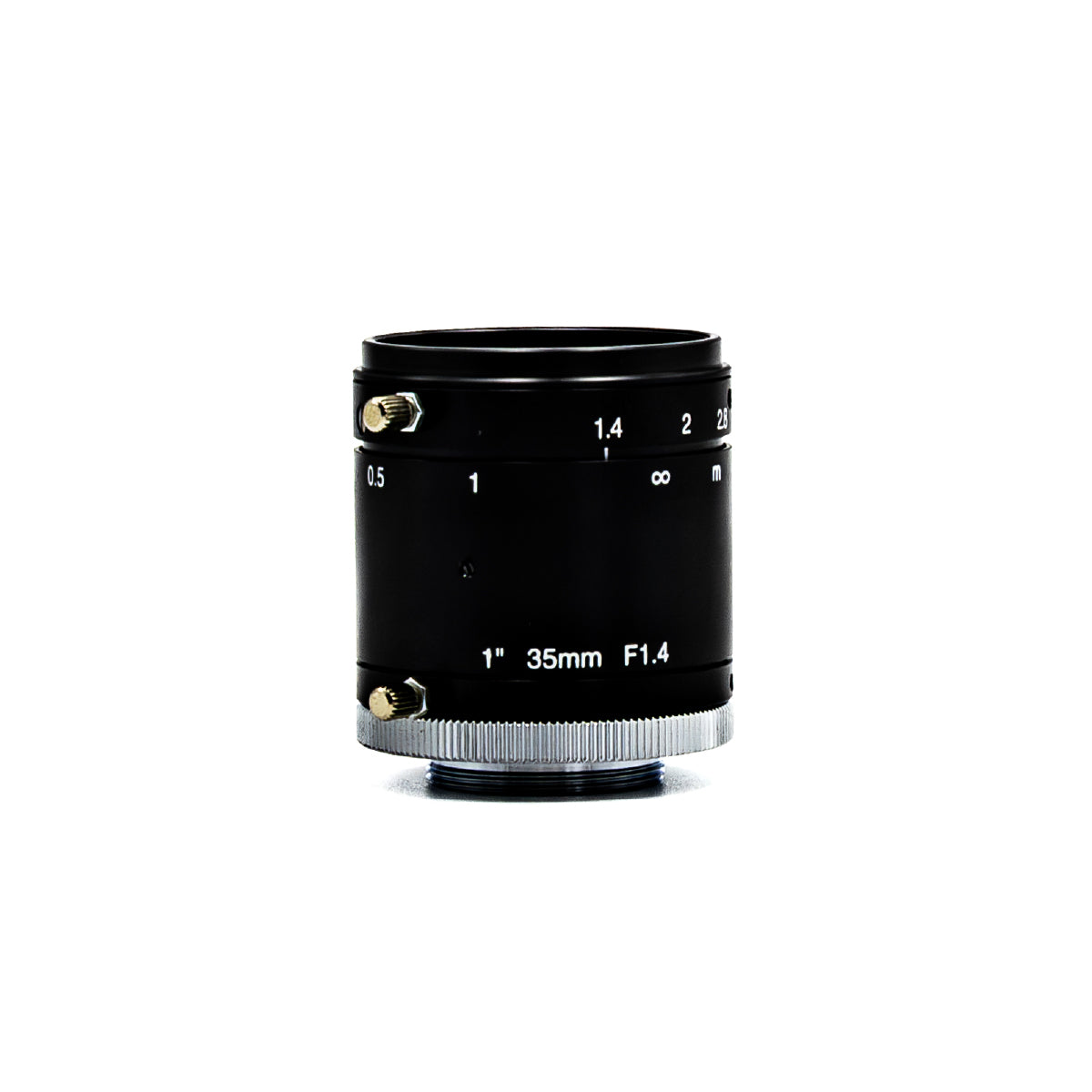
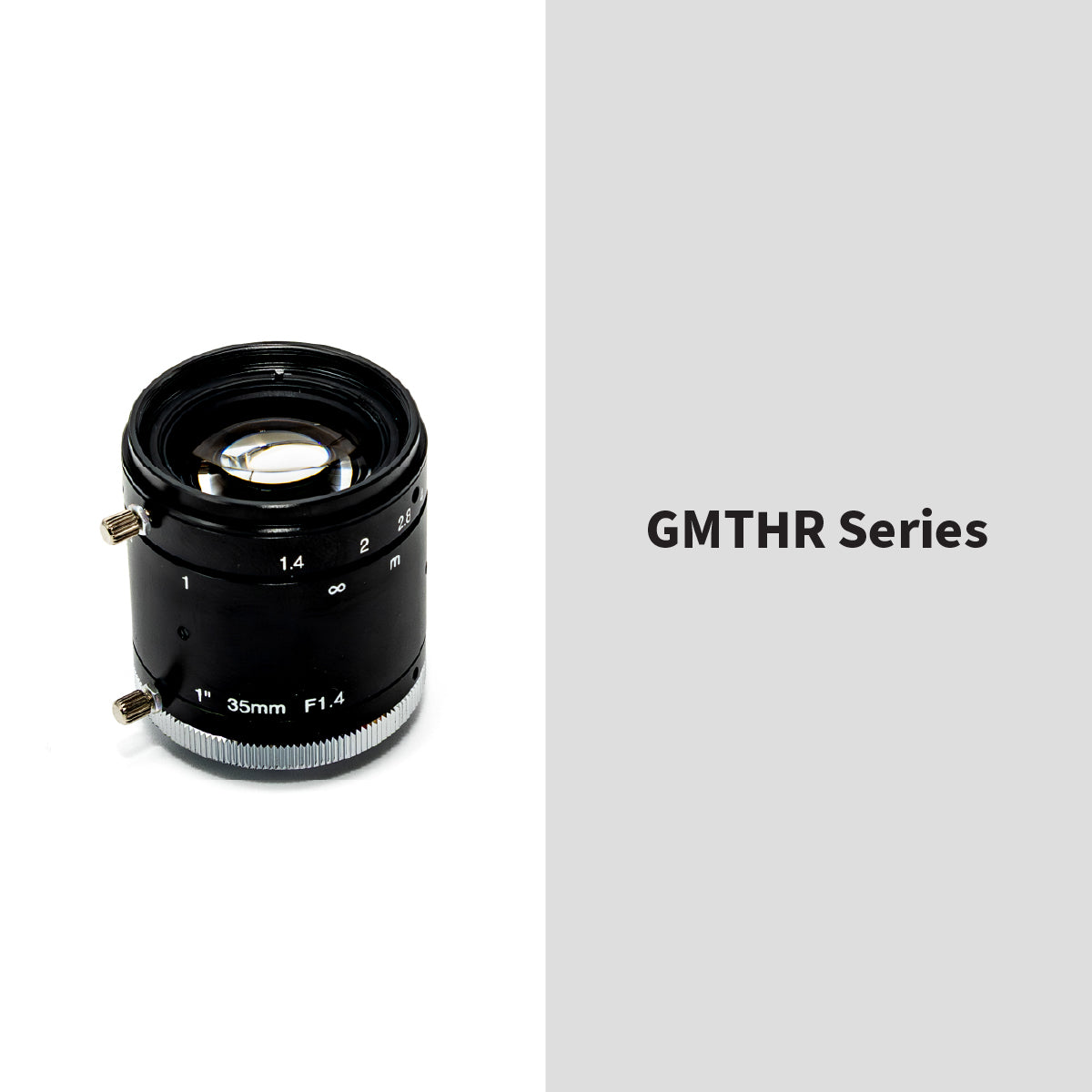
• Precision imaging lenses
• Lighting systems
• Optical filters
Optical filters ensure that only the desired wavelengths reach the camera sensor, helping improve image contrast and reduce spectral noise.
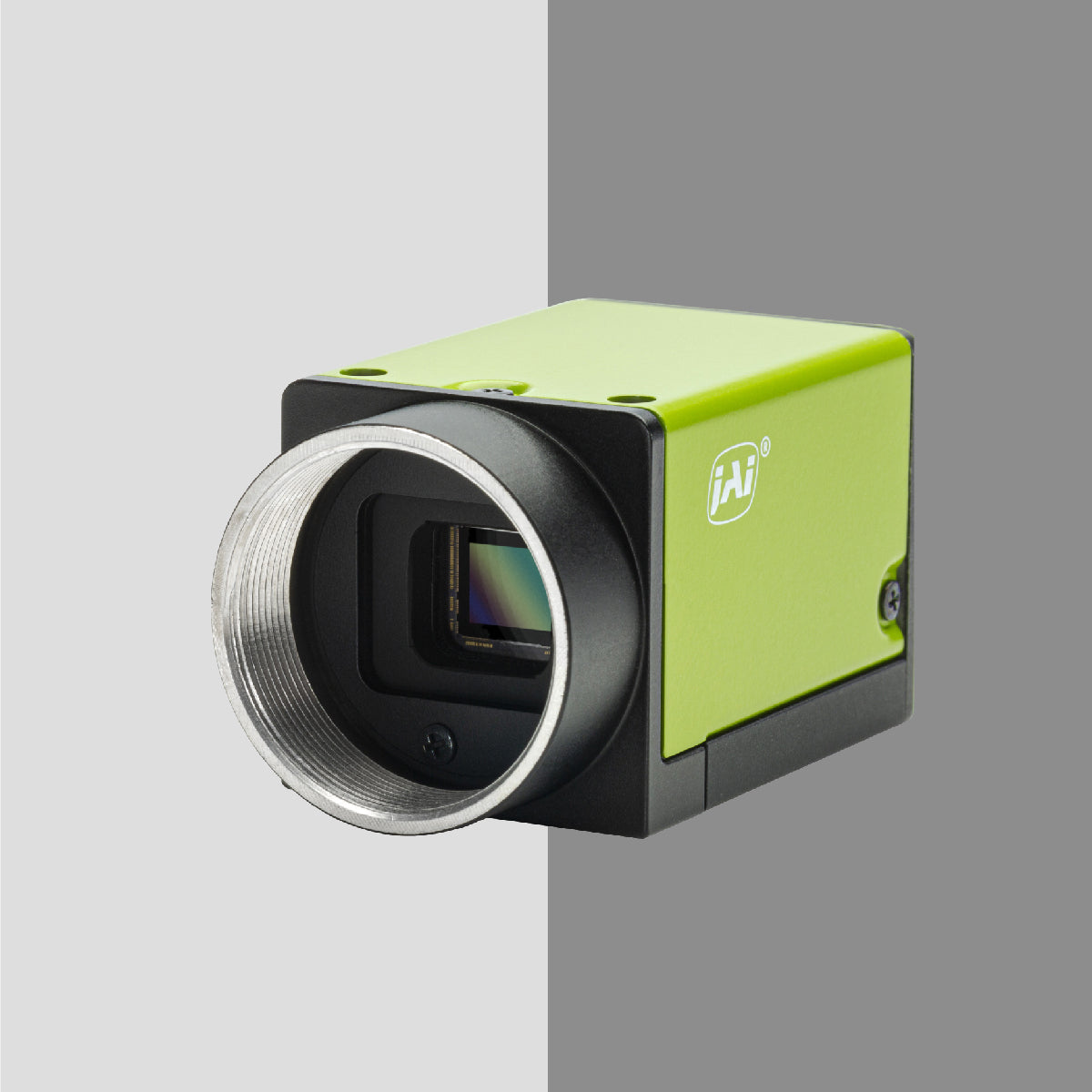
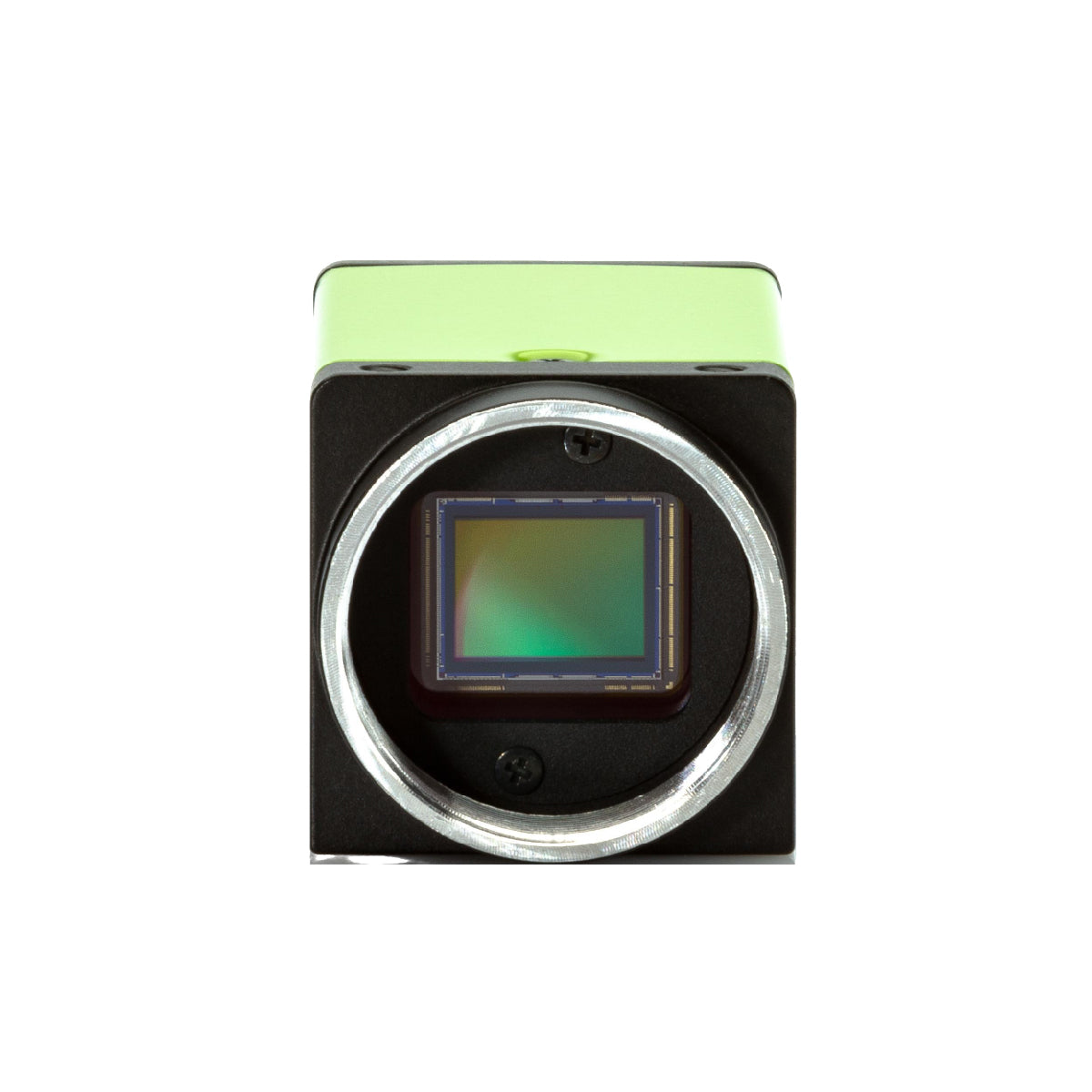
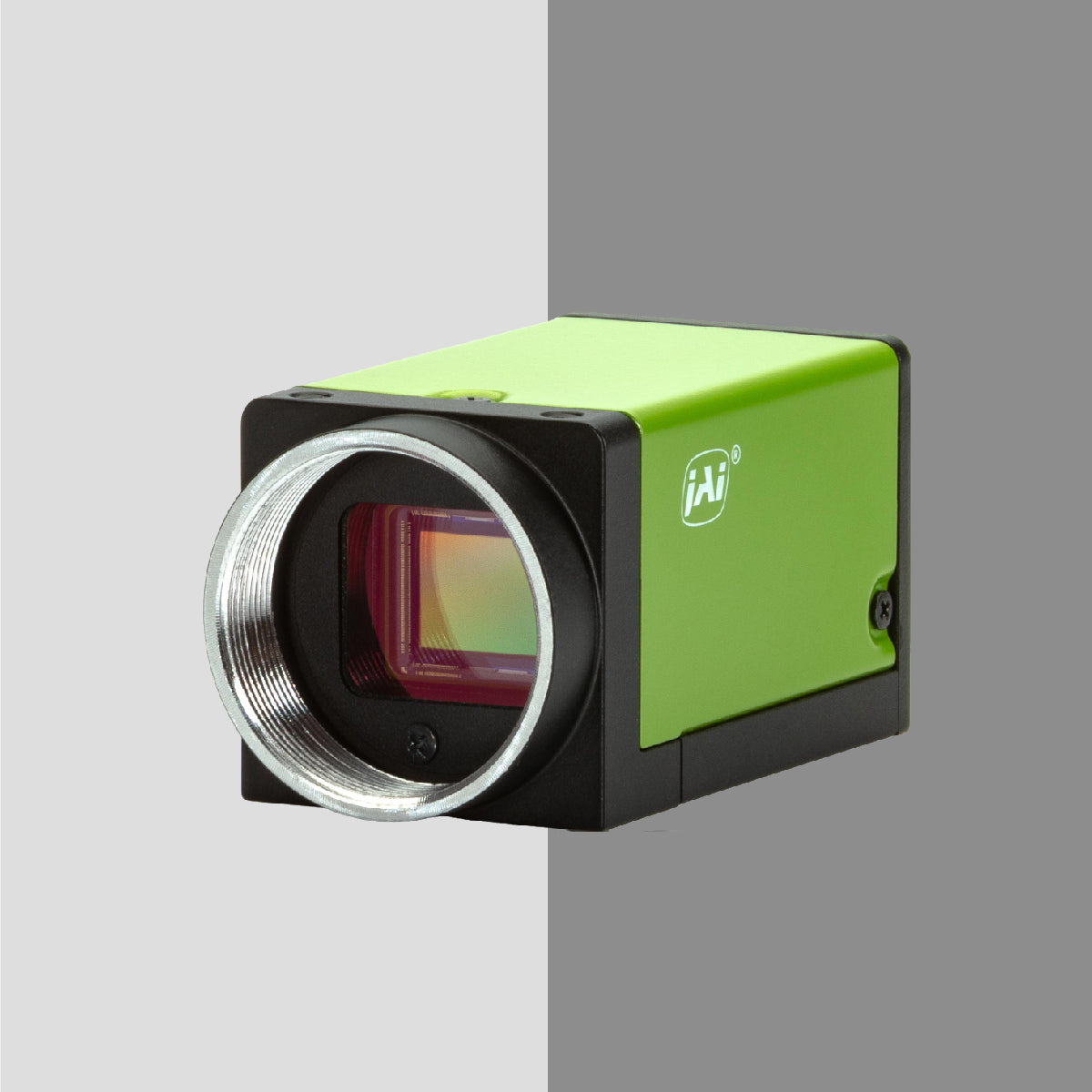
Machine vision platforms frequently integrate cameras and lenses with spectral filters to build stable imaging systems for industrial automation.
Neutral Density Filters for Light Control
In addition to spectral filters, imaging systems often use neutral density filters to control light intensity.
Neutral density filters reduce the amount of light entering the imaging sensor without changing the wavelength distribution.
These filters help maintain proper exposure levels in bright lighting environments.
Explore solutions in the Neutral Density Filters Collection.
Machine Vision Accessories for Optical Filter Integration
Proper integration of optical filters often requires mounting hardware and optical adapters.
Accessories such as filter holders and mounting rings help align filters with cameras and lenses while maintaining system stability.
These components are particularly important in industrial environments where vibration and movement can affect imaging performance.
Engineers can explore compatible integration components in the Machine Vision Accessories Collection.
The Future of Longpass and Shortpass Filters in Imaging Systems
As imaging technologies continue to advance, optical filters will remain essential components in machine vision and scientific imaging systems.
Several factors are driving the increasing importance of spectral filtering:
Growth of automated inspection systems
Manufacturers rely on machine vision systems to perform high-speed quality inspections, making precise optical filtering essential.
Expansion of semiconductor manufacturing
Semiconductor inspection technologies require highly controlled imaging environments where spectral filtering improves defect detection.
Advances in biomedical imaging
Fluorescence imaging and life science research continue to rely on precise wavelength isolation enabled by optical filters.
Development of multispectral imaging systems
Advanced imaging systems increasingly capture data across multiple wavelengths, requiring combinations of longpass, shortpass, and bandpass filters.
Longpass and shortpass filters are essential components in modern imaging systems used across industrial automation, scientific research, and advanced inspection technologies.
Longpass filters transmit longer wavelengths while blocking shorter wavelengths, making them ideal for infrared imaging and laser inspection systems.
Shortpass filters transmit shorter wavelengths while blocking longer wavelengths, helping remove infrared interference and isolate visible or ultraviolet light.
When integrated with cameras, lenses, and lighting systems, these filters help engineers design imaging solutions capable of delivering reliable and high-precision results.