
 Find-R-Scopes
 Filters
 Lenses
 Cameras
 Lighting
 Accessories







Robotic vision systems depend on more than cameras and software. The quality, direction and consistency of illumination can determine whether a vision system clearly identifies an object or struggles with shadows, reflections and insufficient contrast.
For applications where robots need to understand an object's shape, position, height or surface profile, structured lighting can provide valuable visual information that conventional illumination cannot.
From robotic bin picking and assembly to inspection and material handling, structured lighting for robotic vision helps machines extract three-dimensional information from objects and surfaces, enabling more accurate and reliable automation.
What Is Structured Lighting?
Structured lighting is a machine vision technique that projects a defined pattern of light onto an object or surface. Rather than simply illuminating the entire scene, the light source produces a controlled pattern such as a line, grid, cross or series of points. A camera captures how that pattern appears on the object.
When projected onto a flat surface, the pattern remains relatively predictable. When it falls across an object with variations in height, shape or contour, the pattern becomes distorted. Machine vision software can analyze this distortion to calculate information about the object's three-dimensional geometry.
This makes structured illumination particularly valuable for robotic systems that need more than a traditional 2D image.
Why Structured Lighting Matters for Robotic Vision
Robots frequently encounter objects that vary in position and orientation. In a bin-picking application, for example, parts may be randomly stacked, overlapping or tilted at different angles.
A conventional 2D image may show where an object is located horizontally and vertically, but it may not provide enough information to determine its depth, orientation or surface profile. Structured lighting can help a robotic vision system identify characteristics such as:
- Object height and depth
- Surface contours
- Three-dimensional shape
- Part orientation
- Edge location
- Surface irregularities
- Relative position of overlapping objects
- Changes in component geometry
This additional information allows the vision system to provide more useful coordinates to the robot.
Structured Lighting for Robotic Bin Picking
Robotic bin picking is one of the most demanding applications for machine vision. Parts may enter a bin in random positions and orientations, creating a constantly changing scene. Some components may be partially hidden, while others may overlap or rest at different heights.
Structured light can be projected across the contents of the bin to provide additional depth and surface information. The vision system analyzes the resulting image to determine which parts are accessible and how they are positioned. This information can help the robot calculate an appropriate approach and gripping position.
For manufacturers moving away from precisely fixtured components, structured-light vision can provide greater flexibility by allowing robots to work with less predictable part locations.
Laser Line Lighting for 3D Profiling
One common form of structured illumination uses a laser line projected across the target. As the laser passes over variations in the object's surface, the line appears to shift or deform in the camera image. By analyzing this displacement, the vision system can calculate height and profile information. This technique, often associated with laser triangulation, can be useful for applications such as:
- Robotic guidance
- Surface profiling
- Height measurement
- Weld inspection
- Bead and sealant inspection
- Component positioning
- Edge detection
- Gap measurement
- Assembly verification
When either the object or imaging system moves, multiple profiles can be collected to create a more complete three-dimensional representation of the target.
Pattern Projection for 3D Robot Vision
Structured lighting is not limited to laser lines. Depending on the vision technology, systems may project grids, dots, stripes or other defined patterns. These patterns provide reference points that vision software can analyze to determine depth and geometry across a larger portion of the scene. Pattern projection can be particularly useful when a robot needs to understand an object's overall shape rather than measure a single profile.
For applications involving irregular components, packages or randomly positioned objects, this additional spatial information can improve object recognition and localization.
Improve Contrast for More Reliable Detection
Structured lighting also helps by introducing a known, controlled illumination pattern into the scene. Industrial environments can contain changing overhead lighting, windows, reflections and shadows that make consistent imaging difficult. A strong, well-defined illumination source gives the vision system a predictable feature to identify. However, ambient light can still compete with the structured illumination.
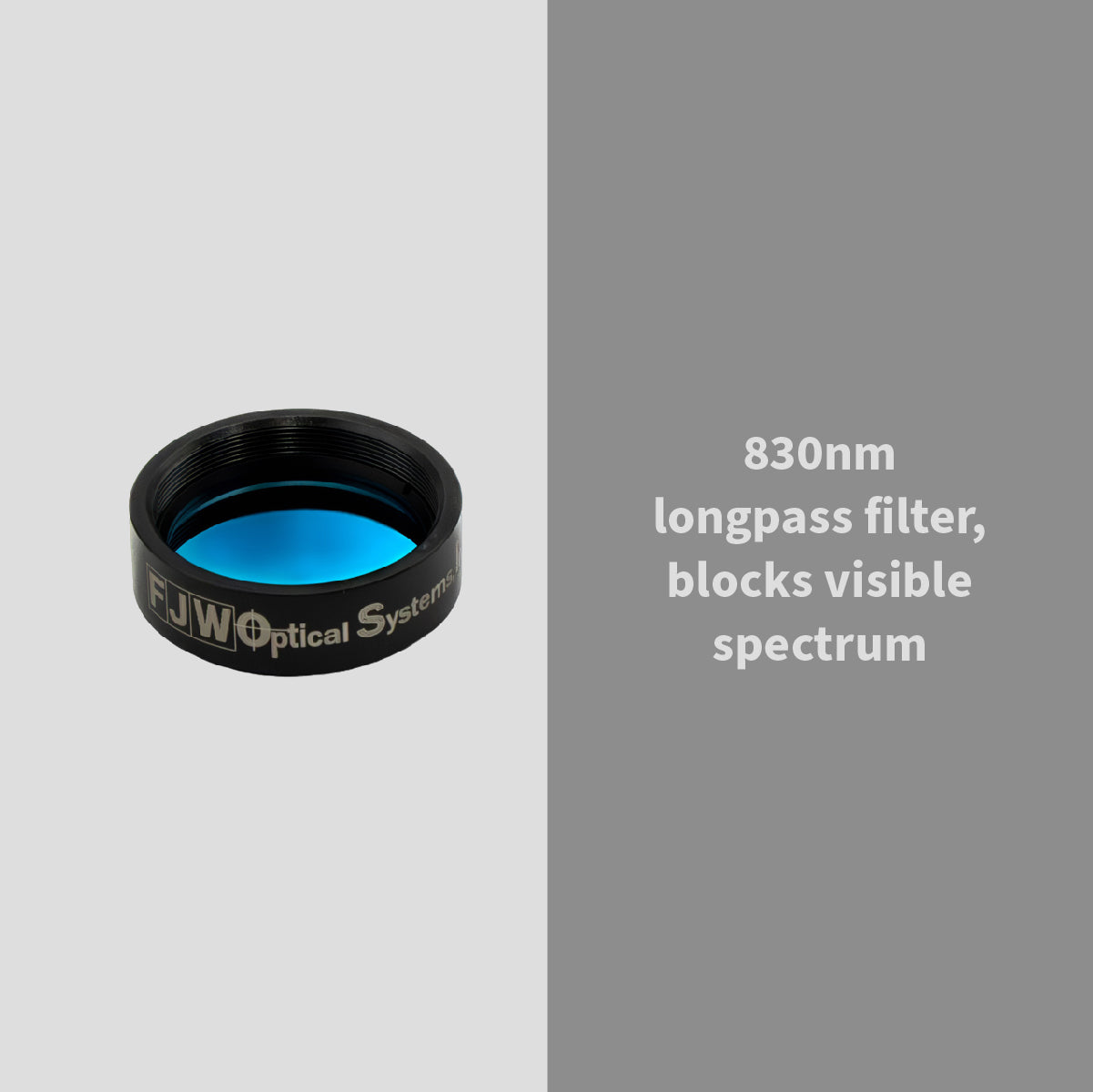
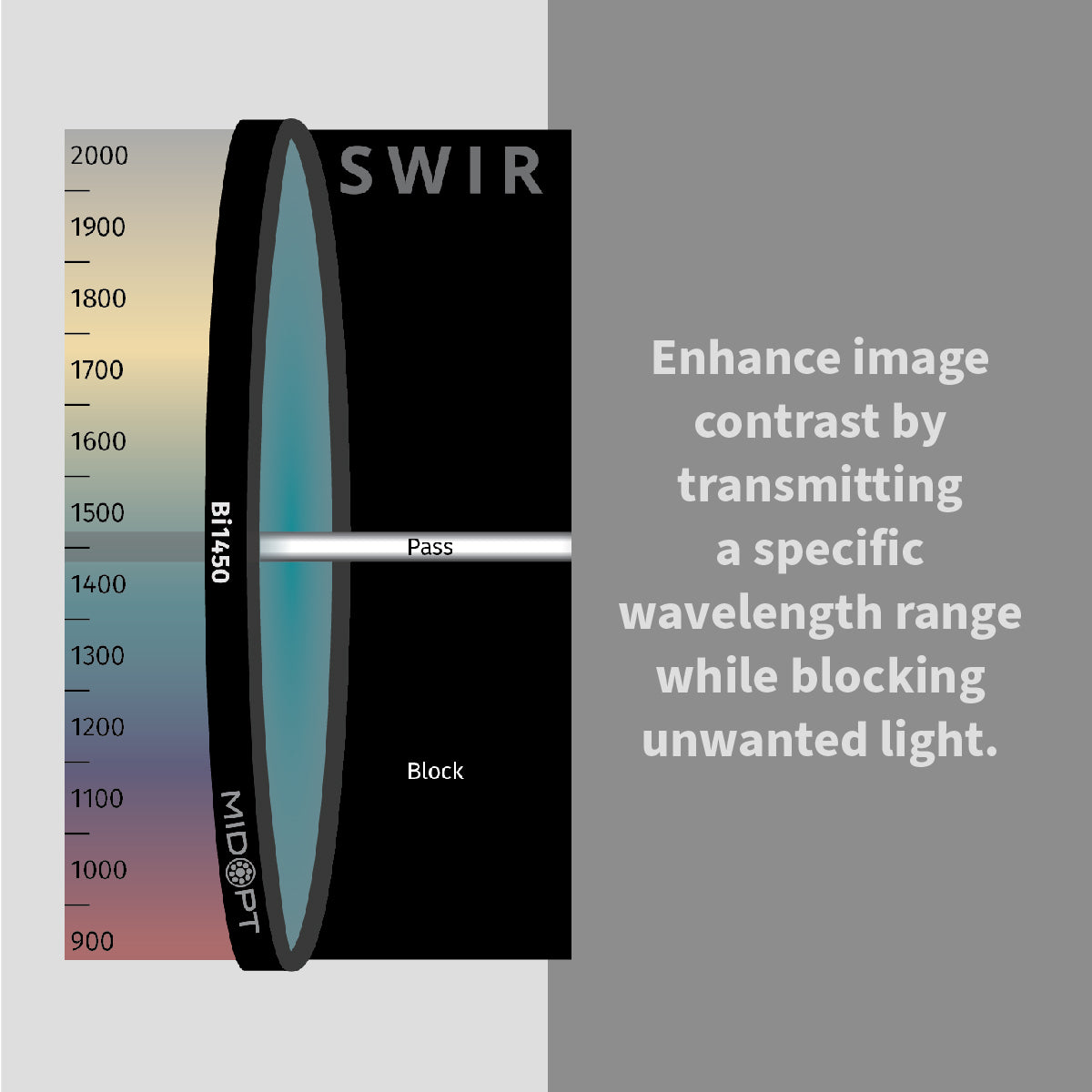
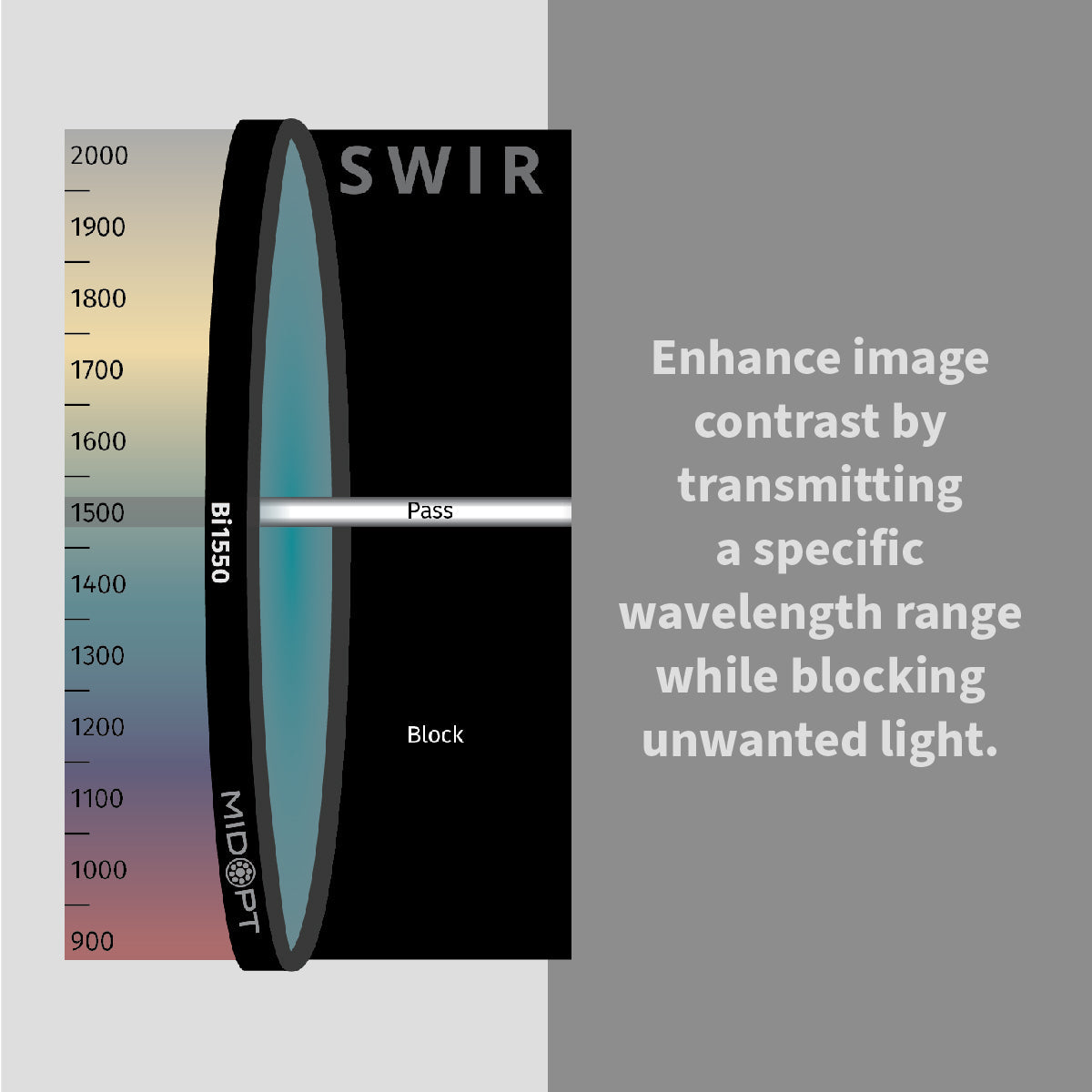
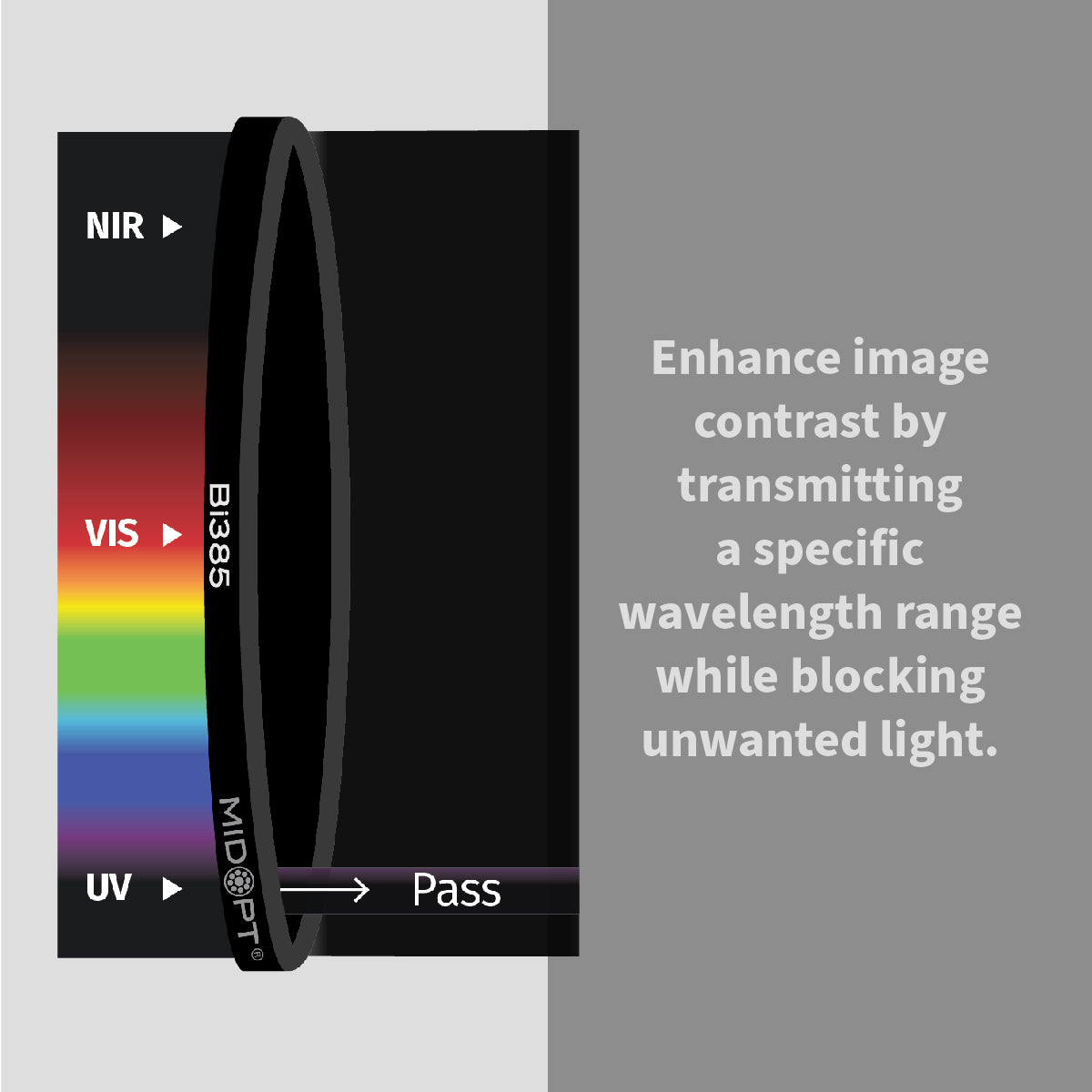
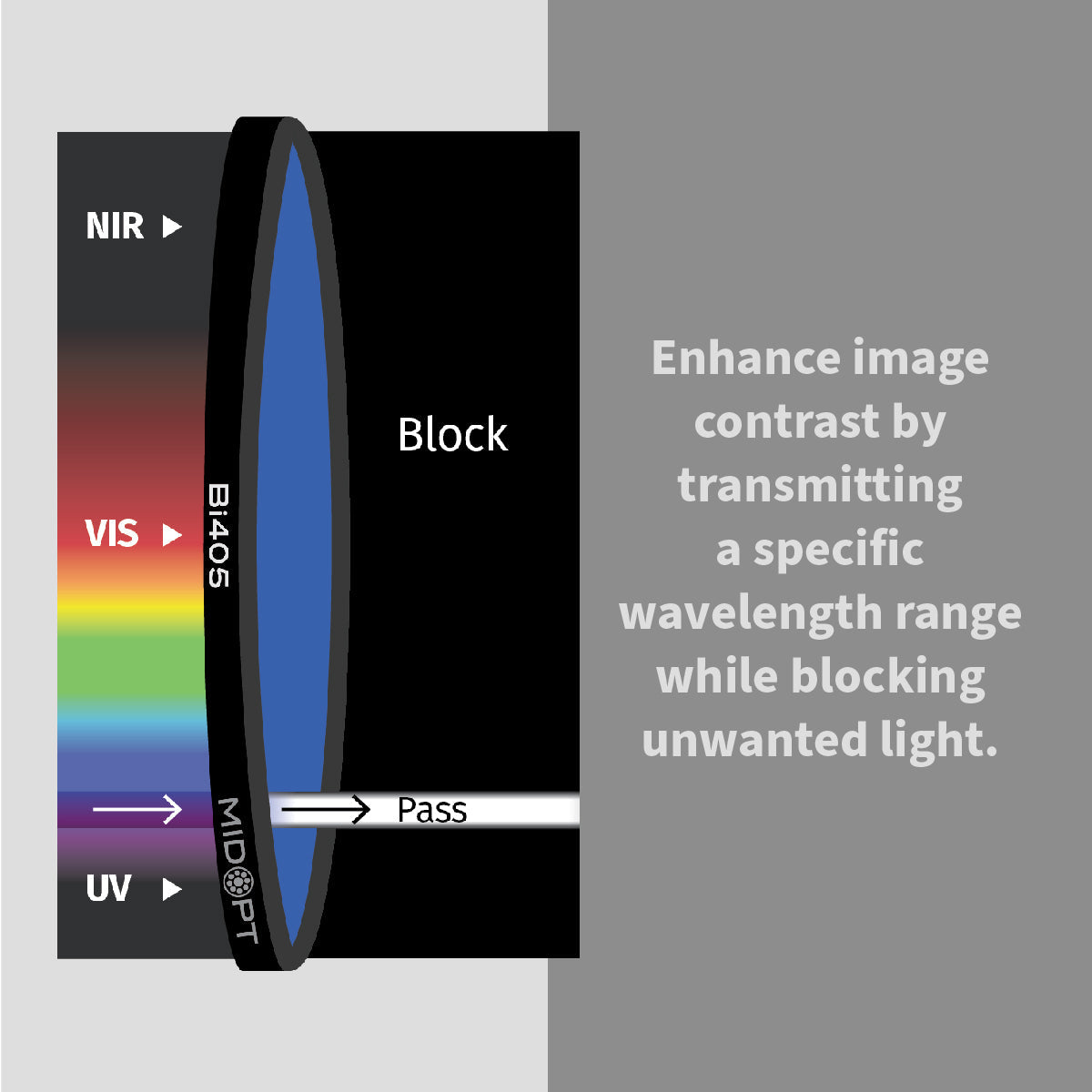
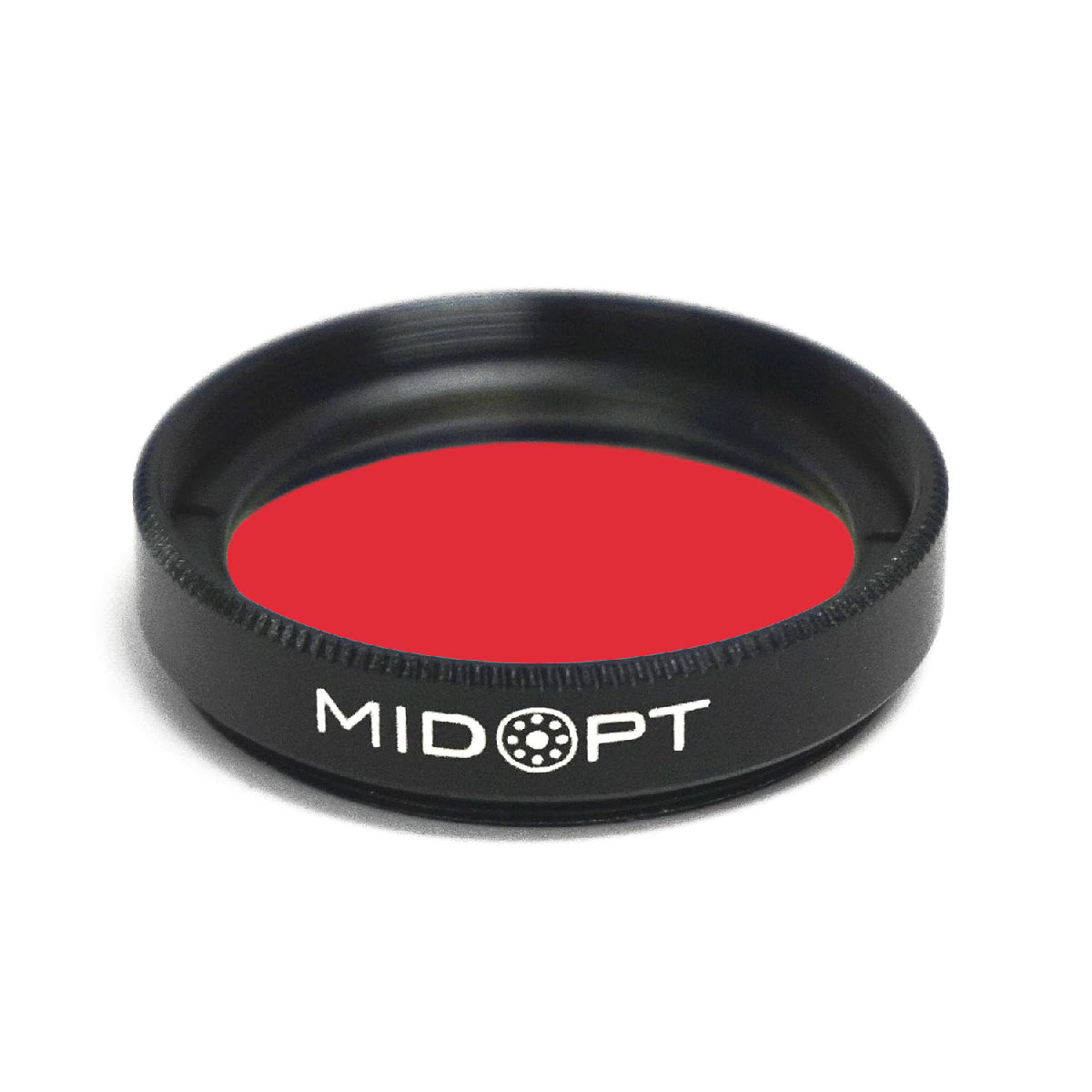
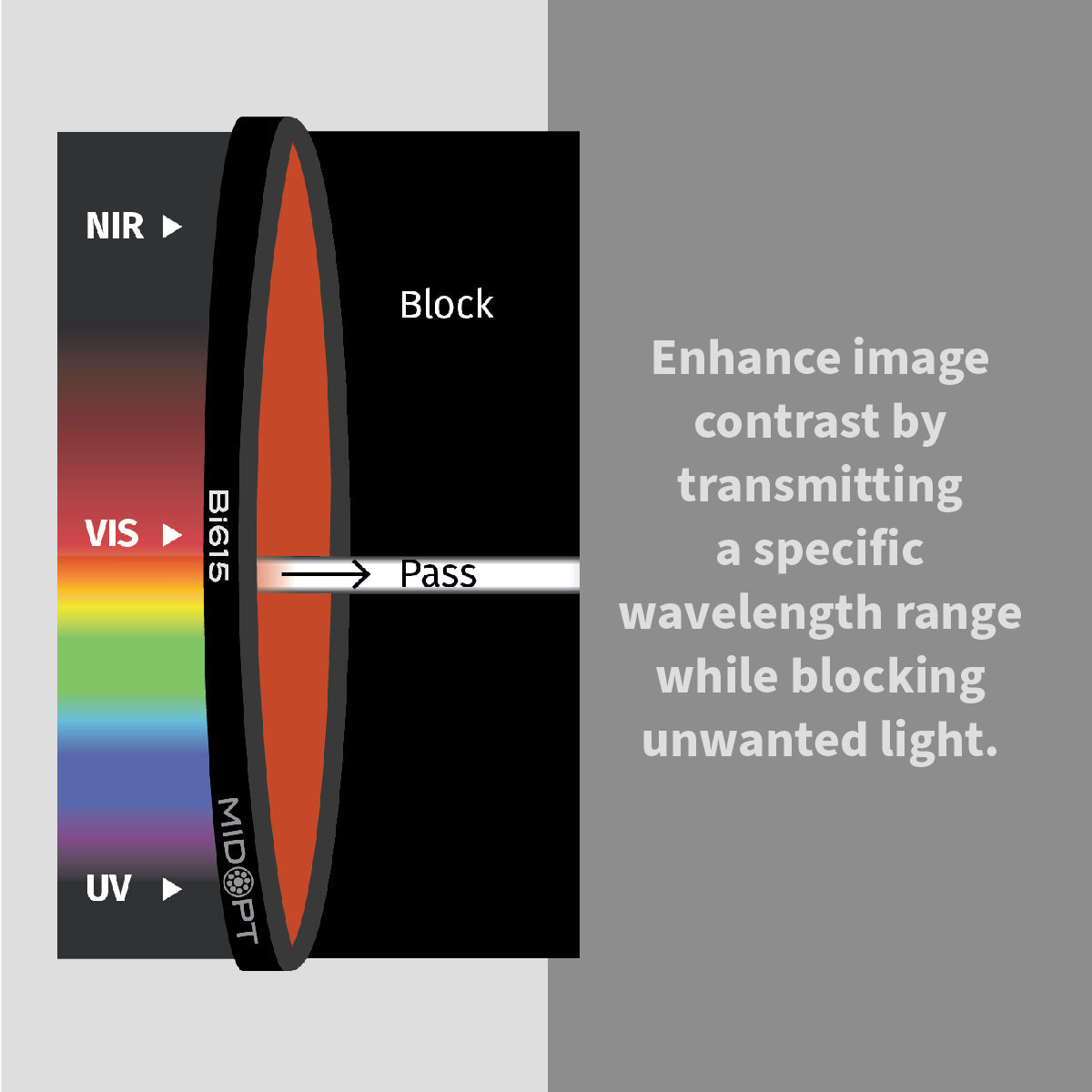
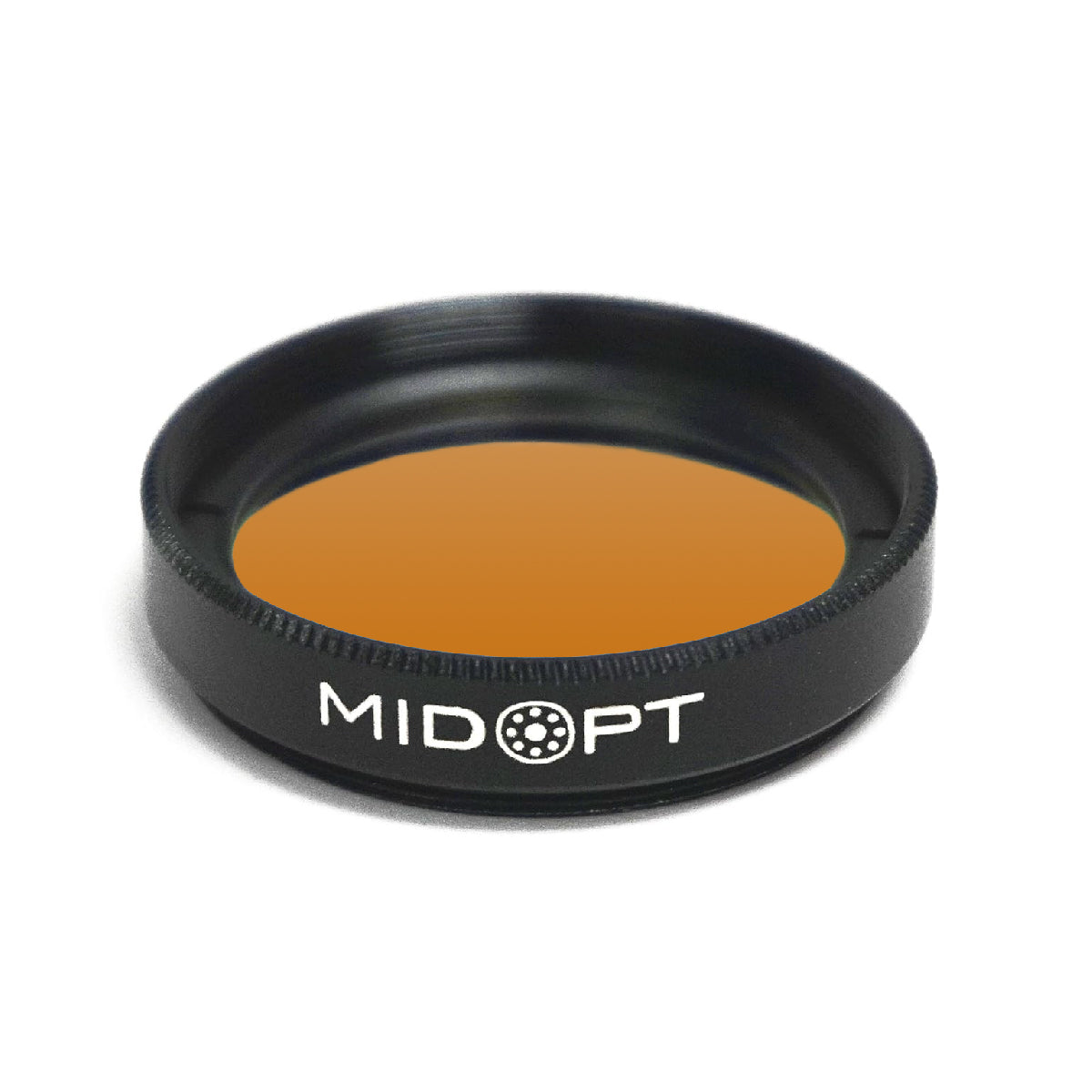
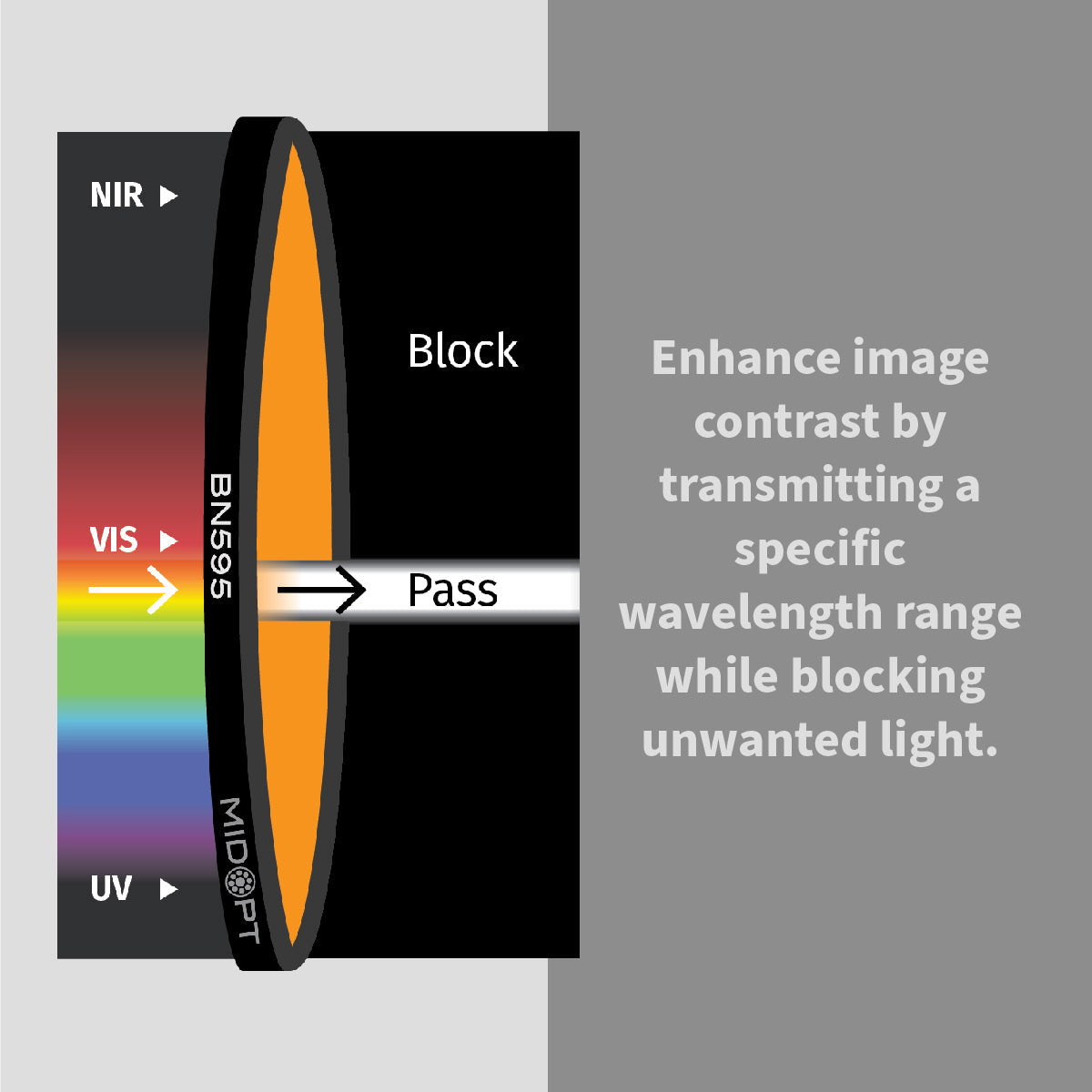
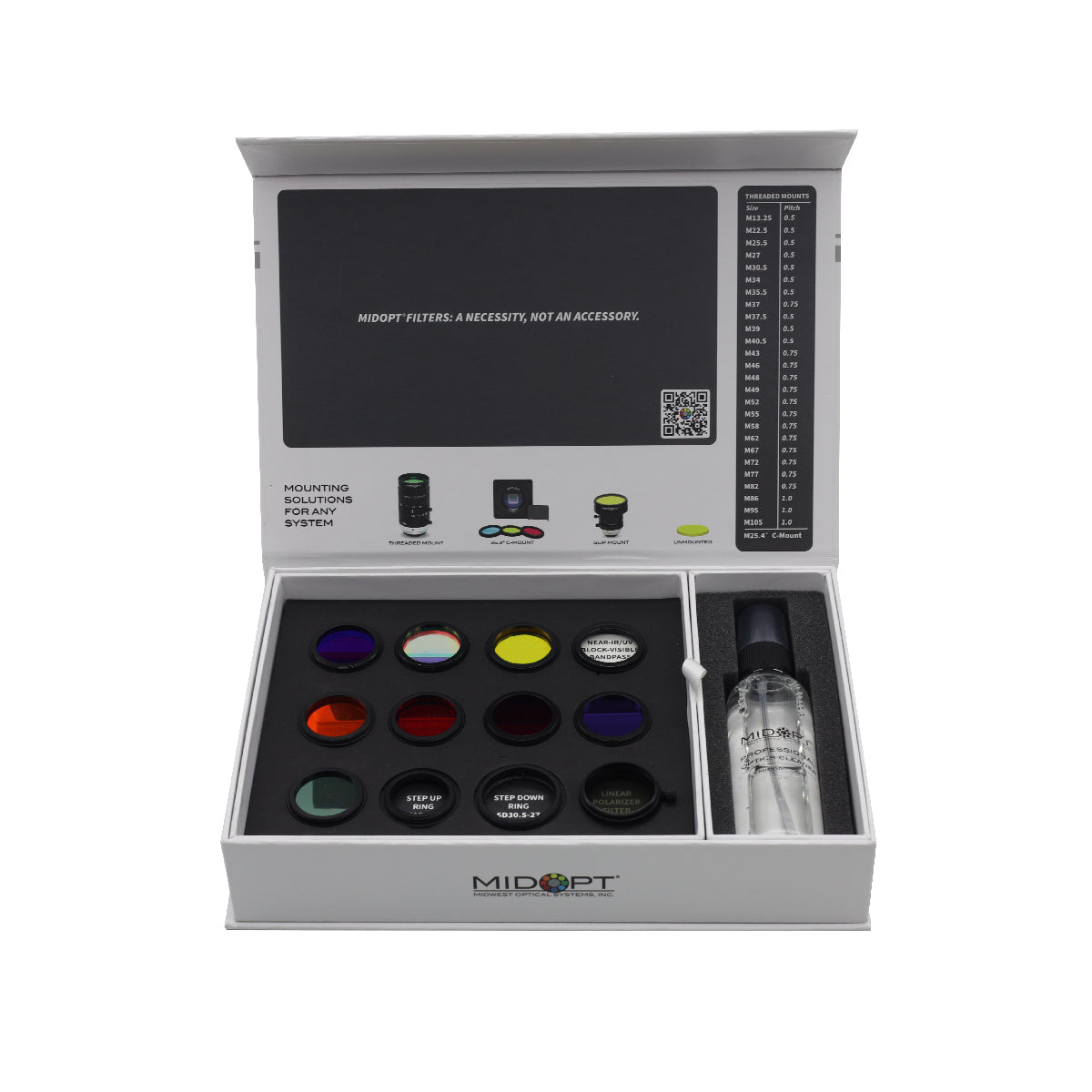
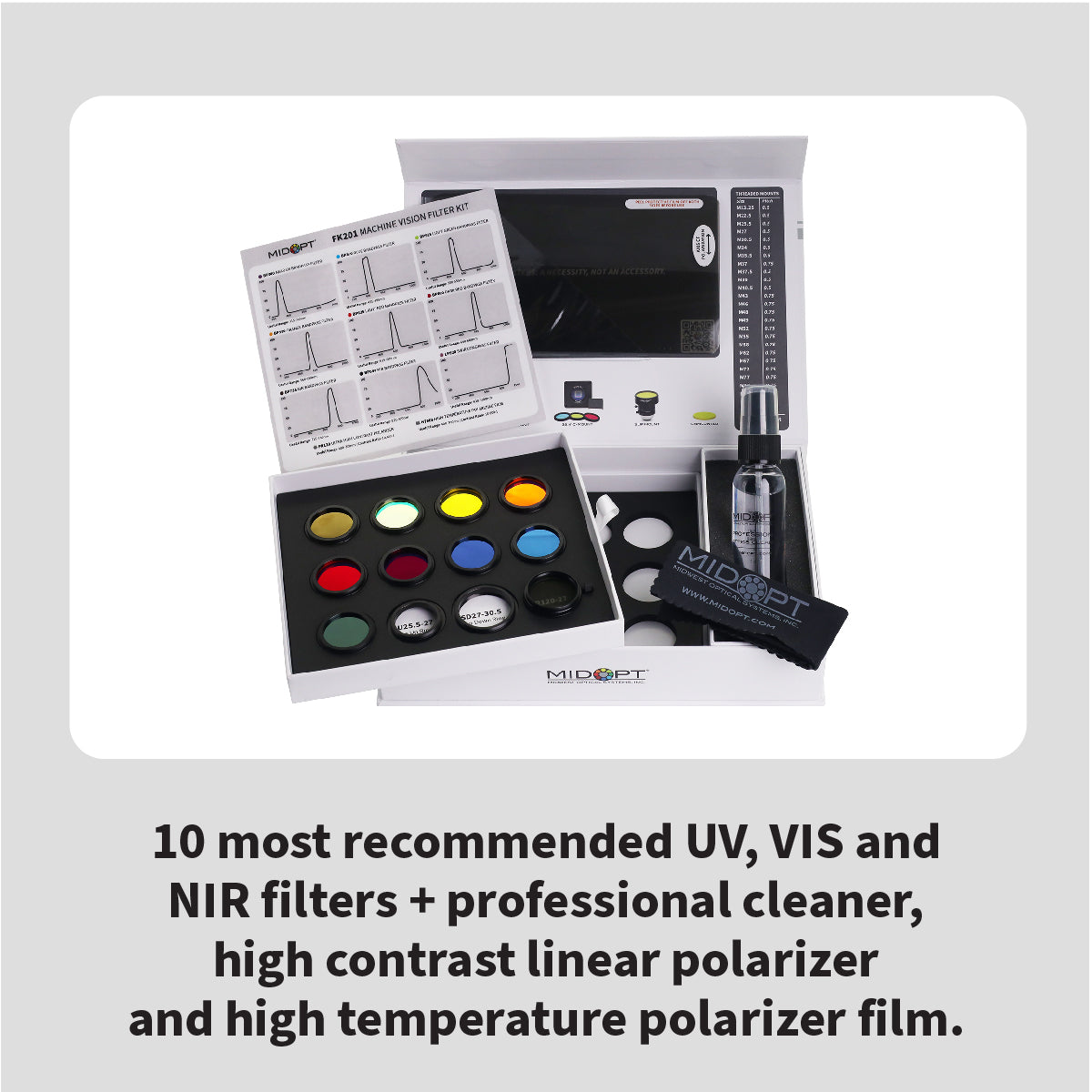
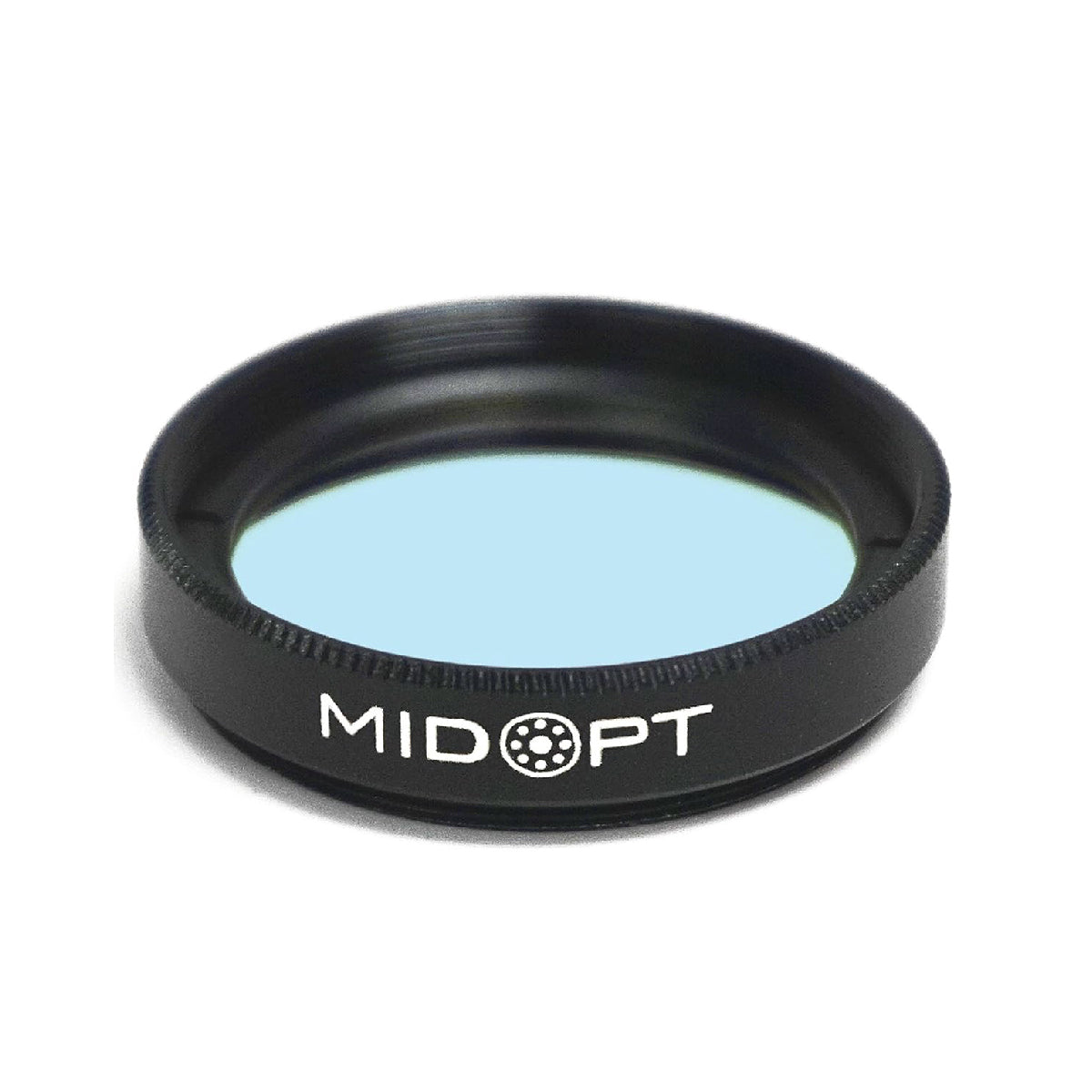
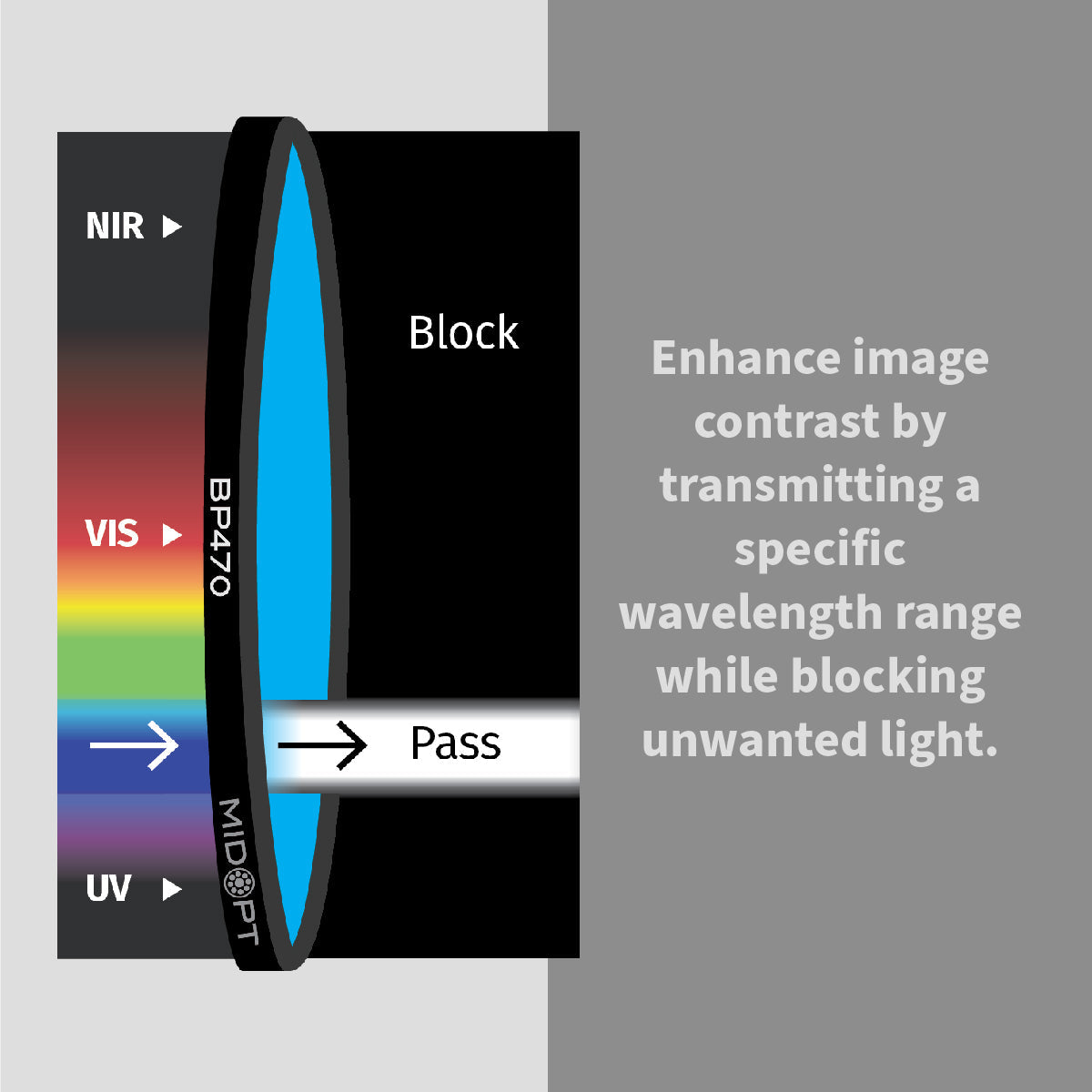
Pairing the light source with an appropriate machine vision optical filter can help isolate the projected wavelength. For example, a bandpass filter matched to the illumination wavelength can transmit the desired light while blocking a significant portion of unwanted ambient illumination. The combination of structured lighting and optical filtration can provide greater contrast and more reliable imaging, particularly in uncontrolled lighting environments.
Lighting Geometry Is Critical
The position of the light relative to the camera is an important consideration in structured-light imaging. Unlike conventional illumination, where the goal may simply be to evenly illuminate an object, structured-light systems often depend on a specific angle between the camera, illumination and target. Changing this geometry can affect how clearly height differences appear in the captured image. The ideal arrangement depends on factors including:
- Working distance
- Field of view
- Required measurement range
- Object size
- Surface geometry
- Camera resolution
- Lens selection
- Required accuracy
Testing the complete imaging geometry before final installation can help ensure the system provides enough information for reliable robotic guidance.
Managing Reflective and Challenging Surfaces
Surface properties can have a significant effect on structured-light performance. Highly reflective materials may create bright hotspots, while dark surfaces may absorb too much illumination. Curved surfaces can redirect light away from the camera, and mixed-material assemblies can produce large variations in brightness.
Proper exposure control, illumination intensity and optical filtering can help compensate for these challenges. In some robotic vision applications, polarization may also be useful for controlling reflections. Selecting the appropriate lighting technique depends on both the geometry and optical properties of the object being inspected.
Strobe Lighting for High-Speed Robotics
Robotic systems often operate at high speeds, making motion blur another potential imaging challenge. Strobing the illumination allows a high-intensity pulse of light to be synchronized with the camera exposure. A sufficiently short pulse can help freeze motion, producing a sharper image even when the object or robotic system is moving.
Precise synchronization between the camera, lighting and robot controller is particularly important in high-speed pick-and-place, conveyor and automated inspection applications.
Structured Lighting vs. Conventional Machine Vision Lighting
Structured lighting and conventional lighting solve different imaging problems. Traditional ring lights, bar lights, backlights, dome lights and coaxial lights are typically used to improve the visibility of features in a 2D image. They may emphasize edges, silhouettes, surface defects, markings or other characteristics.
Structured lighting intentionally introduces a known pattern that can be analyzed to obtain information about shape and depth. For many robotic applications, the question isn't which technology is better. The correct lighting technique depends on what information the robot needs from the image.
If the robot only needs to locate a clearly defined part on a flat conveyor, conventional illumination may be sufficient. If it must determine the height, orientation or three-dimensional shape of randomly positioned components, structured illumination may provide a significant advantage.
Designing a Complete Robotic Vision System
Reliable robotic vision requires the imaging components to work together as a complete system. A typical configuration may include:
Structured Light + Camera + Lens + Optical Filter + Vision Software
Camera resolution must be sufficient to capture the projected pattern accurately. The lens must provide the appropriate field of view and working distance. The illumination must deliver enough intensity and pattern definition. Optical filters may be needed to suppress competing wavelengths.
Optimizing these components together can produce cleaner image data and improve the reliability of the robot's positioning and inspection decisions.
Improve Robotic Vision with the Right Lighting
As manufacturers introduce more flexible automation, robotic systems increasingly need to identify and interact with objects that aren't perfectly positioned or fixtured. Structured lighting for robotic vision applications provides a powerful method for revealing height, depth, shape and surface information that may be difficult to obtain with conventional illumination alone.
Whether the application involves robotic bin picking, pick-and-place automation, 3D inspection, assembly verification, surface profiling or automated material handling, selecting the right machine vision lighting can make the entire imaging system more reliable.
FJW Optical Systems offers machine vision lighting, industrial cameras, lenses, optical filters and accessories for robotic vision and industrial automation applications, making it easier to build an imaging solution around the specific requirements of your application.