
 Find-R-Scopes
 Filters
 Lenses
 Cameras
 Lighting


 Accessories











As industrial robots take on increasingly complex tasks, the performance of their vision systems becomes critical to accuracy, speed and repeatability. From robotic bin picking and material handling to automated assembly, sorting and quality inspection, robots rely on cameras to identify objects, locate features and make decisions in real time.
But even a high-resolution camera and carefully selected lighting system can struggle when ambient light, glare, reflections or poor contrast interfere with the image.
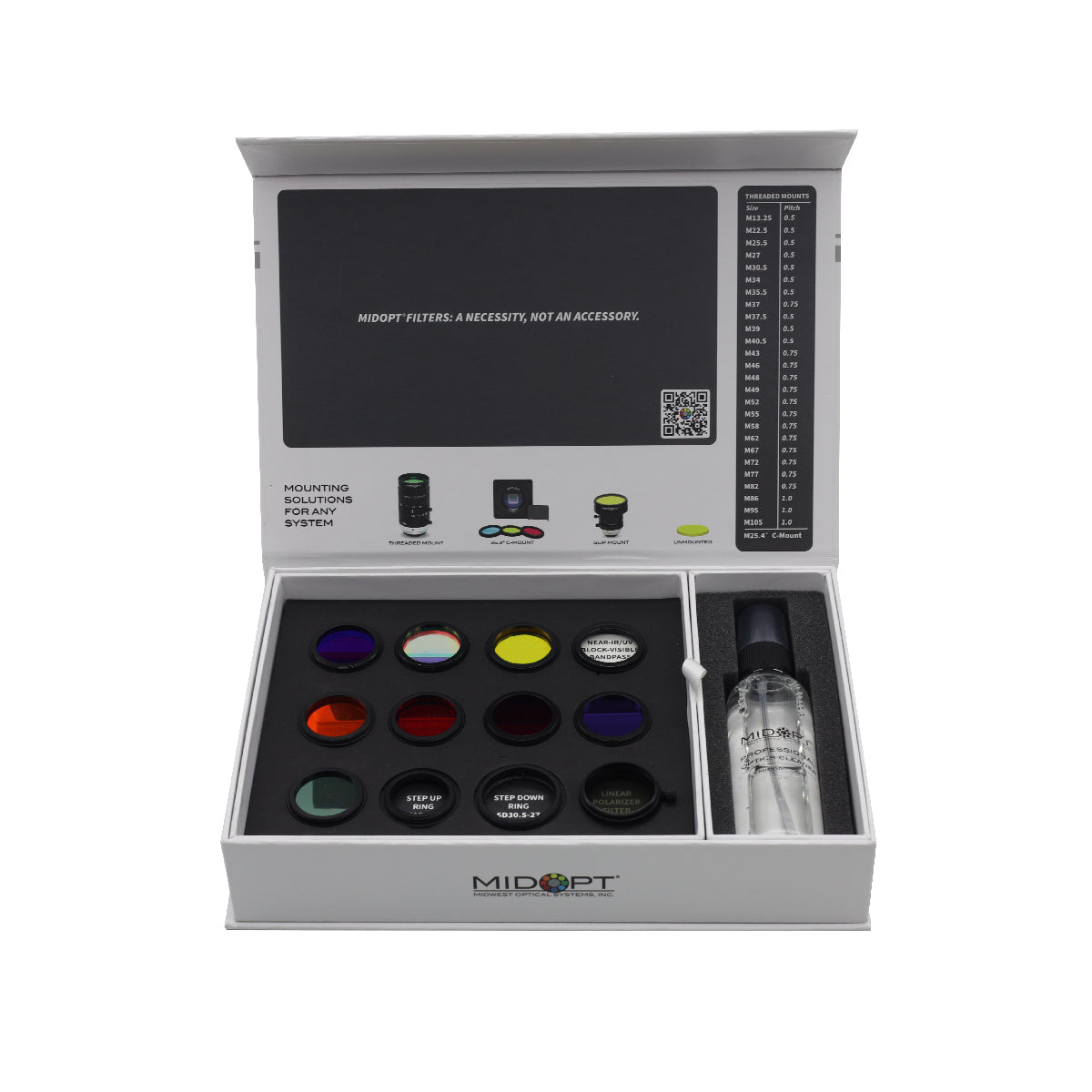
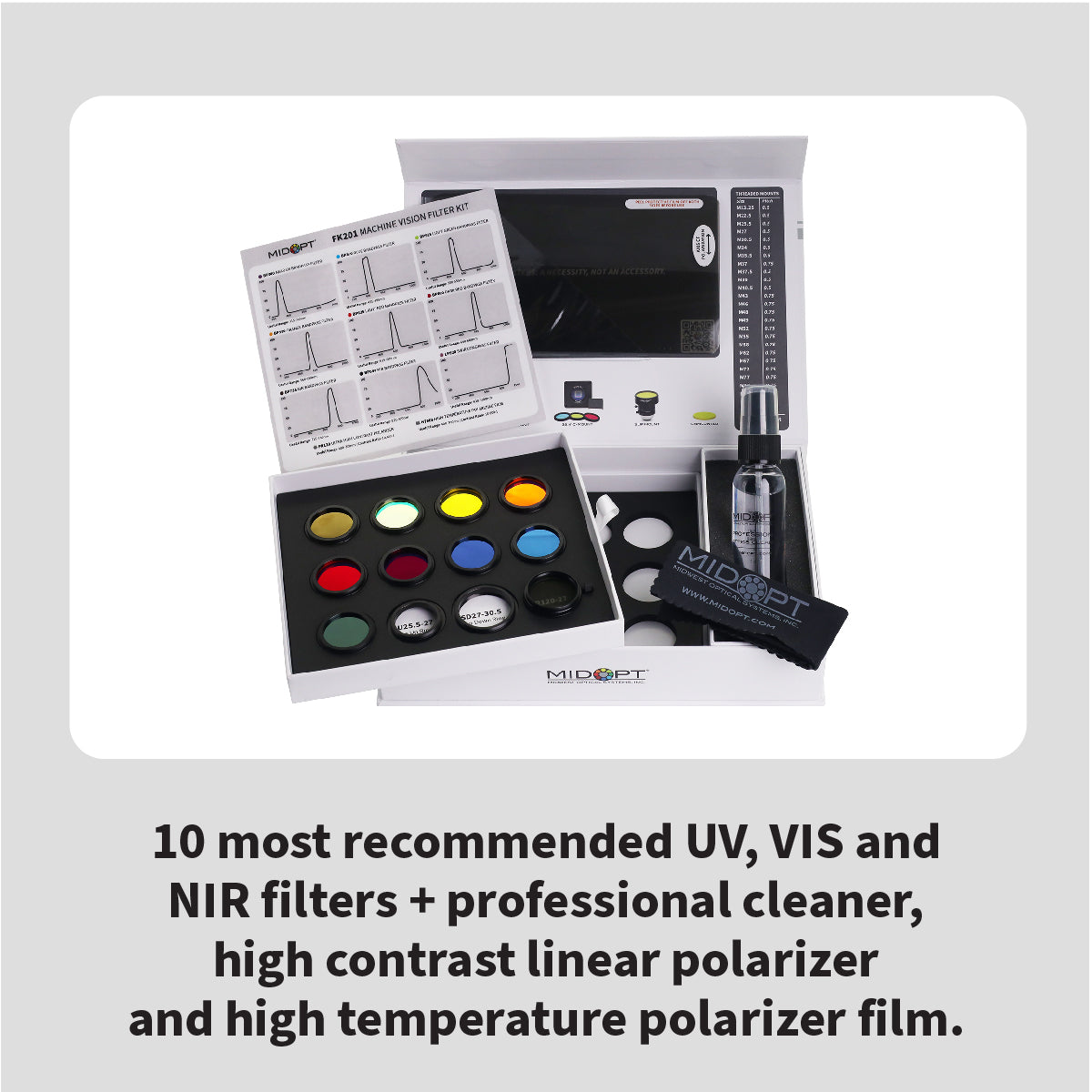
Optical filters can help robotic vision systems control what the camera sees, improving image quality and creating more consistent imaging conditions for reliable automation.
Why Lighting Conditions Are Challenging for Robot Vision
Traditional machine vision systems are often installed in fixed positions where the camera, lighting and inspected object remain relatively consistent. Robotic vision can be much more dynamic.
A camera mounted on a robotic arm may view parts from different angles, heights and orientations. Parts may also have reflective, curved or transparent surfaces, while ambient lighting can change throughout the day or across different areas of a facility. These variables can introduce:
- Ambient light interference
- Specular glare and reflections
- Low contrast between objects and backgrounds
- Inconsistent brightness
- Image saturation
- Reduced edge definition
- Difficulty distinguishing colors or features
Rather than relying on software to compensate for every variation, optical filters can help improve the image before it reaches the camera sensor.
Bandpass Filters for Robotic Bin Picking
One particularly useful application for machine vision bandpass filters is robotic bin picking.
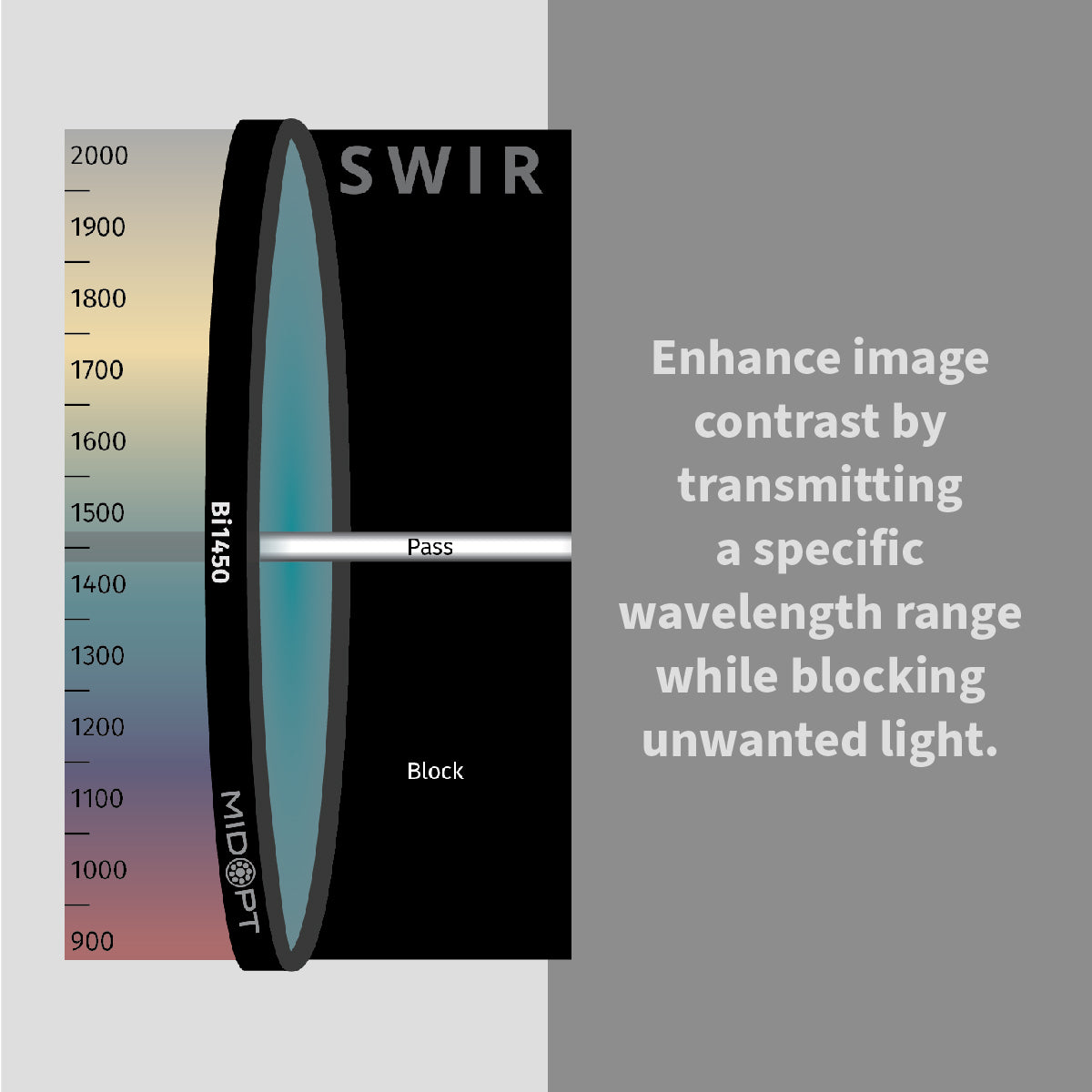
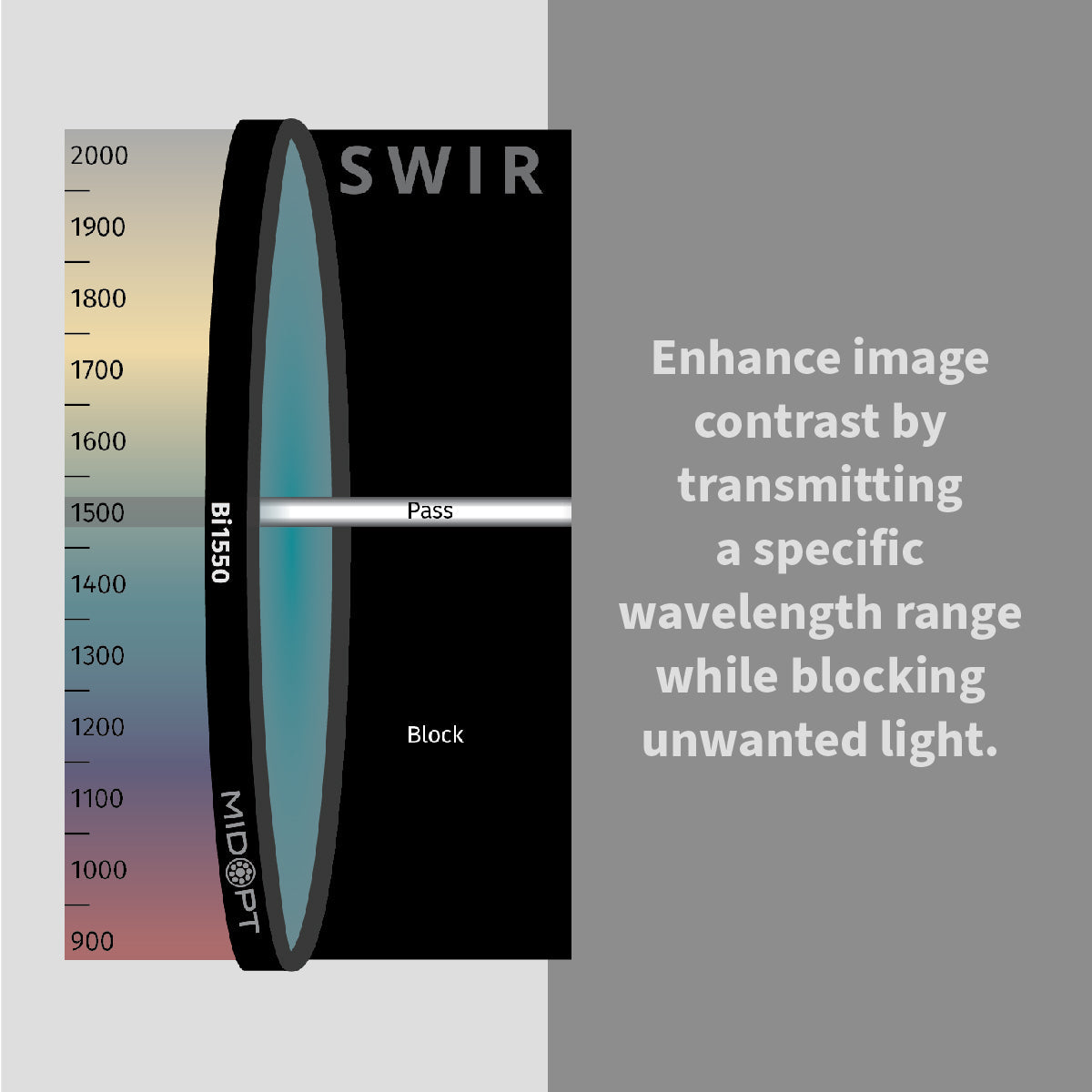
Many 3D structured-light and robotic vision systems use a specific wavelength of illumination, often red or near-infrared light. Unfortunately, surrounding factory lighting and natural light can introduce additional wavelengths that compete with the intended illumination.
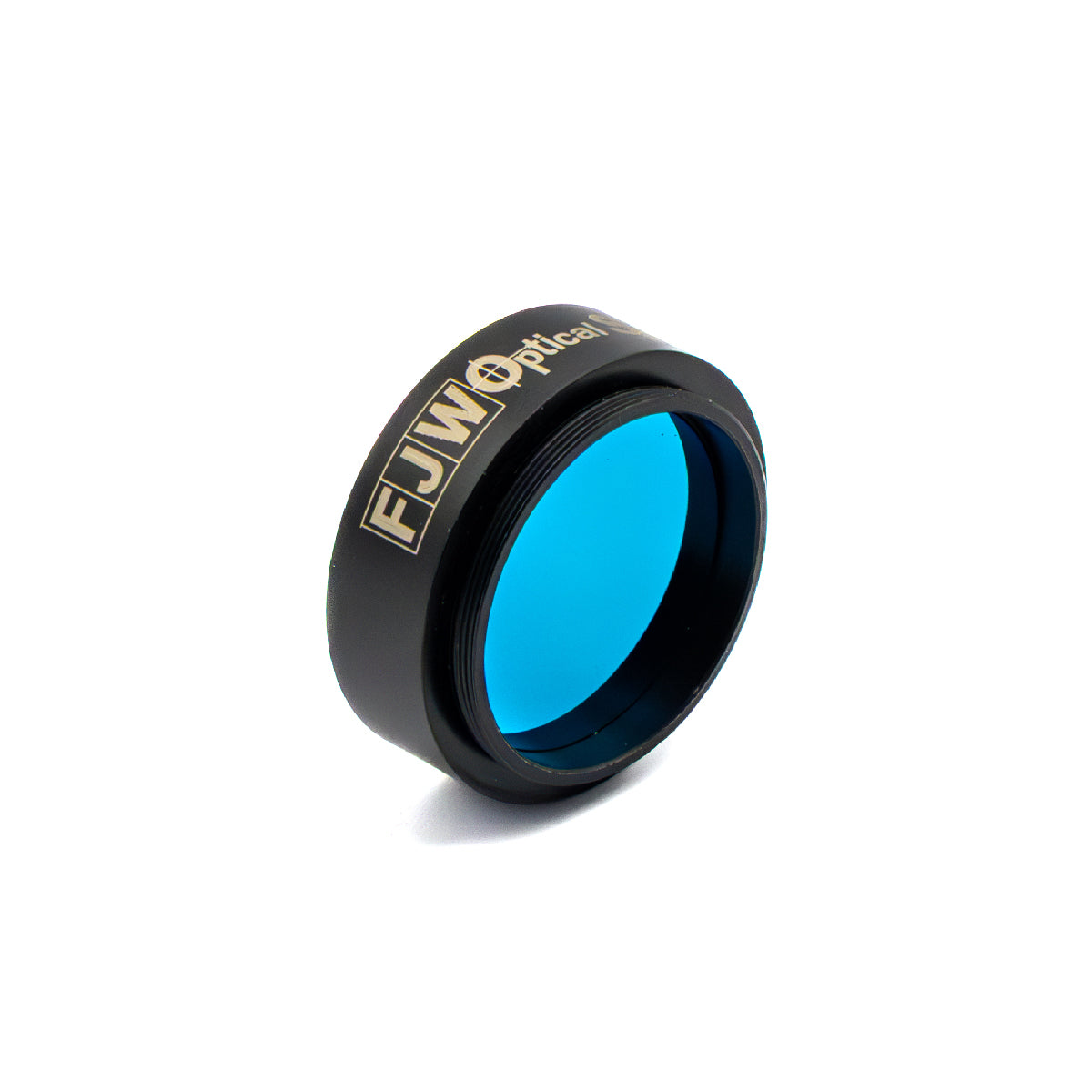
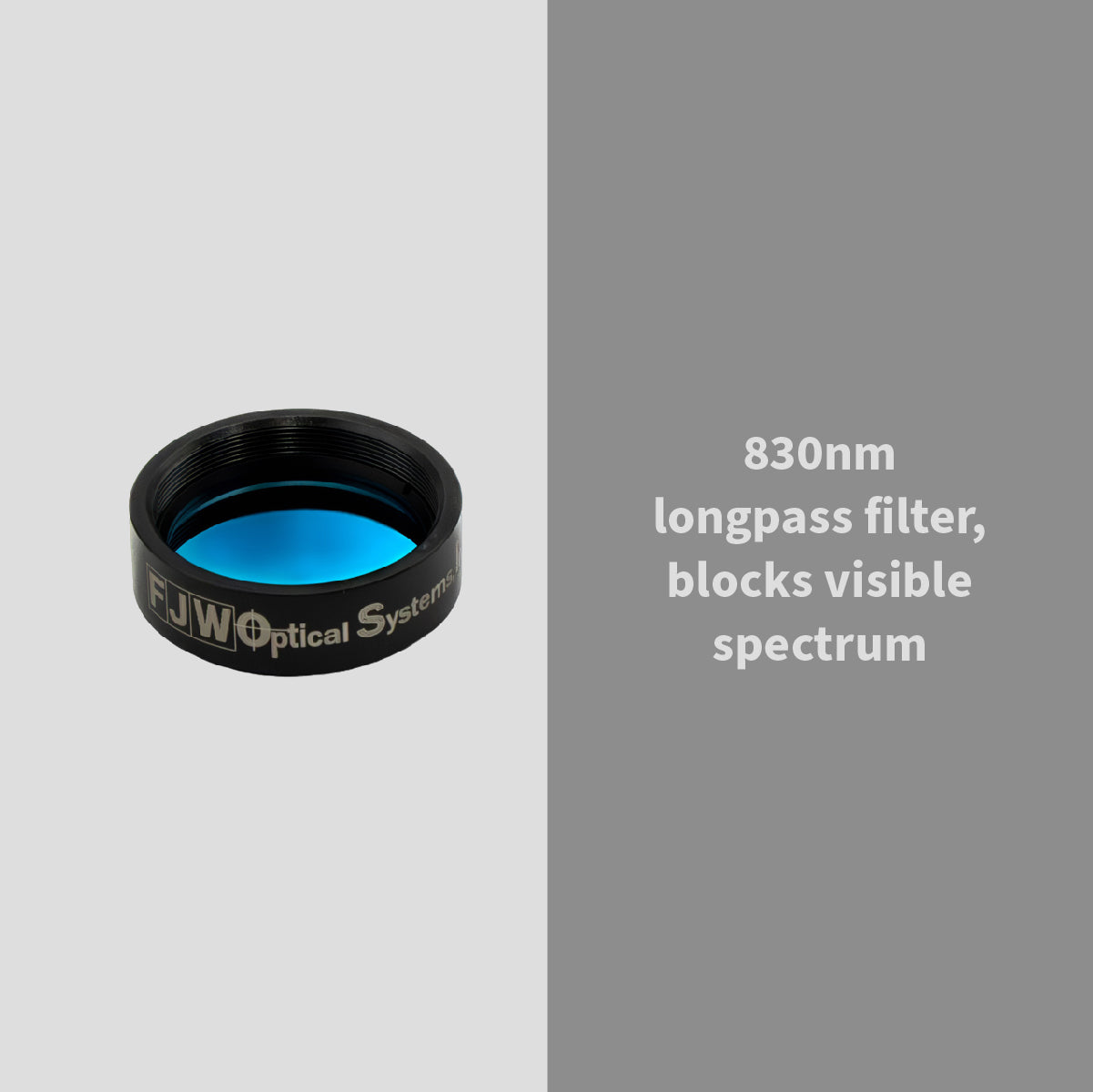
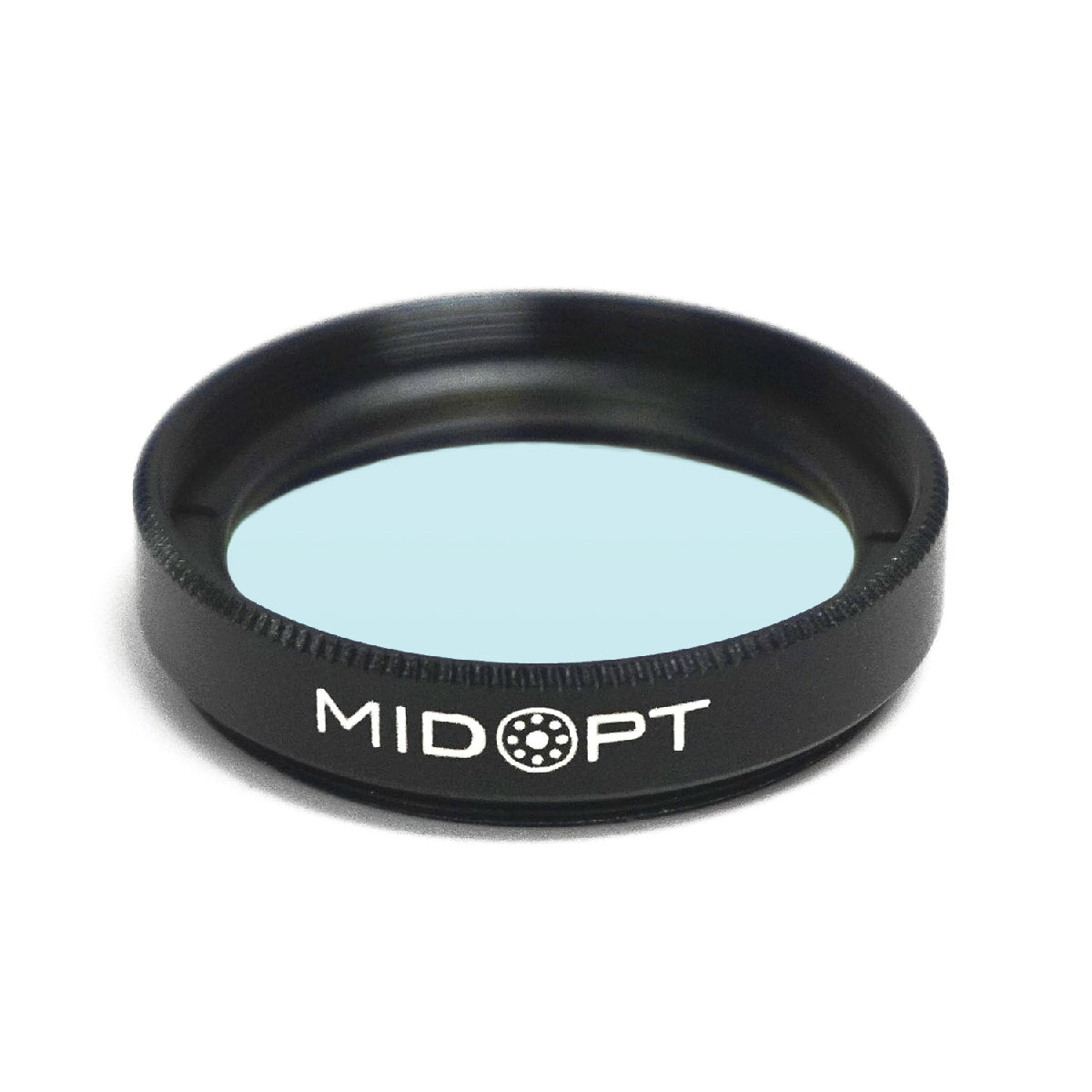
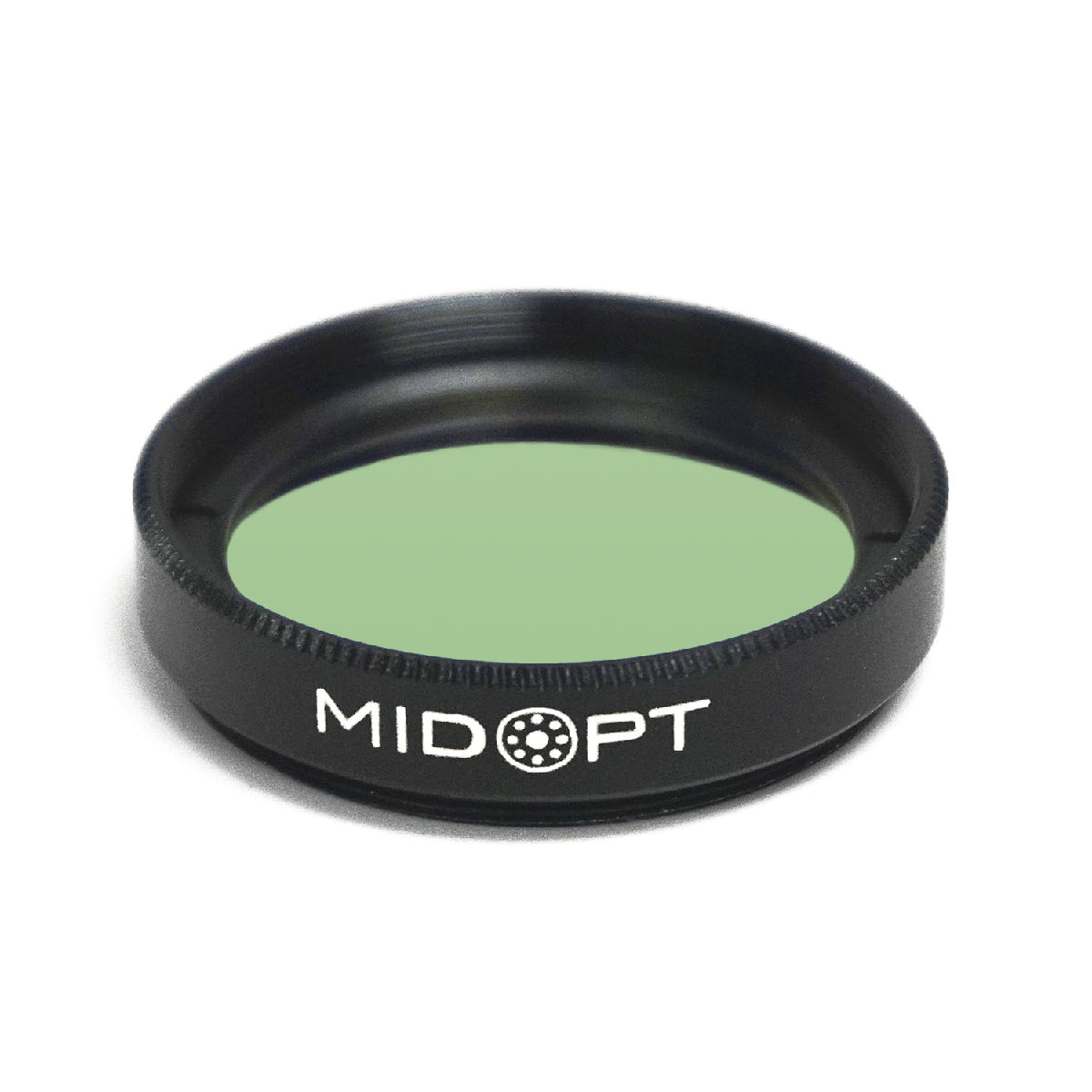
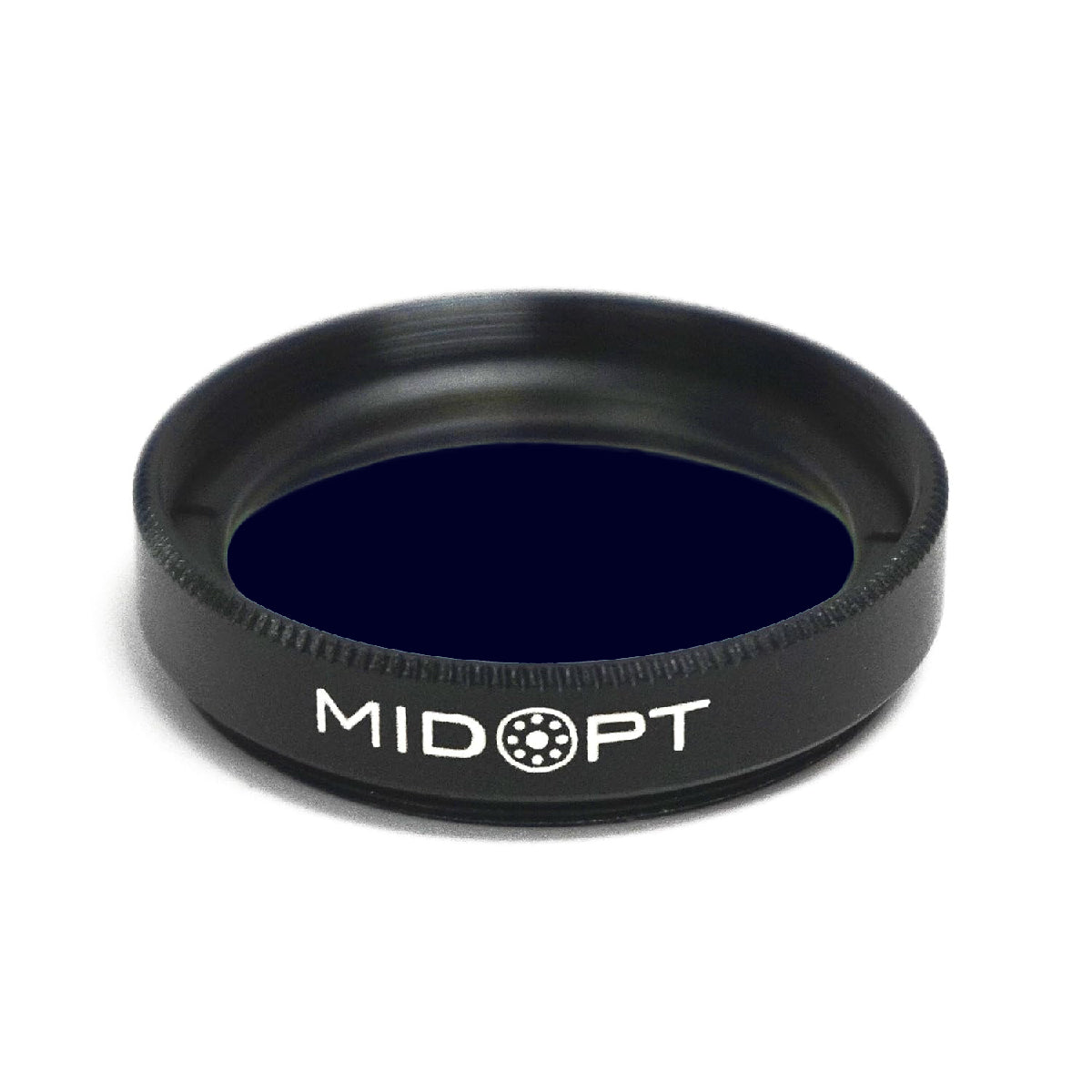
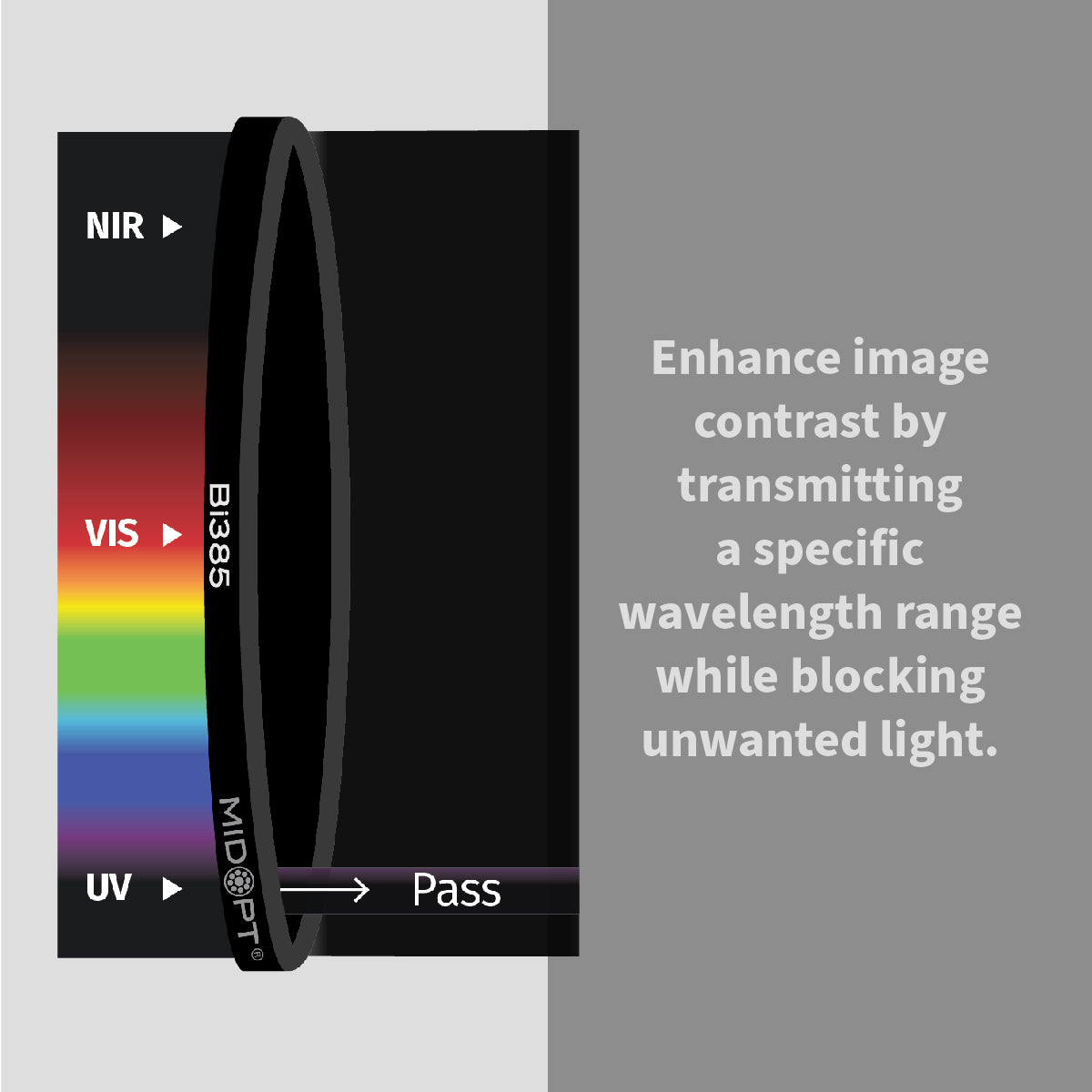
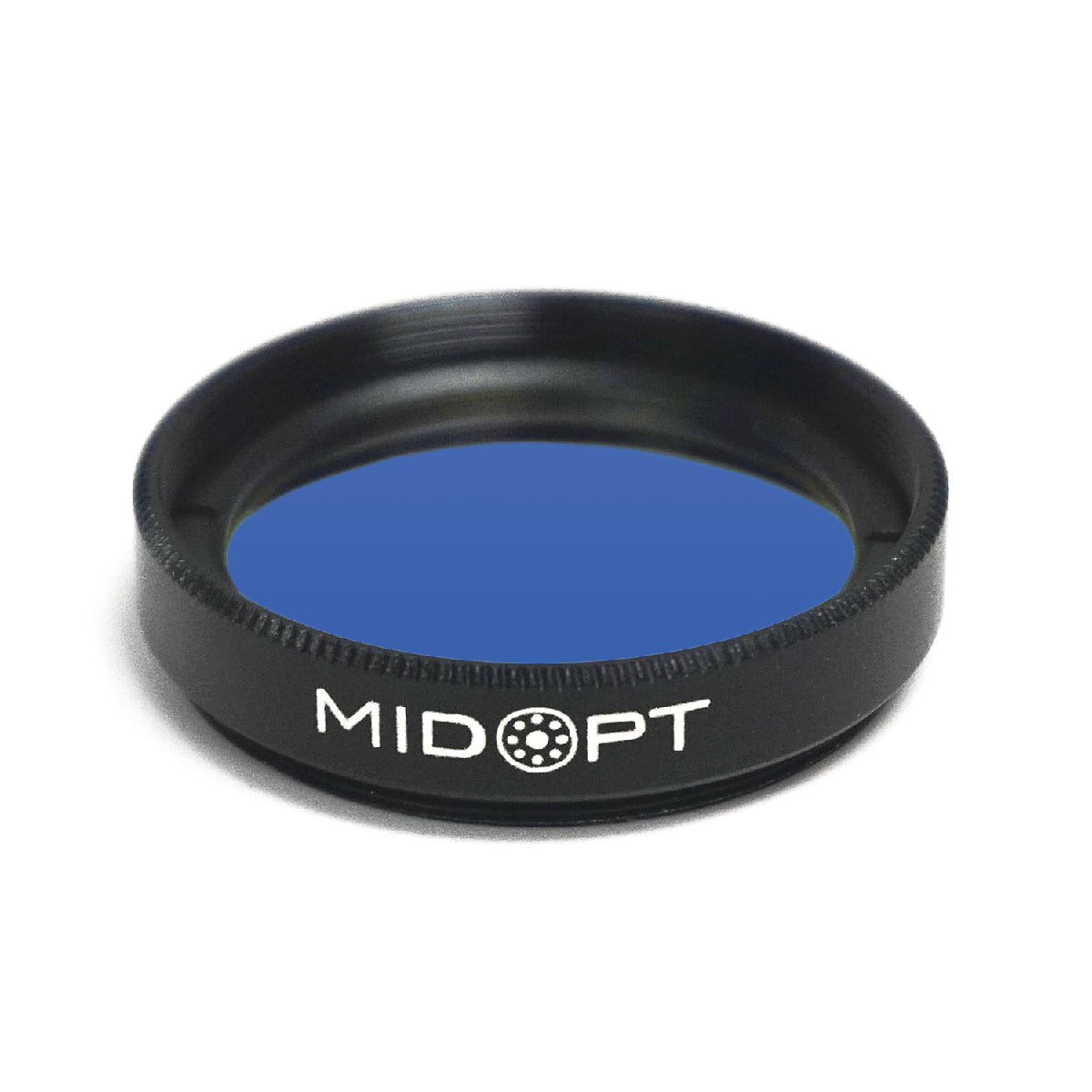
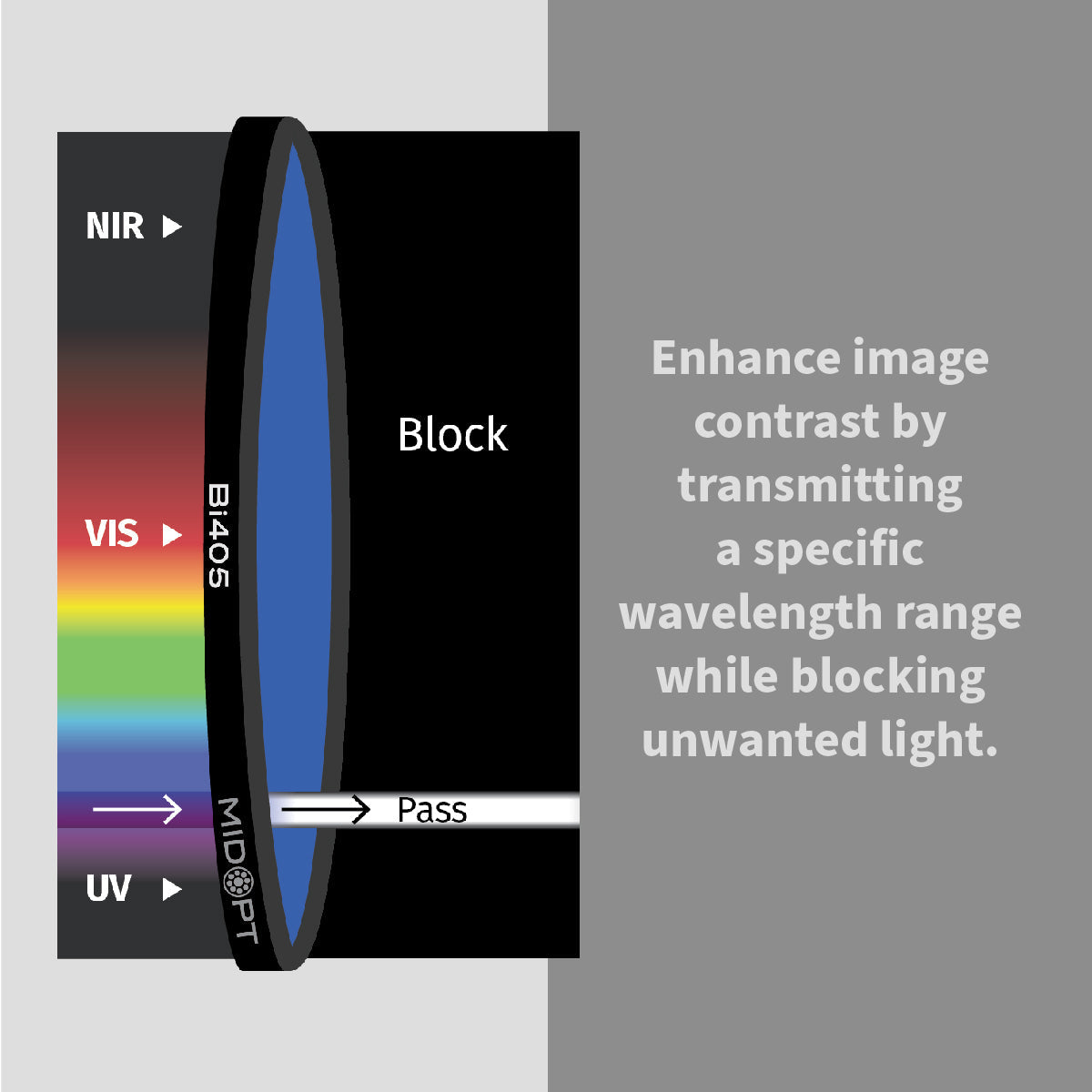
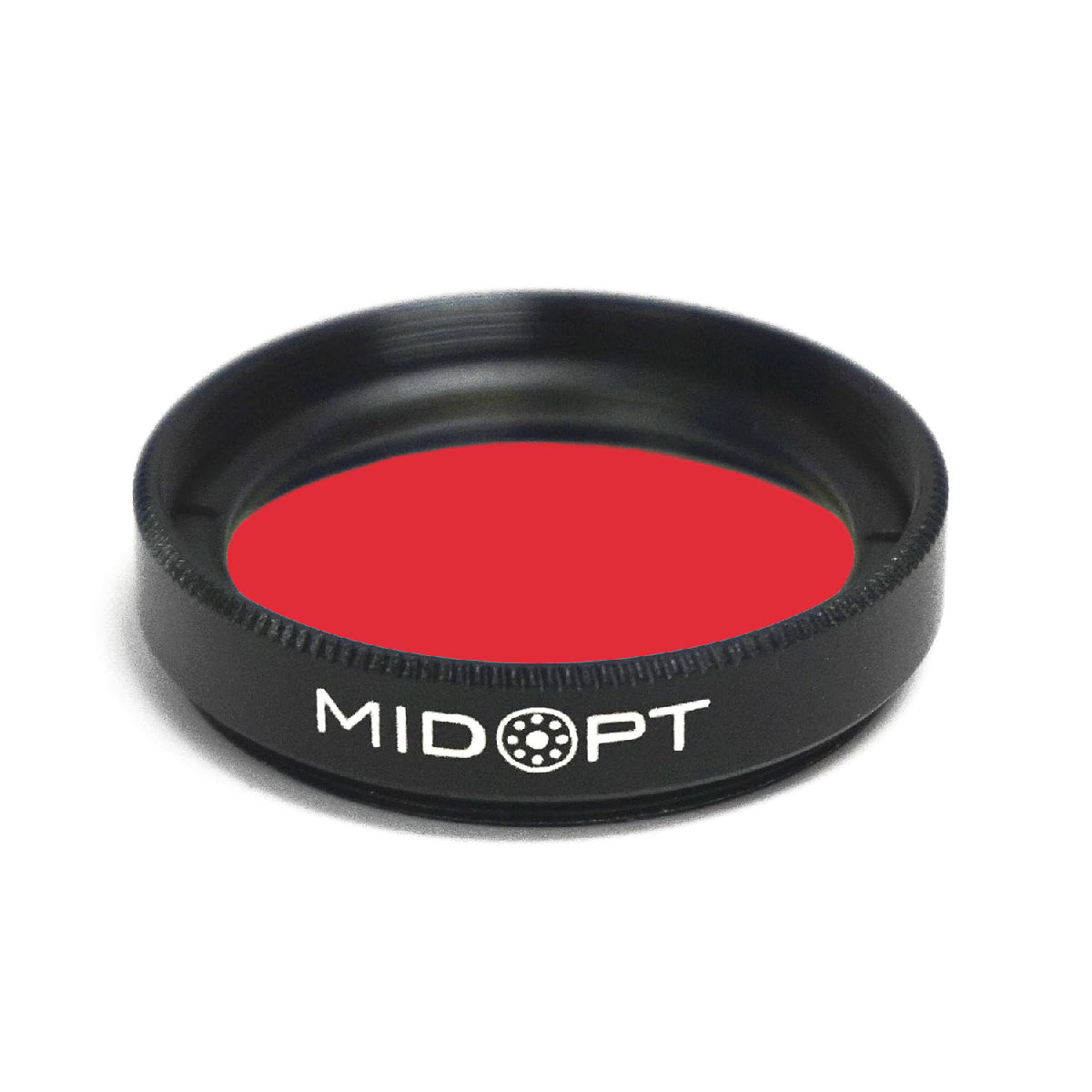
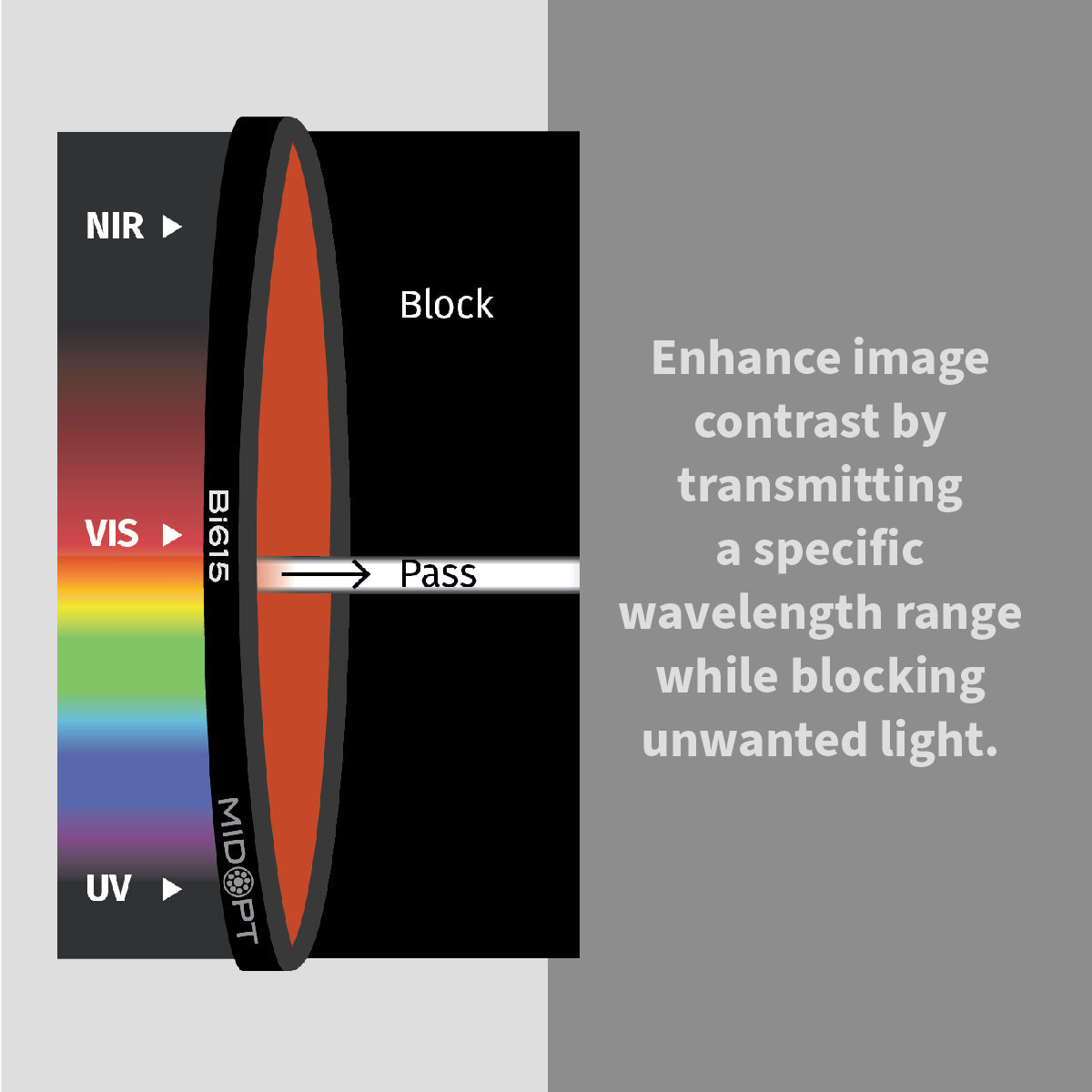
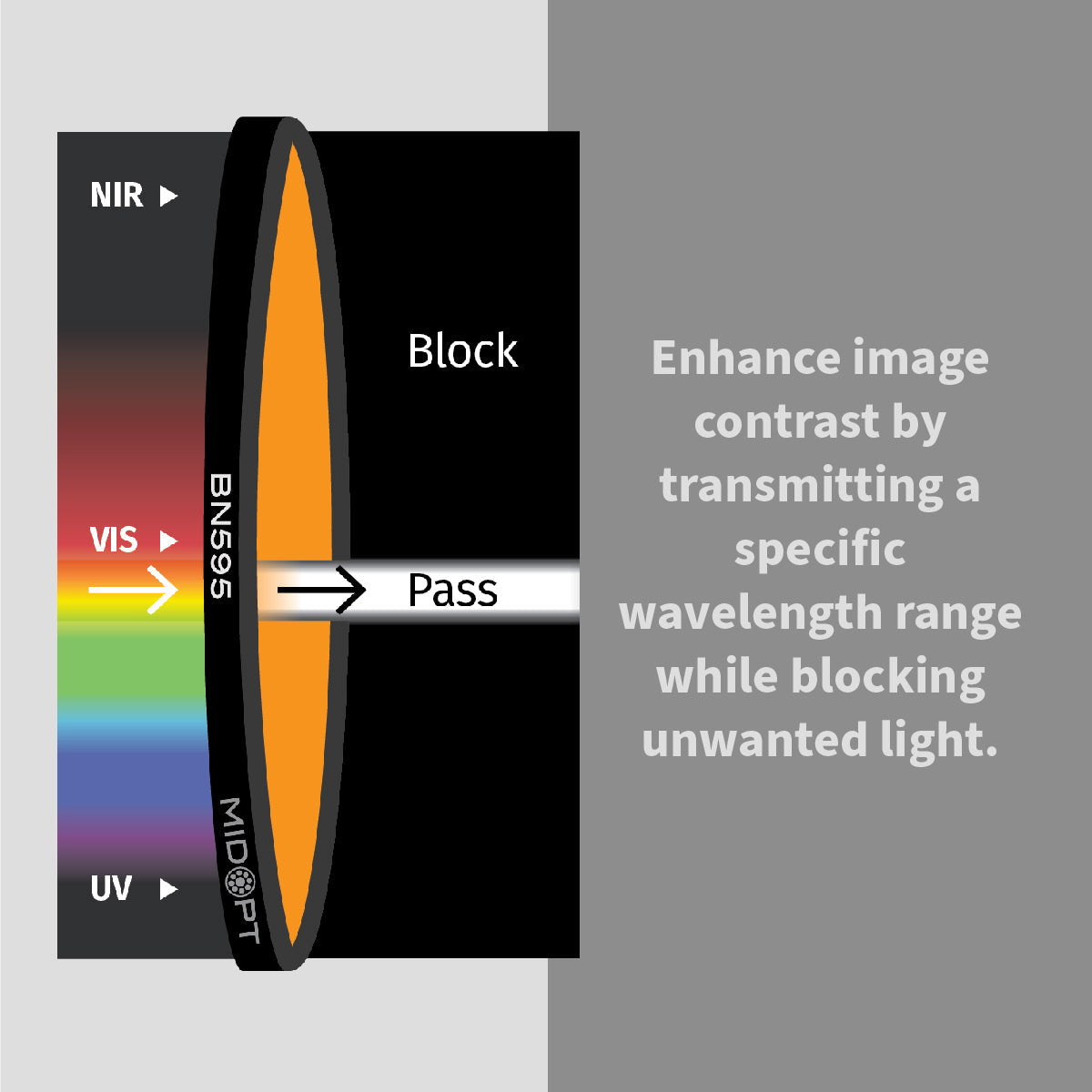
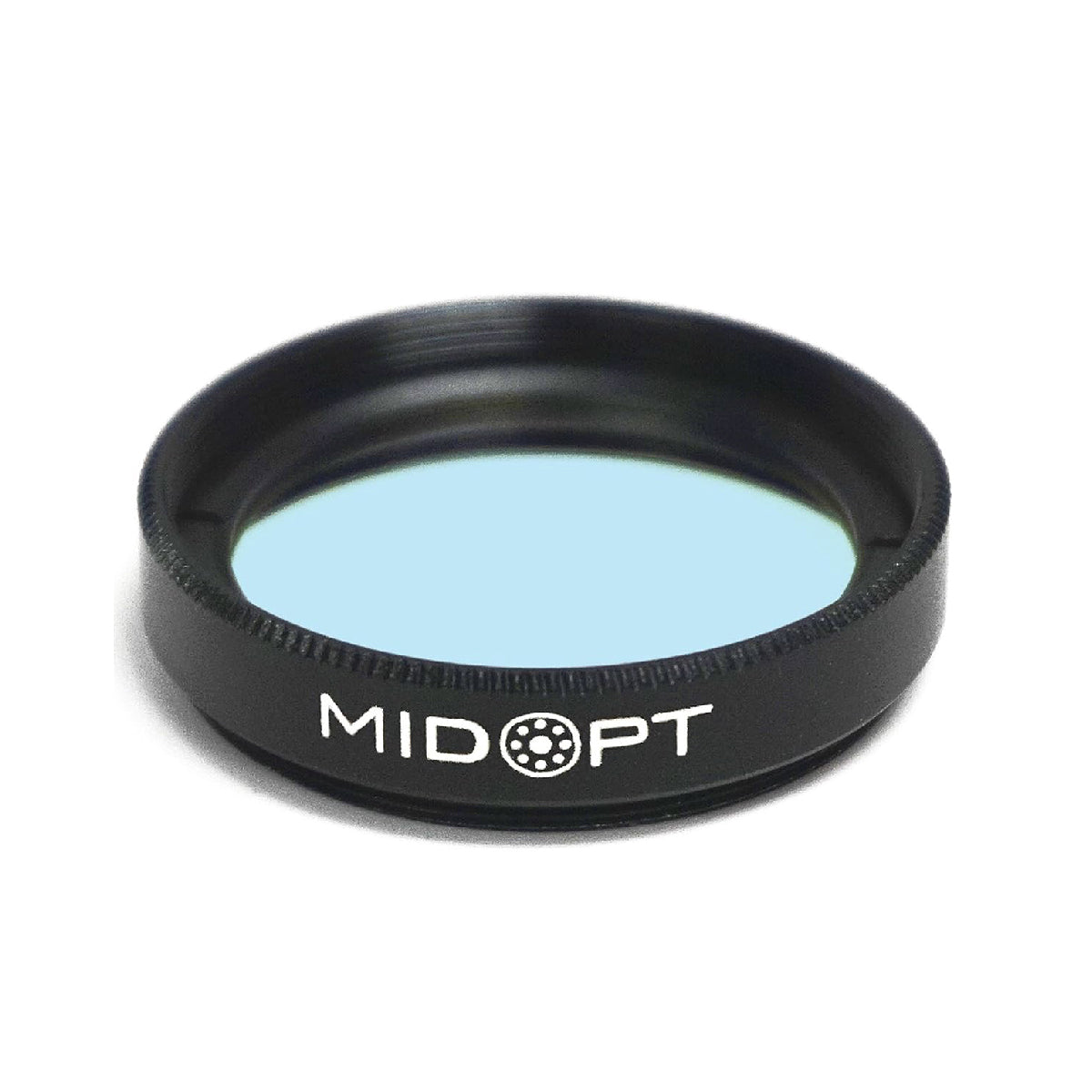
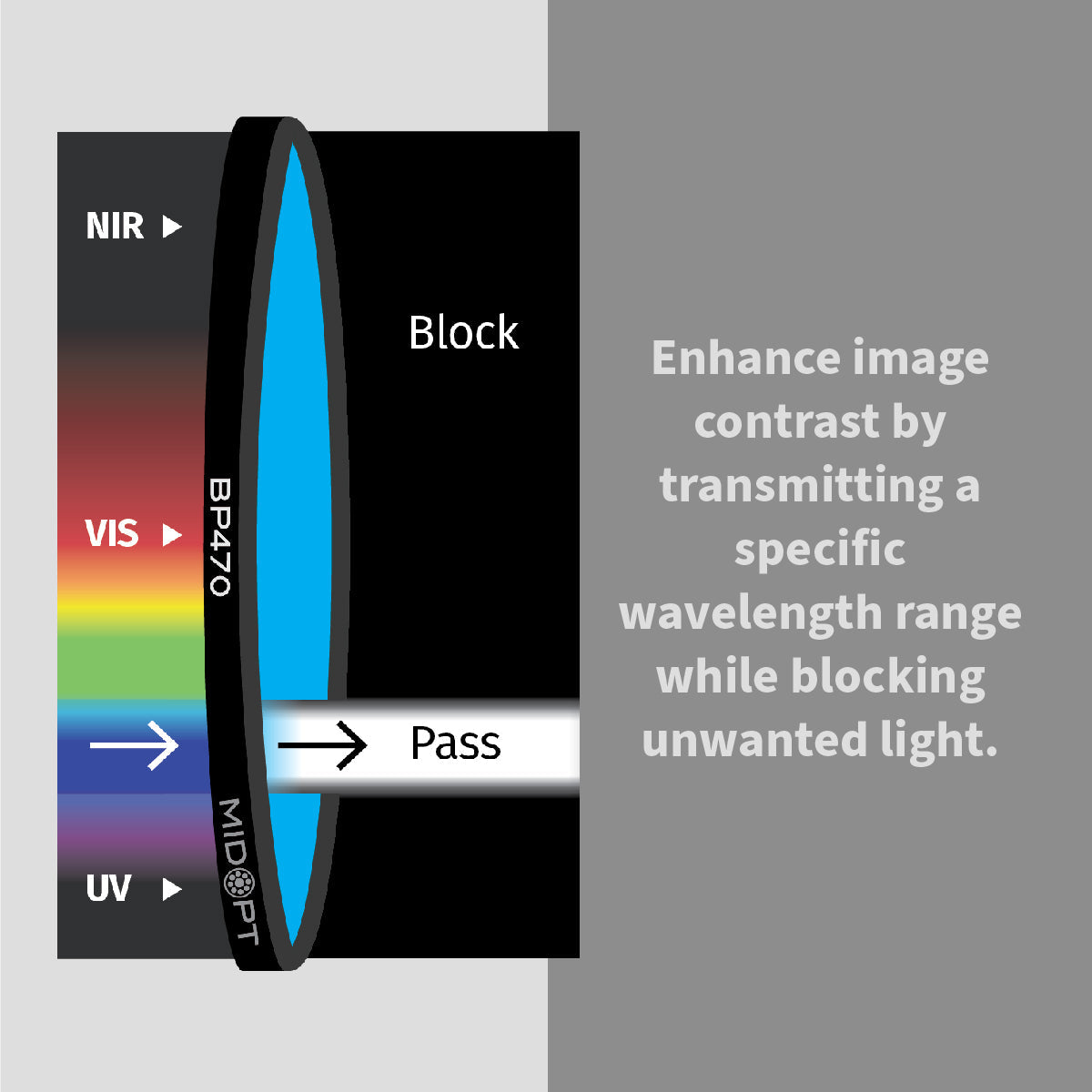
A bandpass filter placed over the camera lens can be matched to the wavelength of the system's LED or structured-light source. The filter allows the desired wavelength range to reach the camera while blocking a significant portion of unwanted ambient light.
The result is greater contrast between the target and its surroundings, helping the vision system consistently locate parts and determine their position for accurate robotic picking.
Reduce Glare with Polarizing Filters
Reflective components can create another major challenge for robot vision.
Metal, plastic, glass and glossy packaging can produce bright reflections that hide edges, markings, surface defects or other important features.
Polarizing filters are designed to reduce specular glare and improve contrast. For maximum glare reduction, linear polarizing material can be placed over the light source while a rotating polarizer is installed over the camera lens.
Adjusting the camera polarizer relative to the illumination can dramatically reduce reflections, allowing previously obscured features to become visible. This technique can be especially valuable for robotic inspection and handling applications involving:
- Reflective metal components
- Plastic packaging
- Glass
- Automotive components
- Electronic assemblies
- Glossy or coated surfaces
Improve Contrast Through Wavelength Separation
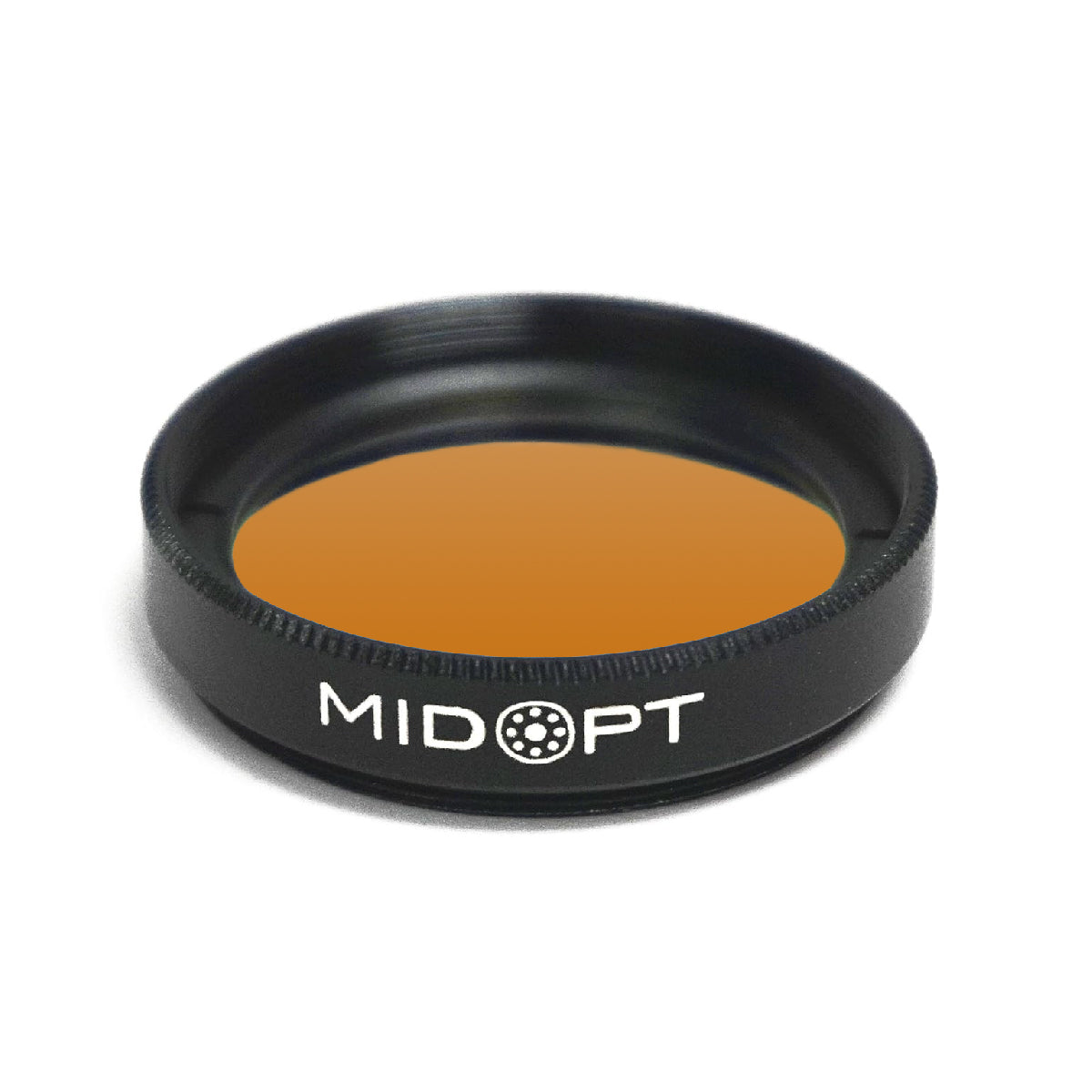
Sometimes the biggest challenge isn't glare or ambient light; it's simply distinguishing the target from its background. Optical filters can use wavelength separation to make selected colors appear lighter or darker in a monochrome image. Passing wavelengths associated with a target can make that feature appear brighter, while blocking wavelengths reflected by the surrounding material can make the background darker. Increasing this difference creates stronger image contrast.
For robots performing sorting, assembly verification, part identification or inspection, better contrast can make it easier for machine vision algorithms to identify edges, read codes and distinguish individual components.
Optical Filters Can Improve Image Resolution
Optical filters can also help address chromatic aberration. Not every machine vision lens focuses all wavelengths of visible light at exactly the same point on the camera sensor. With increasingly small sensor pixels and higher machine vision resolution requirements, these small differences can become more noticeable.
When color information isn't required, pairing a monochrome camera with a suitable bandpass filter can restrict the range of wavelengths reaching the lens and sensor. With fewer wavelengths to focus, the system can reduce the effects of chromatic aberration and potentially produce a sharper, higher-contrast image.
This can be particularly useful when a robot needs to identify small features, precise edges or fine defects.
Control Exposure in Changing Environments
Some robotic applications encounter excessive illumination rather than insufficient light.
Neutral density filters reduce the amount of light reaching the camera without relying solely on lens aperture or exposure adjustments. They can help prevent saturation and blooming while providing additional flexibility for exposure control.
For robotic systems operating around high-intensity lighting or moving between different imaging conditions, better optical control can contribute to more consistent image acquisition.
Match the Optical Filter to the Illumination
One of the most important considerations when selecting an optical filter for robot vision is the relationship between the filter and the illumination source. For example, if a system uses monochromatic red LED illumination, the bandpass filter should transmit the appropriate red wavelength range while rejecting as much unwanted light as practical.
The same concept applies to blue, green, ultraviolet and near-infrared illumination. Filter selection should therefore be considered as part of the complete imaging system:
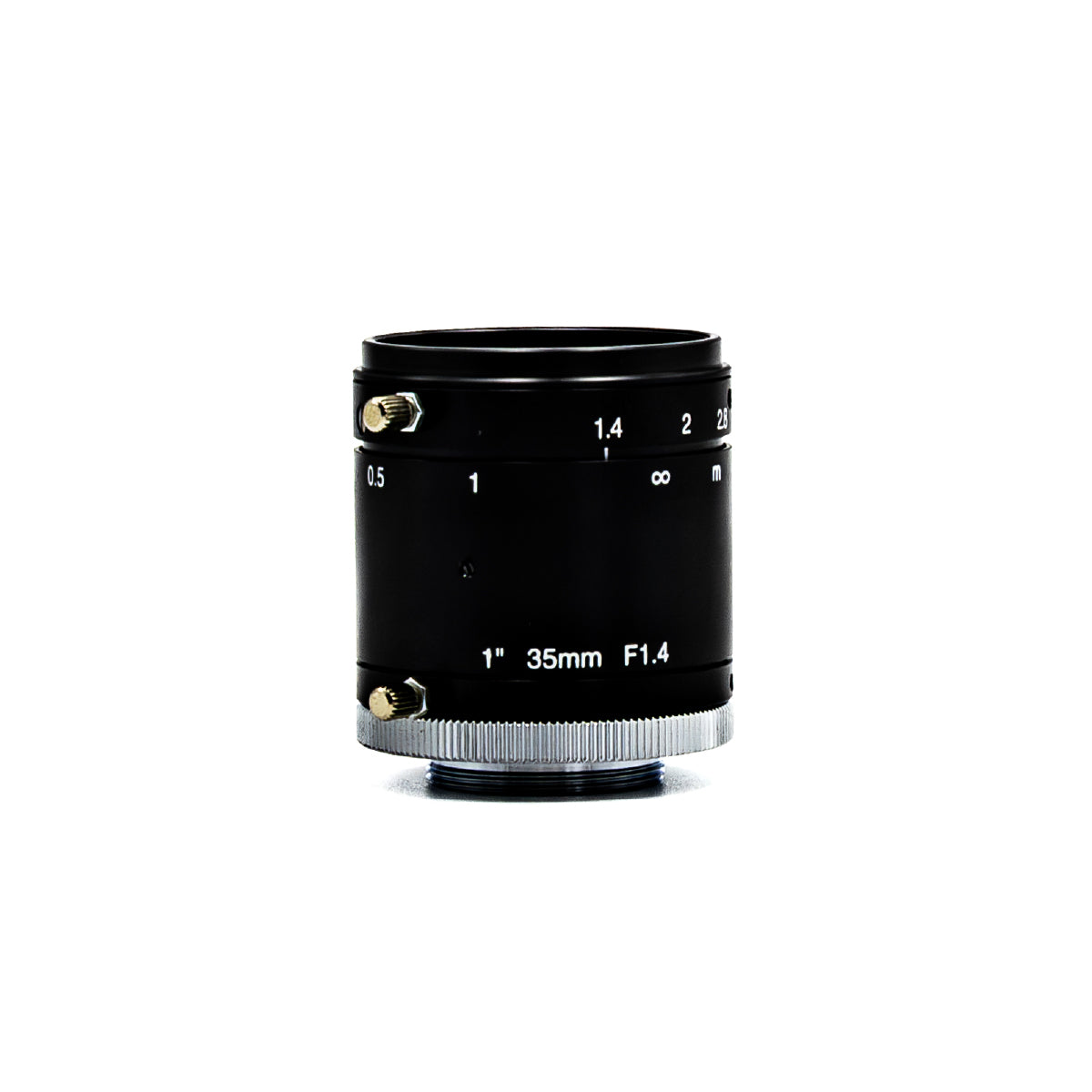
Lighting + Optical Filter + Lens + Camera + Software
Optimizing these components together can produce a cleaner image at the sensor, giving the vision software better information to analyze.
Choosing the Right Optical Filter for Robot Vision
Start by identifying the specific imaging problem.Is ambient light interfering with the image? Consider a bandpass filter matched to the illumination. Are reflections hiding important features? Evaluate a polarizing filter and polarized illumination. Is there insufficient contrast between two colors? Test different wavelengths and color bandpass filters. Is the image oversaturated? A neutral density filter may provide better exposure control. Does the application require visible, UV, NIR or SWIR imaging? Choose a filter designed specifically for the required spectral range.
Testing multiple filter and lighting combinations during system development can help determine which wavelength produces the greatest contrast before the final illumination configuration is selected.
Better Robot Vision Starts with Better Optical Control
Robot vision performance isn't determined by camera resolution alone. The quality and consistency of the light reaching the sensor can have an equally important impact on the system's ability to identify, inspect and locate objects.
By controlling wavelengths, suppressing ambient light, reducing glare, improving contrast and managing exposure, optical filters for robotic vision systems can help create cleaner, more repeatable images.
For robotic bin picking, automated assembly, material handling, inspection, sorting and other factory automation applications, selecting the right optical filter can provide the vision system with better image data, helping the robot make more accurate and consistent decisions.
FJW Optical Systems offers a wide selection of machine vision optical filters, cameras, lenses, lighting and accessories for robotic vision and industrial automation applications.