
 Find-R-Scopes

 Filters
 Lenses
 Cameras
 Lighting


 Accessories











As printed circuit boards (PCBs) become smaller, more densely populated, and increasingly complex, manufacturers require machine vision systems capable of detecting microscopic defects with exceptional accuracy. From solder paste inspection and component placement verification to automated optical inspection (AOI) and semiconductor manufacturing, image quality directly impacts production efficiency and product reliability.
While cameras, lenses and lighting receive significant attention during system design, optical filters are often the component that enables the highest image quality. By selectively transmitting or blocking specific wavelengths of light, optical filters improve contrast, eliminate unwanted reflections and produce more consistent inspection results.
Whether you're inspecting populated PCBs, bare boards, connectors, flexible circuits or electronic assemblies, selecting the right filter can dramatically improve machine vision performance.
Why Optical Filters Matter in PCB Inspection
Electronic assemblies contain numerous reflective materials, including:
- Solder joints
- Copper traces
- Gold-plated contacts
- Tin finishes
- Aluminum housings
- Plastic connectors
- Silkscreen markings
These mixed materials create varying levels of glare and reflections that can hide defects or confuse inspection software. Machine vision optical filters help by:
- Improving image contrast
- Reducing reflections from metallic surfaces
- Increasing edge definition
- Isolating specific colors or wavelengths
- Enhancing repeatability across changing lighting conditions
- Reducing ambient light interference
The result is sharper images and more reliable automated inspections.
Common PCB Inspection Challenges
Modern electronics manufacturers commonly inspect for:
- Missing components
- Incorrect component placement
- Lifted leads
- Tombstoned components
- Poor solder joints
- Bridging between pads
- Surface contamination
- Cracked traces
- Damaged connectors
- Silkscreen verification
- Laser markings
- QR code and Data Matrix verification
Many of these defects are difficult to distinguish using white light alone. Proper wavelength selection combined with an optical filter can significantly improve visibility.
Improve Contrast with Bandpass Filters
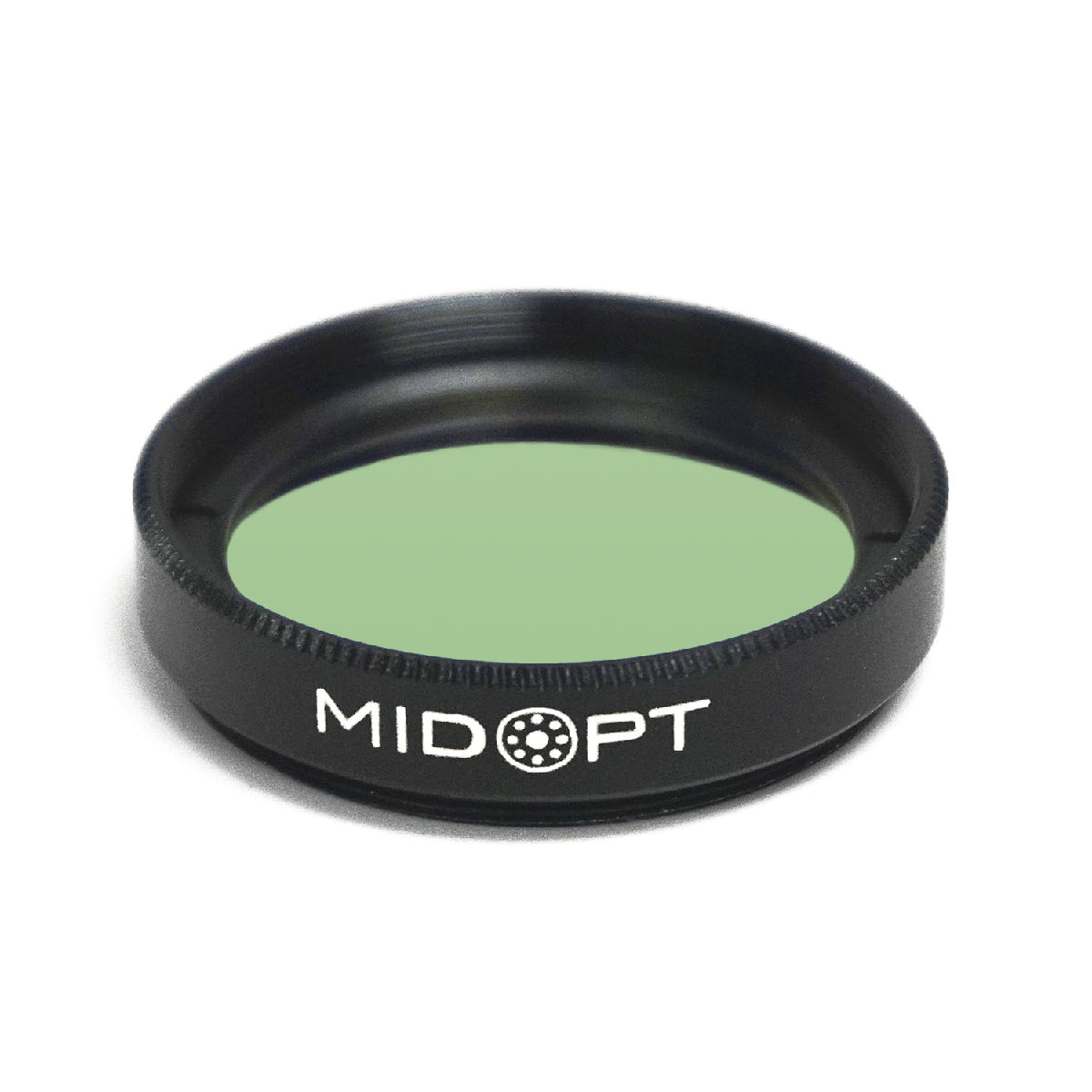
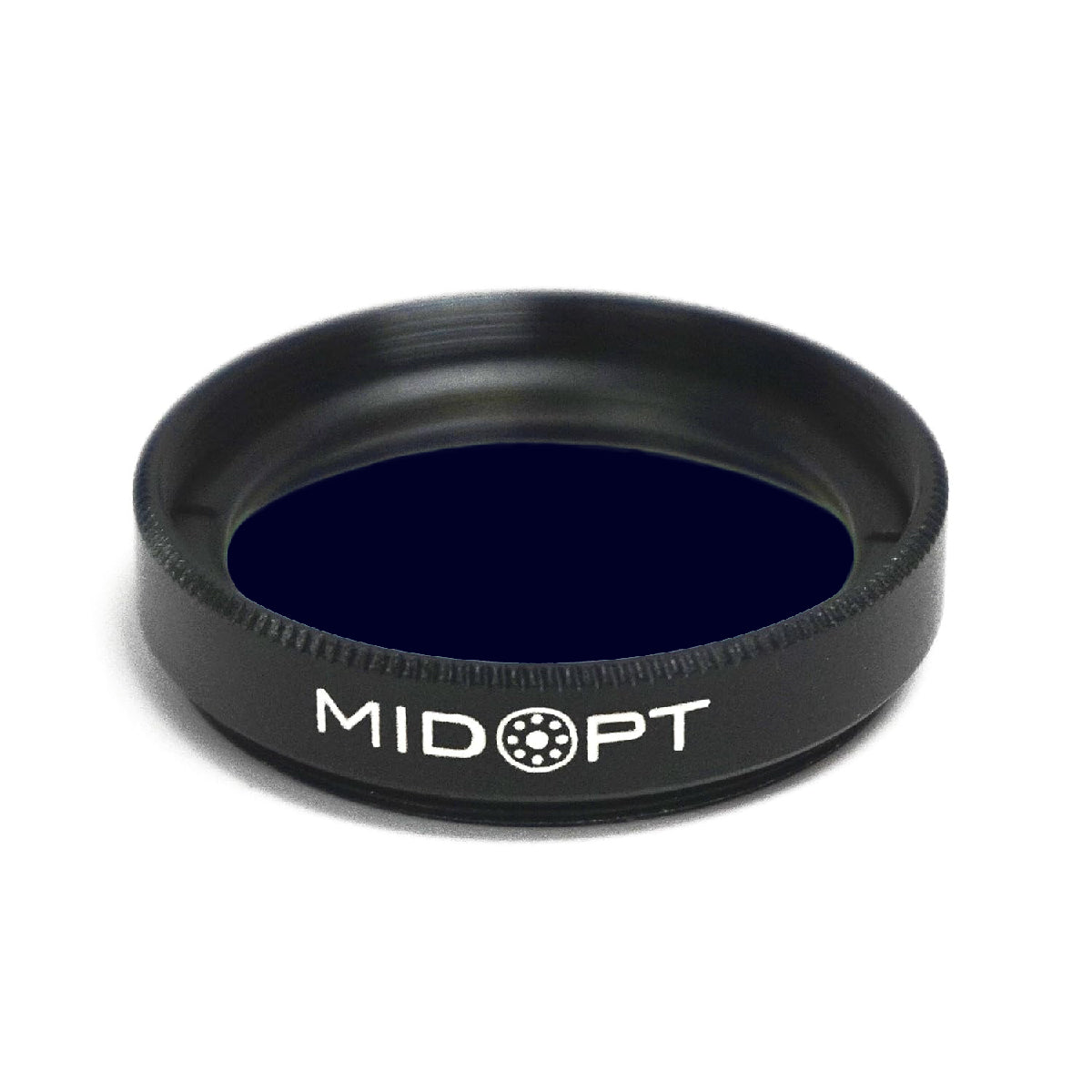
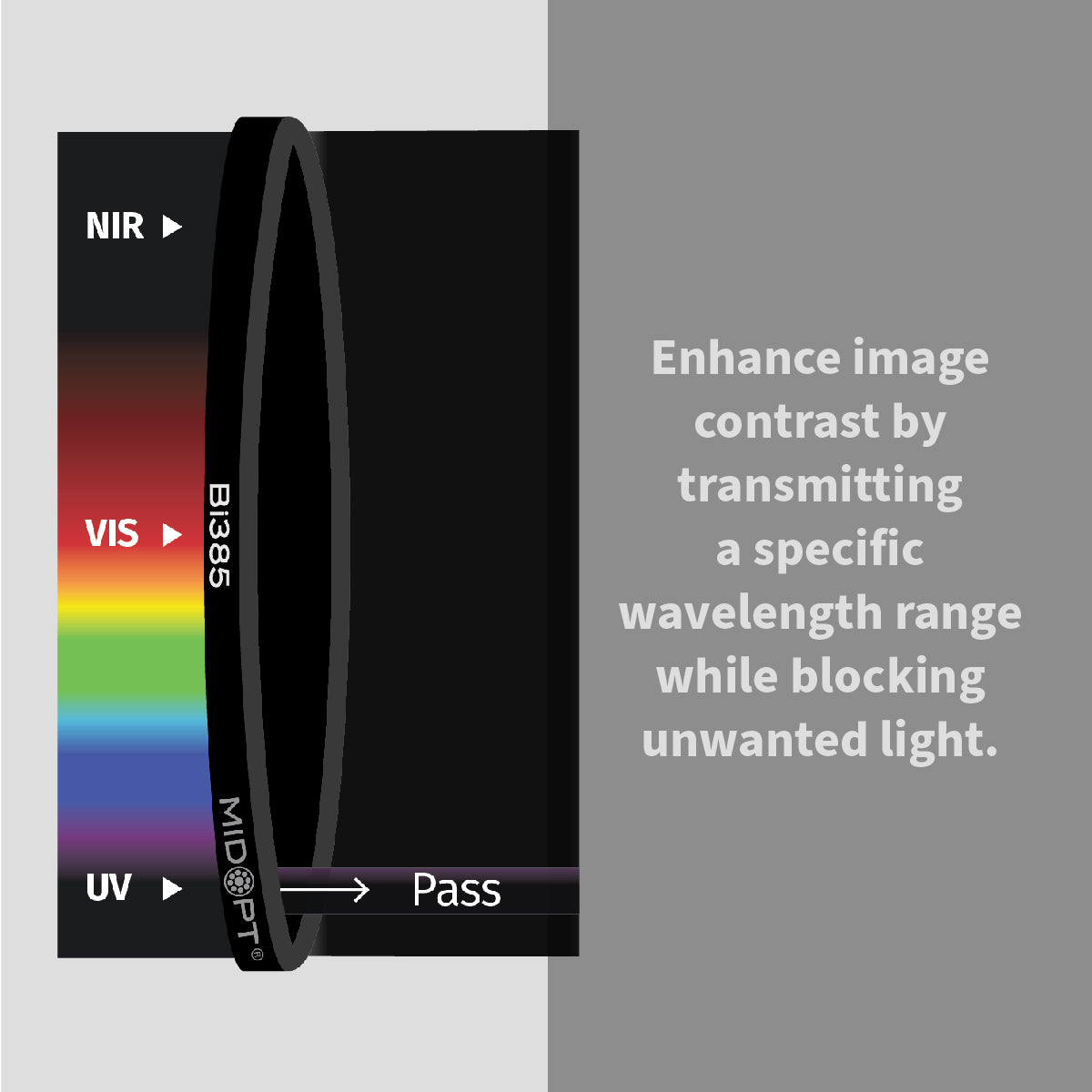
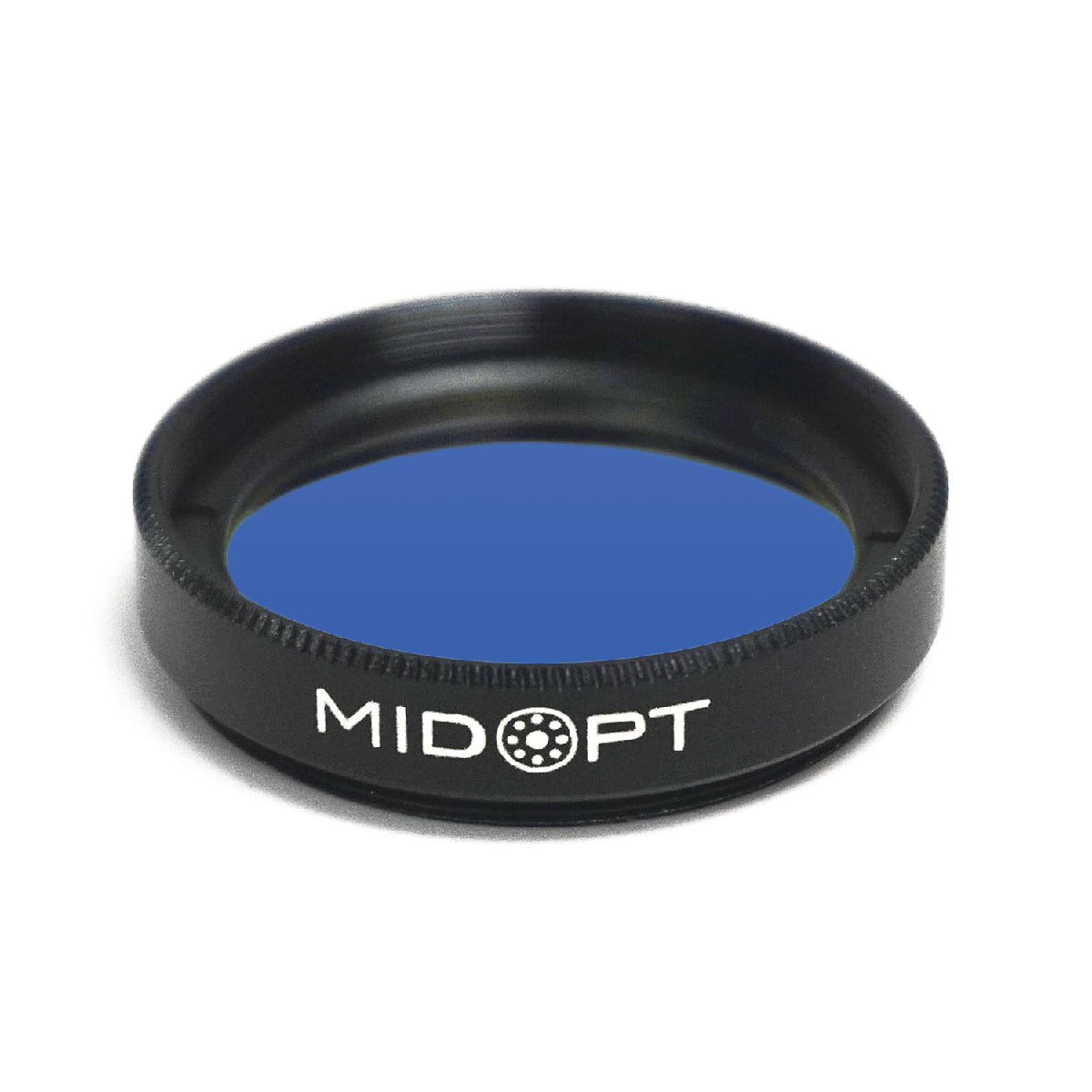
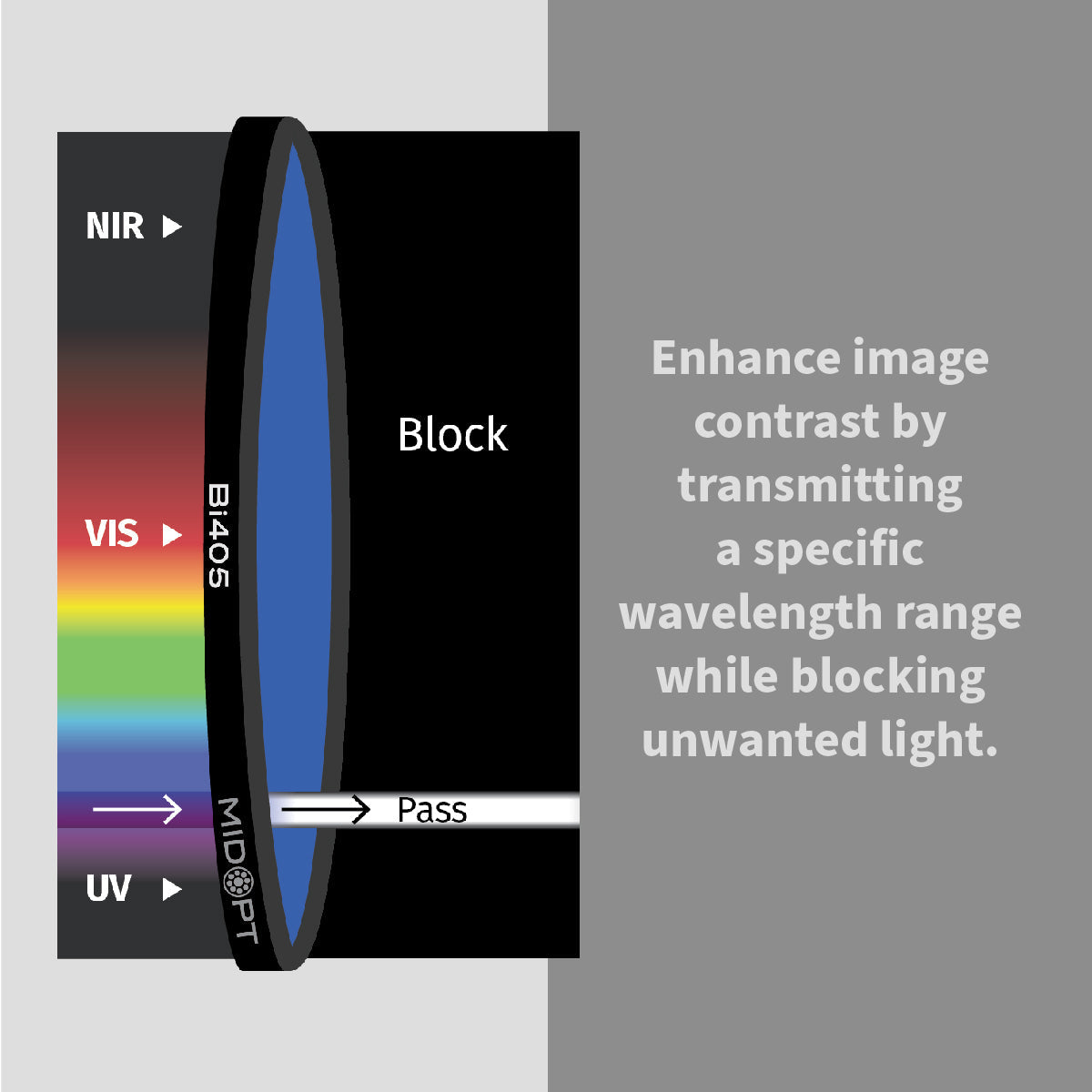
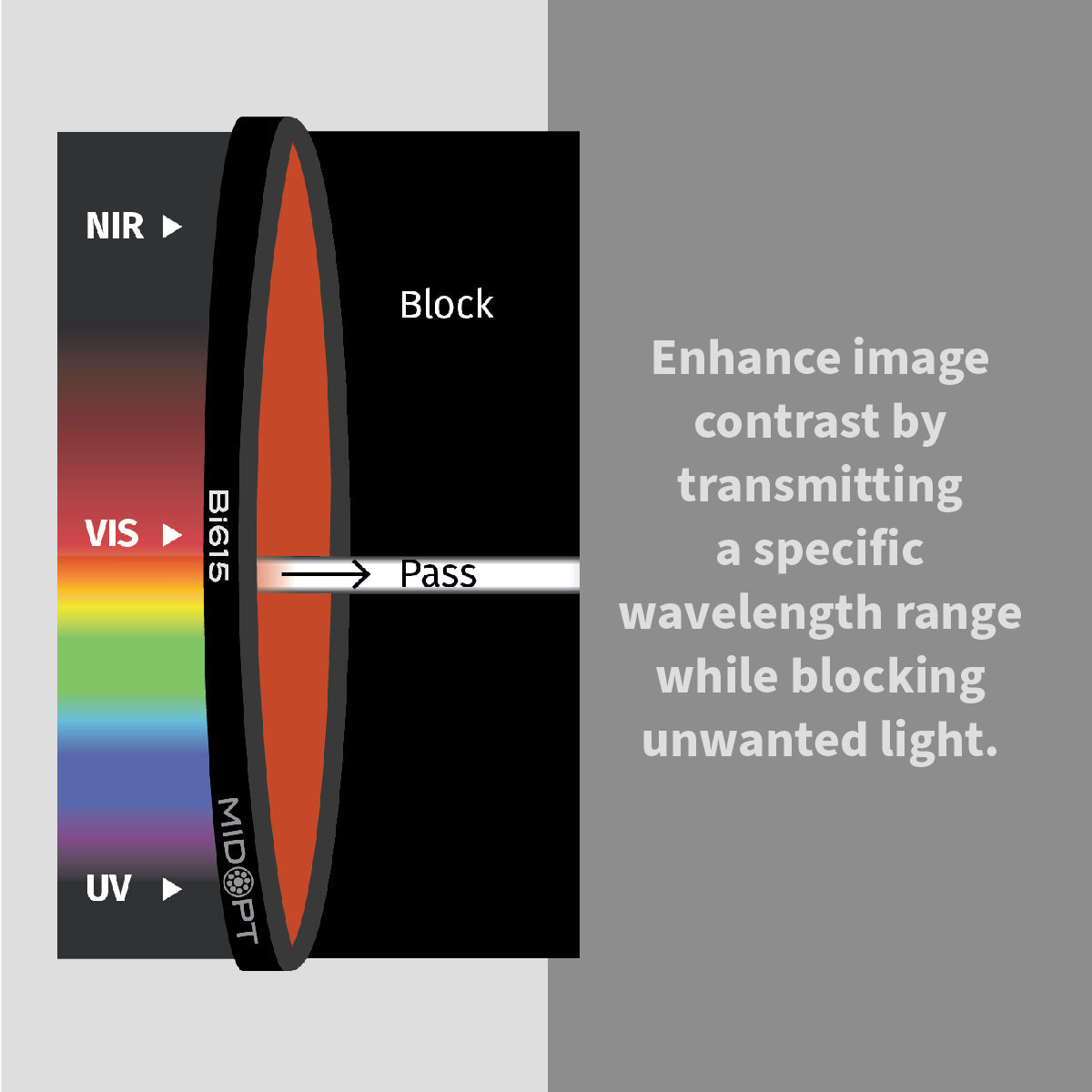
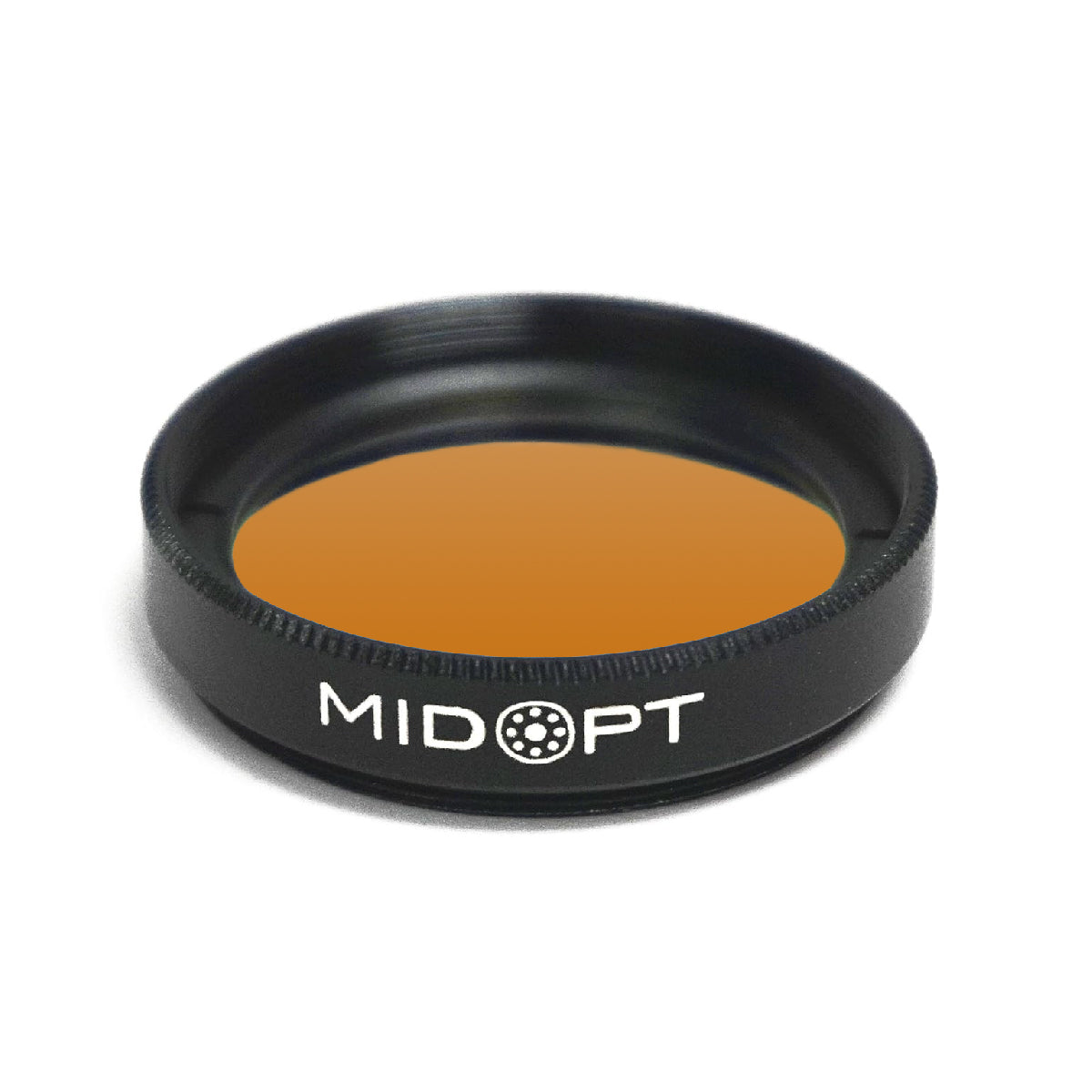
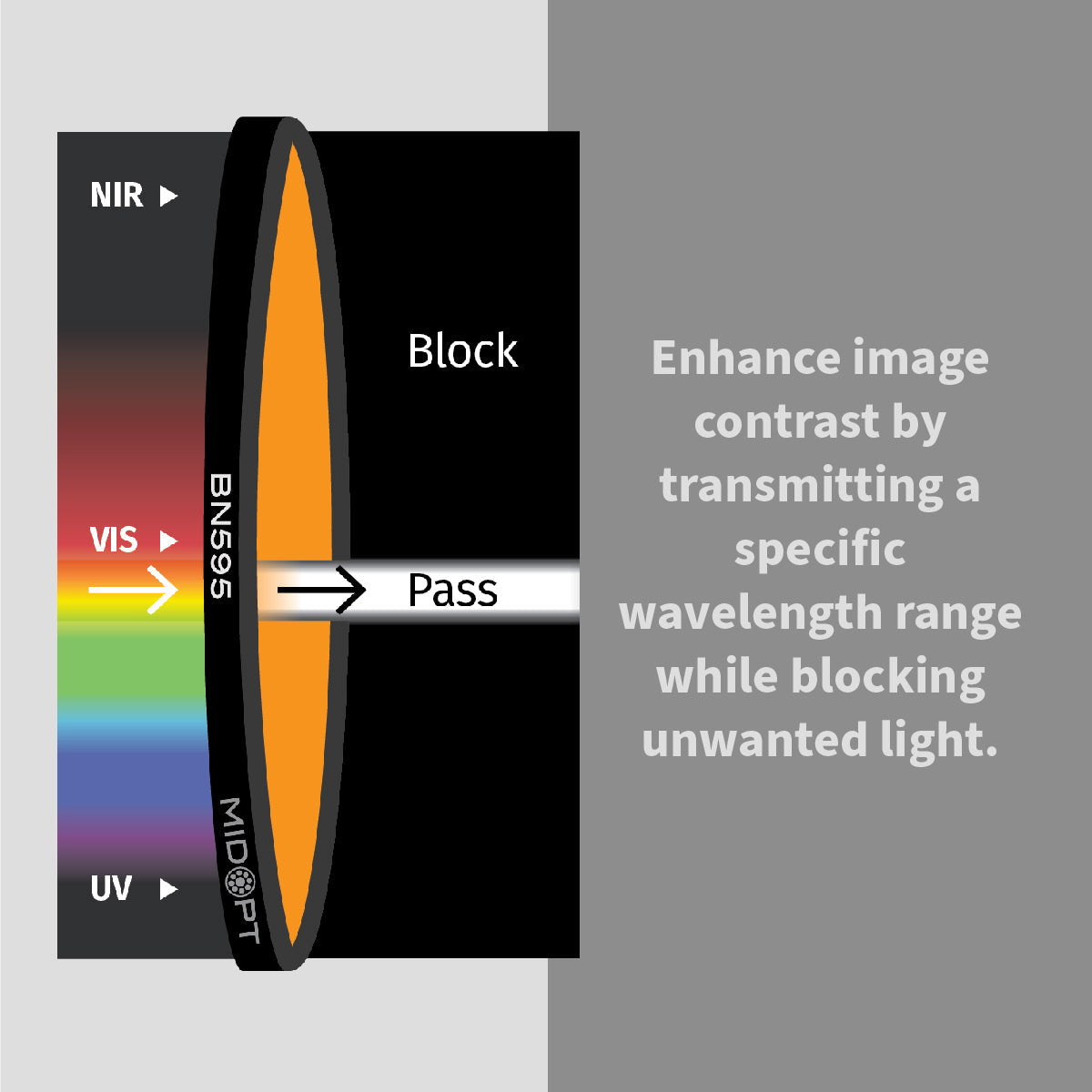
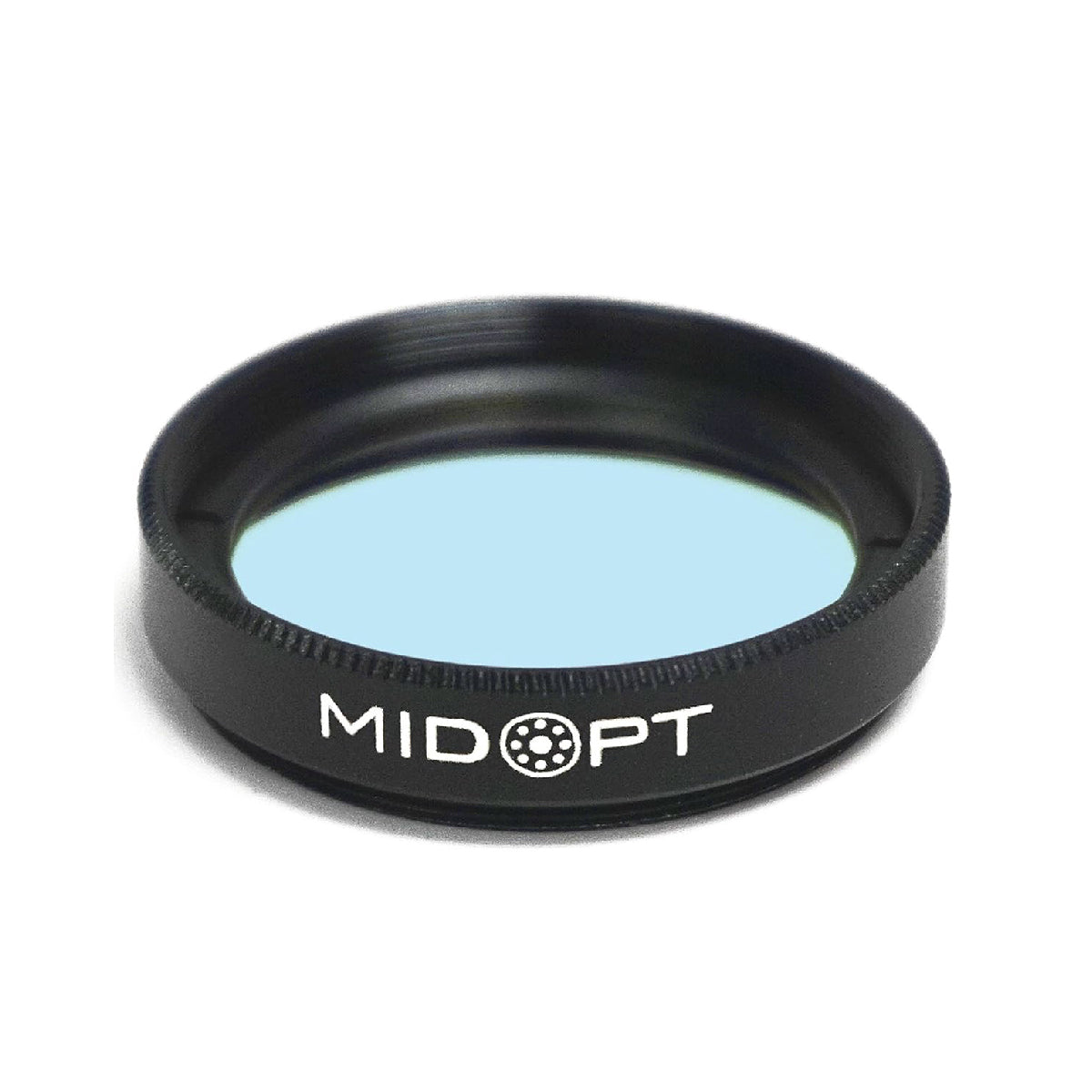
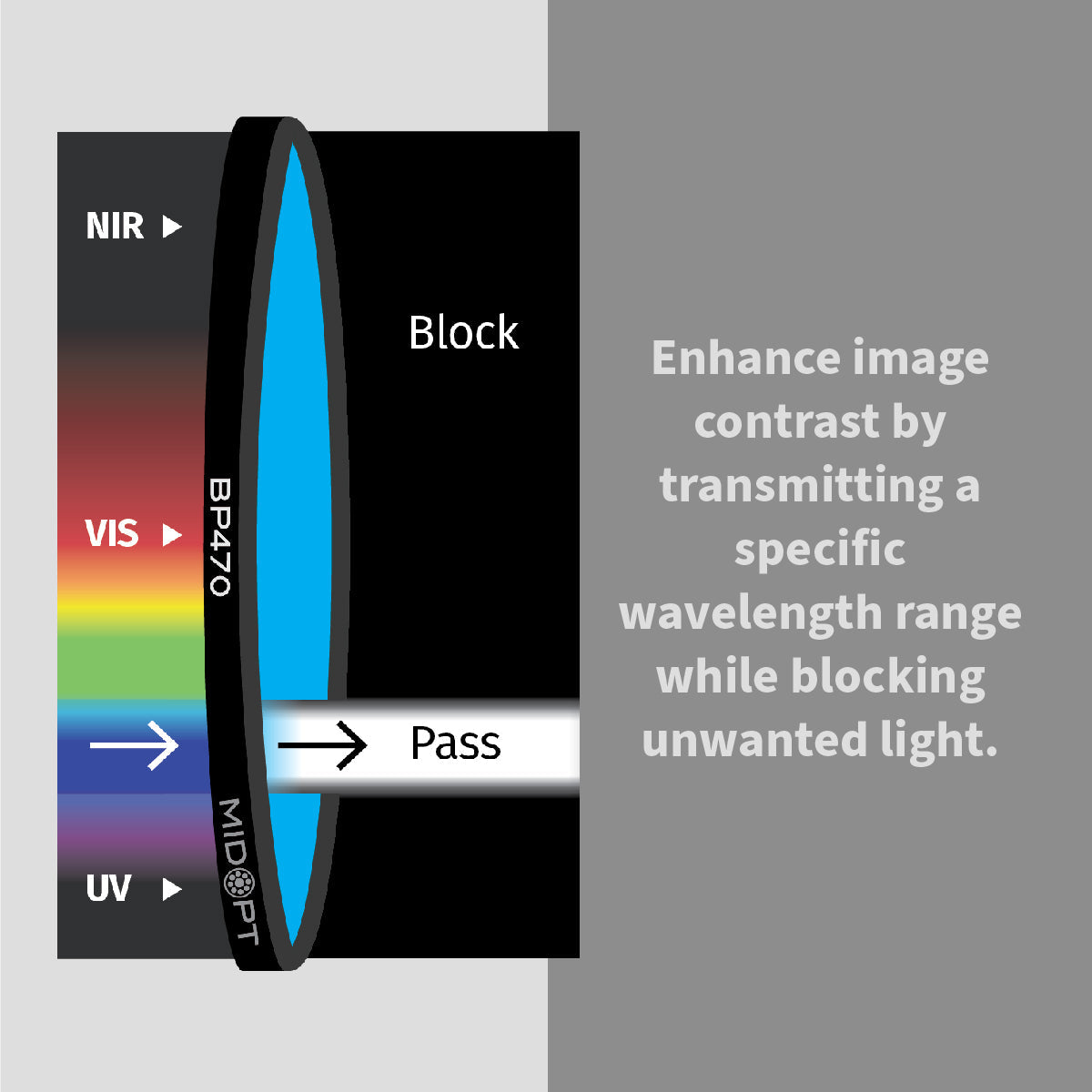
One of the most effective methods for improving machine vision performance is pairing monochromatic LED illumination with a matching bandpass optical filter. A bandpass filter transmits only a narrow range of wavelengths while blocking nearly all other visible light.
Benefits include:
- Increased image contrast
- Reduced ambient light
- Improved repeatability
- Cleaner segmentation for image processing
- Higher inspection accuracy
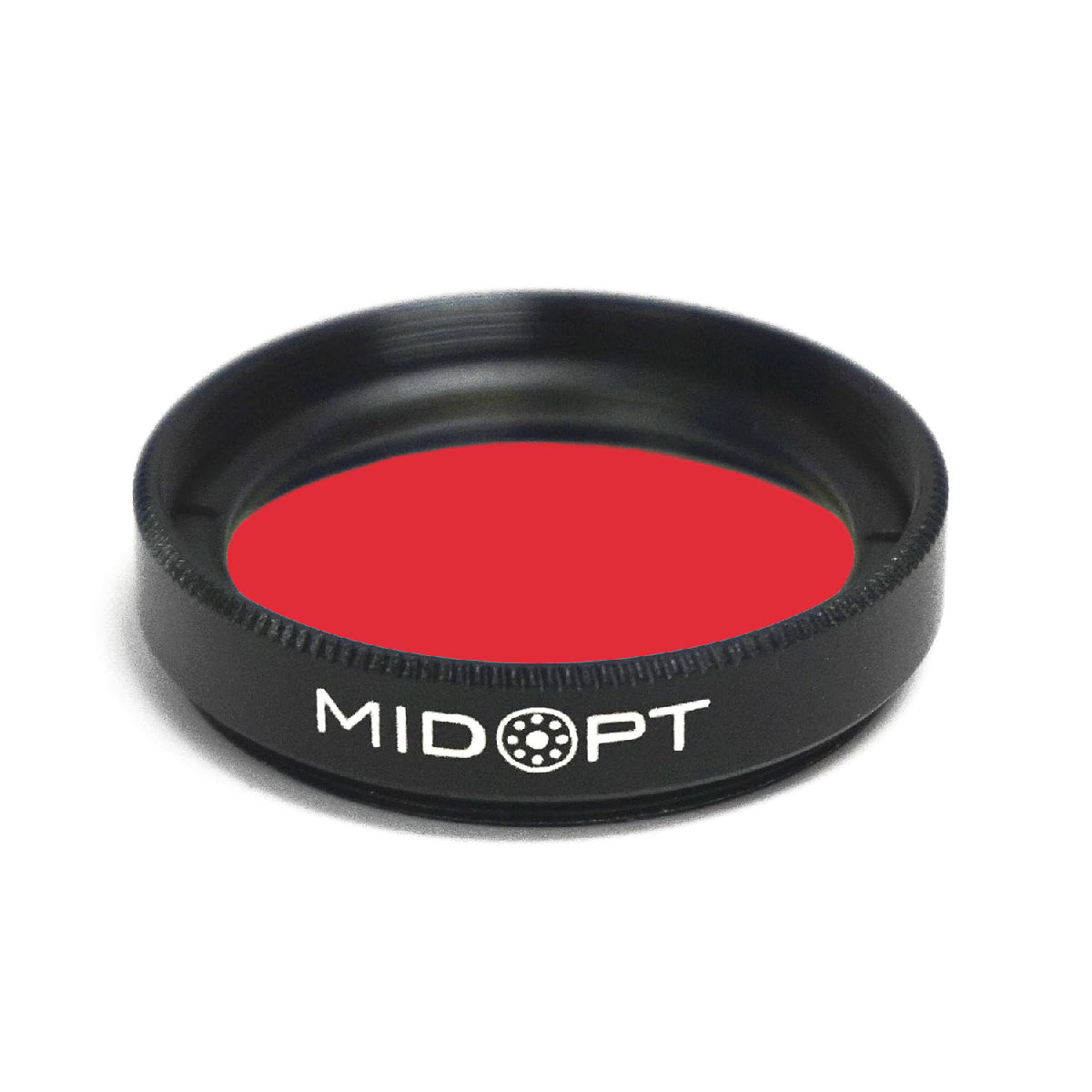
For example, using red LED illumination with a matching red bandpass filter allows the camera to capture only reflected red light while rejecting unwanted environmental lighting. This approach is especially valuable on production lines where overhead lighting changes throughout the day.
Reduce Glare Using Polarization
Highly reflective solder joints and metallic PCB finishes often produce specular reflections that obscure defects. A linear polarizing filter used with polarized illumination can dramatically reduce glare by blocking reflected polarized light while allowing useful image information to pass.
Advantages include:
- Reduced hotspots
- Better solder joint visibility
- Improved inspection of copper traces
- Enhanced detection of scratches
- Increased consistency across reflective surfaces
Cross-polarization is frequently used during automated optical inspection systems to improve image quality without increasing processing complexity.
Enhance Color Separation
Many PCB inspections rely on distinguishing different materials that appear similar under standard white light. Optical filters can improve separation between:
- Solder mask colors
- Copper features
- Flux residue
- Adhesives
- Epoxy materials
- Component bodies
- Silkscreen markings
By selecting the proper wavelength, inspectors can isolate specific materials while minimizing distractions from surrounding features.
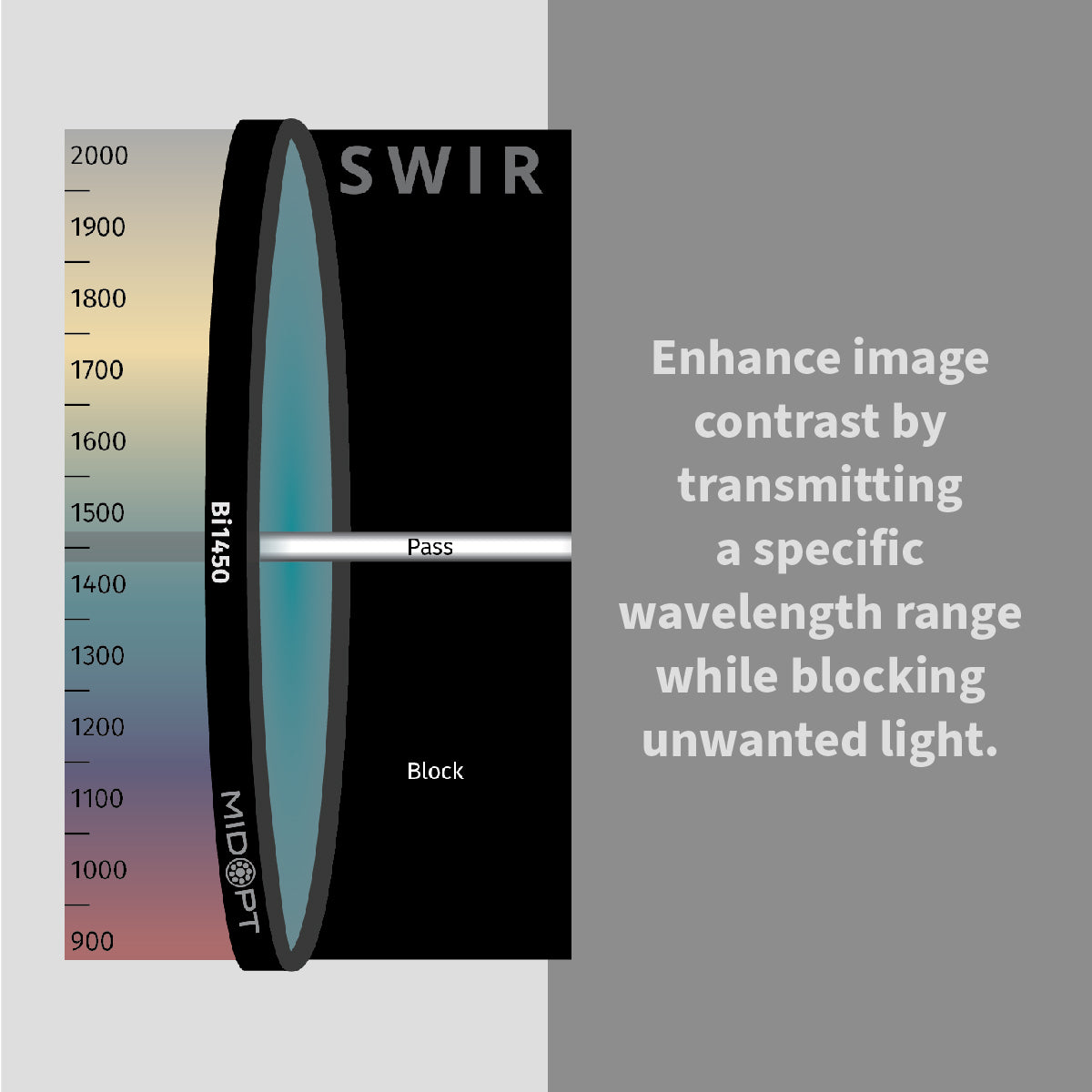
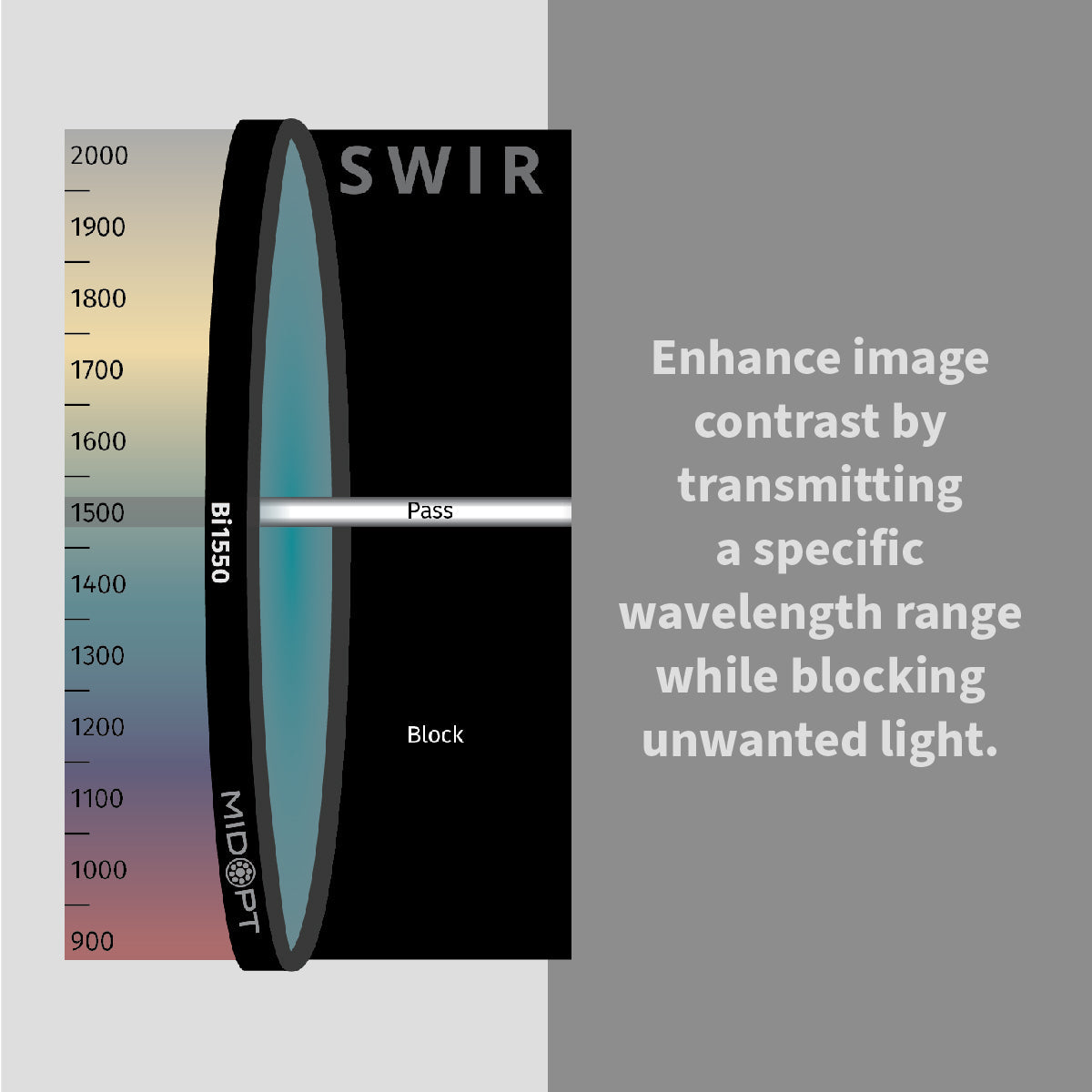
Infrared Filters for Specialized Electronics Inspection
Near-infrared imaging is increasingly used in electronics manufacturing for applications where visible light provides limited information. Infrared optical filters can help reveal:
- Internal package features
- Hidden alignment marks
- Certain substrate characteristics
- Specialized semiconductor inspection applications
IR imaging is also less affected by some surface colors, making it useful for particular inspection processes.
UV Filters for Fluorescent Inspection
Ultraviolet illumination combined with optical filters is commonly used when inspecting fluorescent materials.
Applications include:
- Conformal coating verification
- Adhesive inspection
- Flux detection
- Contamination identification
- Protective coating coverage
The filter blocks reflected UV illumination while allowing only the fluorescent emission to reach the camera, producing high-contrast images that clearly identify coated and uncoated areas.
Minimize Ambient Light Variations
Factory environments often include:
- Skylights
- Windows
- Overhead LED fixtures
- Operator lighting
- Adjacent inspection stations
These uncontrolled light sources reduce inspection consistency. Optical filters reject unwanted wavelengths and help maintain stable imaging conditions, reducing false rejects and improving repeatability without requiring complete environmental light control.
Optical Filters for Automated Optical Inspection (AOI)
Automated Optical Inspection systems rely on repeatable, high-quality images for accurate defect detection. Properly selected machine vision filters help AOI systems achieve:
- More reliable edge detection
- Better thresholding performance
- Improved blob analysis
- Higher OCR accuracy
- Better barcode and Data Matrix reading
- Increased inspection speed
- Reduced false positives
- Lower false reject rates
The cleaner the image entering the vision software, the more reliable the inspection results.
Choosing the Right Optical Filter
Selecting the ideal filter depends on several factors:
- Camera sensor sensitivity
- LED illumination wavelength
- PCB materials
- Surface finish
- Inspection objective
- Working distance
- Lens selection
- Environmental lighting
Common filter options include:
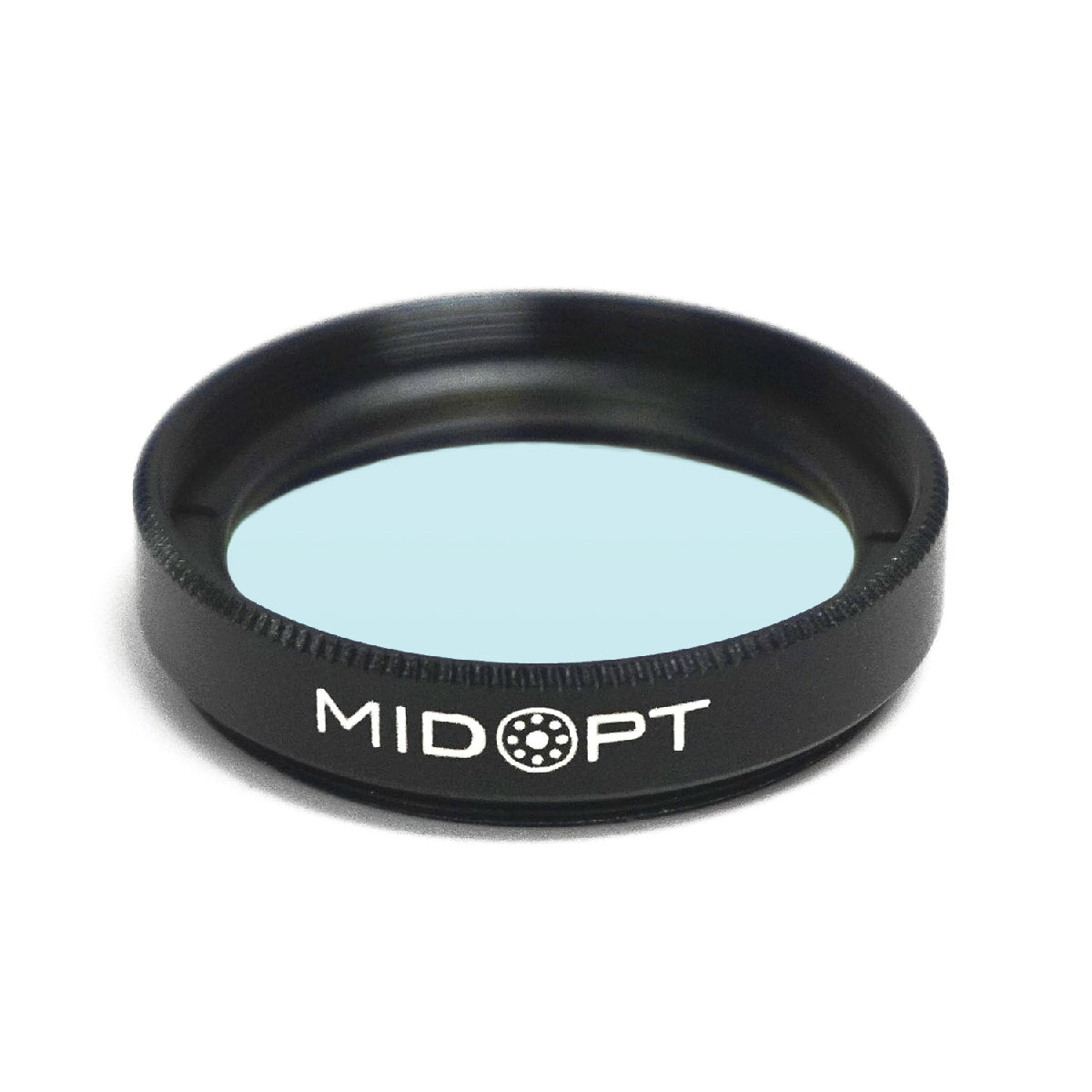
- Bandpass filters
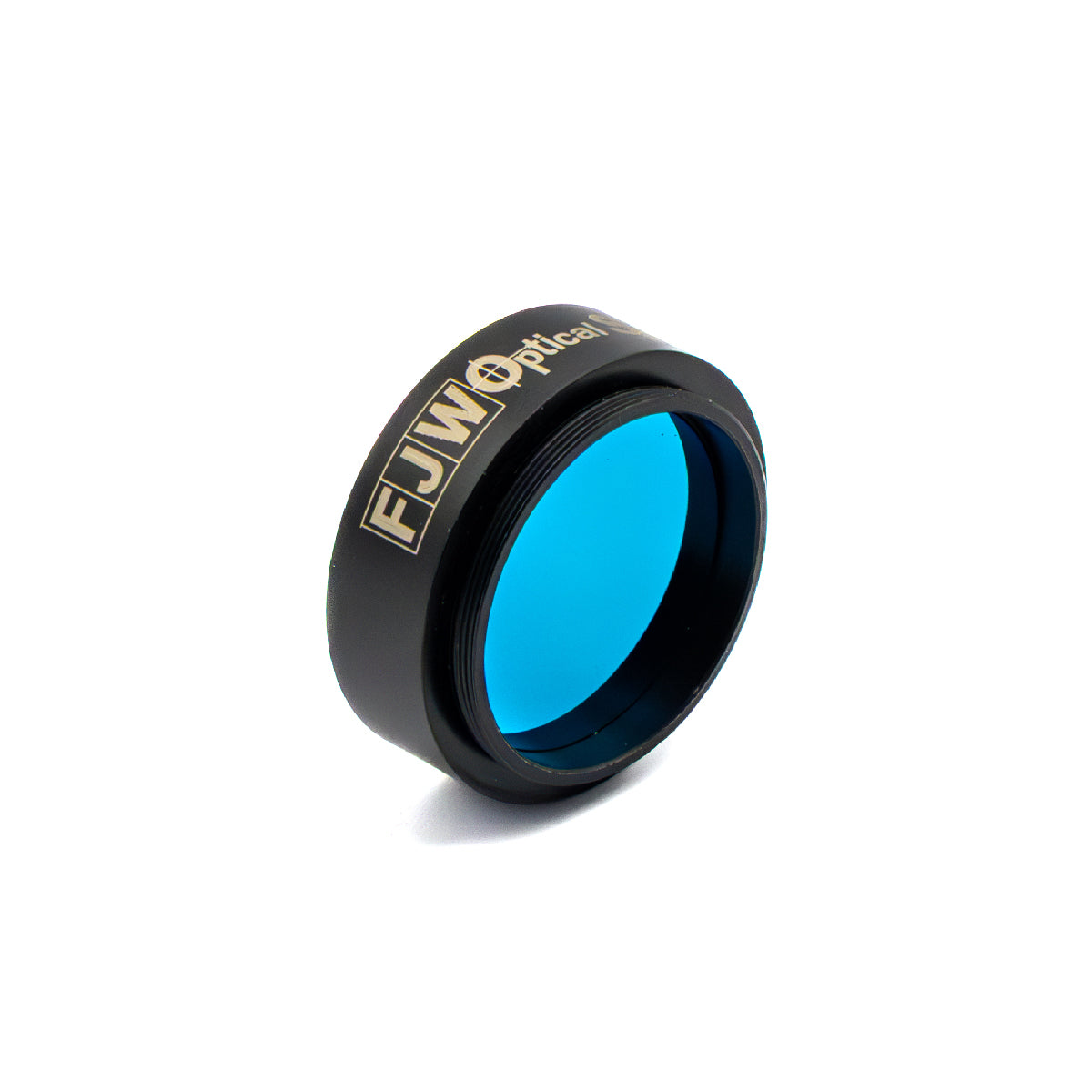
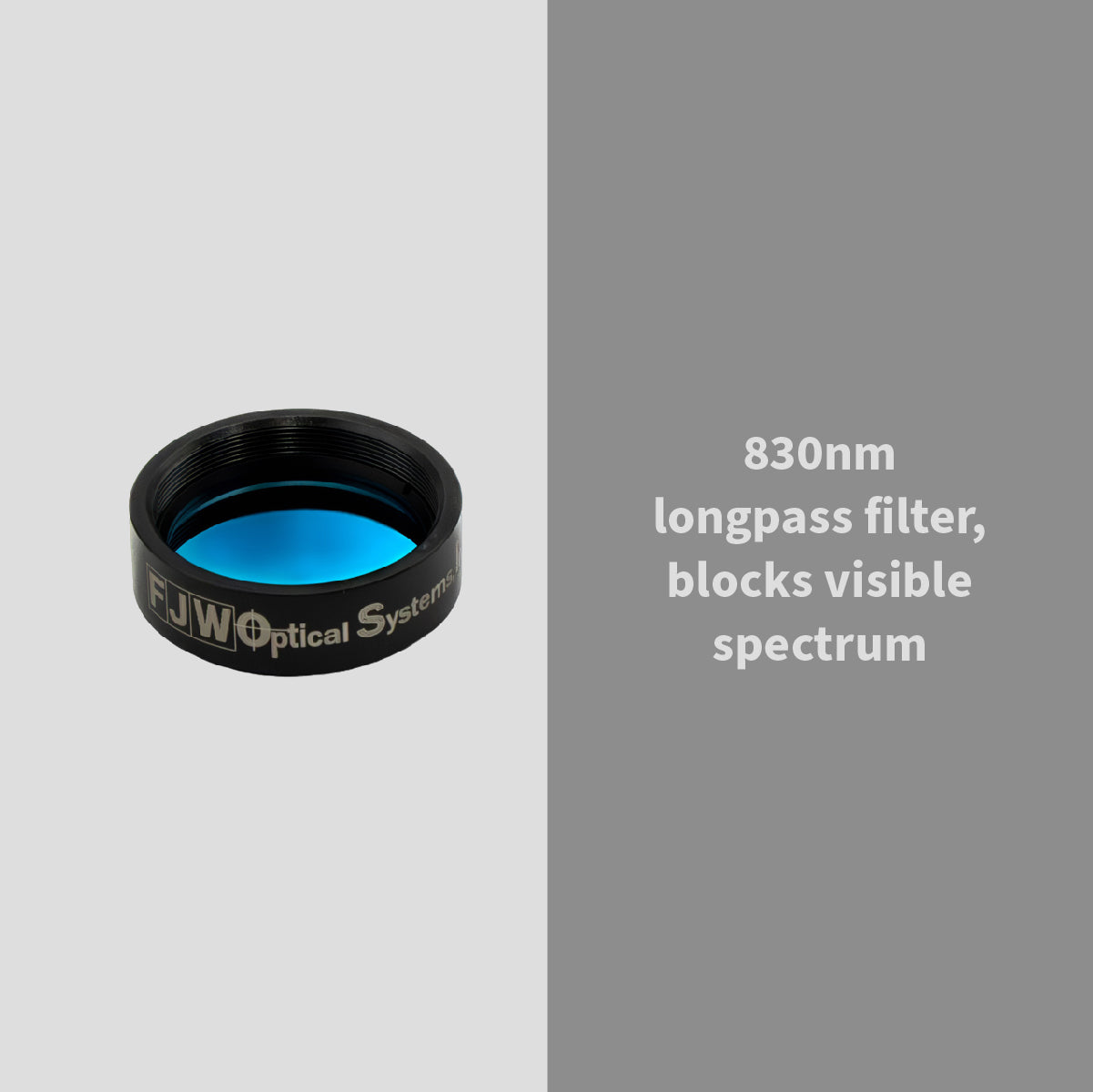
- Longpass filters
- Shortpass filters
- Neutral density filters
- Linear polarizers
- Infrared filters
- Ultraviolet filters
- Protective windows
Optimizing the complete imaging system – including lighting, optics, filters, and camera – produces the best overall inspection performance.
Improve PCB Inspection with FJW Optical
Reliable electronics inspection starts with capturing the highest-quality image possible. Optical filters help machine vision systems overcome reflections, improve contrast, isolate critical features and produce more consistent inspection results across demanding manufacturing environments.
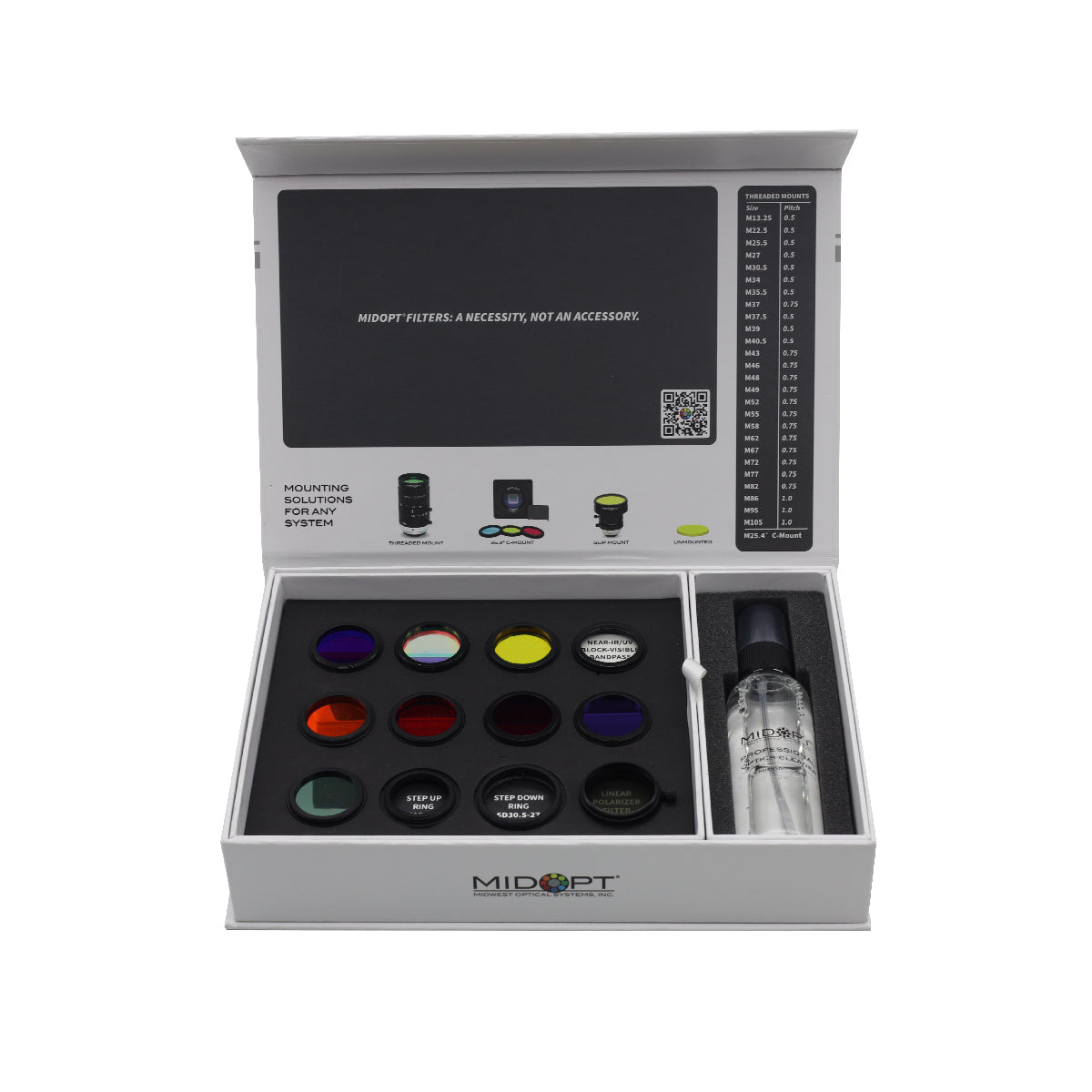
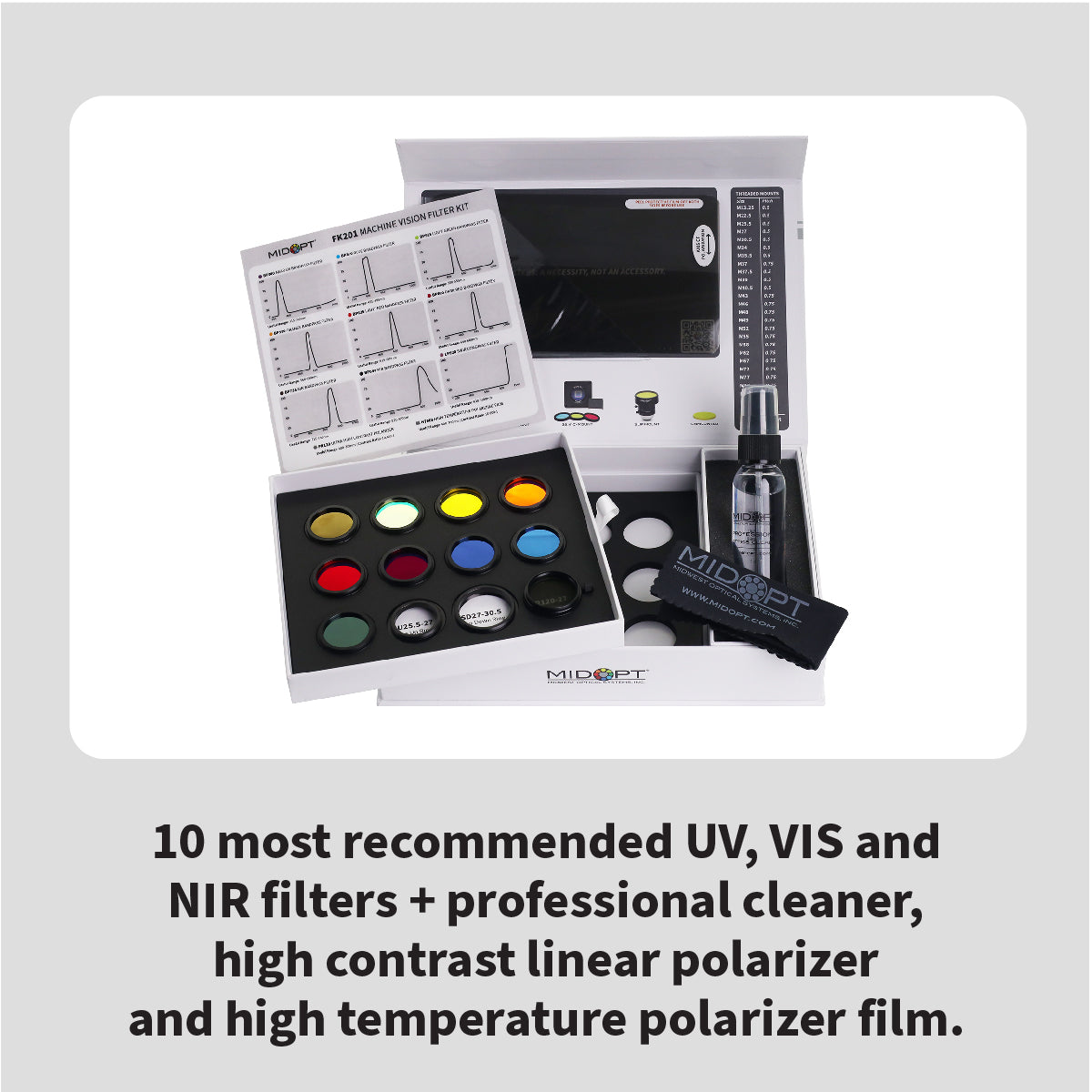
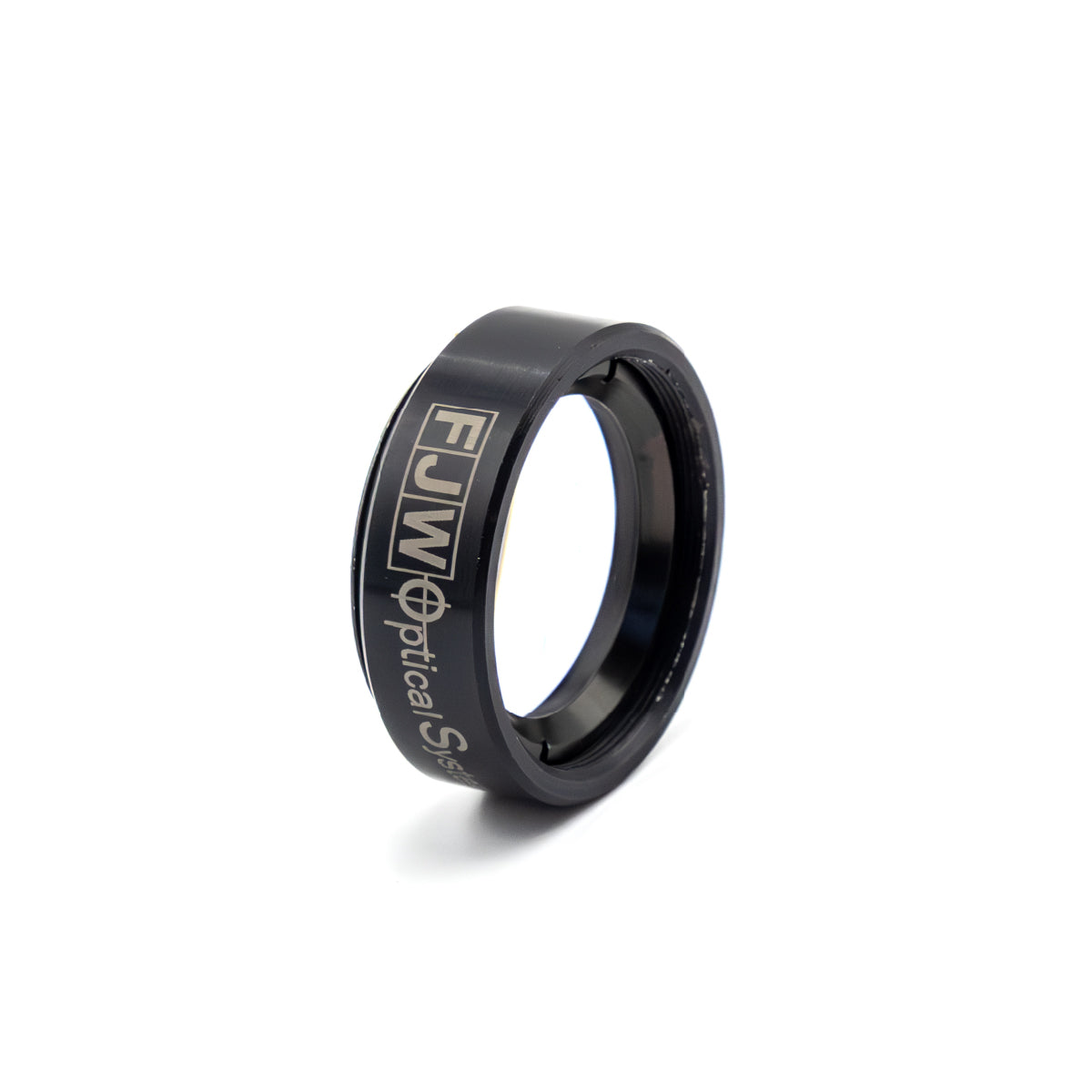
FJW Optical offers a wide selection of machine vision optical filters, including bandpass filters, polarizing filters, infrared filters, ultraviolet filters, neutral density filters, and custom optical filters designed for PCB inspection, electronics manufacturing, automated optical inspection (AOI), semiconductor inspection and industrial imaging applications.
Whether you're building a new inspection system or optimizing an existing production line, selecting the right optical filter can significantly improve detection accuracy, reduce false rejects and increase manufacturing efficiency.