
 Find-R-Scopes
 Filters
 Lenses
 Cameras
 Lighting


 Accessories









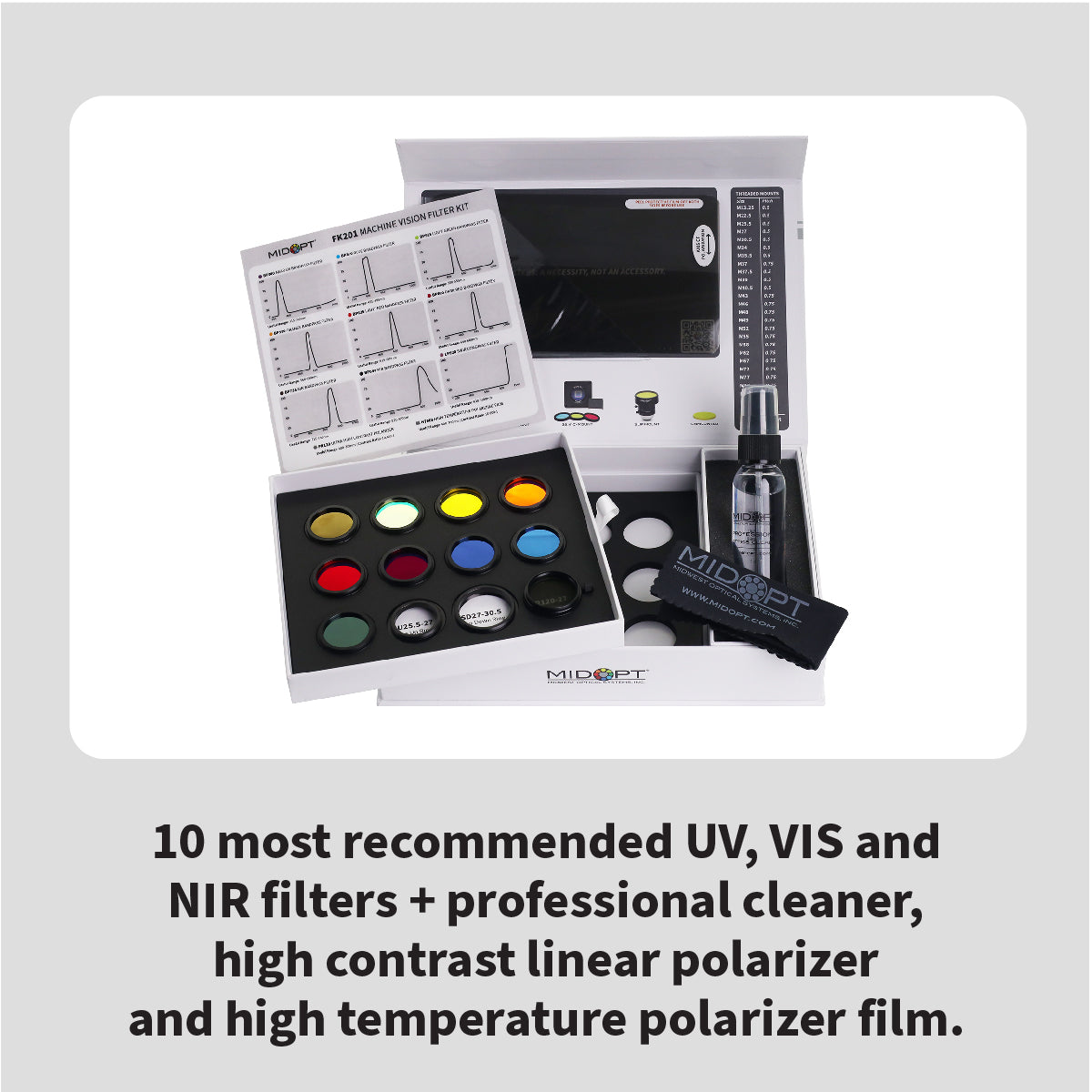


In the food processing industry, maintaining consistent product quality while meeting high production demands is essential. From sorting fresh produce to detecting contaminants and identifying defects, automated food inspection systems help manufacturers improve efficiency, reduce waste and maintain product standards.
Machine vision optical filters play an important role in these systems by enhancing image contrast, controlling unwanted light and improving the visibility of product characteristics that may otherwise be difficult to detect.
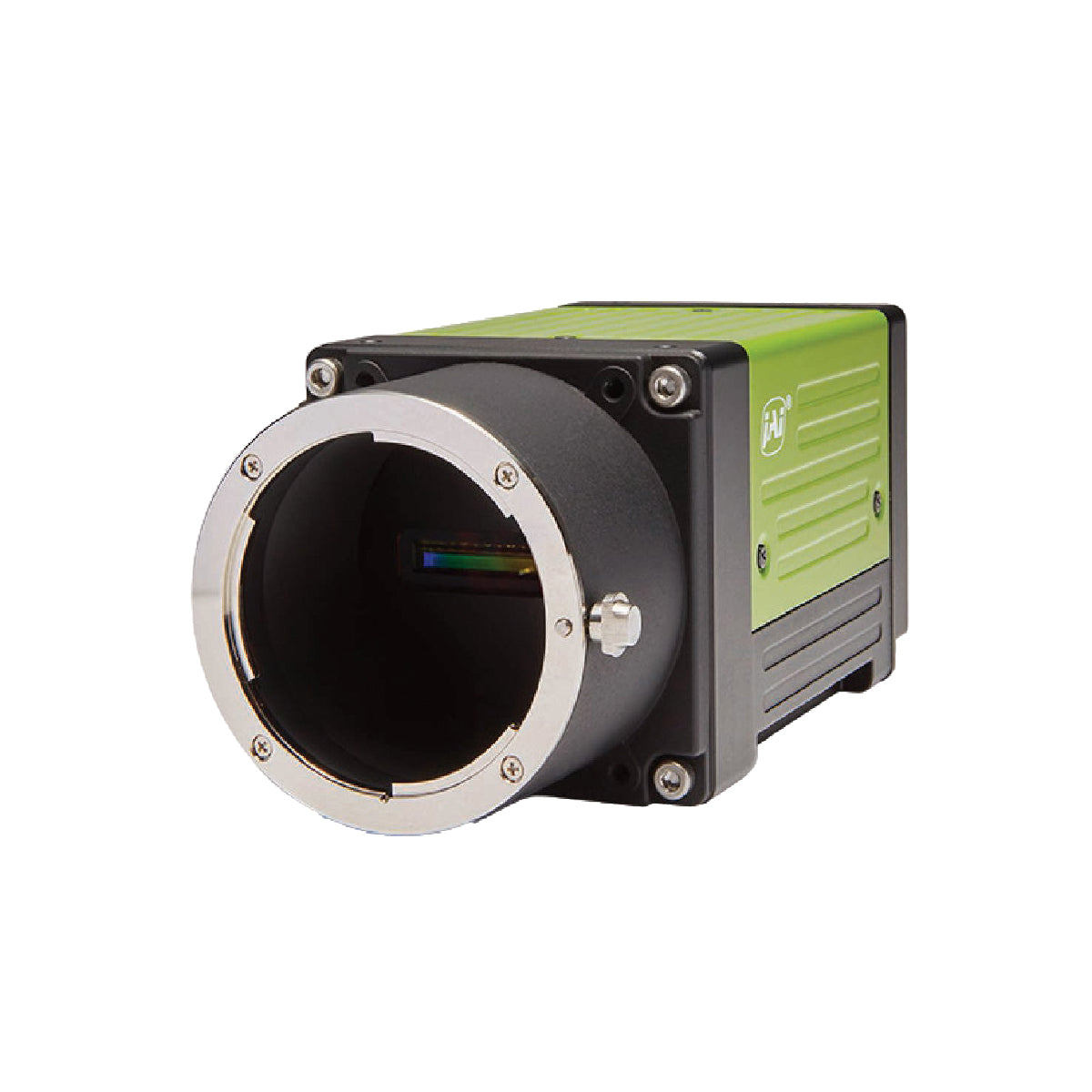
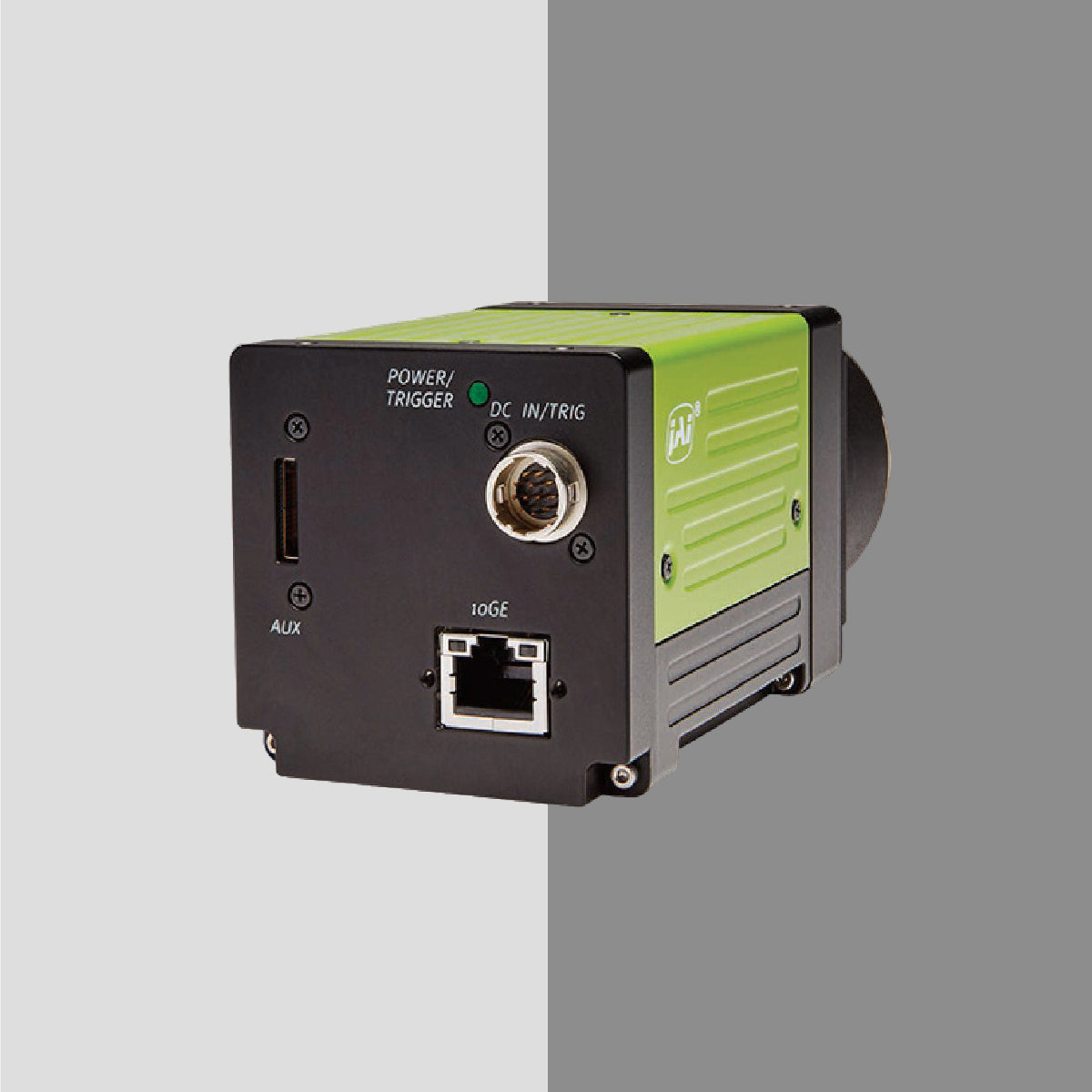
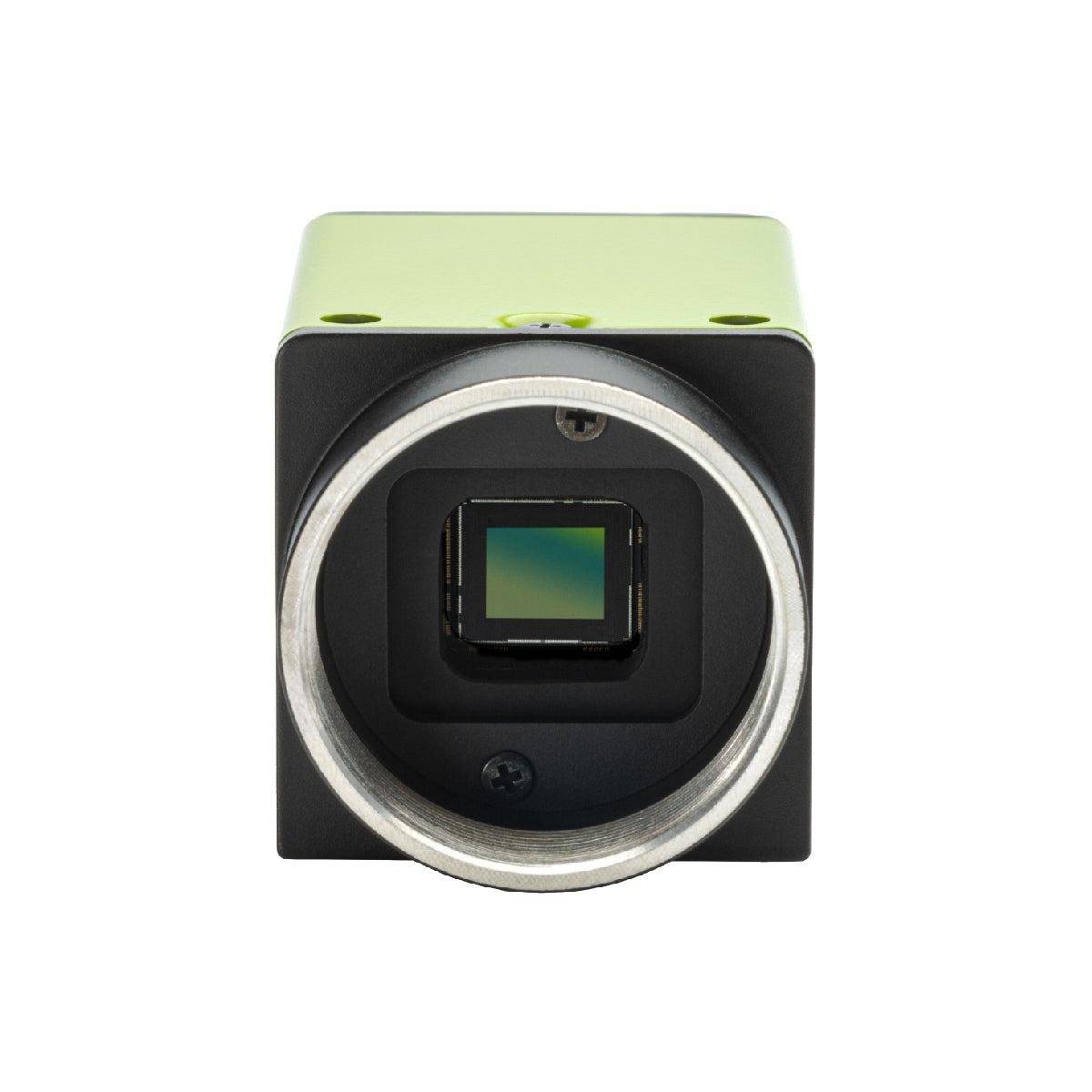
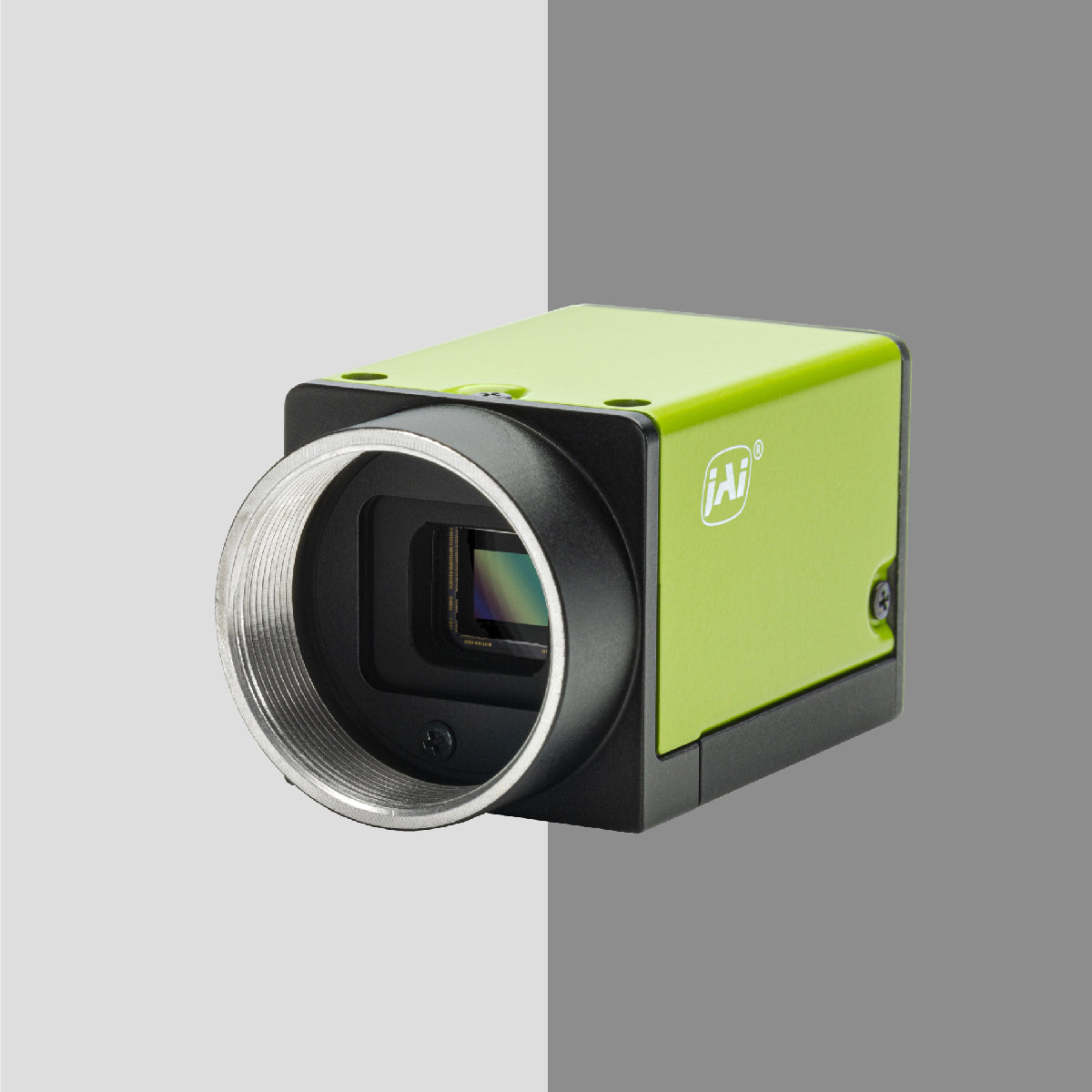
By combining the right optical filters for food inspection with industrial cameras, lenses and lighting, manufacturers can develop more accurate and reliable automated food sorting and quality inspection systems.
How Optical Filters Improve Food Sorting Systems
Automated food sorting systems use industrial cameras and specialized lighting to examine products as they move along conveyor belts or through processing equipment. These systems evaluate characteristics such as color, size, shape, texture and surface defects to determine whether products meet established quality standards.
However, food products present unique imaging challenges. Variations in surface texture, moisture, reflectivity and color can make it difficult for machine vision cameras to distinguish acceptable products from defective ones.
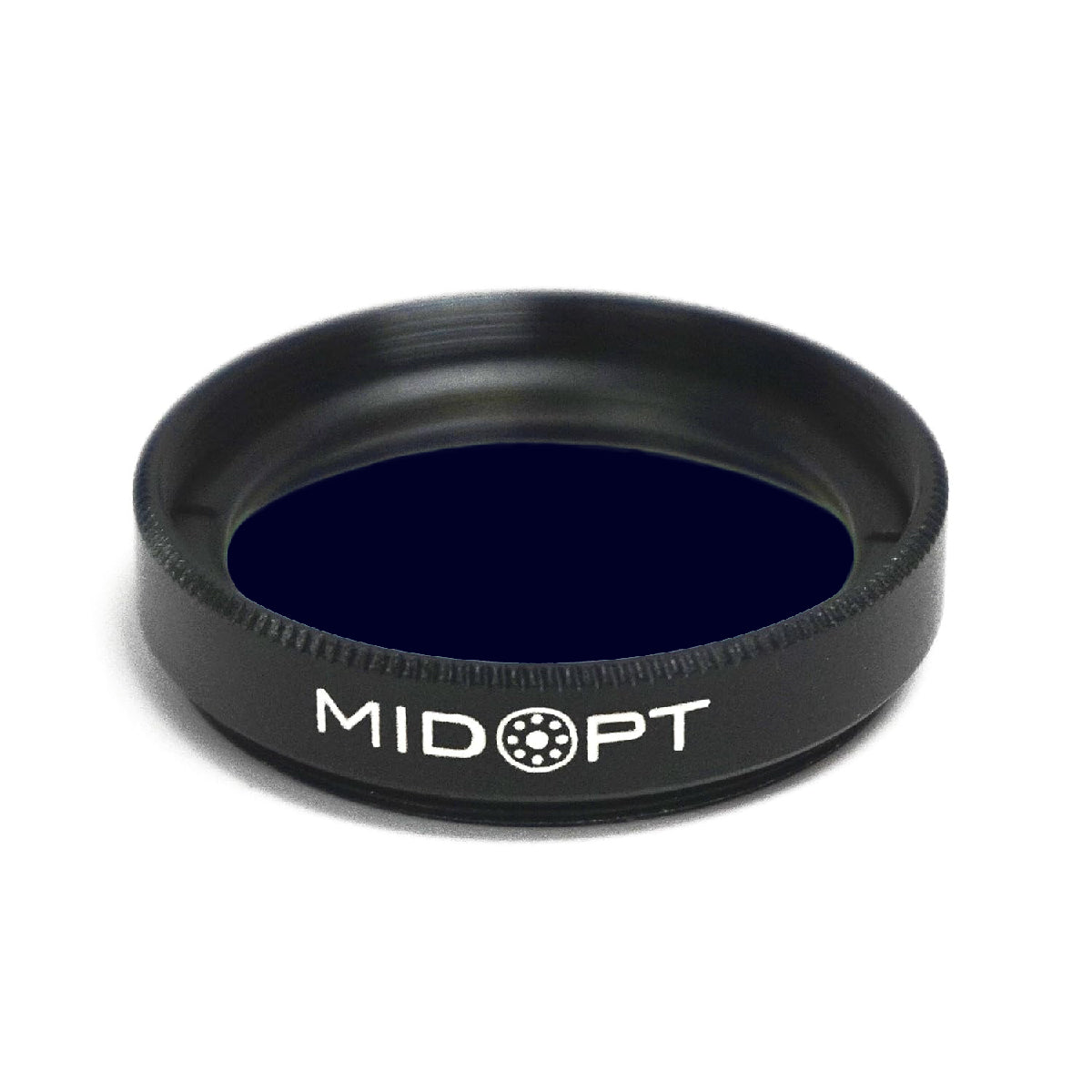
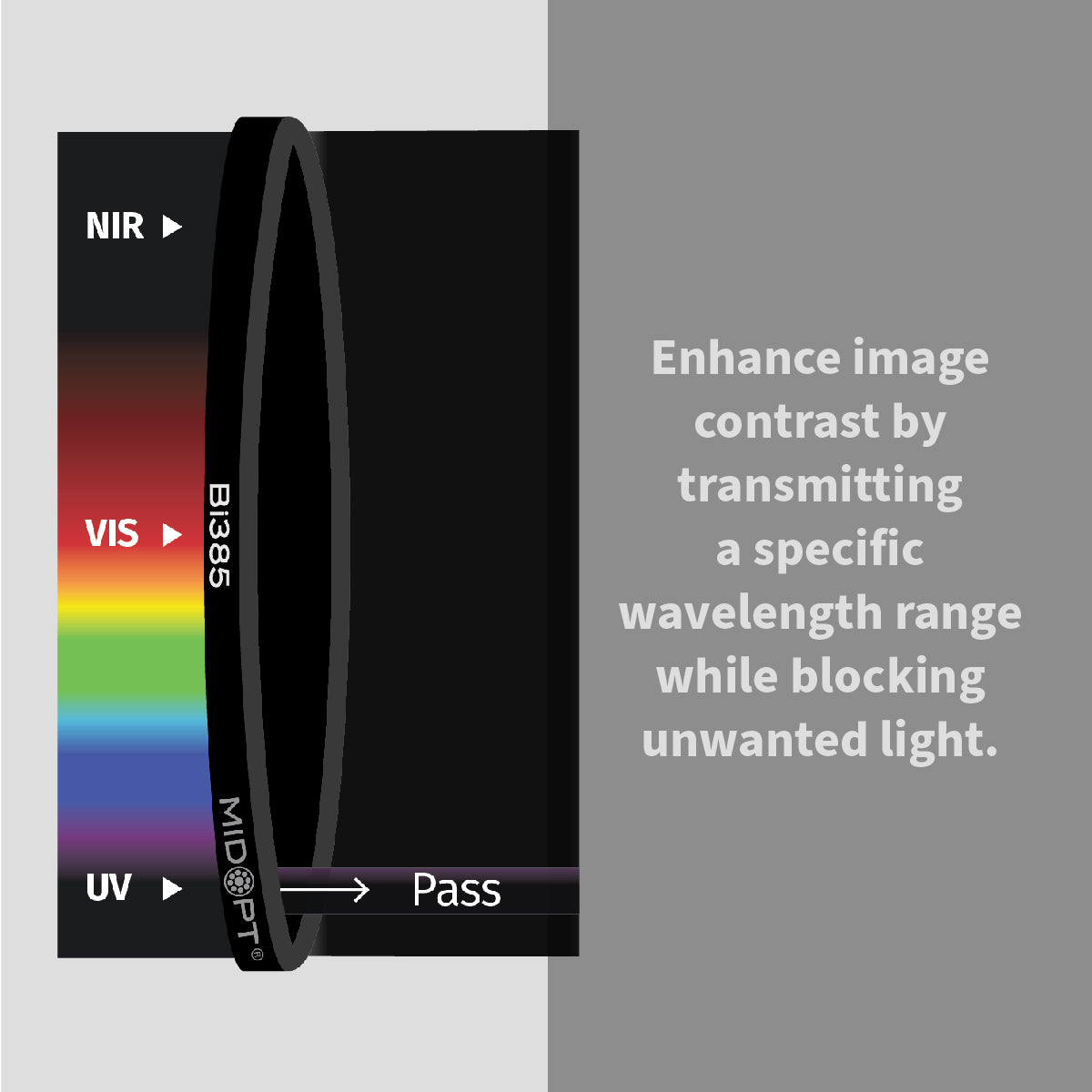
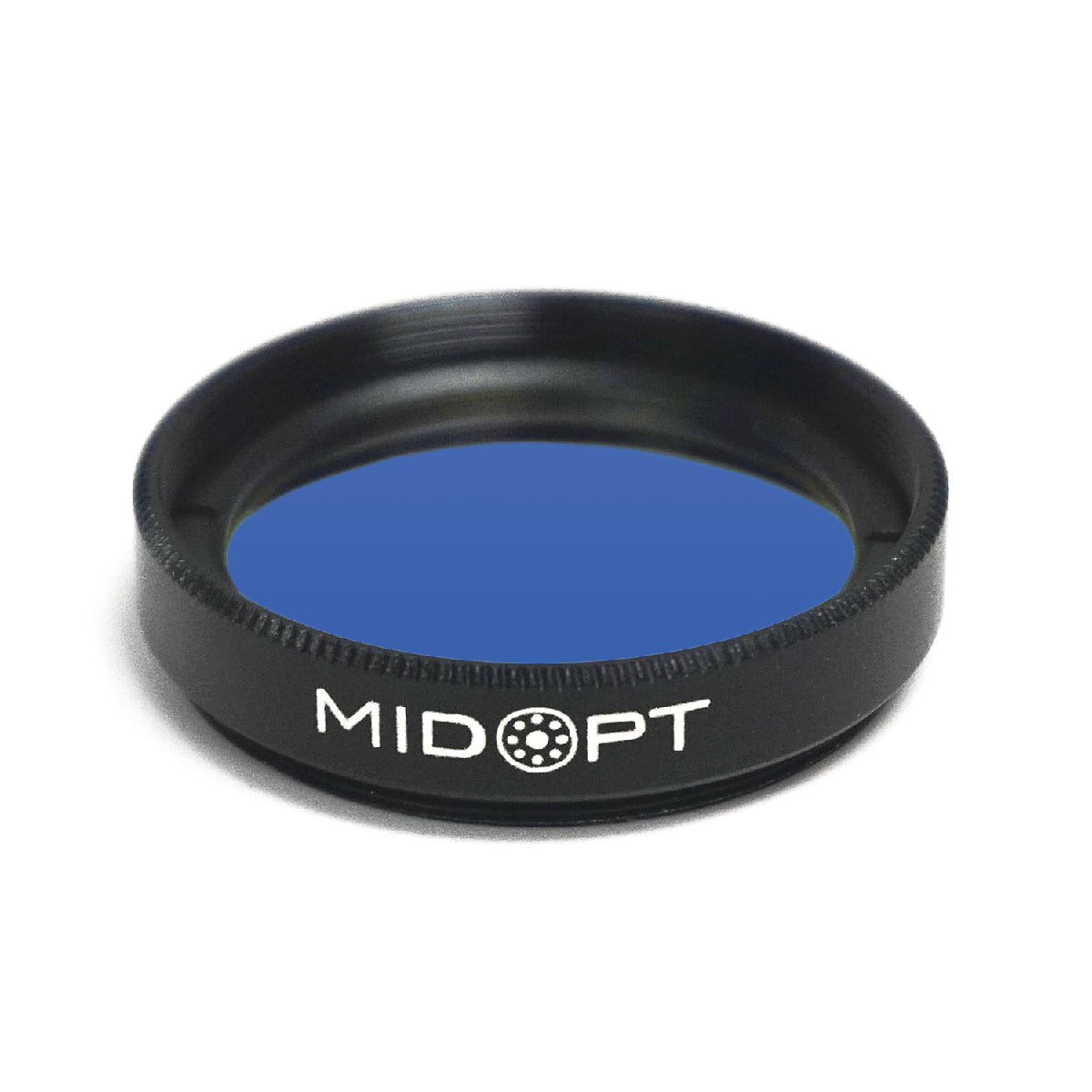
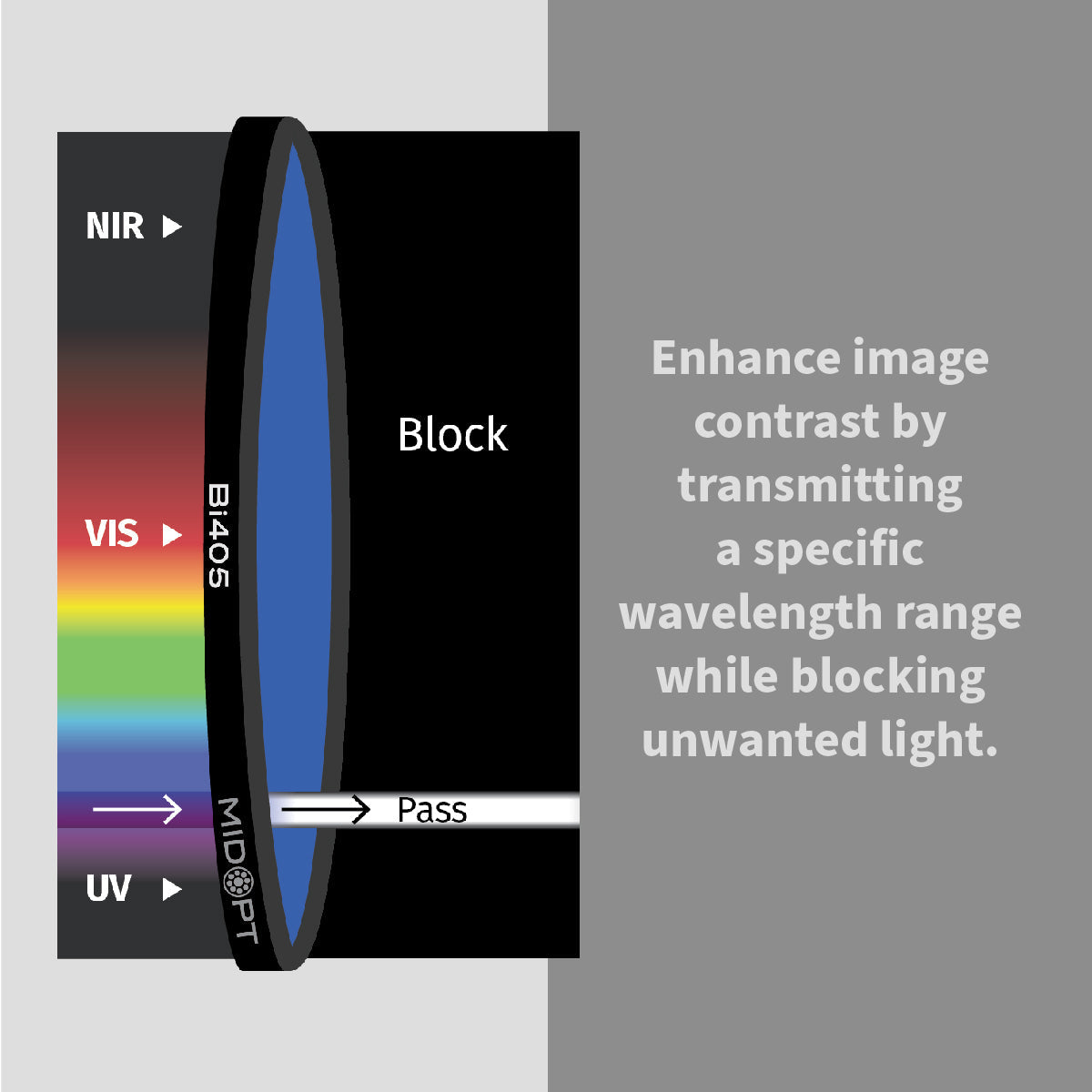
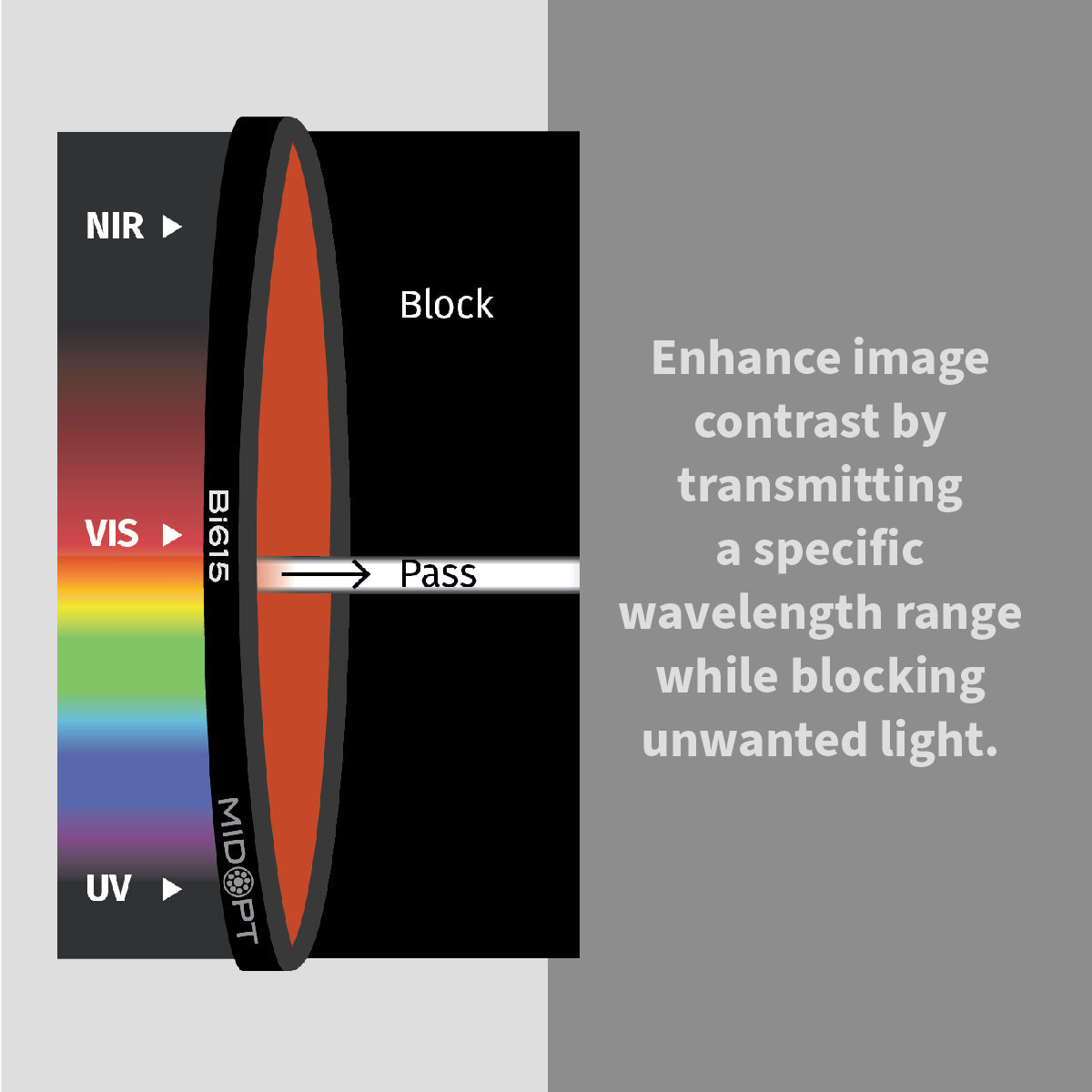
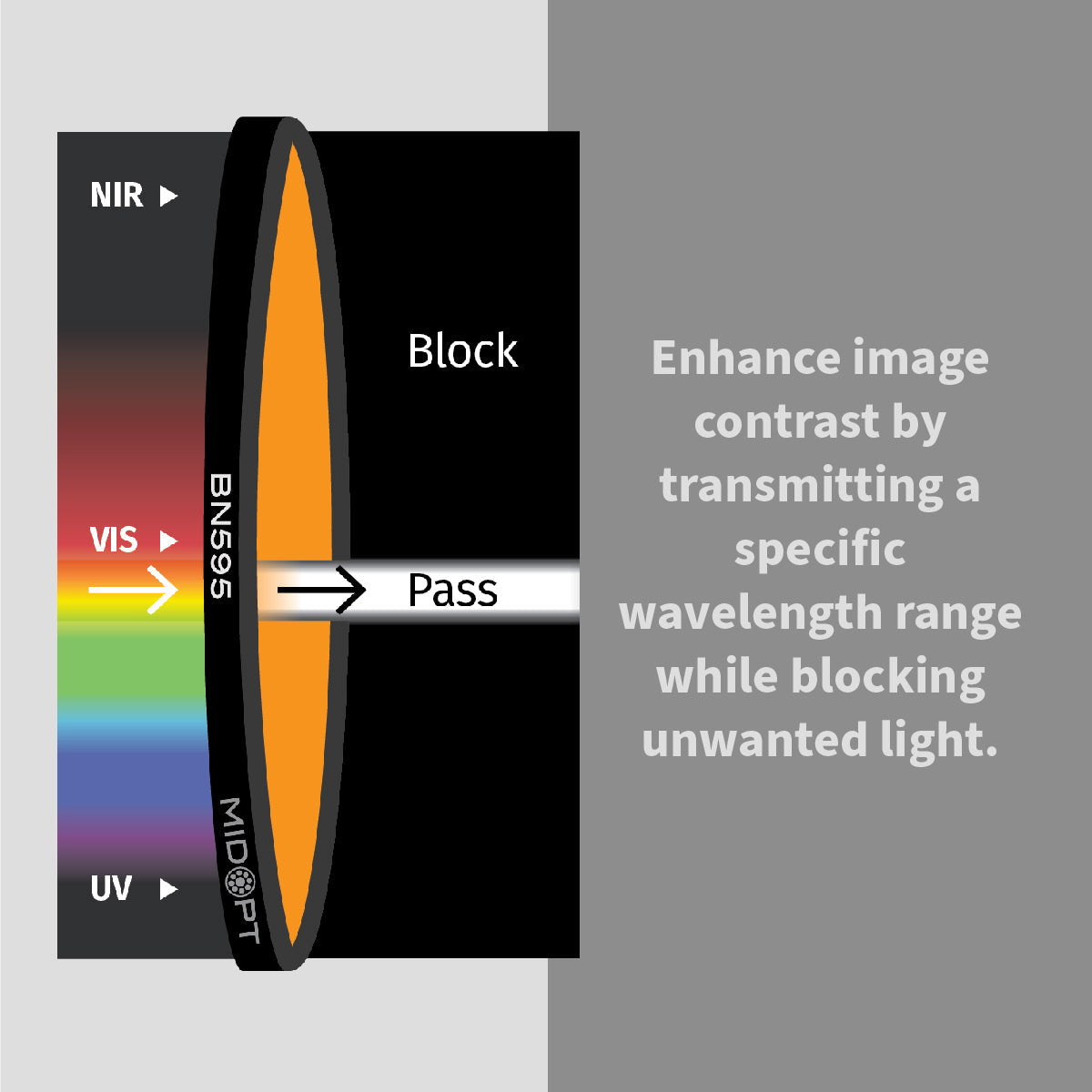
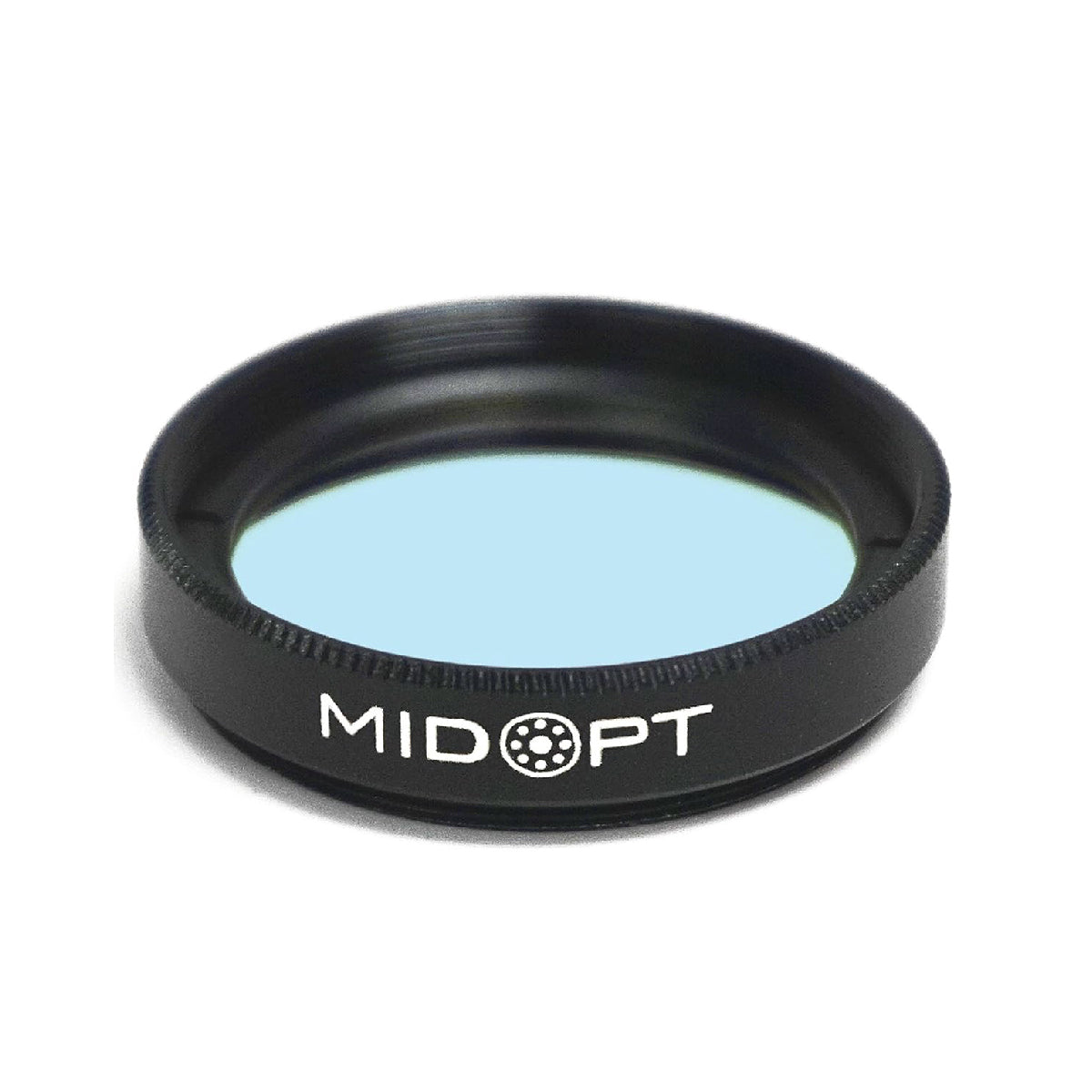
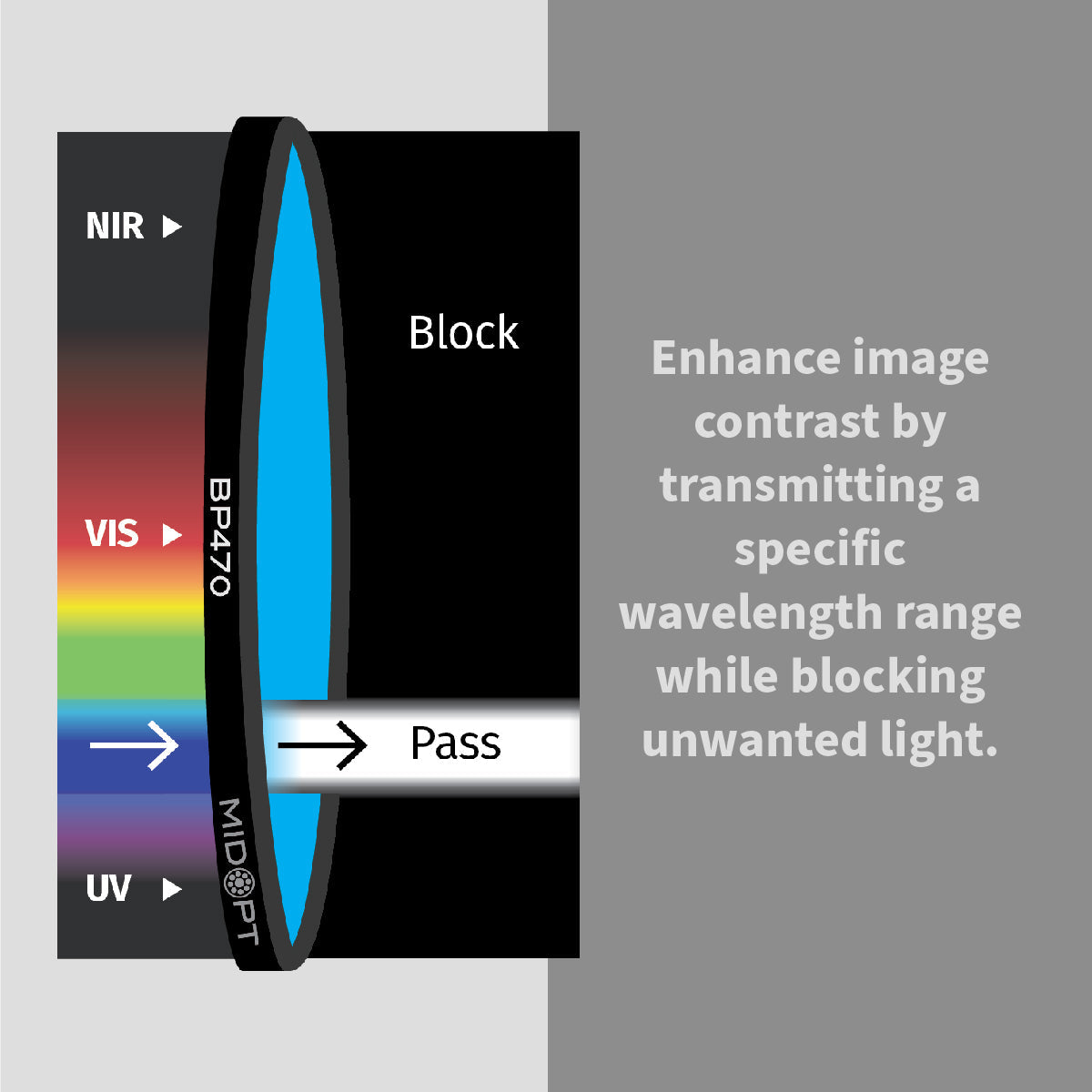
Optical filters improve machine vision performance by selectively transmitting specific wavelengths of light while blocking unwanted wavelengths. This creates greater contrast between the product and its background, making defects and differences easier for inspection software to identify.
For example, when inspecting fruits or vegetables, a properly selected bandpass filter can enhance the contrast between healthy and discolored areas. This allows automated sorting equipment to more consistently identify products that do not meet quality requirements.
Bandpass Filters for Color-Based Food Sorting
Color is one of the most important characteristics used in automated food quality inspection. Differences in color can indicate ripeness, discoloration, bruising or other visible defects.
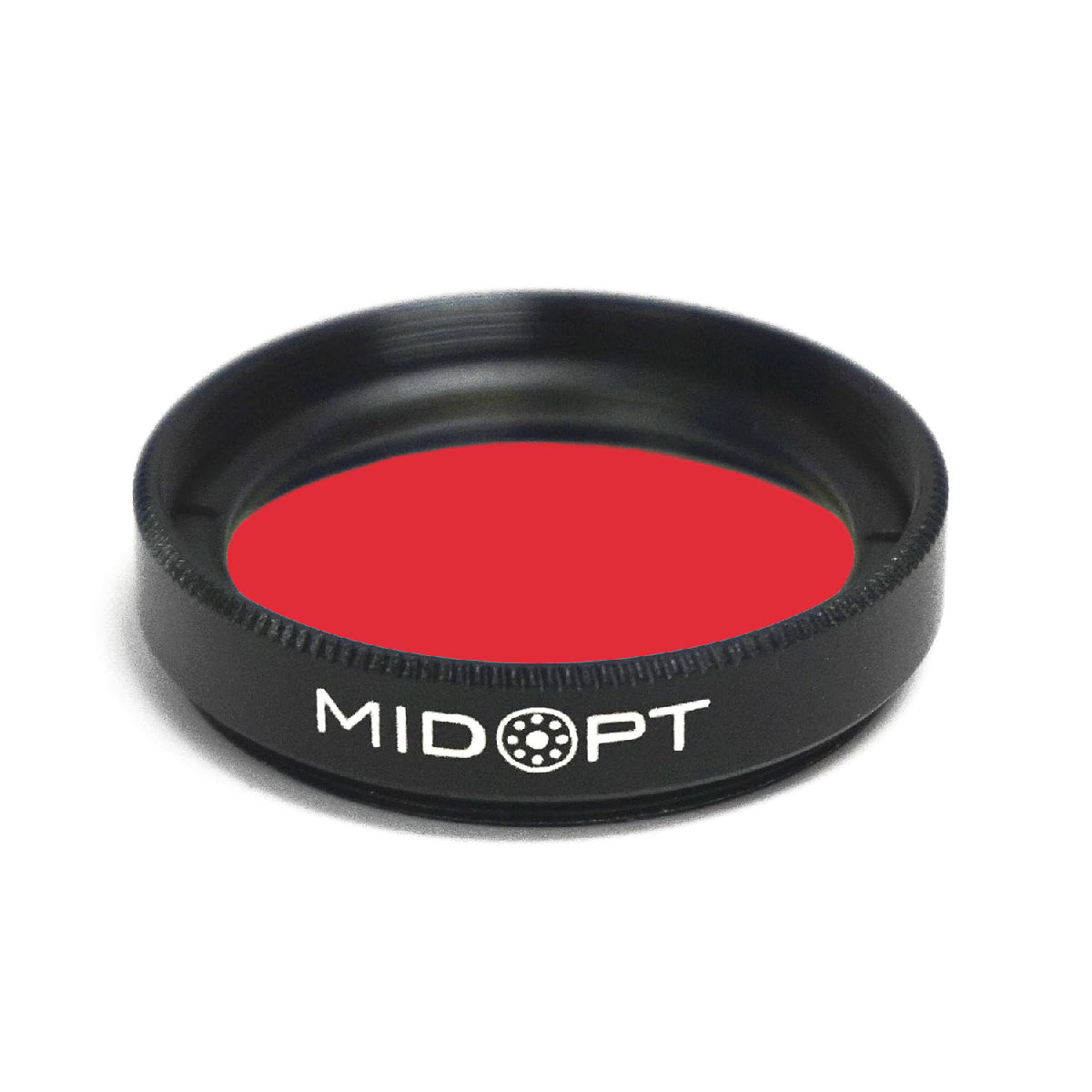
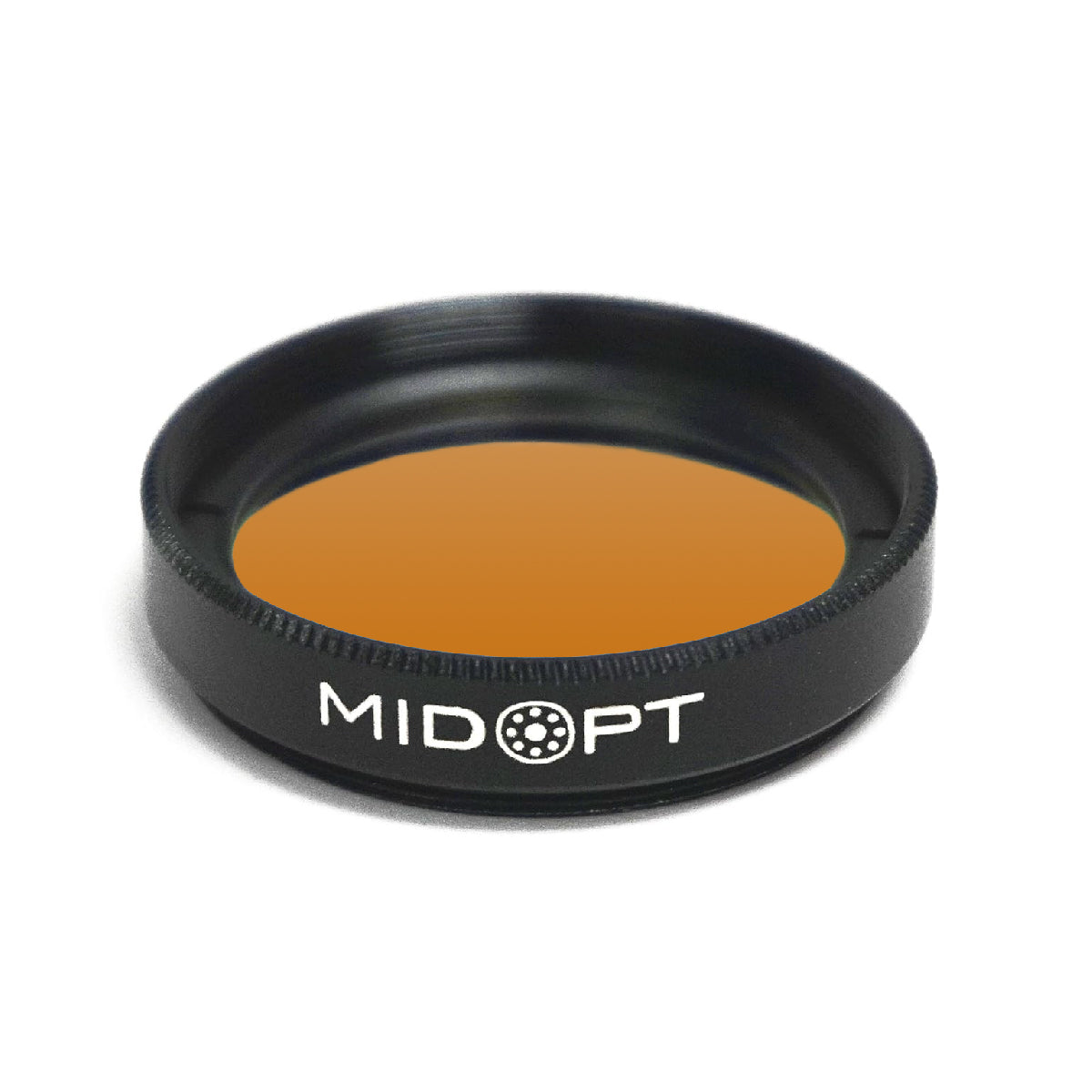
Bandpass optical filters allow a selected range of wavelengths to reach the camera sensor while blocking other wavelengths. When paired with corresponding LED illumination, these filters help isolate specific color characteristics and improve image contrast.
Applications include:
- Fruit and vegetable sorting: identifying color variations associated with ripeness, discoloration or visible surface damage
- Grain and seed inspection: Distinguishing products with different colors or surface characteristics.
- Nut sorting: Enhancing contrast between acceptable products and discolored or damaged items.
-
Processed food inspection: Identifying inconsistent coloring, coating variations and visible product defects.
In some applications, a monochrome camera paired with a color bandpass filter can provide greater contrast for a specific inspection task than a conventional color camera. By isolating the wavelengths most relevant to the product, the system can simplify image analysis and improve sorting consistency.
Near-Infrared Filters for Food Quality Inspection
Not all product defects are easily detected using visible light. Near-infrared (NIR) optical filters provide another approach to food sorting and quality control by allowing machine vision systems to examine differences in how materials reflect or absorb infrared wavelengths.
Certain materials that appear similar under visible illumination may exhibit different reflectance characteristics in the NIR spectrum. This makes NIR machine vision inspection useful for distinguishing materials and identifying differences that are difficult to observe with standard color imaging.
Potential applications include:
- Detecting certain foreign materials in food processing lines.
- Separating agricultural products based on differences in spectral reflectance.
- Improving contrast between food products and conveyor backgrounds.
- Identifying selected surface characteristics in fruits, vegetables and grains.
- Supporting agricultural inspection and automated sorting applications.
For example, an 850nm NIR bandpass filter paired with compatible infrared LED illumination can enhance contrast between materials with different NIR reflectance properties.
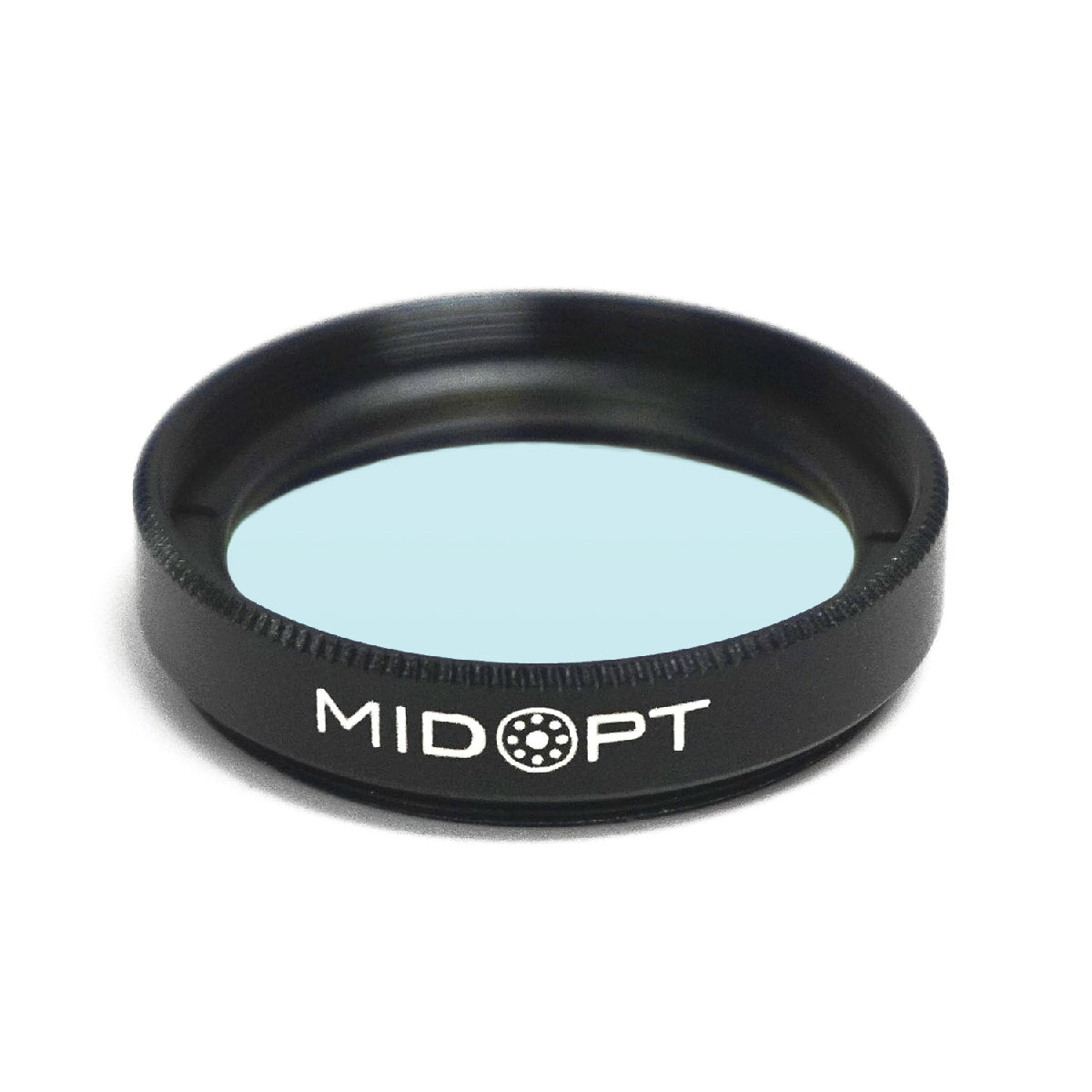
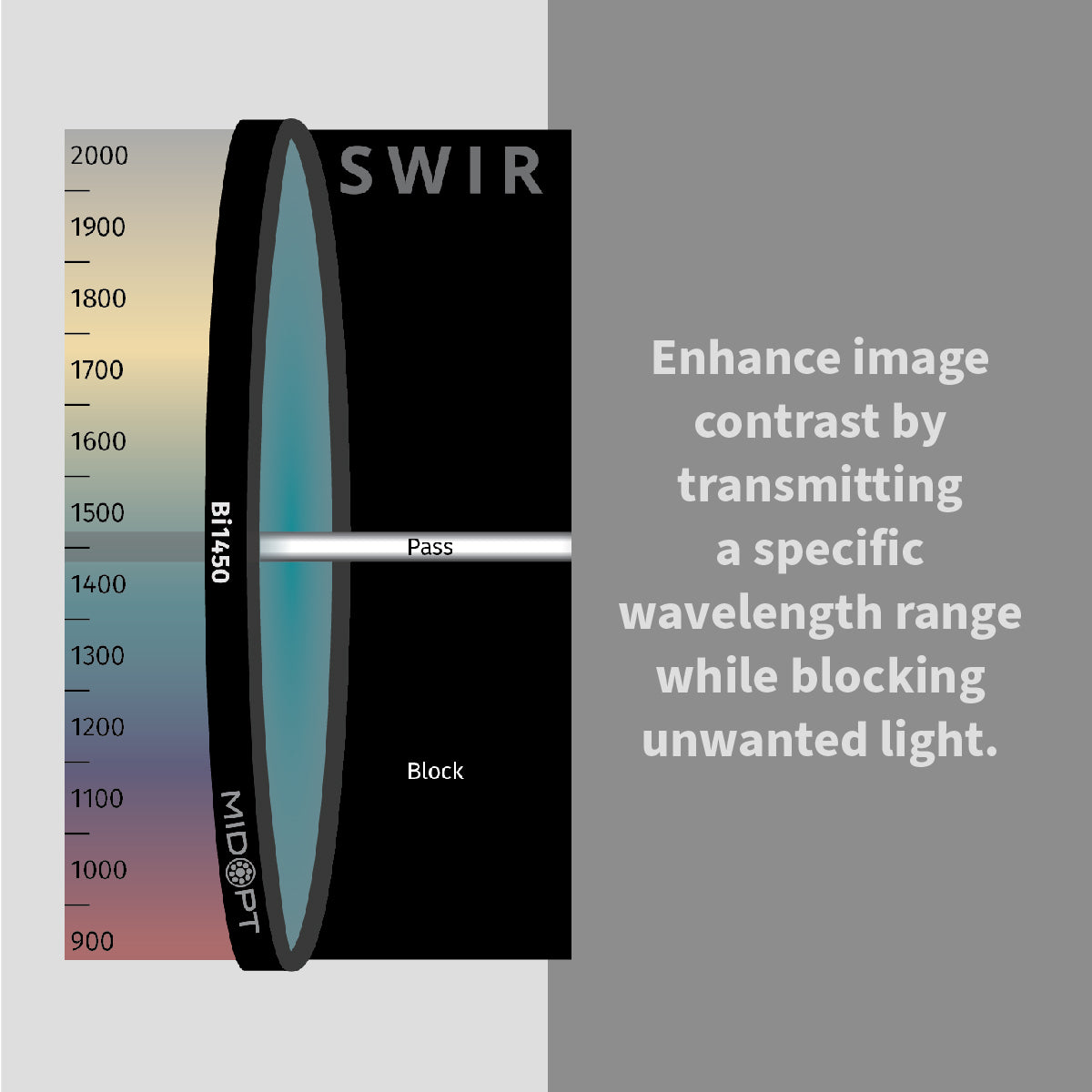
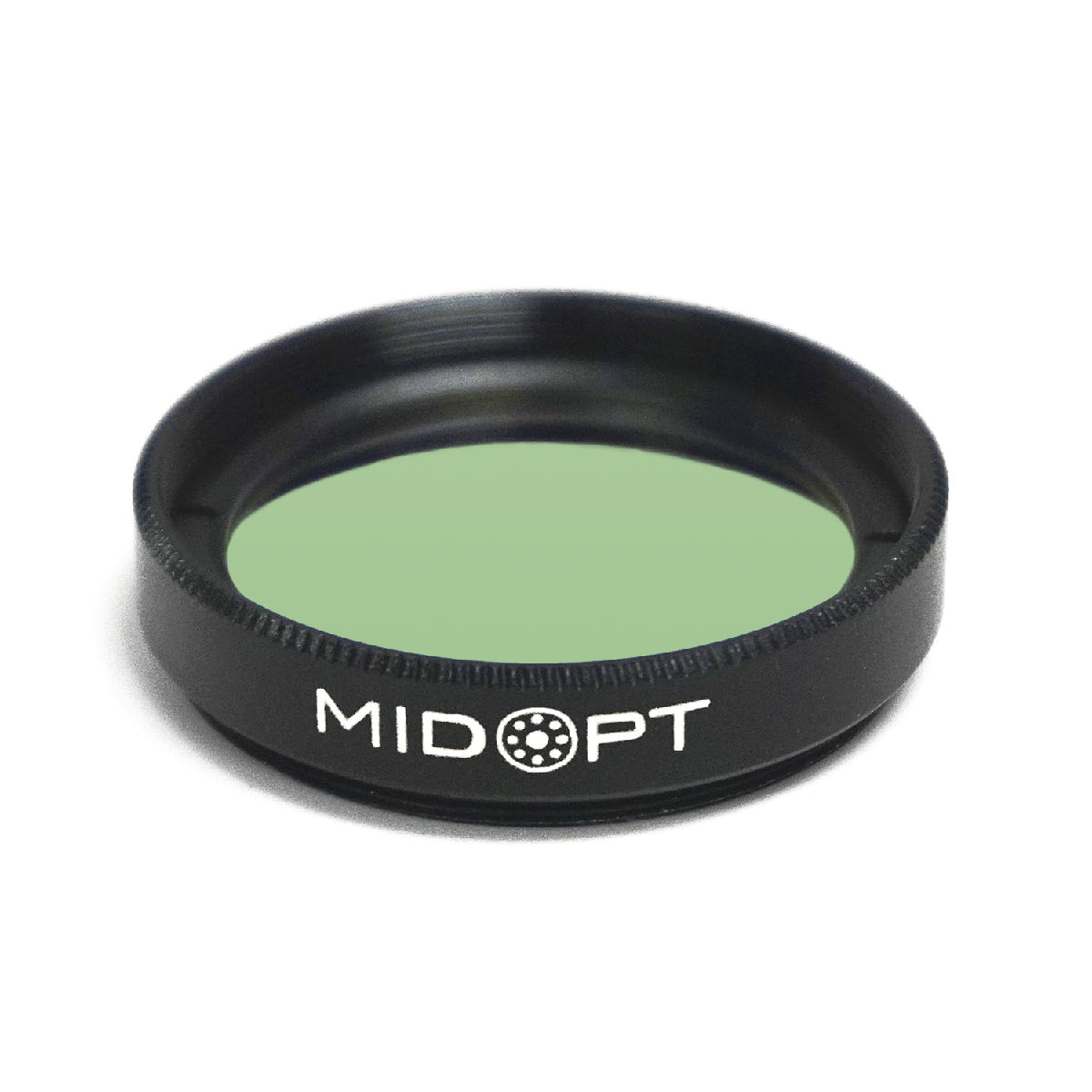
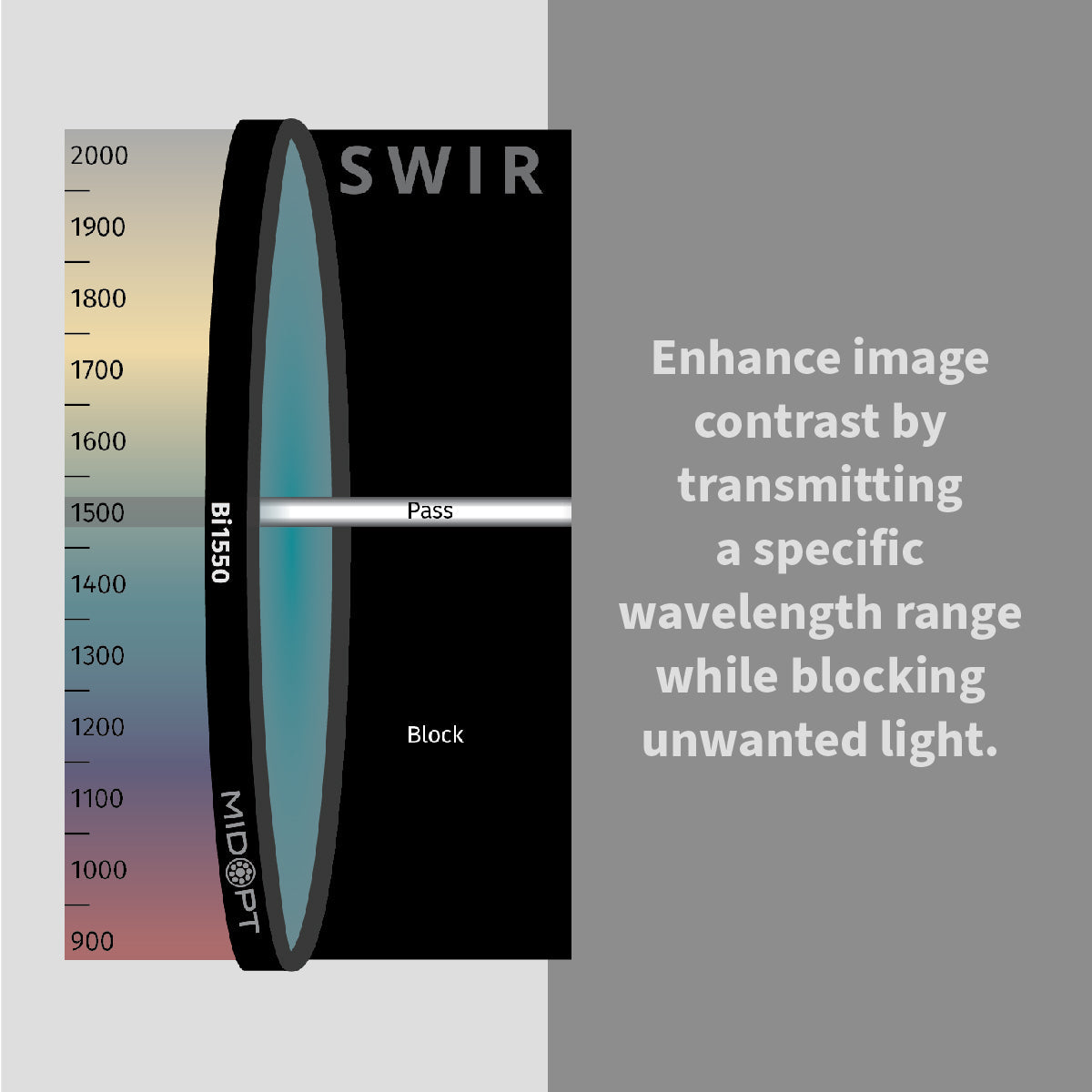
The effectiveness of NIR inspection depends on the specific product, defect and wavelength. For applications involving internal characteristics or moisture analysis, additional spectral imaging technologies, including short-wave infrared (SWIR), may be necessary.
Polarizing Filters for Reducing Glare on Food Products
Reflections and glare are common challenges in food processing machine vision systems, particularly when inspecting wet, glossy or packaged products. Fresh produce, moist food surfaces, plastic packaging and reflective conveyor components can create bright spots that obscure important product details.
Polarizing optical filters help reduce unwanted reflections, allowing cameras to capture clearer images with improved surface contrast. When used with appropriately positioned polarized lighting, polarizing filters can help:
- Reduce glare from wet fruits and vegetables.
- Improve visibility of surface texture and imperfections.
- Minimize reflections from plastic food packaging.
- Enhance contrast when inspecting glossy or reflective products.
- Improve consistency in automated quality control imaging.
Cross-polarization techniques, which use polarizers on both the illumination source and camera lens, can be particularly effective at reducing specular reflections. By minimizing glare, machine vision systems can more accurately evaluate product surfaces without interference from excessive reflected light.
Fluorescence Imaging for Detecting Food Contamination
Fluorescence imaging provides another valuable inspection technique for certain food safety and quality control applications.
Some substances emit visible fluorescence when exposed to ultraviolet (UV) illumination. By using optical filters to block the excitation light while transmitting the fluorescence signal, machine vision systems can make these substances easier to identify.
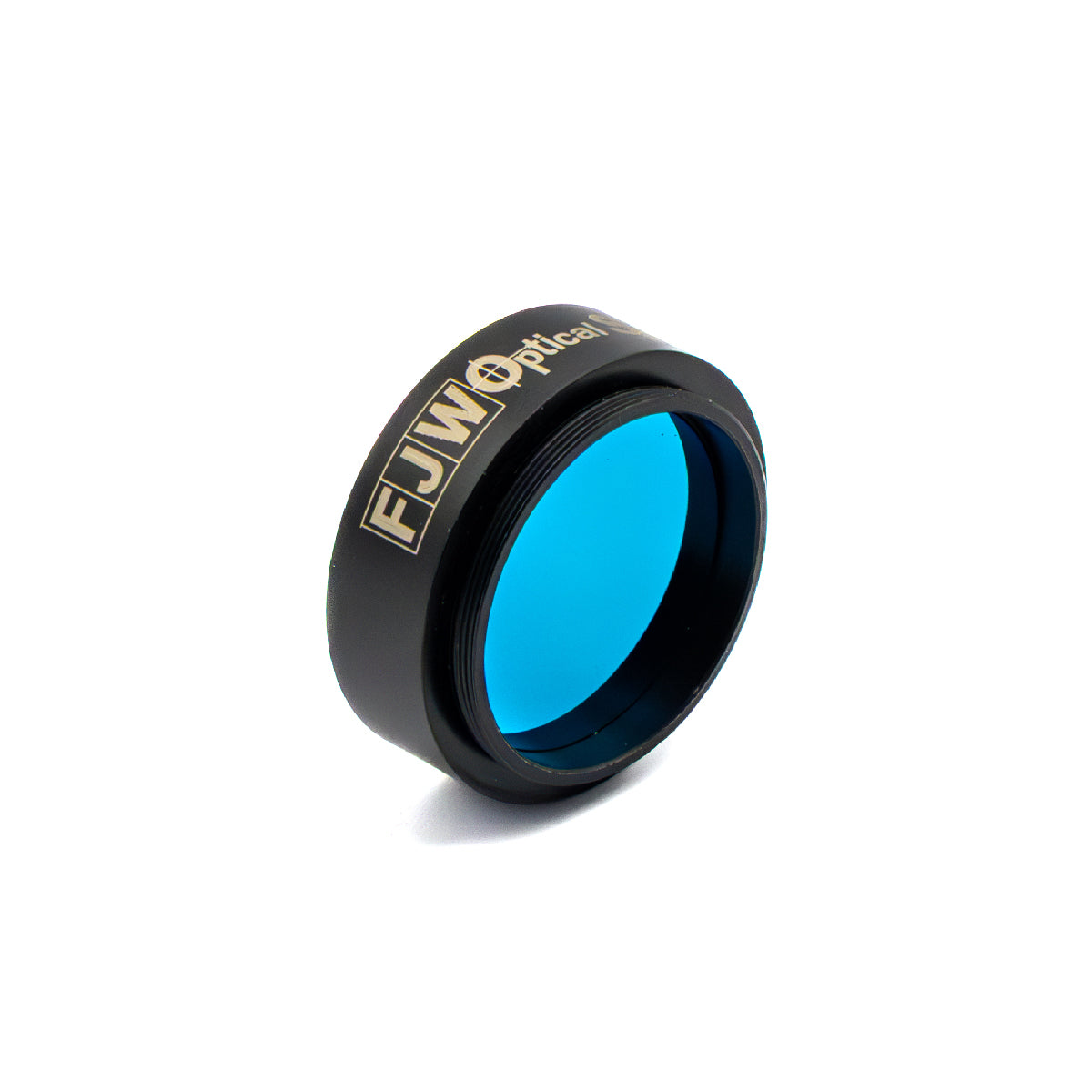
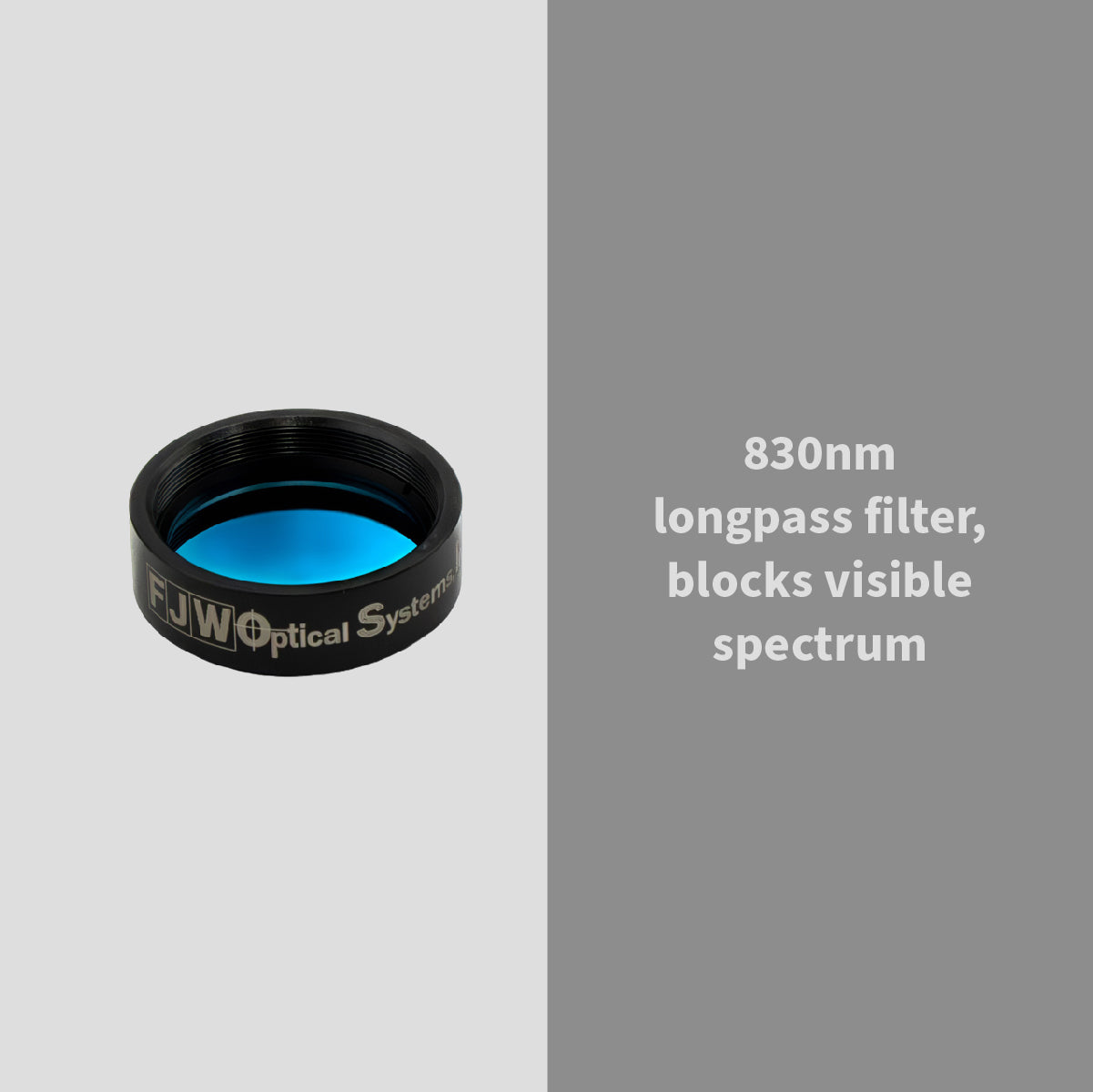
One example is the inspection of dried figs for potential aflatoxin-related fluorescence. Under appropriate UV illumination, certain fluorescent regions can become more visible when a longpass optical filter blocks the UV excitation light and allows the emitted visible light to reach the camera.
Longpass filters for fluorescence imaging can help enhance contrast between fluorescent materials and surrounding food surfaces. Potential applications include identifying fluorescent residues, examining selected contaminants and supporting specialized food quality inspection processes.
However, fluorescence alone does not conclusively identify or quantify contamination. These systems require application-specific validation and, when appropriate, confirmatory testing.
Protective Optical Windows for Food Processing Environments
Food processing facilities present demanding operating conditions for industrial imaging equipment. Moisture, cleaning procedures, airborne particles and product residue can affect camera performance and optical components.
Protective optical windows help shield machine vision lenses and sensors from environmental exposure while maintaining image quality. Optical-grade acrylic protective windows can be especially useful in food processing applications where glass is restricted or where minimizing the risk of glass contamination is important.
Depending on the application, protective windows may offer:
- Impact-resistant materials for demanding inspection environments.
- Anti-reflection (AR) coatings to minimize unwanted reflections.
- Oleophobic coatings to resist oils and fingerprints.
- Lightweight alternatives to conventional glass windows.
- Custom sizes and mounting configurations for industrial cameras.
Material selection should account for the facility's food safety requirements, cleaning chemicals and operating conditions. Protective windows must be evaluated for suitability within the specific installation.
Choosing the Right Optical Filter for Food Inspection
Selecting the appropriate machine vision filter for food sorting depends on the inspection objective, lighting conditions, camera sensitivity and product characteristics.
For applications focused on visible color differences, bandpass filters can isolate specific wavelengths and improve contrast. Near-infrared filters may be more effective when materials exhibit differences in infrared reflectance.
Polarizing filters are often useful for inspecting wet or reflective surfaces, while longpass filters can support fluorescence-based inspection. Neutral density filters can also help control excessive illumination and prevent image saturation.
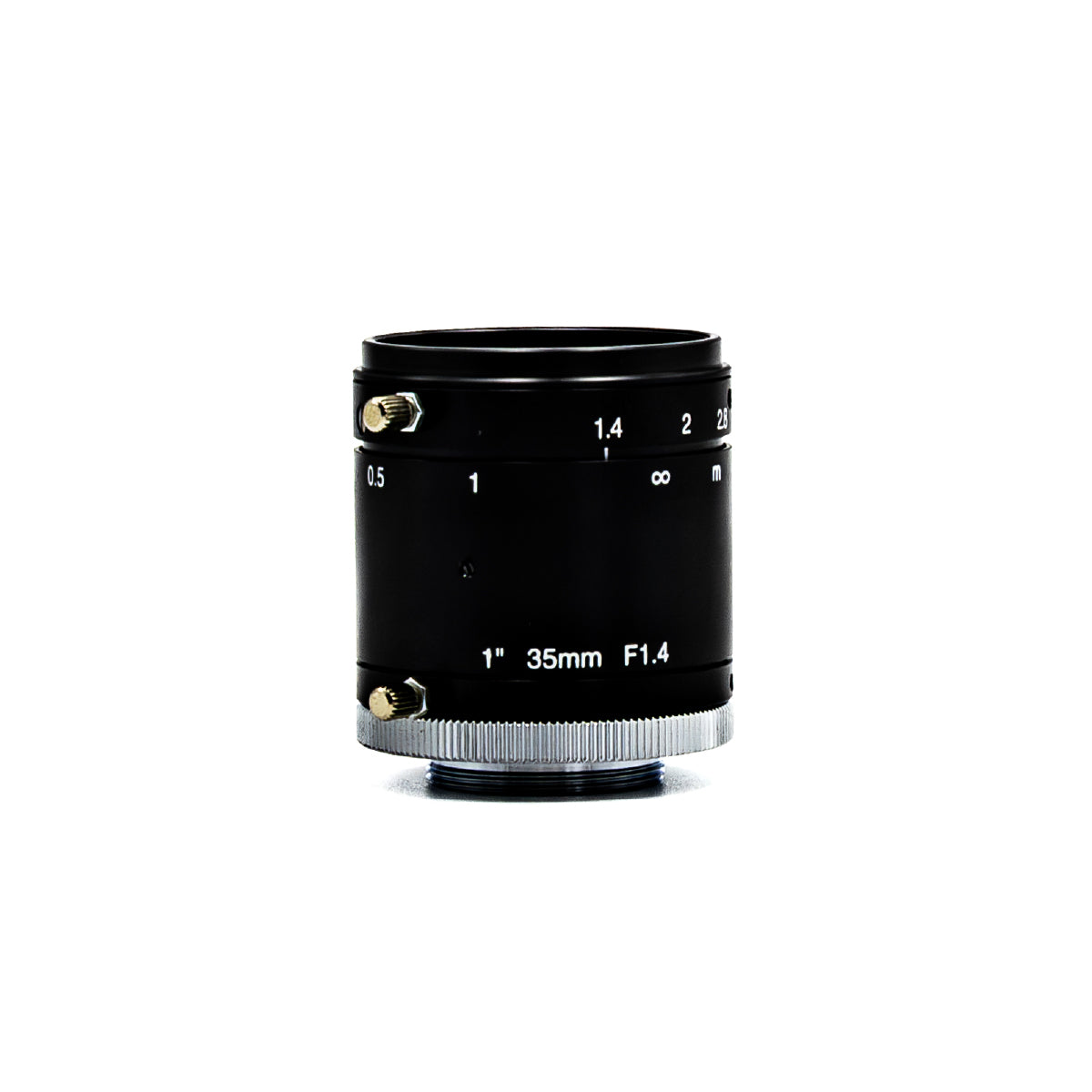
The relationship between the industrial camera, machine vision lens, LED lighting and optical filter is critical. A filter should be selected to complement the illumination wavelength and the camera sensor's spectral response.
Testing different wavelengths under actual production conditions helps determine which combination provides the best contrast, image stability and inspection reliability.
Improve Food Sorting Accuracy with FJW Optical Systems
As food manufacturers continue to invest in automation, optical filters for food sorting and quality inspection are an important component of reliable industrial imaging systems.
From enhancing color contrast and reducing glare to supporting near-infrared and fluorescence inspection, the right optical filter can help manufacturers improve product visibility, increase sorting consistency and reduce inspection errors.
At FJW Optical Systems, we offer a wide selection of machine vision components, including optical filters, industrial cameras, lenses, lighting and accessories for food processing, agricultural inspection and industrial automation applications.