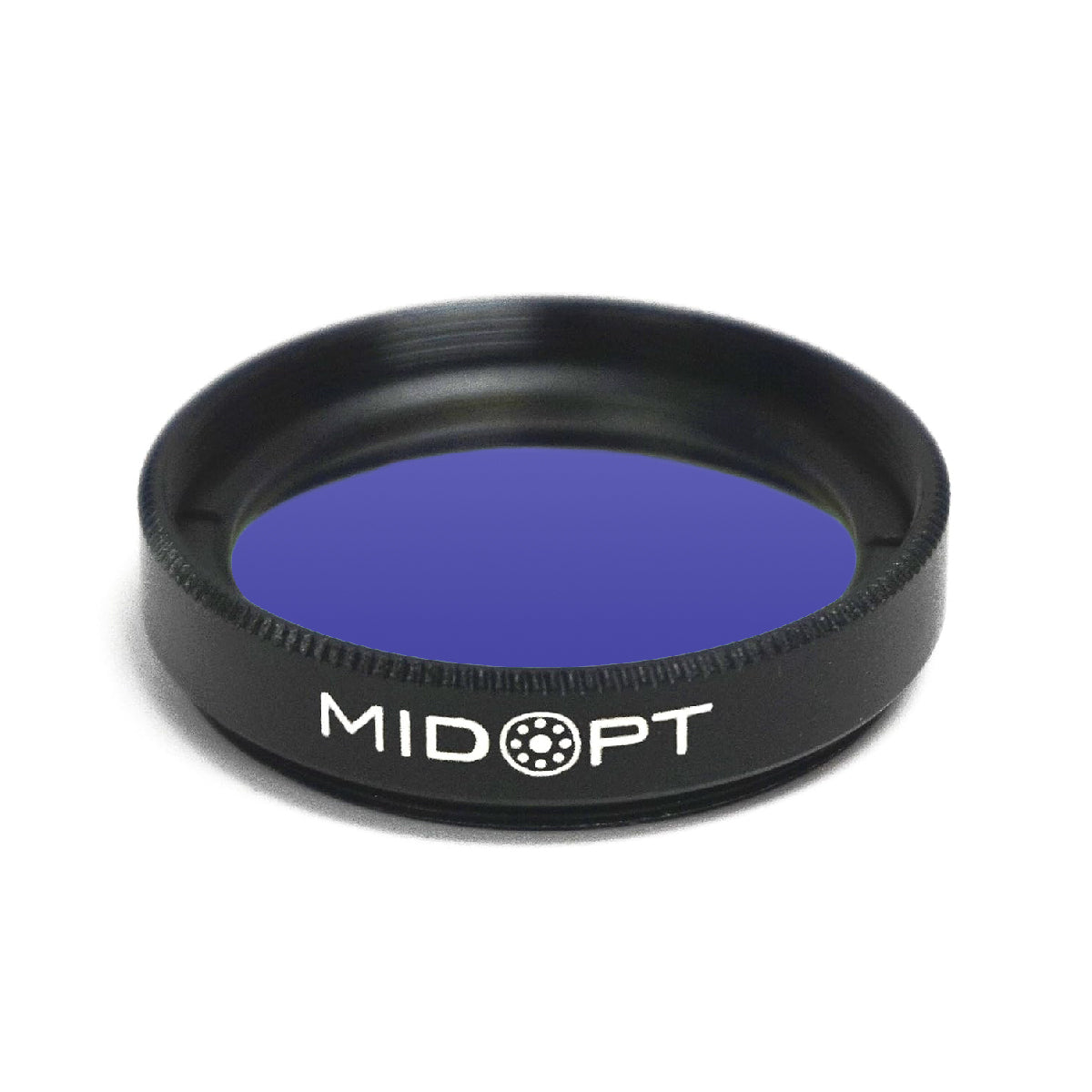
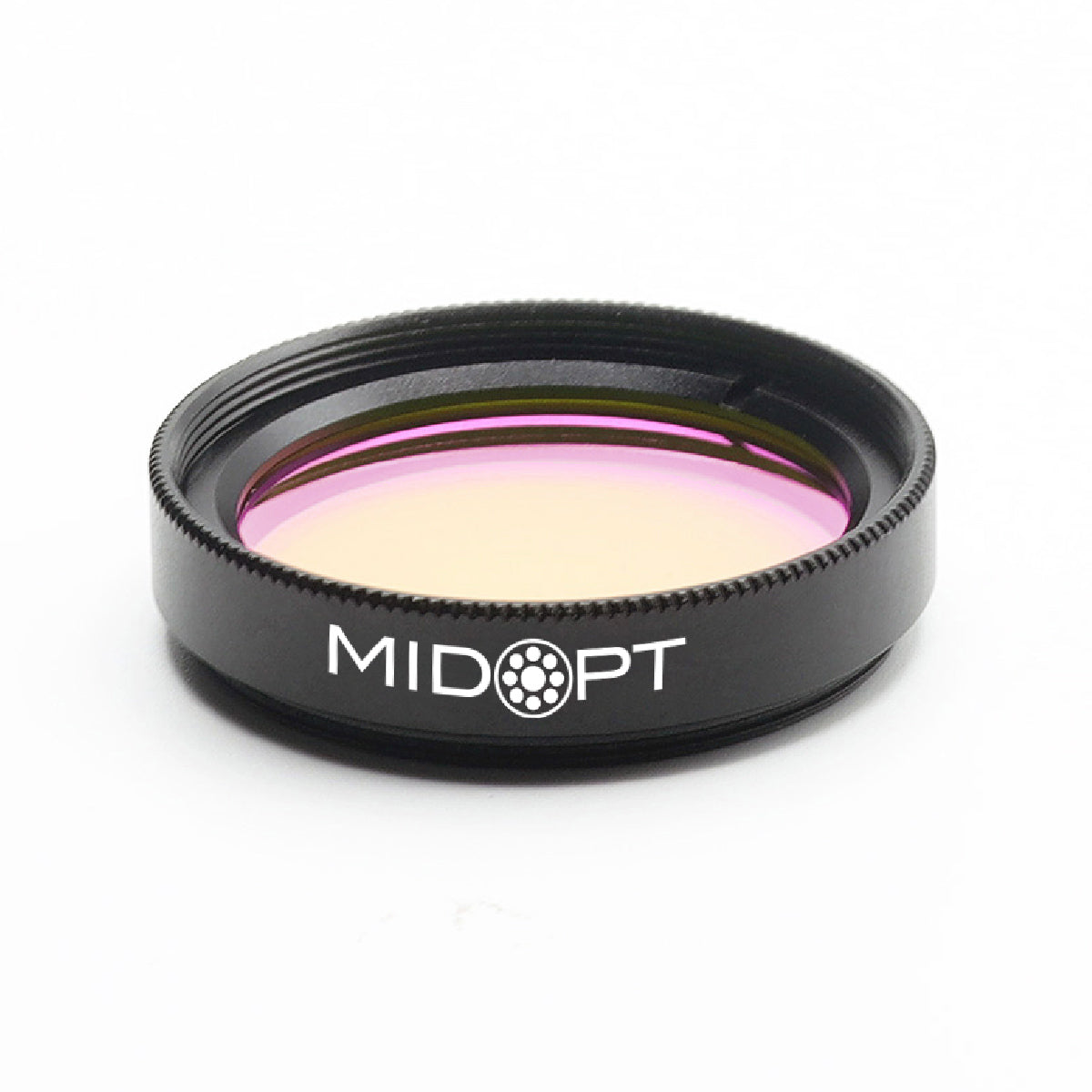
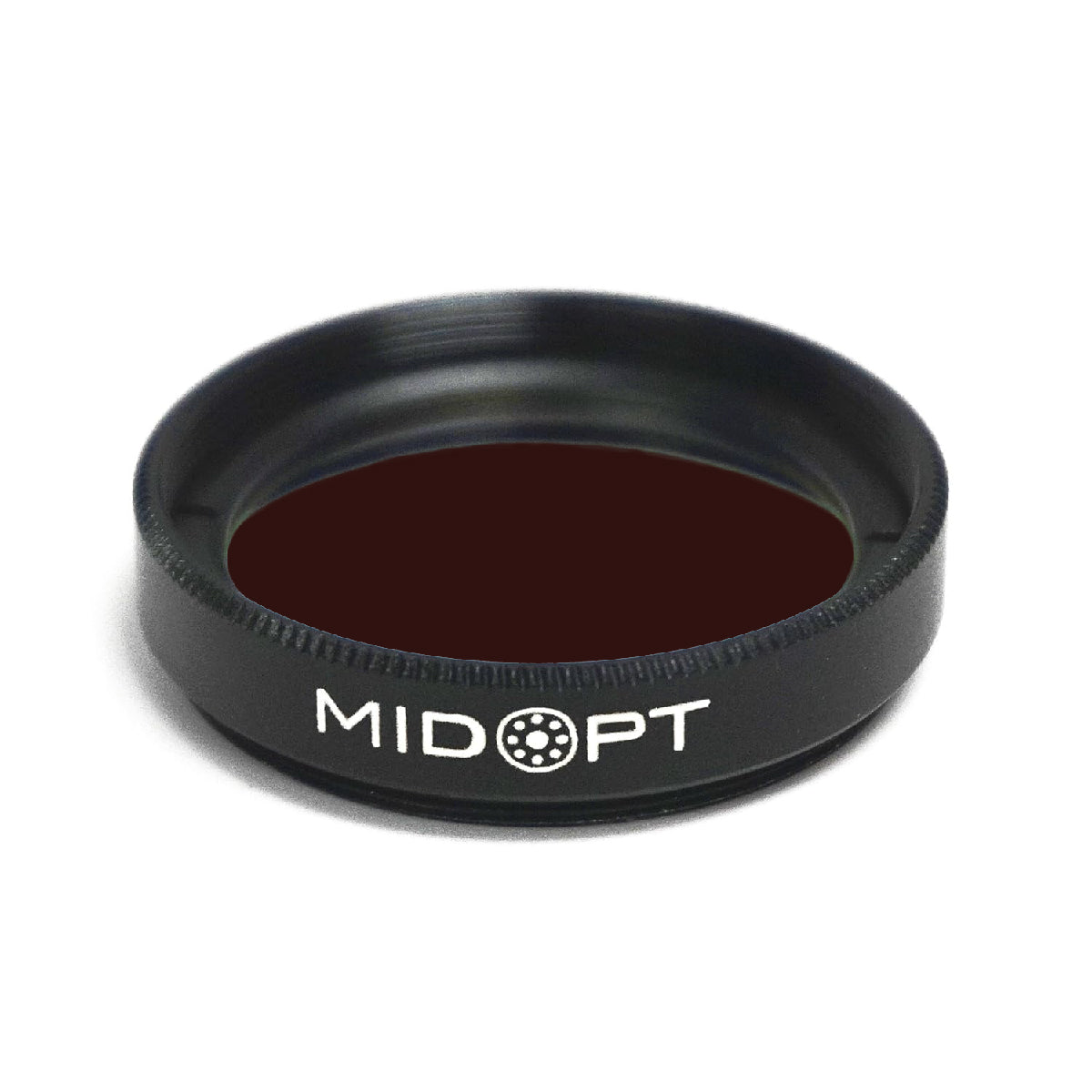
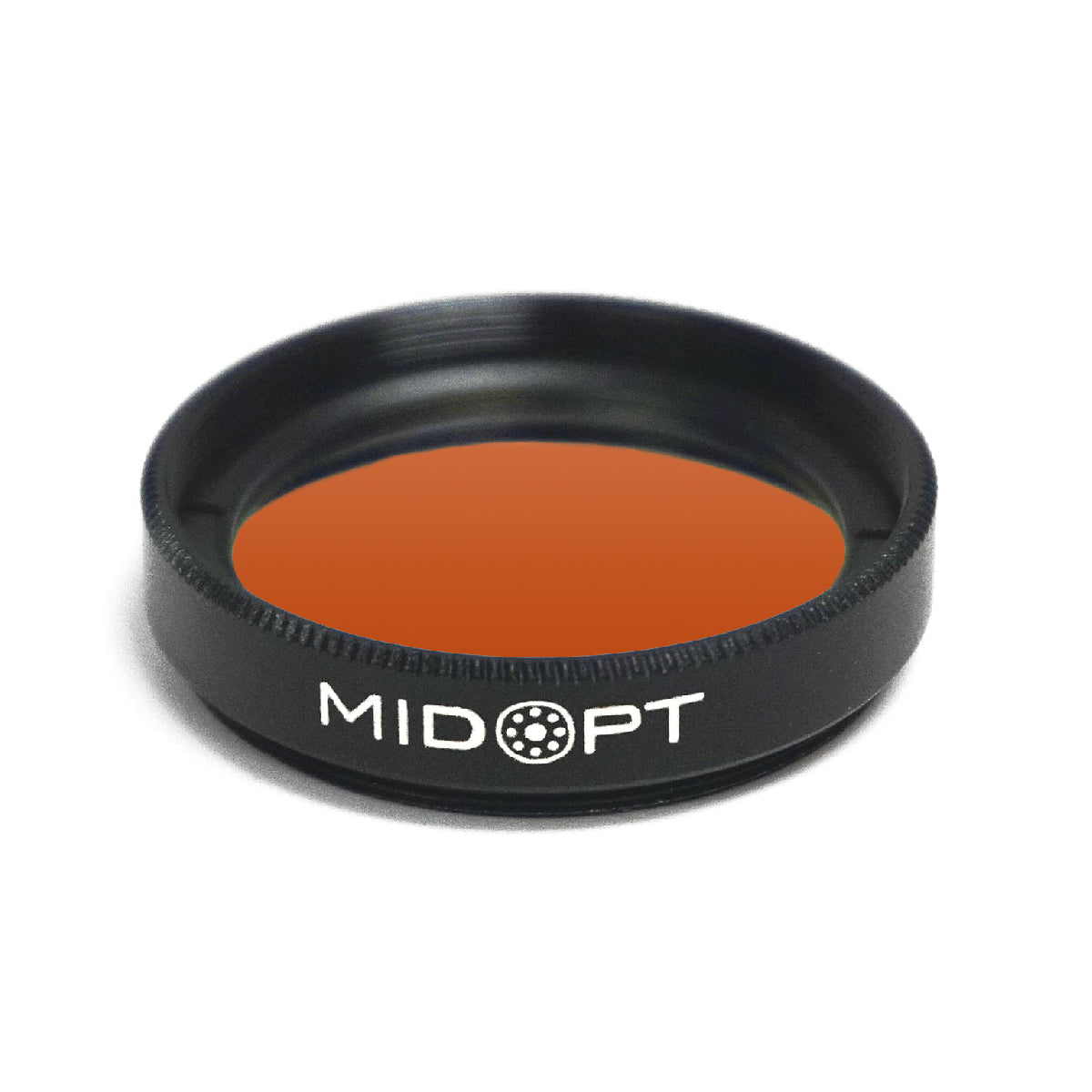
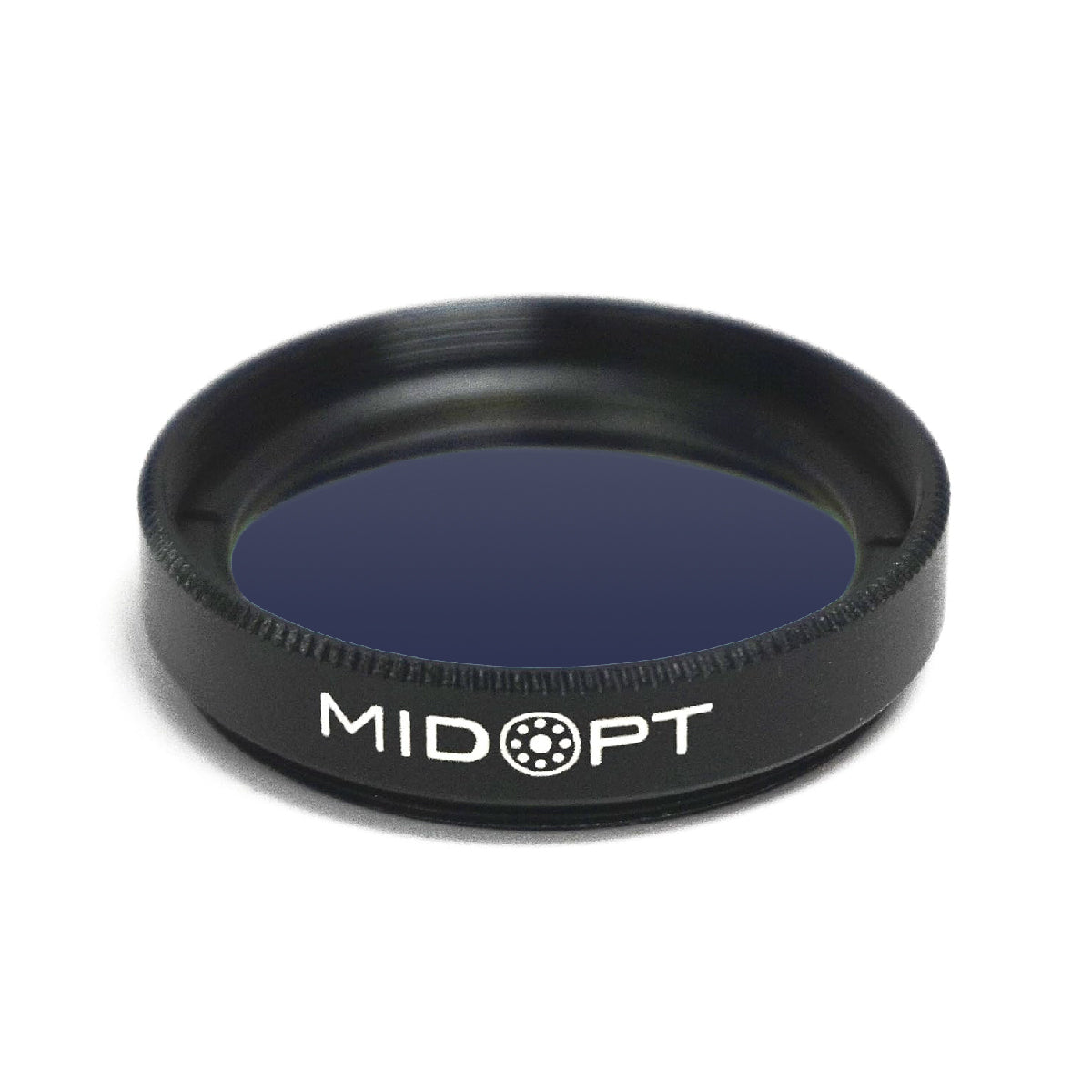
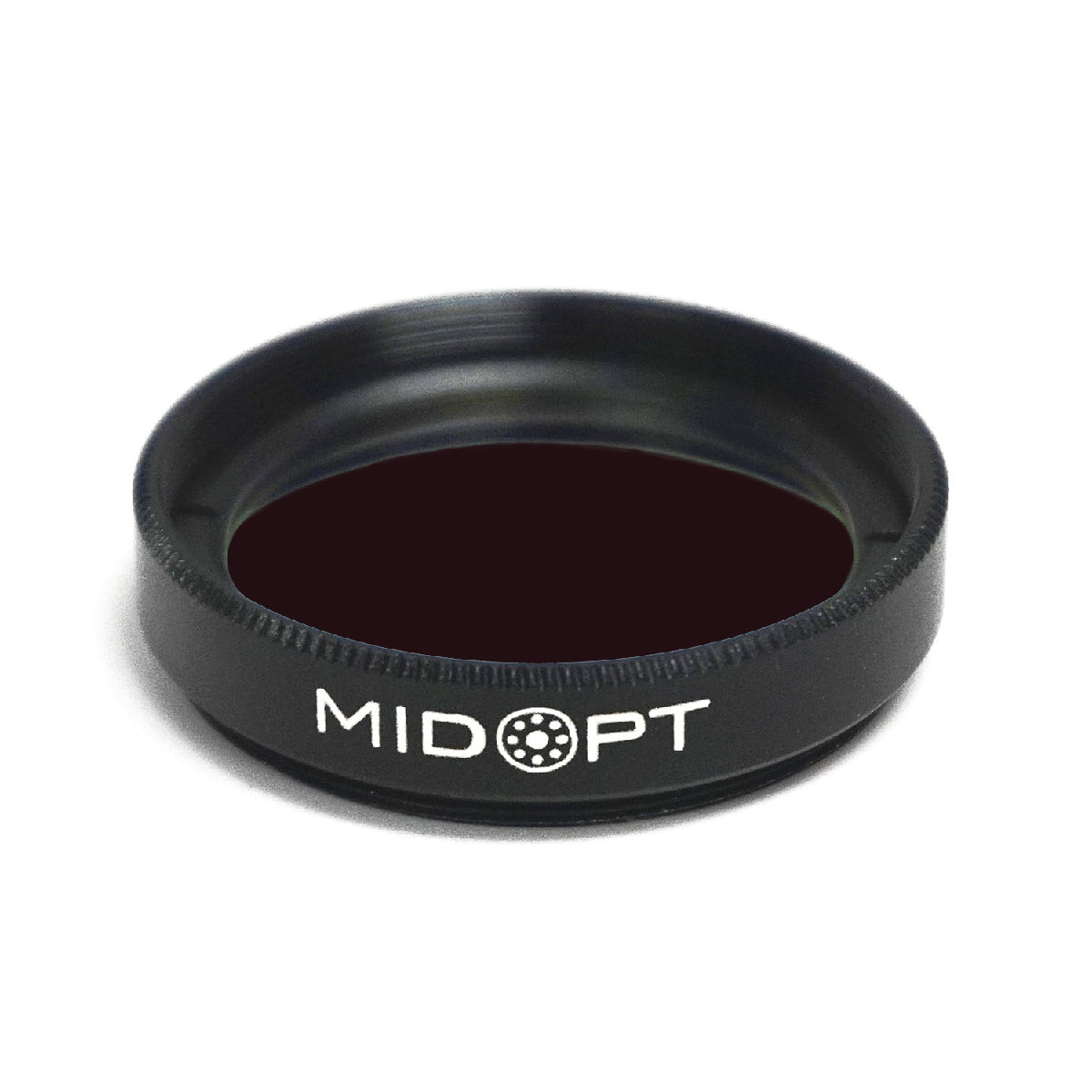
Bandpass Filters in Machine Vision
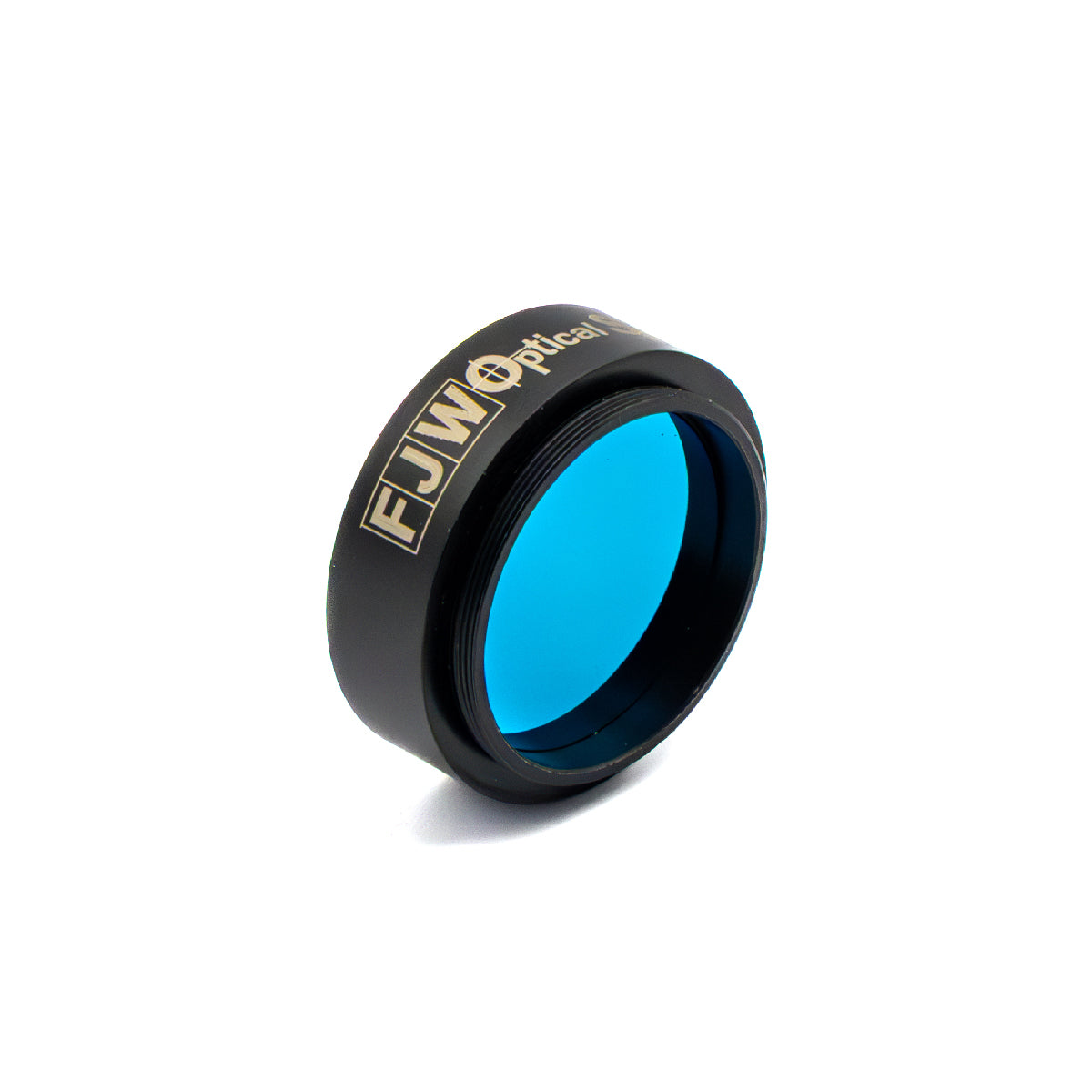
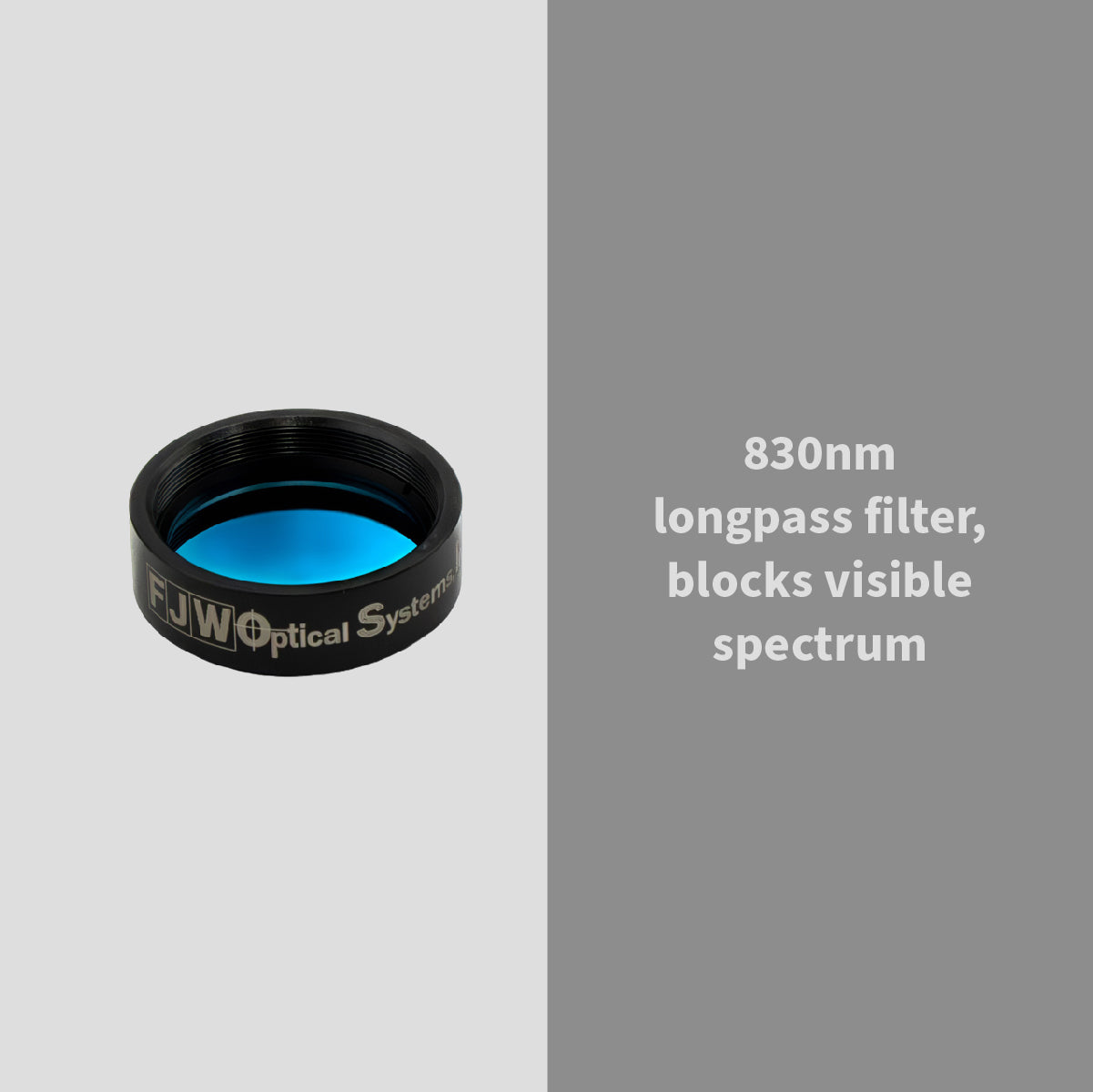
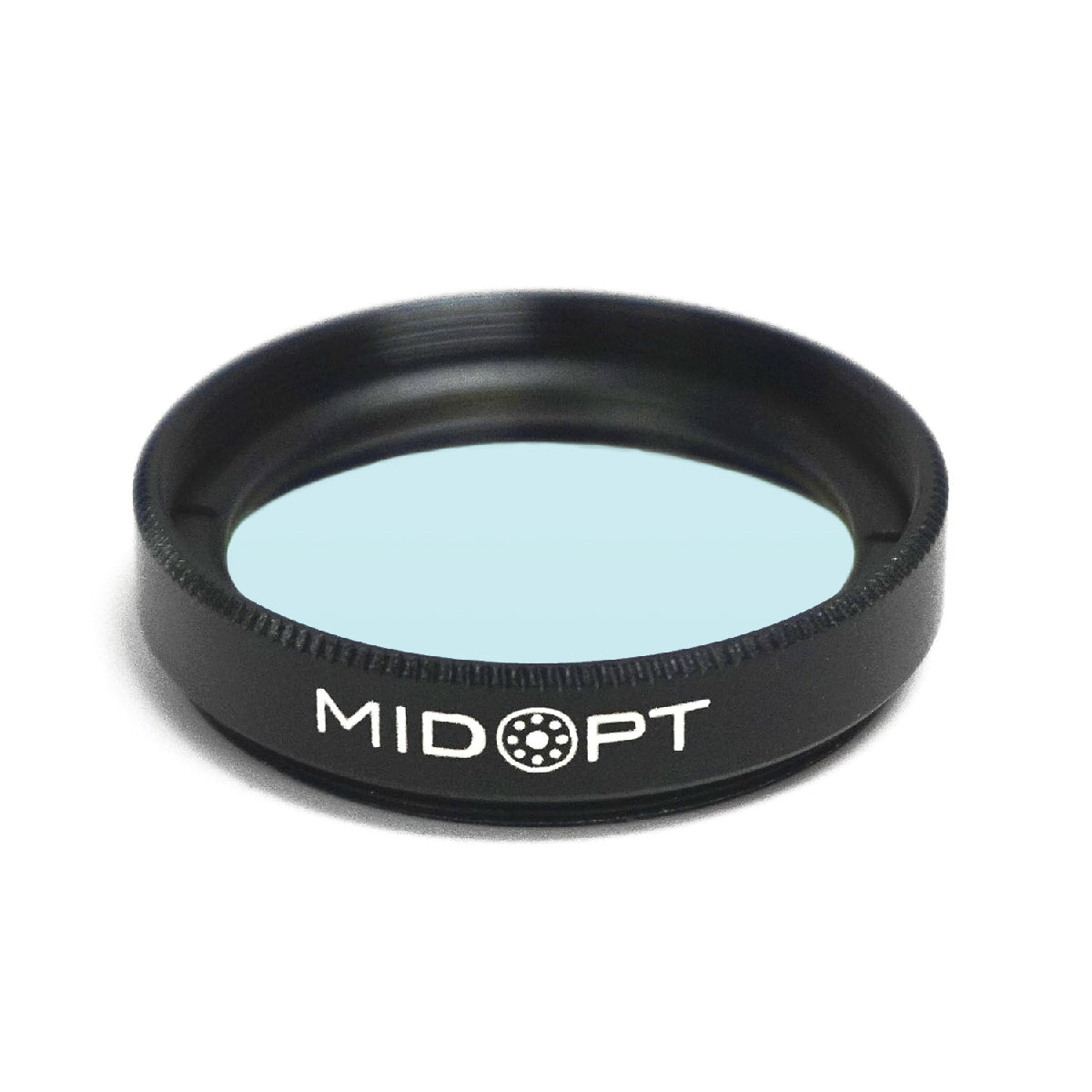
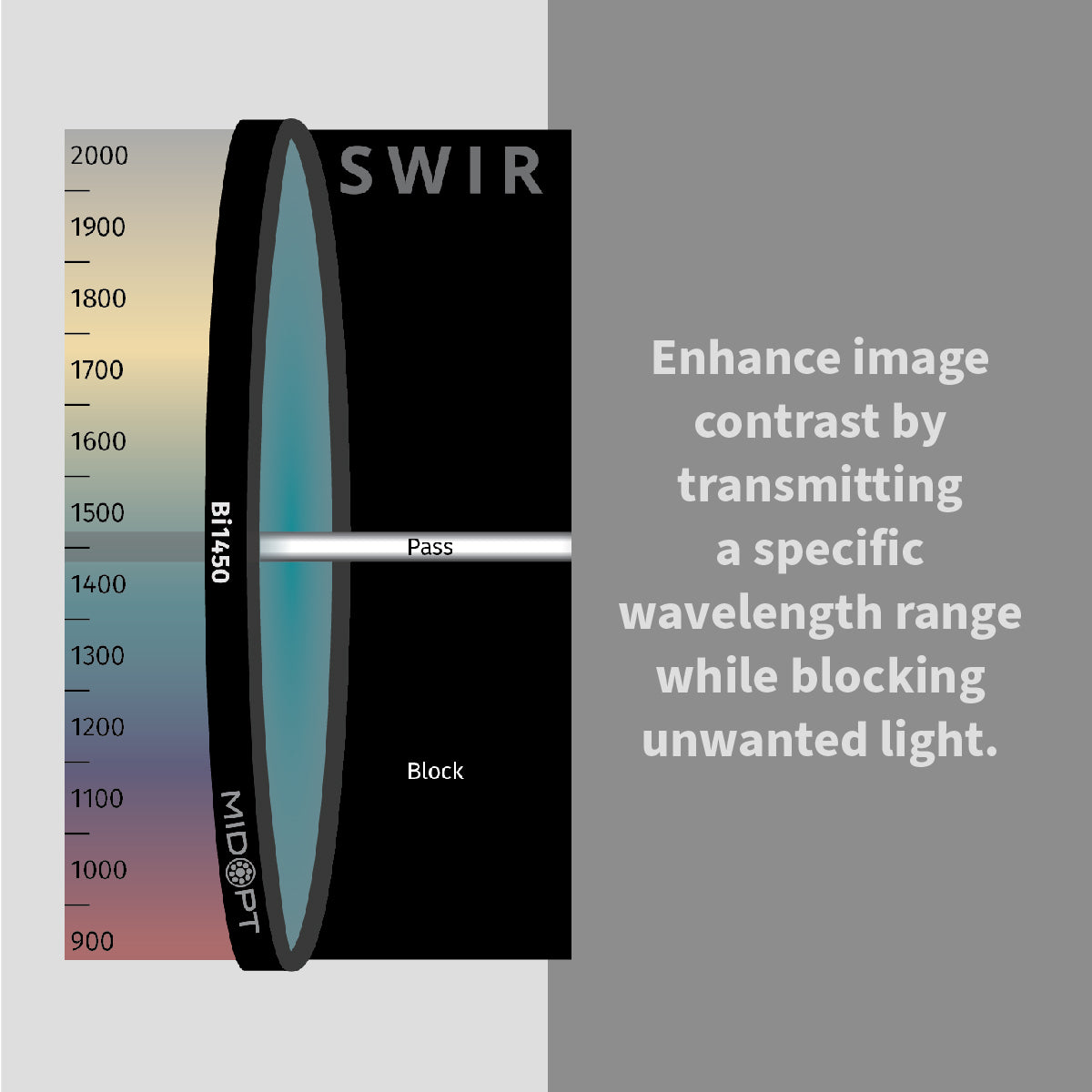
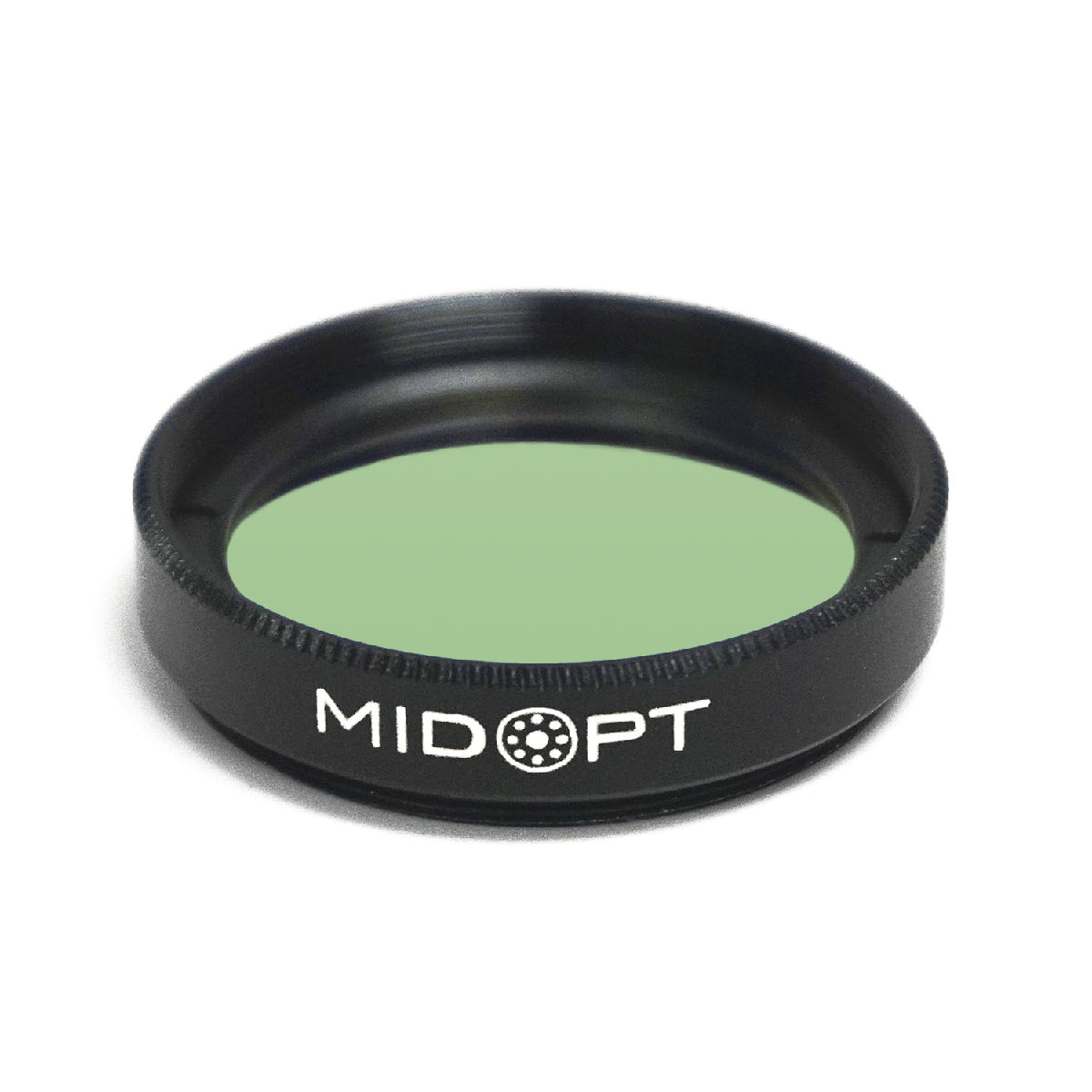
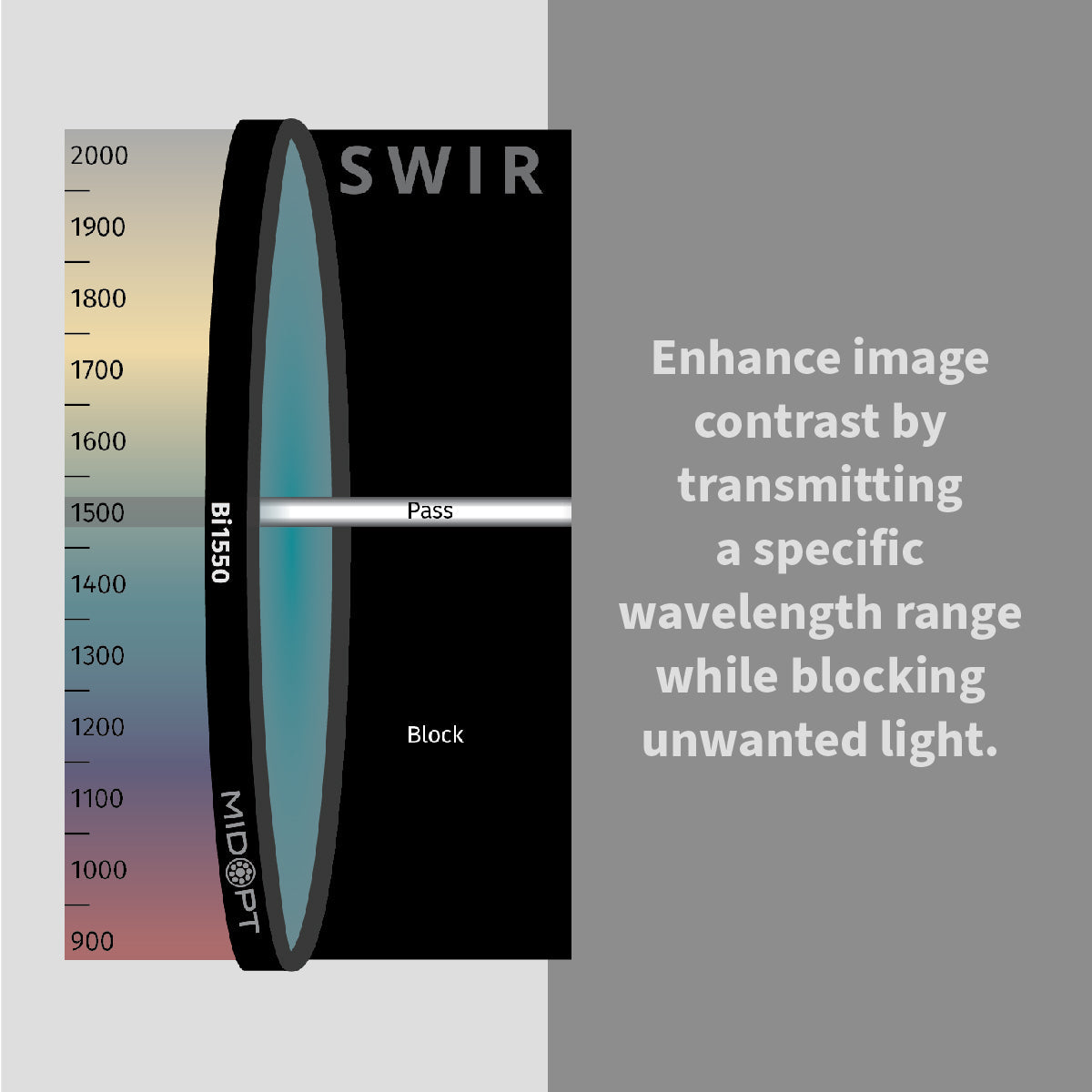
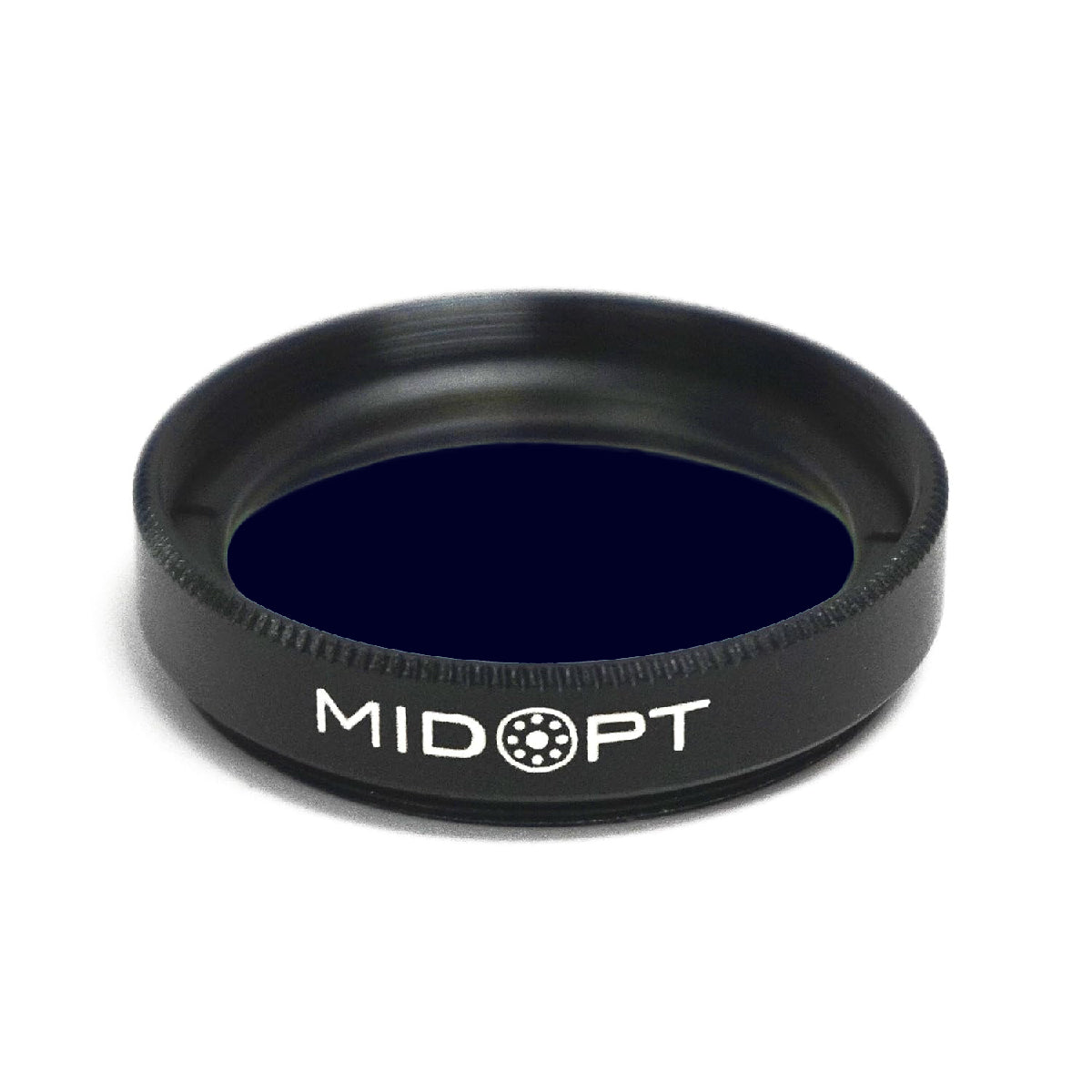
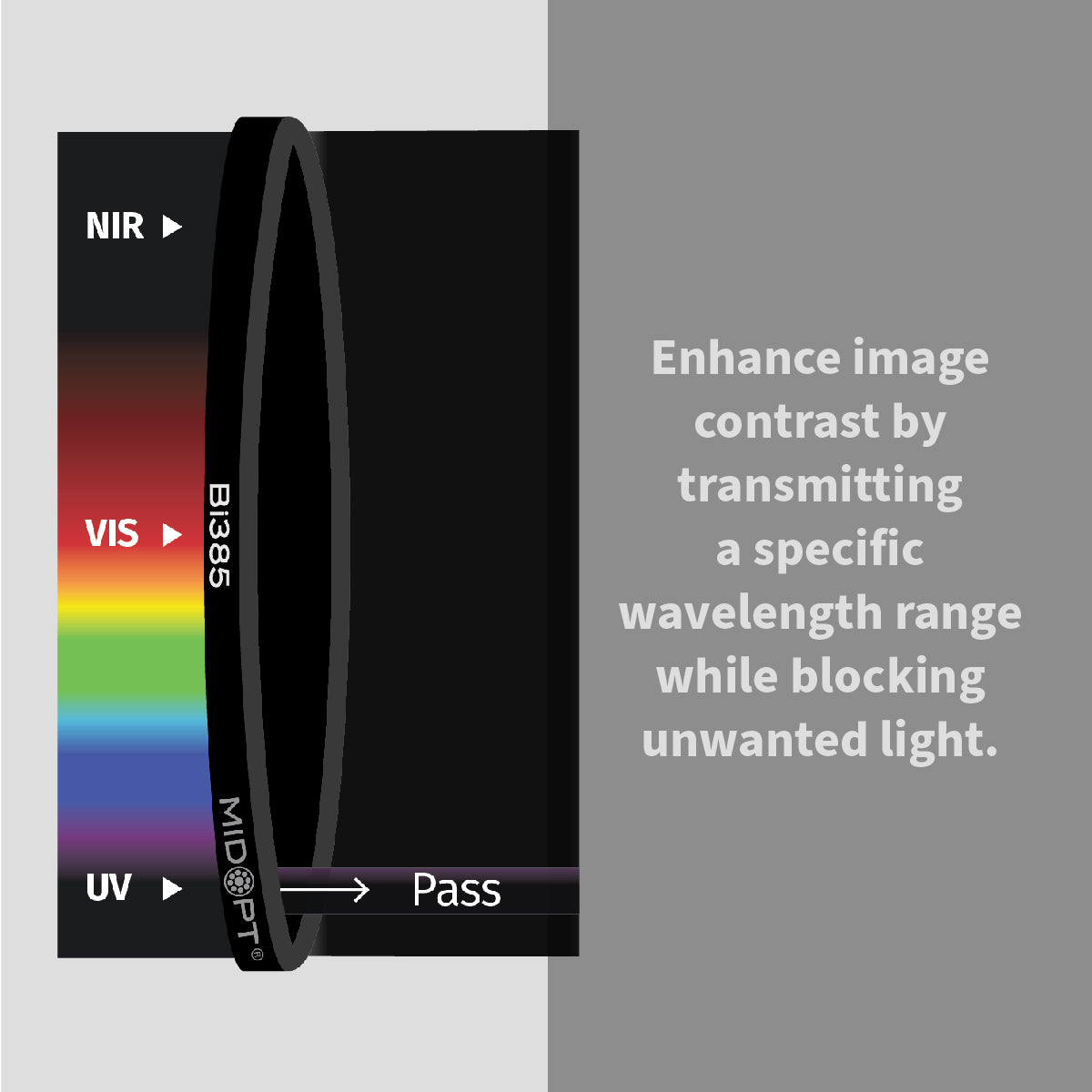
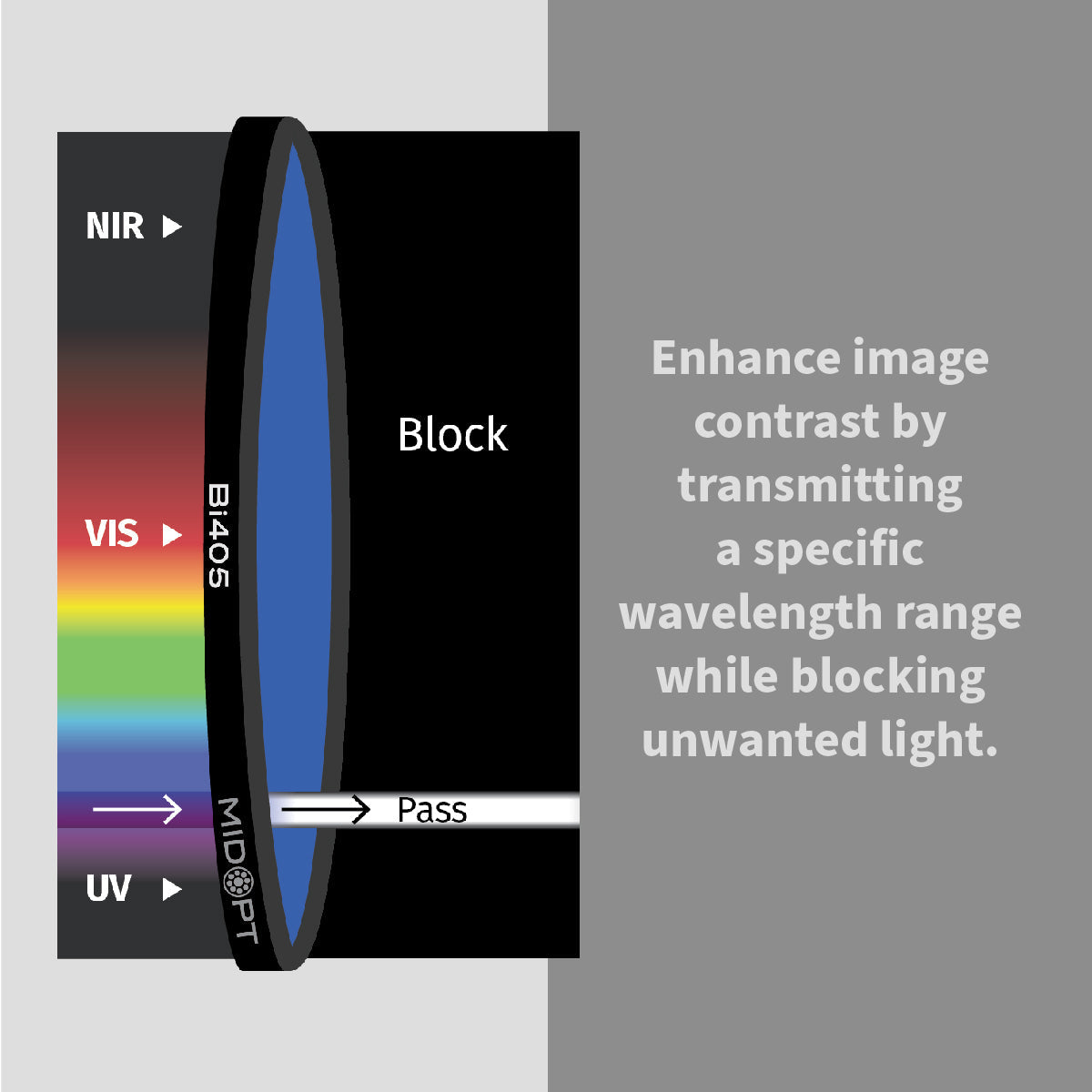
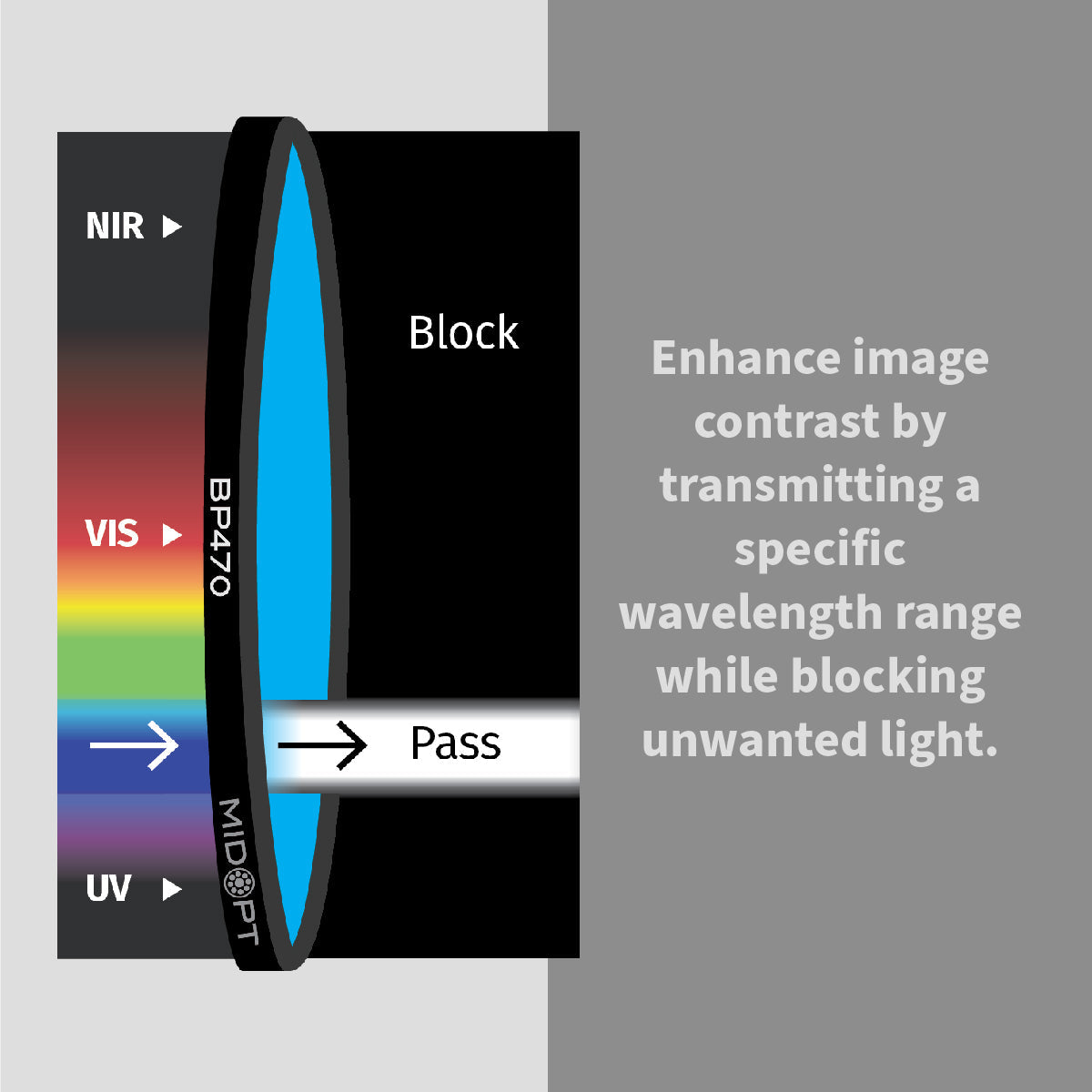
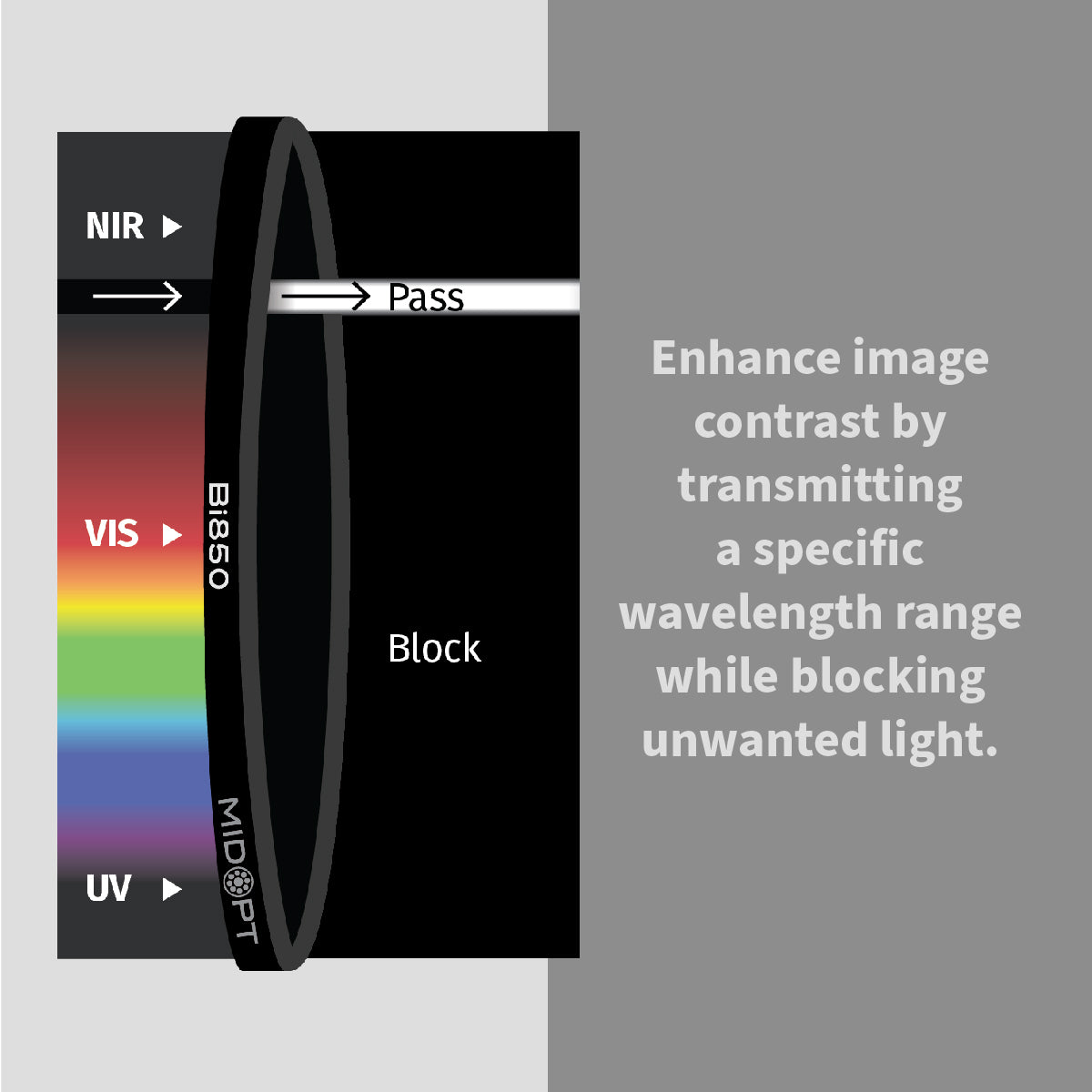
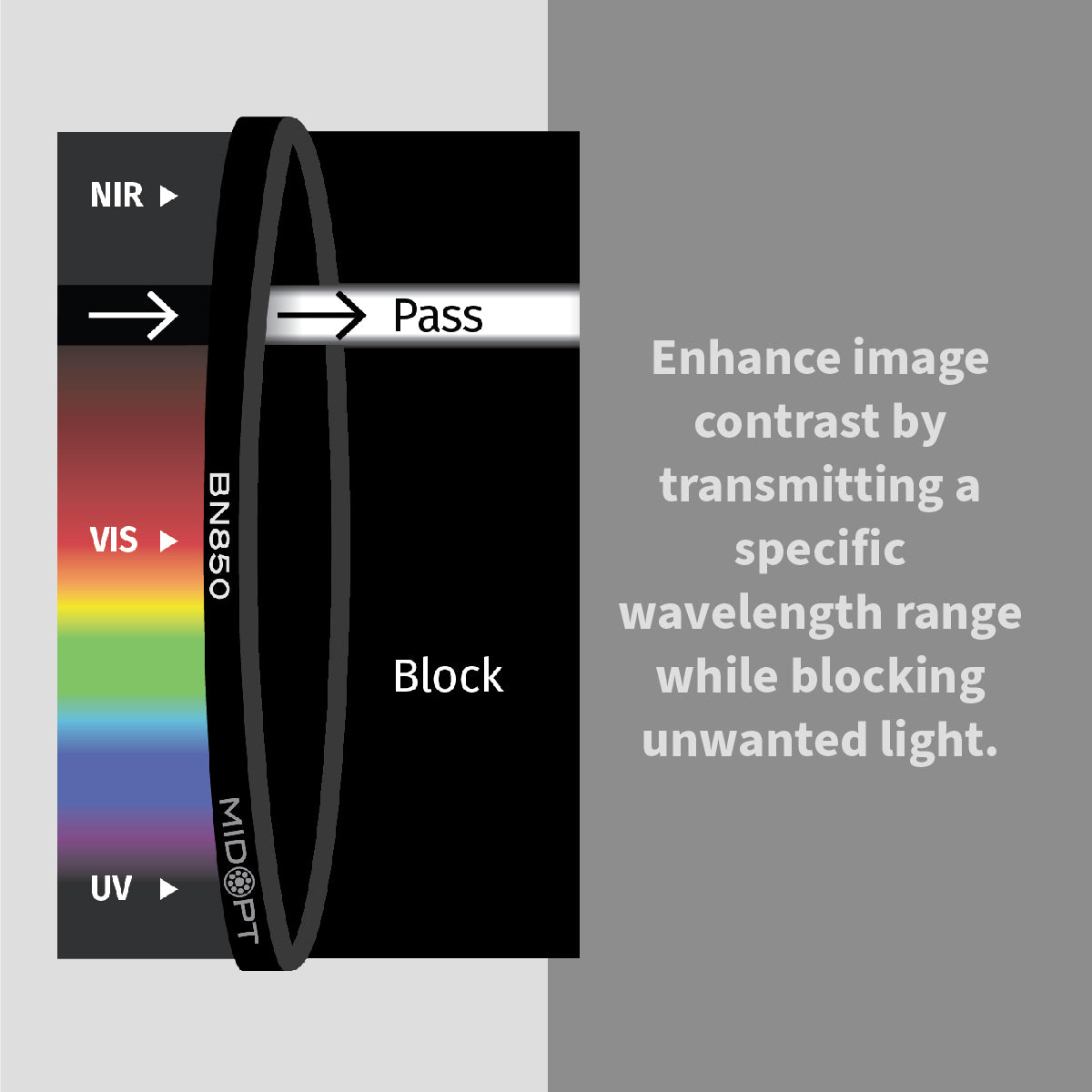
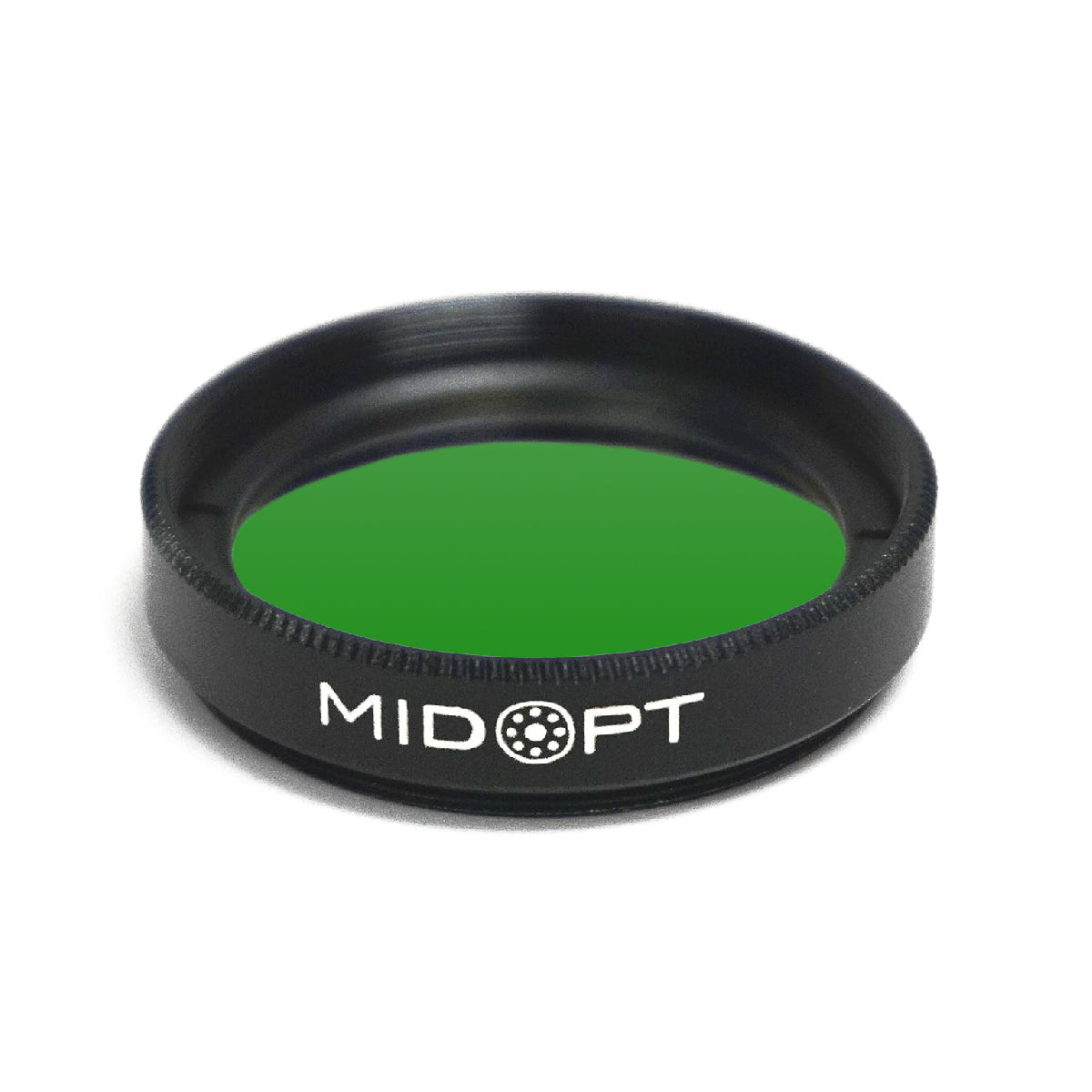
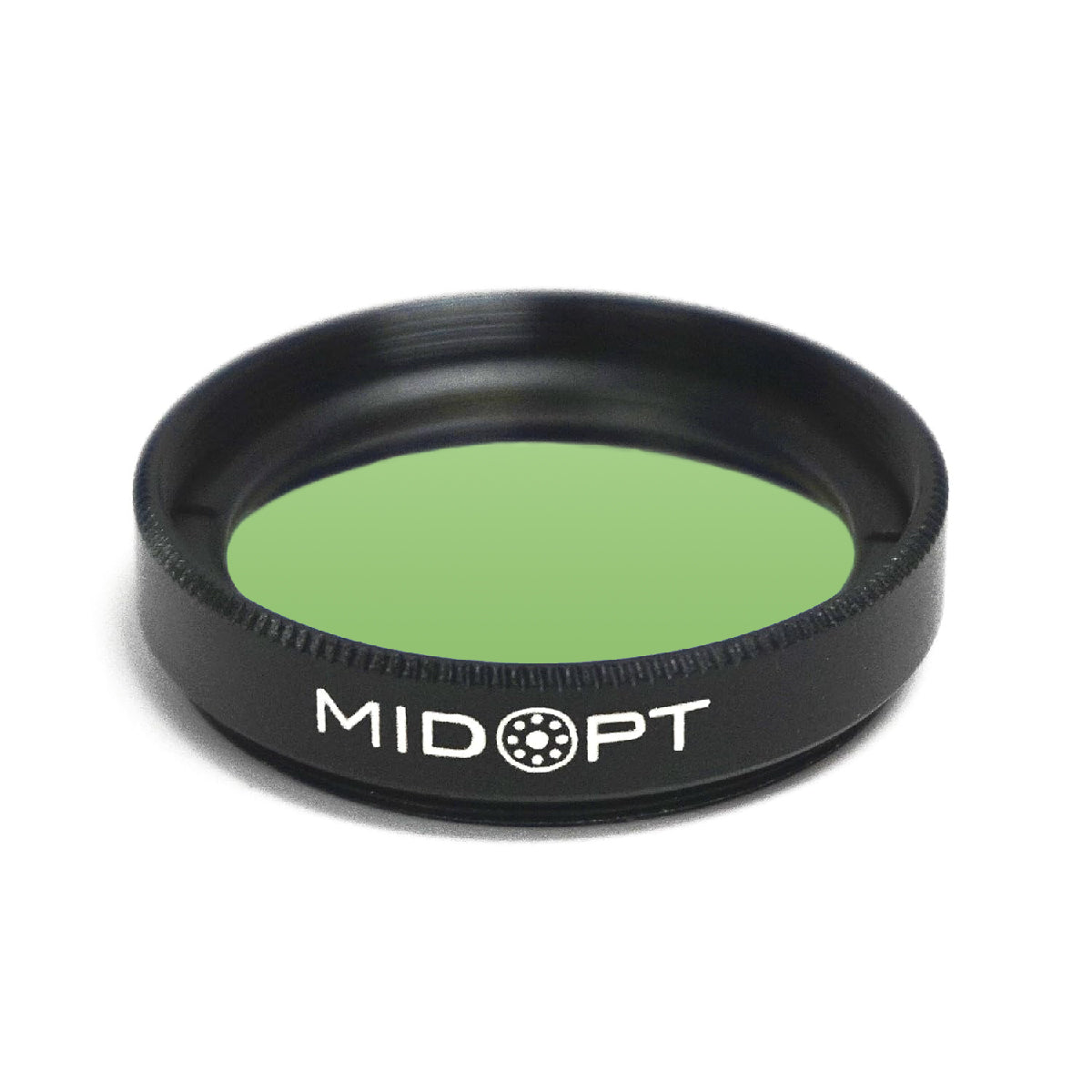
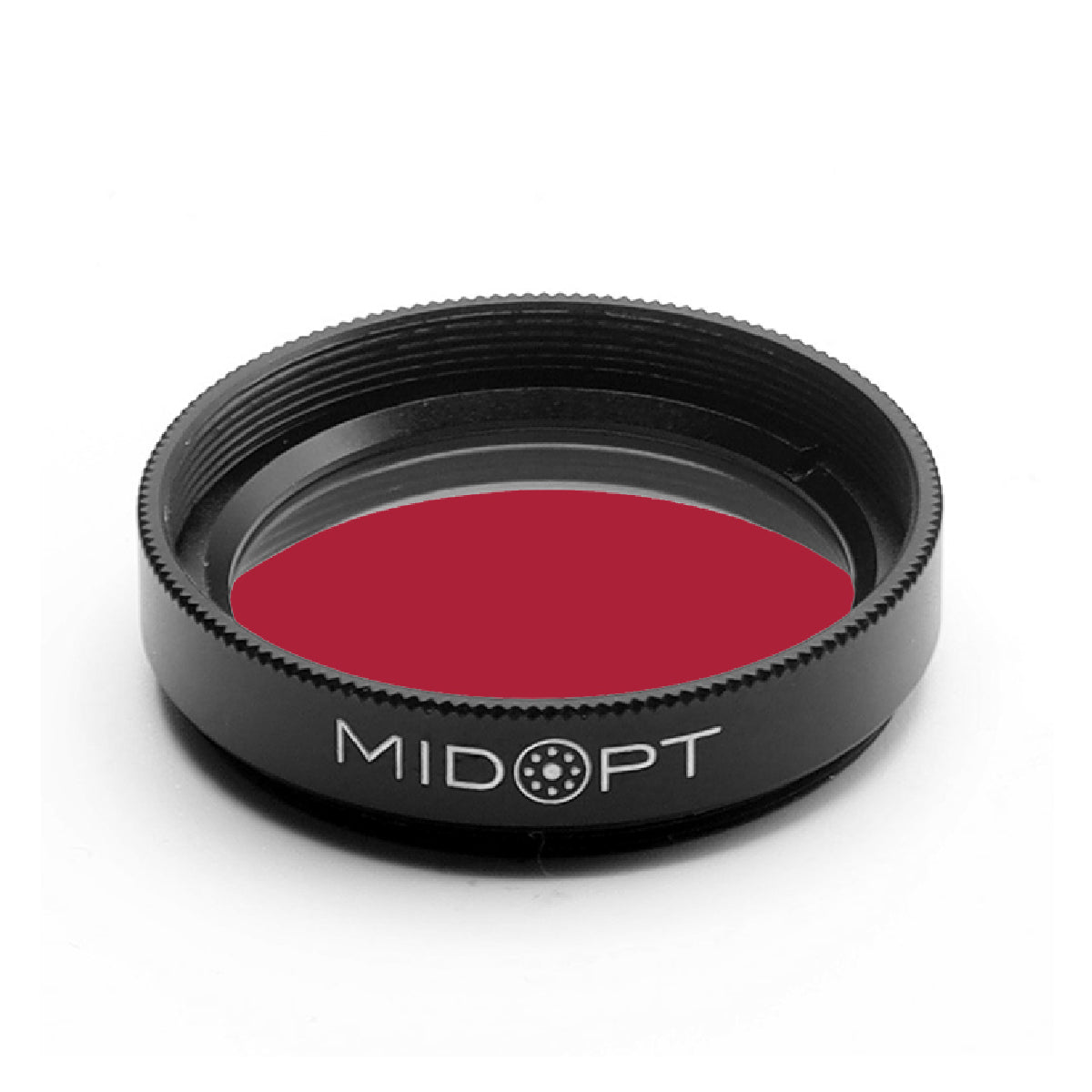
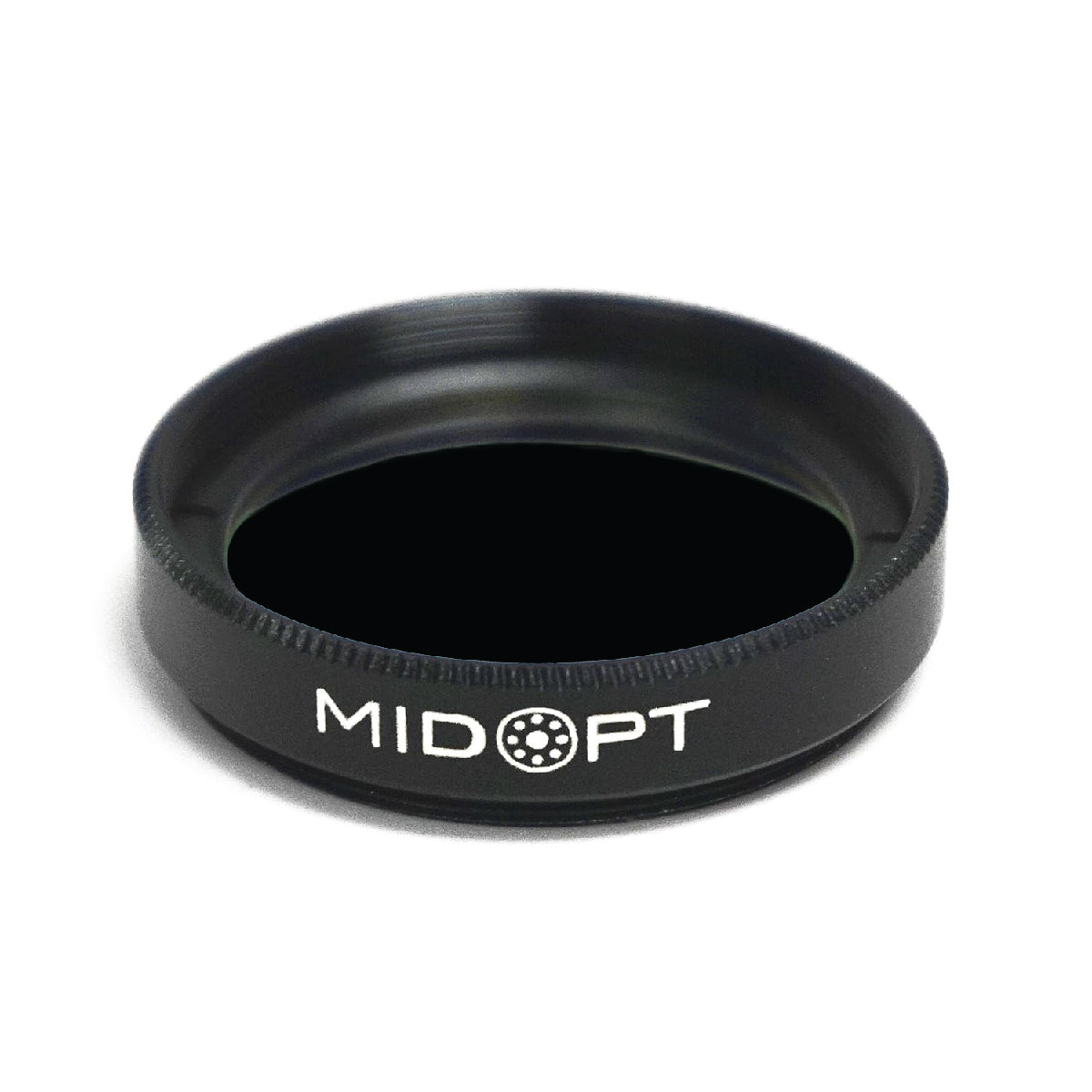
Bandpass optical filters are specialized components that selectively transmit a narrow range of wavelengths while blocking others, making them essential for improving imaging accuracy in machine vision and industrial inspection systems. These filters enable cameras to isolate specific spectral bands, reduce noise, and enhance contrast, resulting in clearer images and more reliable data for automated decision-making.
At FJW Optical, we offer a high-performance collection of bandpass filters designed for demanding industrial, scientific, and automation applications. Whether your vision system needs to isolate laser wavelengths, handle challenging lighting conditions, or enhance feature detection, the right bandpass filter can dramatically improve system performance.
What Are Bandpass Optical Filters?
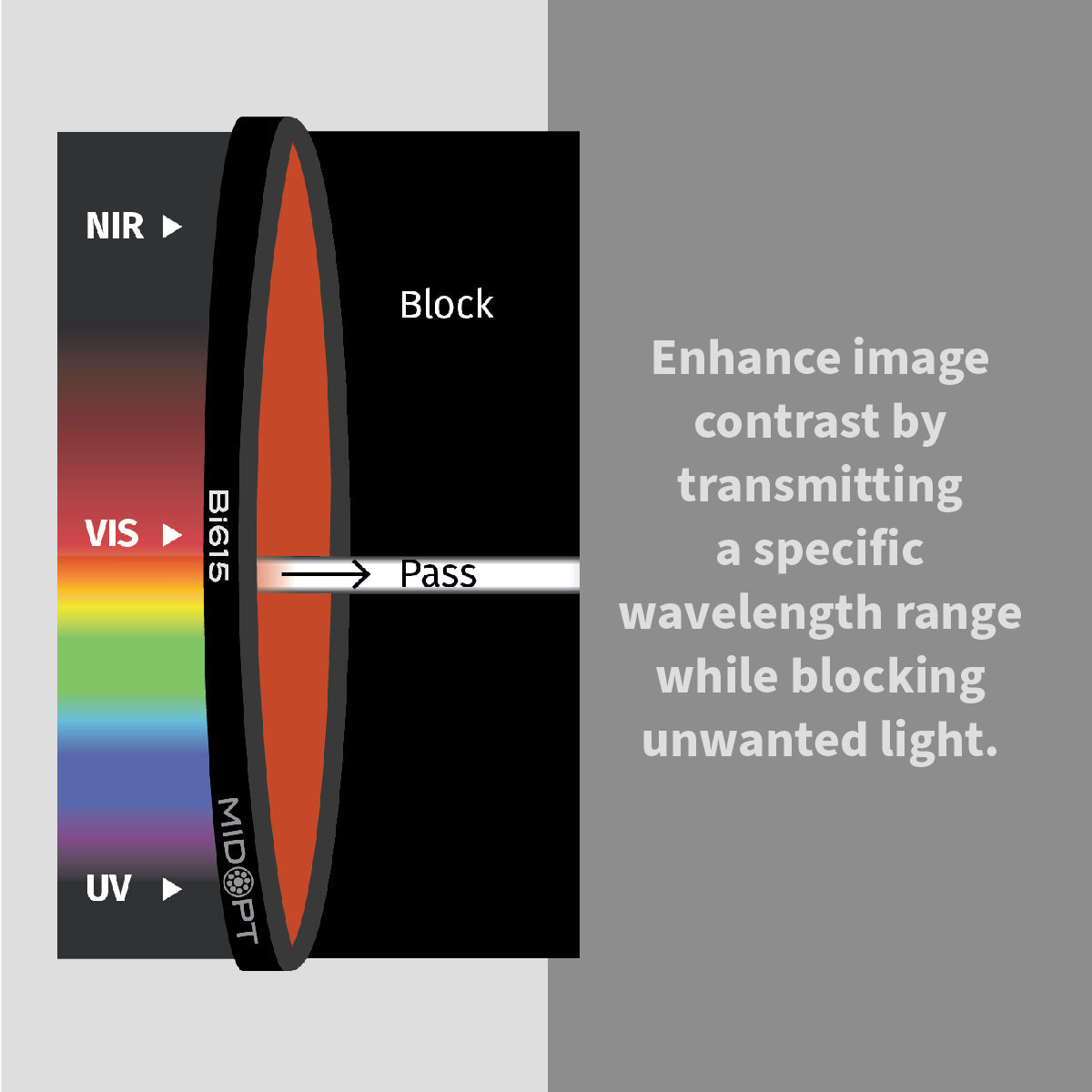
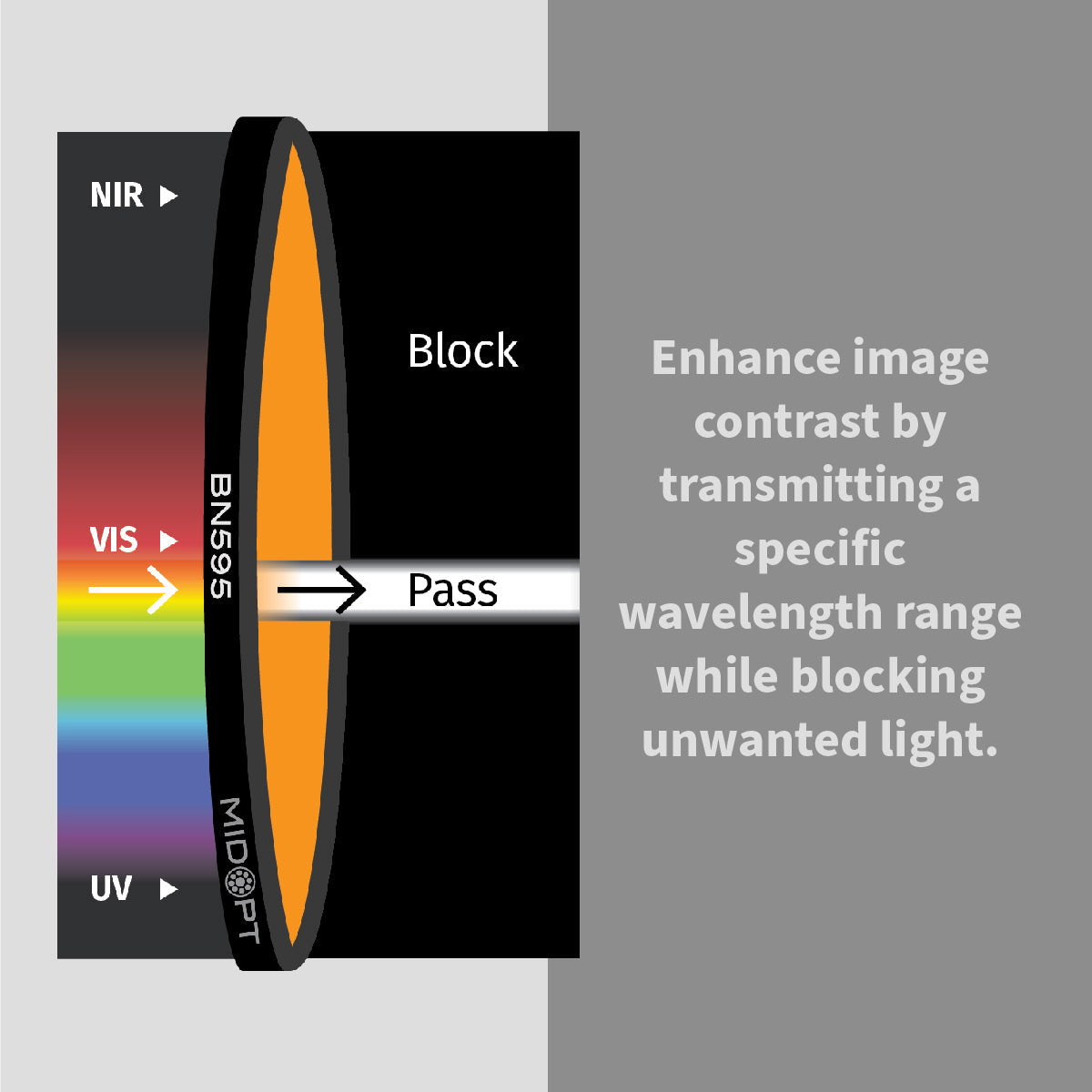
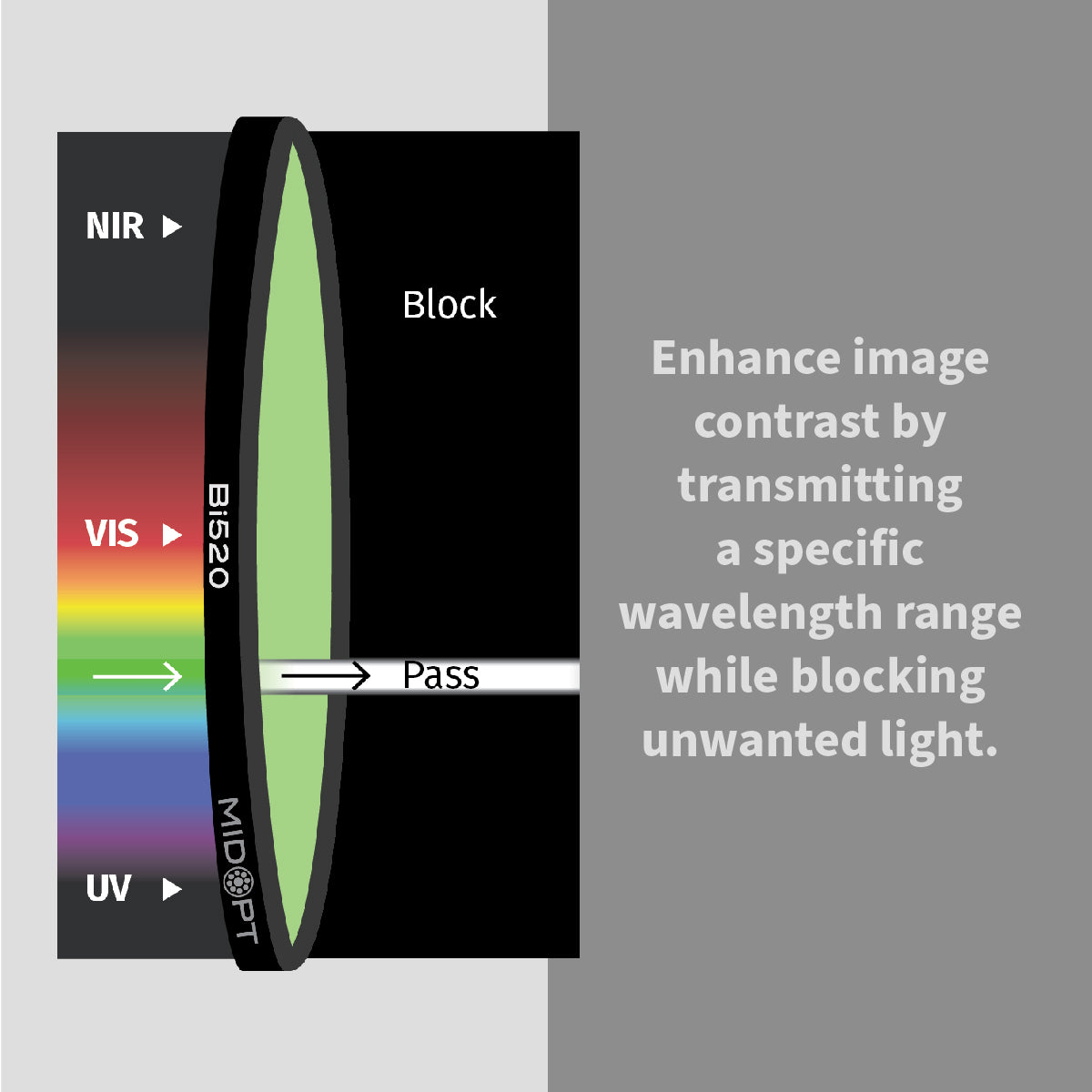
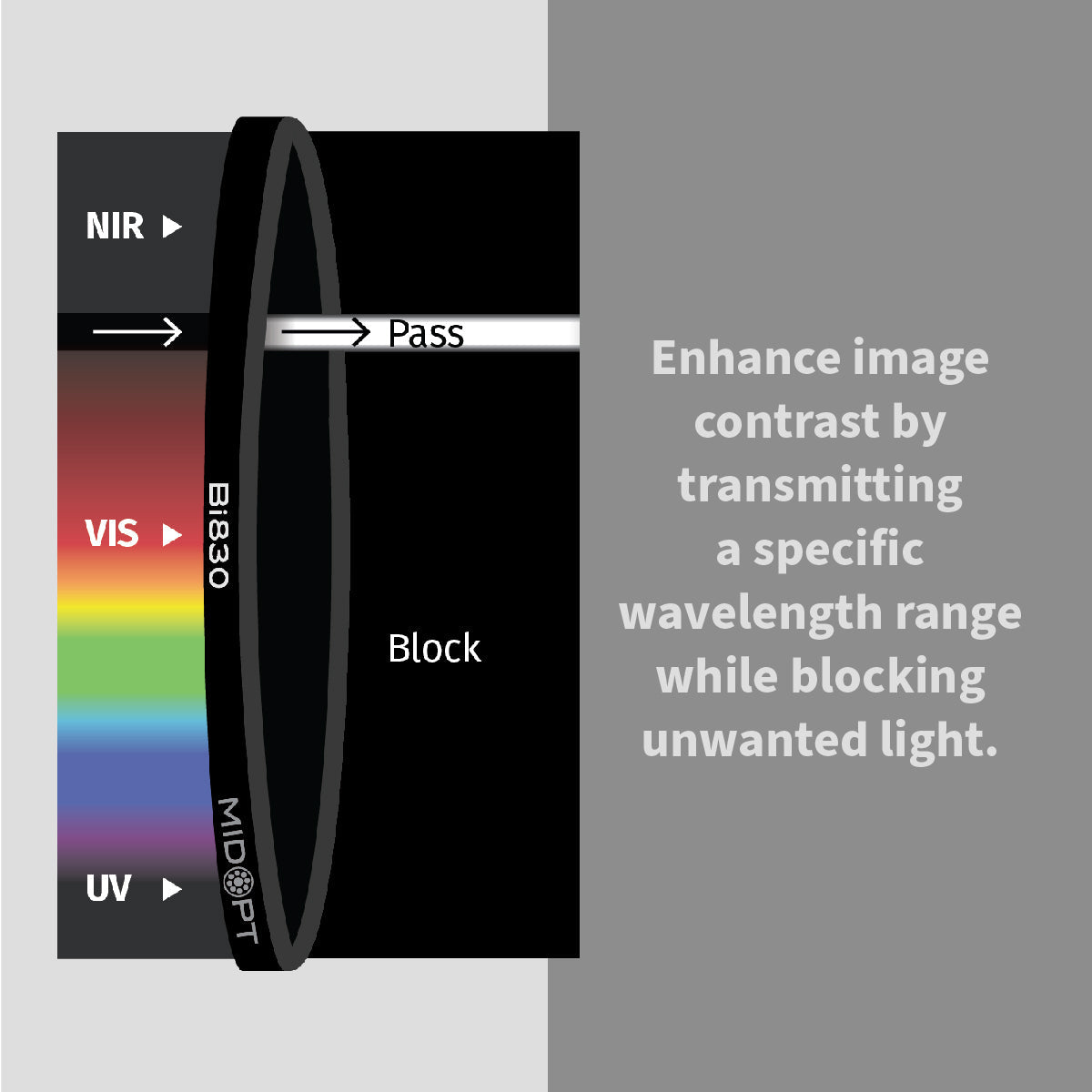
Bandpass filters allow a specific range of wavelengths (colors) to pass through while blocking wavelengths outside that range. In machine vision systems, this capability is crucial for:
- Improving contrast in complex lighting environments
- Rejecting unwanted ambient light
- Enhancing detection of specific materials or features
- Reducing image noise
- Increasing measurement accuracy
Unlike broad-spectrum filters, bandpass filters focus on narrow spectral bands, making them ideal for applications requiring precise wavelength selection.
How Bandpass Filters Improve Machine Vision
Machine vision systems often operate in environments with variable lighting or background interference. By using a bandpass filter matched to a specific wavelength range (for example, a laser line or near-infrared band), these filters:
- Increase signal-to-noise ratio
- Improve feature contrast
- Support consistent image capture
- Reduce false positives/negatives in automated inspection
This results in faster and more accurate inspection, measurement, and classification — especially in high-speed production lines.
Triple Bandpass Filters for Multi-Wavelength Imaging
Triple bandpass filters are designed to transmit multiple specific wavelength bands, making them ideal for advanced imaging applications that require simultaneous detection of different light spectra. These filters are commonly used in fluorescence imaging, biomedical research, and multi-channel inspection systems where precise wavelength separation is critical.
By enabling multi-spectrum imaging in a single system, triple bandpass filters help reduce system complexity while improving efficiency and accuracy in demanding applications.
Typical Applications for Bandpass Filters
Industrial Automation & Inspection
Bandpass filters help isolate features on painted or reflective surfaces, improve edge detection, and enhance contrast for quality inspection. They are commonly used in:
- Surface defect detection
- Dimensional measurement
- Label verification
- Object recognition
Laser & Lighting Integration
Many vision systems use structured or laser illumination. Bandpass filters tuned to the illumination wavelength help reject ambient light and improve detection accuracy.
Scientific Imaging
In laboratory and research settings, bandpass filters enable precise imaging in applications such as:
- Fluorescence microscopy
- Spectral analysis
- Optical measurements
Medical & Analytical Imaging
In medical imaging and diagnostics, bandpass filters help isolate diagnostic wavelengths, improve contrast, and support analysis in controlled lighting environments.
Choosing the Right Bandpass Filter for Your System
To select the optimal bandpass filter for a specific machine vision application, consider:
Center Wavelength (CWL)
The primary wavelength the filter transmits — must match the lighting or target spectral range for best performance.
Full Width at Half Maximum (FWHM)
Defines the width of the passband. Narrower FWHM delivers higher specificity but may require precise alignment.
Transmission Efficiency
Affects how much light passes through the filter — higher transmission improves image brightness and contrast.
Coating Quality & Substrate
High-quality coatings reduce reflections and improve durability. Optical glass or fused silica materials are common choices for industrial applications.
Integration with Vision Cameras & Lighting
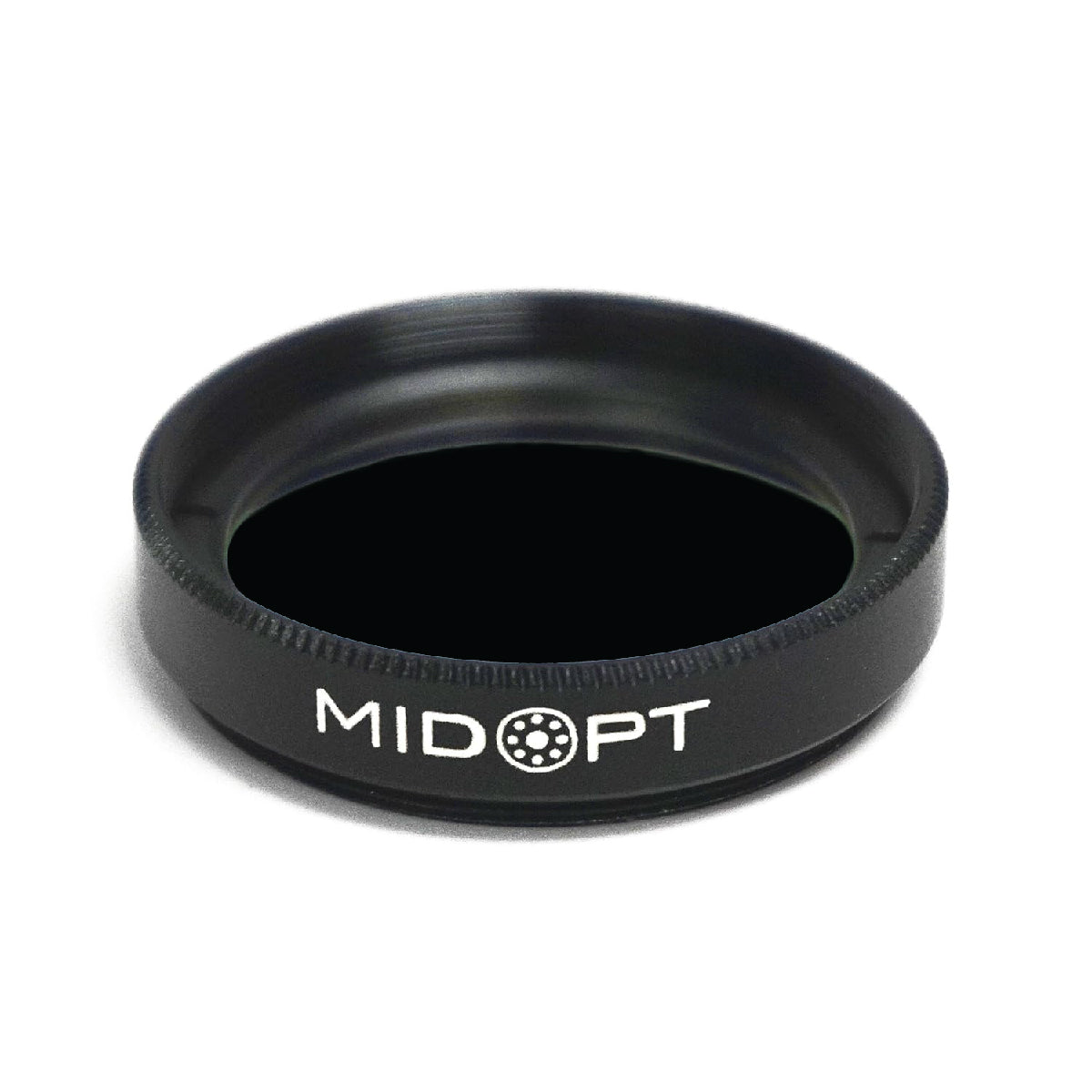
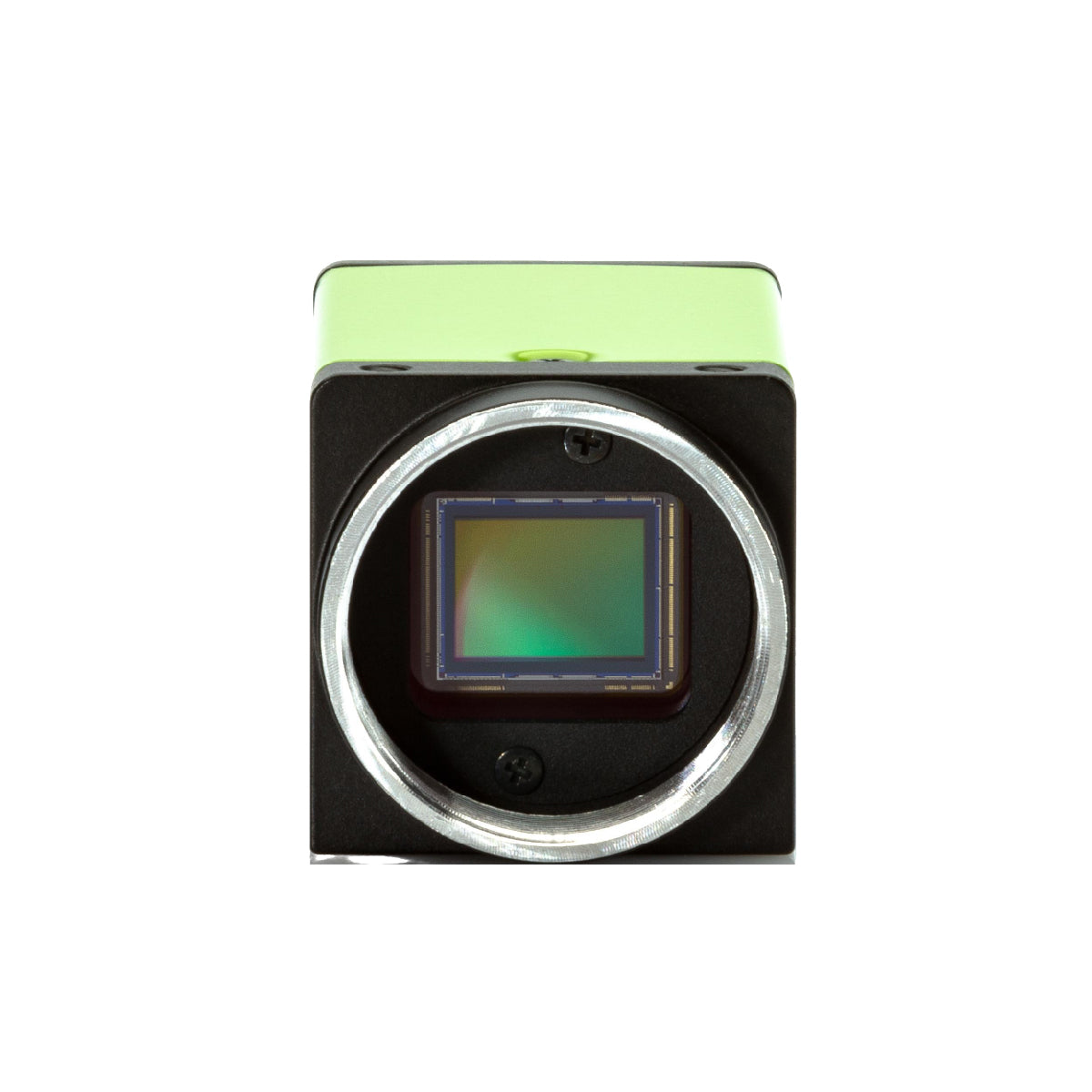
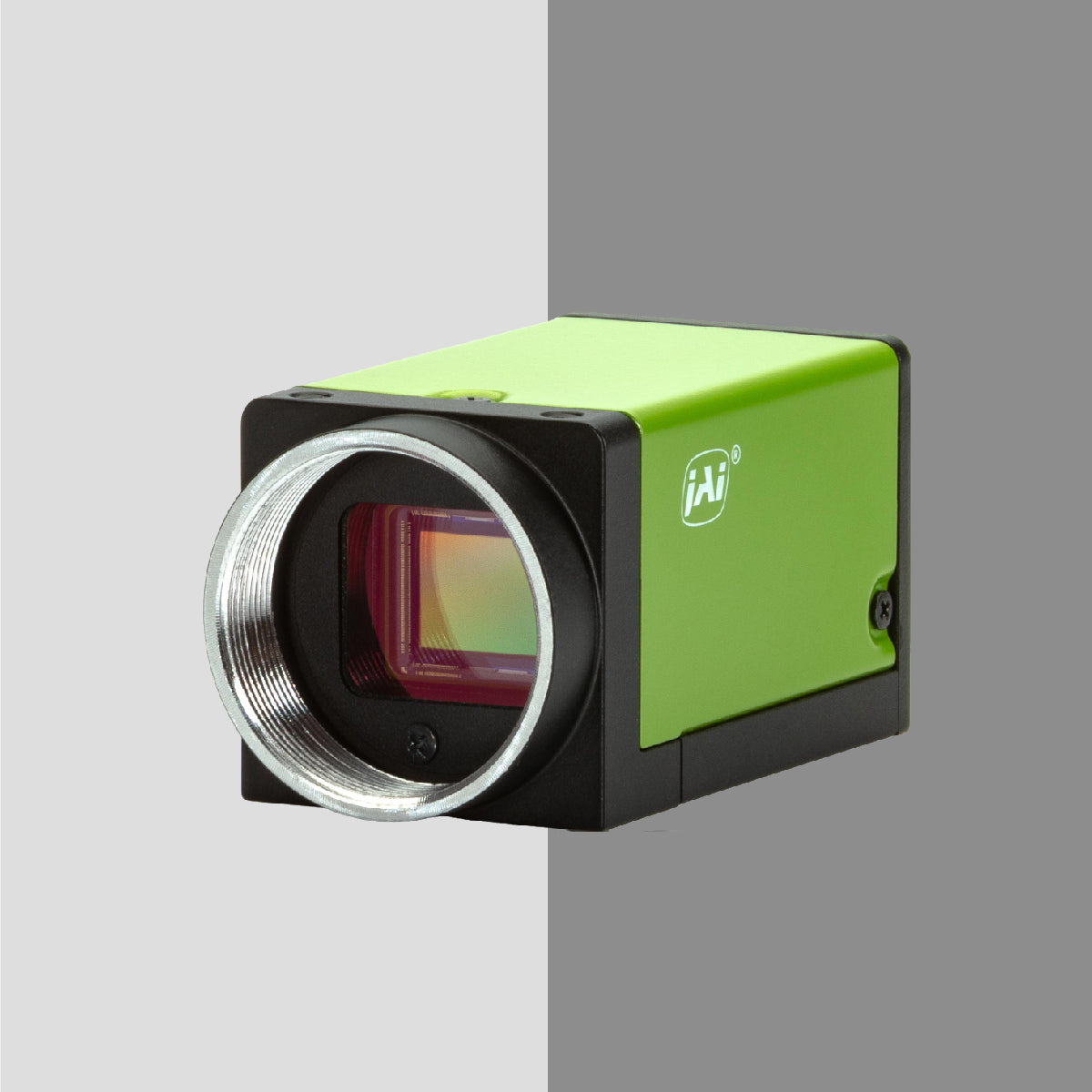
Bandpass filters are often mounted in front of lenses or integrated with lighting systems. For best results:
- Match the filter to the illumination source
- Ensure compatibility with lens and camera sensor size
- Consider environmental factors (dust, vibration, temperature)
At FJW Optical, our technical experts can help specify filter parameters that best match your machine vision setup.
Benefits of Using Precision Bandpass Filters
Using correctly specified bandpass filters in industrial imaging provides:
- Enhanced contrast and clarity — better feature detection
- Noise reduction — cleaner images under variable lighting
- Improved accuracy — higher repeatability in automated inspection
- Faster processing — reduced false triggers in vision algorithms
- Greater consistency — stable imaging even in challenging environments
These advantages lead to improved throughput, higher quality yields, and reduced inspection errors in automated systems.
Why Choose FJW Optical for Bandpass Filters
FJW Optical Systems sources high-performance bandpass filters that are engineered for rigorous industrial standards. When you choose filters from FJW Optical, you benefit from:
- Expert technical guidance on filter selection
- Compatibility with major machine vision cameras and lighting
- Products suitable for precision inspection, research, and automation
- Support for integration and system optimization
Our team is ready to help you match the right filter to your application requirements and imaging goals.
Practical Tips for Installing Bandpass Filters
Mounting & Alignment
Ensure the filter is mounted securely and aligned properly with the imaging lens to avoid vignetting and maximize transmission.
Cleaning & Maintenance
Use proper optical cleaning tools to prevent scratches or coating damage. Regular maintenance helps maintain image quality over time.
Testing Under Real Conditions
Always validate performance with actual lighting and environmental conditions to confirm that the chosen filter enhances feature detection and reduces noise.
Recent Article : Machine Vision Bandpass Filters for High-Precision Inspection Systems