
 Find-R-Scopes
 Filters
 Lenses
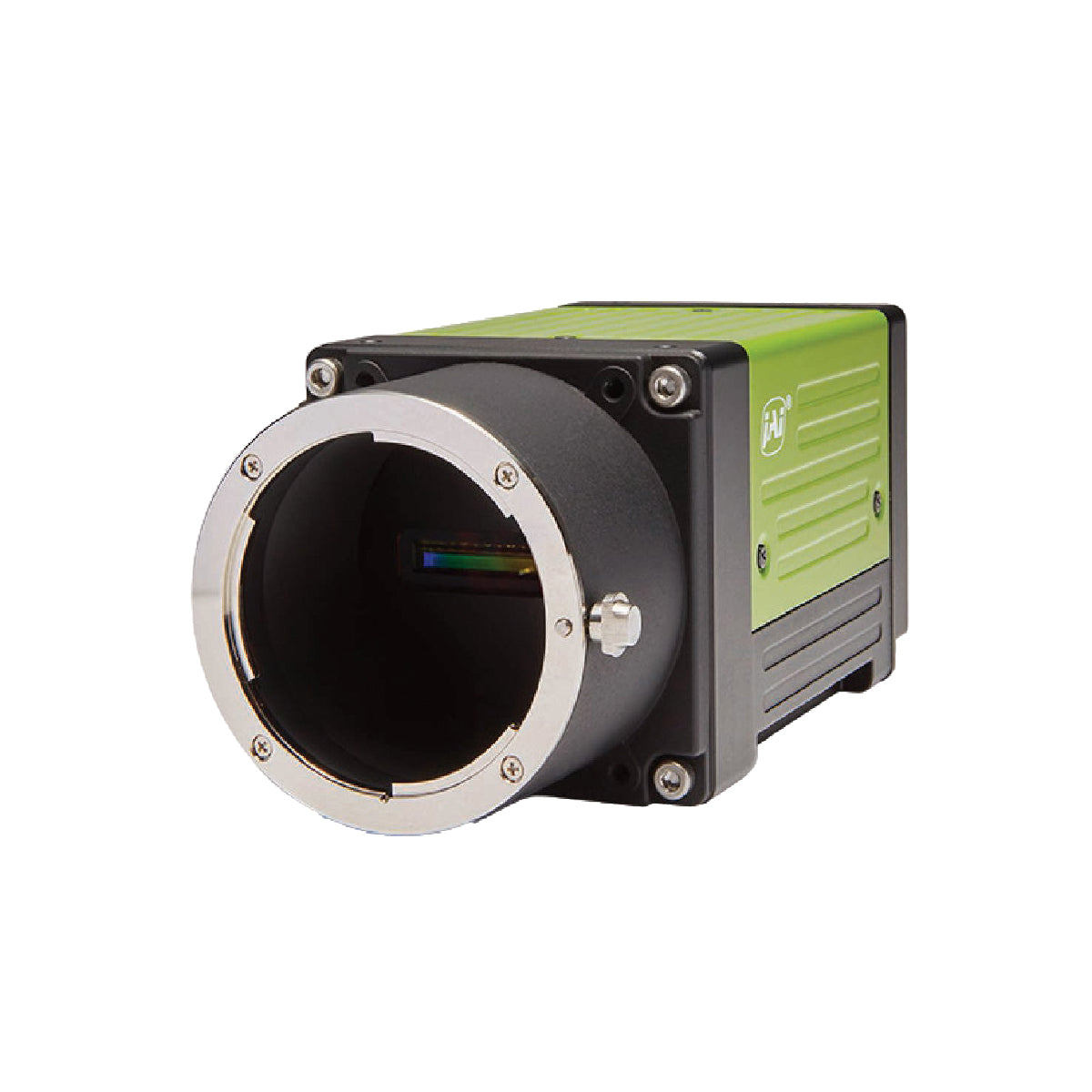
 Cameras
 Lighting
 Accessories








Modern robots are fast, precise and increasingly adaptable, but they still need reliable visual information to understand their surroundings. In robotic guidance and pick-and-place systems, industrial machine vision cameras serve as the eyes of the robot, providing the image data needed to locate parts, determine orientation, verify placement and make automated decisions.
From electronics assembly and packaging to automotive manufacturing, logistics and general factory automation, selecting the right camera can have a significant impact on robot accuracy, cycle time and overall system reliability.
How Cameras Enable Vision-Guided Robotics
Traditional industrial robots often perform repetitive movements based on predefined coordinates. Vision-guided robots add another layer of flexibility by using cameras and machine vision software to determine where an object is actually located.
A camera captures the scene, and vision software analyzes the image to identify the target and calculate information such as its position, orientation or dimensions. Those coordinates can then be communicated to the robot controller.
This allows robots to adapt when parts aren't positioned exactly the same way every cycle. Machine vision cameras can support robotic tasks including:
- Pick-and-place automation
- Robotic bin picking
- Component positioning
- Assembly verification
- Part sorting
- Packaging and palletizing
- Barcode and identification-code reading
- Electronics assembly
- Quality inspection
- Material handling
The quality of the image supplied to the vision software directly affects how reliably these tasks can be performed.
Area Scan Cameras for Robotic Guidance
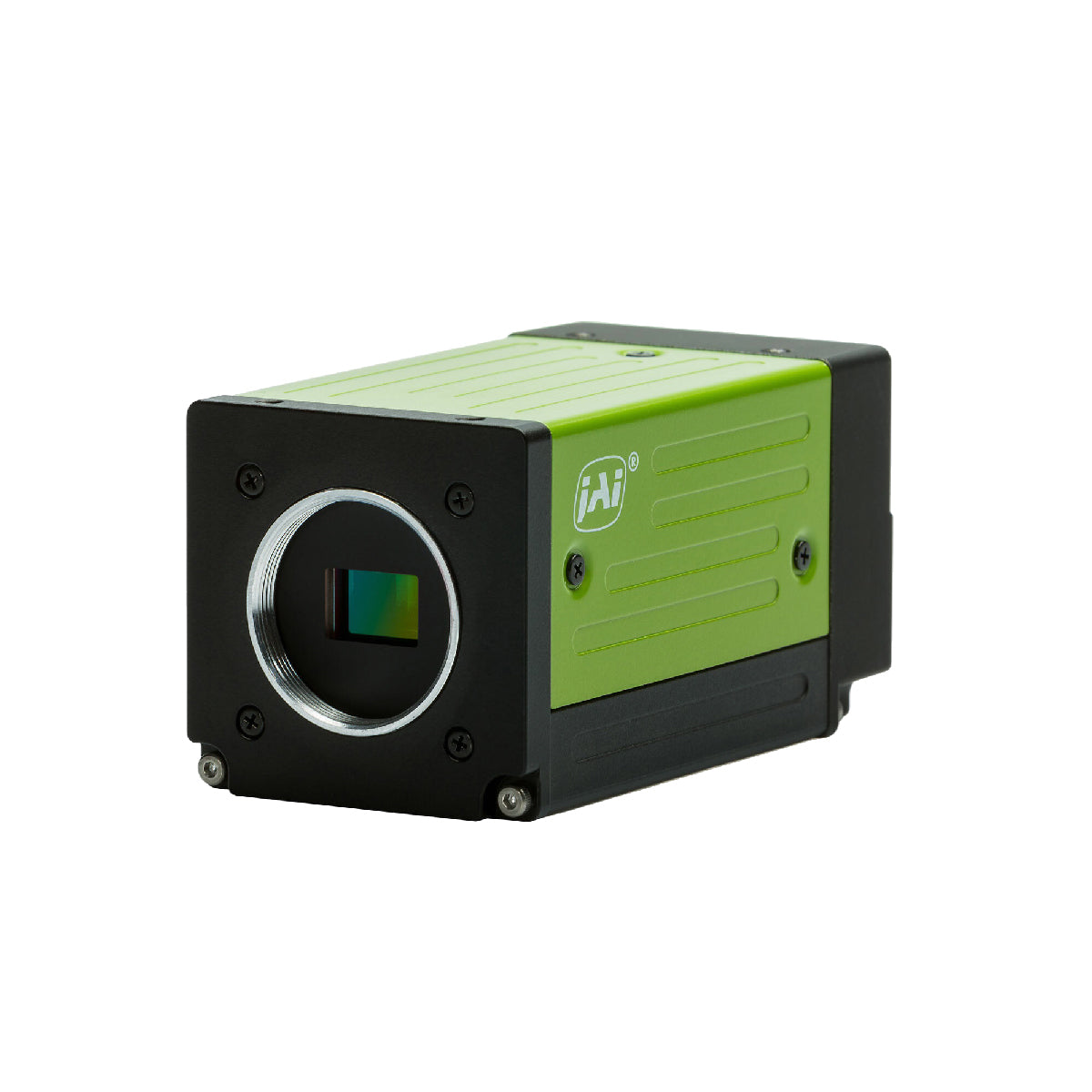
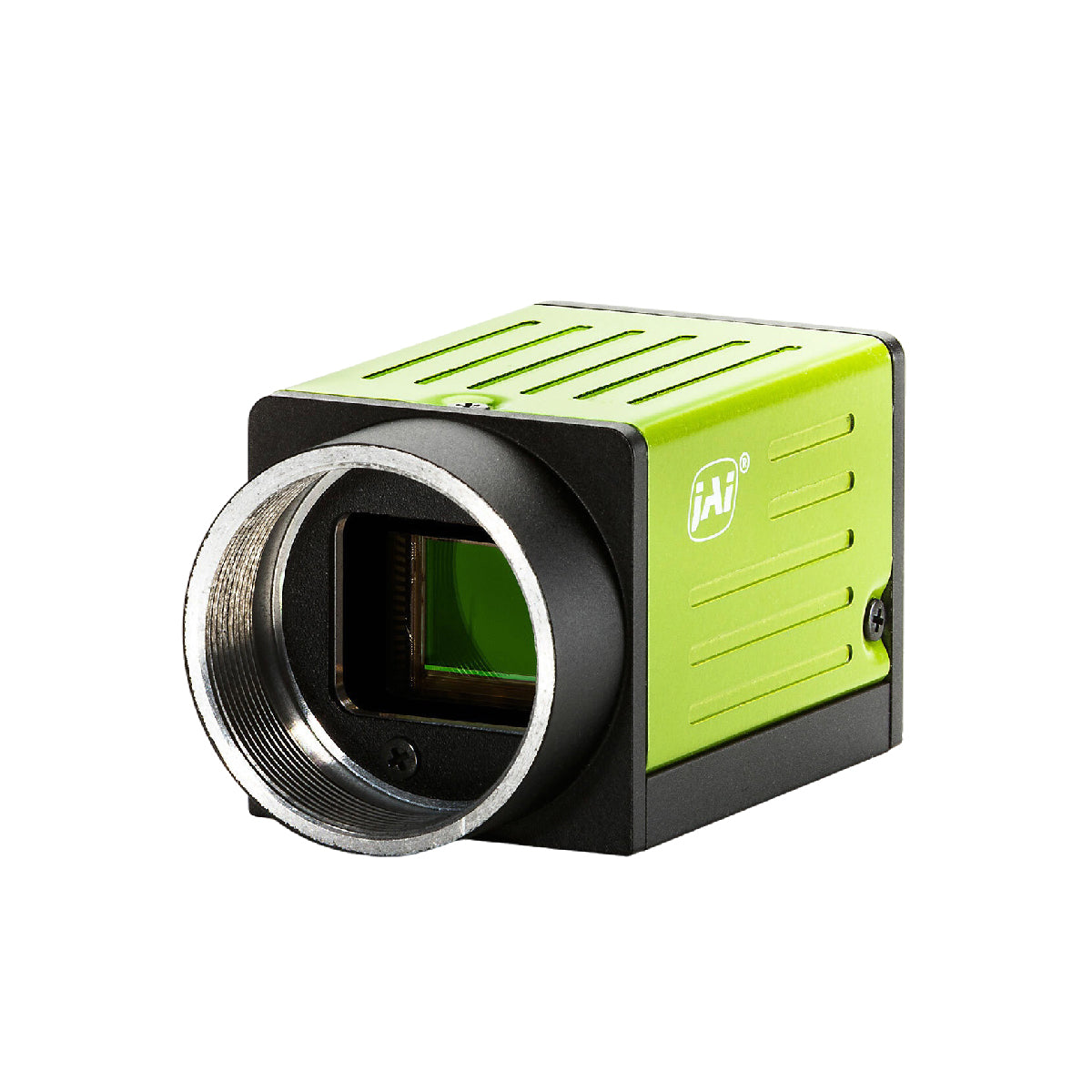
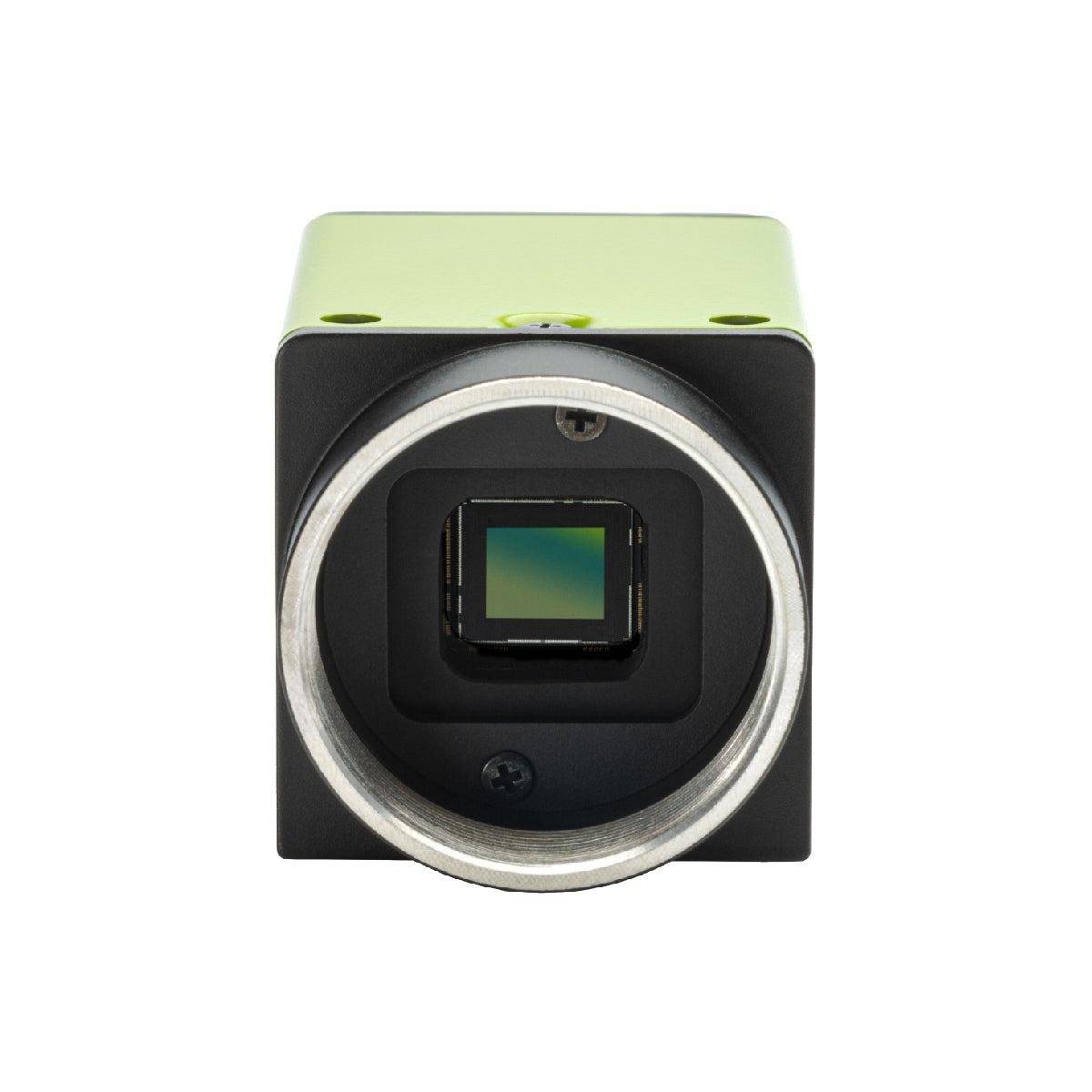
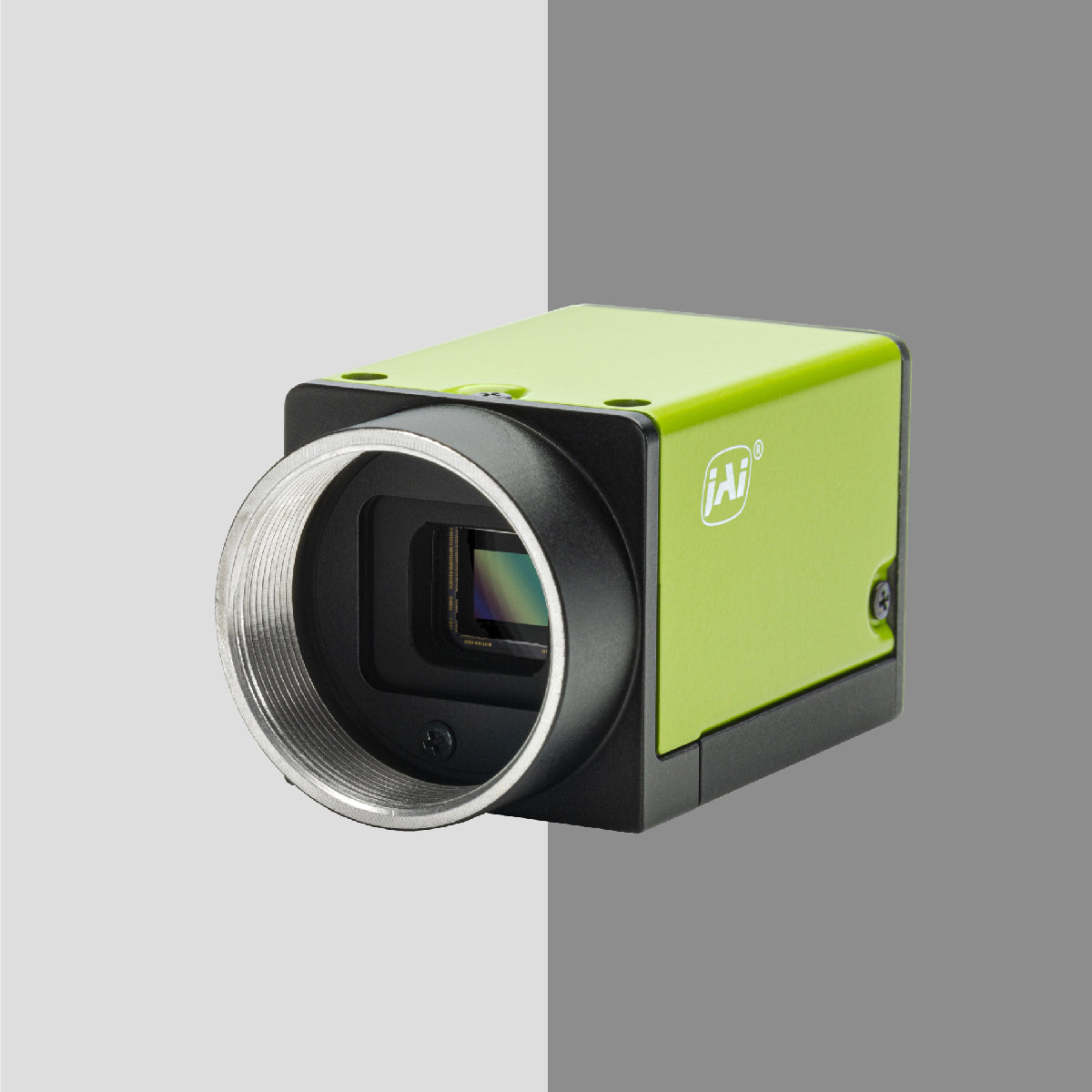
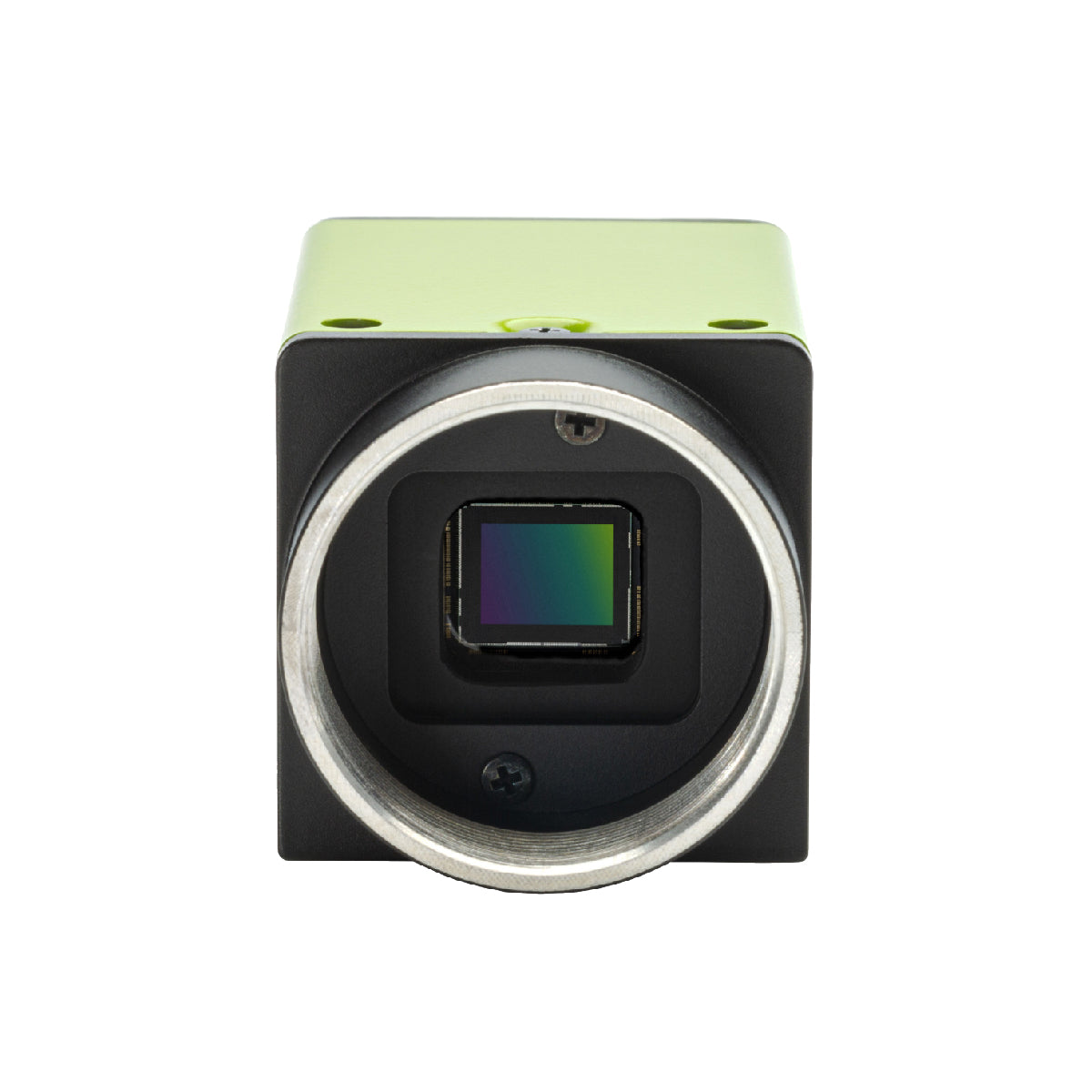
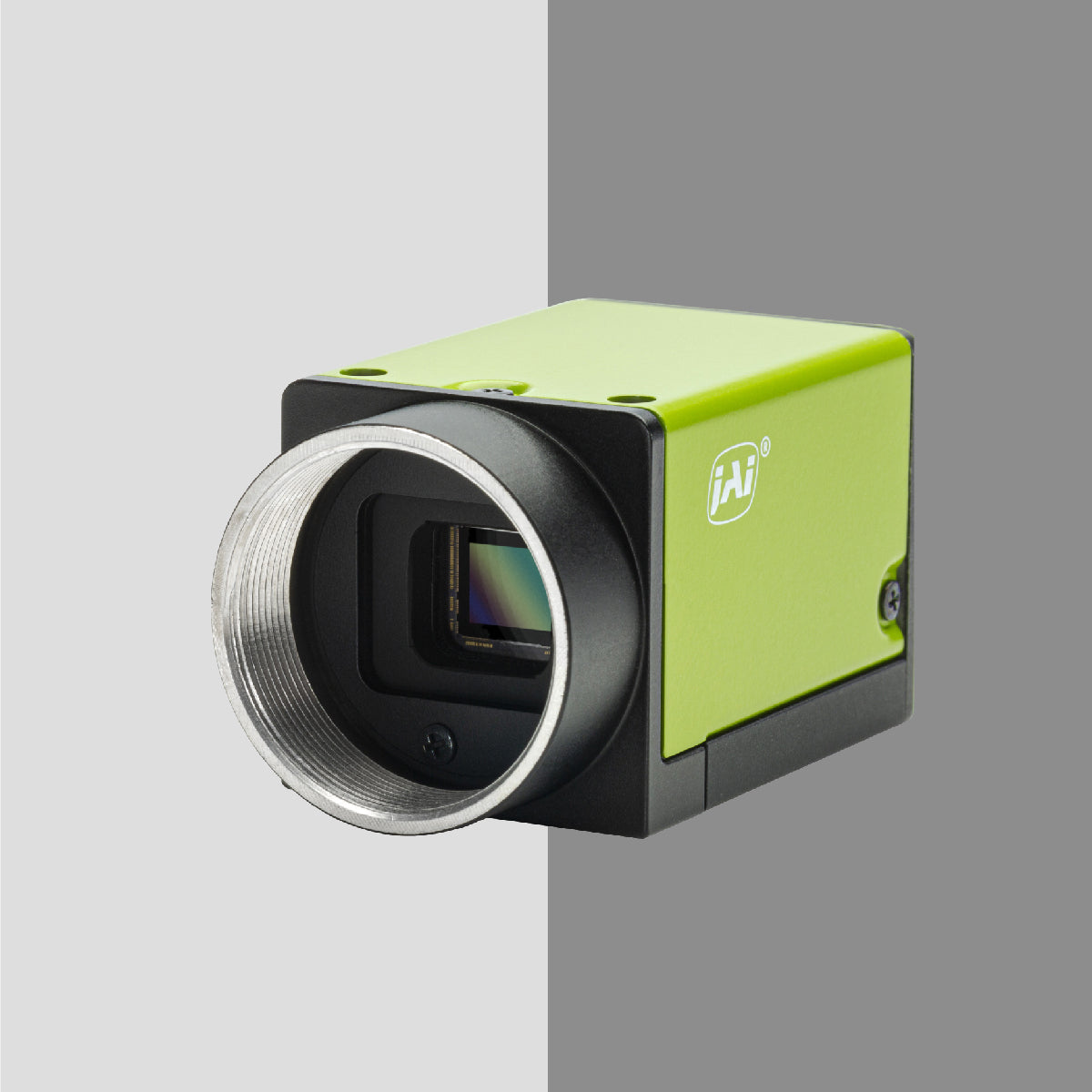
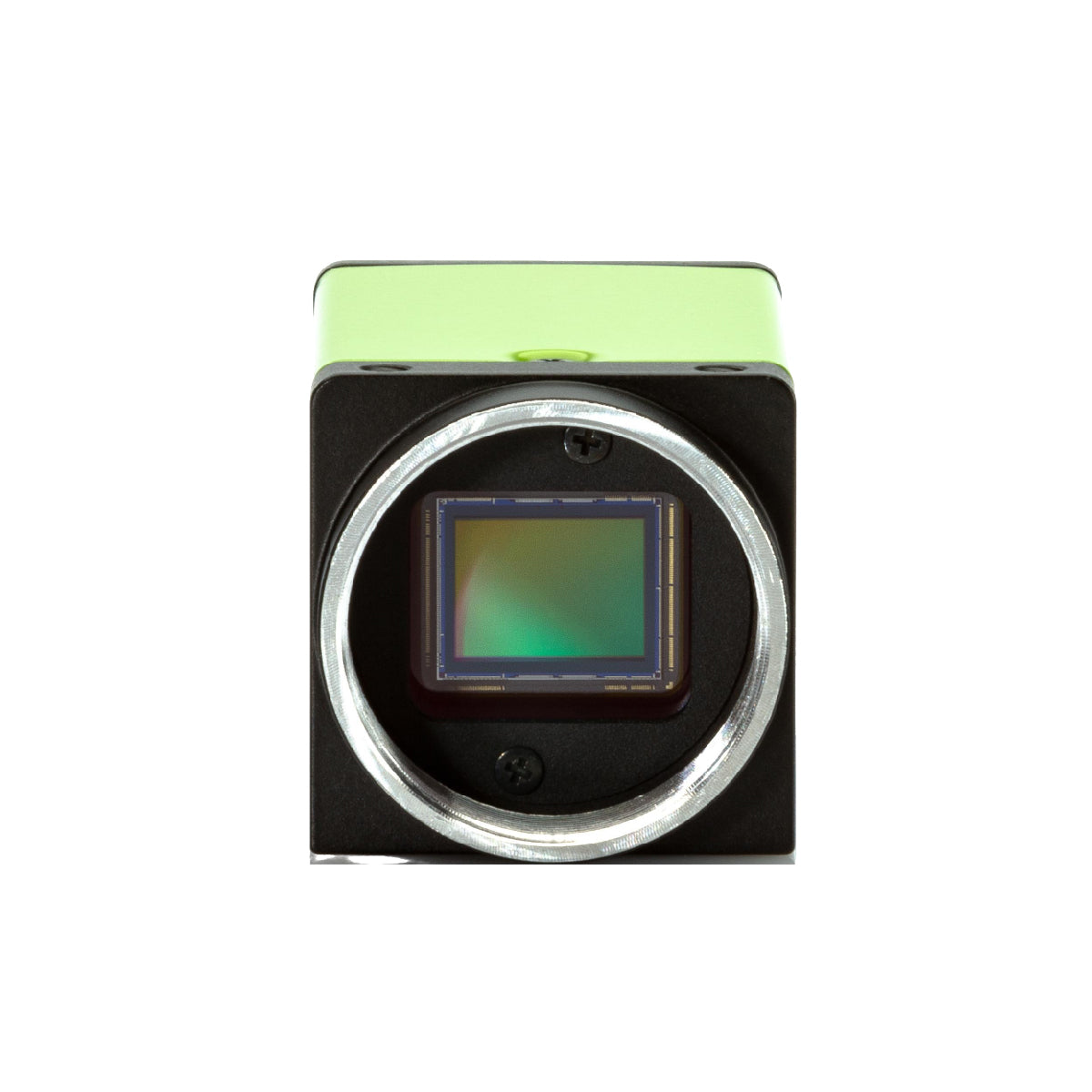
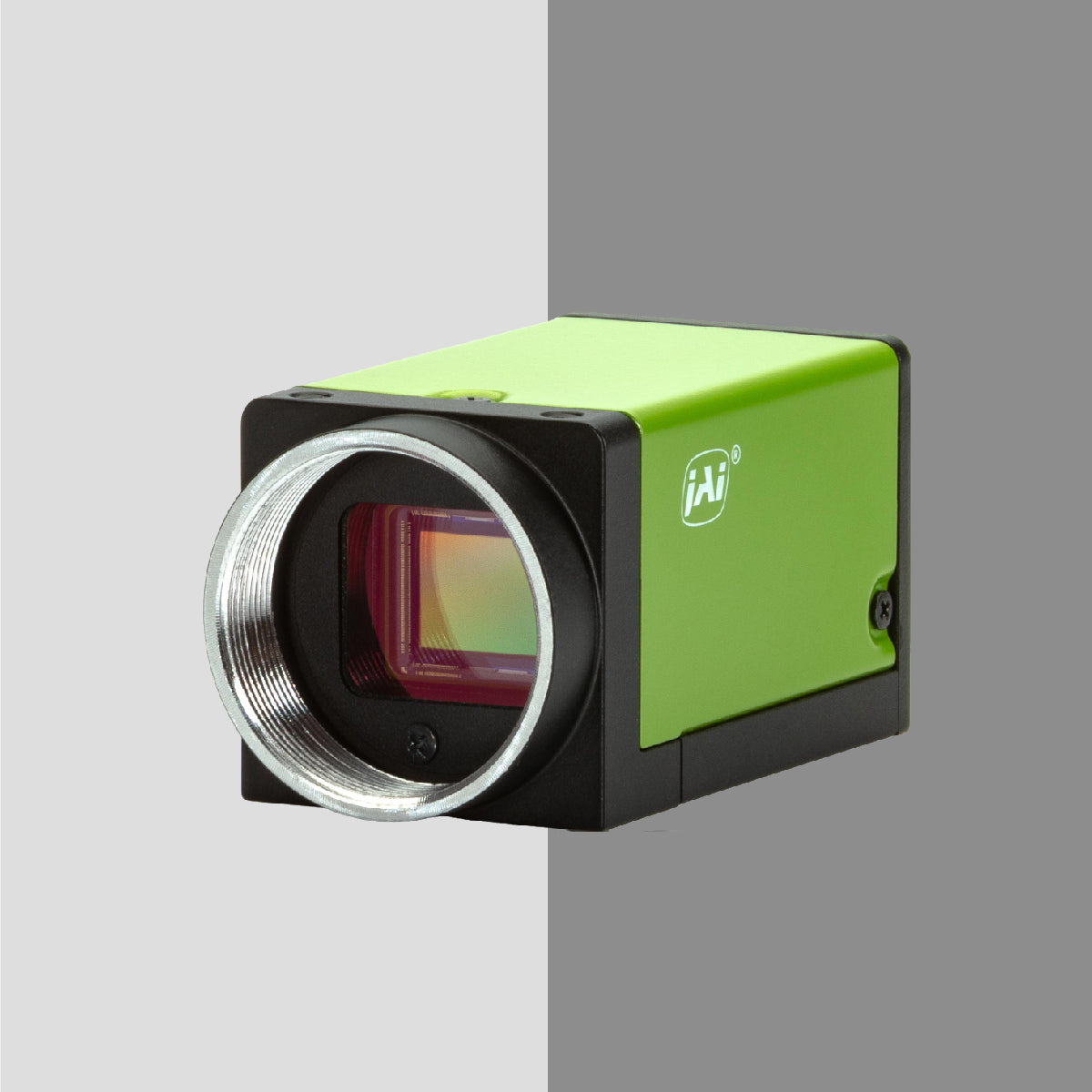
Area scan cameras are widely used in robotic guidance because they capture a complete two-dimensional image in a single frame. This makes them well suited for identifying individual objects and determining their location within a defined field of view.
Depending on the application, robotic systems may use monochrome or color area scan cameras. Monochrome cameras can be a strong choice when the primary goal is detecting edges, shapes, dimensions or contrast. Color cameras may be required when the robot needs to differentiate parts based on color or inspect color-specific features.
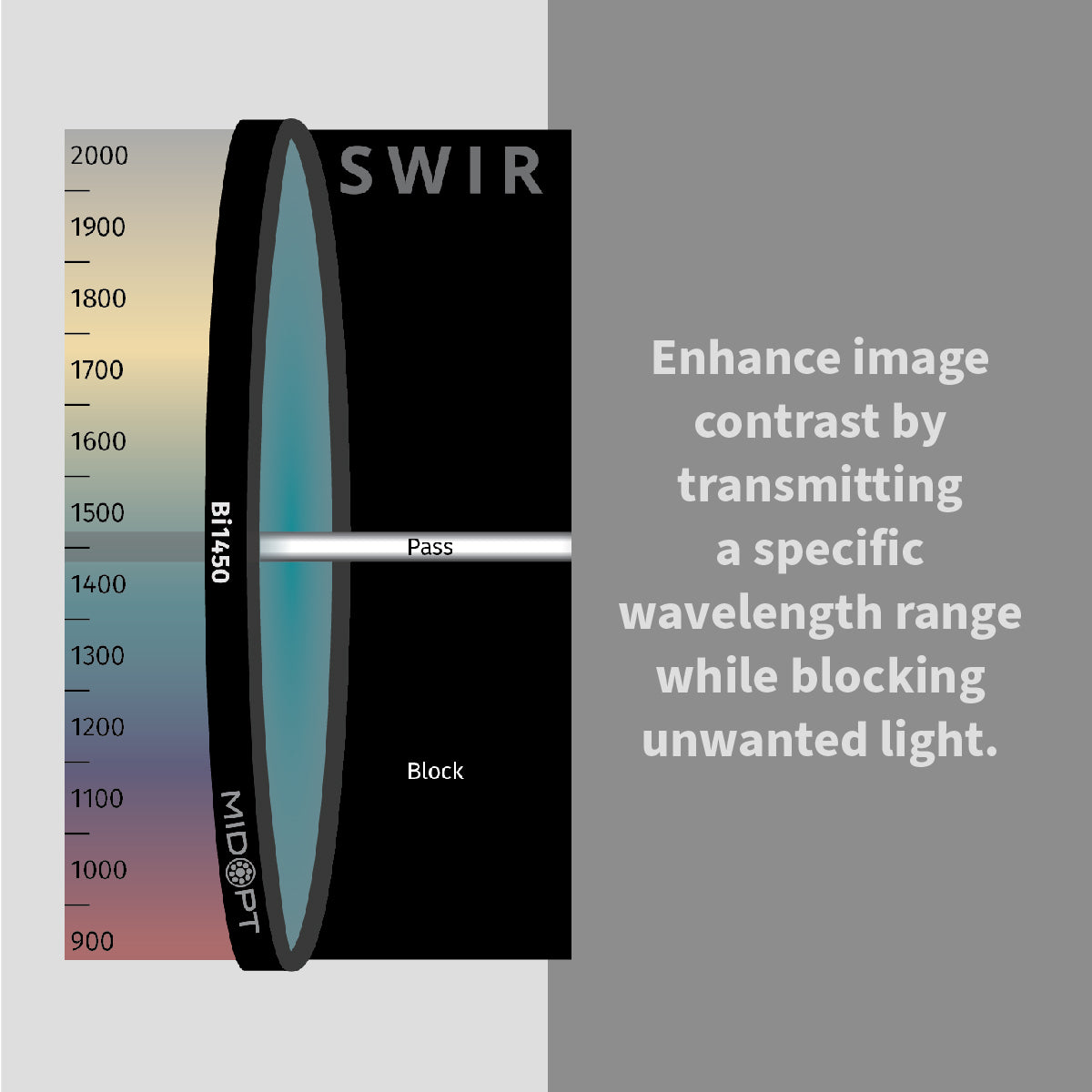
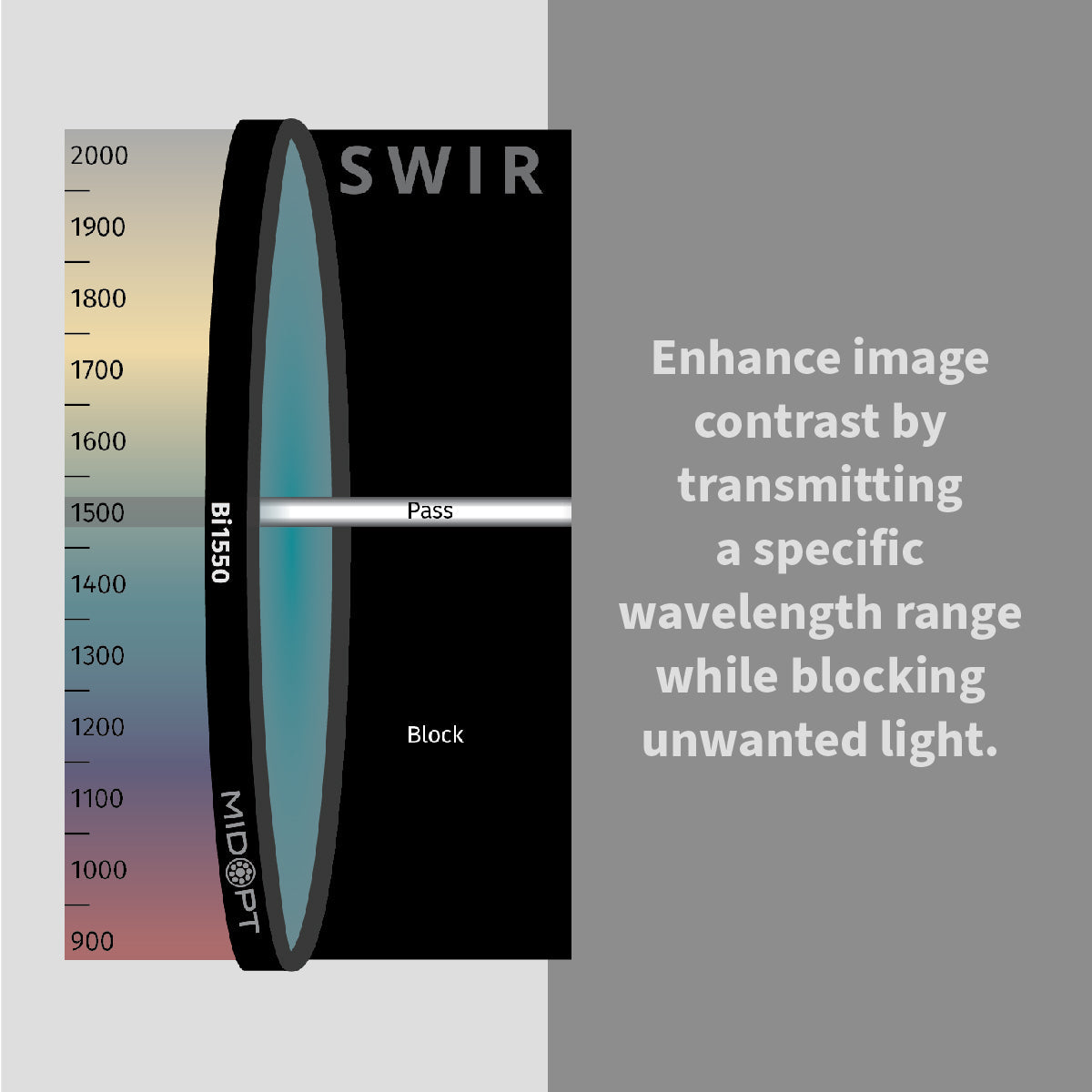
More specialized applications can also utilize UV, near-infrared or SWIR cameras when important features cannot be reliably distinguished using visible light alone.
Global Shutter for Moving Objects
Motion is one of the most important considerations when choosing a camera for robotic automation.
In a global shutter camera, all pixels are exposed at essentially the same time. This helps capture moving objects without the spatial distortion that can occur with some rolling-shutter sensors. Global shutter technology can be particularly valuable when:
- Parts move rapidly on a conveyor
- A robotic arm is moving during image acquisition
- Short exposure times are required
- Precise measurements must be taken from moving components
- High-speed pick-and-place operations require consistent positioning
When objects are stationary during acquisition, rolling-shutter cameras may also be suitable and can provide an economical solution for certain robotic applications.
Resolution Determines How Much Detail the Robot Can See
Higher resolution isn't automatically better. The goal is to select enough resolution to reliably identify the smallest feature required by the application. A robot picking large packages from a conveyor may require significantly less resolution than a system positioning miniature electronic components.
Camera resolution should be evaluated alongside the application's field of view and required feature size. If the camera must view a large workspace while detecting very small objects, additional pixels may be necessary to preserve adequate detail. Higher-resolution industrial cameras can be especially useful for robotic applications requiring:
- Precision component positioning
- Electronics assembly
- Small-part sorting
- Barcode or OCR recognition
- Dimensional measurement
- Defect detection
- Large fields of view
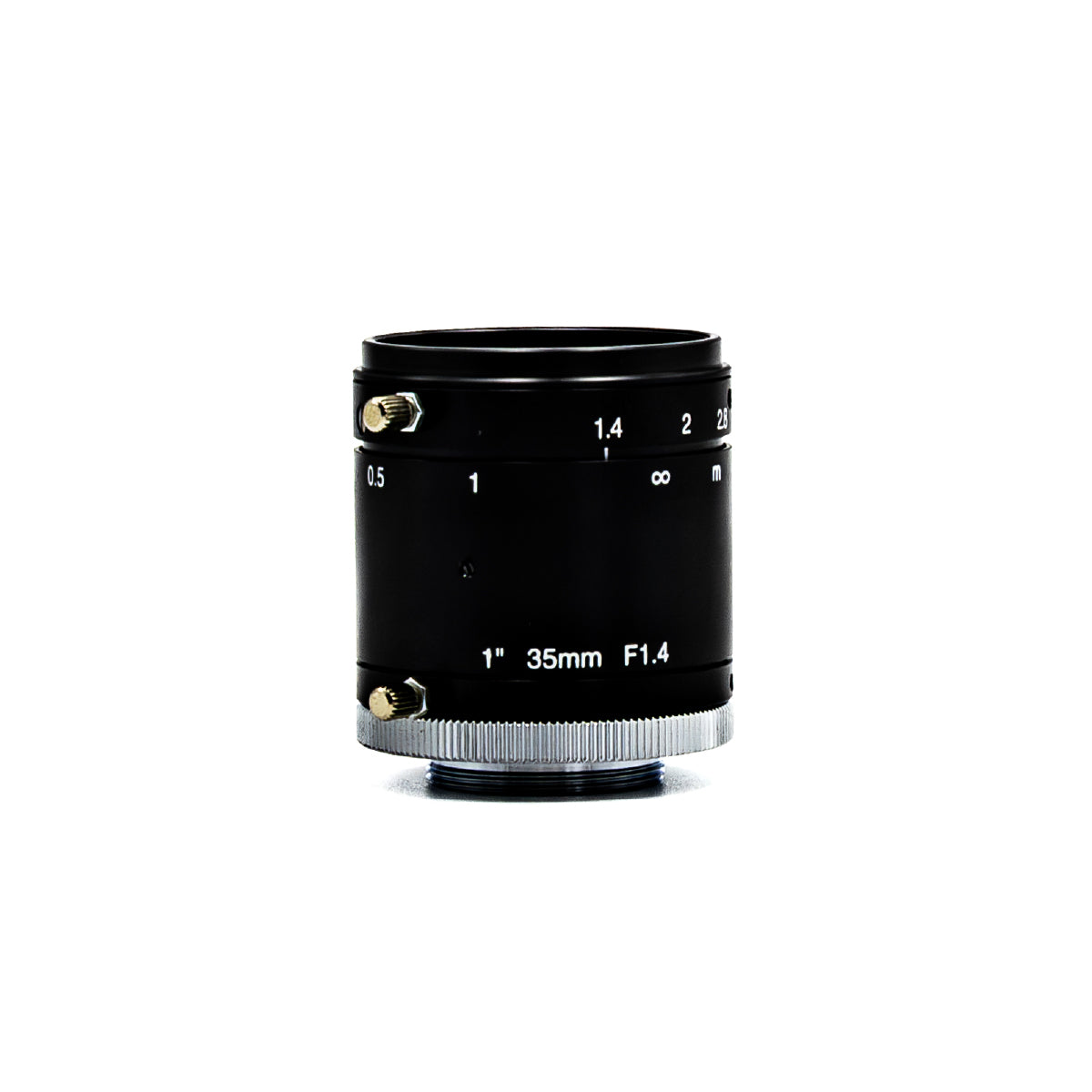
The lens must also provide sufficient optical resolution for the camera sensor. A high-megapixel camera paired with an inadequate lens can limit the effective resolution of the entire imaging system.
Frame Rate and Robot Cycle Time
Robotic automation is often designed around cycle time. The camera must be capable of acquiring images quickly enough to keep pace with the robot and production process. Higher frame rates can provide more frequent image information, which is useful for rapidly moving objects and high-throughput applications.
But frame rate should not be considered by itself. Resolution, exposure time, interface bandwidth, lighting and image-processing speed all contribute to overall system performance. The best camera for robotic pick-and-place applications balances image detail with the acquisition speed required to complete each cycle reliably.
Compact Cameras for Robot-Mounted Vision
Camera size and weight become particularly important when the camera is mounted directly to a robotic arm. A compact, lightweight industrial camera places less additional load on the robot and can be easier to integrate into end-of-arm tooling or other space-constrained assemblies. Smaller camera housings can also provide greater flexibility when the robot must maneuver around equipment or operate inside confined areas.
Industrial cameras designed for robotic applications should also be able to withstand the demands of manufacturing environments, including repetitive movement, vibration and continuous operation. Mechanical reliability is especially important when the camera itself moves thousands of times during a production shift.
Choosing the Right Camera Interface
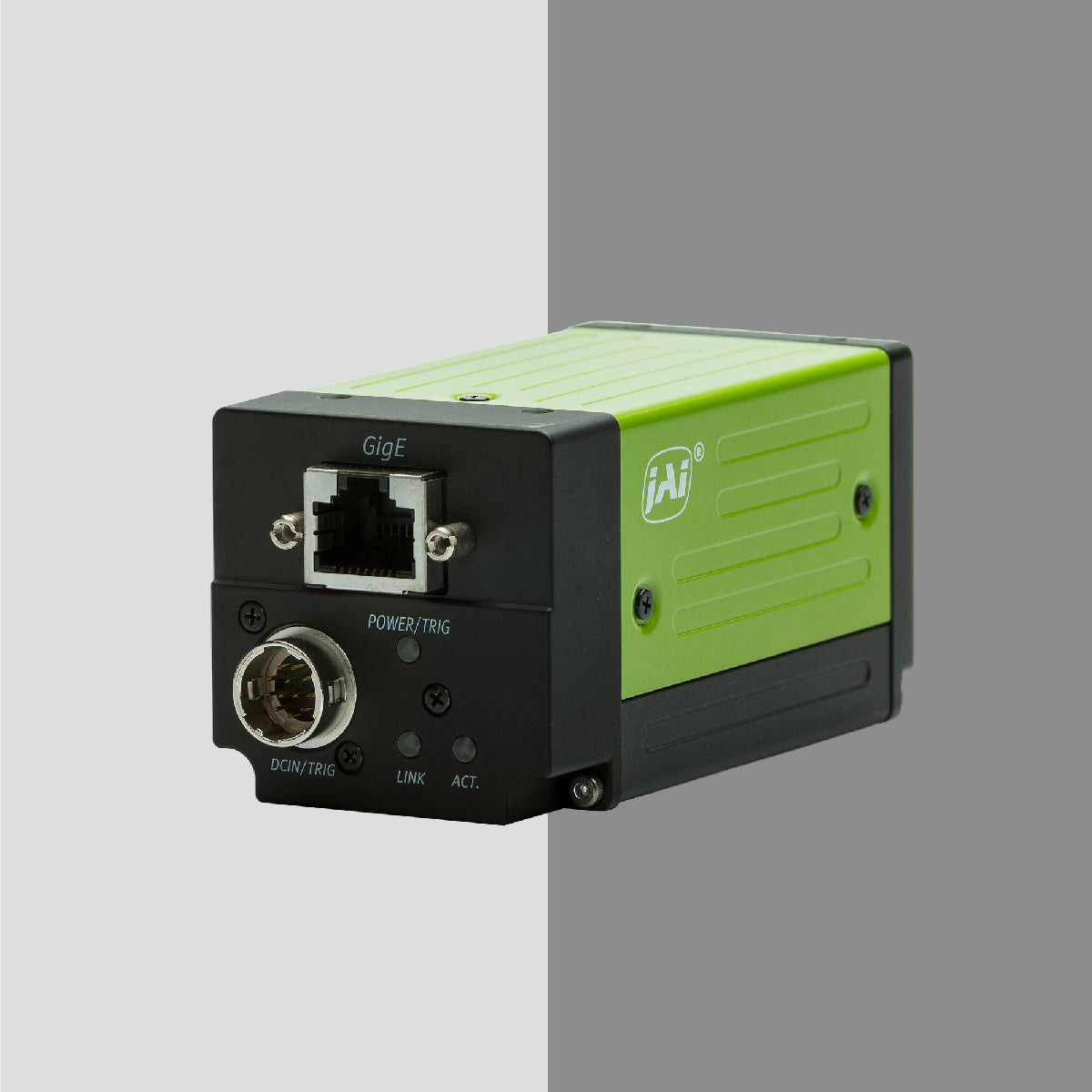
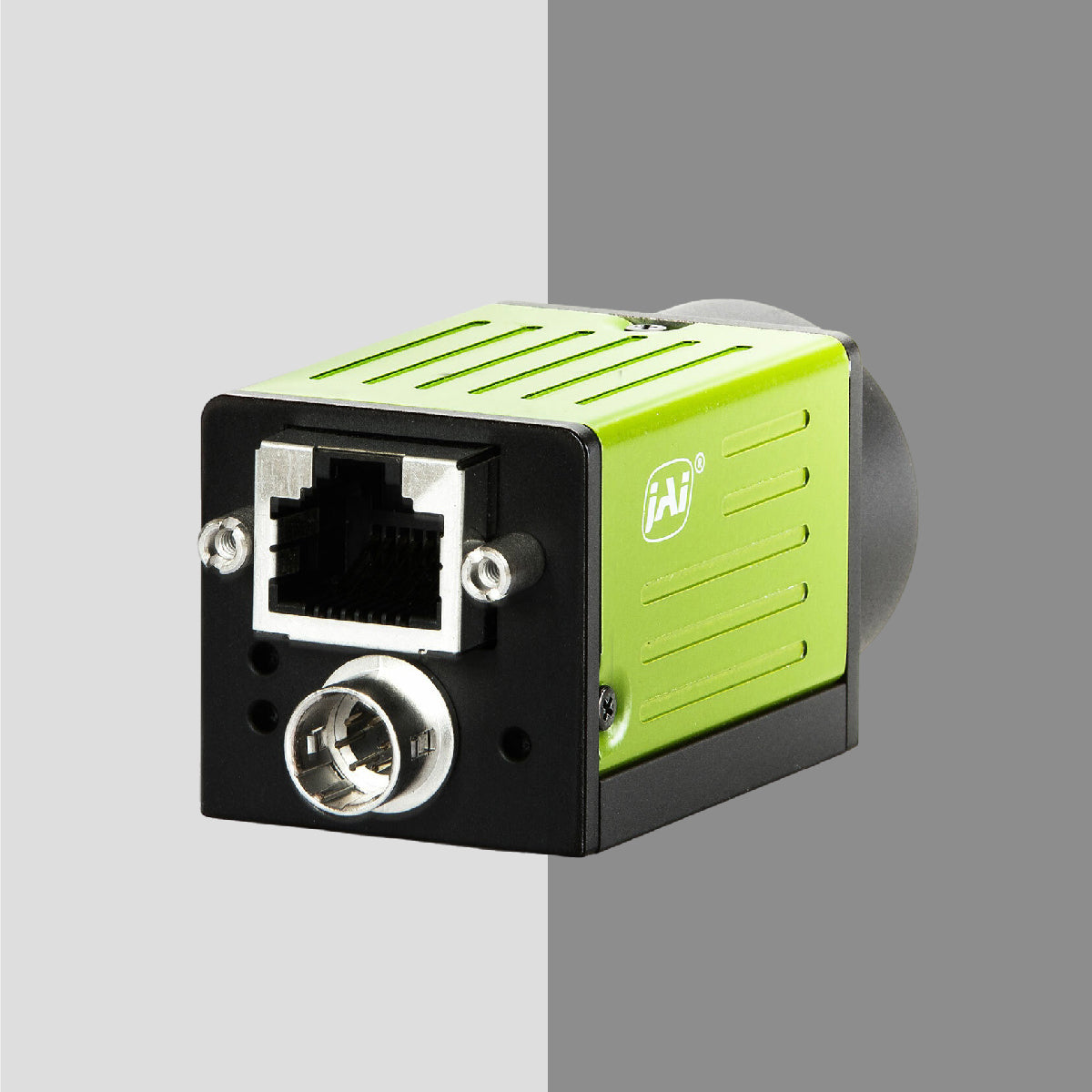
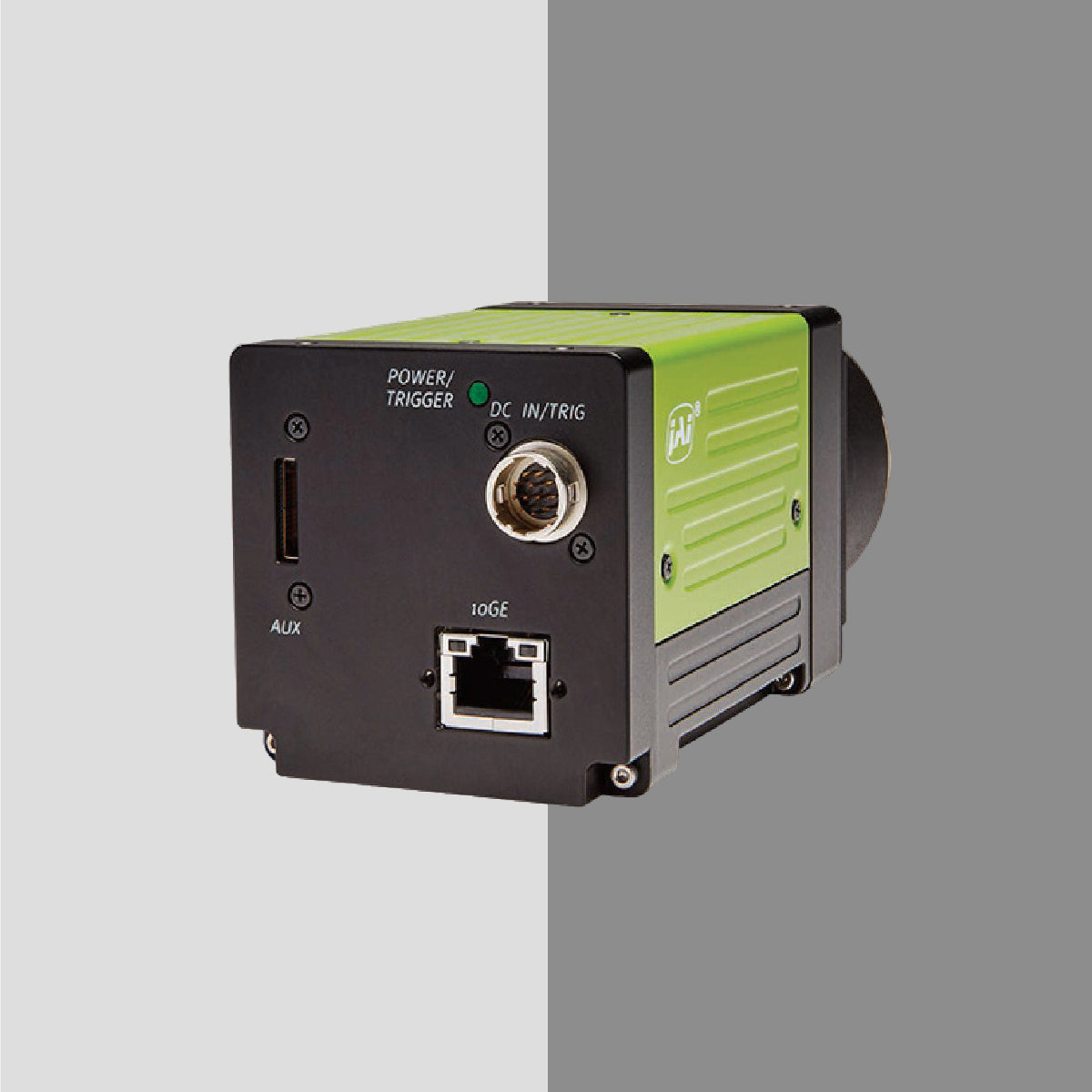
The camera interface determines how image data is transmitted to the vision system and can influence bandwidth, cable length and integration requirements. Common machine vision interfaces include GigE Vision, USB3 Vision and CoaXPress.
GigE Vision is popular for industrial automation because it can support longer cable runs and network-based system architectures.
USB3 Vision provides high bandwidth and straightforward connectivity, making it useful for compact systems where shorter cable distances are acceptable.
CoaXPress can provide significantly higher bandwidth for demanding high-resolution and high-frame-rate imaging applications.
Interface selection should account for the amount of image data being generated, required cable length, available processing hardware and physical movement of the robotic system.
Triggering and Synchronization
Timing is critical in pick-and-place automation. The camera may need to capture an image at an exact point in the robot's movement or when a component reaches a specific location on a conveyor. Industrial cameras with hardware triggering and synchronization capabilities allow image acquisition to be coordinated with sensors, lighting, encoders and robot controllers.
Precise synchronization can help ensure that every image is captured under consistent conditions. This is especially important when using strobe lighting, where the camera exposure and illumination pulse must occur at the correct moment to freeze motion and generate a sharp image.
Lighting Matters Just as Much as the Camera
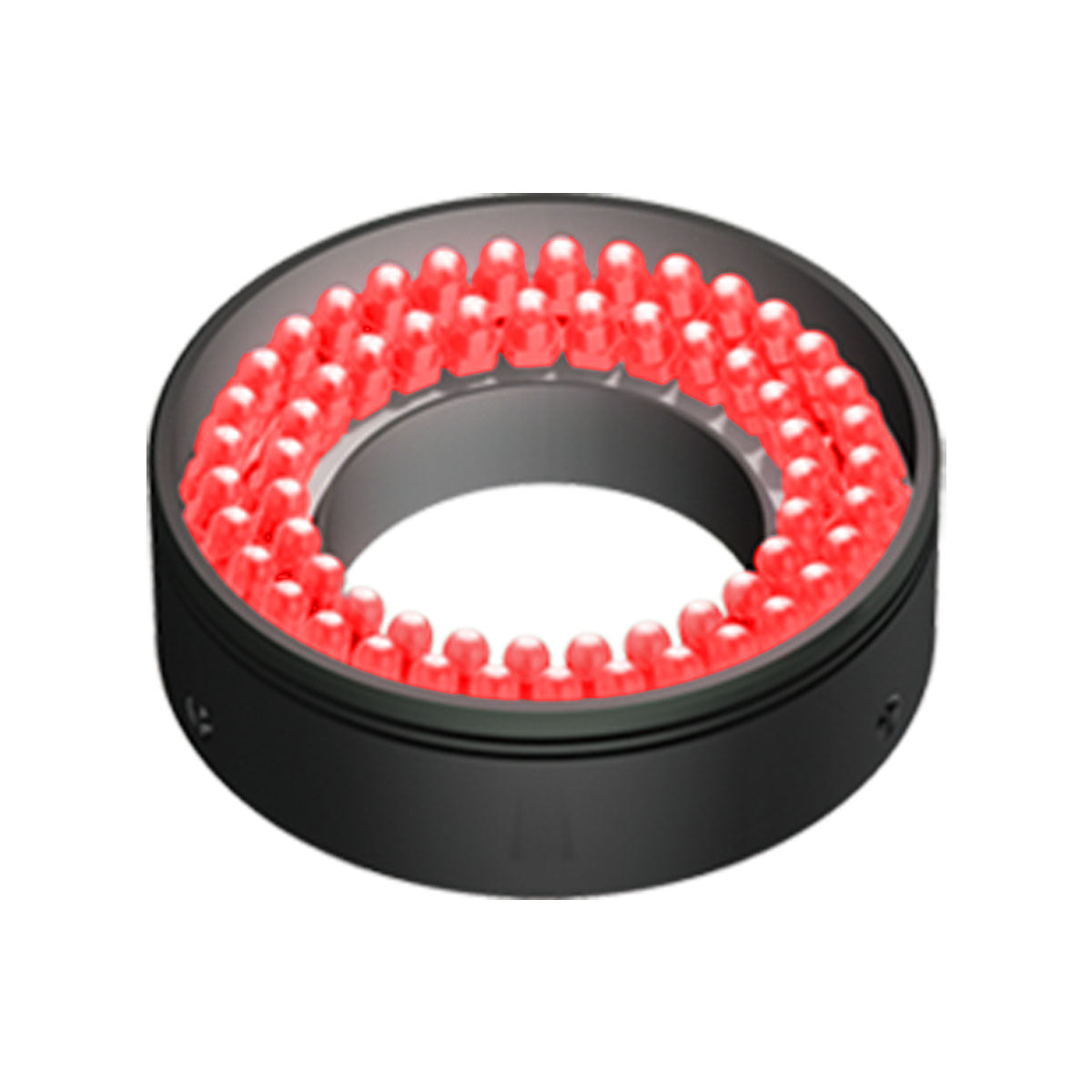
Even the most advanced industrial camera cannot compensate for poor illumination in every situation. Machine vision lighting should provide consistent contrast between the target and its surroundings while minimizing shadows, reflections and other unwanted image variations. Depending on the application, robotic vision systems may use:
- Ring lights
- Bar lights
- Backlights
- Dome lighting
- Coaxial illumination
- Structured lighting
- Strobe lighting
- Visible or near-infrared LED illumination
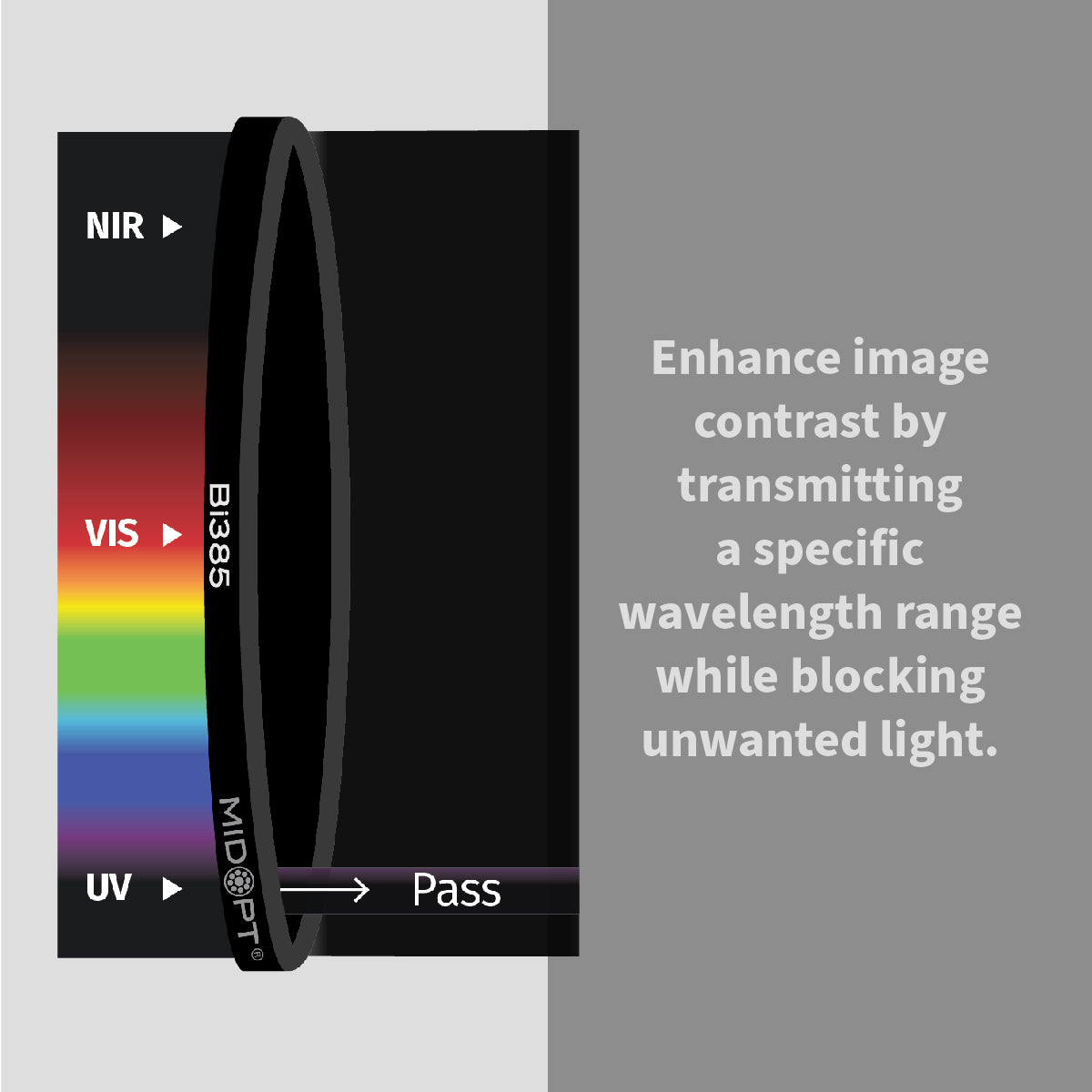
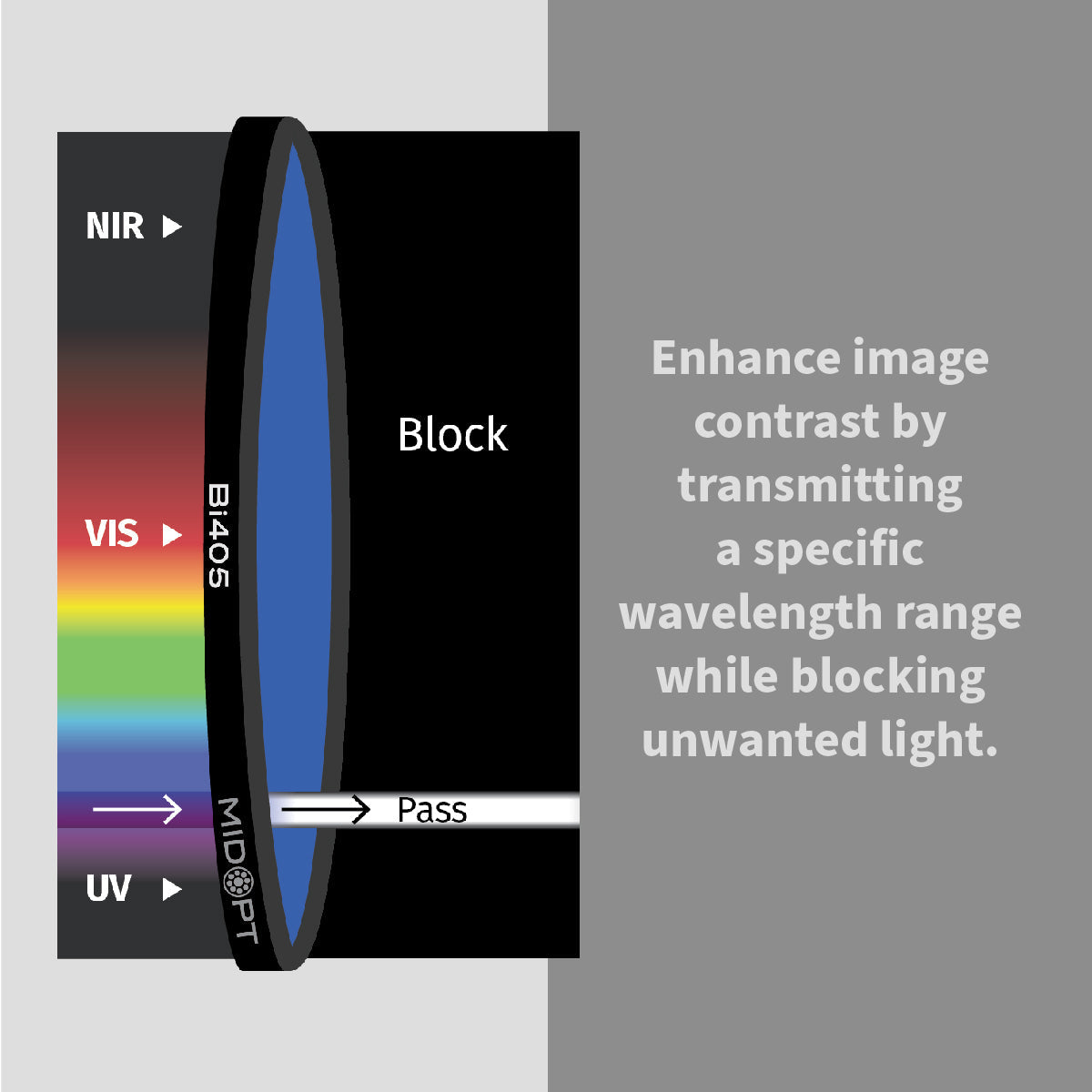
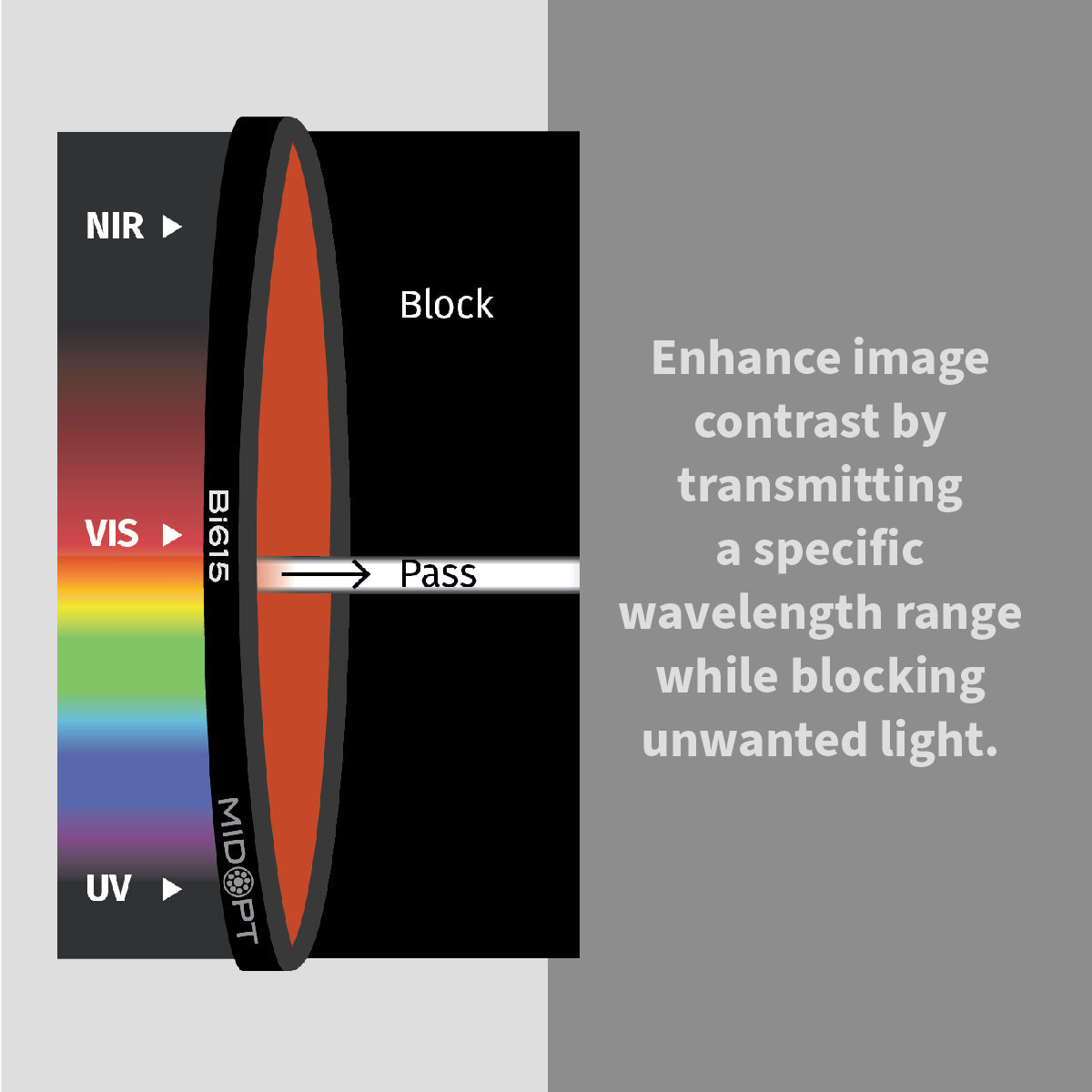
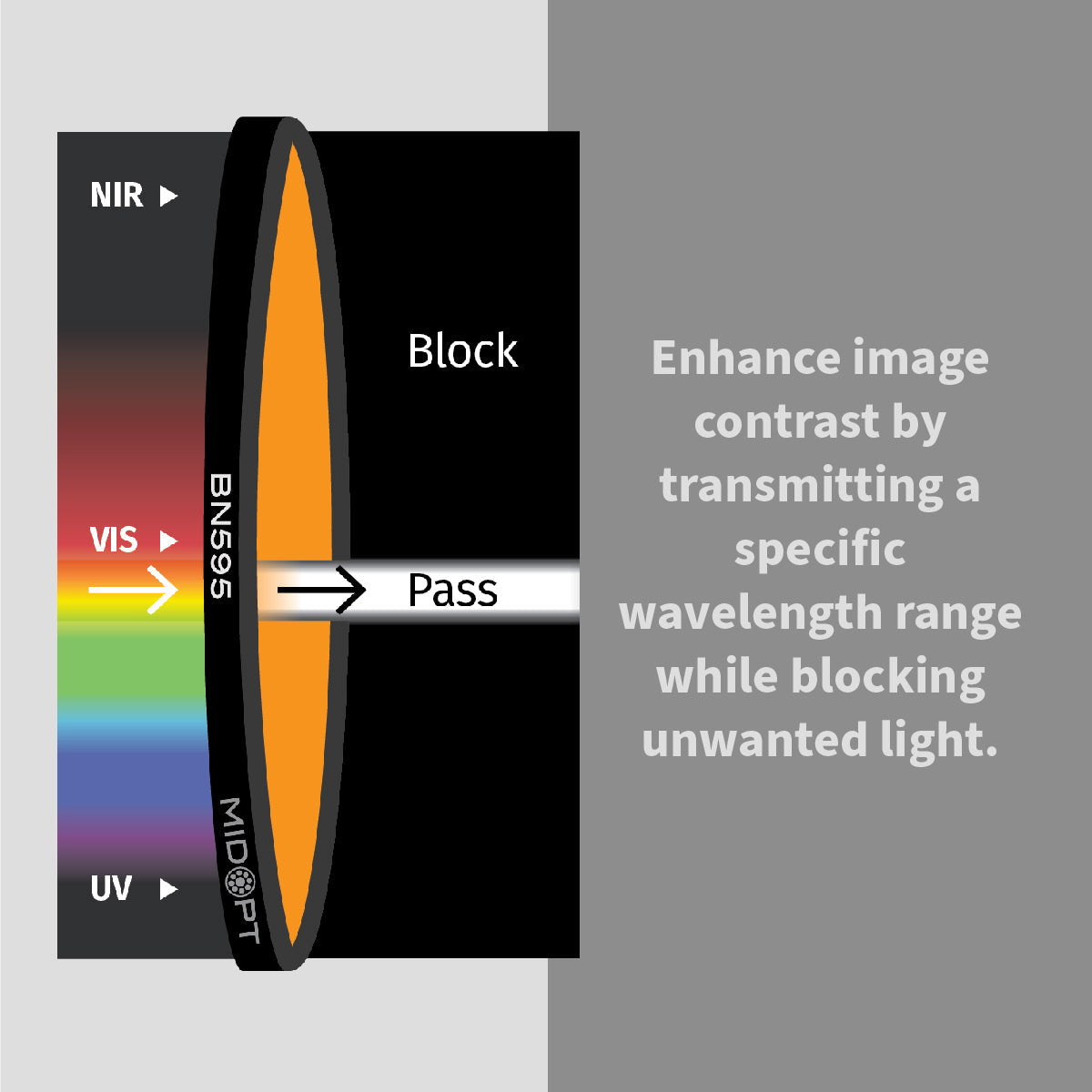
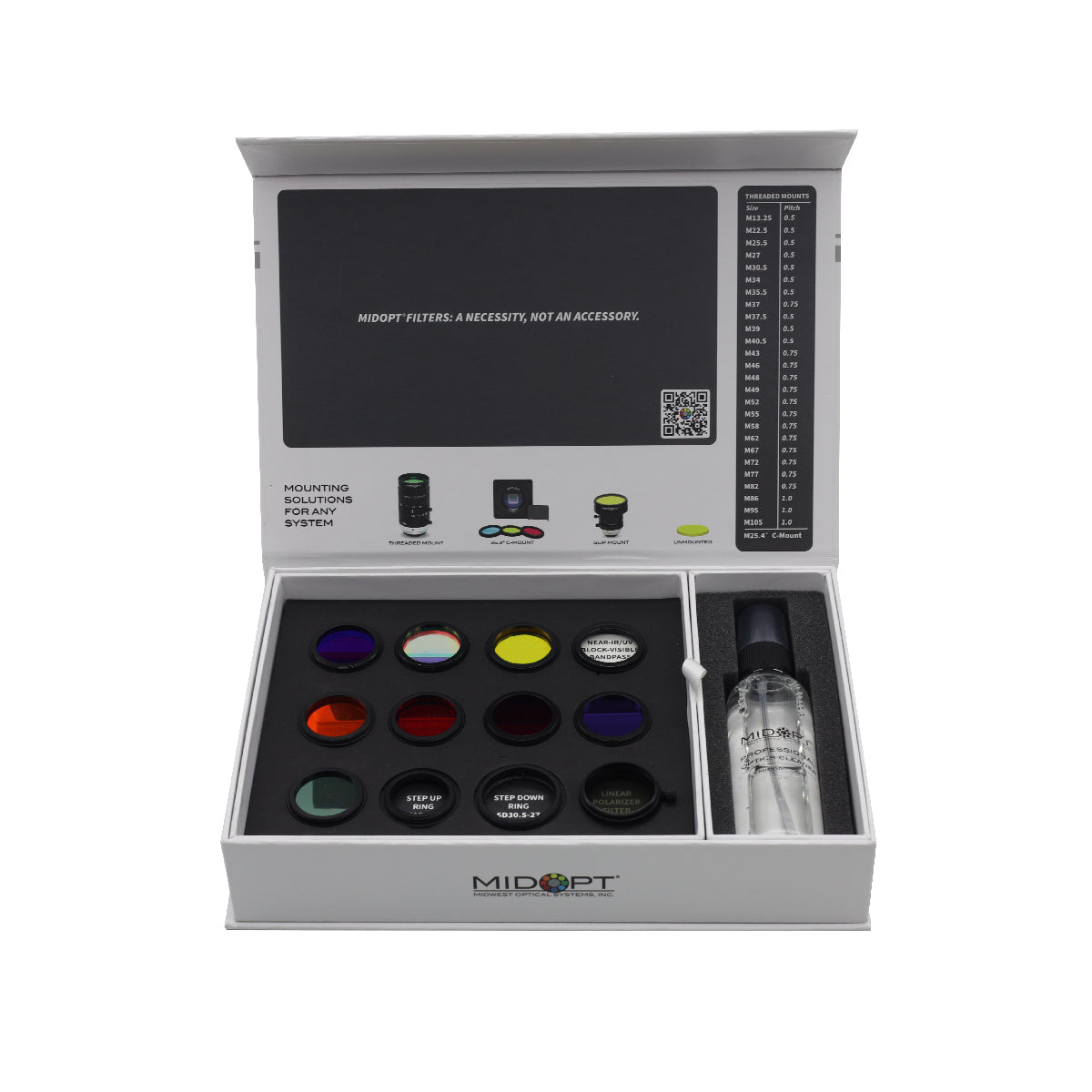
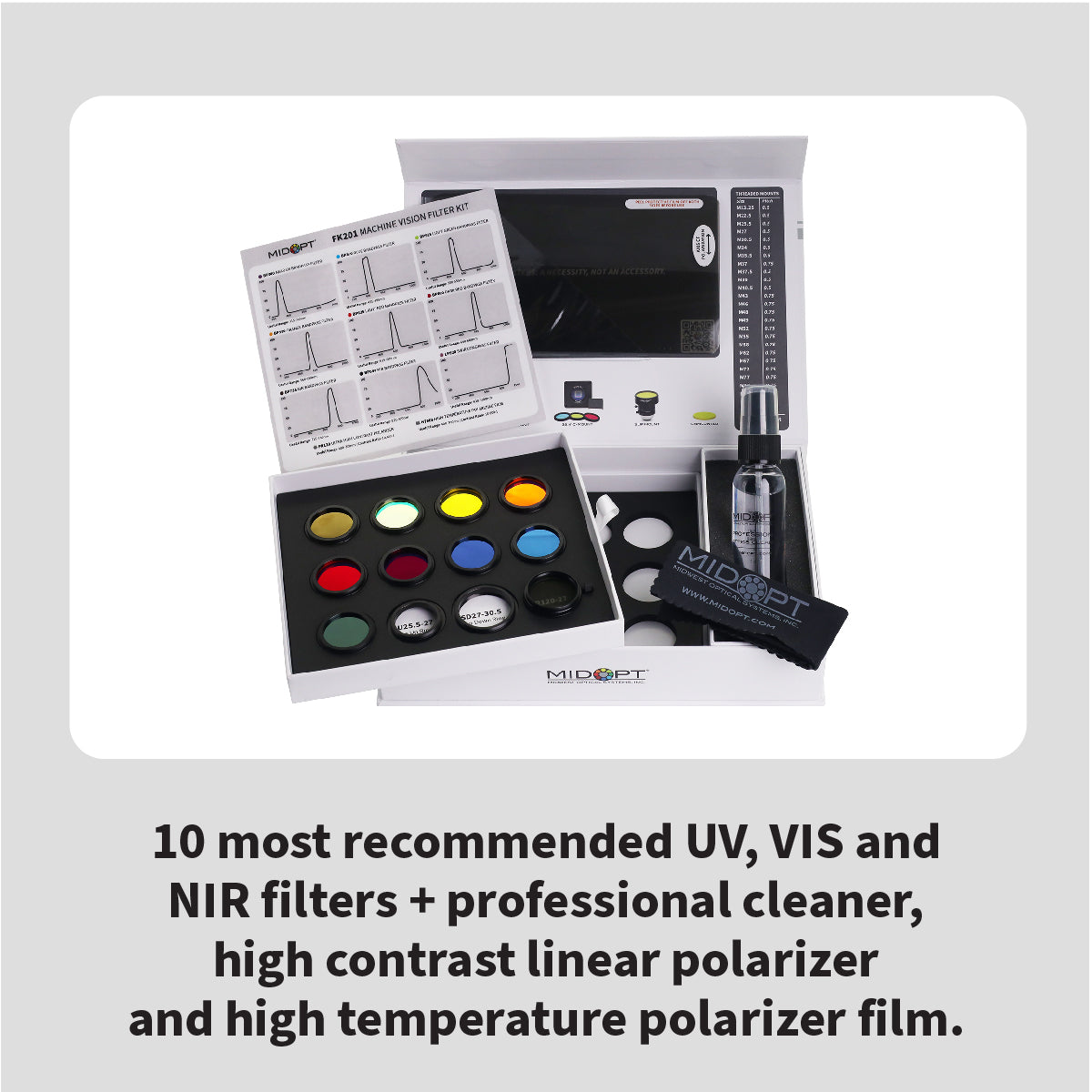
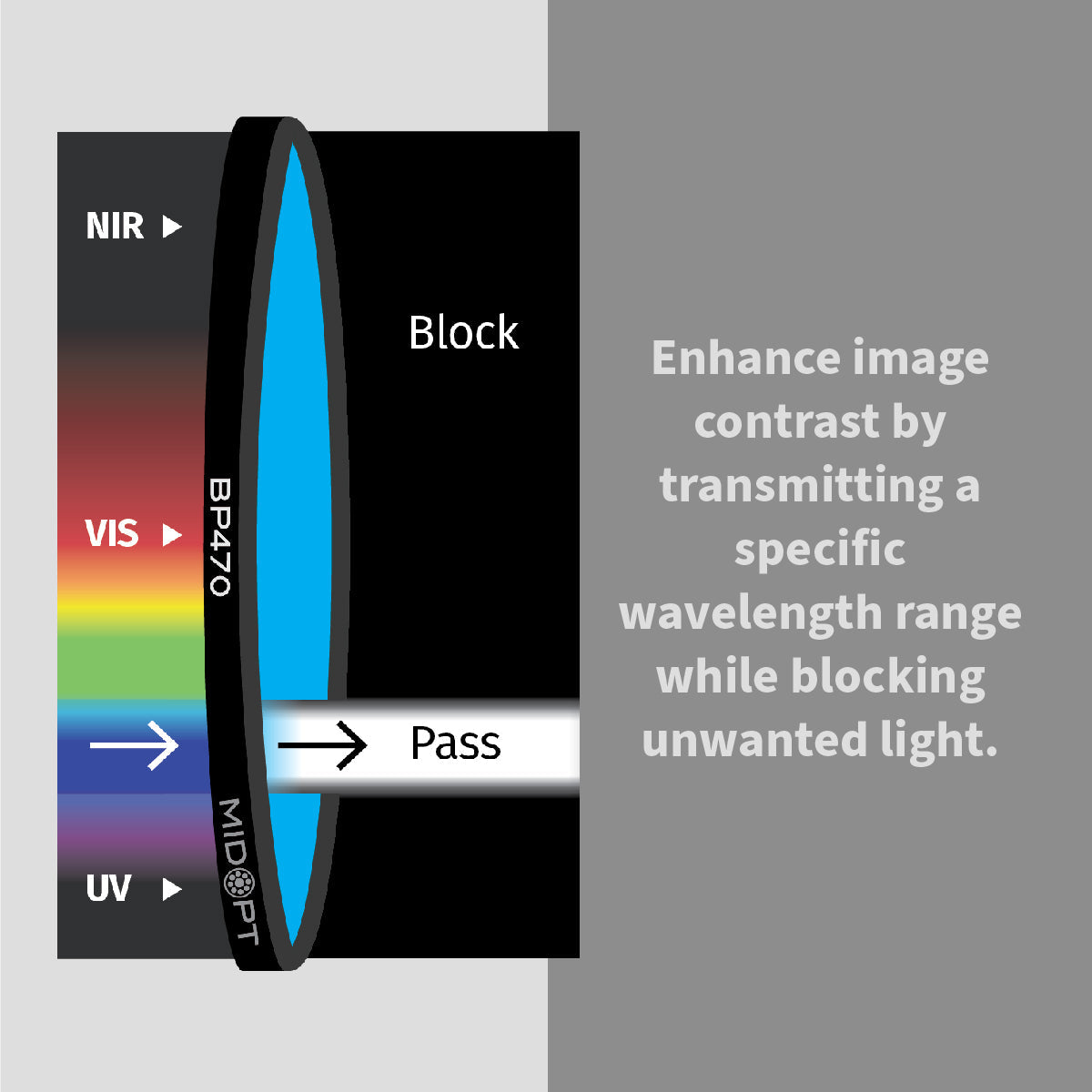
Optical filters can provide additional control by blocking unwanted ambient wavelengths, reducing glare or increasing contrast between specific features. The camera, lens, lighting and optical filter should therefore be selected as a complete imaging system rather than as independent components.
2D vs. 3D Robot Vision
Not every robotic guidance system requires 3D imaging.
2D machine vision is often sufficient when parts are located on a relatively consistent plane and the system primarily needs X-Y position and rotational information.
3D robot vision becomes useful when the system also needs depth information. Random bin picking is a common example: components may overlap or sit at different heights and orientations, requiring the robot to understand their three-dimensional position before determining how to approach and grasp them.
Choosing between 2D and 3D imaging depends on how predictable the position and orientation of the target will be.
Building a Complete Vision System for Robotics
A reliable robotic vision system depends on more than selecting a camera with the highest resolution or fastest frame rate. System designers should consider:
Camera + Lens + Lighting + Optical Filter + Interface + Vision Software
Each component affects the quality and consistency of the image ultimately used to guide the robot.
Start with the application requirements: determine the field of view, smallest feature that must be detected, object speed, working distance, available lighting, required cycle time and environmental conditions. From there, the appropriate camera resolution, sensor, shutter type, frame rate and interface can be selected.
Find the Right Machine Vision Camera at FJW Optical Systems
As robotic automation becomes more flexible and production speeds continue to increase, reliable machine vision is becoming an essential part of modern manufacturing.
The right industrial camera for robotic guidance can help improve part localization, positioning accuracy, inspection reliability and overall automation performance.
FJW Optical Systems offers industrial machine vision cameras along with the lenses, optical filters, lighting and accessories needed to build complete imaging solutions for robotic guidance, pick-and-place automation, bin picking, inspection and other industrial automation applications.
Whether you're designing a new vision-guided robotic system or upgrading an existing machine vision application, selecting components that work together can help deliver faster, more consistent and more reliable image acquisition.