
 Find-R-Scopes
 Filters
 Lenses
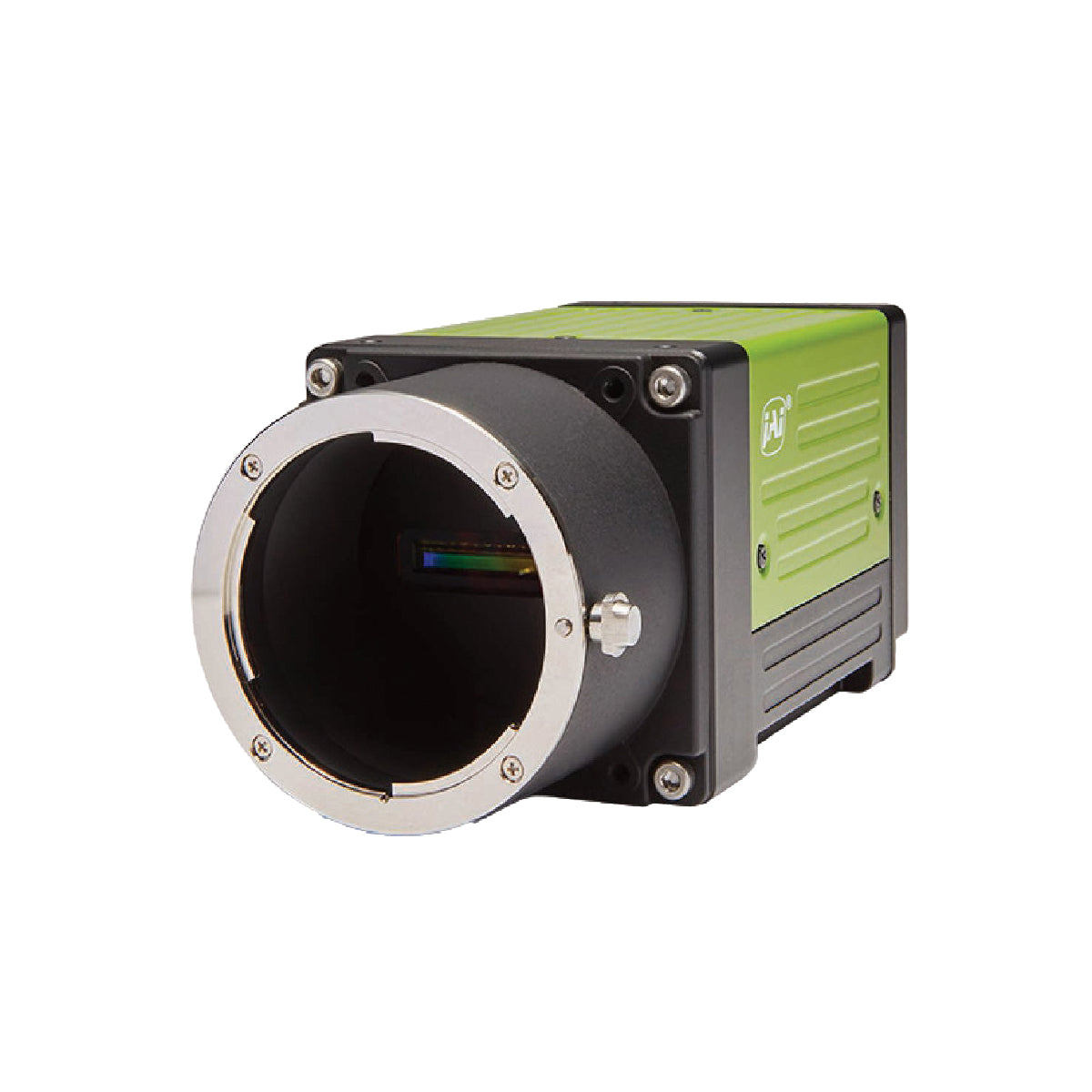
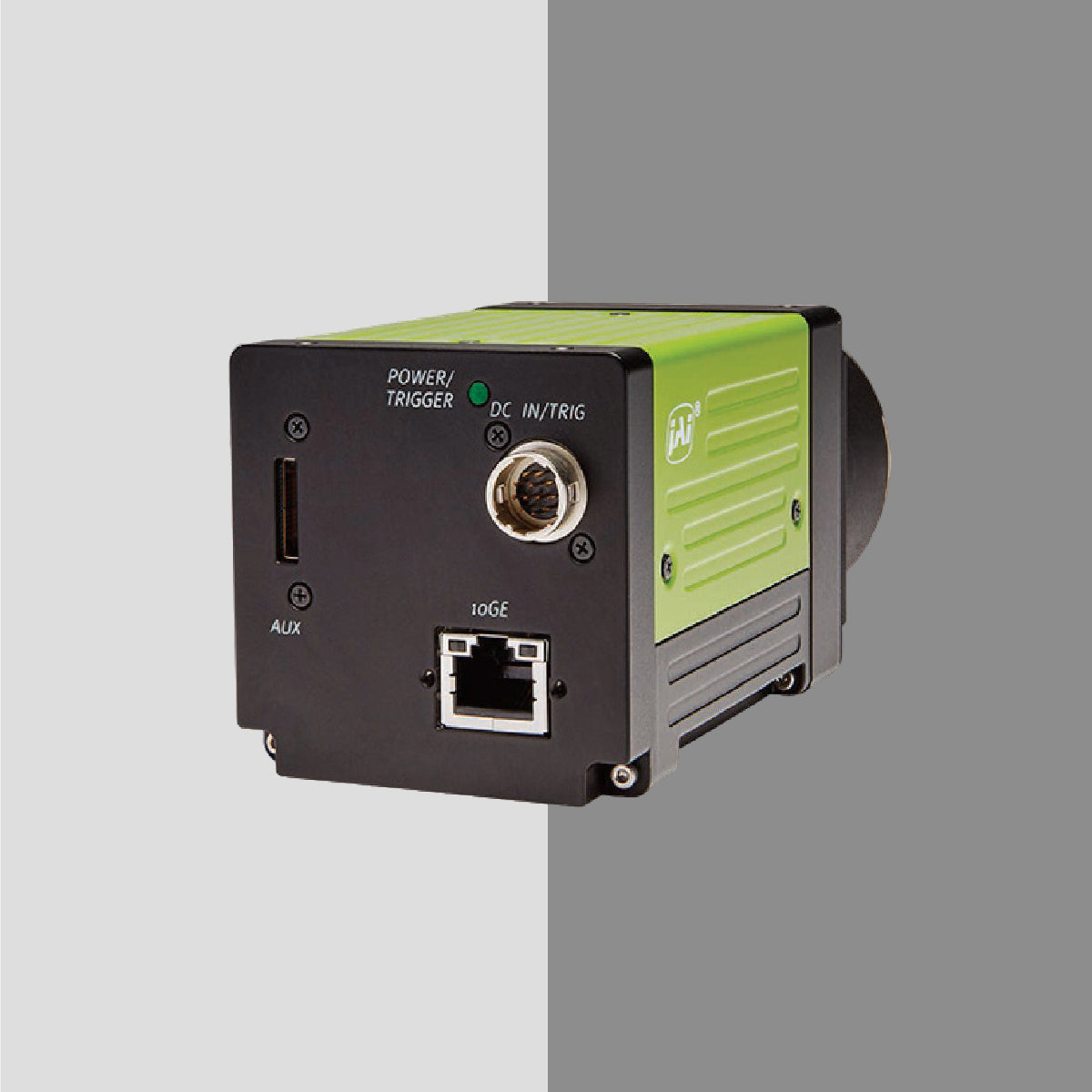
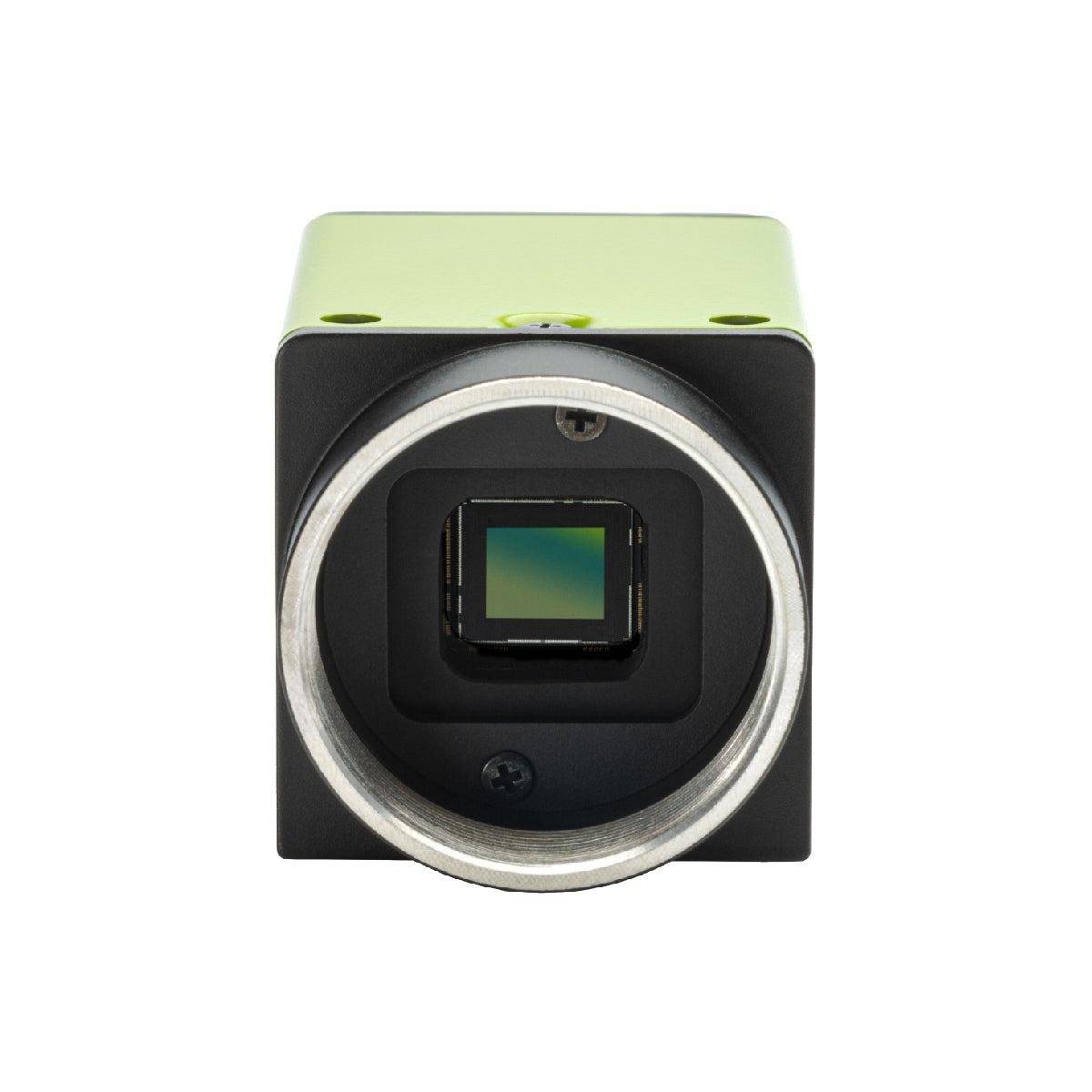
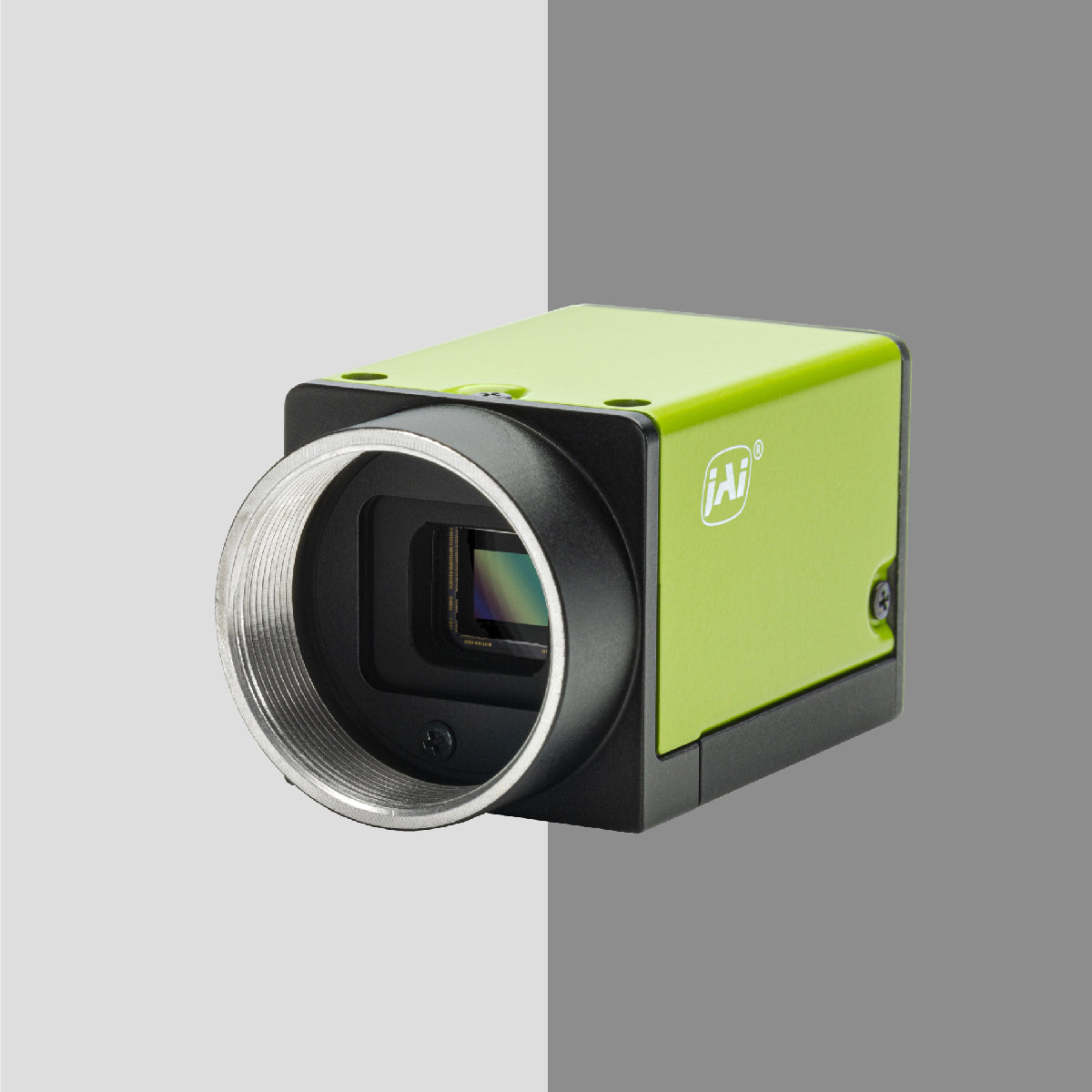
 Cameras
 Lighting
 Accessories






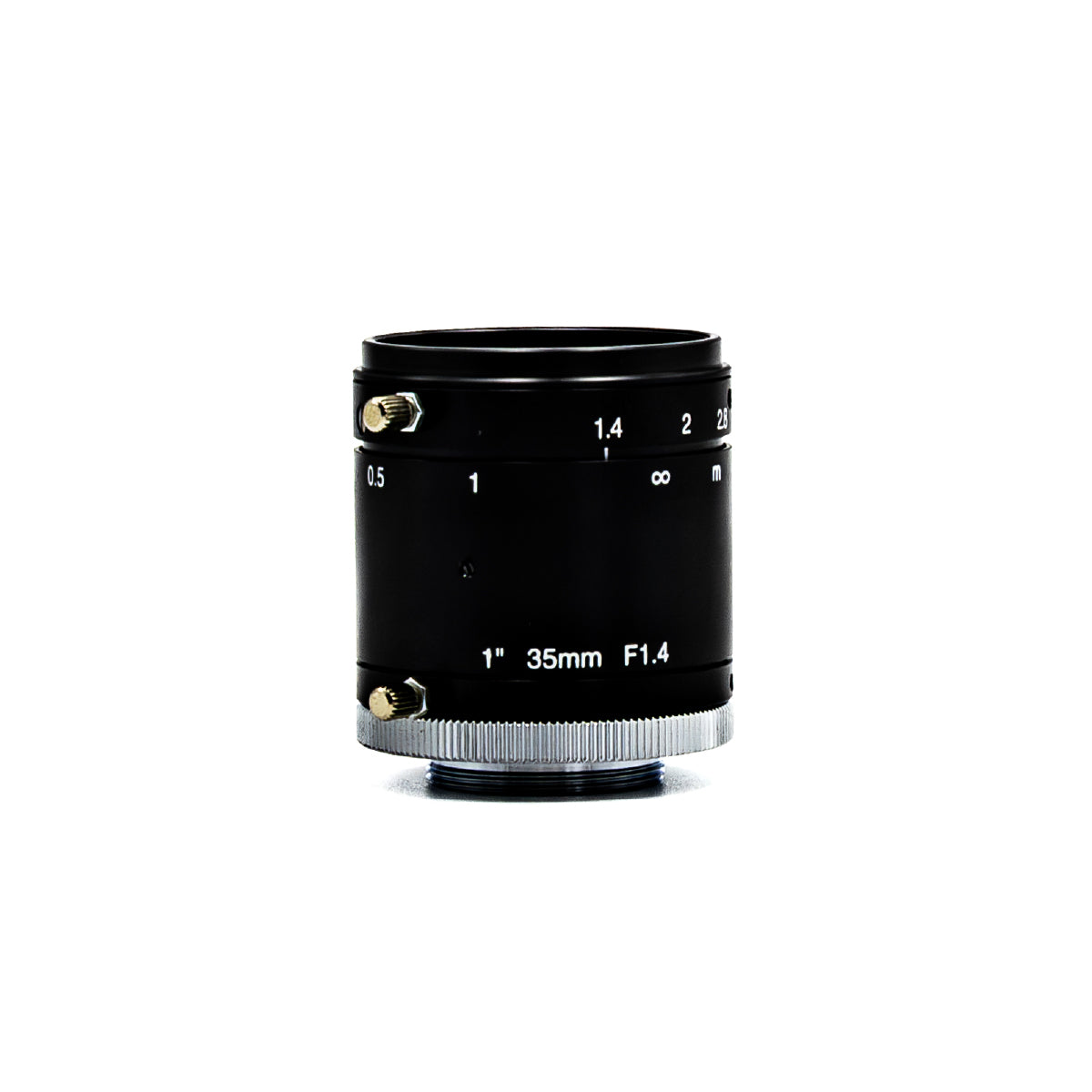
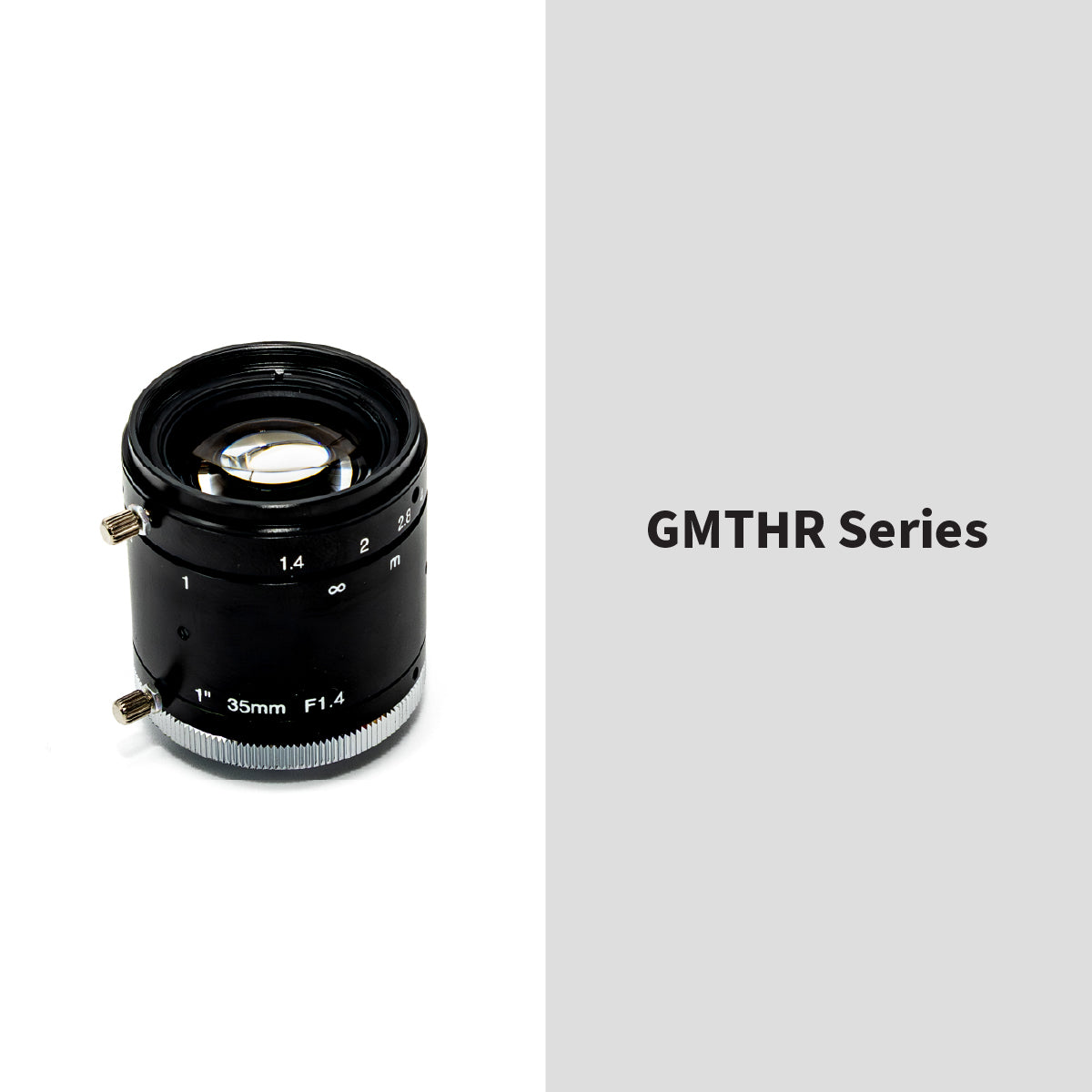


A robotic vision system is only as effective as the image it delivers. While camera resolution, lighting and image-processing software receive significant attention, the machine vision lens plays an equally important role in determining what the camera can see and how accurately the system can interpret it.
In robotic guidance, pick-and-place, bin picking, assembly and inspection applications, the lens determines the field of view, working distance, image detail, perspective and amount of light reaching the camera sensor. Selecting the right lens can help a robot locate objects more accurately, recognize smaller features and maintain consistent performance across the required workspace.
Understanding a few fundamental optical specifications can make selecting a lens for a robotic vision system much easier.
Start with Field of View
The field of view (FOV) is the area of the scene visible to the camera. It should be large enough to capture the entire region where the robot needs to locate or inspect objects.
For example, a robotic pick-and-place system operating over a conveyor may need to see the full conveyor width. A precision assembly robot, on the other hand, may only need to image a small area containing a connector or electronic component.
A wider field of view captures more of the scene, but each object occupies fewer pixels on the sensor. A narrower field of view provides greater image detail but covers a smaller area.
Lens selection therefore requires balancing coverage and resolution based on the smallest feature the vision system must reliably detect.
Choose the Appropriate Focal Length
Focal length is one of the primary specifications used to select a machine vision lens. Shorter focal-length lenses generally provide a wider field of view, while longer focal lengths provide a narrower field of view and greater apparent magnification. Common machine vision focal lengths include options such as:
- 6mm and 8mm for wide fields of view
- 12mm and 16mm for moderate viewing areas
- 25mm and 35mm for narrower fields of view
- 50mm and longer for more detailed imaging from greater distances
The correct focal length depends on the sensor size, working distance and required field of view. Rather than choosing focal length independently, these specifications should be evaluated together to ensure the robot sees the required area at the desired level of detail.
Consider Working Distance
Working distance is the distance between the front of the lens and the object being imaged. In robotic applications, working distance may be limited by the physical layout of the machine. Cameras mounted above conveyors may have significant space available, while cameras integrated into robotic end-of-arm tooling may need to operate very close to the target. The lens must be capable of focusing at the required distance.
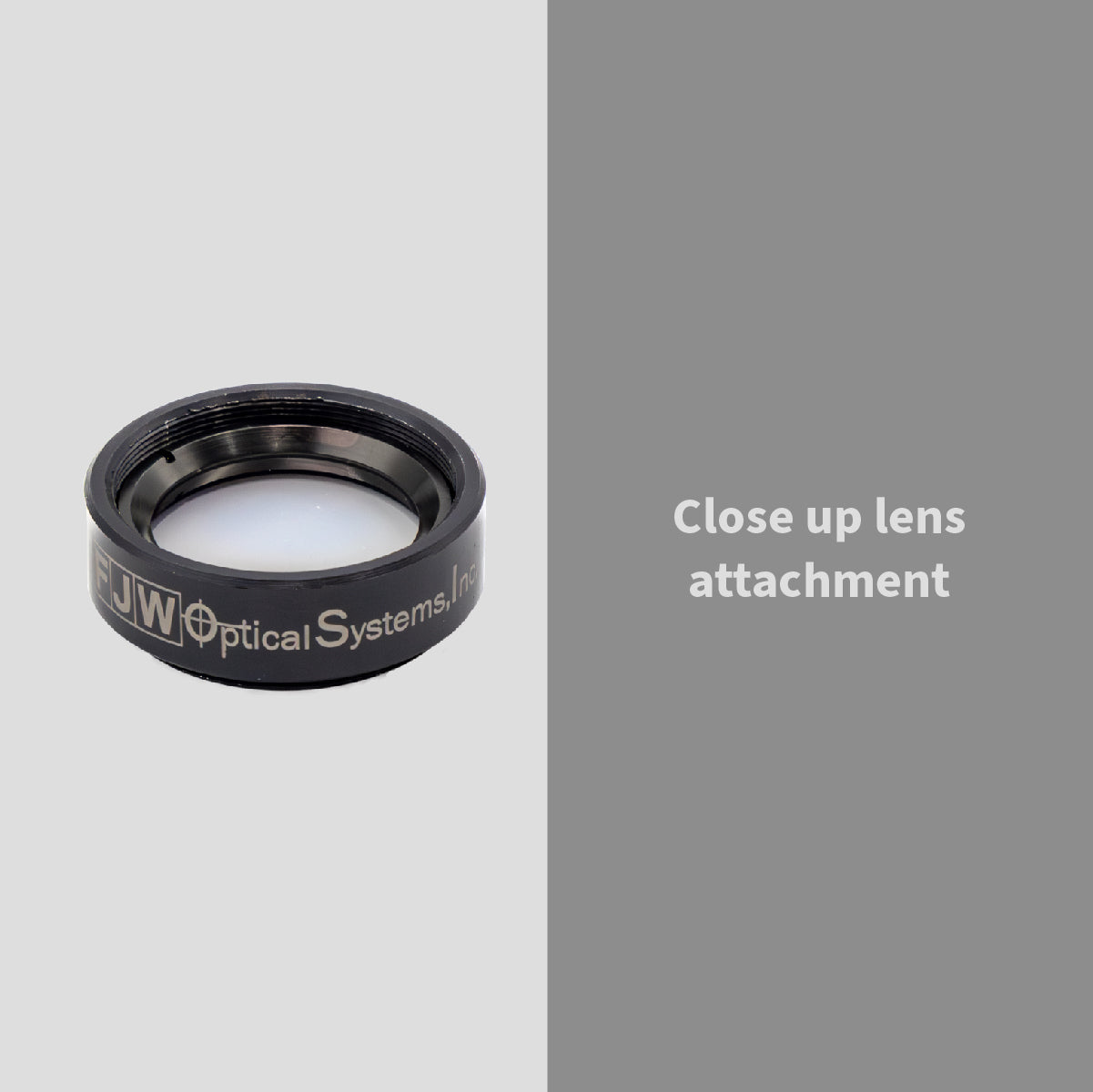
Always check the lens's minimum object distance (MOD) when designing a close-range robotic imaging system. If the target is positioned closer than the specified MOD, the lens may not be able to focus properly. Working distance also affects field of view. Increasing the distance generally increases the area visible to the camera, while moving closer reduces the field of view.
Match the Lens to the Camera Sensor
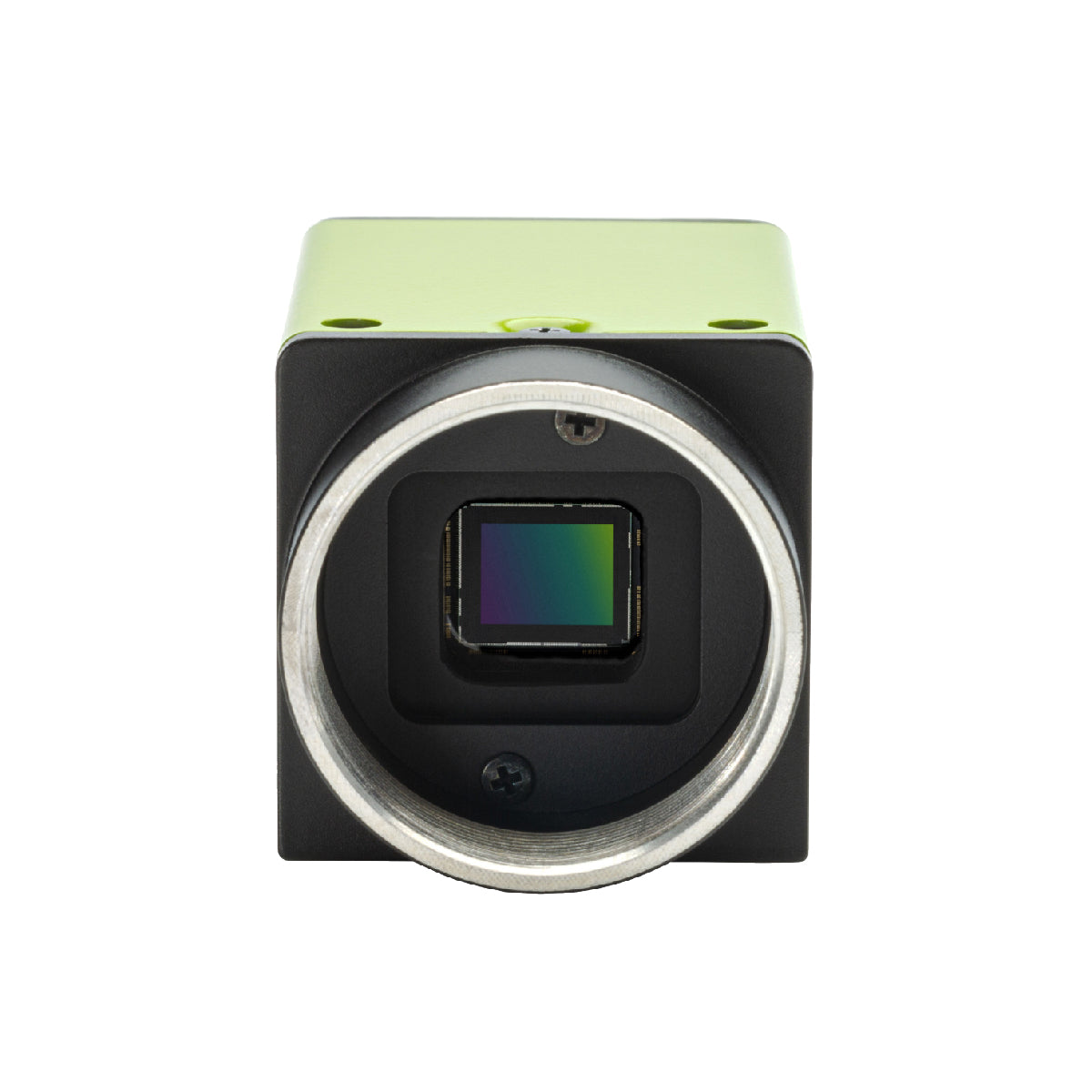
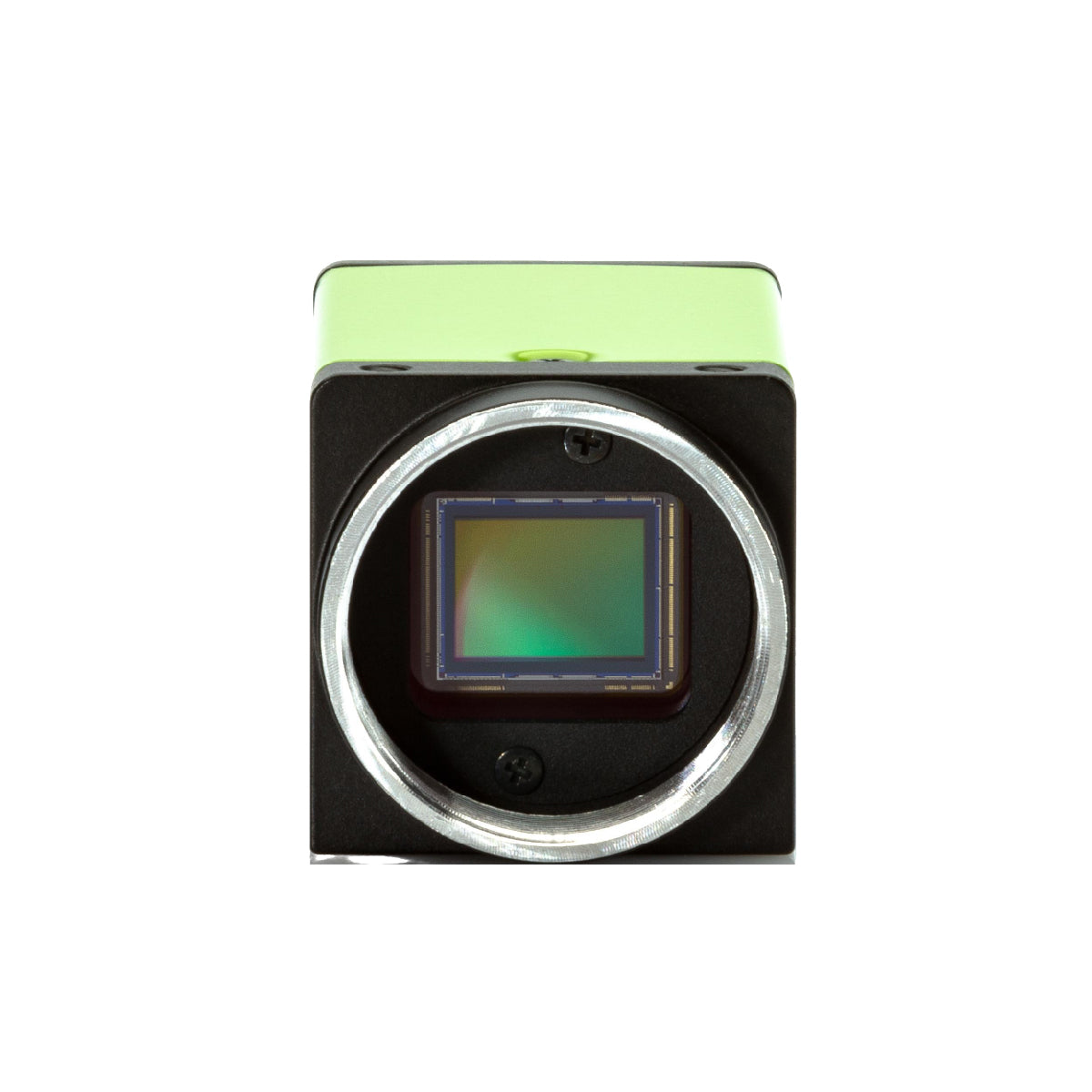
Machine vision lenses are designed for specific sensor formats, such as 1/2", 2/3", 1", 1.1" and larger. The lens's supported image format should be equal to or larger than the camera sensor.
Using a lens designed for a smaller sensor can cause vignetting, where the corners or edges of the image become dark because the lens does not project an image circle large enough to cover the sensor.
Sensor size also affects field of view. Two cameras using the same focal-length lens can produce different fields of view if their sensor dimensions are different. For this reason, the camera sensor should be known before finalizing the lens selection.
Match Lens Resolution to Camera Resolution
Modern industrial cameras are available with increasingly high megapixel counts and smaller pixel sizes. To take full advantage of that resolution, the lens must be capable of resolving comparable levels of detail.
Installing a high-resolution camera does not guarantee a high-resolution image if the lens cannot reproduce fine details sharply enough. When selecting a lens, consider:
Camera resolution + sensor size + pixel size + lens resolving capability
High-resolution machine vision lenses are particularly important for applications such as:
- Precision robotic assembly
- Electronics manufacturing
- Small-part inspection
- Barcode and OCR reading
- Fine feature detection
- Dimensional measurement
- Automated quality control
Matching the optical performance of the lens to the camera helps ensure the sensor receives the level of detail it was designed to capture.
Understand Aperture and Depth of Field
The lens aperture controls how much light reaches the camera sensor and also influences depth of field.
A wider aperture, represented by a lower f-number, allows more light into the camera but produces a shallower depth of field. A smaller aperture, represented by a higher f-number, reduces incoming light while generally increasing the range of distances that appear acceptably sharp.
Depth of field can be particularly important in robotic applications where objects are not always positioned at exactly the same height. For example, components randomly arranged in a bin may sit at different distances from the camera. Greater depth of field can help keep more of those components in focus.
However, closing the aperture too far can introduce diffraction and reduce image sharpness. Lens aperture, lighting intensity, exposure time and depth of field should therefore be optimized together.
Minimize Distortion for Accurate Robotic Guidance
Lens distortion can cause straight lines or object dimensions to appear altered toward the edges of an image.
For basic object recognition, small amounts of distortion may not create a significant problem. For robotic positioning, measurement and precision inspection, however, distortion can affect the accuracy of calculated coordinates. Low-distortion lenses can help maintain more consistent geometry across the image. This becomes particularly important when the vision system uses features near the edges of a large field of view or when measurements are being derived directly from camera images.
Wide-Angle Lenses for Space-Constrained Systems
Some robotic vision systems require a large field of view but have very little room between the camera and target.
A wide-angle machine vision lens can provide greater scene coverage at short working distances, potentially allowing a single camera to capture an area that would otherwise require greater mounting height or multiple cameras. Wide-angle lenses can be useful for:
- Robot-mounted cameras
- Compact automation cells
- Conveyor monitoring
- Packaging systems
- Mobile robotics
- Automated guided vehicles
- Large-area inspection
However, very wide fields of view can introduce greater optical distortion. When accurate positioning or measurement is required, lens distortion specifications should be carefully evaluated.
Fixed-Focal vs. Varifocal Lenses
Most machine vision applications use fixed-focal lenses because they offer a predetermined focal length in a compact, stable design. Once the correct field of view and working distance are established, a fixed-focal lens can provide a reliable solution for production environments.
Varifocal lenses provide an adjustable focal-length range. This can be useful when the exact field of view must be adjusted during system setup or when one lens design needs to accommodate multiple installation configurations. The appropriate choice depends on whether the robotic system requires maximum optical consistency or greater installation flexibility.
Lens Size Matters for Robot-Mounted Cameras
In robotic vision, mechanical dimensions can be just as important as optical specifications. A camera mounted directly on a robotic arm or end effector adds weight and occupies valuable space. Compact machine vision lenses can help minimize the size and mass of the imaging assembly. Smaller lenses may also reduce interference with grippers, tooling and nearby equipment. When designing an end-of-arm vision system, evaluate:
- Lens diameter and overall length
- Camera dimensions
- Combined camera and lens weight
- Cable routing
- Working distance
- Robot payload limitations
- Clearance around tooling
Selecting compact components can make the entire vision system easier to integrate.
Consider Vibration and Focus Stability
Robotic systems can subject imaging equipment to repetitive motion, acceleration and vibration. Once a machine vision system has been calibrated, unintended changes to focus or aperture can affect image consistency.
Industrial lenses designed for machine vision may offer mechanical features that help secure adjustments after setup. Maintaining stable focus and iris settings can be particularly important in high-speed robotic environments where the camera moves repeatedly throughout the production cycle.
Don't Select the Lens in Isolation
The best robotic vision results come from treating the imaging components as a complete optical system. Consider:
Camera + Lens + Lighting + Optical Filter + Vision Software
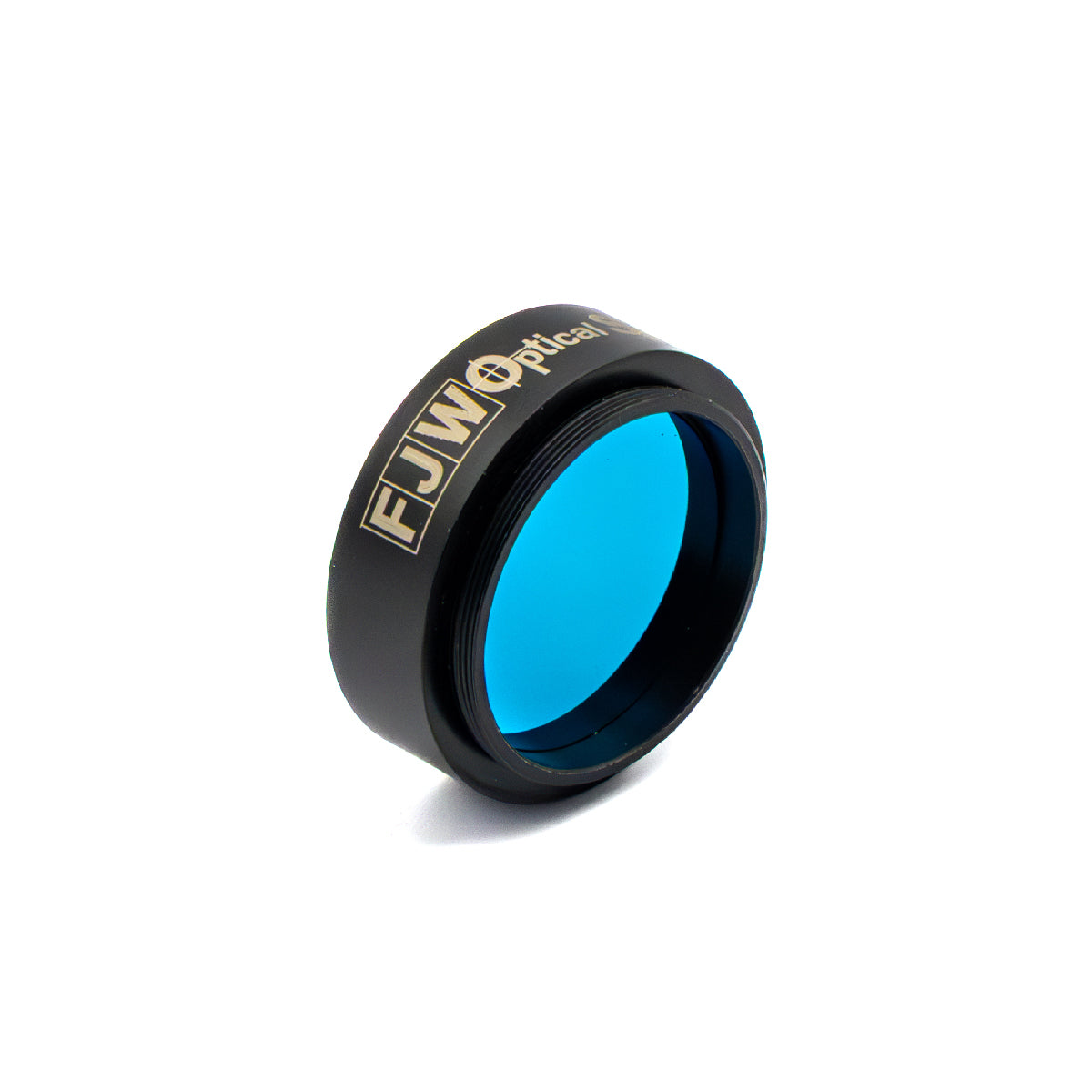
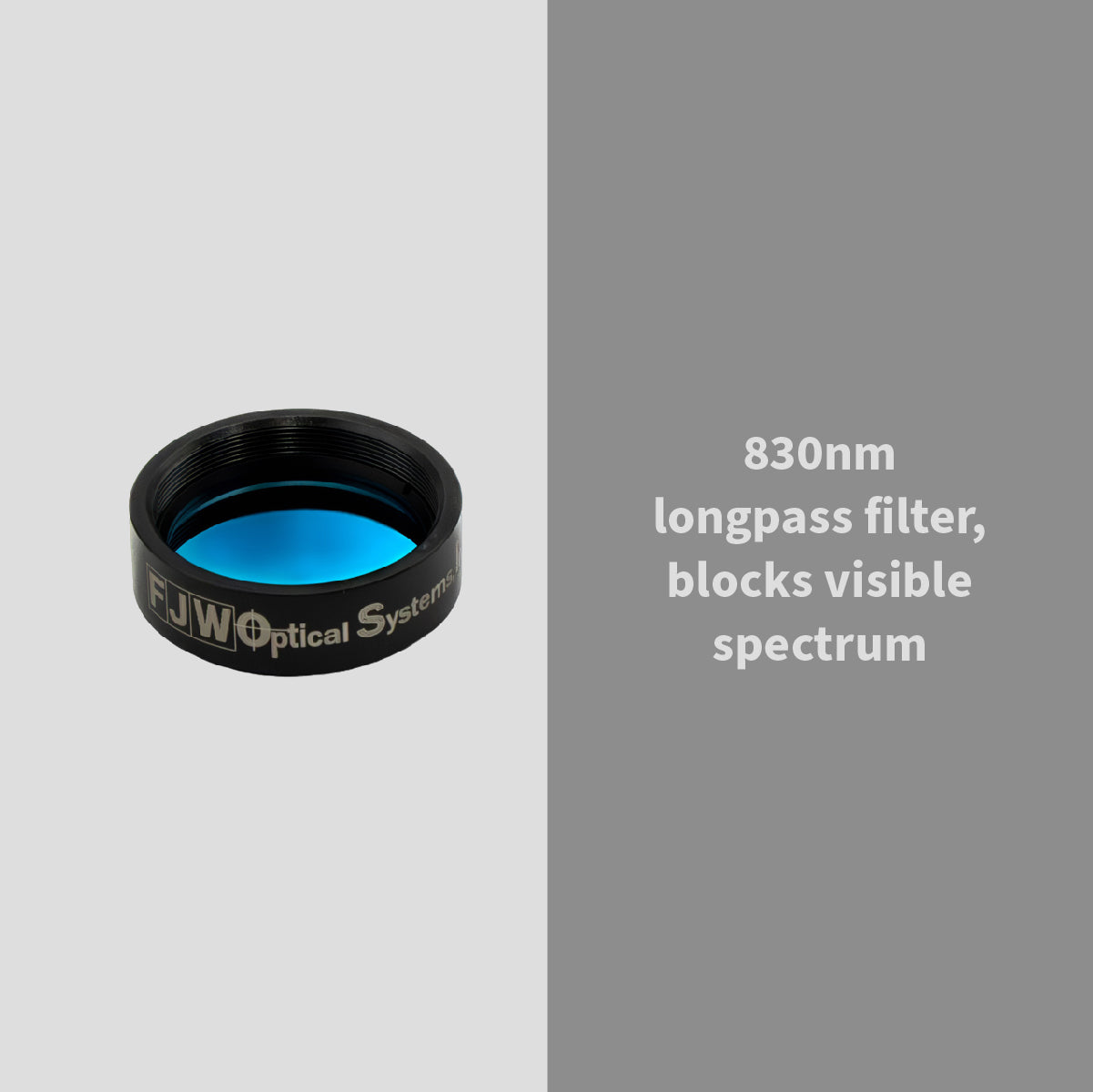
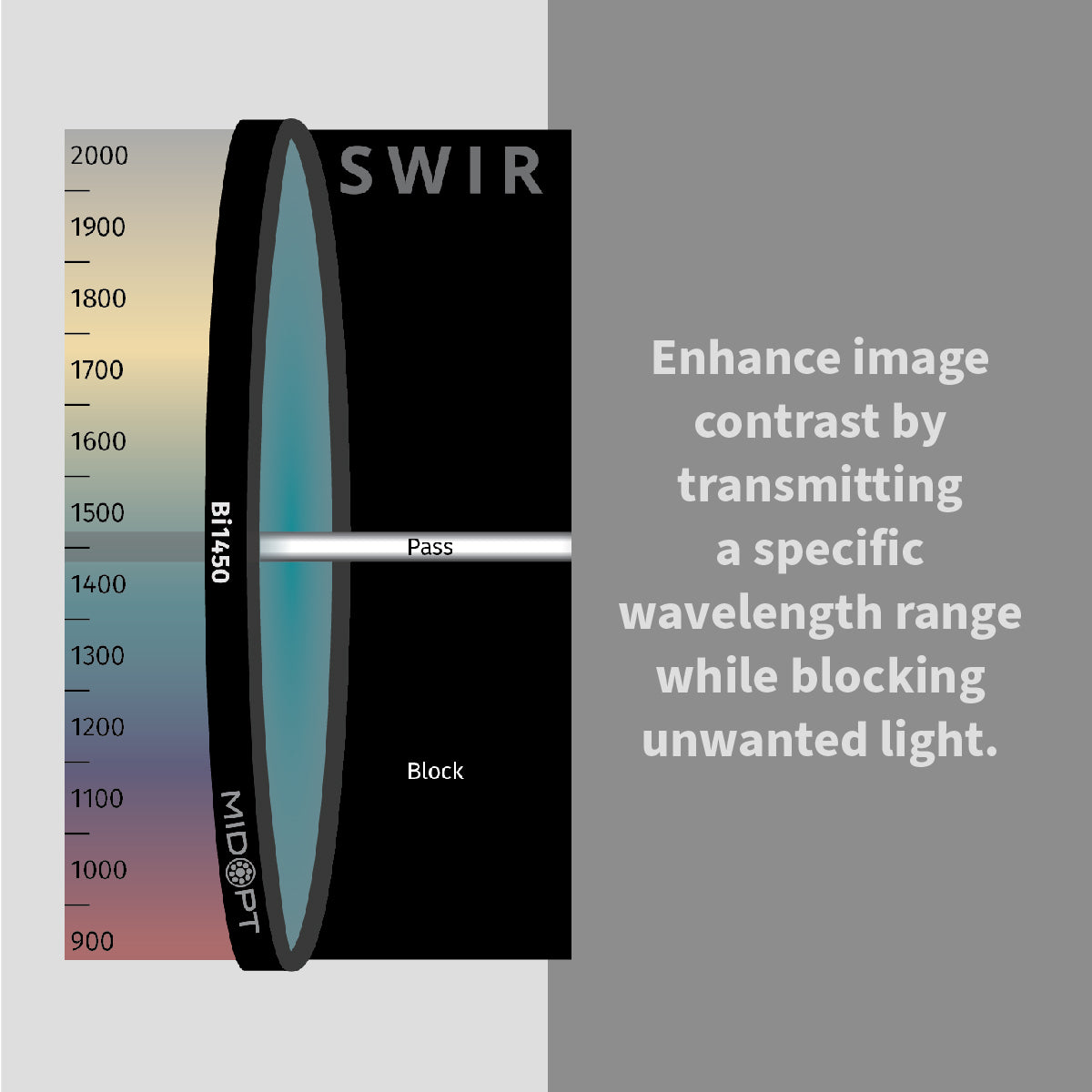
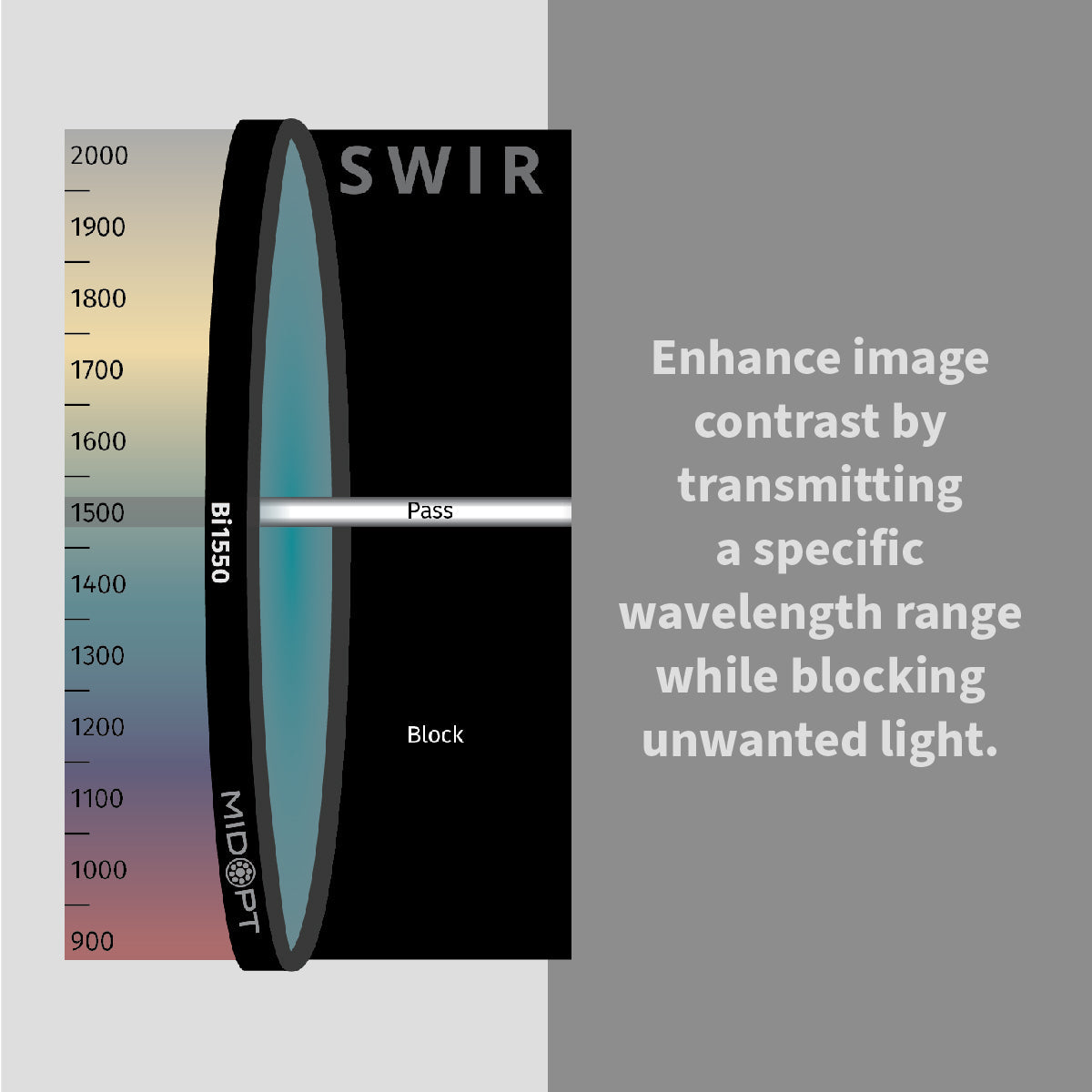
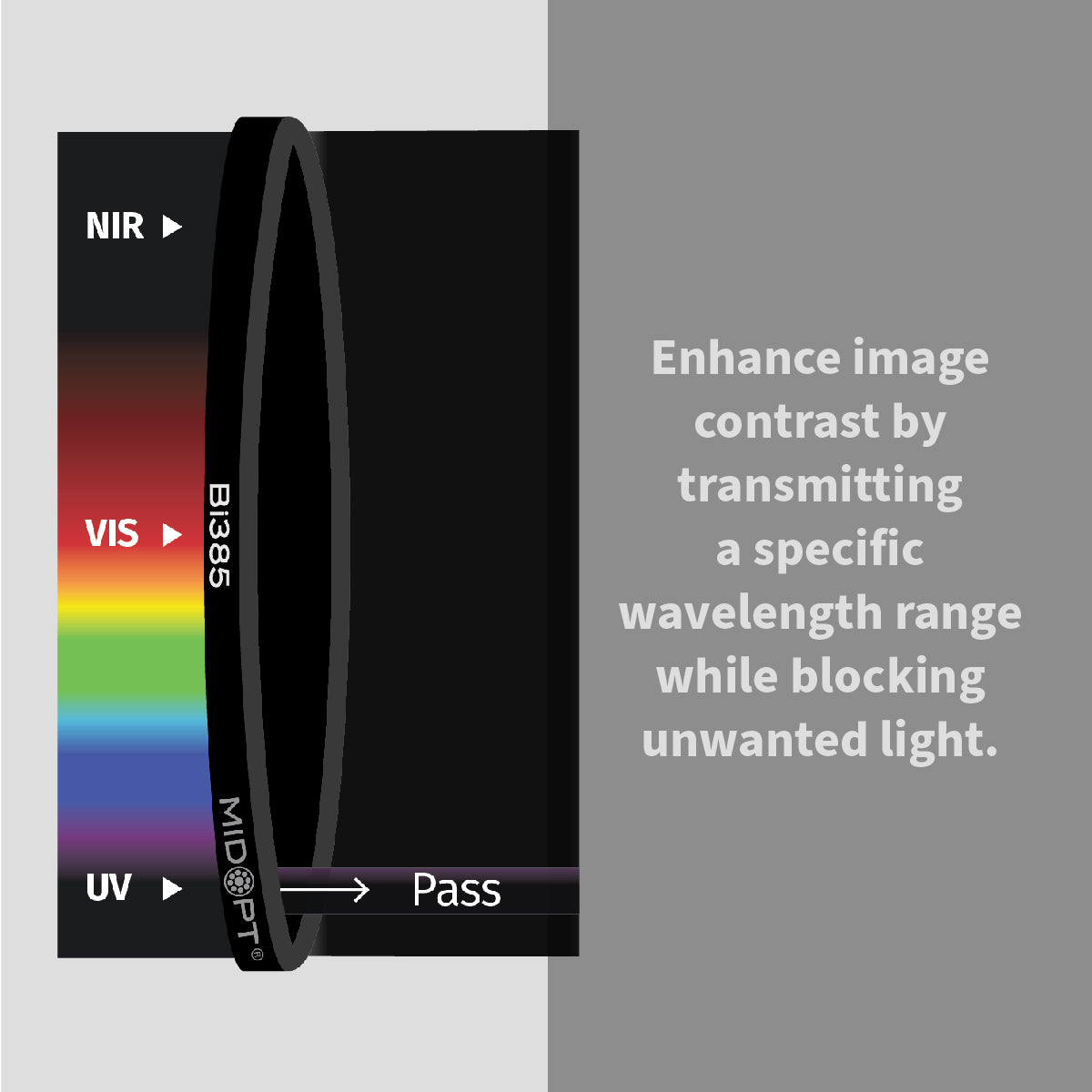
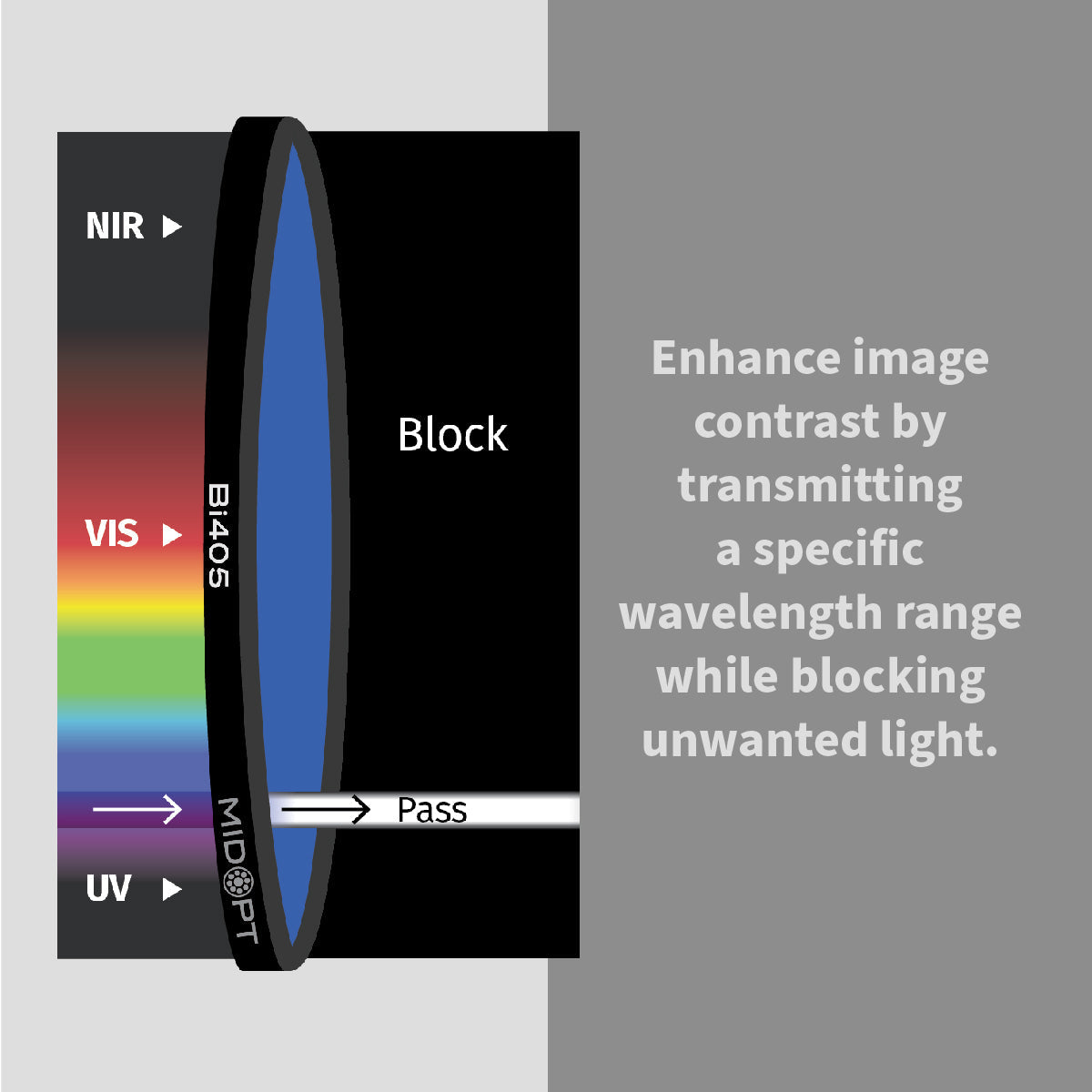
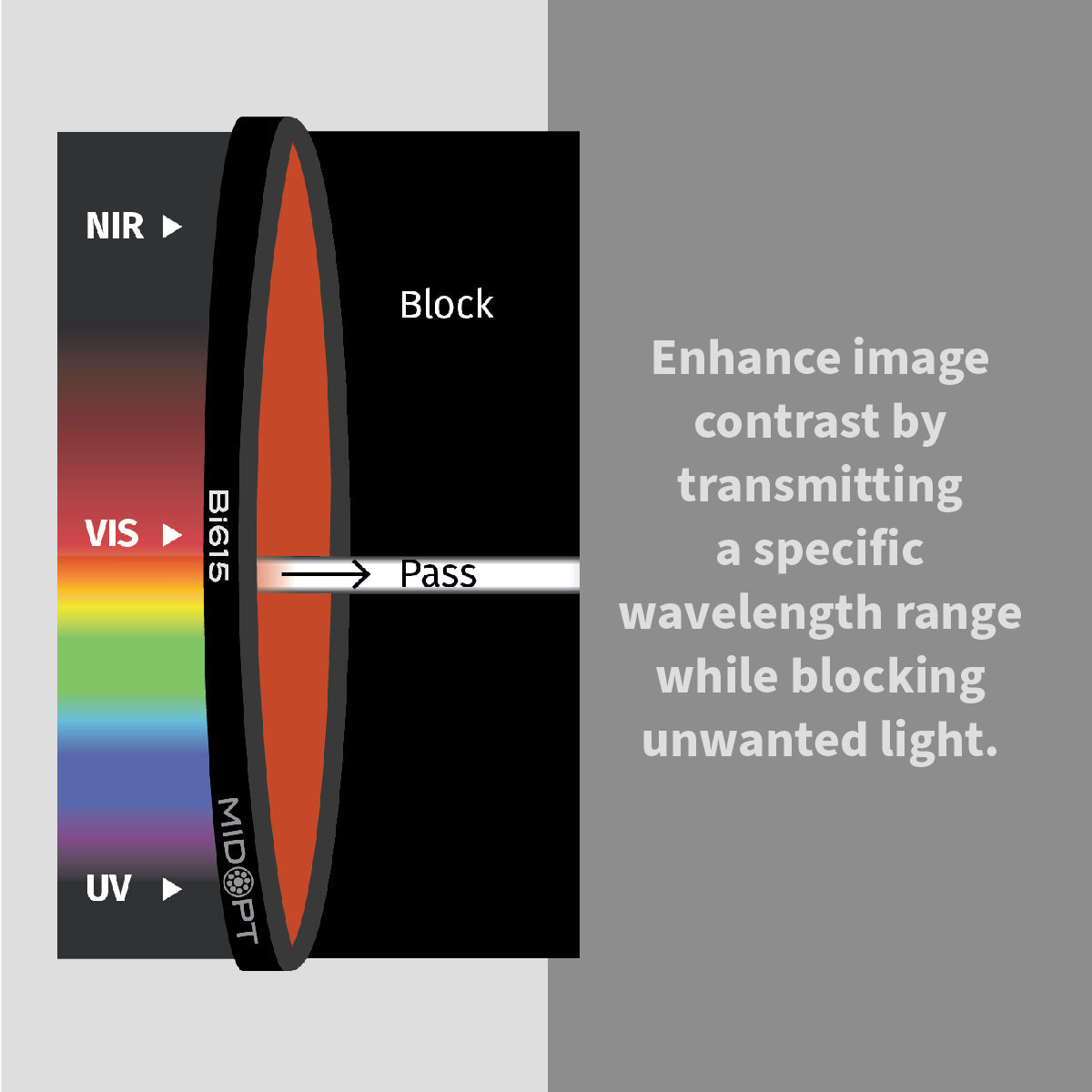
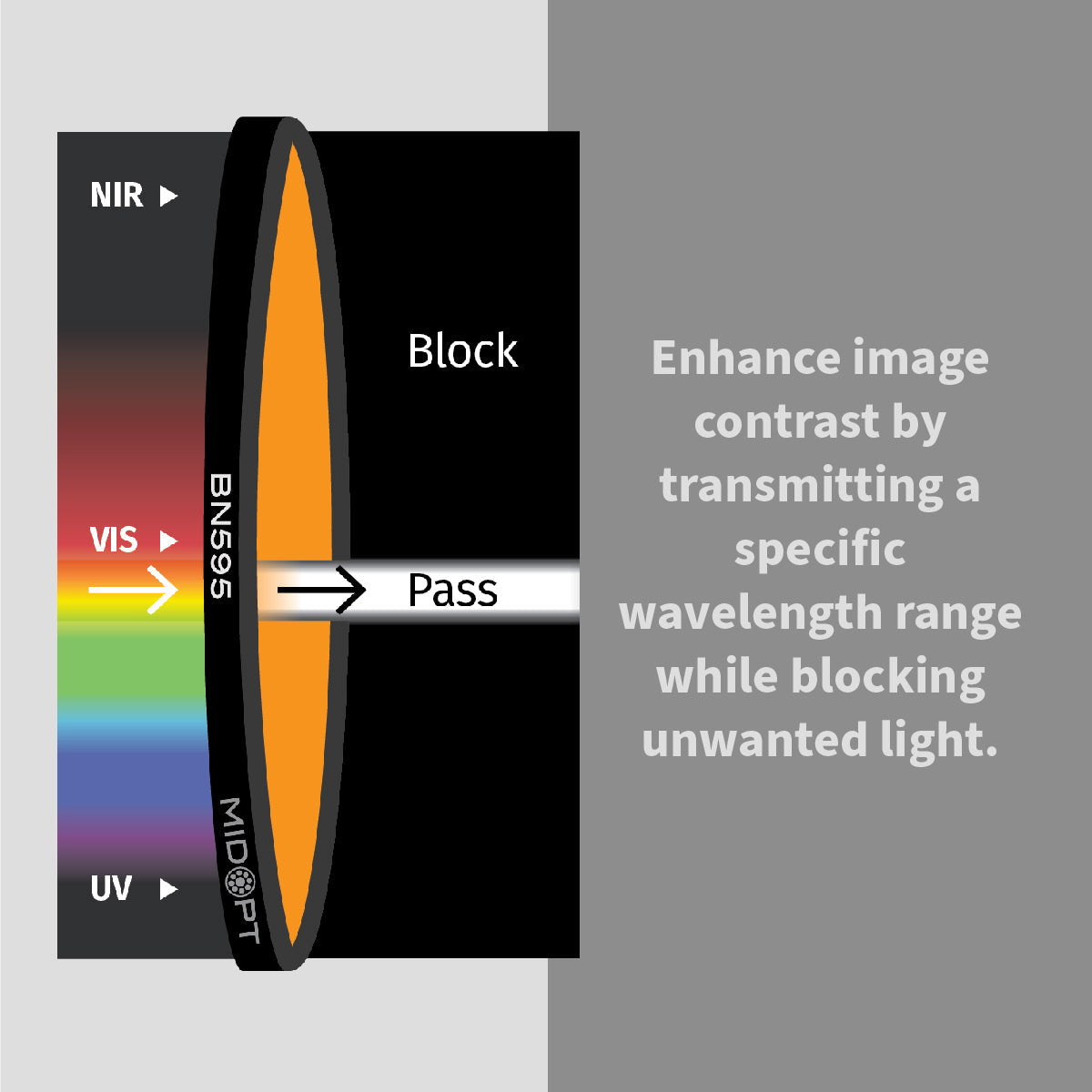
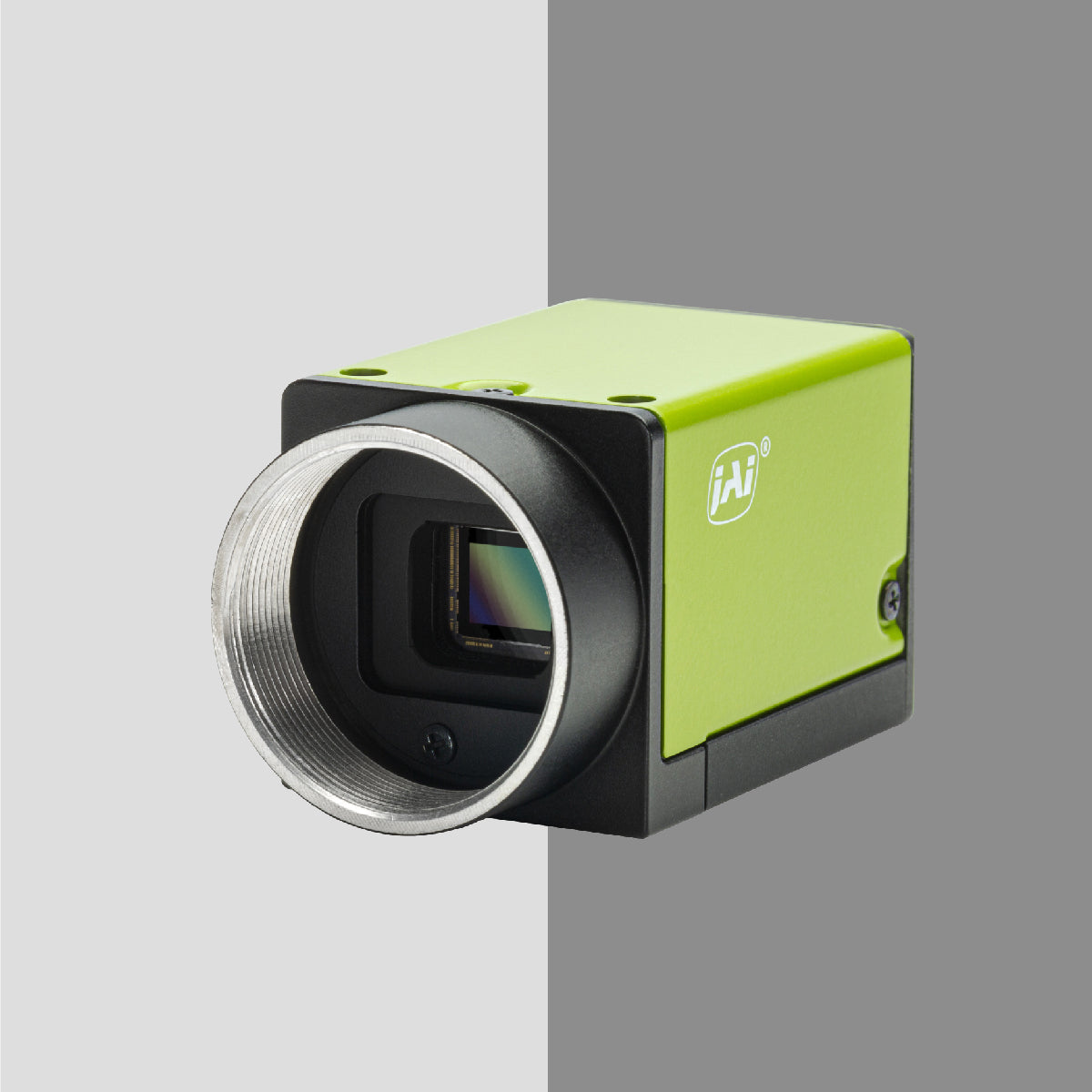
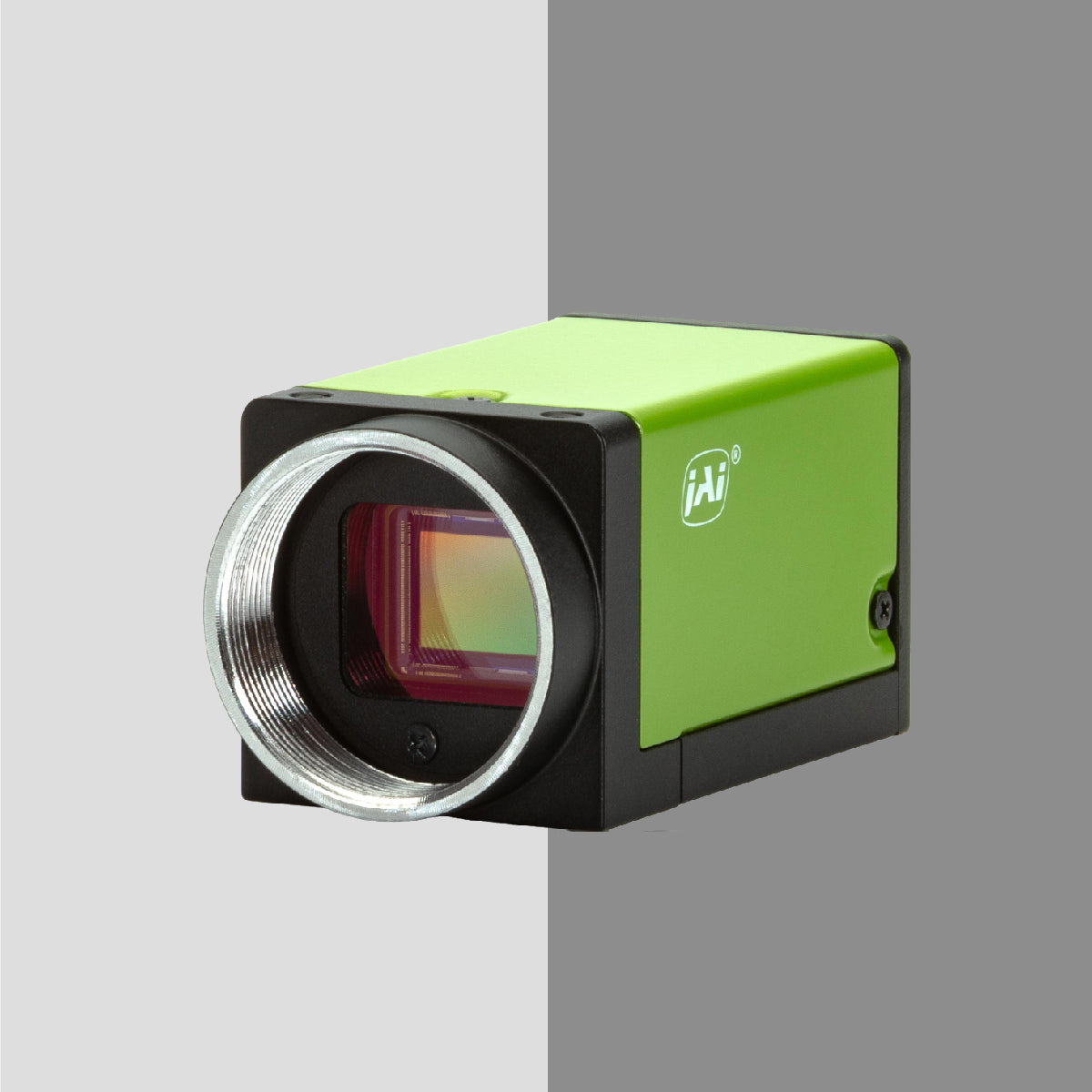
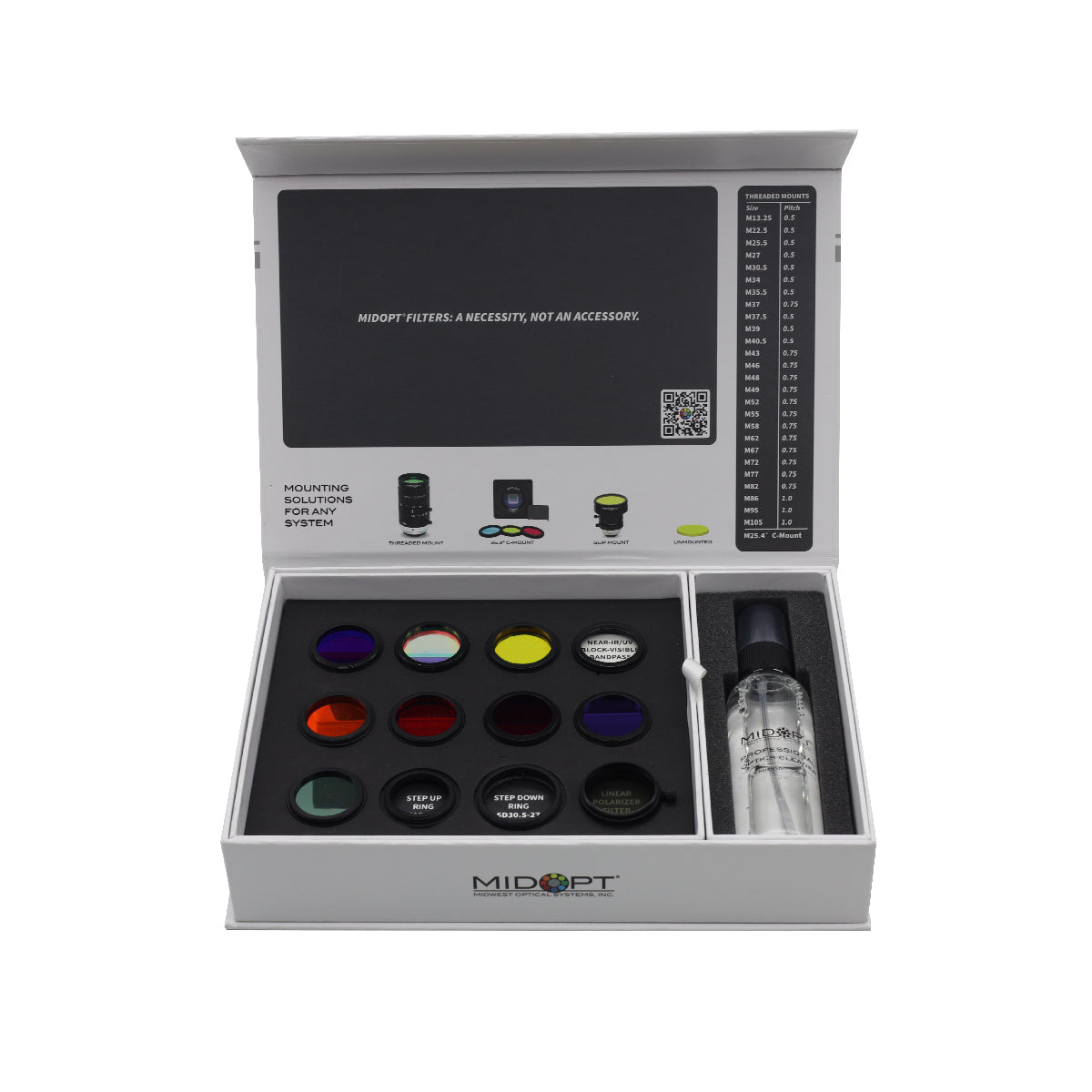
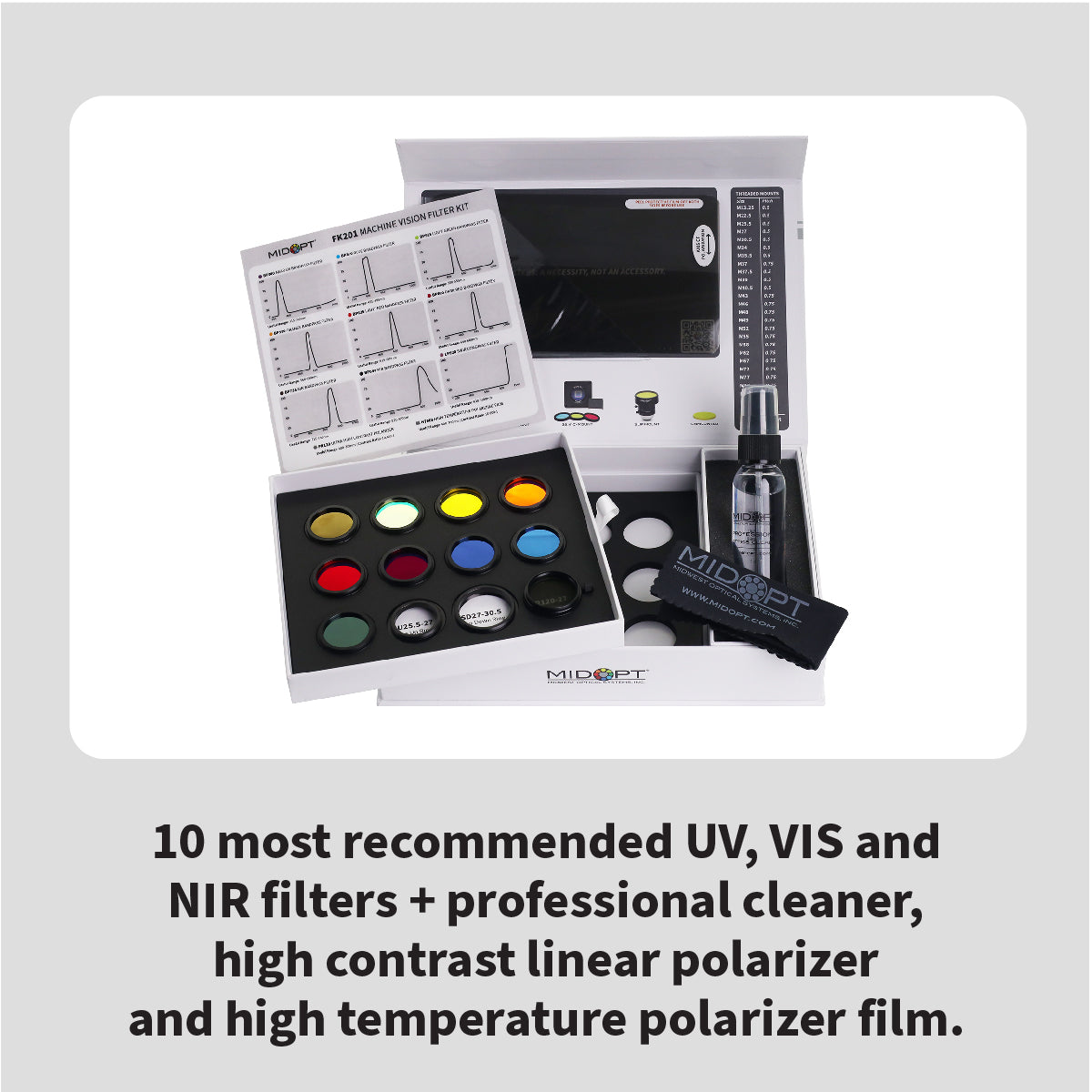
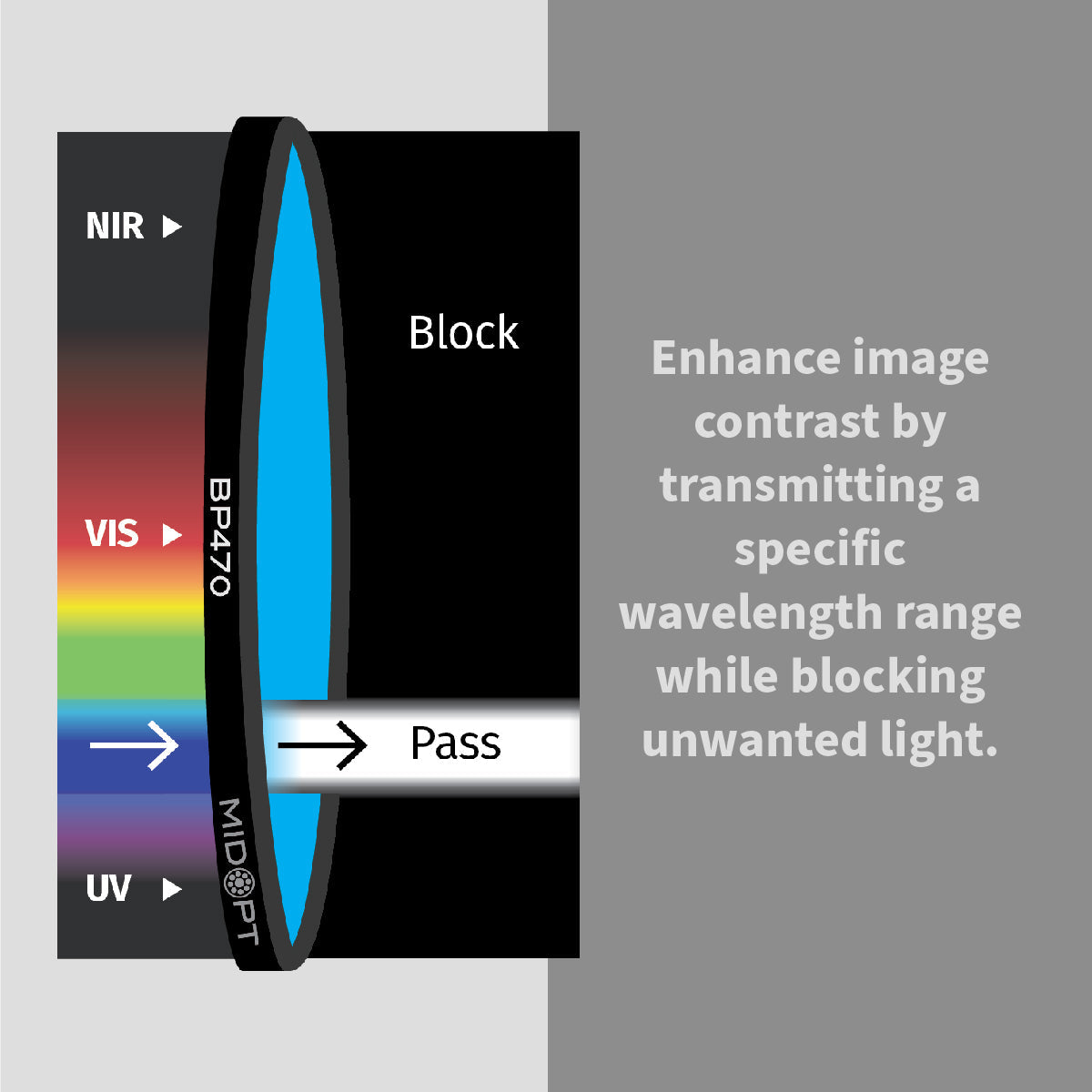
The camera determines how image information is captured. The lens determines the field of view and how sharply the scene is projected onto the sensor. Lighting determines which features become visible, while optical filters can improve contrast, suppress ambient light or reduce glare.
Optimizing these components together can provide cleaner, more consistent image data for the robot's vision software.
Choosing the Right Lens for Your Robotic Vision Application
When selecting a lens for robotic vision, begin with the physical and imaging requirements of the application. Determine the required field of view, available working distance, camera sensor size, resolution and smallest feature that must be detected. Then consider depth of field, distortion, aperture requirements and mechanical constraints.
For robot-mounted systems, lens dimensions and weight may also influence the final selection. Taking the time to properly match the lens to the camera and application can improve image quality, positioning accuracy and overall robotic system reliability.
Build Your Robotic Vision System with FJW Optical
From high-speed pick-and-place automation to robotic bin picking, assembly and inspection, the lens is a critical connection between the physical environment and the machine vision camera.
FJW Optical Systems offers a selection of machine vision lenses for industrial and robotic imaging applications, including fixed-focal, high-resolution, compact and wide-angle lens options.
FJW also provides the industrial cameras, machine vision lighting, optical filters and accessories needed to build a complete robotic imaging system.
Whether you're designing a new vision-guided robot or improving an existing automation system, selecting the right combination of imaging components can help provide the clarity, accuracy and consistency required for reliable robotic vision.