
 Find-R-Scopes
 Filters
 Lenses
 Cameras
 Lighting

 Accessories







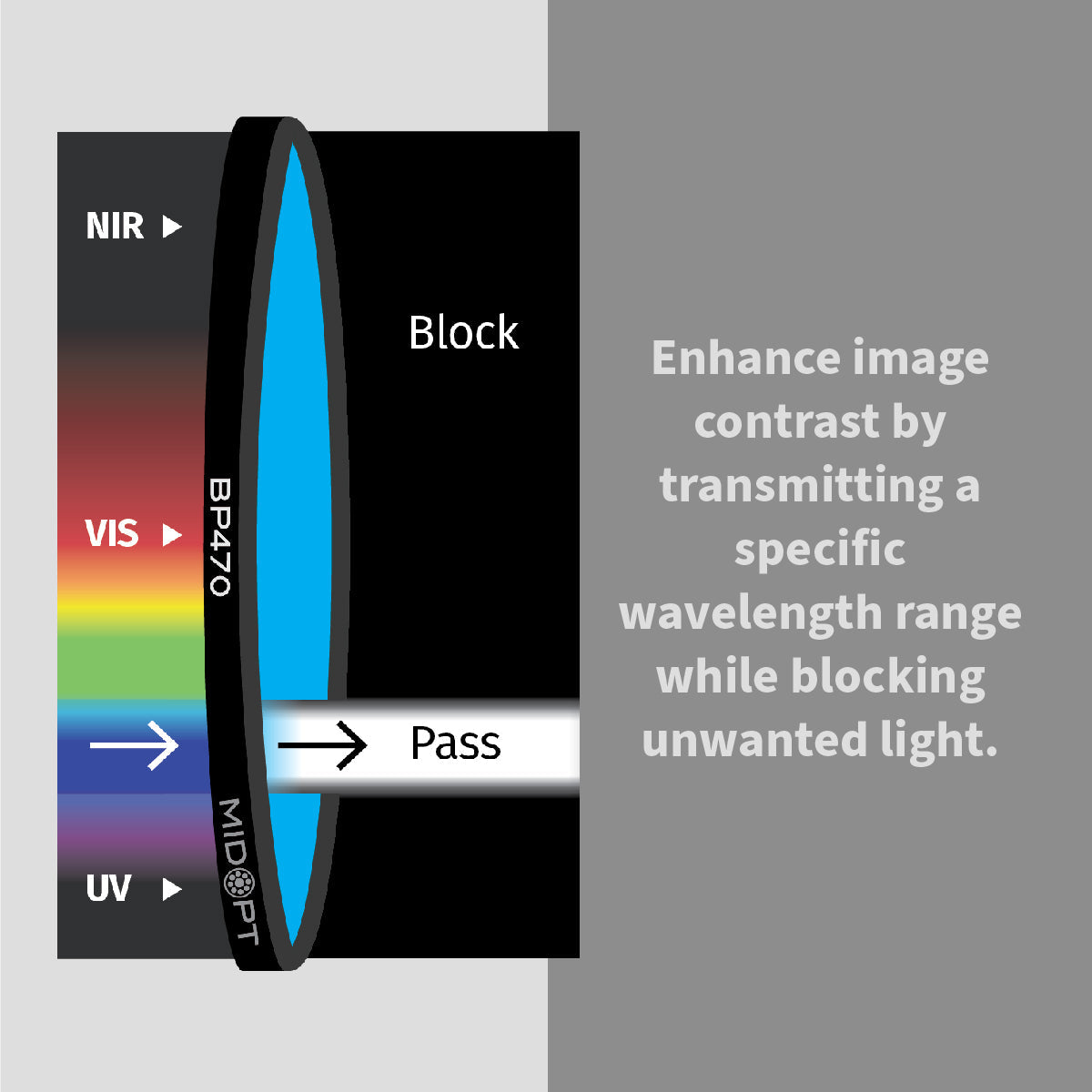


In today's automated manufacturing and logistics environments, production lines are moving faster than ever. Whether inspecting pharmaceutical packaging, automotive components, food products, electronics or parcels, machine vision systems must capture sharp, consistent images while products travel across conveyors at high speeds. One of the most critical factors in achieving reliable inspection results isn't just the camera – it's the lighting.
Proper machine vision lighting minimizes motion blur, enhances feature visibility and creates the image consistency needed for accurate inspections, even at thousands of parts per minute.
At FJW Optical, we offer a wide selection of machine vision lighting solutions designed to maximize inspection performance in demanding high-speed conveyor applications.
Why Lighting Matters in High-Speed Inspection
As conveyor speeds increase, cameras require shorter exposure times to freeze motion. While reducing exposure eliminates motion blur, it also limits the amount of light reaching the sensor. Without sufficient illumination, images become:
- Dark or underexposed
- Noisy
- Low contrast
- Difficult for vision software to analyze consistently
High-intensity industrial lighting compensates for these short exposure times, allowing cameras to maintain image quality without sacrificing inspection speed.
Challenges of Conveyor-Based Machine Vision
Every conveyor application presents unique lighting challenges, including:
- Reflective packaging materials
- Shiny metal components
- Transparent plastics
- Mixed product colors
- Varying product heights
- Rapid acceleration and vibration
The right lighting solution creates a controlled imaging environment that minimizes these variables and produces repeatable inspection results.
Selecting the Right Lighting Technology
Different inspections require different lighting geometries.
Bar Lights
High-output LED bar lights provide excellent illumination across wide conveyor belts and are commonly used for:
- Package inspection
- Barcode reading
- Label verification
- Surface defect detection
- Assembly verification
Bar lights can be mounted at various angles to emphasize textures or reduce reflections.
Dome Lights
Highly reflective or curved products often produce unwanted glare.
Dome lighting surrounds the target with diffuse illumination, reducing hotspots while creating even lighting across reflective surfaces such as:
- Metal parts
- Plastic containers
- Cosmetic packaging
- Medical devices
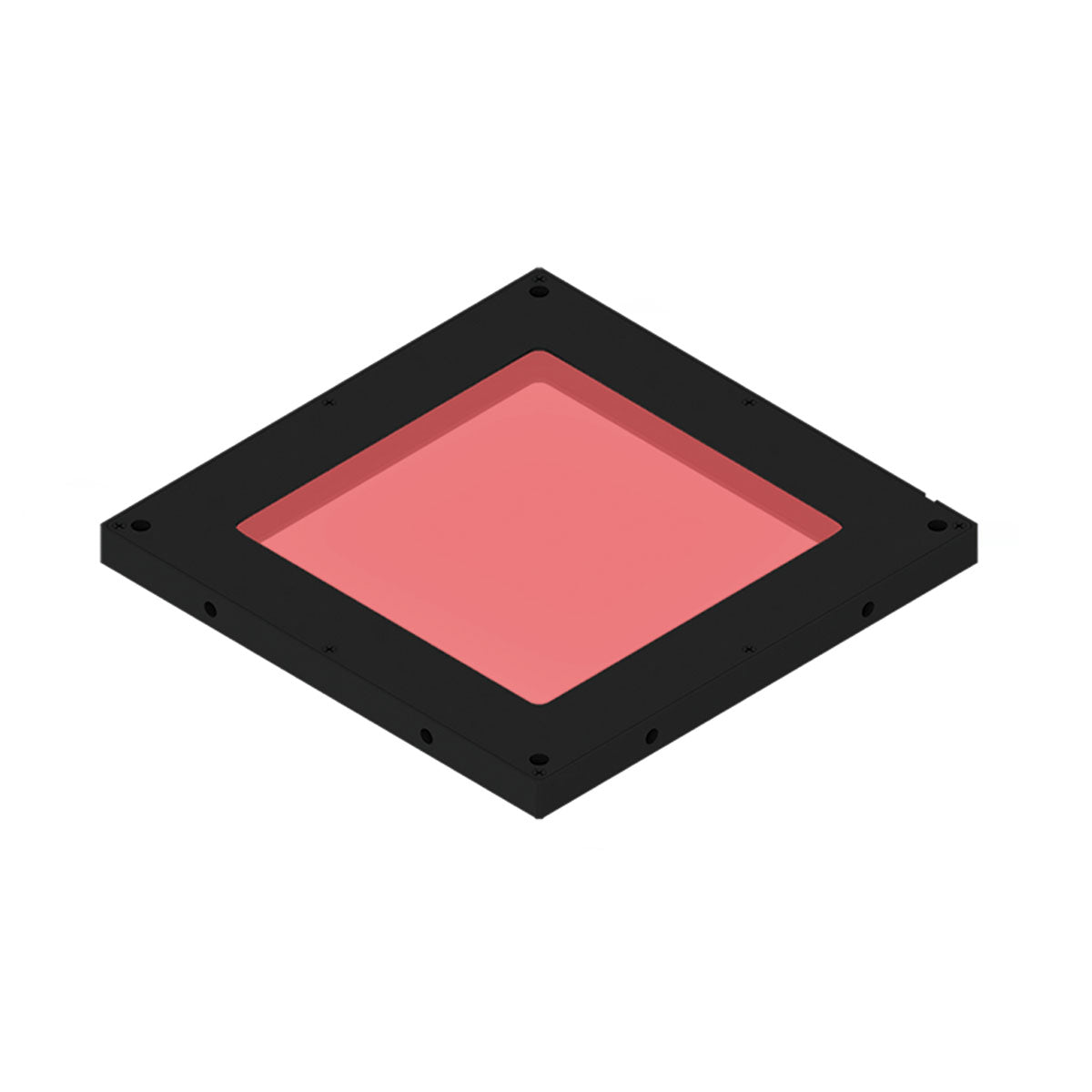
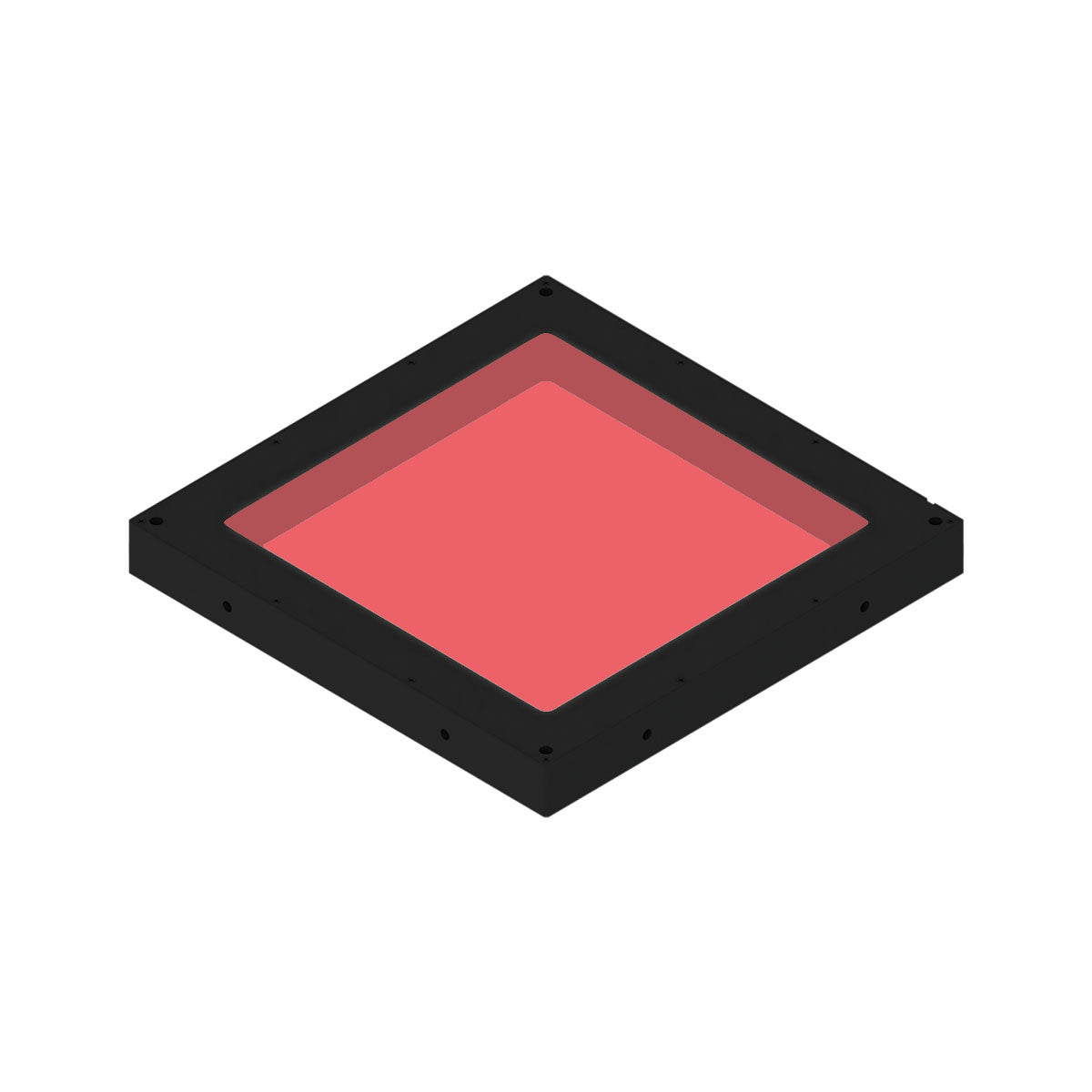
Backlighting
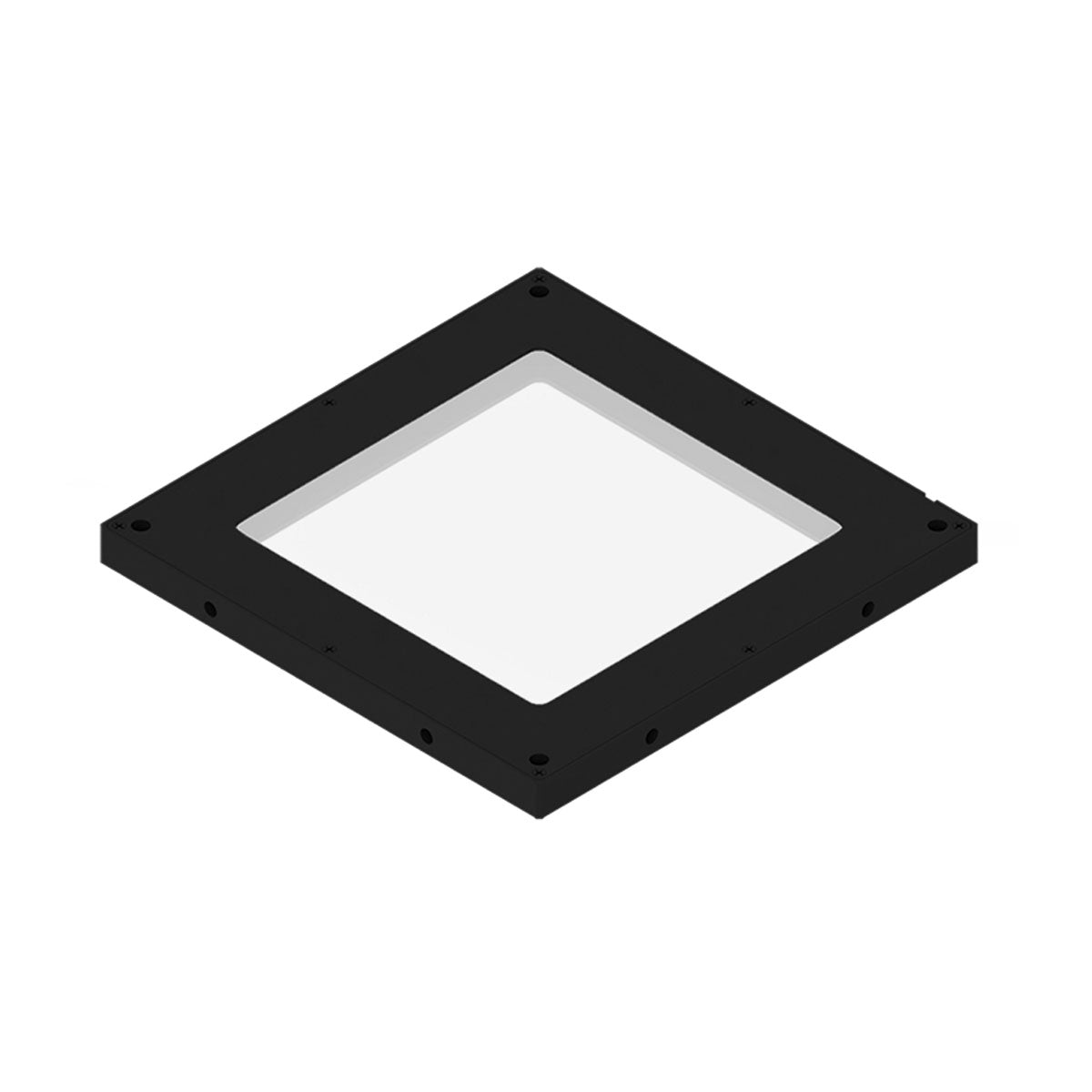
When inspecting silhouettes, dimensions, or object presence, backlighting offers exceptional contrast.
Applications include:
- Edge detection
- Hole inspection
- Missing component detection
- Shape verification
- Transparent material inspection
The result is a crisp outline that simplifies image processing.
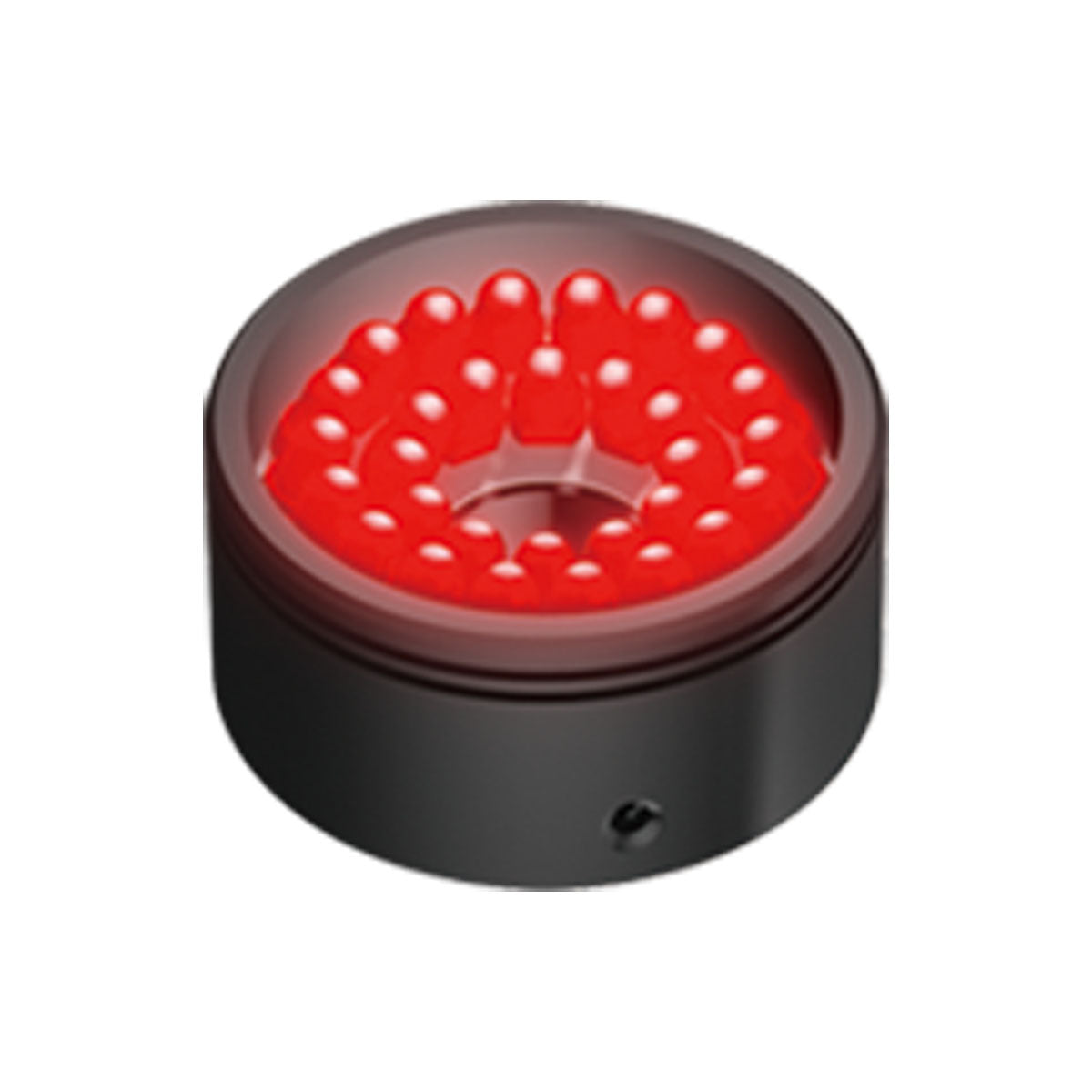
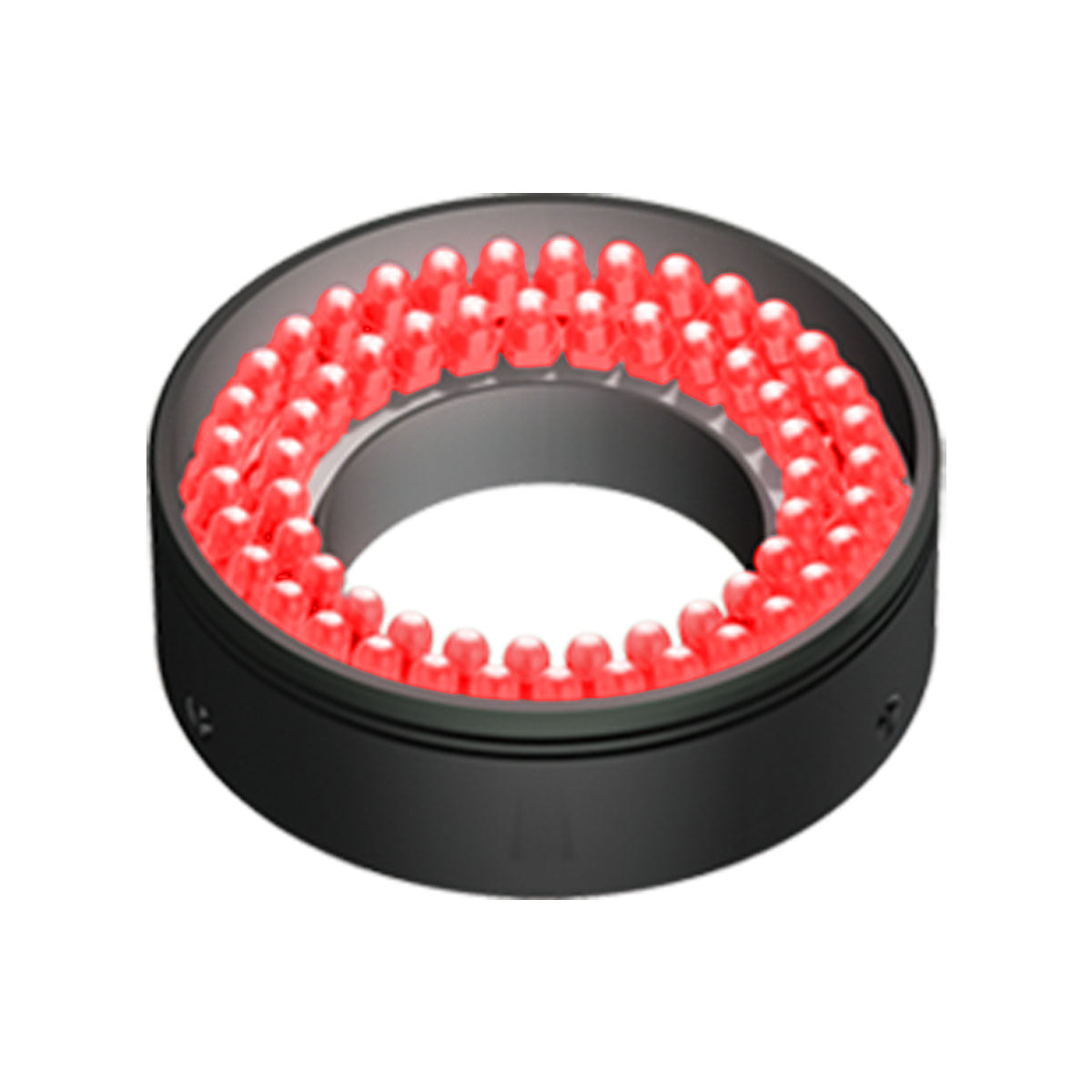
Ring Lights
Ring lights provide uniform illumination around the camera lens, making them ideal for:
- General-purpose inspection
- OCR and barcode reading
- Small-part inspection
- Electronics manufacturing
Their compact design makes integration easy where mounting space is limited.
Low-Angle Lighting
Low-angle illumination emphasizes tiny surface imperfections that overhead lighting often misses.
This approach is particularly effective for detecting:
- Scratches
- Dents
- Burrs
- Surface contamination
- Embossed features
The Benefits of High-Intensity LED Lighting
Modern LED machine vision lighting delivers significant advantages over conventional illumination.
Fast Strobe Operation
High-speed inspections often synchronize LED strobes with camera exposure. Strobing provides:
- Extremely bright illumination
- Motion freeze
- Reduced heat generation
- Longer LED life
- Lower average power consumption
Very short, high-intensity light pulses allow cameras to capture sharp images even on rapidly moving production lines.
Consistent Light Output
Inspection algorithms depend on repeatable images.
Industrial LED lighting provides:
- Stable brightness
- Uniform illumination
- Minimal color variation
- Long operational life
This consistency reduces false rejects while improving inspection reliability.
Matching Lighting Color to the Application
Selecting the proper wavelength can dramatically improve image contrast. Common options include:
- White for general inspection
- Red for high contrast and reduced ambient light sensitivity
- Blue for highlighting surface features
- Green for maximum sensor sensitivity on many monochrome cameras
- Infrared (IR) for applications requiring invisible illumination or reduced visible reflections
The optimal wavelength depends on the material, camera sensor, and inspection objective.
Synchronizing Lighting with High-Speed Cameras
Modern machine vision systems synchronize lighting directly with image acquisition. This synchronization provides:
- Consistent exposure
- Reduced ambient light influence
- Higher inspection accuracy
- Lower power consumption
- Better repeatability
Precise timing allows production lines to operate at maximum throughput without compromising image quality.
Industries That Benefit from High-Speed Conveyor Lighting
Optimized machine vision lighting supports inspections across numerous industries, including:
- Food and beverage
- Pharmaceutical manufacturing
- Consumer packaged goods
- Electronics assembly
- Automotive manufacturing
- Logistics and distribution
- Medical device production
- Printing and packaging
Each application benefits from lighting engineered to improve image consistency and inspection accuracy under demanding production conditions.
Choosing the Right Lighting Partner
Lighting is often the difference between an inspection system that performs adequately and one that delivers consistently accurate results at full production speed.
The ideal solution considers:
- Conveyor speed
- Product material
- Surface finish
- Camera sensitivity
- Lens selection
- Working distance
- Inspection objective
- Available mounting space
By combining the appropriate lighting geometry, wavelength, intensity, and control methods, manufacturers can achieve reliable inspections while minimizing downtime and false rejects.