
 Find-R-Scopes

 Filters
 Lenses
 Cameras
 Lighting


 Accessories












Lighting plays a critical role in machine vision systems. Even the best camera and lens cannot produce accurate results without proper illumination.
In fact, lighting is often the most important factor in determining image quality. The right lighting setup can enhance contrast, eliminate shadows, and make defects easier to detect.
For high-performance systems, choosing the right machine vision lighting is essential.
Why Lighting Matters in Machine Vision
Lighting defines how objects appear to the camera. Poor lighting can hide defects, create reflections, or introduce noise into the image.
Proper lighting helps:
- Improve contrast
- Reduce glare
- Highlight important features
It ensures consistent and repeatable inspection results.
Types of Machine Vision Lighting
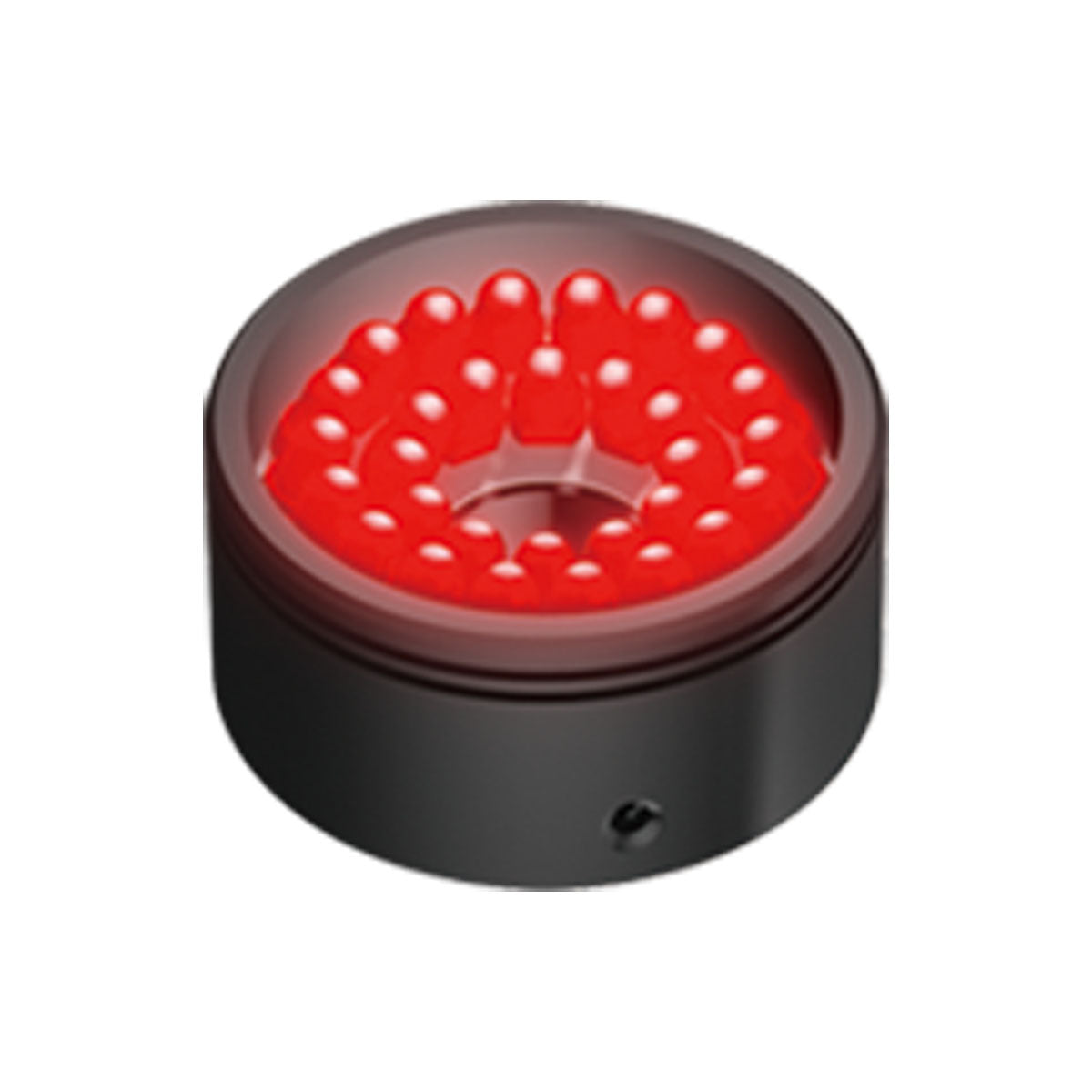
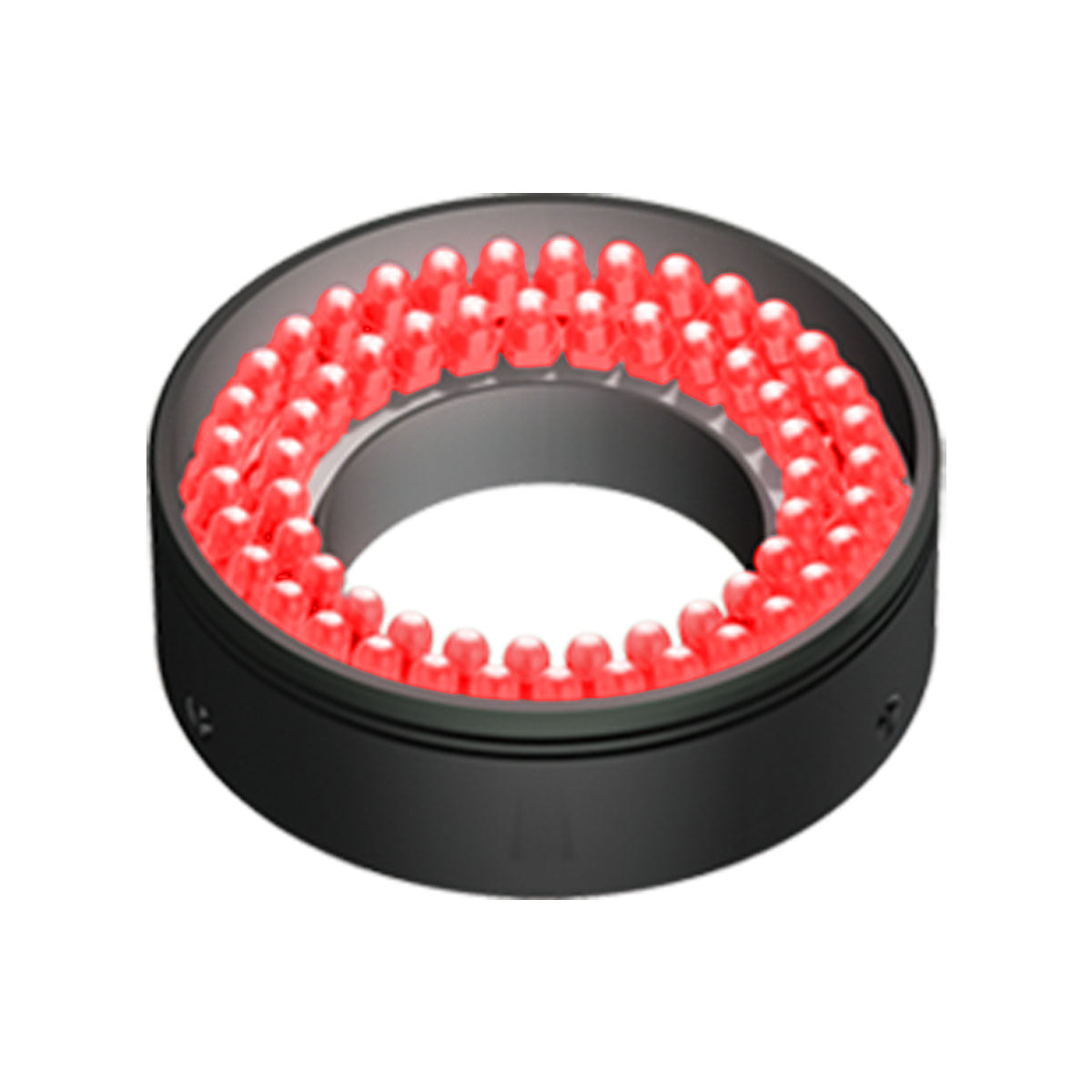
Ring Lights
Ring lights are one of the most commonly used lighting solutions in machine vision.
Ring lights provide uniform illumination and are ideal for:
- General inspection
- Surface analysis
- Object detection
They are easy to install and work well in many applications.
Dome Lights
Dome lights are designed to eliminate reflections and provide diffuse lighting.
For reflective or shiny surfaces, dome lights help create even illumination without glare.
They are commonly used in:
- Electronics inspection
- Metal surface analysis
- Packaging systems
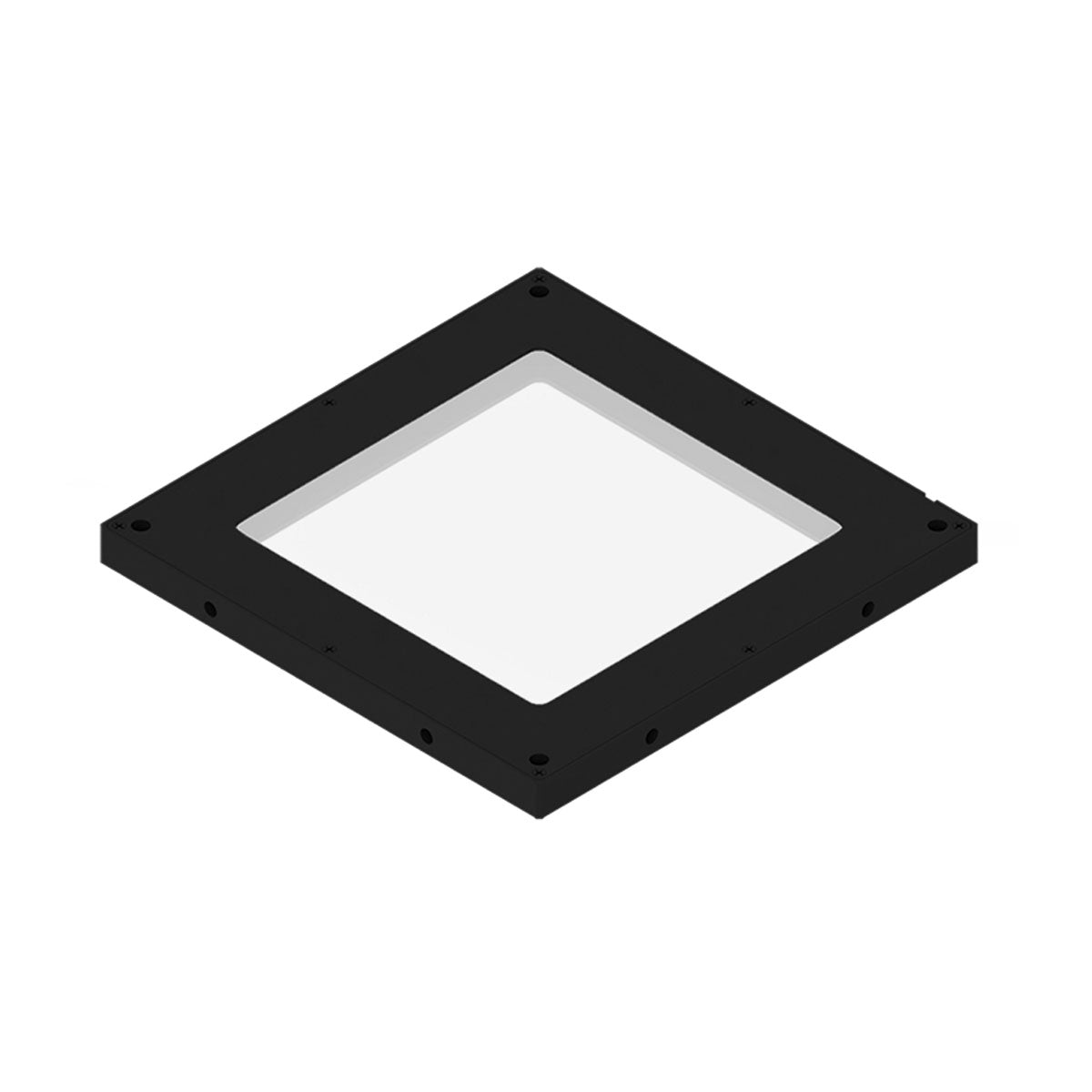
Backlighting
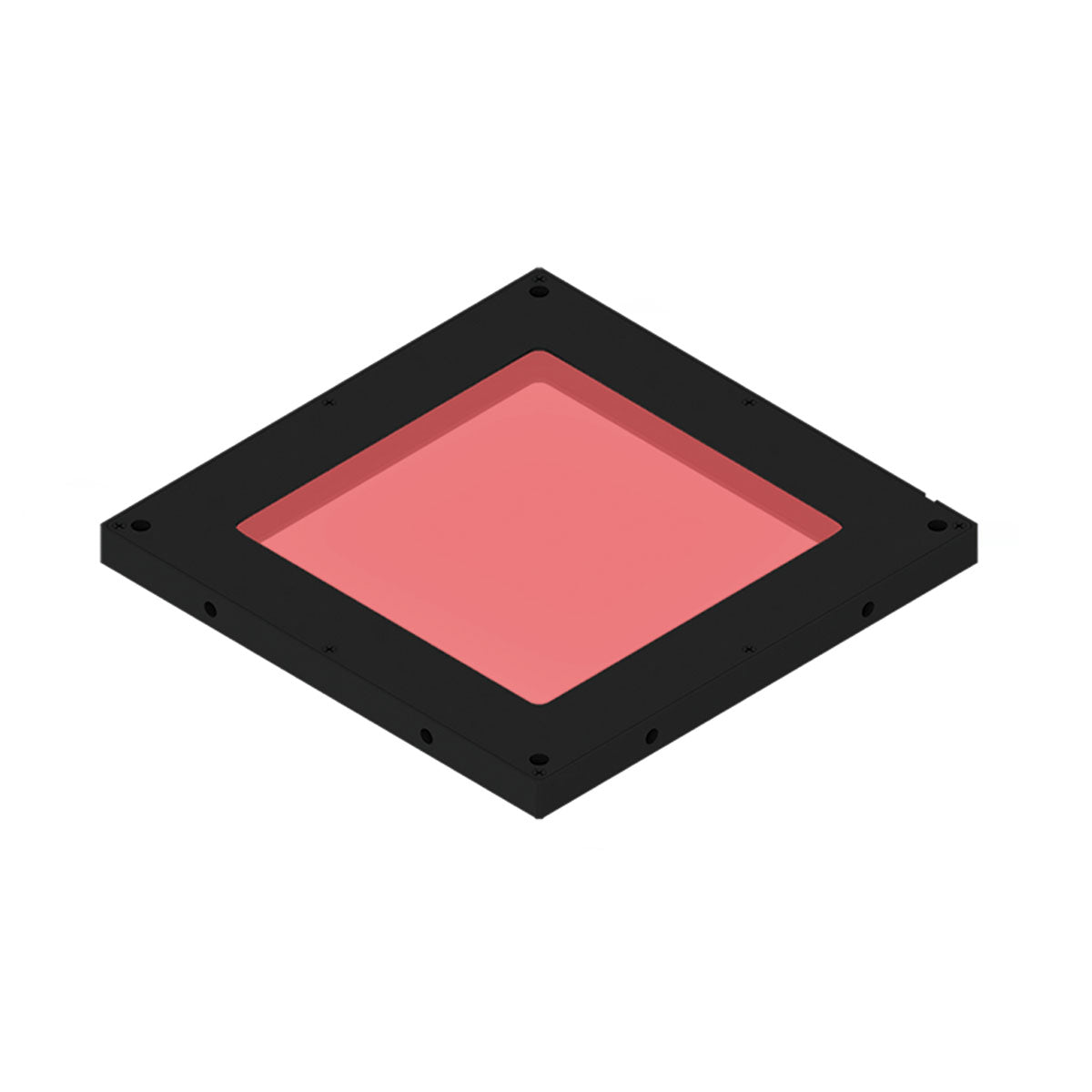
Backlighting is used to create high-contrast silhouettes of objects.
In edge detection and measurement applications, backlights are extremely effective.
They are ideal for:
- Measuring dimensions
- Detecting edges
- Identifying shapes
Matching Lighting with Other Components
Lighting must work together with other parts of the system.
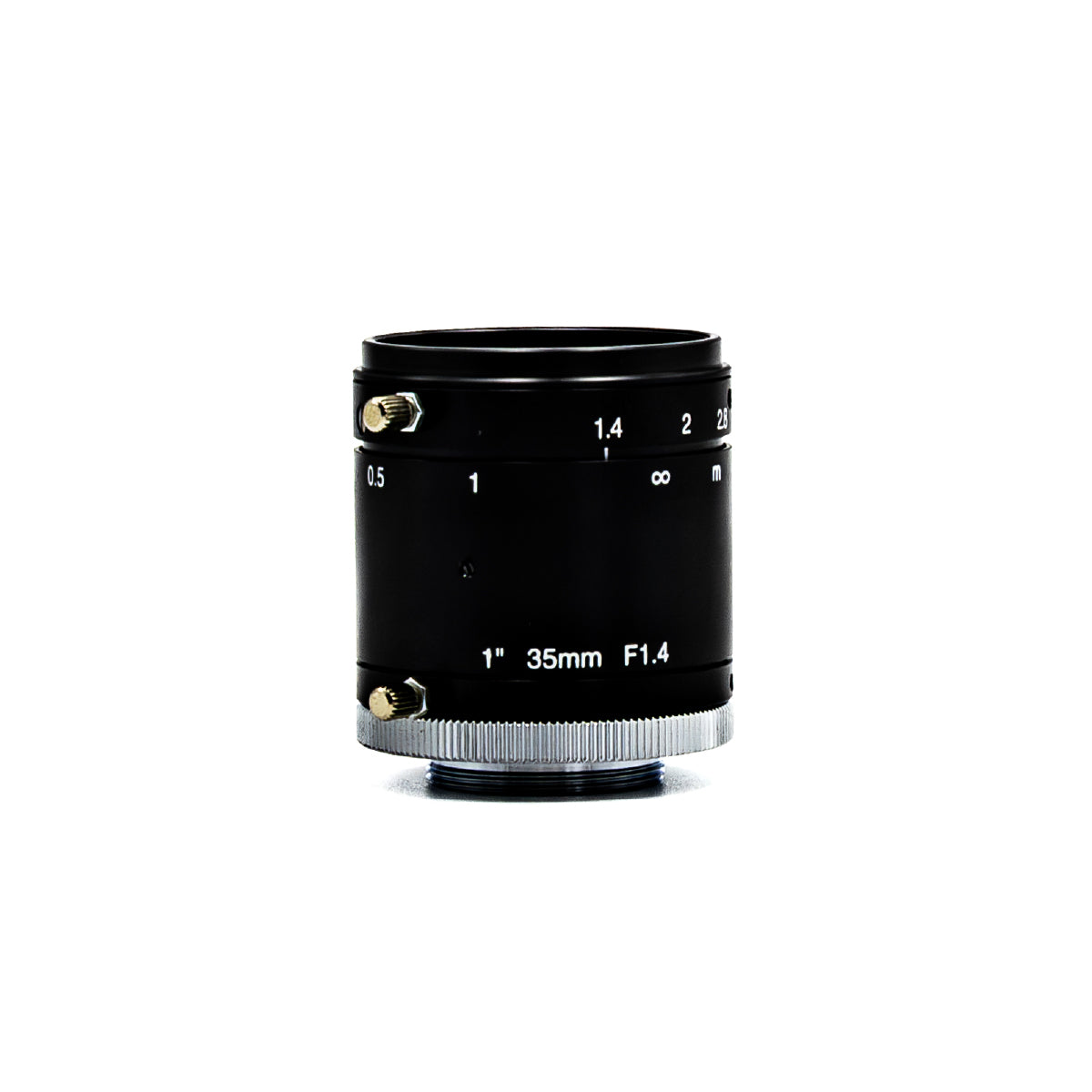
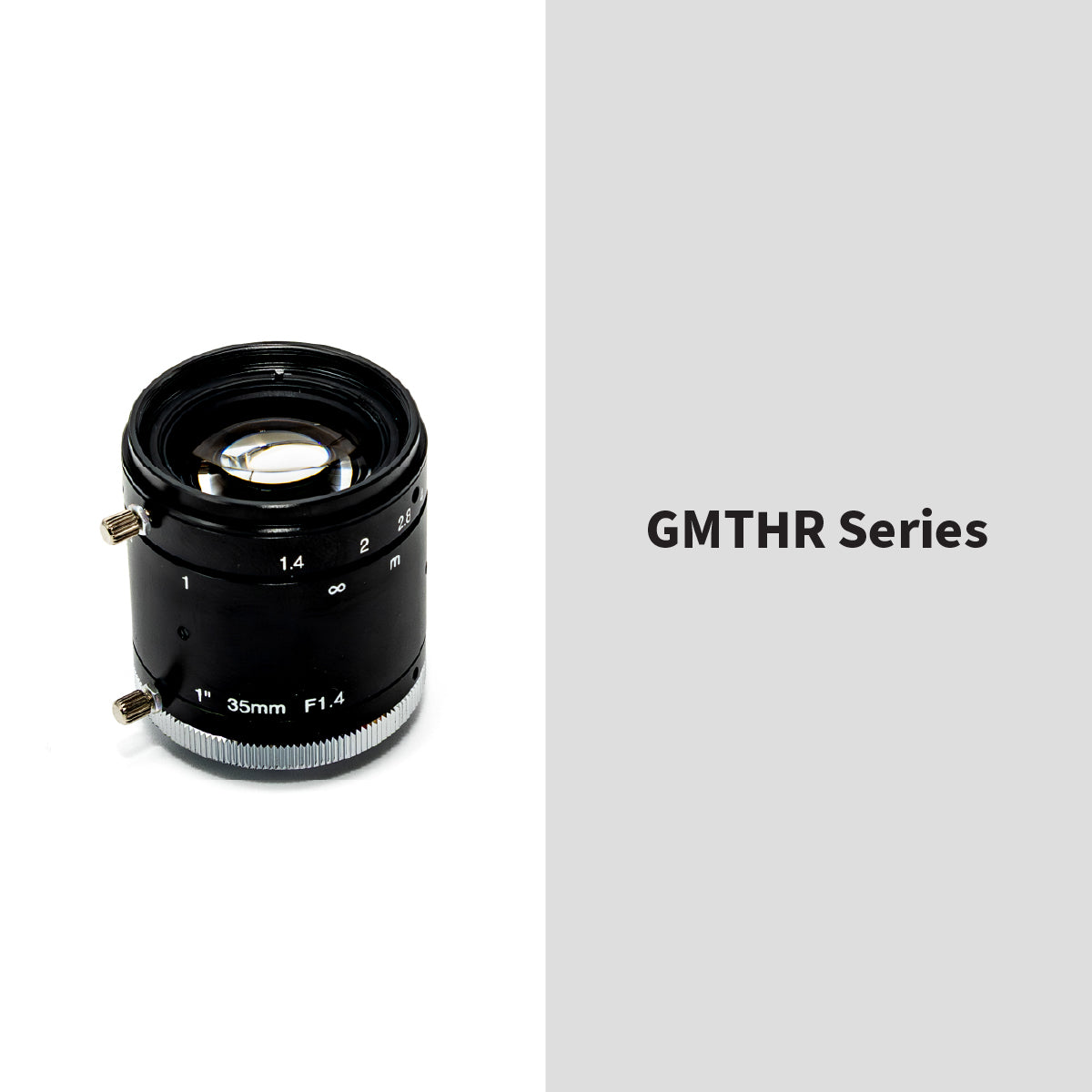
For example, lenses determine how light is focused. Choosing the right machine vision lenses ensures that the illuminated image is captured accurately.
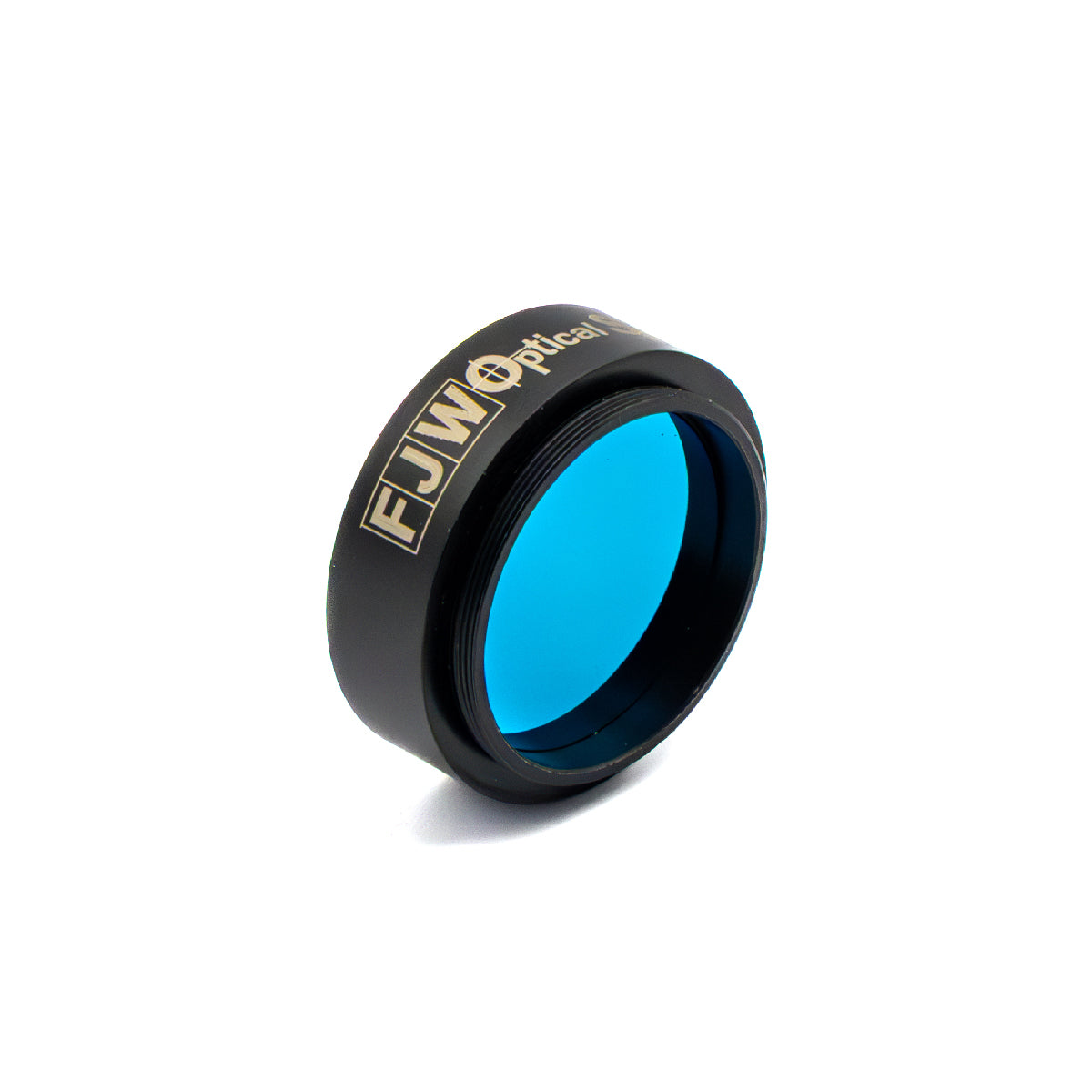
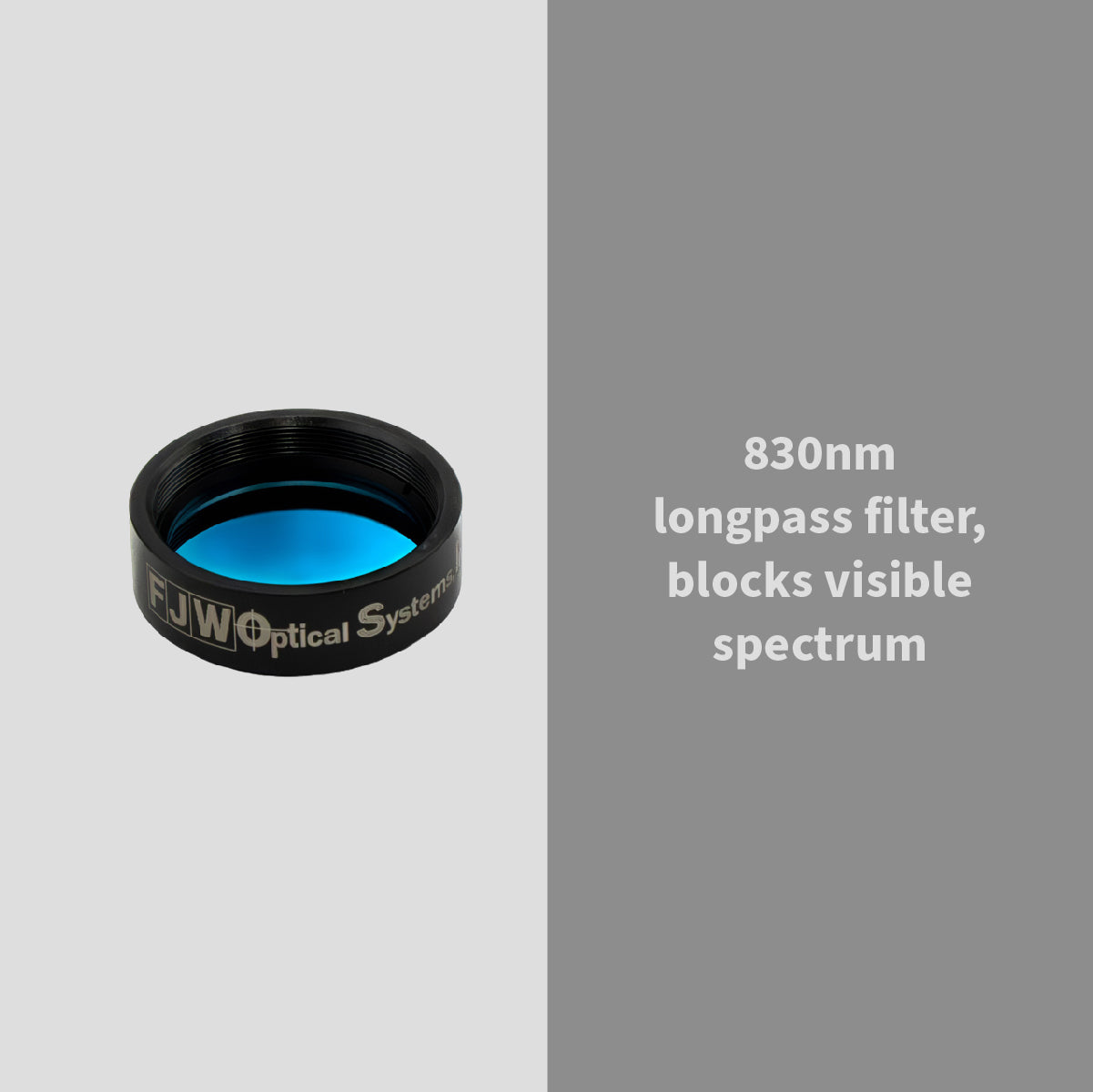
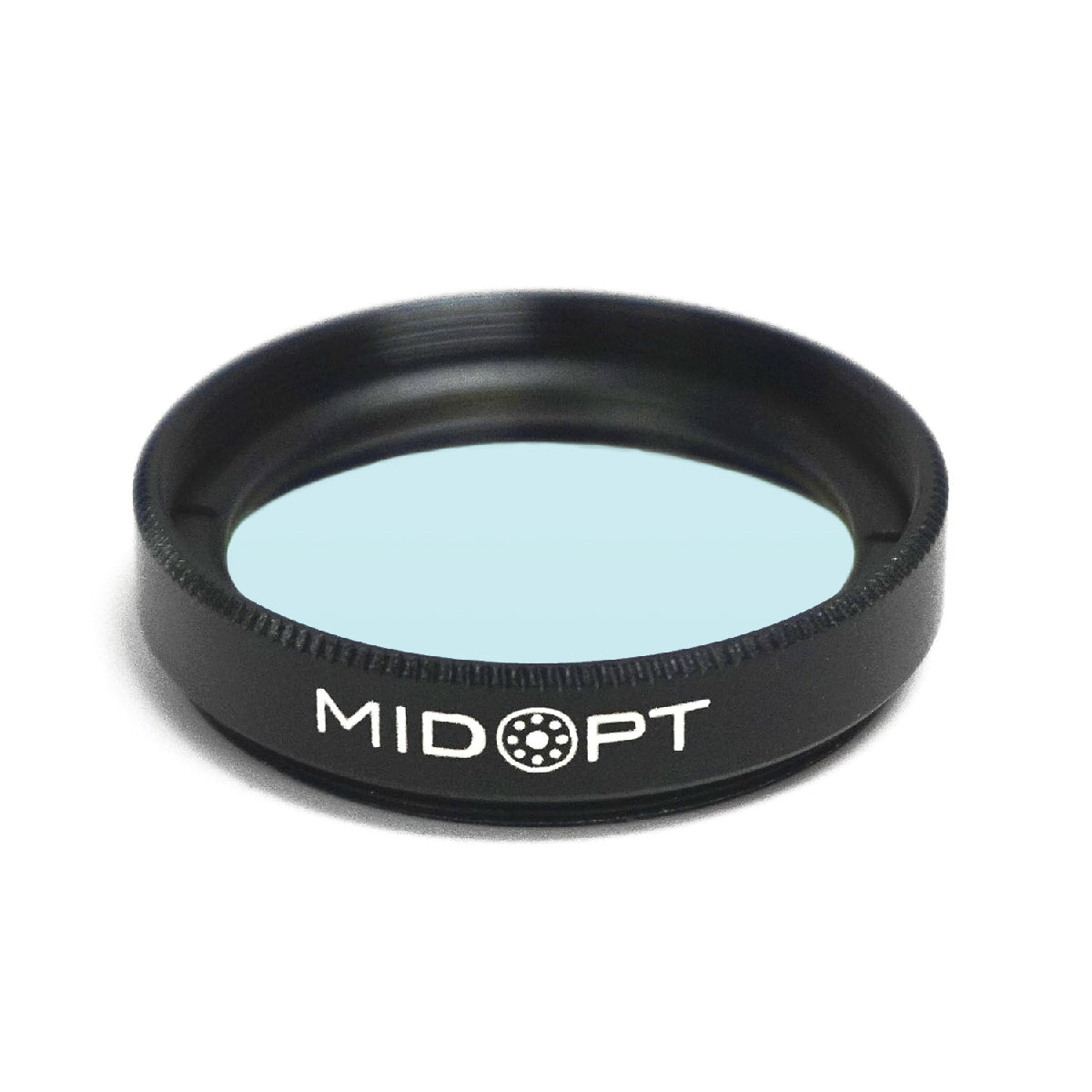
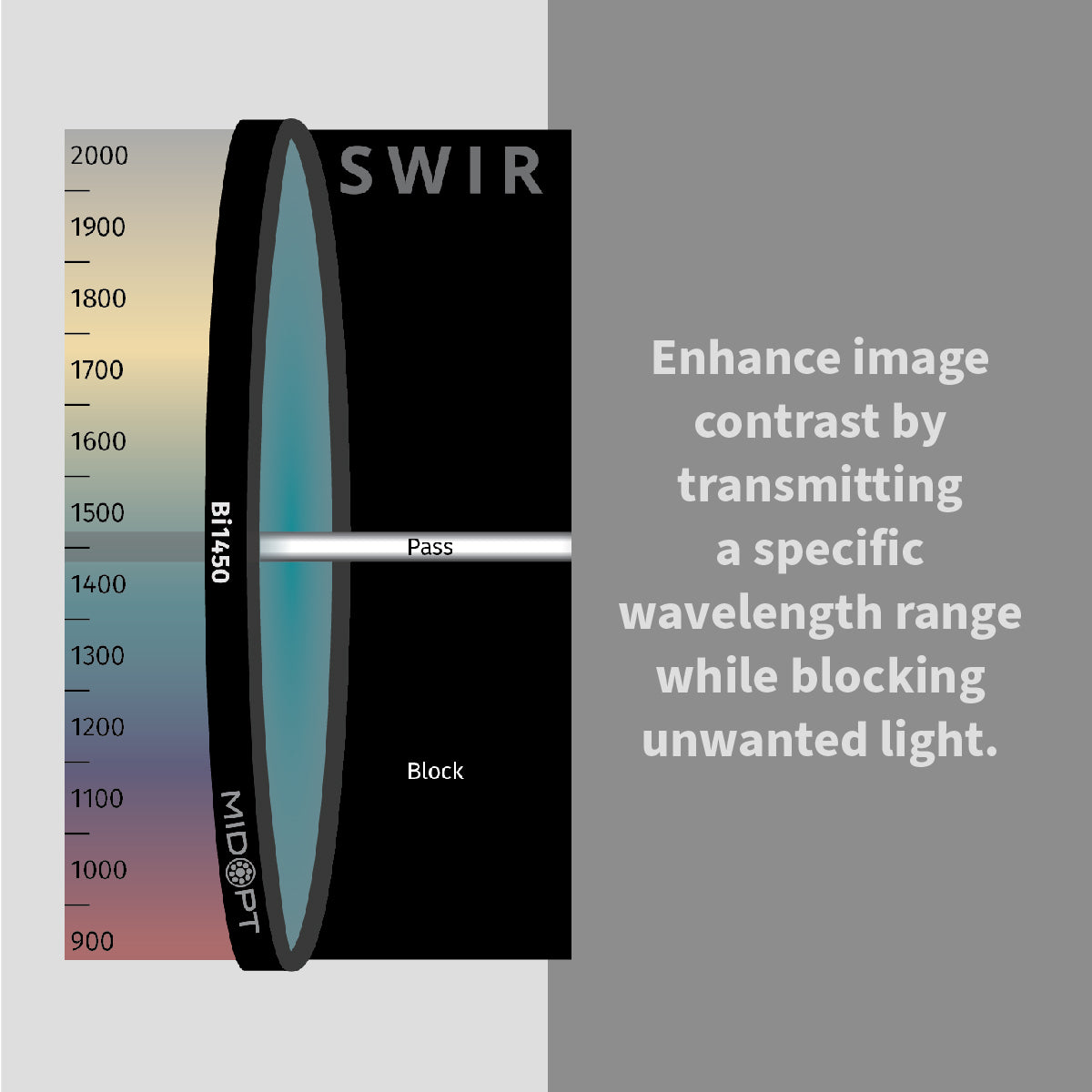
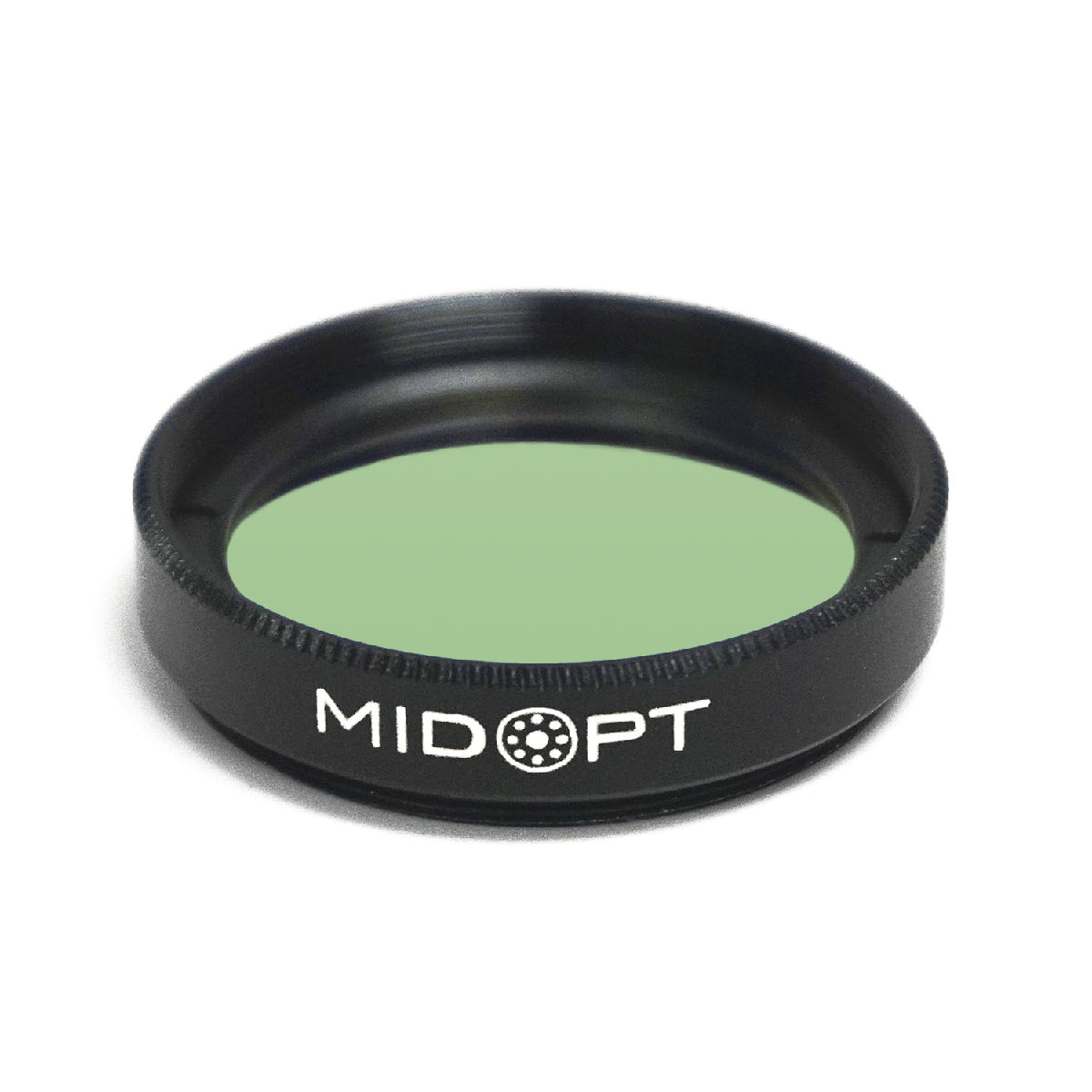
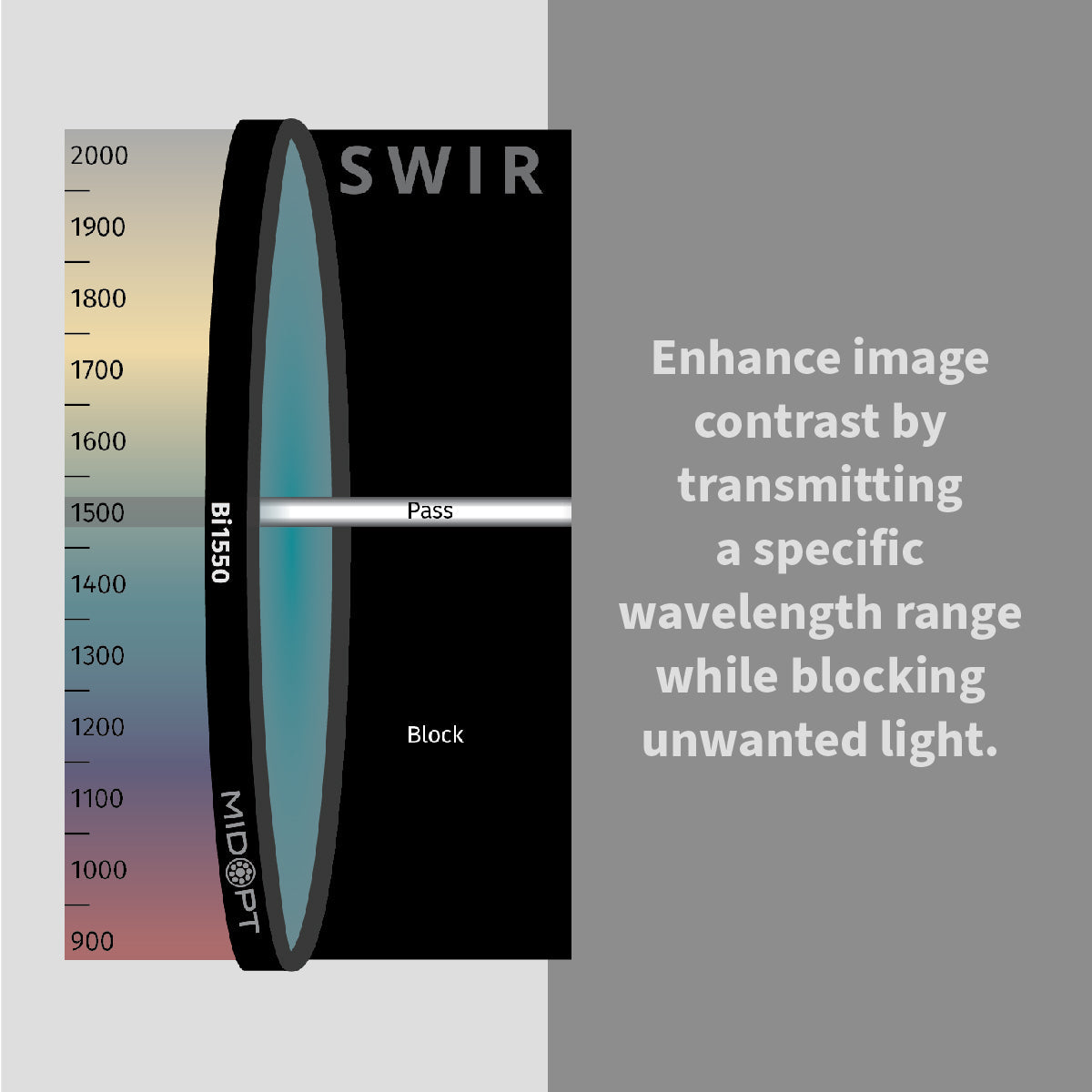
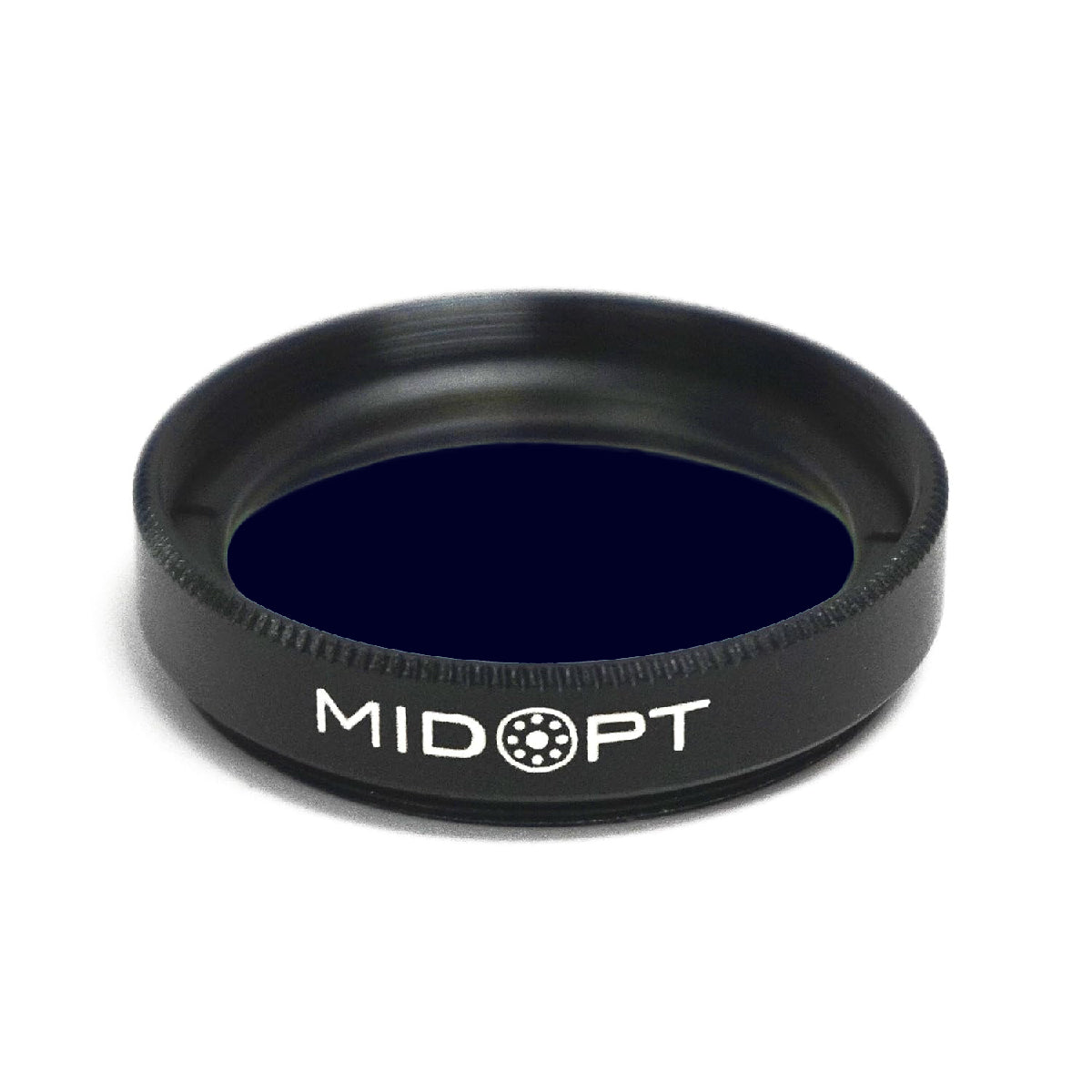
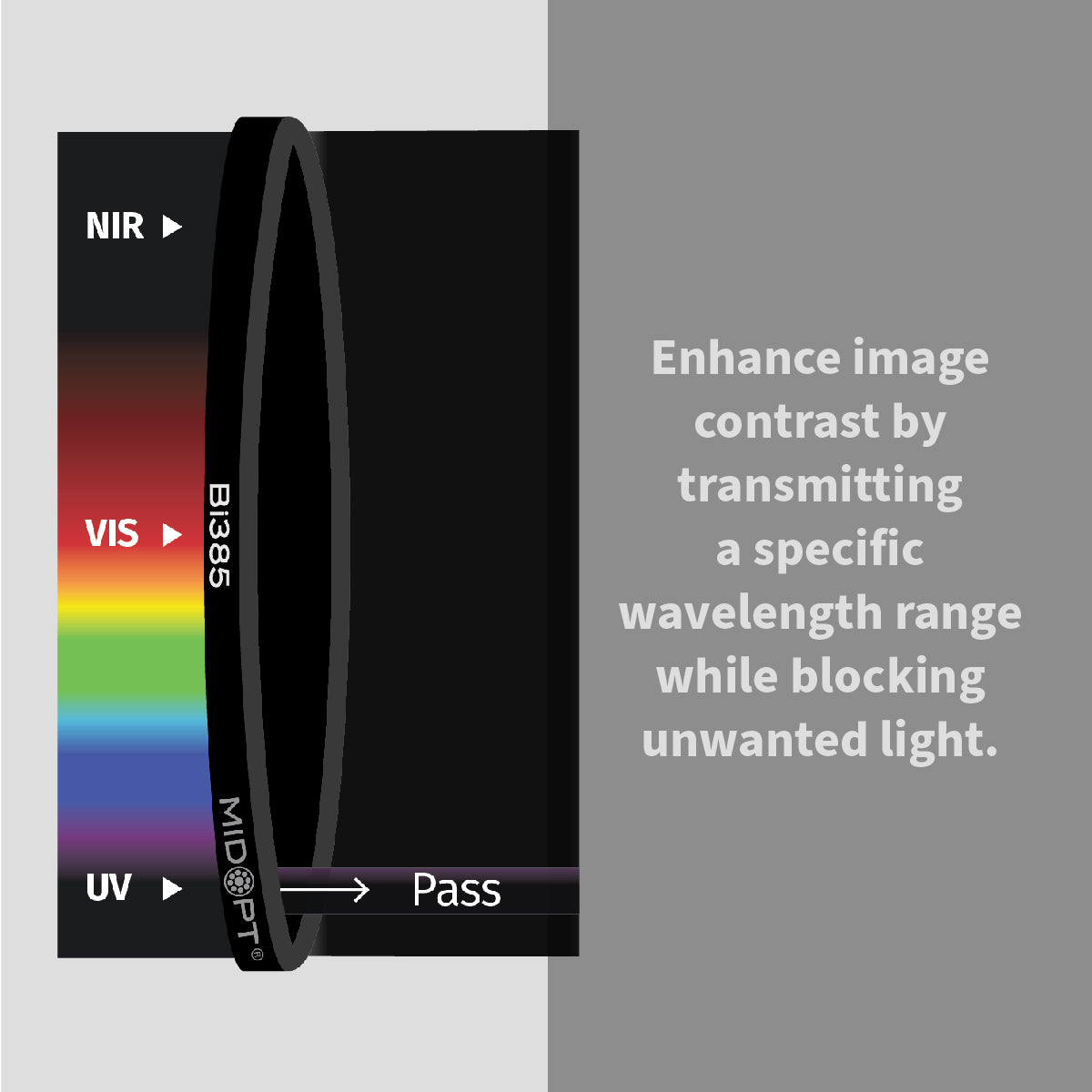
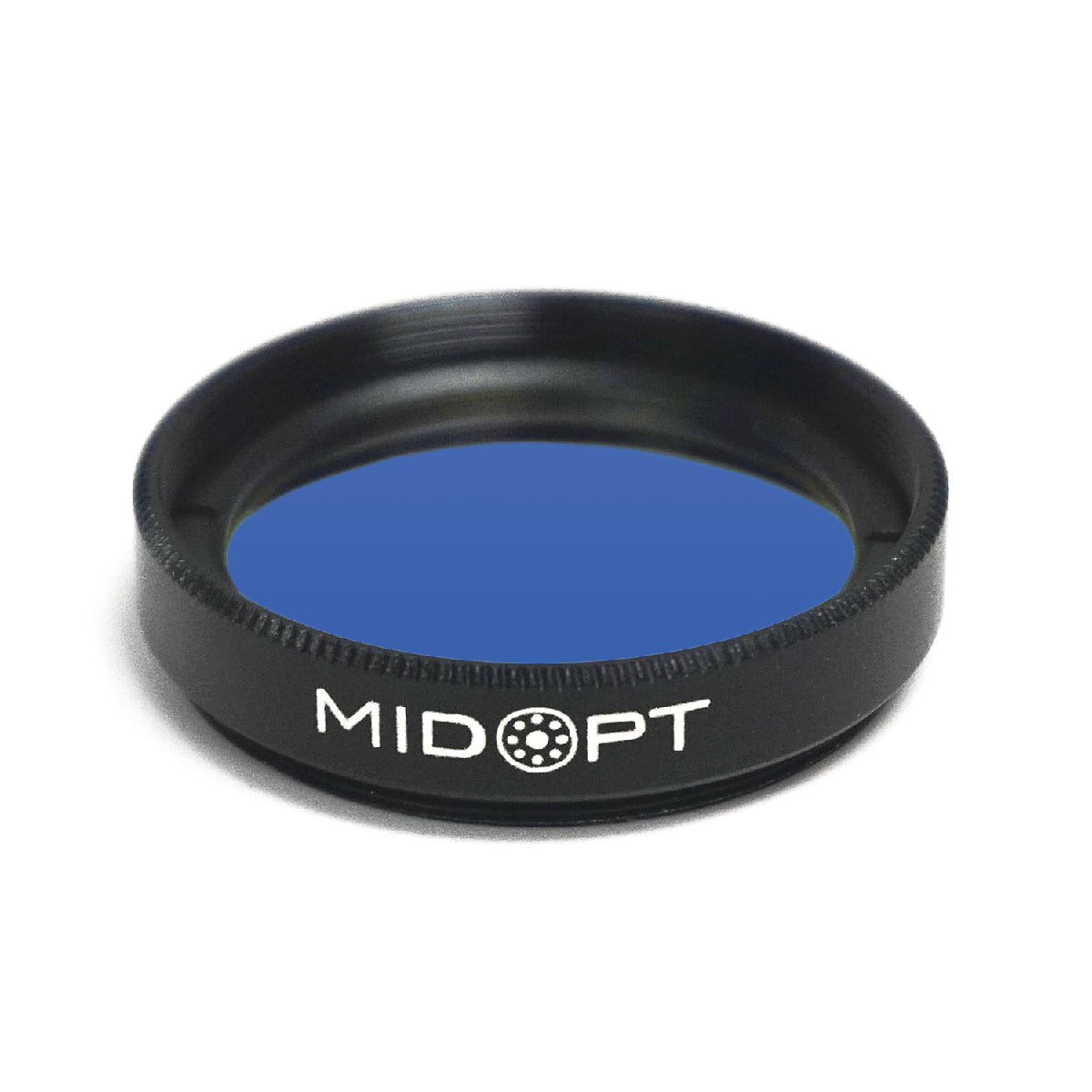
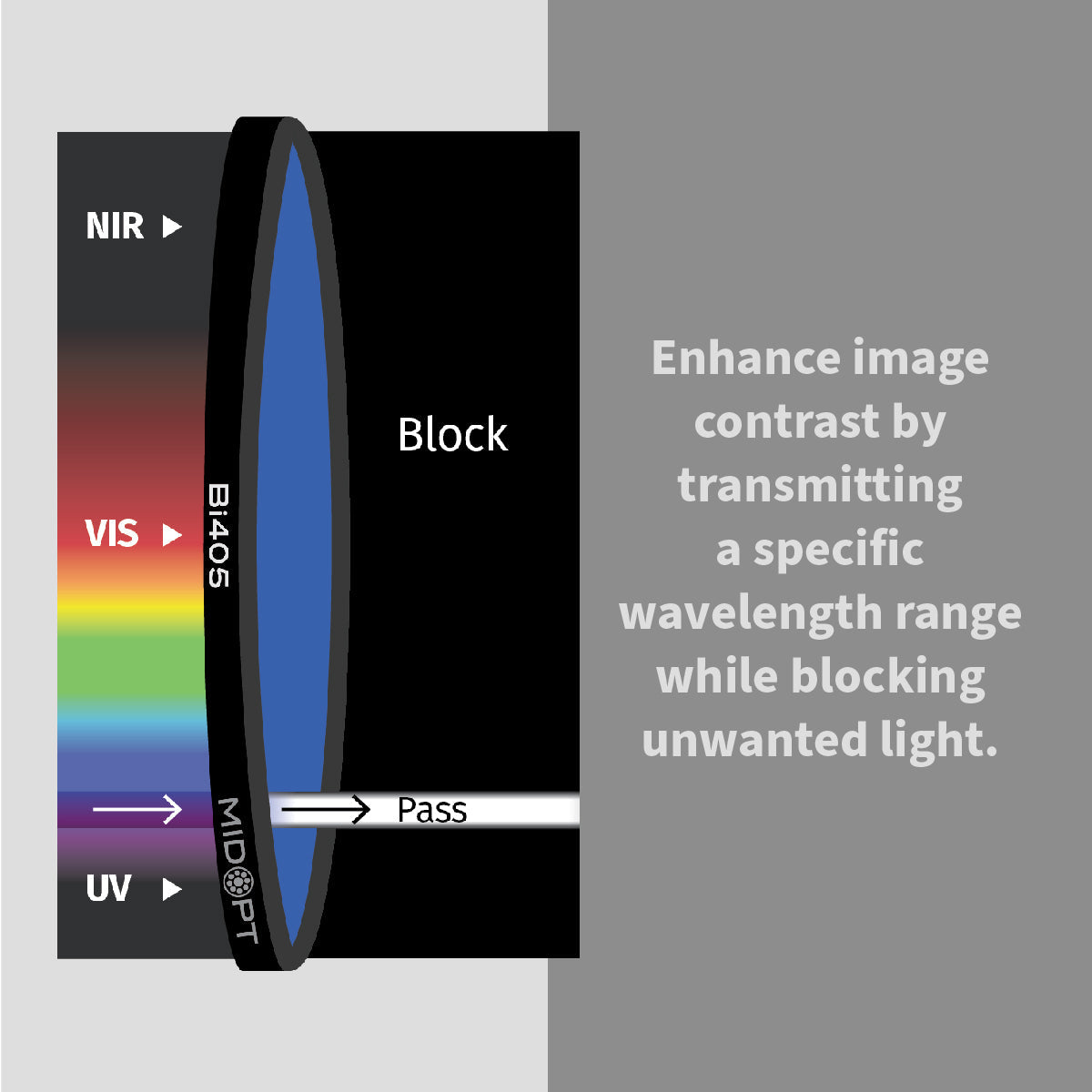
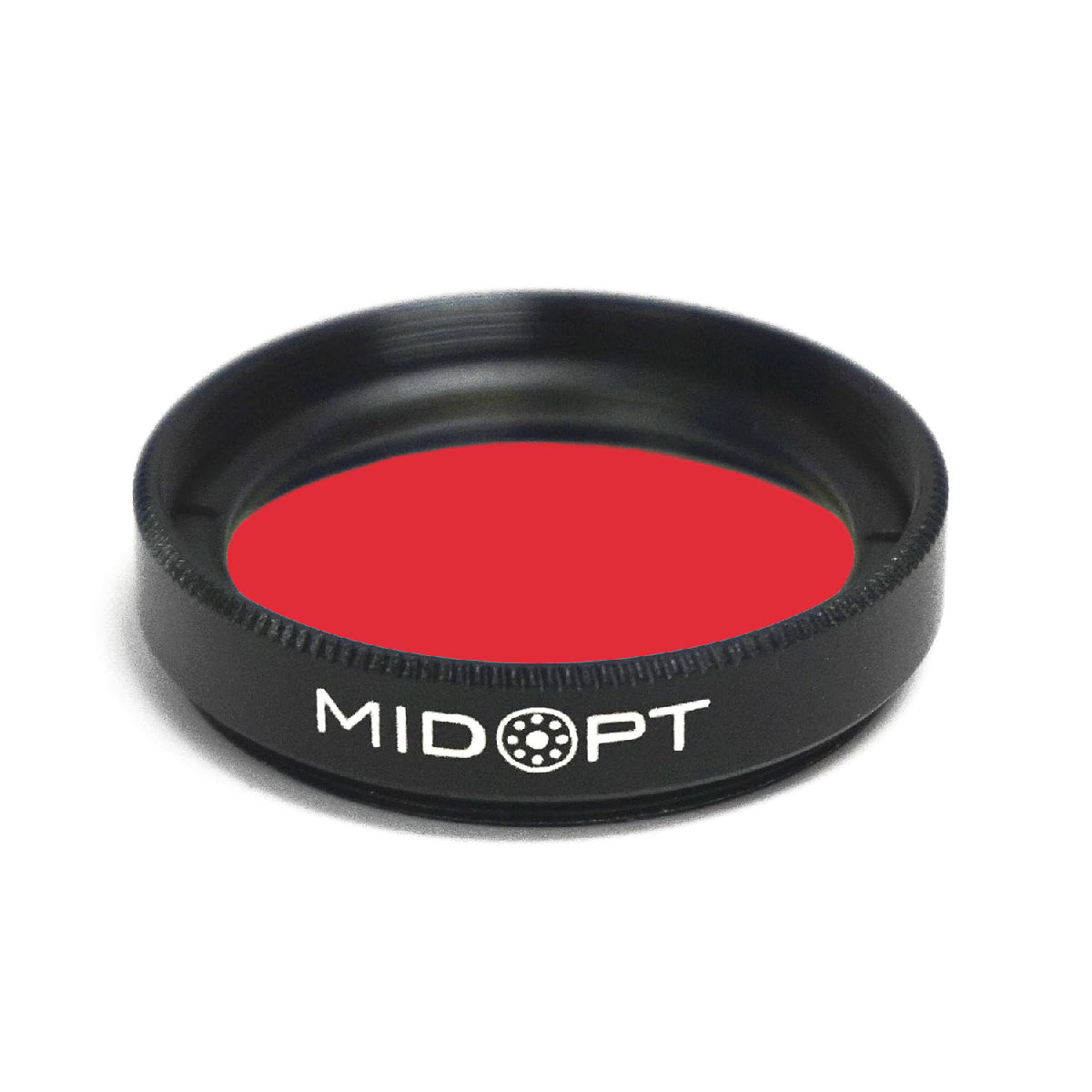
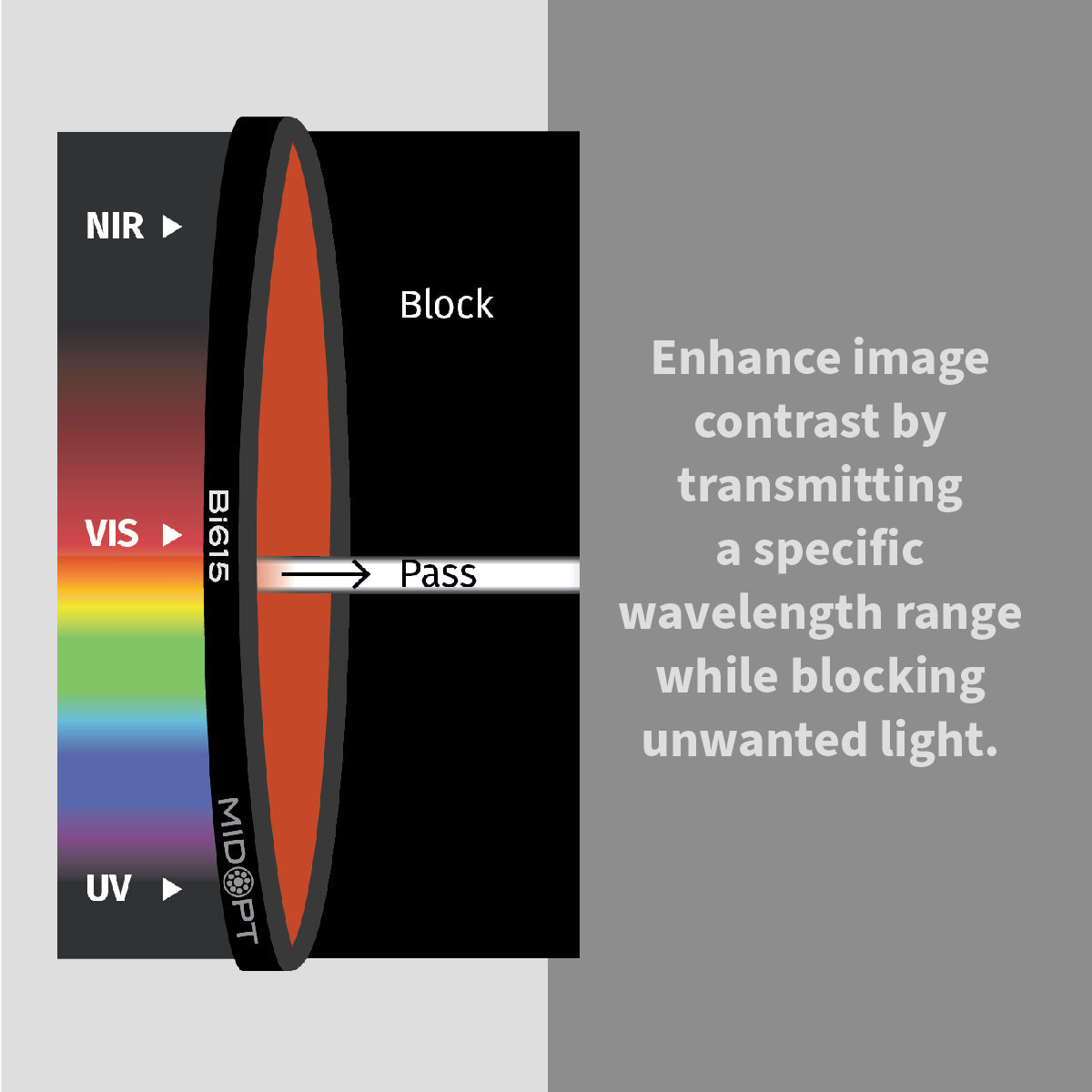
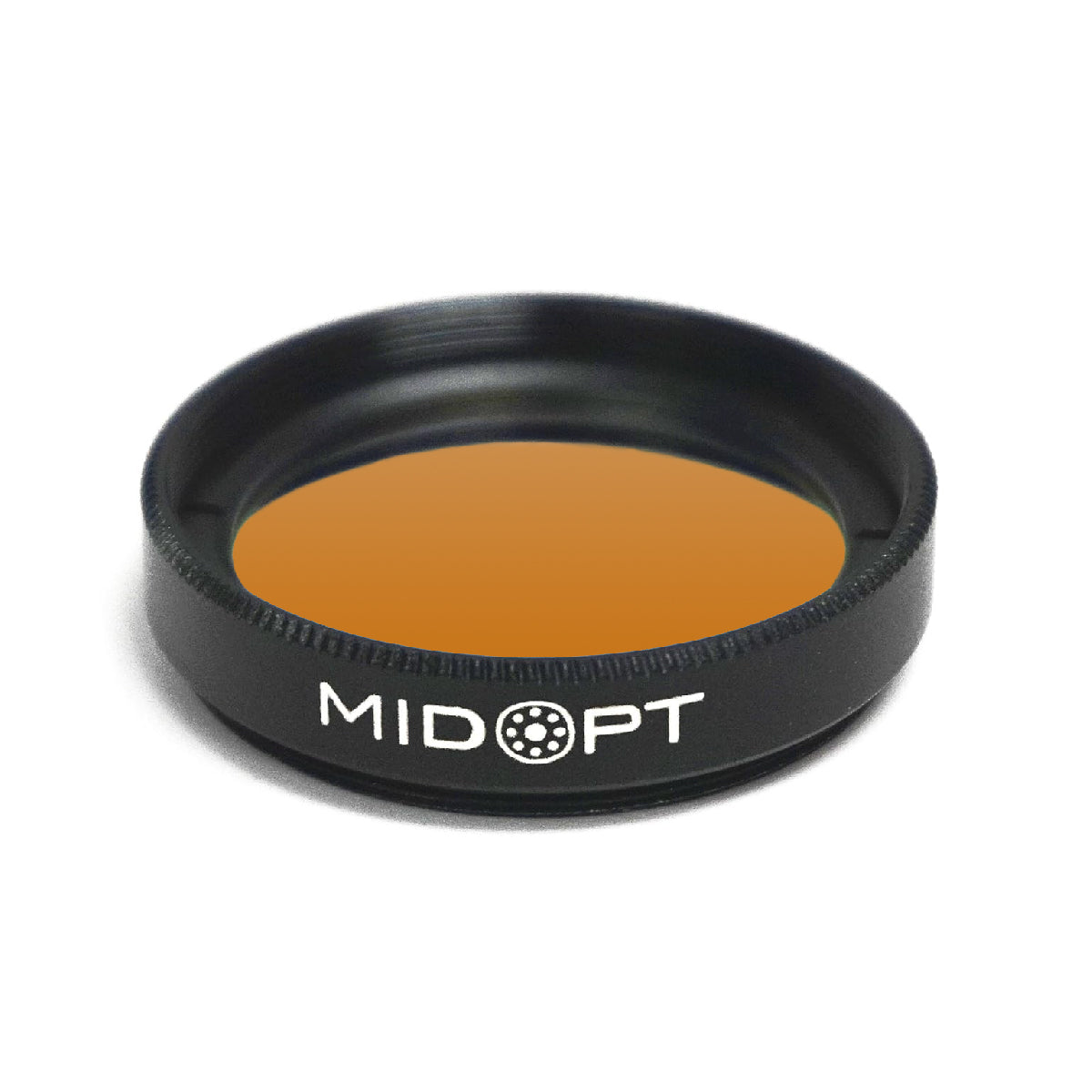
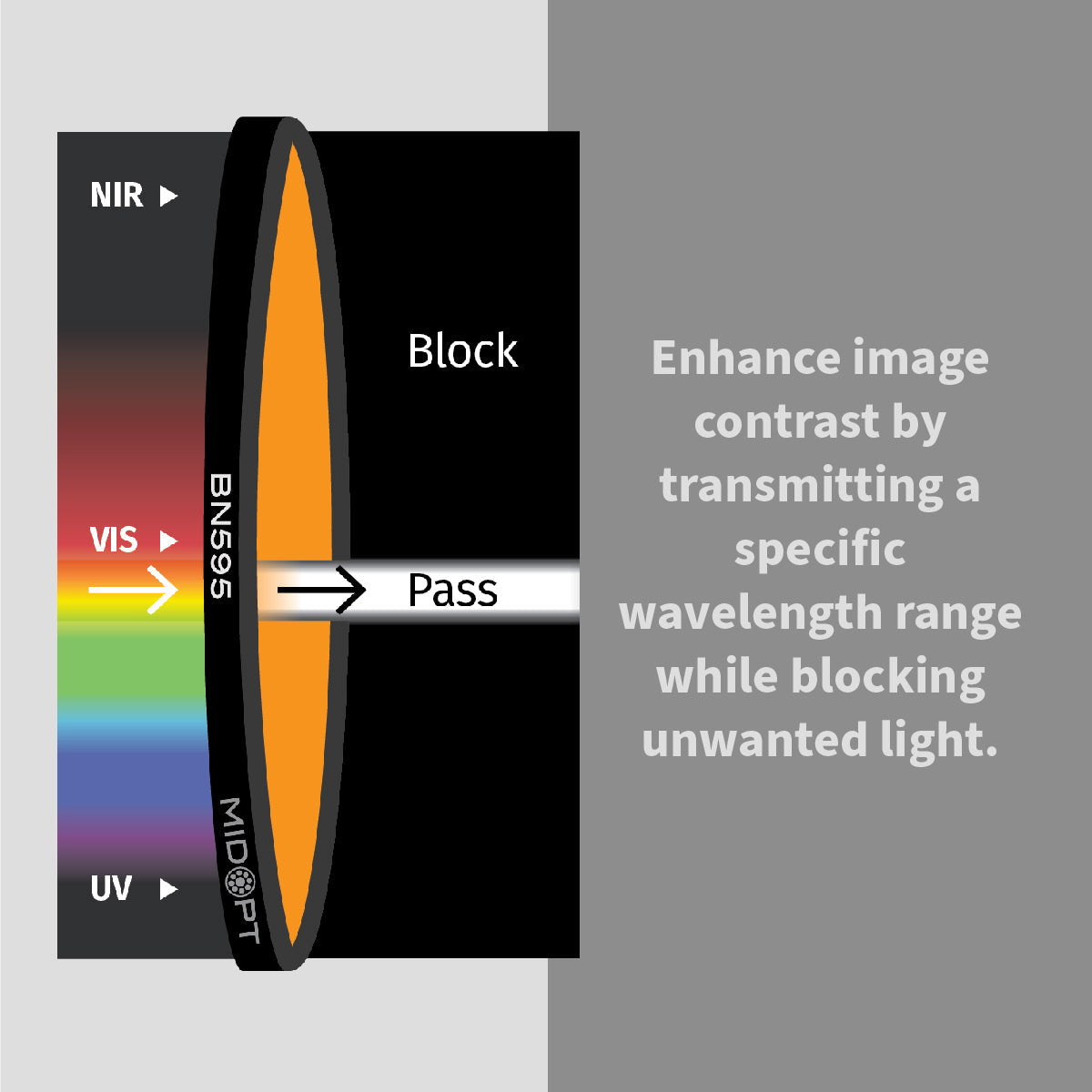
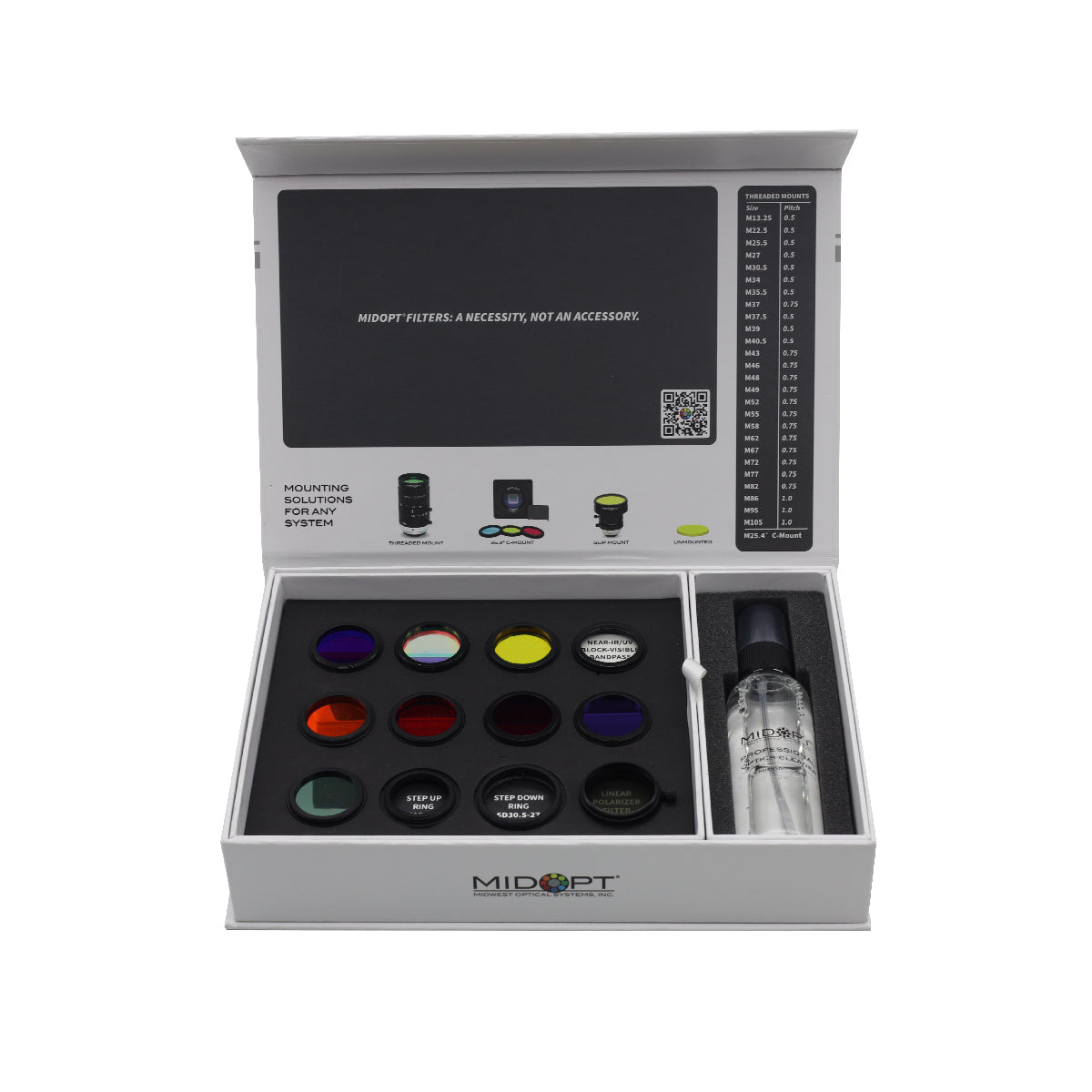
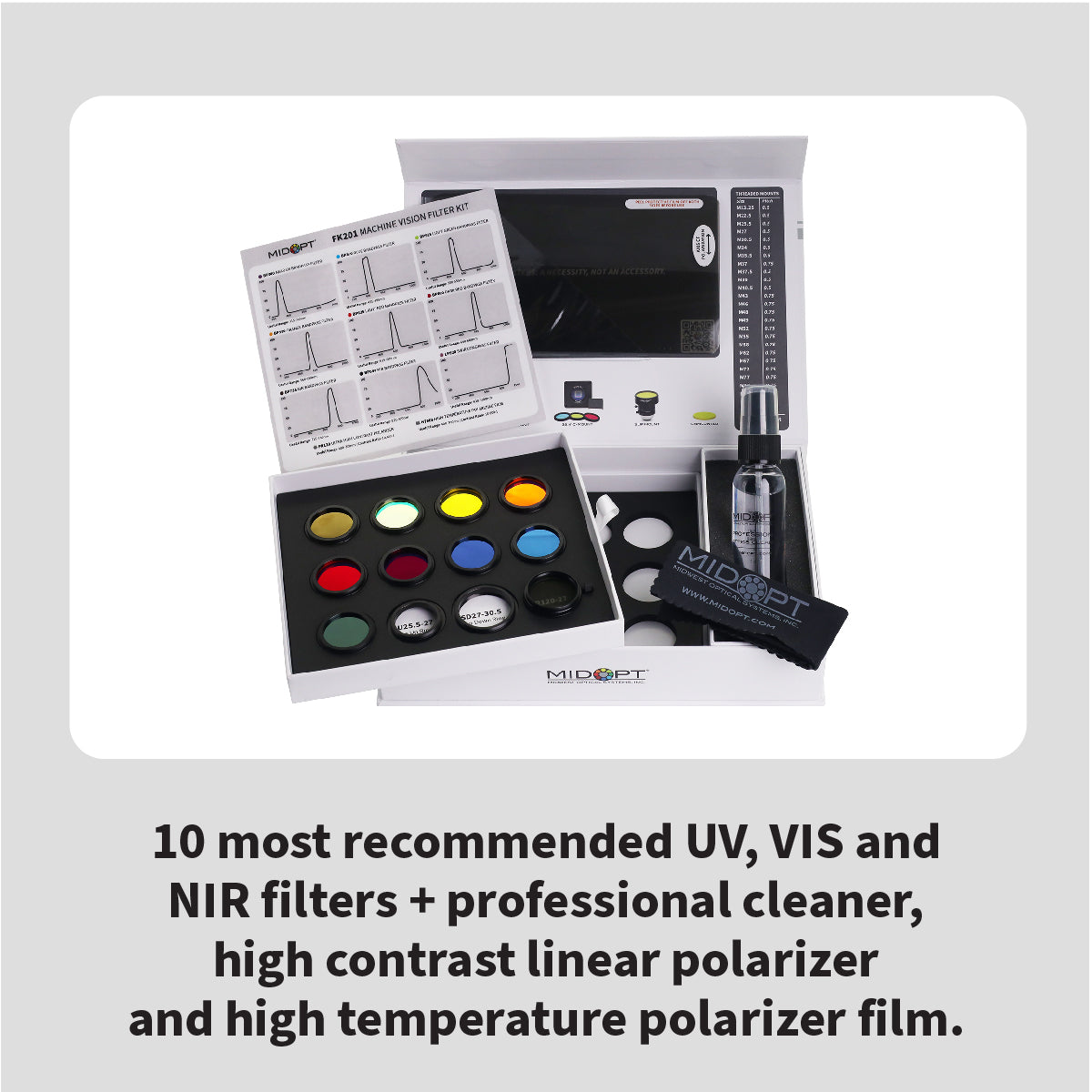
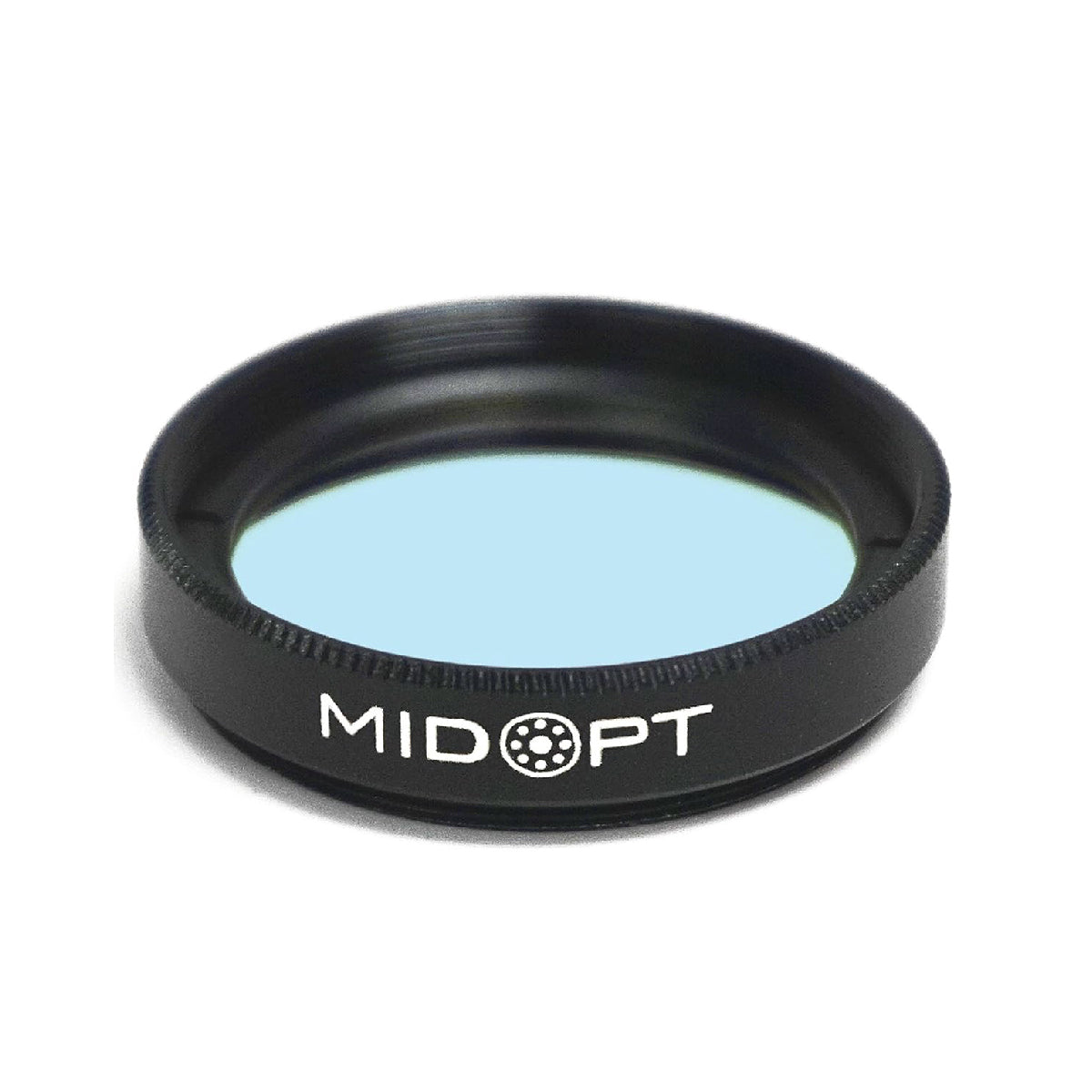
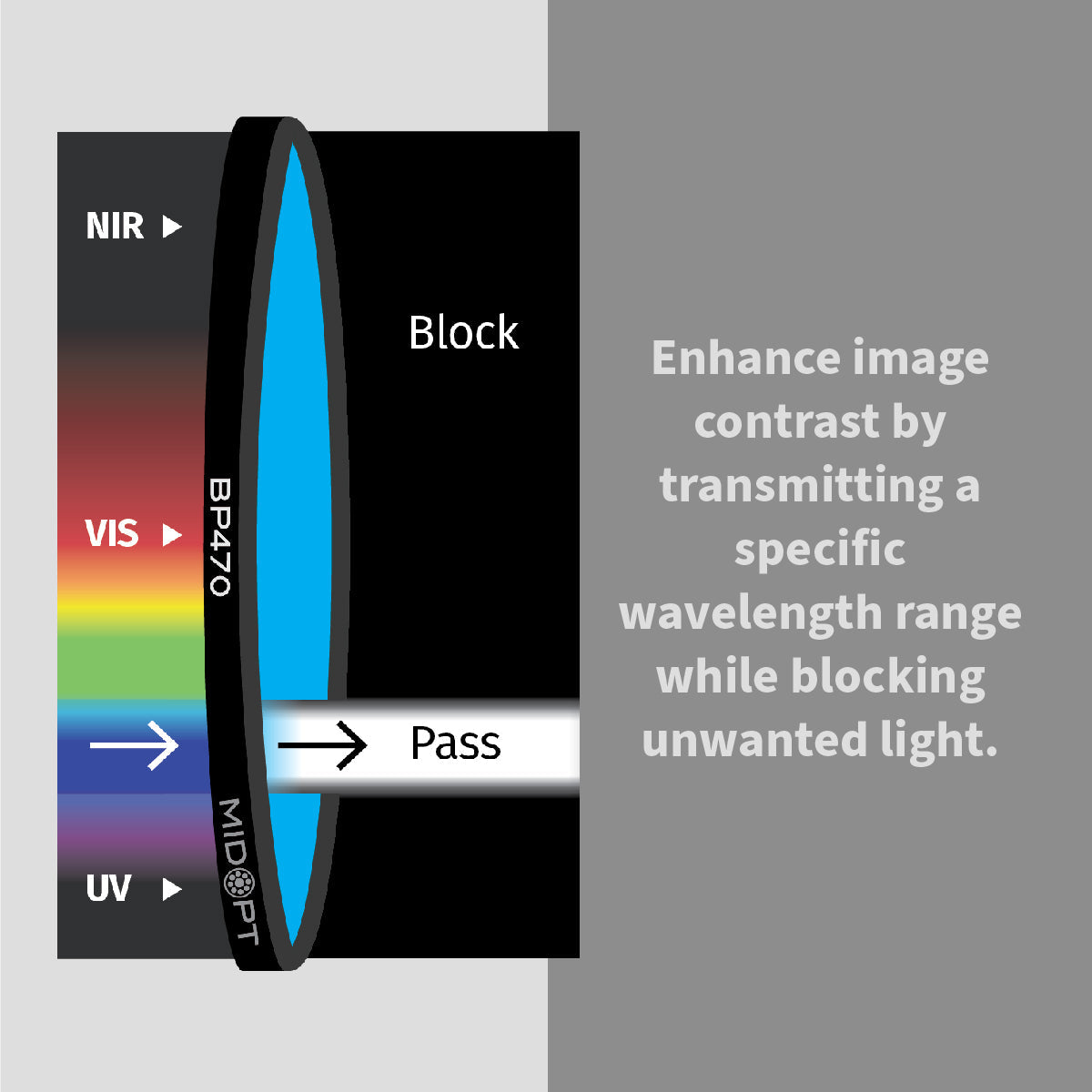
In many systems, optical filters are also used to enhance contrast and remove unwanted light.
Lighting Techniques for Better Results
Different techniques can improve imaging performance:
- Diffuse lighting reduces shadows
- Directional lighting highlights textures
- Backlighting enhances edges
The right technique depends on your application and inspection goals.
Real-World Applications
Machine vision lighting is used in a wide range of industries:
- Automotive inspection
- Food and beverage quality control
- Electronics manufacturing
- Medical device inspection
These systems are often part of larger industrial imaging systems where multiple components work together.
Common Mistakes to Avoid
Avoid these common lighting mistakes:
- Using incorrect light angles
- Ignoring reflections
- Not matching lighting with filters and lenses
Lighting should always be optimized as part of the full system.
Final Thoughts
Lighting is one of the most critical elements in machine vision. By choosing the right type of lighting and integrating it with lenses and filters, you can significantly improve system performance.
Browse our full range of machine vision lighting to find the right solution for your application.
FAQs
Why is lighting important in machine vision?
It directly affects image quality and detection accuracy.
What is the best lighting for reflective surfaces?
Dome lighting is ideal for reducing reflections.
When should I use backlighting?
For edge detection and silhouette imaging.
Do lighting and filters work together?
Yes, they are often combined to improve results.
Can lighting affect inspection accuracy?
Yes, proper lighting significantly improves consistency.