
 Find-R-Scopes
 Filters
 Lenses
 Cameras
 Lighting
 Accessories







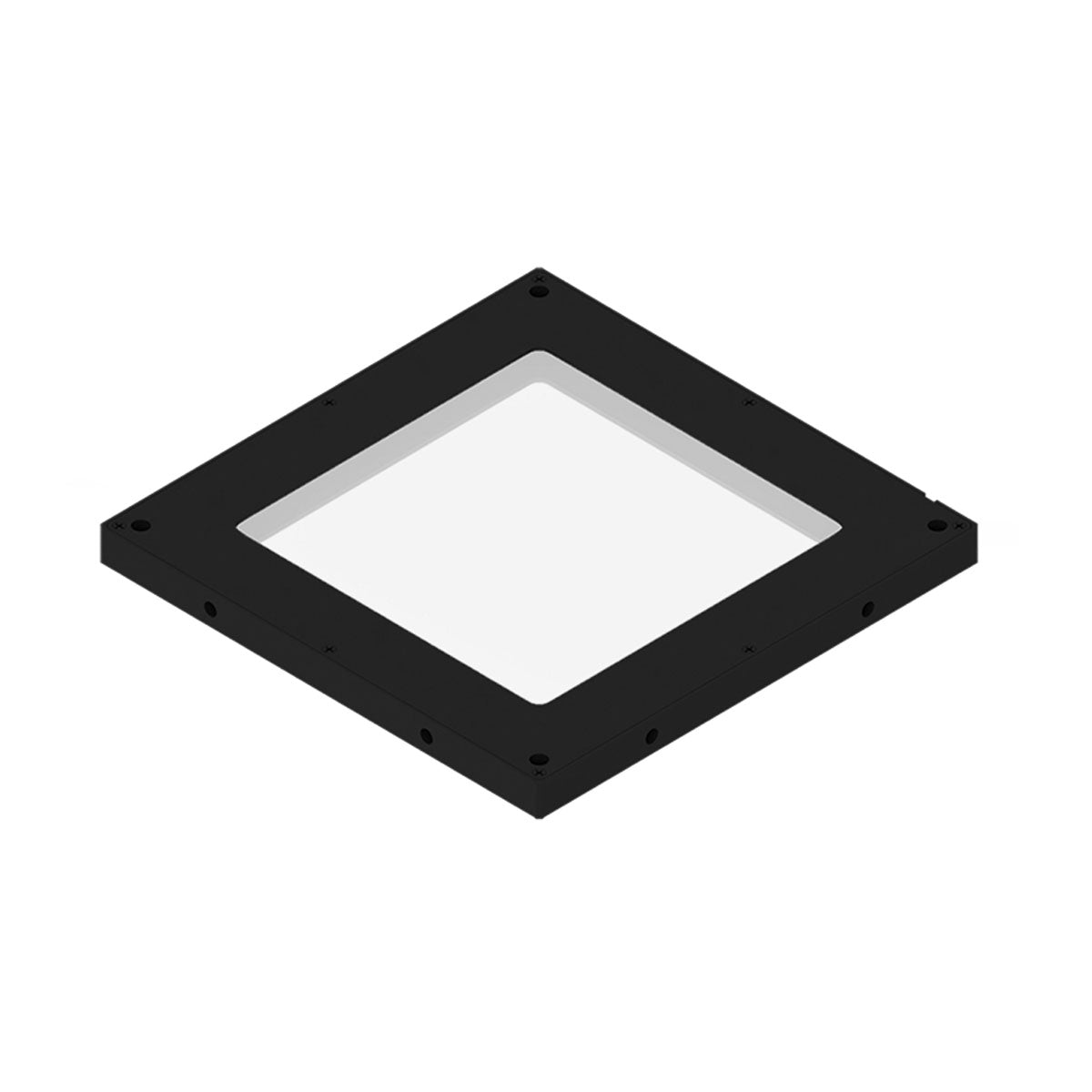
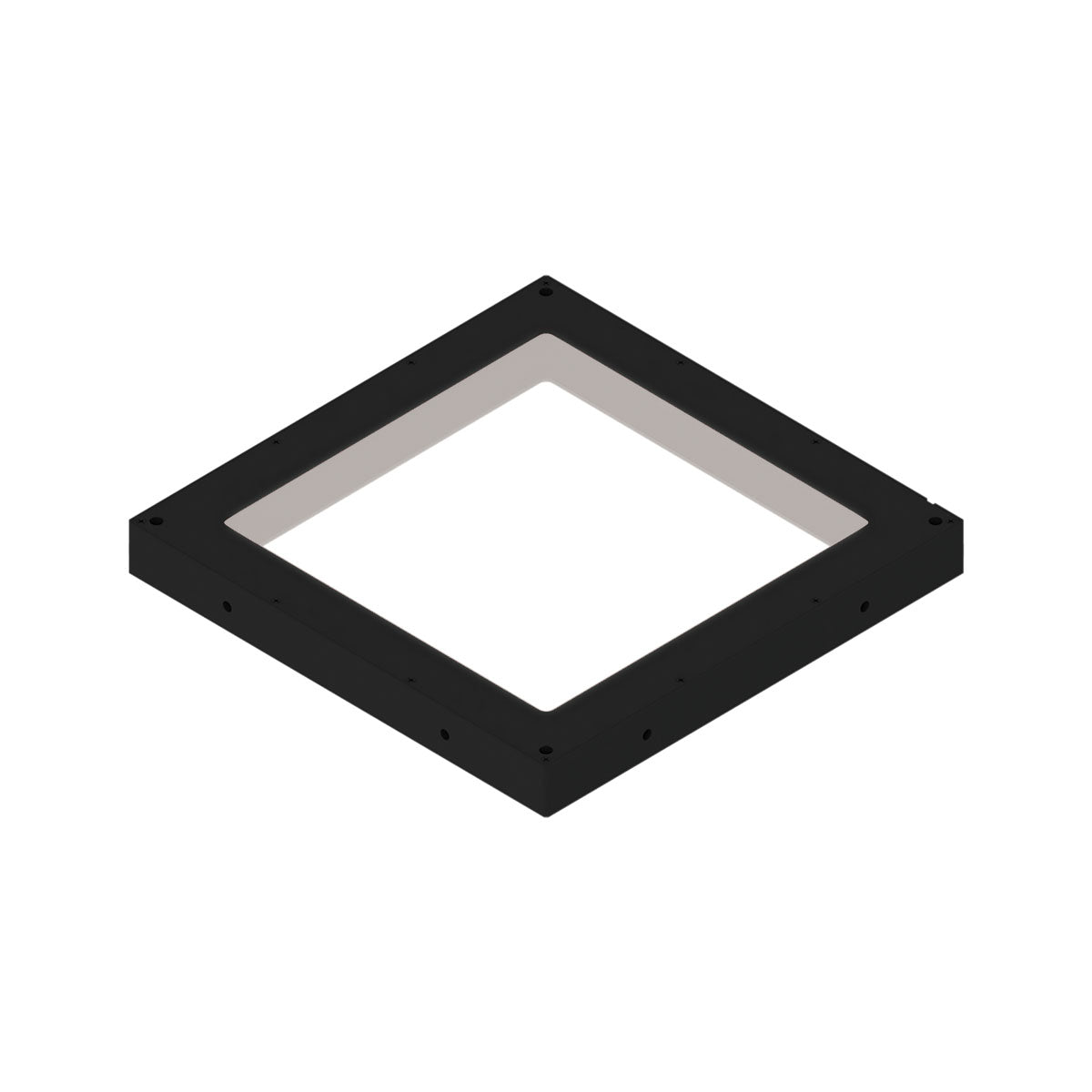
Whether you're inspecting electronics, pharmaceuticals, automotive components, food products or semiconductor wafers, proper lighting can mean the difference between detecting critical defects and missing them entirely. That's why lighting simulation and testing have become essential tools for optimizing machine vision performance before a system is deployed.
Why Lighting Matters in Machine Vision
The primary goal of a machine vision system is to create sufficient contrast between the feature of interest and its background. Cameras capture reflected, transmitted or emitted light – but without the proper illumination strategy, critical features may be difficult or impossible to detect.
Poor lighting can lead to:
- False rejects and false accepts
- Reduced inspection accuracy
- Glare and reflections
- Low image contrast
- Inconsistent results
- Increased processing requirements
By carefully selecting and testing machine vision lighting solutions, manufacturers can dramatically improve system reliability and reduce costly production errors.
The Challenge of Selecting the Right Lighting
Modern machine vision applications have access to a wide variety of illumination technologies, including:
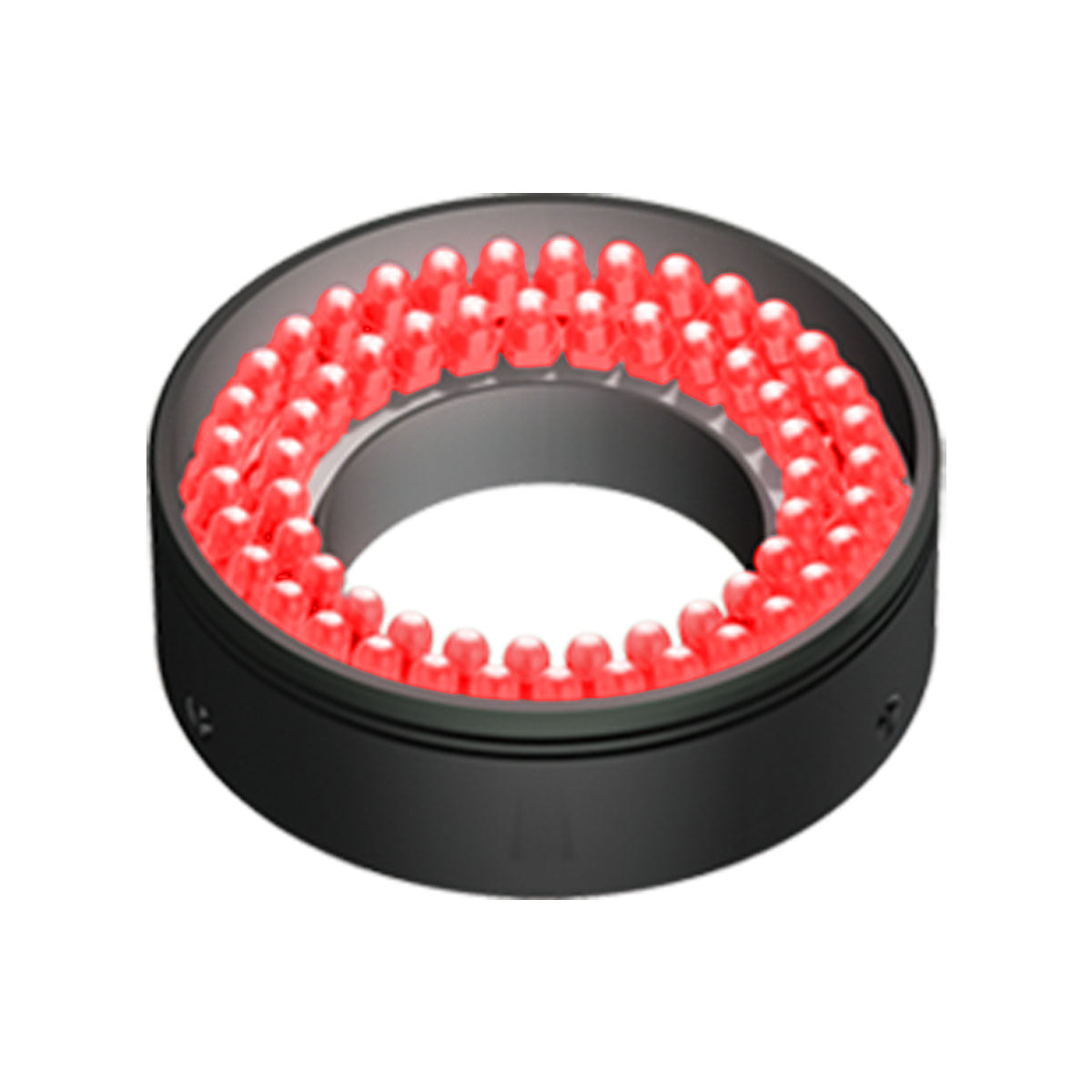
- Ring lights
- Dome lights
- Bar lights
- Coaxial lights
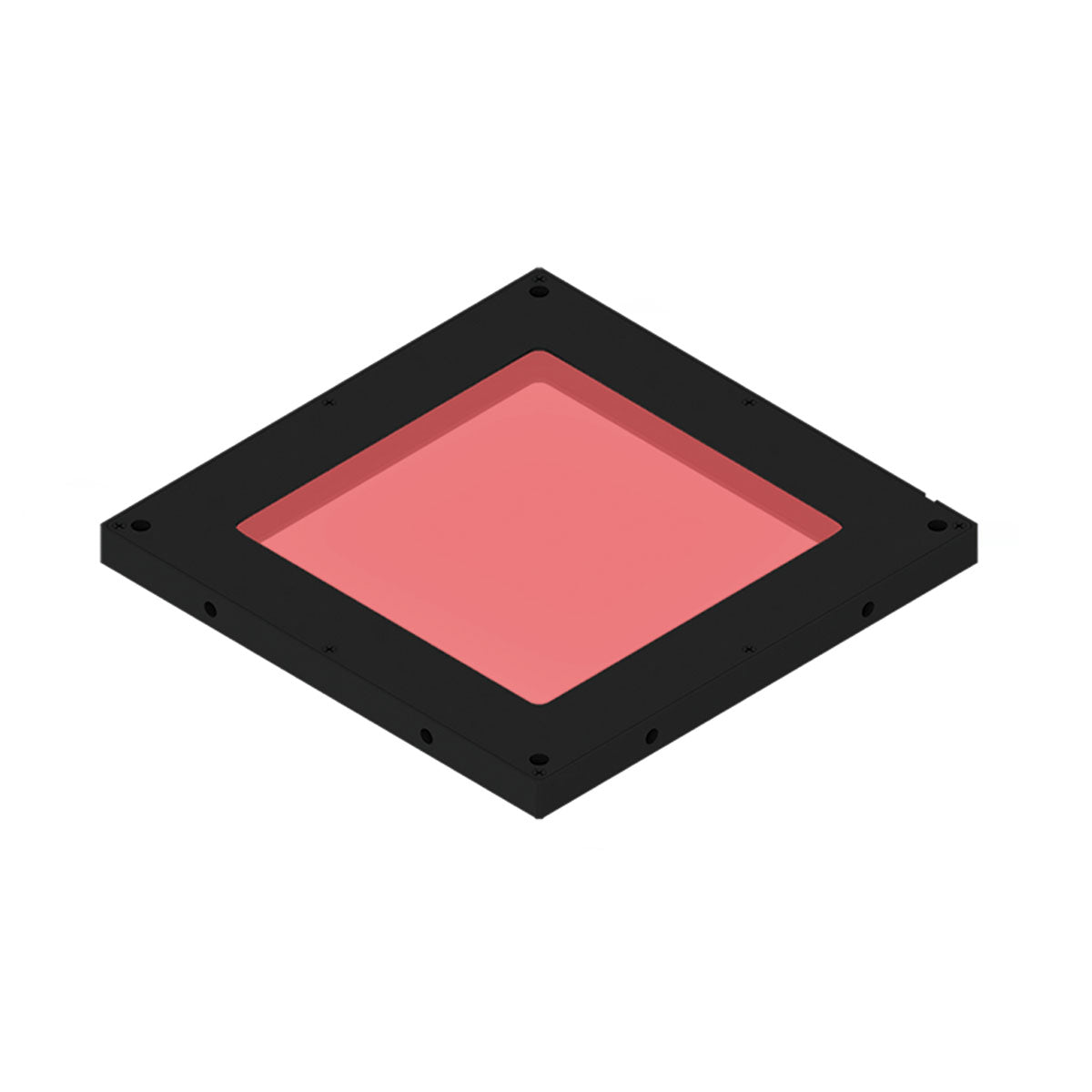
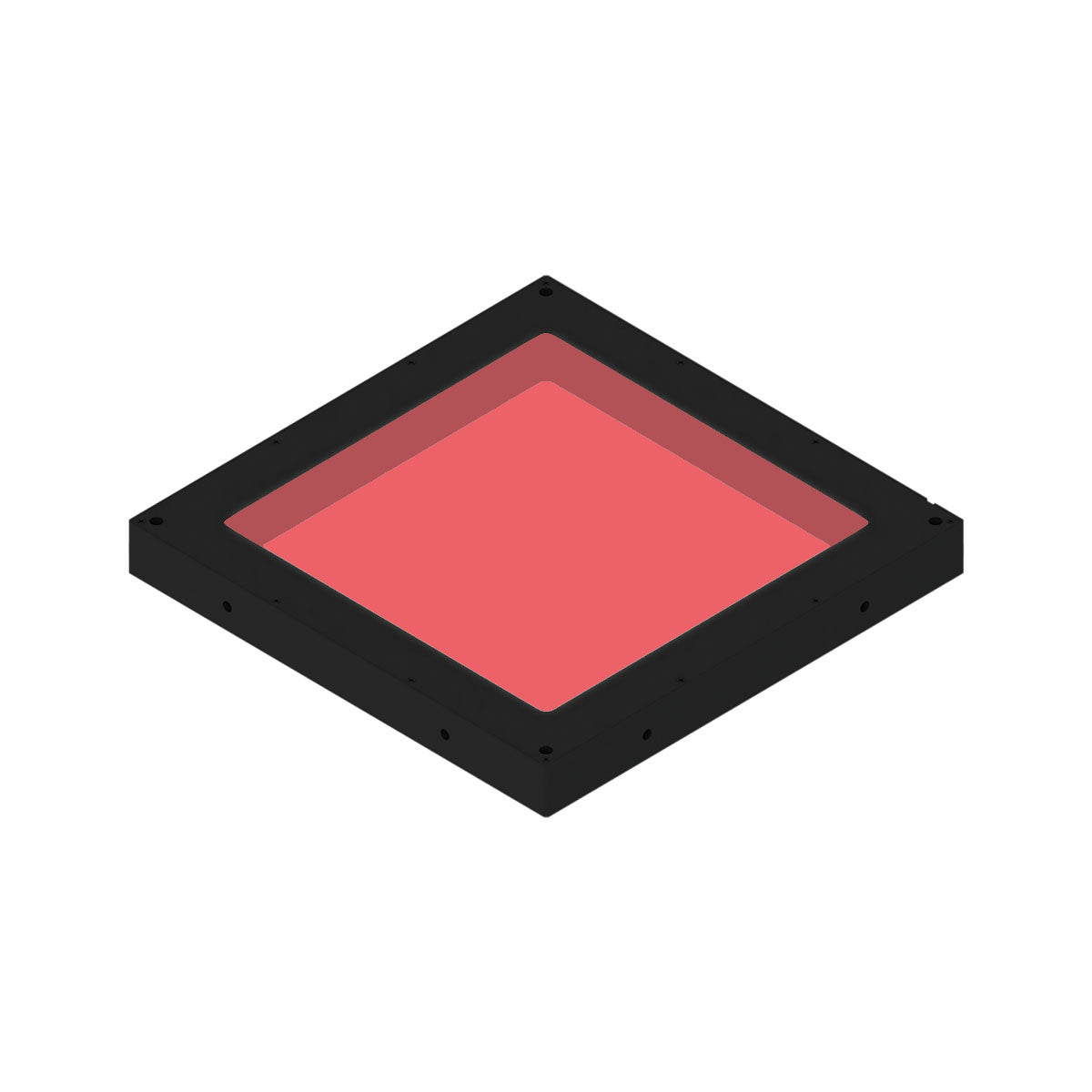
- Backlights
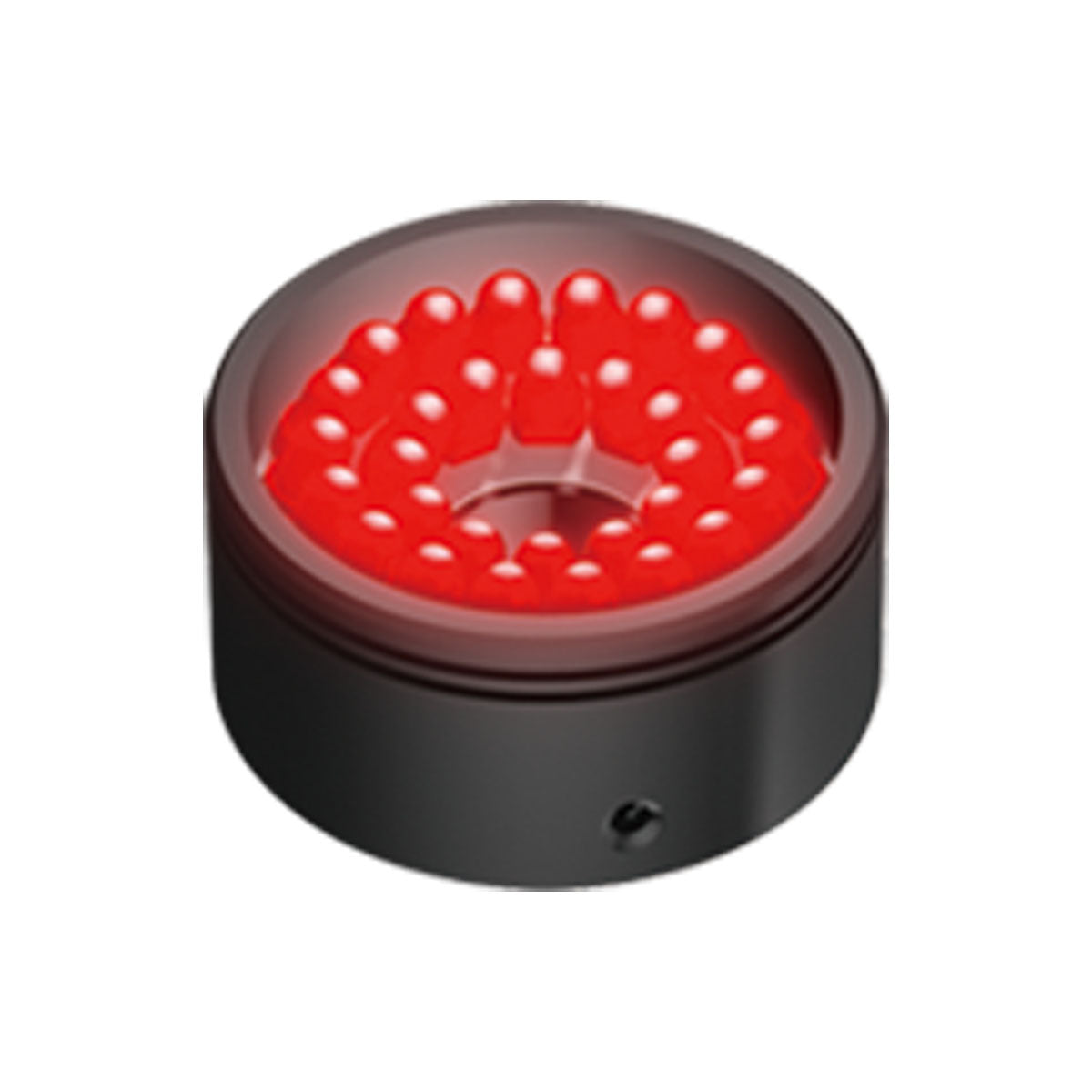
- Spotlights
- Structured lighting
- Infrared illumination
- Ultraviolet illumination
Each lighting type interacts differently with materials, surface textures, colors and geometries. For example:
Shiny Surfaces
Highly reflective materials often create hotspots and glare that can obscure defects. Dome lights and diffuse illumination can help minimize reflections while maintaining image consistency.
Surface Defect Detection
Low-angle dark field lighting can emphasize scratches, dents and surface imperfections that might be invisible under direct illumination.
Dimensional Measurement
Backlighting is often ideal for silhouette measurements, edge detection and gauging applications where precise dimensions are critical.
Color Inspection
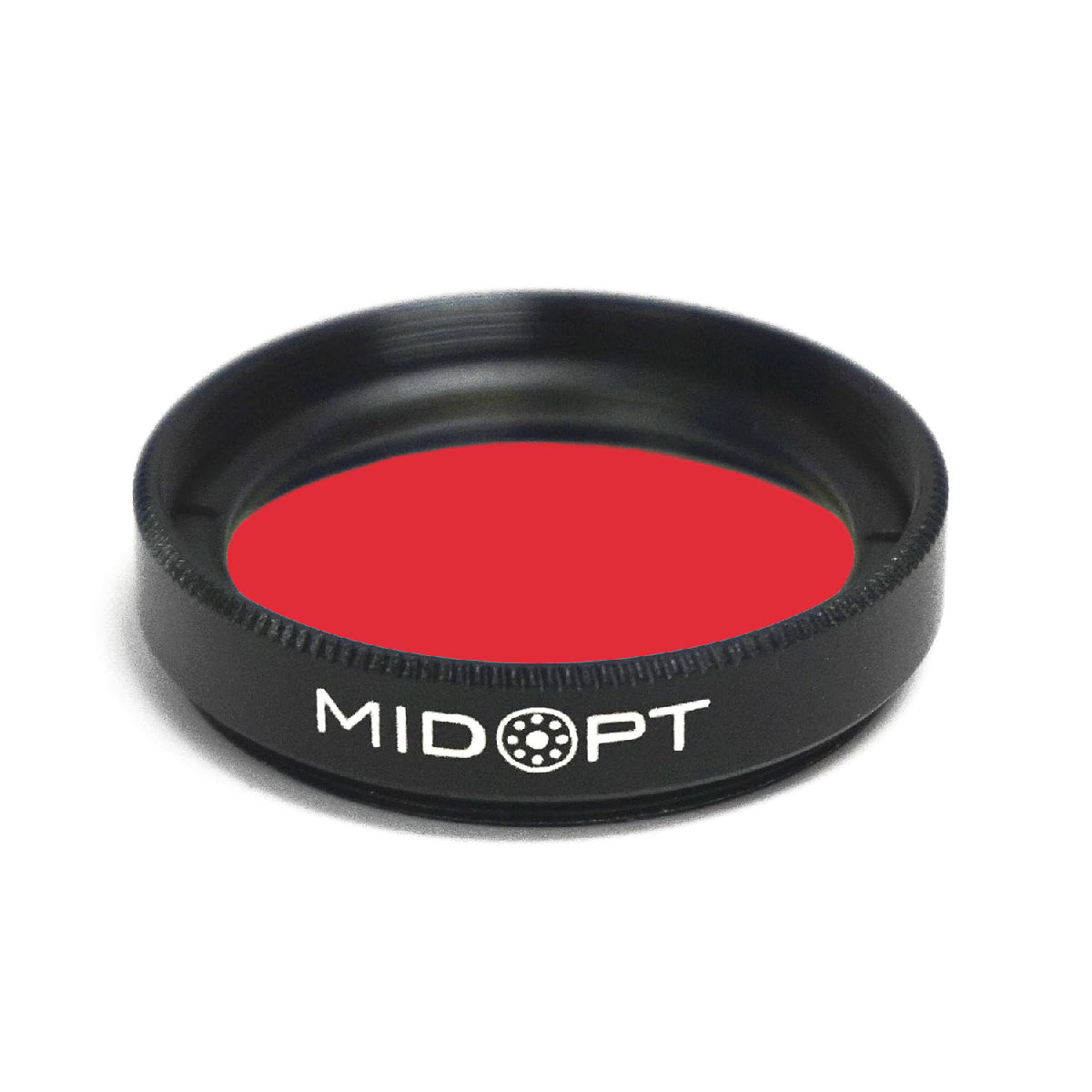
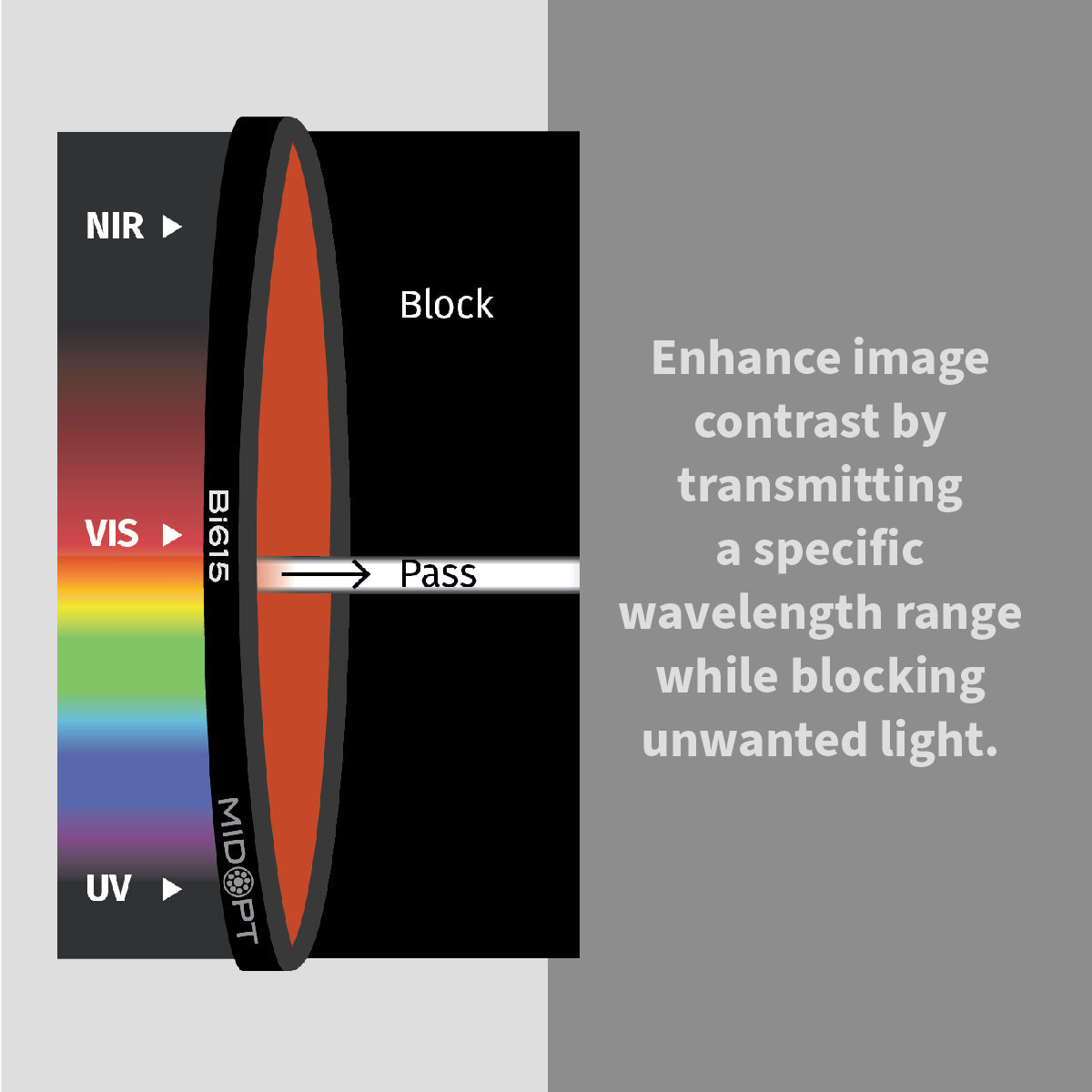
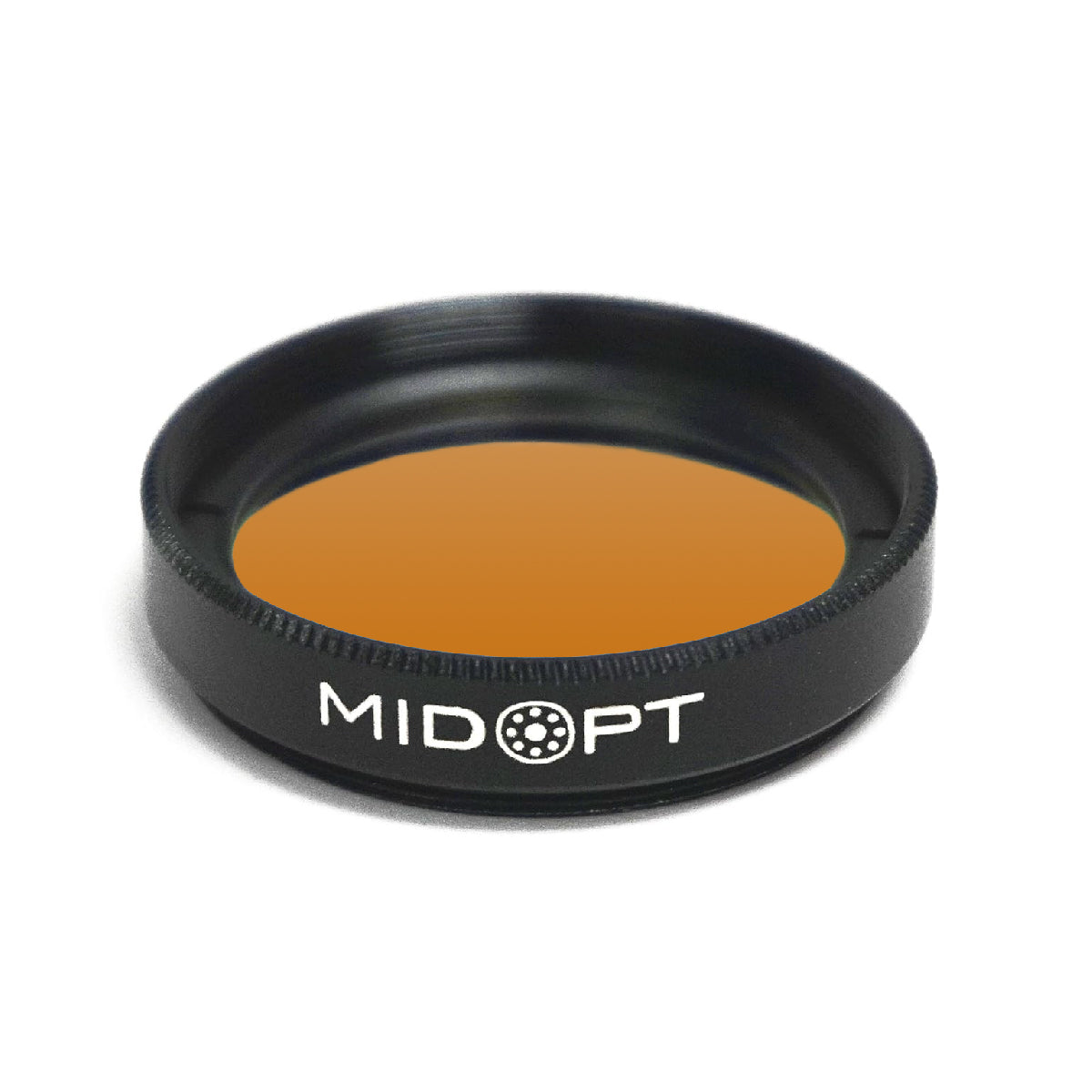
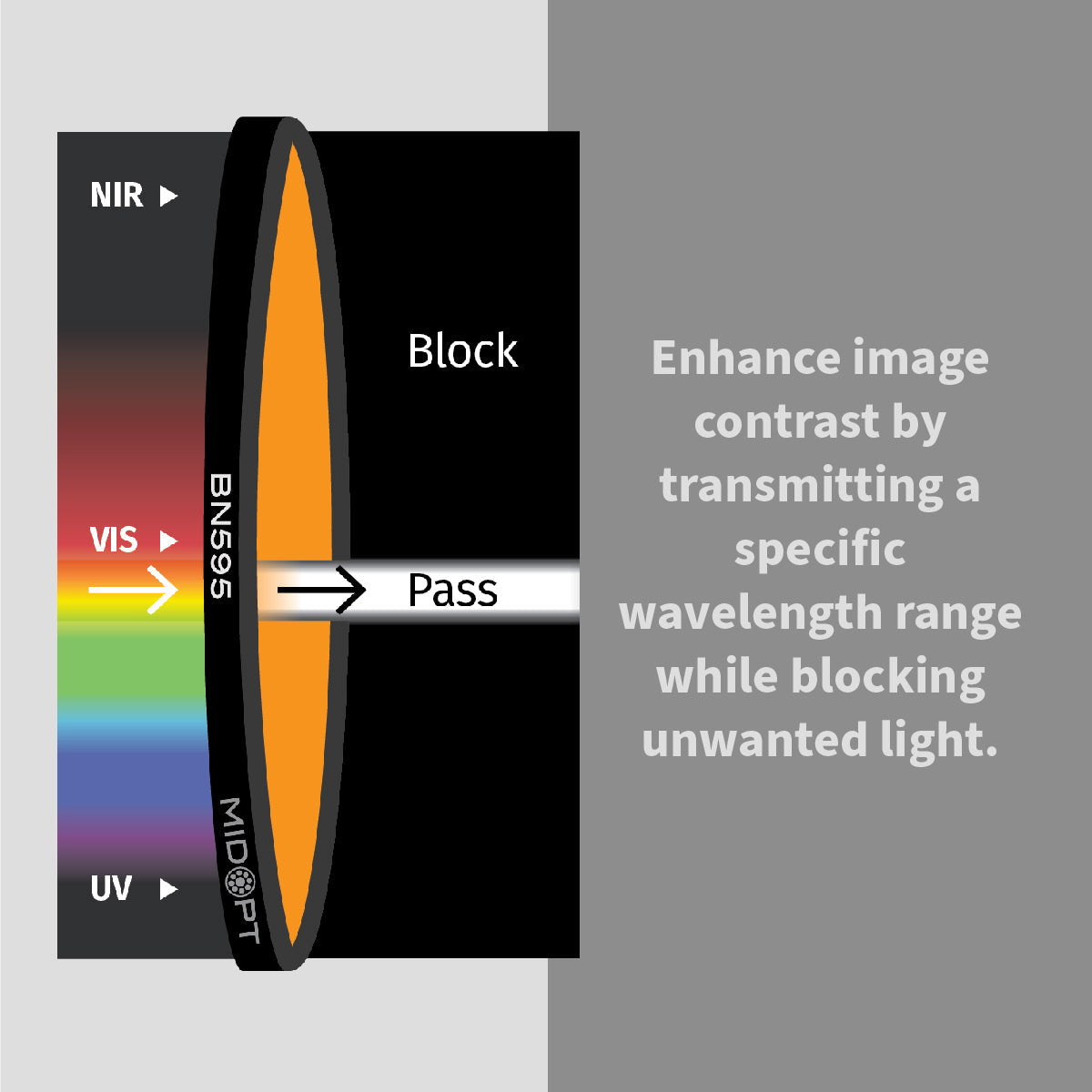
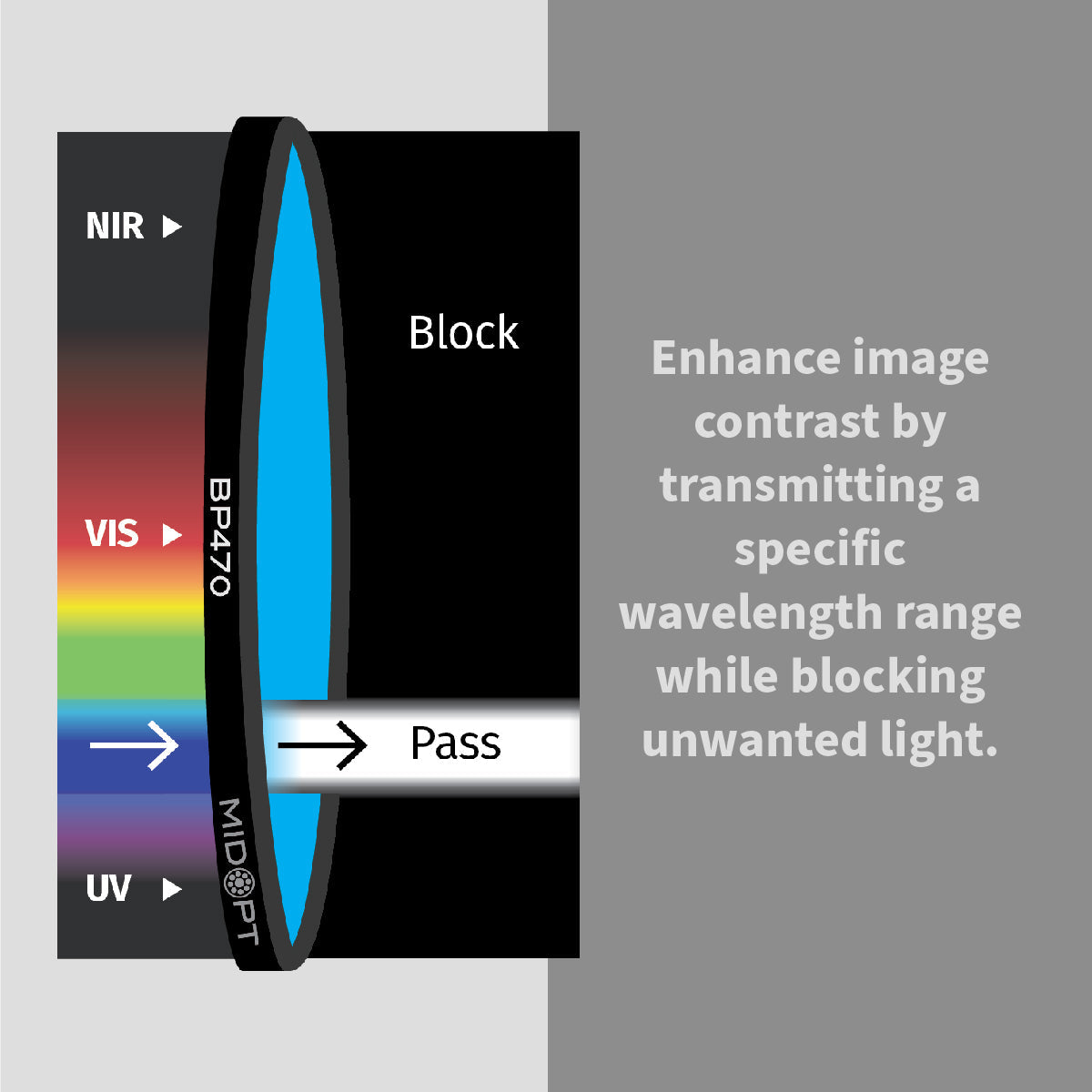
Selecting the appropriate wavelength can significantly improve contrast between similar colors or materials, allowing defects to stand out more clearly.
The Benefits of Lighting Simulation
Lighting simulation allows engineers and system designers to evaluate illumination strategies before purchasing equipment or building a complete inspection system.
Using simulation tools and application testing, manufacturers can:
Reduce Development Time
Testing multiple lighting configurations virtually or in a controlled environment helps identify the most effective solution faster than trial-and-error implementation.
Lower System Costs
Selecting the correct lighting from the start reduces redesigns, minimizes component changes, and helps avoid costly downtime.
Improve Inspection Reliability
Simulation can reveal potential issues with shadows, reflections, contrast and feature visibility before the system enters production.
Optimize Camera Performance
Proper illumination allows cameras to operate at optimal exposure settings, improving image quality and reducing motion blur in high-speed applications.
Real-World Lighting Testing
While simulation provides valuable insight, hands-on testing remains critical for many machine vision applications.
At FJW Optical, we often work with customers to evaluate lighting solutions using actual parts, materials and production conditions. Testing allows engineers to compare:
- Different illumination geometries
- Multiple wavelengths
- Light intensities
- Polarization techniques
- Exposure settings
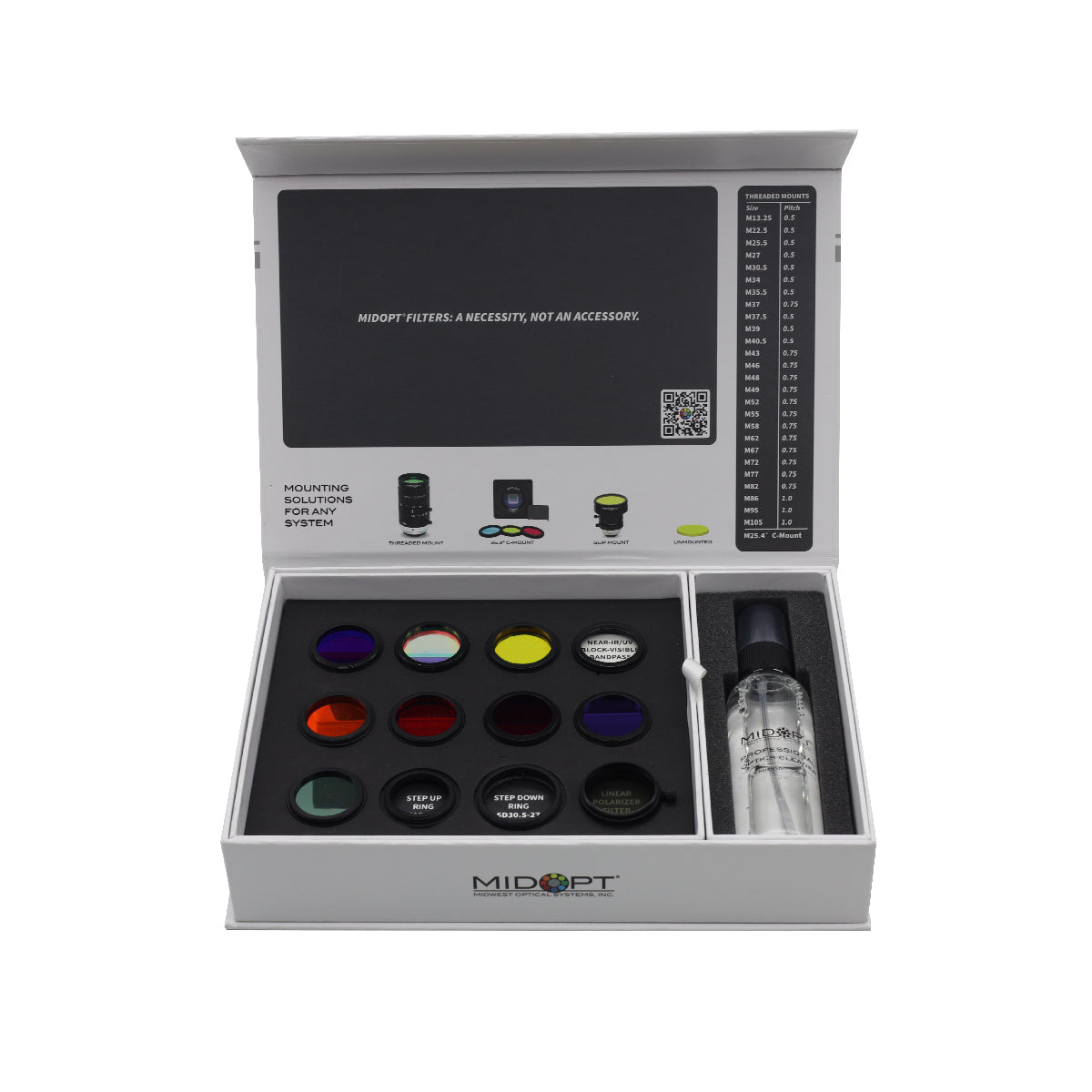
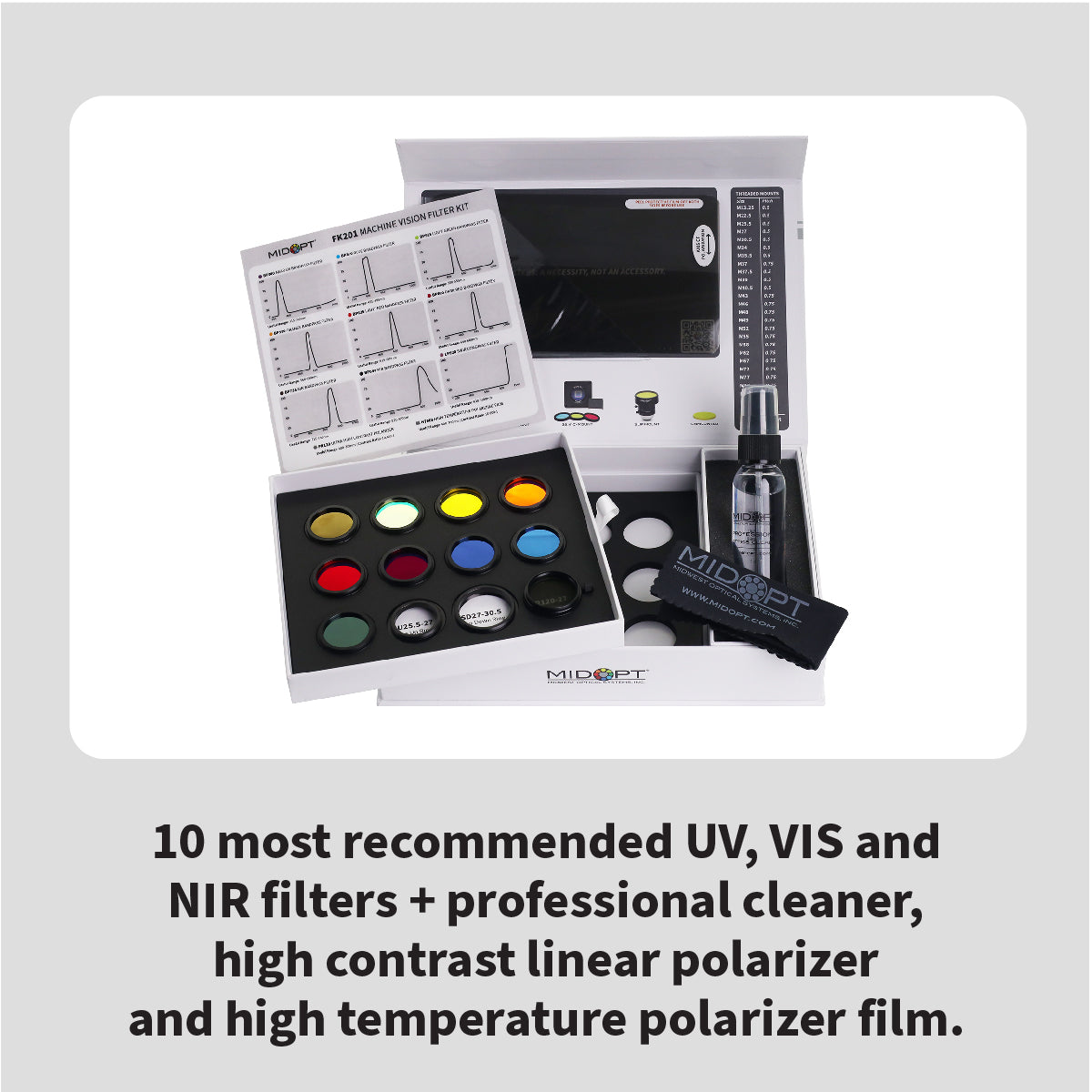
- Filter combinations
These evaluations help determine which lighting configuration provides the best contrast and inspection reliability for a specific application.
Combining Lighting with Filters and Cameras
Lighting should never be considered independently from the rest of the imaging system. The best results are typically achieved when lighting, cameras, lenses, and optical filters are designed together. For example:
LED Lighting + Bandpass Filters
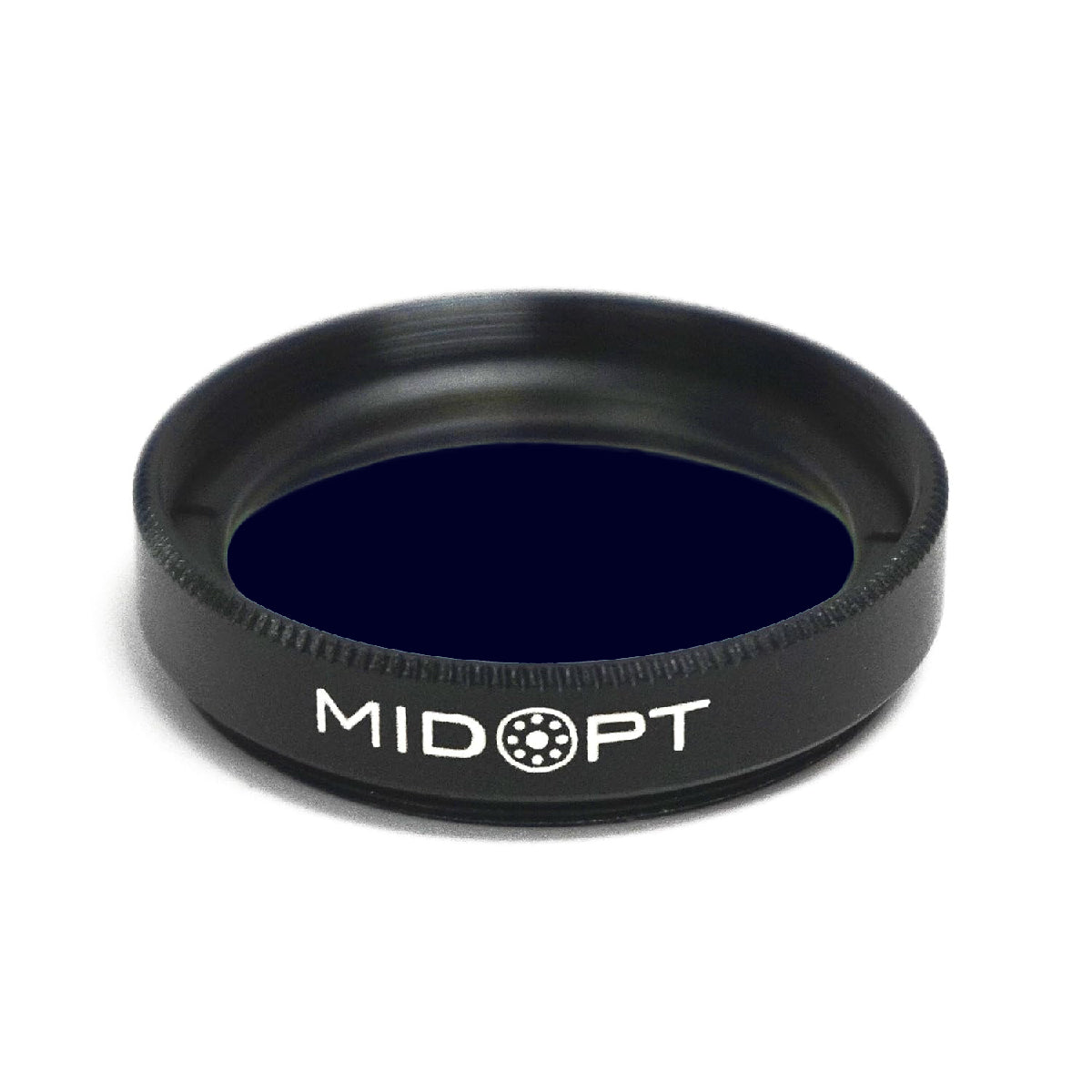
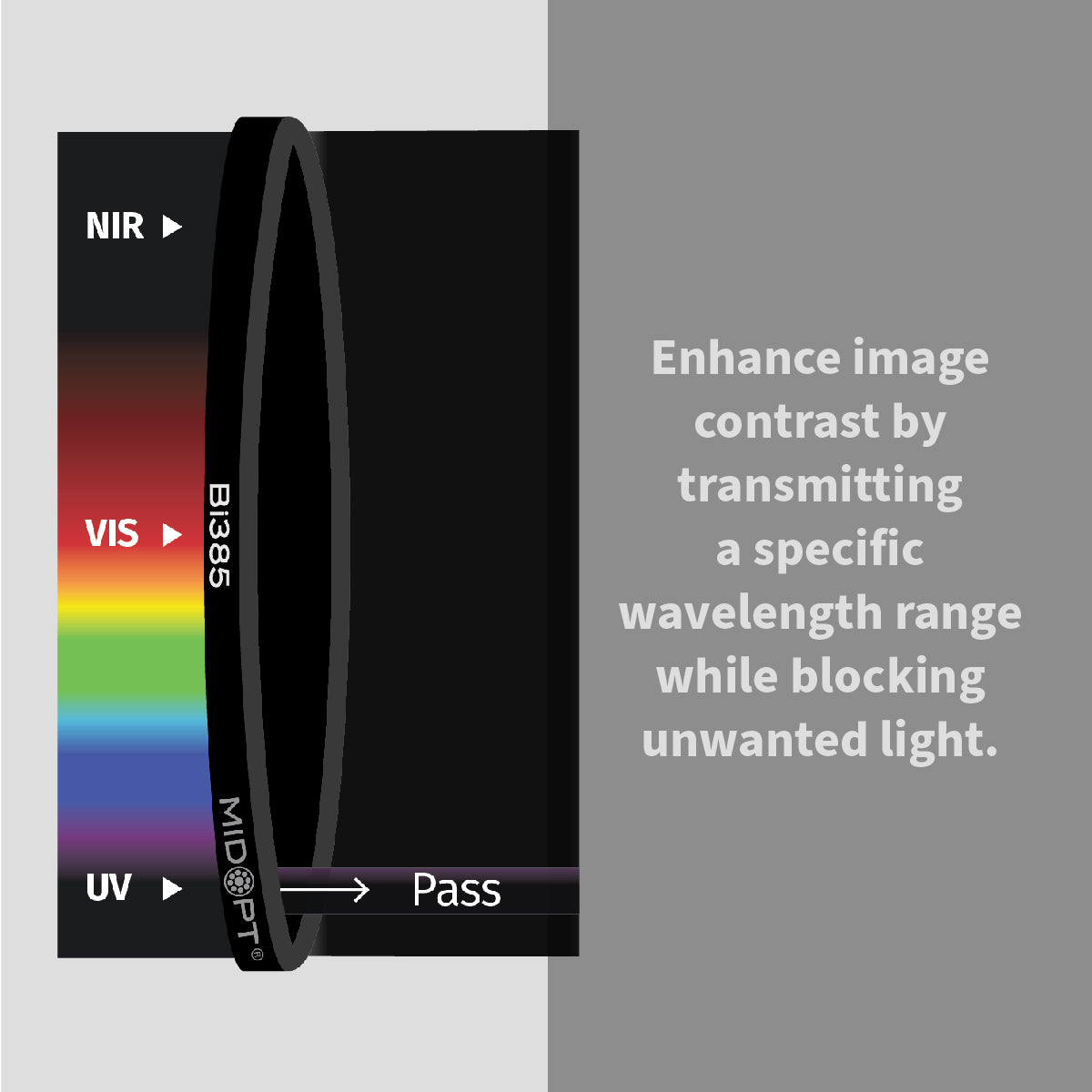
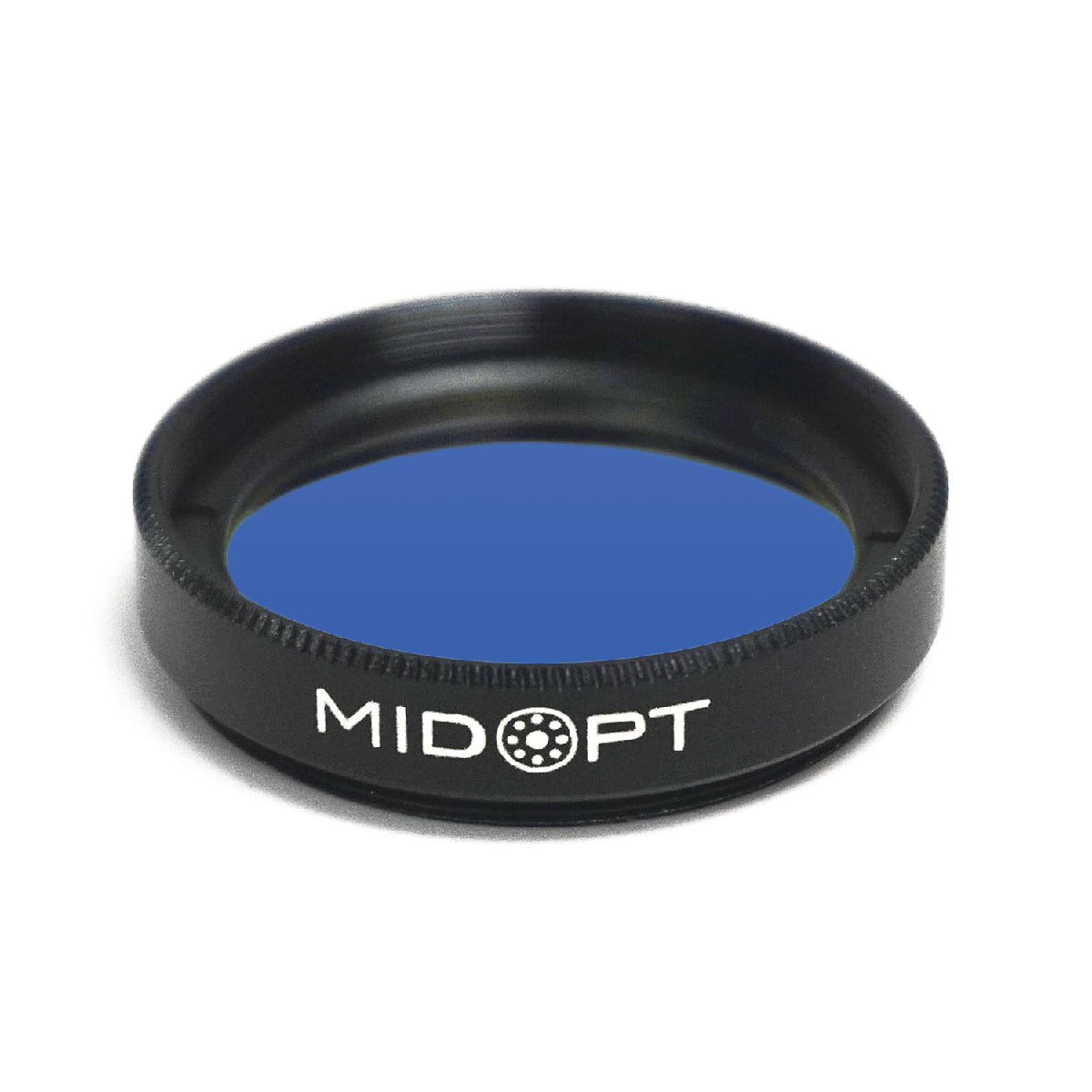
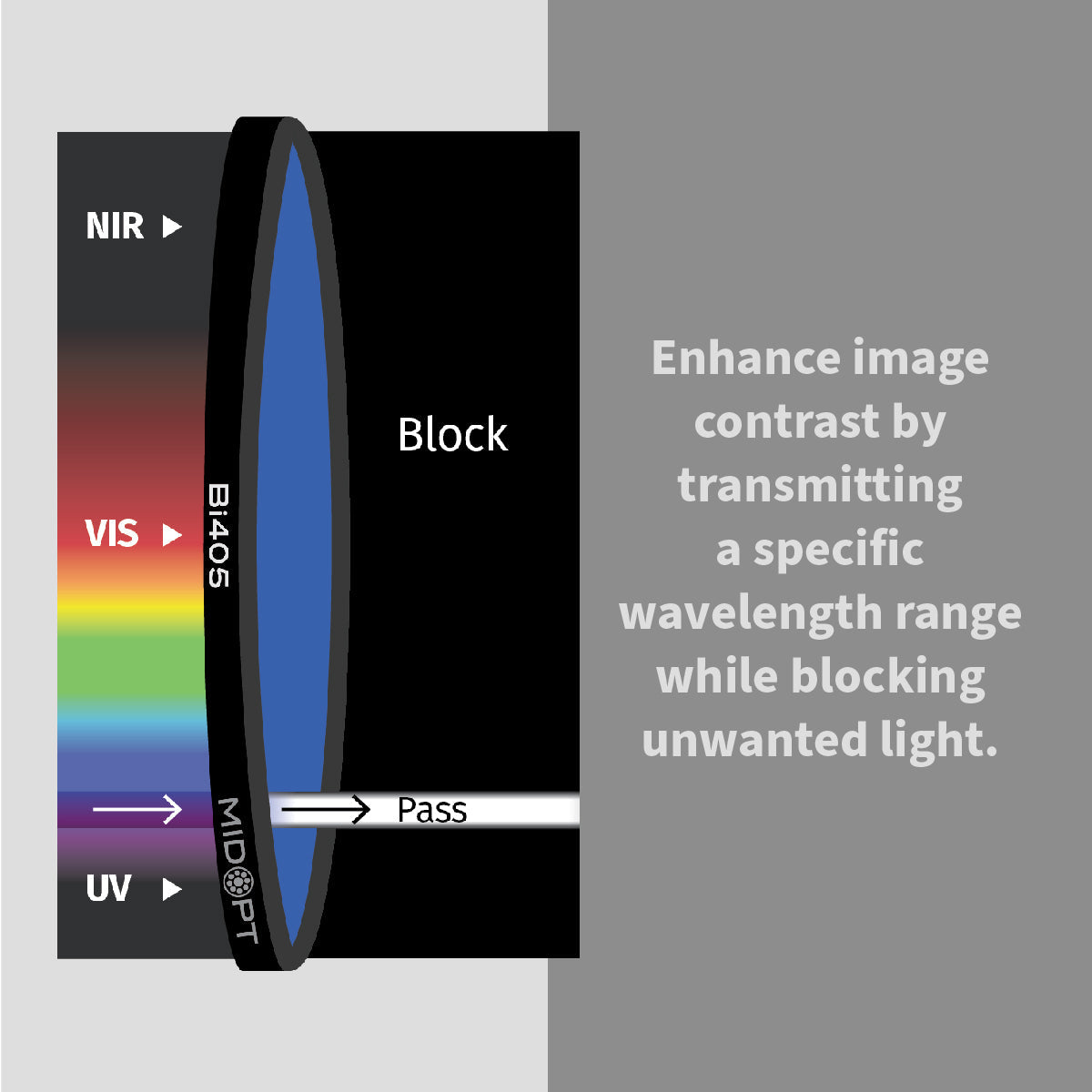
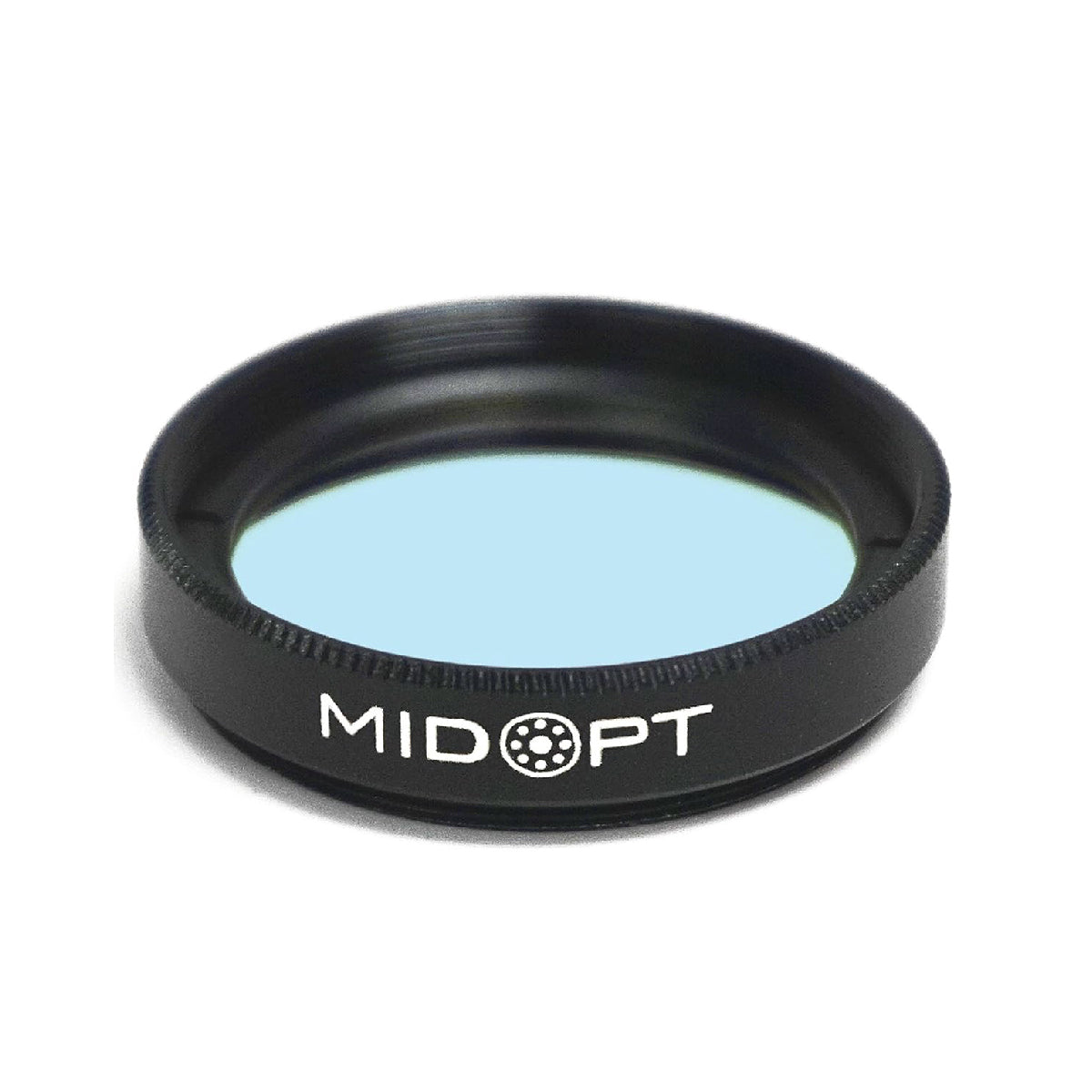
Matching a monochrome camera with a specific LED wavelength and corresponding optical filter can dramatically reduce ambient light interference and improve image contrast.
Infrared Inspection
Near-infrared (NIR) illumination can reveal features that are difficult to detect under visible (VIS) light, particularly in packaging, semiconductor and agricultural inspection applications.
Polarized Lighting Systems
Combining polarizers with machine vision lighting helps reduce glare and reflections from glossy surfaces, improving image consistency and defect detection.
Applications That Benefit from Lighting Simulation & Testing
Virtually every machine vision application can benefit from illumination optimization, including:
- Semiconductor inspection
- Electronics assembly verification
- Automotive component inspection
- Pharmaceutical packaging
- Food and beverage inspection
- Medical device manufacturing
- Barcode and OCR reading
- Robotic guidance systems
- Logistics and warehouse automation
As production tolerances continue to tighten, lighting performance becomes increasingly important for maintaining inspection accuracy and throughput.
Build a Better Vision System with FJW Optical
Selecting the right machine vision lighting solution isn't always straightforward. Every application presents unique challenges involving materials, geometry, speed and environmental conditions.
At FJW Optical, we help manufacturers, OEMs and systems integrators identify the optimal combination of machine vision lighting, cameras, lenses and optical filters for their specific inspection requirements.
Through lighting simulation, application testing and expert technical support, we help customers improve image quality, increase inspection accuracy, and reduce implementation time.
If you're designing a new machine vision system or looking to improve the performance of an existing inspection process, contact FJW Optical to explore lighting solutions that deliver measurable results.