
 Find-R-Scopes
 Filters
 Lenses
 Cameras
 Lighting


 Accessories












In today's automated manufacturing, logistics, warehousing and distribution environments, barcode reading and Optical Character Recognition (OCR) systems must perform flawlessly. Even a small decrease in read accuracy can lead to production delays, costly manual intervention, and reduced throughput.
While many engineers focus on cameras, lenses, and lighting, one often-overlooked component can dramatically improve system performance: optical filters.
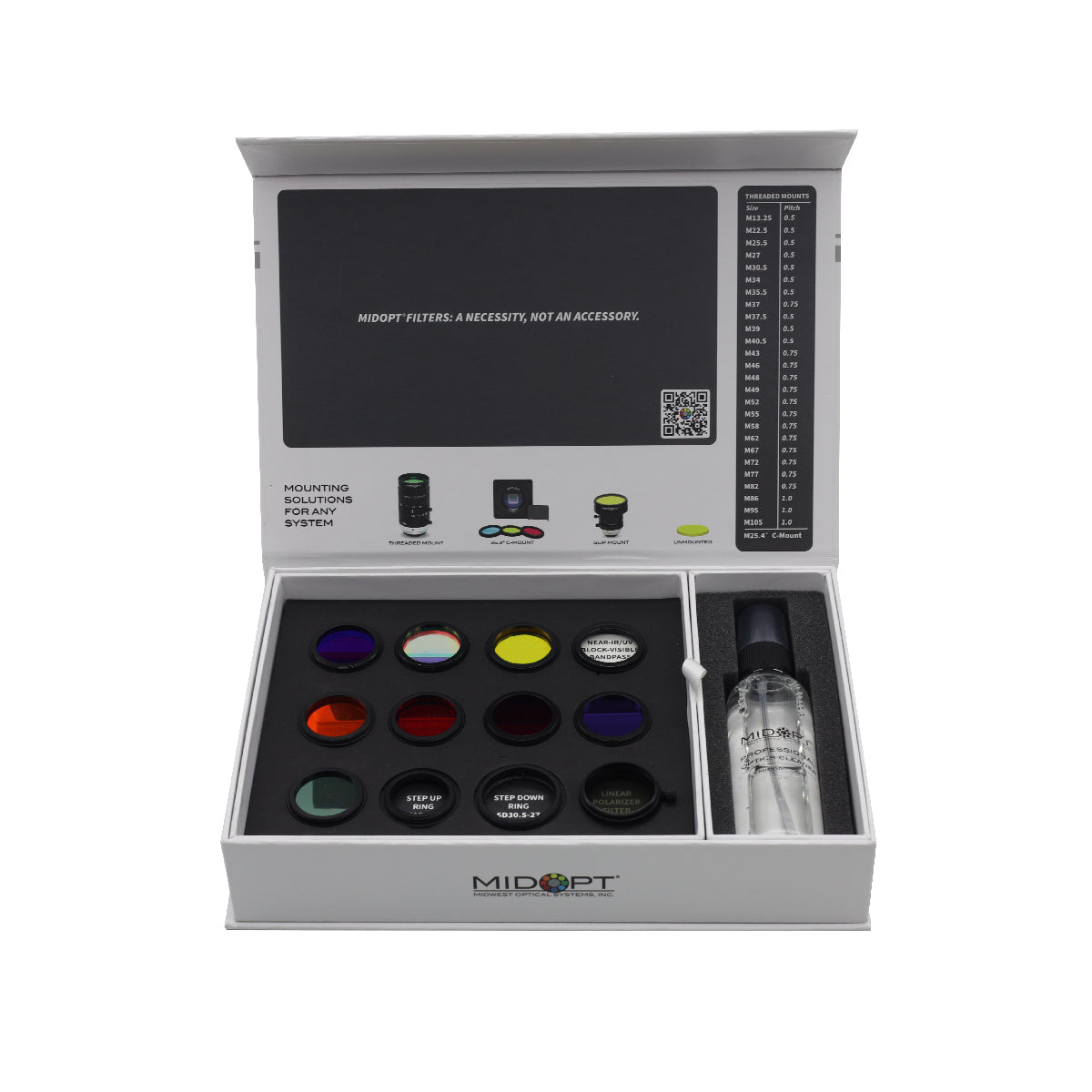
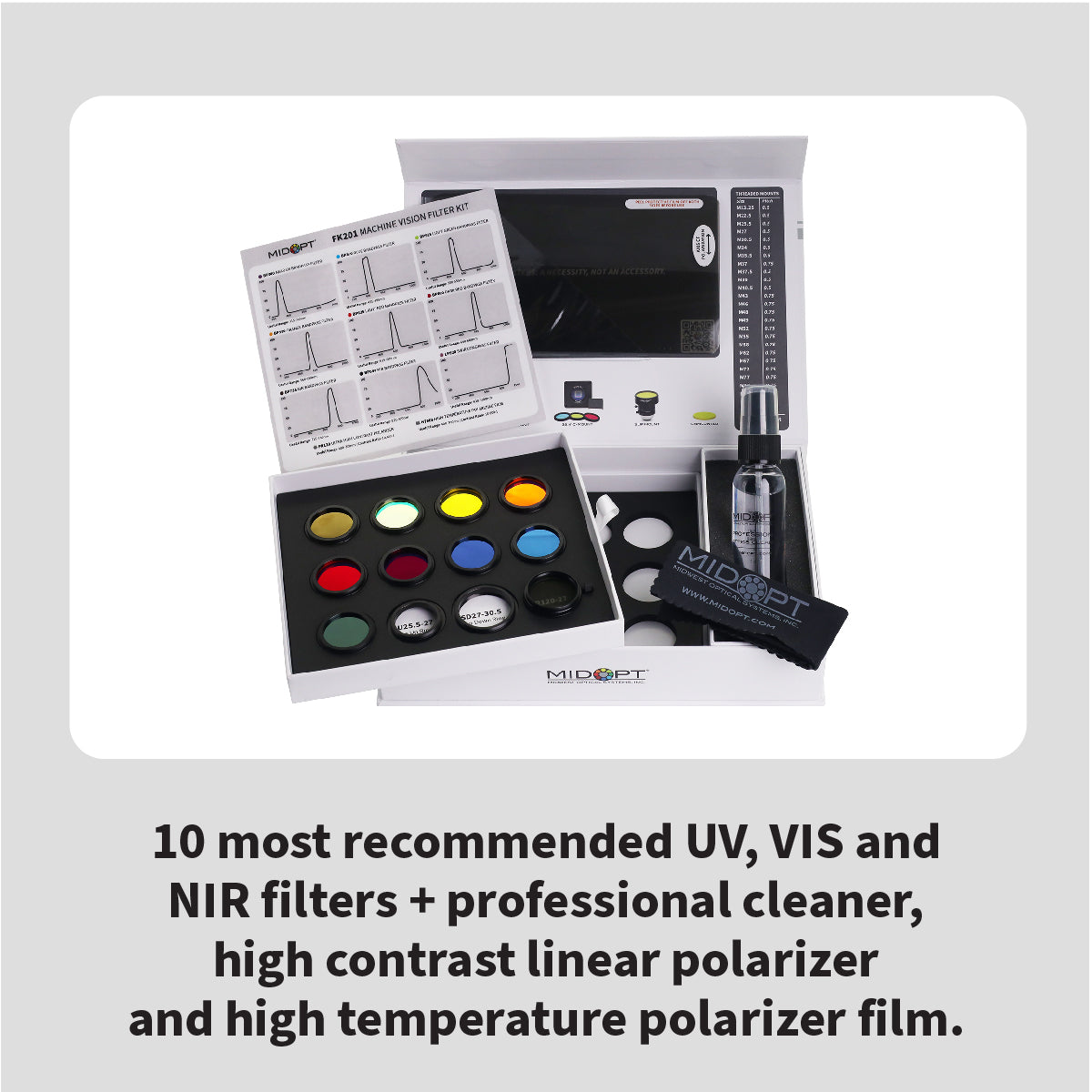
By controlling the wavelengths of light that reach the camera sensor, optical filters significantly improve image contrast, eliminate unwanted ambient light, and help machine vision systems consistently decode barcodes and read printed characters – even in difficult environments.
Why Barcode and OCR Systems Fail
Barcode readers and OCR systems rely on clear contrast between the printed information and its background. Unfortunately, real-world conditions often reduce that contrast. Common challenges include:
- Reflections from glossy packaging
- Uneven factory lighting
- Sunlight entering through windows
- LED lighting variations
- Colored labels and packaging
- Low-contrast direct part marking (DPM)
- Shiny metal surfaces
- Ink variations between production batches
Without proper image optimization, software algorithms must work harder to distinguish characters and barcode elements, increasing the likelihood of missed reads.
How Optical Filters Improve Performance
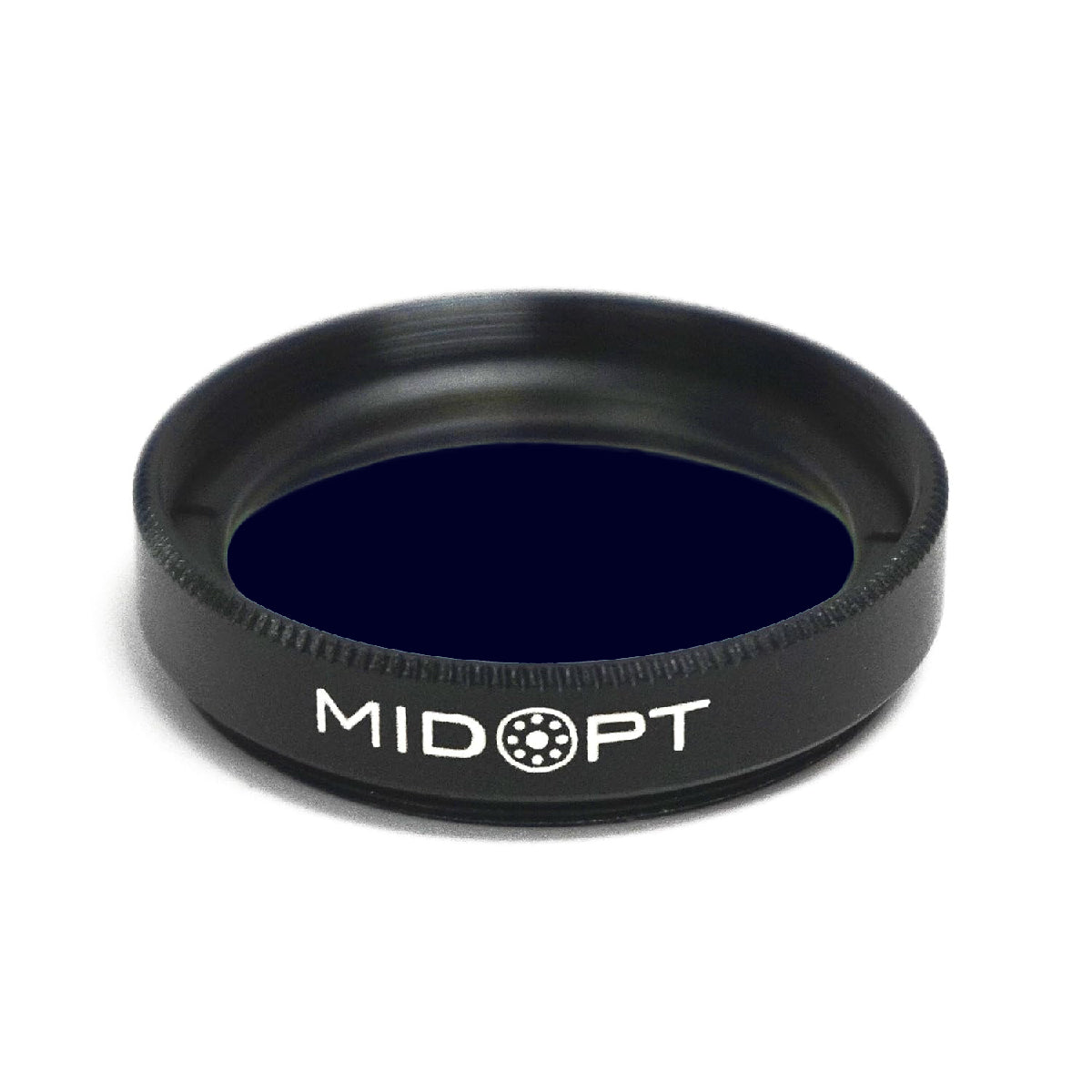
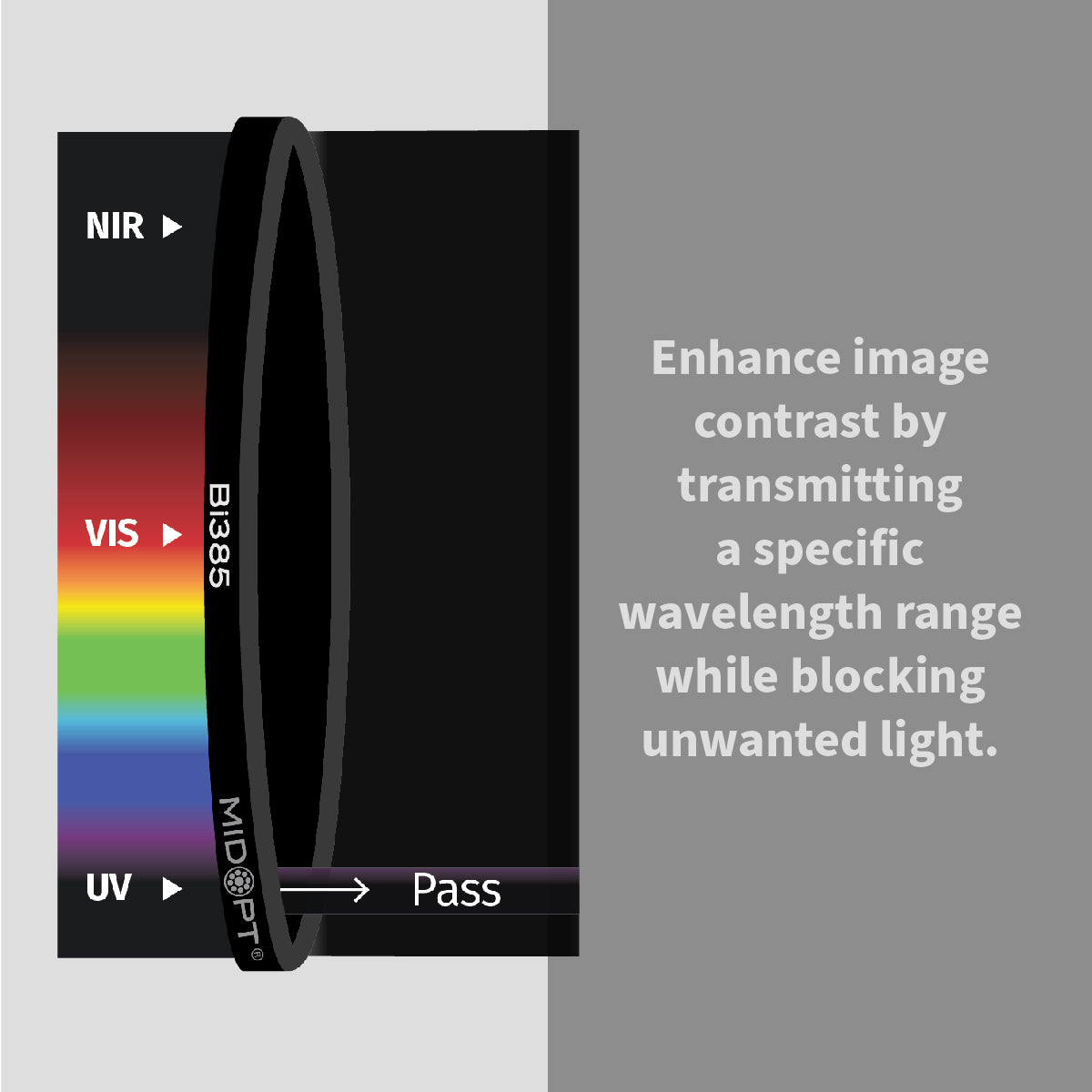
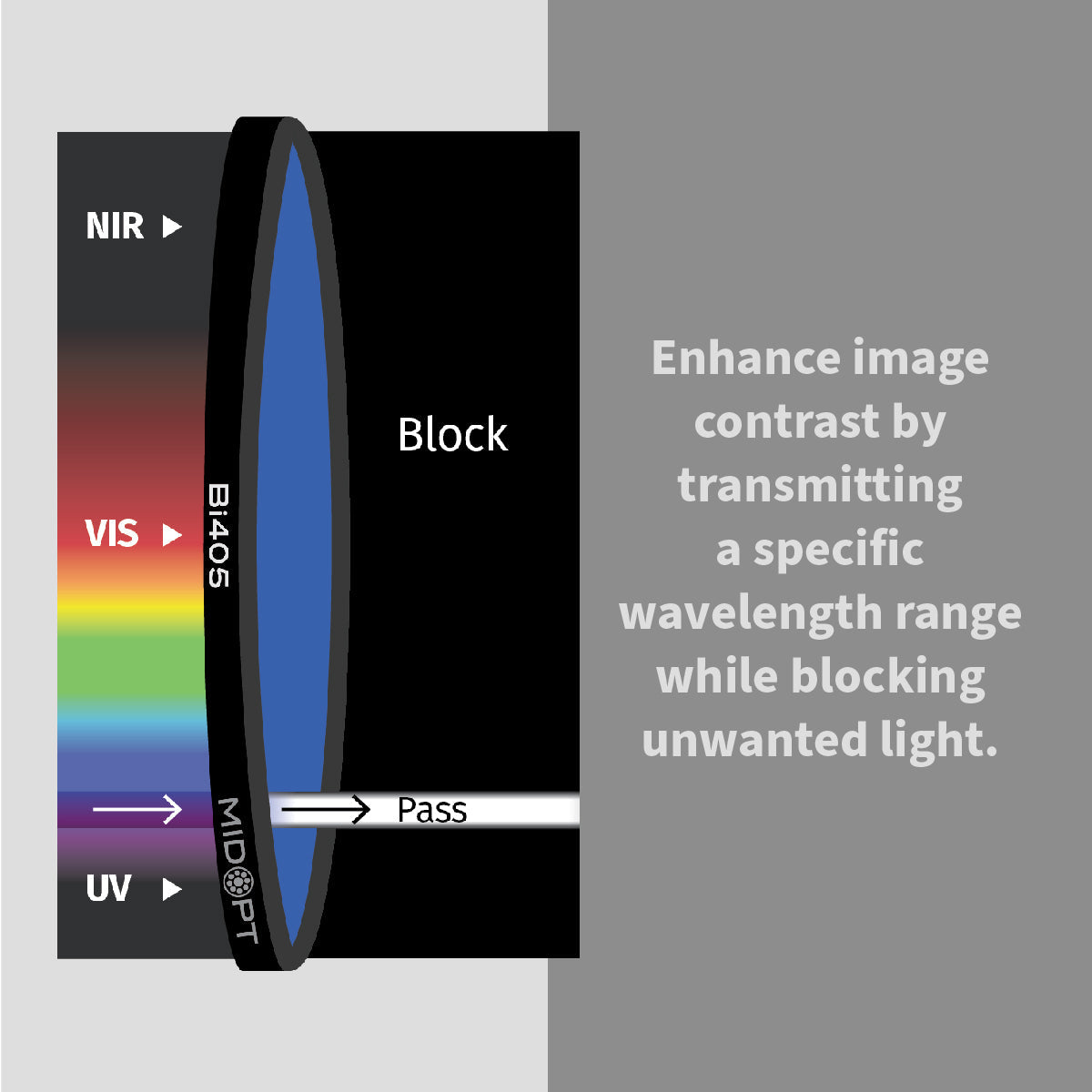
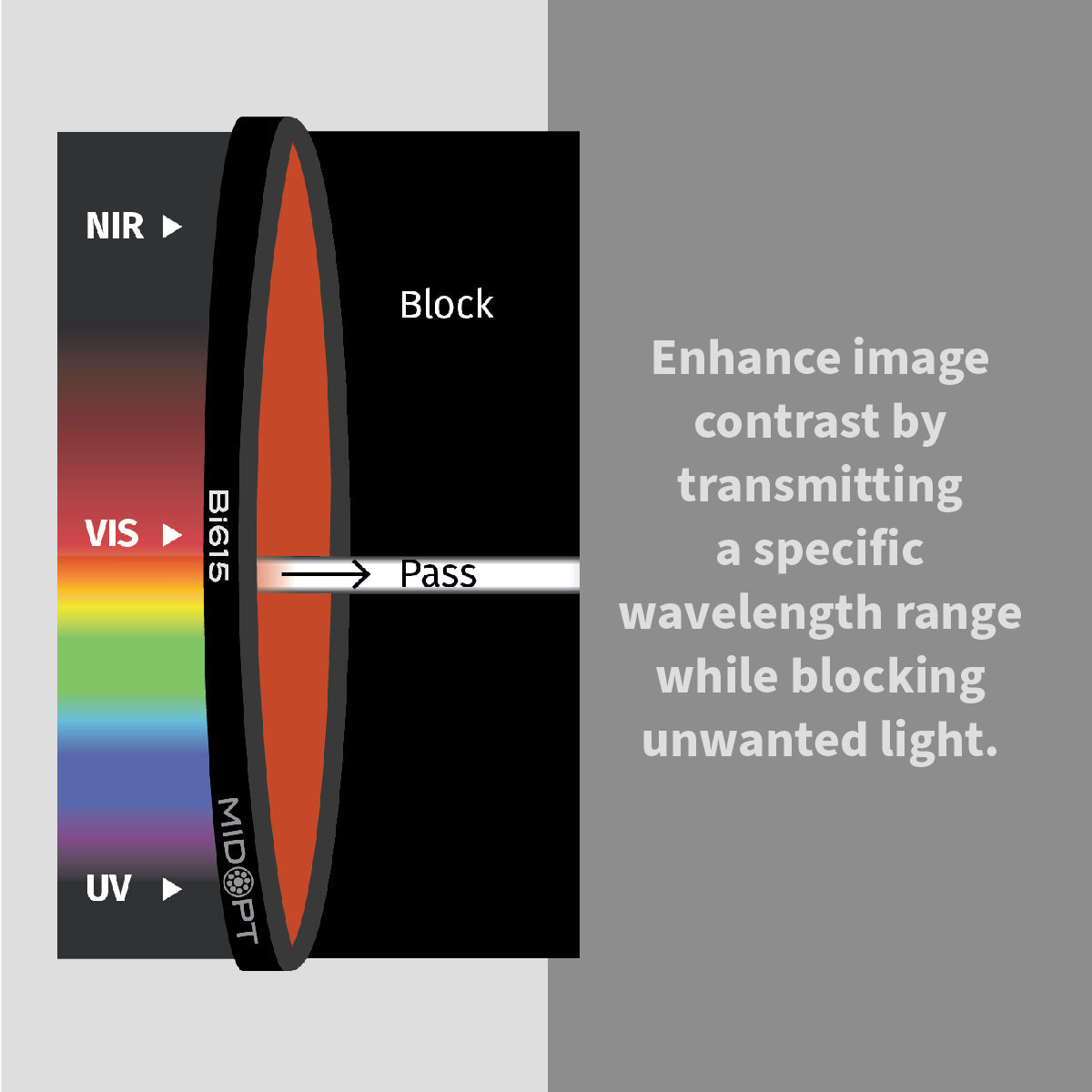
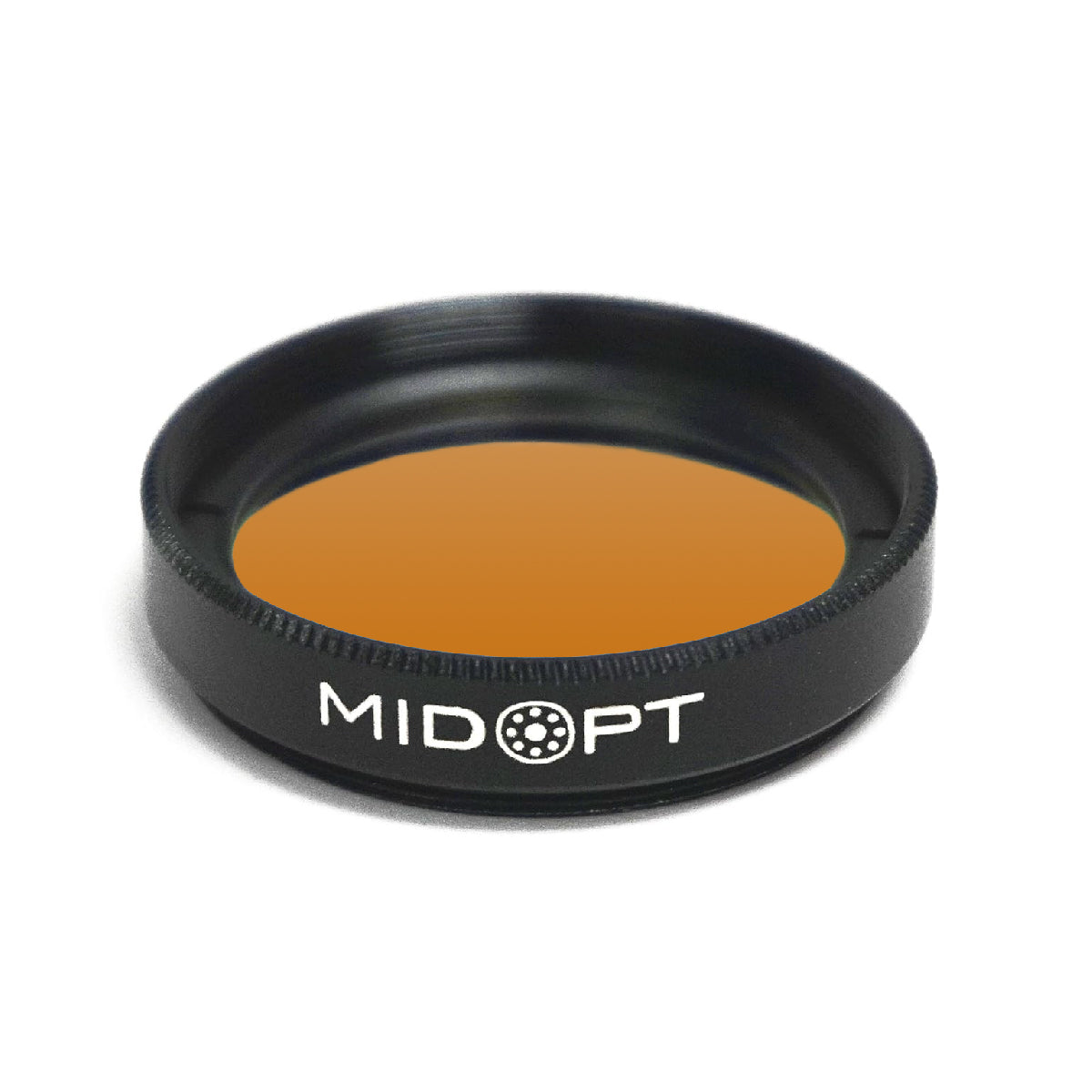
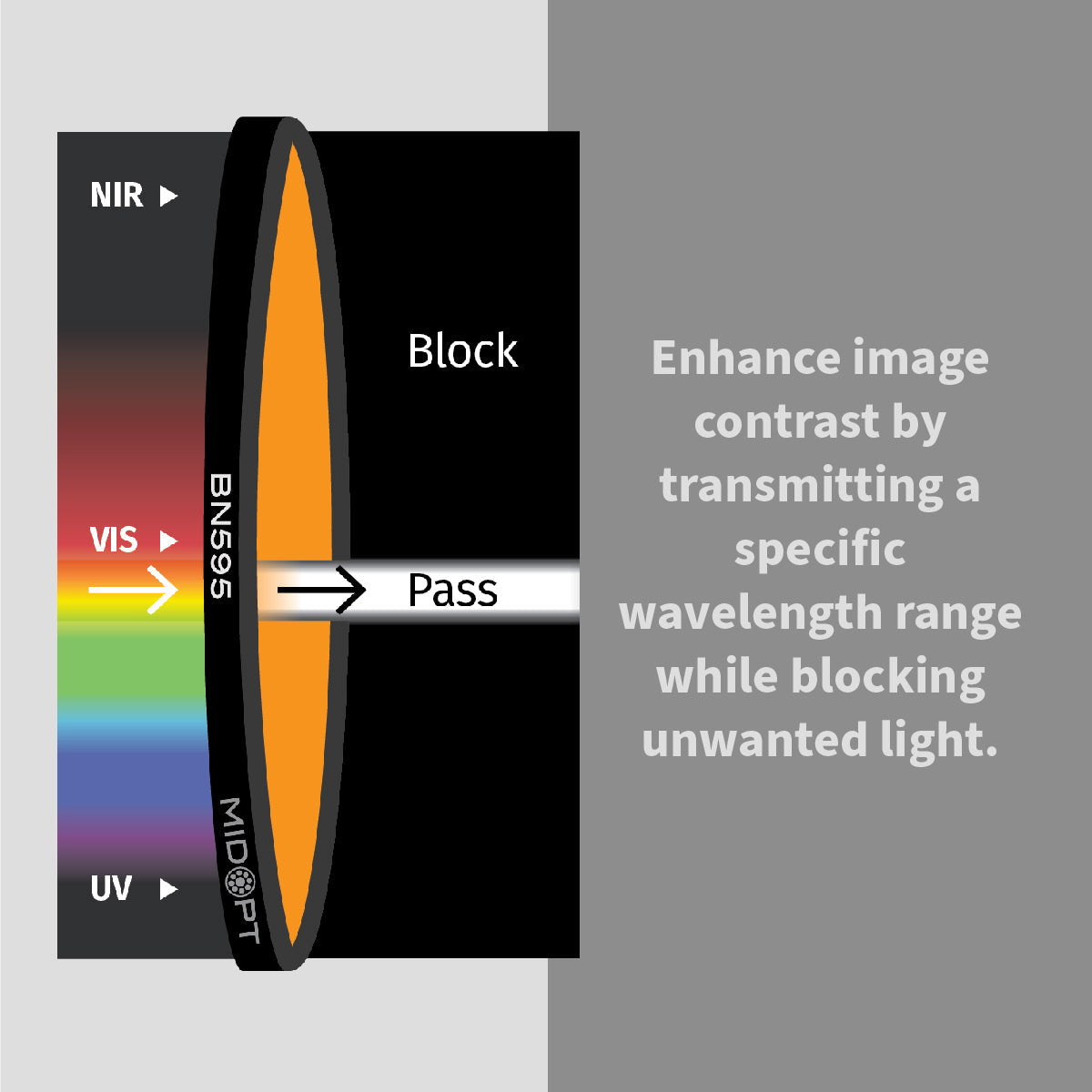
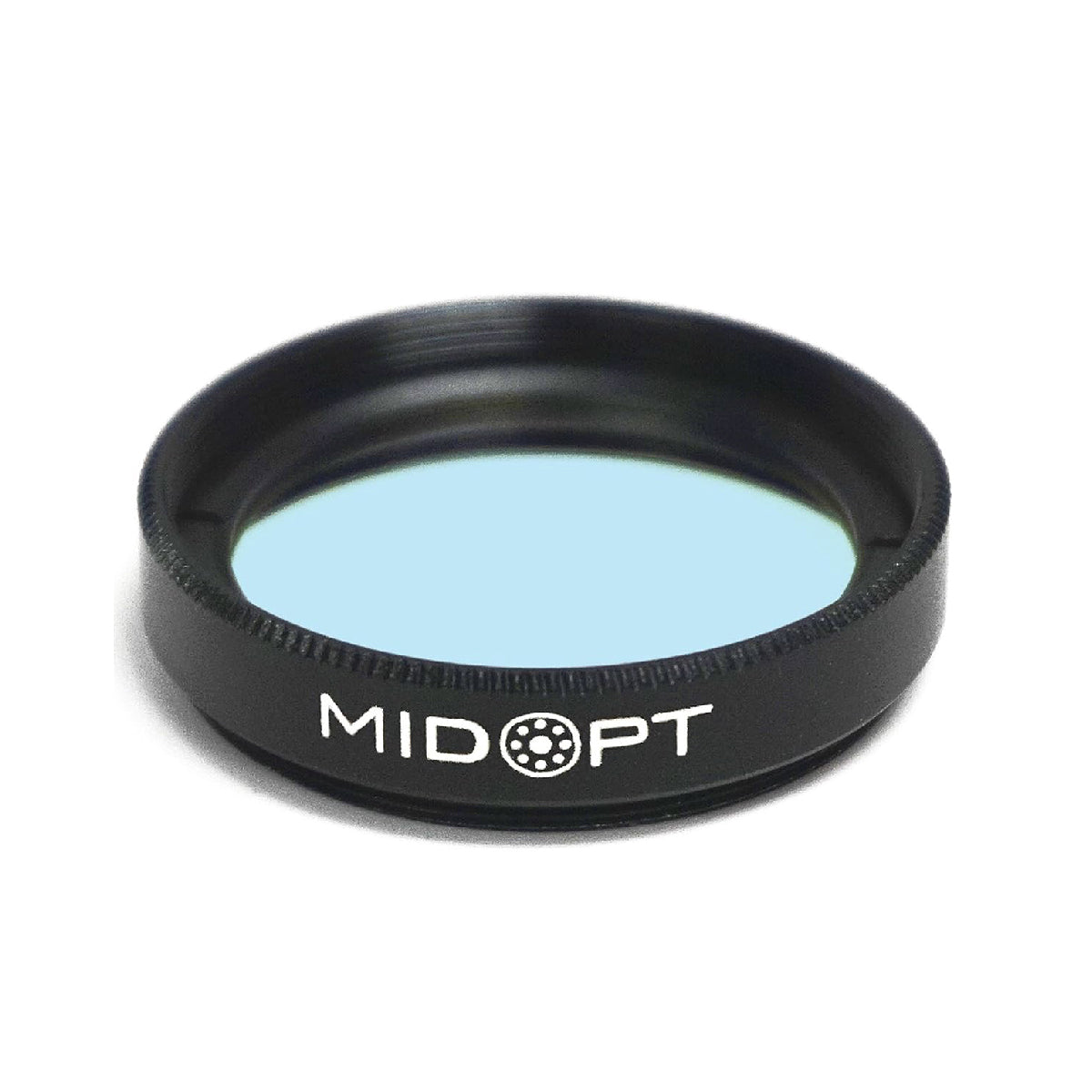
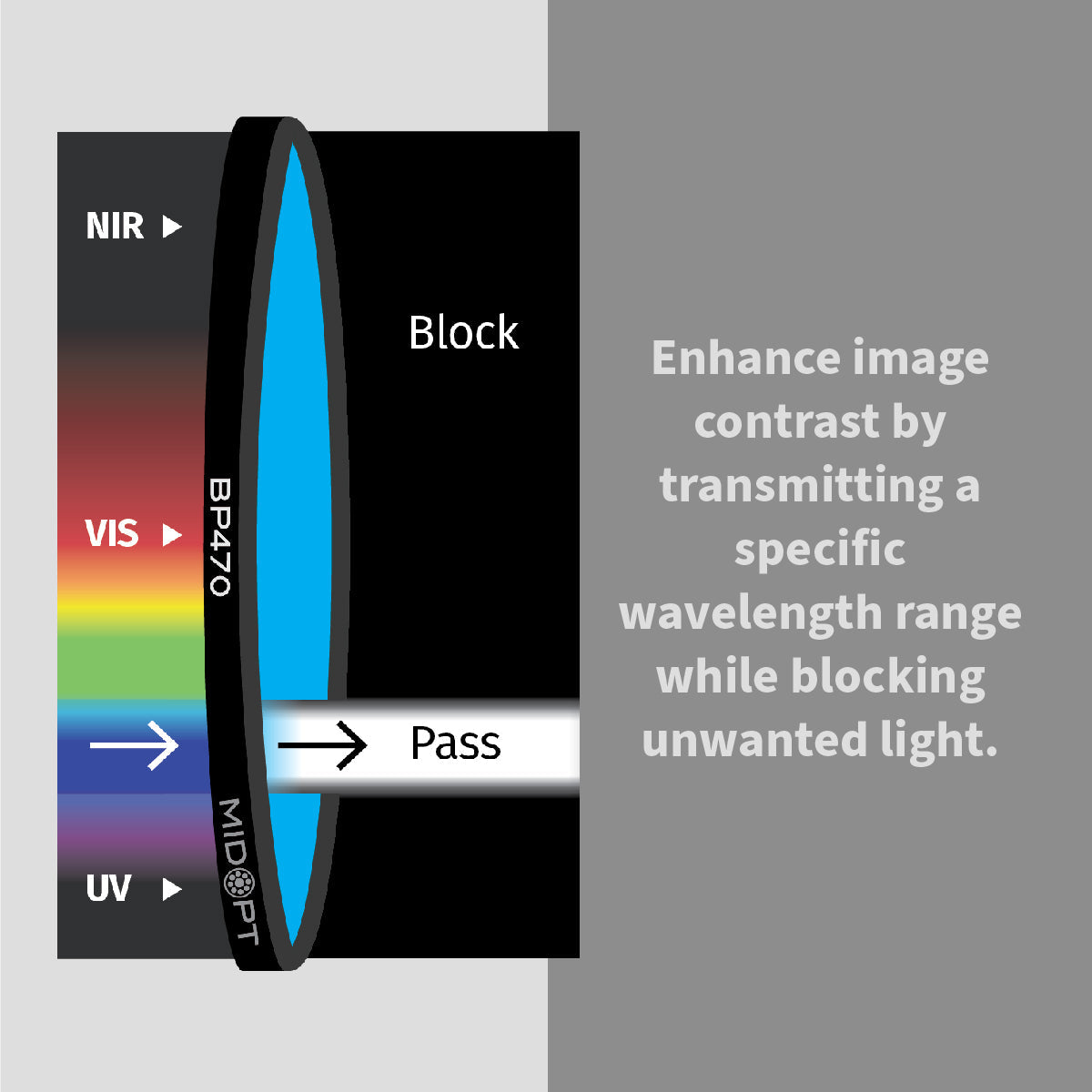
An optical filter selectively transmits specific wavelengths while blocking unwanted light. When paired with the correct illumination, filters help produce cleaner, higher-contrast images before they ever reach the vision software. Benefits include:
- Increased barcode contrast
- Improved OCR character separation
- Reduced glare and reflections
- Elimination of ambient lighting interference
- Greater consistency between shifts and production lines
- Higher read rates with fewer false rejects
Rather than relying solely on software corrections, optical filtering improves image quality at the source.
Matching Filters to Your Illumination
The best performance comes from pairing a filter with a matching monochromatic light source. For example:
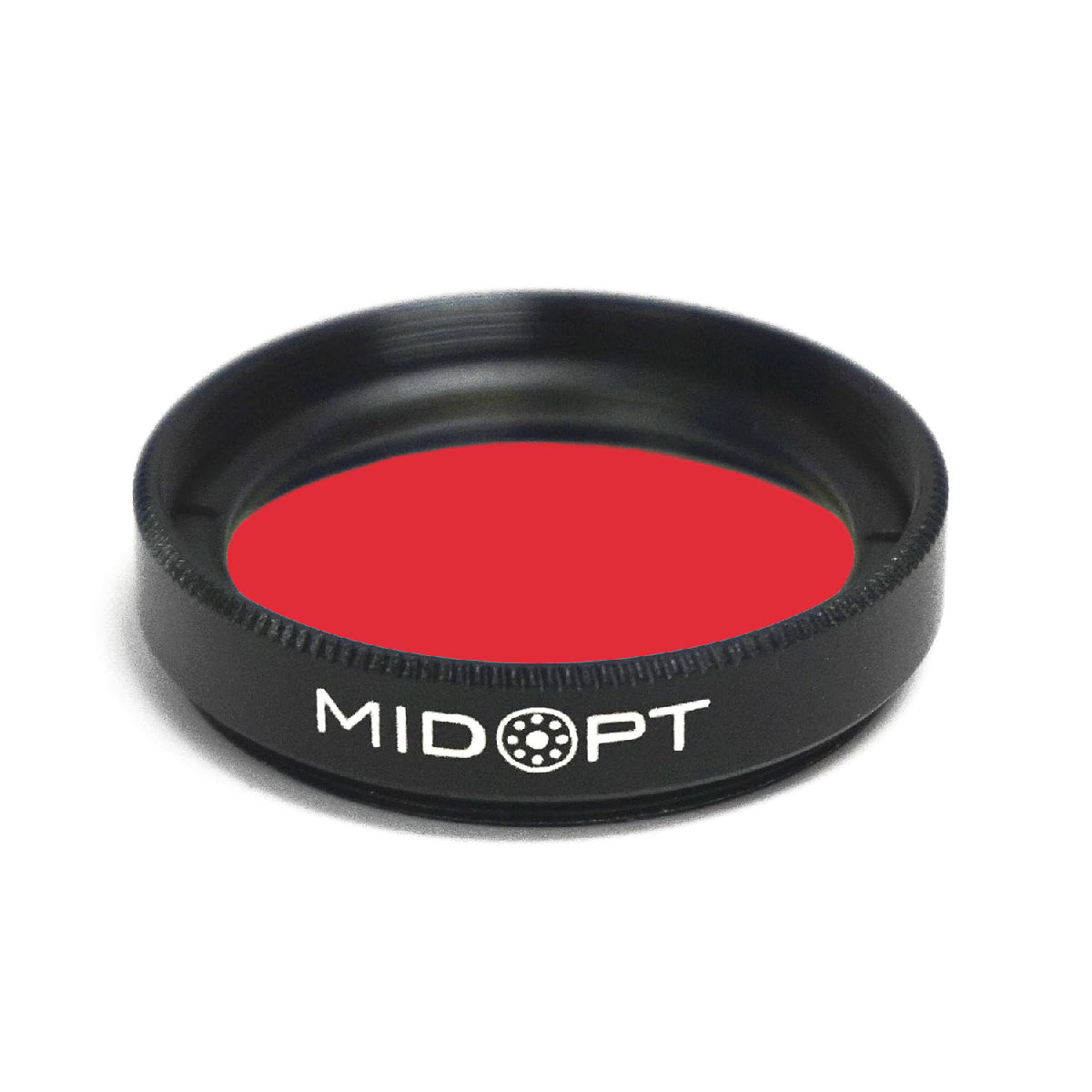
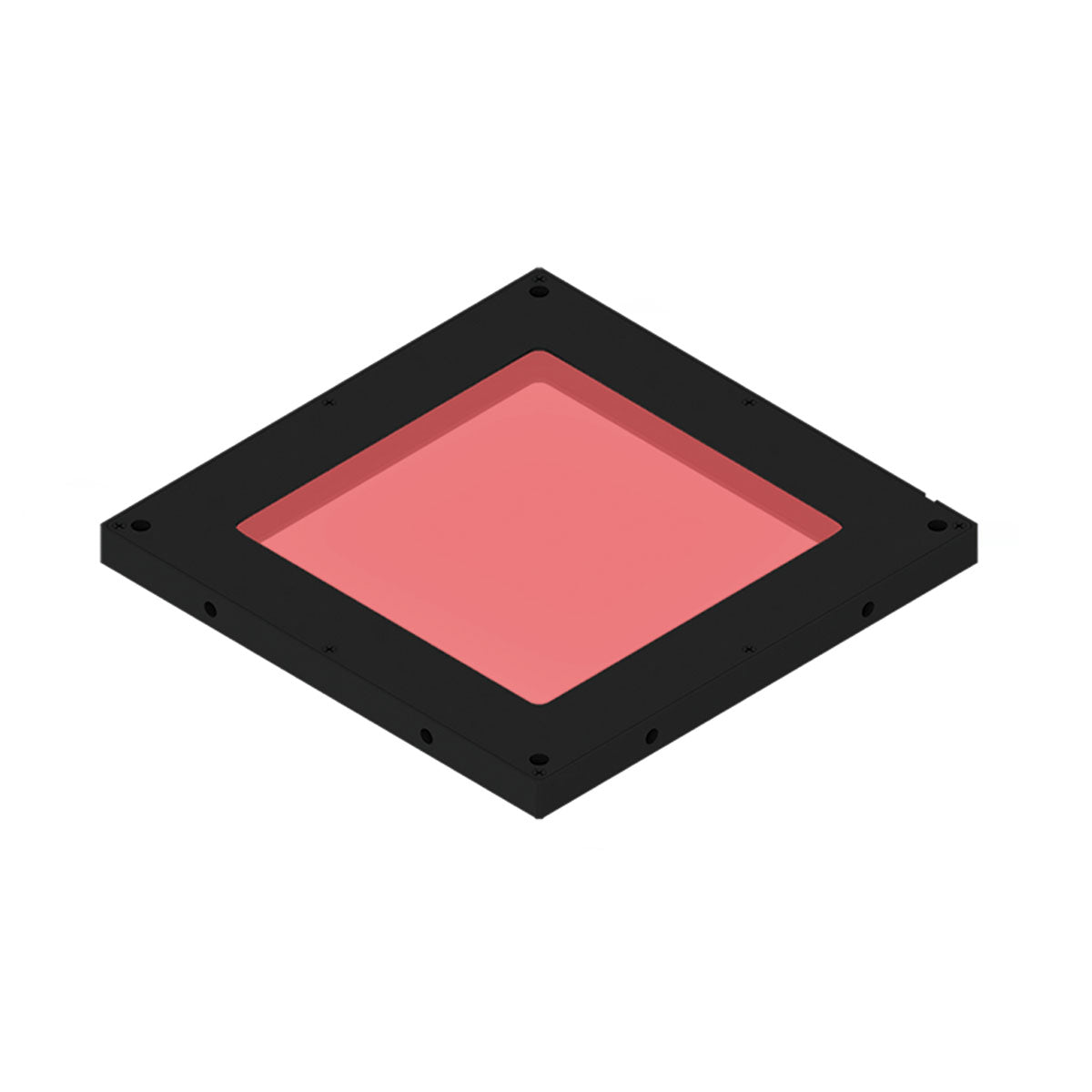
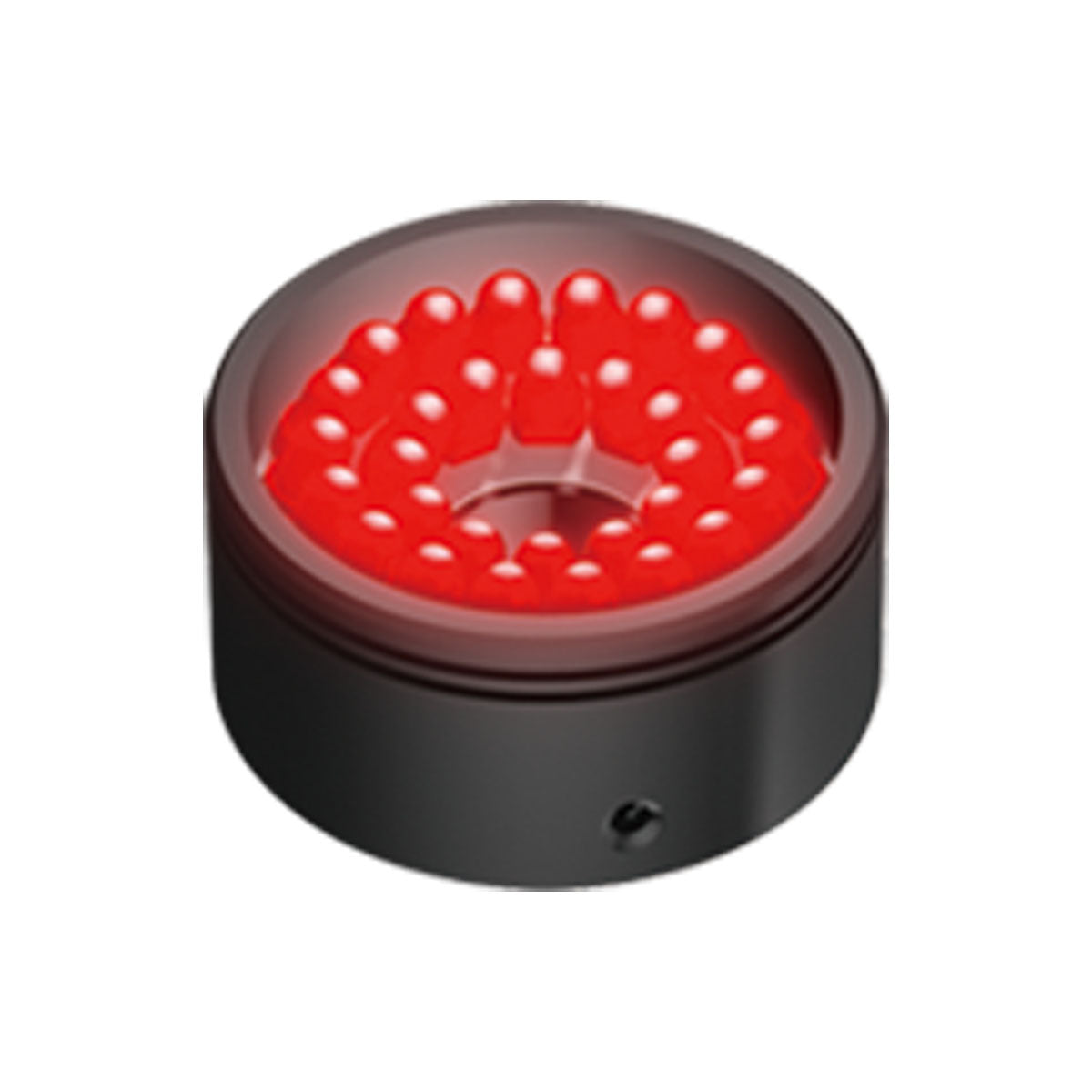
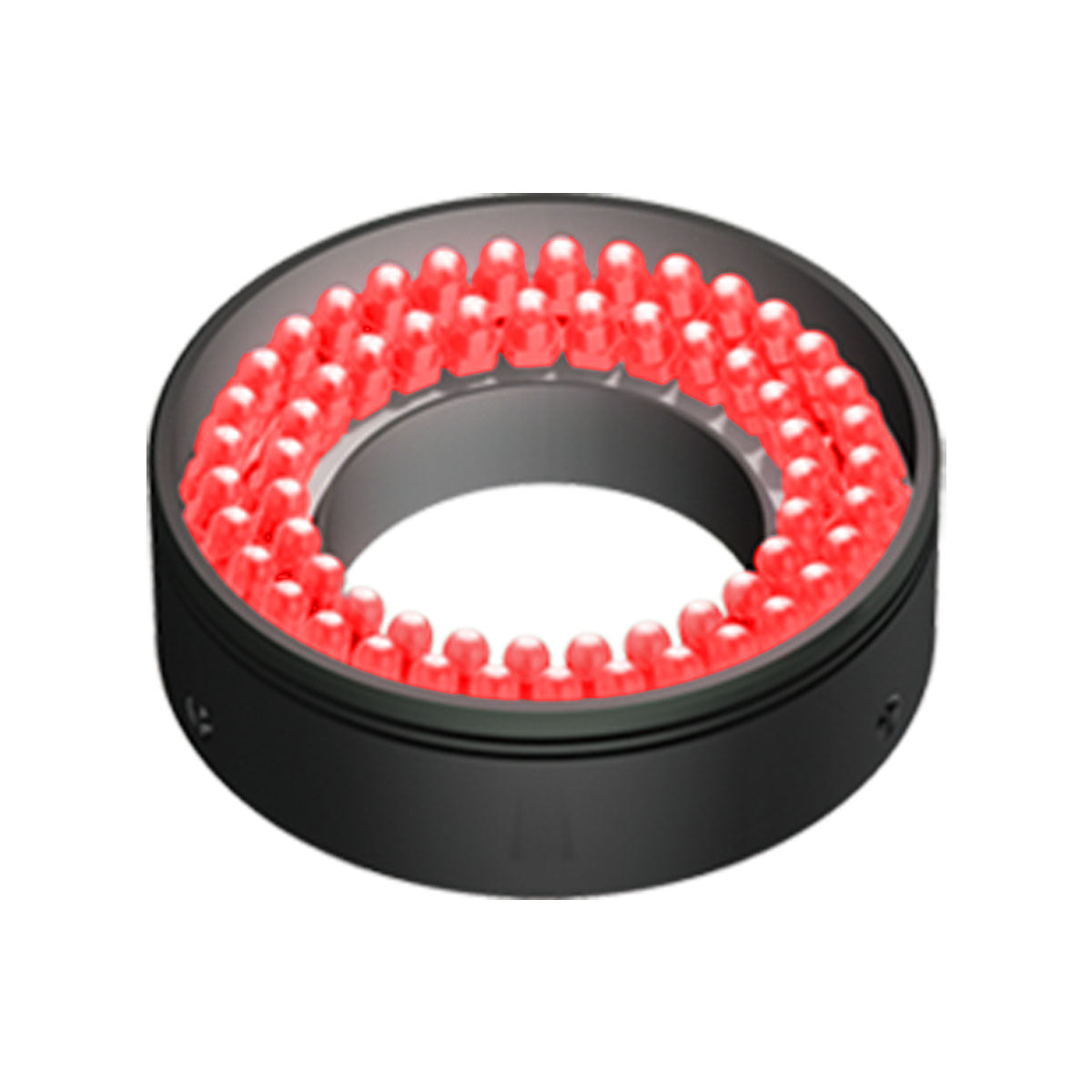
Red LED Lighting
Using a red pass filter with red illumination:
- Blocks blue, green, and white ambient light
- Maximizes contrast
- Improves barcode edge definition
Ideal for:
- 1D barcodes
- OCR on light-colored packaging
- Printed labels
Blue LED Lighting
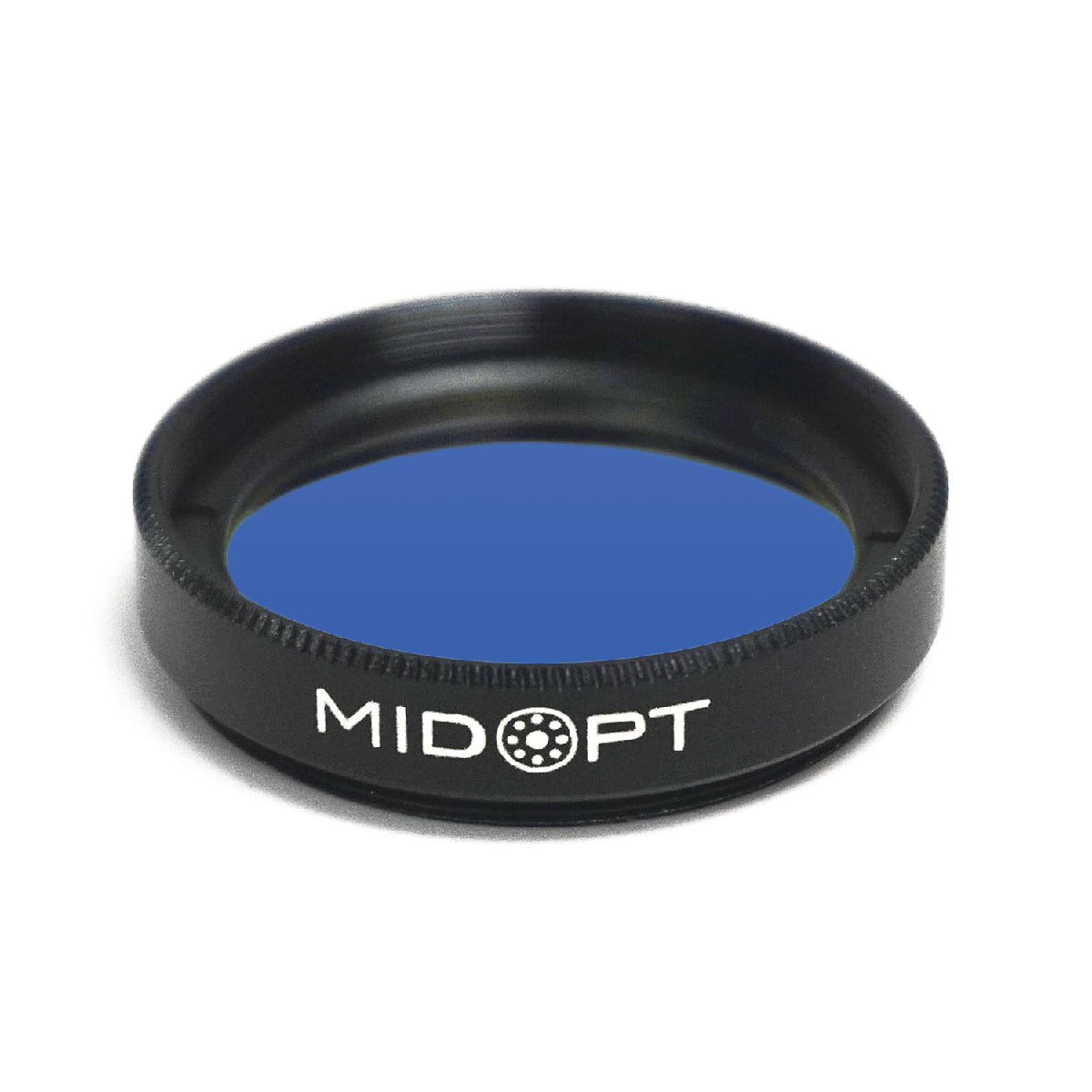
Blue illumination combined with a blue pass filter is effective for:
- Fine printed text
- Certain plastics
- White labels
- High-resolution OCR applications
Blue light often produces sharper edge transitions due to its shorter wavelength.
Green LED Lighting
Green filters work well for applications involving:
- Laser-marked components
- Electronic assemblies
- PCB inspection
- Labels with moderate contrast
Infrared (IR) Imaging
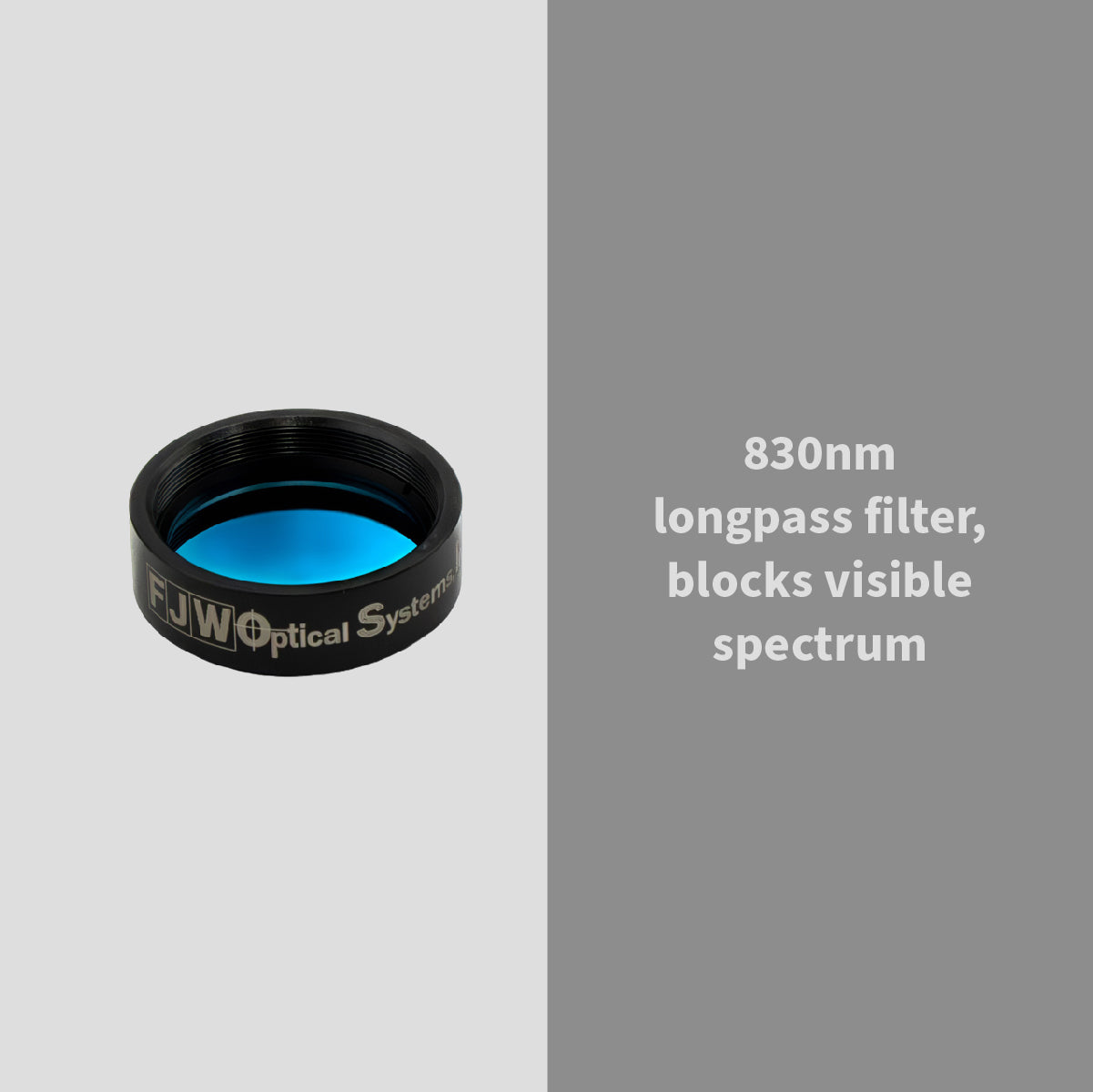
Near-infrared illumination with an IR pass filter can:
- Reduce the appearance of printed graphics
- Minimize distracting surface colors
- Improve visibility of certain markings beneath inks or coatings
- Reduce reflections from glossy materials
IR imaging is especially useful when visible-light inspection struggles due to color variations.
Polarization: Eliminating Glare
Many barcode failures are caused by specular reflections. Glossy labels, shrink wrap, plastic packaging, and metal parts can create bright hotspots that obscure barcode elements. Cross-polarization solves this problem by using:
- A polarizer over the light source
- A matching polarizer on the camera lens
This configuration dramatically reduces glare while maintaining barcode contrast. Applications include:
- Pharmaceutical packaging
- Food packaging
- Cosmetic products
- Plastic containers
- Reflective labels
- Direct Part Mark (DPM) inspection
Improving OCR Accuracy
OCR systems depend on sharp character edges. Low contrast makes it difficult for software to distinguish:
- Similar-looking characters (8/B, O/0, I/1)
- Dot peen markings
- Laser-etched serial numbers
- Inkjet printed expiration dates
- Stamped characters
Optical filters improve OCR by:
- Increasing edge definition
- Reducing background noise
- Removing unwanted color information
- Enhancing grayscale contrast
The result is faster processing and fewer recognition errors.
Barcode Types That Benefit
Optical filtering improves performance across many barcode symbologies, including:
- Code 39
- Code 128
- UPC
- EAN
- QR Codes
- Data Matrix
- PDF417
- Direct Part Marks (DPM)
Whether reading printed labels or permanently marked components, cleaner images translate into more reliable decoding.
Choosing the Right Filter
Selecting the proper filter depends on several factors:
- Camera sensor sensitivity
- Illumination wavelength
- Barcode color
- Background material
- Surface reflectivity
- Required inspection speed
- Ambient lighting conditions
Because every application is unique, testing different filter and lighting combinations often produces the best results.
Typical Applications
Optical filters improve barcode and OCR performance in numerous industries:
- Warehouse automation
- Distribution centers
- Packaging inspection
- Food and beverage processing
- Pharmaceutical manufacturing
- Electronics assembly
- Automotive production
- Logistics and shipping
- Medical device manufacturing
- Semiconductor inspection
In each case, improving image quality before processing leads to higher system reliability and reduced downtime.
The Value of Better Images
Machine vision software can only analyze the image it receives. If glare, poor contrast, or ambient light obscures critical information, even the most advanced decoding algorithms will struggle.
Optical filters provide a simple yet highly effective way to optimize image quality at the camera, improving barcode read rates and OCR accuracy while reducing false rejects and manual inspections.
For engineers designing high-performance vision systems, incorporating the right optical filter can be one of the easiest and most cost-effective ways to achieve more consistent, repeatable inspection results.
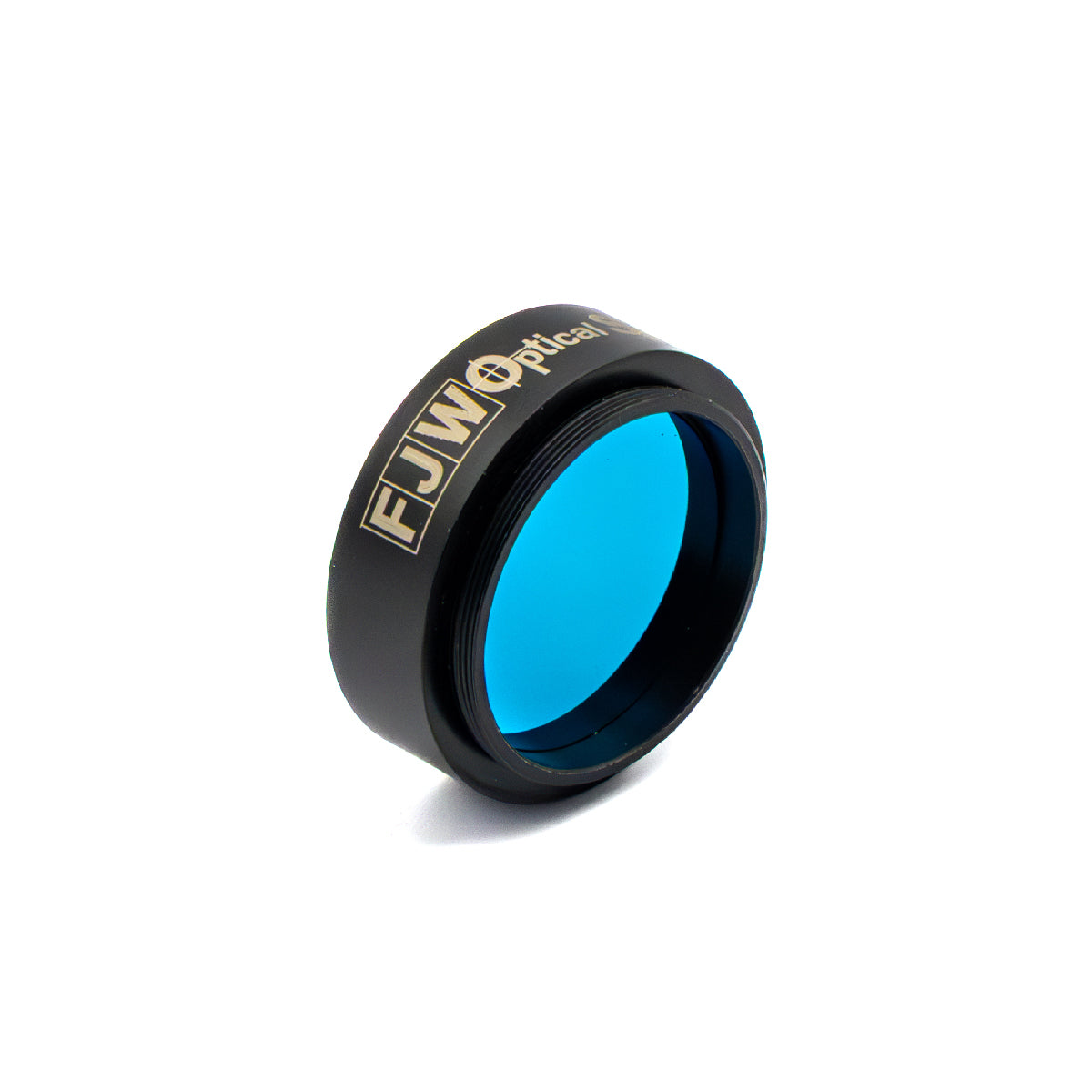
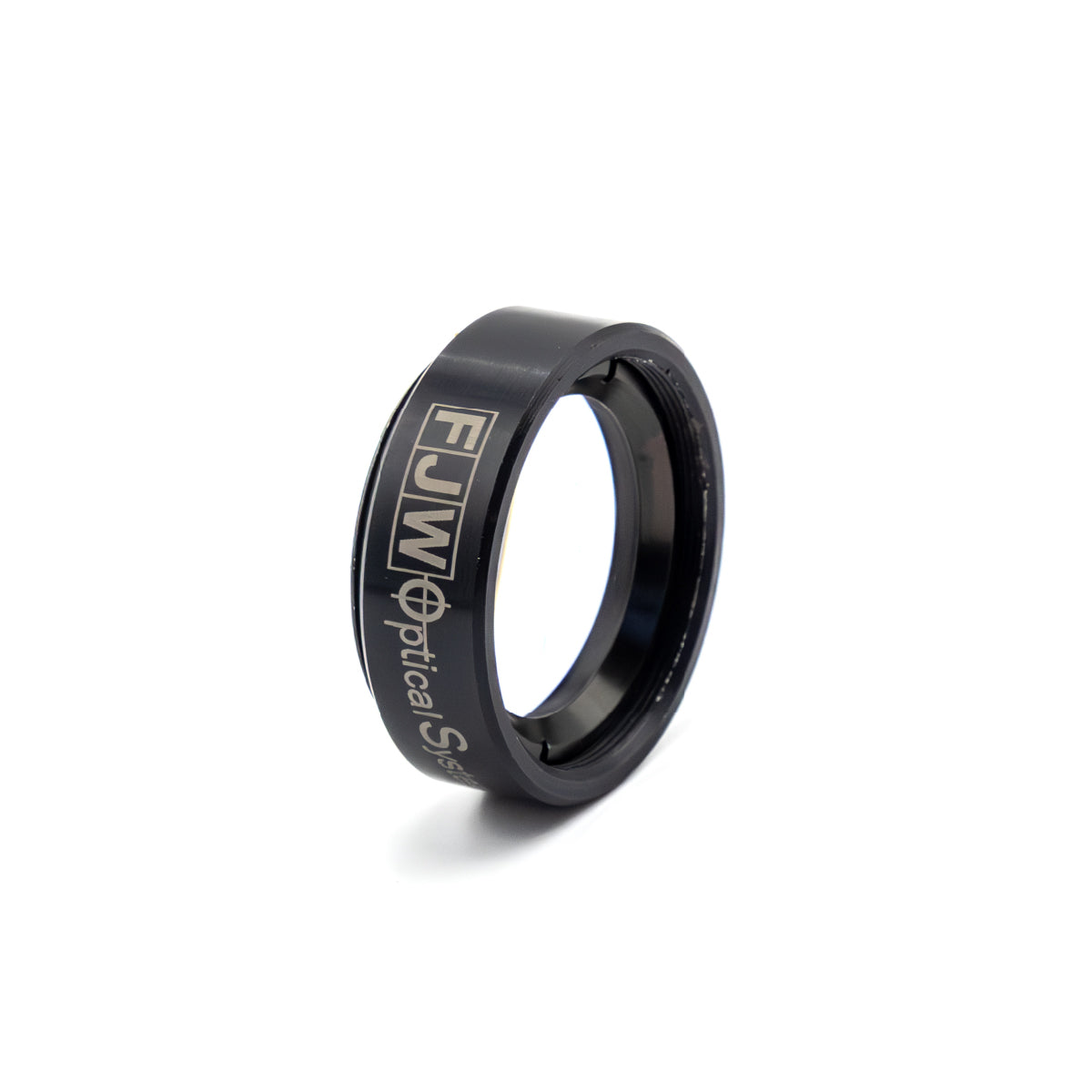
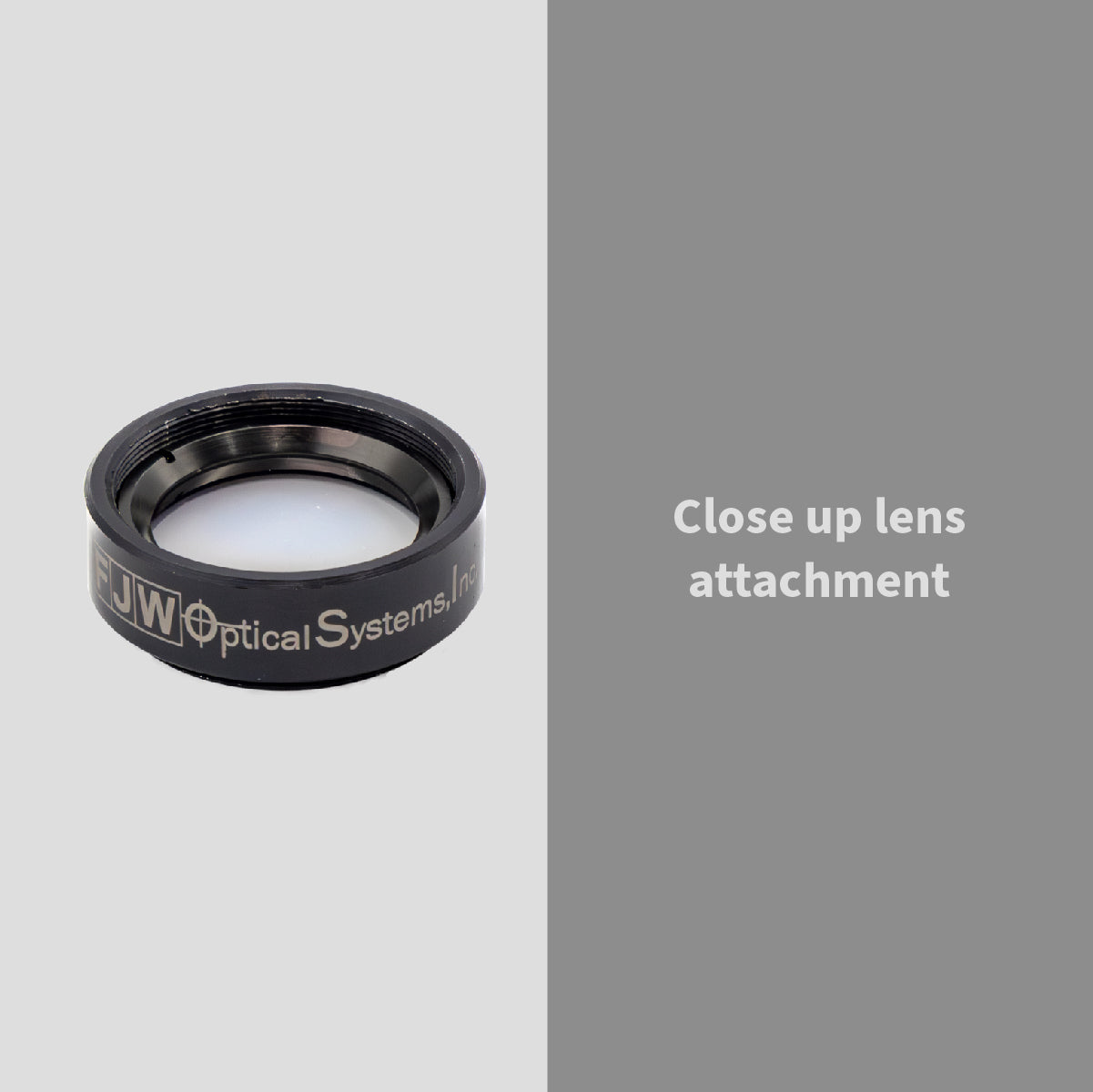
Improve Your Machine Vision System with FJW Optical Systems
FJW Optical Systems offers a broad selection of precision optical filters designed to enhance machine vision performance across barcode reading, OCR, inspection and industrial automation applications. By combining the appropriate filter with optimized illumination, manufacturers can achieve higher contrast, greater consistency and more reliable inspection results, even in challenging lighting environments.