
 Find-R-Scopes

 Filters
 Lenses
 Cameras
 Lighting


 Accessories










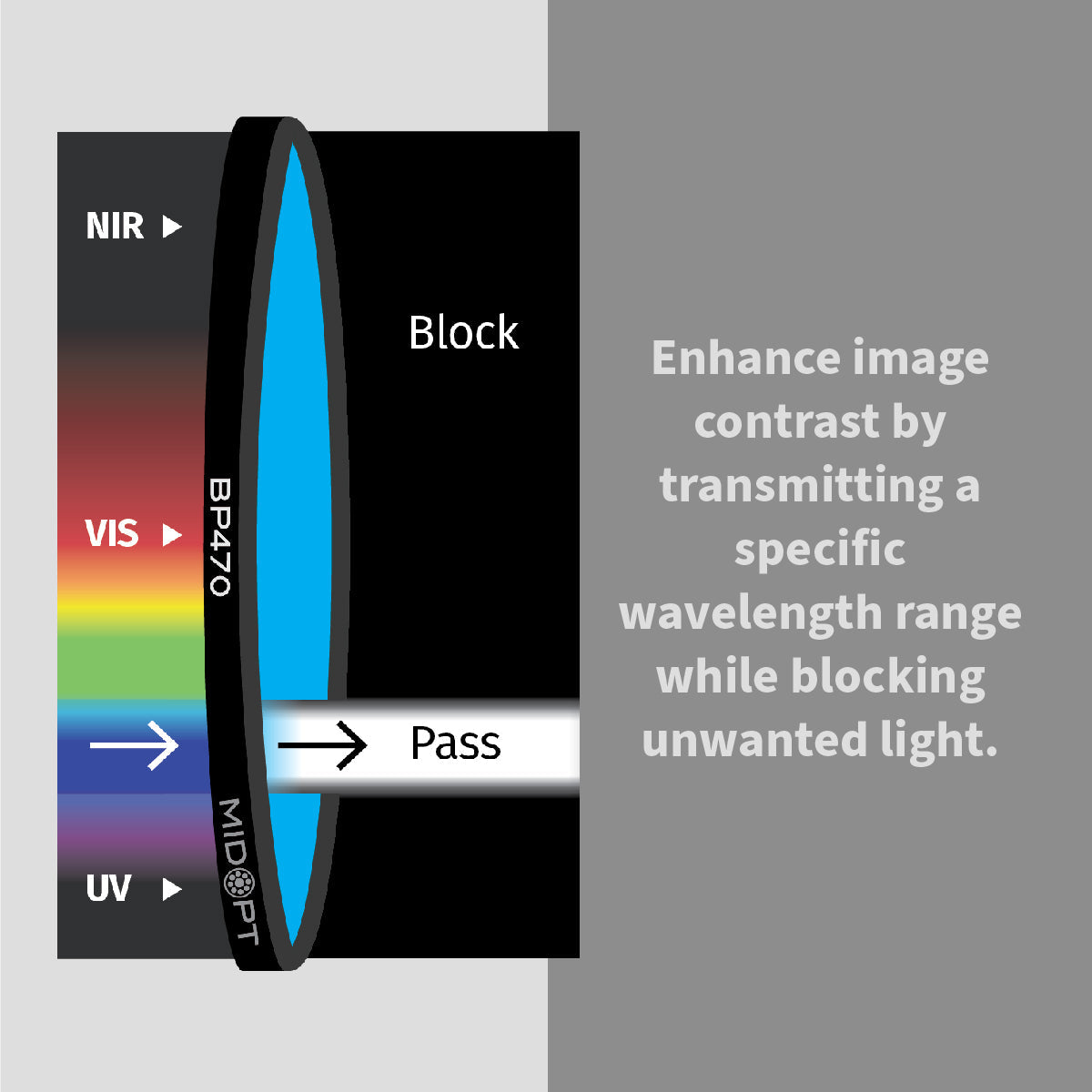
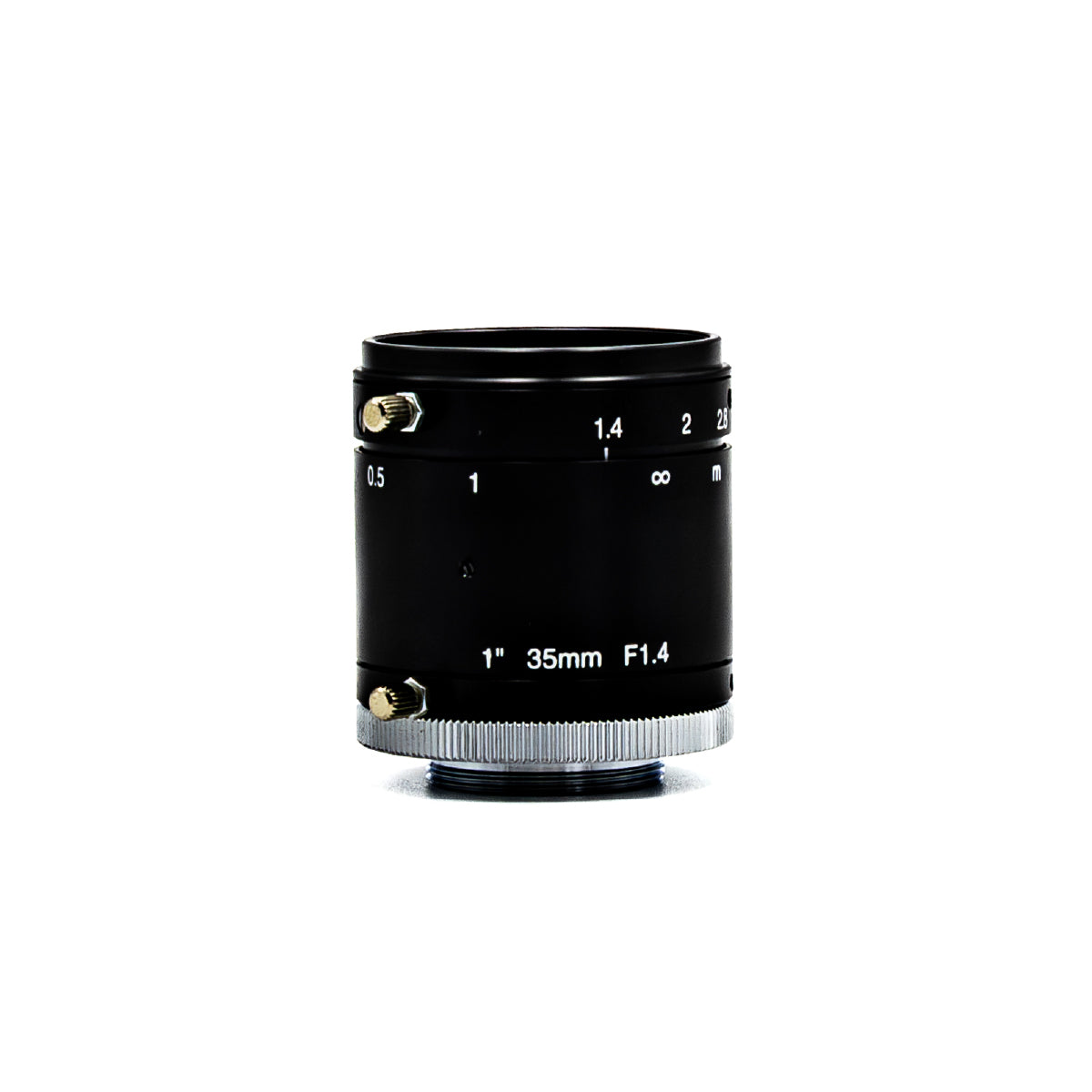
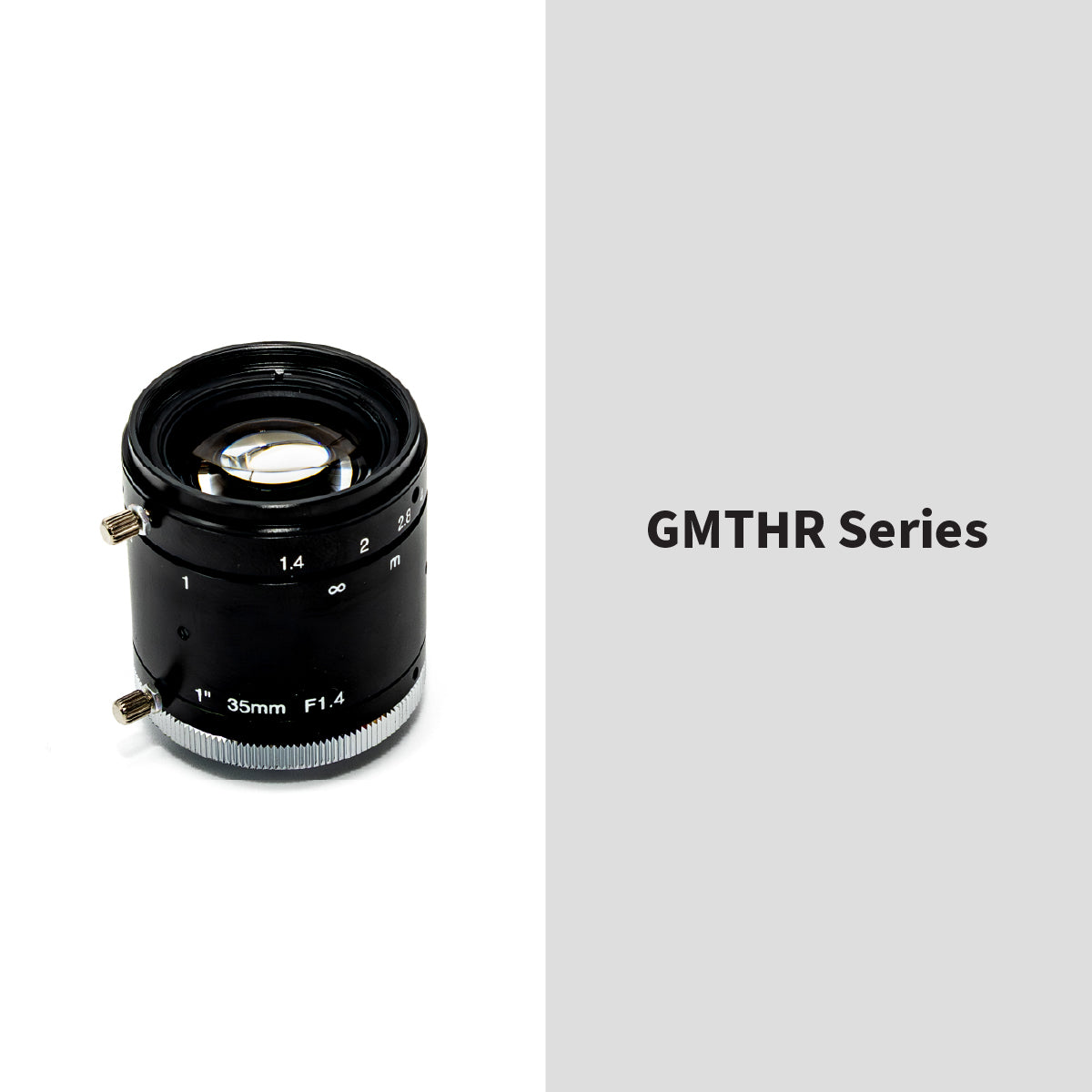
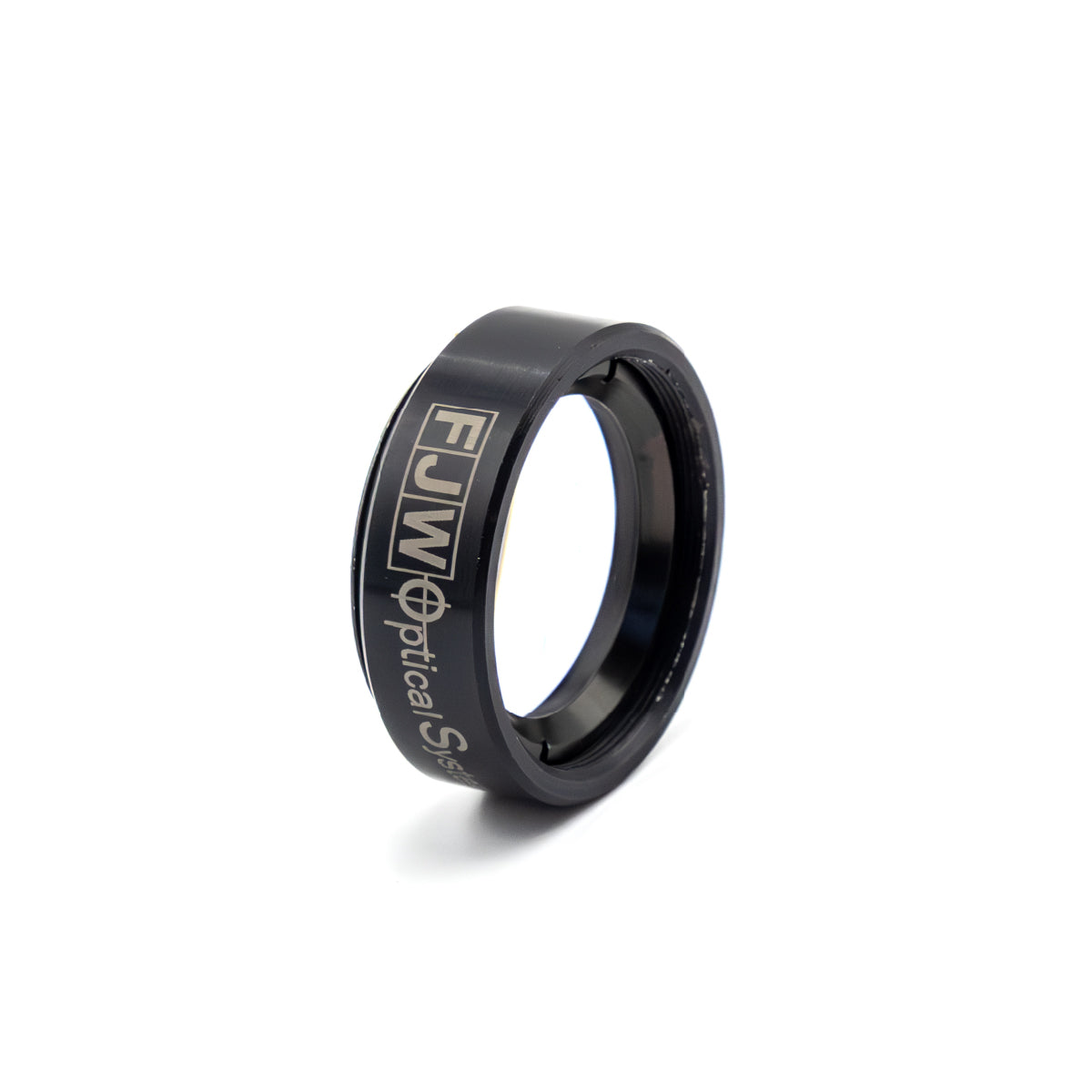
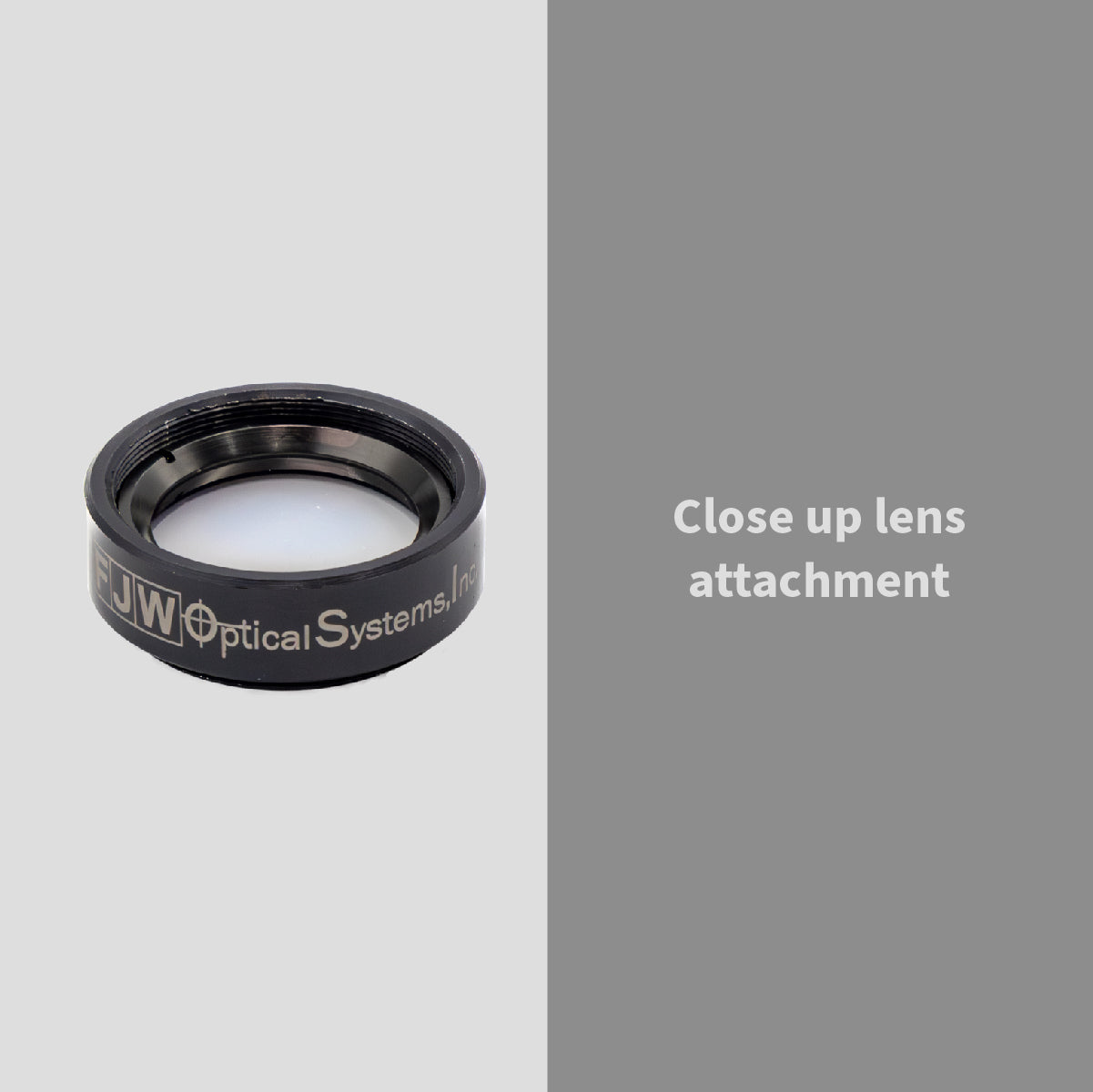


In machine vision systems, optical filters play a critical role in controlling light, improving contrast and enhancing image accuracy. But even the best filter can't perform as intended if it's not mounted correctly. Mounting solutions for machine vision filters are a foundational yet often overlooked part of system design, directly affecting alignment, stability, repeatability and overall image quality.
This guide explores the most common machine vision filter mounting options, explains how they impact optical performance and helps engineers select the right mounting solution for their application.
Why Filter Mounting Matters in Machine Vision
Machine vision applications demand precision. Filters must remain properly aligned with the optical axis, stay secure under vibration and integrate seamlessly with lenses and cameras. Poor mounting can lead to:
- Optical misalignment
- Vignetting or shadowing
- Image distortion
- Unwanted reflections or light leakage
- Reduced repeatability over time
Choosing the correct optical filter mount ensures that the filter performs as designed and that the imaging system remains stable throughout its lifecycle.
Common Types of Machine Vision Filter Mounts
There are several standard mounting solutions used across industrial imaging and inspection systems. Each has advantages depending on space constraints, lens design and environmental conditions.
Threaded Filter Mounts
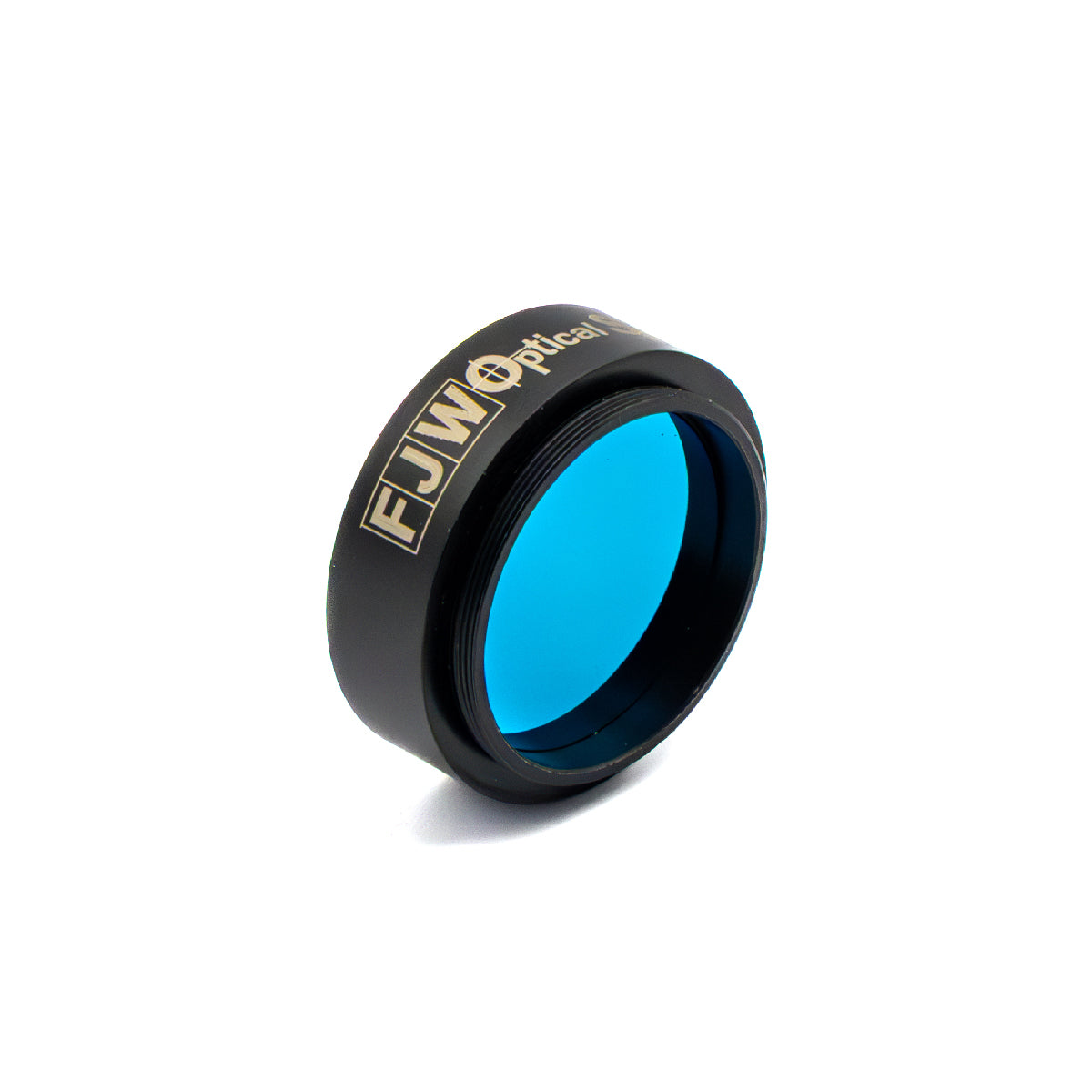
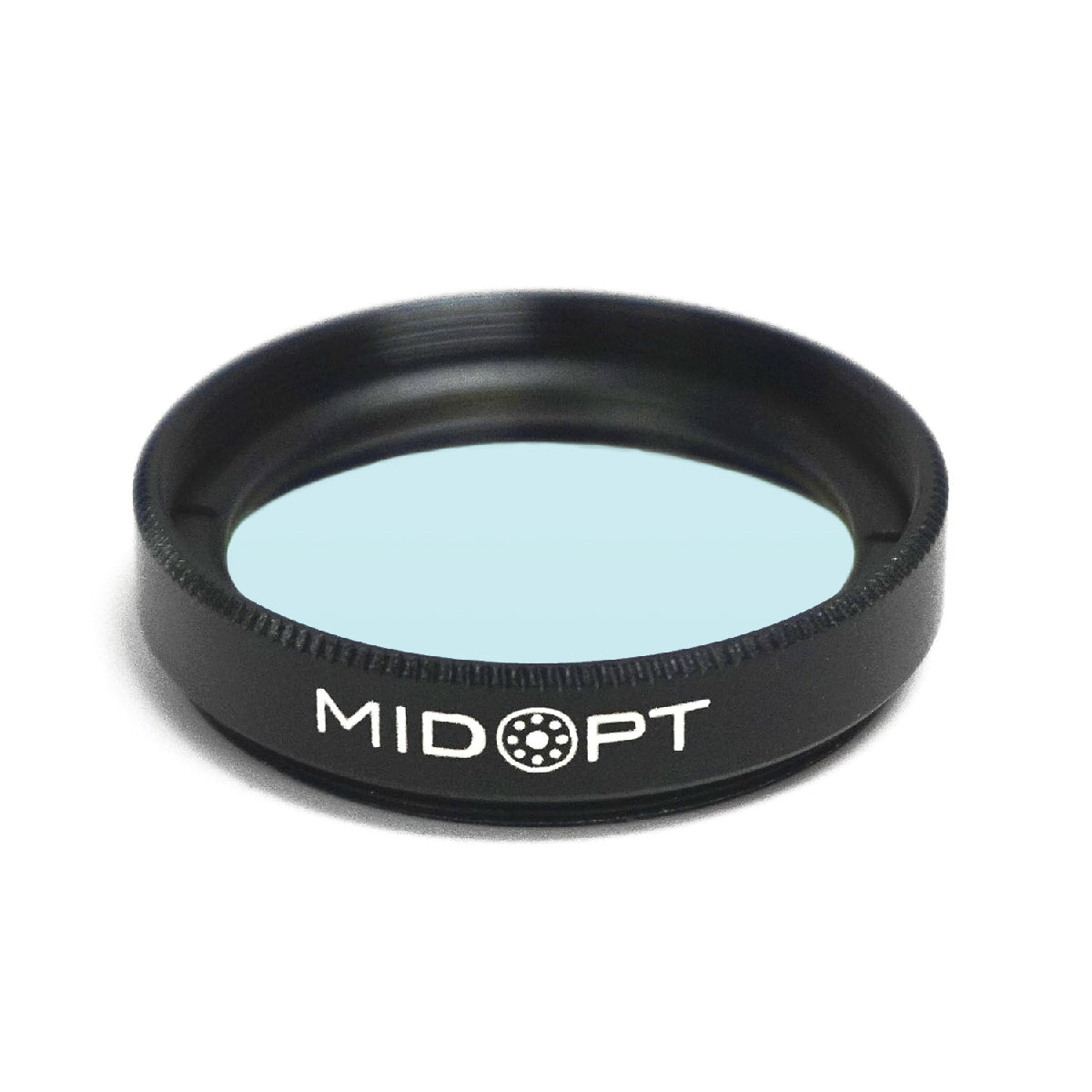
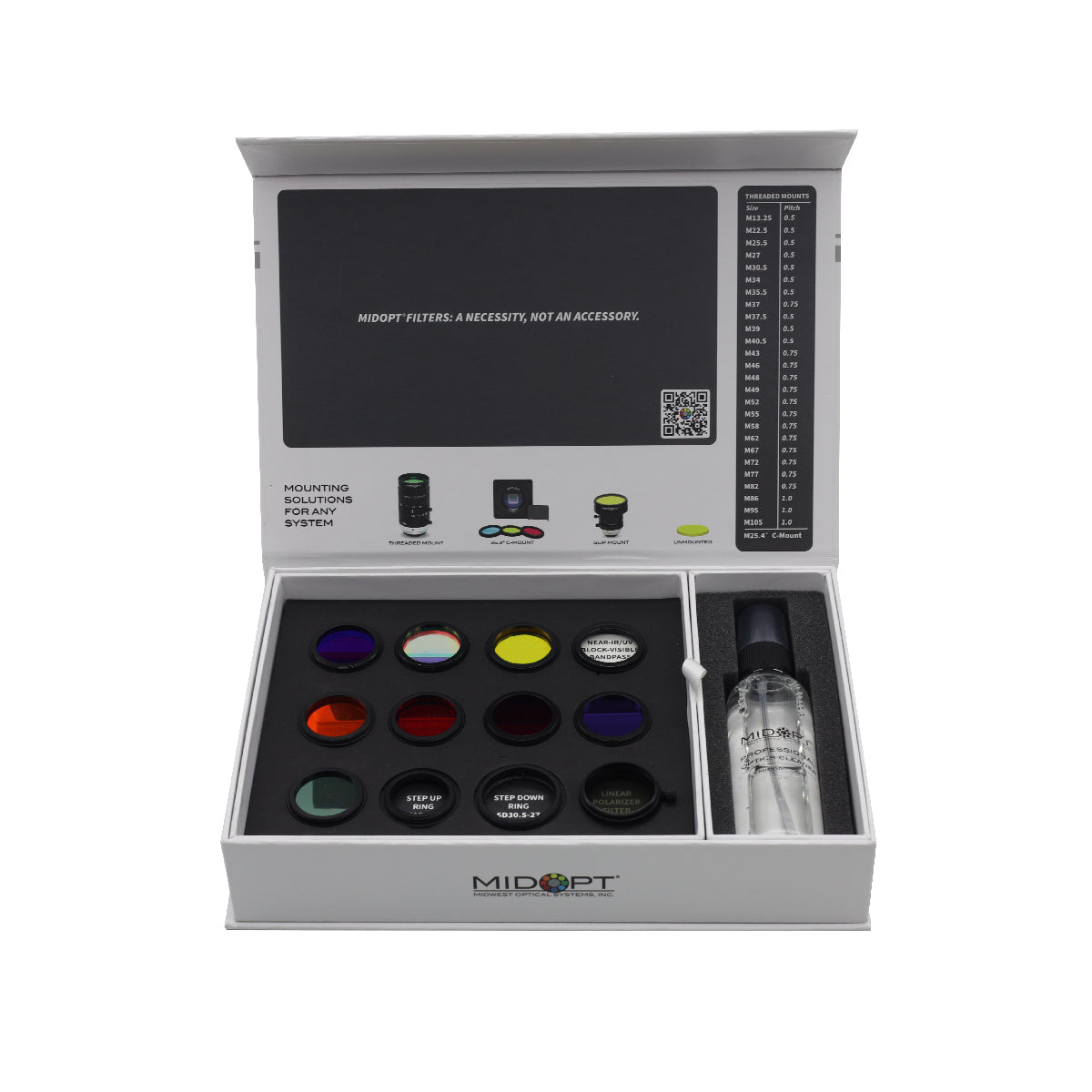
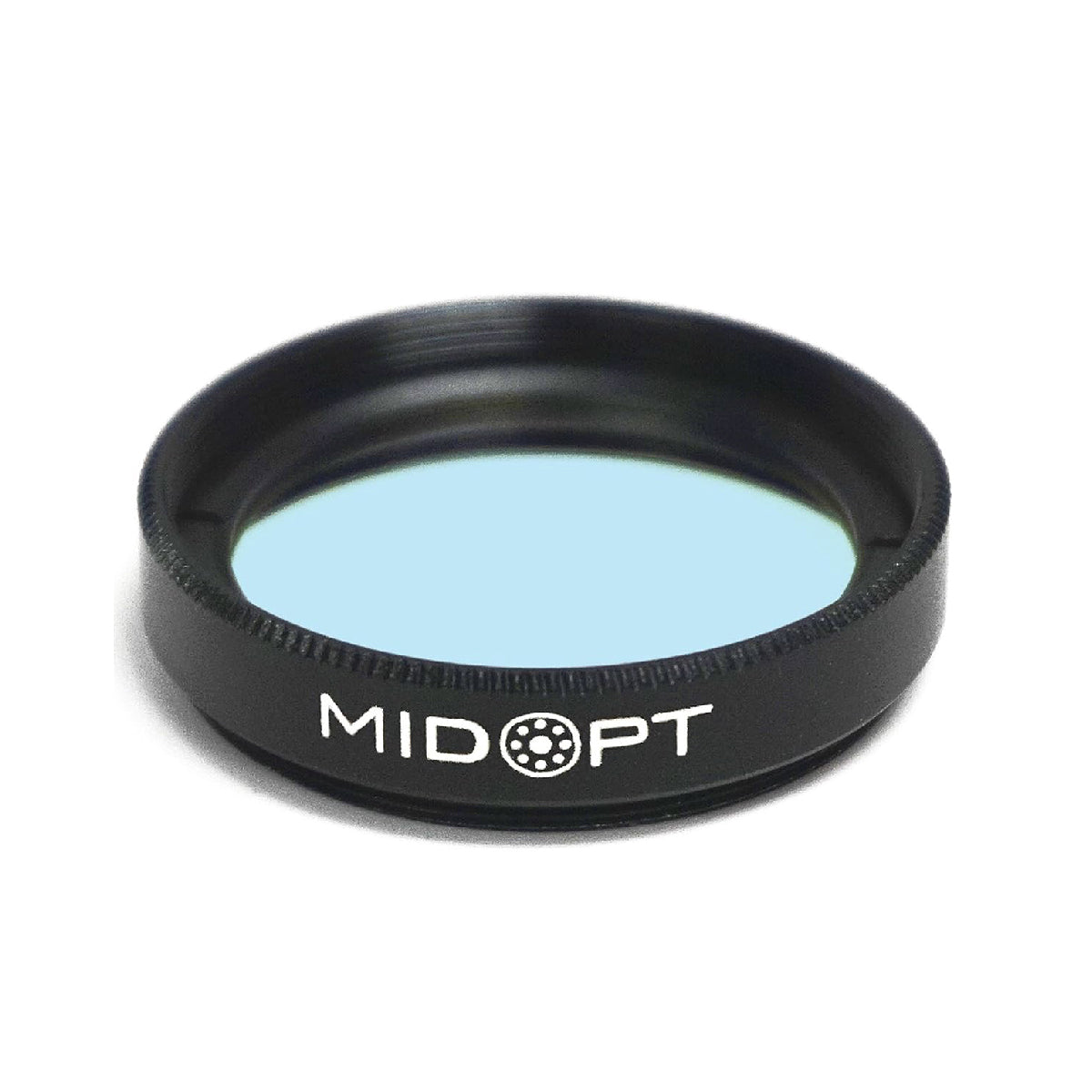
Threaded mounts are among the most widely used machine vision filter mounting solutions because they allow filters to screw directly onto a lens or accessory using standard thread sizes. Benefits: Secure mechanical connection, easy installation and removal, excellent alignment with the optical axis.
Threaded mounts are commonly used with C-mount and CS-mount lenses, making them ideal for many machine vision and automation applications.
Slip-Mount Filter Holders
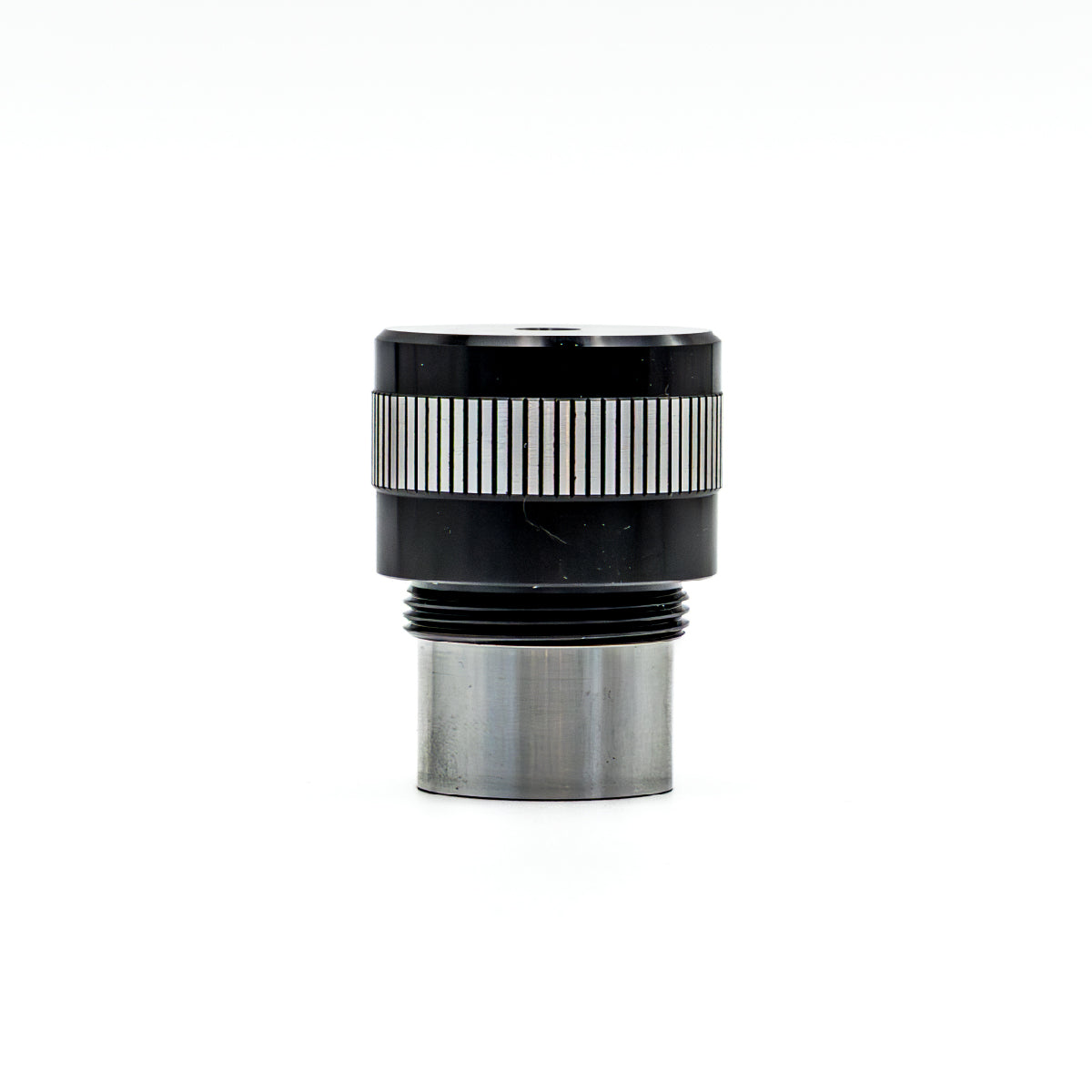
Slip-mount filter holders allow filters to slide into a cylindrical mount that fits over a lens or optical barrel. Advantages: Low-profile design for tight spaces, compatibility with lenses that lack threads flexibility for custom filter sizes.
Slip-mount solutions are often used when working distance is limited or when filters need to be mounted very close to the lens front element.
Low-Profile Filter Mounts
Low-profile mounts are designed specifically for space-constrained machine vision systems. These mounts minimize the distance between the filter and the lens, reducing the risk of vignetting, especially with wide-angle lenses. Benefits: Reduced optical path length, improved performance with wide fields of view, ideal for compact vision systems.
Low-profile mounts are frequently used in robotics, embedded vision, and tight mechanical assemblies.
Glued and Bonded Filter Mounts
In some applications, filters are permanently bonded into a mount or directly into an optical assembly. Common use cases: Extreme vibration environments, applications requiring minimal movement or drift, OEM and custom machine vision systems.
While bonded mounts are not easily removable, they provide excellent stability and long-term reliability.
Matching Filter Mounts to Lens and Camera Systems
Selecting the right filter mounting solution for machine vision requires careful consideration of system compatibility. Factors to consider include: Lens thread size (if applicable), front element diameter and field of view and angle of incidence. Incorrect mounting can cause edge shading or spectral shift, especially in wide-angle systems.
Camera and Sensor Considerations
While filters are typically mounted on lenses, sensor size and pixel pitch influence filter placement. Larger sensors and higher resolutions are more sensitive to misalignment and vignetting. Proper mounting ensures uniform illumination and consistent filter performance across the entire image.
Environmental and Mechanical Factors
Machine vision systems often operate in harsh industrial environments. Filter mounts must withstand vibration and shock, temperature fluctuations, dust, debris and moisture. Metal filter mounts, precision machining and secure fastening methods help maintain alignment and optical performance over time.
Preventing Optical Issues with Proper Mounting
Incorrect filter mounting can introduce optical problems that are difficult to diagnose in software. Common issues caused by poor mounting include image darkening at the corners, reduced contrast, reflections between filter and lens surfaces and filter movement during operation. Using the correct industrial optical filter mount minimizes these risks and supports stable imaging performance.
Filter Mounting for Specialized Applications
Certain machine vision applications require tailored mounting approaches. These include:
High-Speed Inspection
High-speed systems demand mounts that remain rigid under rapid motion and vibration. Secure threaded or bonded mounts are often preferred.
Robotics and Automation
Robotic systems benefit from low-profile and slip-mount solutions that reduce weight and space while maintaining optical alignment.
Harsh or Outdoor Environments
When systems are exposed to contaminants, filter mounts may be integrated into protective housings or enclosures to safeguard optics.
Custom Filter Mounting Solutions
Standard mounts cover many use cases, but some applications require custom optical filter mounting solutions, such as non-standard filter sizes, unique mechanical constraints, integrated optical assemblies and OEM vision systems. Custom solutions ensure optimal performance when off-the-shelf mounts are not suitable.
Best Practices for Installing Machine Vision Filter Mounts
To ensure long-term performance: verify thread compatibility before installation, avoid overtightening filters, keep mounting surfaces clean and free of debris, confirm alignment after installation and recheck mounts during routine maintenance.
Why Proper Filter Mounting Improves System ROI
Machine vision filters are precision components, and their mounting directly impacts system effectiveness. Proper mounting extends filter and lens life, reduces downtime, improves image consistency and lowers total cost of ownership. In high-volume inspection and automation systems, these benefits translate into measurable operational savings.
Mounting solutions are a critical part of any machine vision filter system. Whether using threaded mounts, slip-mount holders, low-profile designs or custom solutions, the right mounting choice ensures filters perform as intended and imaging systems deliver reliable results. By understanding machine vision filter mounting options, engineers can avoid common optical pitfalls, improve image quality, and build more robust vision systems from the start.
For professionals designing or upgrading imaging systems, investing in proper optical filter mounting solutions is just as important as selecting the right filter itself.