
 Find-R-Scopes
 Filters
 Lenses
 Cameras
 Lighting
 Accessories





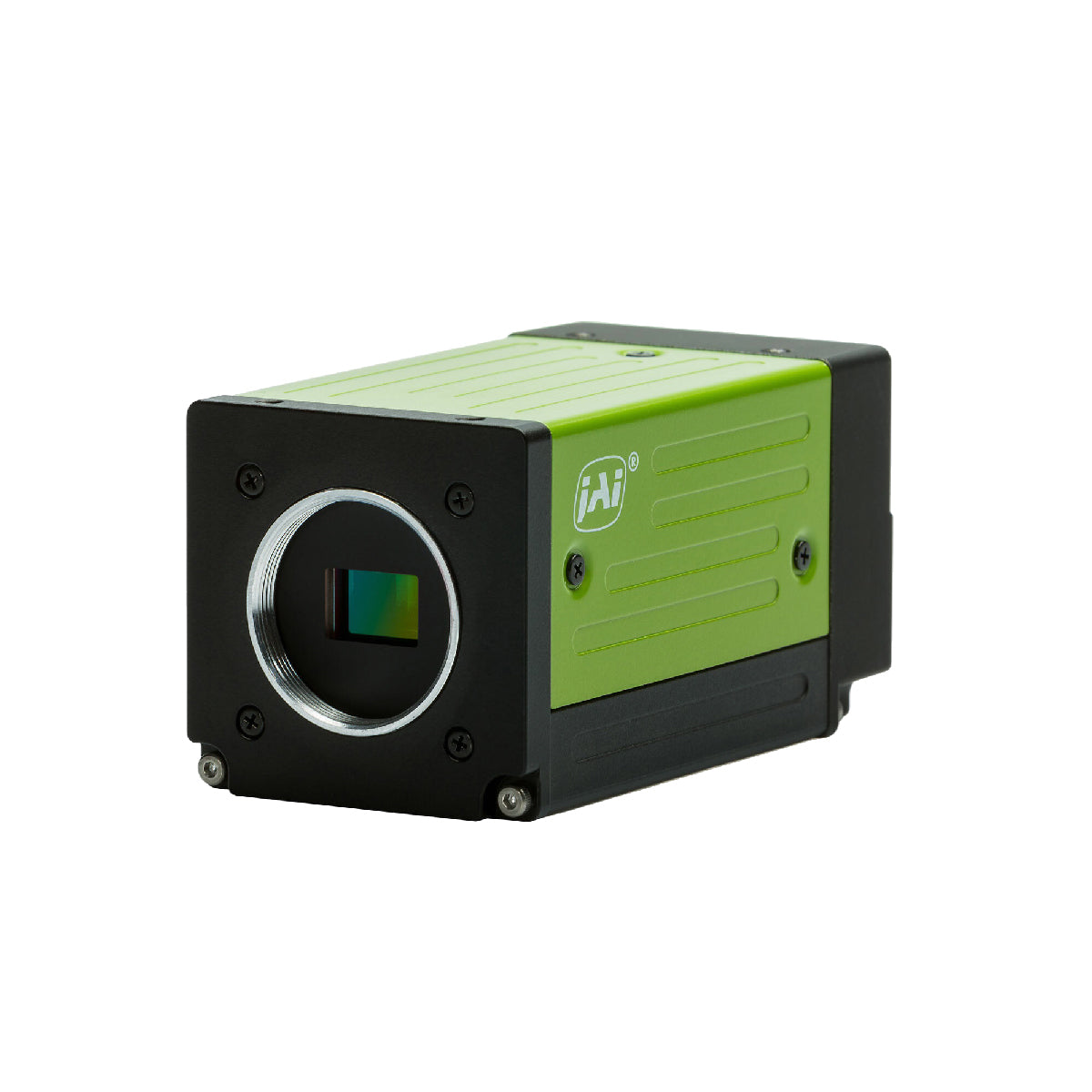
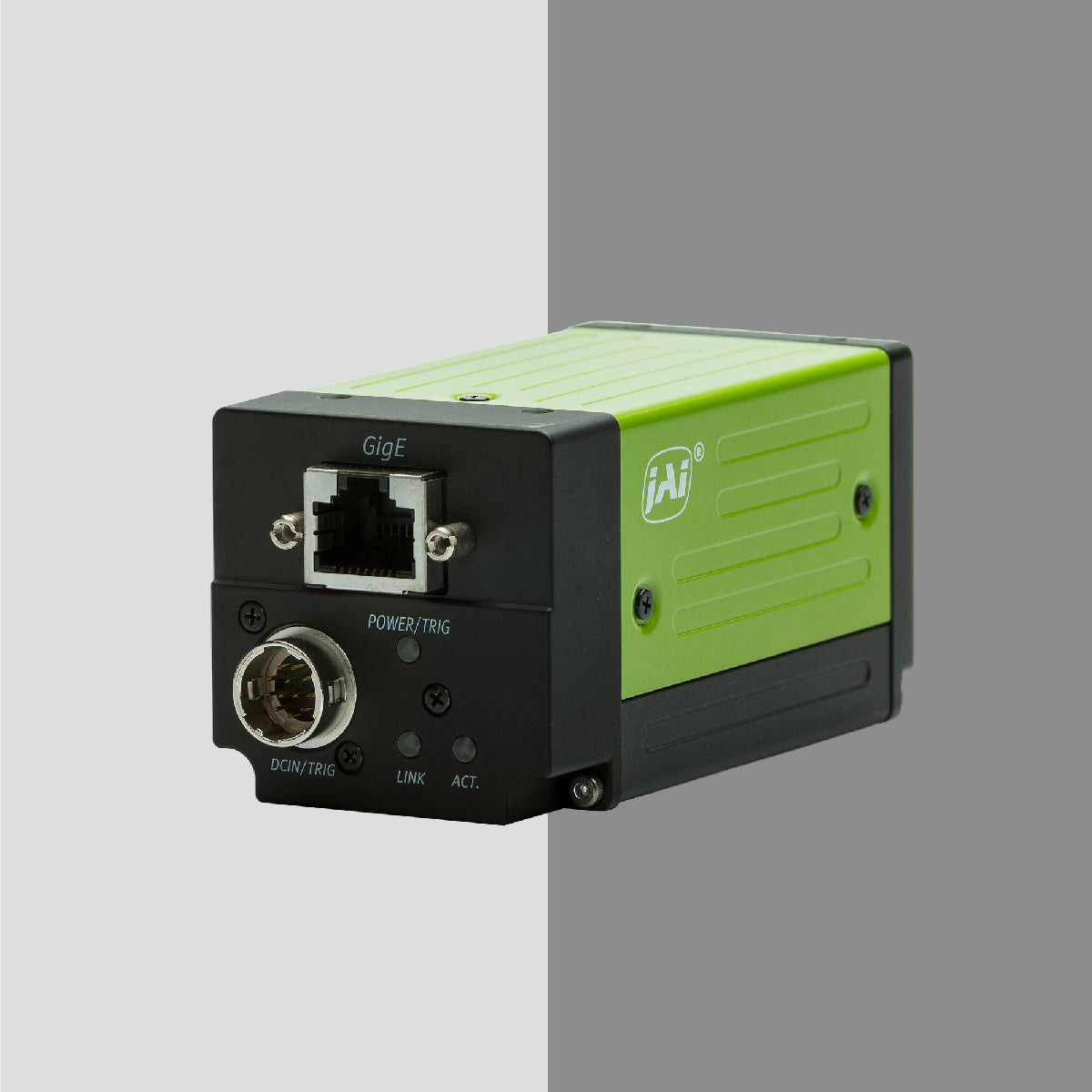
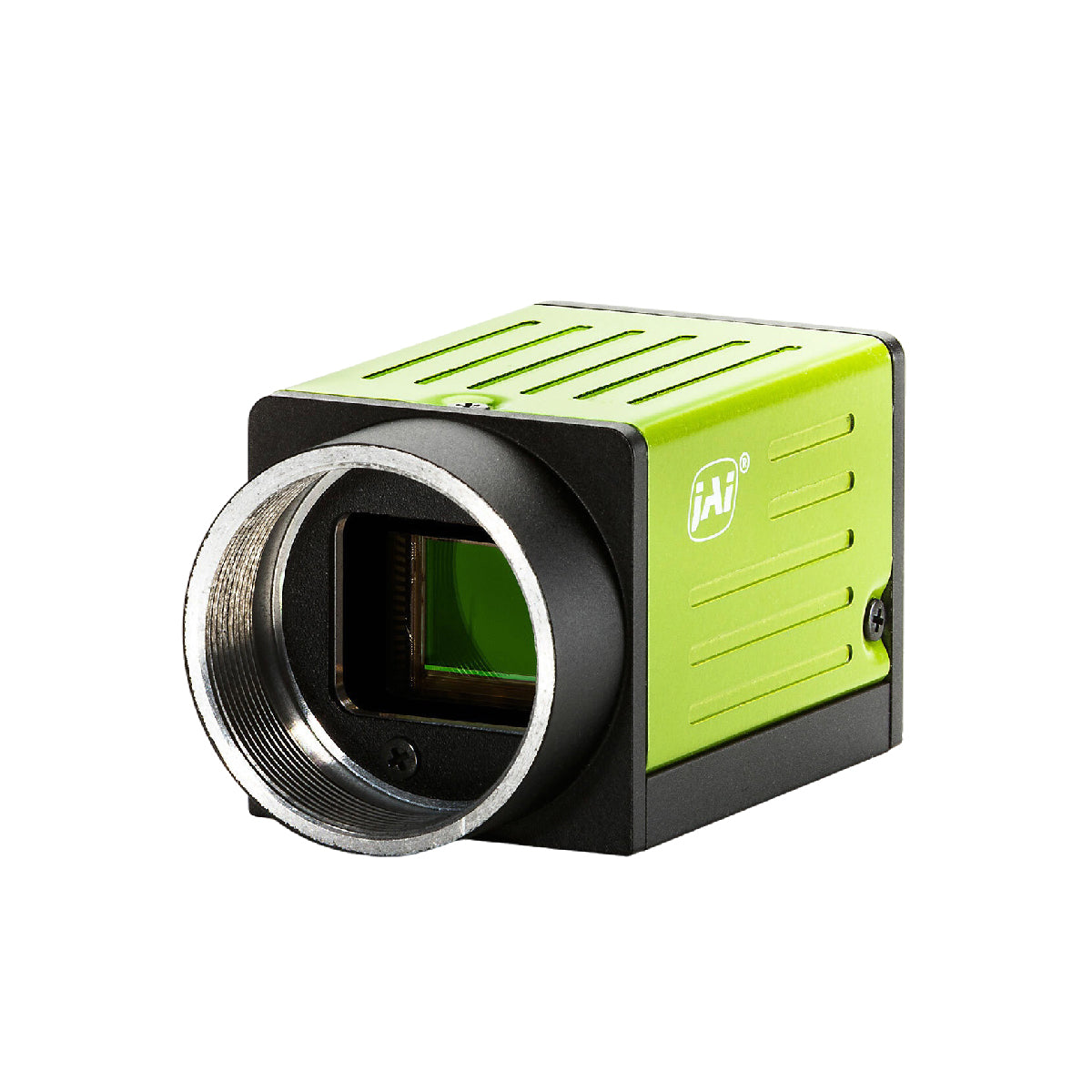
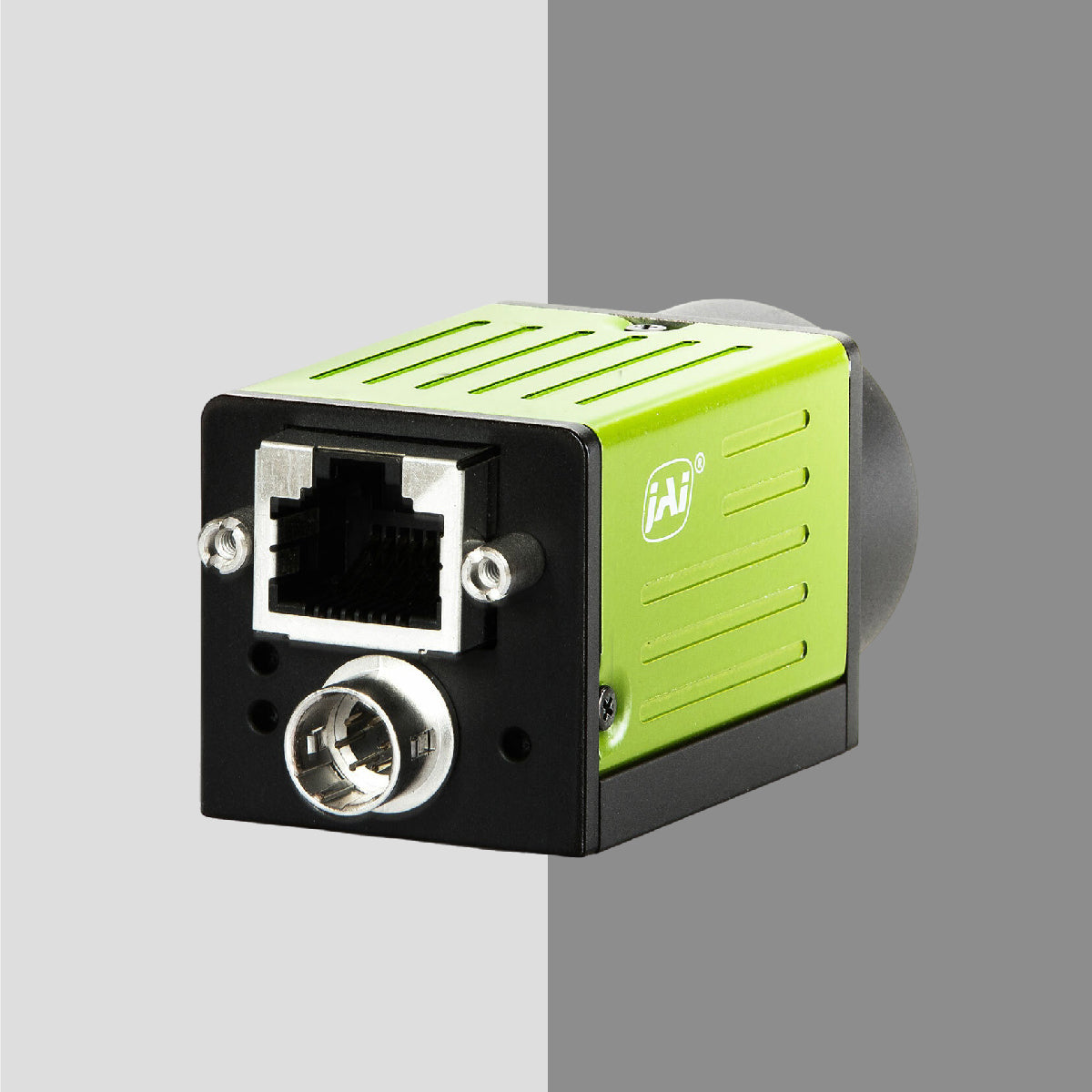
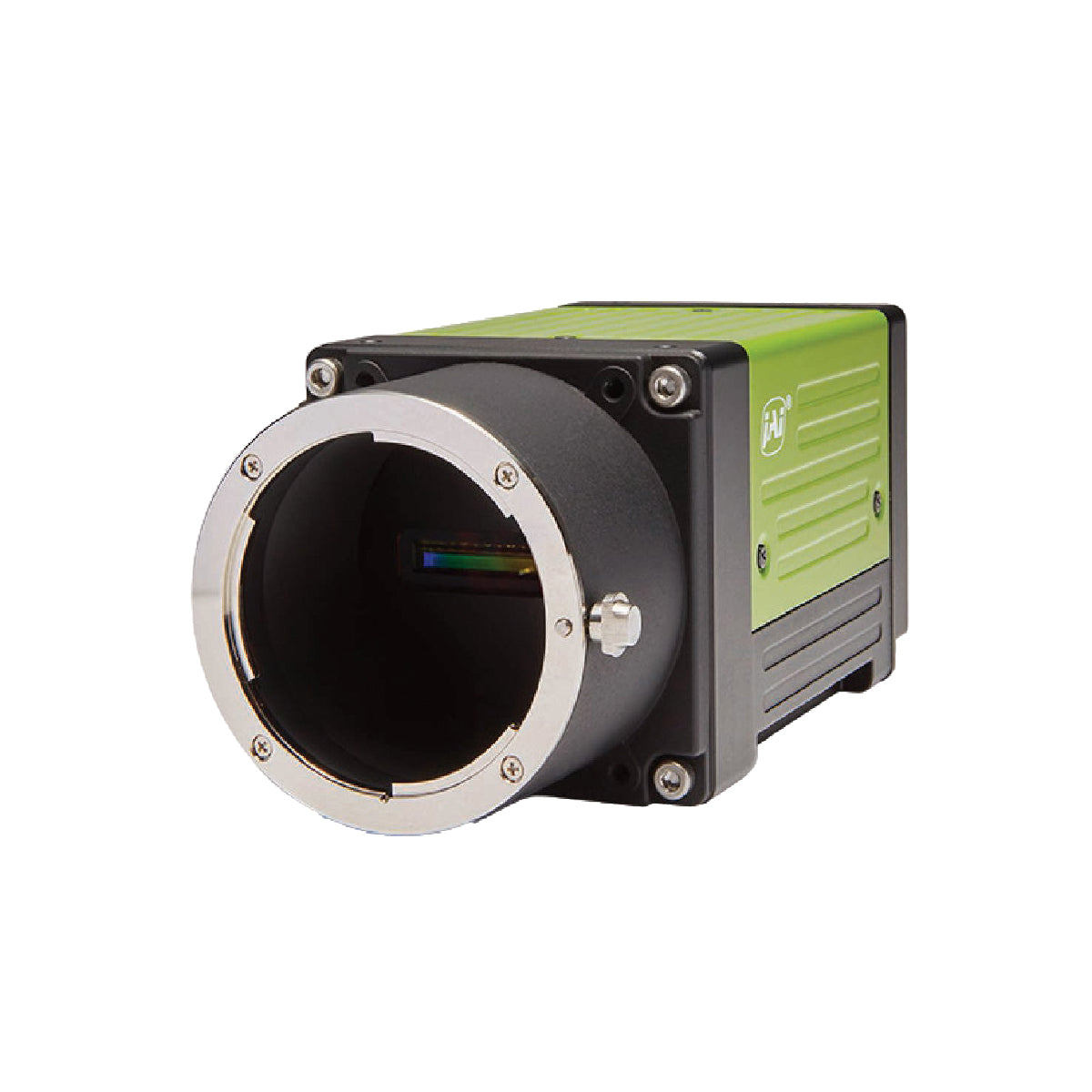
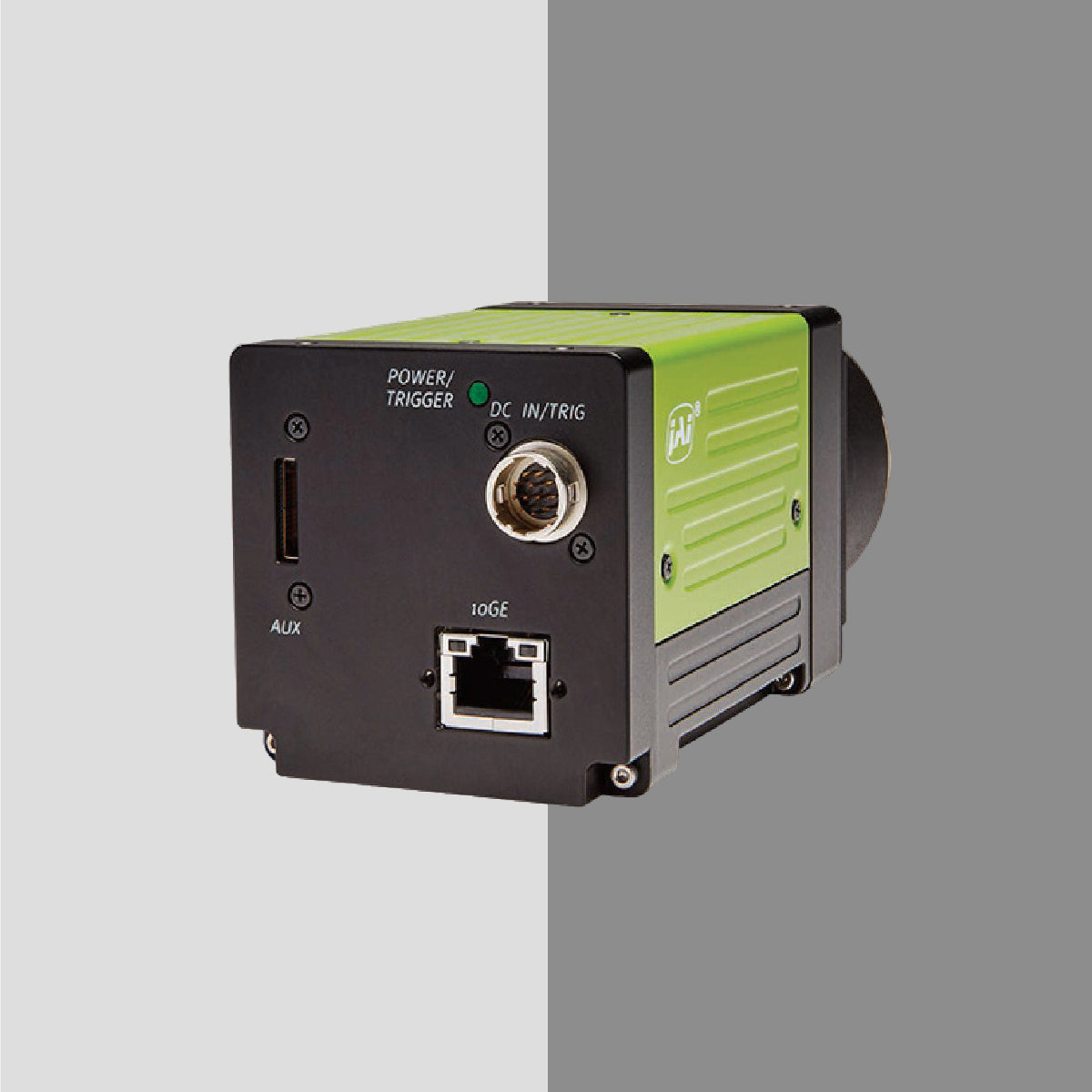
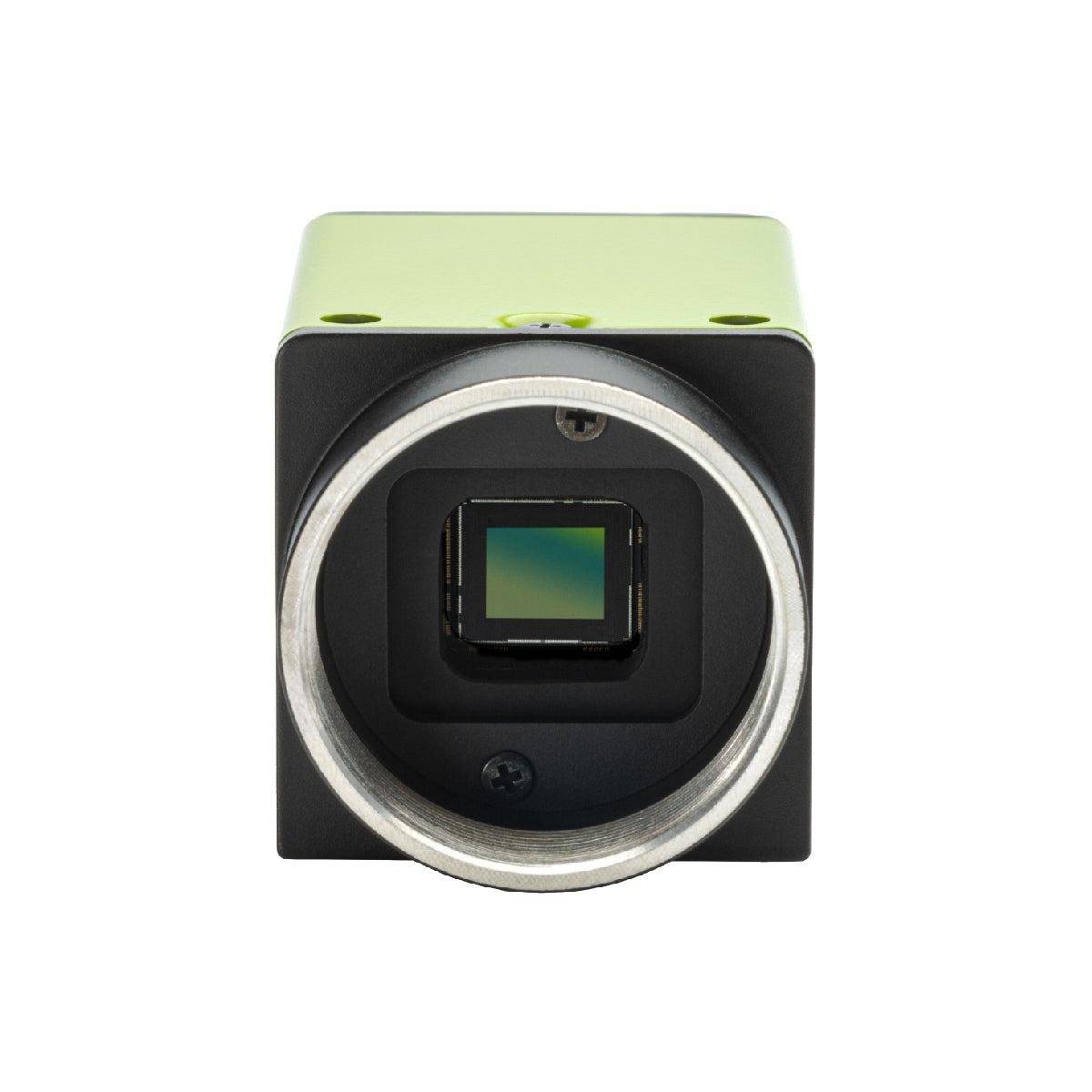
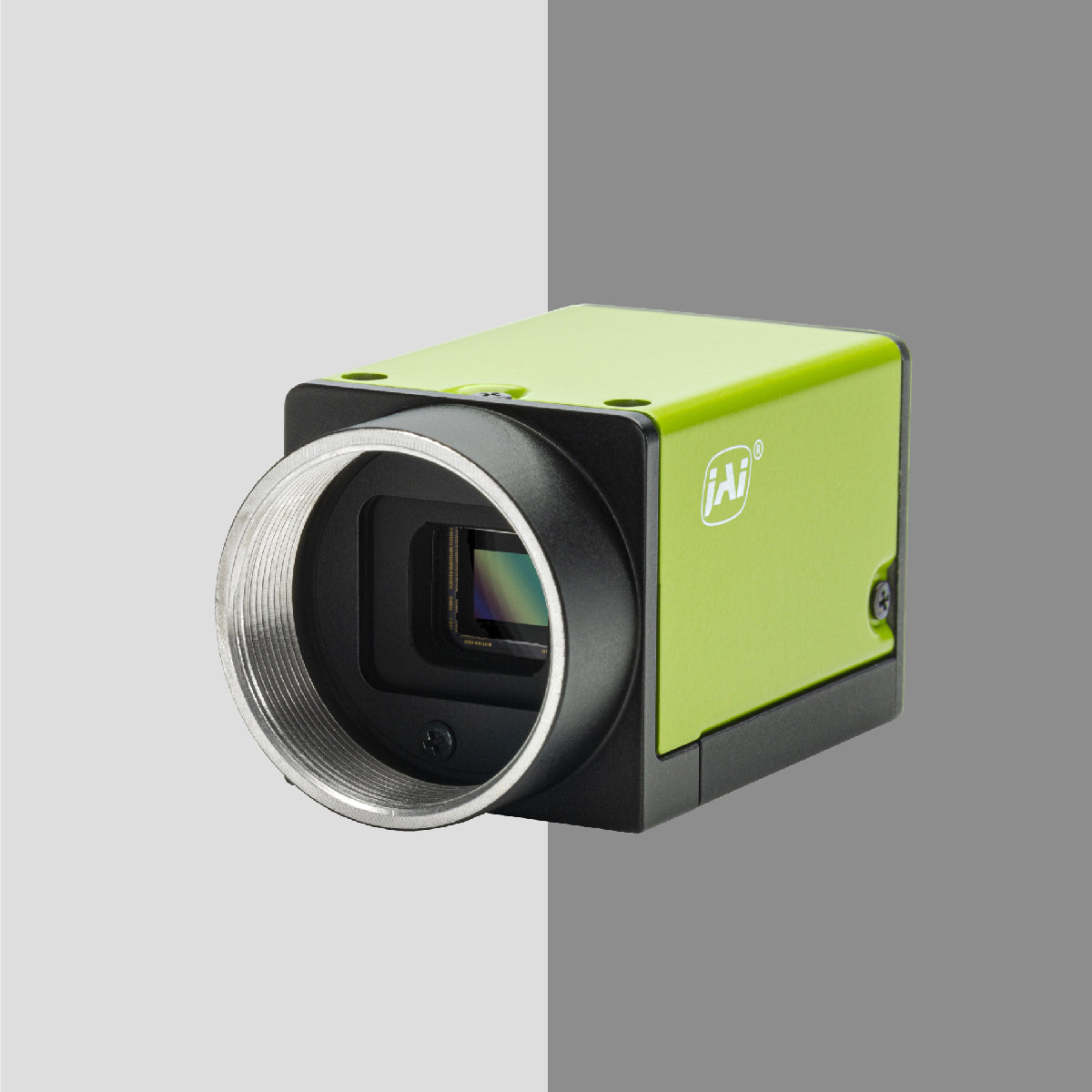
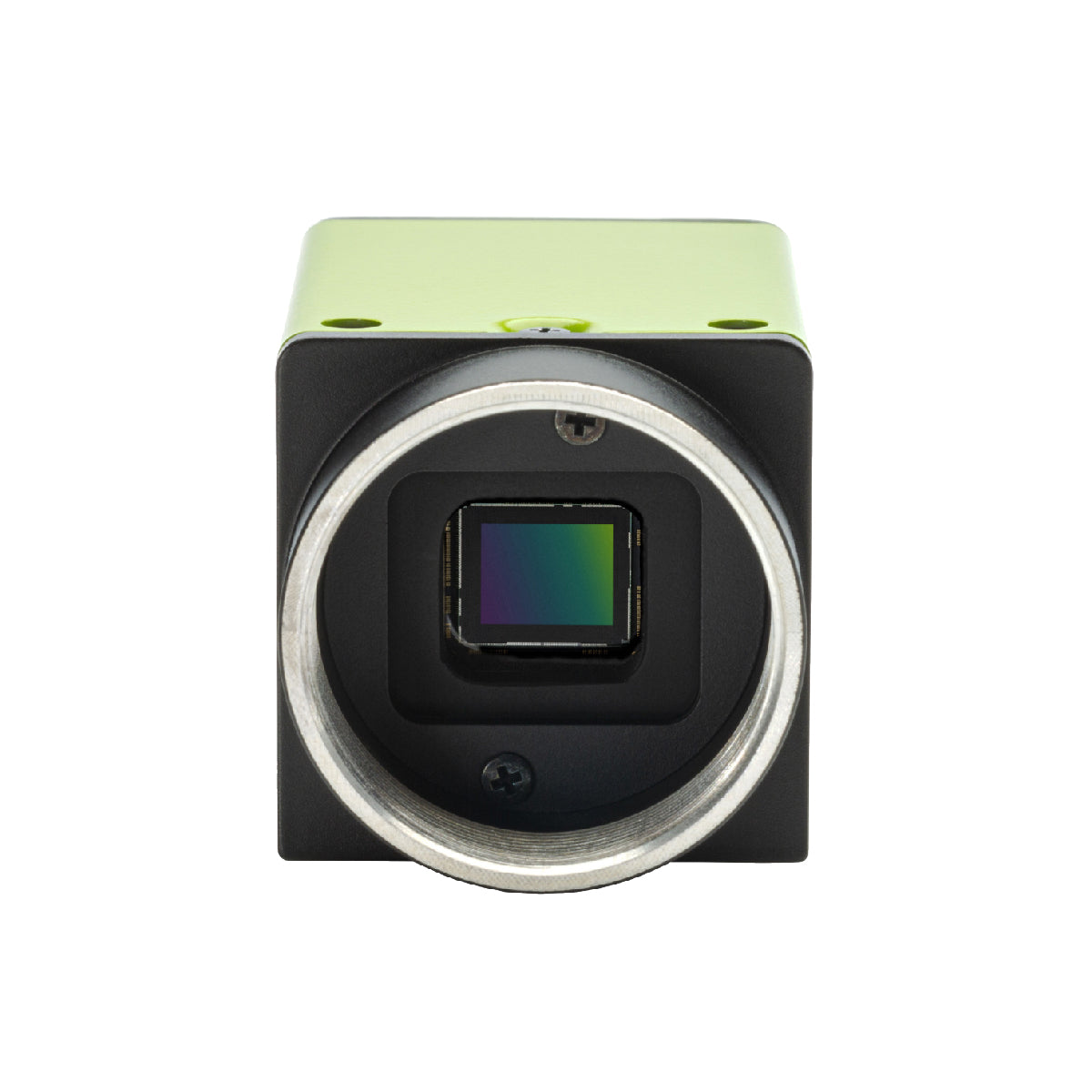
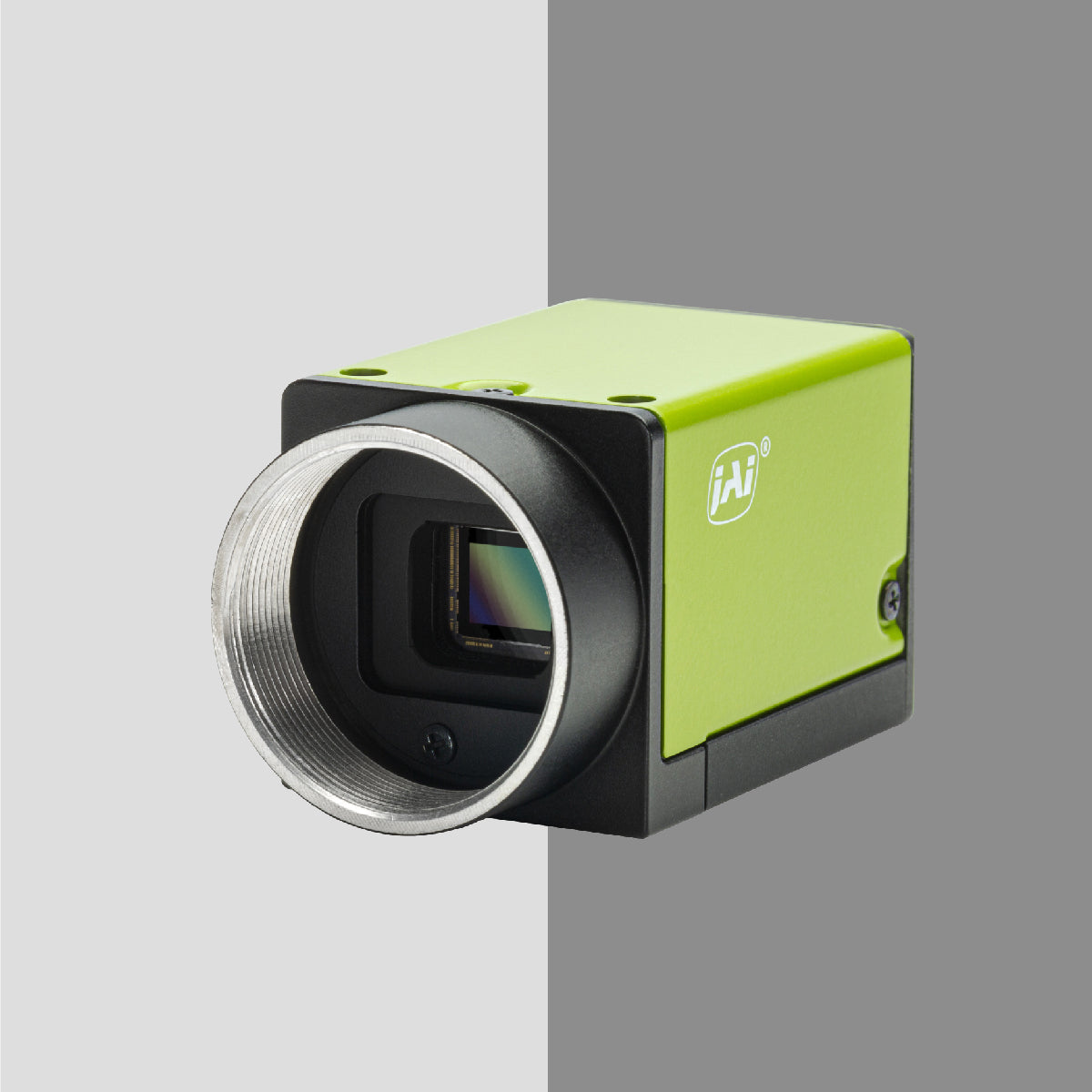
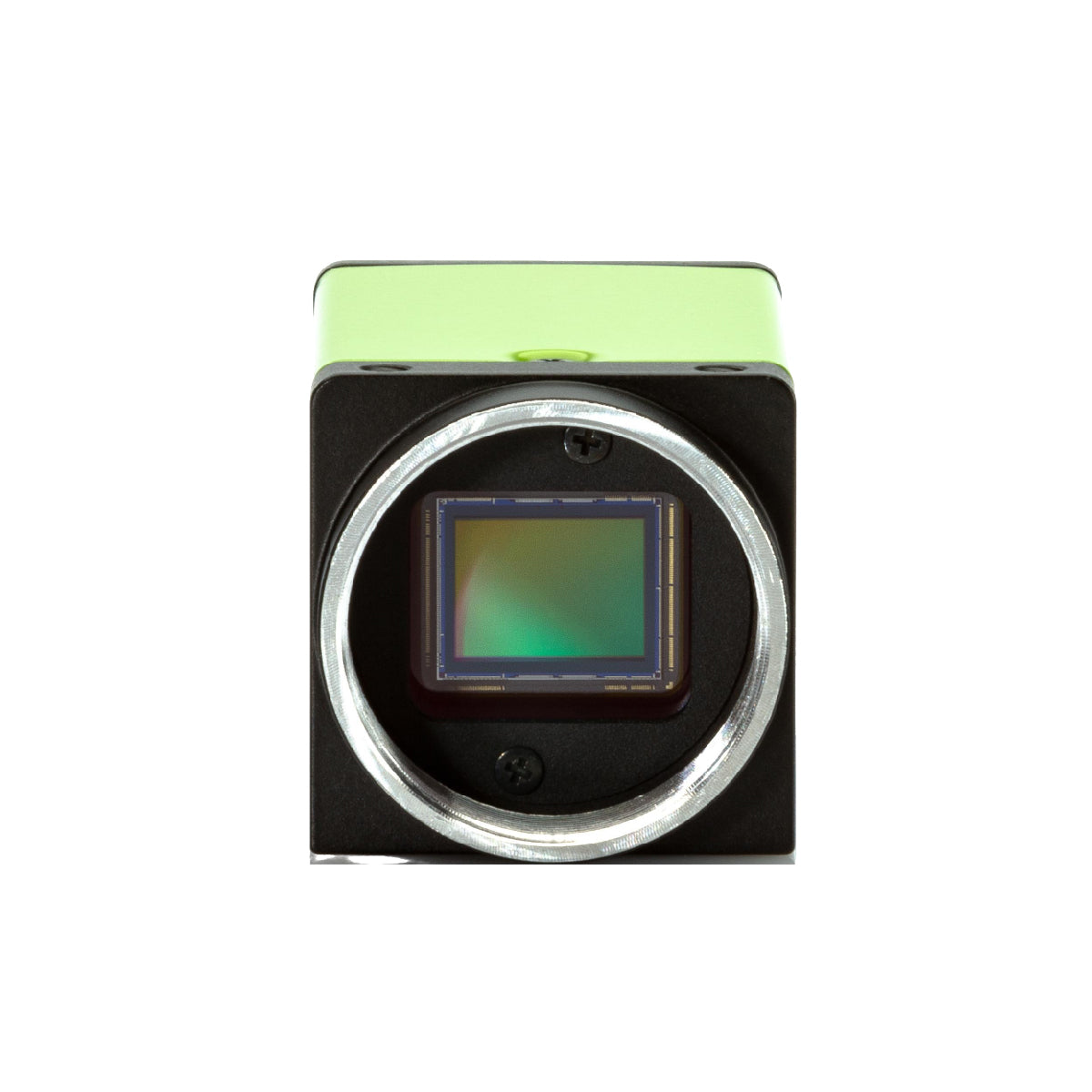
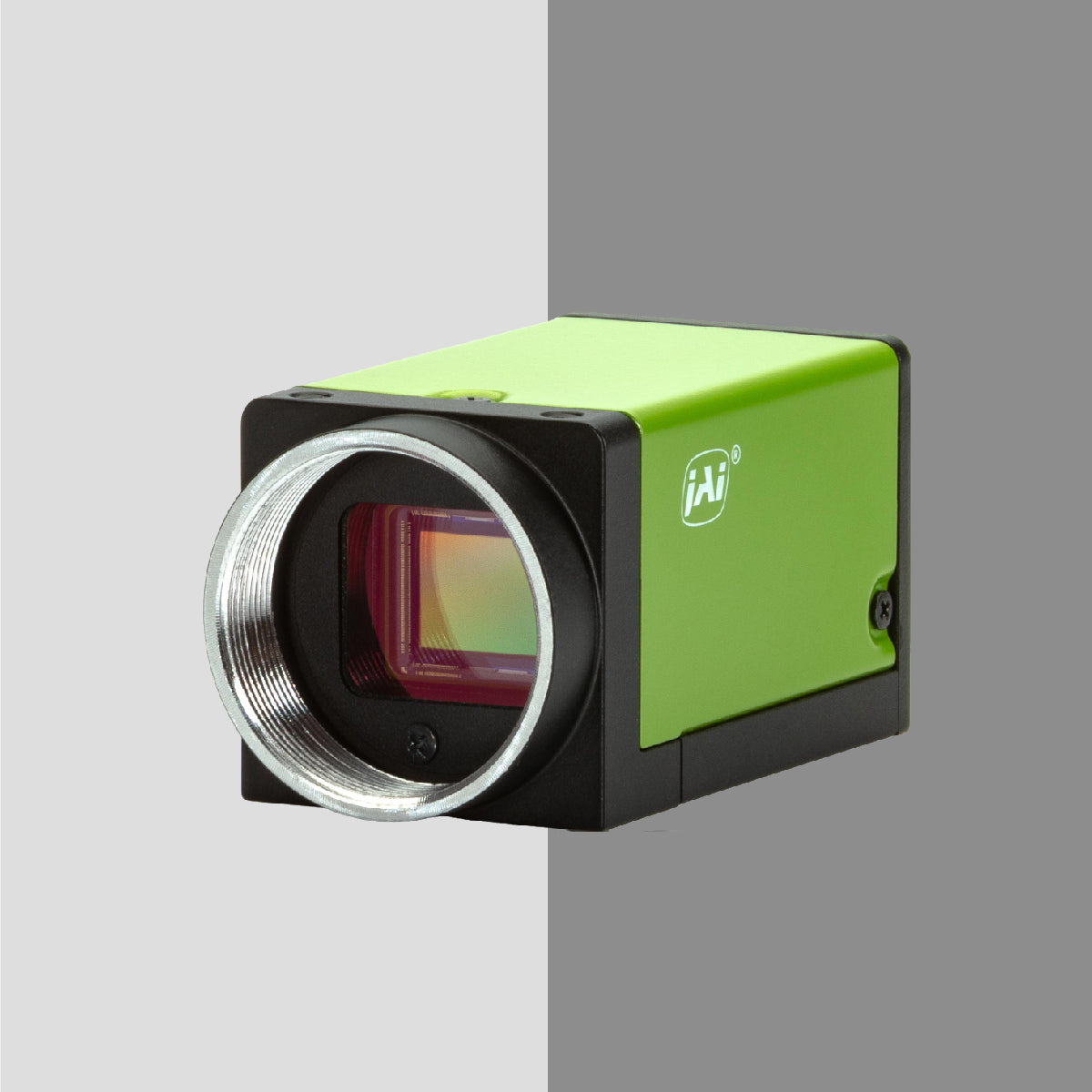
Machine vision cameras are the backbone of any inspection, measurement or automation system. But as sensor technology, interfaces and processing demands evolve, older cameras can quietly become a bottleneck, limiting performance, accuracy and scalability. If your system is struggling to keep up, it may be time for an upgrade. Here are five signs it's time to replace your machine vision camera:
1. You’re Missing Defects or Fine Details
If your inspection system is failing to detect small defects, subtle contrast changes or fine features, your camera’s resolution or pixel size may no longer be sufficient.
Modern machine vision cameras offer:
- Higher megapixel counts
- Improved pixel sensitivity
- Better signal-to-noise ratios
Upgrading allows you to capture sharper images, improve detection accuracy and reduce false positives, especially in high-precision inspection applications.
2. Your Production Speed Has Increased
As production lines speed up, cameras must keep pace. If motion blur, dropped frames or missed triggers are becoming issues, your current camera may not support the frame rate or interface bandwidth required.
Newer cameras support:
- Higher frame rates
- Faster data interfaces (USB3, GigE, 10GigE, CoaXPress)
- Lower latency for real-time processing
An upgraded camera ensures reliable image capture even at high conveyor speeds or in line-scan applications.
3. Lighting Changes Are Hurting Consistency
If your system struggles with varying lighting conditions, such as ambient light, reflections or LED intensity shifts, older sensors may lack the dynamic range or sensitivity needed for stable imaging.
Newer camera sensors provide:
- Improved dynamic range
- Better low-light performance
- Enhanced exposure and gain control
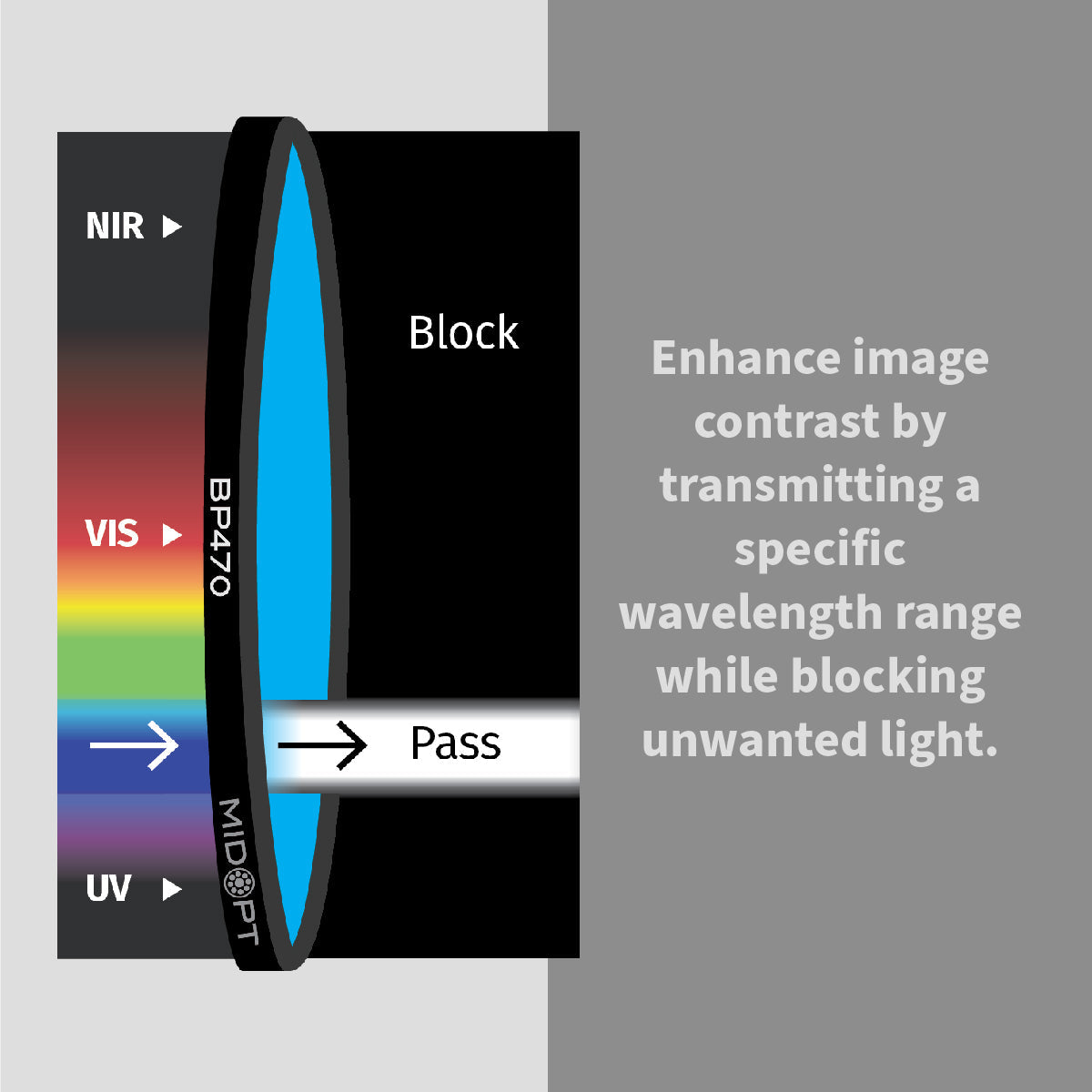
This results in more consistent images, reduced tuning time and better repeatability across shifts and environments. Pair cameras with optimized lighting and filters.
4. Your Interface Is Limiting System Design
Legacy interfaces can restrict cable length, bandwidth and system layout. If you’re constrained by short cables, complex frame grabbers or unreliable data transfer, it’s a strong indicator that your camera interface is outdated.
Modern interfaces offer:
- Longer cable runs
- Simplified system integration
- Higher bandwidth for high-resolution sensors
- Reduced system cost and complexity
Upgrading your camera can make system expansion and redesign far easier.
5. Your Camera Is No Longer Supported
Older cameras may no longer receive:
- Firmware updates
- Driver support
- Operating system compatibility
This can create reliability issues, security risks and downtime, especially when upgrading PCs or software. Newer machine vision cameras are designed for long-term availability, updated drivers and easier integration with modern vision software platforms.
Upgrading your camera is especially beneficial when:
- You’re improving inspection accuracy
- Production speeds are increasing
- New lighting or optics are being introduced
- You’re expanding or redesigning a vision system
- Downtime or inconsistency is becoming costly
Choosing the right upgrade involves more than resolution alone. Factors like sensor type, interface, frame rate, lighting compatibility and application requirements all play a role.
If you need help selecting the right camera for your system, the FJW Optical team is here to help. Live chat is available at fjwoptical.com or email us at hello@shopfjw.com.