
 Find-R-Scopes
 Filters
 Lenses
 Cameras
 Lighting
 Accessories












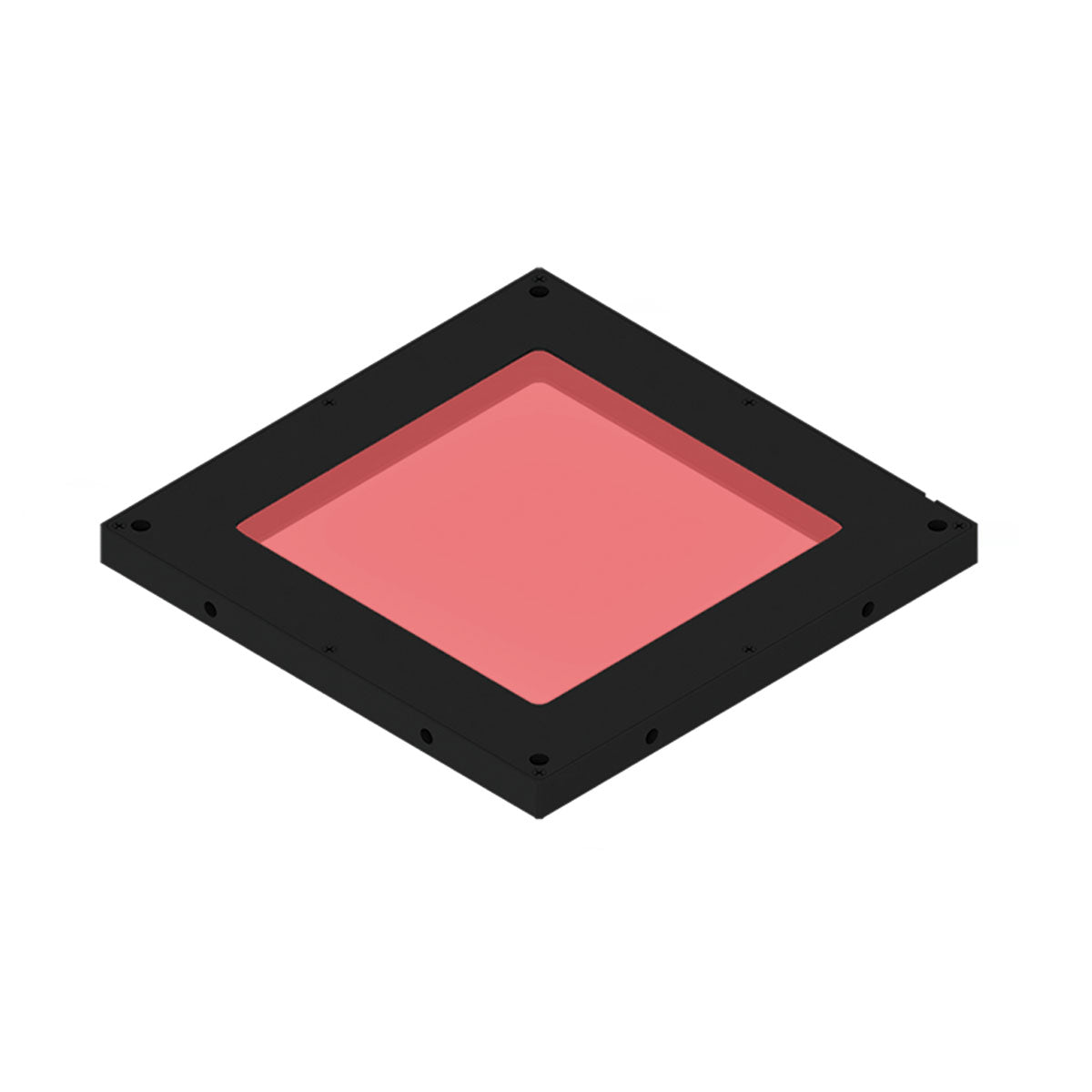
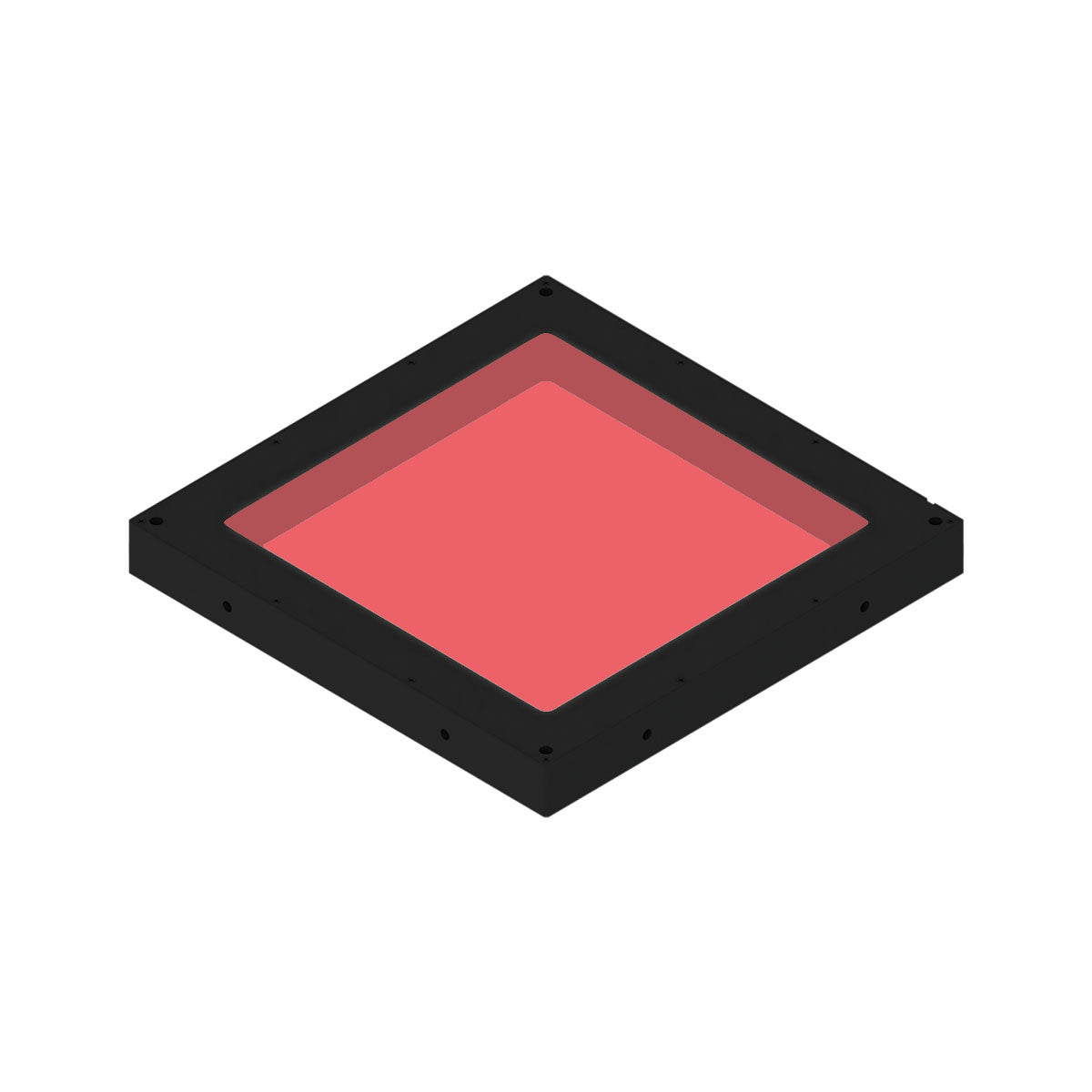
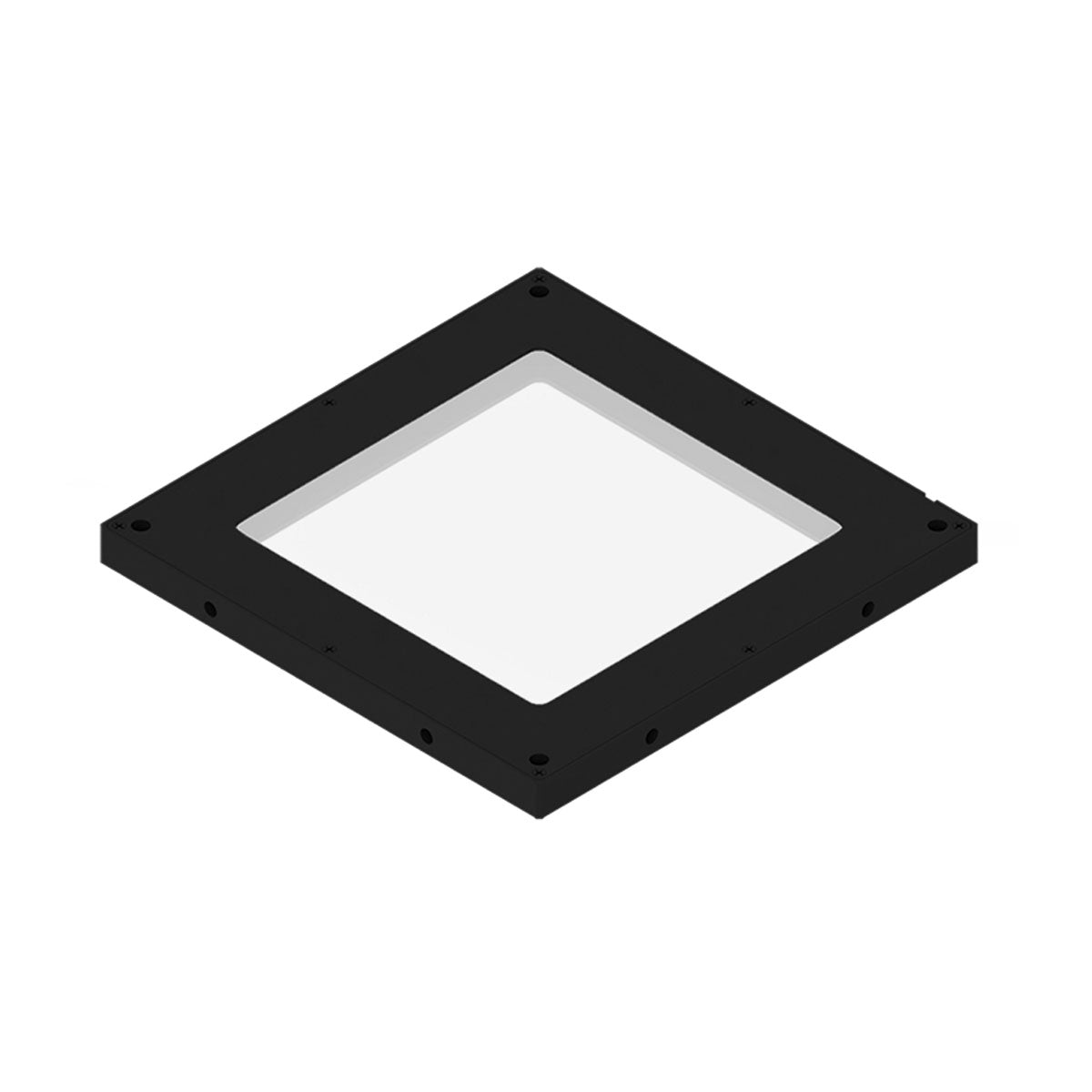
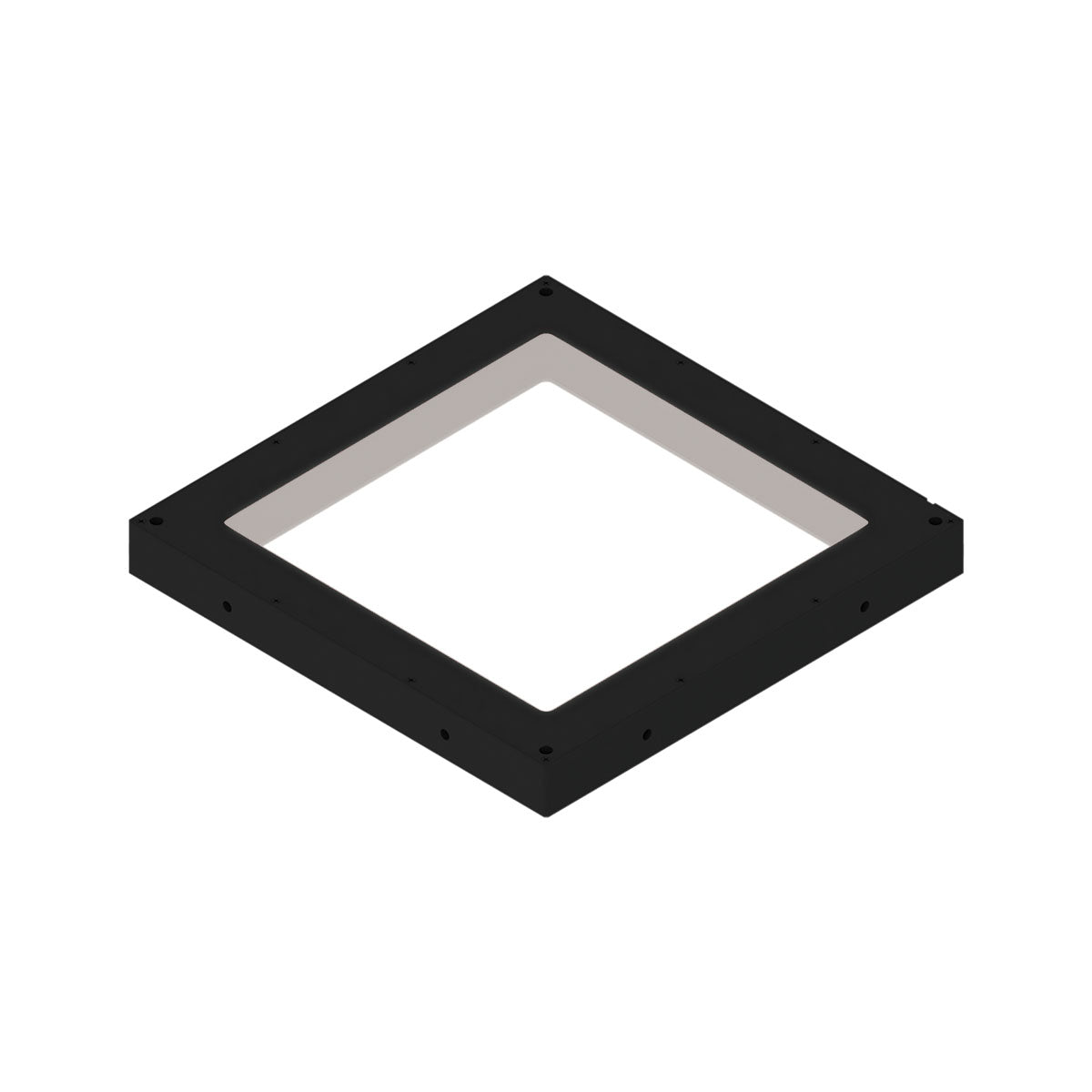
There are many lighting techniques in machine vision, but backlighting – placing an illumination source behind the object, opposite the camera – is especially effective for certain applications. While front-lighting or diffuse dome lighting might illuminate a surface, backlighting creates a clean silhouette by allowing light to pass through or around the subject. This technique is particularly useful for edge detection, shape verification and measurement tasks.
When to Use Backlighting in Machine Vision
- Edge detection and profile inspection: When you only need to see the outline of a part (for example in measuring thickness or verifying shape), backlighting delivers high contrast and a clean silhouette.
- Transparent or semi-transparent objects: Parts that allow light to pass through (films, glass, plastics) benefit from backlighting because light travels through and reveals inaccuracies or shape differences.
- Isolation of features from background: In scenes where you want to separate object from background (such as punched metal parts, holes, voids), backlighting creates a strong dark-light contrast making the feature stand out.
Why Backlighting Works
Backlighting leverages silhouette contrast rather than surface detail. By illuminating from behind, the object itself blocks or alters the light path, producing high signal-to-noise differentiation – dark object, bright background (or vice versa). This is simpler to process for many vision systems because you’re identifying boundaries and shapes instead of textures or color. Additionally, many lighting engineers note that such setups deliver uniformity and simplify calibration compared to trying to highlight surface features with complex direct lighting.
Key Considerations for Implementation
- Uniform backlight panel: Ensure the backlight provides even illumination across the field of view so that silhouette edges are sharp and consistent.
- Appropriate distance and size: The backlight needs to be large enough and positioned correctly to cover the entire object area; otherwise parts of the silhouette may fall outside the illuminated zone.
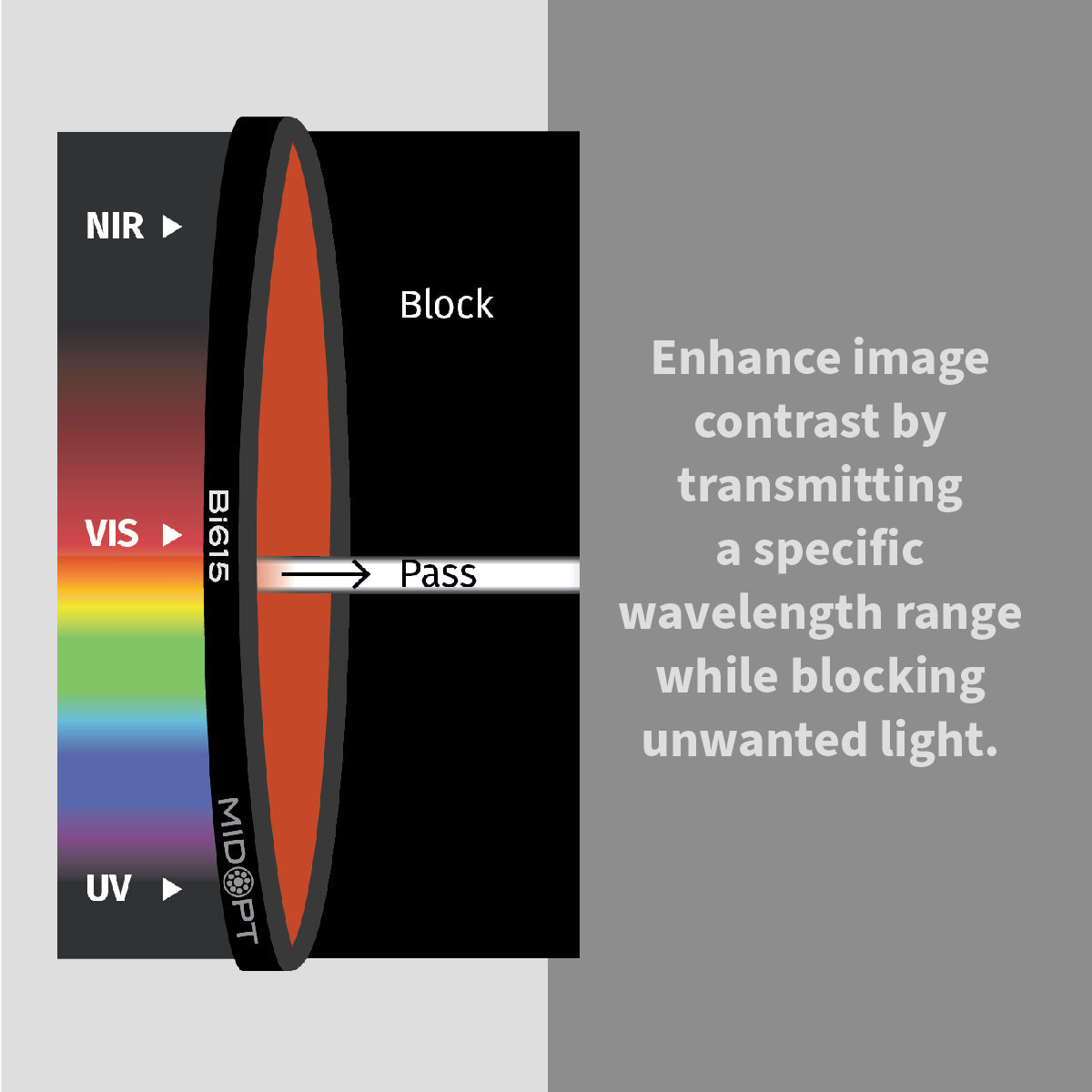
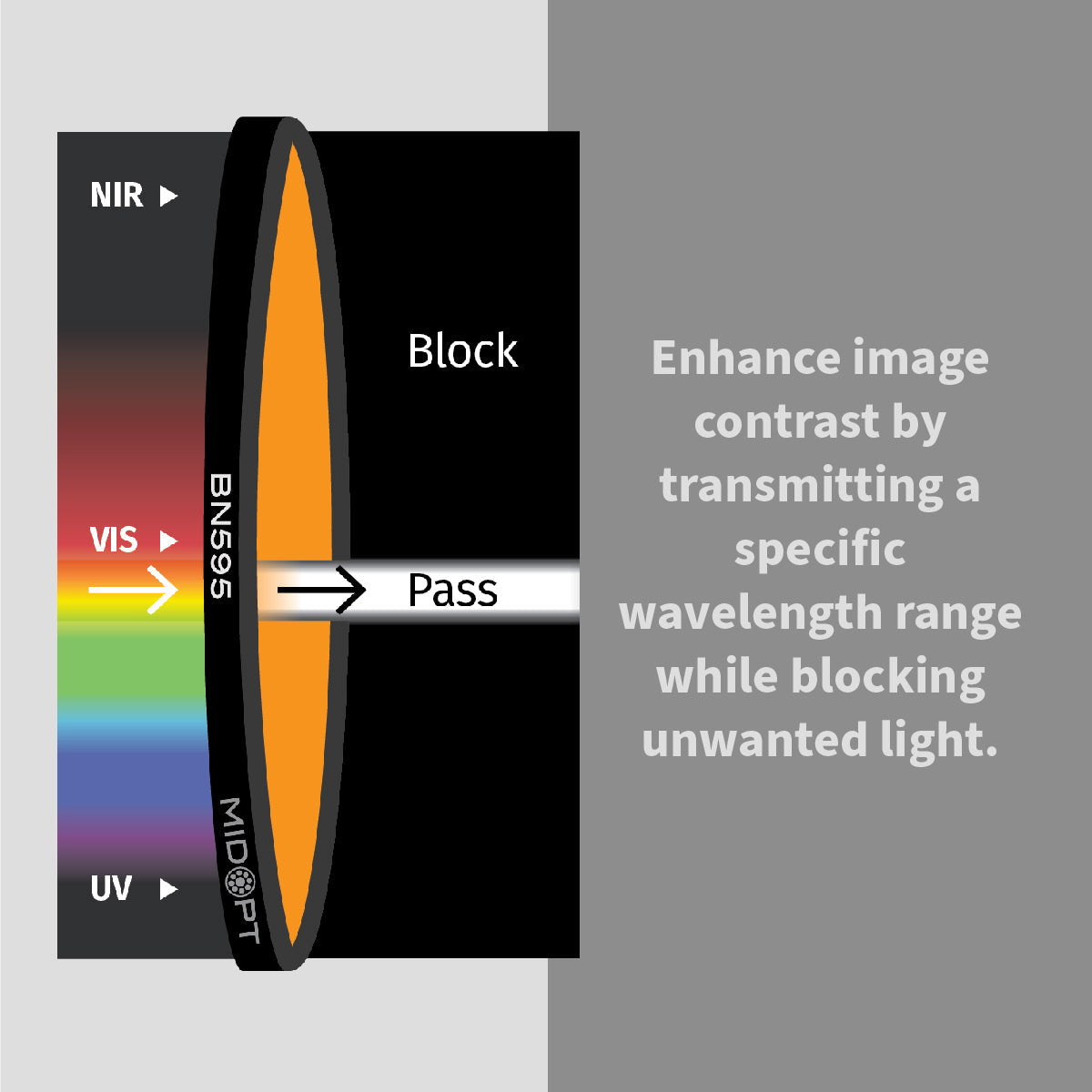
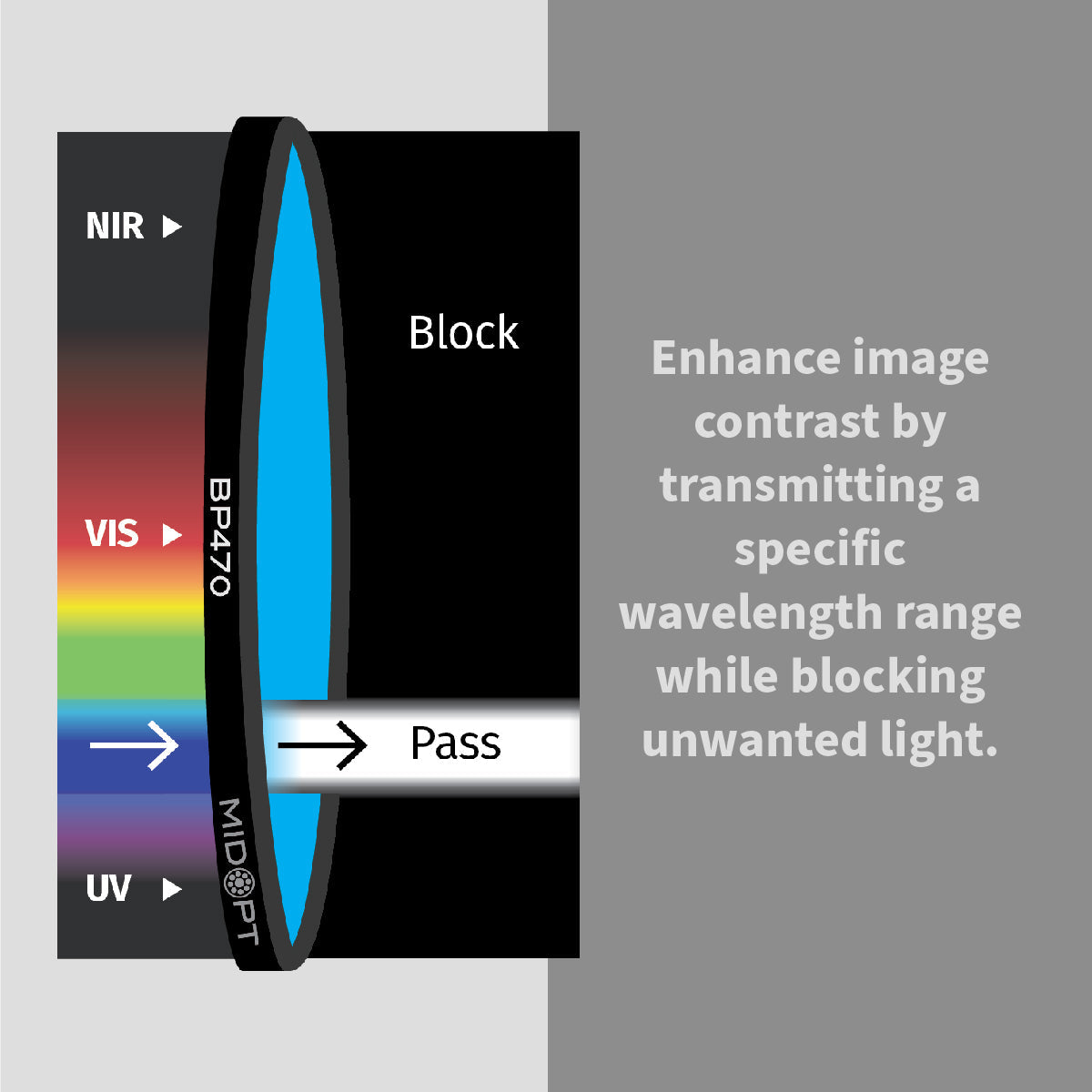
- Wavelength and filtering: If your inspection involves detecting inks, coatings or transparent materials, selecting the right wavelength or adding filters can improve contrast.
- Camera synchronization: In high-speed or strobe lighting applications, make sure the backlight is synchronized with the camera exposure to freeze motion for sharp outlines.
- Application-match: While backlighting excels in many tasks, it's not ideal if you require surface texture, color inspection or illumination of fine features – those require front or angled lighting.
The Best Applications for Backlighting
- Inspecting holes or punchouts in metal sheets: the silhouette makes the hole geometry obvious.
- Measuring thickness or count of stacked foils / plastics: backlight improves contrast through layers.
- Transparent bottle inspection: backlighting highlights fill level or capsules by the outline created.
- Profile checking of molded parts: ensures outer contour matches tolerances without needing surface detail.
Backlighting is a powerful, often under-utilized lighting strategy in machine vision systems. When you need crisp, high-contrast silhouettes, shape verification or object isolation – a backlight may be a great option. Ensure your system is properly configured with uniform lighting, correct geometry and synchronized capture, and you’ll see the advantage in clarity, reliability and processing simplicity.