
 Find-R-Scopes



 Filters
 Lenses
 Cameras
 Lighting


 Accessories










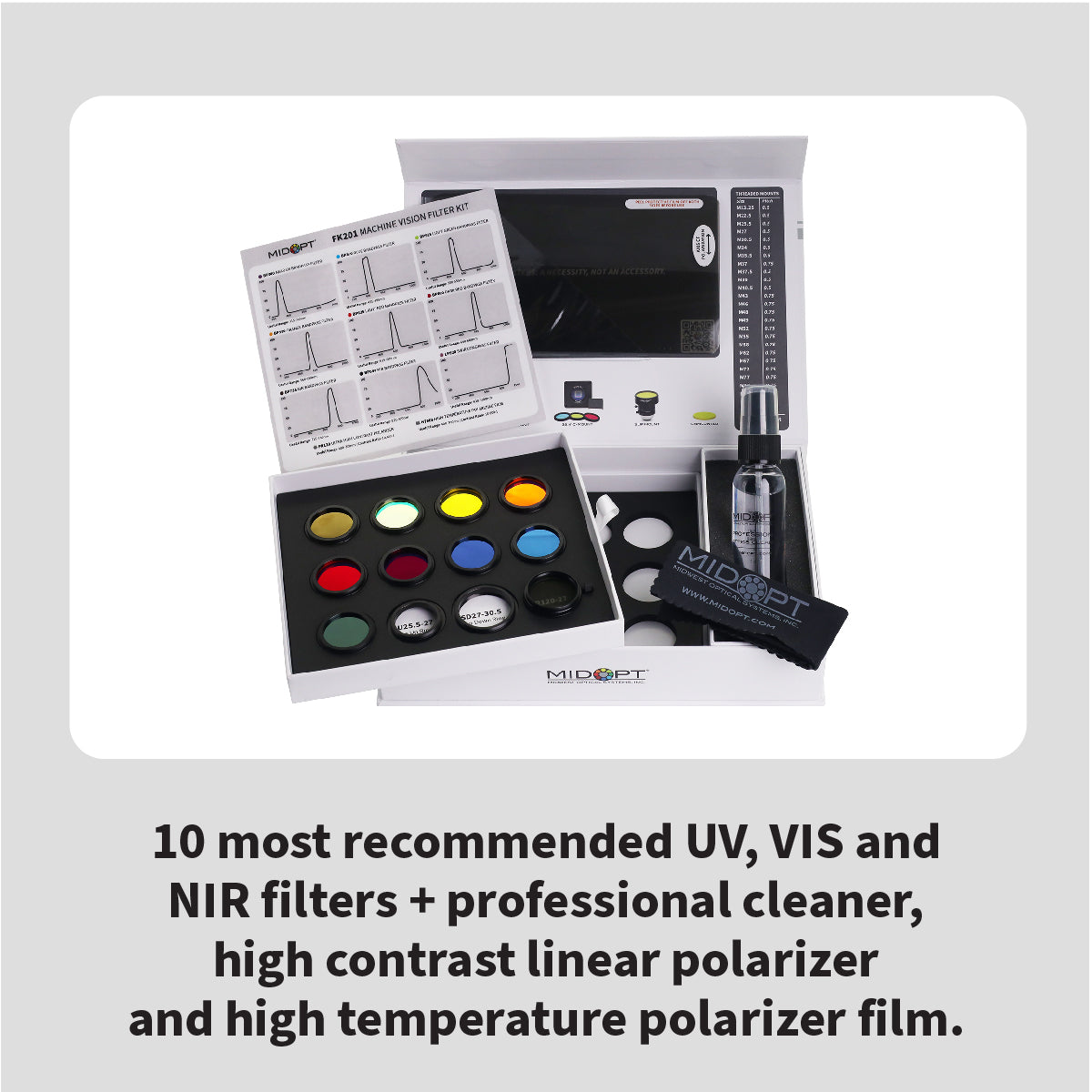
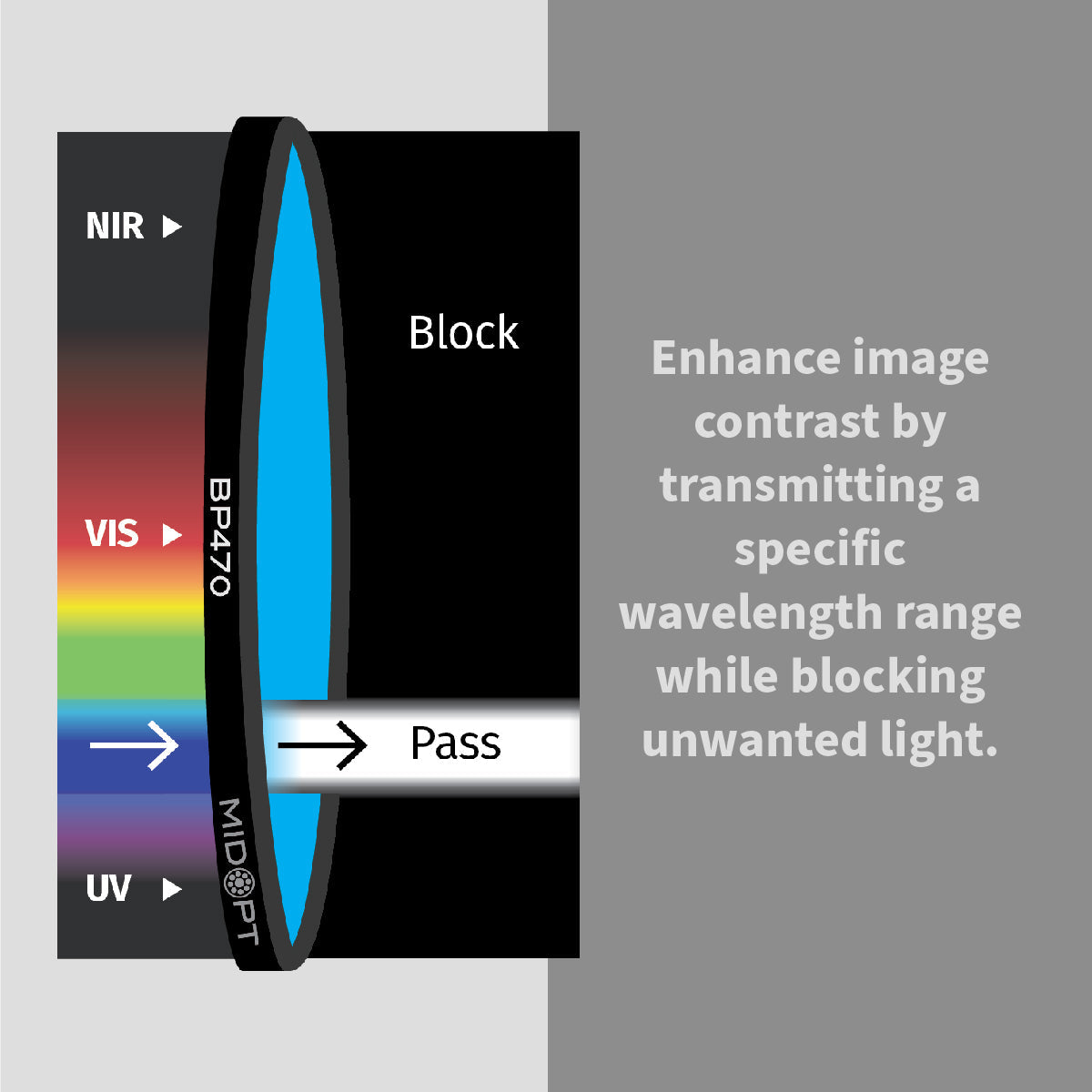



In machine vision, lighting isn’t just about brightness – it’s about control. One of the biggest challenges in capturing consistent, high-quality images is glare and reflections from shiny or specular surfaces. These unwanted highlights can obscure critical details, confuse algorithms and lower inspection accuracy. This is where polarized lighting plays a powerful role, offering a practical solution to suppress glare and reveal hidden detail in reflective environments.
What Is Polarized Light?
Light waves oscillate in many directions. Unpolarized light contains waves vibrating in all orientations. Polarized light, on the other hand, has waves that vibrate mainly along a single plane. By controlling the orientation of light waves with polarizing filters, vision systems can distinguish between useful, diffuse reflection and problematic, specular reflection. This is fundamental in reducing visual noise and enhancing image clarity.
How Polarized Lighting Works in Vision Systems
When light strikes a reflective surface (such as glossy plastic, metal or glass) a significant portion of the reflected light becomes polarized. In a typical imaging setup without polarization, this reflected light can overwhelm the camera sensor, washing out features like text, markings, scratches or surface flaws.
Polarized lighting addresses this by:
1. Suppressing Surface Glare
By placing polarizing filters on both the illumination and the camera lens – designed so their polarization axes are at right angles (cross-polarization) – specular reflections are effectively blocked. This dramatically reduces glare and allows only diffusely scattered light (which carries meaningful surface information) to reach the camera.
2. Enhancing Contrast and Detail
Without intense reflections obscuring the view, cameras can capture sharper contrast and reveal details that were previously hidden. This is especially important in inspection tasks where surface texture or subtle defects matter. Polarization also helps in imaging through transparent materials like plastic film or glass.
3. Improving Inspection Reliability
When glare is reduced, image processing algorithms can perform more reliably. Detectors for text, codes, shapes and surface irregularities depend on consistent image data – something that polarization supports by delivering stable lighting conditions.
Practical Benefits of Using Polarized Lighting
Polarized lighting isn’t just a nice-to-have – in challenging lighting scenarios, it becomes essential:
- Minimizes false readings from reflections.
- Reveals surface anomalies that unfiltered light conceals.
- Improves throughput and consistency by reducing re-inspect rates due to glare errors.
These gains can translate into smoother workflows and fewer errors in high-speed industrial inspection lines.
Applications Where It Matters Most
Polarized lighting is particularly effective in: automated product inspection on glossy or metallic parts, inspection of transparent films and packaging, surface texture and defect detection in plastics and composites and high-contrast imaging where subtle feature recognition is critical.
In machine vision lighting, managing reflections is just as important as providing illumination. Polarized lighting gives vision systems the tools to see past glare, focus on true surface characteristics and deliver reliable, high-quality images for inspection and analysis. By integrating polarized techniques into your lighting strategy, you can unlock clearer visuals, better detection and more accurate results.