
 Find-R-Scopes

 Filters

 Lenses
 Cameras
 Lighting



 Accessories












Sustainability is becoming a key focus across manufacturing, and machine vision systems are no exception. While cameras and software often get the most attention, lighting plays a major role in both system performance and energy consumption. By optimizing illumination, manufacturers can significantly reduce energy waste while maintaining – or even improving – inspection accuracy.
Modern lighting technologies and control strategies are making it easier than ever to build vision systems that are both high-performing and energy-efficient.
Why Lighting Matters for Energy Efficiency
Lighting is one of the most power-intensive components in a machine vision setup, especially in high-speed or 24/7 operations. Inefficient lighting not only increases energy costs but can also introduce excess heat, reducing component lifespan and system stability.
Optimizing lighting helps:
- Lower overall power consumption
- Reduce heat generation within the system
- Extend the life of LEDs and surrounding components
- Improve consistency and image quality
A well-designed lighting solution delivers only the light needed – exactly where and when it’s required.
Transitioning to High-Efficiency LED Lighting
LED technology has become the standard for machine vision due to its efficiency, longevity and controllability. Compared to older lighting methods, LEDs offer:
- Lower power consumption for the same or greater brightness
- Longer operational life, reducing maintenance and replacement
- Instant on/off capability for precise control
- Stable output over time for consistent inspections
High-efficiency LEDs also convert more electrical energy into usable light rather than heat, making them ideal for sustainable system design.
Using Strobe Lighting to Minimize Power Usage
One of the most effective ways to reduce energy consumption is through strobe (pulsed) lighting. Instead of running lights continuously, strobing synchronizes illumination with the camera’s exposure.
Benefits of strobe lighting include:
- Significant reduction in average power consumption
- Higher peak brightness without increasing heat
- Reduced motion blur for fast-moving applications
- Extended LED lifespan due to lower duty cycles
By delivering short bursts of intense light only when needed, strobe systems maximize efficiency without sacrificing image quality.
Intelligent Lighting Control
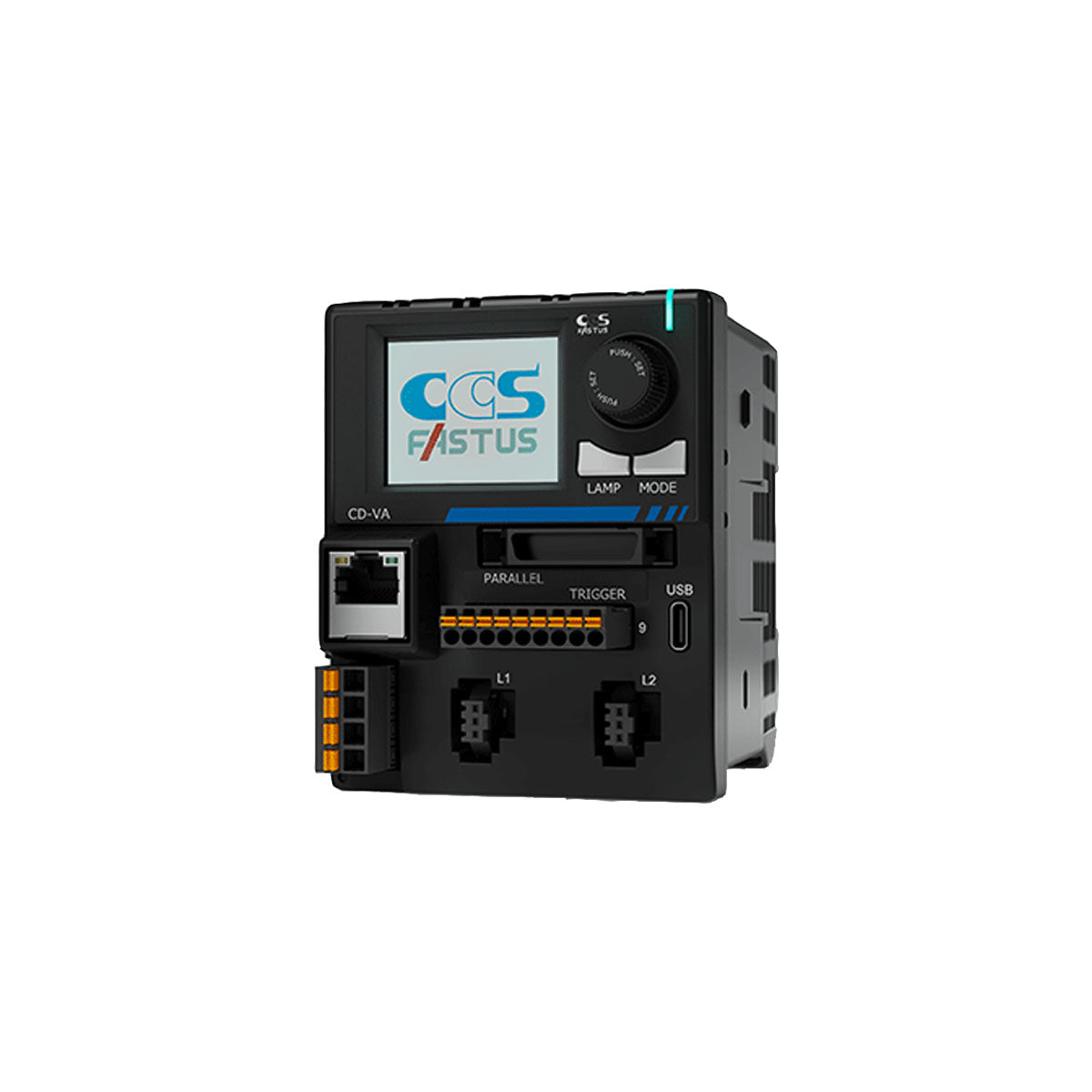
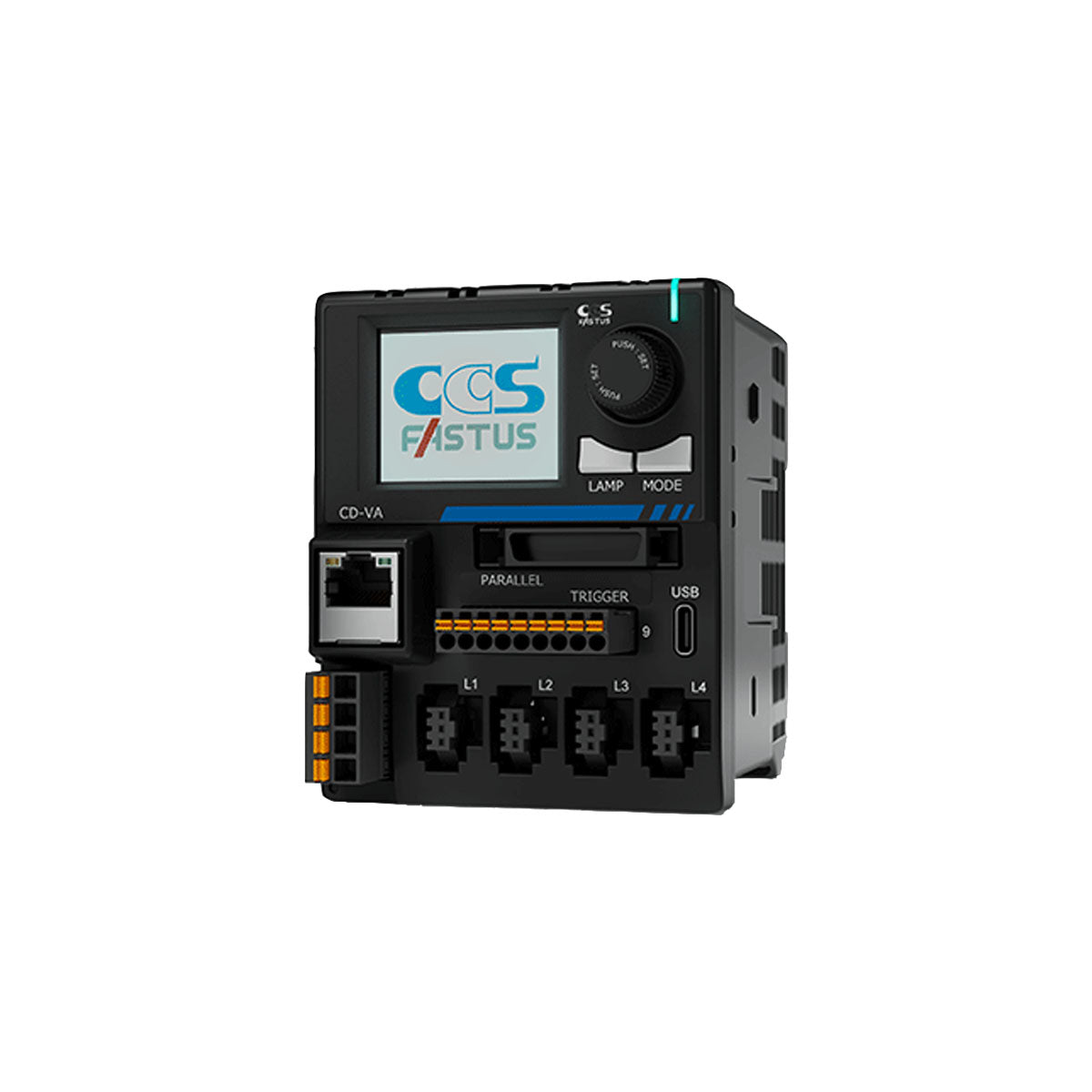
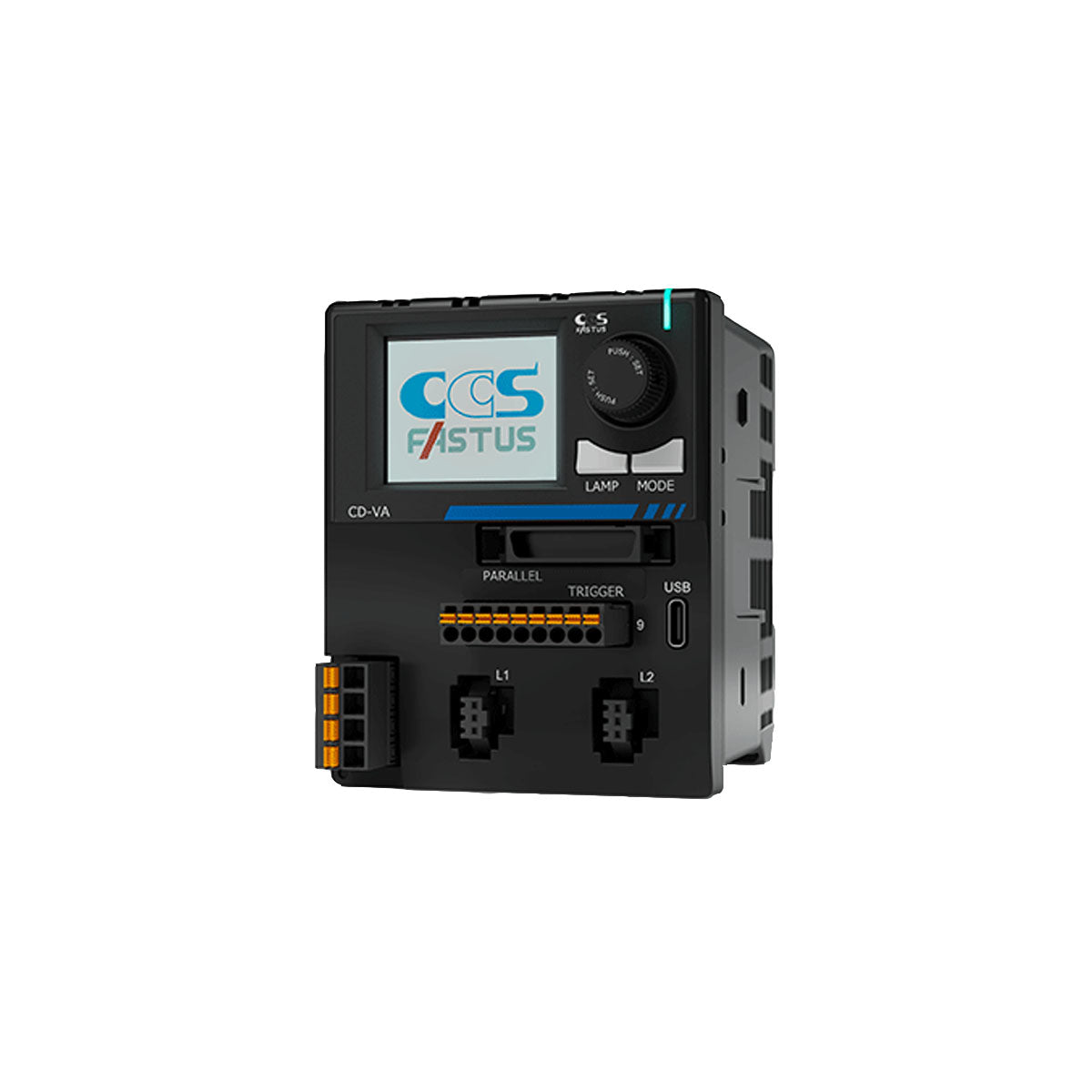
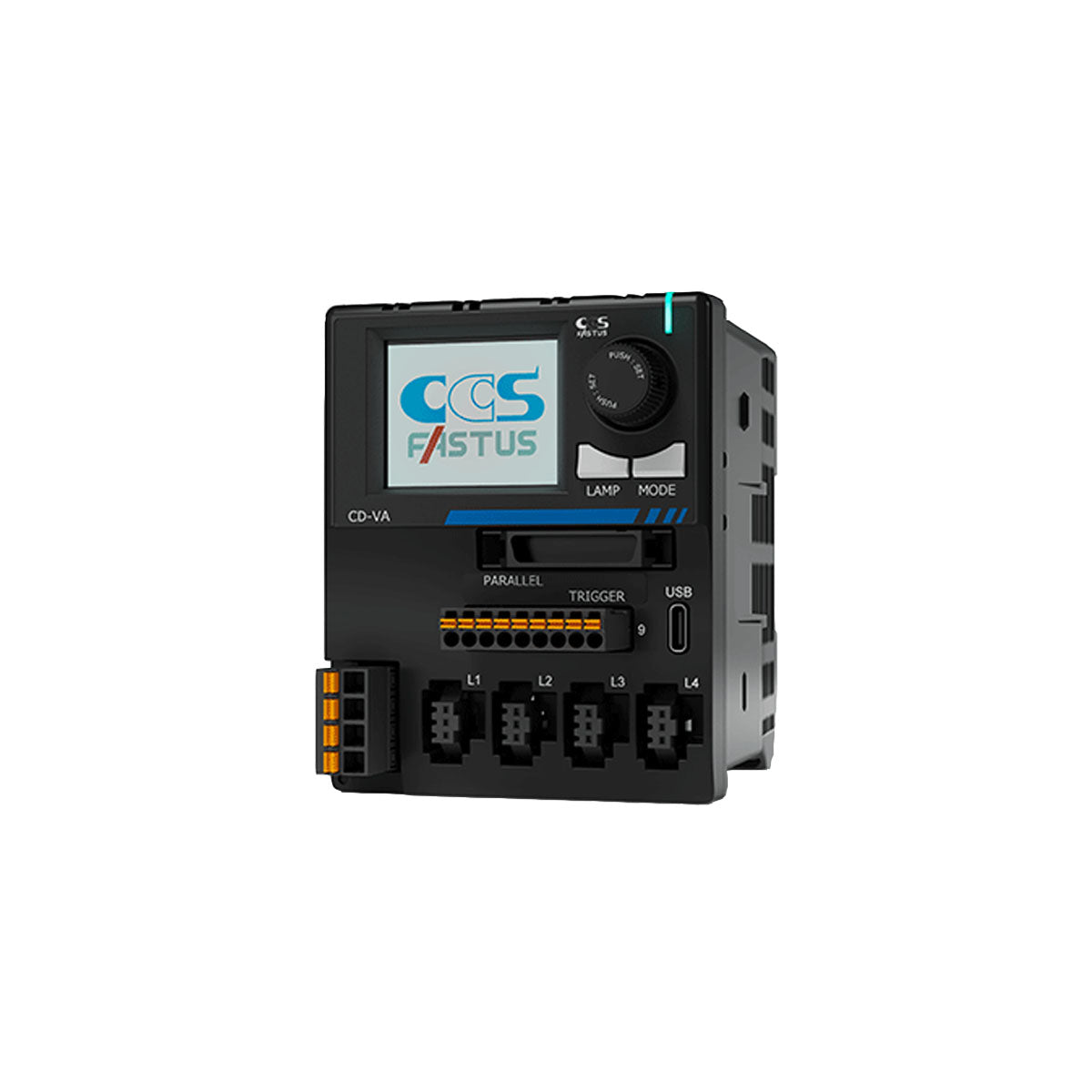
Advanced lighting controllers allow precise adjustment of intensity, timing and duration. This level of control ensures that systems use only the necessary amount of light for each inspection task.
Key capabilities include:
- Dimming to match application requirements
- Trigger-based illumination for synchronized imaging
- Programmable lighting profiles for different products
- Feedback systems to maintain consistent output
Smart control not only reduces energy waste but also improves repeatability and inspection reliability.
Optimizing Illumination Geometry
Energy efficiency is not just about the light source – it’s also about how the light is used. Proper illumination geometry ensures that light is directed efficiently onto the target area without unnecessary spill or loss.
Strategies include:
- Using focused lighting to minimize wasted
- Selecting the correct angle to enhance contrast naturally
- Matching wavelength to the material for better visibility
- Avoiding over-lighting, which wastes energy and can degrade image quality
A targeted approach often allows for lower intensity settings while achieving better results.
Reducing Heat for System Longevity
Excess heat is a common byproduct of inefficient lighting. It can negatively impact cameras, lenses and other system components, leading to reduced performance and shorter lifespans.
Energy-efficient lighting solutions help:
- Maintain stable operating temperatures
- Reduce the need for additional cooling systems
- Improve long-term system reliability
Less heat means fewer failures, less downtime and lower overall operating costs.
Sustainable Vision Systems in Practice
Implementing energy-efficient lighting is a practical step toward more sustainable manufacturing operations. Whether upgrading existing systems or designing new ones, focusing on lighting efficiency can deliver immediate and long-term benefits.
Manufacturers that prioritize sustainable vision system design can expect:
- Lower energy bills
- Reduced environmental impact
- Improved system performance and uptime
- Stronger alignment with corporate sustainability goals
Lighting is often overlooked when discussing sustainability in machine vision, but it offers one of the greatest opportunities for reducing energy waste. By leveraging efficient LED technology, strobe techniques and intelligent control systems, manufacturers can build vision solutions that are both powerful and environmentally responsible.
In a world where efficiency and sustainability go hand in hand, smarter lighting isn’t just an upgrade – it’s a necessity.