
 Find-R-Scopes
 Filters
 Lenses
 Cameras
 Lighting

 Accessories












In today’s automated environments, robots are expected to do more than just repeat motions – they must see, interpret and react in real time. Whether it’s high-speed pick-and-place or complex bin picking, machine vision cameras are at the core of enabling robots to operate with precision, flexibility and intelligence.
Why Vision Matters in Robotics
Industrial robots without vision are limited to pre-programmed movements in controlled environments. But modern manufacturing demands adaptability – handling variations in part size, orientation and position.
Machine vision systems give robots the ability to:
- Detect and locate objects accurately
- Adjust positioning dynamically
- Verify part presence and orientation
- Improve repeatability and reduce errors
This transforms robots from rigid tools into adaptive systems capable of real-world variability.
Pick-and-Place: Speed Meets Precision
Pick-and-place applications rely heavily on speed – but without accurate vision, speed can quickly lead to mistakes.
High-performance industrial cameras enable:
- Fast image acquisition to keep up with production lines
- Precise object detection even on moving conveyors
- Accurate coordinate mapping for robotic arms
By combining high frame rates with low latency, vision systems ensure robots can identify and grab parts at exactly the right moment, reducing mispicks and downtime.
Bin Picking: Solving Complex, Randomized Environments
Bin picking is one of the most challenging robotic tasks. Parts are often piled randomly, overlapping and oriented unpredictably.
Advanced camera technologies make this possible by providing:
- High-resolution imaging to distinguish fine features
- 3D vision or depth sensing to understand object position in space
- Enhanced contrast and sensitivity for difficult materials or lighting conditions
These capabilities allow robots to identify viable pick points and avoid collisions – turning previously manual tasks into fully automated processes.
Key Camera Features for Robotic Vision
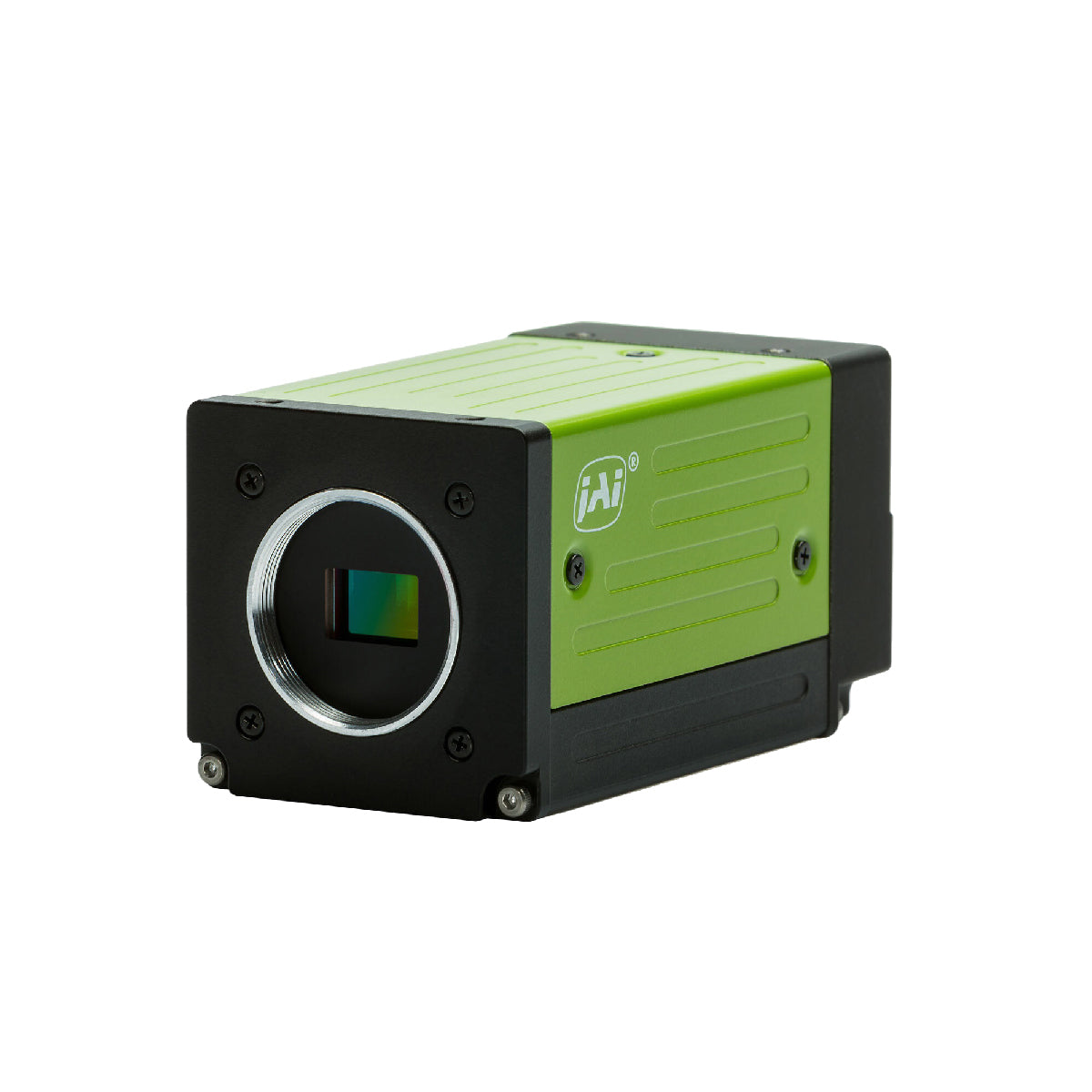
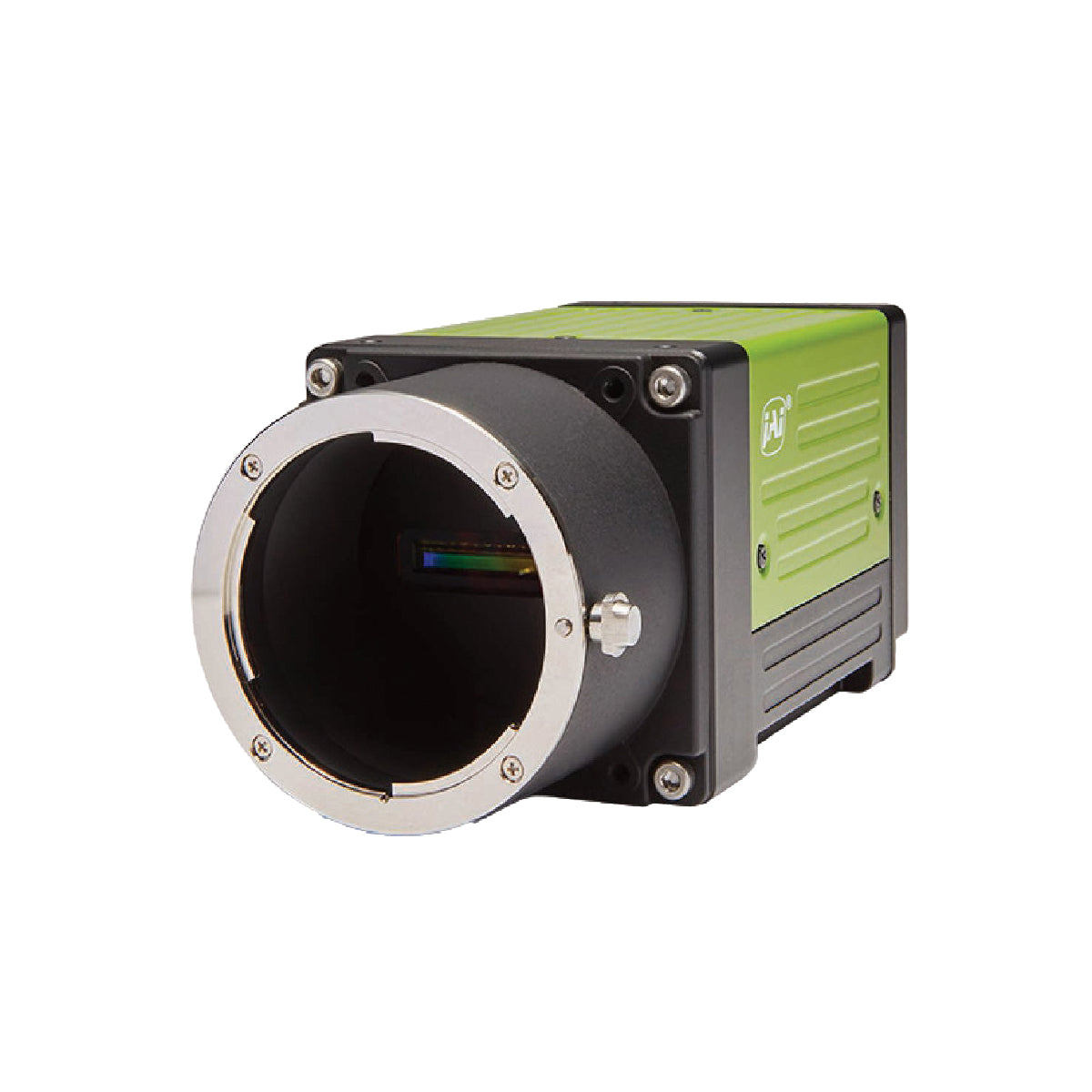
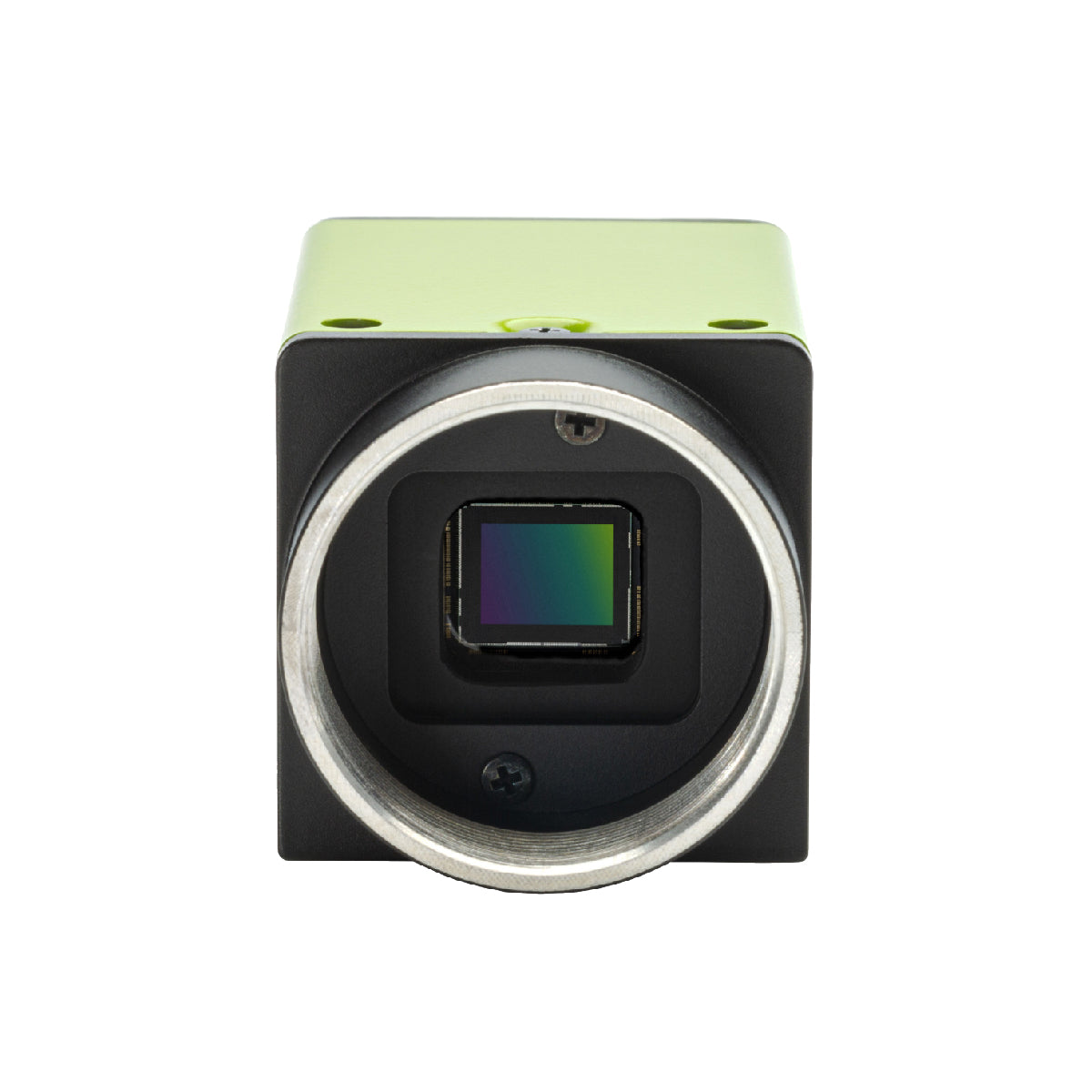
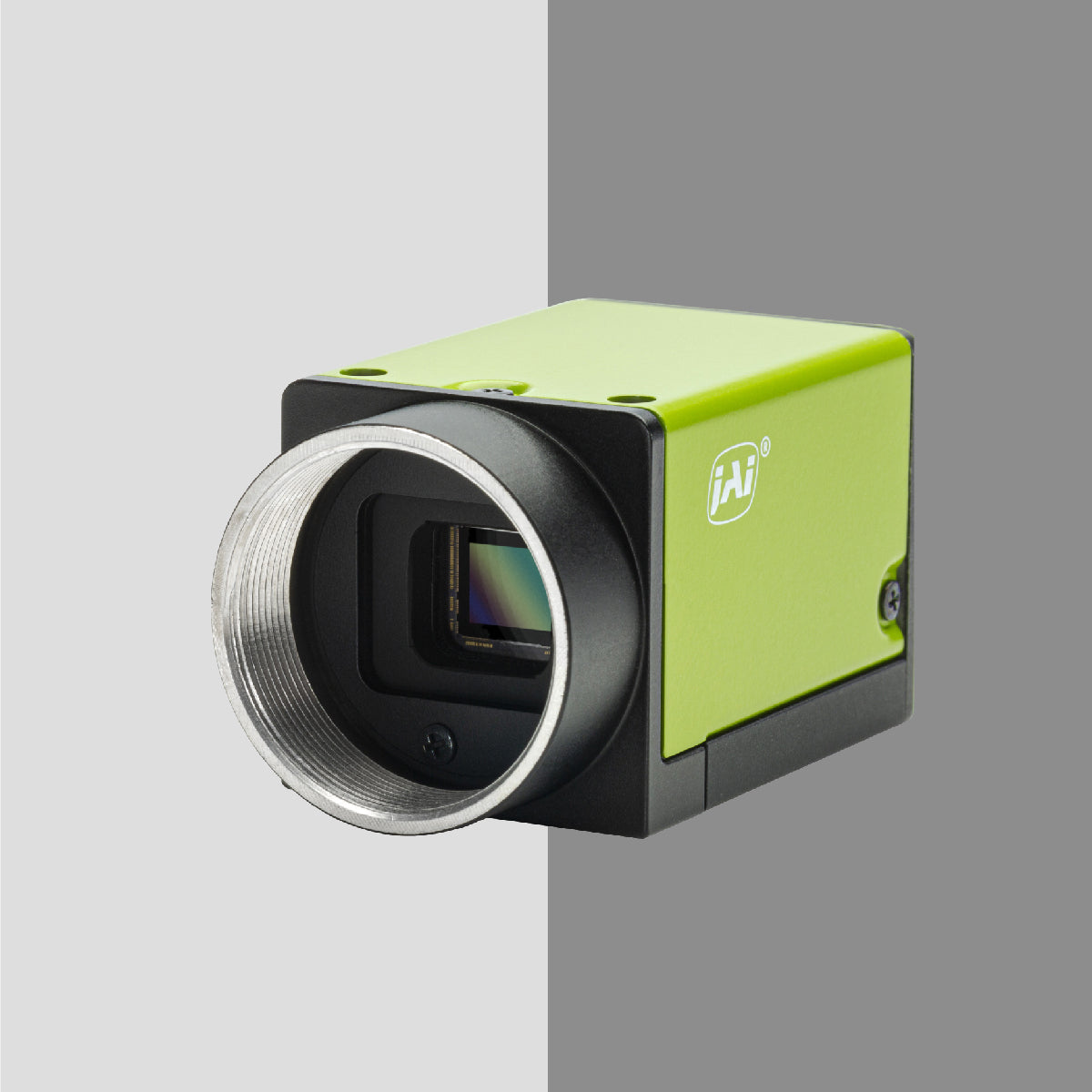
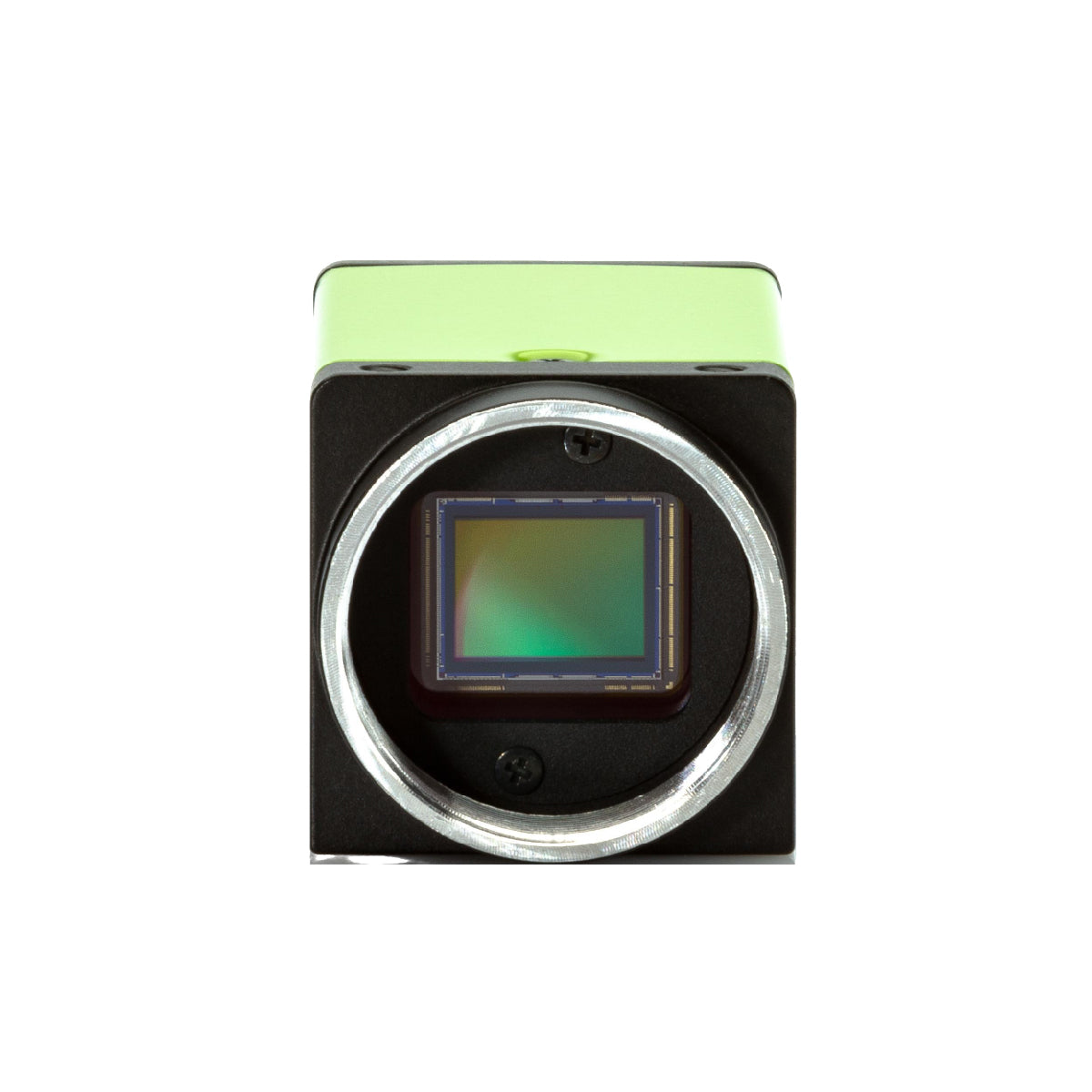
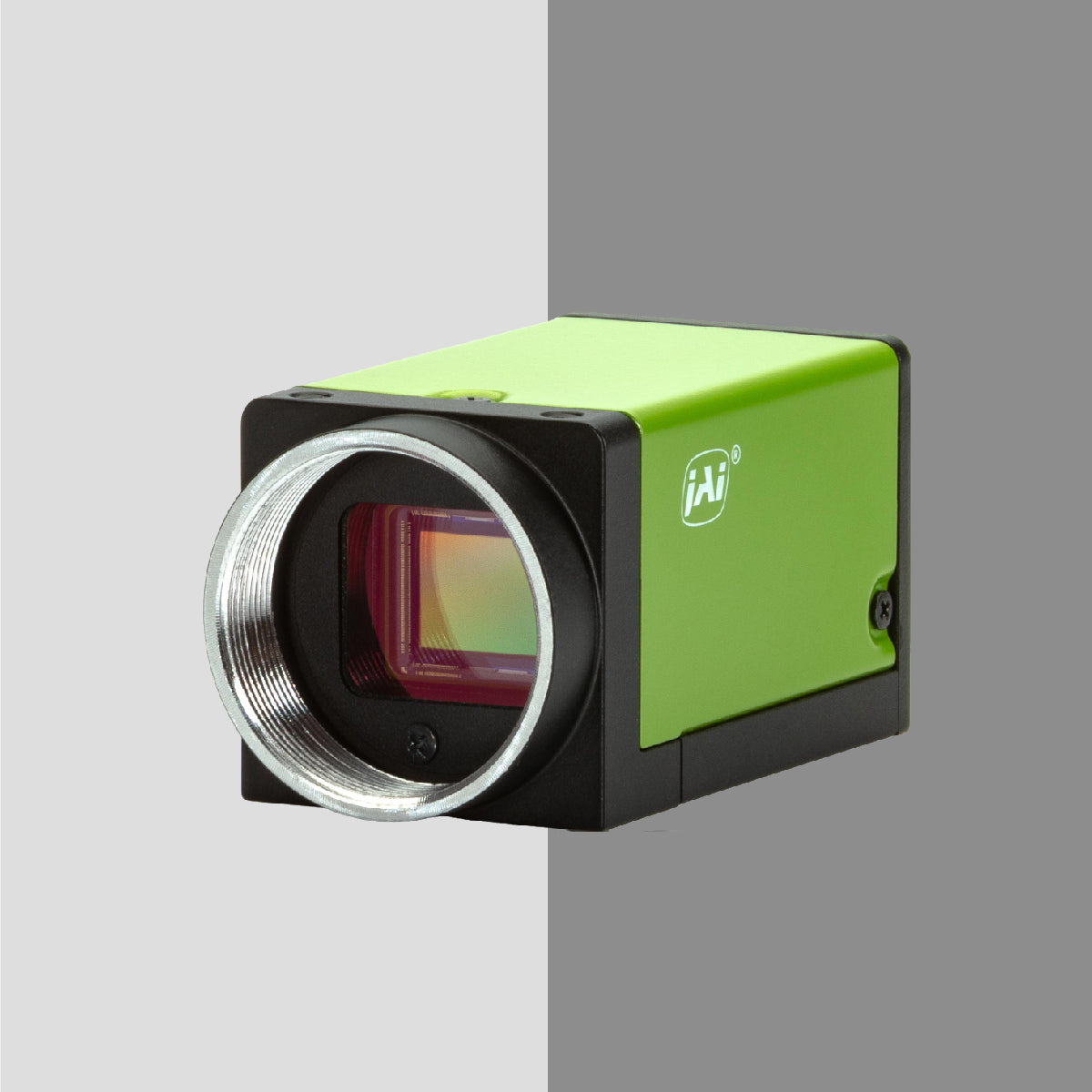
Not all cameras are created equal. For robotics applications, selecting the right camera is critical to achieving reliable performance.
1. High Frame Rates
Essential for capturing fast-moving objects without motion blur, especially in pick-and-place systems.
2. Global Shutter Sensors
Prevent distortion when imaging moving parts, ensuring accurate positioning data.
3. High Resolution
Supports detection of small or complex features, particularly in bin picking or precision assembly.
4. Low Latency & Fast Data Transfer
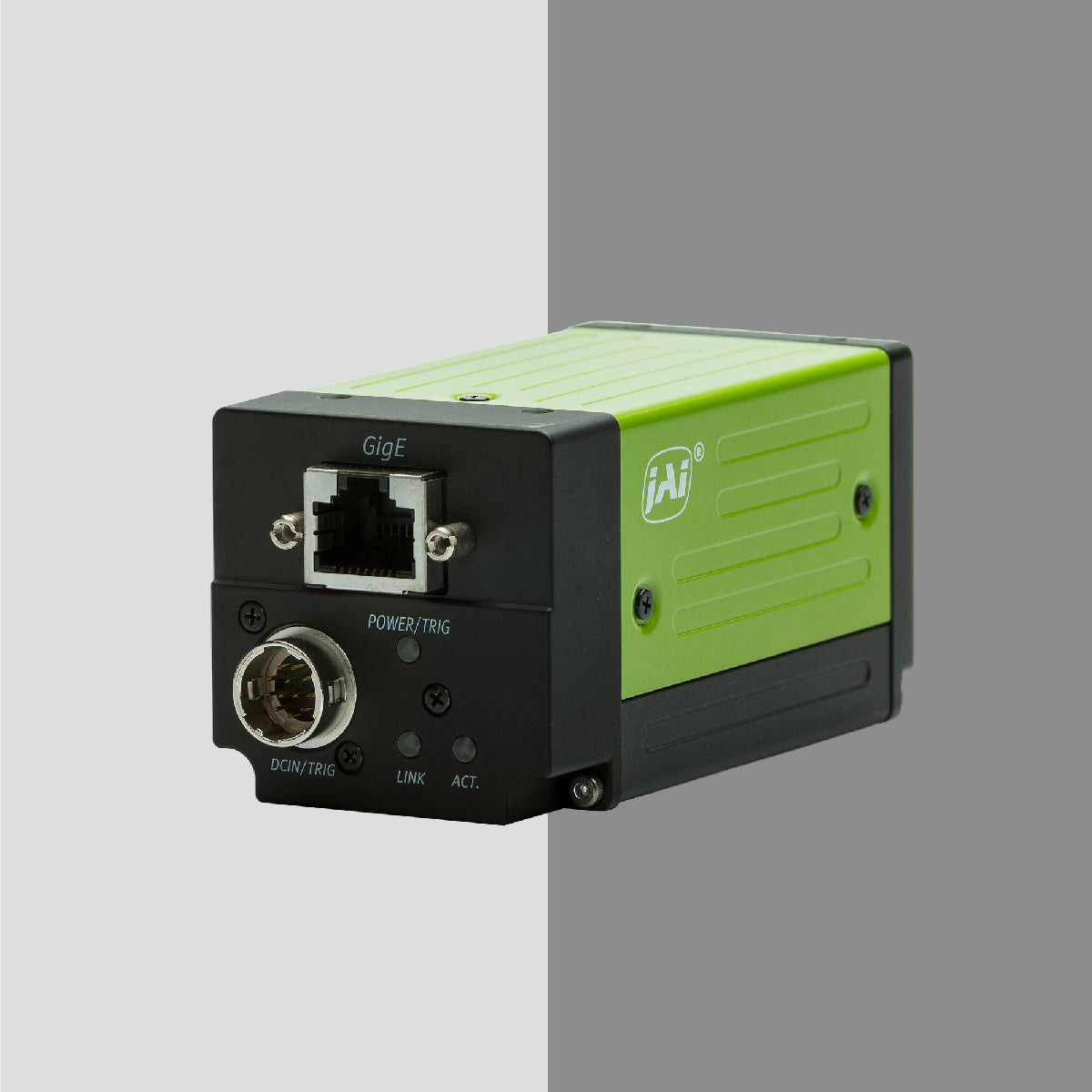
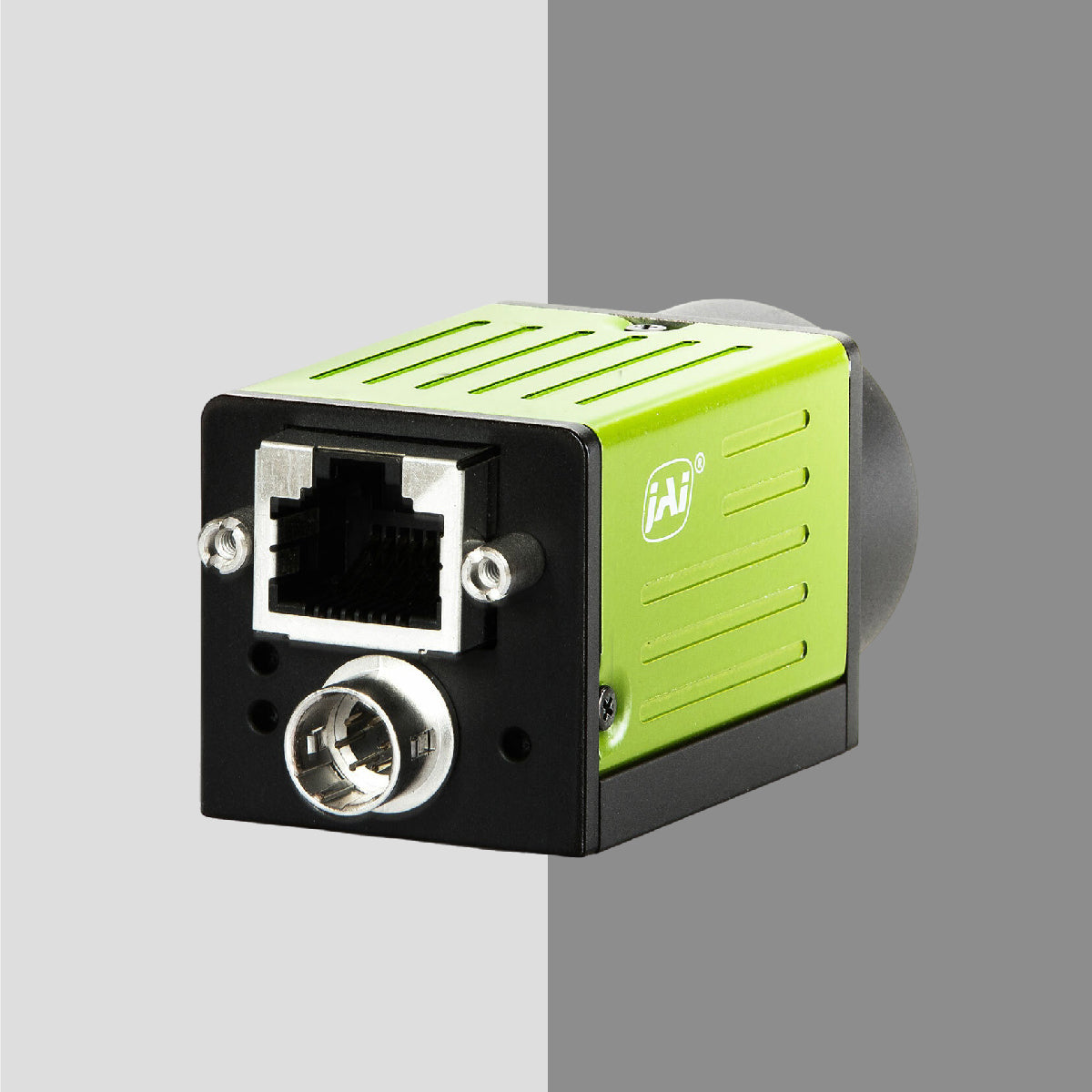
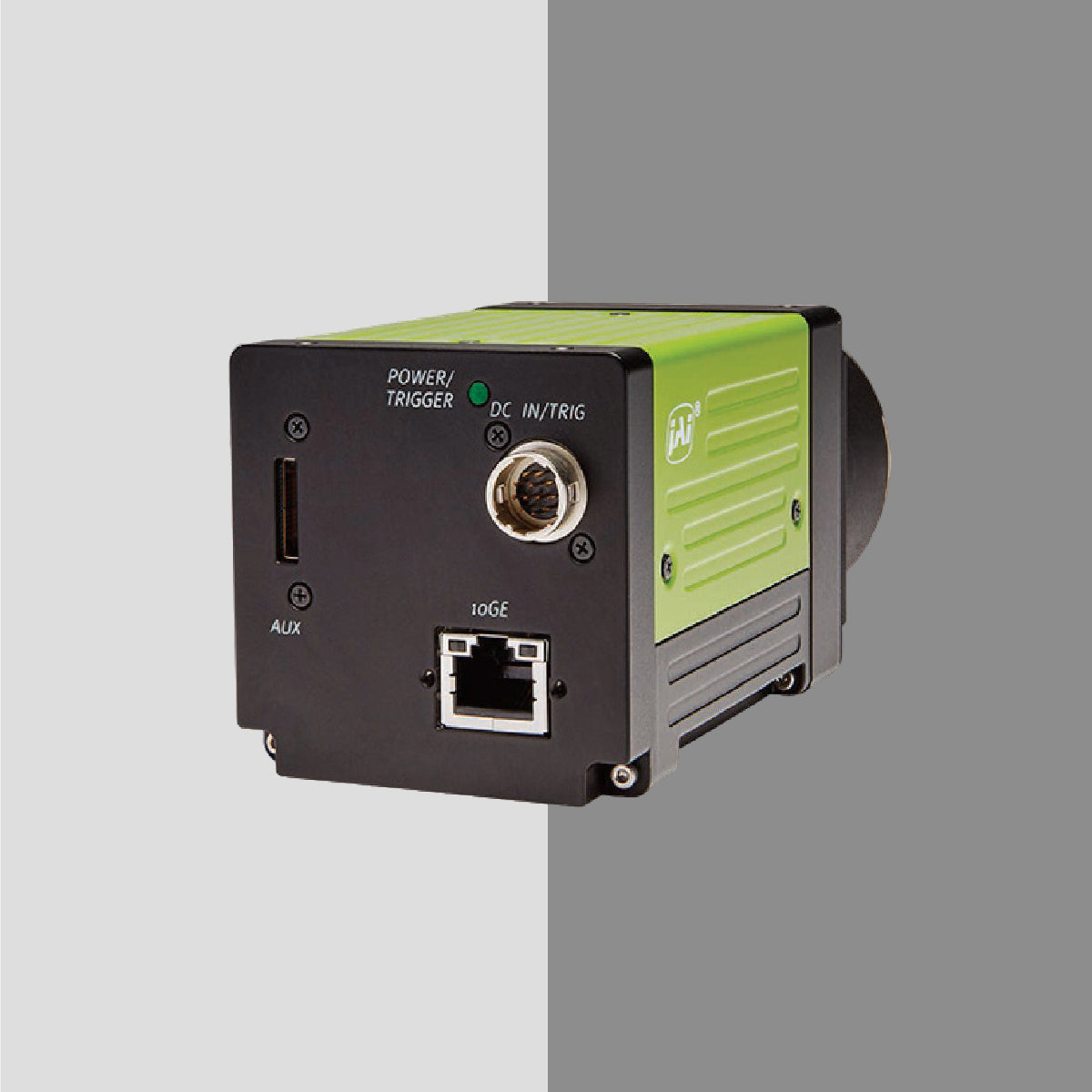
Interfaces like GigE Vision, USB3 or CoaXPress allow rapid communication between the camera and processing system.
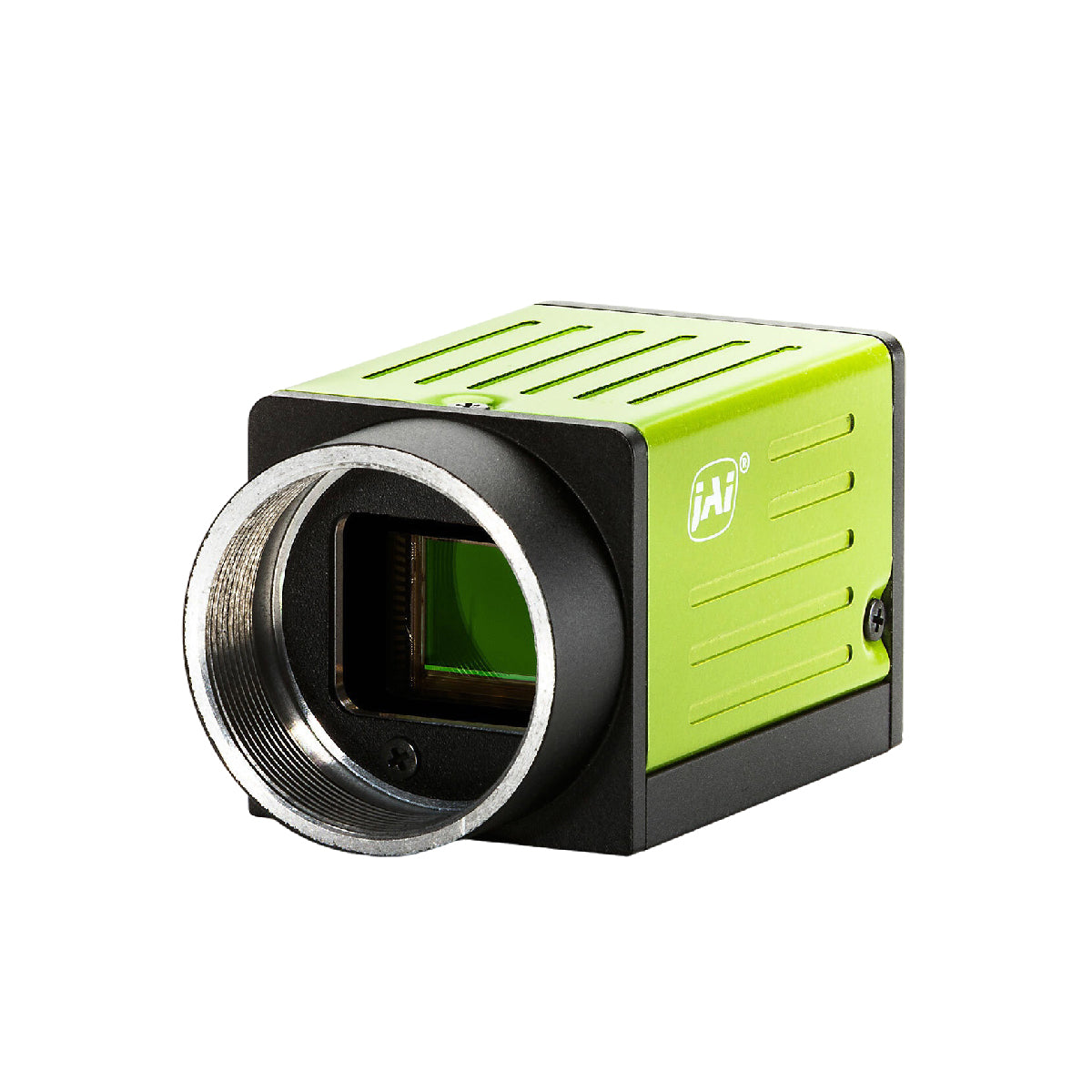
5. Compact, Rugged Design
Cameras must integrate easily into robotic cells and withstand industrial environments.
Lighting + Optics: Completing the Vision System
A camera alone doesn’t guarantee performance. Pairing it with the right optics and lighting is essential for consistent results.
- Controlled lighting reduces shadows and highlights key features
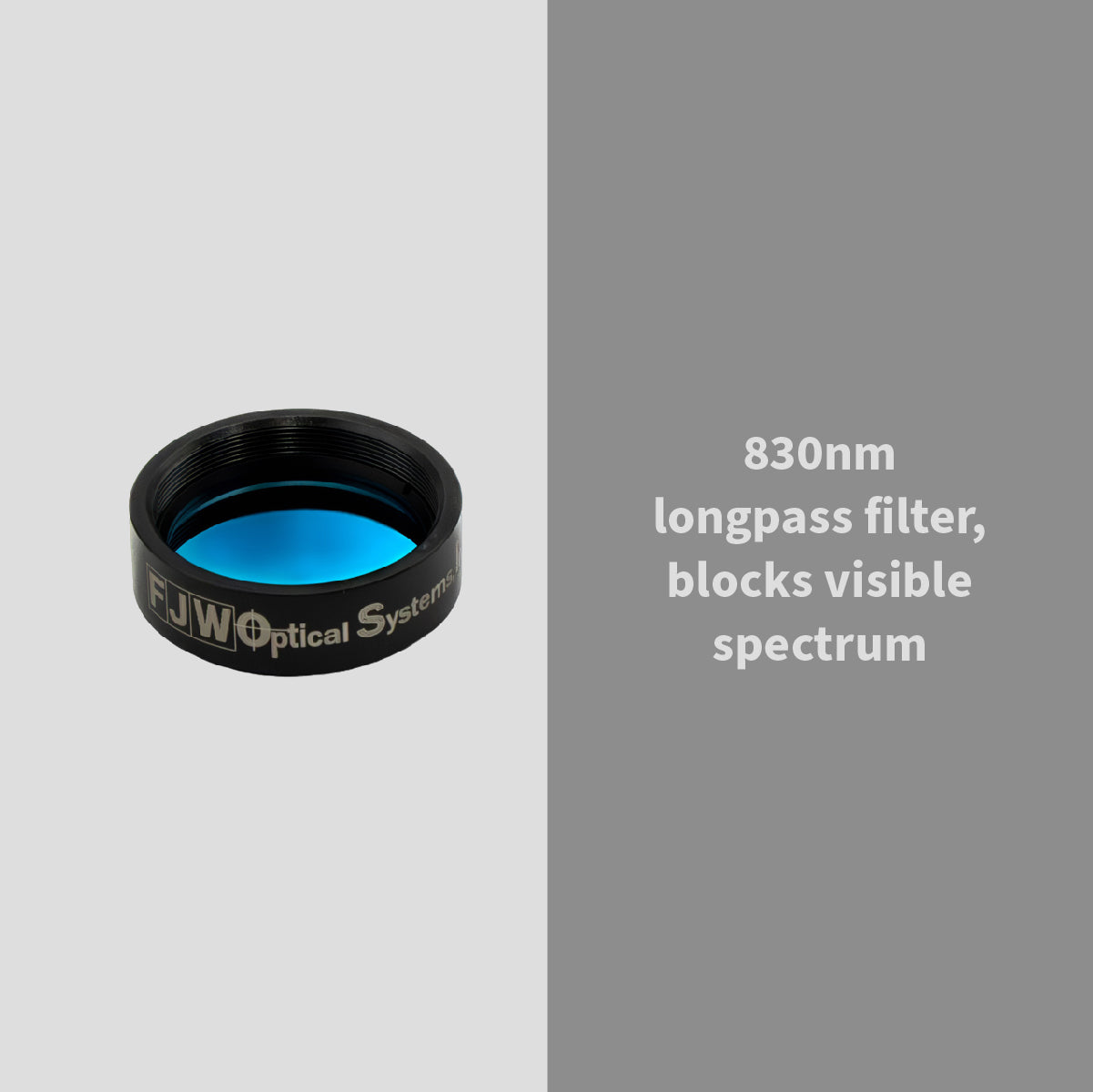
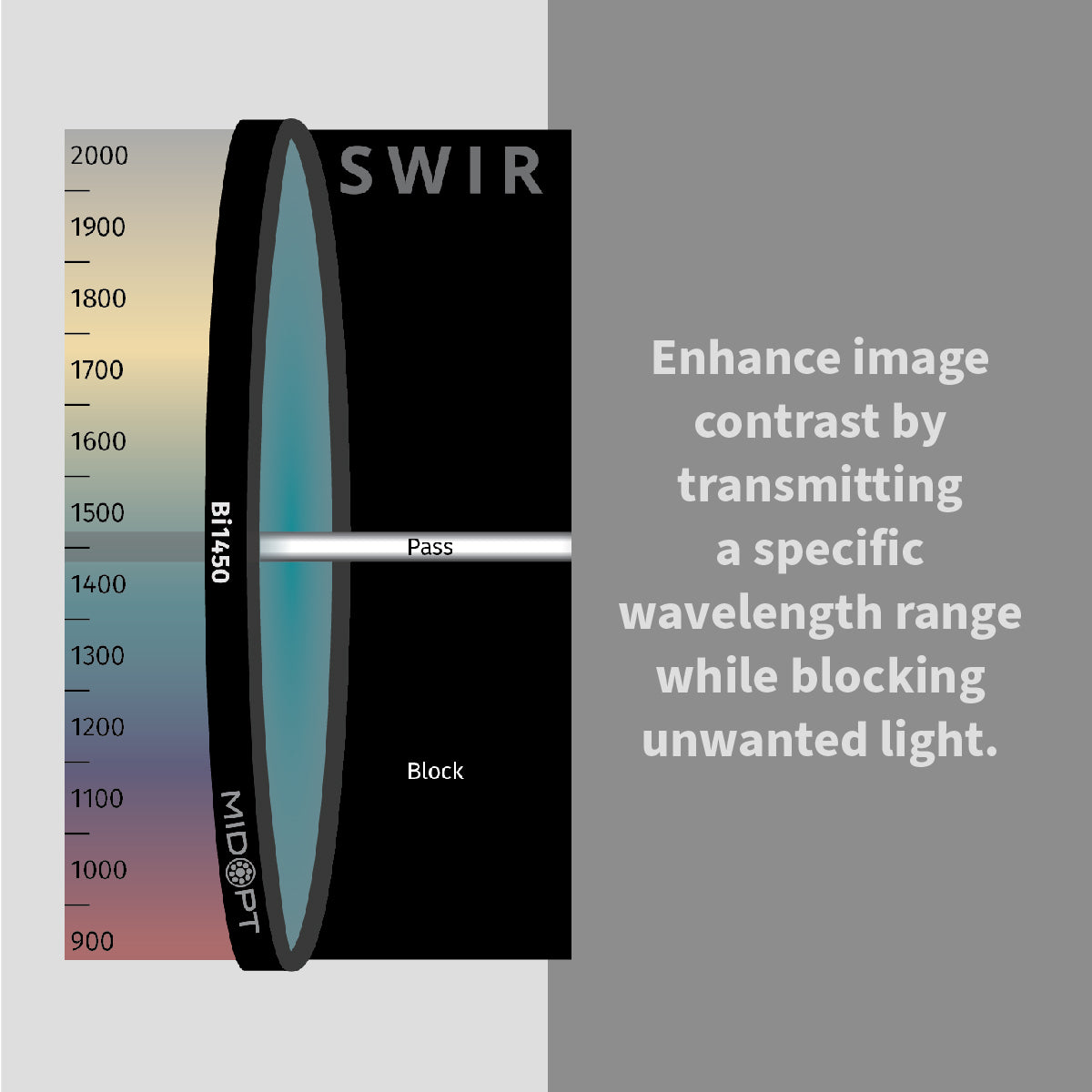
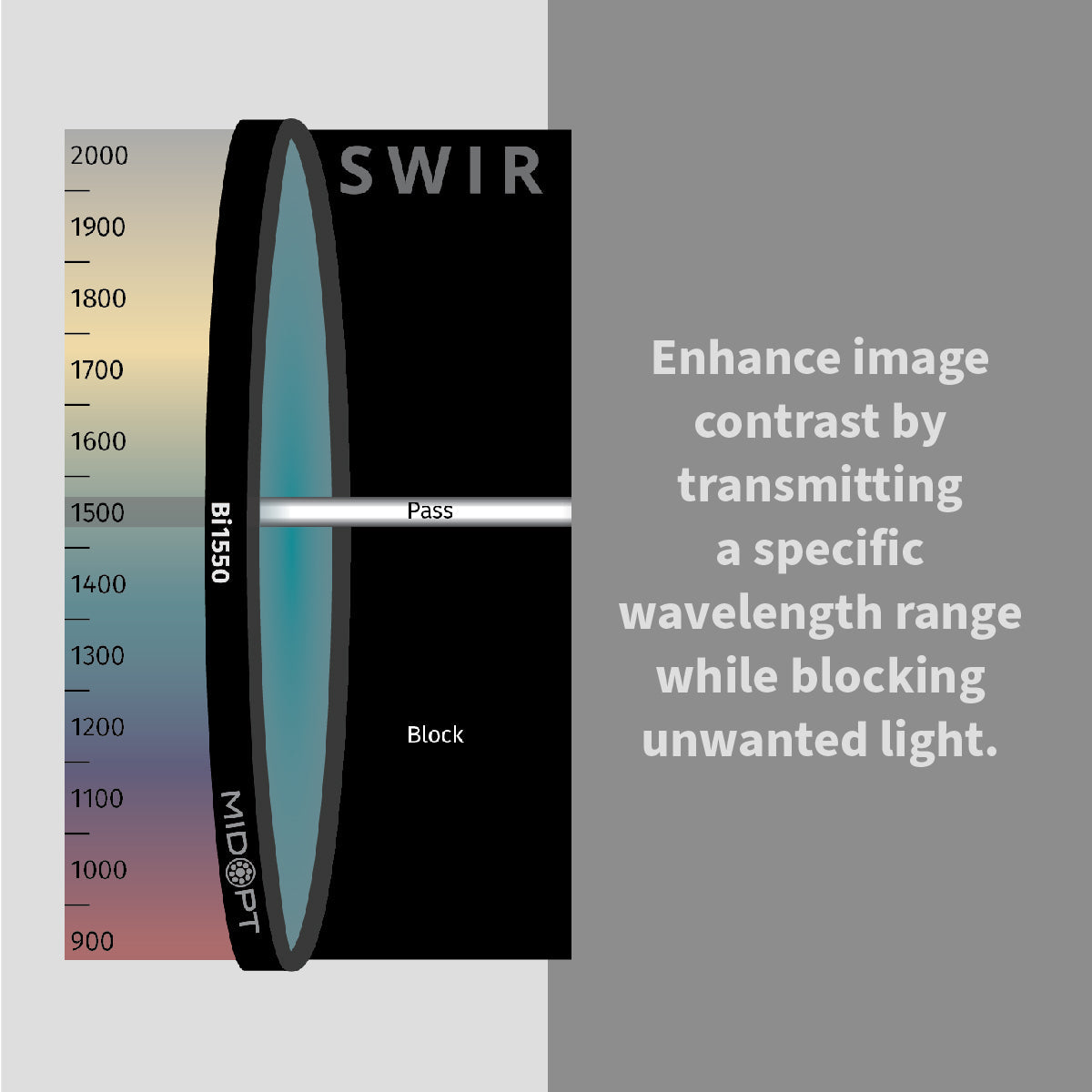
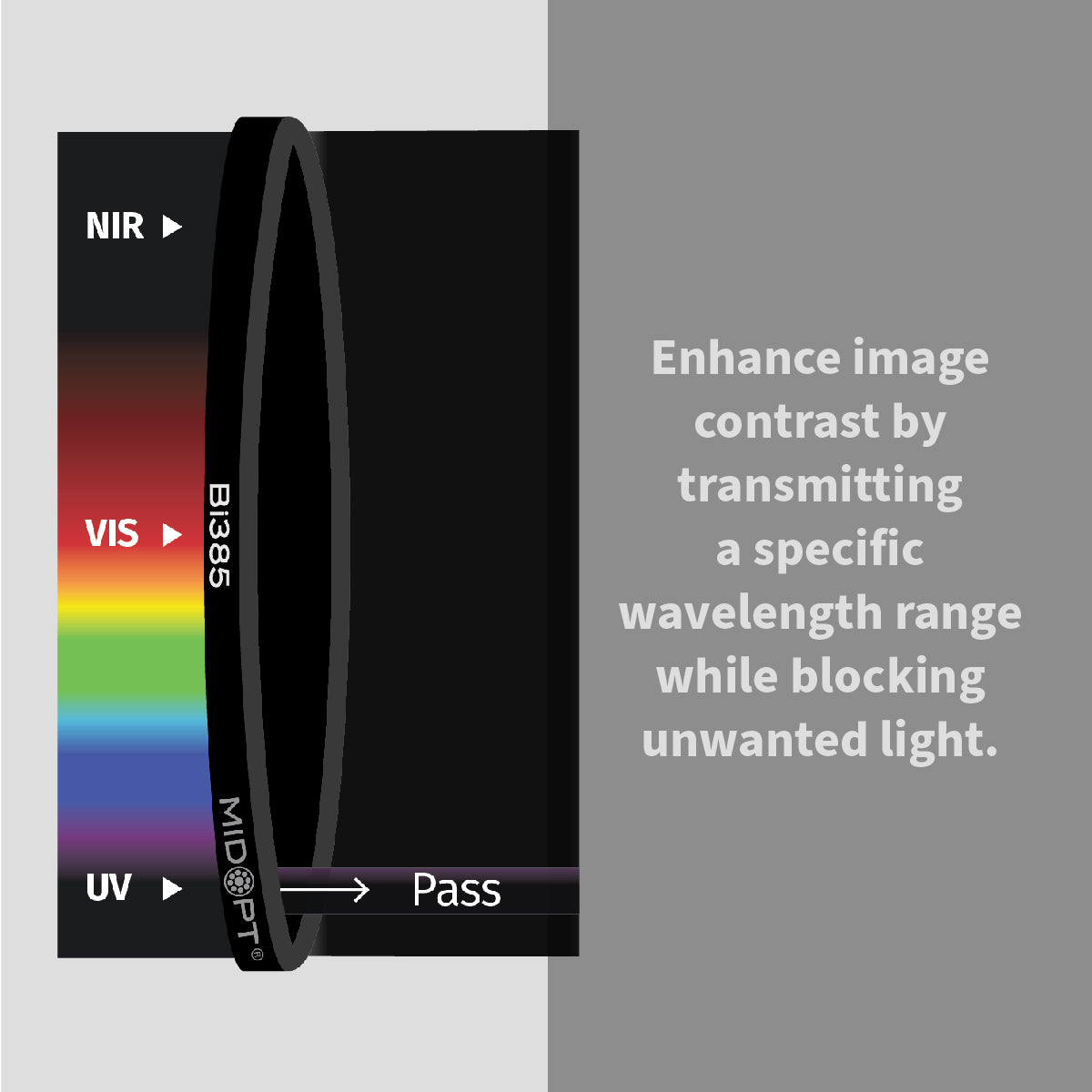
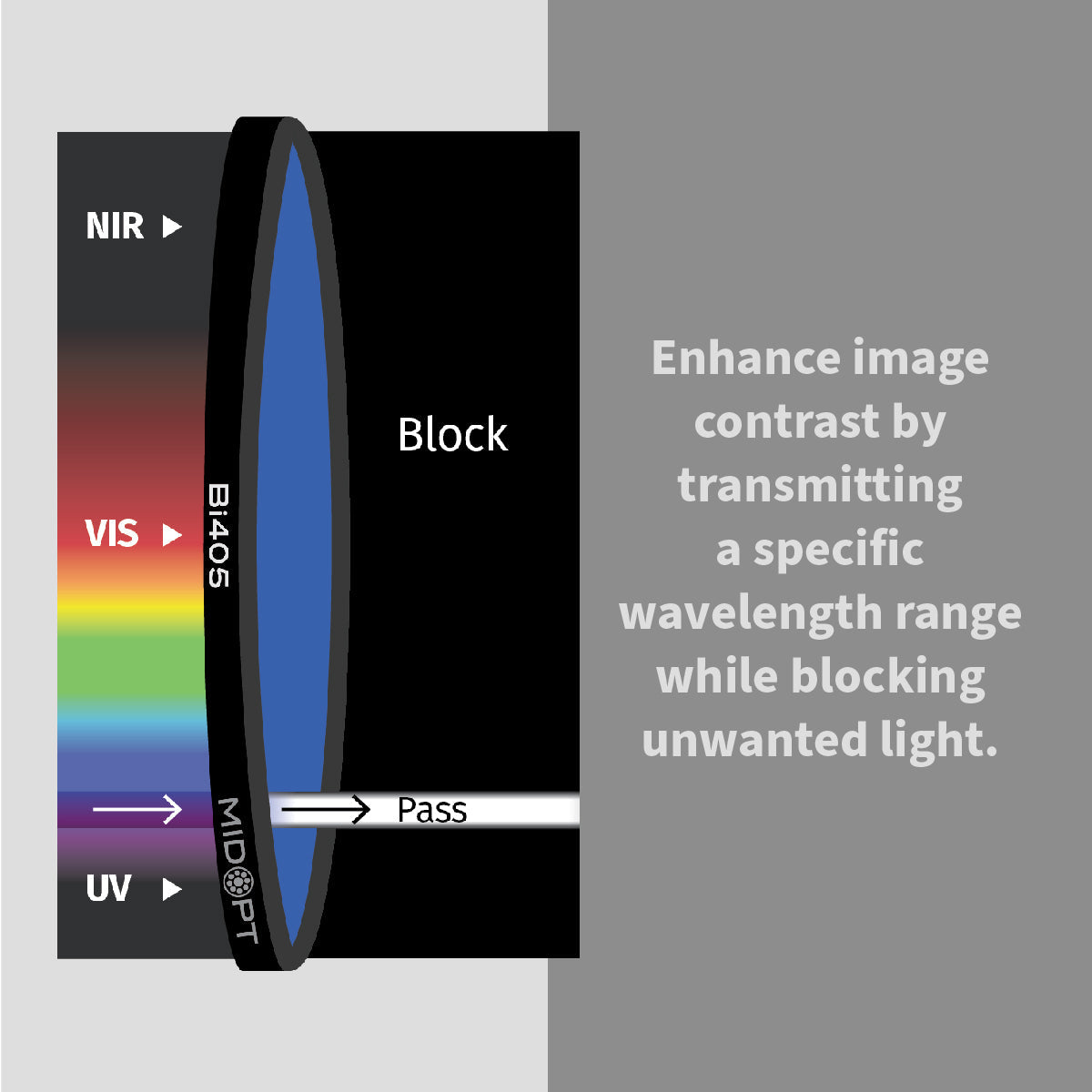
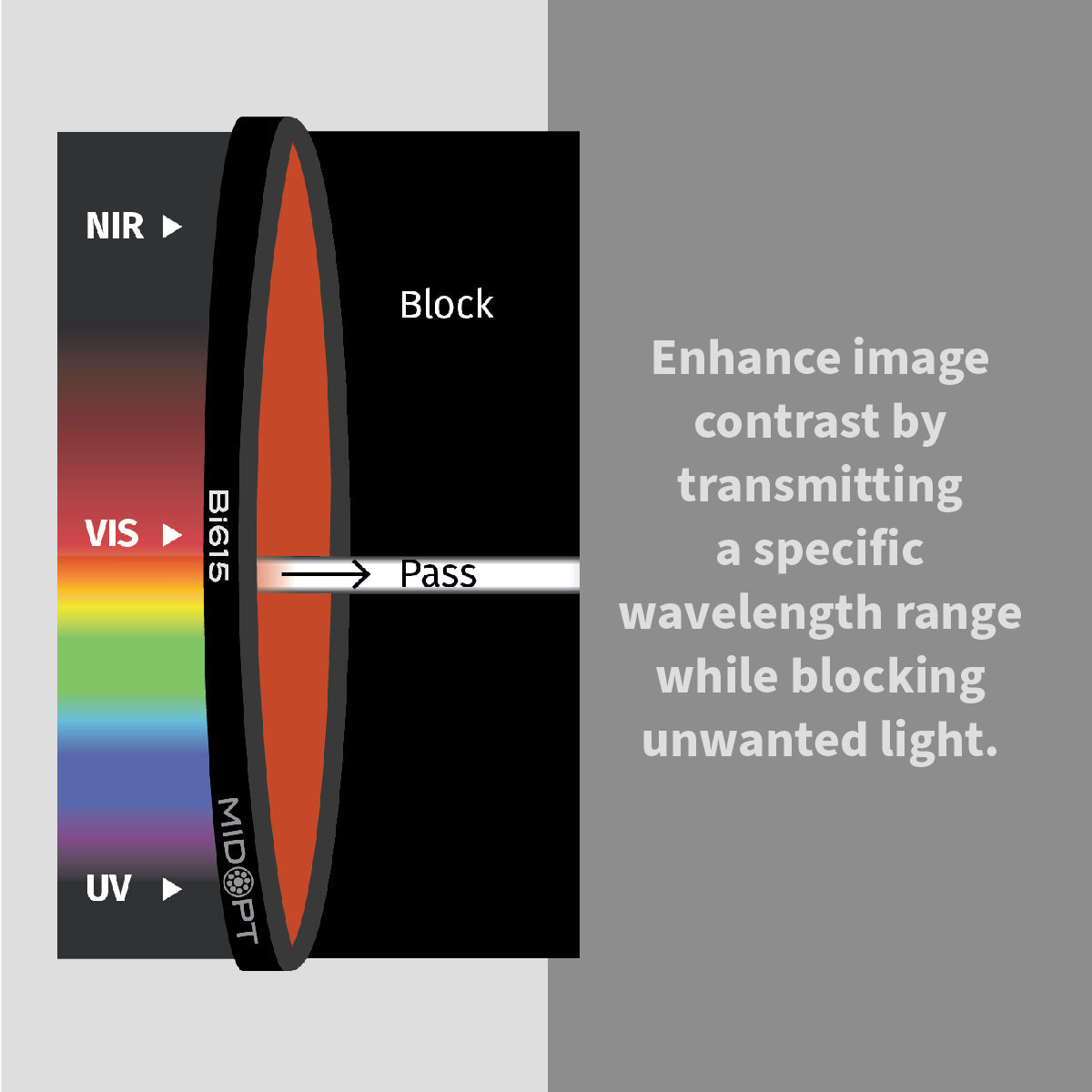
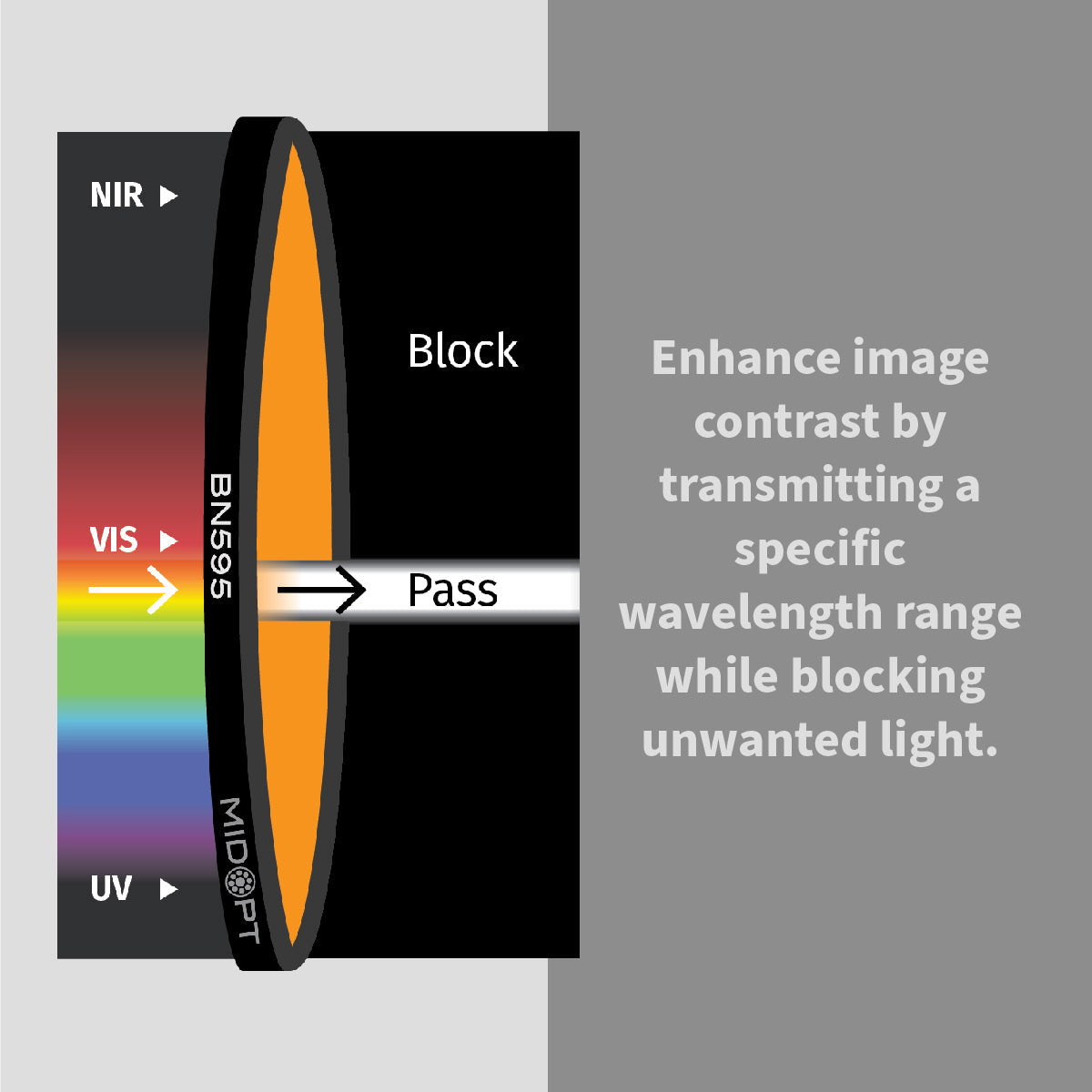
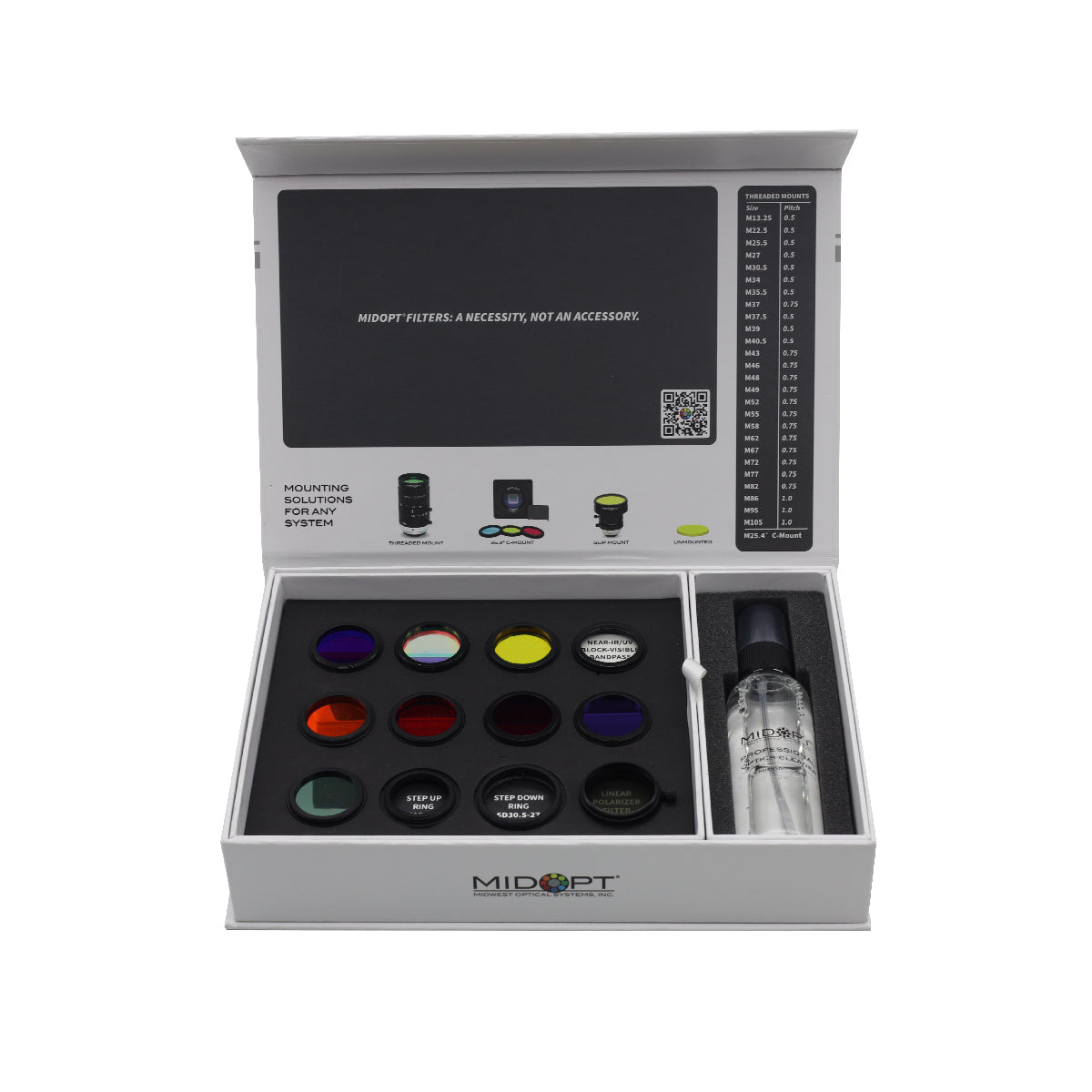
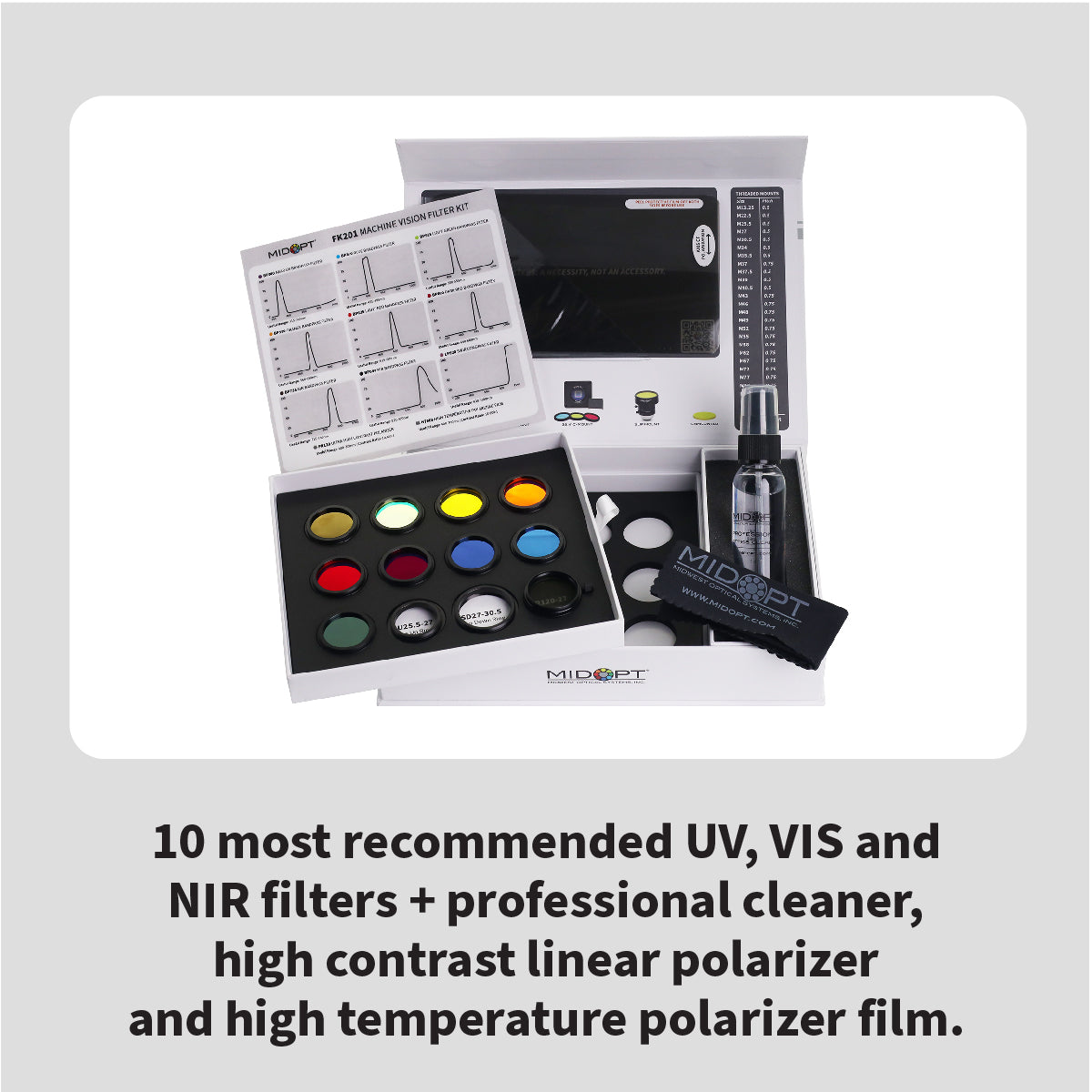
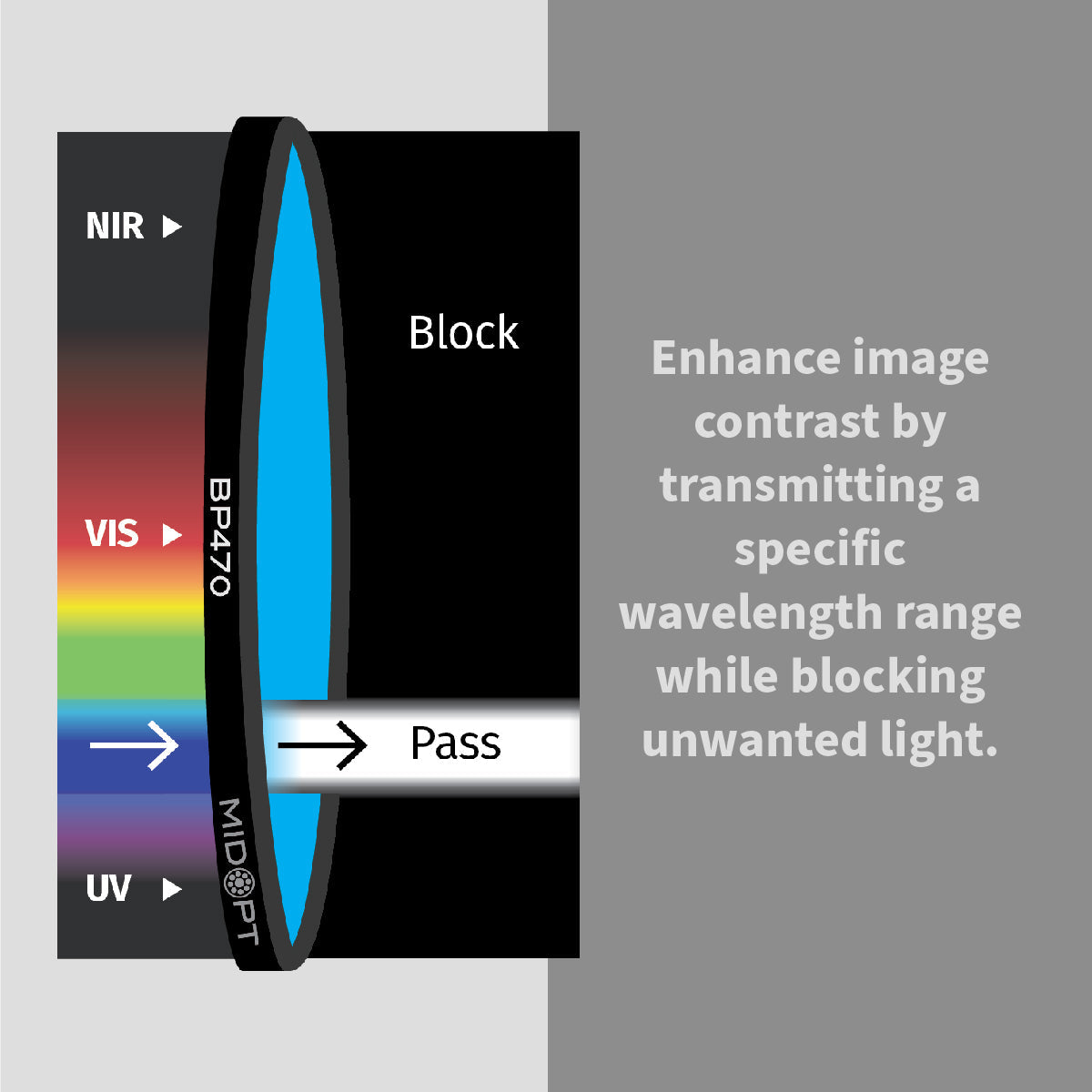
- Optical filters improve contrast and eliminate unwanted wavelengths
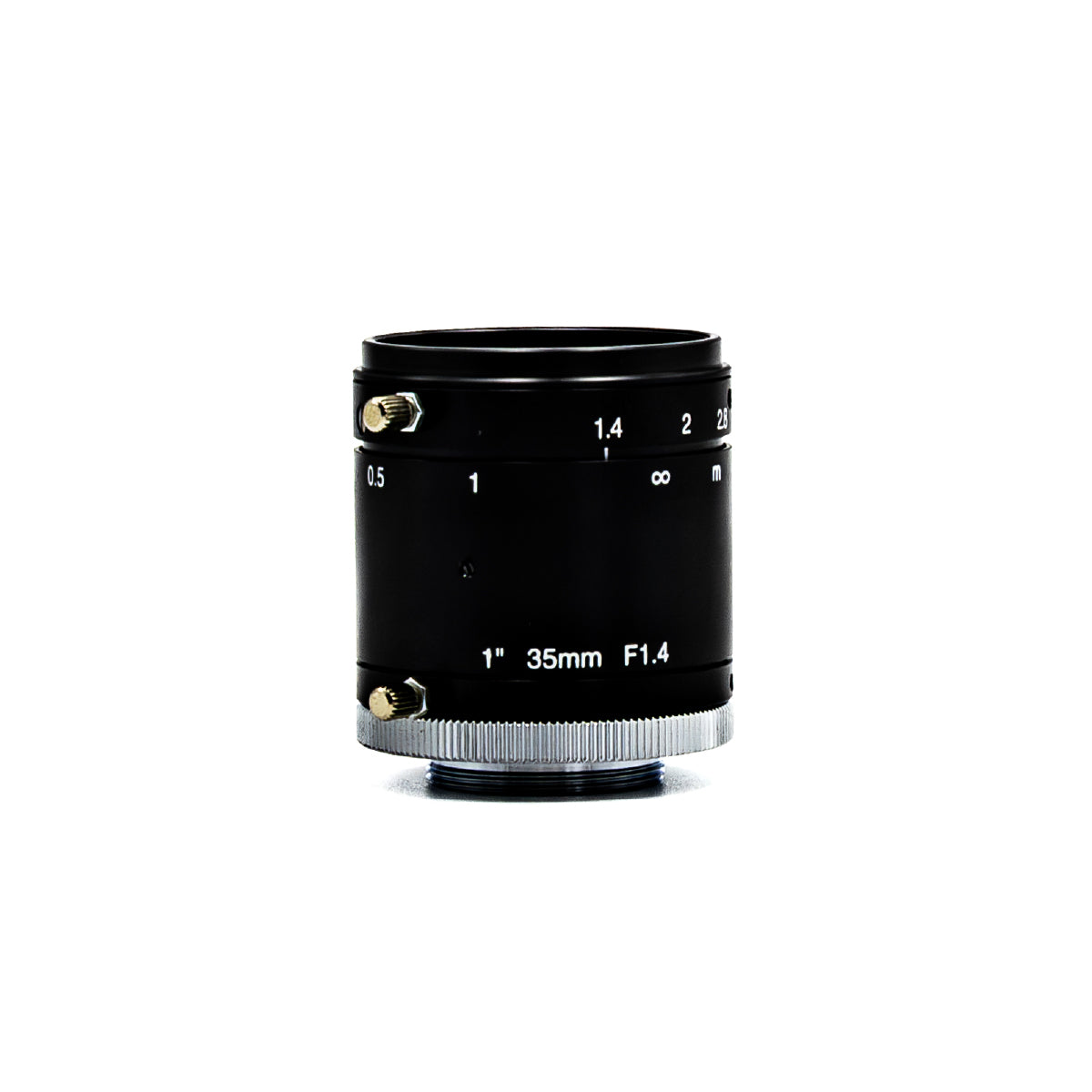
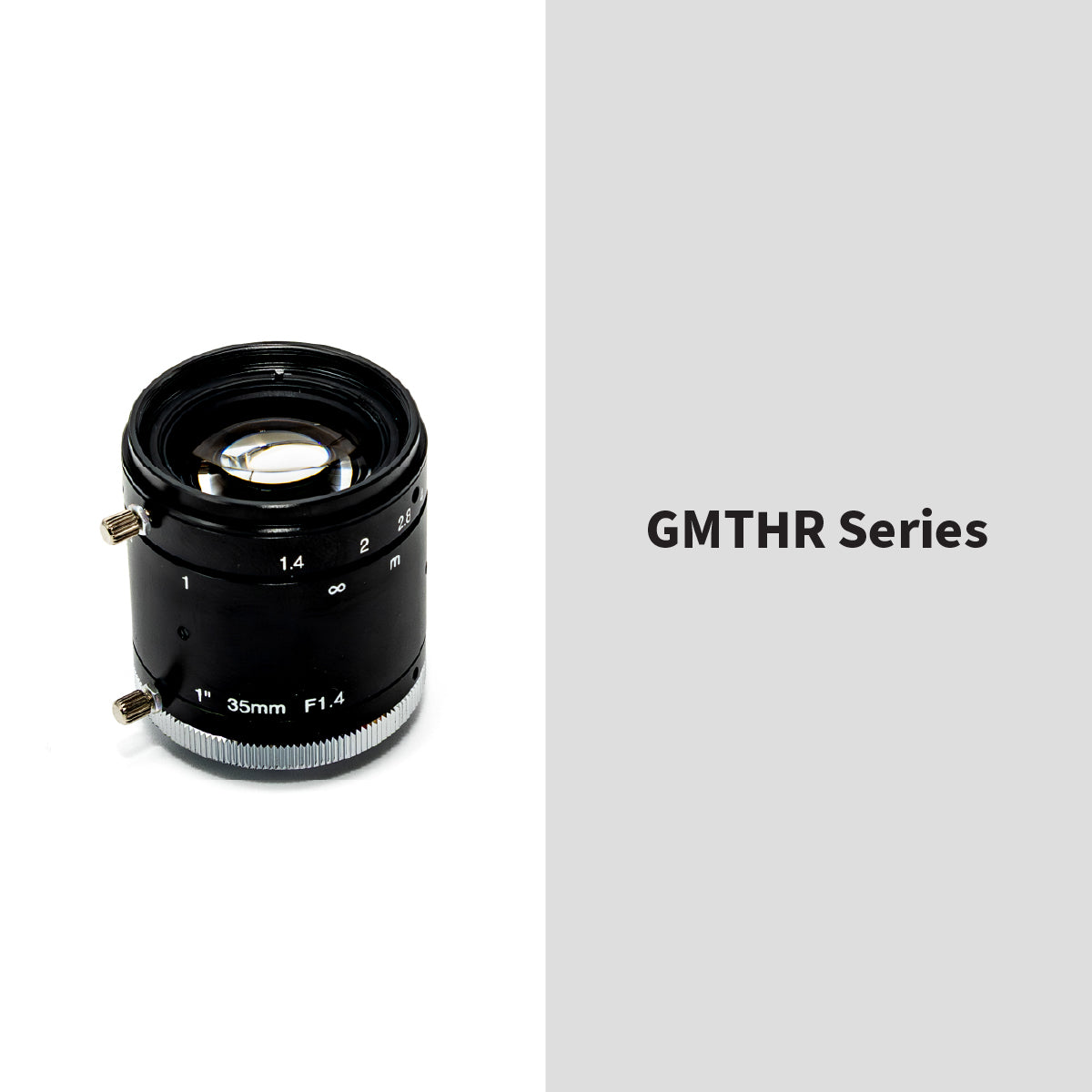
- High-quality lenses ensure sharp, distortion-free imaging
Together, these components create a stable imaging environment that allows vision algorithms to perform reliably.
The Impact: Smarter, More Efficient Automation
By integrating advanced vision cameras, robotic systems achieve:
- Higher throughput with fewer errors
- Reduced reliance on manual labor
- Greater flexibility across product variations
- Improved quality control and traceability
As automation continues to evolve, vision-enabled robotics will play an even greater role in driving efficiency and innovation across industries – from electronics and automotive to logistics and food processing.
Industrial cameras are more than just sensors – they are the eyes that unlock true robotic intelligence. In applications like pick-and-place and bin picking, the right vision system makes the difference between basic automation and a highly adaptive, high-performance operation.