
 Find-R-Scopes
 Filters
 Lenses
 Cameras
 Lighting


 Accessories










In machine vision applications, accuracy is everything. Even small optical errors can lead to failed inspections, incorrect measurements or reduced system reliability. One of the most common optical challenges is lens distortion. Understanding what lens distortion is and how to minimize it is critical when designing precision vision systems for inspection, measurement and automation.
What Is Lens Distortion?
Lens distortion occurs when straight lines in the real world appear curved or displaced in the captured image. Unlike focus or blur, distortion does not reduce image sharpness. It changes the geometric accuracy of the image. In machine vision, distortion can directly affect:
- Dimensional measurements
- Edge detection
- Pattern matching
- Alignment and calibration accuracy
Even a small amount of distortion can introduce unacceptable error in high-precision applications.
Common Types of Lens Distortion
Barrel Distortion
Straight lines bow outward from the center of the image. Typically seen in: wide-angle lenses and short focal length optics. Objects near the edges appear stretched, affecting measurement consistency across the field of view.
Pincushion Distortion
Straight lines curve inward toward the center. Typically seen in: long focal length lenses and certain zoom lens designs. Edges compress inward, which can distort spacing and position measurements.
Mustache (Complex) Distortion
A combination of barrel and pincushion distortion across the image. Difficult to fully correct and problematic for precision inspection.
Why Distortion Matters More in Machine Vision Than Photography
In photography, distortion is often acceptable or even stylistic. In machine vision, distortion introduces measurement error that software alone cannot always fix. Applications most affected include:
- Gauging and metrology
- PCB and electronics inspection
- Pick-and-place alignment
- Robotic guidance
- Multi-camera stitching systems
How to Minimize Lens Distortion in Machine Vision
Choose the Right Focal Length
Avoid using lenses at the extreme wide end unless necessary. Longer focal lengths generally reduce distortion but may require more working distance.
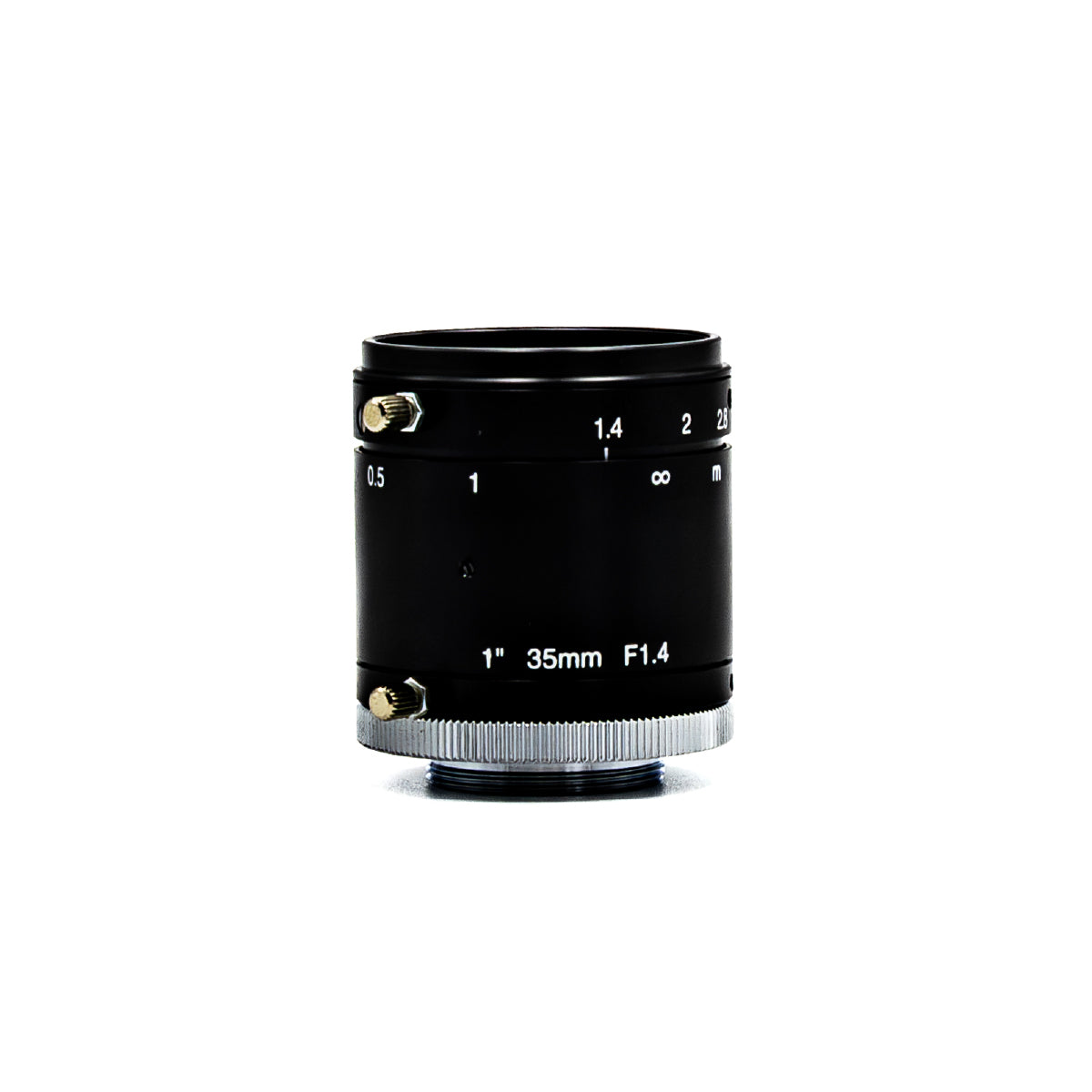
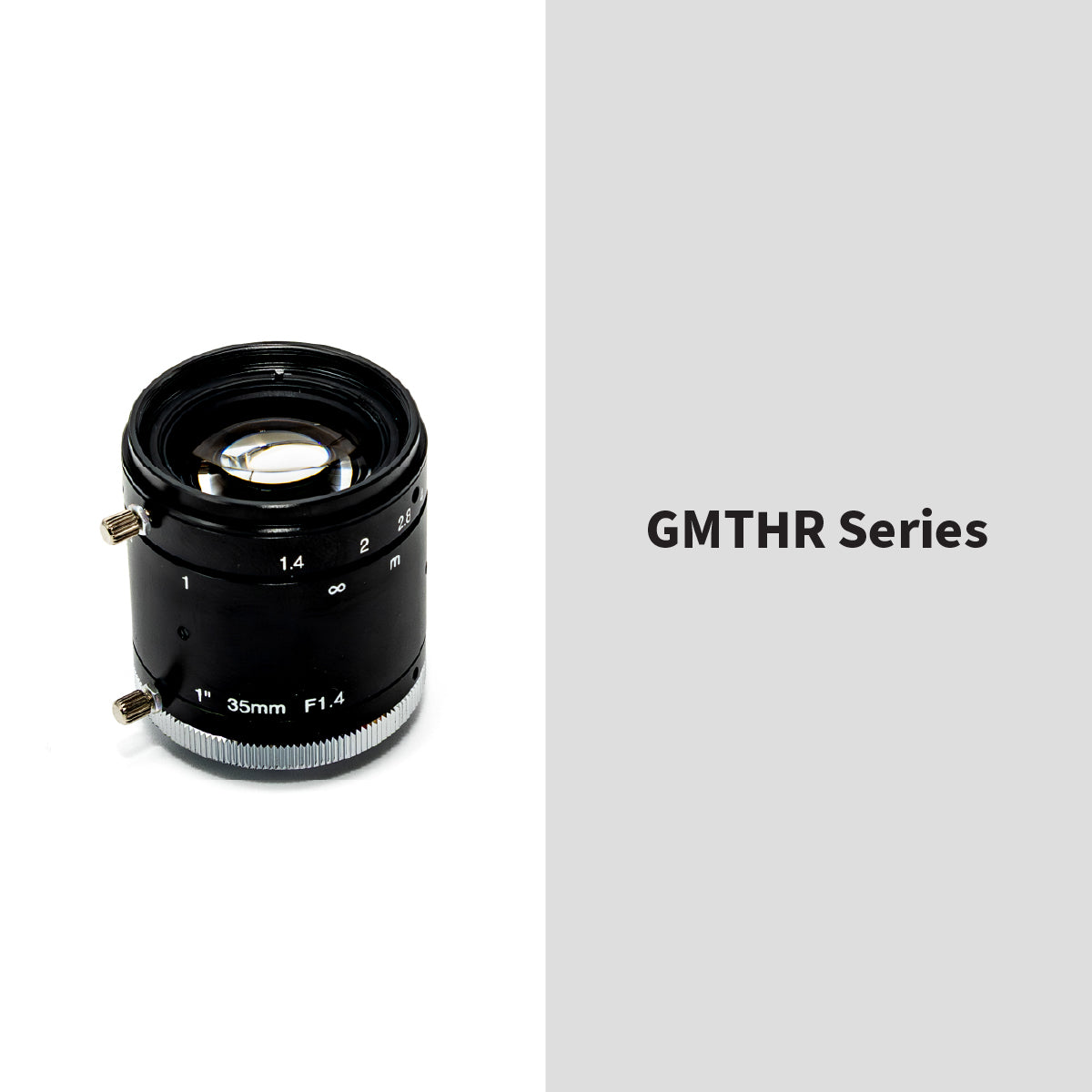
Use Lenses Designed for Machine Vision
Industrial machine vision lenses are engineered for low distortion across the entire image sensor, unlike consumer photography lenses. Look for lenses with:
- Distortion ratings under 1% (or much lower for metrology)
- Fixed focal lengths
- Optimized designs for specific sensor sizes
Consider Telecentric Lenses for Measurement
Telecentric lenses eliminate perspective error and maintain constant magnification across depth. Ideal for:
- High-precision dimensional measurement
- Parts with height variation
- Applications requiring repeatable accuracy
Match the Lens to the Sensor Size
Using a lens designed for a smaller sensor on a larger sensor can increase edge distortion. Always match the image circle to your camera format.
Apply Software Correction (When Appropriate)
Some vision systems use calibration grids and distortion correction algorithms. While helpful, software correction:
- Adds processing time
- Can reduce edge resolution
- Should not replace proper optical selection
Best Practices for Distortion-Free Vision Systems
- Define accuracy requirements early
- Avoid unnecessary wide fields of view
- Select lenses specifically rated for low distortion
- Test distortion during system validation
- Combine optics and calibration for best results