
 Find-R-Scopes
 Filters
 Lenses
 Cameras
 Lighting


 Accessories







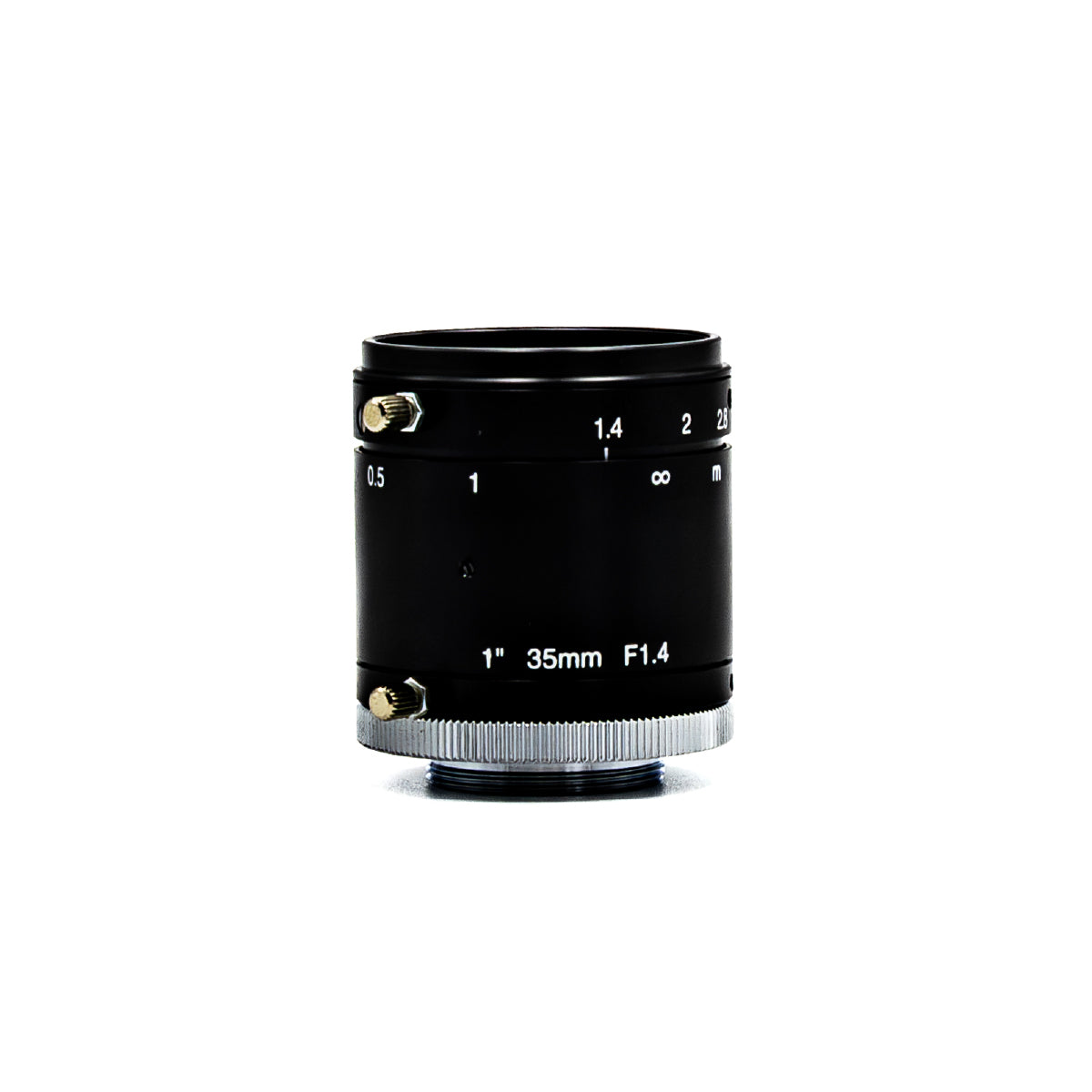
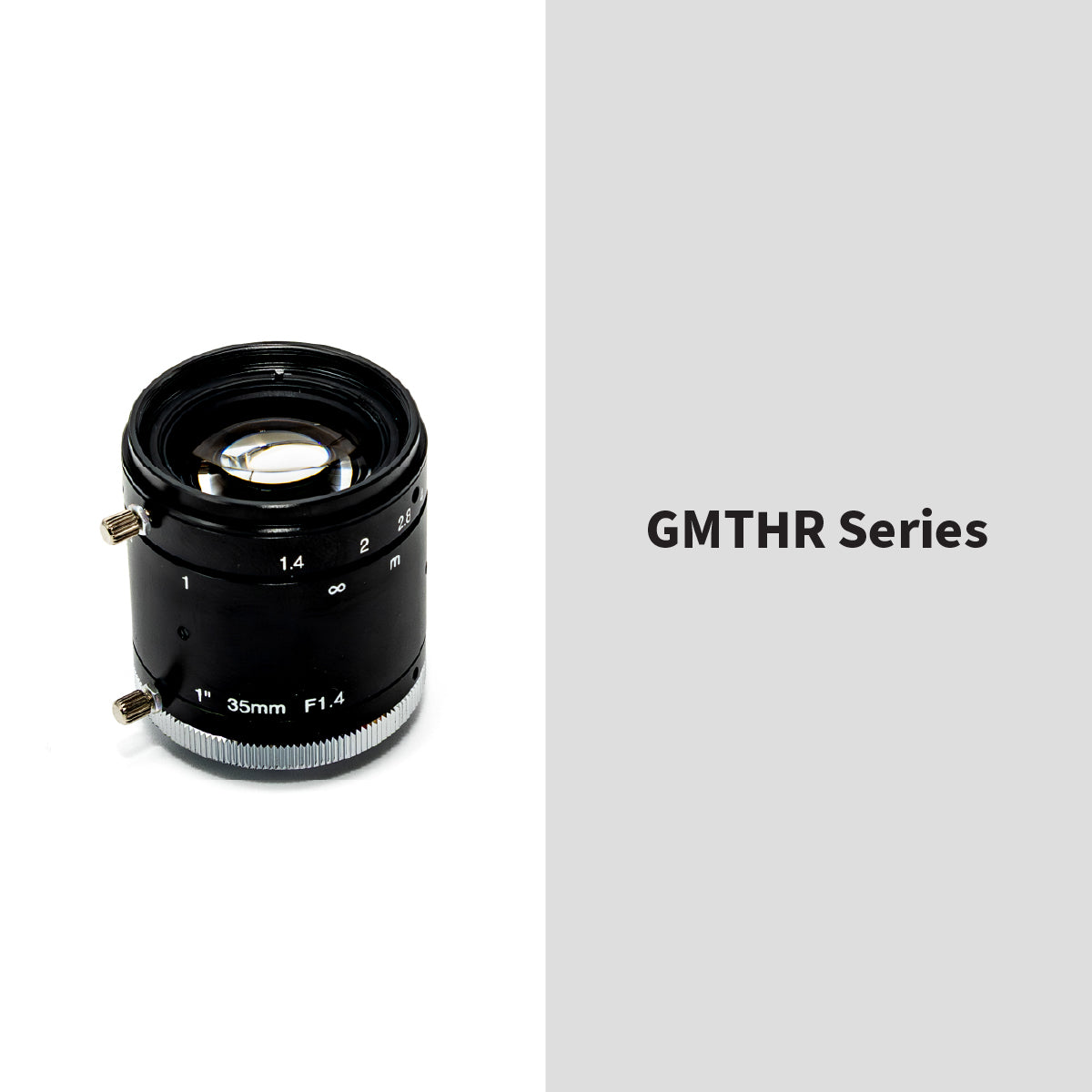
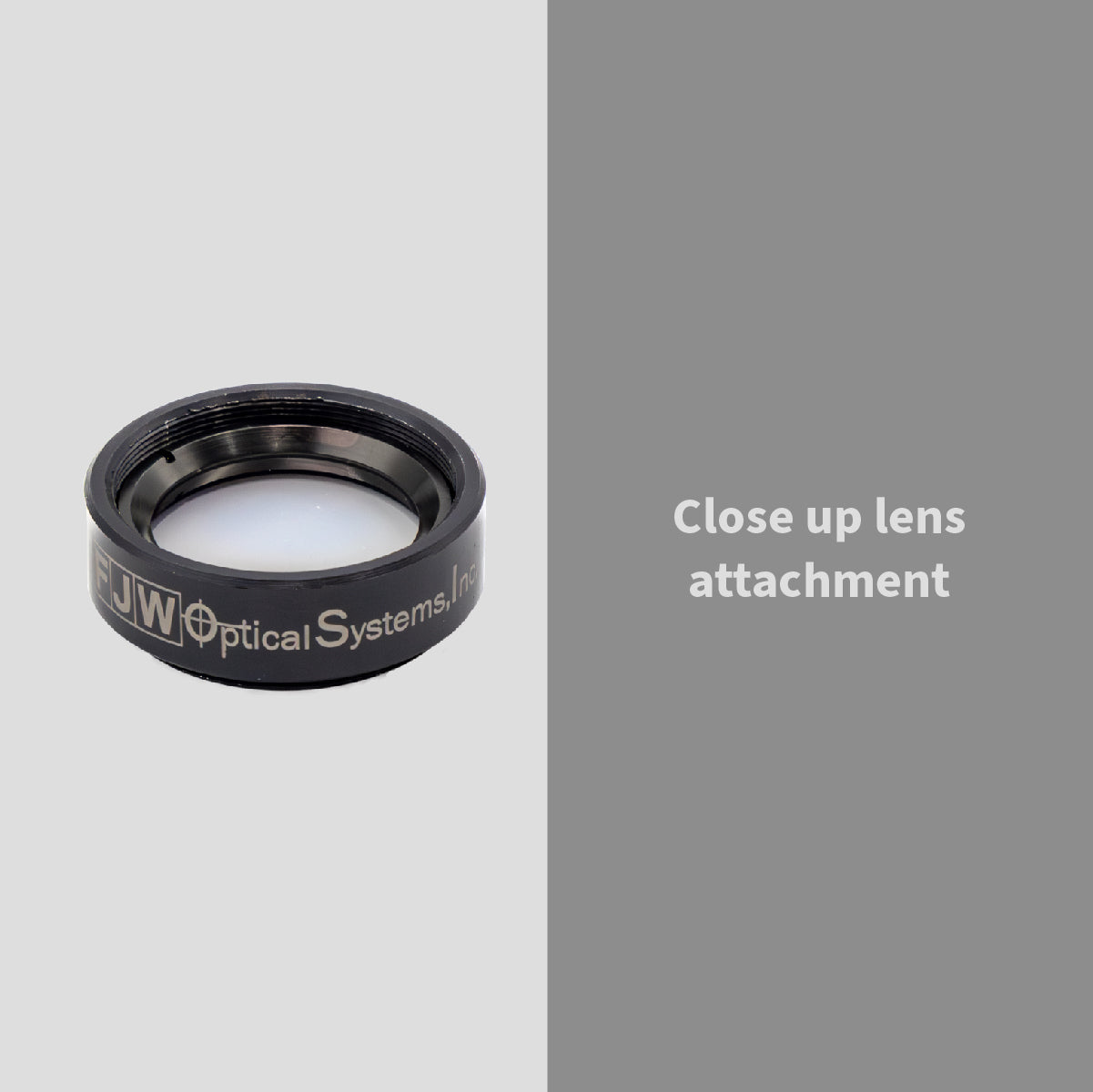


When it comes to machine vision systems, the lens is am important component. While it’s tempting to prioritize cameras, lighting or software, the reality is simple: your system is only as good as the image it captures. And that starts with the lens. Investing in a high-quality machine vision lens can dramatically improve accuracy, consistency and long-term performance. Here’s why it’s worth it.
1. Superior Image Quality = Better Results
A quality machine vision lens is engineered to deliver sharp, high-contrast images across the entire field of view. Unlike consumer-grade optics, these lenses are designed to minimize:
- Distortion
- Chromatic aberration
- Field curvature
This ensures that every pixel captured by your sensor contains accurate information – critical for applications like:
- Metrology and measurement
- Defect detection
- OCR and code reading
With higher resolution sensors becoming more common, pairing them with a low-quality lens can bottleneck performance, wasting the full potential of your camera.
2. Consistent Performance Across the Frame
Not all lenses maintain clarity from edge to edge. Lower-end lenses often suffer from soft corners or uneven illumination, which can lead to inconsistent inspection results. High-quality machine vision lenses are designed for:
- Uniform sharpness across the image
- Even illumination and minimal vignetting
- Reliable performance at varying working distances
This consistency is especially important in automated systems where repeatability is key.
3. Low Distortion for Precision Applications
In applications like gauging, measurement and robotics guidance, even small distortions can cause major errors. Premium machine vision lenses are optimized to reduce geometric distortion (barrel or pincushion), allowing for:
- Accurate dimensional measurements
- Reliable object positioning
- Reduced need for software correction
Less distortion means faster processing and more trustworthy data.
4. Designed for Industrial Environments
Machine vision lenses aren’t just about optics – they’re built for real-world industrial conditions. Higher-quality lenses typically offer:
- Rugged construction and durable housings
- Locking focus and iris controls
- Resistance to vibration and temperature changes
These features ensure your system stays calibrated and reliable over time, even in demanding environments like manufacturing floors or outdoor installations.
5. Optimized for Specific Sensors and Applications
Modern machine vision lenses are designed to match:
- Sensor sizes (1/2", 2/3", 1", 1.1", etc.)
- Pixel sizes (for resolving power)
- Application needs (wide angle, telecentric, macro, etc.)
This level of optimization ensures maximum light transmission, proper coverage and minimal image degradation. For example, lenses designed for high-resolution sensors can resolve fine details without introducing blur – critical for today’s advanced inspection systems.
6. Better ROI Over Time
While high-quality lenses may come with a higher upfront cost, they often deliver greater long-term value:
- Fewer errors and rejects
- Reduced downtime and recalibration
- Longer lifespan and durability
- Less need for post-processing corrections
In many cases, a better lens can eliminate the need for costly software fixes or system redesigns.
7. Improved Light Transmission and Sensitivity
High-performance lenses are engineered for maximum light efficiency, ensuring more light reaches the sensor. This leads to:
- Better performance in low-light conditions
- Faster exposure times
- Reduced motion blur in high-speed applications
Combined with proper lighting, this can significantly enhance system reliability and throughput.
When building or upgrading a machine vision system, it’s easy to focus on cameras and software – but the lens is an important part of image quality. A high-quality machine vision lens ensures that your system captures accurate, consistent and reliable data from the start.
Whether you're designing for inspection, measurement, robotics or automation, investing in the right lens isn’t just a technical decision, it’s a strategic one that impacts performance, efficiency, and ROI.