Filter & Sort
Request Bulk Pricing
Brand
Filter Type
Wavelength Range
13 products

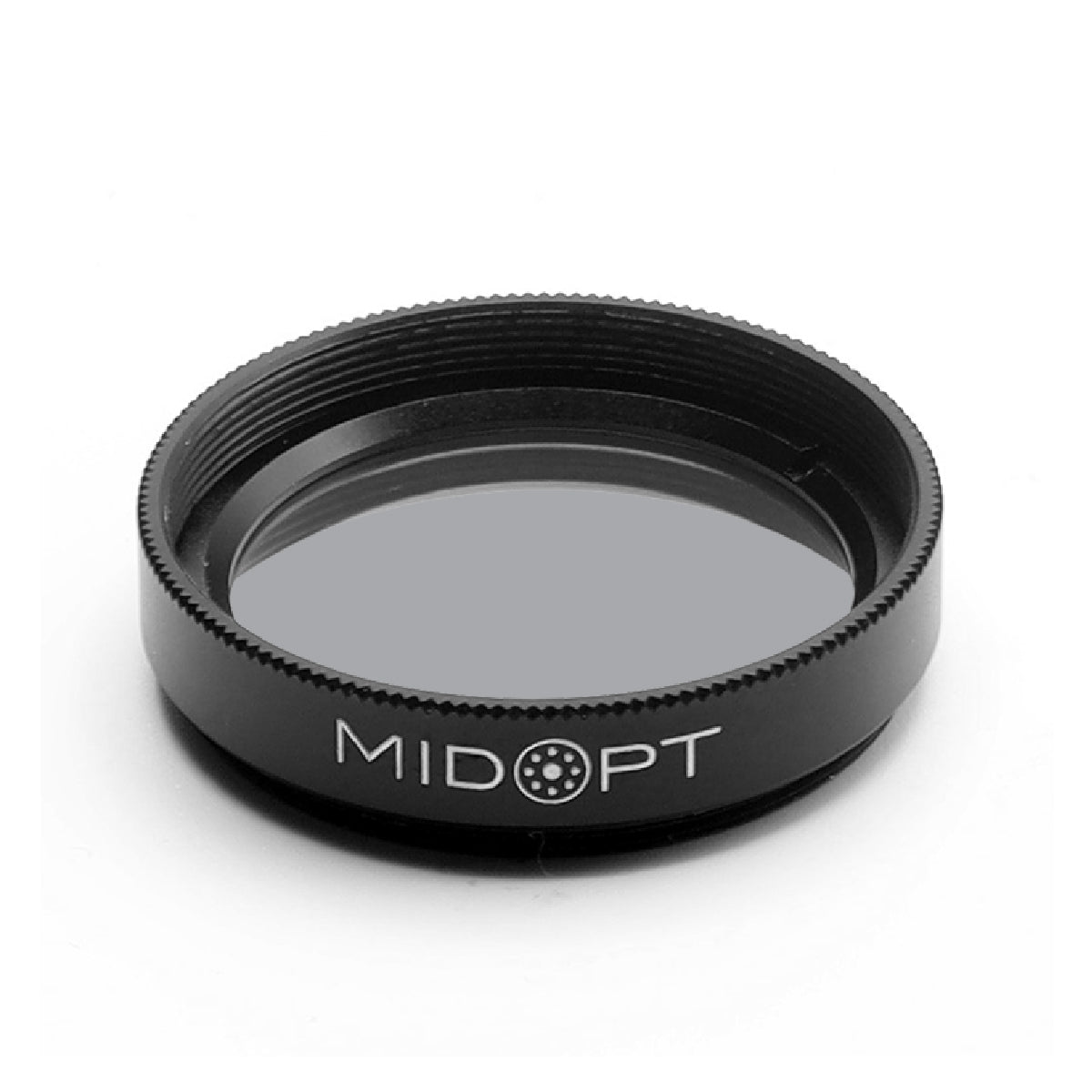
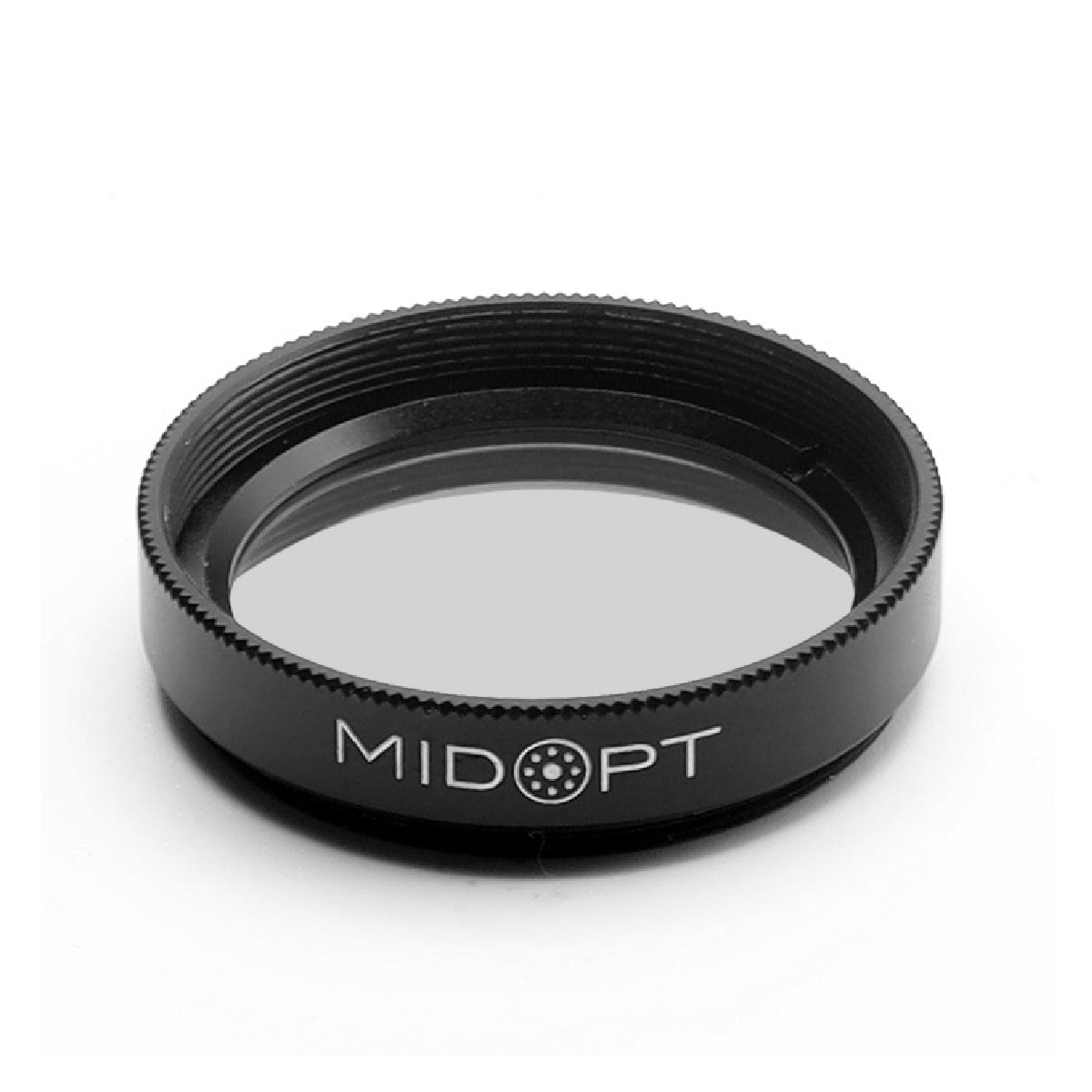
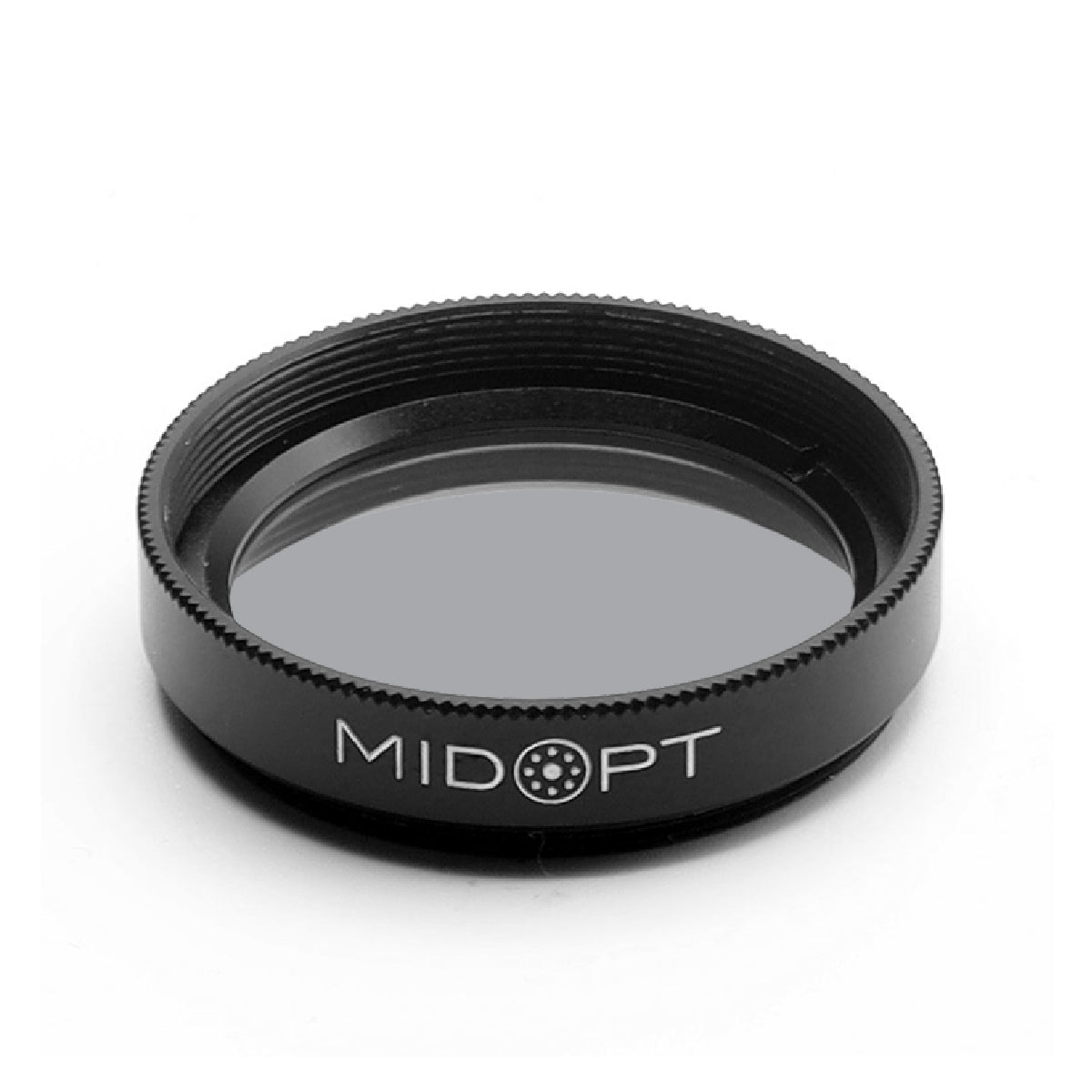
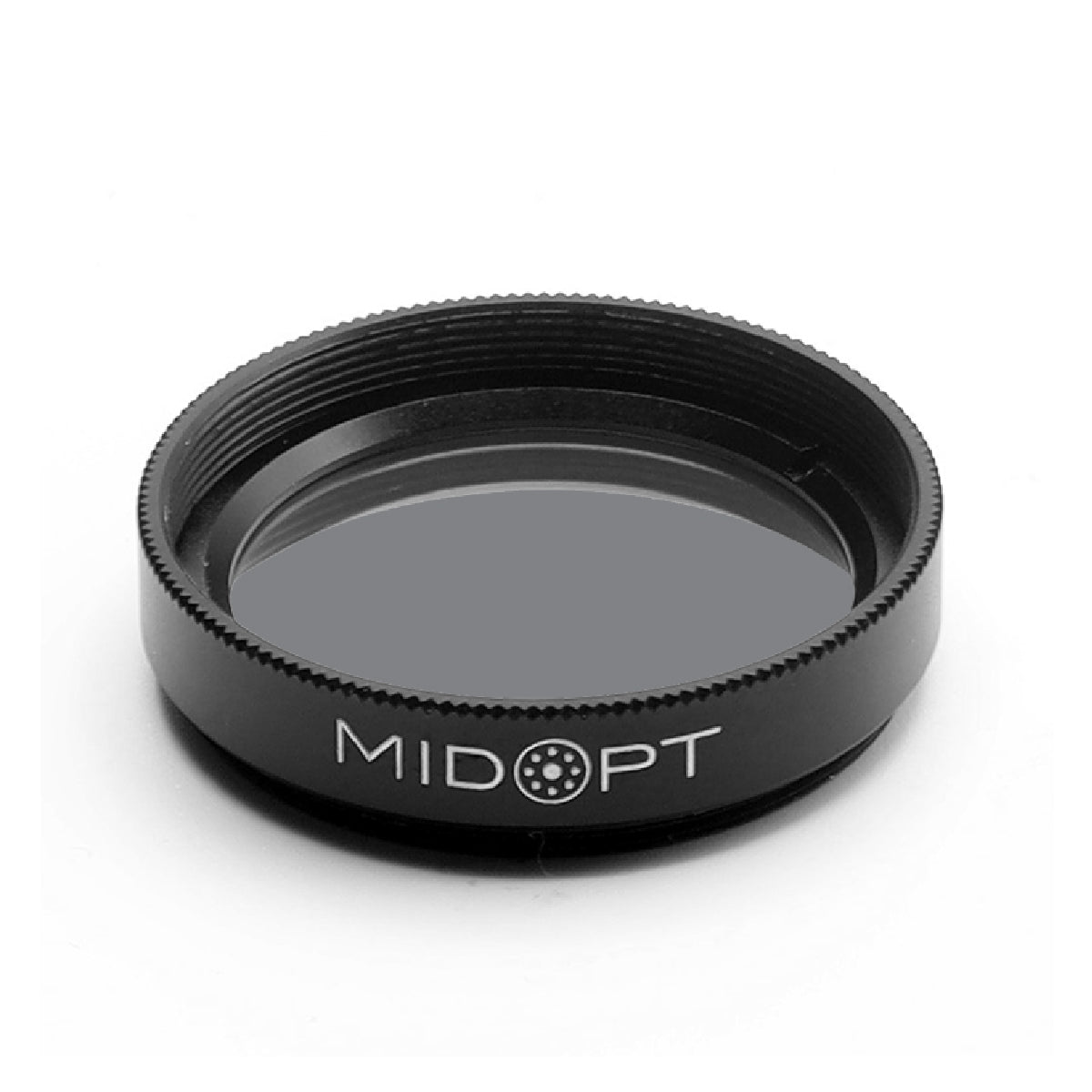
Industrial Neutral Density Filters for Precision Imaging & Light Control

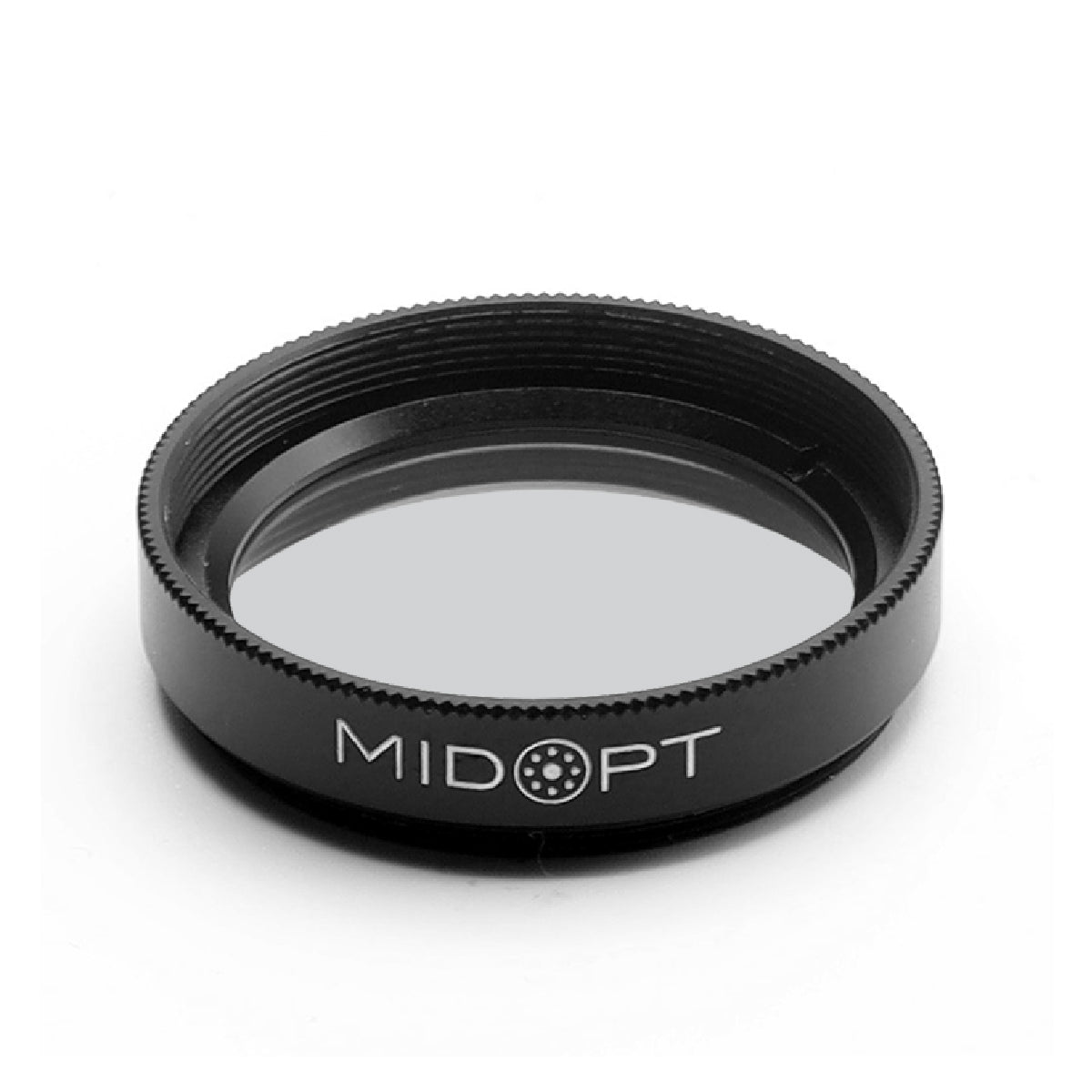
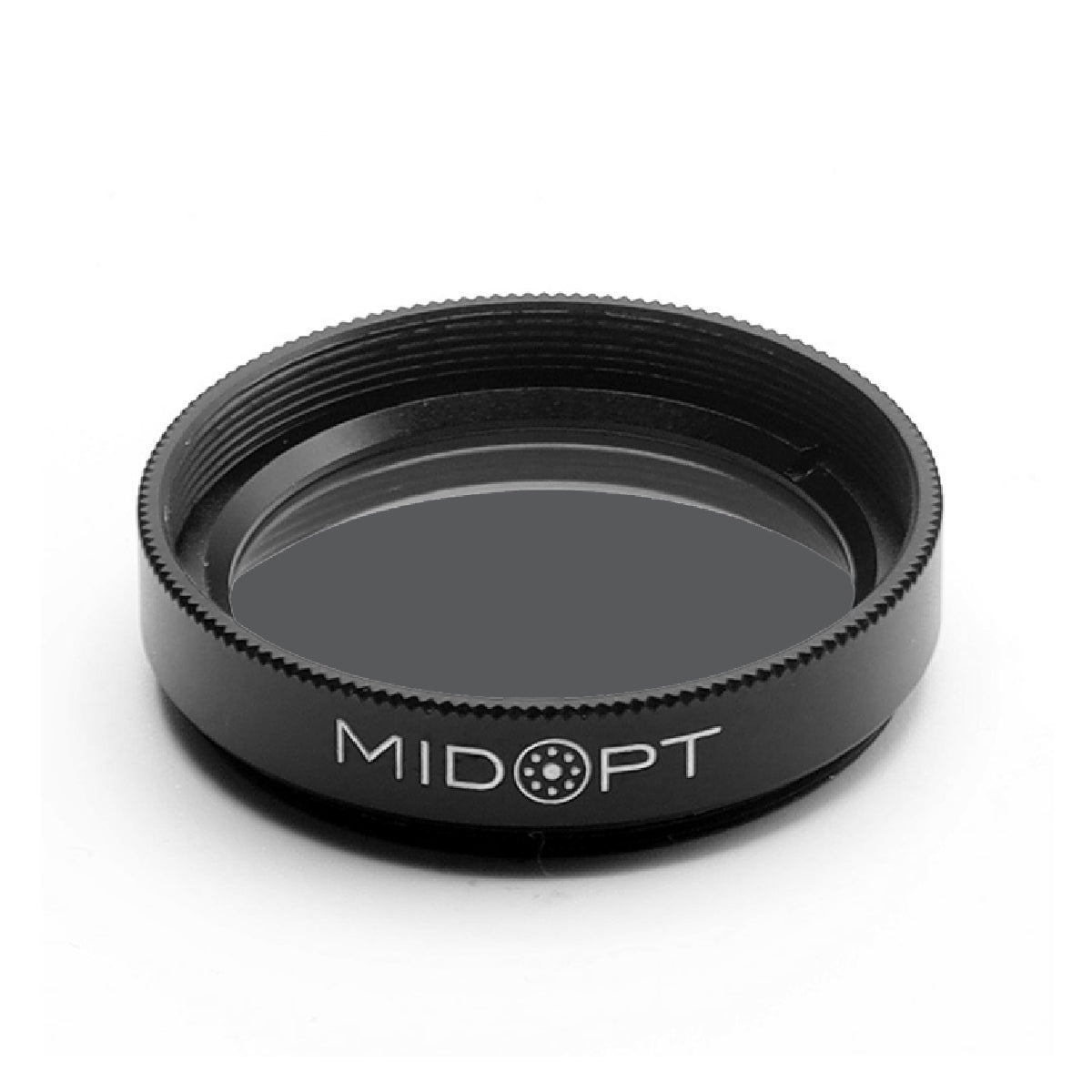
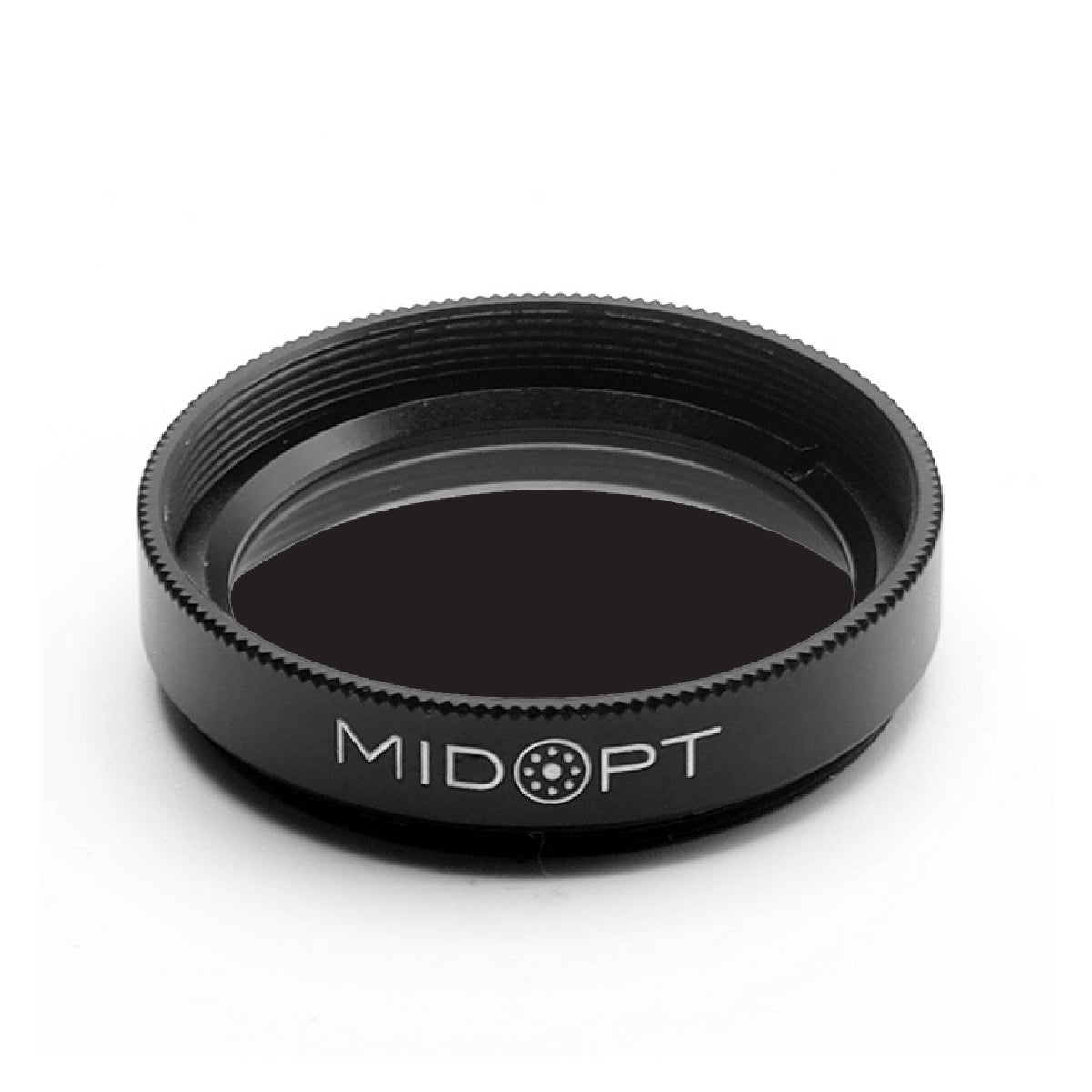
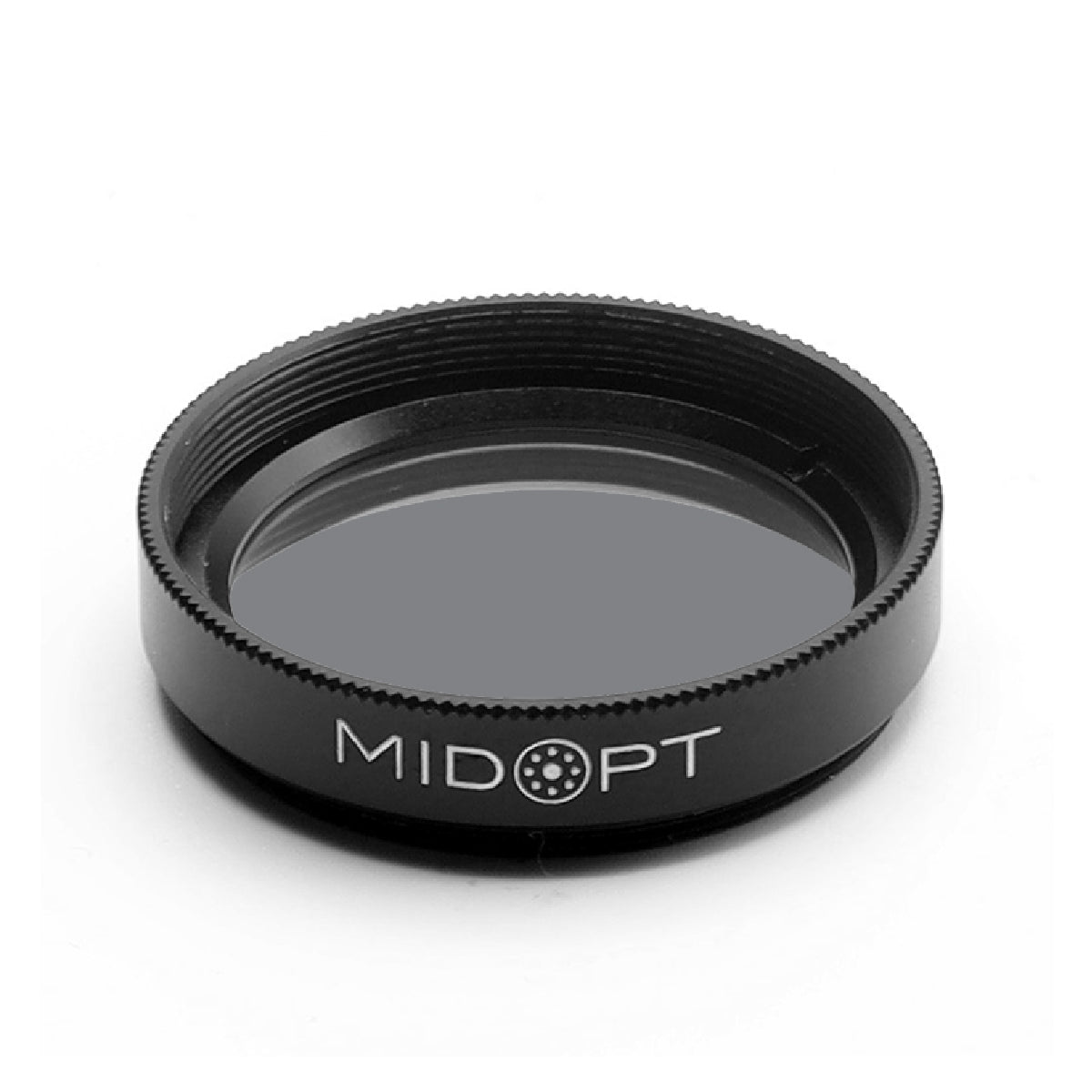
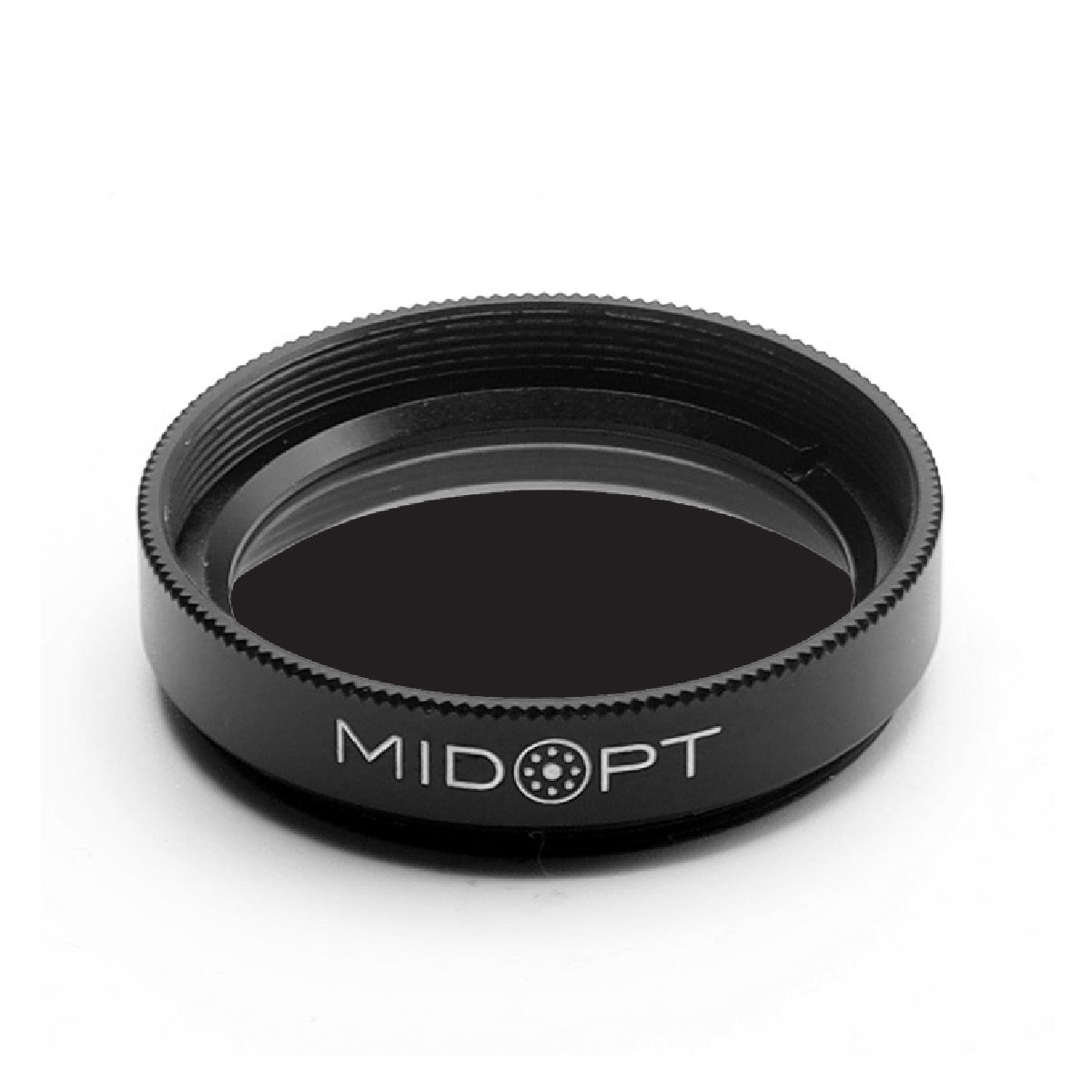
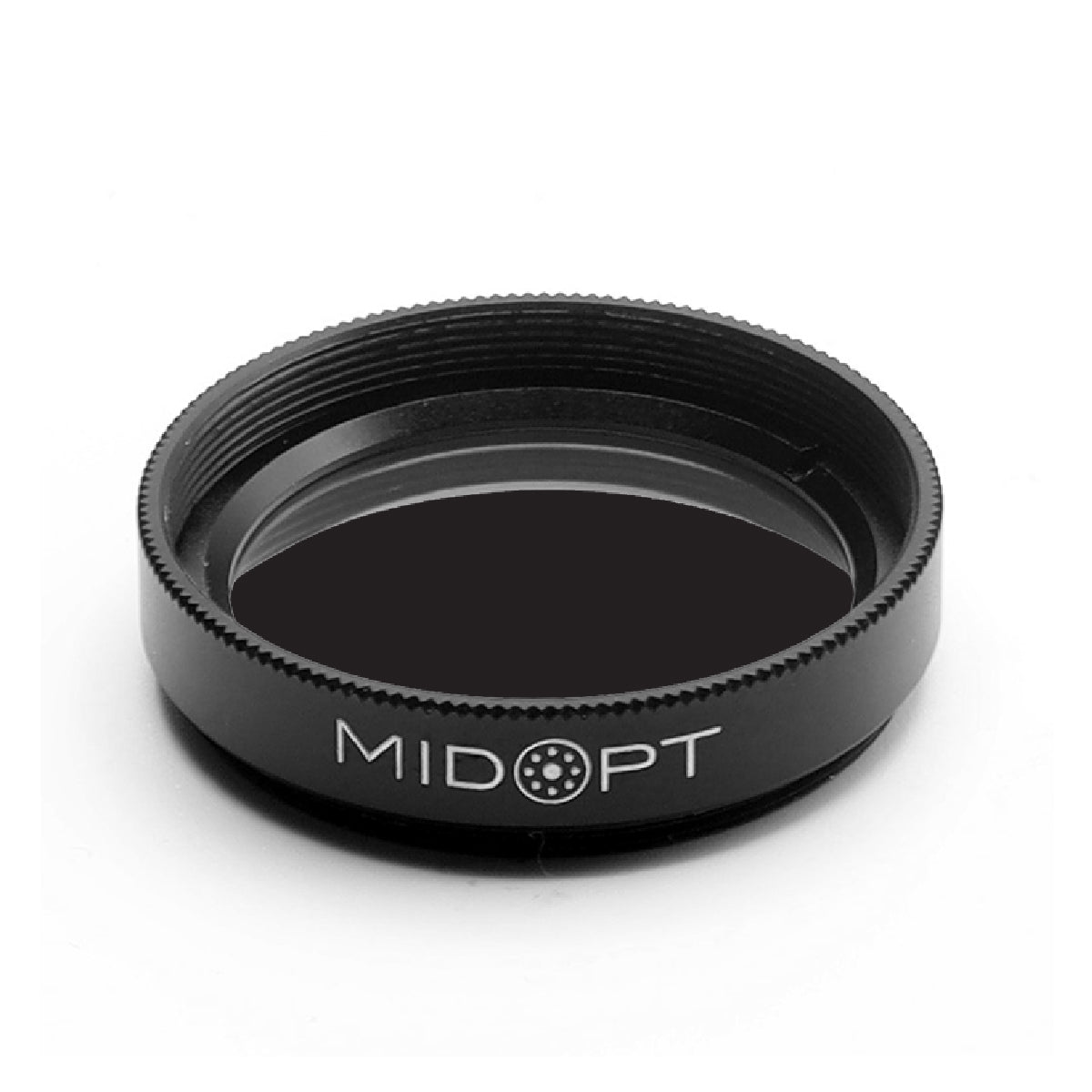
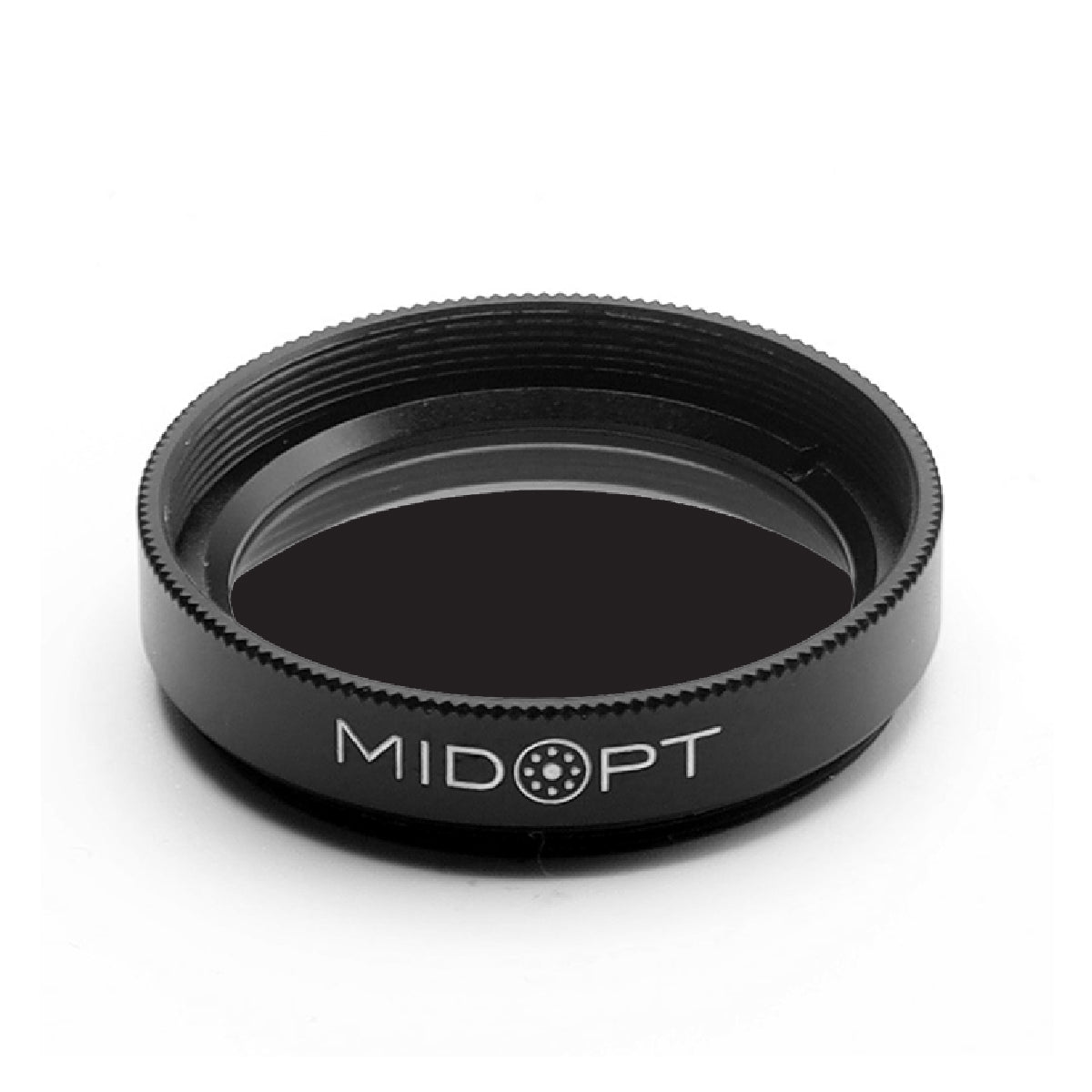
Neutral density (ND) filters are essential optical components designed to uniformly reduce light intensity without altering the spectral characteristics of the transmitted light. In industrial imaging and machine vision systems, controlling illumination strength is critical for maintaining exposure balance, preventing sensor saturation, and achieving accurate defect detection under high-intensity lighting conditions.

Neutral density filters provide consistent attenuation across visible and near-infrared wavelengths, enabling vision cameras and inspection systems to perform reliably in environments with bright lights, lasers, or highly reflective surfaces. By managing the amount of light reaching the sensor, ND filters help stabilize image quality, reduce noise, and improve measurement precision across demanding industrial applications.

Whether used in automated quality inspection, robotics, spectroscopy, or high-speed imaging, selecting the correct neutral density filter enhances system performance, extends camera exposure flexibility, and delivers repeatable imaging results for critical industrial tasks.

What Are Neutral Density Filters?

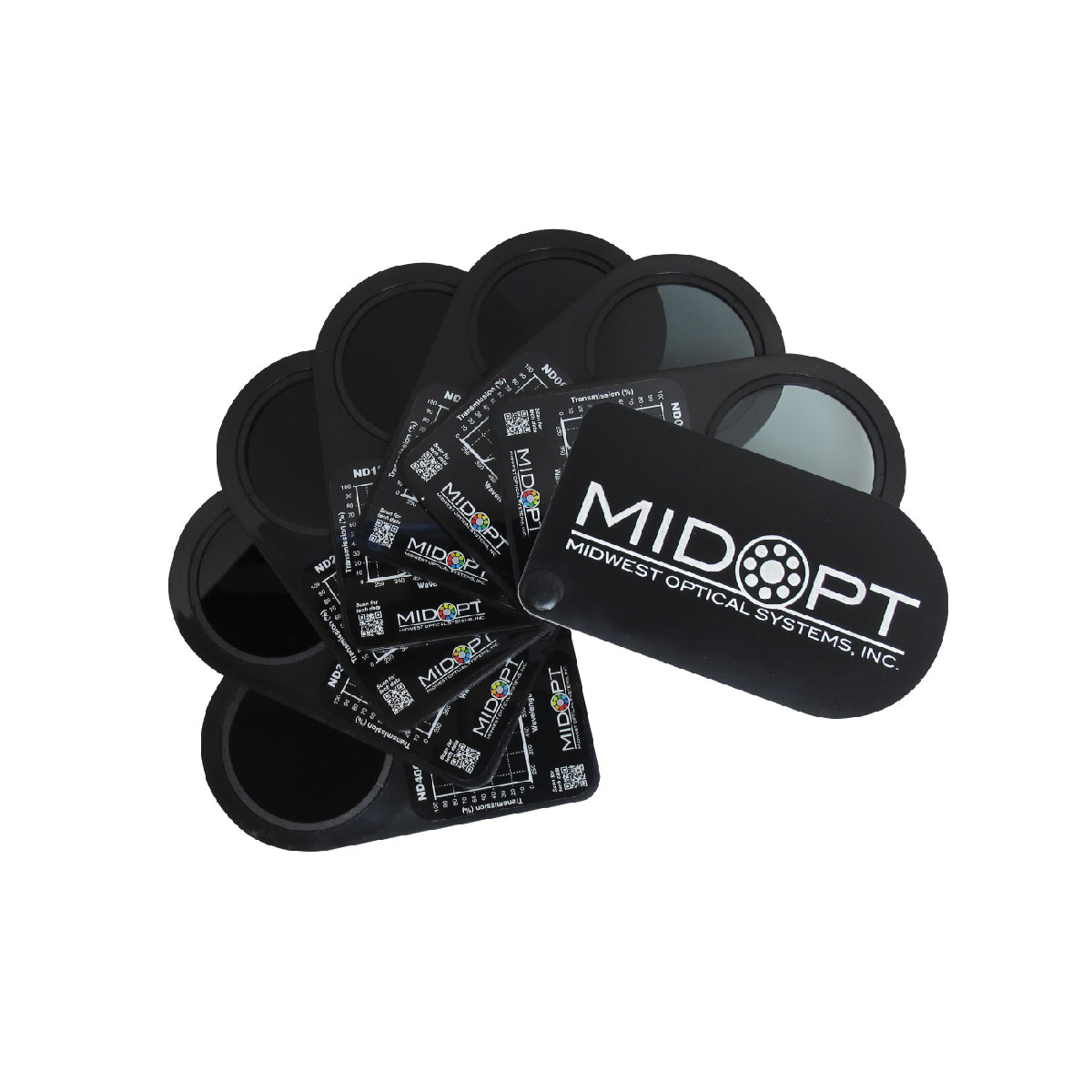
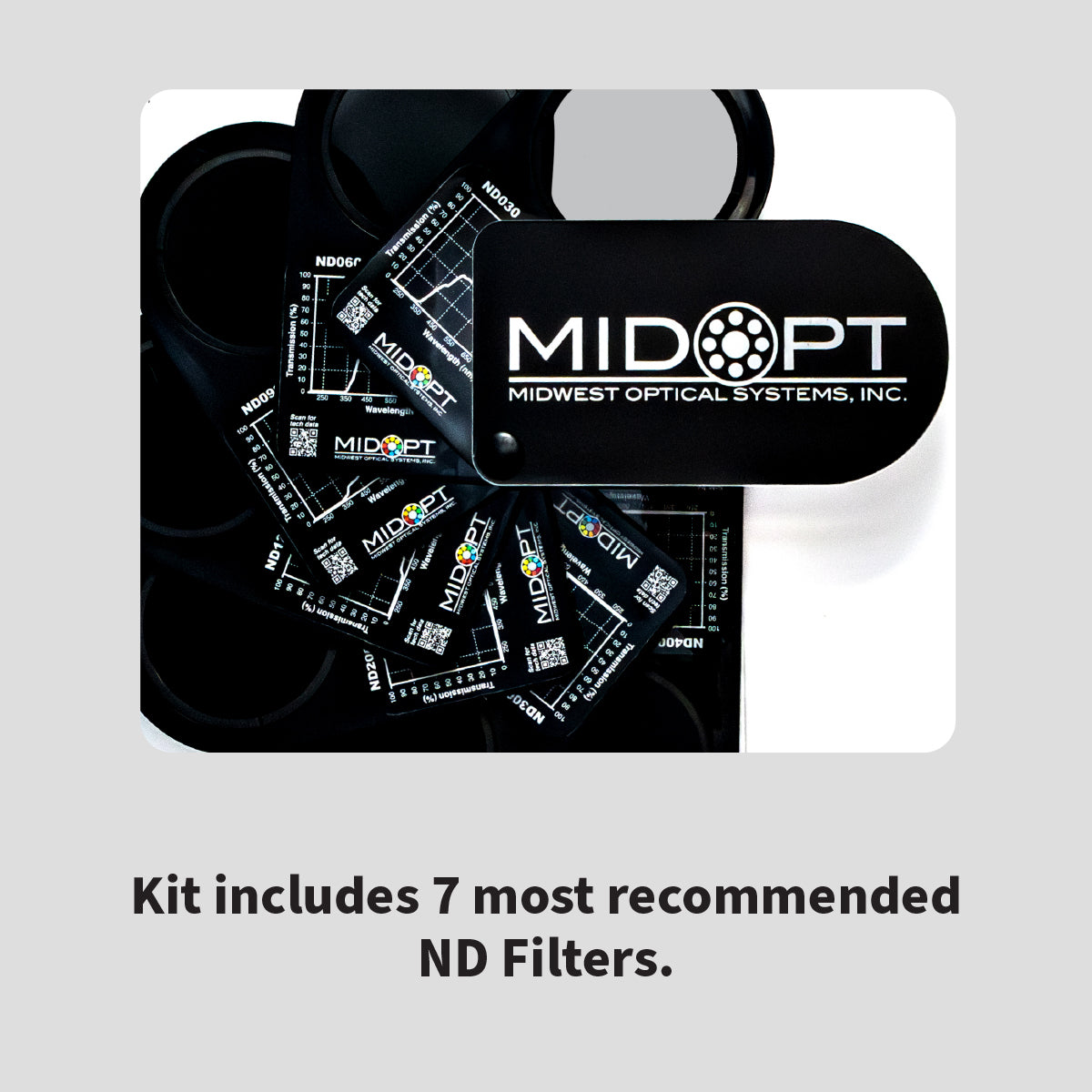
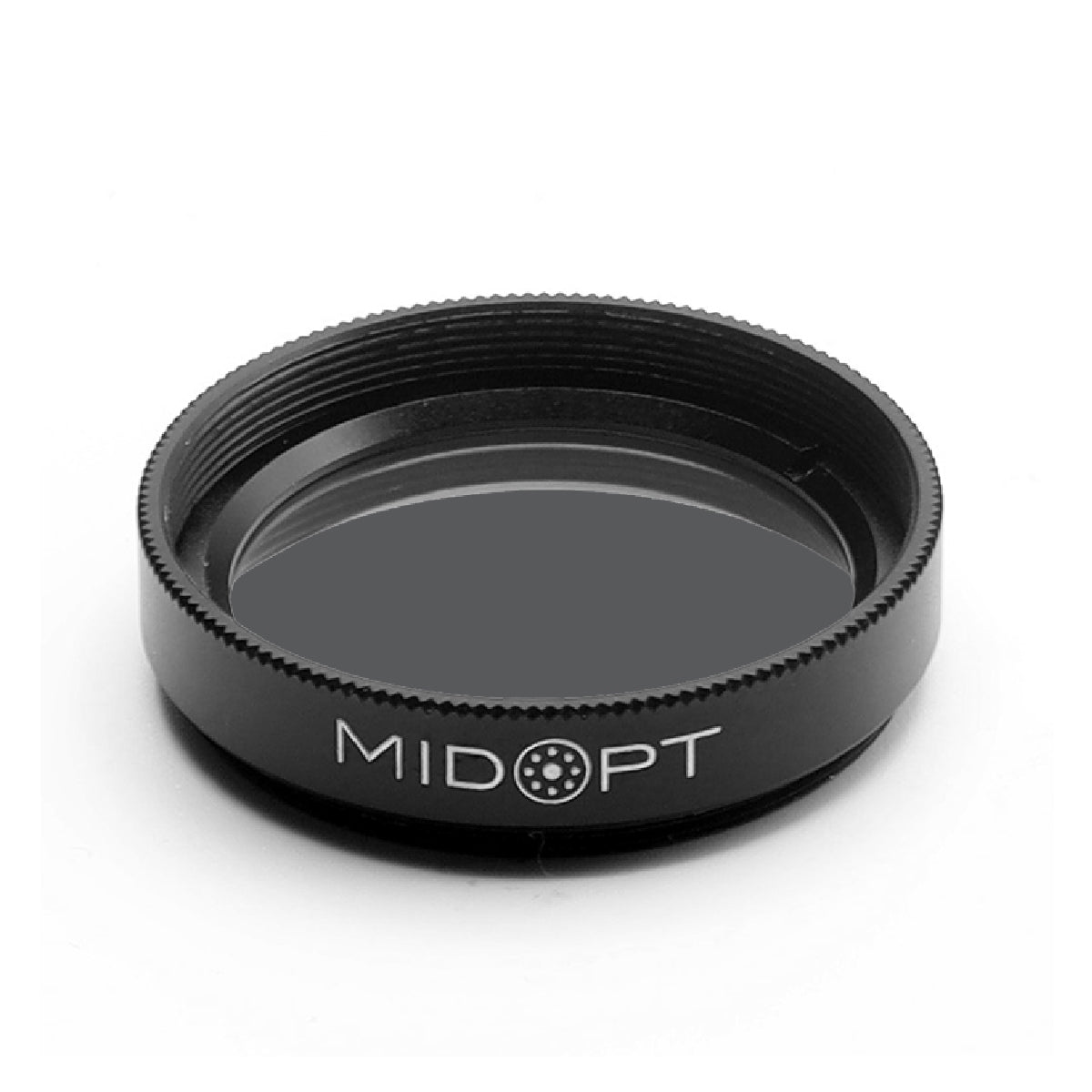
Neutral density filters are part of our broader range of industrial optical filters, designed to uniformly attenuate light intensity across a broad range of wavelengths without affecting its spectral balance. Unlike wavelength-specific filters such as bandpass or IR filters, ND filters do not emphasize or isolate any particular color or band — they simply reduce the total light amount entering the imaging system.

In machine vision and industrial applications, these filters are especially useful when:

  • Lighting is too bright for a given exposure setting
  • Cameras must capture images with long exposure times
  • High-intensity LED or laser illumination could saturate sensors
  • High dynamic range scenes require even brightness

ND filters help vision systems maintain optimal exposure, reduce overexposure artifacts, and support consistent image capture under variable lighting conditions.

Understanding Optical Density (OD) in ND Filters

Optical Density (OD) is a key parameter that defines how much light a neutral density filter reduces. Each OD value corresponds to a specific level of light attenuation, allowing users to precisely control exposure in imaging systems. For example, OD 0.3 reduces light by 50%, while OD 1.0 reduces light by 90%. Higher OD values, such as OD 3.0 or OD 6.0, are used in high-intensity environments where significant light reduction is required.

Selecting the correct optical density is critical for achieving optimal image quality in machine vision and scientific imaging applications. ND filters with accurate OD levels ensure consistent exposure, improved contrast, and reliable inspection results.

Key Benefits of Neutral Density Filters

Consistent Exposure Control

Neutral density filters allow precise control over light intensity, enabling cameras to maintain correct exposure in bright environments.

Reduce Sensor Saturation

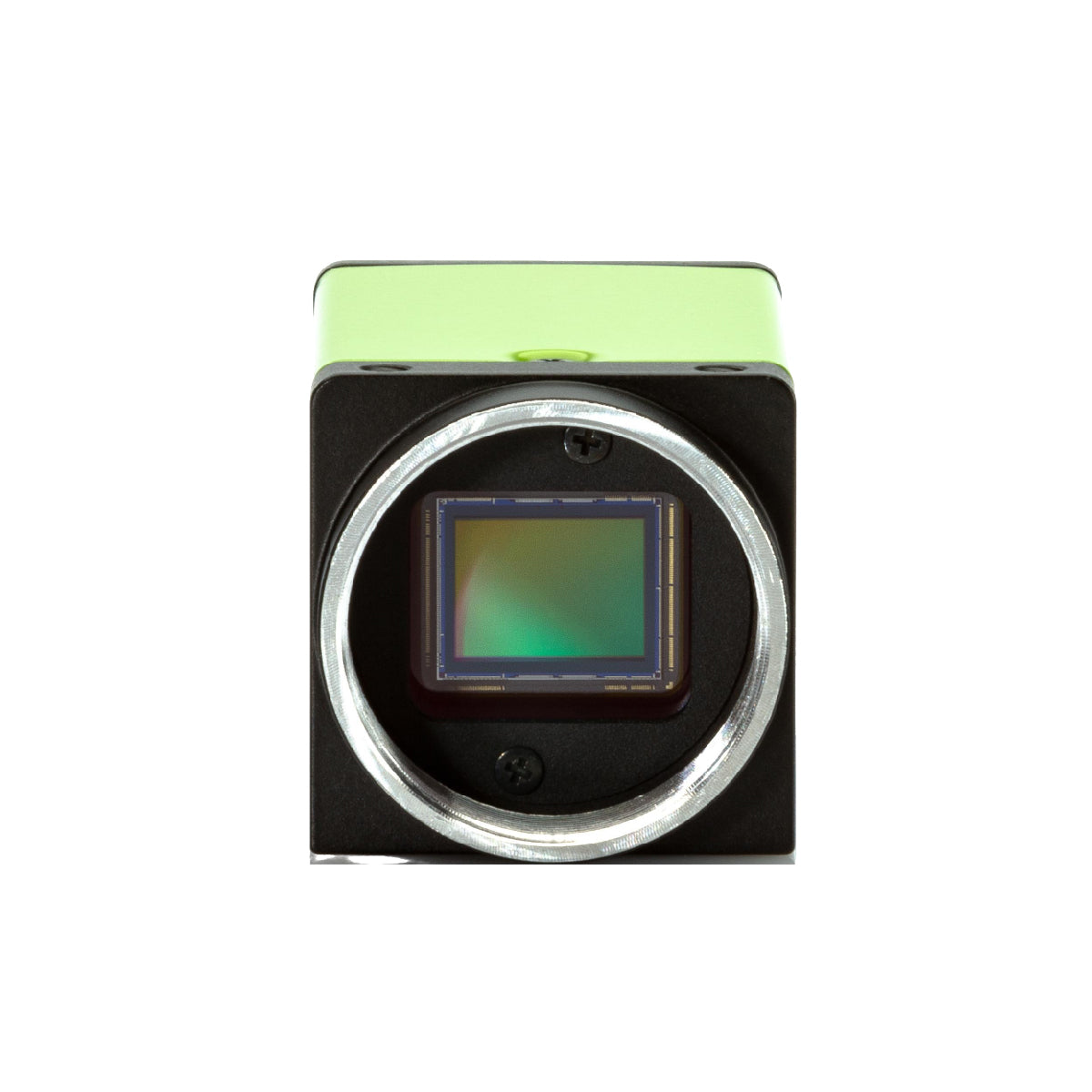
ND filters help prevent overexposure in high-resolution industrial machine vision cameras operating under strong LED or laser illumination.

In high-intensity lighting setups, ND filters prevent sensor overloading, preserving detail and contrast.

Improved Inspection Accuracy

Balanced exposure ensures clearer edge detection and more reliable defect identification in automated systems.

Flexible Exposure Settings

ND filters expand the usable exposure range, supporting both high-speed imaging and long-exposure applications.

Broad Wavelength Attenuation

Because they minimize spectral bias, ND filters are ideal where color neutrality and consistent imaging are required.

Types of Neutral Density Filters Available

At FJW Optical, we offer a broad range of precision ND filters to suit different industrial inspection and imaging needs:

  • Fixed Optical Density ND Filters
    Provide consistent attenuation at a specific optical density level.
  • Variable Neutral Density Filters
    Allow adjustable light attenuation for fine-tuning exposure in dynamic lighting conditions.
  • ND Filters for Visible + NIR Applications
    Engineered to uniformly attenuate over extended wavelength ranges.
  • High-Precision ND Filters
    Designed for demanding scientific and laboratory imaging applications where consistency is essential.

Common Applications of Neutral Density Filters

Neutral density filters are used across many industrial and imaging systems, including:

  • Machine Vision Inspection – Control illumination for accurate feature detection.
  • High-Speed Production Lines – Balance exposure when lighting intensity cannot be reduced.
  • Laser & High-Intensity Illumination Systems – Prevent sensor overload from strong sources.
  • Spectroscopy & Scientific Imaging – Enable measurement stability across varying light conditions.
  • Robotics and Automation Systems – Improve image consistency for motion tracking and guidance.

By integrating ND filters into your vision system, you ensure reliable and repeatable imaging even in environments with challenging lighting.

When paired with high-intensity machine vision lighting, neutral density filters maintain stable exposure without reducing illumination quality.

How to Choose the Right Neutral Density Filter

Selecting the correct ND filter depends on your system and application goals. Key factors to consider include:

  • Optical Density (OD) Level – Determines how much light is reduced.
  • Wavelength Range – Ensure compatibility across visible and near-infrared bands.
  • Filter Size & Mounting – Match lens and housing standards (C-mount, threaded, etc.). ND filters are compatible with standard C-mount and precision machine vision lenses, ensuring seamless integration into industrial imaging systems.
  • Application Requirements – High-speed vs long-exposure imaging demands.

For secure integration in industrial environments, compatible optical mounting accessories ensure stable positioning and vibration-free performance.

Our team at FJW Optical can help evaluate your requirements and recommend the best ND filter solution tailored to your industrial inspection setup.

Why Buy Neutral Density Filters from FJW Optical?

With years of experience in industrial optical systems, FJW Optical is a trusted supplier of precision optical filters designed for machine vision, automation, and scientific imaging applications.

When you choose FJW Optical, you benefit from:

  • High-quality neutral density filters with consistent attenuation
  • Compatibility with leading industrial cameras and lenses
  • Reliable performance in demanding environments
  • Expert technical support and application guidance
  • Solutions tailored for automation, inspection, and research

We are committed to helping customers achieve dependable imaging results across a wide range of industrial and scientific applications.

Neutral Density Filters Built for Performance & Precision

Neutral density filters play a crucial role in optimizing imaging systems where exposure control and lighting consistency matter. By reducing light intensity without distorting spectral content, these filters support accurate, repeatable image capture across machine vision and industrial inspection tasks.

Explore our full range of neutral density filters engineered for precision and performance to find the right solution for your application.

Frequently Asked Questions

What is a neutral density filter used for?

A neutral density filter uniformly reduces light intensity, helping control exposure in bright environments without altering color balance.

How does an ND filter improve inspection accuracy?

By preventing sensor saturation and balancing exposure, ND filters produce clearer images with better contrast, leading to more reliable defect detection.

Can neutral density filters be adjustable?

Yes — variable ND filters allow fine-tuning of attenuation for dynamic lighting conditions.

Do ND filters affect color balance?

No, neutral density filters are designed to reduce intensity evenly across the visible spectrum without affecting color.

Are neutral density filters compatible with machine vision lenses?

Yes — they are available in common machine vision filter sizes and mounts compatible with standard lenses.