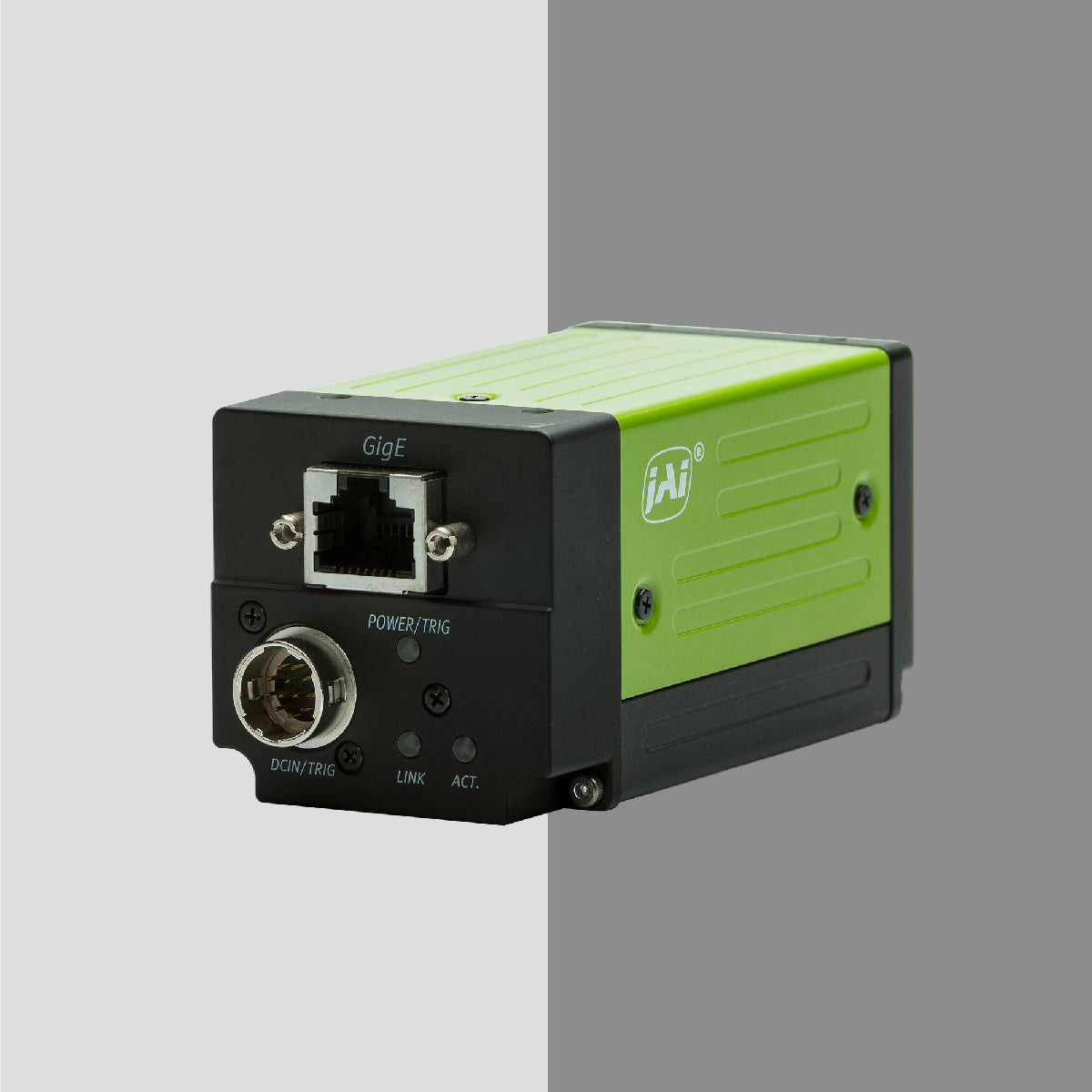
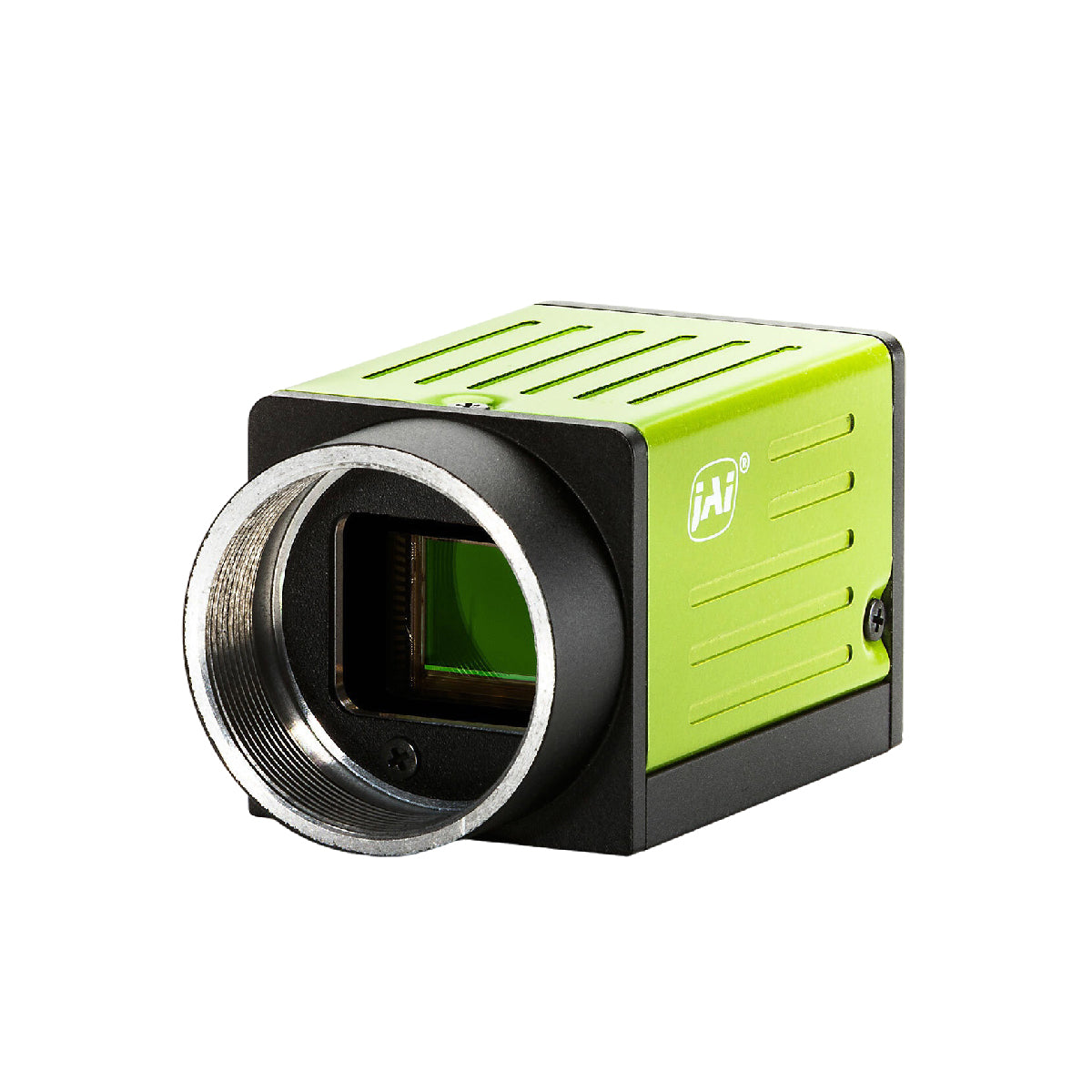
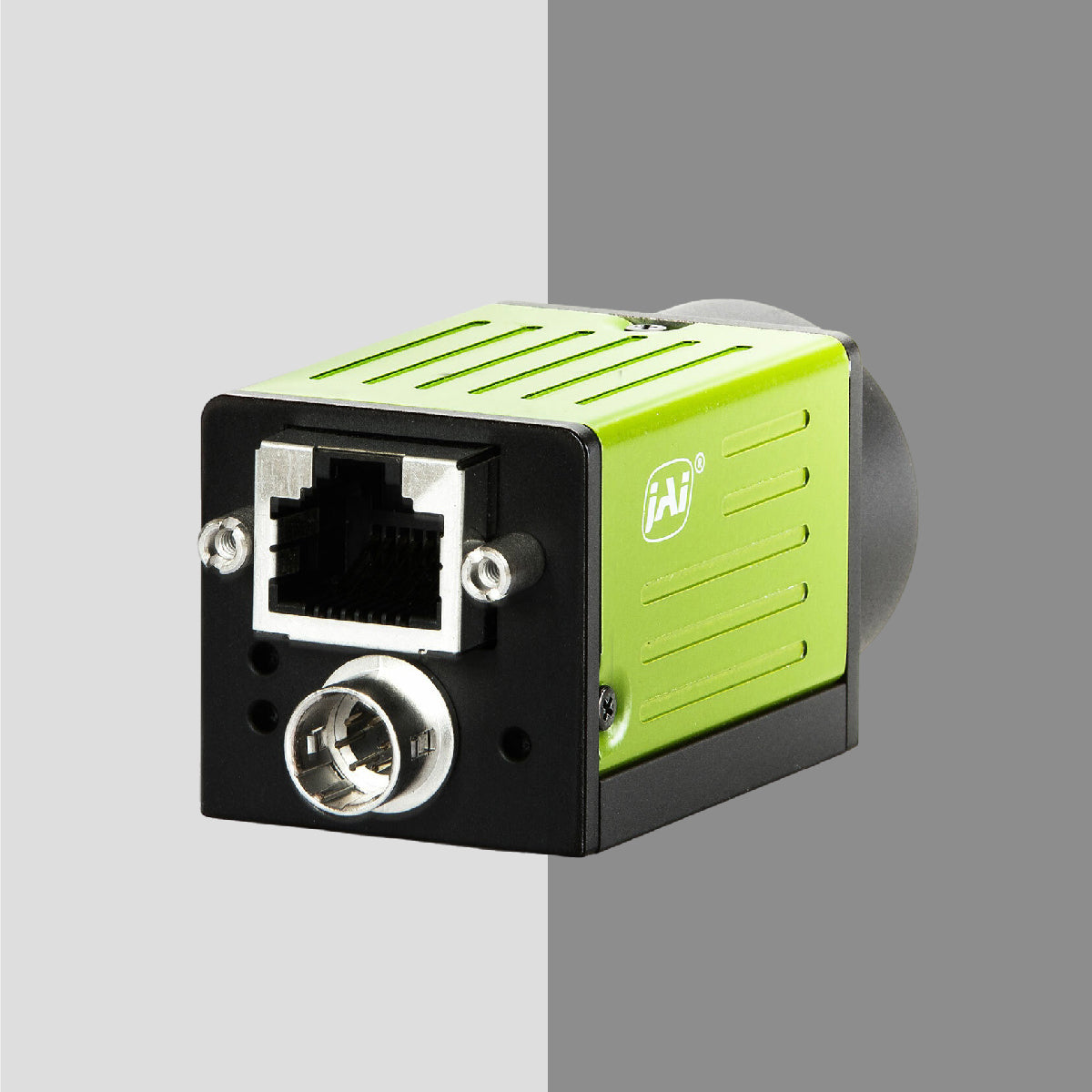
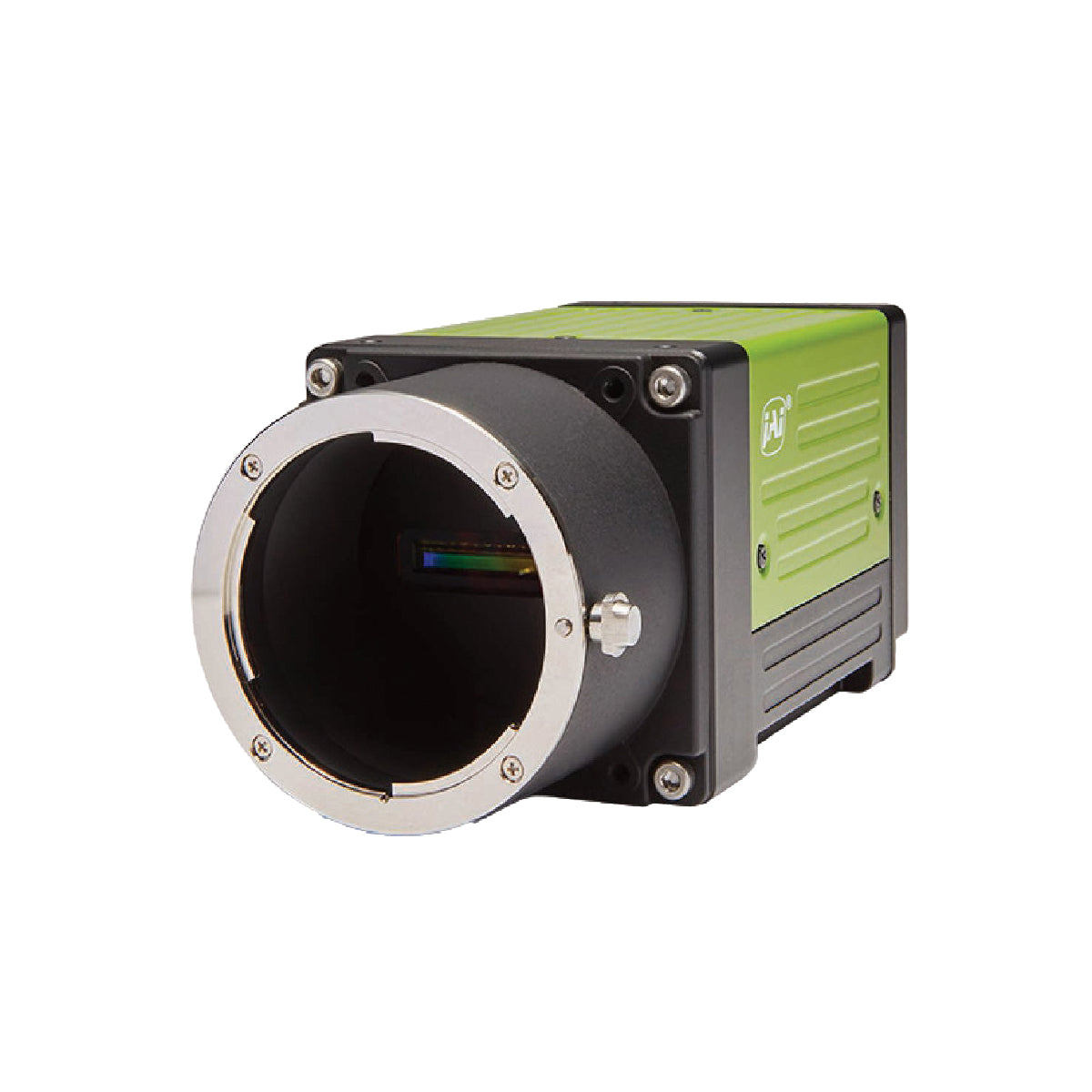
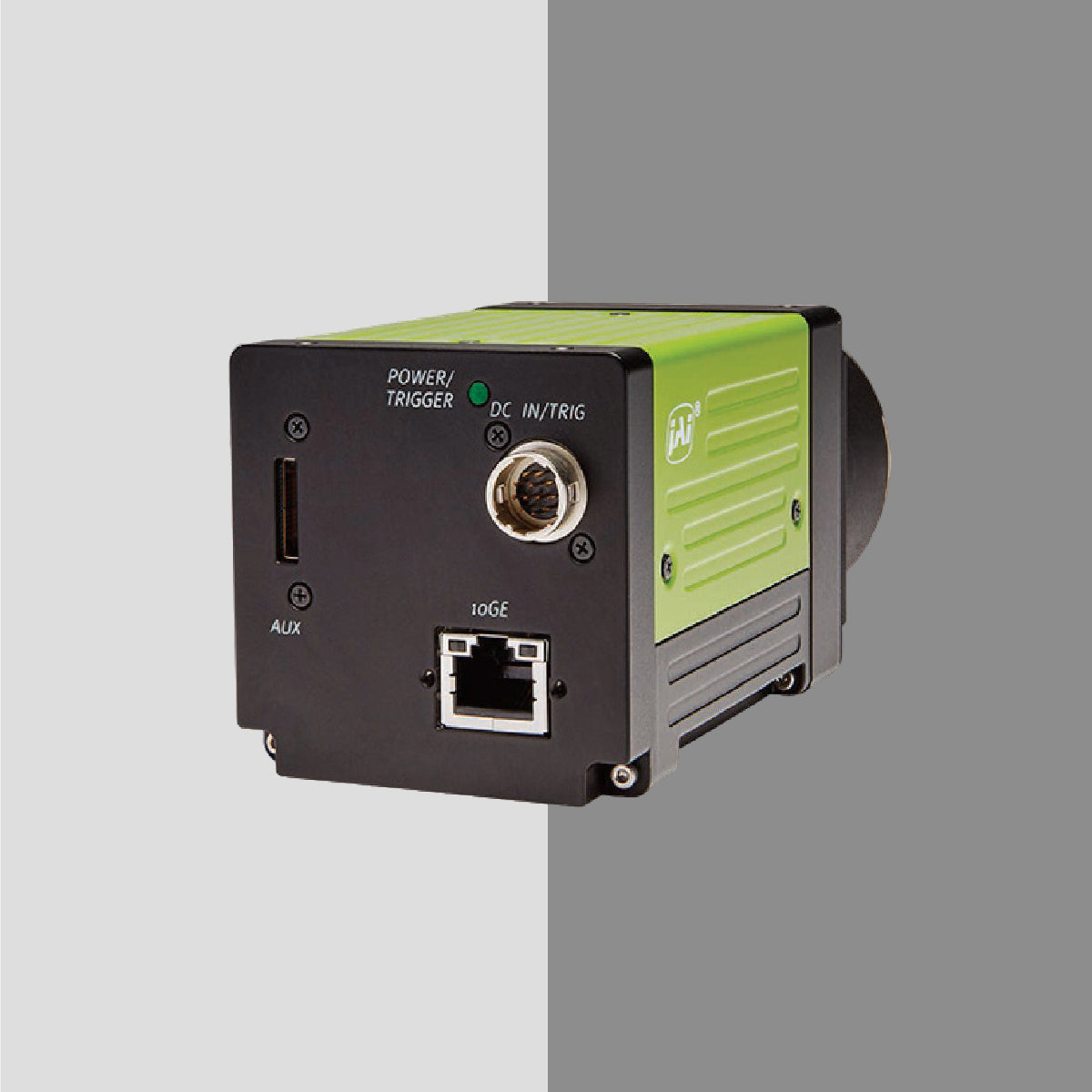
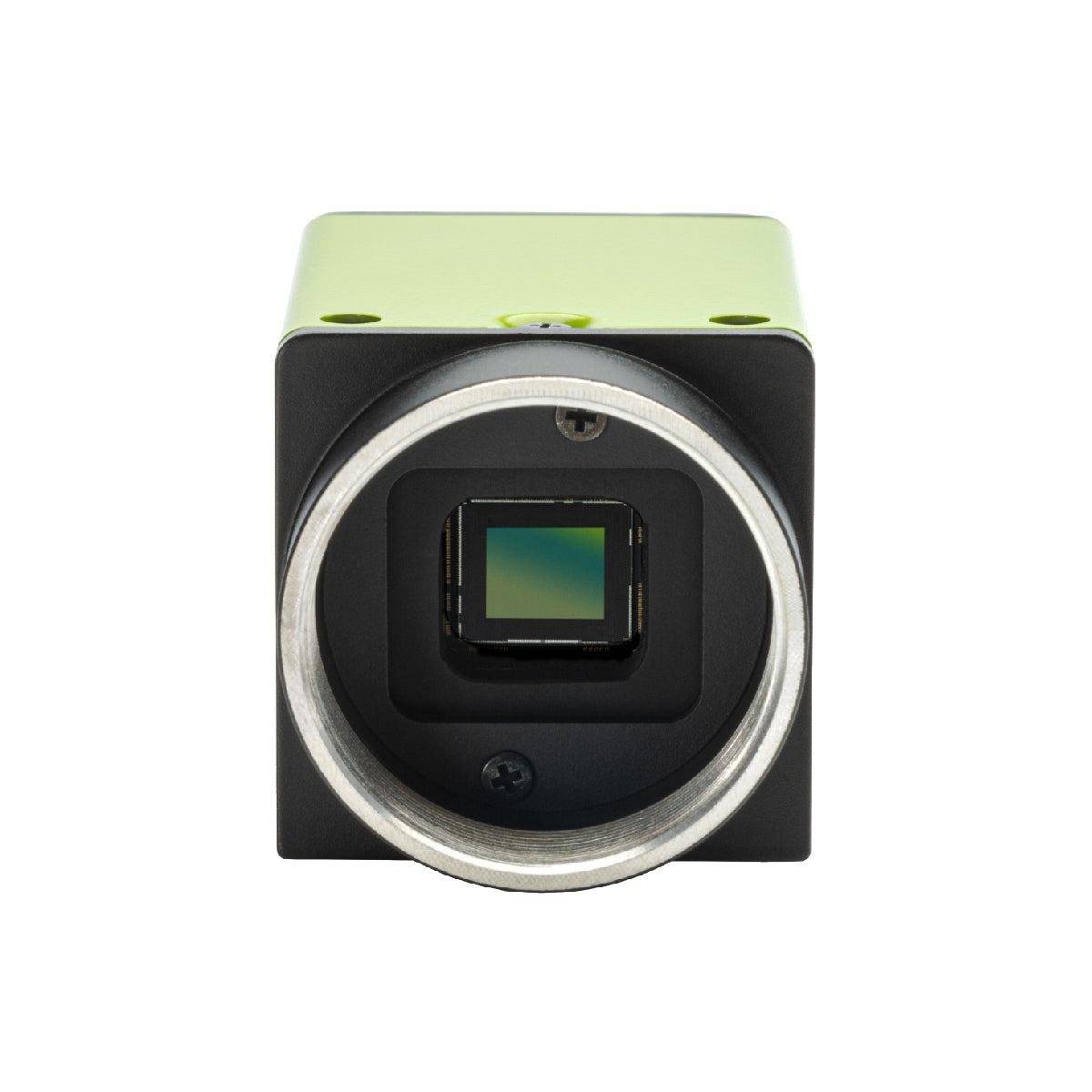
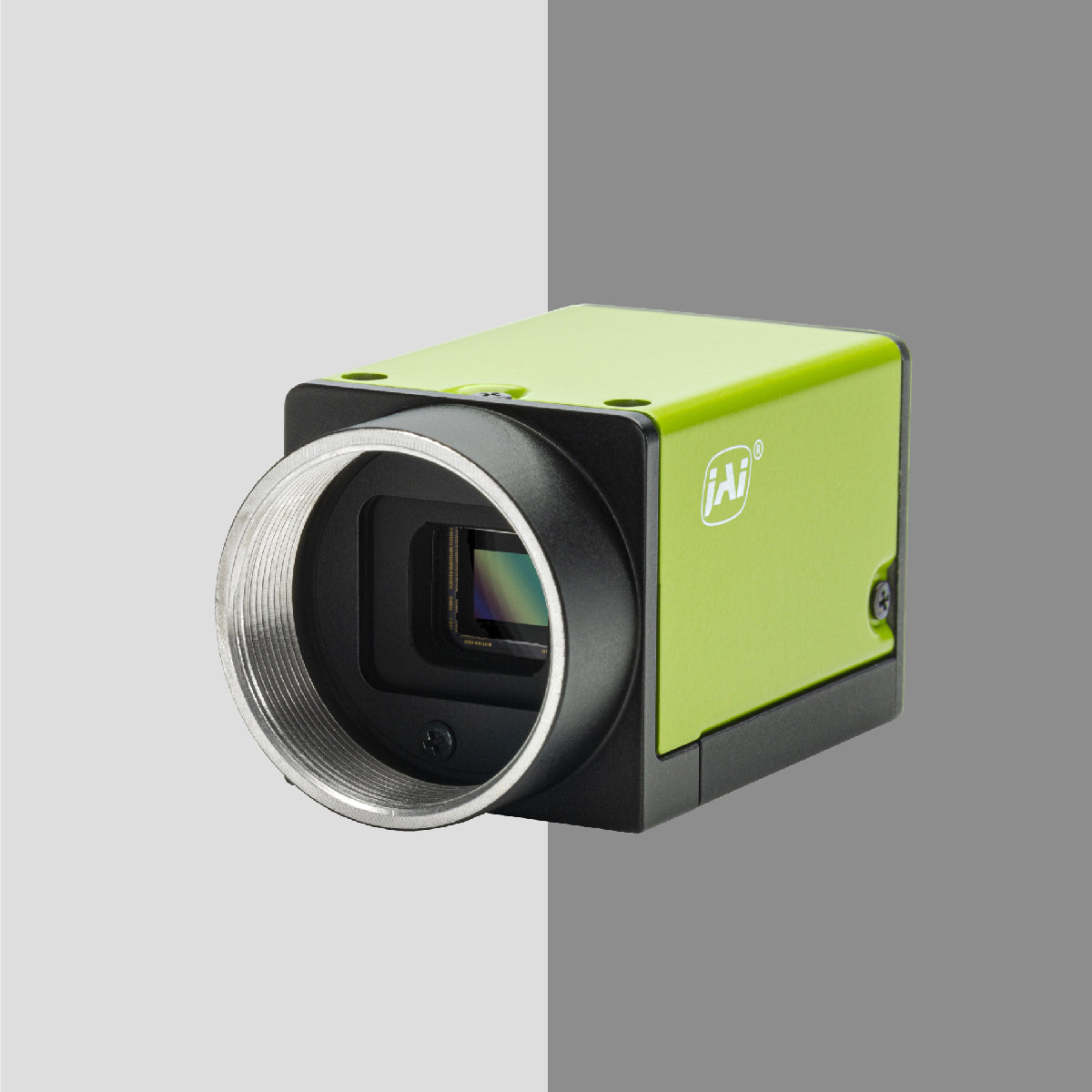
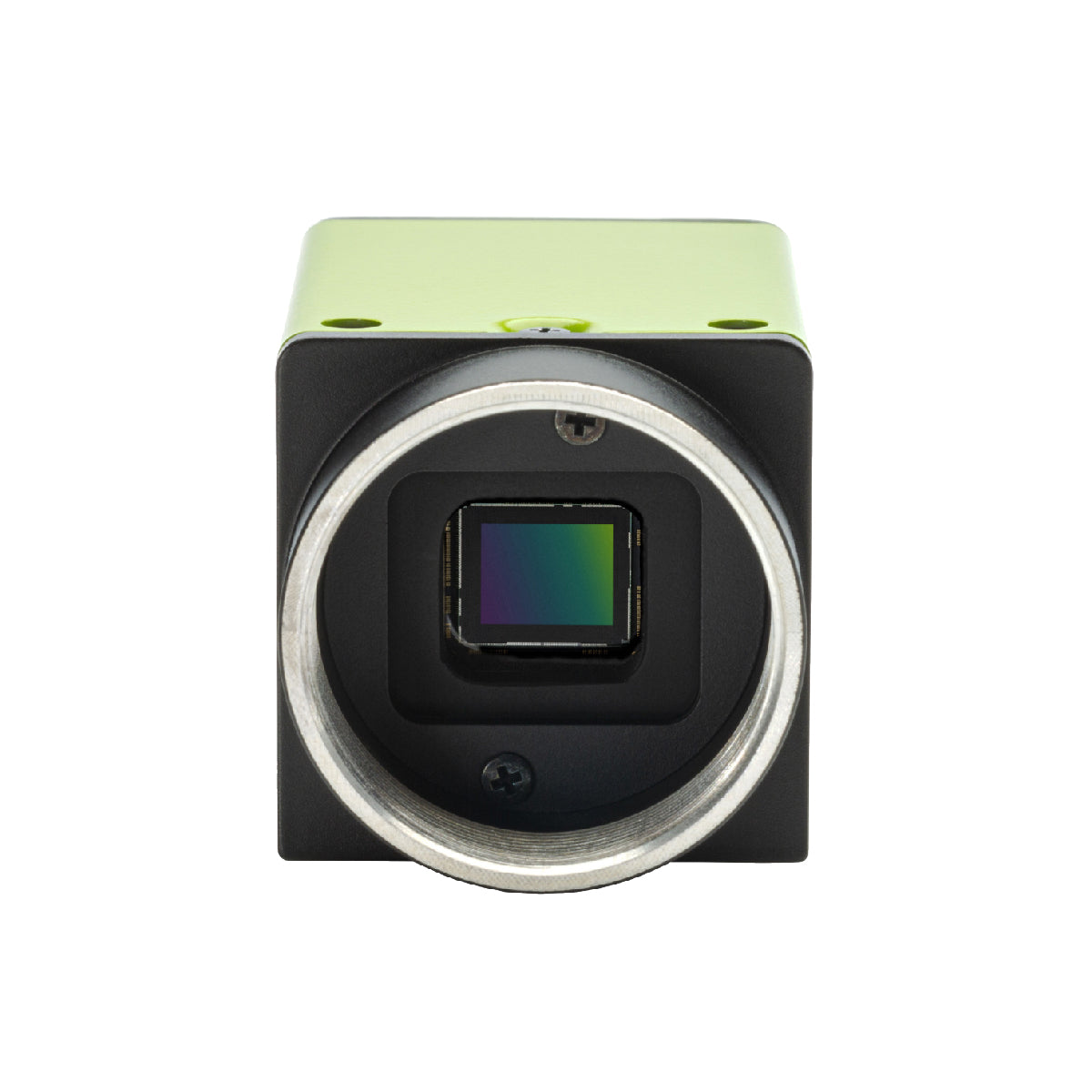
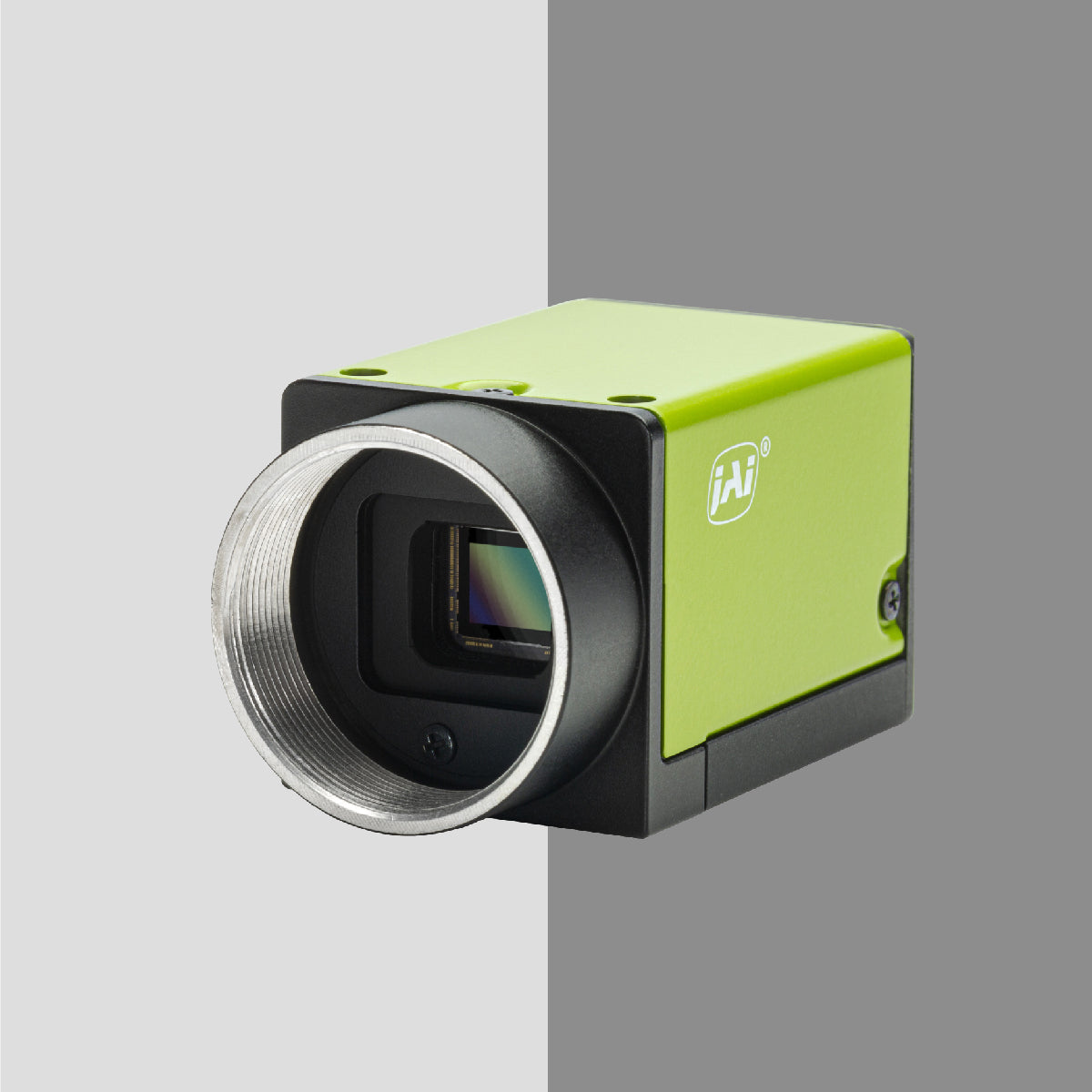
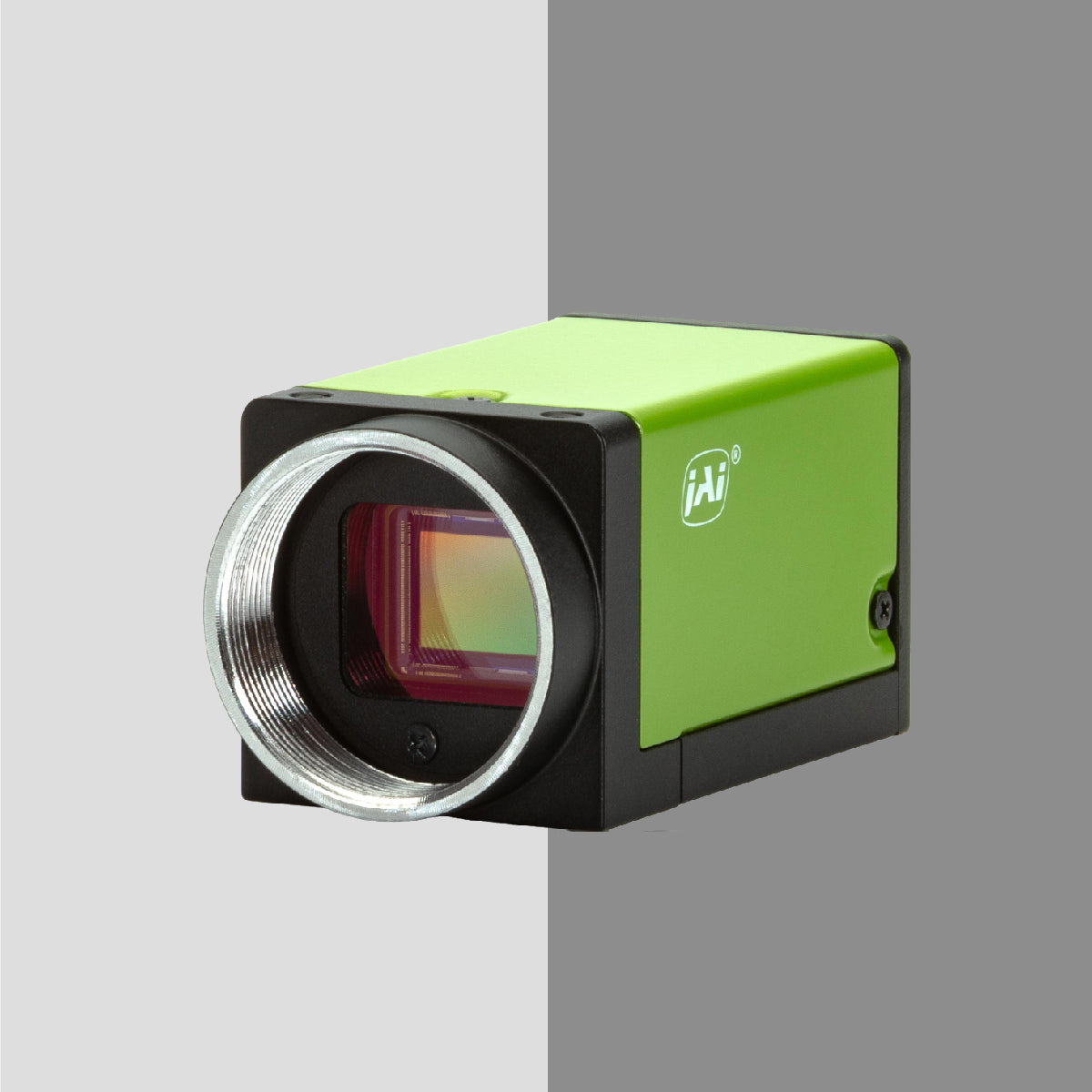
In bottling and beverage manufacturing, speed and precision are everything. Production lines move fast, margins are tight and even minor defects can lead to costly waste, recalls or brand damage. High-speed machine vision cameras play a critical role in maintaining quality, ensuring every bottle meets strict standards before it reaches the consumer.
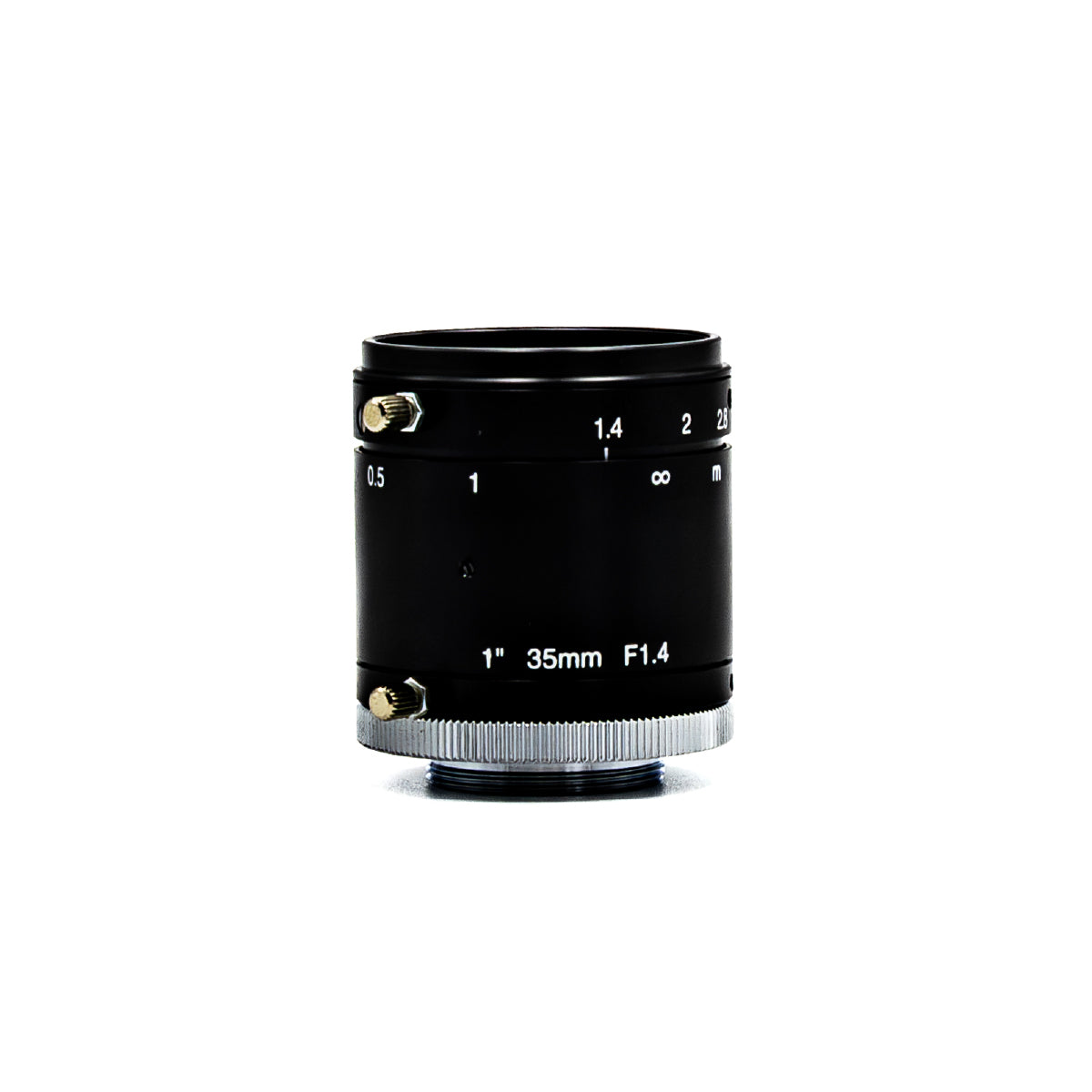
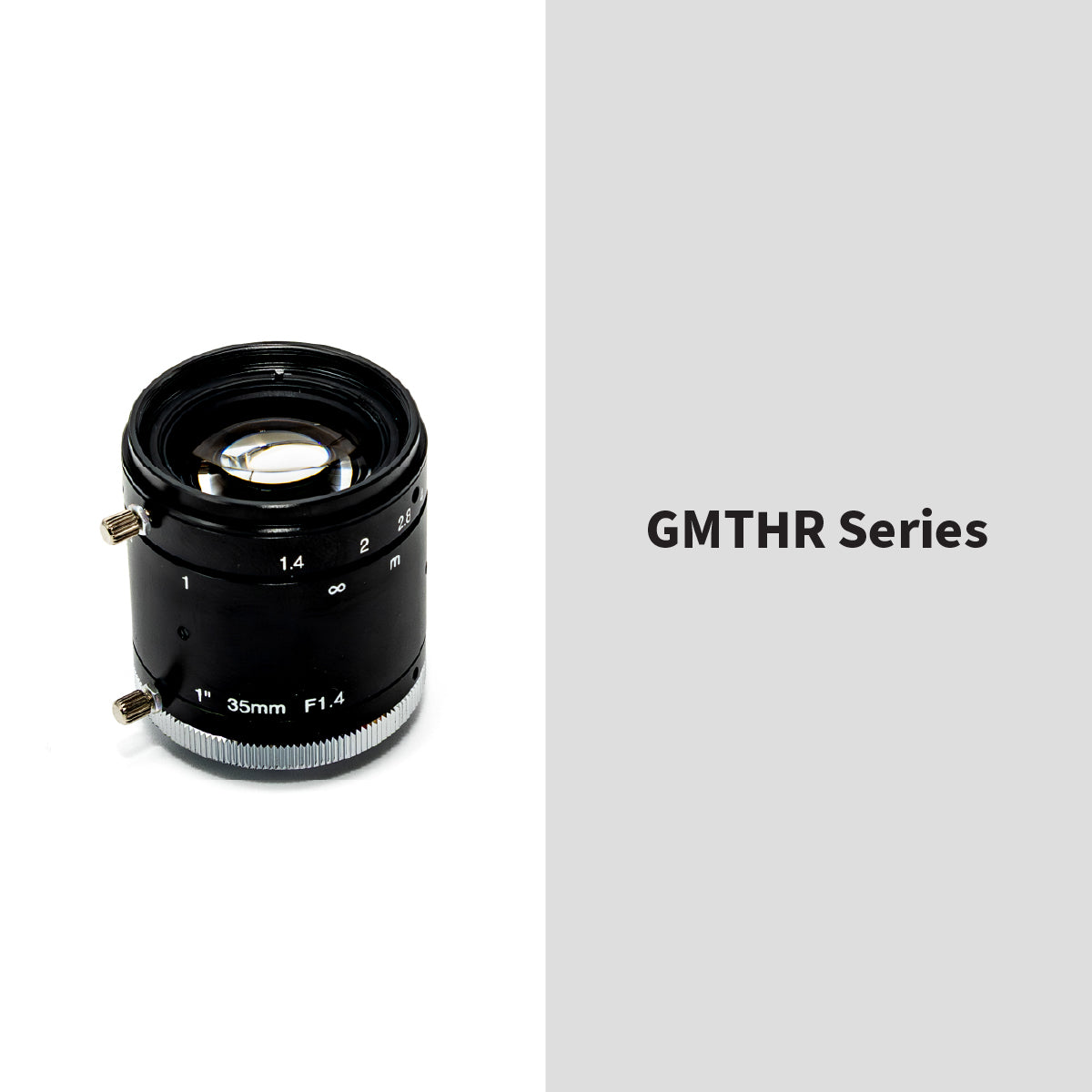
When it comes to machine vision systems, the lens is am important component. While it’s tempting to prioritize cameras, lighting or software, the reality is simple: your system is only as good as the image it captures. And that starts with the lens. Investing in a high-quality machine vision lens can dramatically improve accuracy, consistency and long-term performance. Here’s why it’s worth it.
As agriculture and environmental monitoring become increasingly data-driven, NDVI (Normalized Difference Vegetation Index) has become one of the most widely used tools for assessing vegetation health.
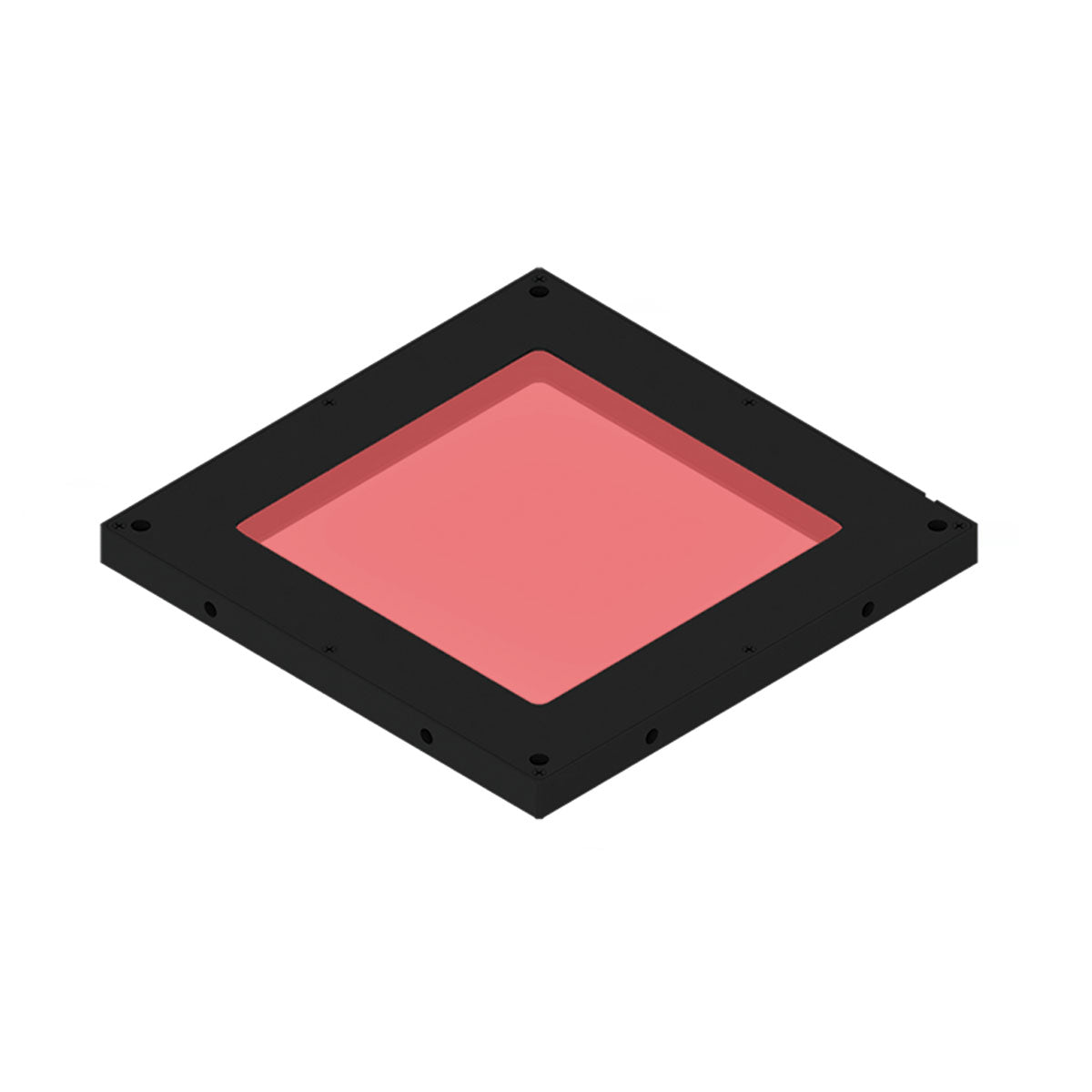
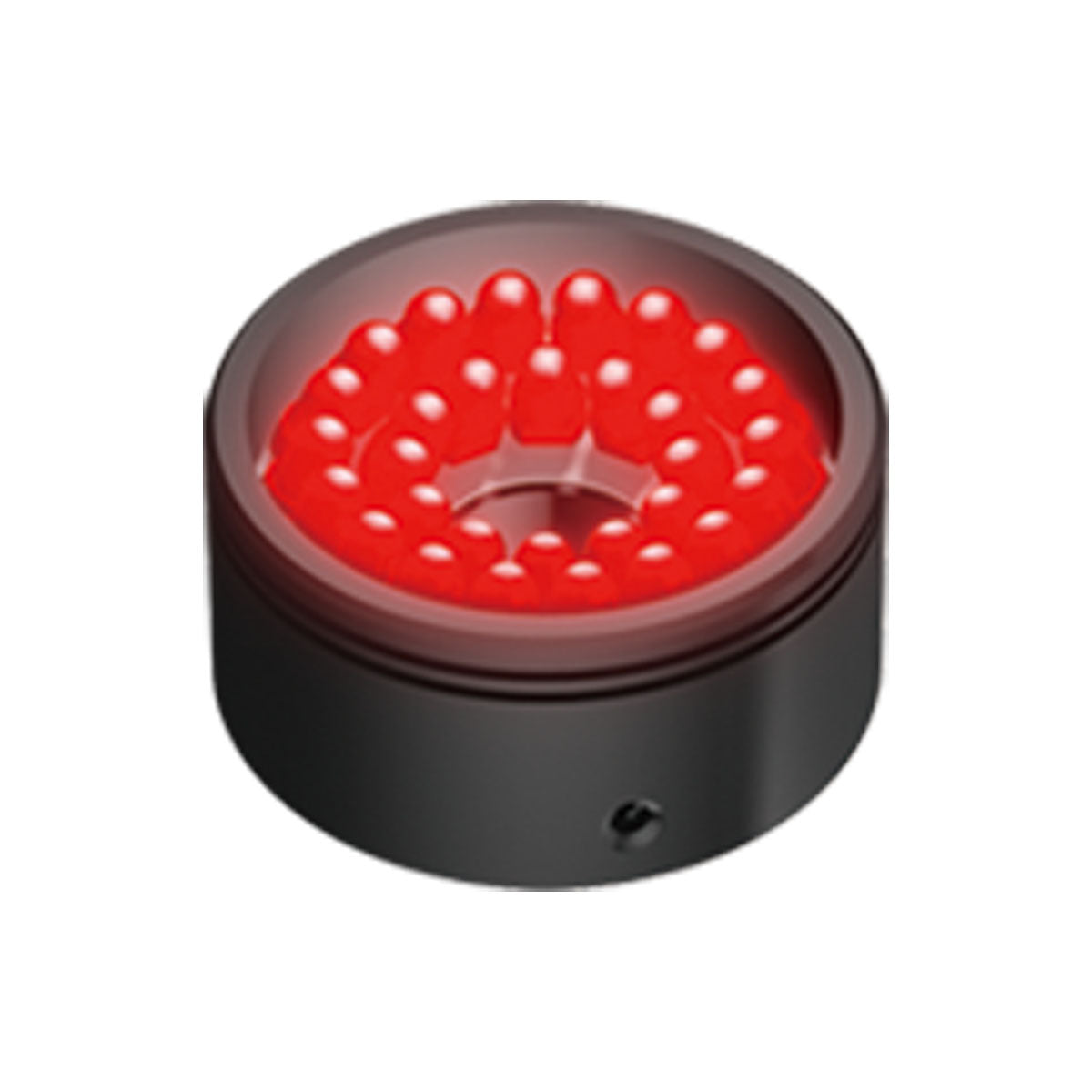
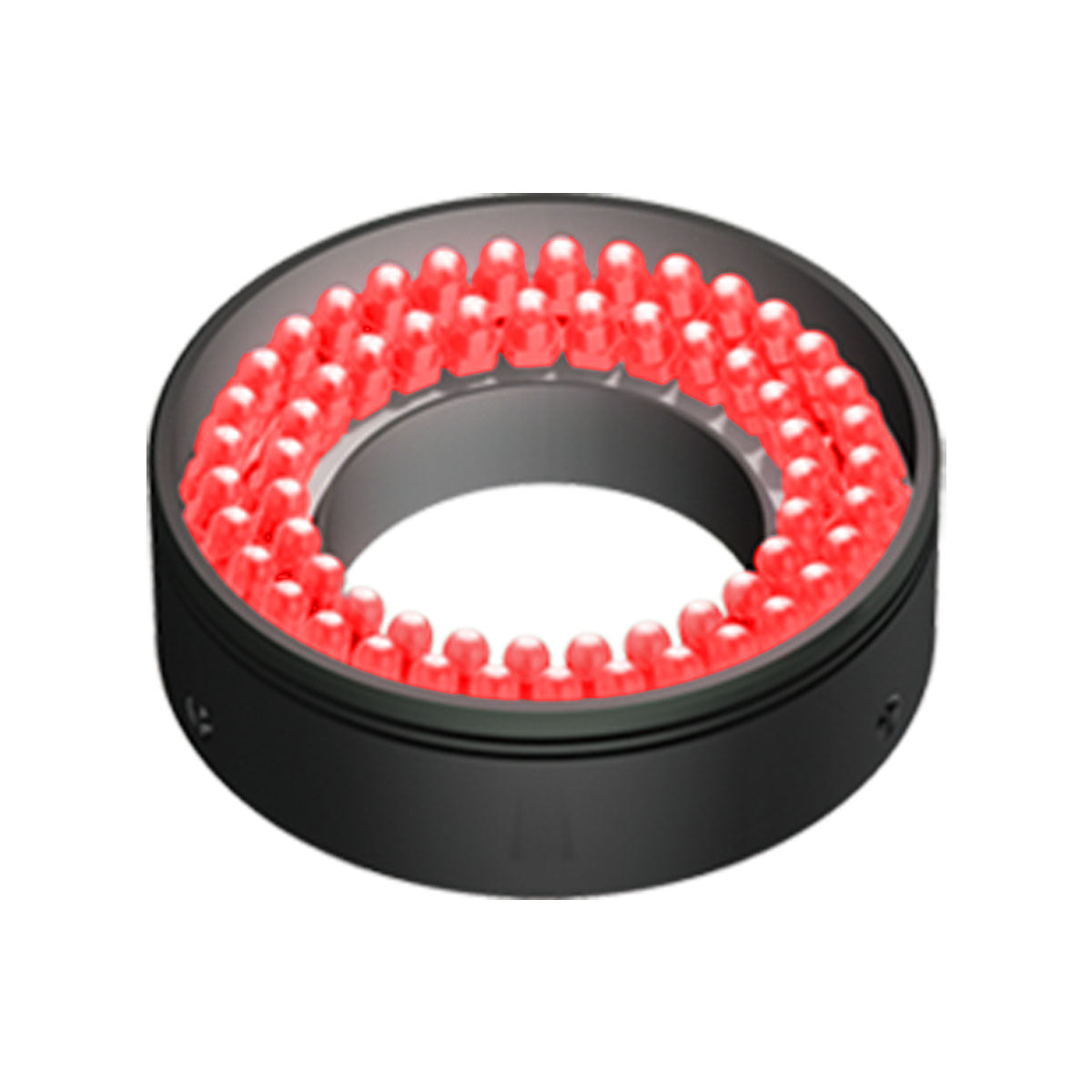
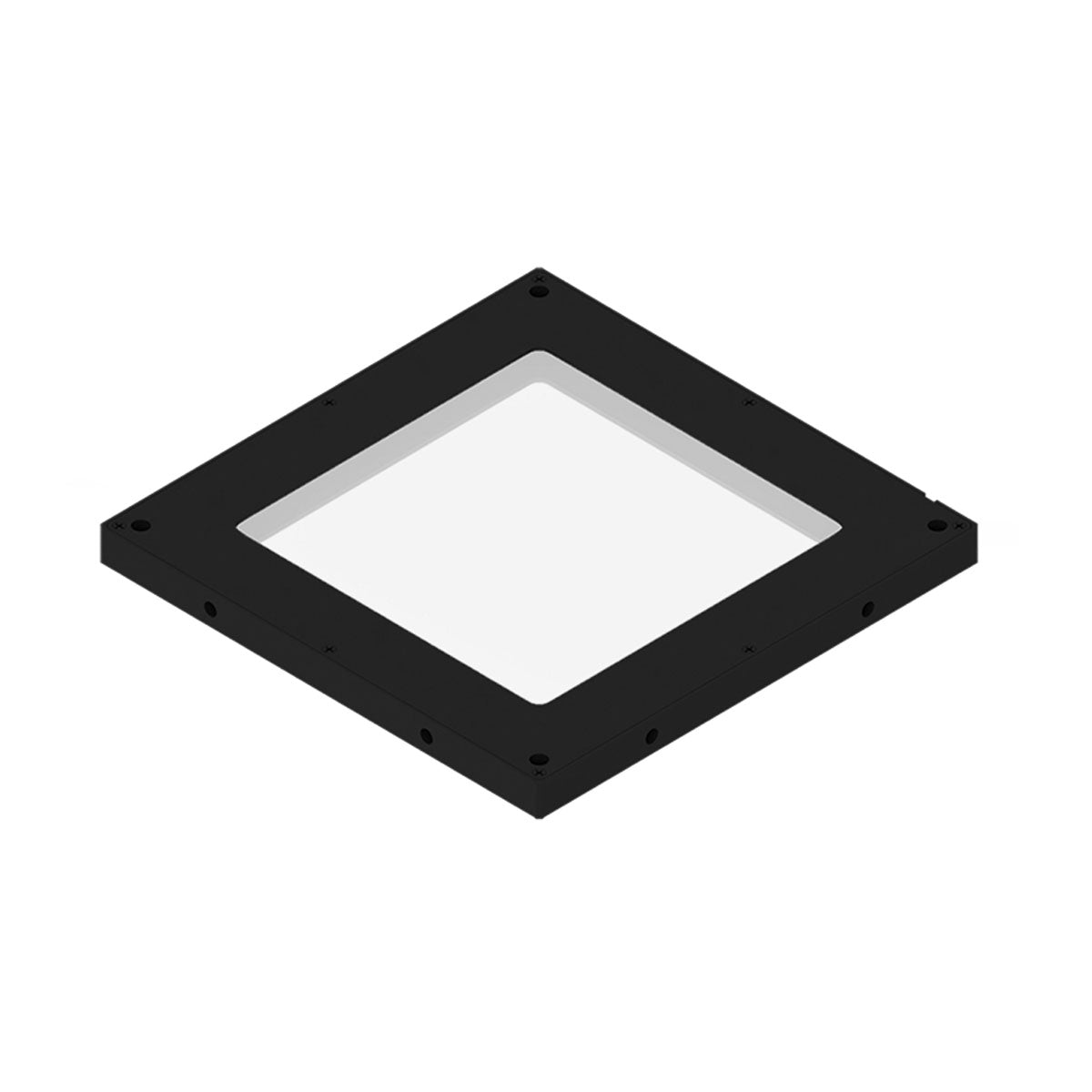
In high-speed inspection environments, image quality depends just as much on lighting as it does on the camera itself. This is especially true for line scan systems, where images are built one line at a time as an object moves through the field of view. Proper lighting is critical to ensure consistent, high-contrast images that support accurate detection and measurement.
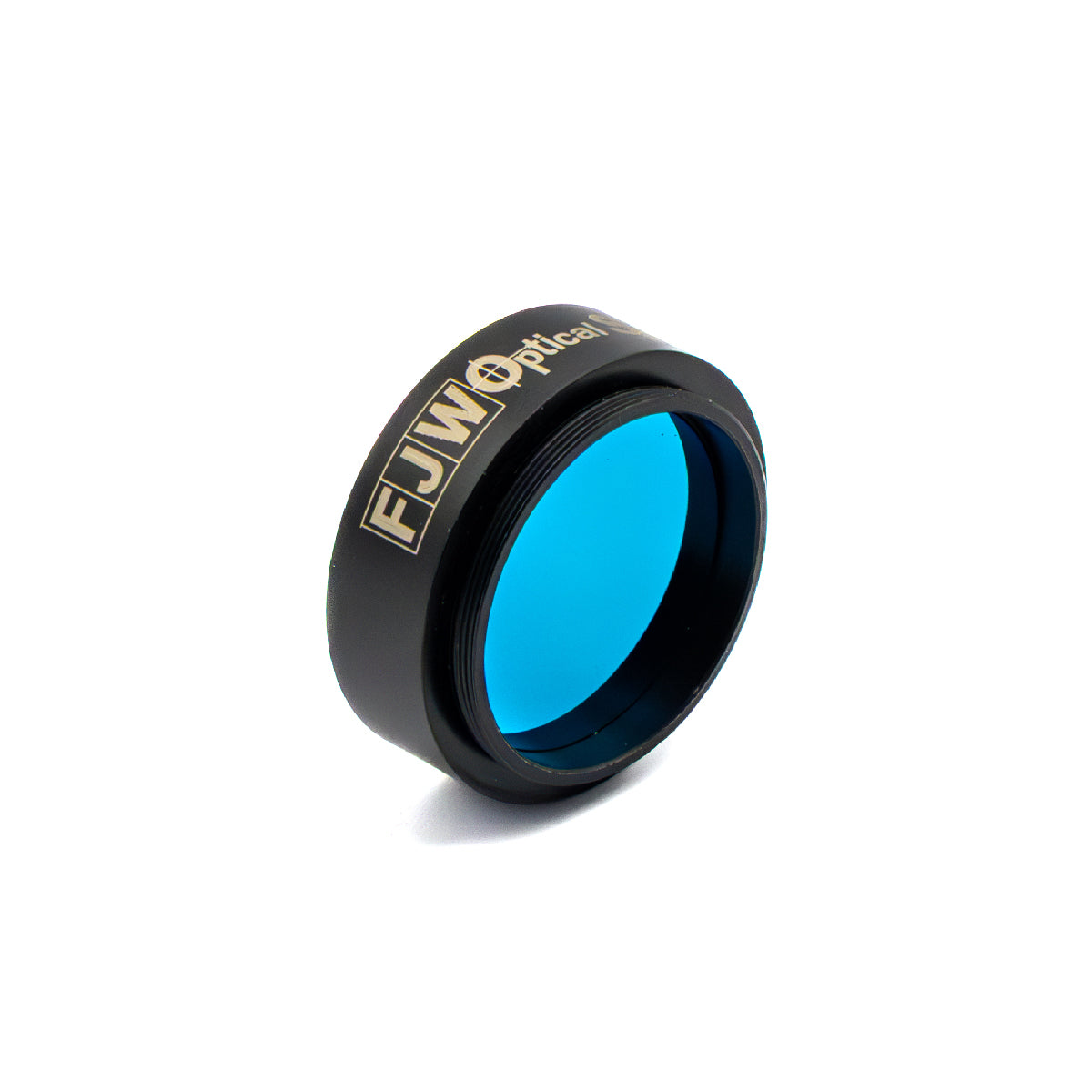
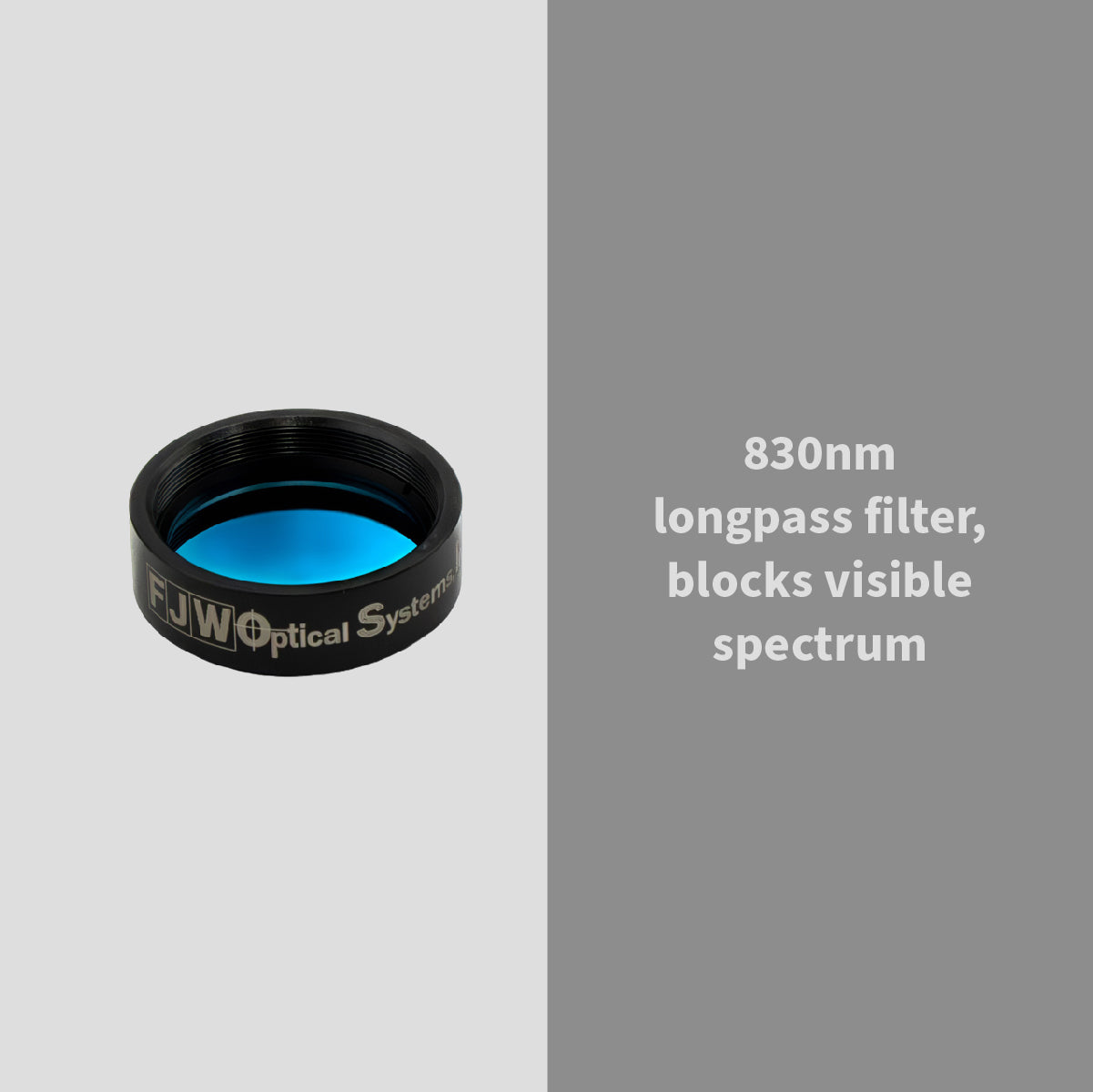
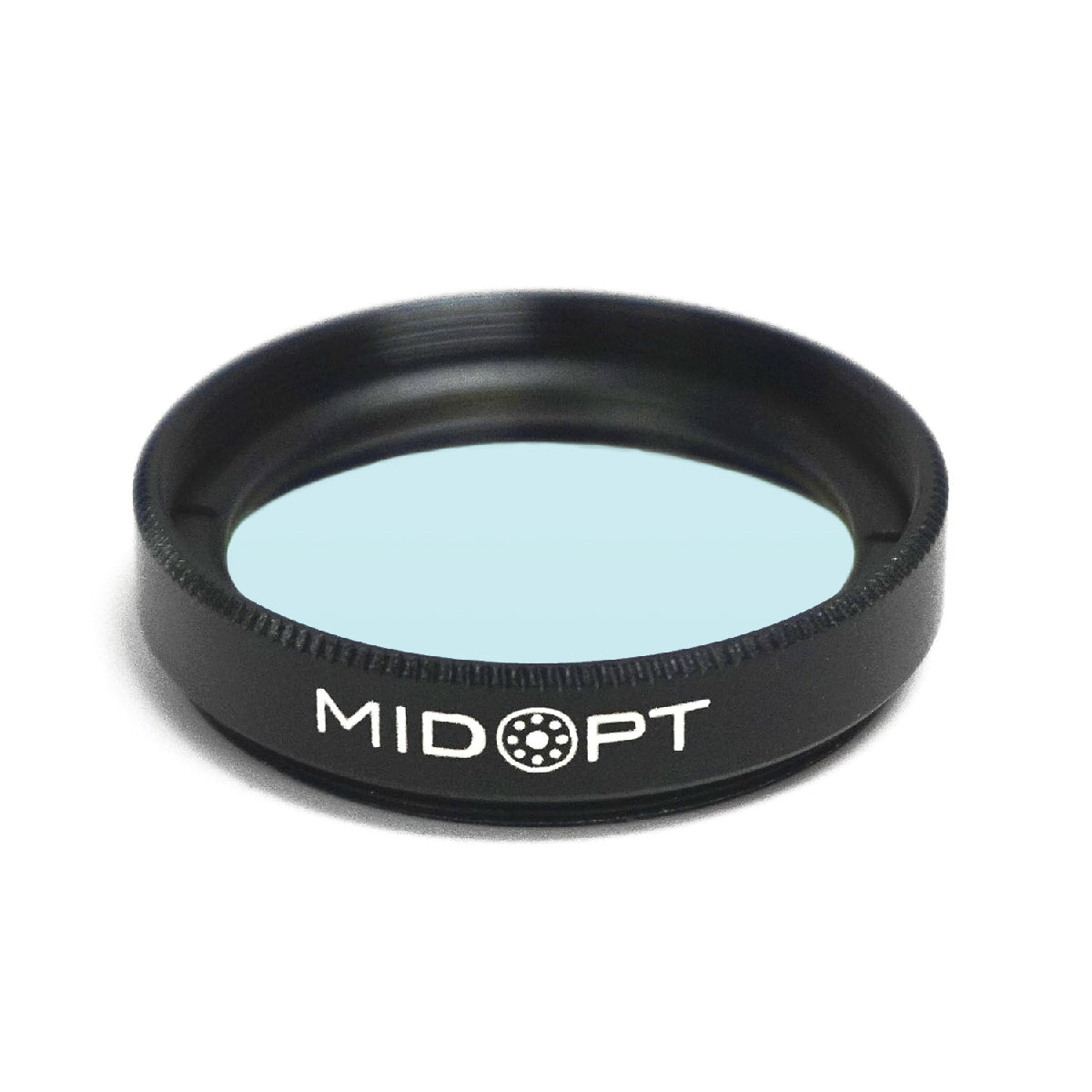
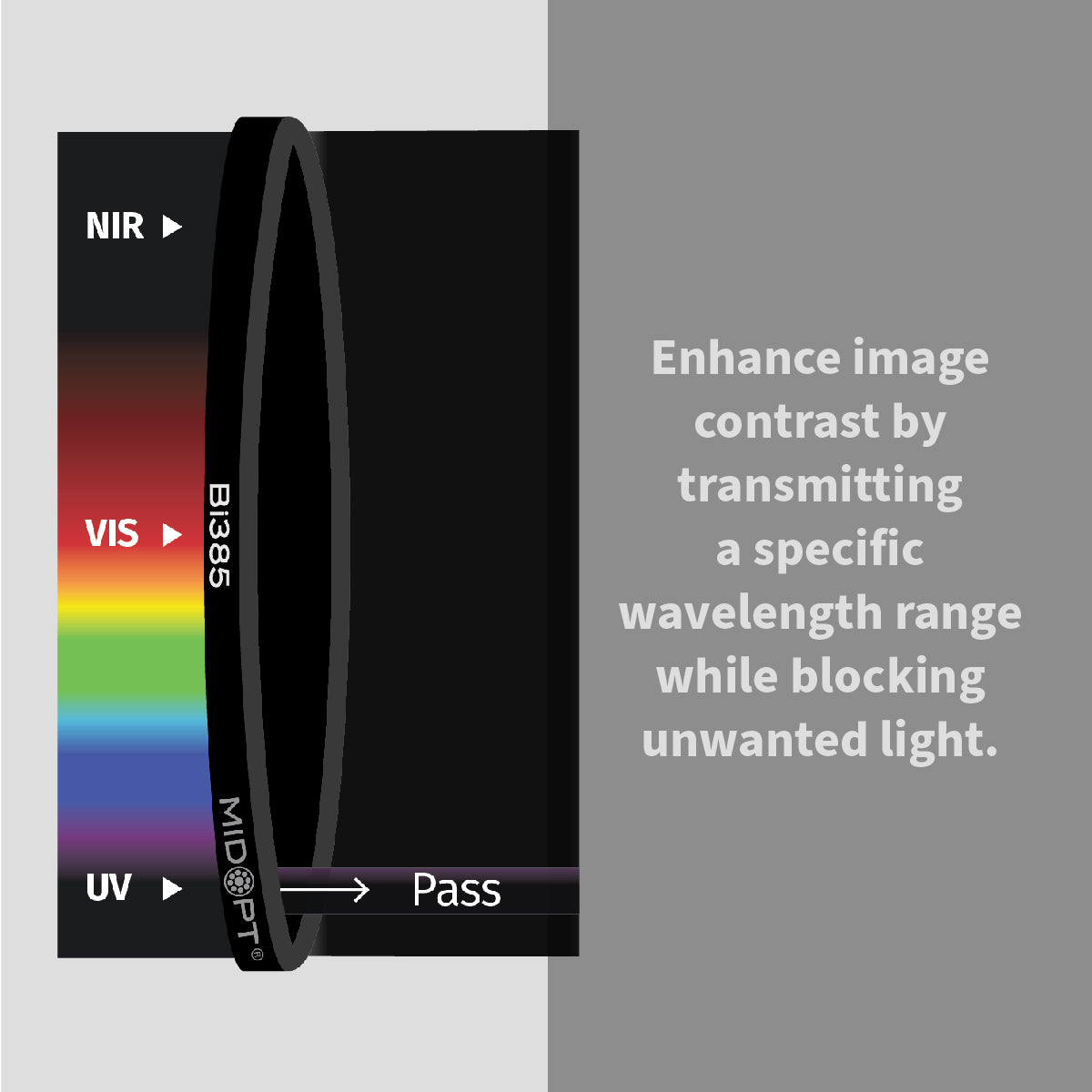
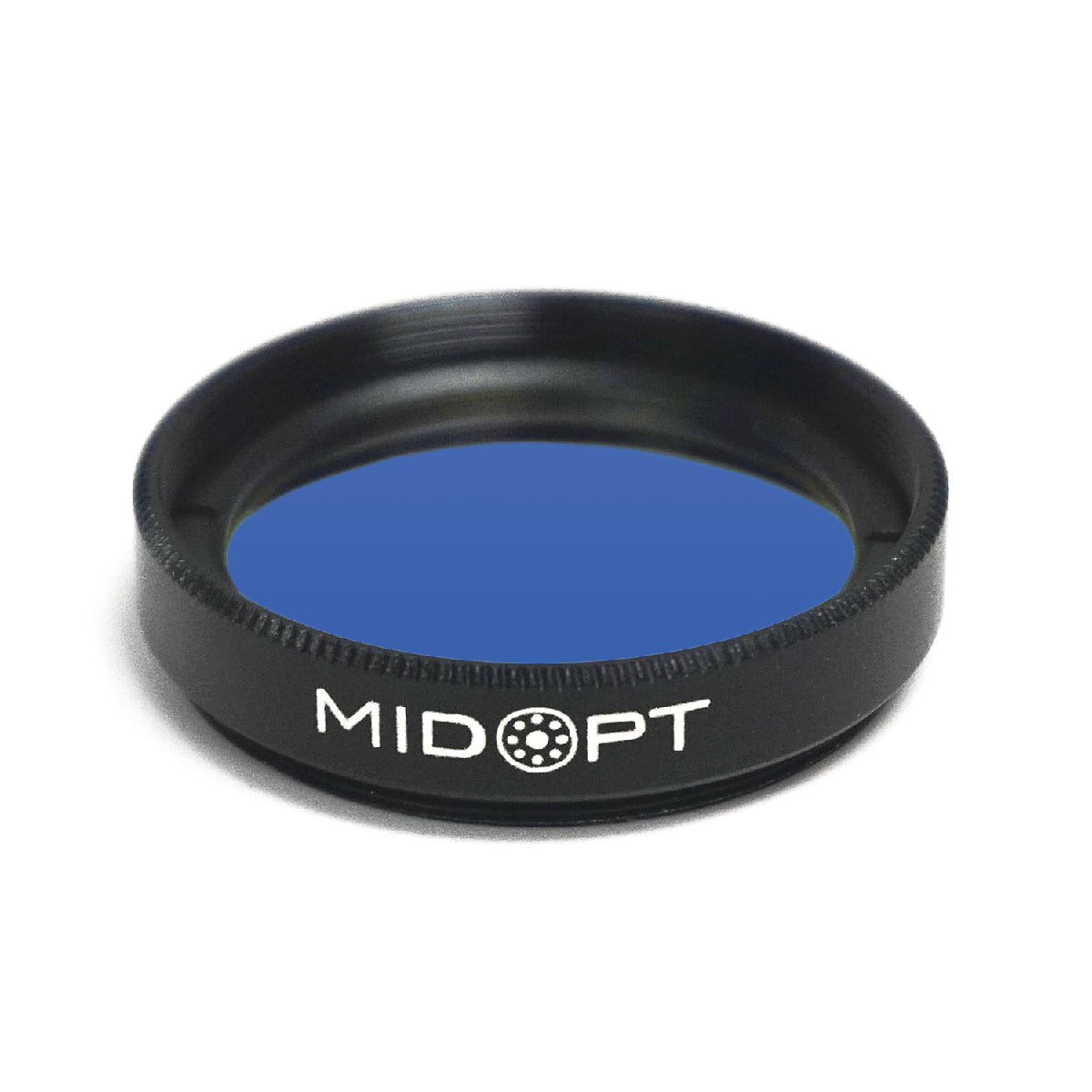
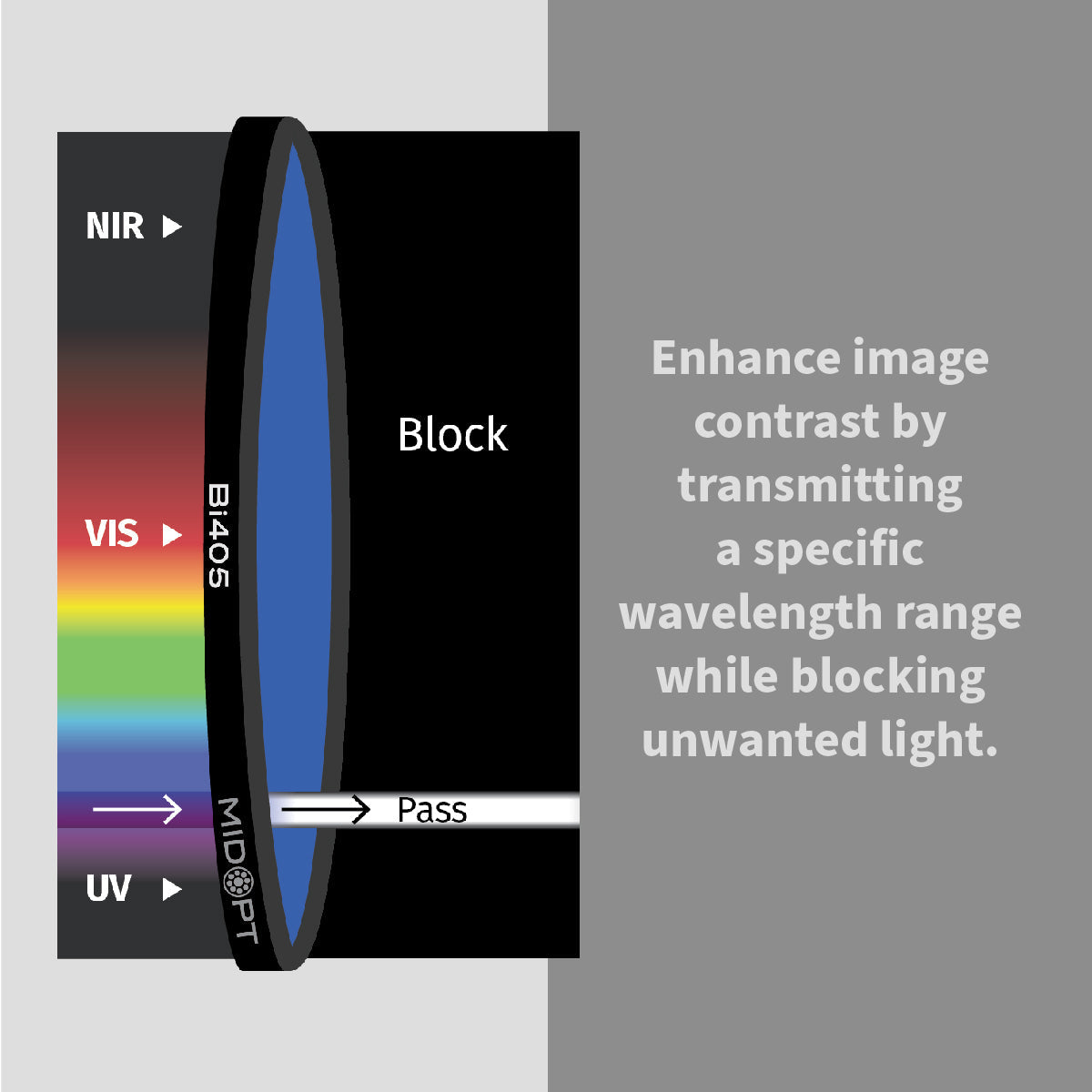
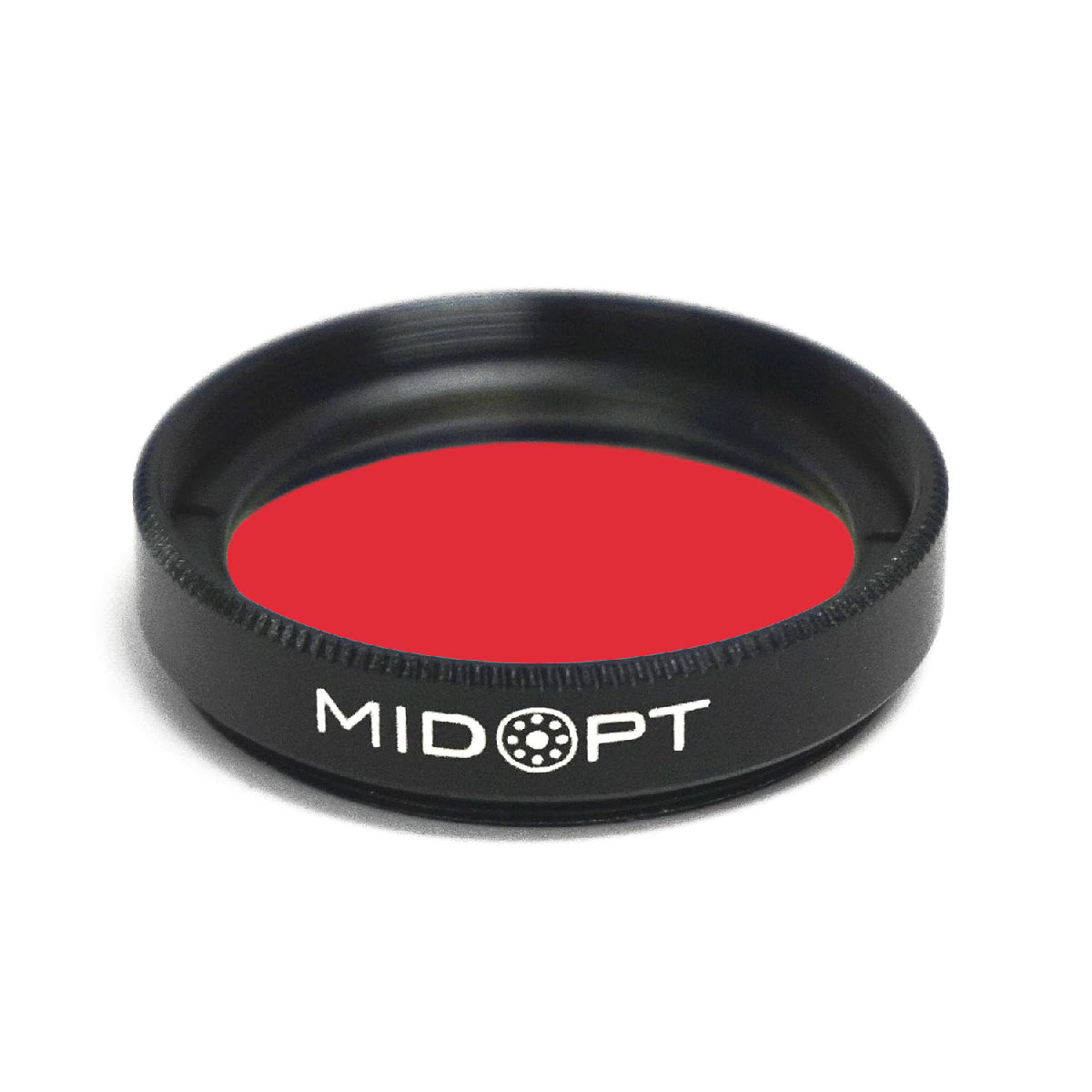
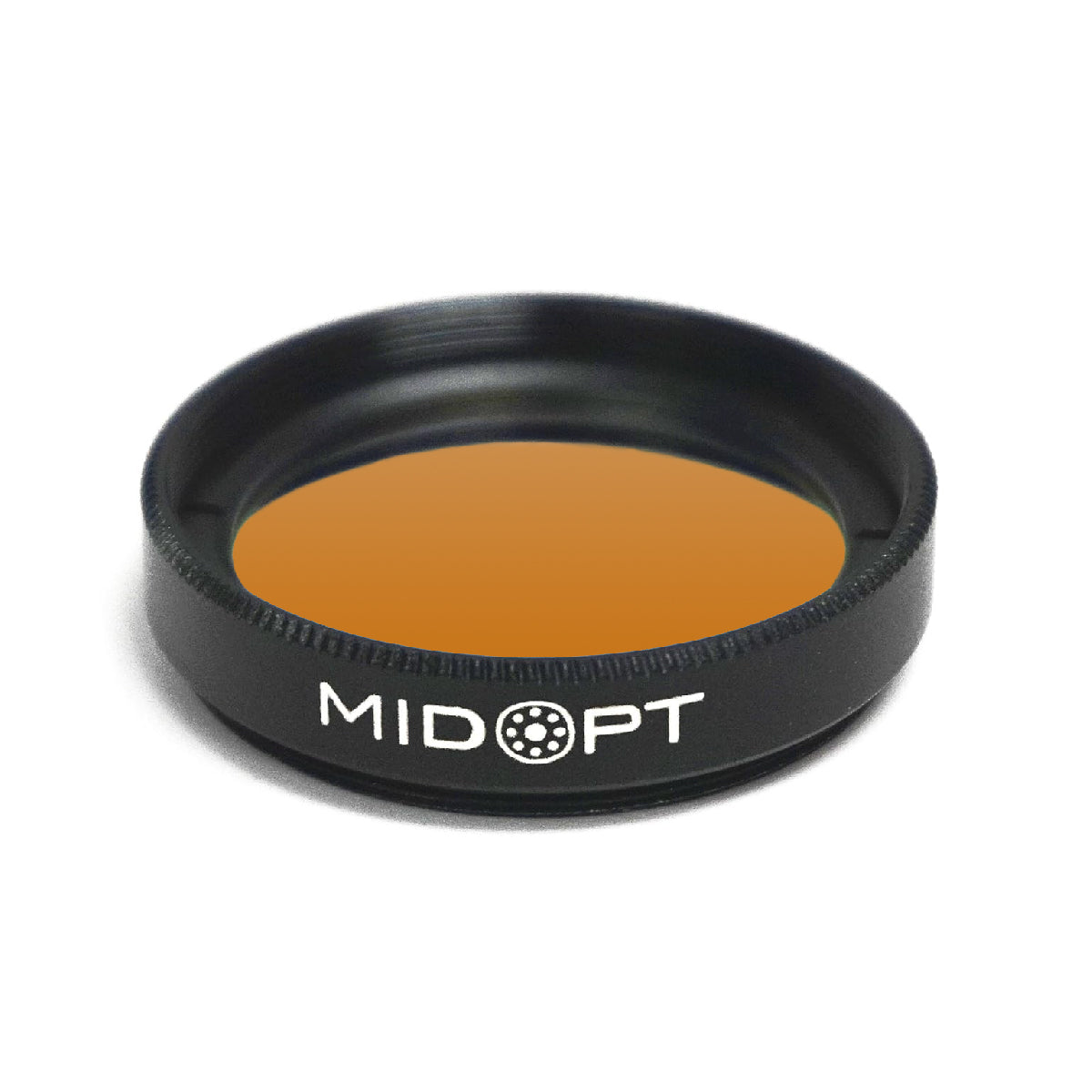
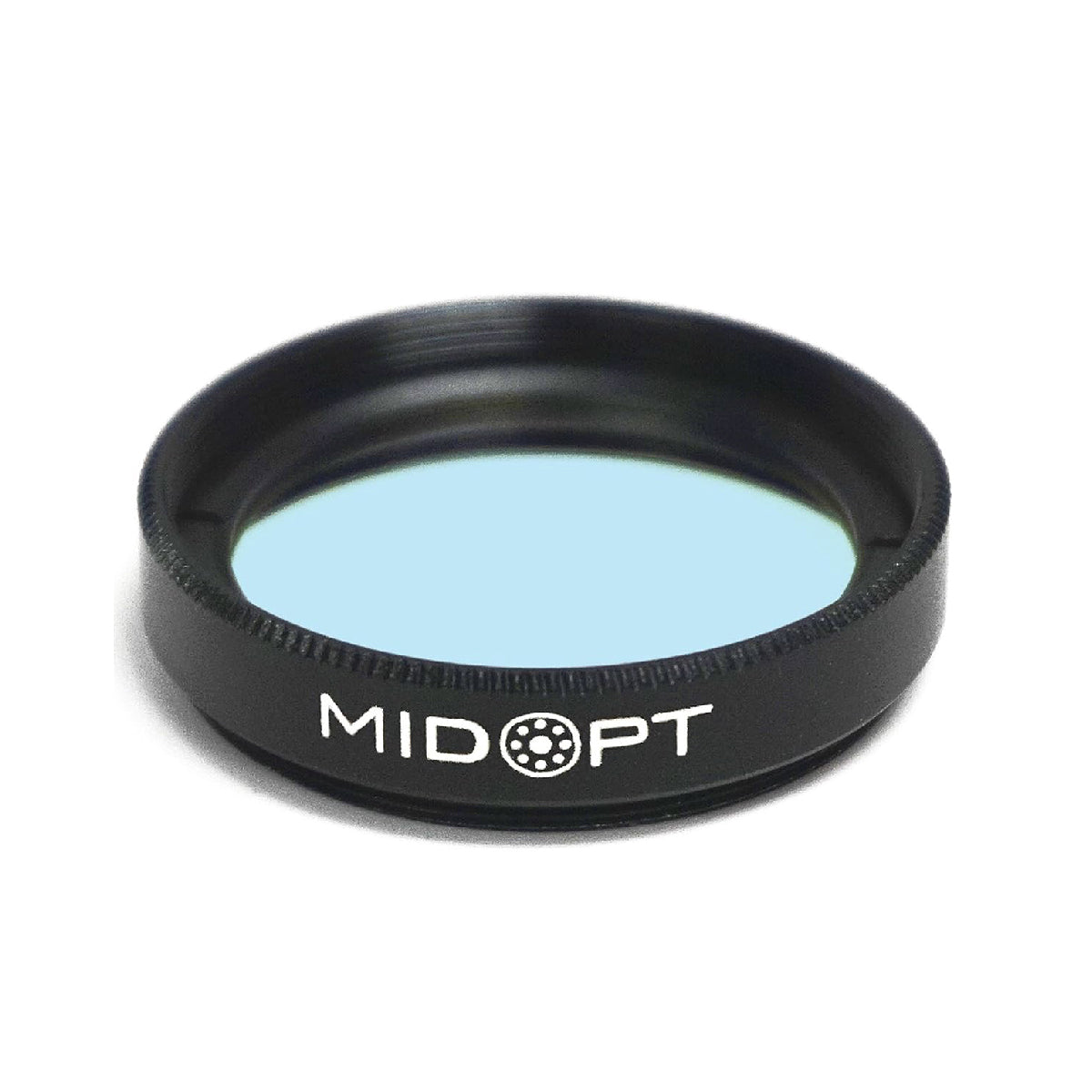
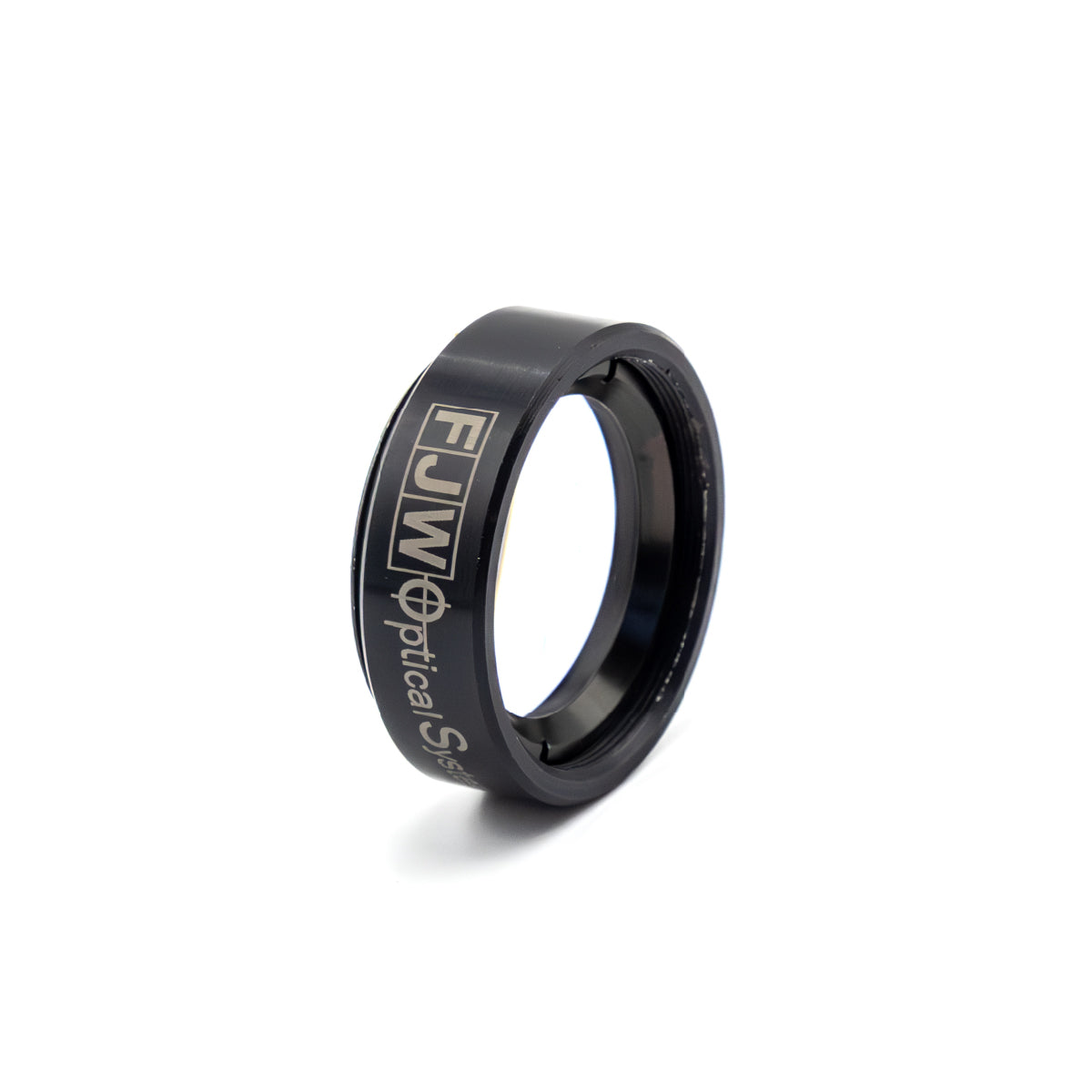
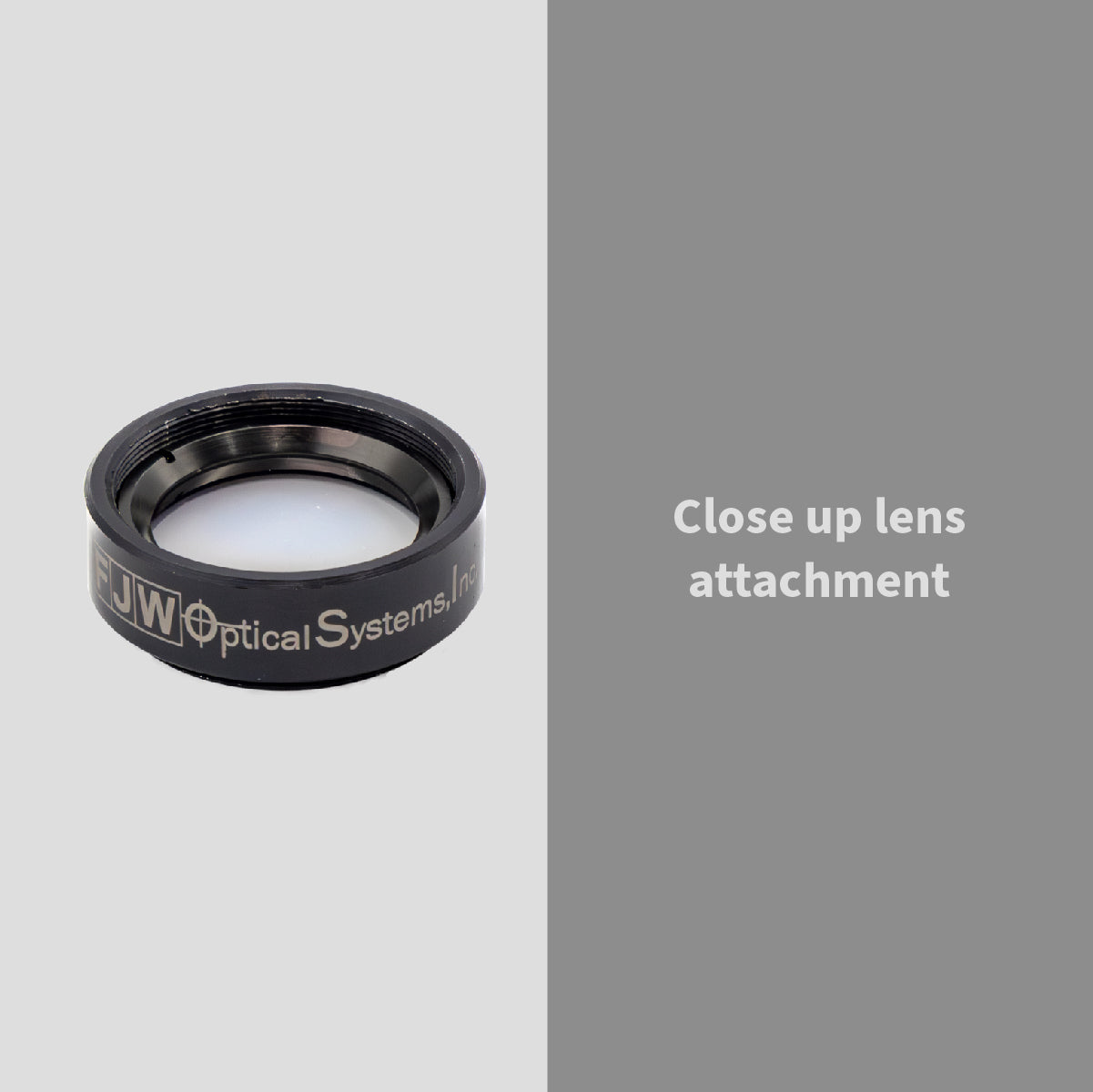
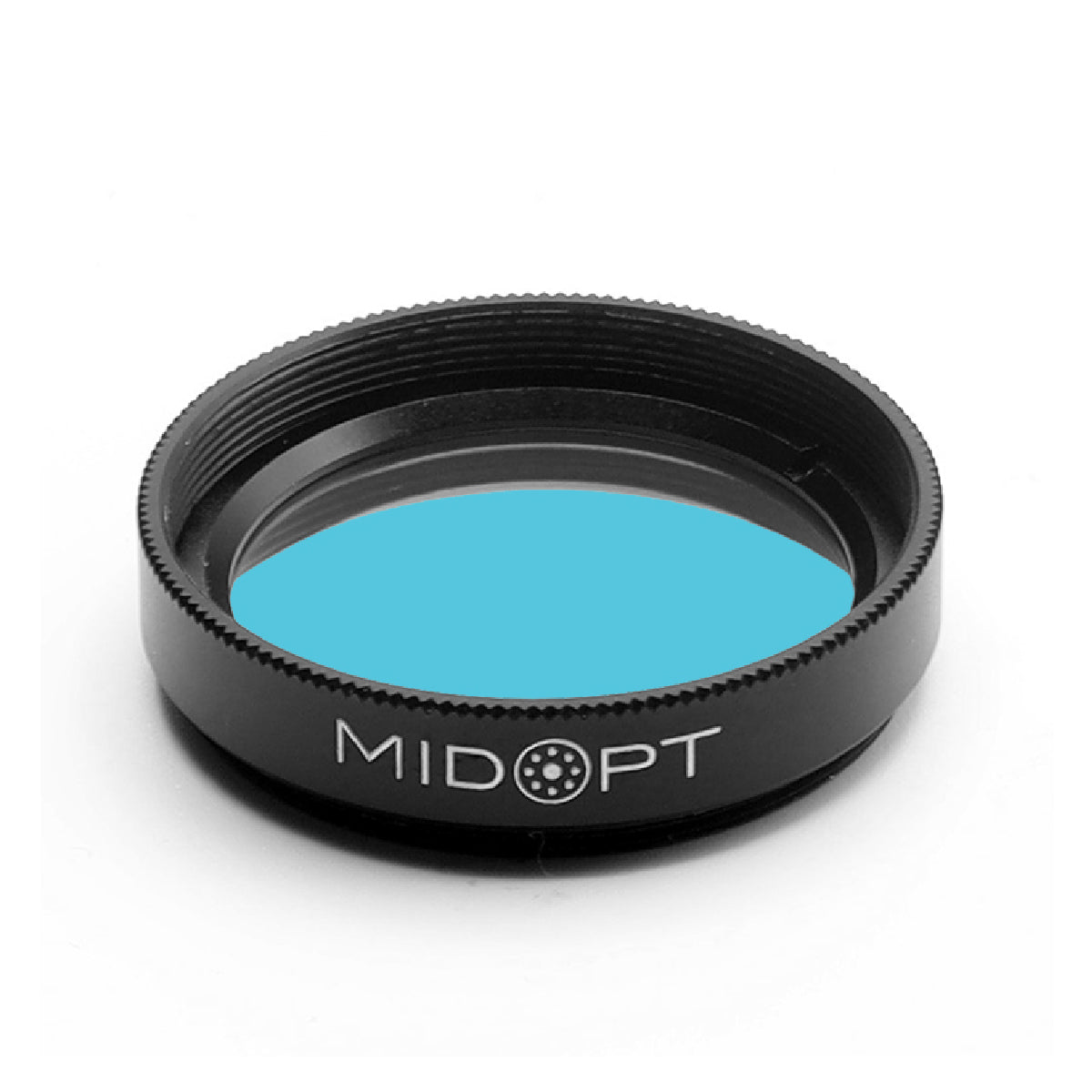
Shortpass filters are commonly used in machine vision systems to remove longer wavelength noise and isolate visible or ultraviolet wavelengths required for inspection tasks.
Benefits include:
• Improved contrast in industrial inspection systems
• Blocking infrared interference from lighting sources
• Enhancing detection of surface features and defects
• Better color separation for imaging analysis
• Improved sensor accuracy in controlled lighting environments
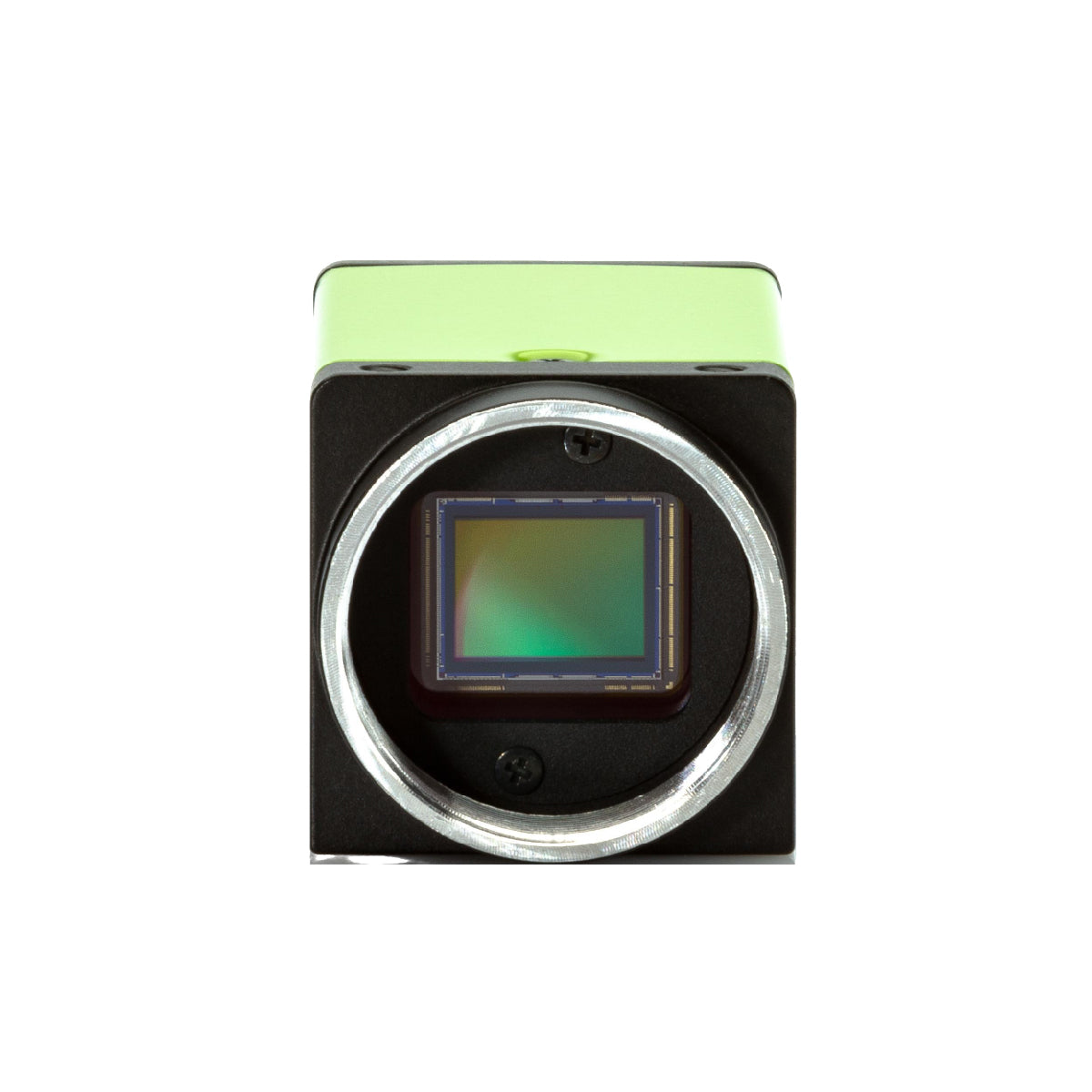
Shortpass filters are frequently used together with machine vision cameras, precision imaging lenses, and specialized lighting systems to create stable imaging conditions for automation.
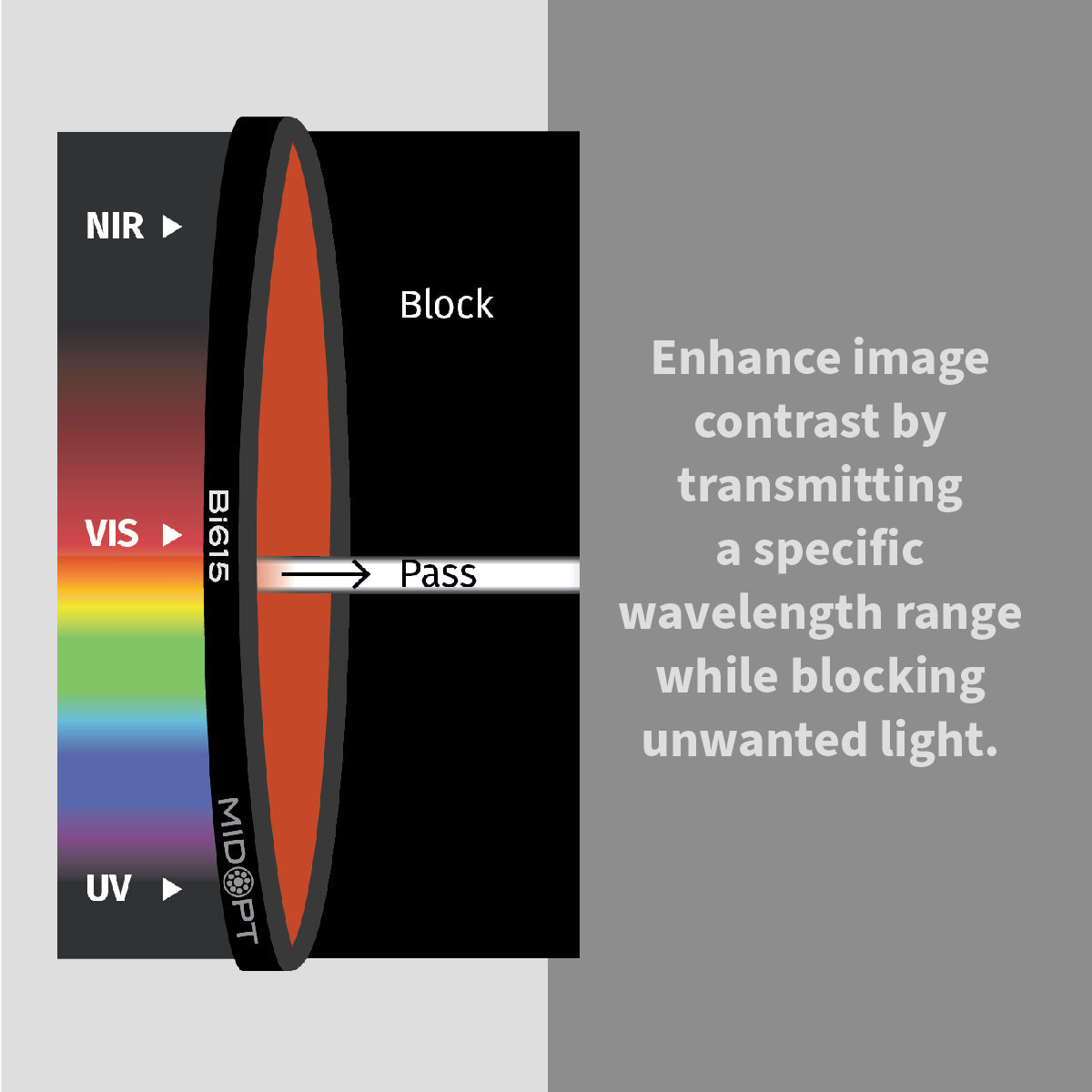
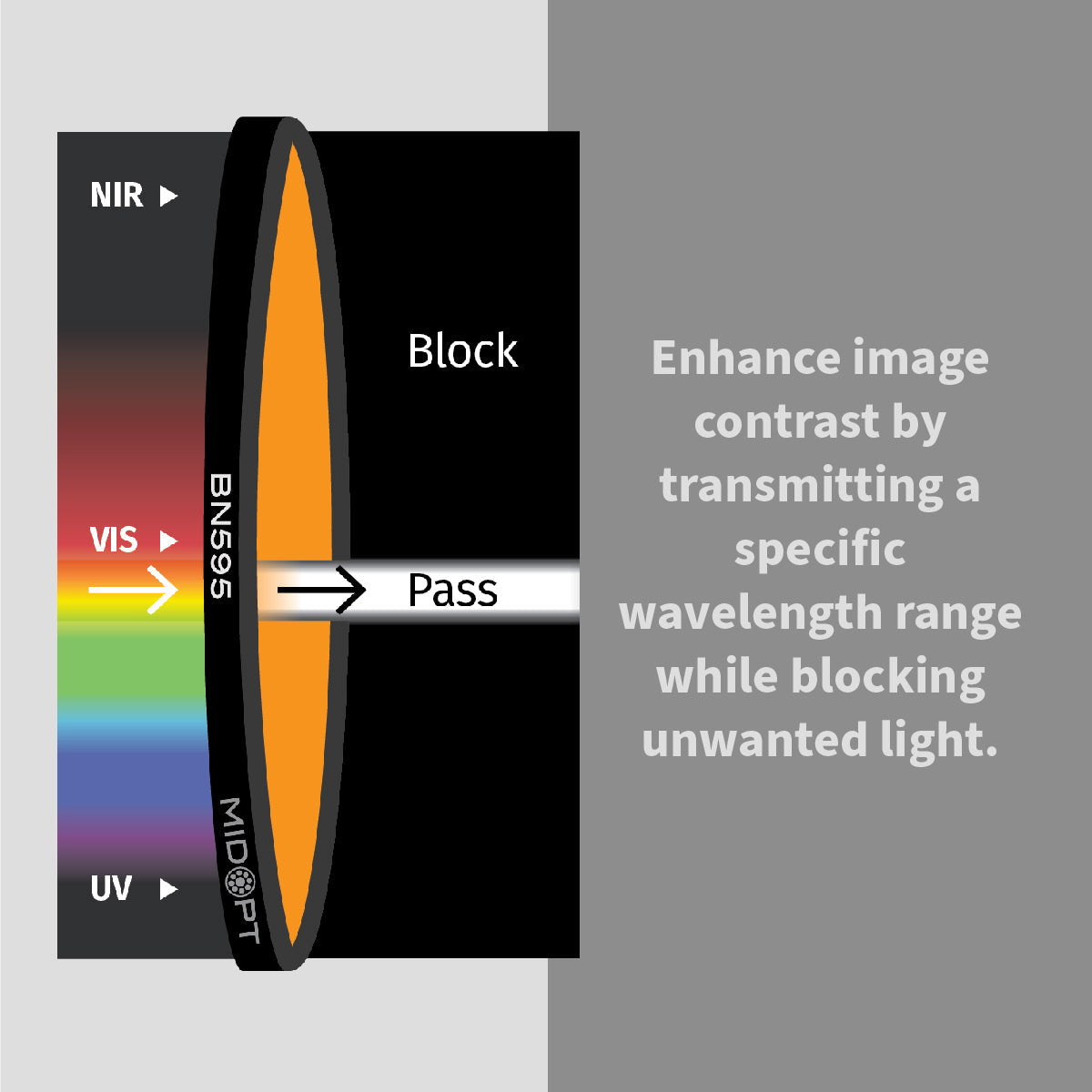
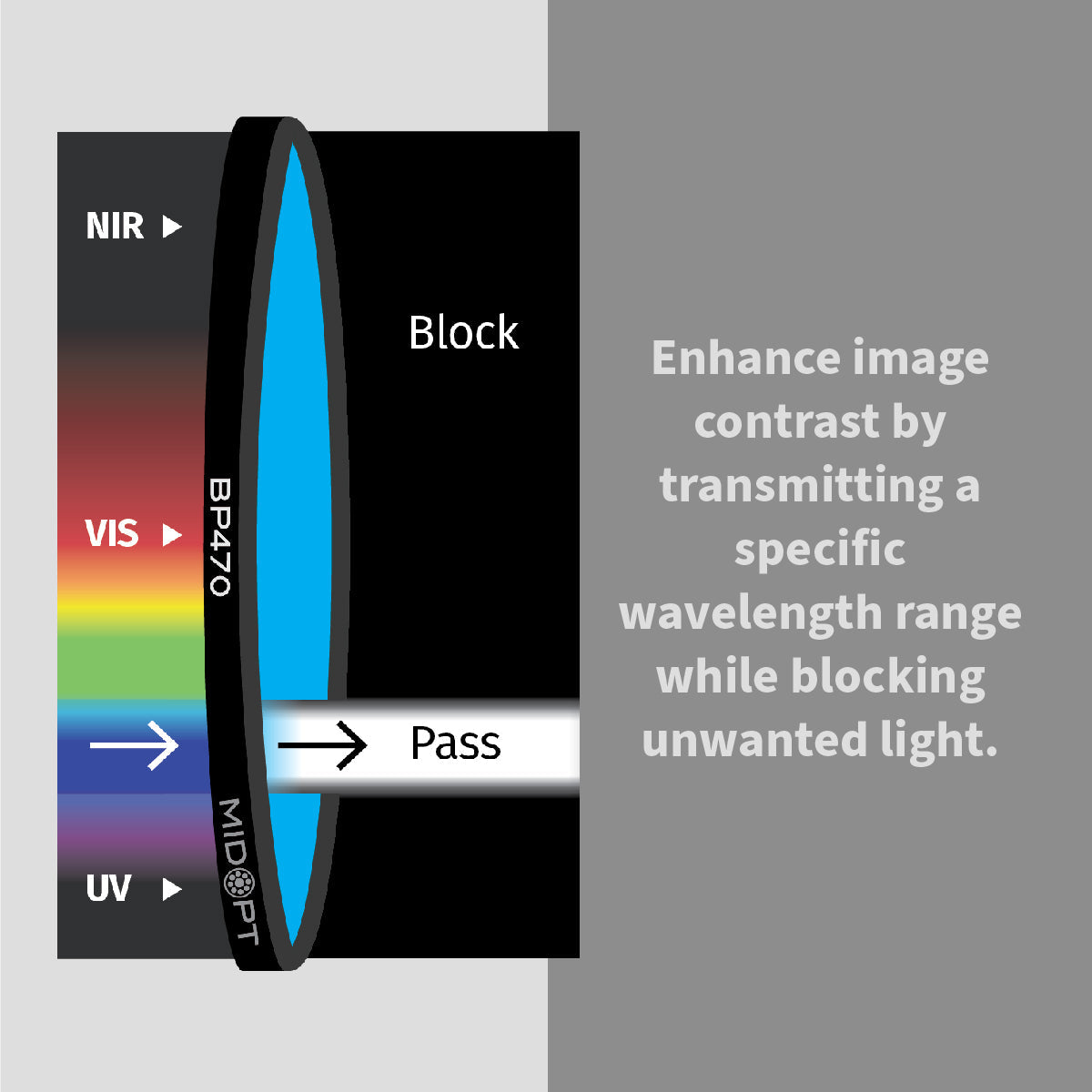
The cutoff wavelength of a shortpass filter refers to the specific wavelength at which the filter transitions from transmitting shorter wavelengths to blocking longer wavelengths. This parameter is critical in optical system design because it determines which portion of the light spectrum is allowed to pass through the filter.
In machine vision and scientific imaging applications, selecting the correct cutoff wavelength ensures optimal contrast and accurate detection of features. Shortpass filters are commonly used when it is necessary to block infrared light while allowing ultraviolet or visible wavelengths to reach the sensor.
UV shortpass filters are widely used in applications that require the transmission of ultraviolet light while blocking visible and infrared wavelengths. These filters are essential for fluorescence imaging, semiconductor inspection, and specialized industrial processes.
Dichroic shortpass filters use advanced coatings to achieve precise wavelength separation with high efficiency. They are commonly used in optical systems requiring sharp spectral transitions and minimal signal loss, making them ideal for high-performance imaging applications.
Shortpass filters support a wide range of industrial and scientific imaging environments.
Shortpass filters remove infrared interference that can distort imaging results, ensuring cameras capture only the desired spectral range.
In fluorescence systems, shortpass filters help isolate excitation wavelengths while blocking unwanted emission wavelengths.
Advanced inspection systems rely on spectral filtering to detect defects on wafers and microelectronics components.
Laboratories use shortpass filters to improve contrast and isolate specific spectral signals during imaging experiments.
Shortpass filters are used to isolate laser wavelengths and eliminate background optical noise.
For narrow wavelength filtering applications, explore our dedicated Bandpass Filters Collection.
For controlling illumination intensity without changing spectral characteristics, review our Neutral Density Filters Collection.
Shortpass filters are created using multilayer dielectric coatings deposited on precision optical glass substrates.
These coatings are engineered so that:
• Short wavelengths pass through the filter
• Longer wavelengths are reflected or absorbed
For example:
A 500nm shortpass filter allows wavelengths below 500nm to pass while blocking wavelengths above that cutoff.
This optical filtering process enables imaging systems to isolate specific spectral regions and eliminate unwanted light that may reduce imaging accuracy.
High-quality shortpass filters provide:
• Sharp wavelength transition edges
• High transmission efficiency
• Strong blocking of unwanted wavelengths
• Consistent spectral performance
Shortpass filters are frequently used alongside other optical filters to create custom spectral filtering systems.
Allow only a specific wavelength range to pass through while blocking both shorter and longer wavelengths.
Transmit longer wavelengths while blocking shorter wavelengths.
Reduce overall light intensity without altering the wavelength distribution.
Combining these filters allows engineers to design precise optical filtering solutions for complex imaging environments.
FJW Optical provides precision optical components for machine vision integrators, OEM manufacturers, and research laboratories.
Benefits include:
• Fast U.S. shipping and fulfillment
• Bulk OEM pricing options
• Engineering consultation and selection support
• Compatibility guidance with cameras and lenses
• Reliable supplier for industrial automation systems
Our team helps engineers design complete imaging systems that combine filters, cameras, lighting, and optics to achieve optimal inspection performance.
Recent Article : Longpass vs Shortpass Filters 2026: Key Differences and Future of Optical Filtering for Machine Vision
A shortpass filter allows wavelengths shorter than a specified cutoff to pass while blocking longer wavelengths. This helps eliminate infrared or unwanted spectral interference in imaging systems.
Shortpass filters are used when you want to transmit shorter wavelengths while blocking longer ones. Longpass filters perform the opposite function and transmit longer wavelengths.
Yes. Shortpass filters reduce spectral noise and improve image contrast, helping machine vision cameras detect features more accurately.
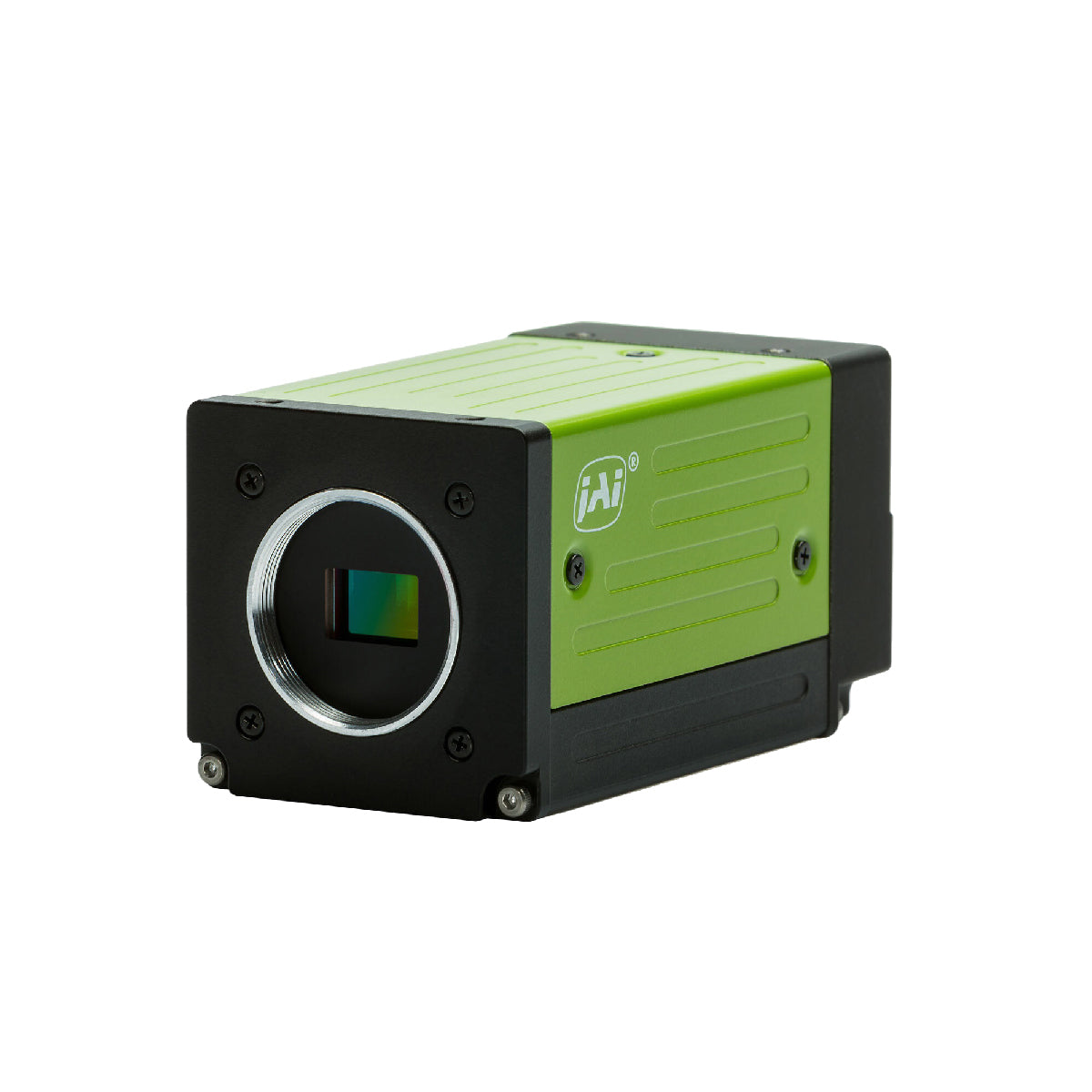
Yes. Shortpass filters are commonly paired with industrial machine vision cameras to improve image clarity and remove unwanted light interference.
Yes. Shortpass filters are often used in fluorescence systems to isolate excitation wavelengths and improve detection of fluorescent signals.
Yes. Shortpass filters are frequently used with LED lighting systems to isolate the desired spectral output and eliminate unwanted wavelengths.