
 Find-R-Scopes
 Filters
 Lenses
 Cameras
 Lighting




 Accessories








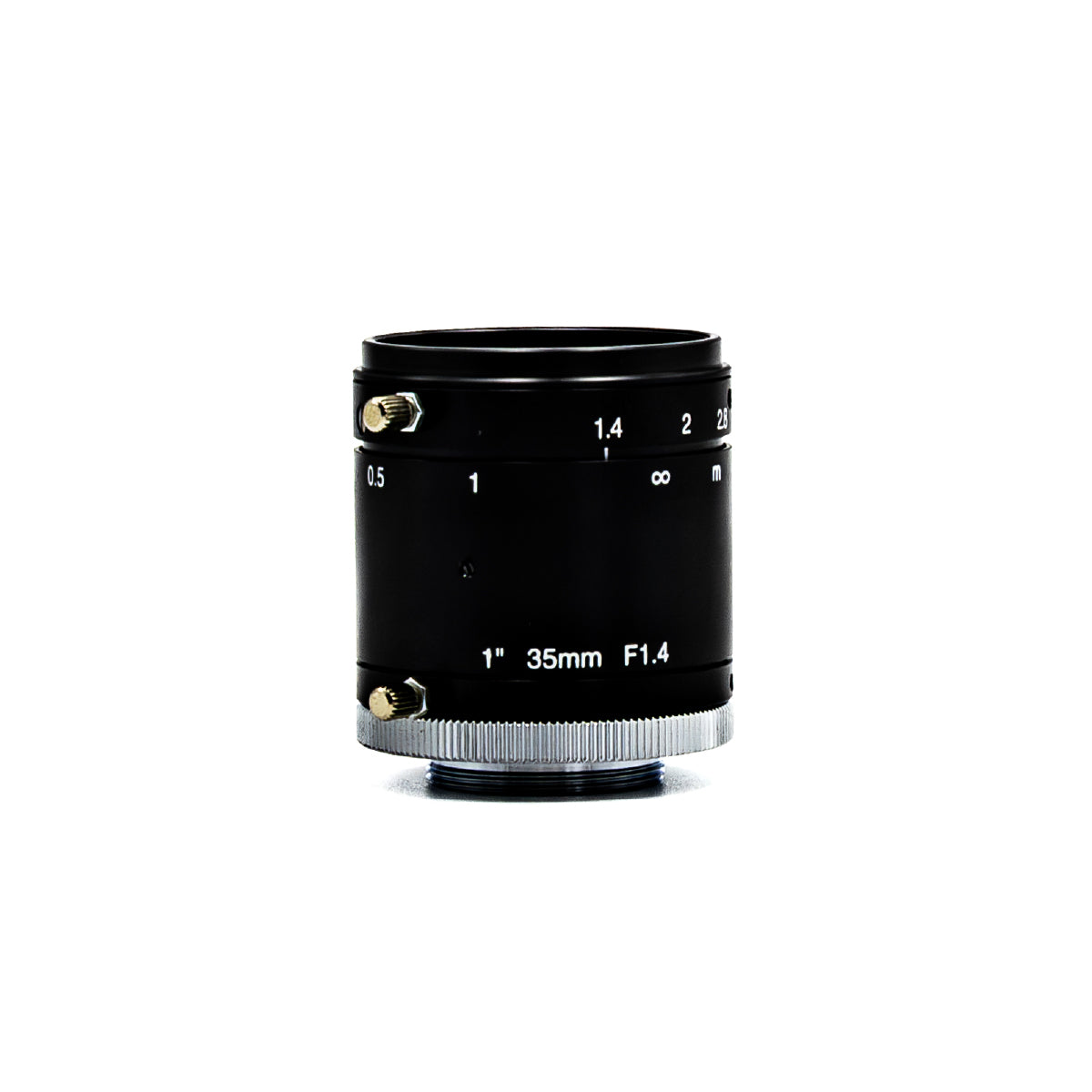


In bottling and beverage manufacturing, speed and precision are everything. Production lines move fast, margins are tight and even minor defects can lead to costly waste, recalls or brand damage. High-speed machine vision cameras play a critical role in maintaining quality, ensuring every bottle meets strict standards before it reaches the consumer.
From verifying fill levels to checking cap placement and label accuracy, modern vision systems provide the speed and reliability needed to keep production running efficiently without sacrificing quality.
Why High-Speed Vision Matters
Beverage lines often process hundreds or even thousands of bottles per minute. At these speeds, manual inspection is not only inefficient but unreliable. High-speed cameras paired with intelligent vision systems allow manufacturers to:
- Capture sharp images at high throughput rates
- Detect defects in real time
- Reduce product waste and rework
- Maintain consistent product quality
With fast sensors and precise triggering, these systems ensure that no bottle is missed, even in continuous motion environments.
Fill Level Inspection
Accurate fill levels are essential for both regulatory compliance and customer satisfaction. Underfilled bottles can lead to complaints, while overfilling results in product loss and increased costs.
High-speed vision systems analyze each bottle as it moves along the line, detecting liquid levels using contrast differences, backlighting or near-infrared (NIR) techniques. Even transparent liquids in clear containers can be measured reliably with the right lighting and camera setup.
Key benefits include:
- Real-time detection of underfill or overfill conditions
- Consistent measurement across varying bottle shapes
- Reduced product giveaway and waste
Cap Alignment and Closure Verification
A loose or misaligned cap can compromise product integrity, leading to leaks, contamination or reduced shelf life. Vision cameras inspect caps immediately after application to ensure proper placement and sealing.
Using high-resolution imaging, systems can detect:
- Crooked or tilted caps
- Missing caps
- Improper sealing or threading
Fast shutter speeds eliminate motion blur, allowing accurate inspection even on high-speed rotary filling lines.
Label Inspection and Verification
Labels are critical for branding, compliance and traceability. Misaligned, missing or incorrect labels can result in rejected shipments or regulatory issues.
High-speed vision systems verify:
- Label presence and placement
- Print quality and readability
- Barcode and date code accuracy
Advanced image processing ensures that even small defects, such as wrinkles or skewed labels, are detected before products leave the line.
Technology Behind the Performance
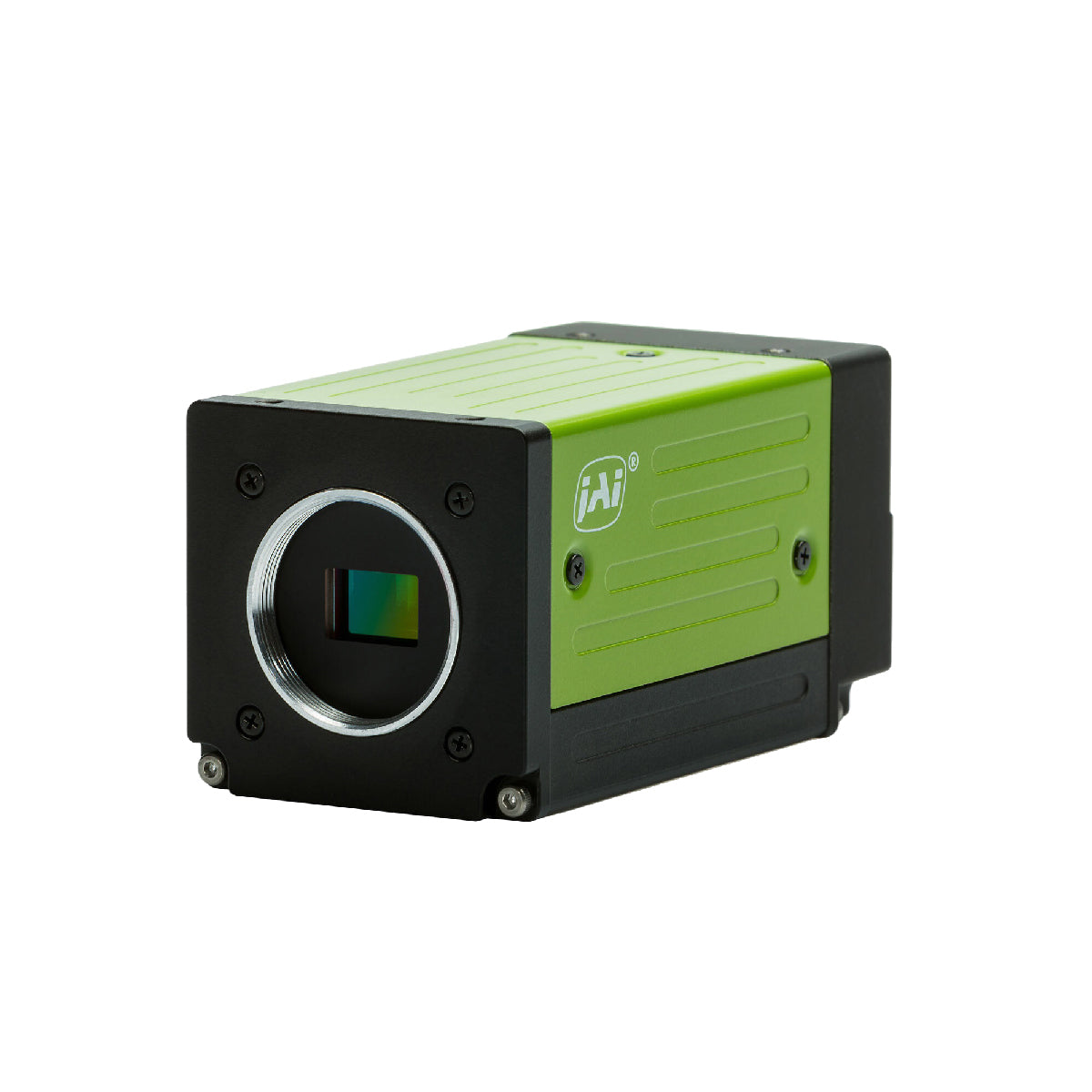
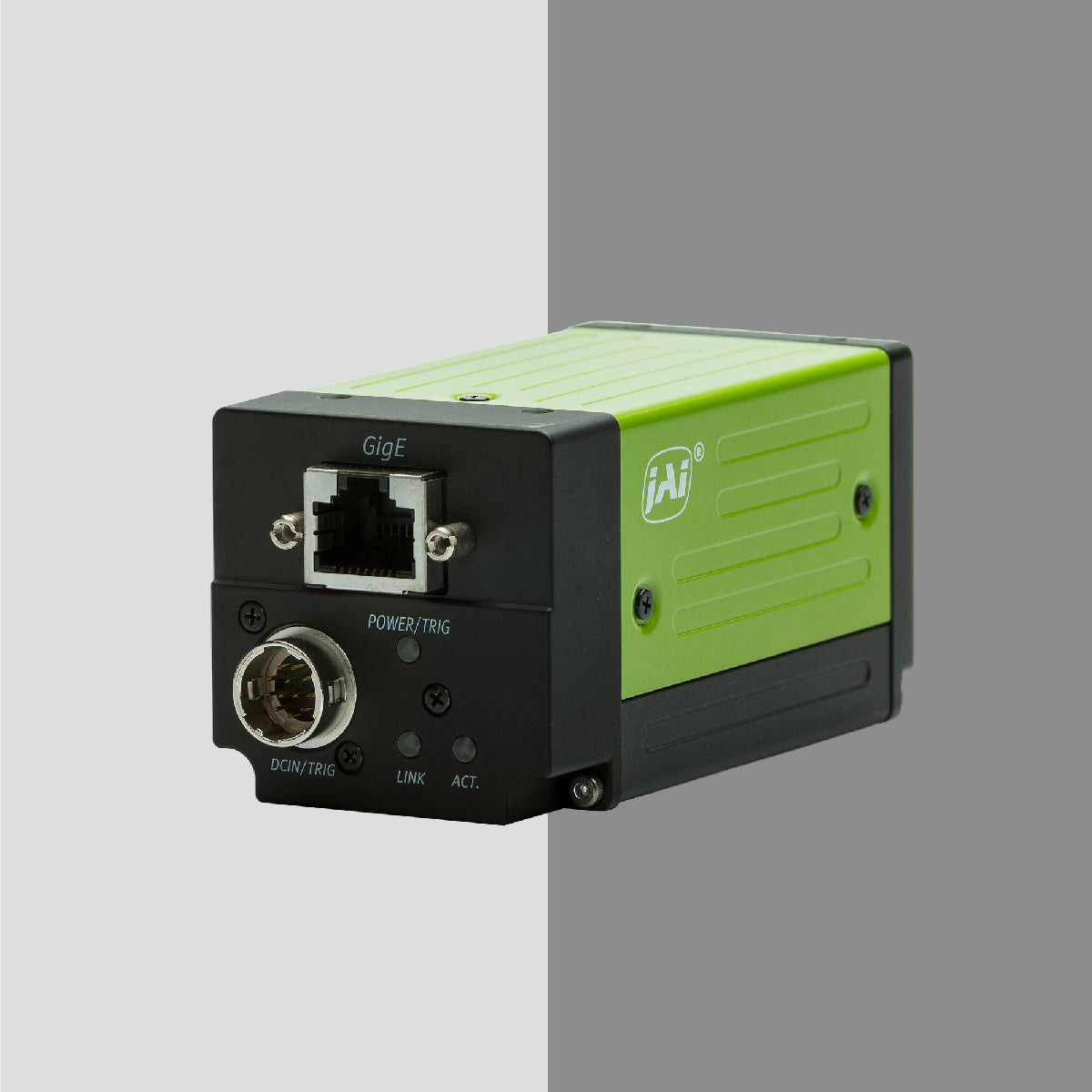
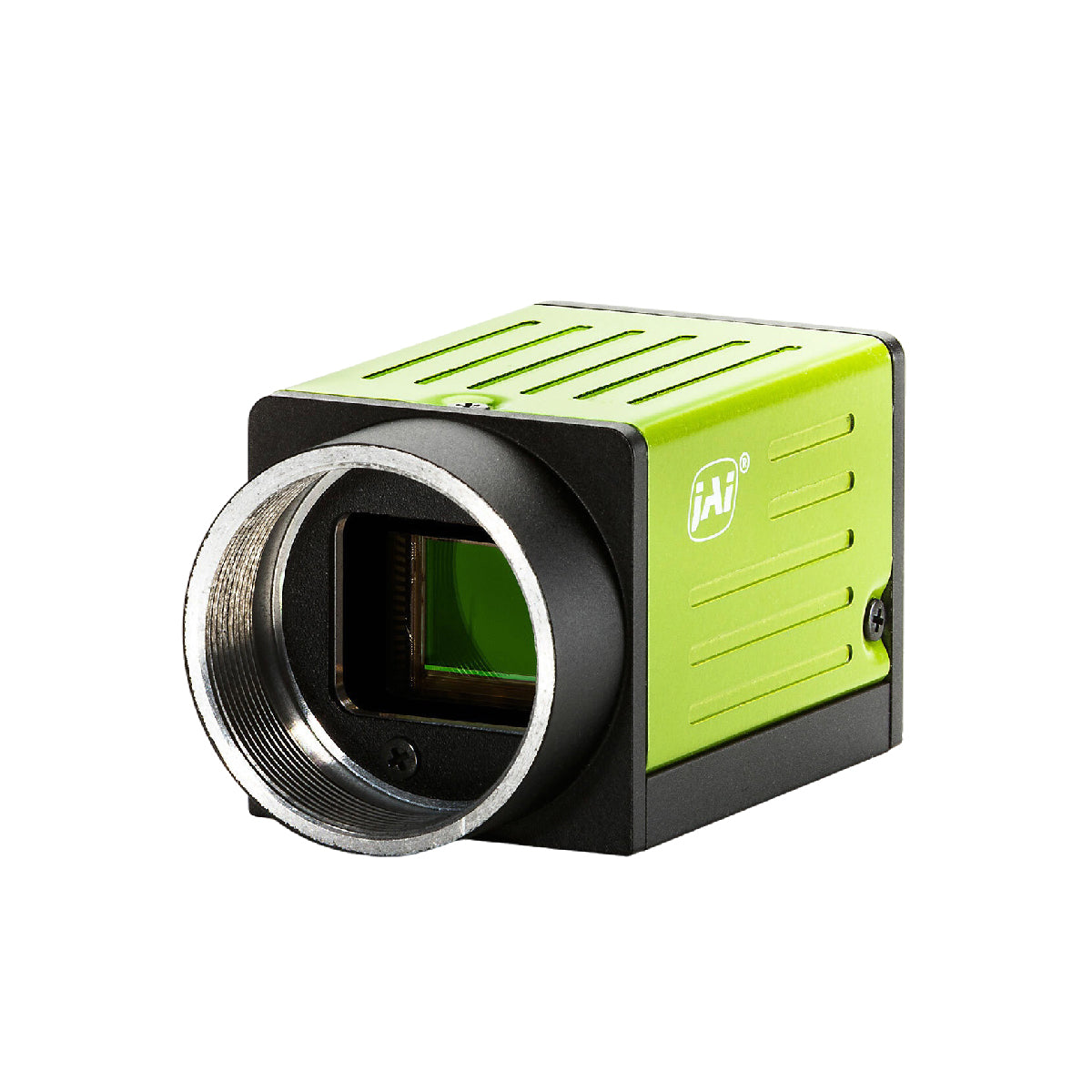
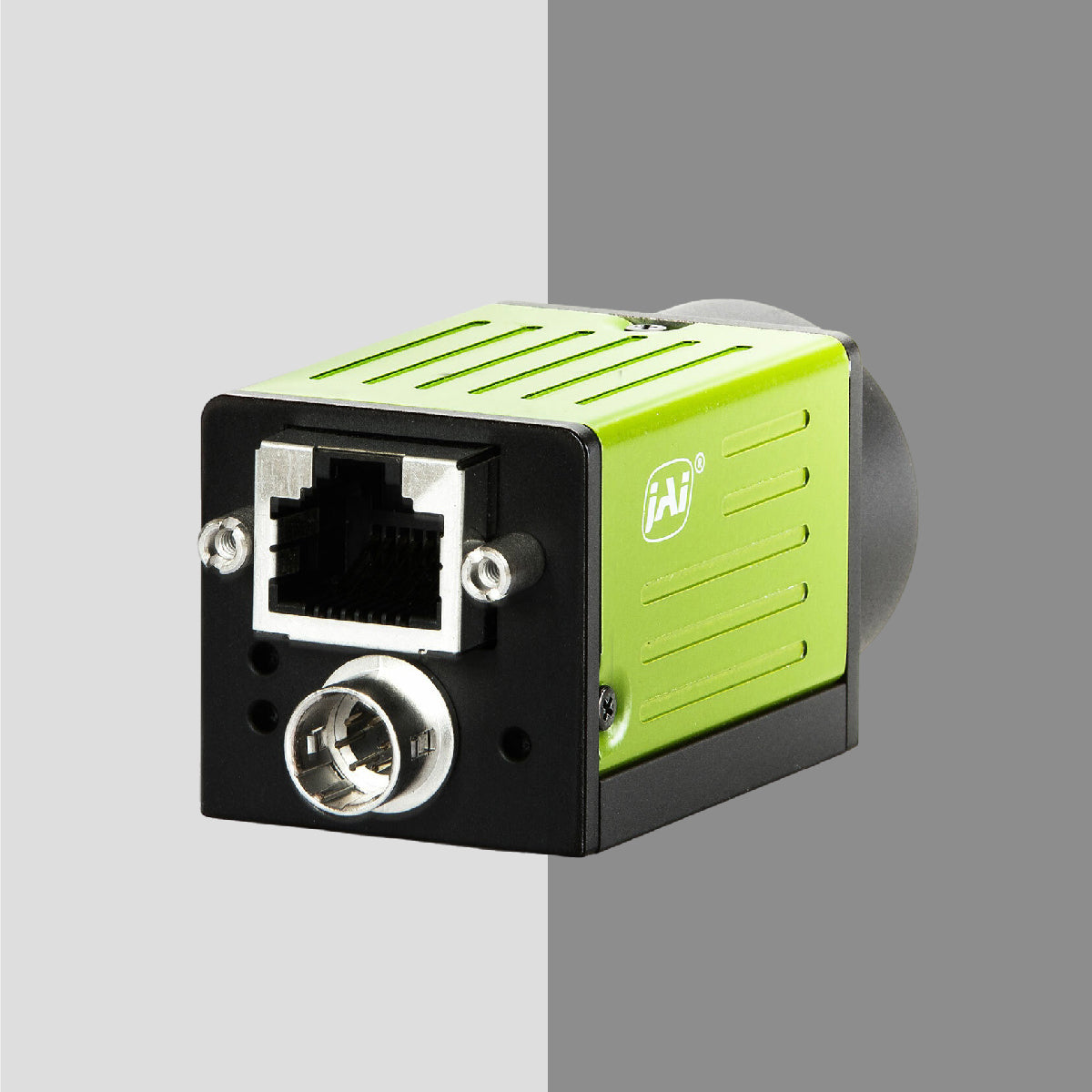
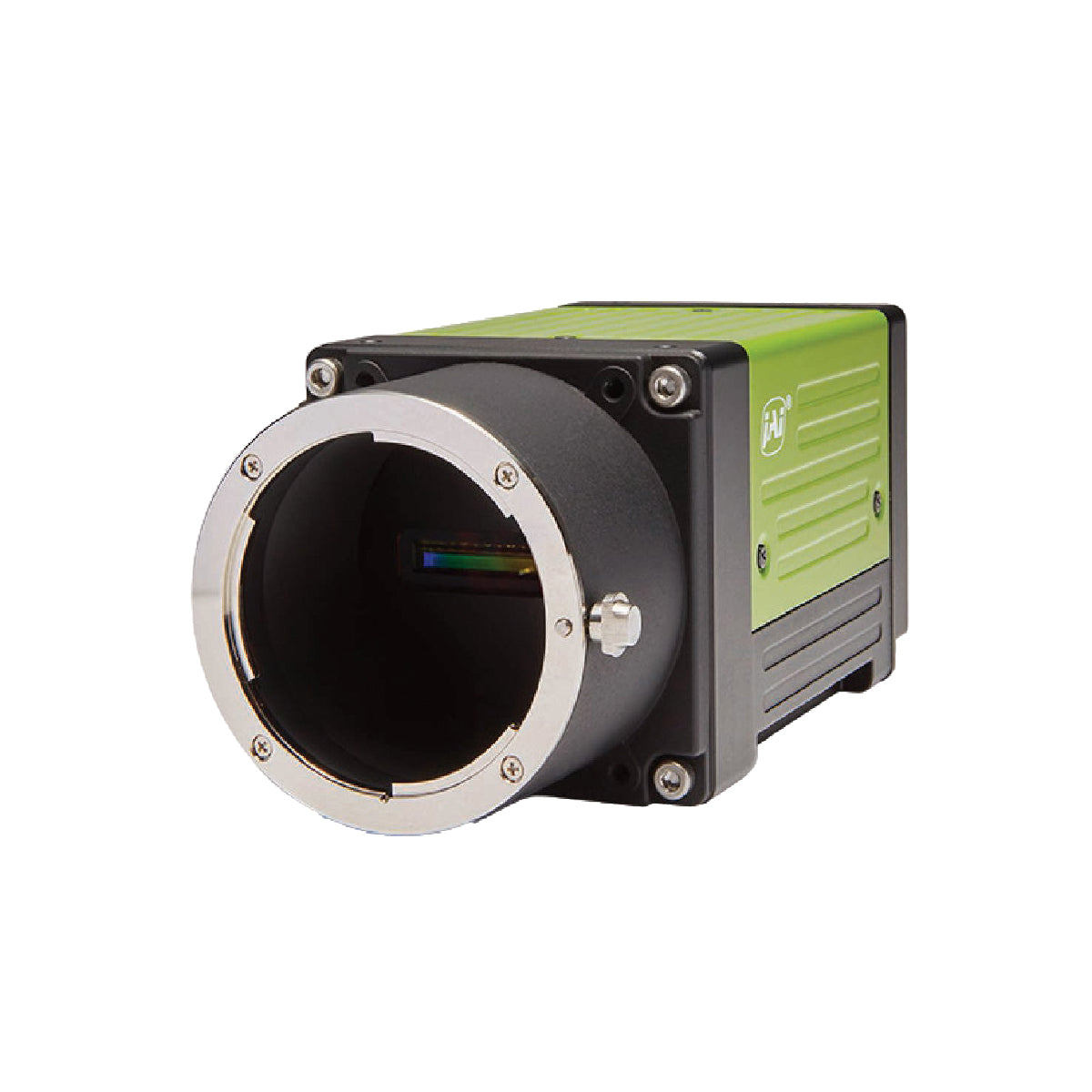
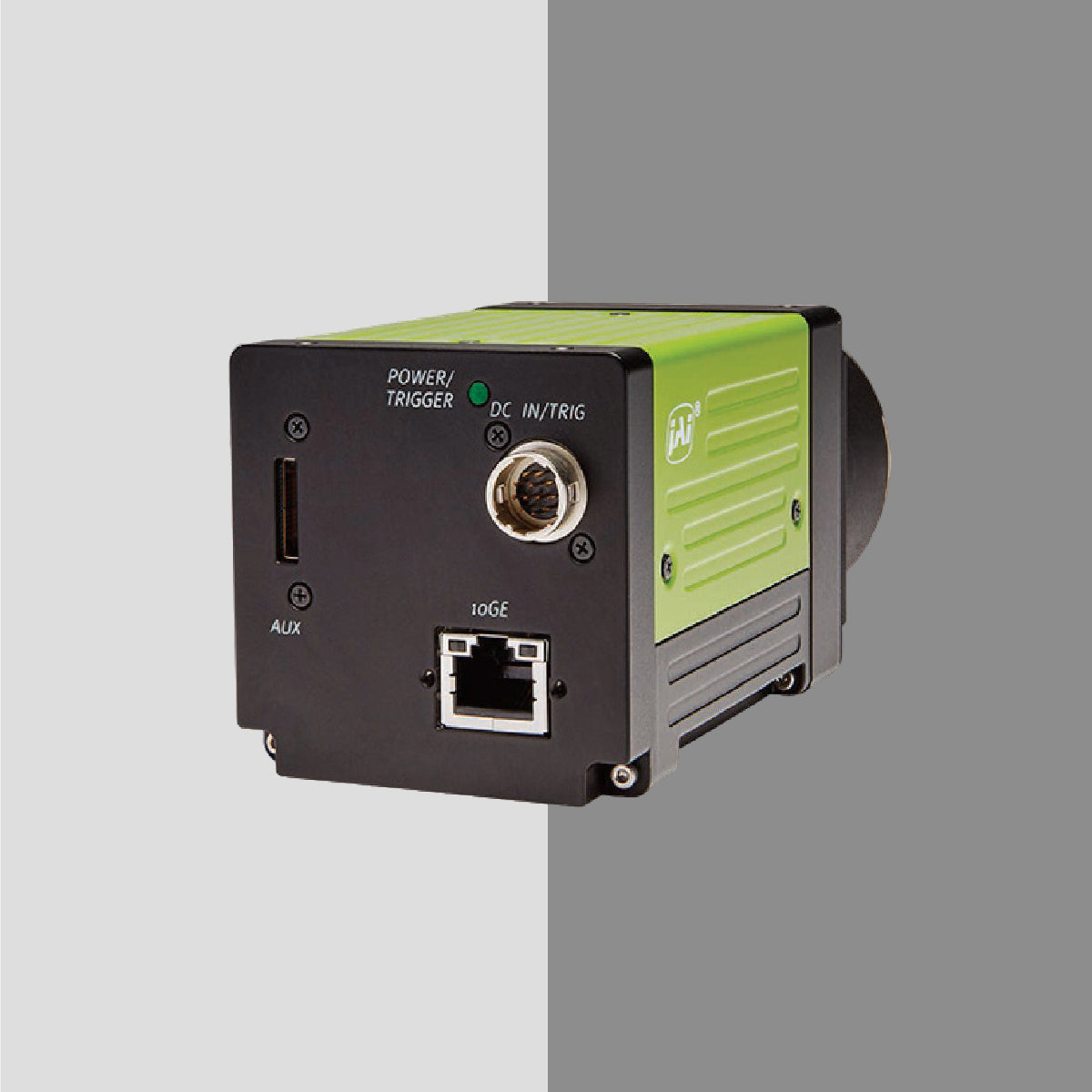
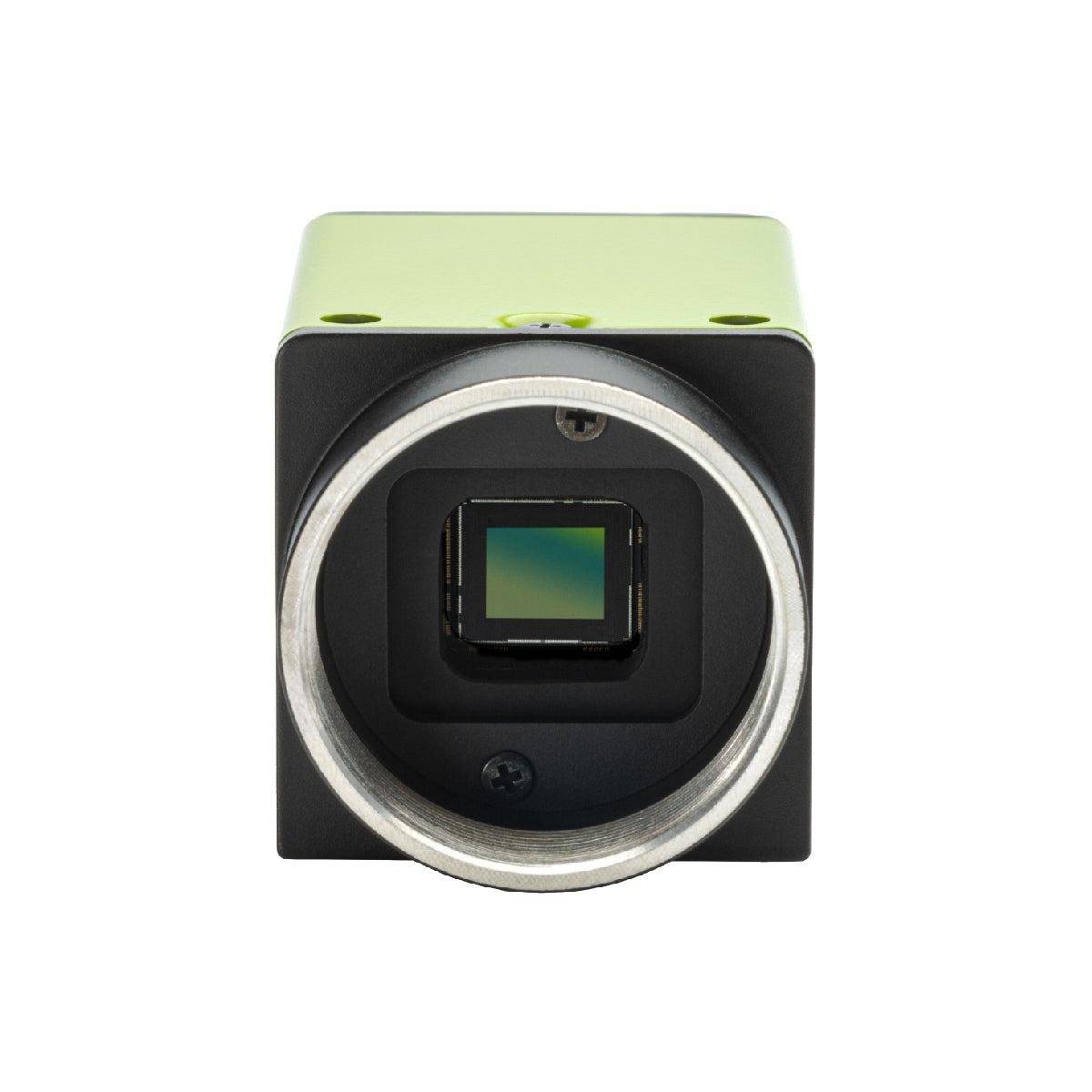
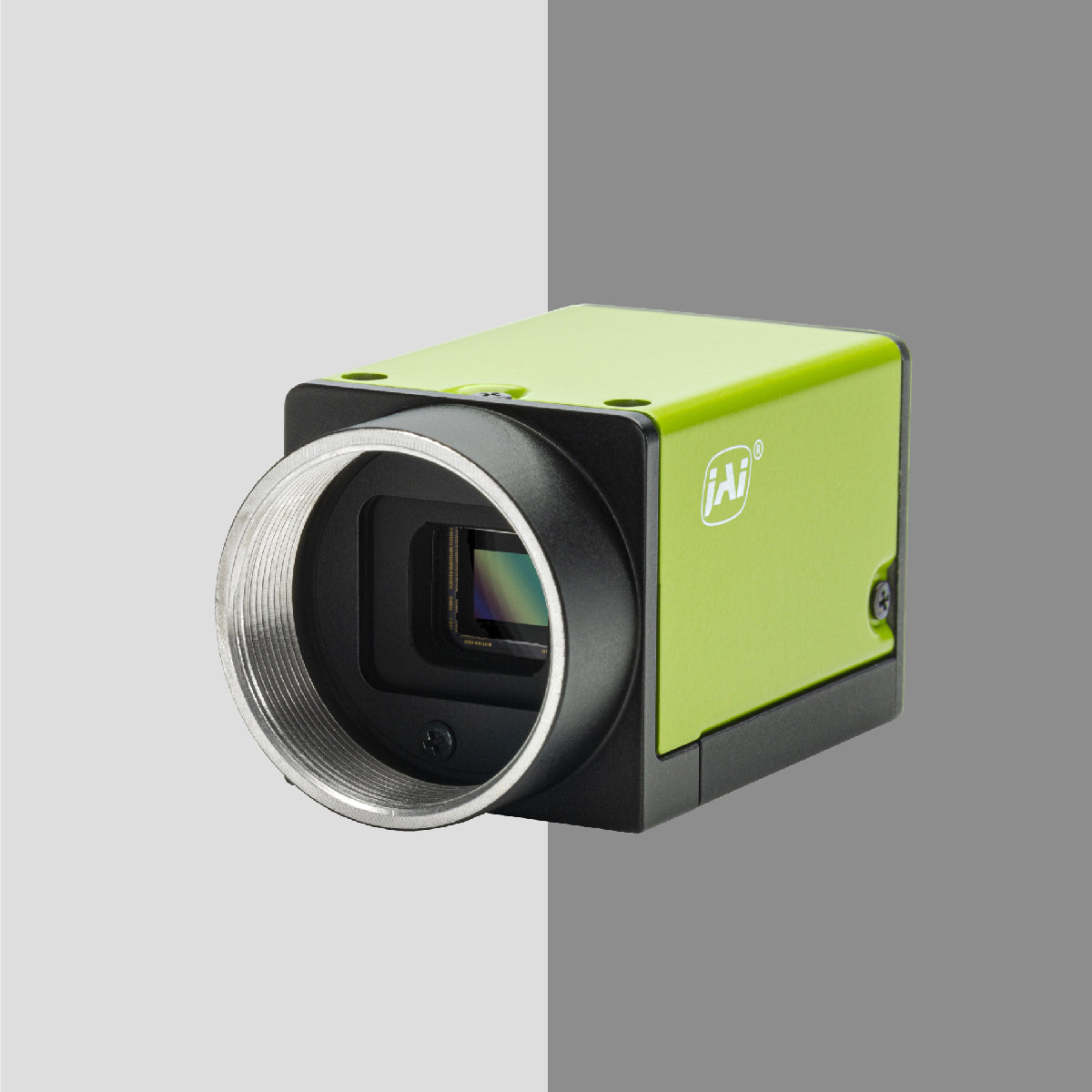
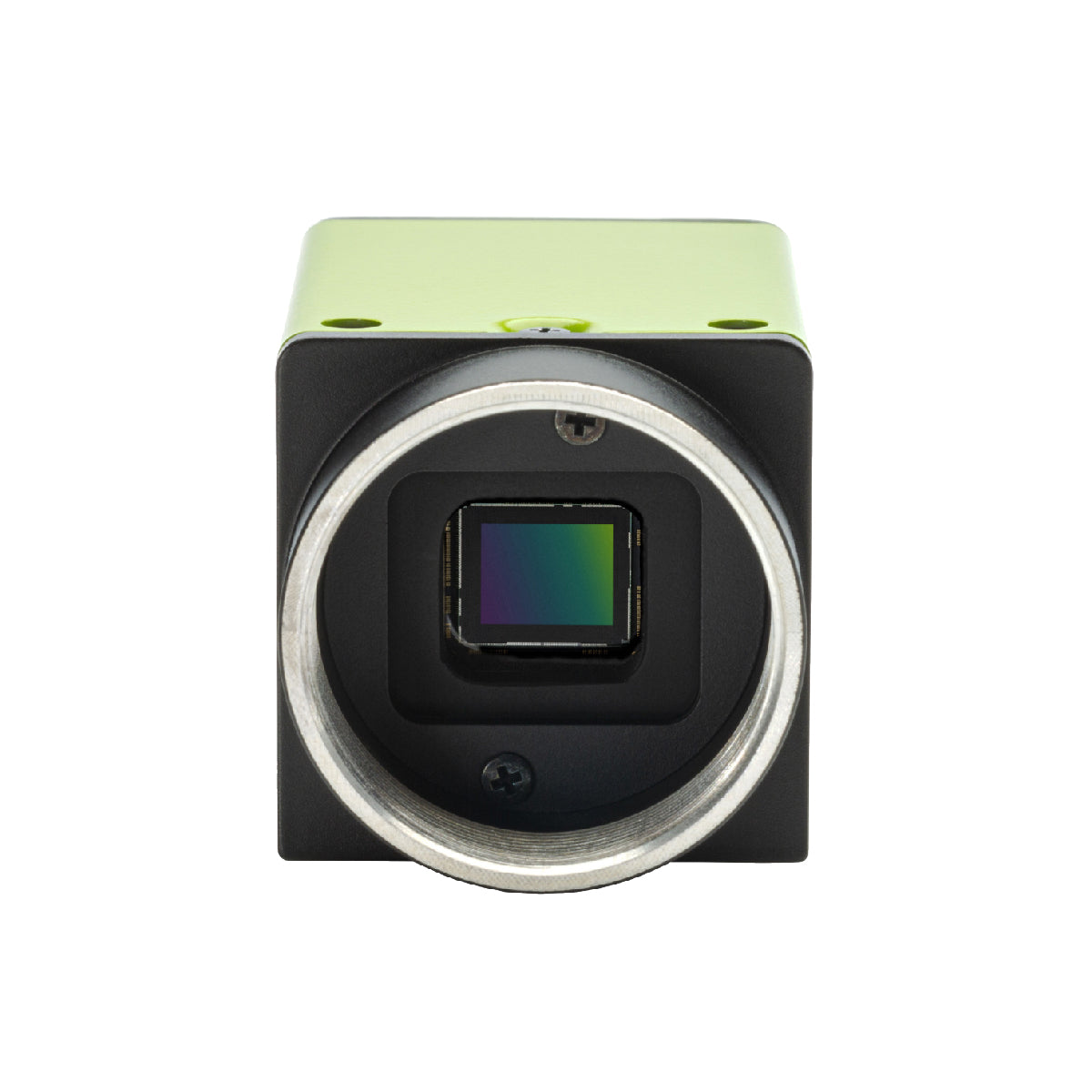
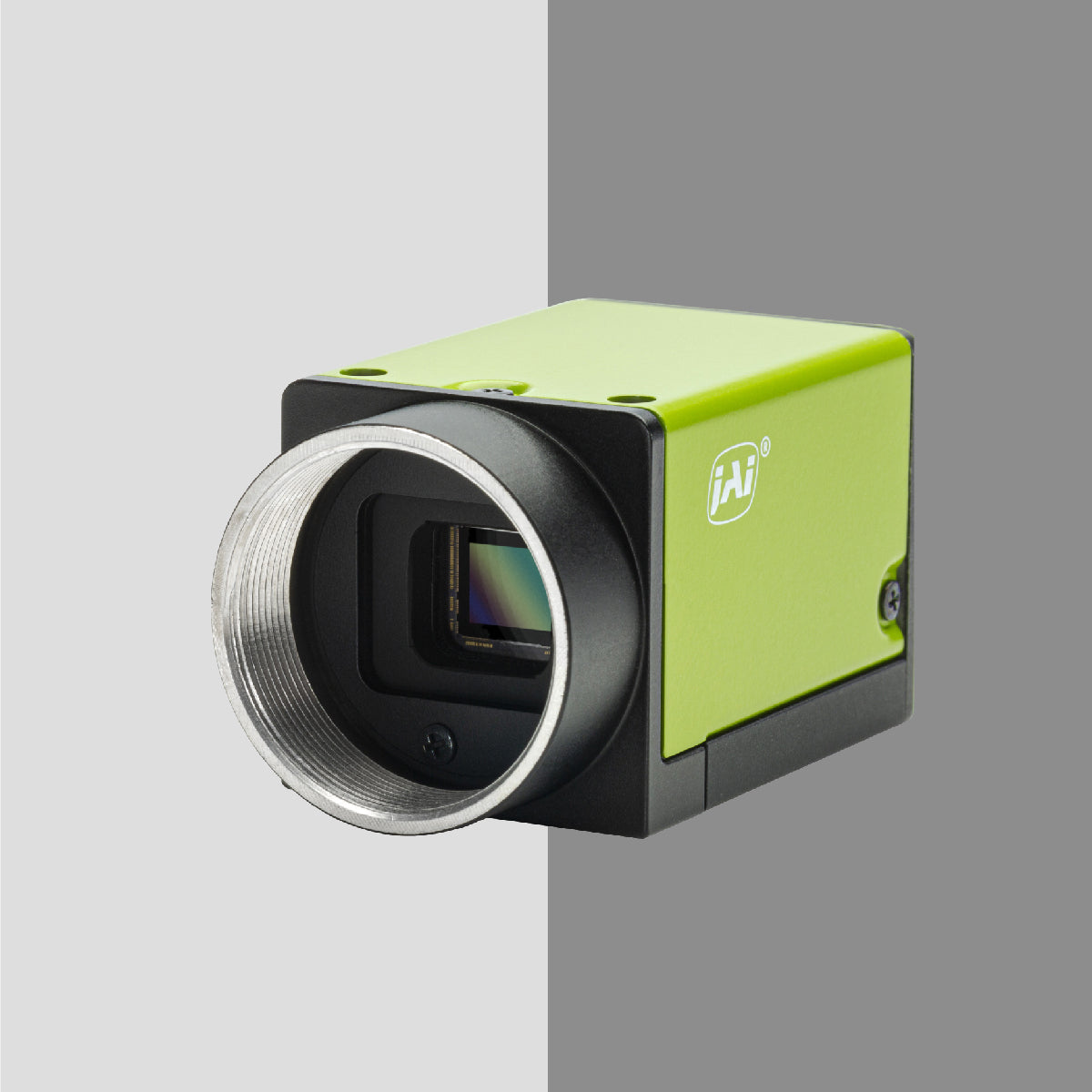
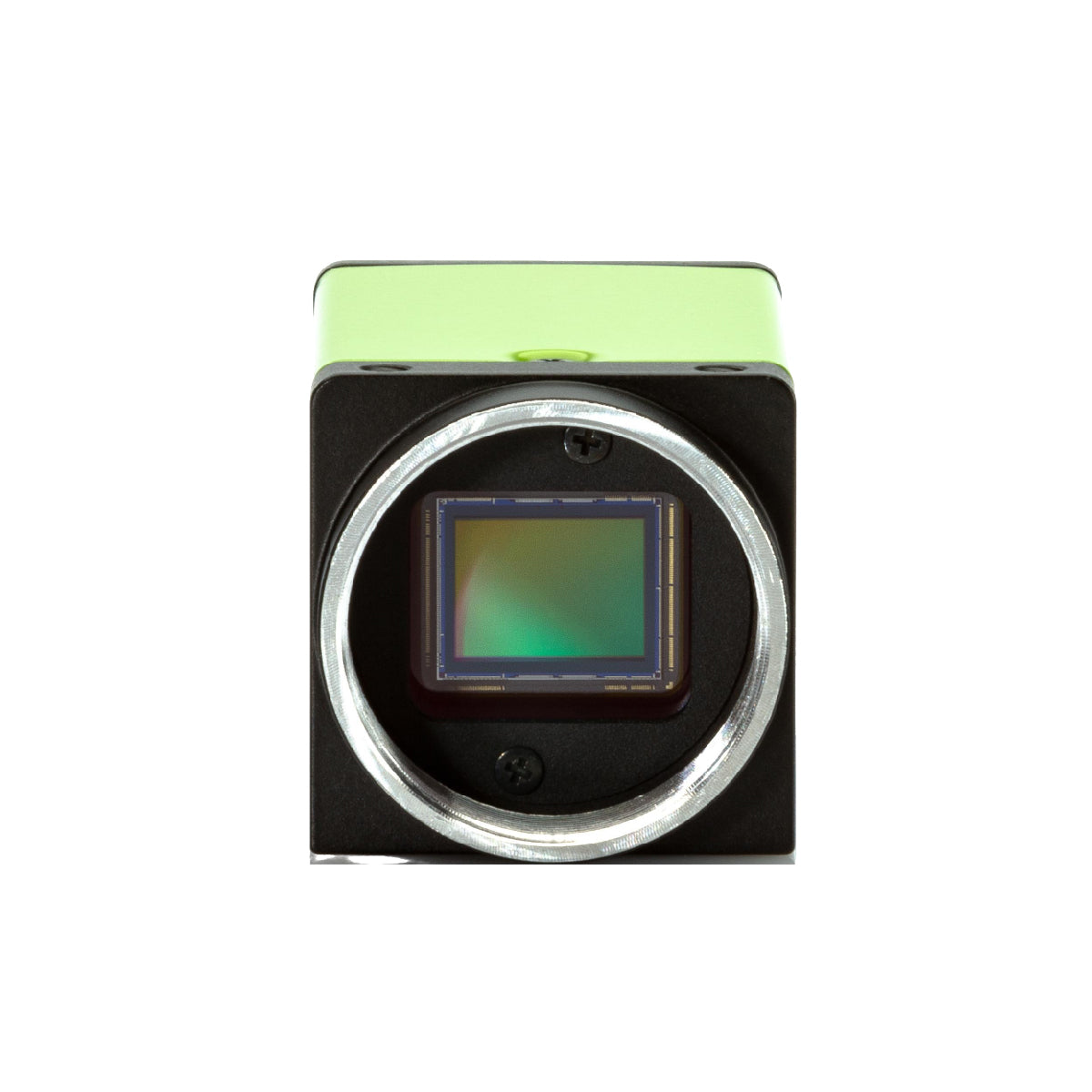
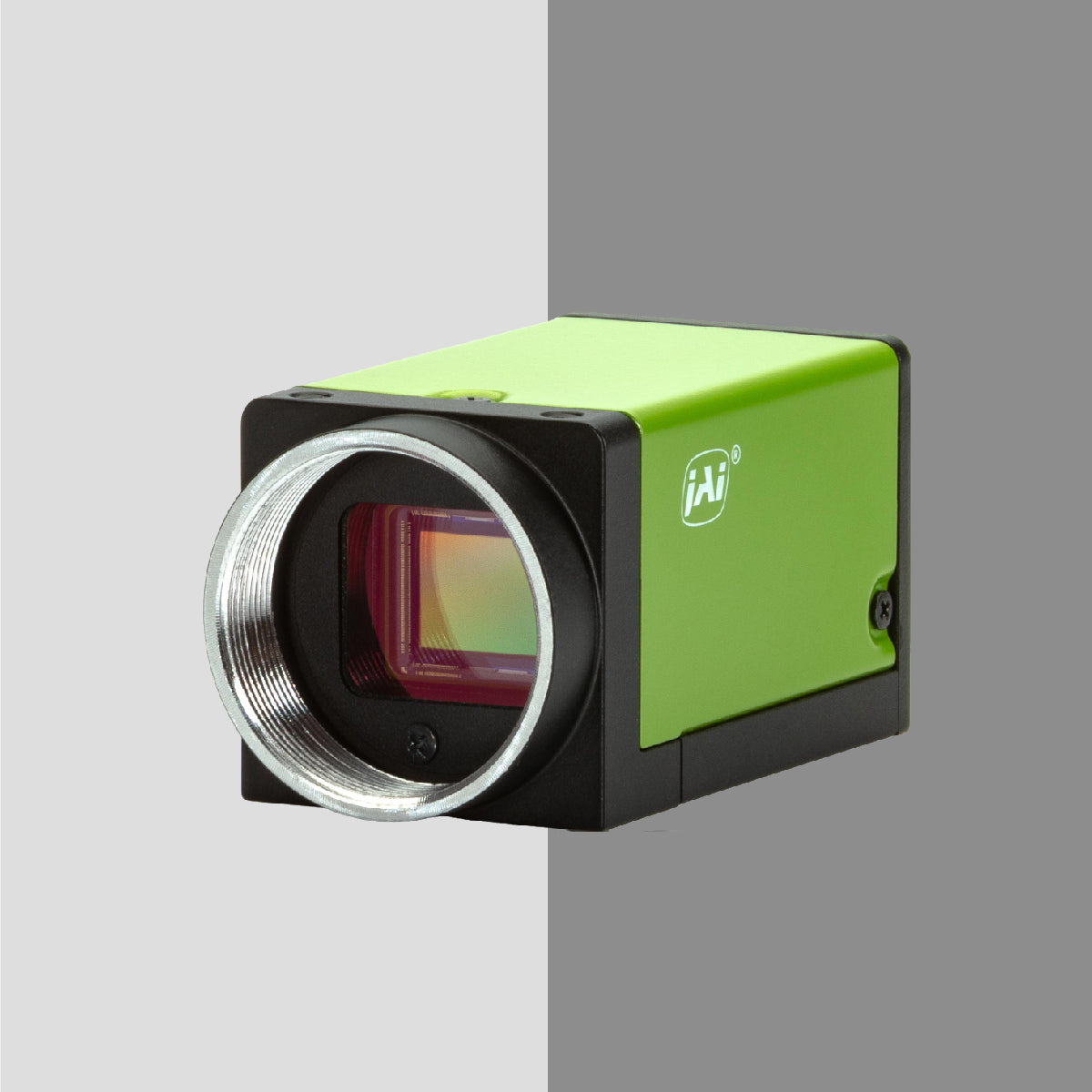
Modern machine vision cameras used in bottling applications are designed for speed, reliability and seamless integration. Key features include:
- High frame rates for capturing fast-moving products
- Global shutter sensors to prevent motion distortion
- High sensitivity for low-light or high-speed imaging
- Compact form factors for tight installation spaces
- Industrial interfaces for reliable data transfer
These capabilities allow vision systems to operate continuously in demanding production environments without compromising performance.
Improving Efficiency and Reducing Costs
Implementing high-speed vision inspection delivers measurable benefits:
- Fewer defective products reaching customers
- Reduced downtime from manual inspections
- Lower labor costs
- Improved compliance with industry standards
By catching defects early, manufacturers can correct issues immediately, preventing larger problems downstream.
High-speed vision systems have become a cornerstone of modern bottling and beverage manufacturing. With the ability to inspect fill levels, cap alignment and labels in real time, these systems ensure every product meets quality standards at full production speed.
As production demands continue to increase, investing in the right camera technology is essential for maintaining efficiency, protecting brand reputation and staying competitive in a fast-moving industry.