
 Find-R-Scopes
 Filters
 Lenses
 Cameras
 Lighting

 Accessories











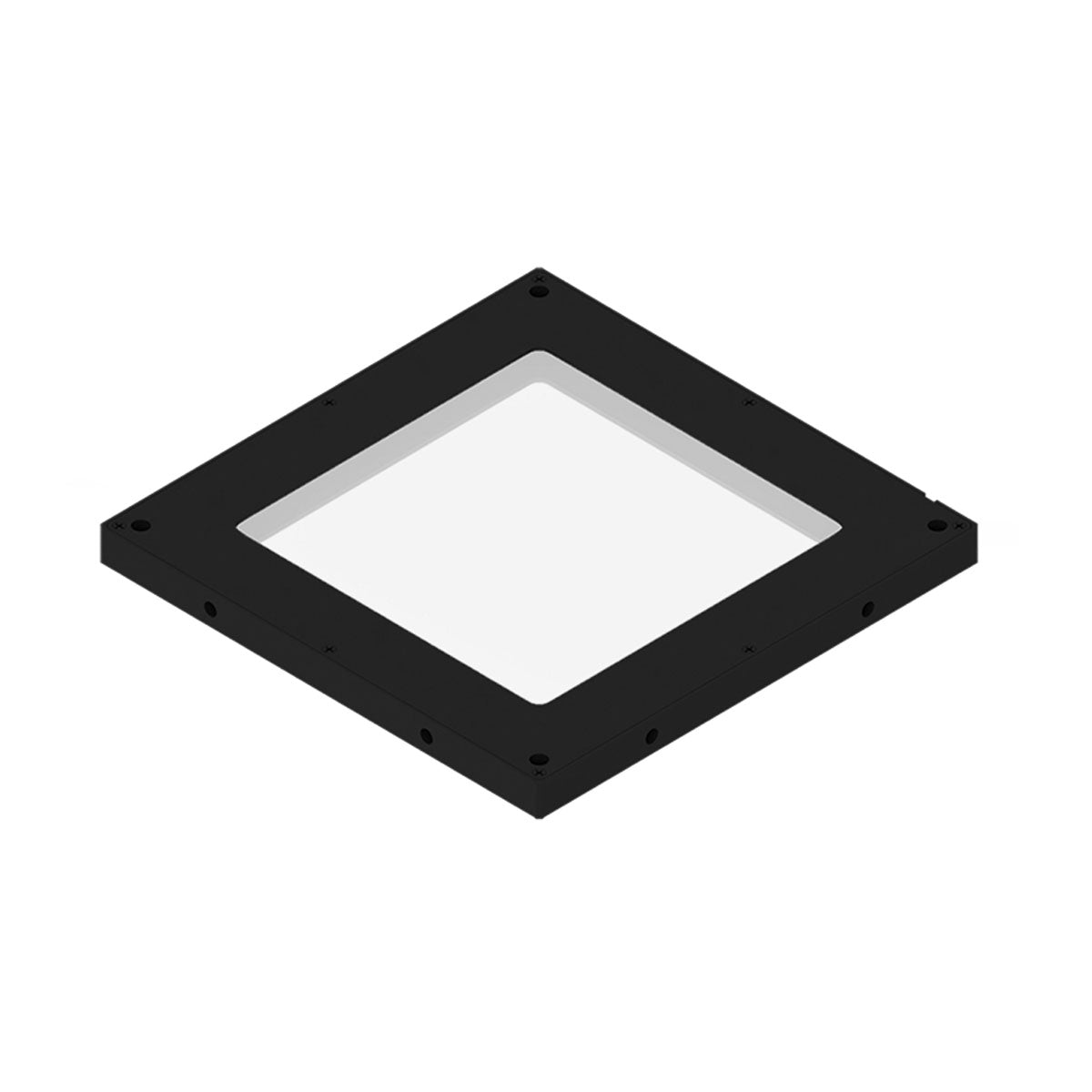
In high-speed inspection environments, image quality depends just as much on lighting as it does on the camera itself. This is especially true for line scan systems, where images are built one line at a time as an object moves through the field of view. Proper lighting is critical to ensure consistent, high-contrast images that support accurate detection and measurement.
What Makes Line Scan Lighting Different?
Unlike area scan systems that capture a full image in a single exposure, line scan cameras continuously acquire narrow lines of pixels. These lines are then stitched together to form a complete image as the object moves.
Because of this, lighting must be:
- Highly uniform across the entire field of view
- Synchronized with motion
- Stable over time, with minimal flicker or variation
Any inconsistency in illumination can result in visible banding, uneven brightness, or missed defects.
Types of Lighting for Line Scan Applications
Selecting the right lighting geometry depends on the material, surface texture and inspection goal. Some of the most effective options include:
1. Bar Lights
Bar lights are one of the most common solutions for line scan systems. Designed to provide long, narrow illumination, they align perfectly with the camera’s field of view.
Key advantages:
- Excellent uniformity across long inspection areas
- High intensity for fast-moving objects
- Flexible mounting options for different angles
They are widely used in web inspection, packaging, and printing applications.
2. Diffuse Lighting
Diffuse lighting helps minimize shadows and reduce the impact of surface irregularities.
Best for:
- Reflective or uneven materials
- Applications requiring consistent brightness across the object
By scattering light evenly, it reduces glare and improves overall image clarity.
3. Dark Field Lighting
Dark field setups use low-angle illumination to highlight surface defects such as scratches, dents or texture variations.
Ideal for:
- Detecting fine surface imperfections
- Enhancing contrast on smooth or reflective surfaces
This technique makes small defects stand out clearly against the background.
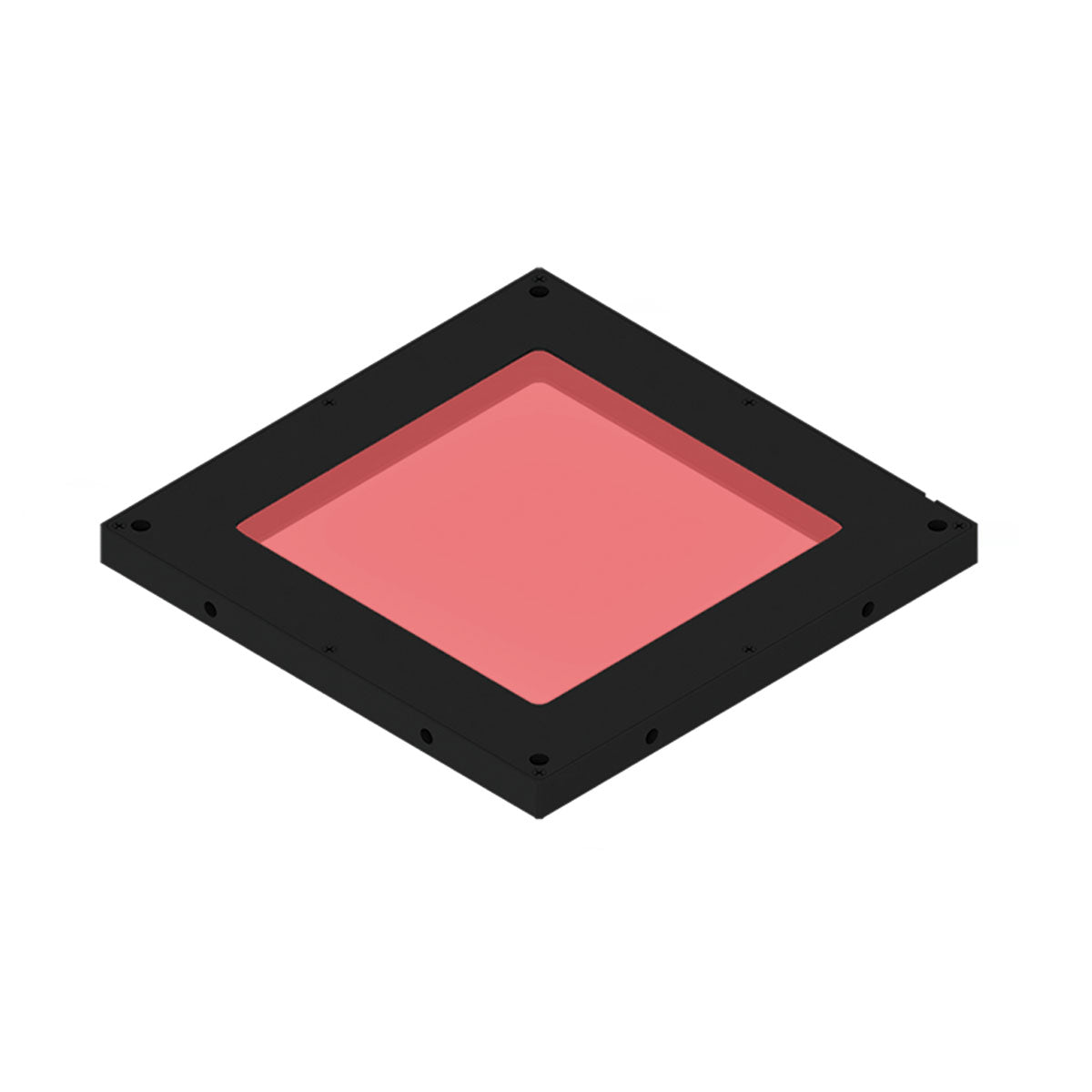
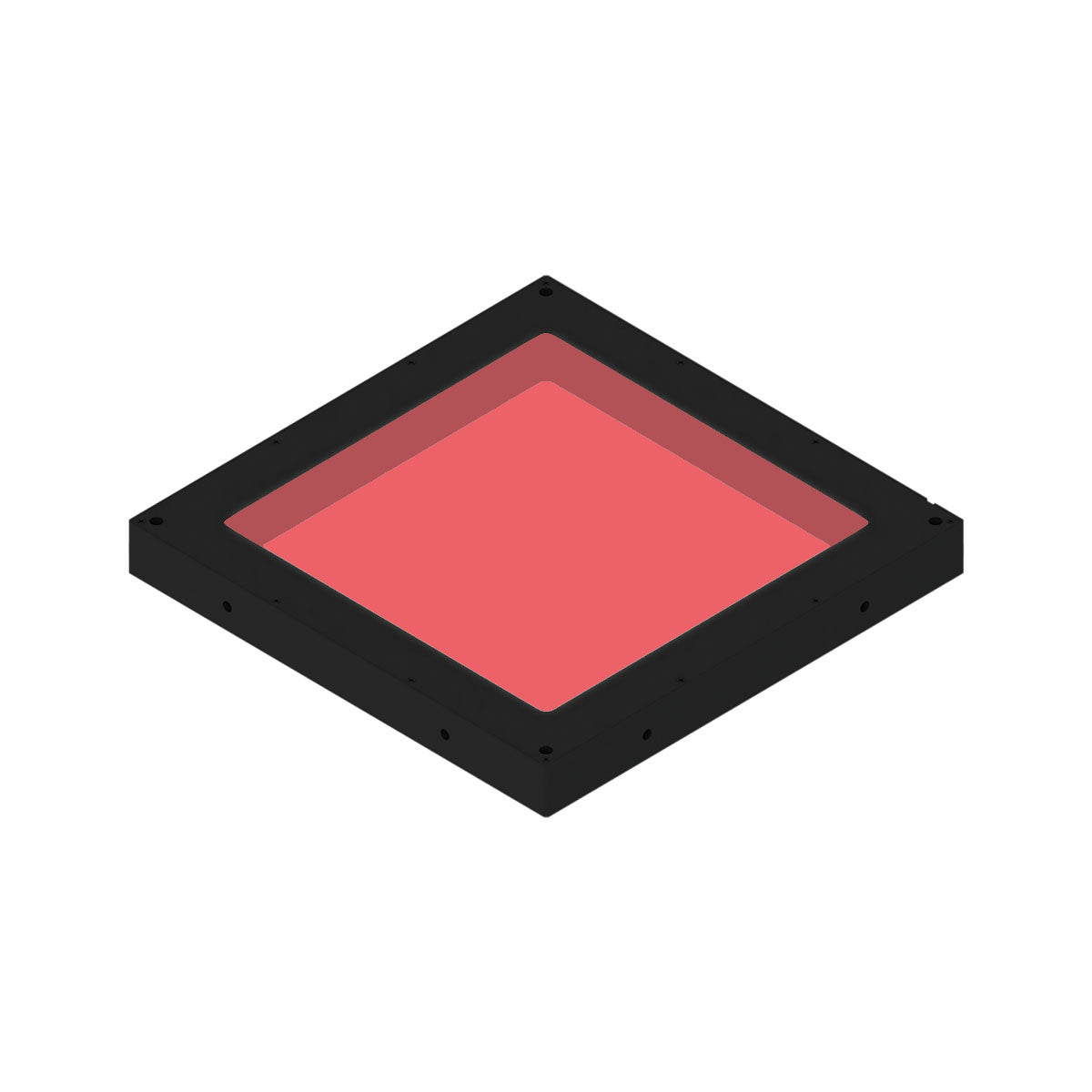
4. Backlighting
Backlighting creates high contrast silhouettes by placing the light source behind the object.
Common uses:
- Measuring edges and dimensions
- Detecting holes, gaps or transparency variations
It is especially effective for gauging and presence/absence inspections.
Key Considerations for Optimal Performance
When designing a lighting setup for line scan cameras, several factors must be carefully balanced:
Uniformity
Even slight variations in light intensity can create artifacts in the final image. High-quality lighting systems are engineered to maintain consistent output across the entire length of the light.
Intensity and Exposure
Because line scan systems are often used in high-speed applications, lighting must be bright enough to allow short exposure times without sacrificing image quality.
Thermal Stability
Continuous operation can lead to heat buildup, which may affect brightness and lifespan. Proper thermal management ensures consistent performance over time.
Synchronization
Lighting should be matched to the speed of the moving object and camera line rate to avoid distortion or blur.
Enhancing Results with Proper Integration
Lighting is not a standalone component. It must work seamlessly with optics, filters, and camera settings. For example:
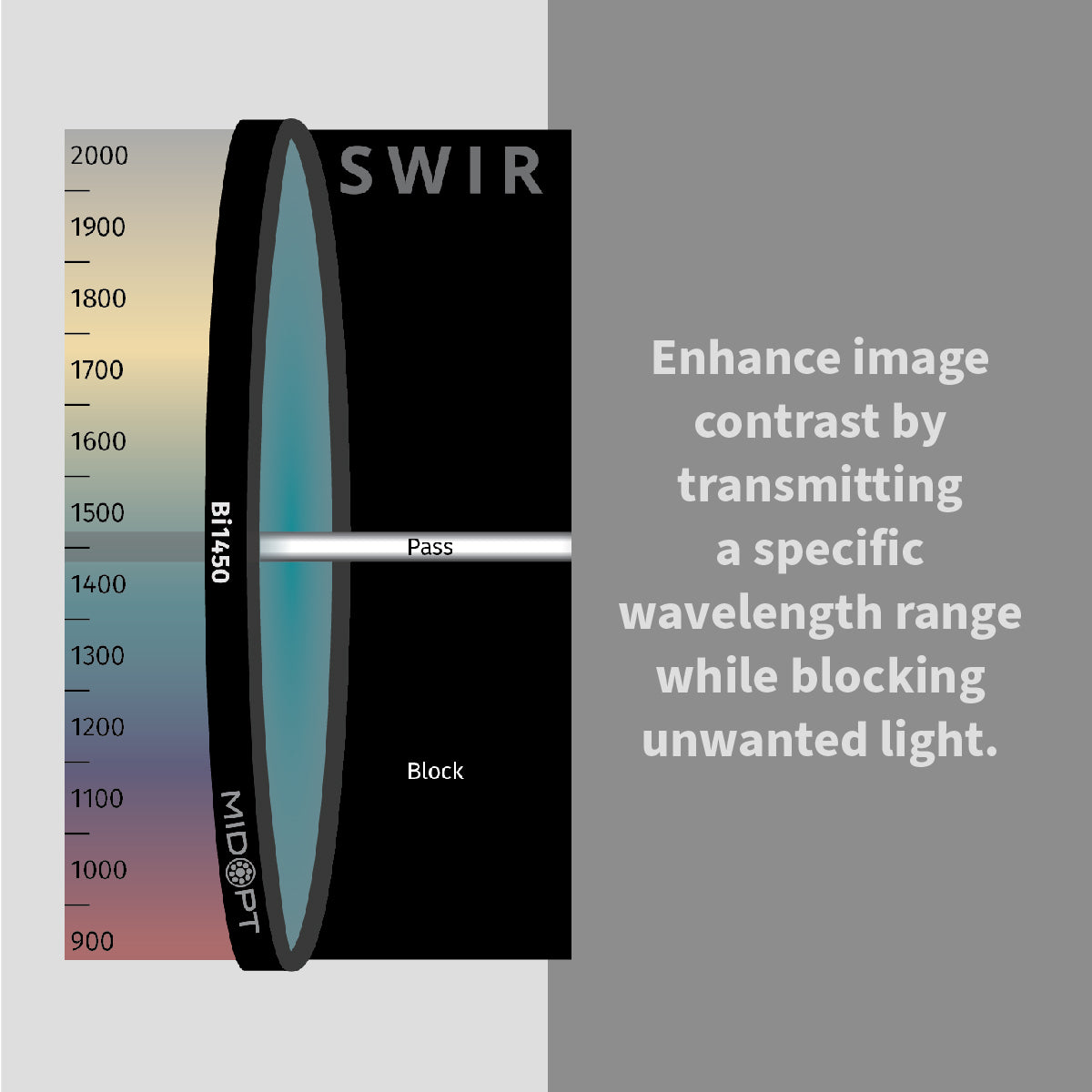
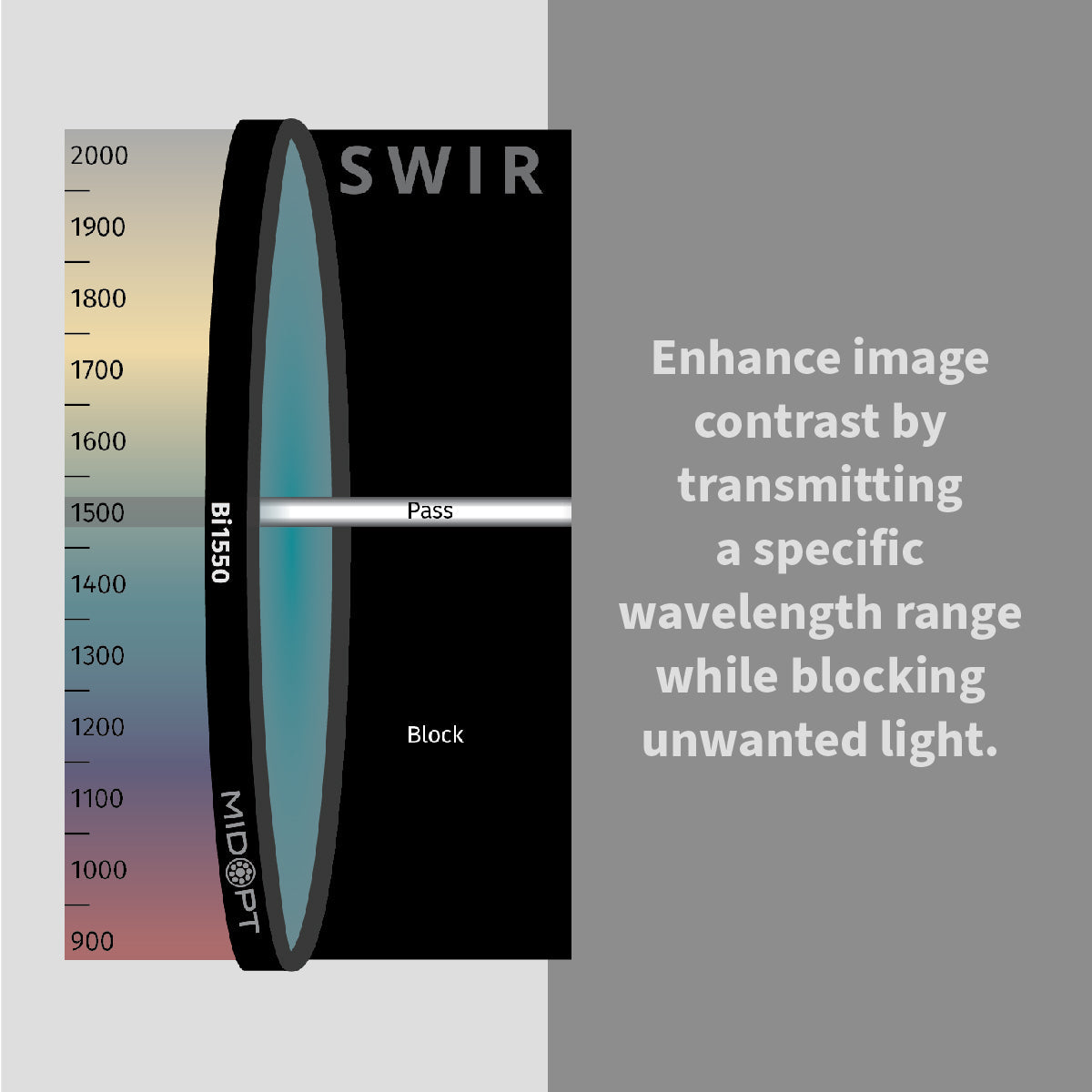
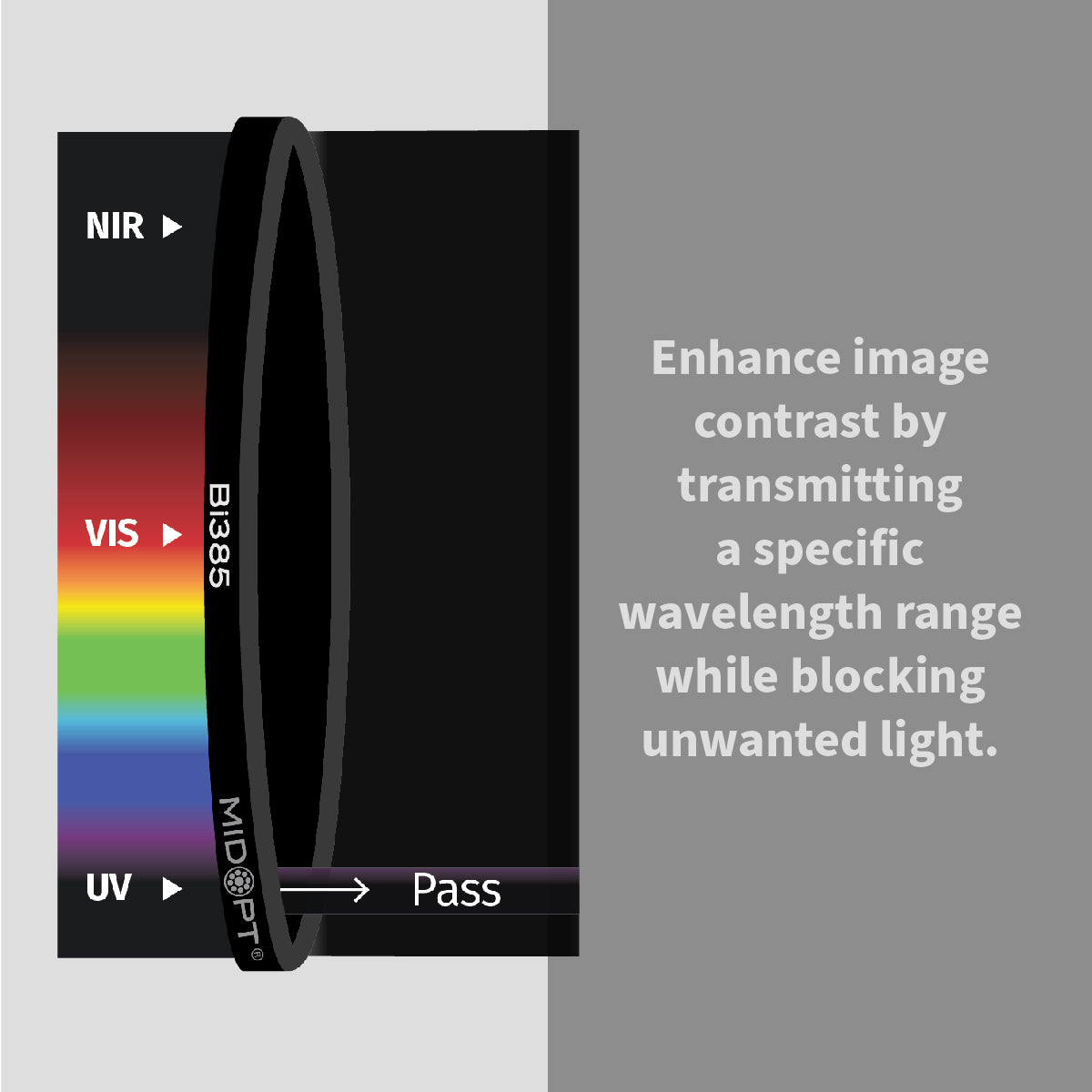
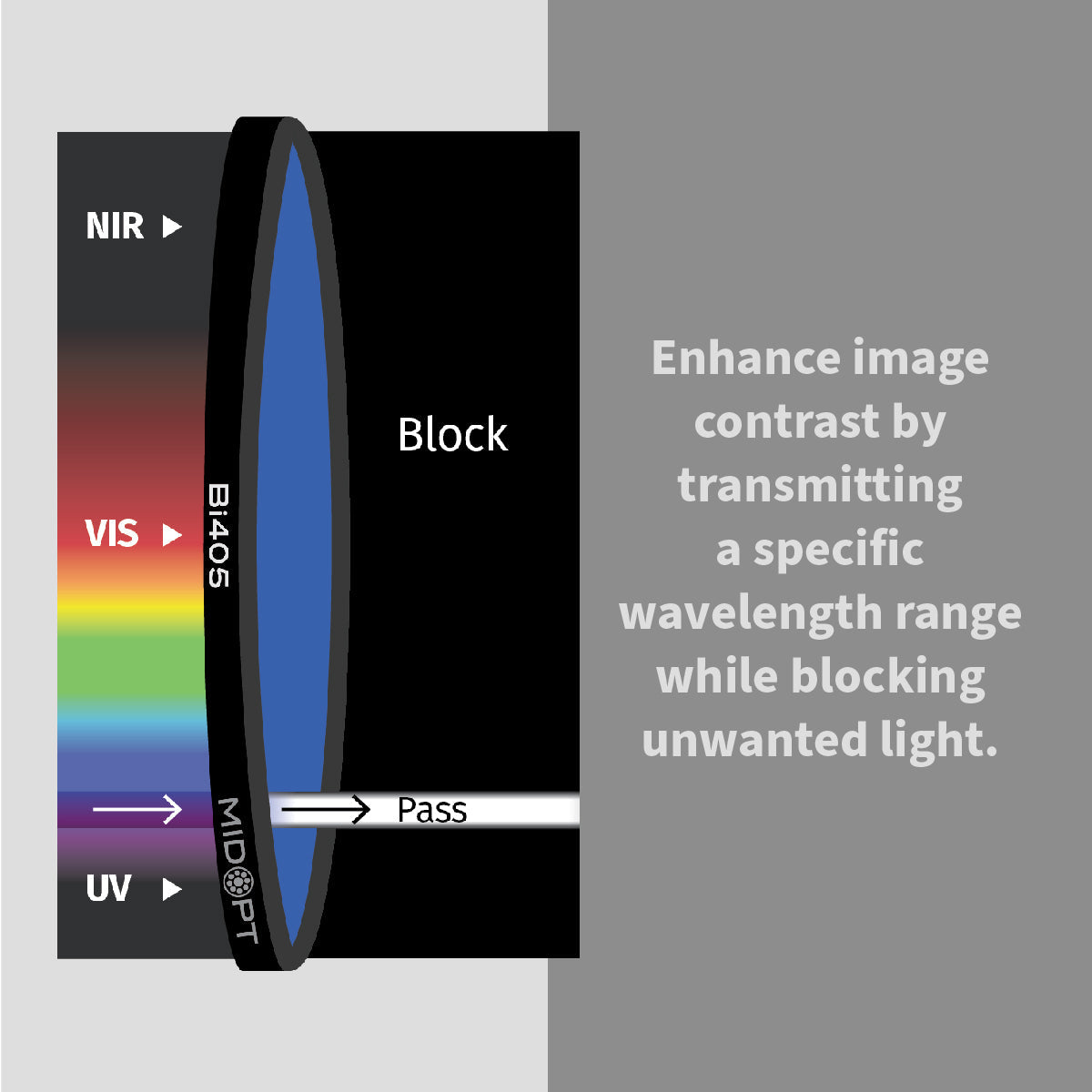
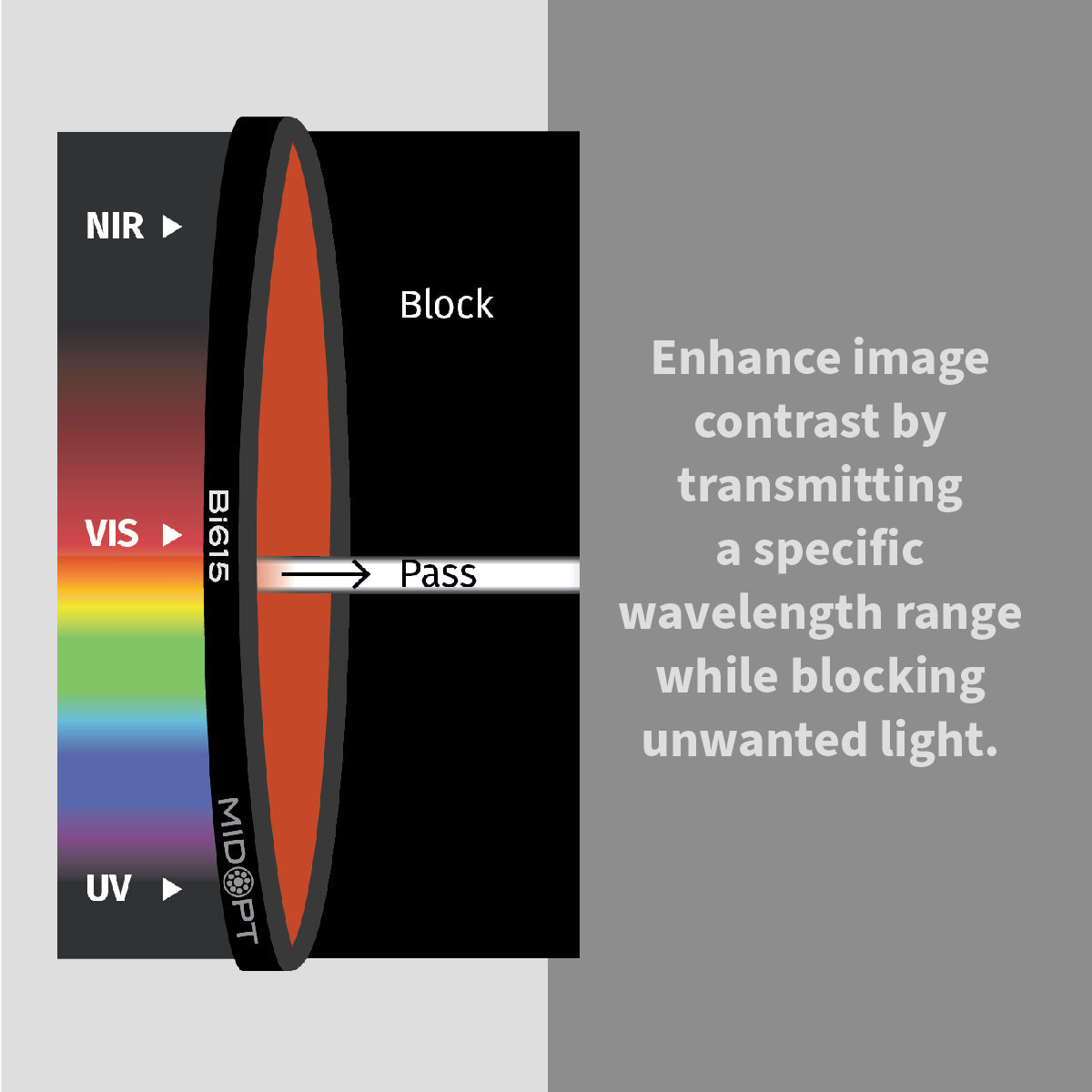
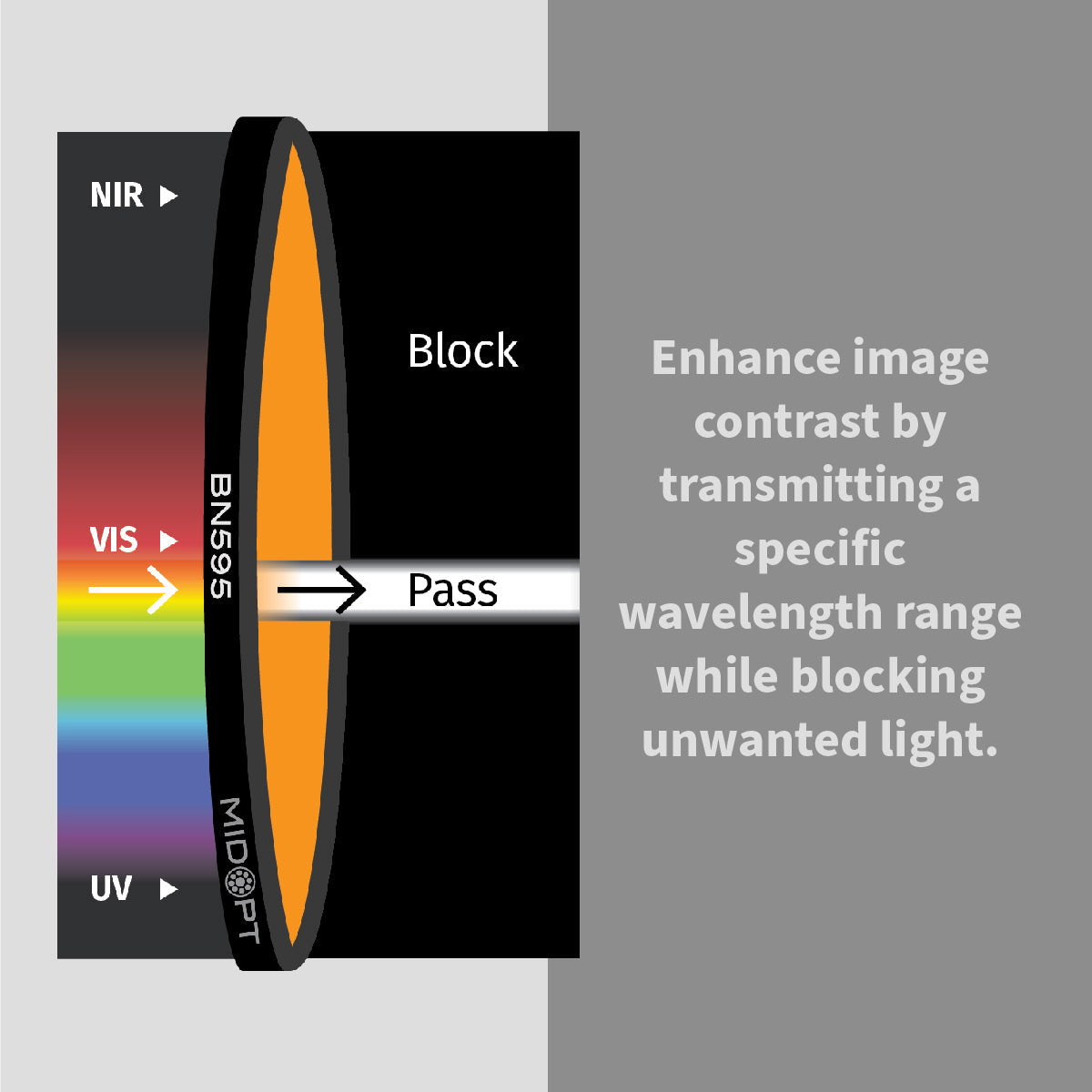
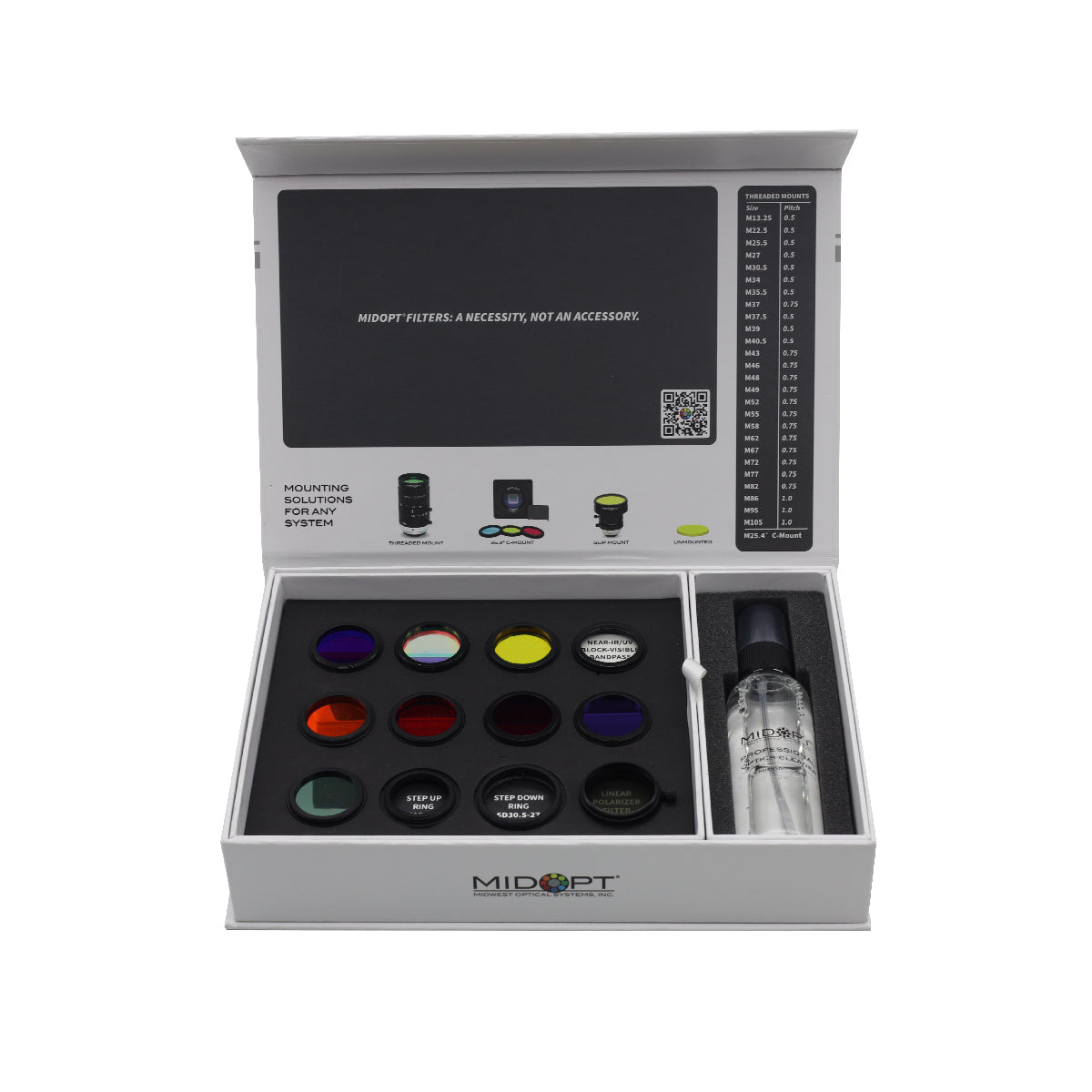
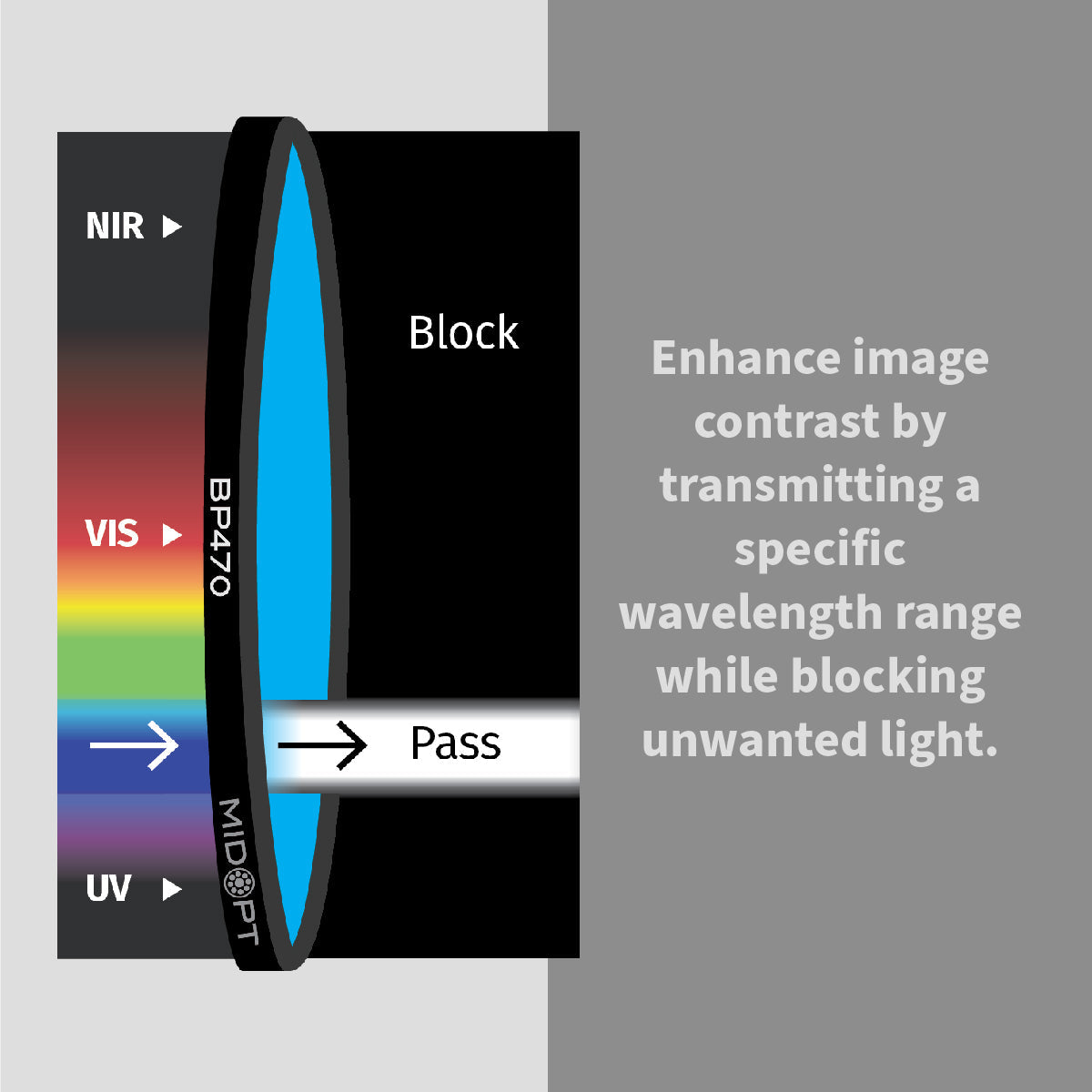
- Pairing lighting with the right optical filters can enhance contrast or isolate specific wavelengths
- Adjusting angles and distances can significantly improve feature visibility
- Fine-tuning intensity and exposure helps eliminate noise and motion artifacts
Line scan imaging offers unmatched efficiency for inspecting continuous materials and high-speed processes, but only when supported by the right lighting strategy. By selecting appropriate lighting types, ensuring uniform illumination and carefully integrating all system components, you can dramatically improve inspection accuracy and reliability.