
 Find-R-Scopes
 Filters
 Lenses
 Cameras
 Lighting


 Accessories







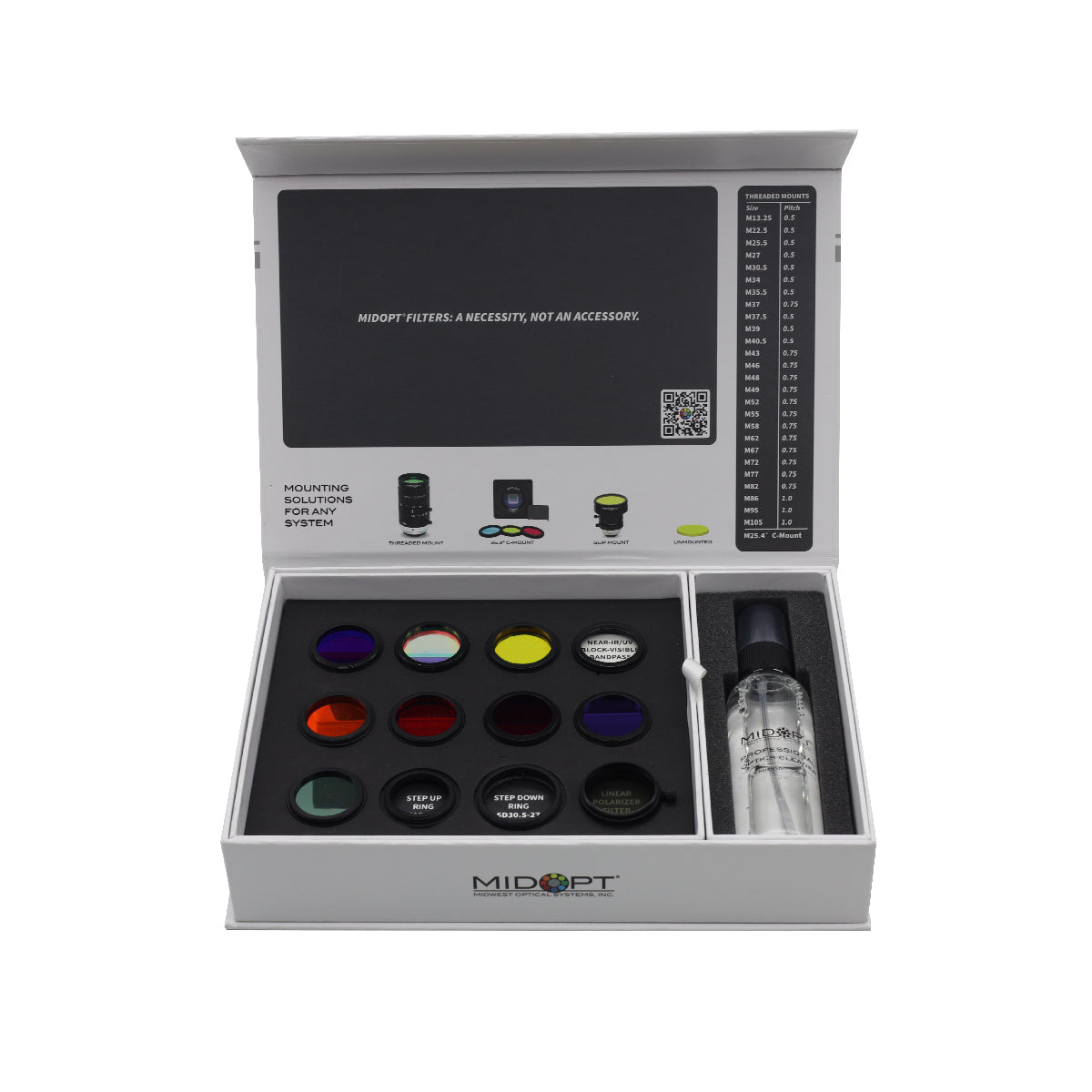
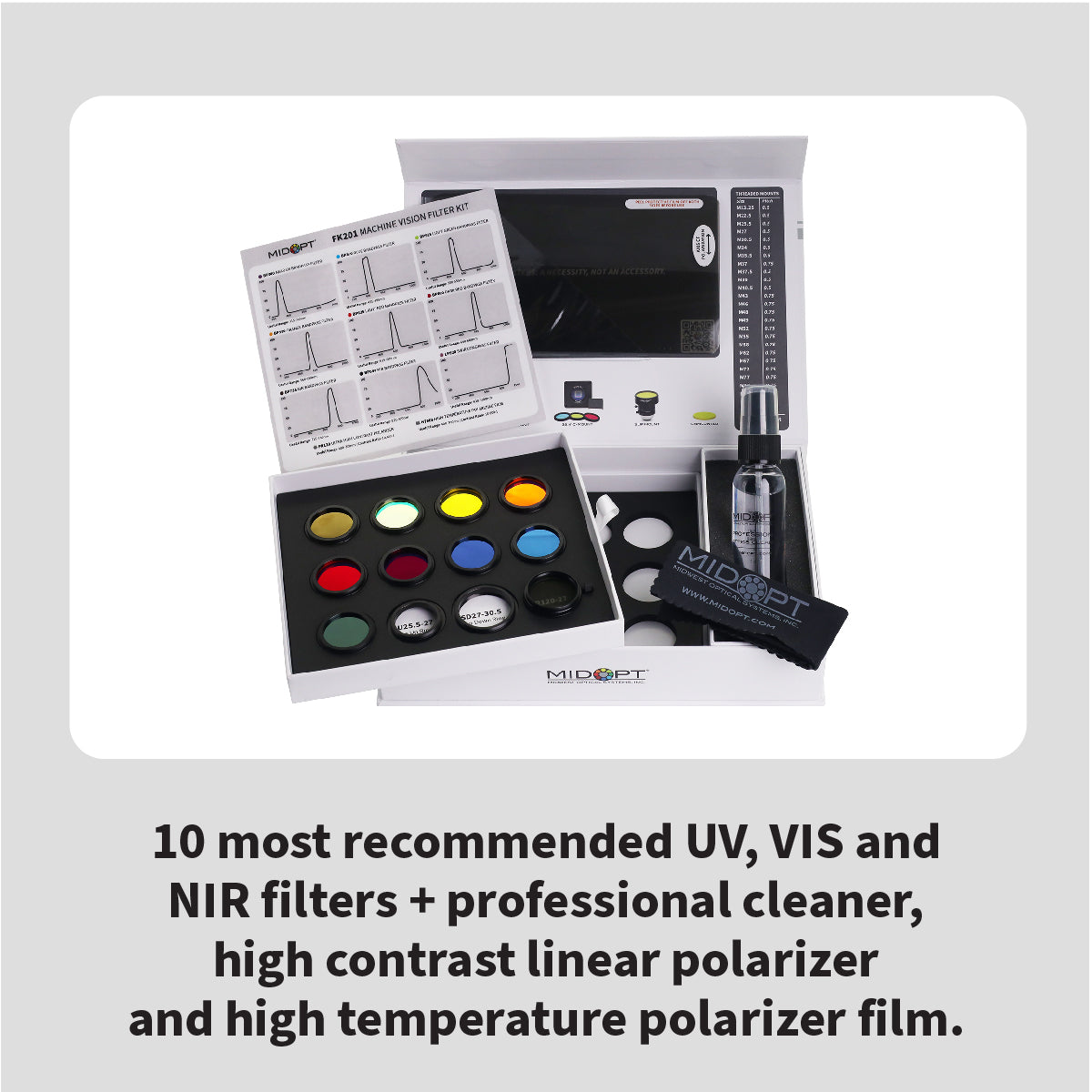
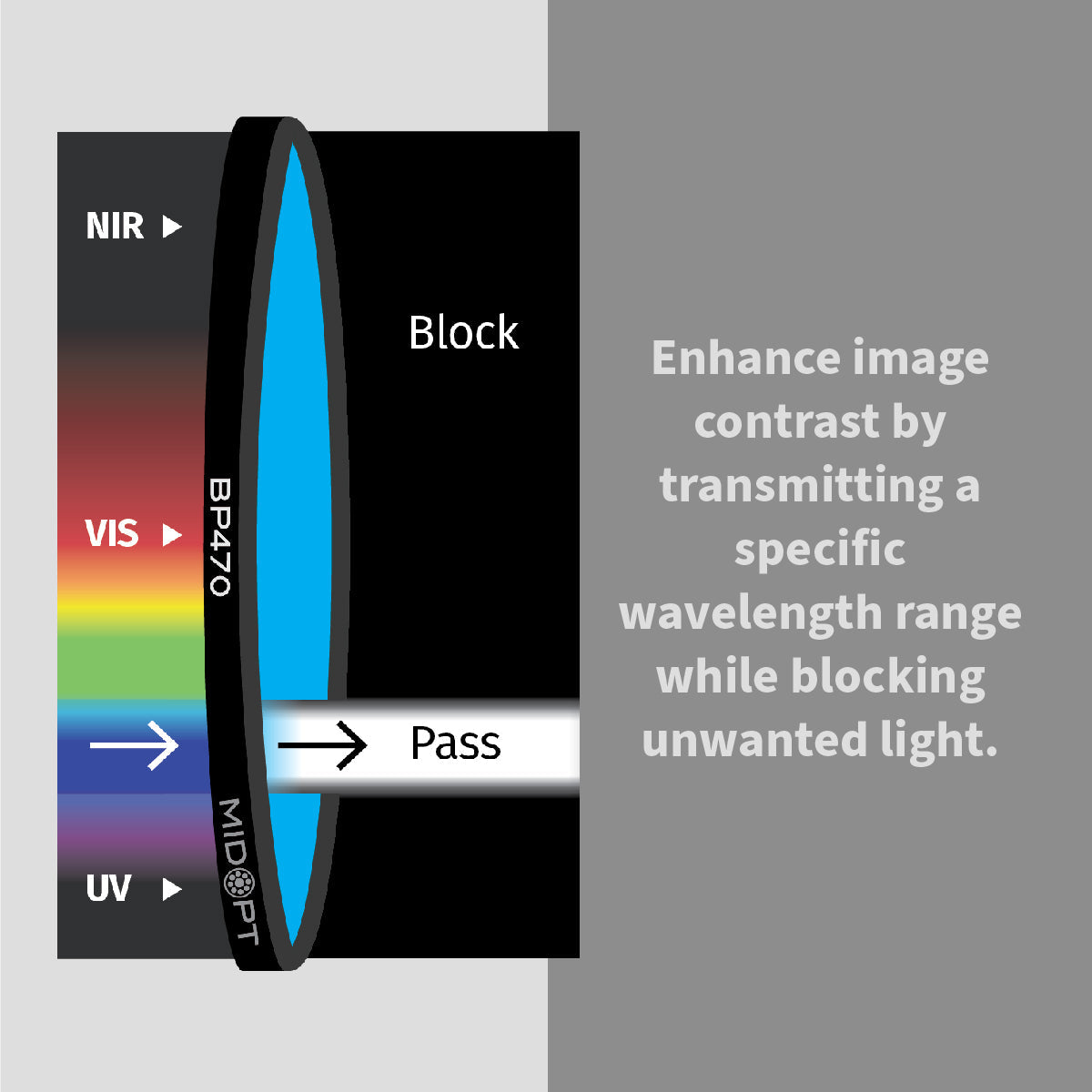
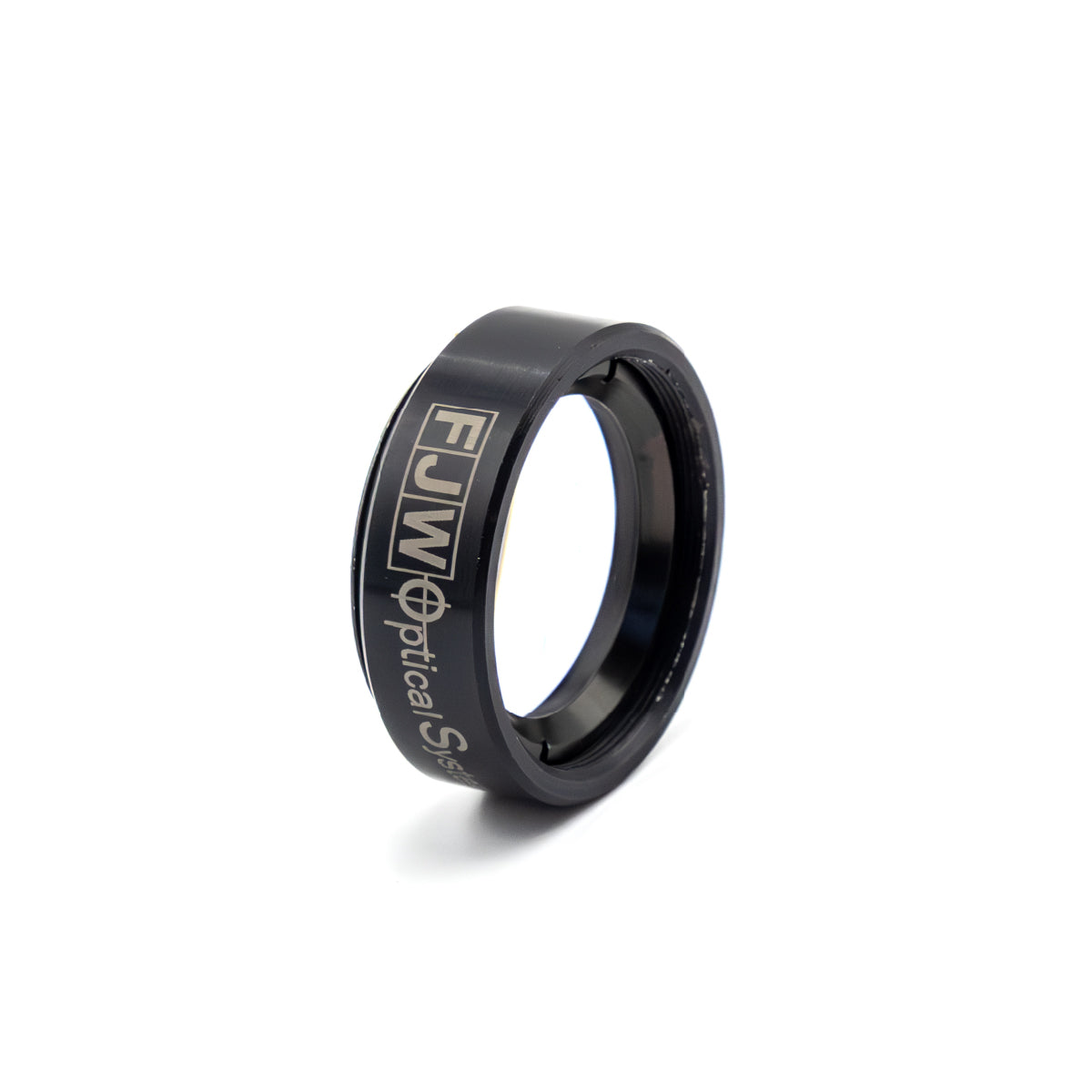
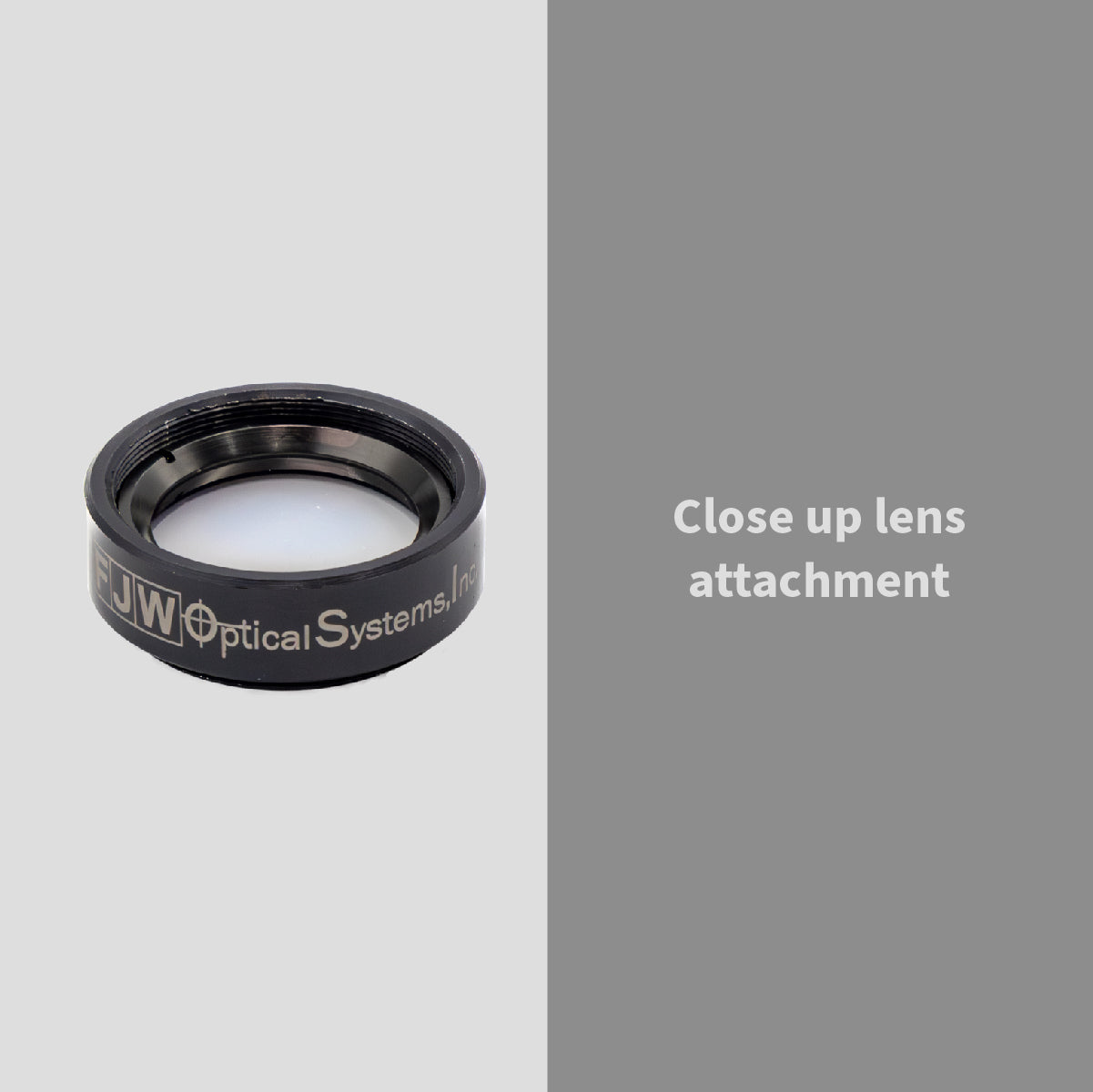


Protective windows act as a barrier between the imaging system and real-world environment. Whether operating in a factory, outdoors or in harsh industrial conditions, these optical elements help protect sensitive components while preserving image quality.
What Are Protective Windows?
Protective windows are flat optical elements designed to shield cameras, lenses and sensors from environmental hazards without distorting the image. Unlike standard glass, these windows are engineered with high optical clarity, tight flatness tolerances and specialized coatings. They're typically placed in front of the lens, over sensors and / or inside sealed enclosures and their primary role is to protect the system while maintaining optical integrity.
Why Protective Windows Matter
In industrial environments, imaging systems are exposed to a wide range of challenges:
- Dust and debris
- Moisture and humidity
- Oil, chemicals or cleaning agents
- Temperature fluctuations
- Physical impact or abrasion
Without protection, these factors can degrade lenses, contaminate sensors and reduce system accuracy. Protective windows solve this by creating a durable, replaceable barrier, allowing you to protect expensive optics while minimizing downtime and maintenance costs.
Optical Performance: What to Look For
Not all protective windows are the same. In machine vision, poor-quality glass can introduce distortion, reduce contrast or create unwanted reflections.
Key performance factors include:
1. High Transmission
Protective windows should allow maximum light to pass through with minimal loss. High transmission ensures your system maintains brightness, contrast and accuracy.
2. Anti-Reflective (AR) Coatings
Reflections can reduce image clarity and introduce artifacts. Advanced AR coatings minimize surface reflections and improve overall image quality, especially in controlled lighting environments.
3. Optical Flatness
Precision flatness prevents distortion and ensures that light passes through without altering focus or geometry. This is critical for measurement and inspection applications.
4. Scratch Resistance & Durability
Industrial environments demand rugged components. Hard coatings help protect against scratches, cleaning wear and long-term degradation.
Material Options and Spectral Considerations
Different applications require different materials depending on the wavelength of light being used. Select from oleophobic windows for resistance to dirt, oil, liquid and smudge, including Borofloat, acrylic, and industrial-grade protective windows. For heat resistance, fused silica is available. For impact resistance, choose from sapphire or acrylic. For thermal imaging, opt for pure-grade silicon specially designed for long-wave infrared (LWIR) imaging. Selecting the right material ensures compatibility with your camera, lighting and inspection goals.
Applications Across Industries
Protective windows are used across a wide range of machine vision applications:
- Factory Automation: Protecting cameras in assembly lines and robotic systems
- Food & Beverage Inspection: Shielding optics from washdowns and contamination
- Pharmaceutical Manufacturing: Maintaining clean, sterile imaging environments
- Transportation & Traffic Systems: Outdoor protection against weather and debris
- Security & Surveillance: Preserving image clarity in harsh or remote environments
In each case, protective windows help extend system life while ensuring consistent, reliable imaging.
Best Practices for Integration
To get the most from your protective windows, match the window size and thickness to your optical setup, ensure proper mounting and sealing to prevent contamination, select coatings based on your lighting conditions and wavelengths and plan for easy replacement in high-wear environments. A well-integrated protective window becomes a seamless part of your imaging system.
For engineers and integrators looking to build robust, high-performance systems, protective windows are essential.