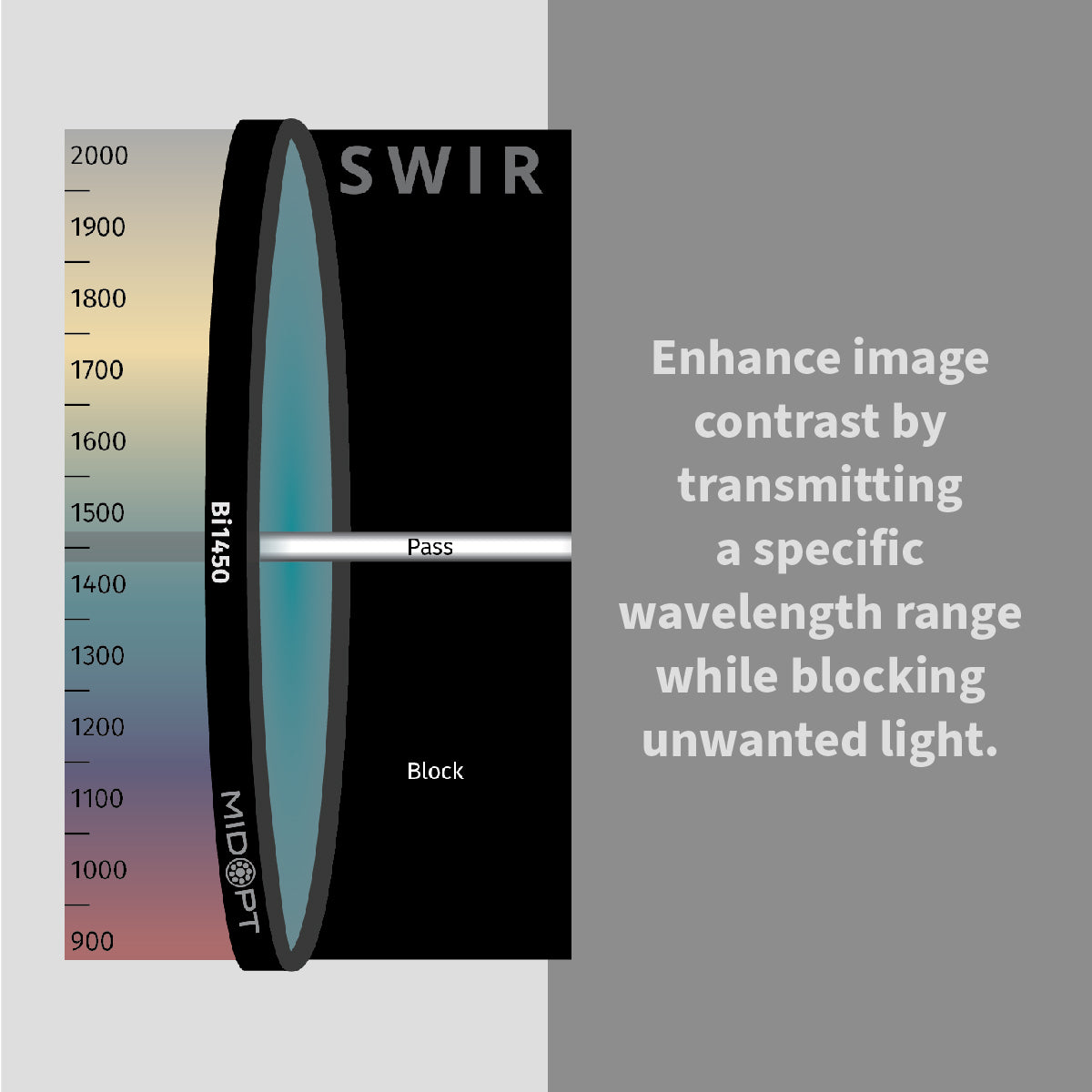
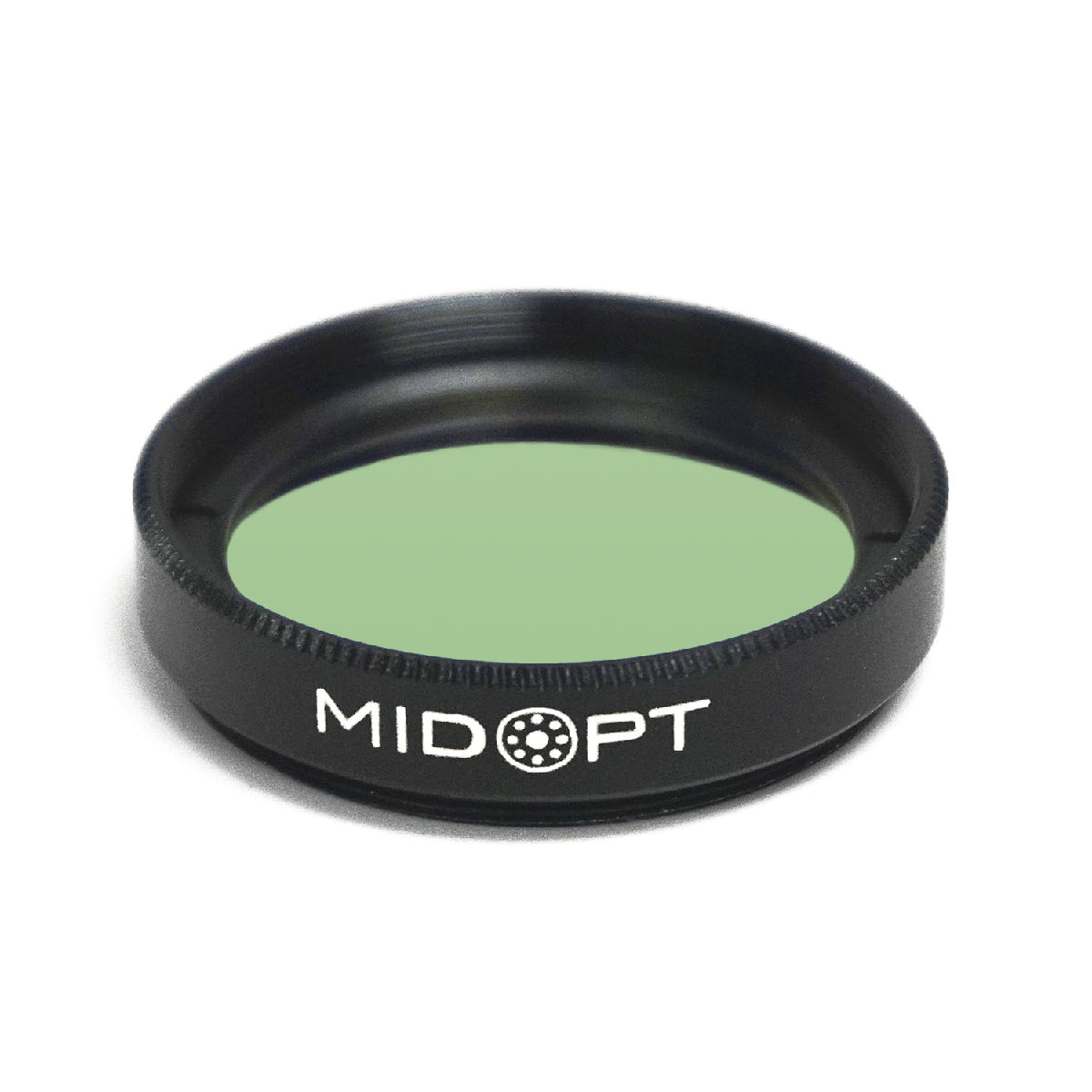
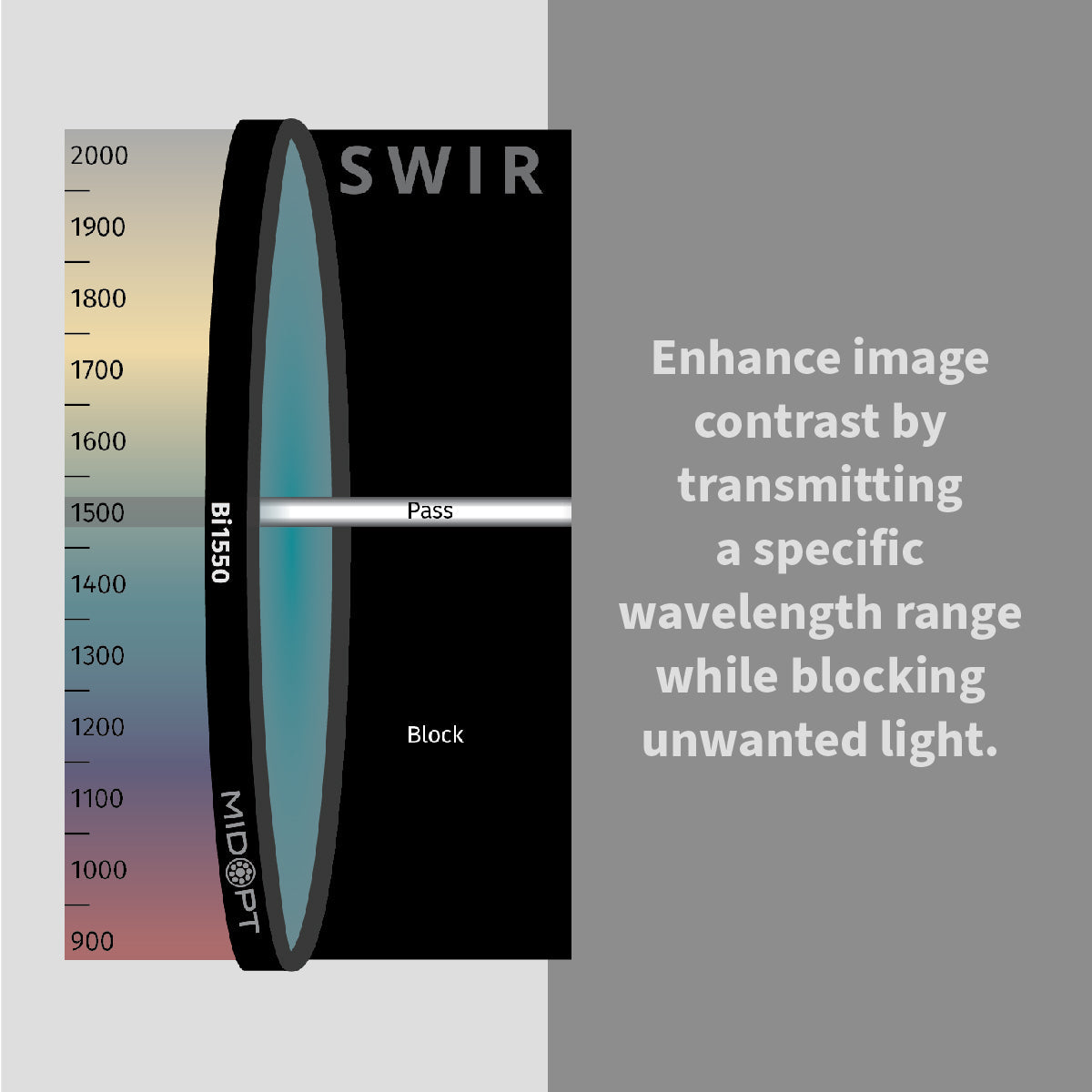
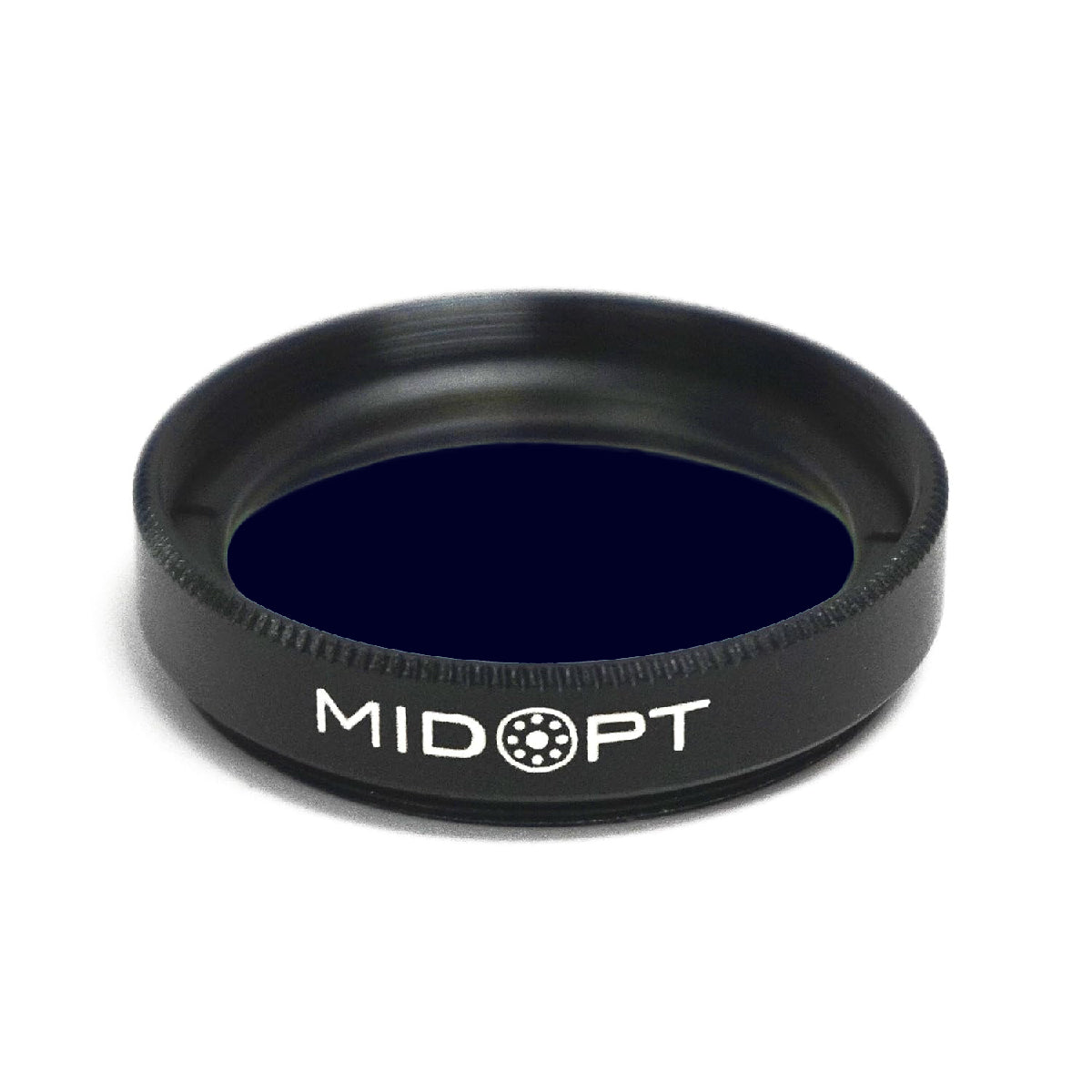
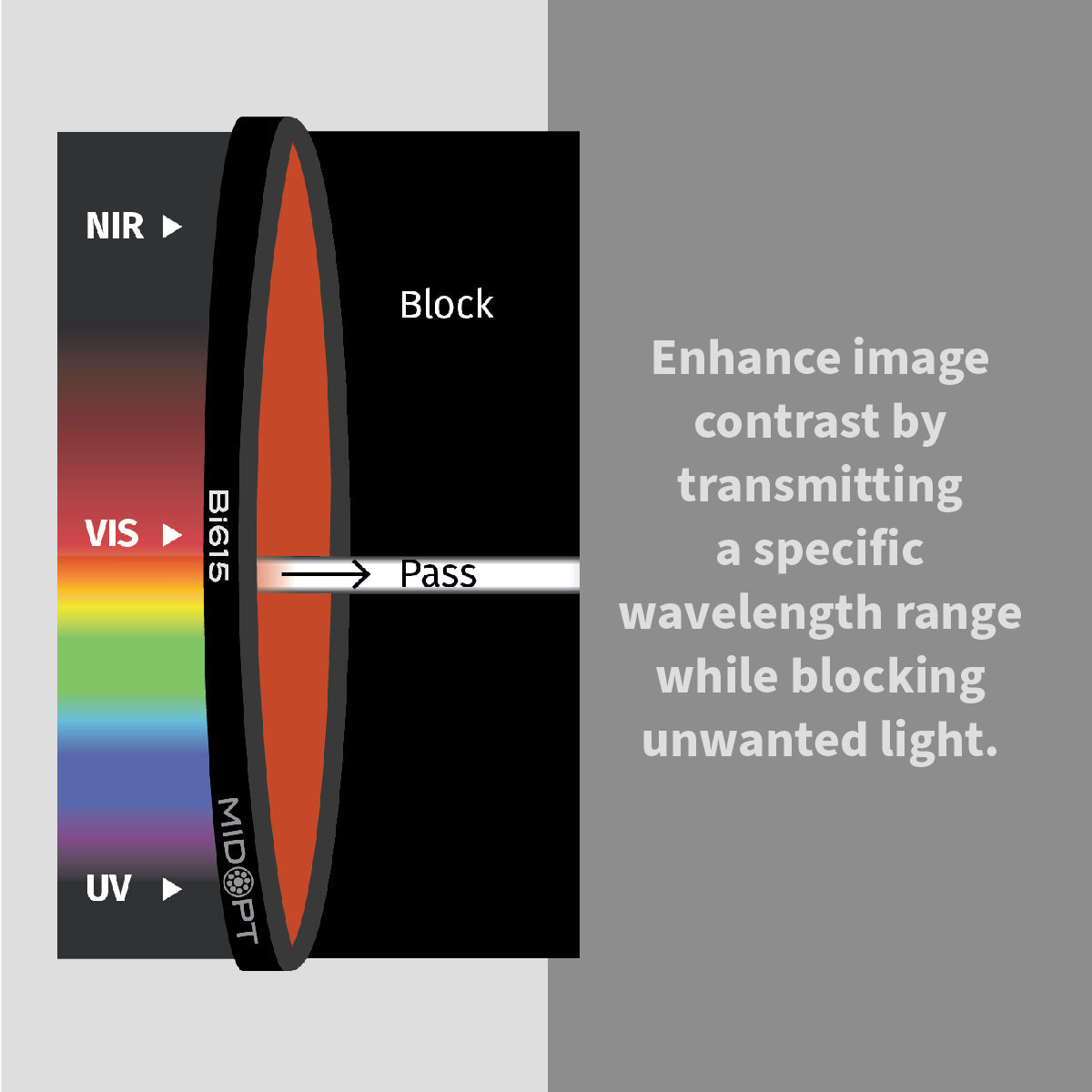
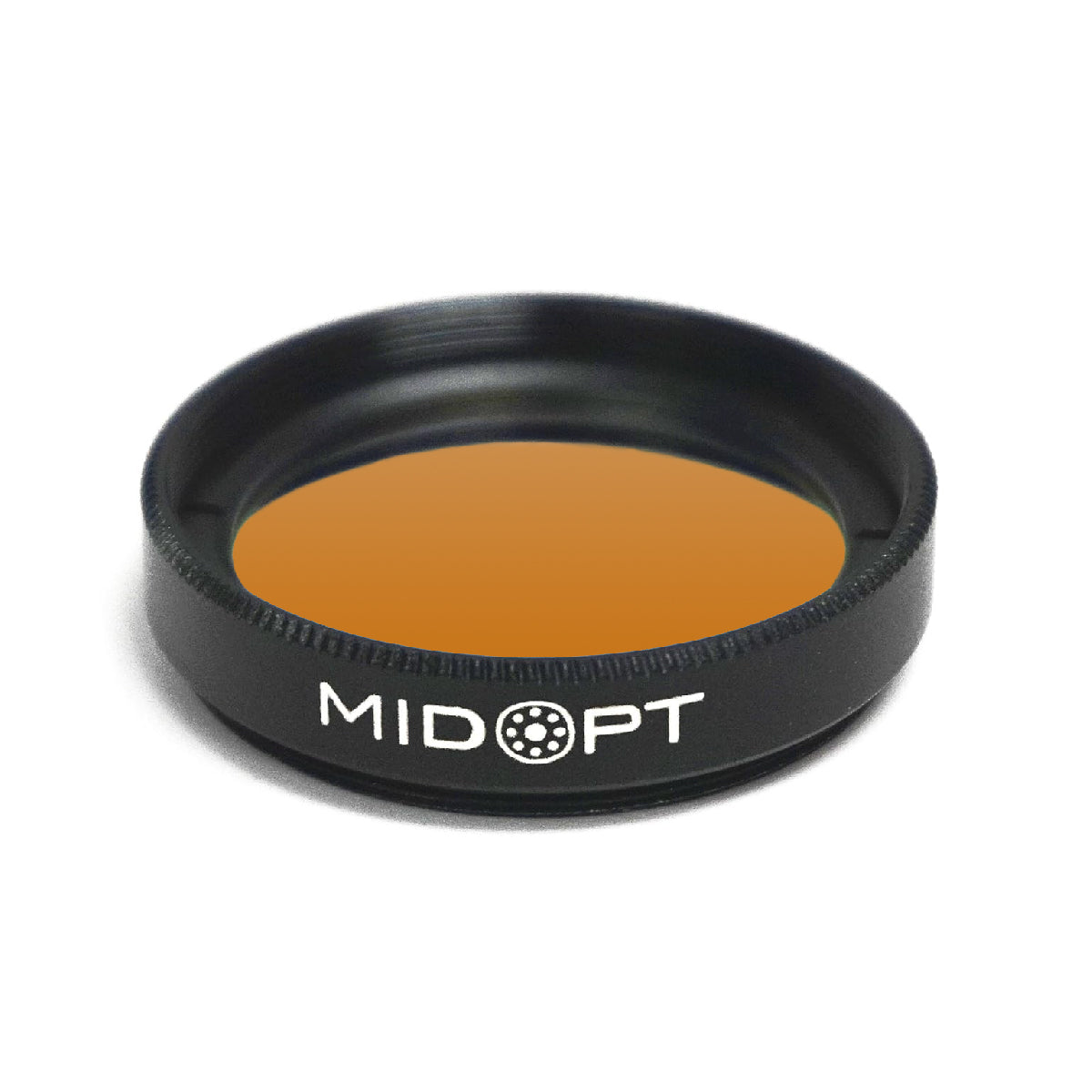
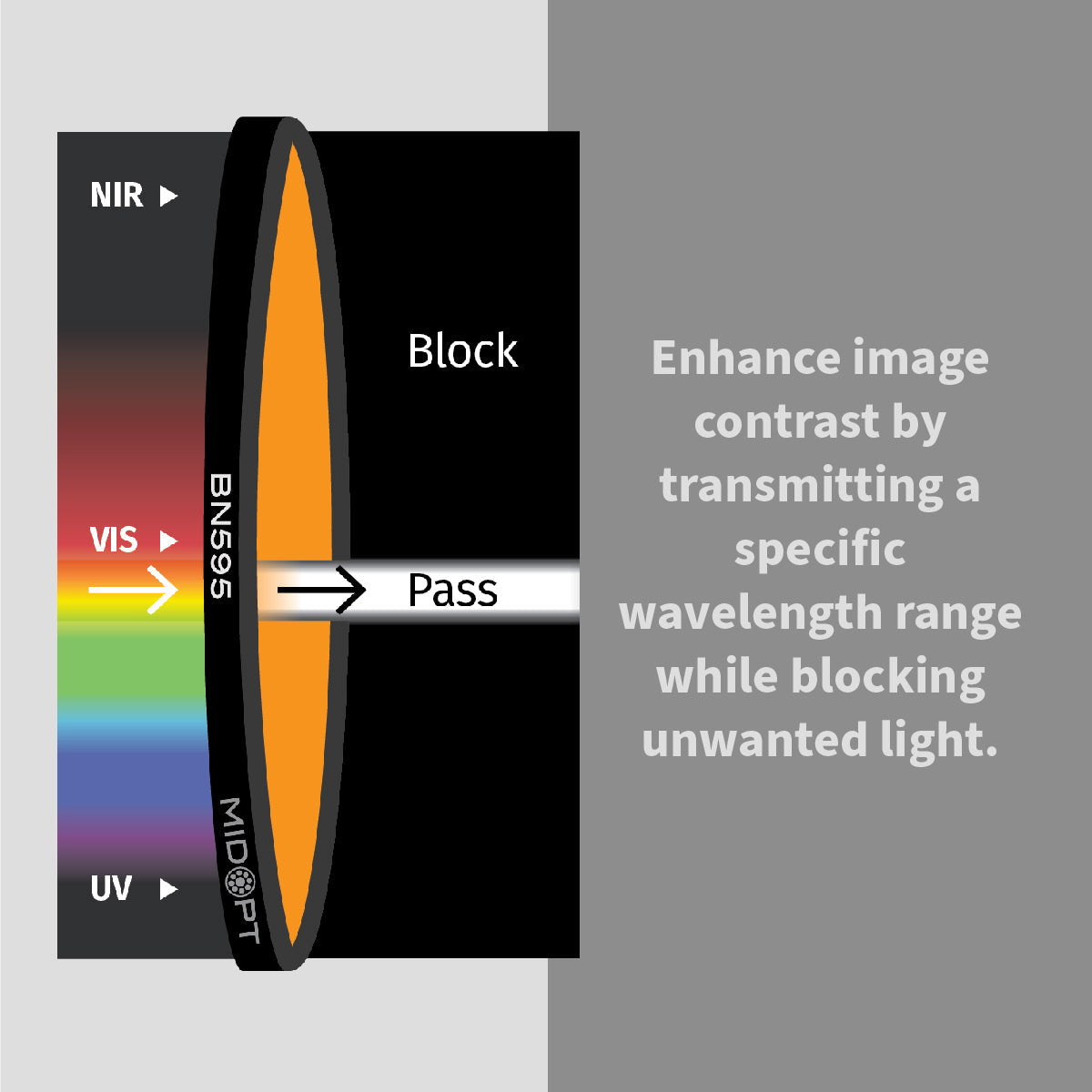
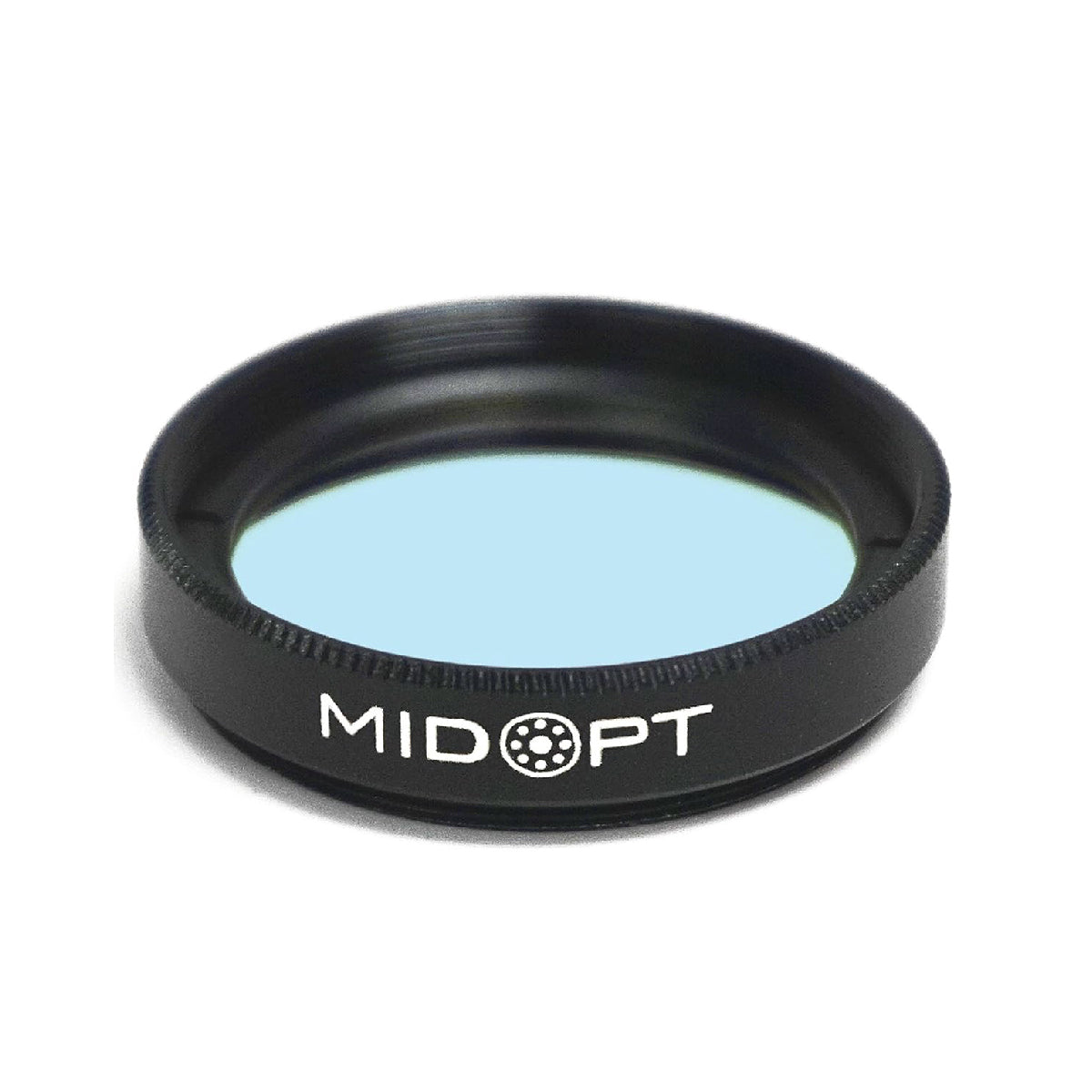
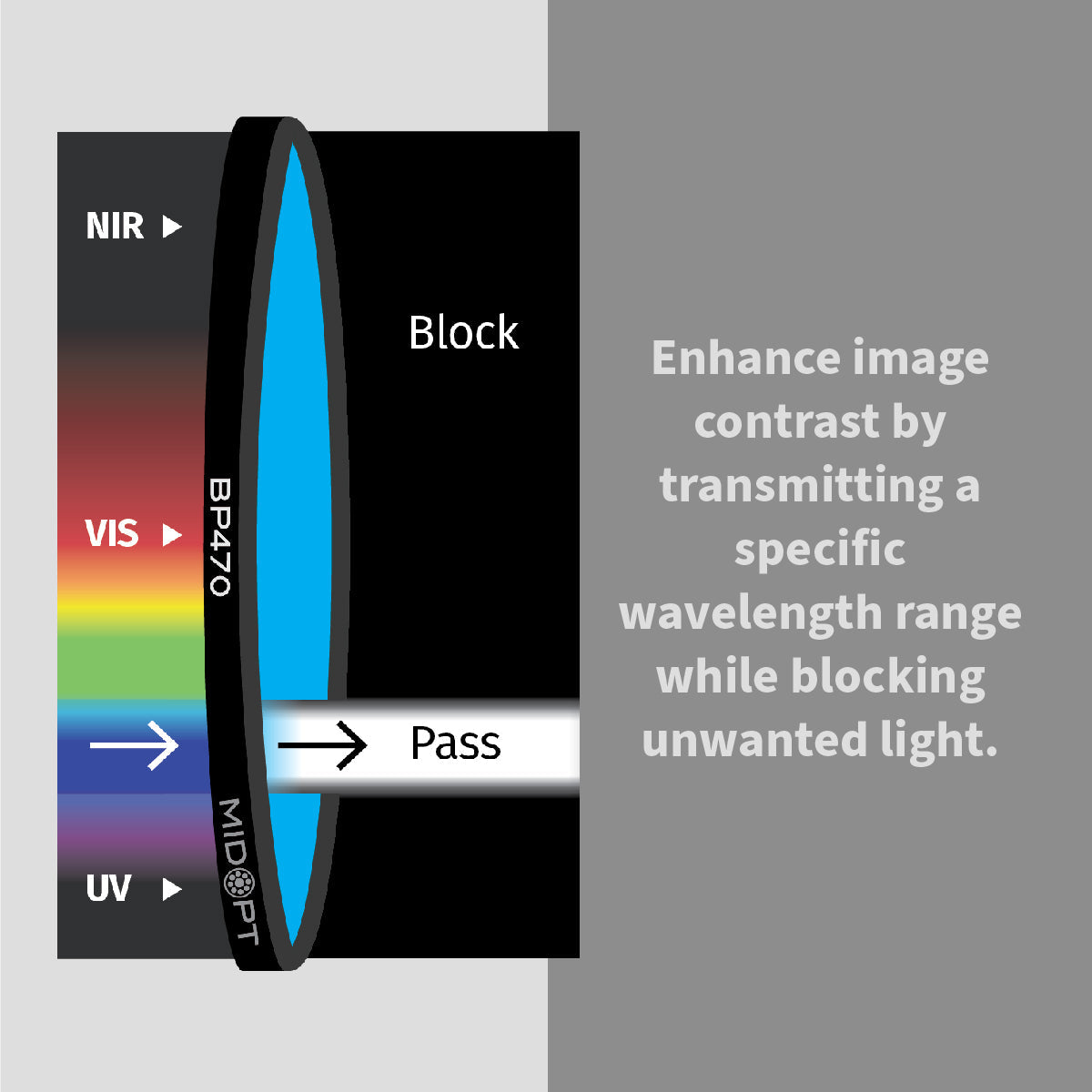
For over three decades, MidOpt® has focused exclusively on developing high-performance machine vision filters designed specifically for industrial imaging applications. Their philosophy is simple: create optical filters for machine vision using the precision of machine vision.
In machine vision, backlighting is one of the most effective ways to achieve high-contrast images for measurement and inspection. But what happens when there’s no room to place a light behind your part?
Sustainability is becoming a key focus across manufacturing, and machine vision systems are no exception. While cameras and software often get the most attention, lighting plays a major role in both system performance and energy consumption. By optimizing illumination, manufacturers can significantly reduce energy waste while maintaining – or even improving – inspection accuracy.
Selecting the right lens is one of the most critical decisions in building a successful machine vision system. While cameras and lighting often get the spotlight, the lens ultimately determines how well your system captures detail, maintains accuracy and performs over time.
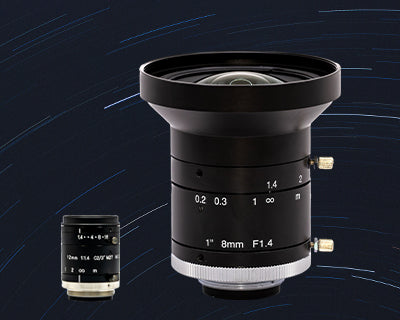
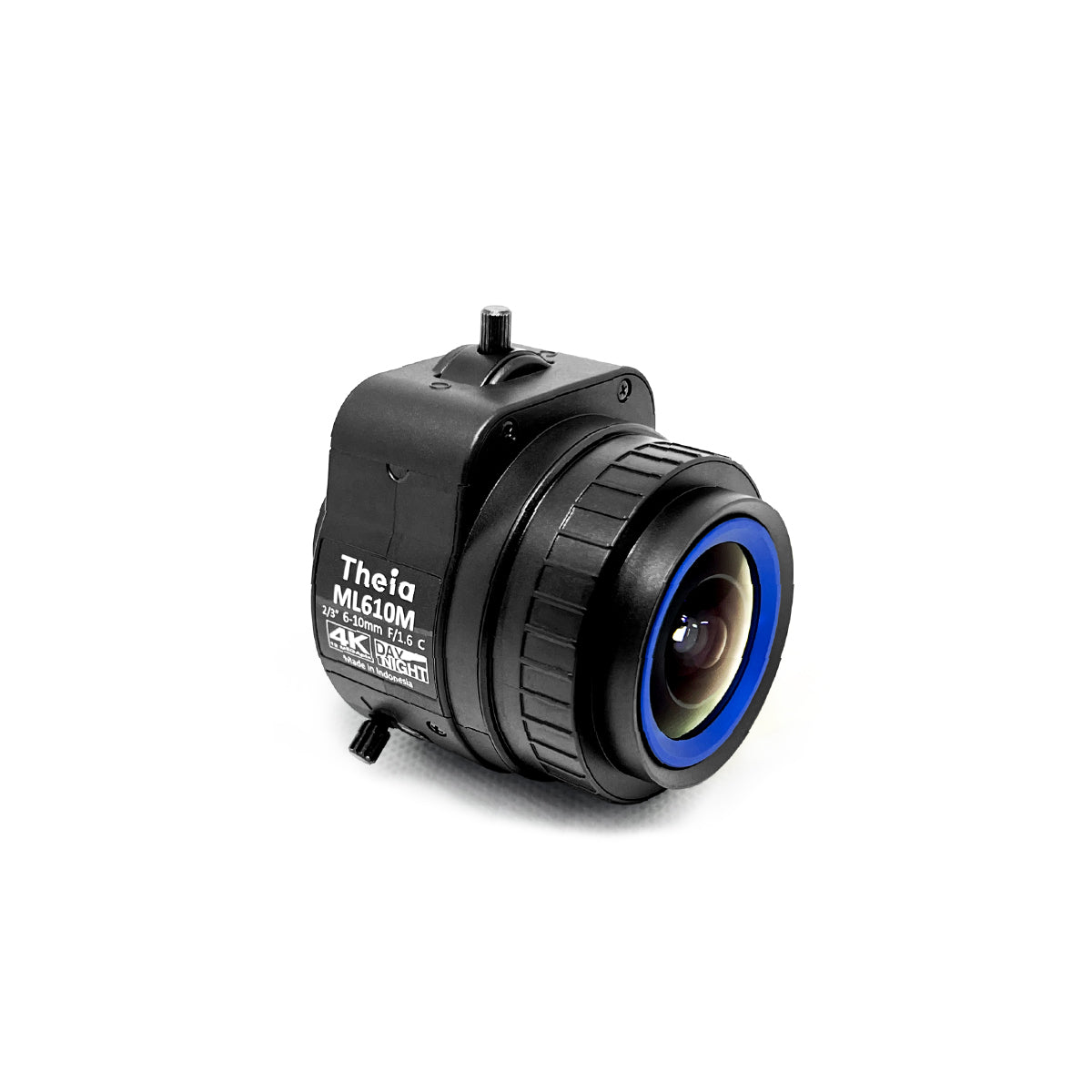
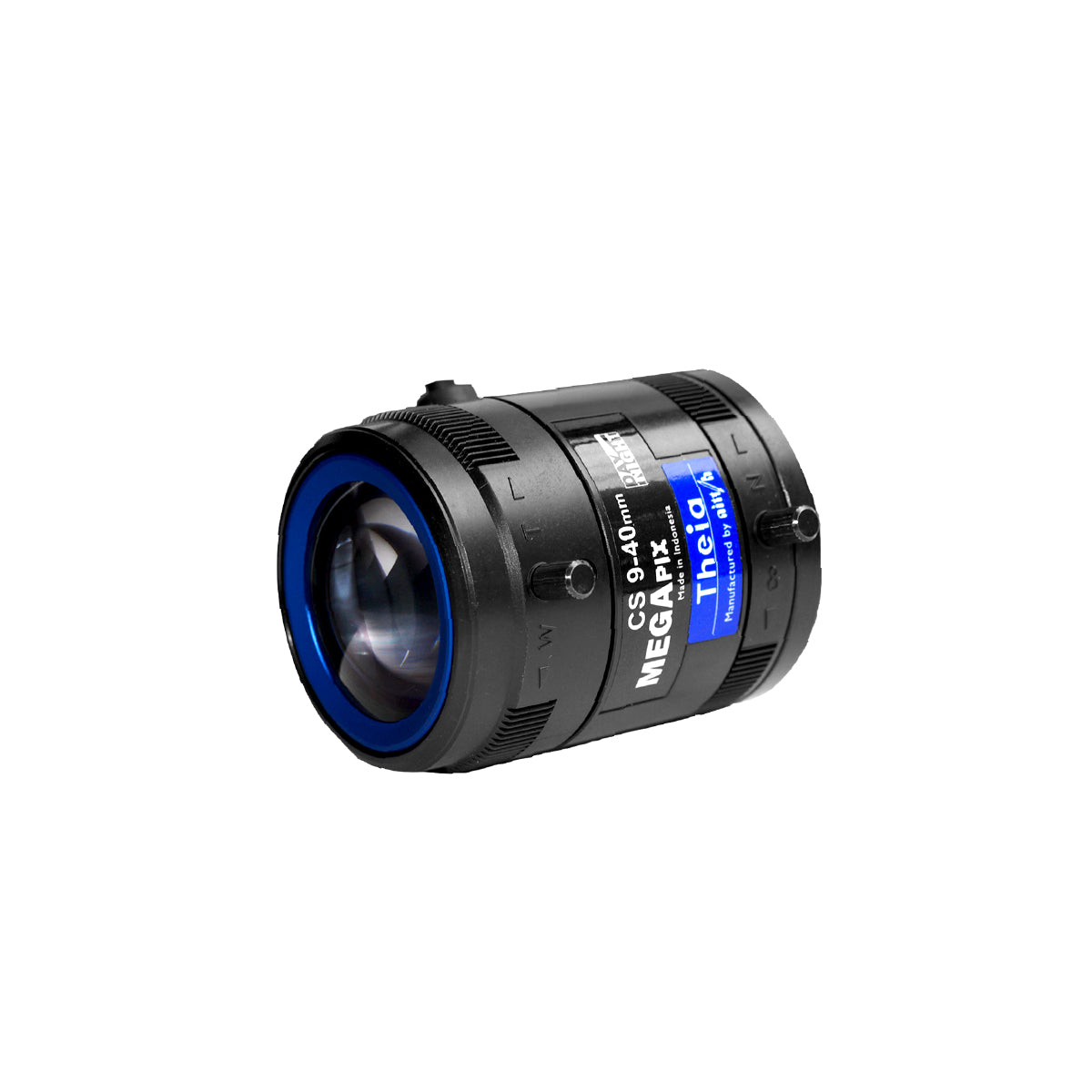
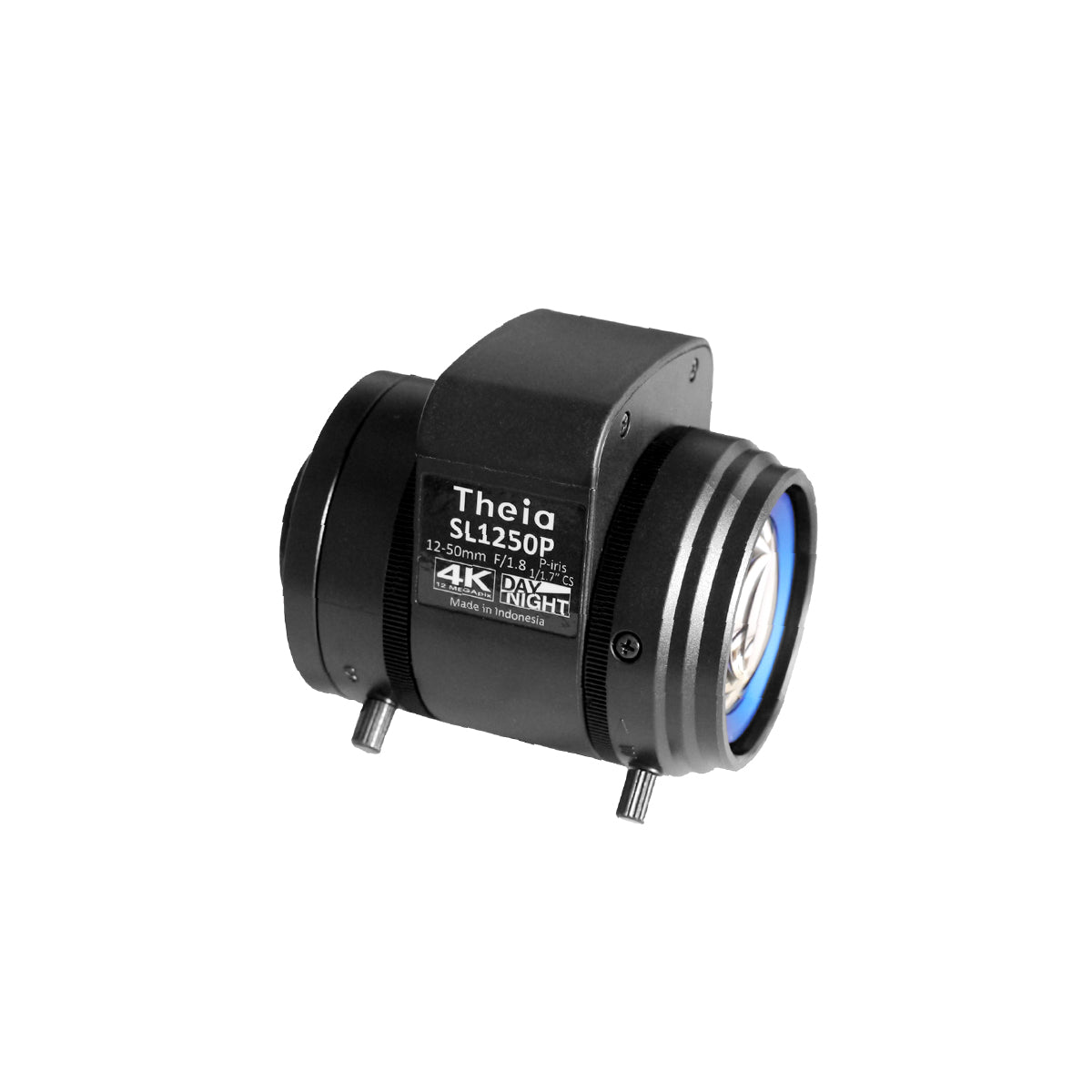
Theia Technologies is a leading provider of precision optical lenses designed specifically for industrial machine vision, automation, and advanced imaging applications. Built to deliver exceptional image quality and reliable performance, Theia lenses are widely used in manufacturing, robotics, quality inspection, and scientific research environments. At FJW Optical, our curated Theia lens collection offers solutions tailored to diverse vision system requirements — from high-resolution inspection tasks to complex automated imaging workflows.
Understanding the critical role optics play in any machine vision system, Theia lenses are engineered to provide clarity, minimal distortion, wide field coverage, and accurate color reproduction. These qualities ensure that industrial cameras capture precise images for defect detection, measurement, classification, and guidance in high-speed operations.
Theia’s optical design emphasizes a balance of performance and flexibility. Key differentiators include:
Theia lenses produce crisp, distortion-controlled images that support accurate image analysis and feature detection, even in challenging industrial scenarios.
From wide-angle to telephoto optics, Theia lenses cover a broad range of fields of view, enabling vision systems to be optimized for application-specific imaging requirements — whether inspecting large surfaces or detailed micro-components.
Built to endure vibration, temperature variation, and continuous use, Theia lenses are engineered for rugged industrial environments where reliability is essential.
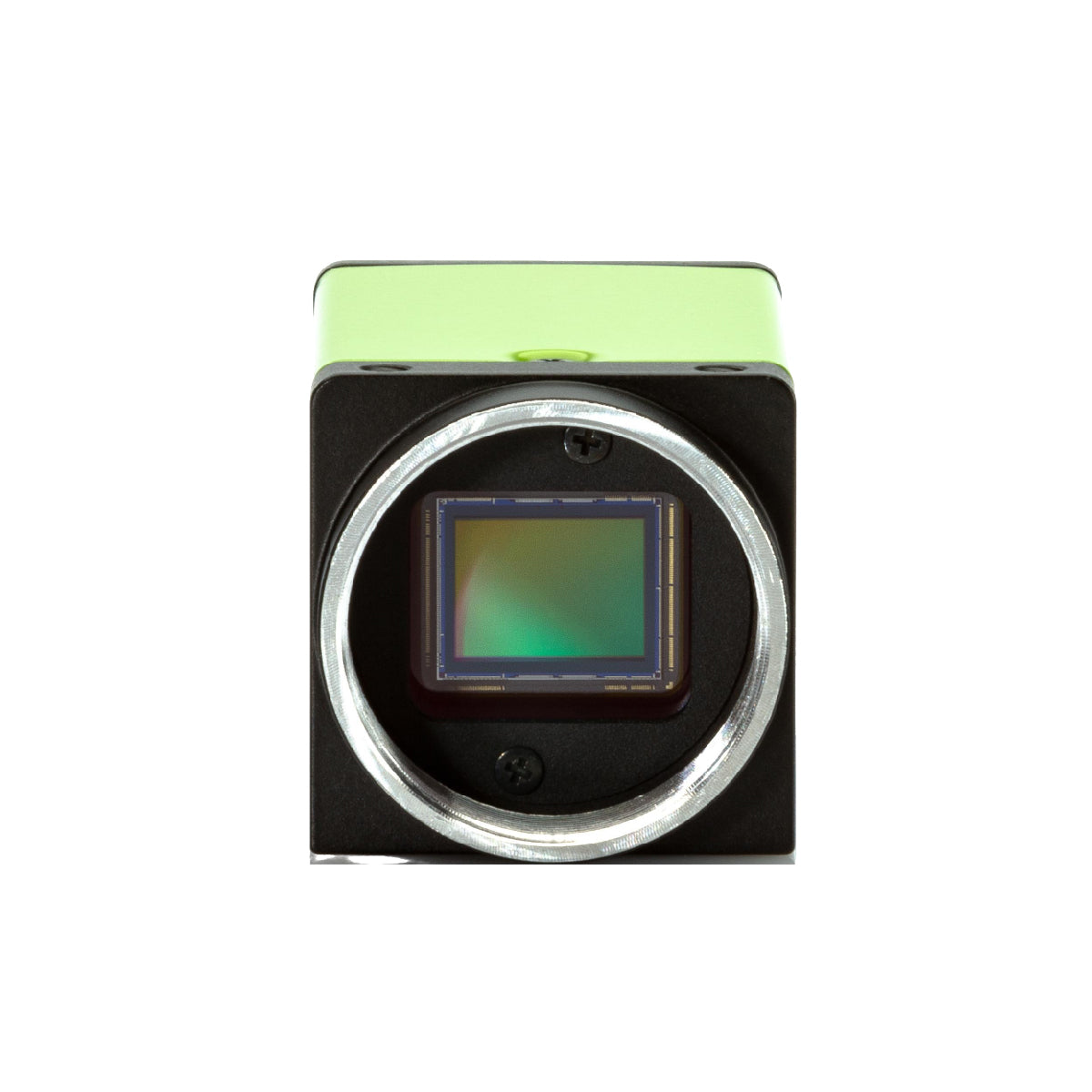
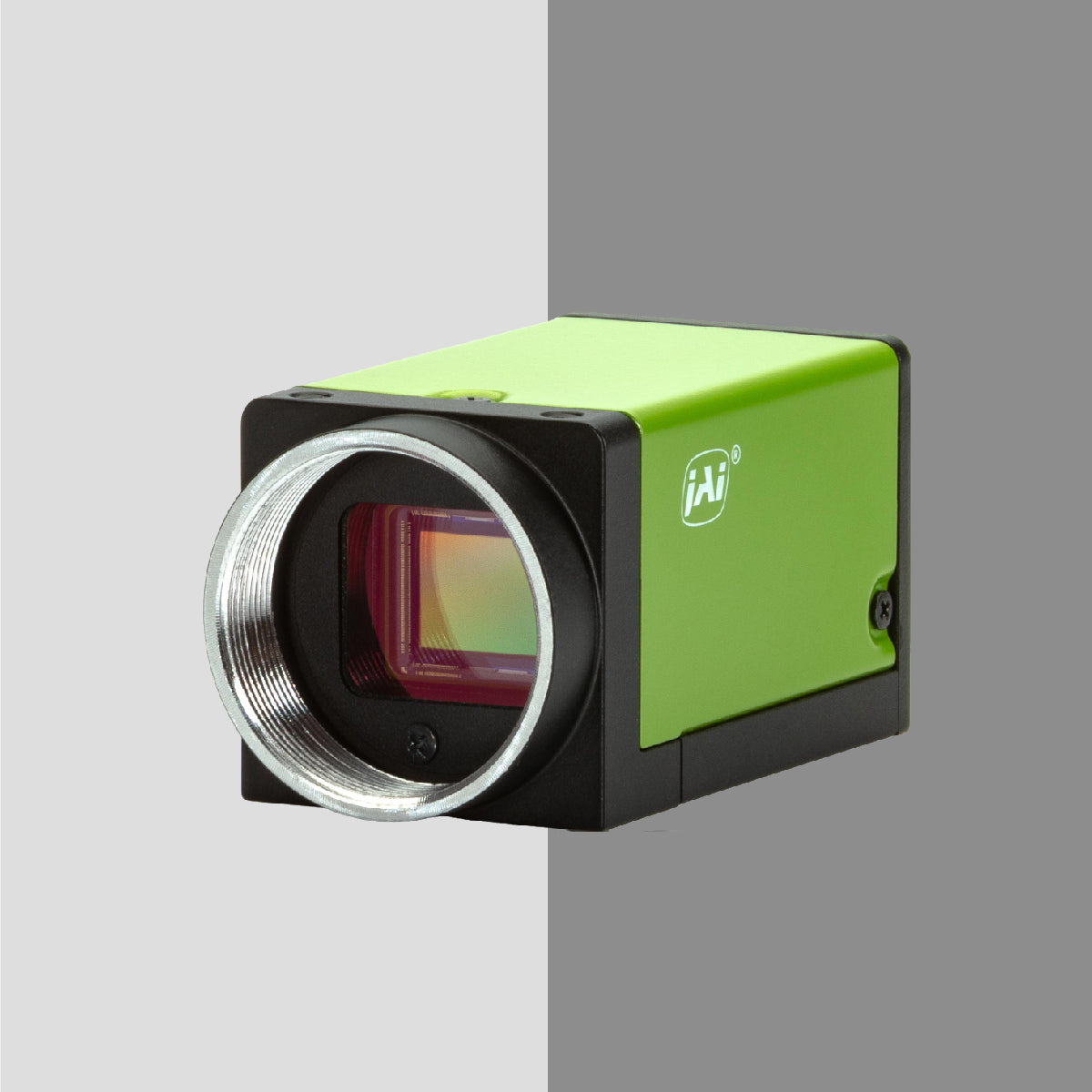
Theia lenses are compatible with industry-standard machine vision interfaces and sensor sizes, ensuring seamless integration with GigE, USB3 Vision, and other widely used vision cameras.
These lenses offer reliable performance for a wide range of inspection and automation tasks. They provide consistent focus, sharp edges, and high resolution for general industrial imaging.
Applications include:
Ideal for applications requiring broader field capture, wide-angle lenses help systems monitor large areas without camera repositioning.
Common uses:
When detailed inspection is critical, telephoto lenses provide:
These are used in contexts like:
For niche industrial requirements, Theia offers custom optical configurations that match specific machine vision needs — such as extended focus or unique distortion characteristics.
In automated imaging systems, optical lenses do far more than “capture images.” They determine:
These optical characteristics directly impact:
Poor optical performance can degrade even the most advanced camera sensor, leading to unreliable results or system failures.
Machine vision systems powered by Theia lenses help manufacturers validate product integrity, detect surface defects, and ensure consistency at high throughput.
Robotic guidance systems rely on accurate visual feedback. Theia optics enable precise detection, positioning, and navigation for automated robots in assembly, sorting, and logistics.
Capturing microscopic details on circuit boards or semiconductor wafers requires lenses that preserve resolution and minimize distortion — a strength of Theia optics.
Scientific research applications that demand accurate imaging benefit from Theia’s optical performance, delivering clarity and detail needed for measurement and analysis.
Selecting the ideal lens depends on:
FJW Optical experts can help assess these factors and recommend the most suitable Theia lens configuration for your system goals.
When you choose Theia machine vision lenses through FJW Optical, you gain:
FJW Optical’s experience in vision systems ensures that you get optimized optics that improve imaging performance and system reliability.
Theia lenses are engineered for industrial machine vision with optical precision, minimal distortion, and versatile field of view options.
Common industries include manufacturing, robotics, electronics inspection, automotive, and scientific imaging.
Yes — Theia lenses support major sensor sizes and interfaces like GigE Vision and USB3 Vision.
Consider sensor size, working distance, field of view, and lighting; FJW Optical experts can help guide your choice.
Yes — their optical precision and minimal distortion enhance clarity and reduce measurement errors.
Wide-angle lenses capture broader scenes and are ideal for conveyor monitoring and large-area inspection tasks.
Yes — they are designed to withstand vibration, temperature changes, and continuous operation.