
 Find-R-Scopes

 Filters
 Lenses
 Cameras
 Lighting


 Accessories
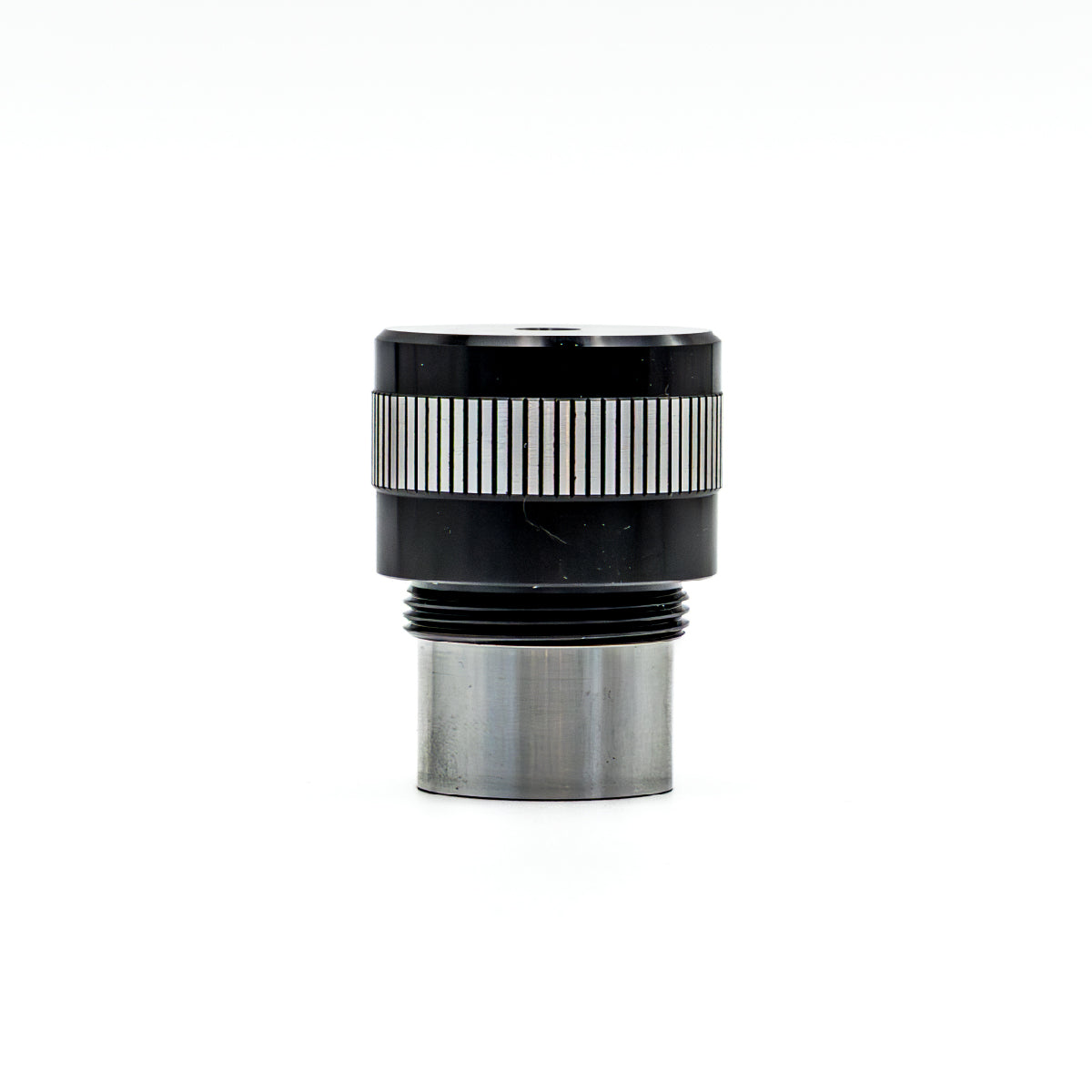








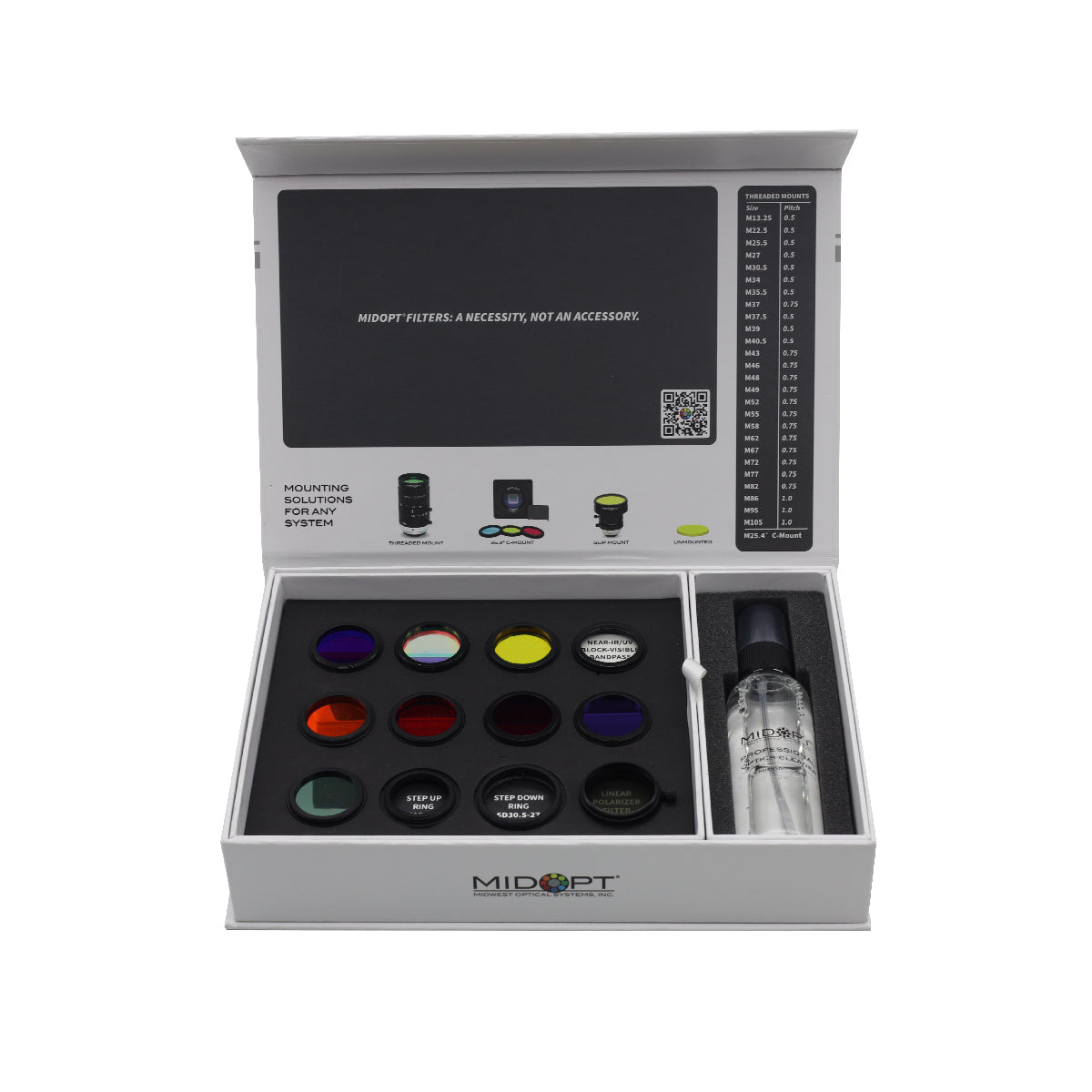
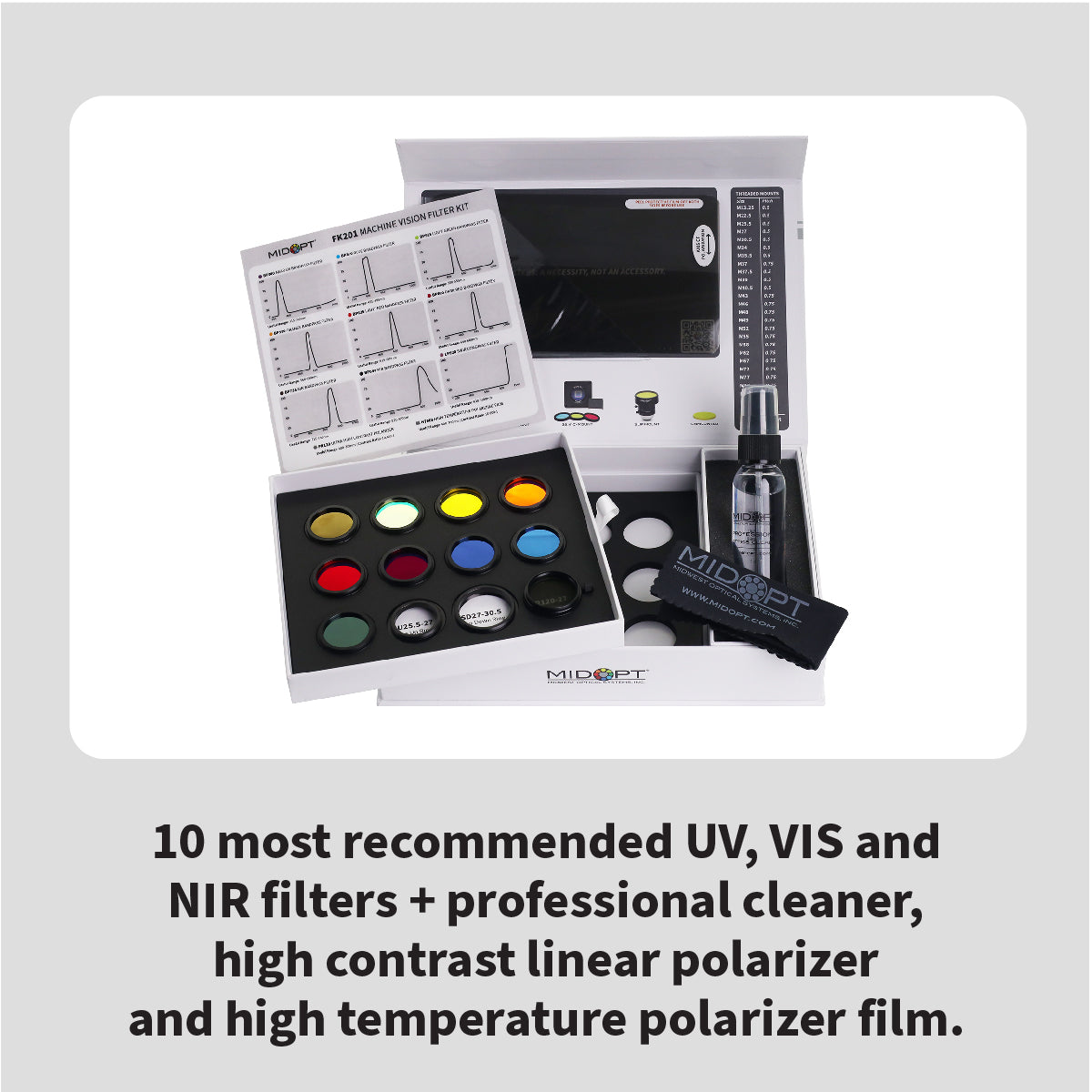
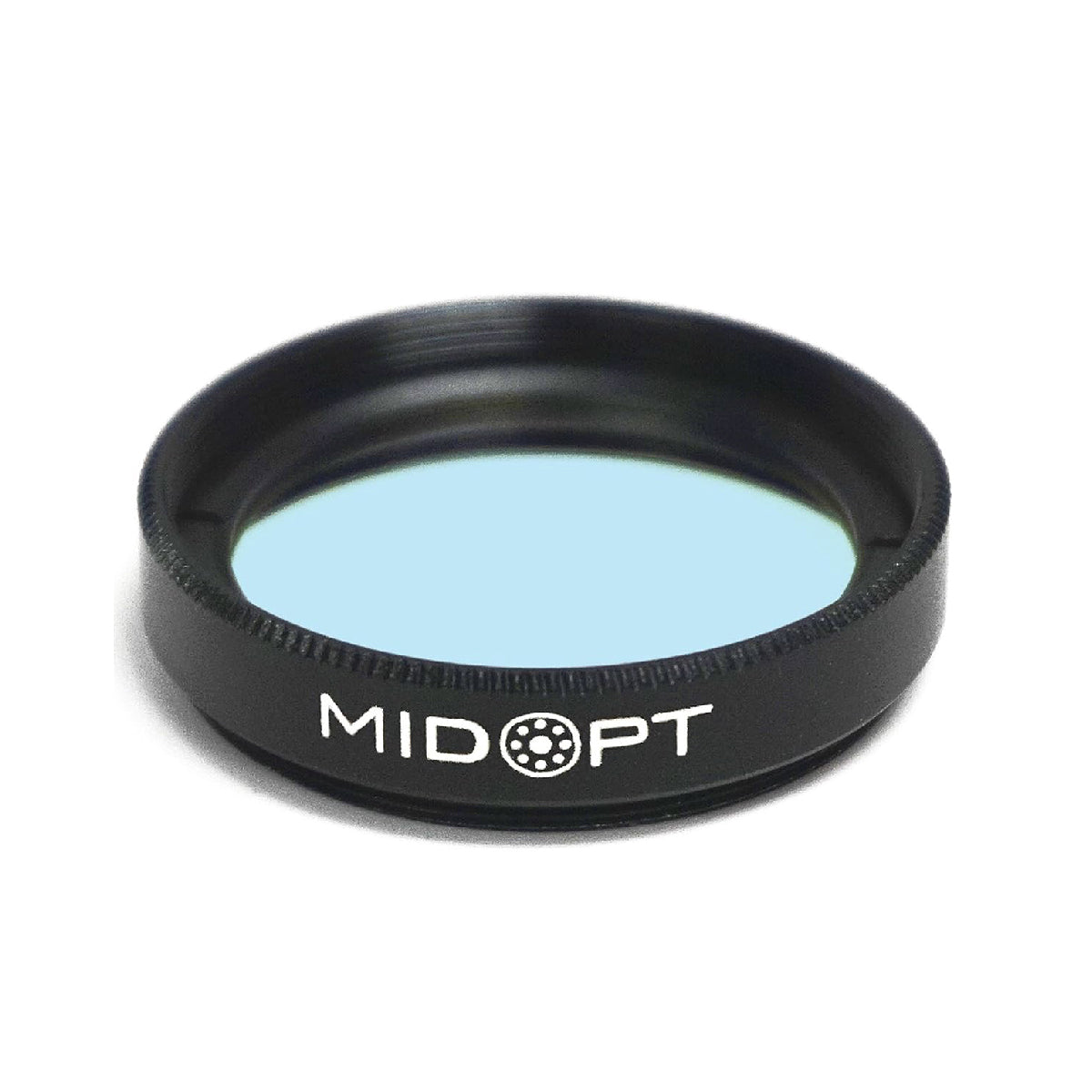
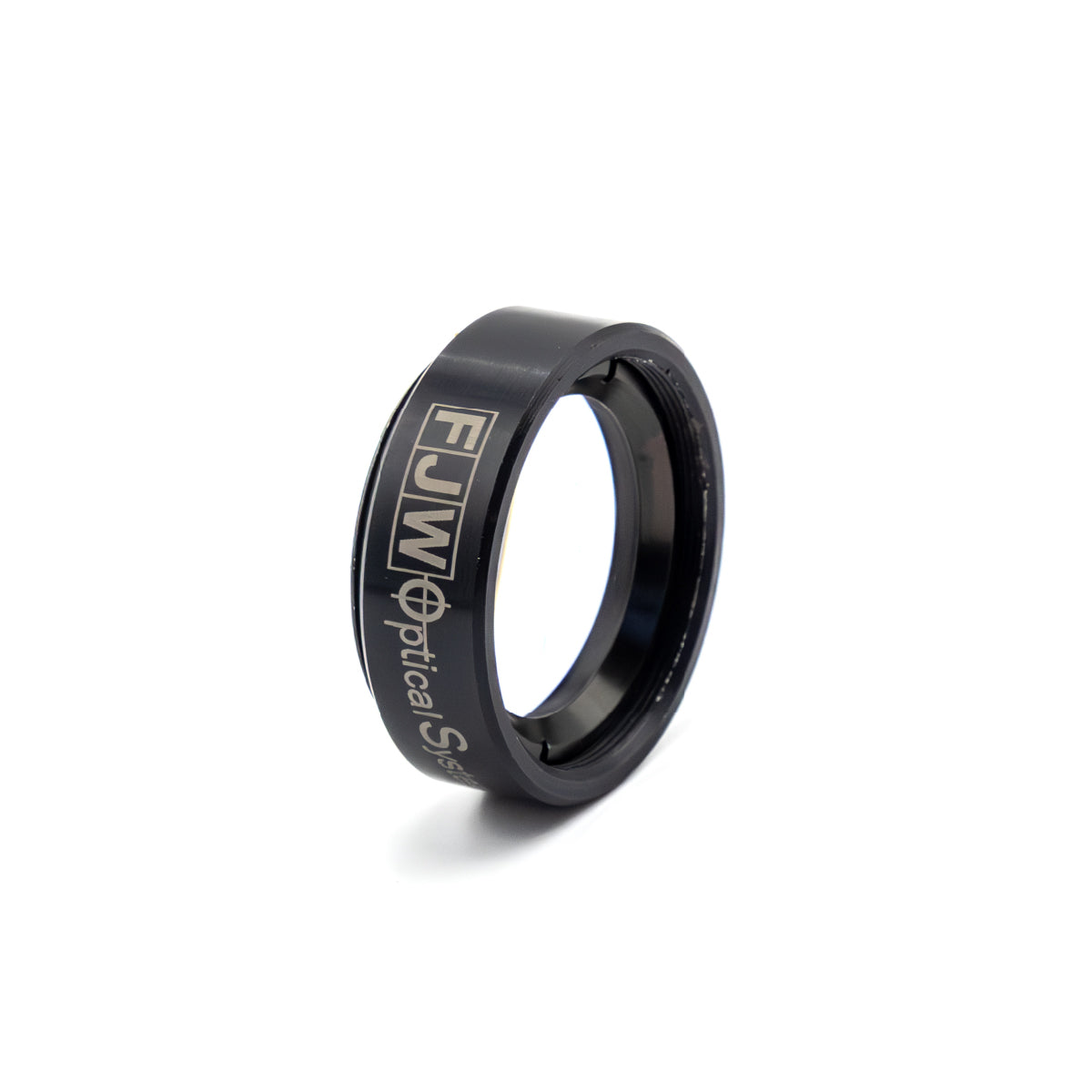
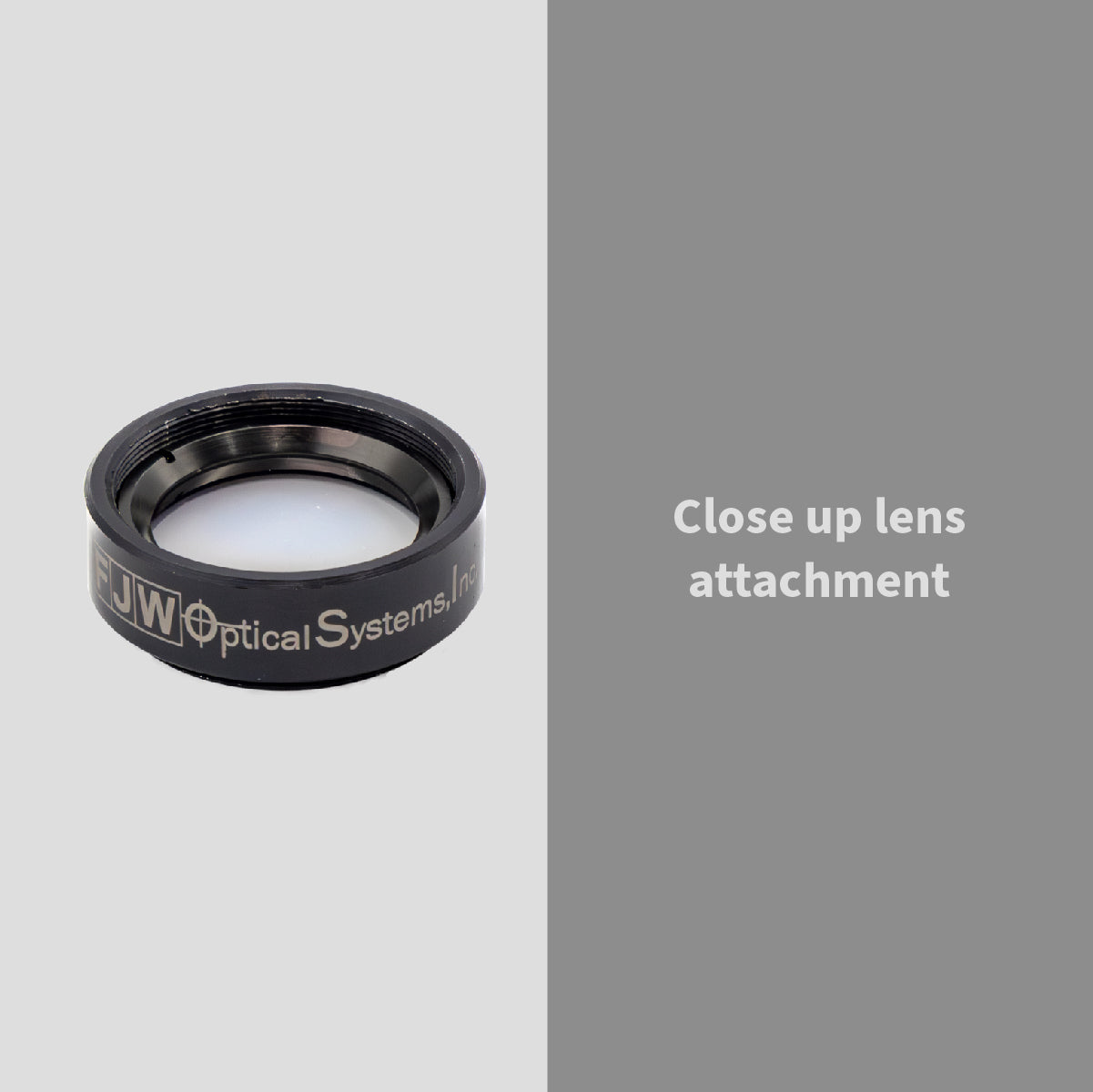


Machine vision filters are one of the most important components in any industrial imaging system. They directly affect how clearly a camera can detect features, measure objects, and identify defects. Without the right filter, even a high-end camera and lighting setup can produce inconsistent or inaccurate results.
If you're building or optimizing an imaging system, understanding how filters work and how to choose the right one is essential.
To explore available options, you can browse our full range of machine vision filters designed for industrial and scientific applications.
What Are Machine Vision Filters?
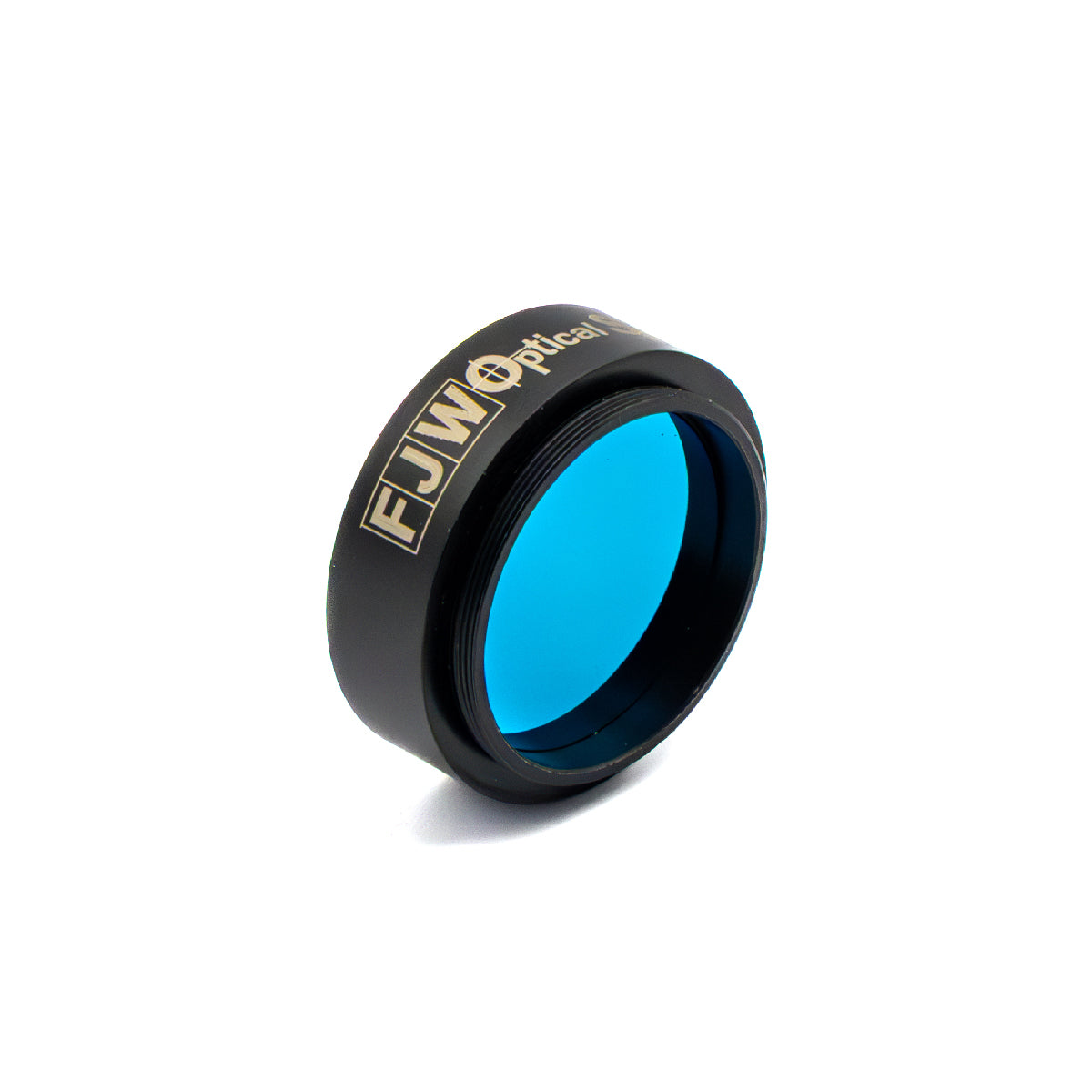
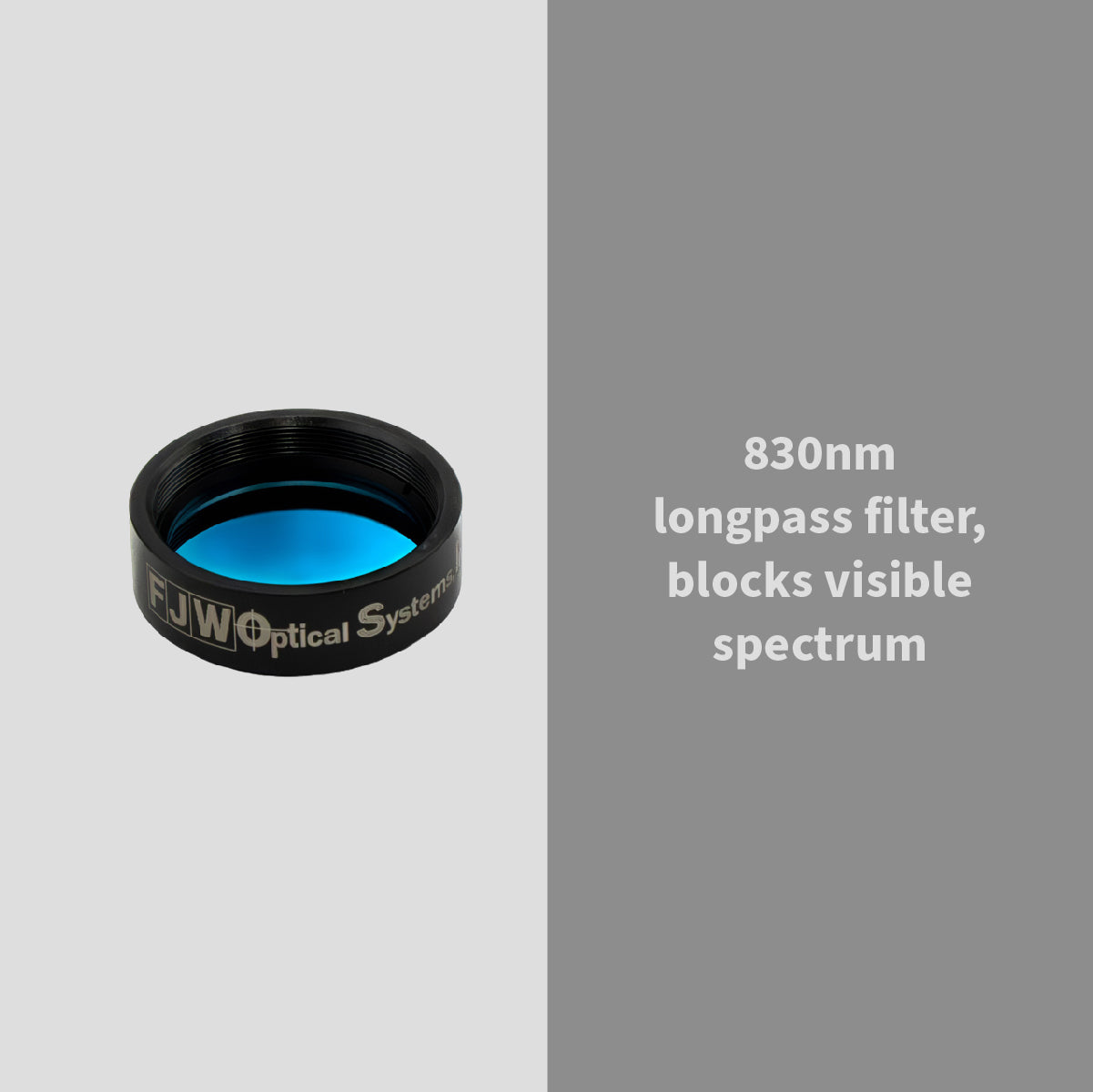
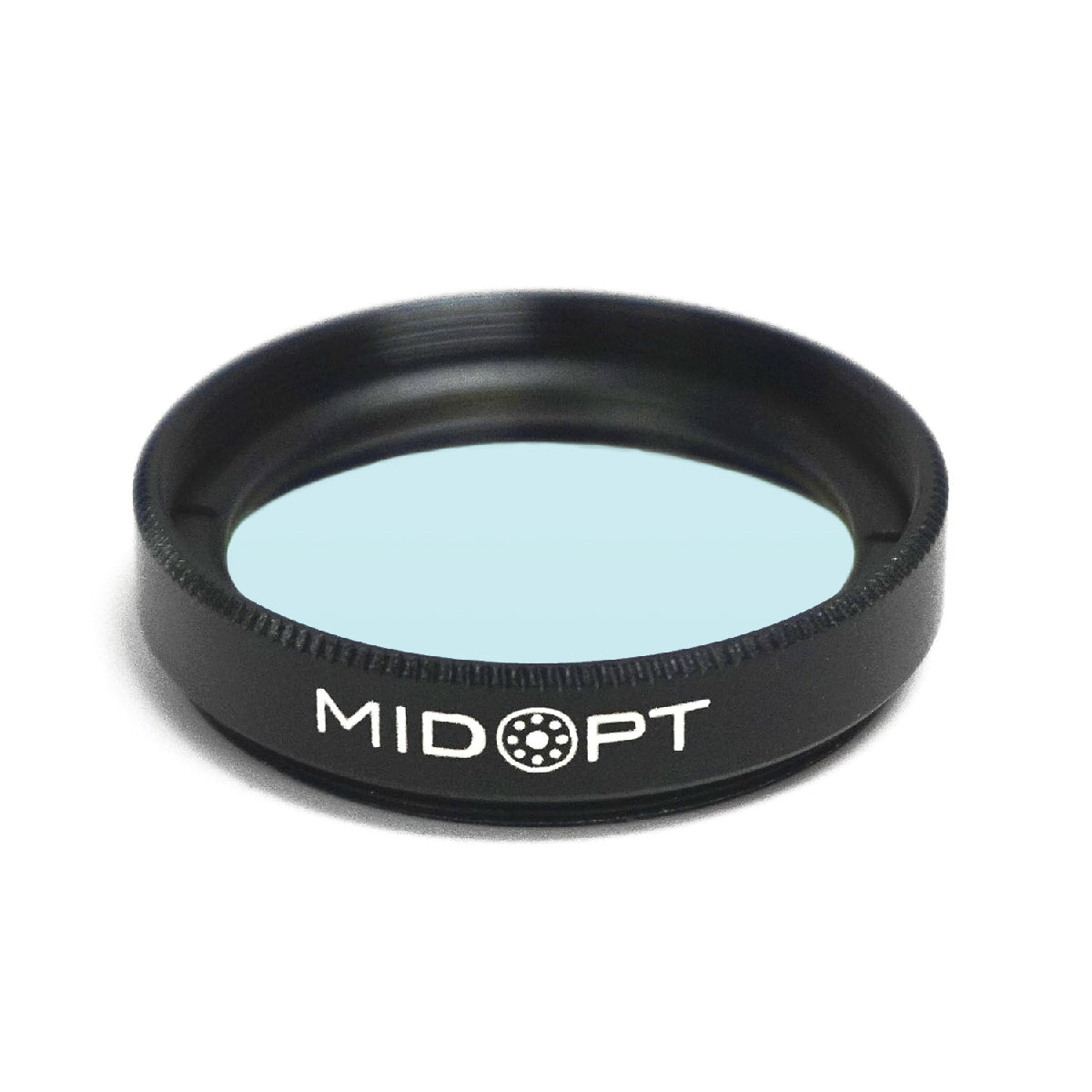
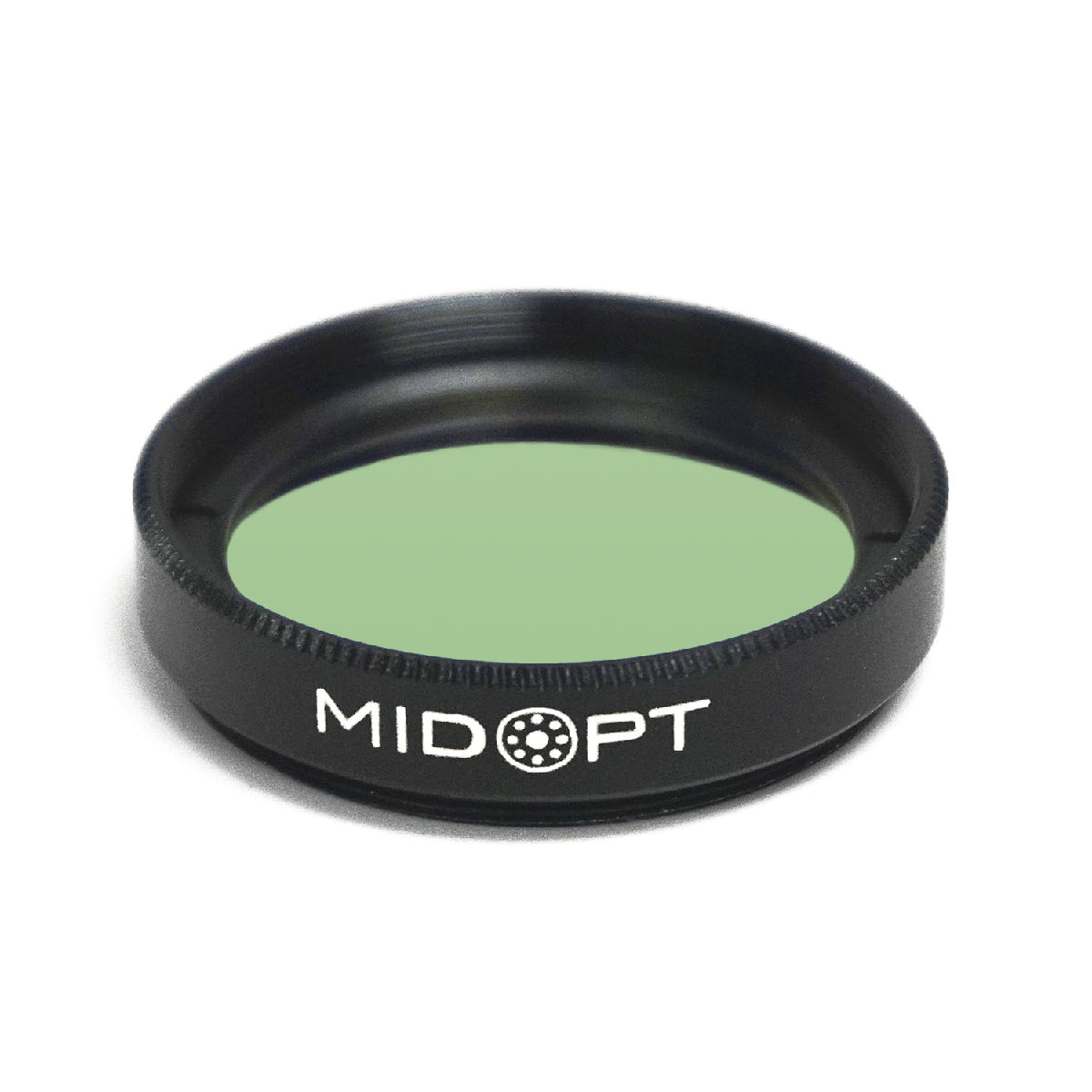
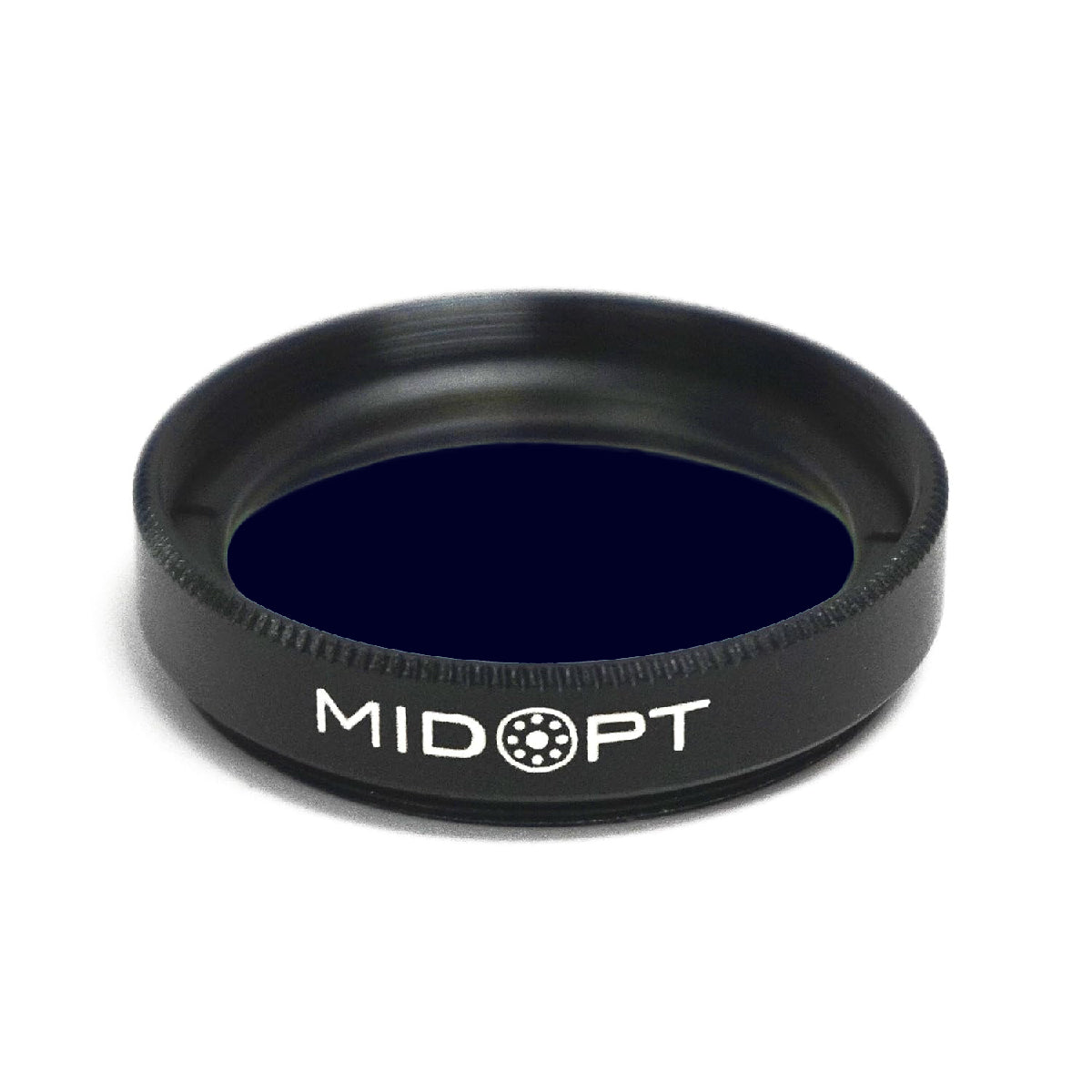
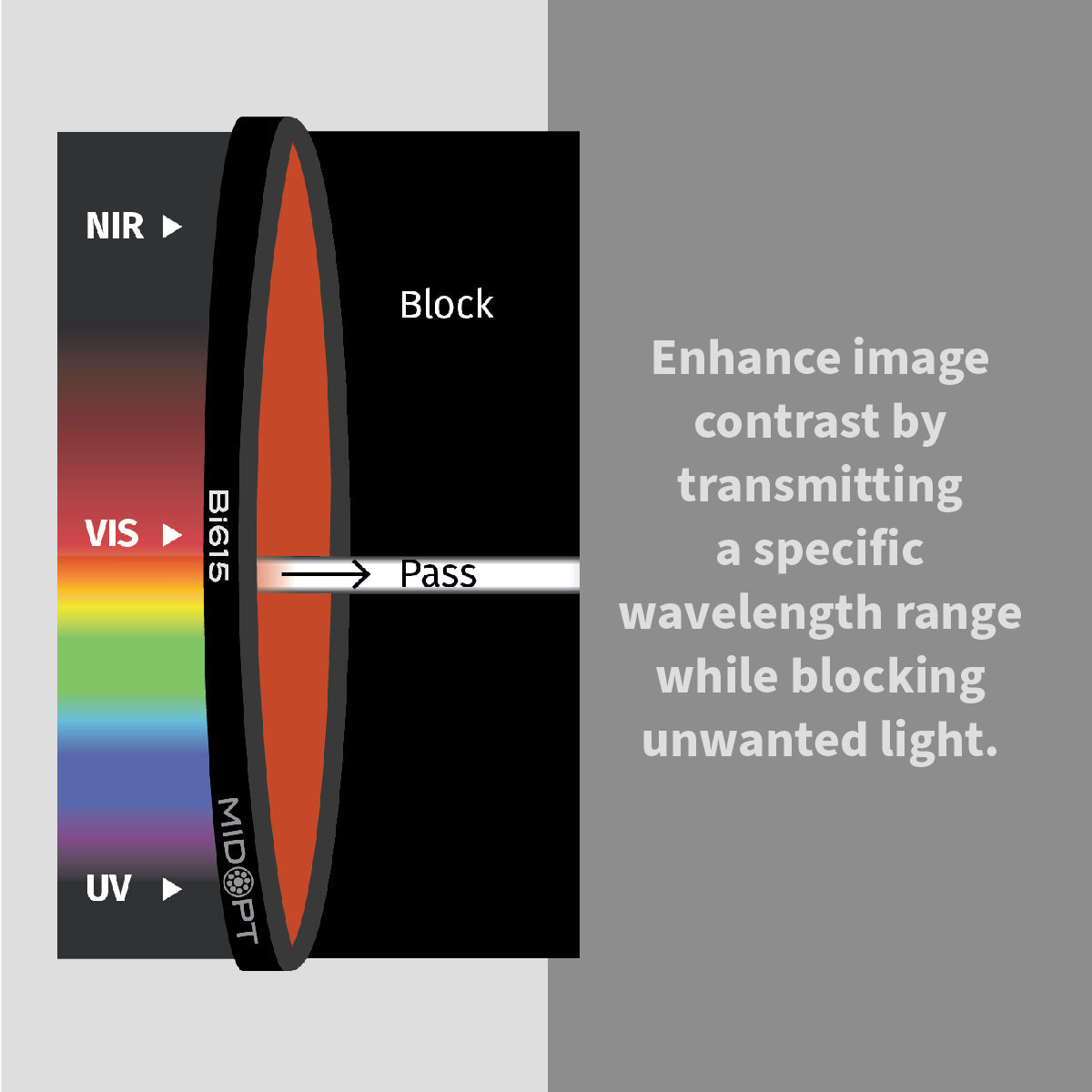
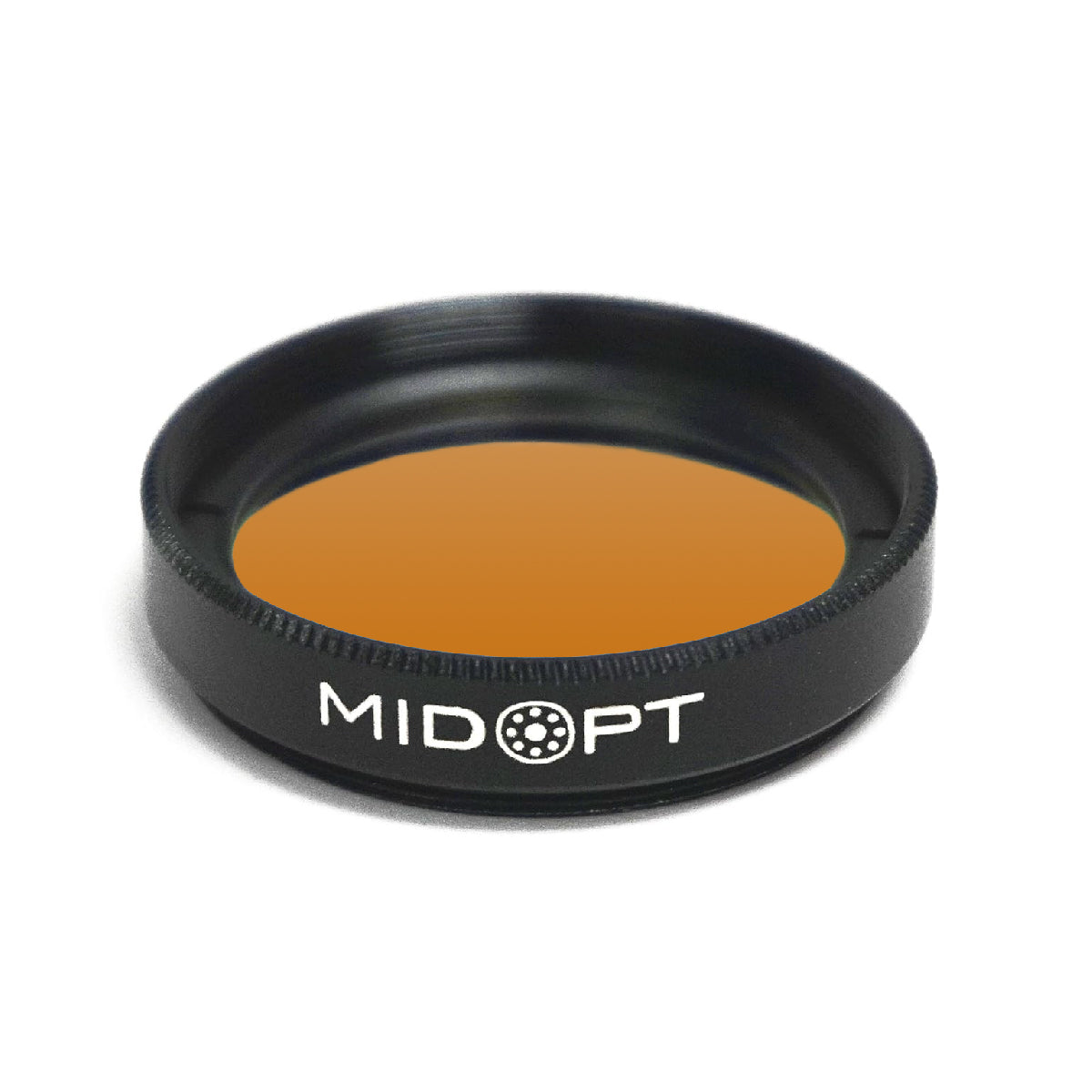
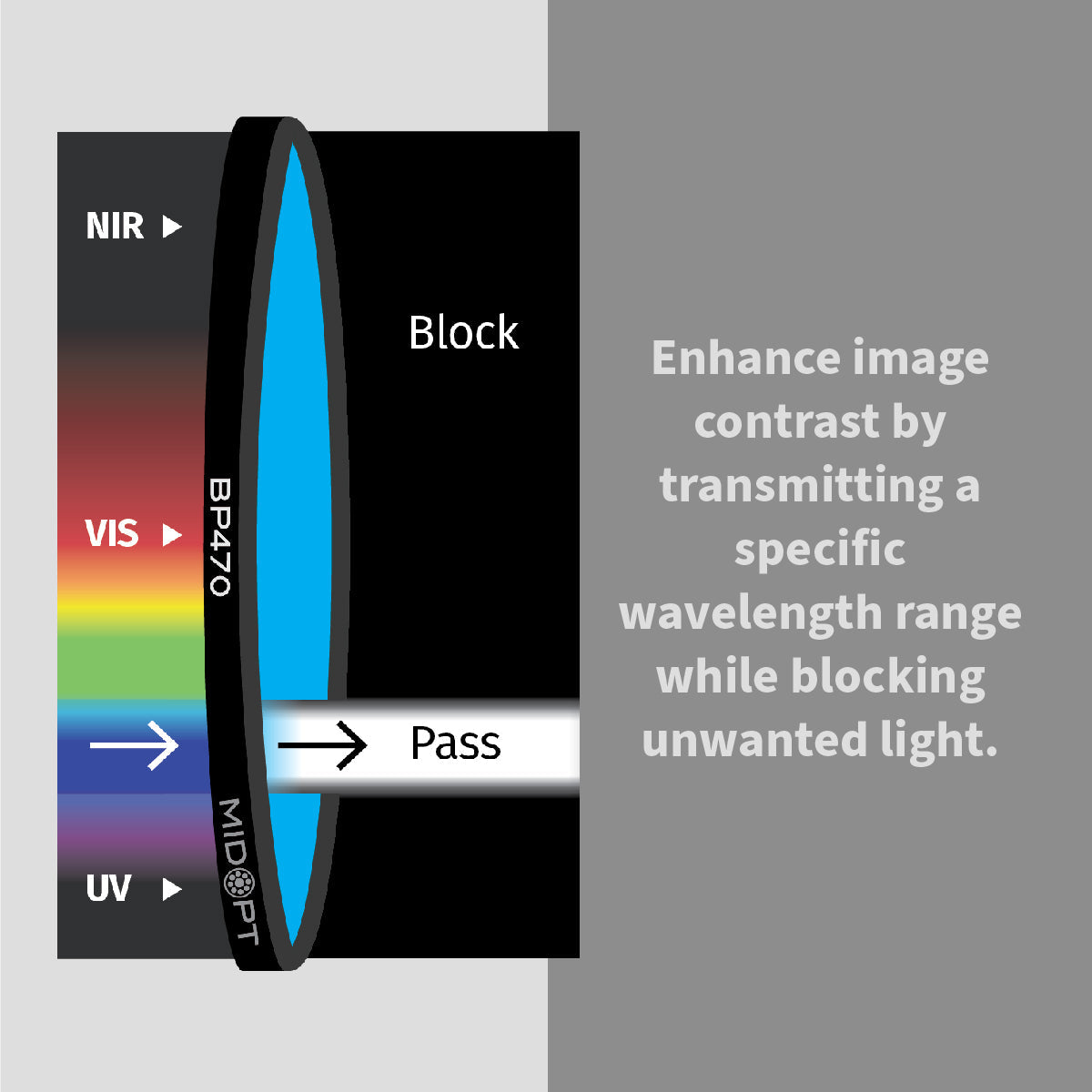
Machine vision filters are optical components that control the wavelengths of light entering a camera. Instead of allowing all light to pass through, they selectively block unwanted wavelengths and transmit only the desired range.
These industrial optical filters are widely used to improve contrast, reduce glare, and eliminate interference from ambient light.
In real-world environments, lighting is rarely perfect. Reflections from metal surfaces, inconsistent illumination, and background noise can all affect image quality. Filters help solve these problems by stabilizing the optical input.
Why Filters Are Critical in Imaging Systems
In industrial inspection, even small variations in lighting can lead to incorrect readings or missed defects. Filters play a key role in making imaging systems more reliable.
They help:
- Enhance contrast between objects and background
- Reduce unwanted reflections
- Improve repeatability in automated systems
Without filters, systems often rely too heavily on lighting adjustments, which can be inefficient and inconsistent.
Types of Machine Vision Filters
Choosing the right filter starts with understanding the available types.
Bandpass Filters
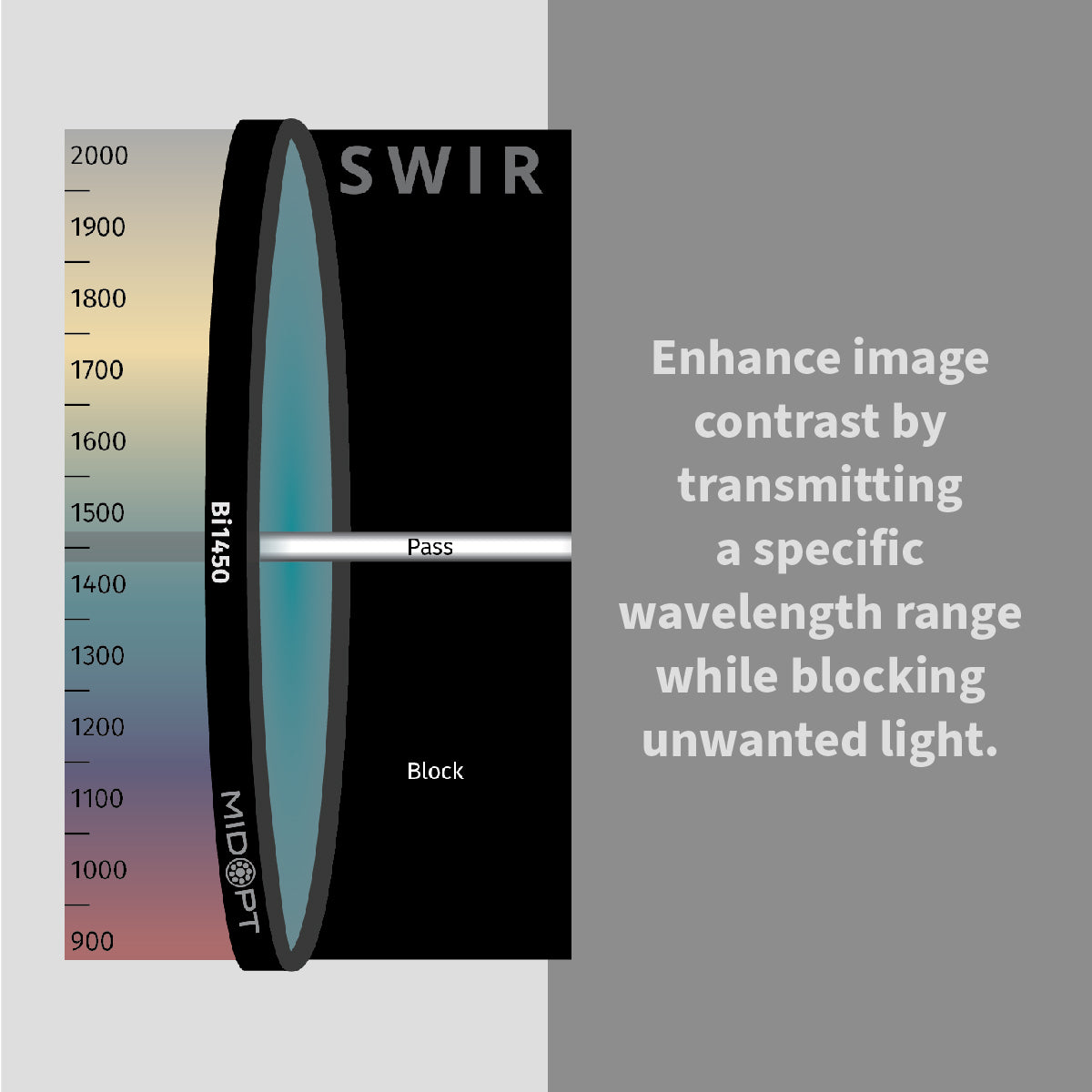
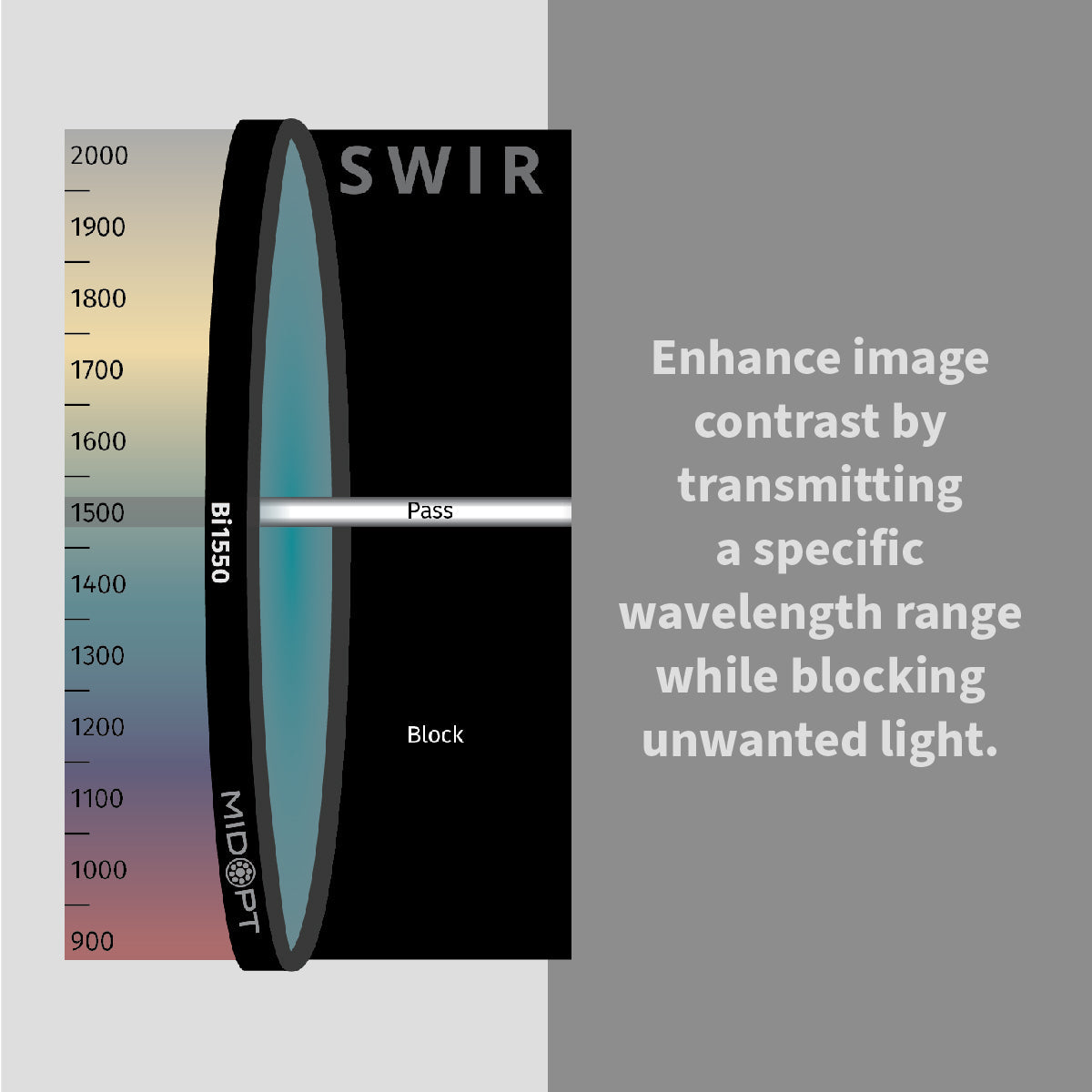
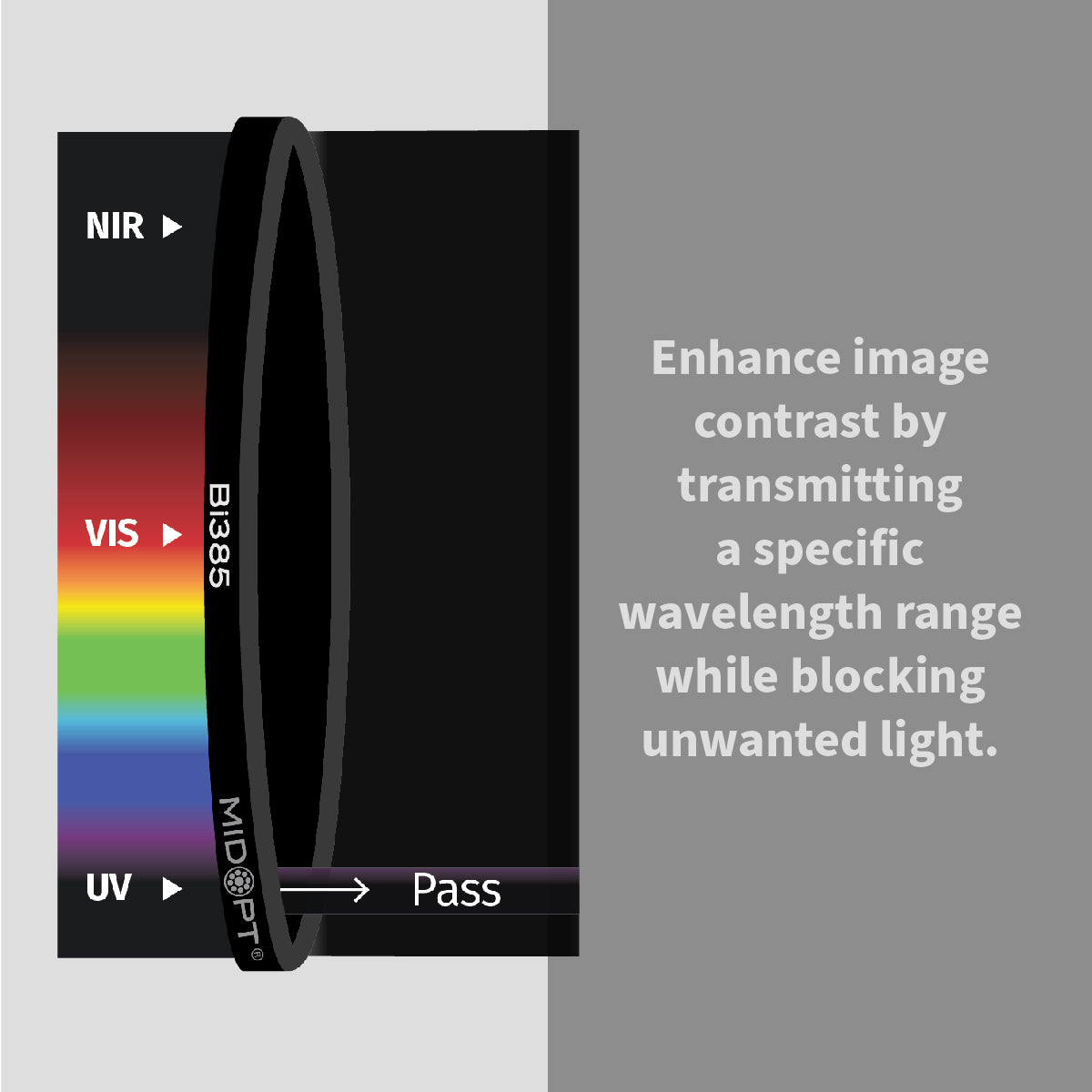
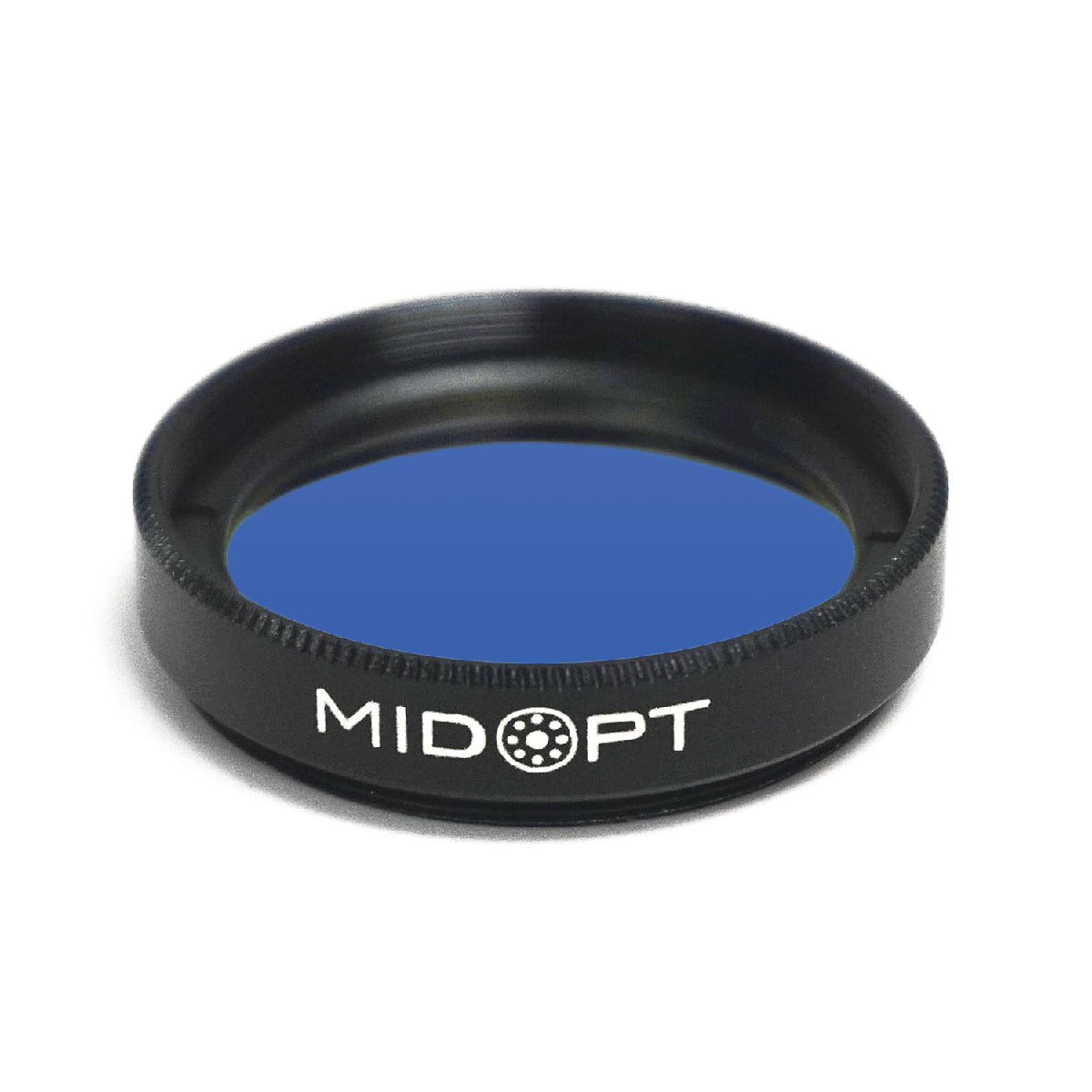
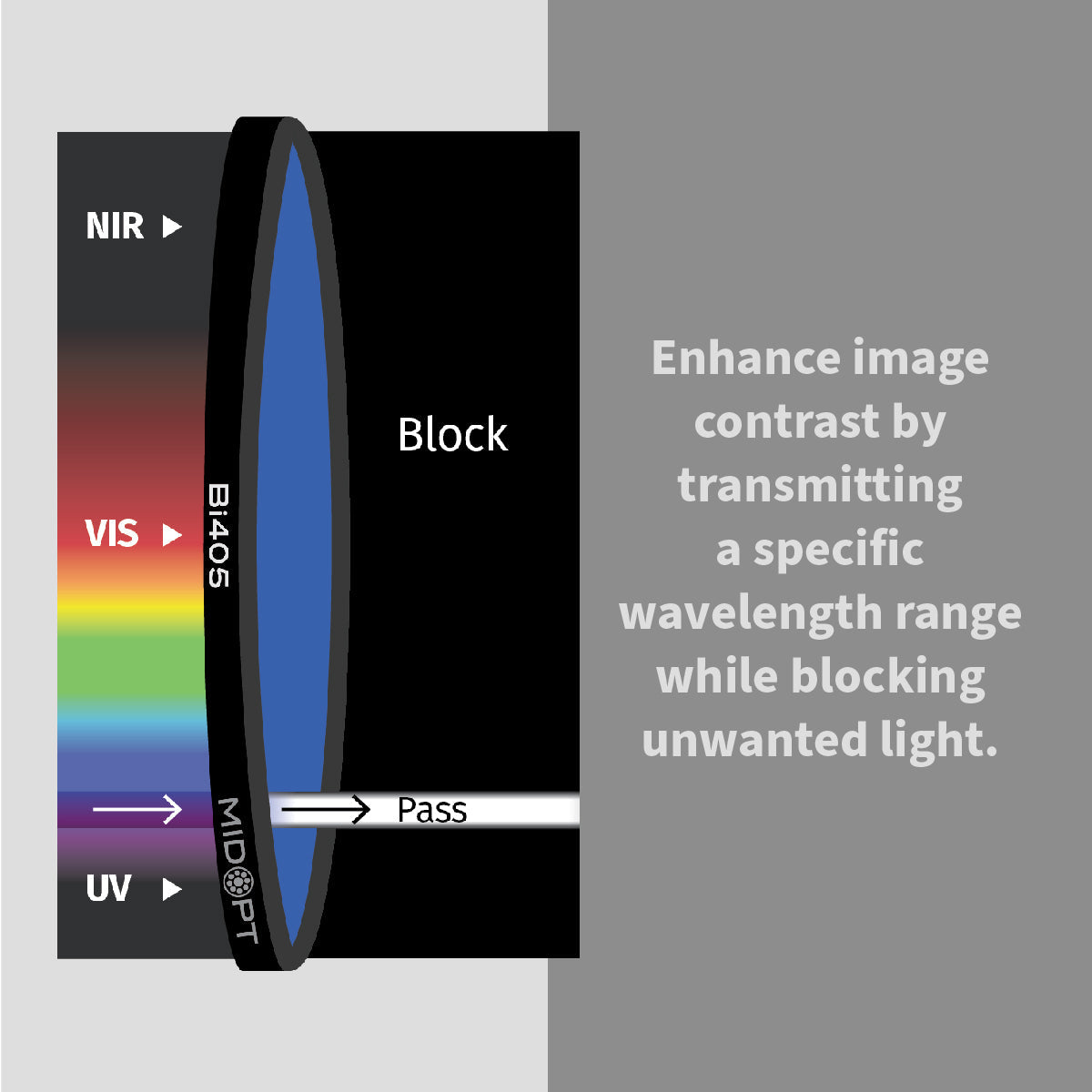
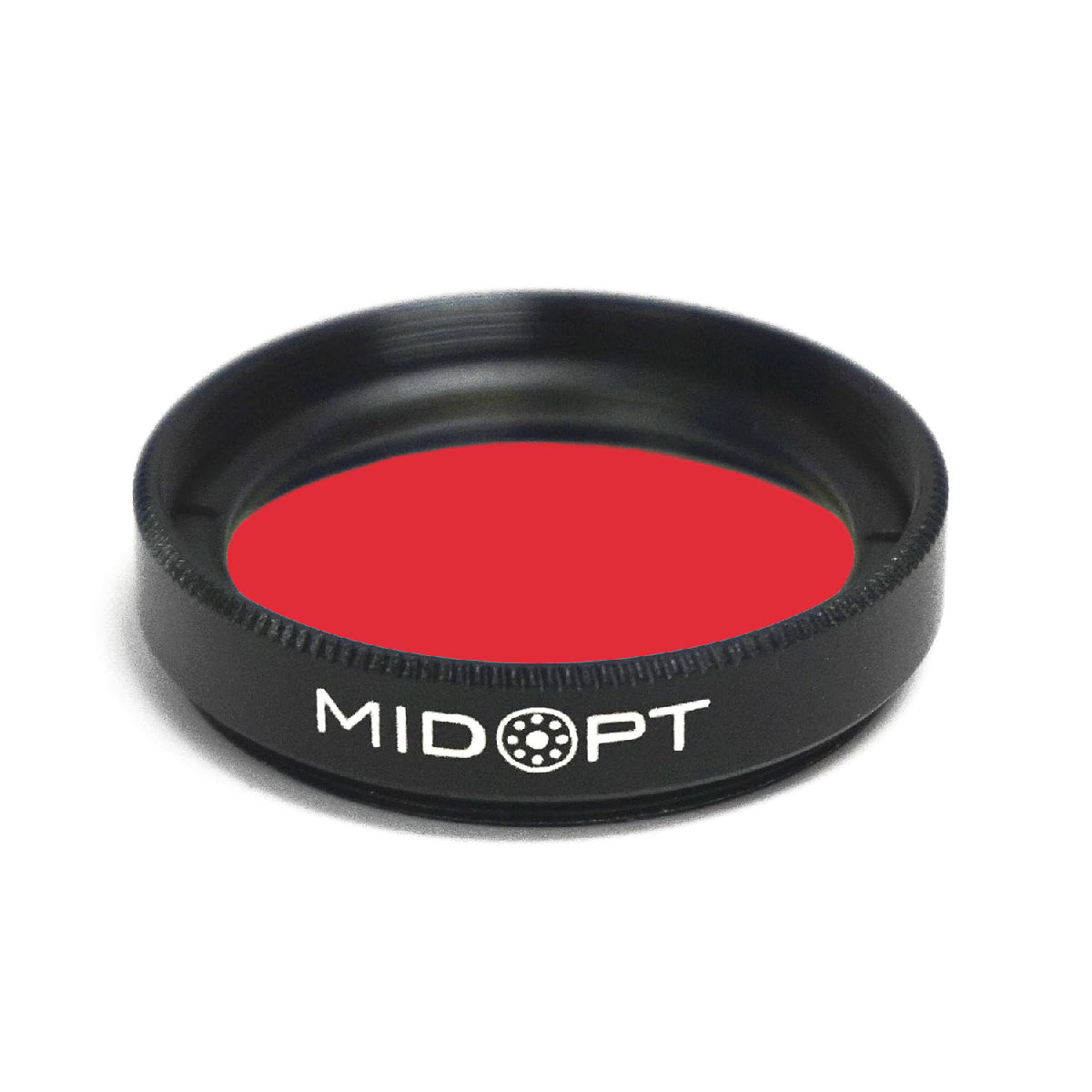
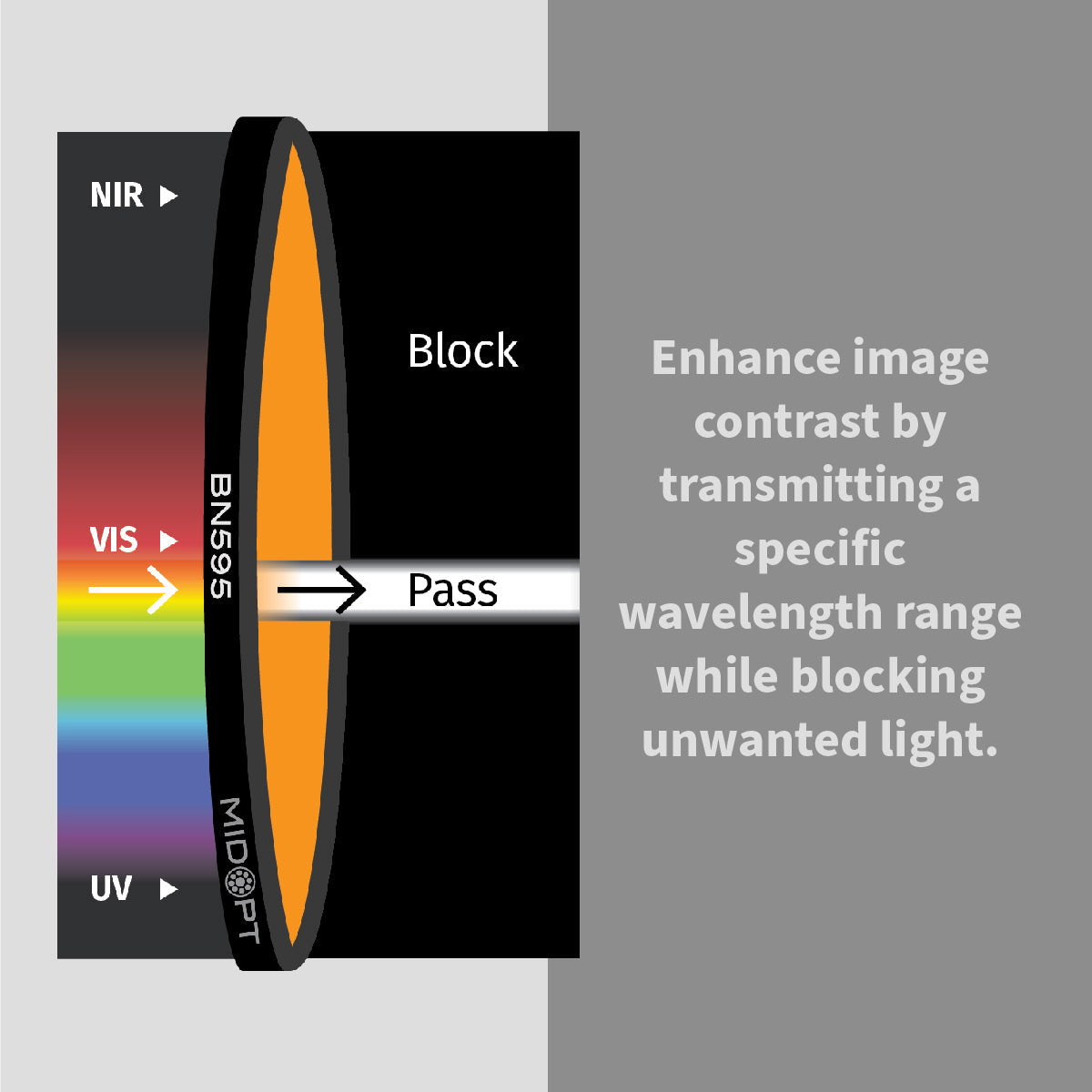
Bandpass filters allow only a specific range of wavelengths to pass through while blocking all others. This makes them ideal for applications where you need to isolate a specific light source.
For example, in LED-based inspection systems, bandpass filters are used to match the wavelength of the light source, improving signal clarity and reducing background noise.
They are commonly used in:
-
Fluorescence imaging
-
Laser-based systems
-
High-contrast inspection environments
Neutral Density Filters
Neutral density filters reduce the intensity of light without changing its color or spectral characteristics.
In situations where lighting is too strong or exposure is too high, neutral density filters help maintain proper balance.
They are especially useful in:
- High-speed imaging
- Bright illumination environments
- Systems prone to sensor saturation
How to Choose the Right Filter
Selecting the right filter depends on multiple factors, including lighting, camera sensitivity, and application requirements.
Match the Filter with Lighting
Filters must work in coordination with your lighting system. Different lighting setups produce different wavelengths, so selecting a compatible filter is essential.
For example, if you're using LED-based illumination, your filter should match the LED wavelength. You can explore compatible options in our machine vision lighting collection
Consider the Camera System
Your camera’s sensor determines how light is captured and processed. Filters should be selected based on the camera’s spectral sensitivity.
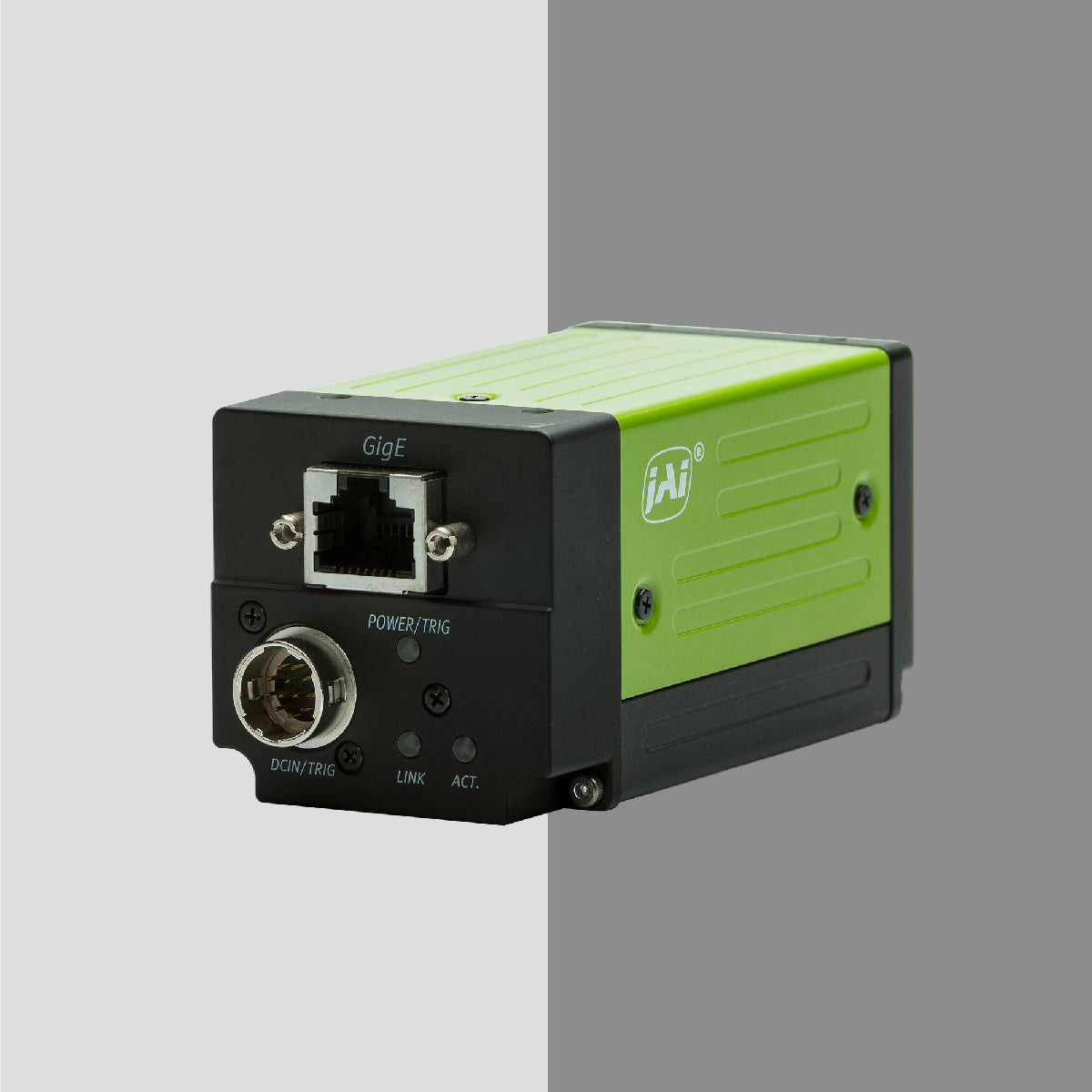
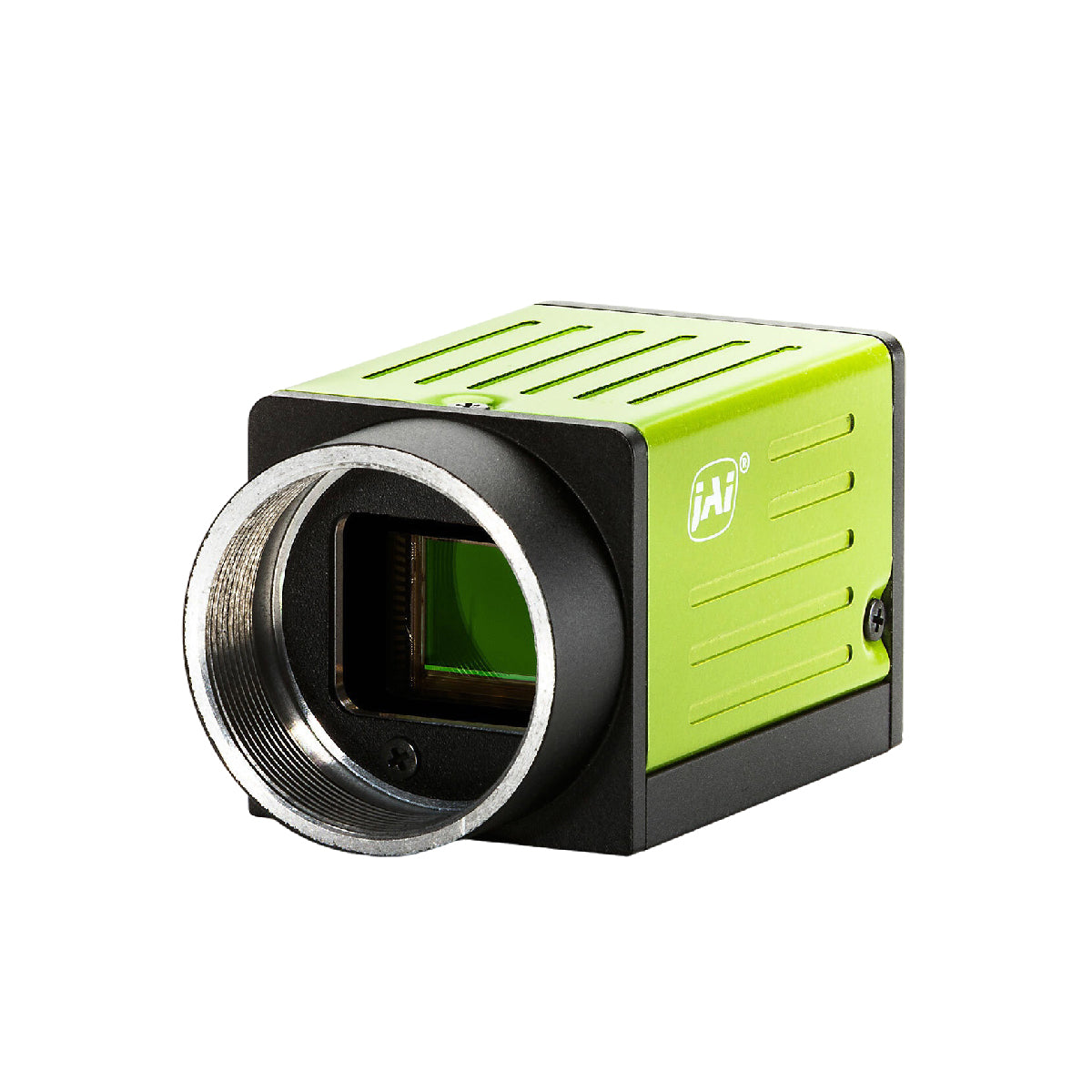
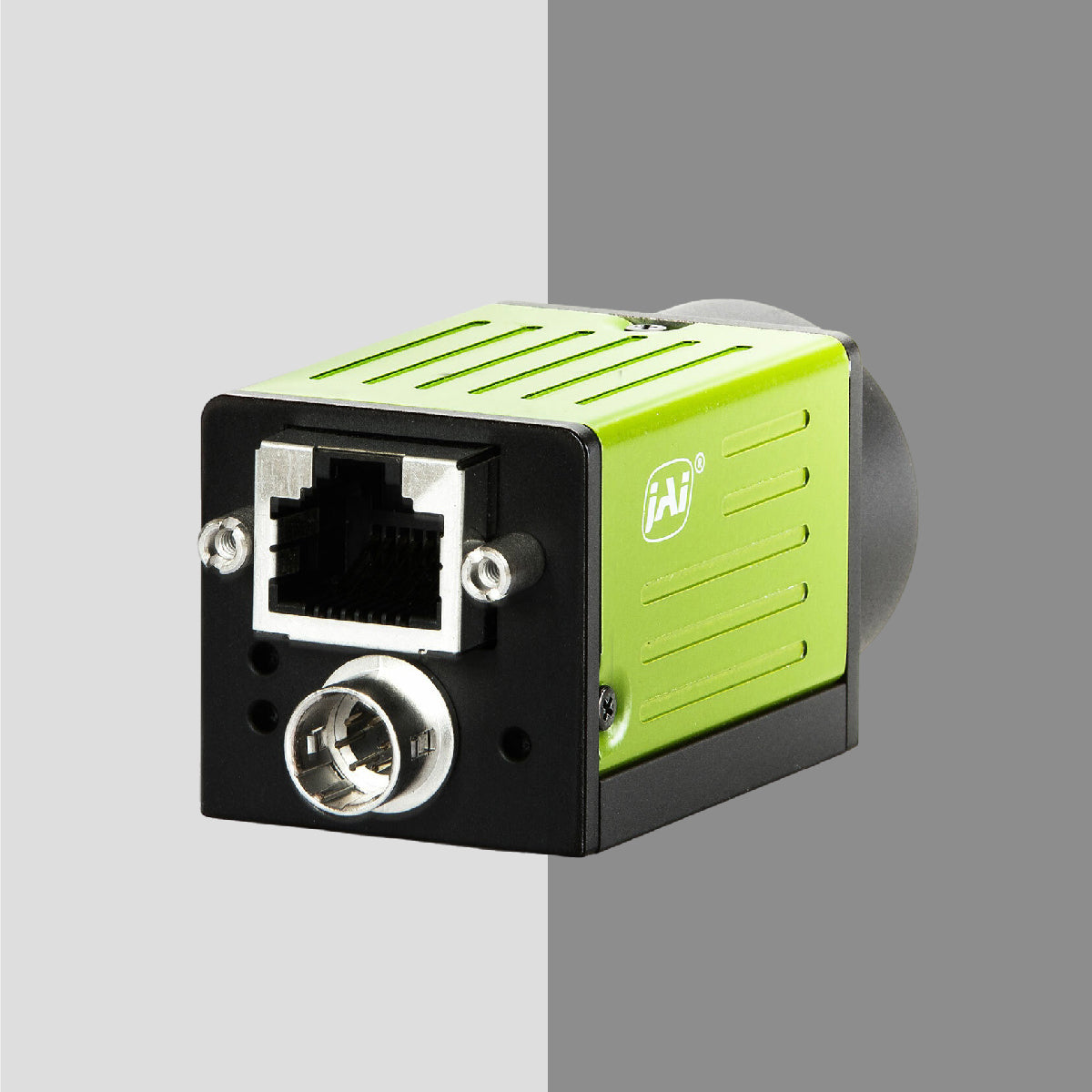
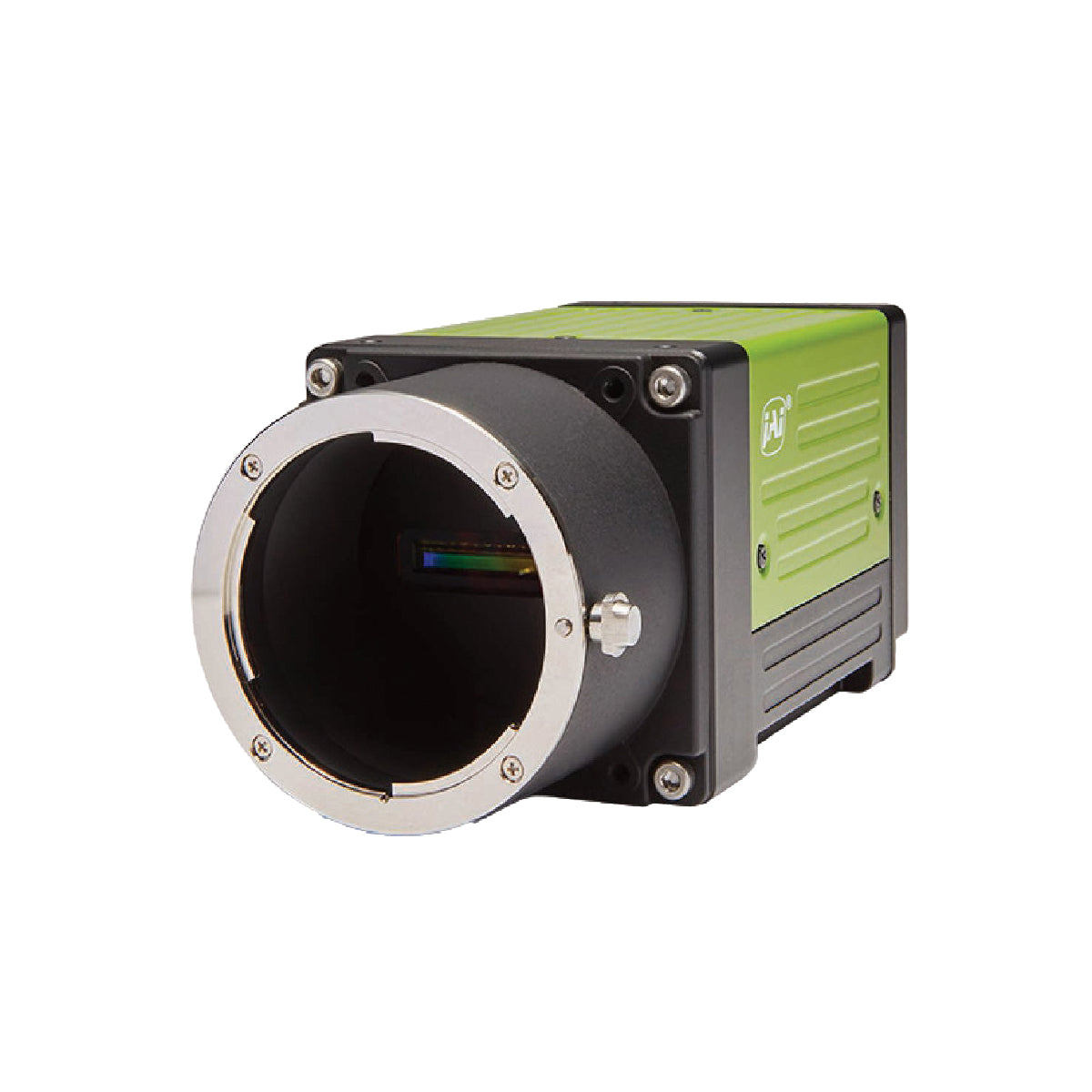
To ensure compatibility, it's important to evaluate your full imaging setup, including your machine vision cameras.
Define the Imaging Goal
Different applications require different filter behaviors. Ask yourself:
- Do you need to enhance contrast?
- Are you trying to remove reflections?
- Do you need to isolate a specific wavelength?
Your answers will determine whether you need a bandpass filter, ND filter, or another solution.
Common Mistakes to Avoid
Even well-designed systems can fail due to poor filter selection.
Common mistakes include:
- Choosing the wrong wavelength range
- Ignoring ambient lighting conditions
- Not integrating filters with the full system
A successful setup requires all components to work together, including lenses, lighting, and optical systems.
Final Thoughts
Machine vision filters are essential for improving image quality and ensuring consistent inspection results. By understanding how filters interact with lighting and cameras, you can significantly enhance system performance.
To get started, explore:
FAQs
What are machine vision filters used for?
They control light wavelengths to improve contrast and reduce noise.
When should I use a bandpass filter?
When you need to isolate a specific wavelength or light source.
What does an ND filter do?
It reduces light intensity without changing color.
Do filters improve inspection accuracy?
Yes, they significantly enhance detection and consistency.
Can filters work with any camera?
They must match the camera’s spectral sensitivity.