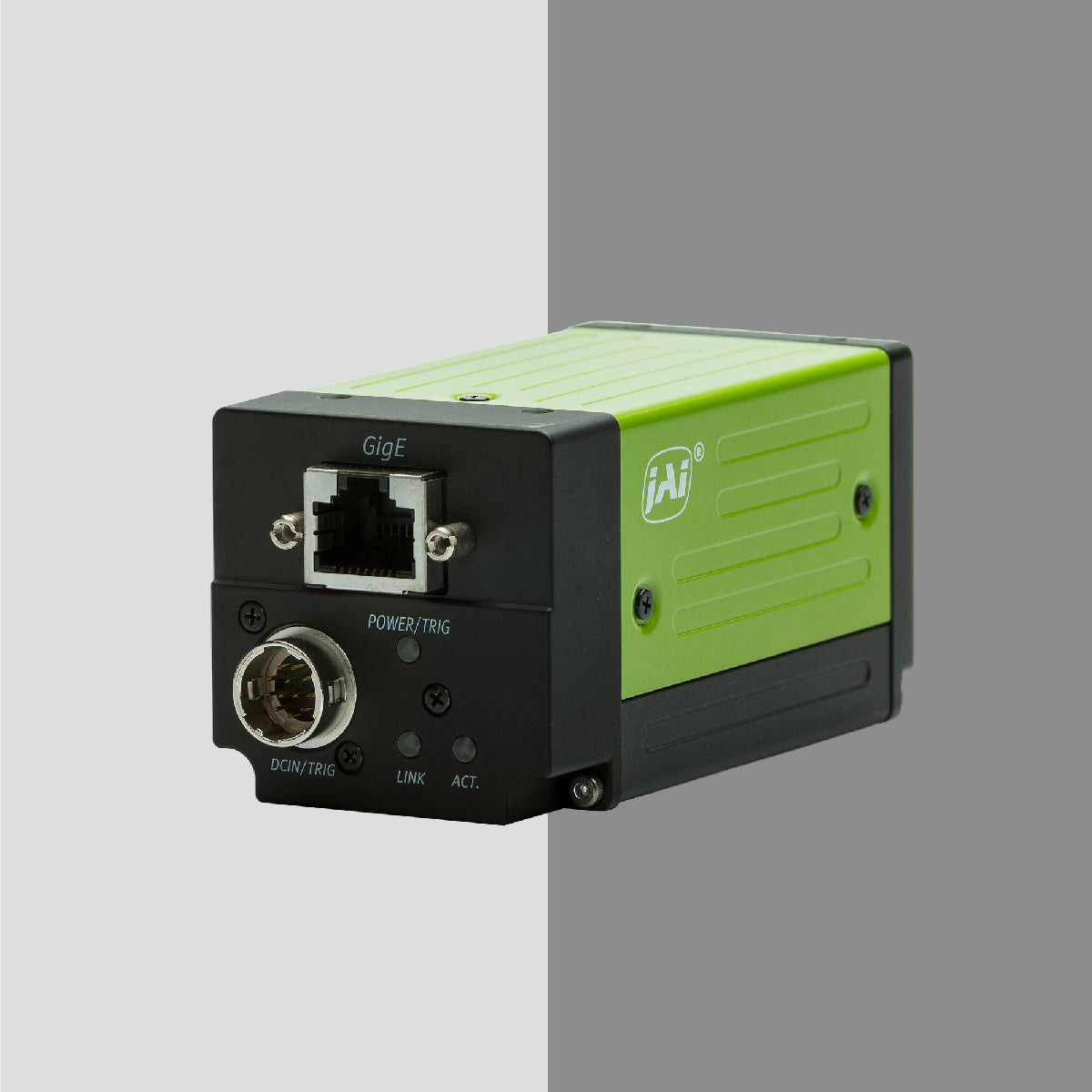
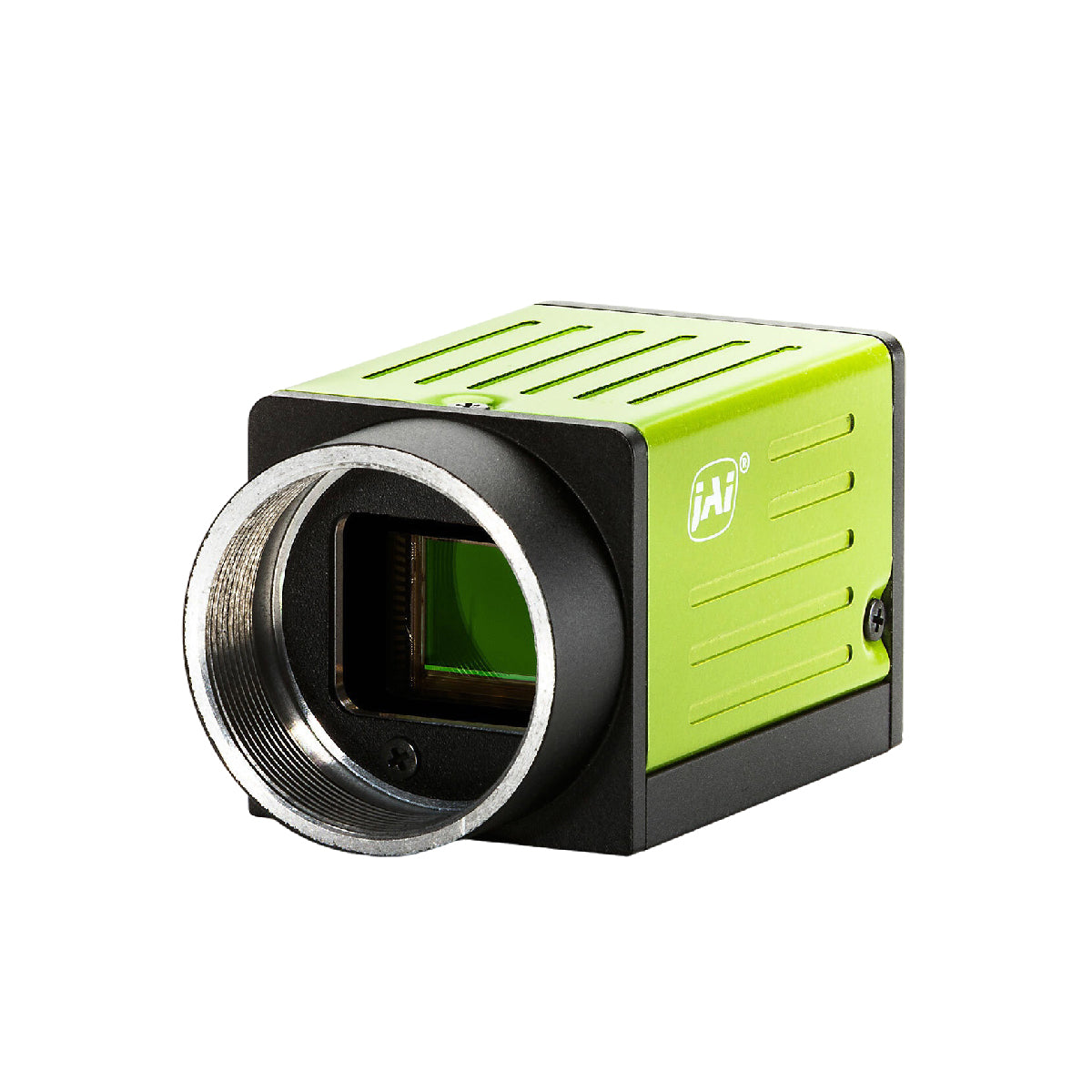
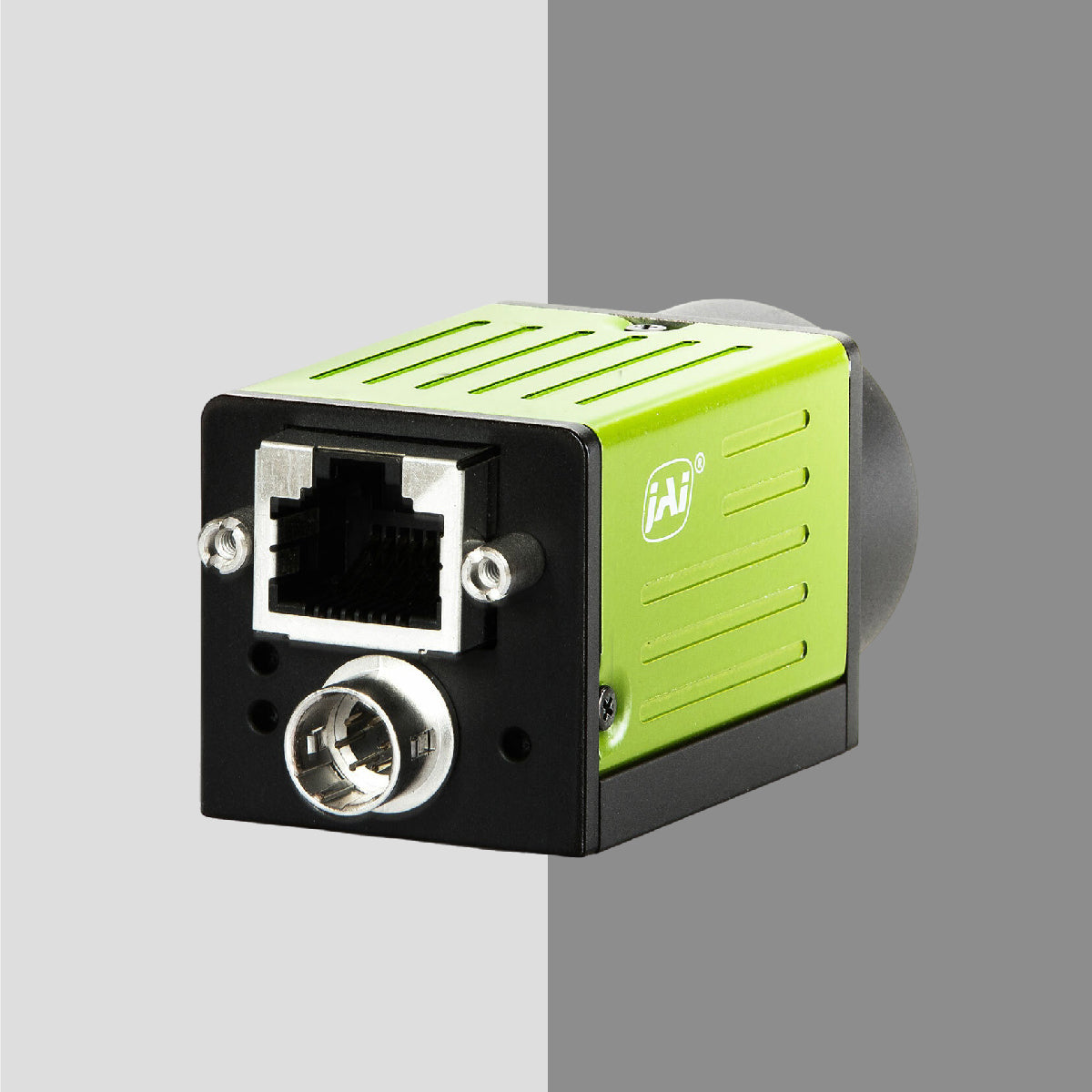
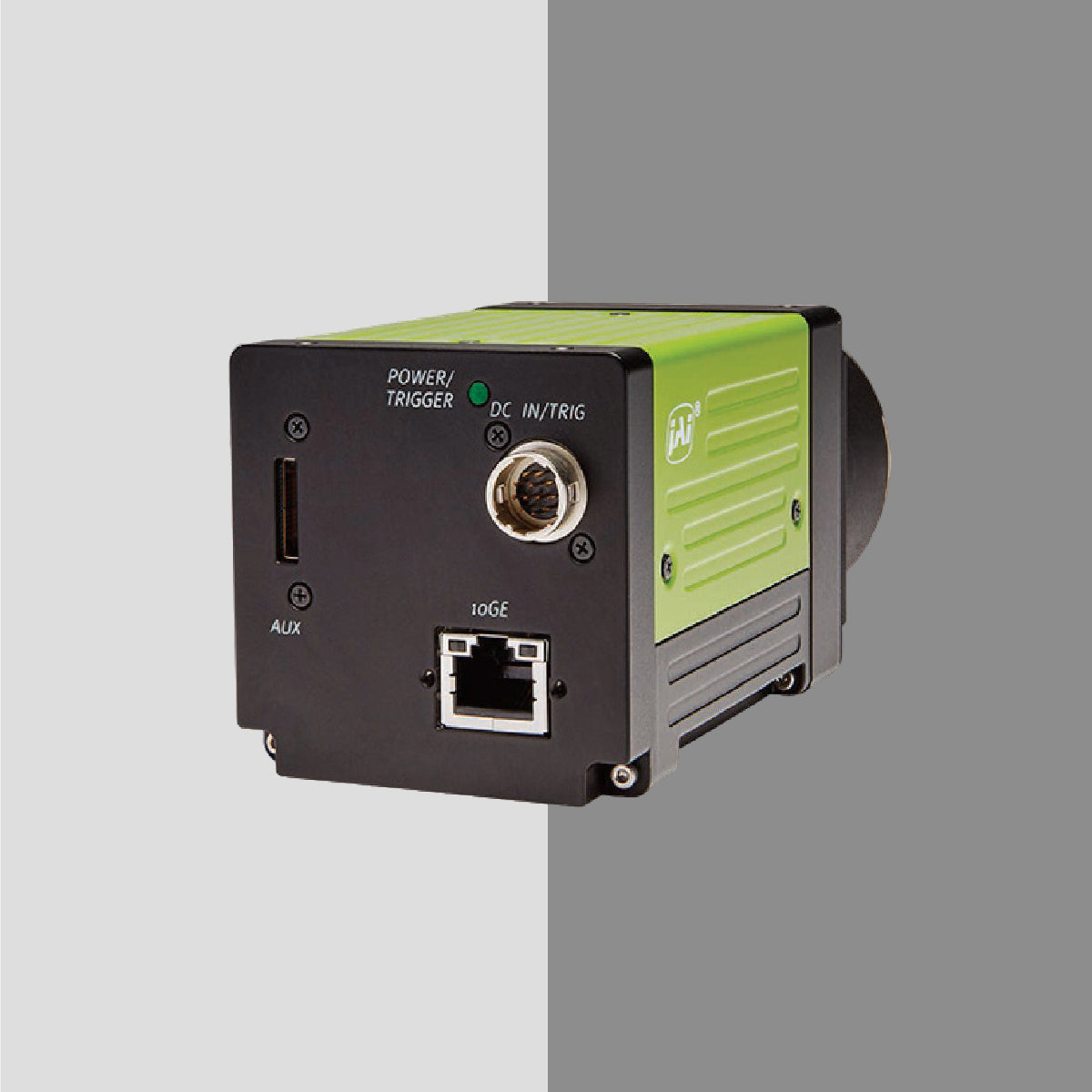
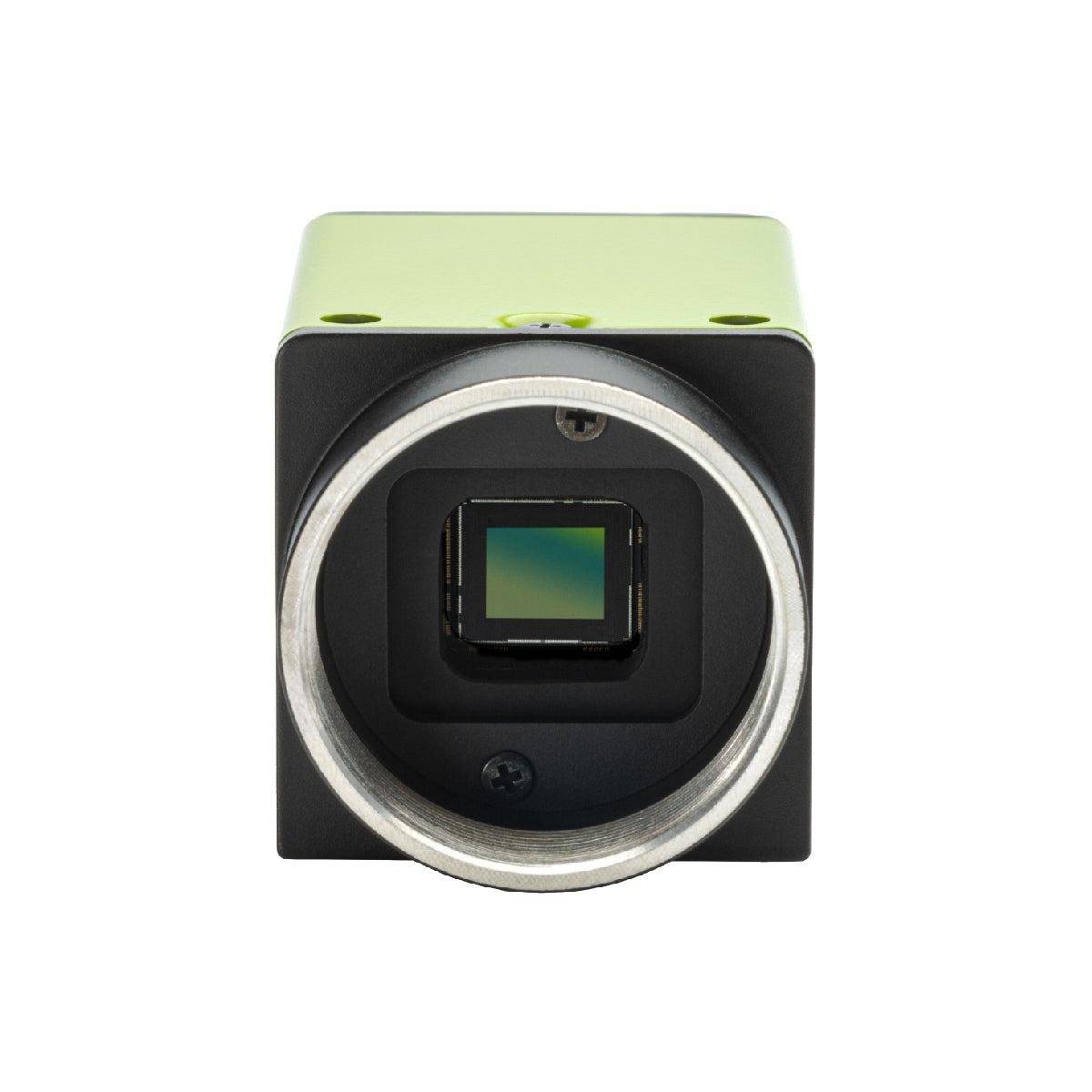
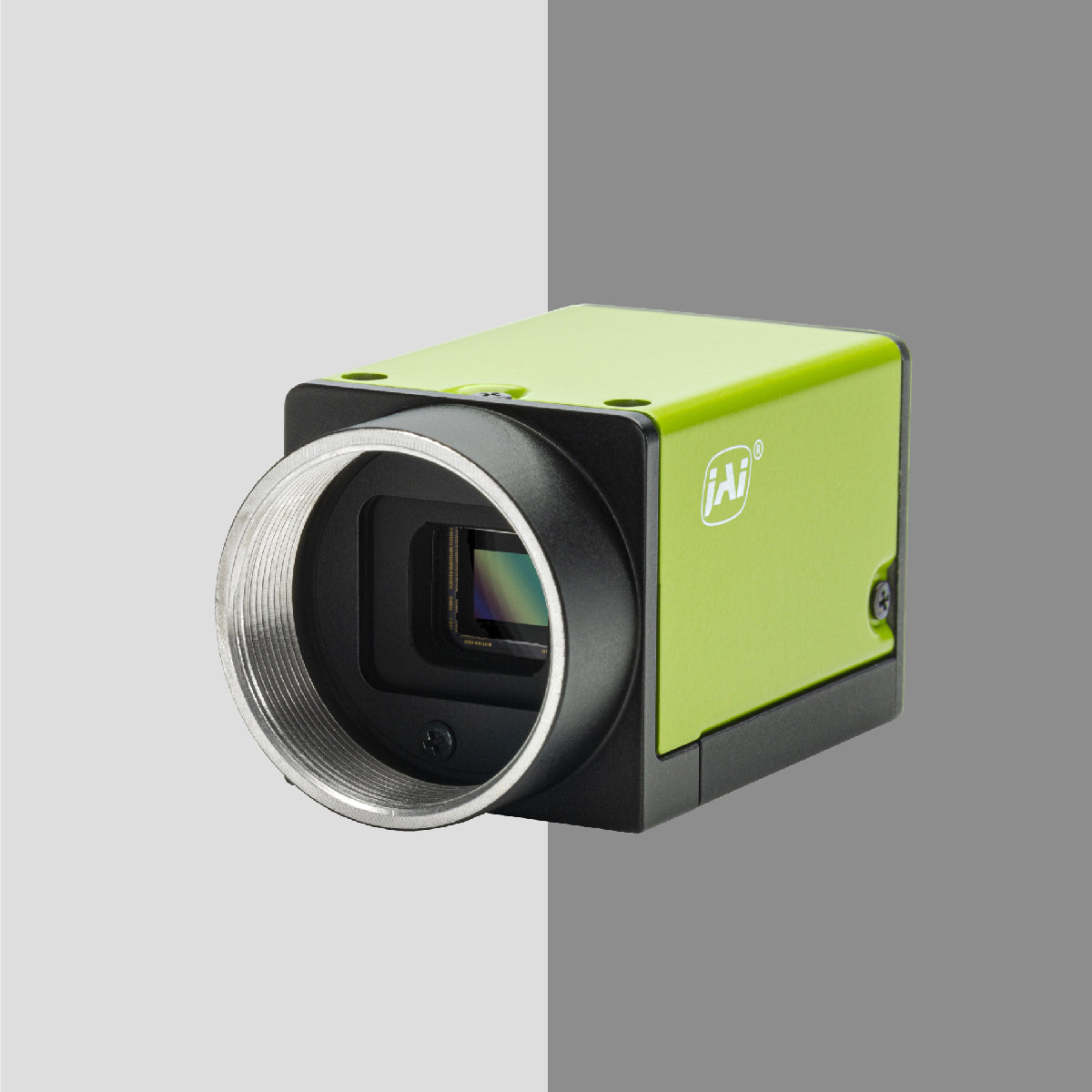
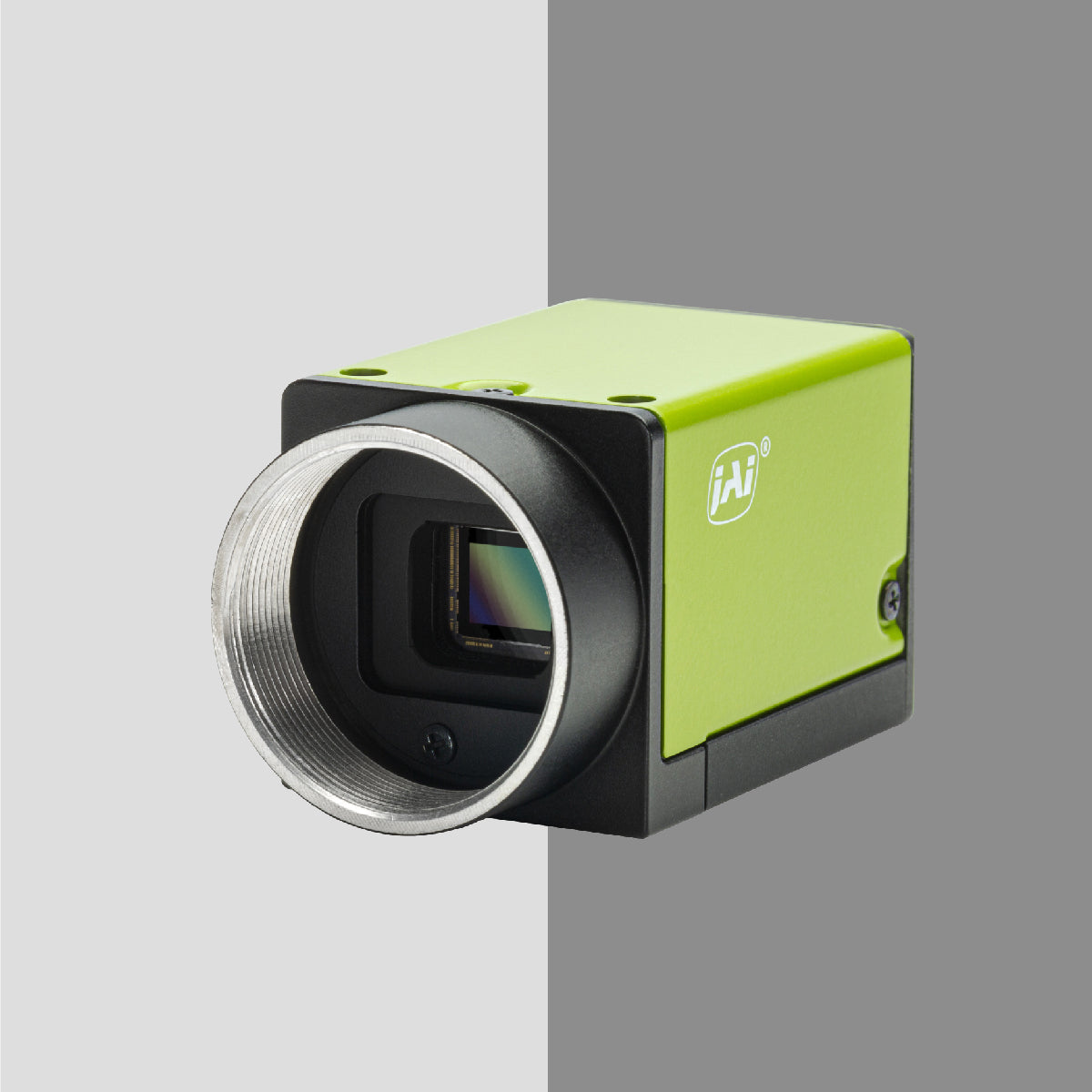
In modern food processing, speed and consistency are everything. From fresh produce and grains to packaged snacks and frozen meals, manufacturers must inspect thousands of products per minute while maintaining strict quality and safety standards. This is where machine vision cameras have become a game-changing technology for the food industry.
Selecting the right industrial inspection camera is one of the most critical decisions in machine vision system design. The wrong choice can result in missed defects, false rejects, reduced production speed, and costly downtime.
Designing a high-performance machine vision system requires more than selecting a camera and turning on a light. In industrial inspection environments, image quality determines measurement accuracy, defect detection reliability, and production efficiency.
Machine vision cameras are the backbone of any inspection, measurement or automation system. But as sensor technology, interfaces and processing demands evolve, older cameras can quietly become a bottleneck, limiting performance, accuracy and scalability. If your system is struggling to keep up, it may be time for an upgrade.
Quality standards continue to rise in manufacturing environments while defect tolerance grows increasingly narrow. Traditional machine vision systems, typically relying on standard color or monochrome sensors, can struggle to catch flaws that are invisible to the human eye or obscured by lighting, surface finishes or material properties. Because of this, multispectral imaging has become a powerful tool for advanced inspection.
In today’s connected cities, intelligent traffic systems (ITS) and automatic number plate recognition (ANPR) are essential tools for improving safety, enforcing regulations and streamlining traffic flow. At the heart of these systems are machine vision cameras –designed to capture clear, precise images in complex, fast-changing environments.
In modern food and beverage manufacturing, getting it right means more than taste and packaging – it’s about consistency, safety and visual perfection. Machine vision cameras, when properly implemented, help ensure we catch defects, meet hygiene standards and keep up with consumer expectations. Below are ways high-quality imaging systems upgrade quality control.
The choice of camera interface plays a crucial role in machine vision system performance. The most common three interfaces are GigE, USB3 Vision and CoaXPress.
In industrial imaging, choosing the right camera for a machine vision system can significantly impact performance and accuracy. One of the most fundamental decisions is whether to use a monochrome or color camera.
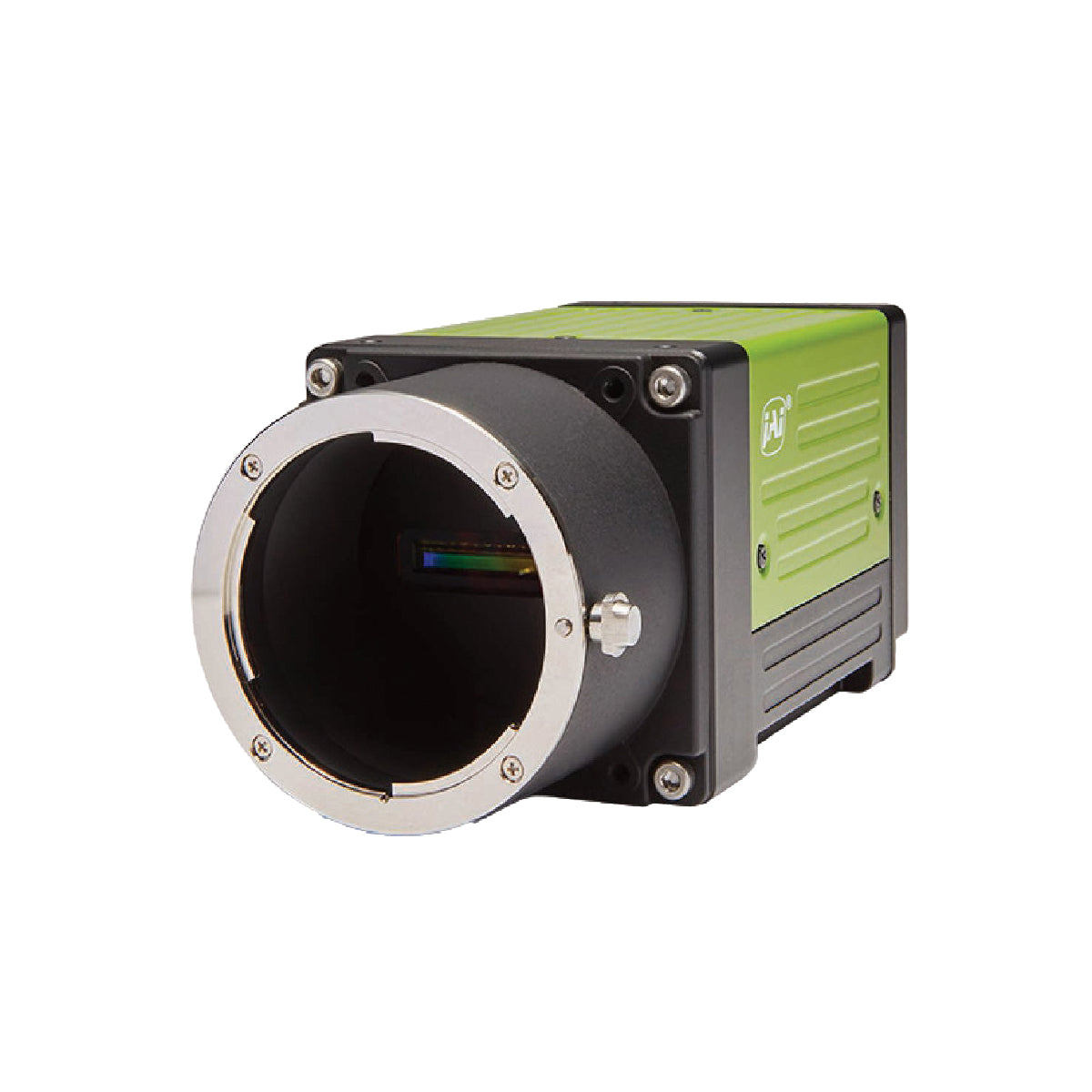
When it comes to precision inspection and high-speed applications, line scan cameras are a cornerstone of modern industrial imaging.
As technology advances, line scan cameras are increasingly being adopted across a broader range of mainstream applications, driven by innovations in sensor technology, interface options, and the demand for more compact and efficient systems.
Lighting
This 2026 optimization guide explains how lighting and filters work together, when to use each, and how to design the right combination for industrial inspection applications.
In machine vision, lighting isn’t just about brightness – it’s about control. One of the biggest challenges in capturing consistent, high-quality images is glare and reflections from shiny or specular surfaces. These unwanted highlights can obscure critical details, confuse algorithms and lower inspection accuracy. This is where polarized lighting plays a powerful role, offering a practical solution to suppress glare and reveal hidden detail in reflective environments.
When it comes to machine vision, one of the most influential lighting variables is lighting angle, which directly impacts contrast, edge definition, surface visibility and defect detection. Selecting the correct lighting angle can mean the difference between a reliable inspection system and inconsistent results.
Lighting is one of the most influential factors in machine vision performance. The right illumination can dramatically improve contrast, reduce noise and stabilize inspection results, while the wrong setup can cause missed defects, blurry images or inconsistent measurements.
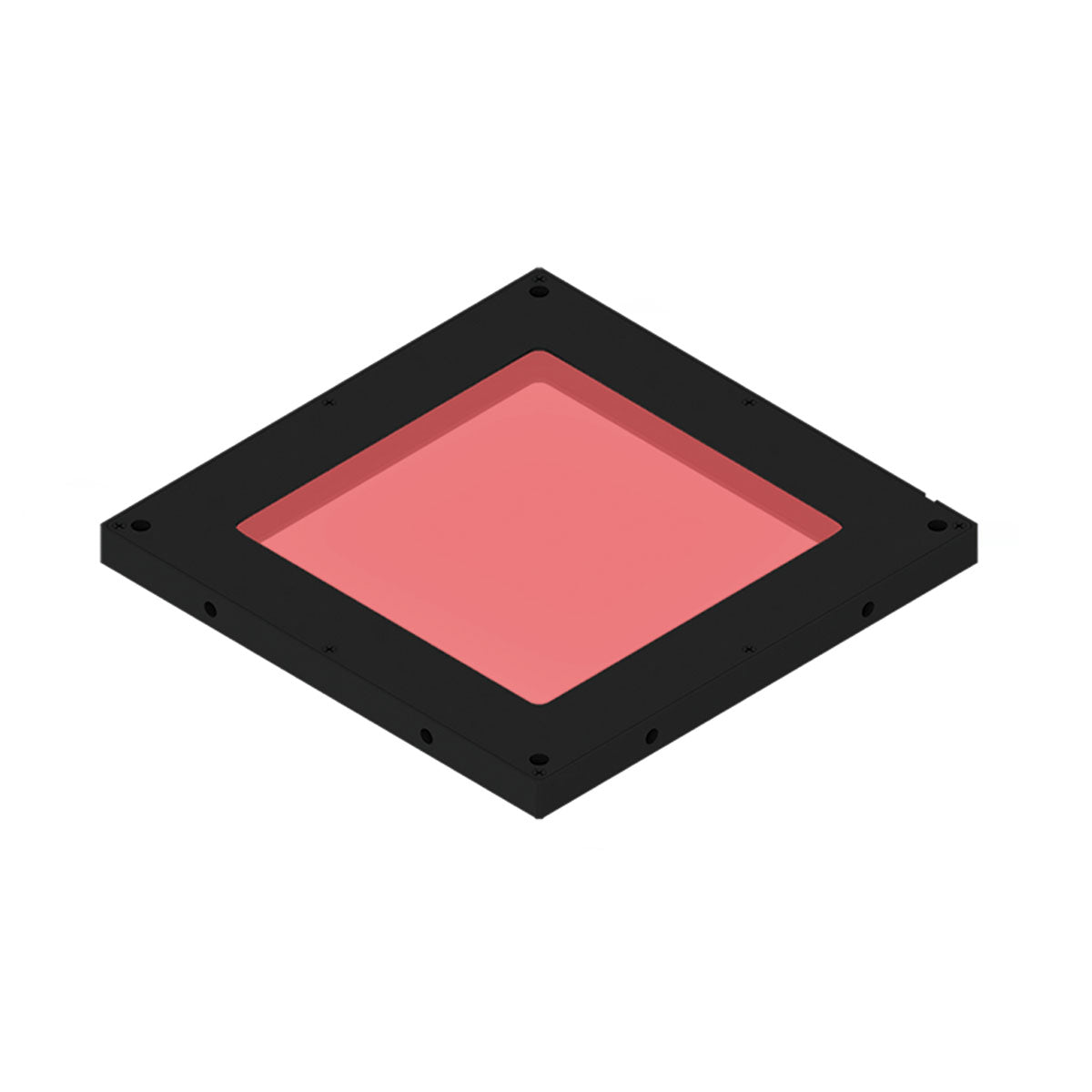
There are many lighting techniques in machine vision, but backlighting – placing an illumination source behind the object, opposite the camera – is especially effective for certain applications. While front-lighting or diffuse dome lighting might illuminate a surface, backlighting creates a clean silhouette by allowing light to pass through or around the subject. This technique is particularly useful for edge detection, shape verification and measurement tasks.
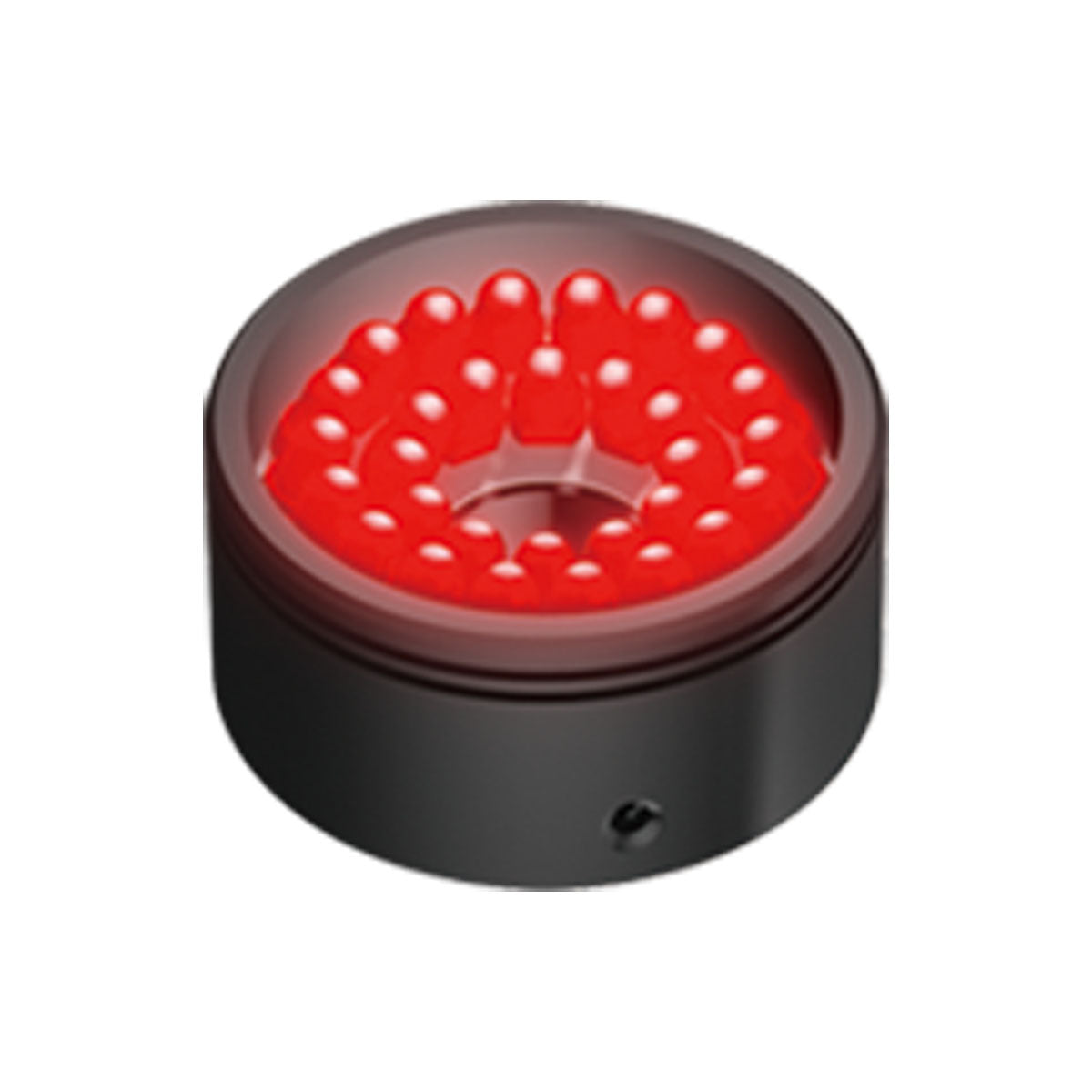
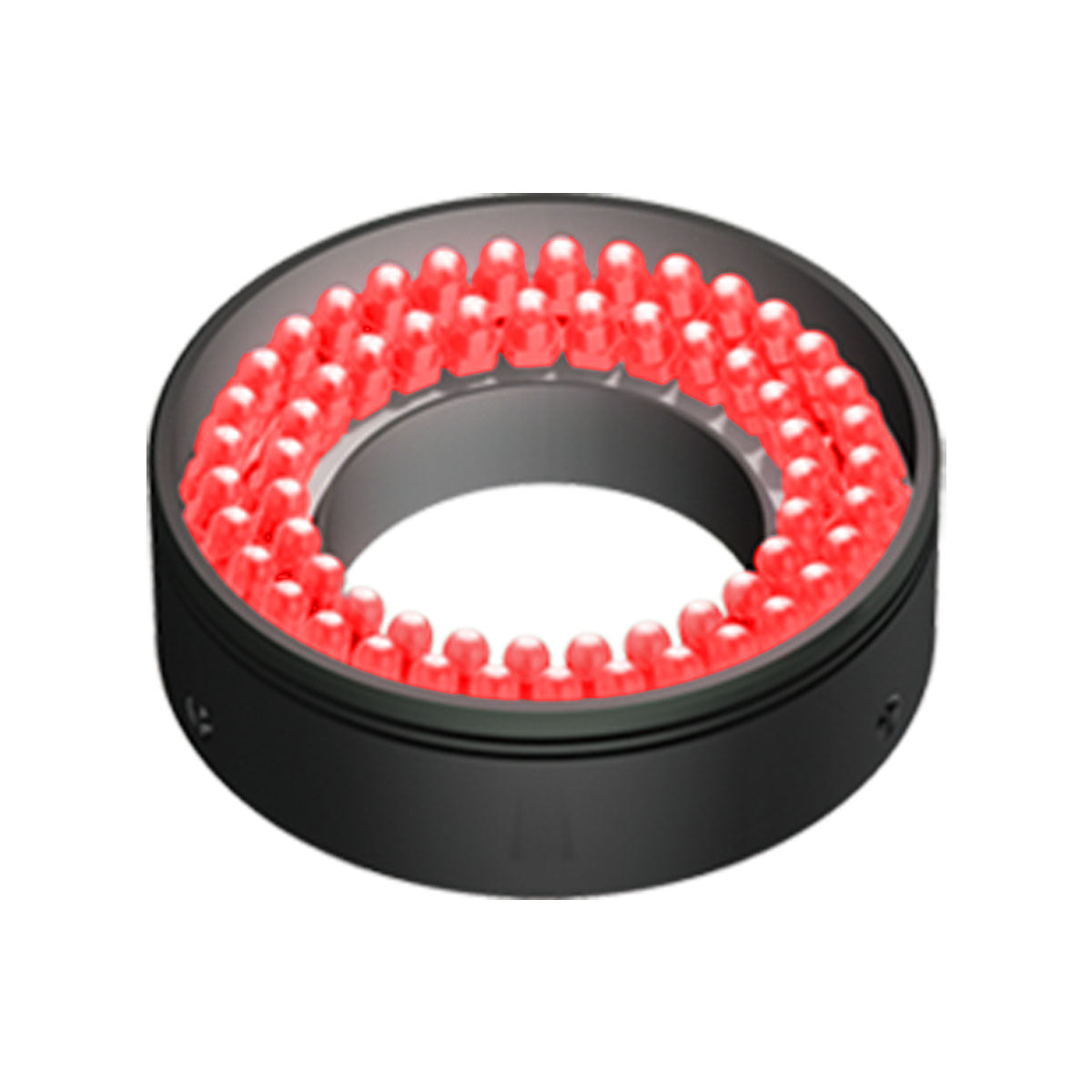
Machine vision has come a long way, and LED lighting has been a key driver. As inspection speeds increase, product surfaces become more challenging and lighting conditions more difficult, high-quality LED lighting solutions have evolved to meet these demands. Below is a look at how LED lighting for vision applications has developed, and what modern systems demand.
Lighting determines how surfaces, textures and edges appear to the imaging system – and ultimately how well the application performs. Three of the most common lighting approaches are diffuse, direct and structured.
In machine vision, lighting is important. The quality, angle and consistency of illumination directly impact the ability of your vision system to capture accurate, reliable images. Among the many lighting considerations, one crucial yet often overlooked factor is uniformity – achieving even, consistent illumination across the entire field of view.
When it comes to building a successful machine vision system, lighting is just as critical as the camera or lens. Without the right lighting, even the most advanced imaging components can produce inconsistent or unreadable results. Whether you're inspecting tiny electronics, scanning barcodes on packaging lines or ensuring quality control in manufacturing, the right lighting solution makes all the difference.
In modern food processing, speed and consistency are everything. From fresh produce and grains to packaged snacks and frozen meals, manufacturers must inspect thousands of products per minute while maintaining strict quality and safety standards. This is where machine vision cameras have become a game-changing technology for the food industry.
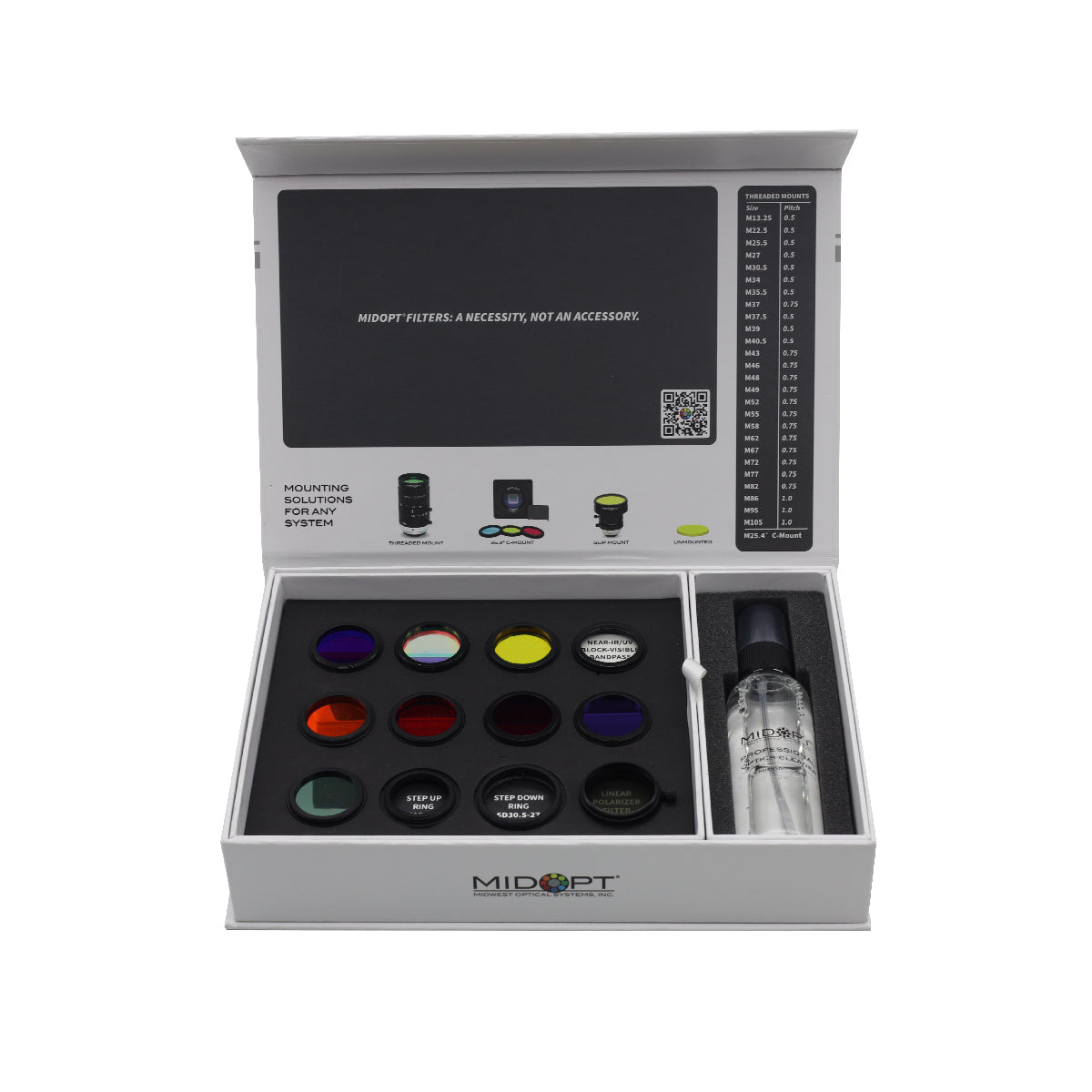
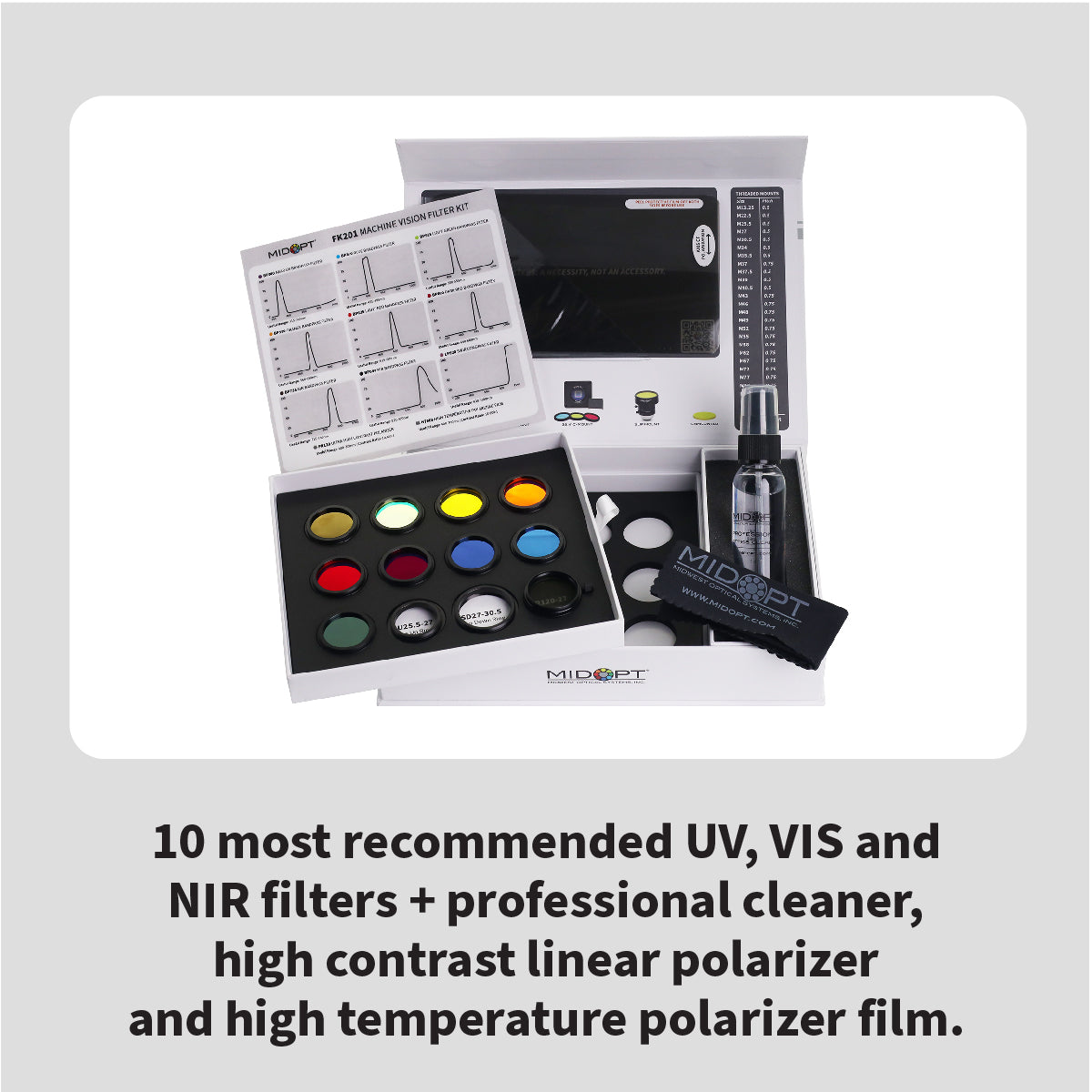
Optical filters remain one of the most important components in modern imaging systems used in machine vision, semiconductor inspection, biomedical research, and automated manufacturing.
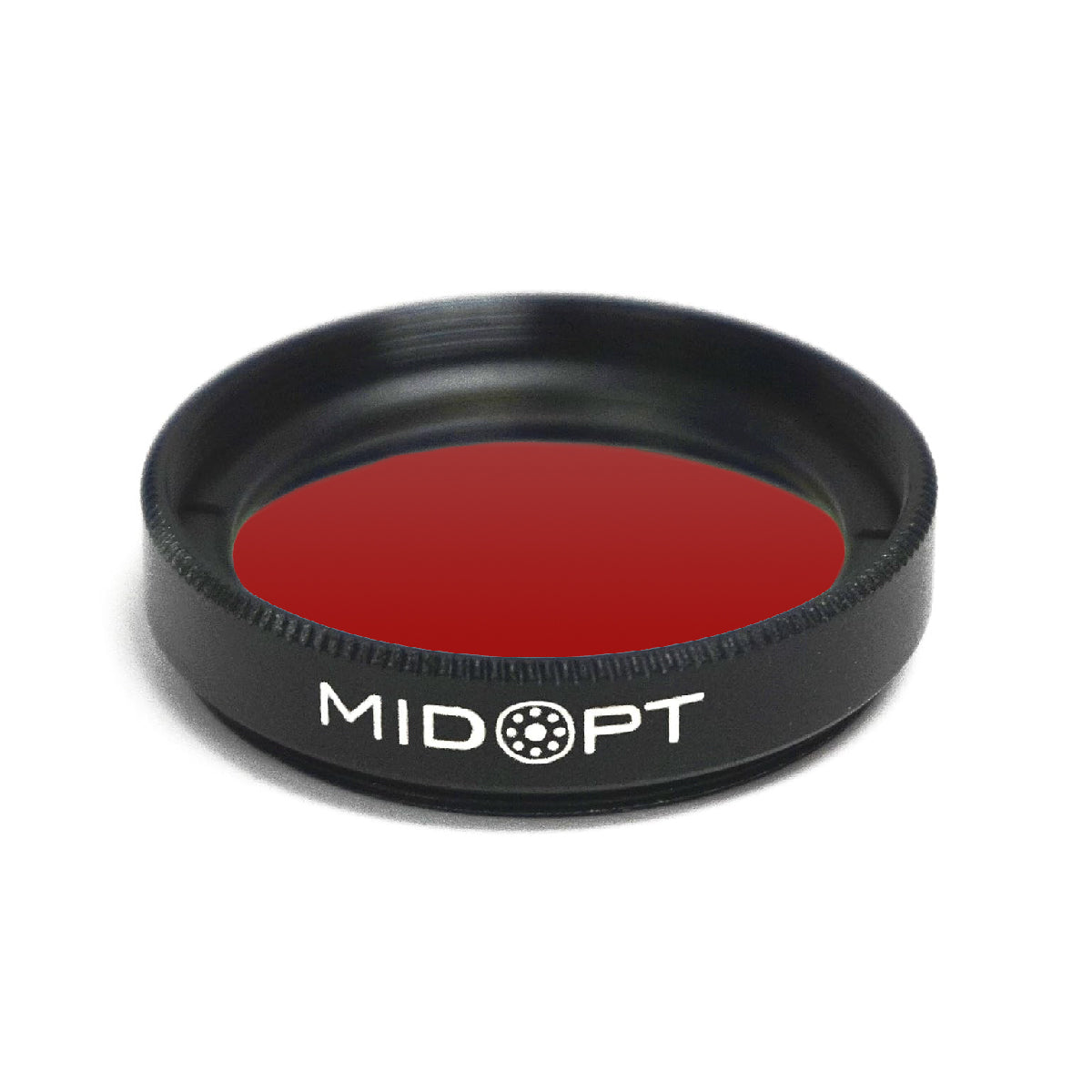
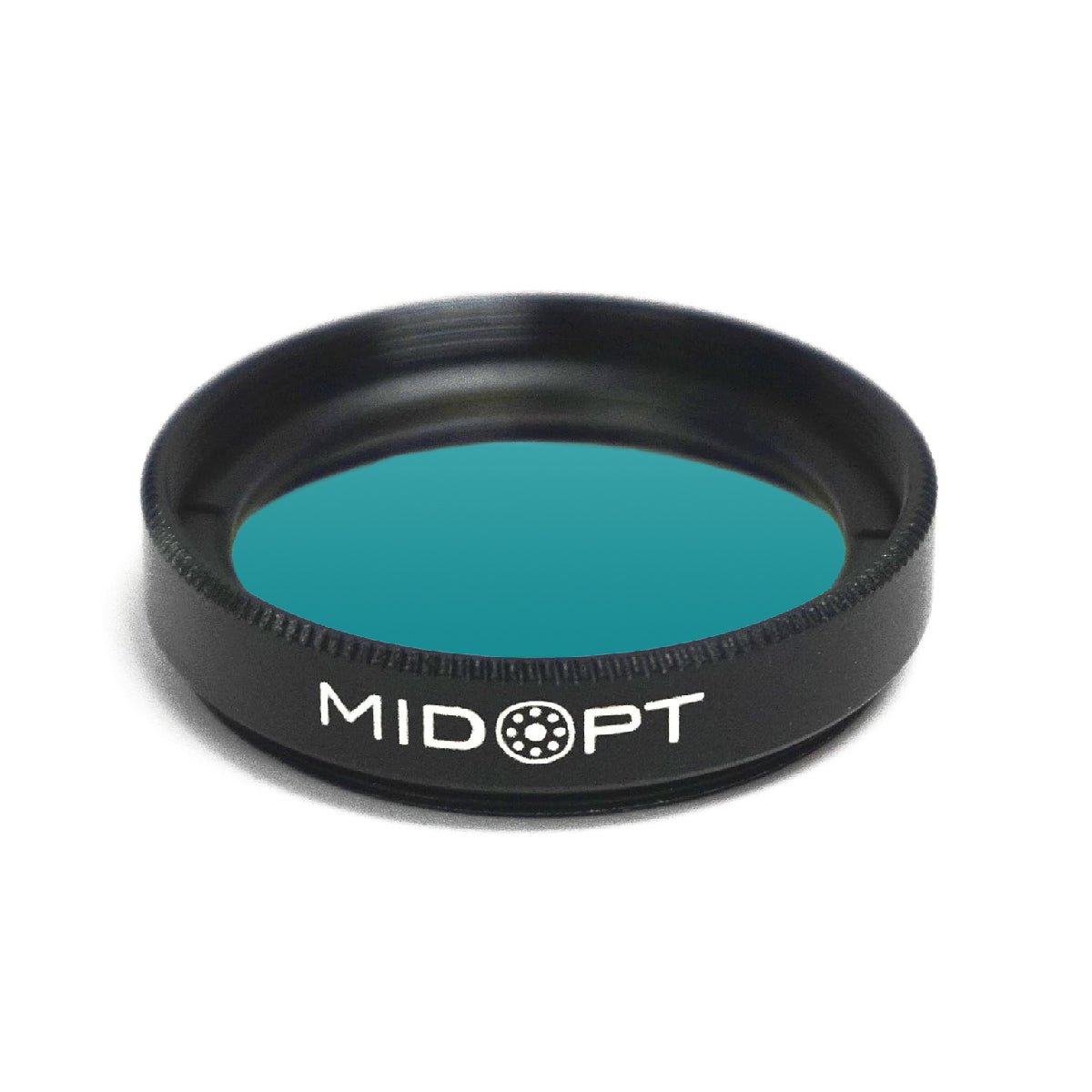
In this guide, we’ll explain how to select the right MidOpt filter based on application, lighting, and camera configuration.
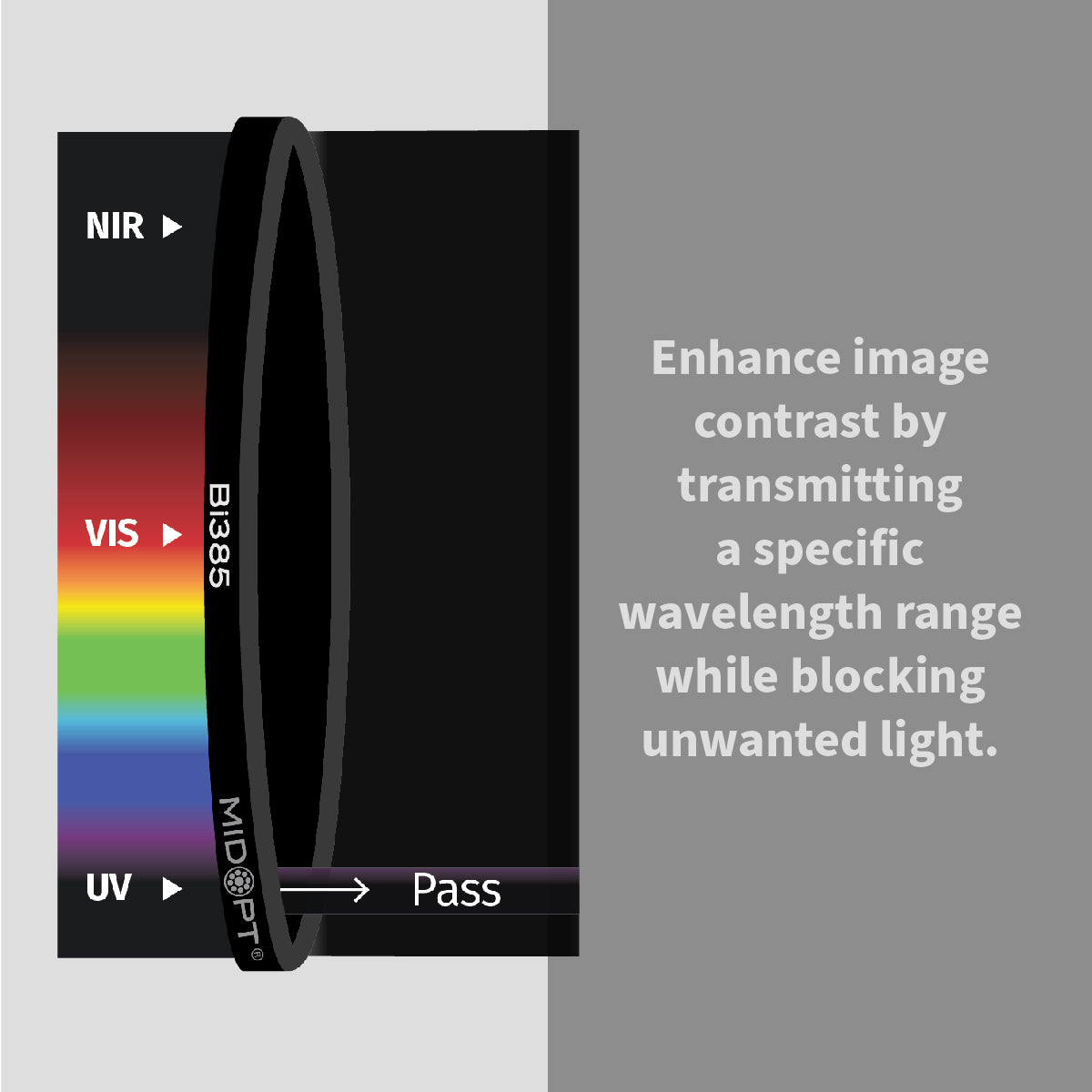
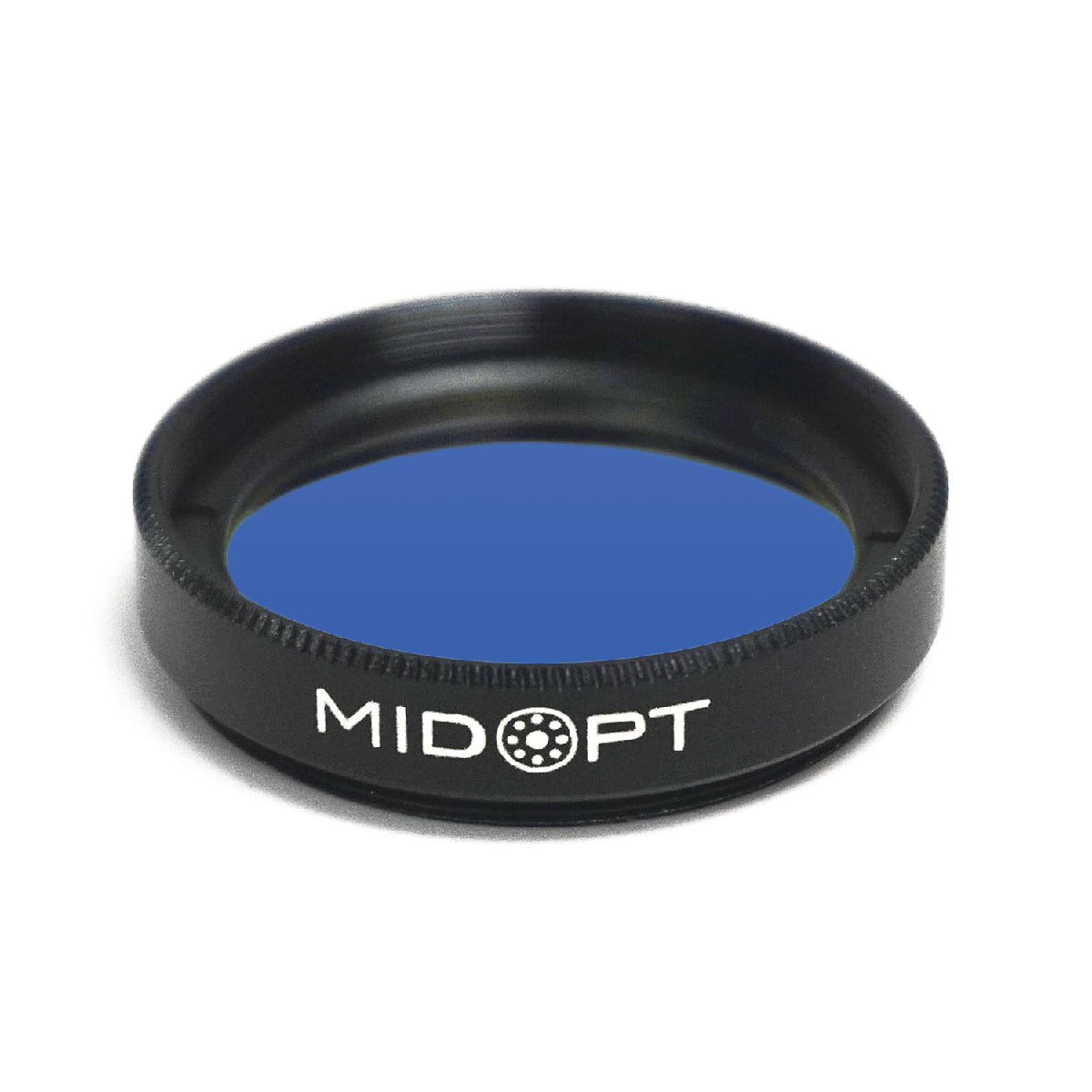
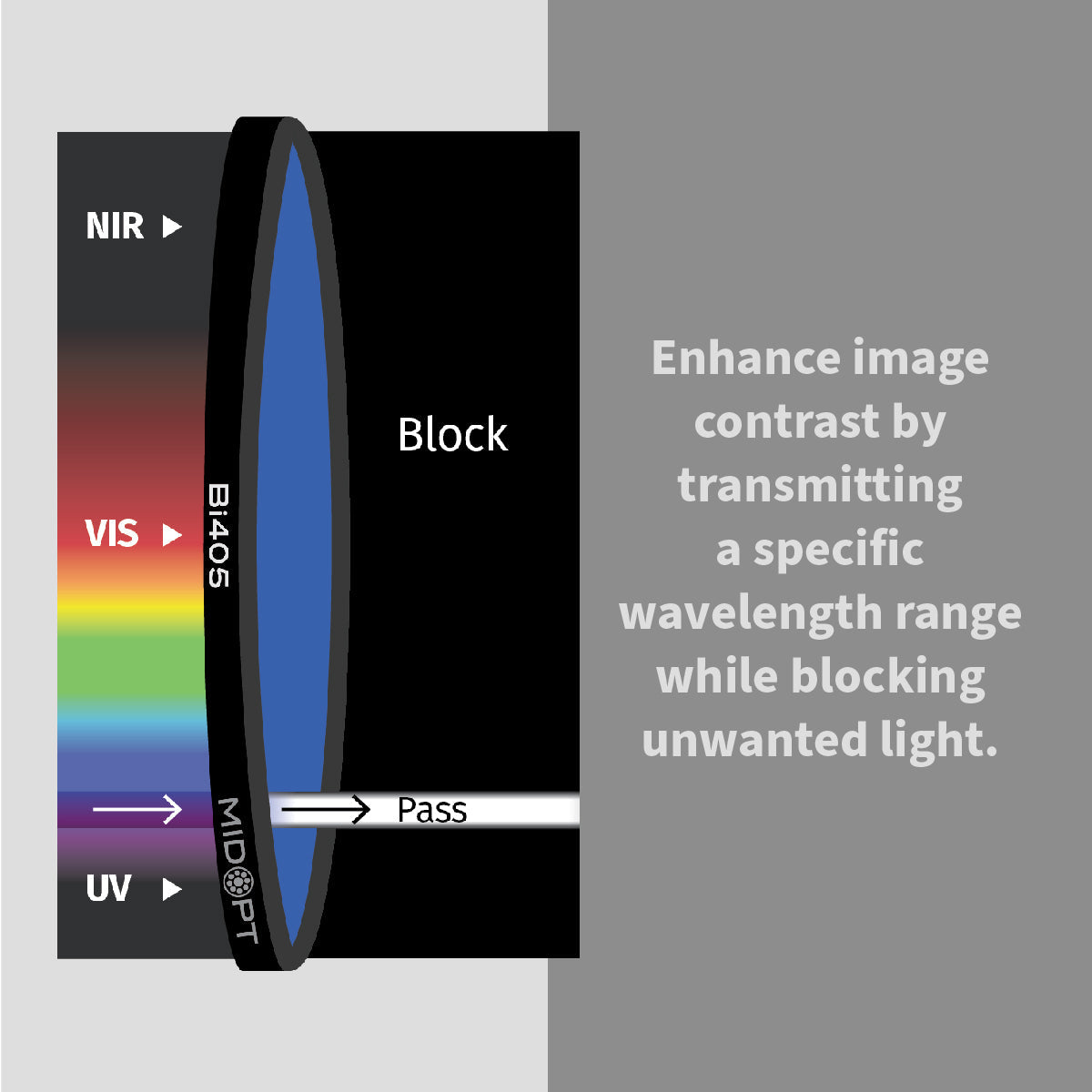
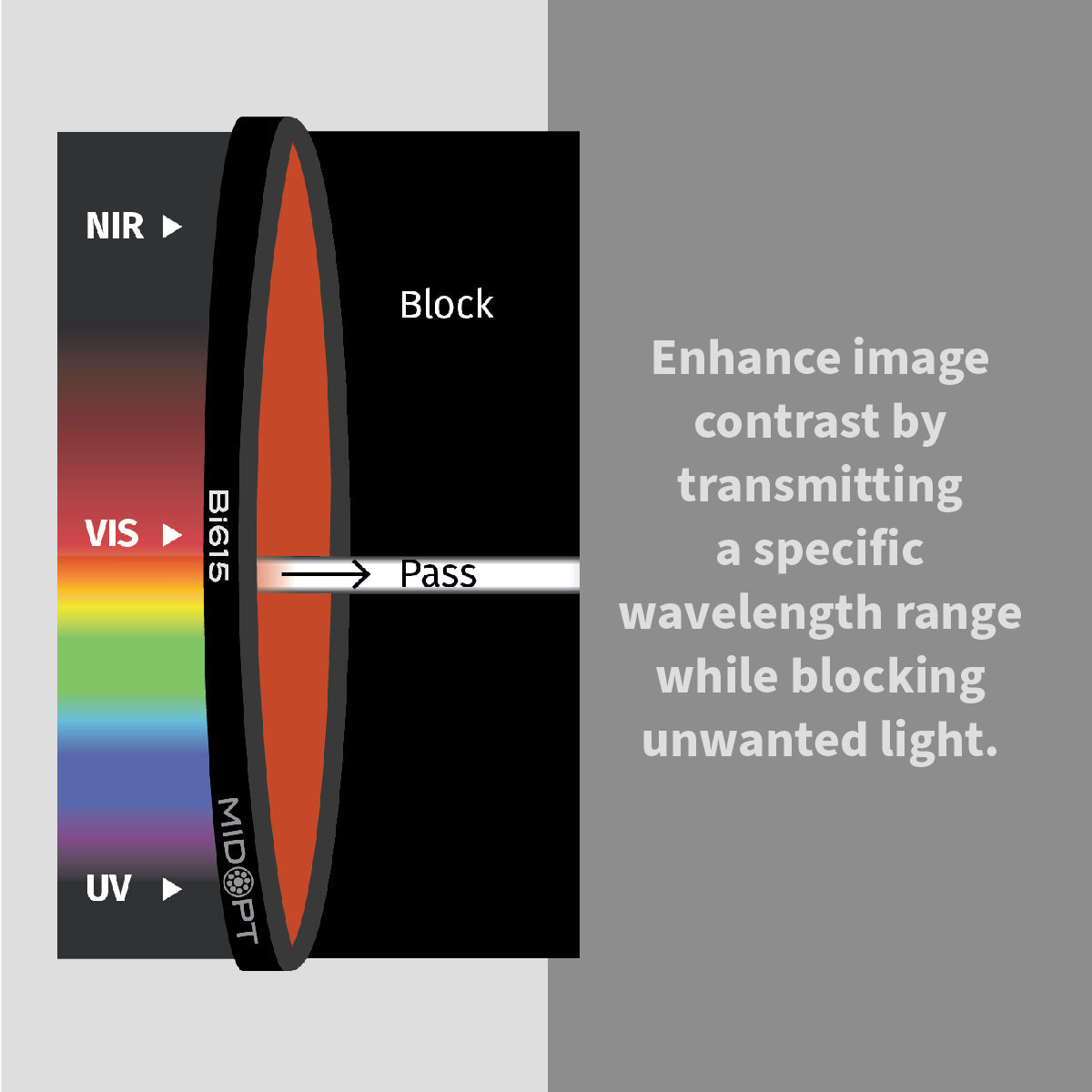
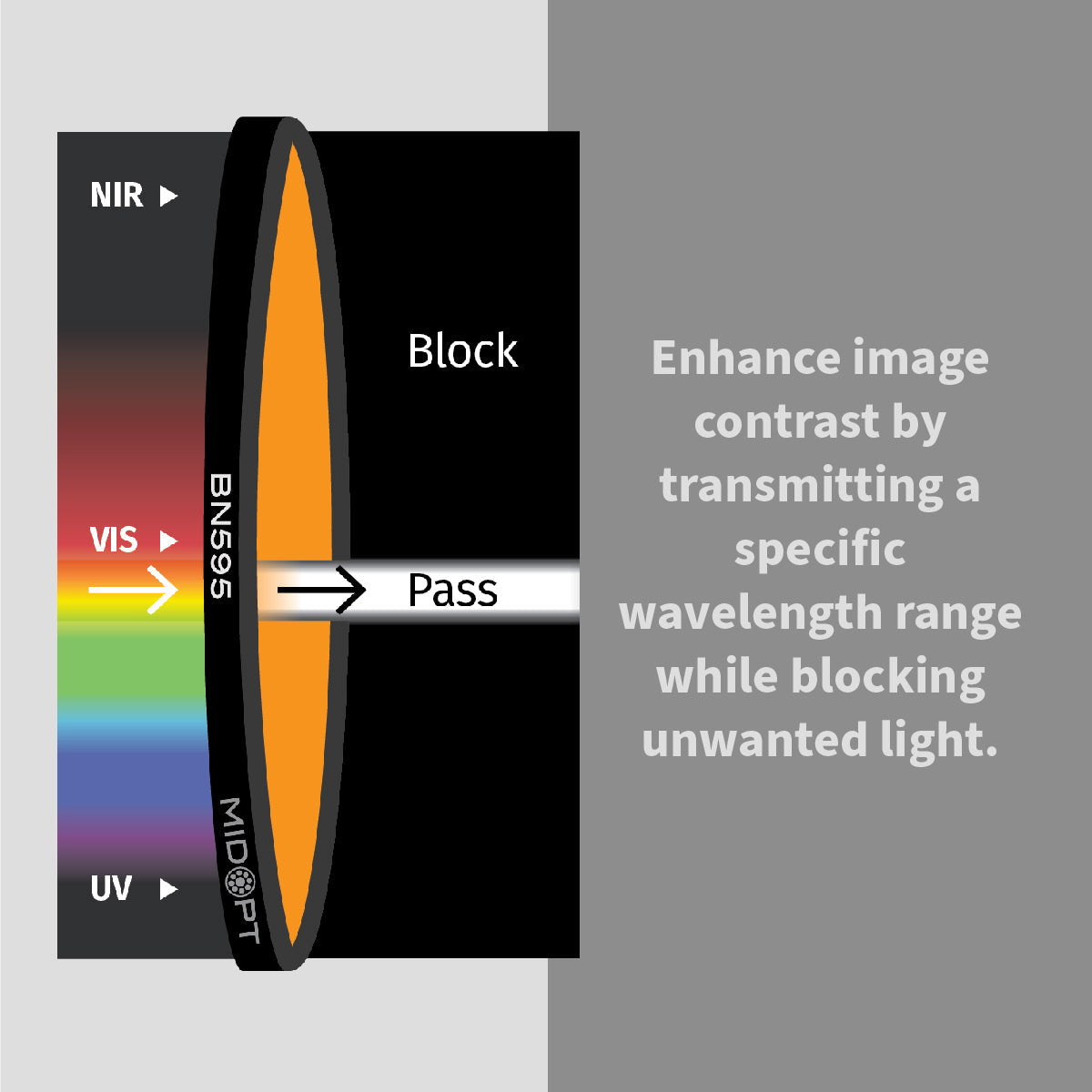
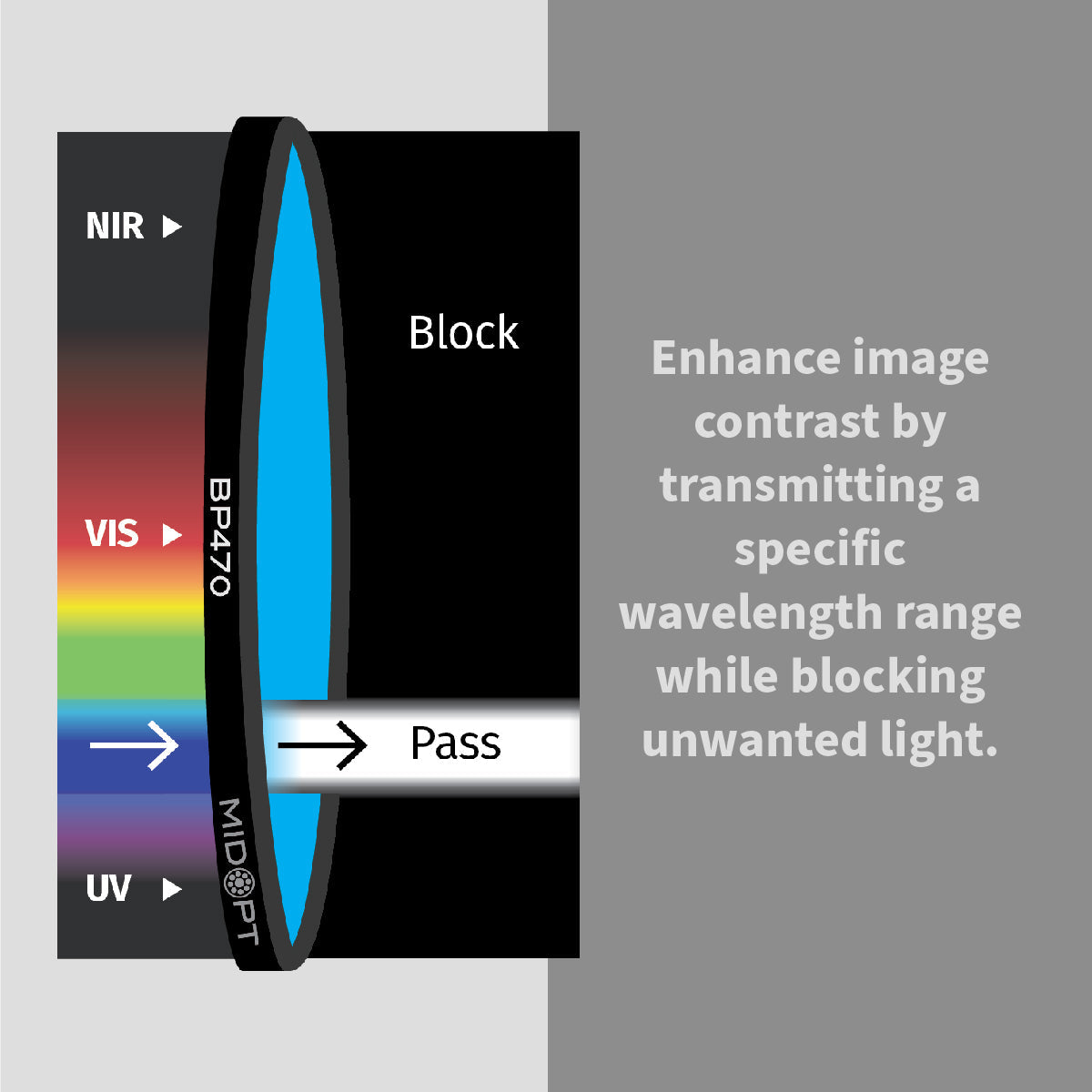
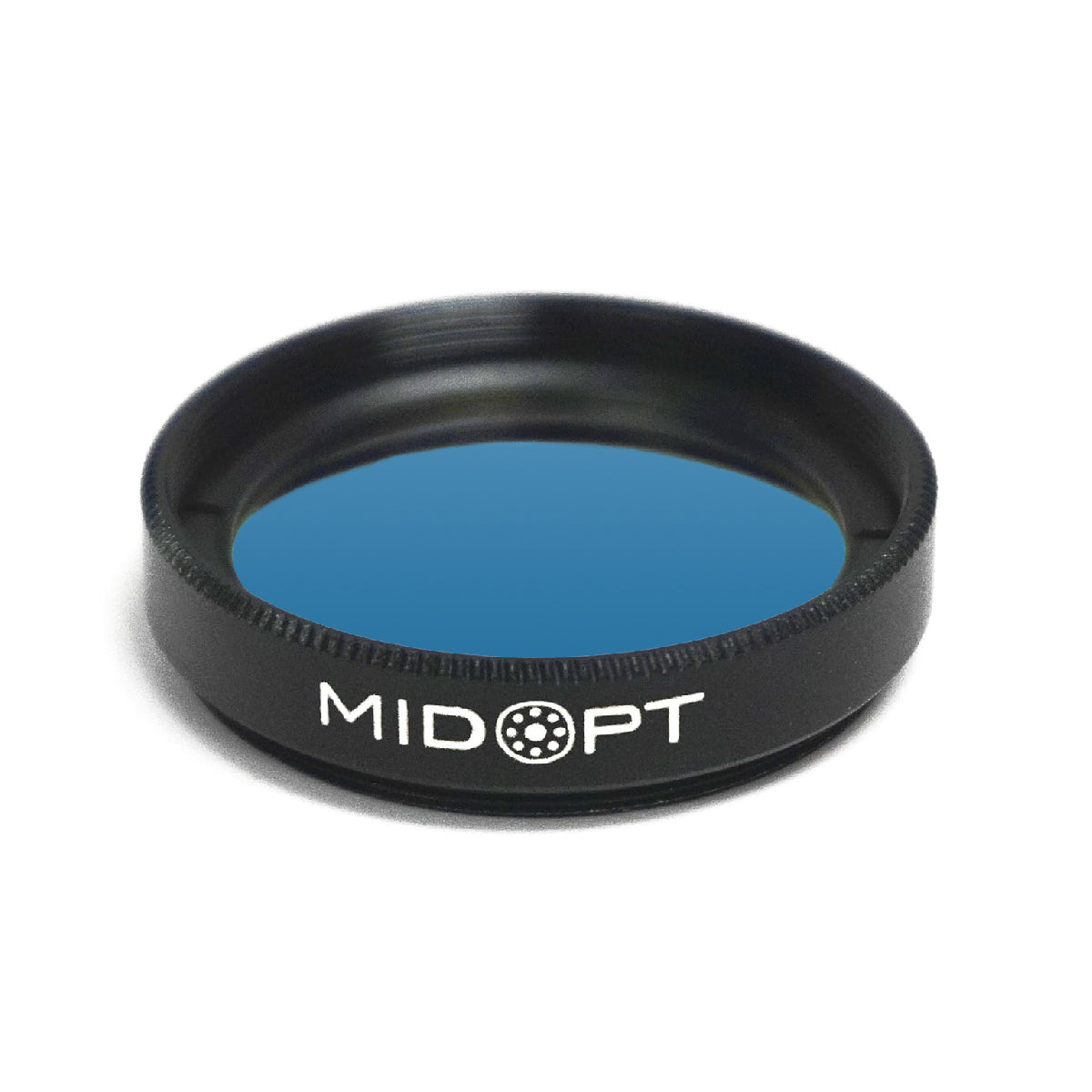
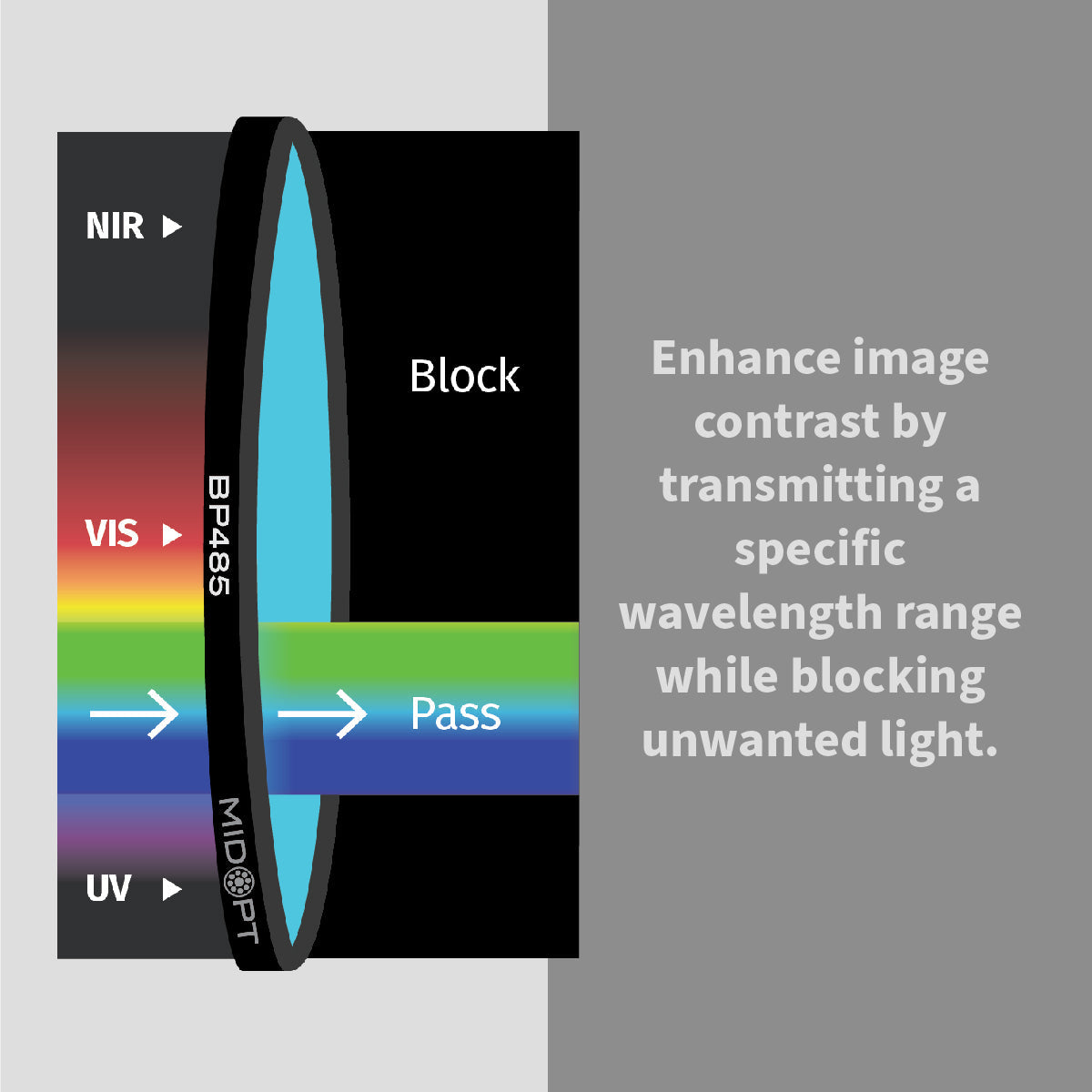
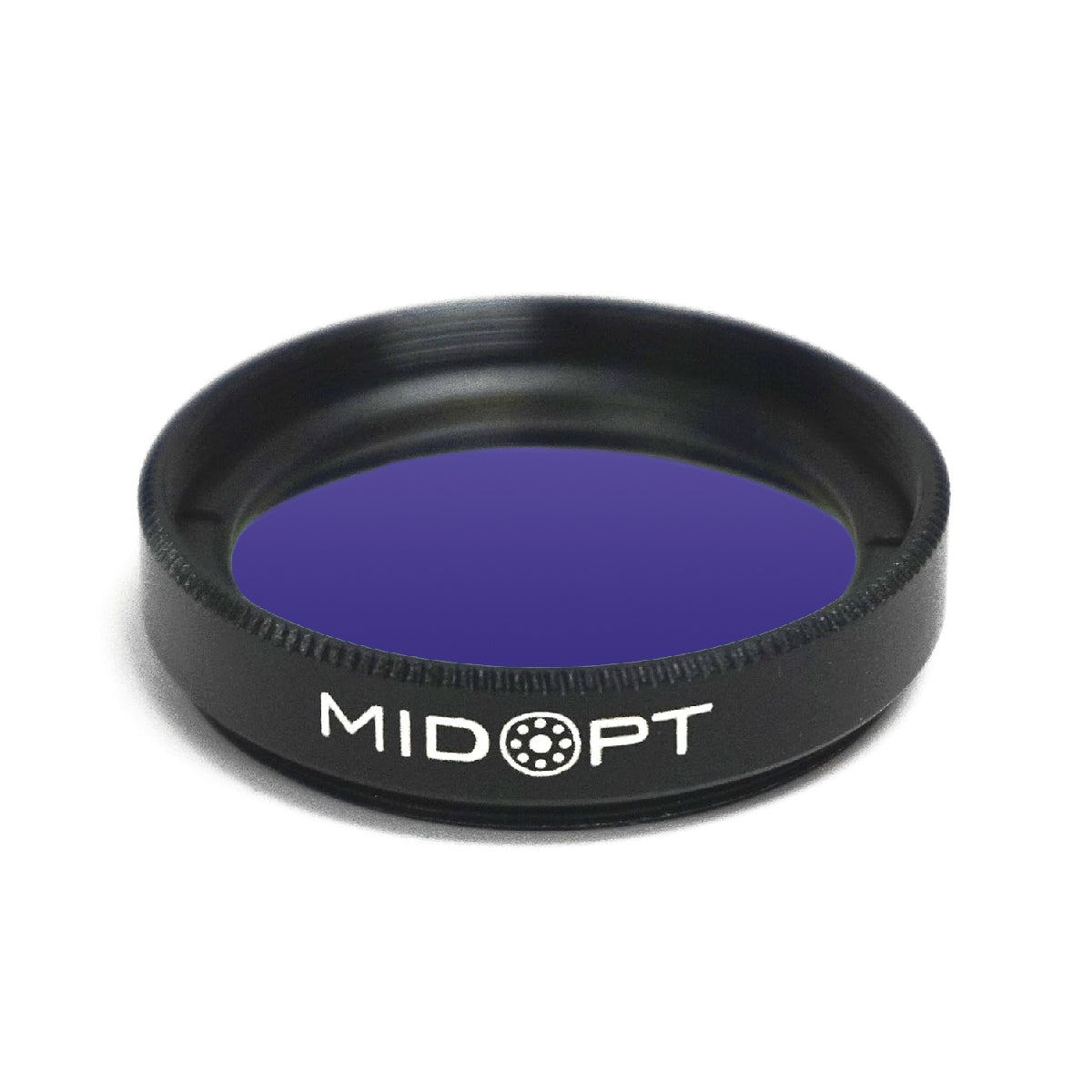
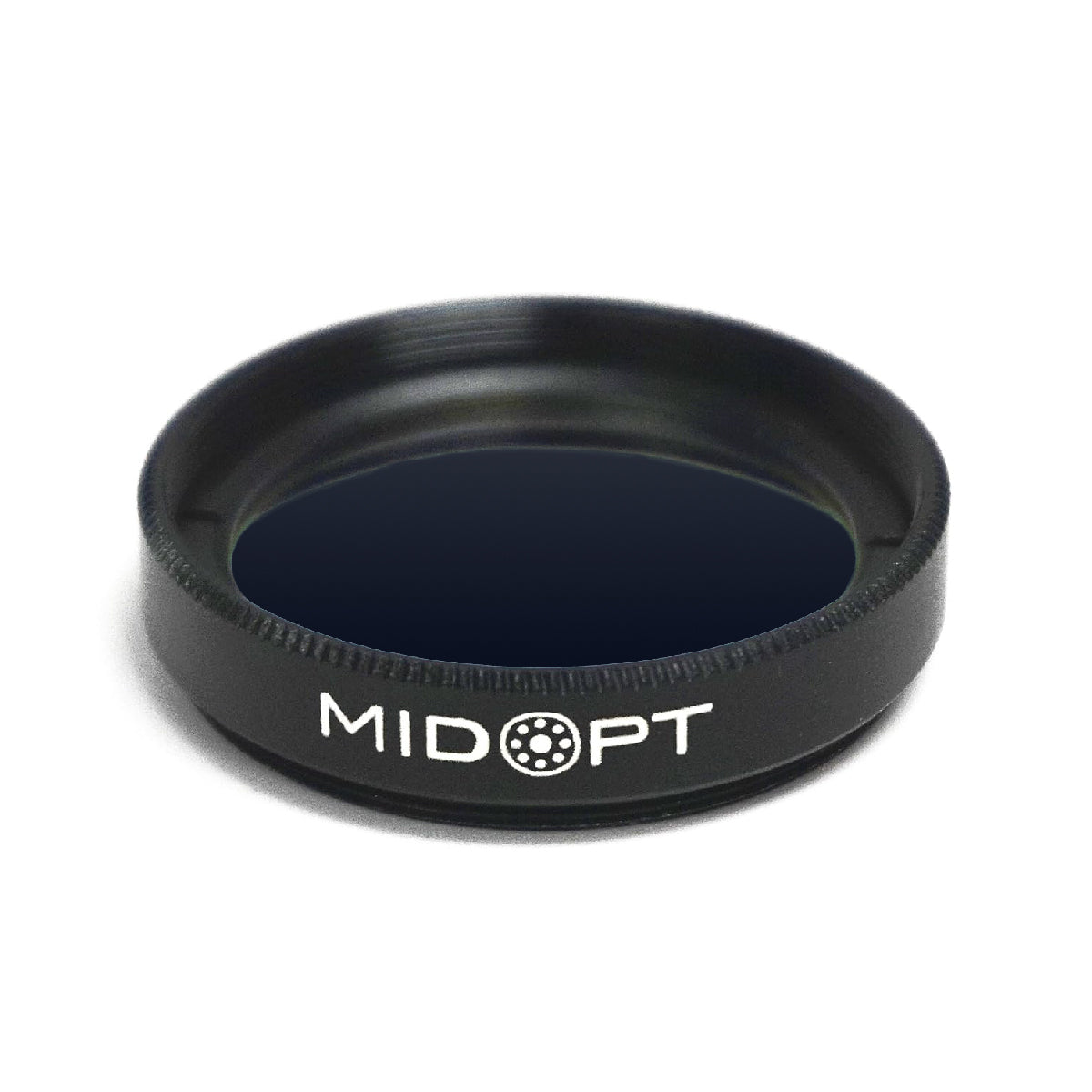
In high-performance industrial environments, image accuracy determines inspection reliability. Machine vision bandpass filters are engineered to isolate specific wavelengths of light, eliminating unwanted spectral noise and enhancing image contrast in automated inspection systems.
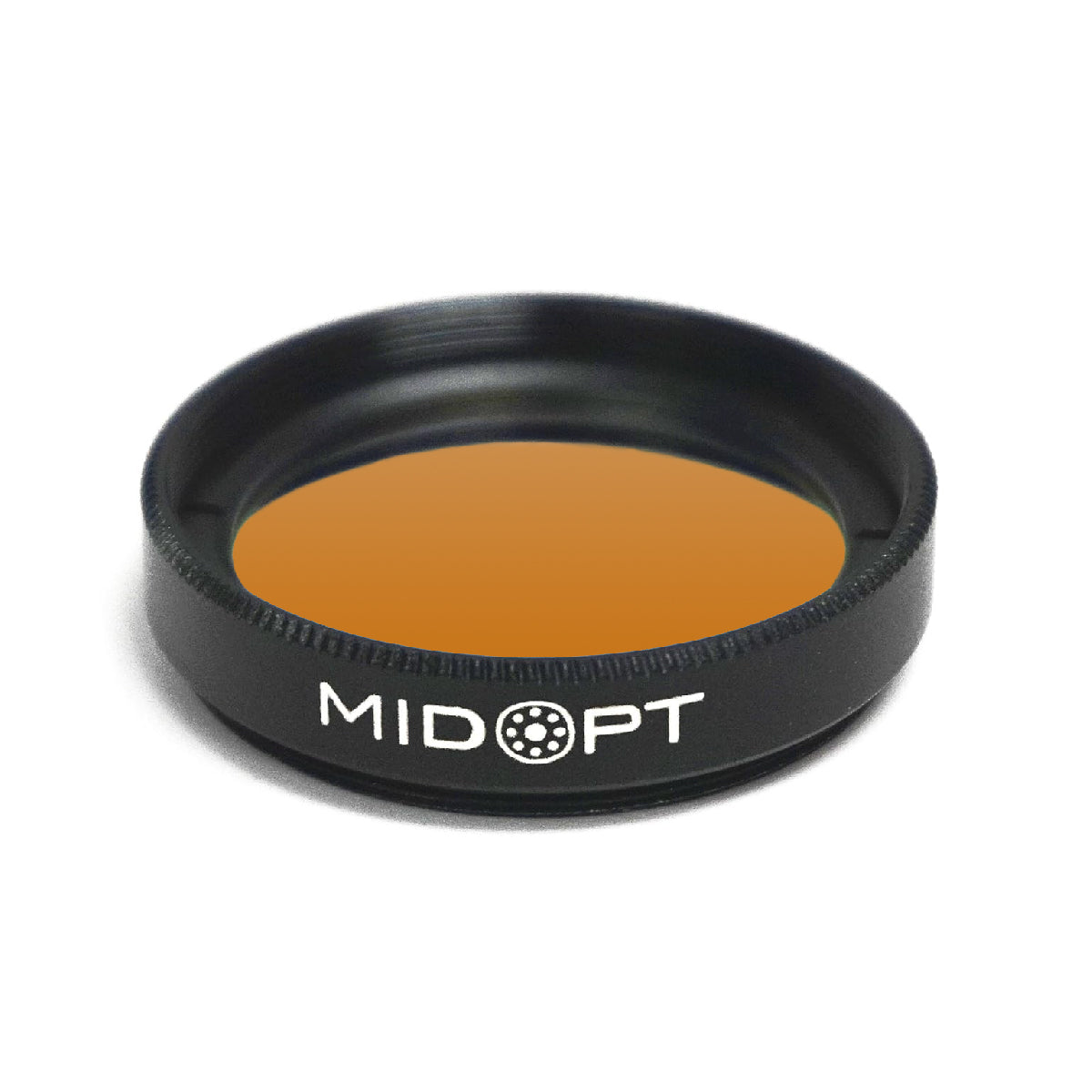
Optical filters play a critical role in machine vision and industrial imaging systems, helping improve image clarity, contrast, and accuracy in demanding environments. Industrial optical filters are designed to precisely control the wavelengths of light reaching a camera sensor, enabling reliable image capture for inspection, measurement, automation, and quality control applications.
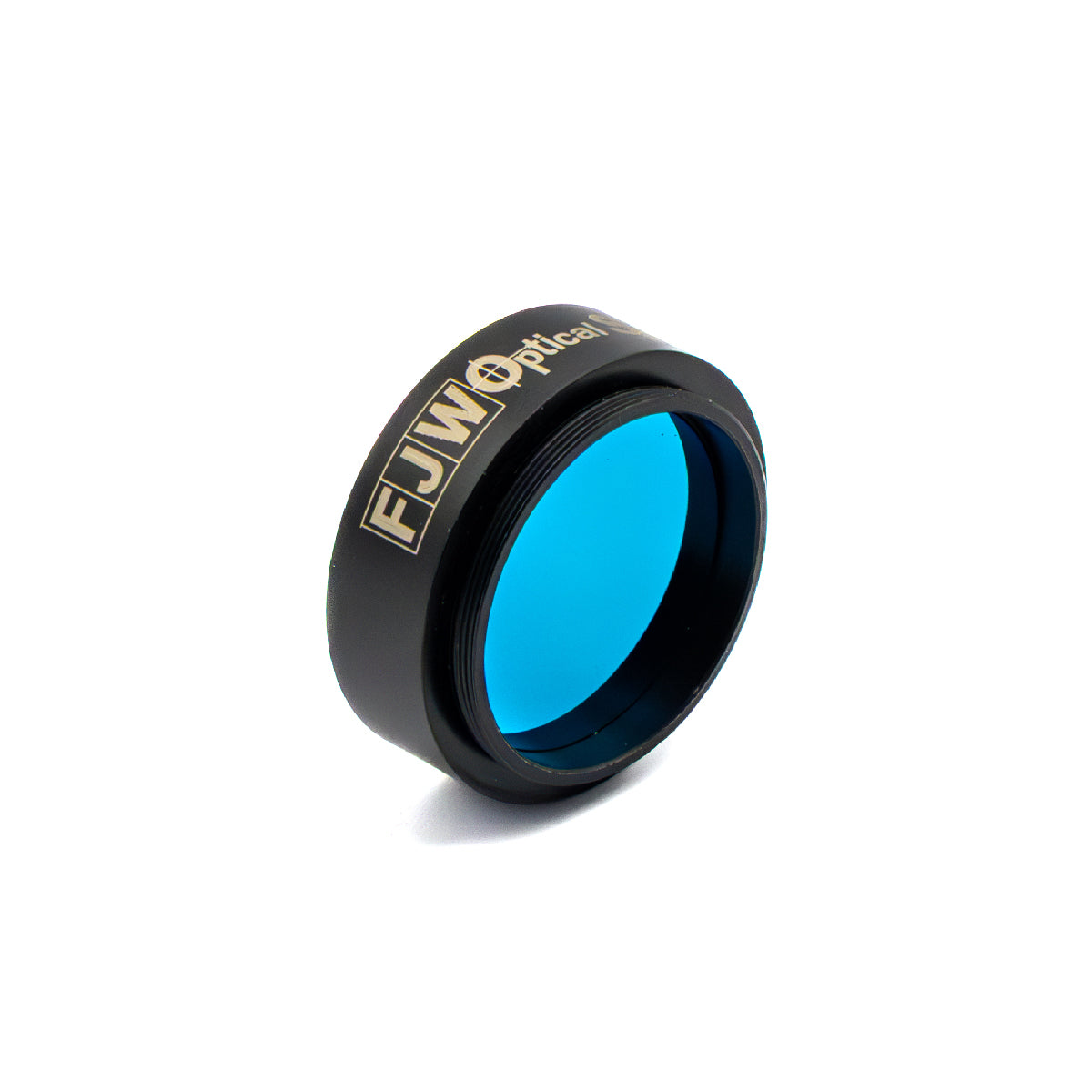
At FJW Optical, we offer a comprehensive selection of industrial optical filters for machine vision, automation, robotics, scientific imaging, and inspection systems. Our filters are engineered to meet the performance, durability, and consistency requirements of modern industrial applications.
Whether you need to eliminate unwanted light, enhance contrast, reduce glare, or isolate specific wavelengths, our optical filters provide dependable performance for professional imaging systems.
Industrial optical filters are precision components placed in front of cameras, lenses, or sensors to selectively transmit, absorb, or block specific wavelengths of light. In machine vision systems, filters help ensure that cameras capture clean, accurate, and repeatable images, even in challenging lighting conditions.
Optical filters enhance image contrast when used alongside industrial cameras, specialized lenses, and optimized lighting systems.
Unlike consumer-grade camera filters, industrial optical filters are designed for:
They are essential for improving system reliability and inspection accuracy in automated environments.
Machine vision systems rely on consistent lighting and image quality to make accurate decisions. Optical filters help optimize imaging performance by controlling how light interacts with the camera sensor.
Filters reduce background noise and unwanted reflections, allowing vision systems to clearly detect edges, defects, or features.
Polarizing and specialty filters minimize glare from reflective surfaces such as metal, glass, and plastic.
Bandpass and color filters isolate specific wavelengths, improving accuracy in color inspection and spectral analysis.
Filters stabilize image quality in environments with inconsistent or harsh lighting conditions.
Cleaner images result in fewer false positives and more reliable automated inspections.
FJW Optical offers a wide range of machine vision filters designed for different applications and imaging requirements.
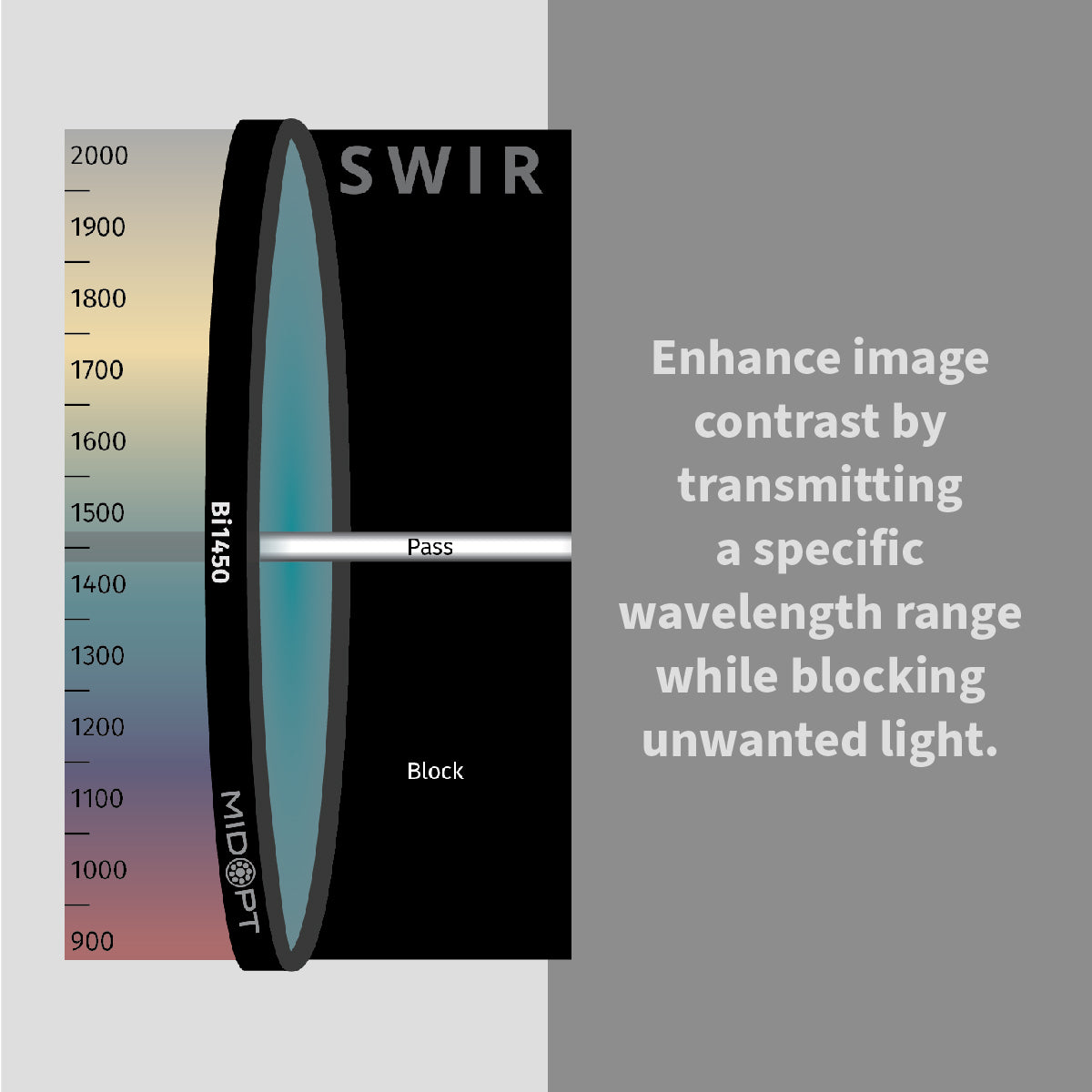
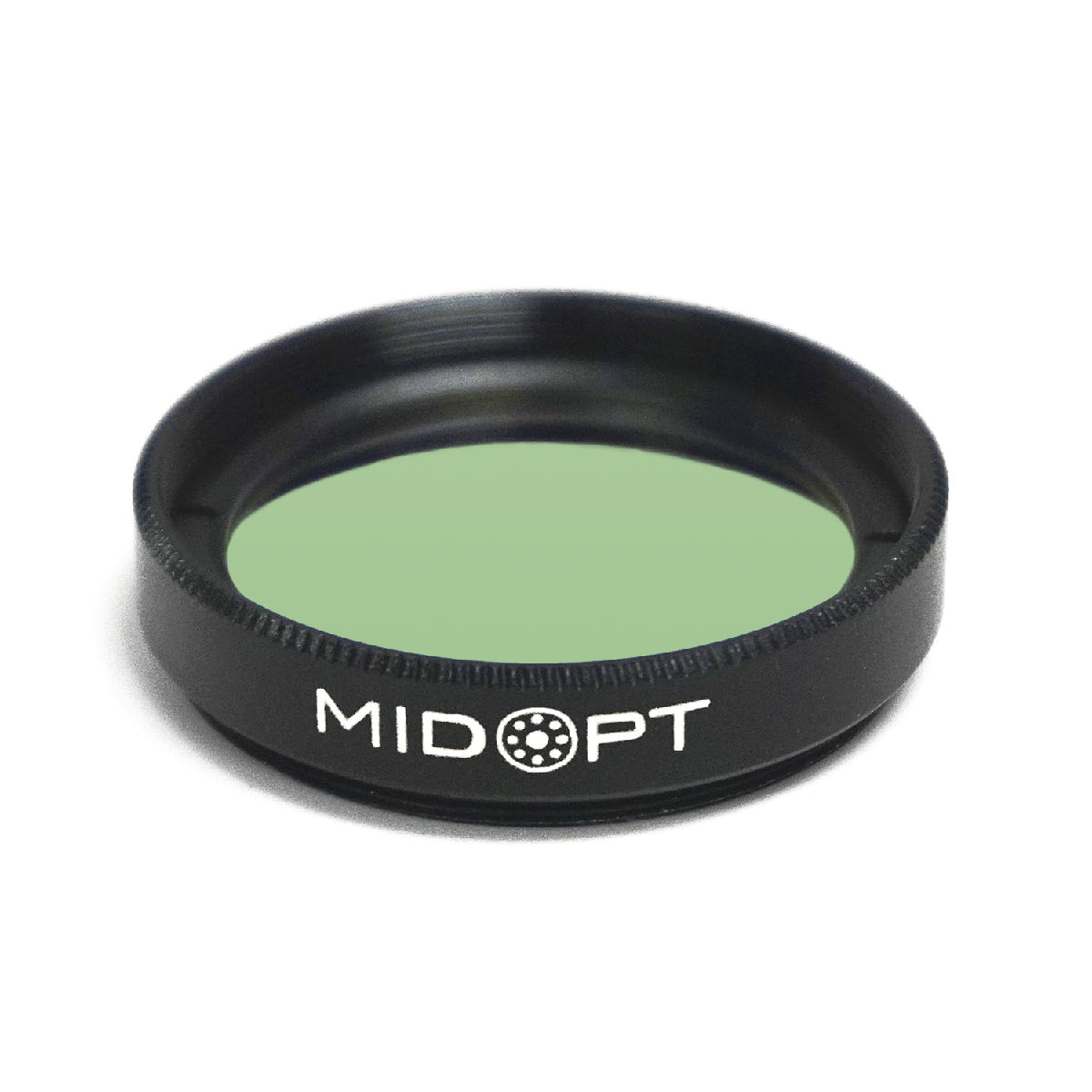
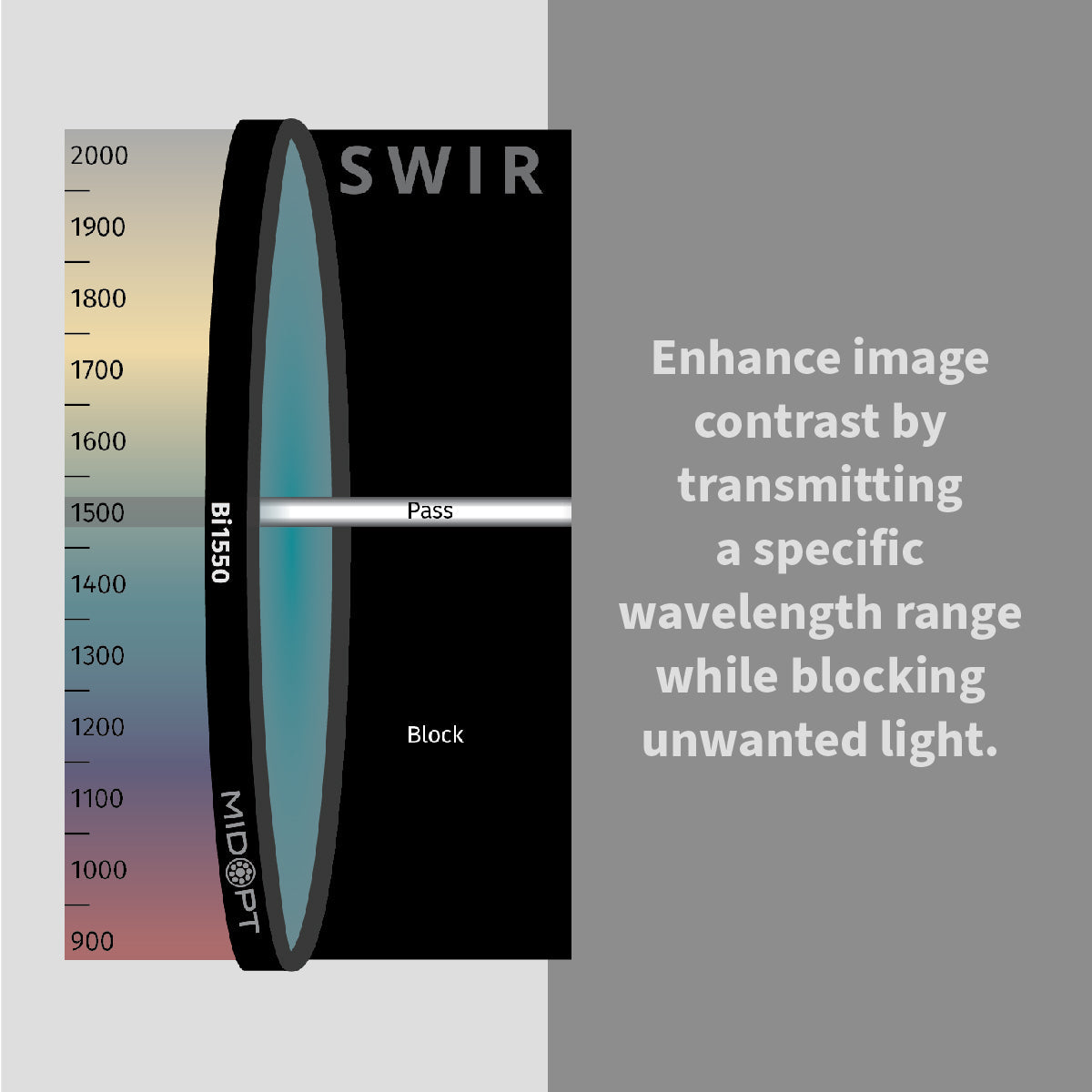
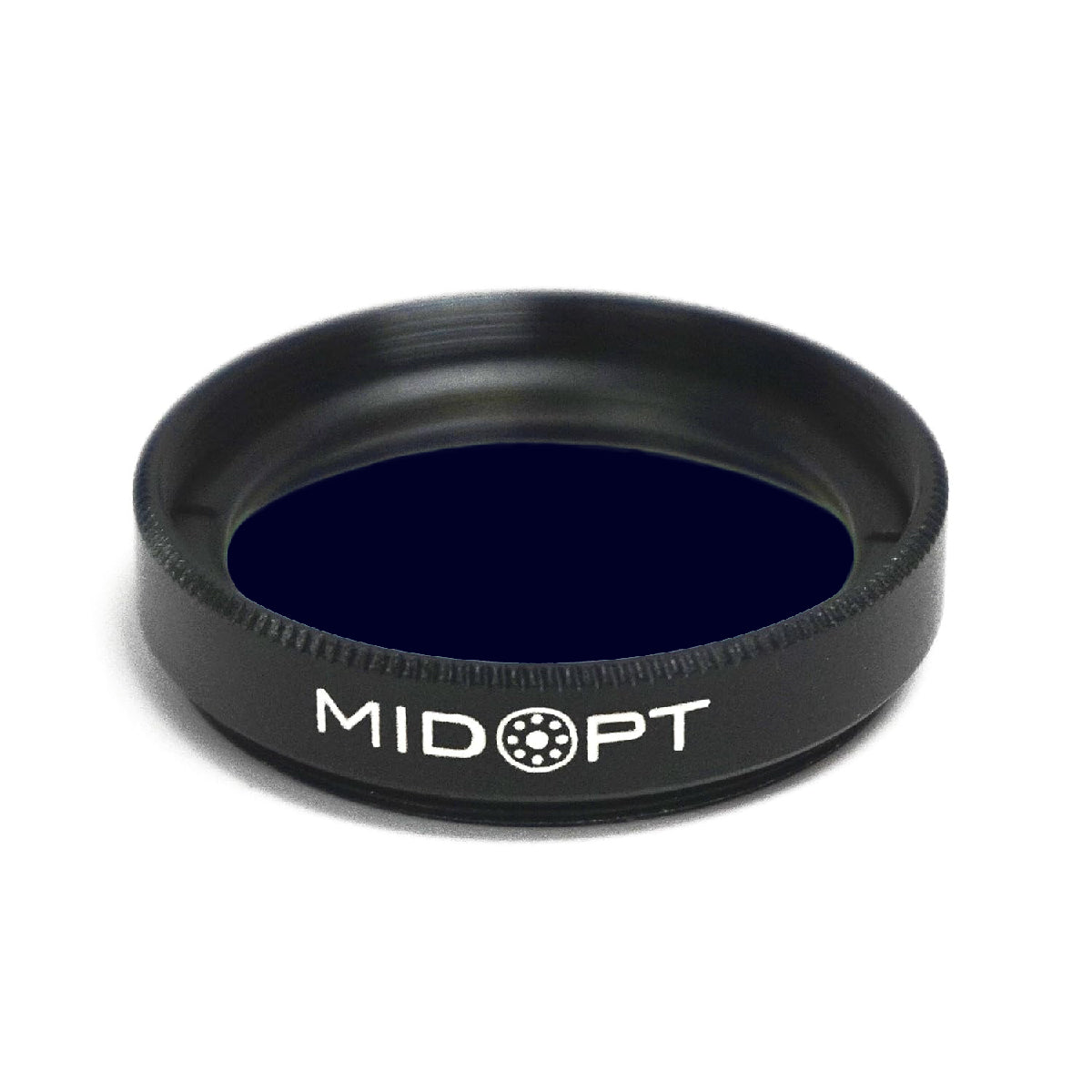
Bandpass filters allow a specific range of wavelengths to pass while blocking others. These filters are commonly used in fluorescence imaging, laser-based inspection, and applications requiring spectral precision.
Applications include:
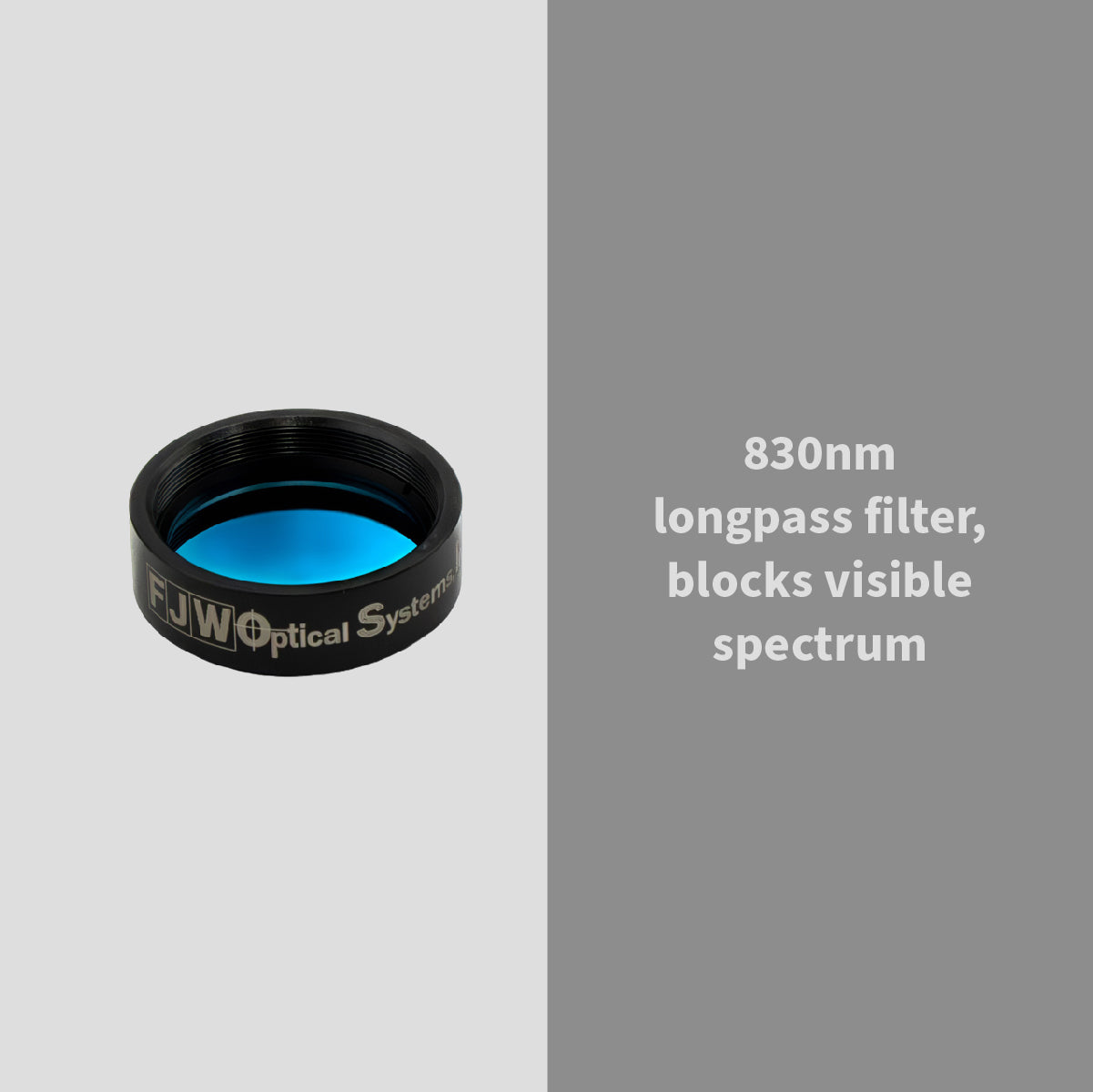
Longpass filters allow longer wavelengths to pass while blocking shorter wavelengths. They are commonly used in IR imaging, fluorescence systems, and multispectral applications.
Shortpass filters transmit shorter wavelengths while blocking longer wavelengths, making them ideal for UV and visible-light filtering applications.
Neutral density filters reduce light intensity without affecting color balance. They are ideal for controlling exposure in bright environments or when using powerful illumination.
Explore our full range of Neutral Density Filters for precise exposure control in industrial imaging systems.
Applications include:
Polarizing filters reduce glare and reflections caused by shiny or reflective surfaces. These filters are especially useful in quality inspection tasks involving metal, glass, or glossy materials.
Applications include:
Specialty filters designed for infrared and ultraviolet imaging applications support advanced scientific research, semiconductor inspection, and thermal imaging systems.
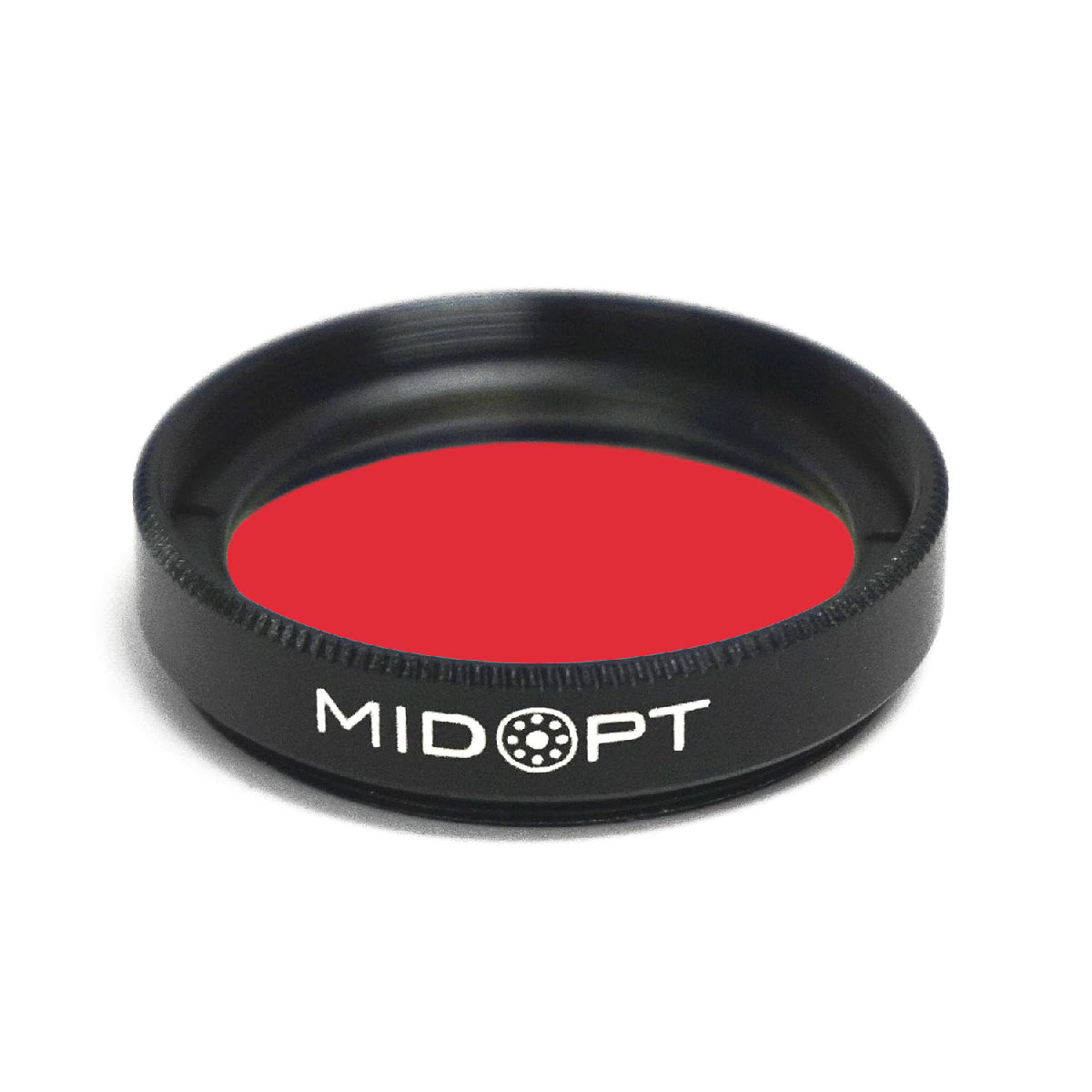
Color filters enhance contrast by isolating specific color channels. Specialty filters support advanced imaging needs such as UV, IR, or multispectral imaging.
Our precision optical filters are trusted across a wide range of industries where imaging accuracy and reliability are critical:
By delivering consistent spectral performance and durability, our filters support high-precision applications in controlled and demanding environments.
Industrial optical filters are used across a wide range of industries and imaging systems, including:
Filters help ensure consistent imaging performance regardless of lighting conditions or environmental challenges.
In industrial inspection systems, filters are selected based on lighting wavelength, lens specifications, and camera sensor response to maximize imaging precision.
Choosing the correct optical filter depends on your system design and application requirements. Consider the following factors:
Our team at FJW Optical can assist in identifying the optimal filter solution based on your technical specifications.
With decades of experience in industrial imaging, FJW Optical is a trusted supplier of high-performance optical components.
FJW Optical is a trusted supplier of high-performance optical components with decades of experience in industrial and scientific imaging.
When you choose FJW Optical, you benefit from:
We are committed to delivering reliable optical filter solutions that enhance imaging performance, reduce inspection errors, and improve system efficiency.
Industrial optical filters are essential components for any machine vision or imaging system where accuracy and reliability matter. By controlling light, reducing interference, and enhancing image quality, these filters enable automation systems to operate with confidence and precision.
Explore our full range of industrial optical filters for machine vision, inspection, and automation to find the right solution for your application.
Recent Article : Lighting vs Filters in Machine Vision: How to Optimize Image Quality for Industrial Inspection (2026 Guide)
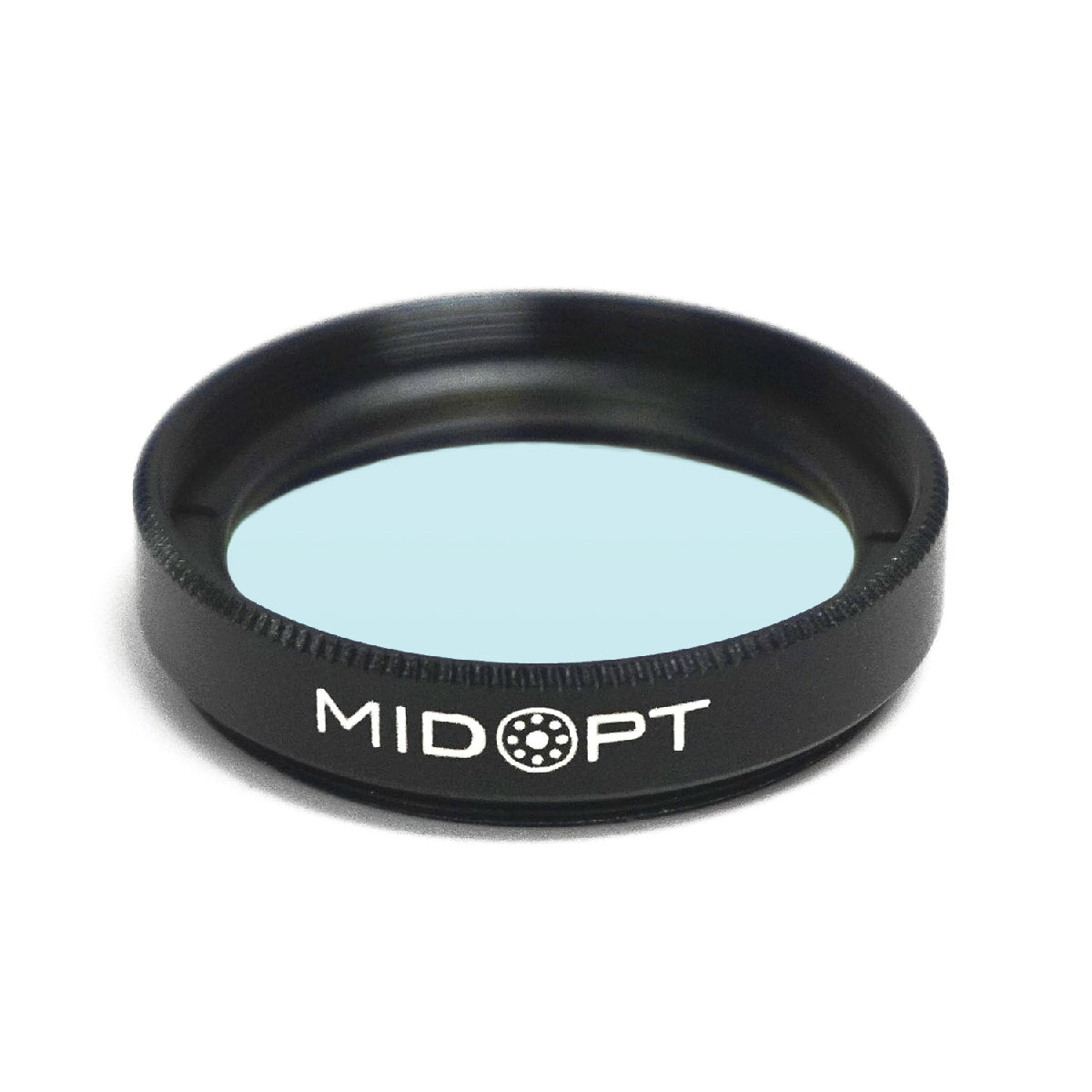
Our industrial optical filters are sourced from manufacturers specializing in spectral control and contrast optimization for machine vision systems. Filters from brands like MidOpt and GOYO Optical are designed to reduce glare, isolate specific wavelengths, and enhance image accuracy across inspection, automation, and research applications.
Industrial optical filters control light entering a camera to improve contrast, reduce glare, and enhance image accuracy in machine vision systems.
Machine vision filters are designed for continuous industrial use, higher durability, and precise wavelength control compared to consumer camera filters.
Polarizing filters are best for reducing glare from reflective surfaces like metal, glass, and plastic.
A bandpass filter allows a specific range of wavelengths to pass while blocking others, commonly used in fluorescence and laser imaging.
When properly selected, optical filters improve image clarity without reducing resolution.
Yes, industrial optical filters work well with LED, laser, and other controlled lighting sources.
Yes, custom optical filter solutions are available for specialized industrial and scientific applications.
With proper use, industrial optical filters can last many years without performance degradation.
The correct wavelength depends on your illumination source, sensor sensitivity, and application requirements. Identifying the spectral range needed for contrast or detection is critical when selecting a filter.
Longpass filters transmit longer wavelengths while blocking shorter ones, whereas shortpass filters transmit shorter wavelengths and block longer wavelengths. Each is used depending on the imaging goal.
Yes, optical filters can be custom designed with specific wavelength ranges, coatings, sizes, and durability specifications to meet unique industrial or scientific requirements.