Whether you're inspecting electronics, pharmaceuticals, automotive components, food products or semiconductor wafers, proper lighting can mean the difference between detecting critical defects and missing them entirely. That's why lighting simulation and testing have become essential tools for optimizing machine vision performance before a system is deployed.
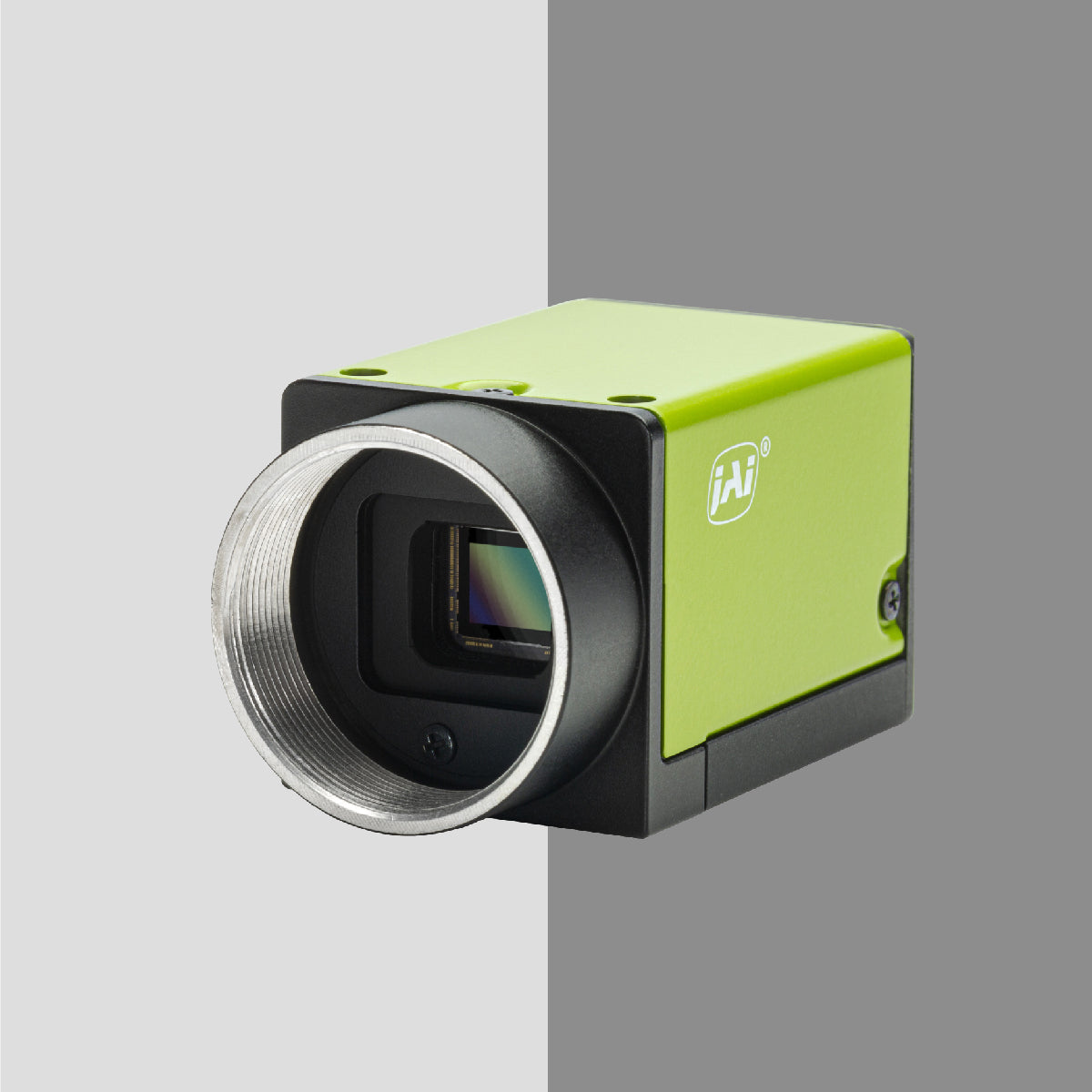
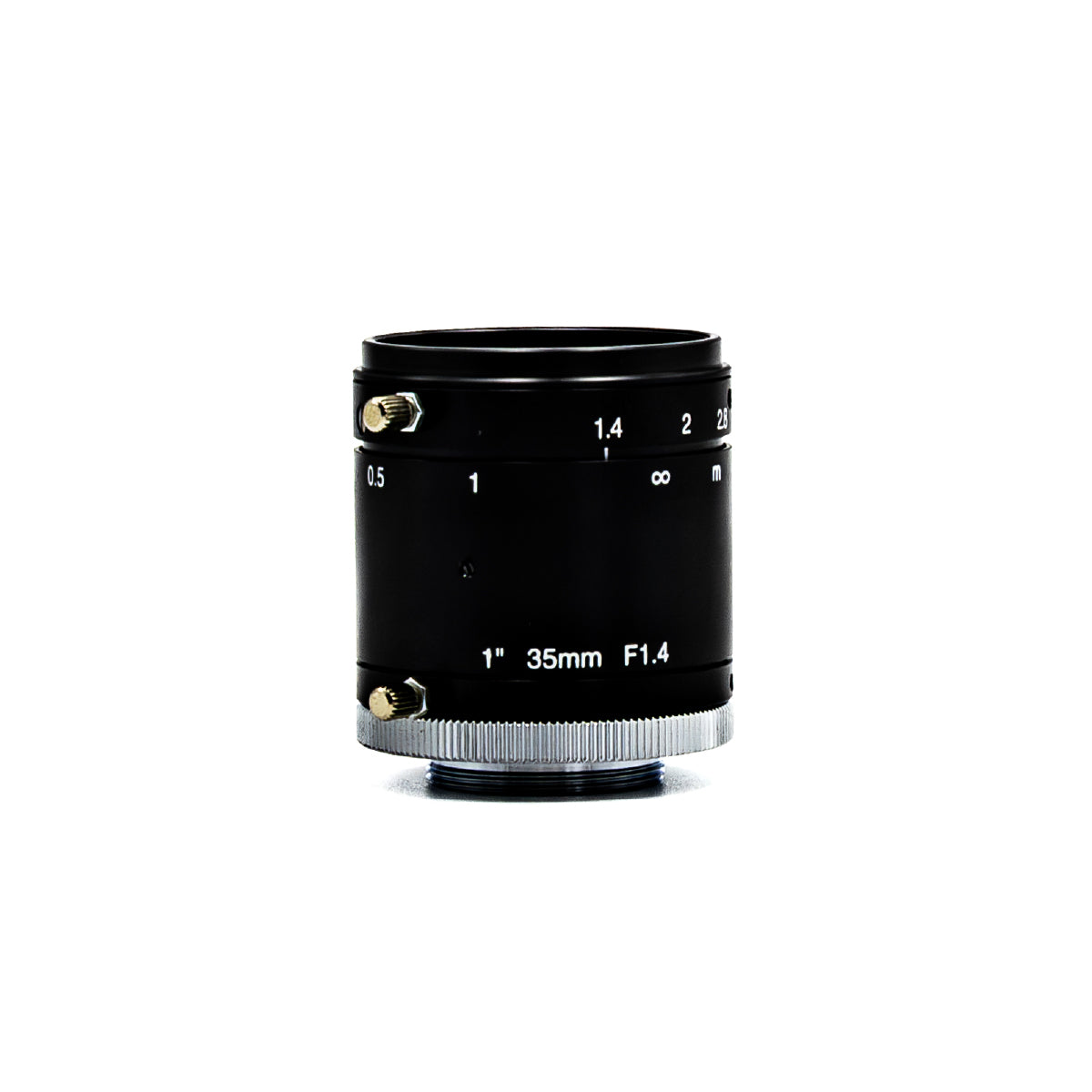
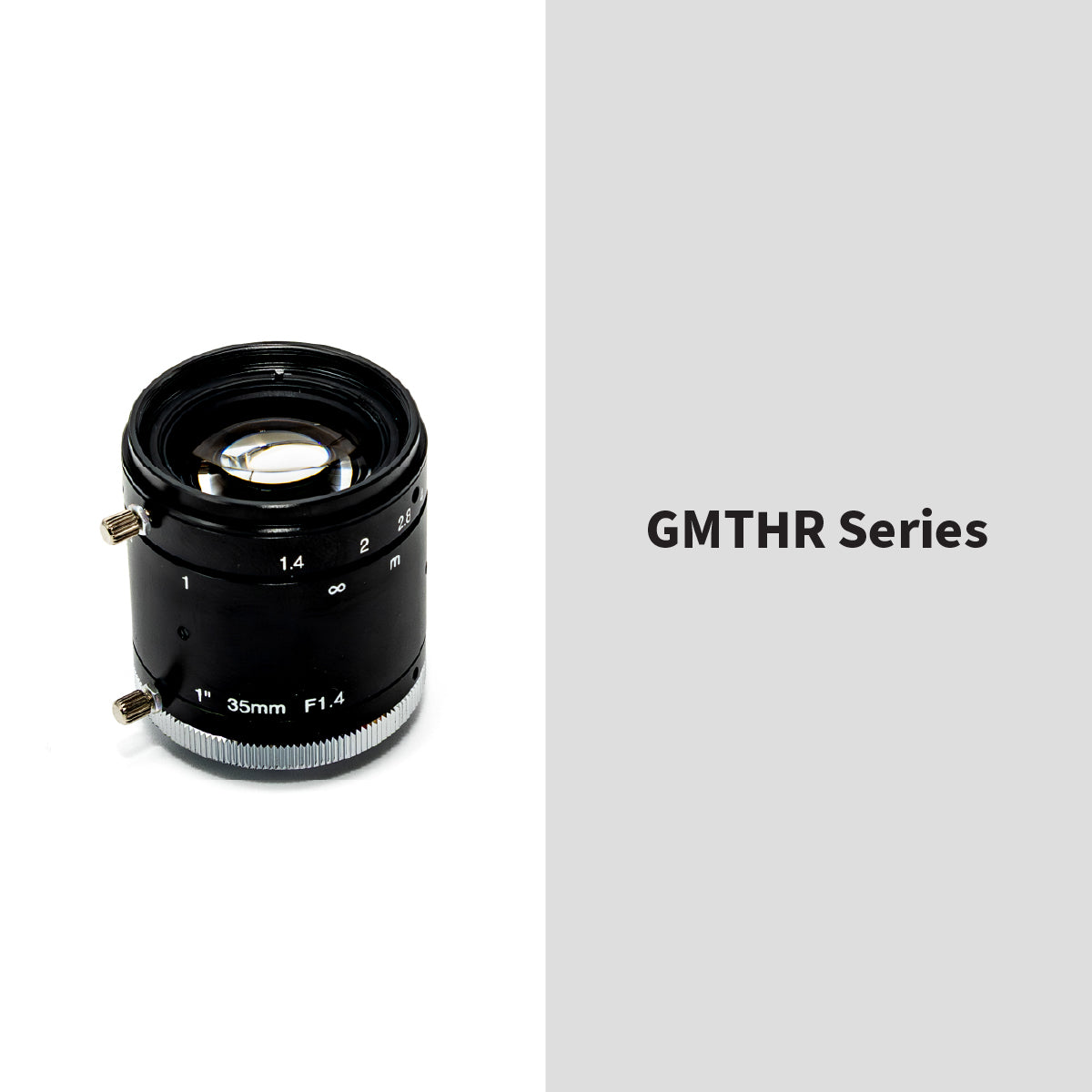
Even the highest-resolution camera cannot compensate for poor illumination or an improperly selected lens. In fact, lighting and lenses work as a team – one controls how the object is illuminated, while the other determines how that light is captured and delivered to the sensor.
The semiconductor industry continues to push the boundaries of precision manufacturing. As device geometries shrink and production volumes increase, inspection systems must identify smaller defects, operate at higher speeds and maintain exceptional image quality throughout the manufacturing process.
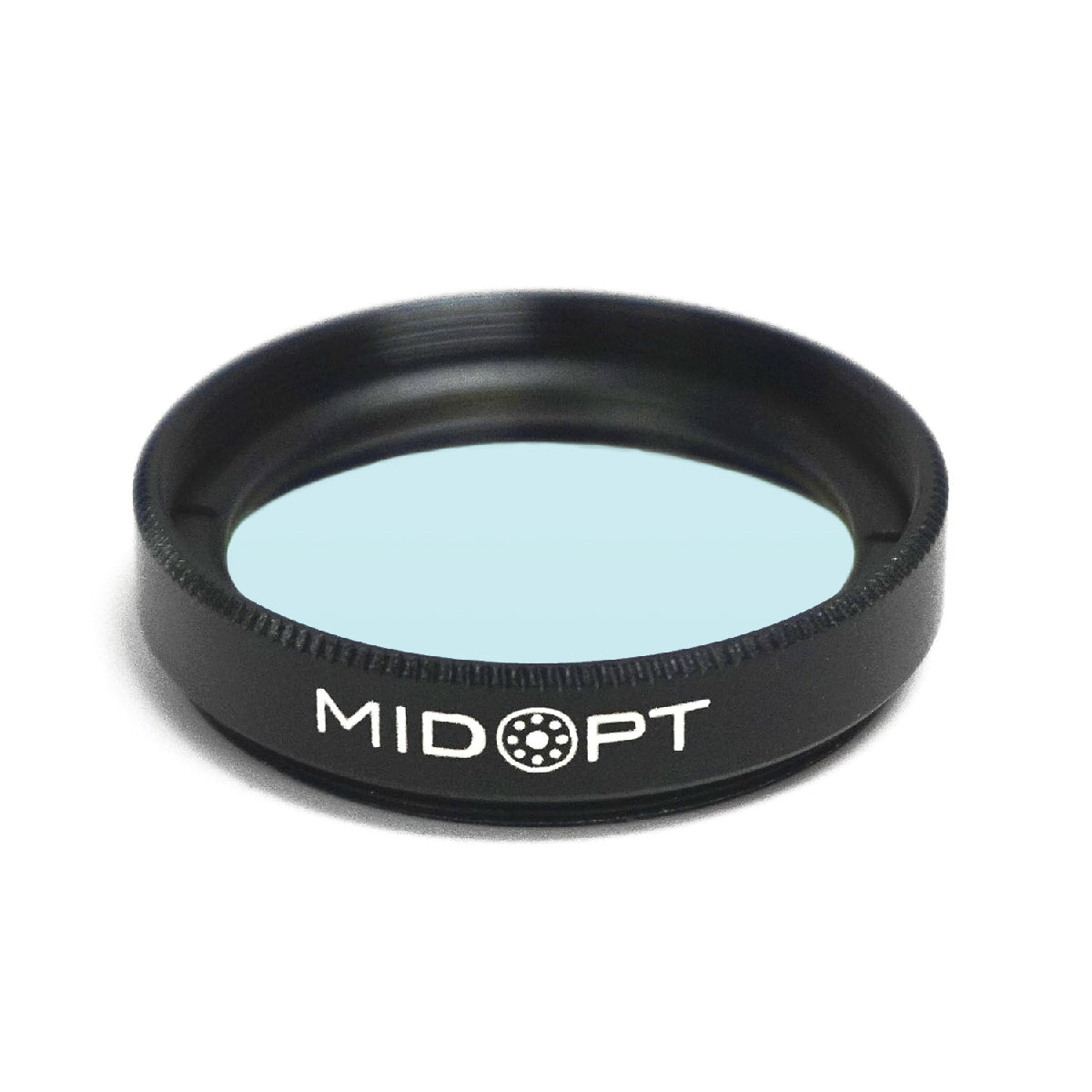
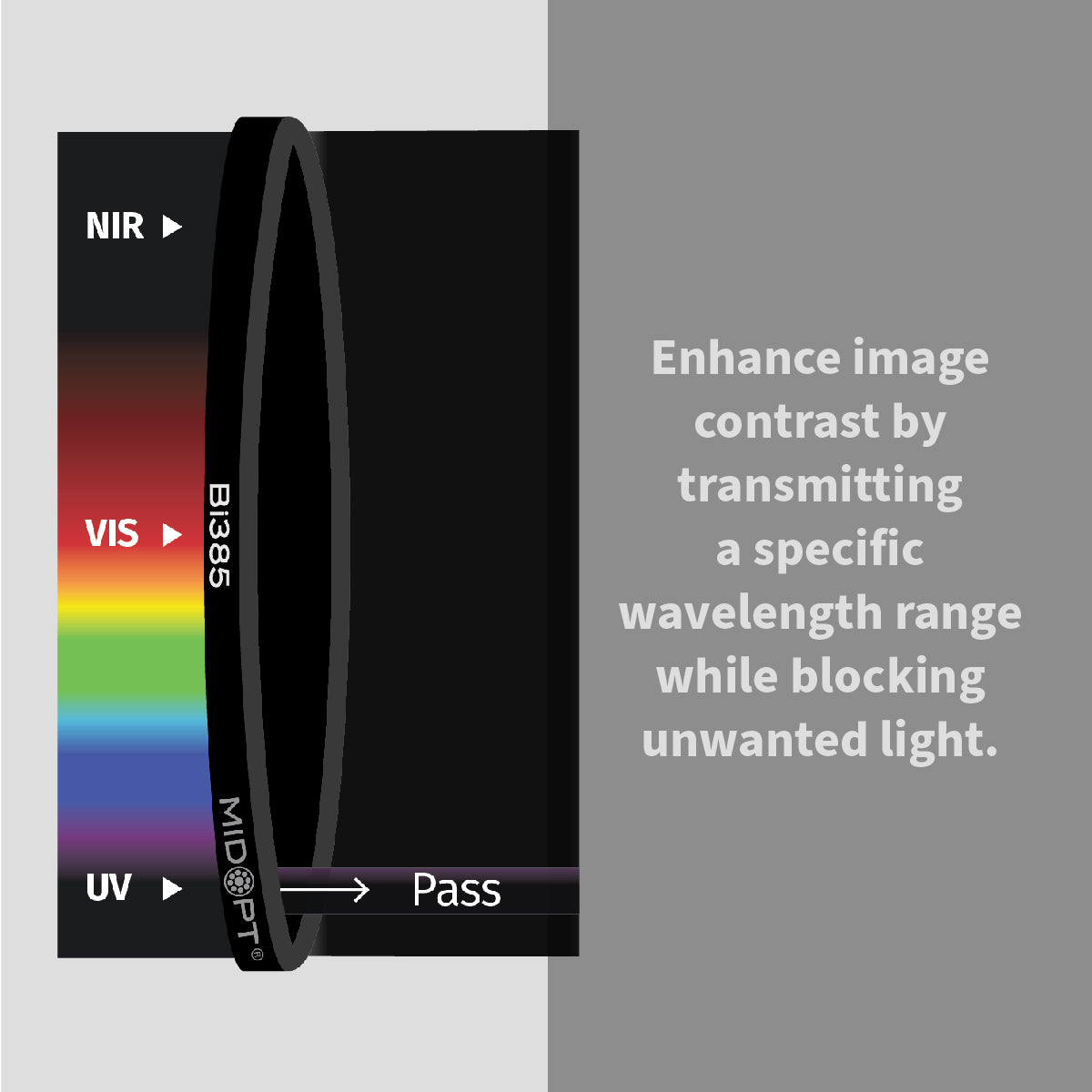
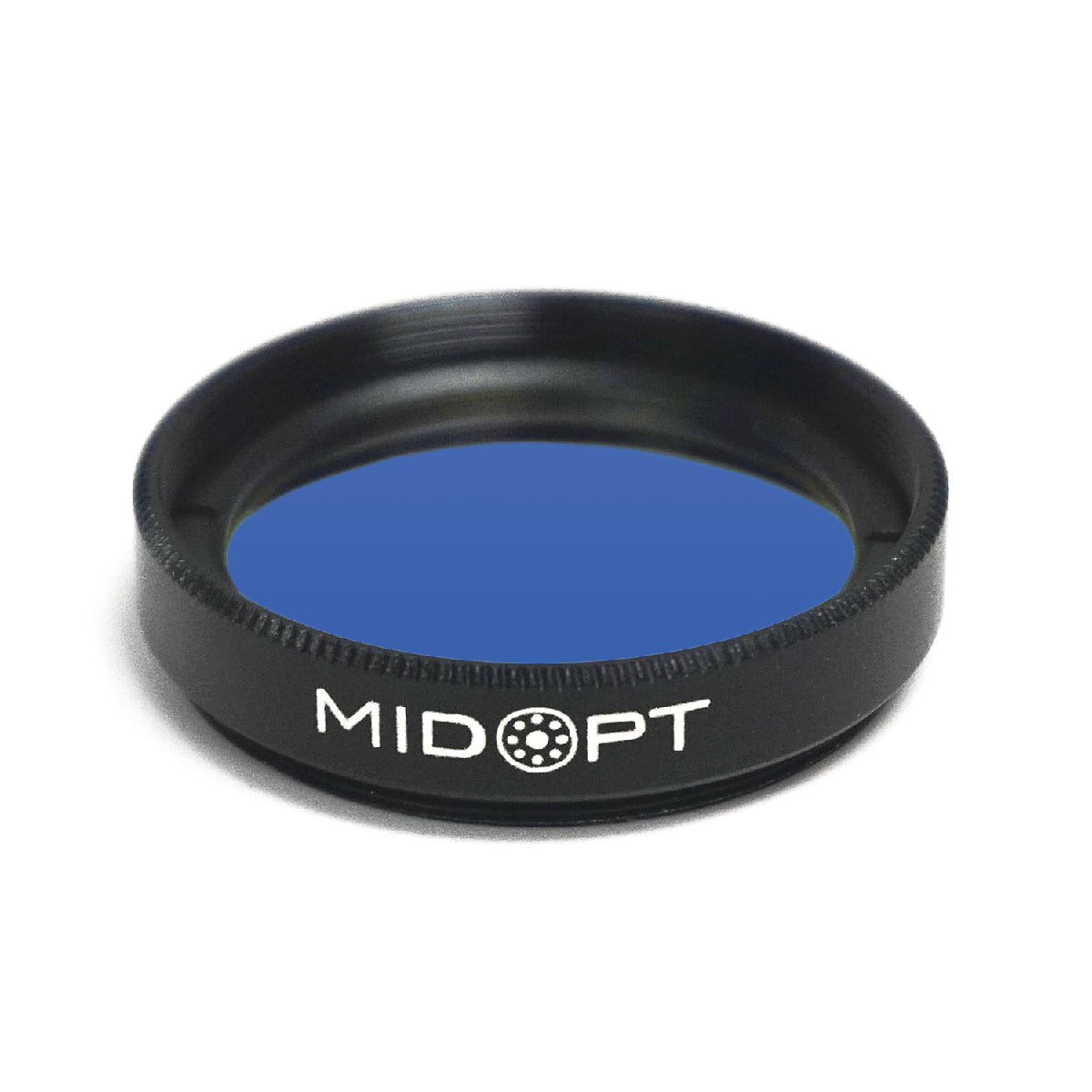
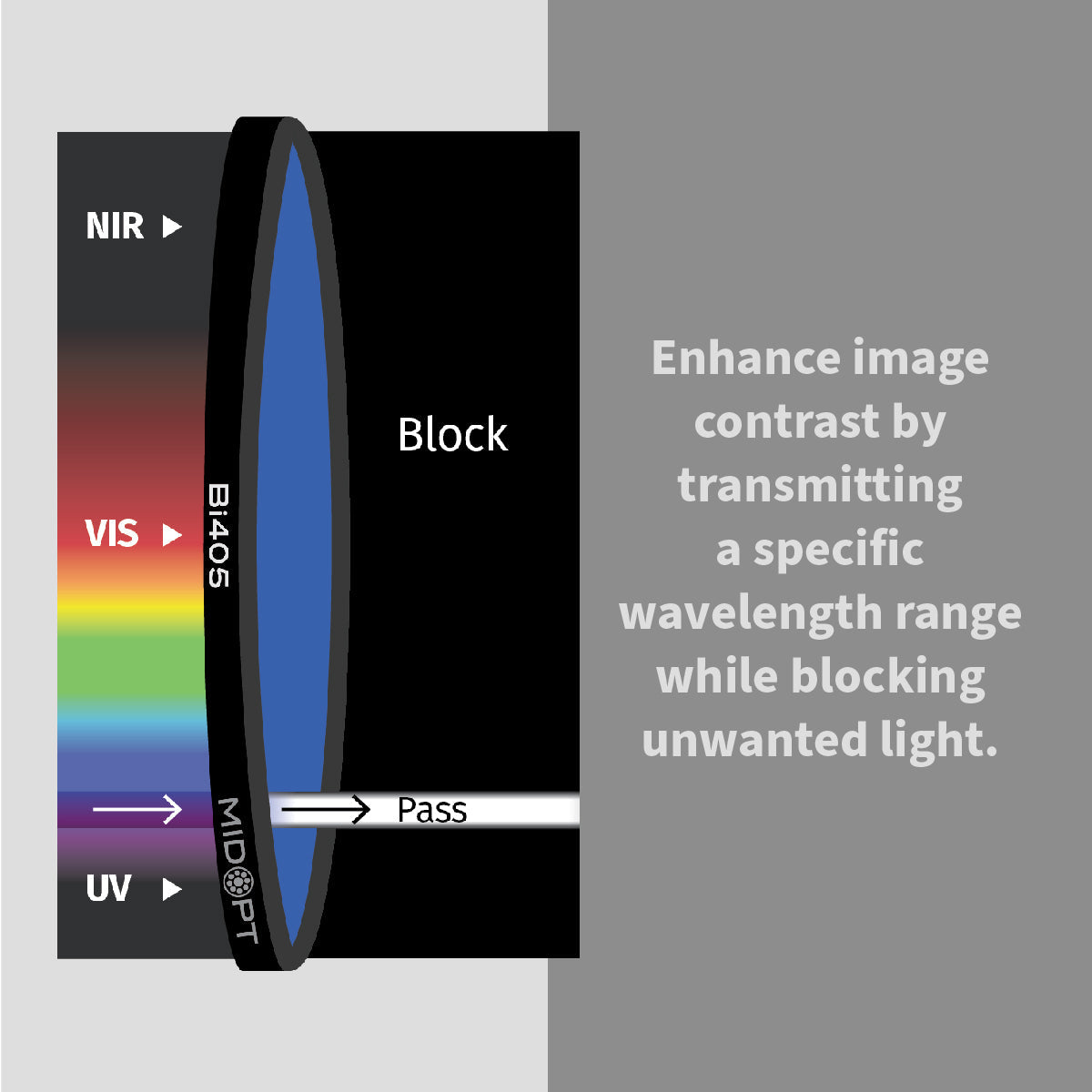
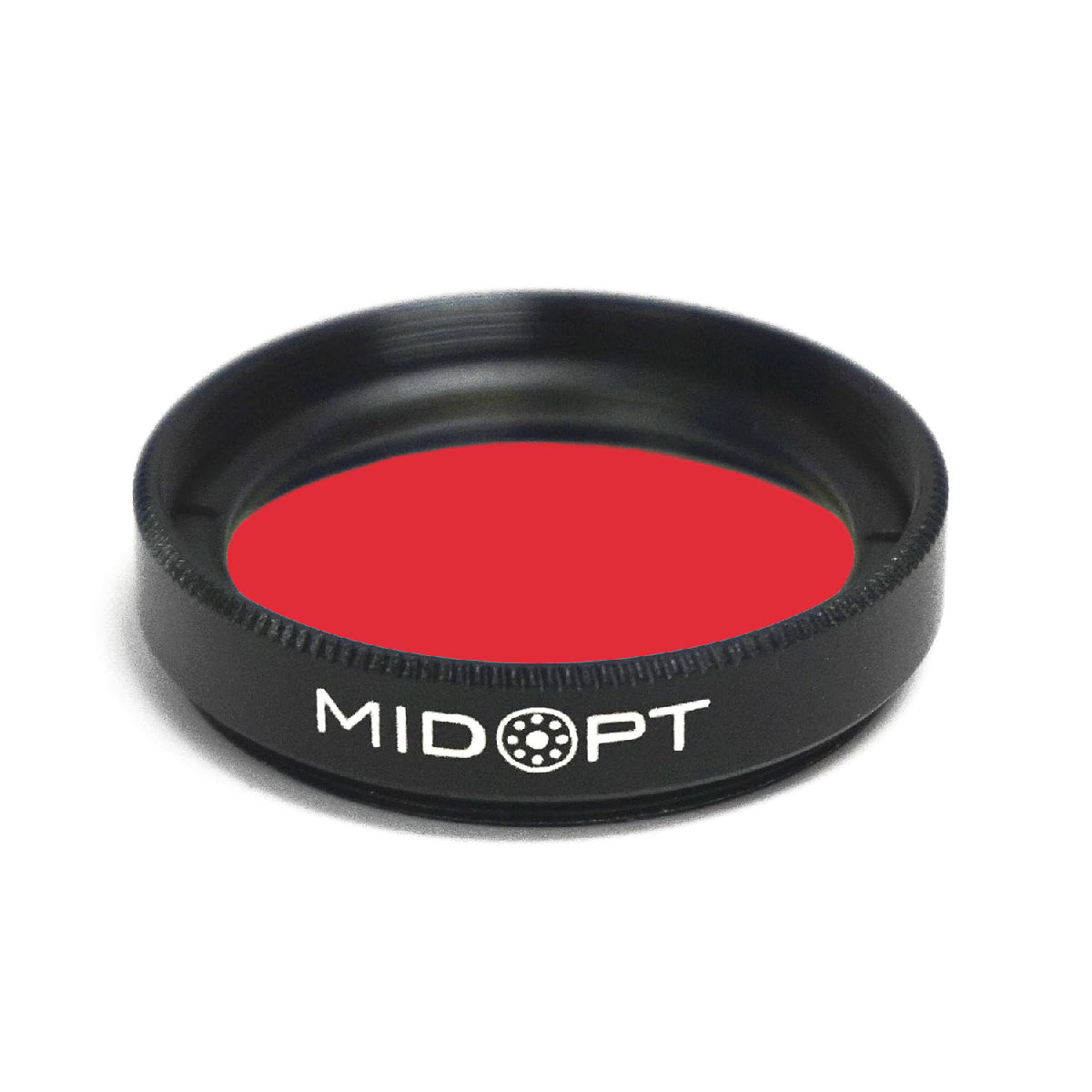
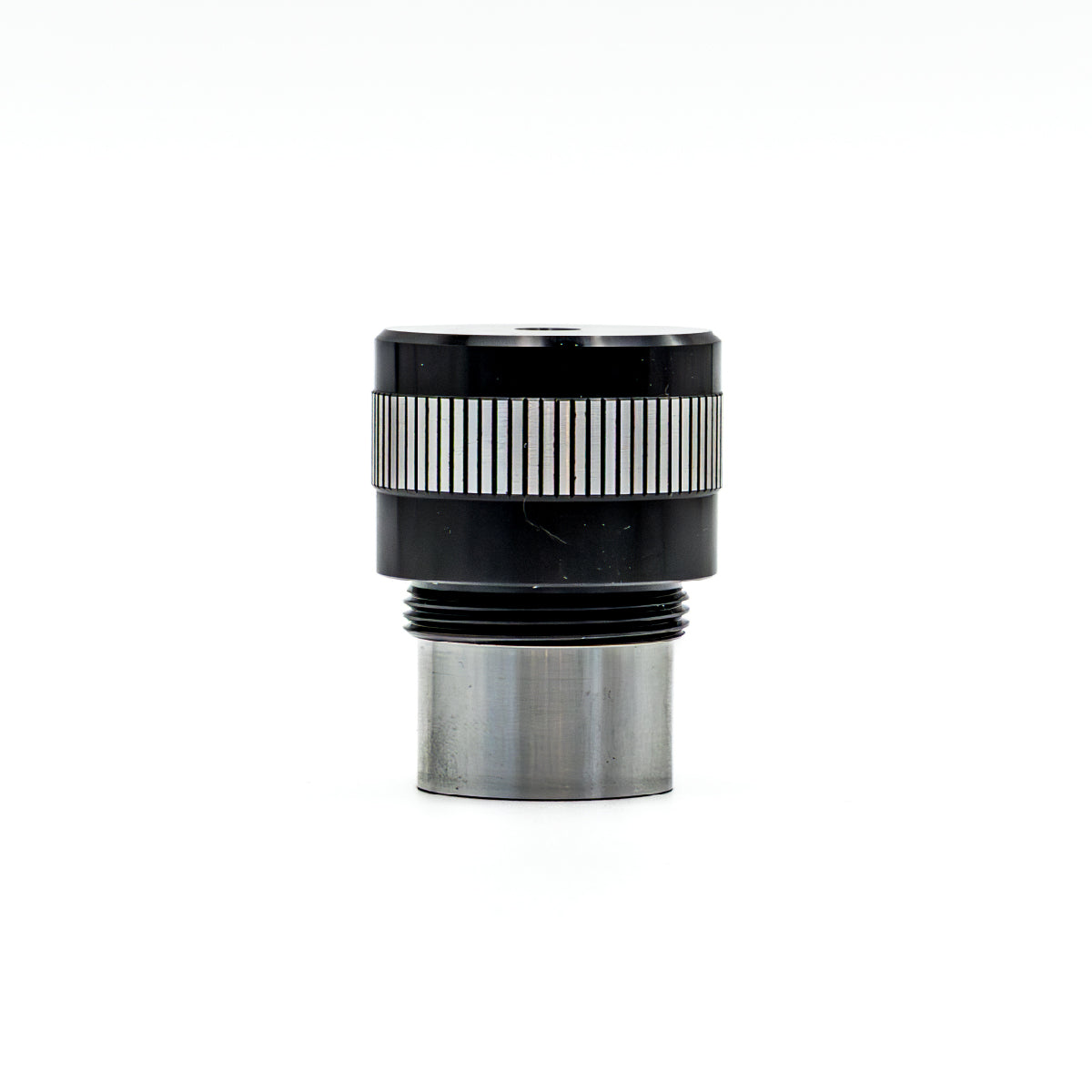
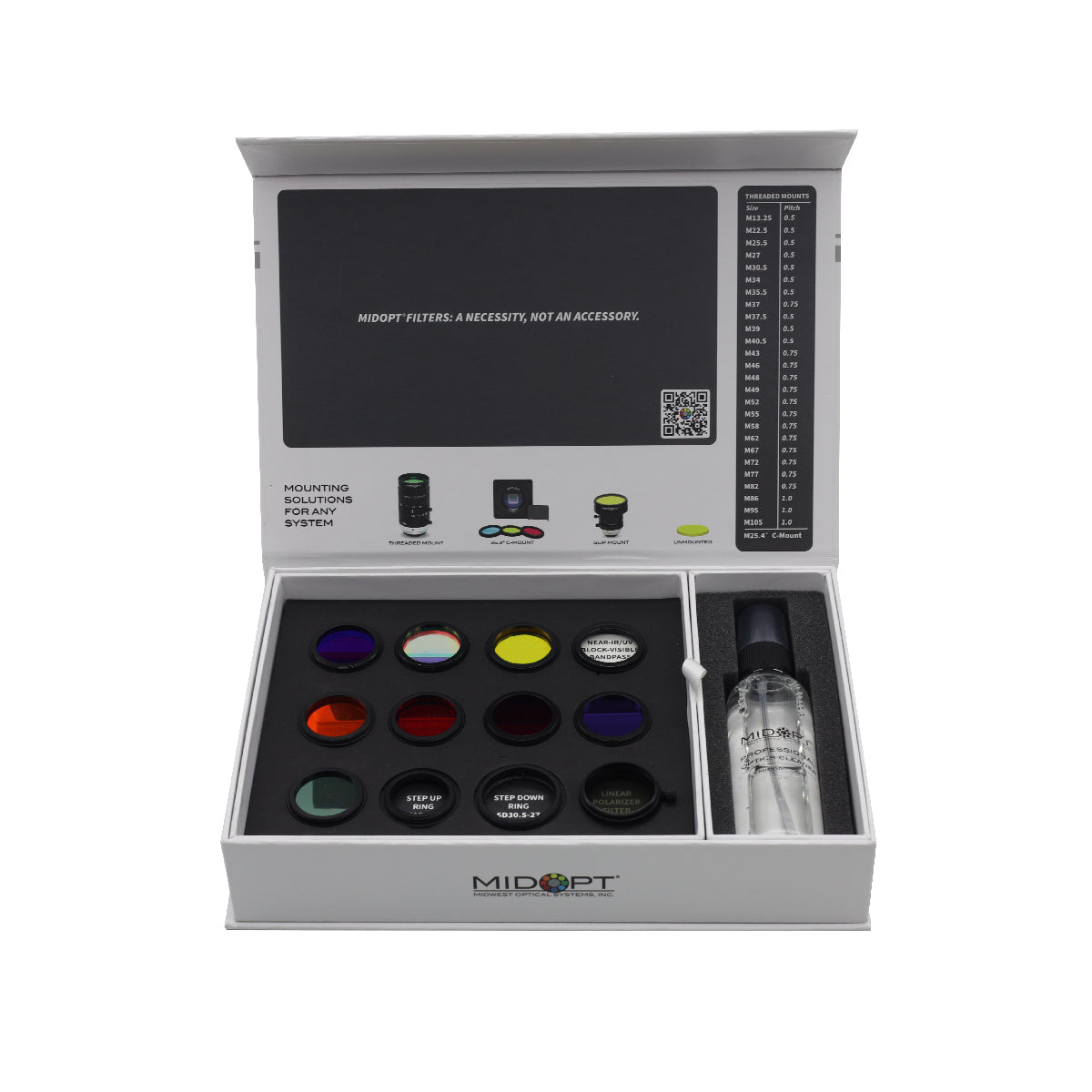
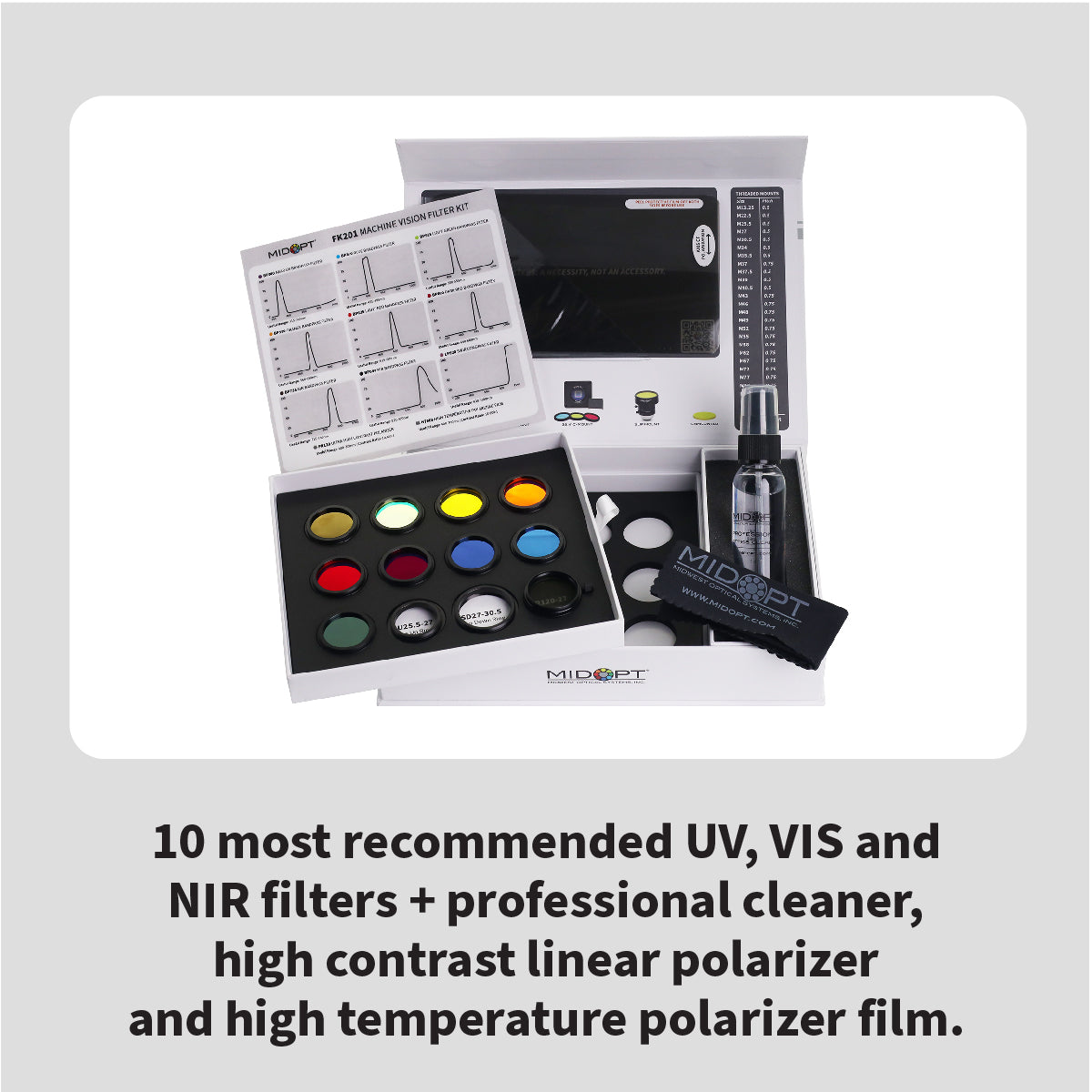
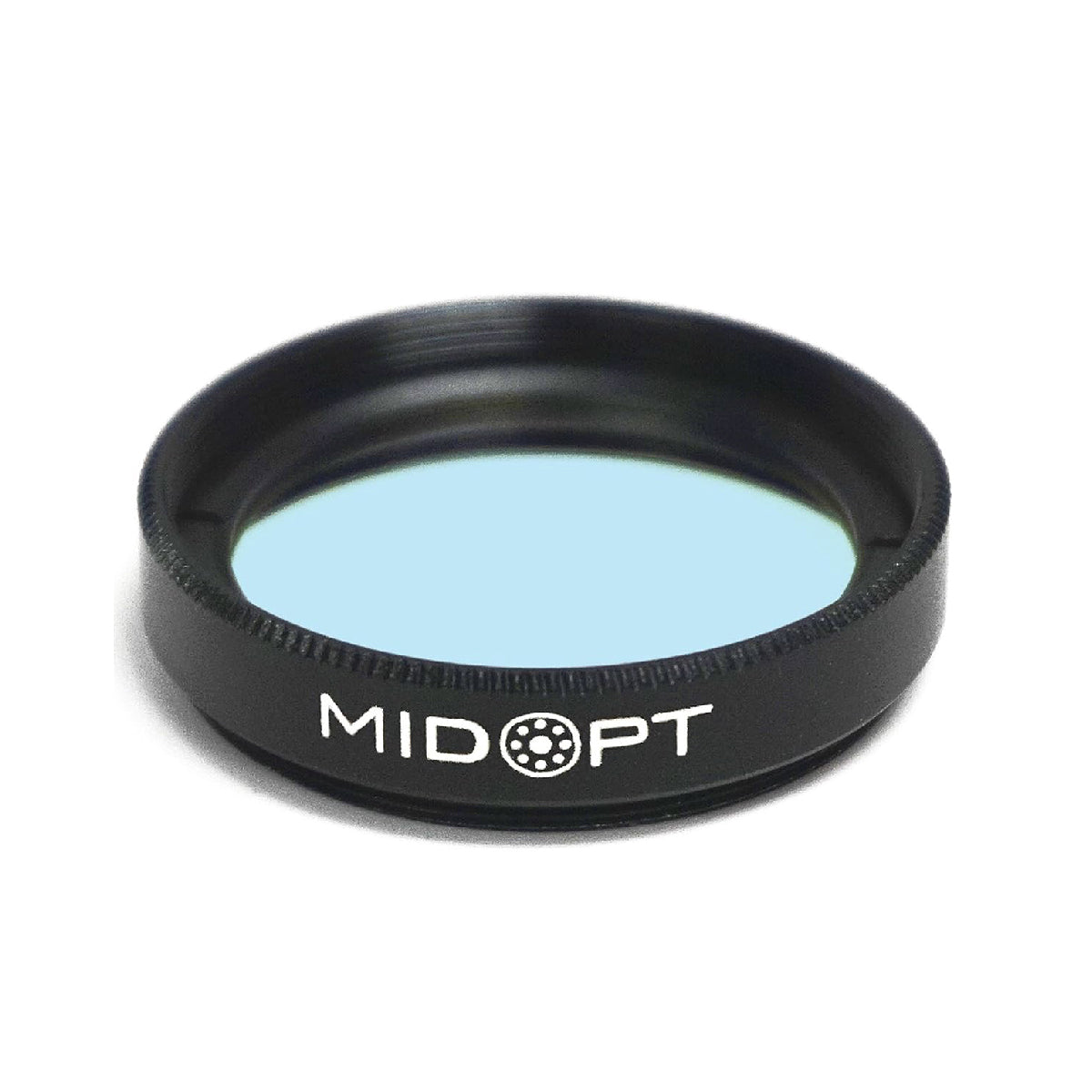
For over three decades, MidOpt® has focused exclusively on developing high-performance machine vision filters designed specifically for industrial imaging applications. Their philosophy is simple: create optical filters for machine vision using the precision of machine vision.
Industrial machine vision lighting plays a crucial role in enabling high-quality image capture for automated inspection, measurement, robotics, and quality control systems. In machine vision applications, lighting is not just an accessory — it is a fundamental component that directly influences image clarity, contrast, repeatability, and overall system performance.
Unlike general lighting, machine vision lighting is engineered to provide controlled, uniform illumination optimized for the specific needs of imaging systems. These lights help eliminate shadows, reduce glare, and enhance contrast so that cameras can reliably detect defects, measure features, and perform accurate visual analysis even under challenging industrial conditions.
At FJW Optical, we offer a wide range of industrial machine vision lighting solutions, including ring lights, bar lights, backlights, dome lights, and area lights. Our lighting products are designed to work seamlessly with industrial cameras and lenses, delivering consistent, high-intensity illumination for demanding vision applications across manufacturing, automation, medical imaging, and scientific research.
Machine vision lighting refers to specialized illumination designed specifically for vision systems and automated imaging applications. These lighting sources are engineered to evenly illuminate a target area so that vision sensors and cameras can capture the highest possible image quality.
Good lighting is essential because even the most advanced camera and lens combination will struggle to deliver accurate results under poor or inconsistent illumination. Machine vision lights help ensure reliable imaging, repeatable inspection results, and reduced false negatives or positives in automated systems.
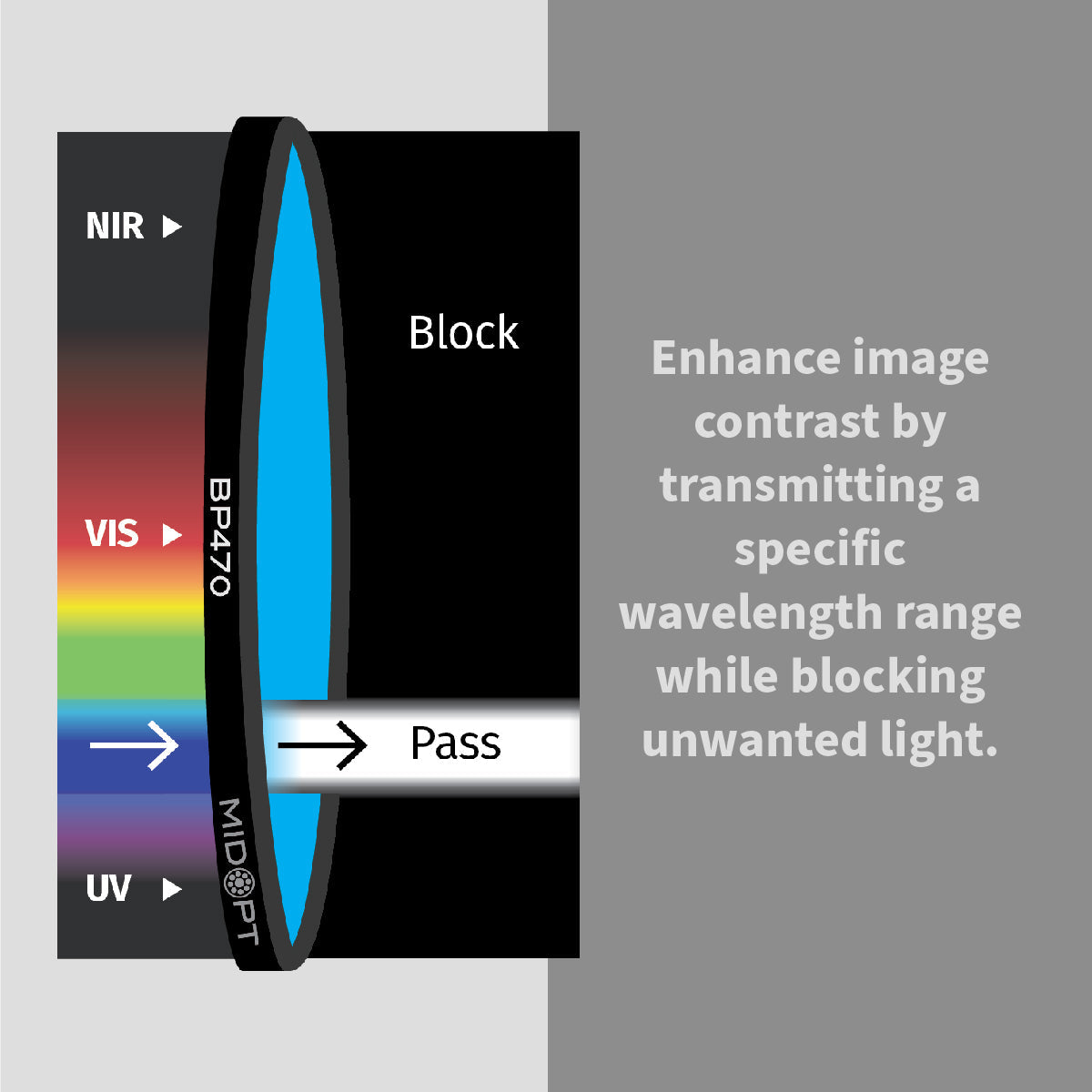
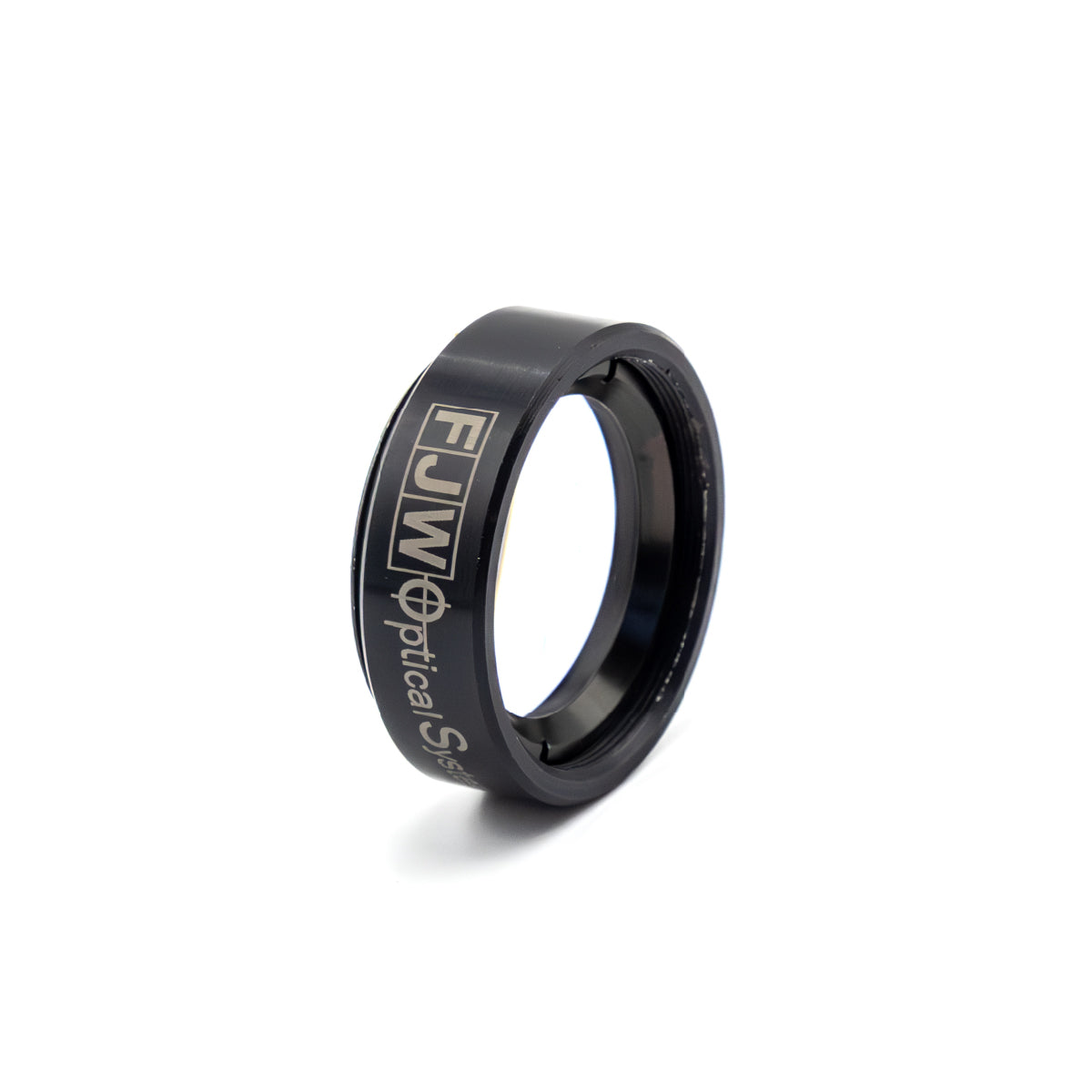
Lighting works in conjunction with industrial cameras, precision lenses, and optical filters to create the contrast required for accurate inspection and measurement.
Machine vision systems rely on consistent, uniform light to capture predictable images — and machine vision lighting delivers exactly that. Here's why machine vision lighting is so critical:
Proper lighting enhances contrast between the object and background, making edges and features more visible and easier to analyze.
Controlled illumination minimizes uneven light distribution, shadows, or overexposed areas that can impede image analysis.
Uniform lighting improves the accuracy of dimensional comparisons, defect detection, and automated analysis.
Industrial lighting maintains consistent performance, even in variable ambient conditions, reducing the need for repeated calibration.
Different applications require specific types of lighting. Below are common categories used in machine vision and industrial imaging:
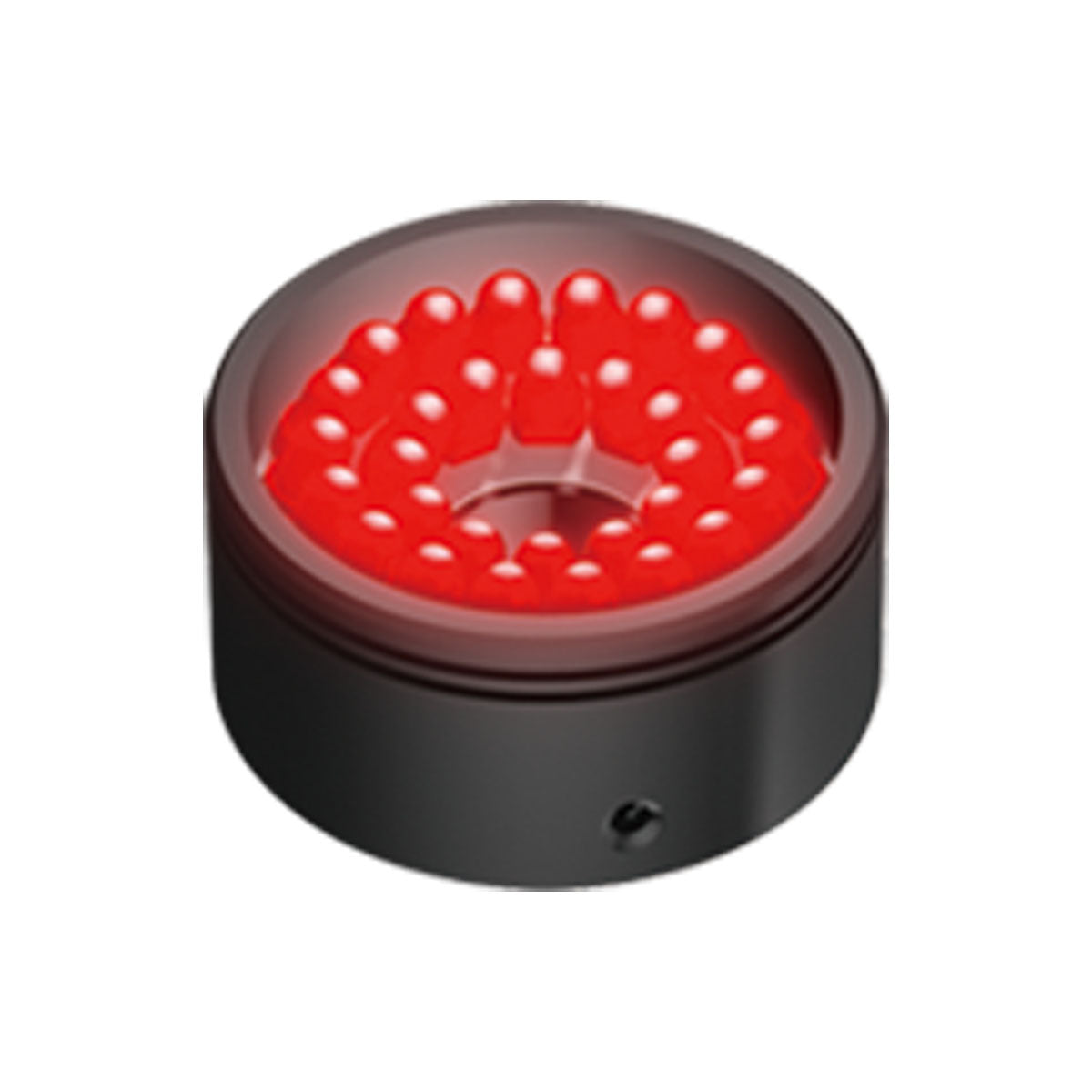
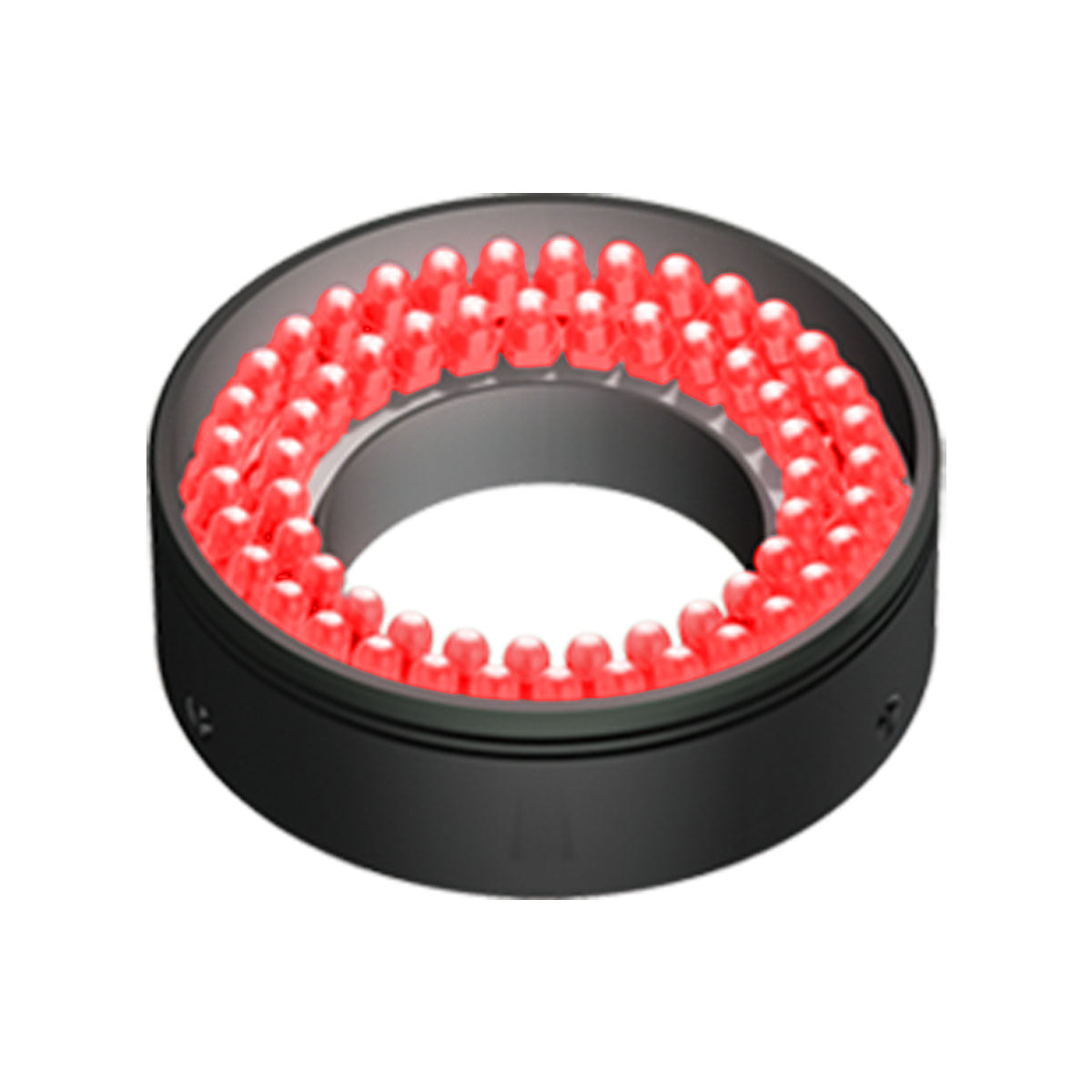
Ring lights surround the camera lens to provide even illumination, ideal for inspecting round objects or features with minimal shadows.
Bar lights offer directional lighting and are suitable for line scanning or highlighting features in a specific orientation.
Dome lights create soft, shadow-free illumination that reduces specular reflection on shiny or reflective surfaces.
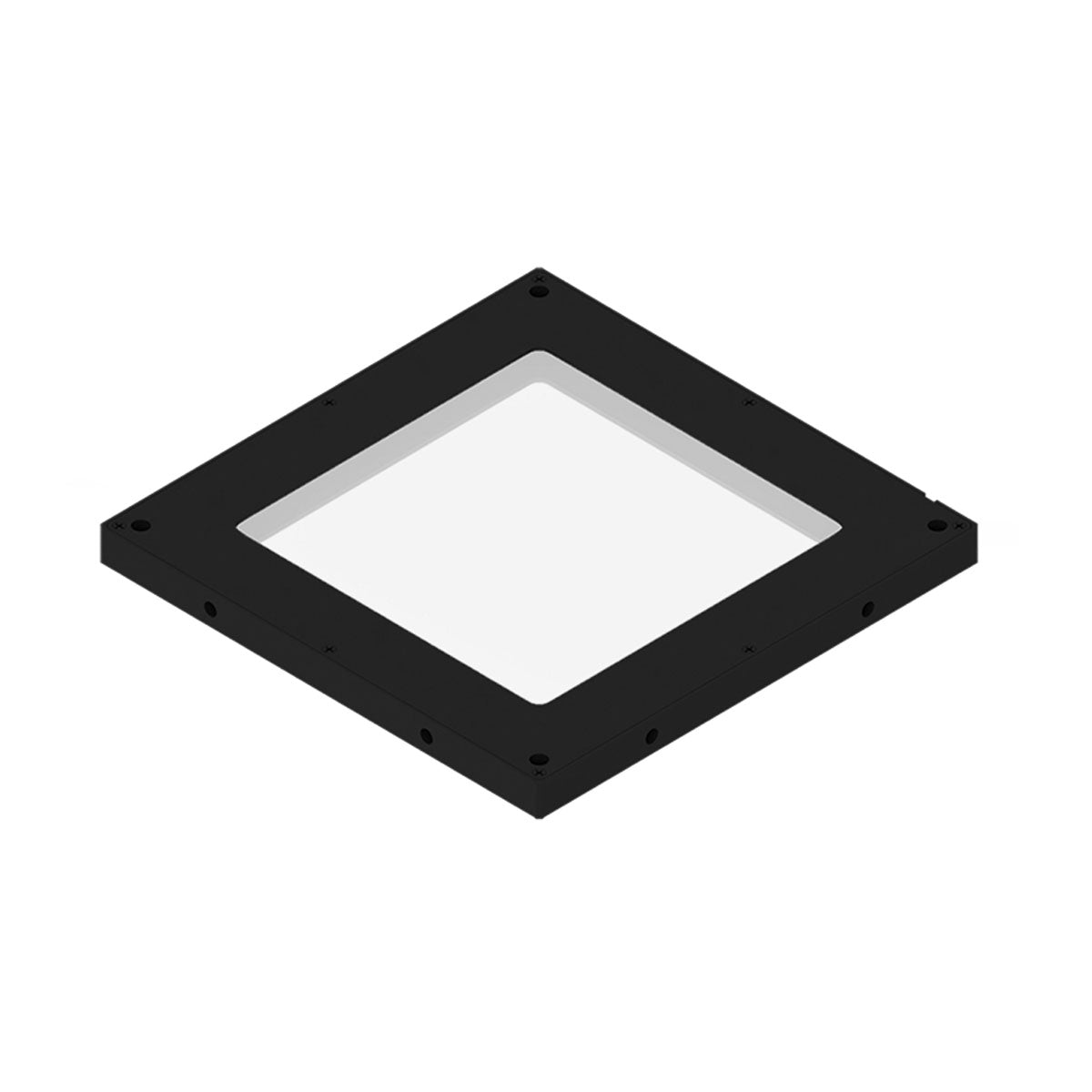
Backlights place the light source behind the object to produce a silhouette image, making it easier to measure shape, size, and position.
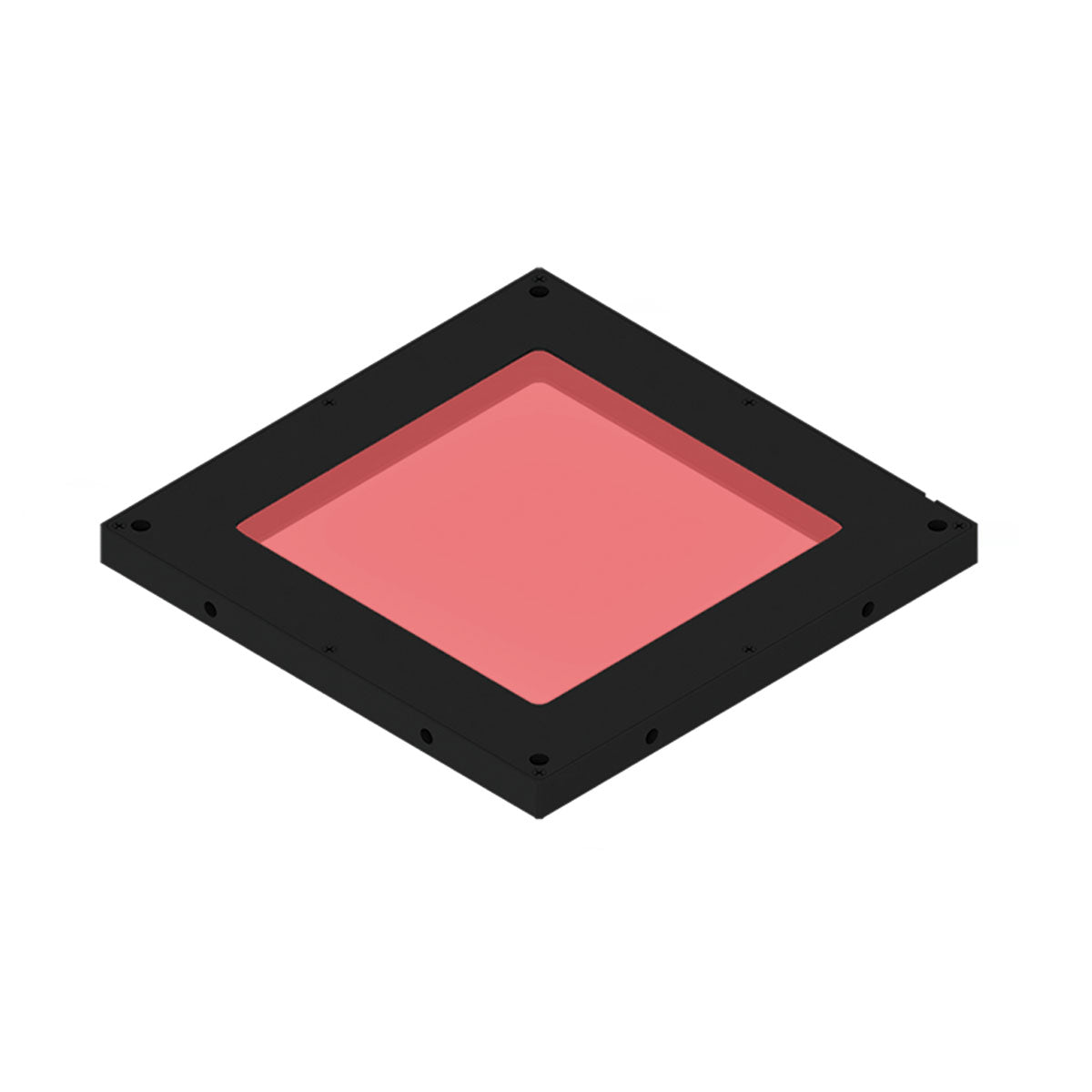
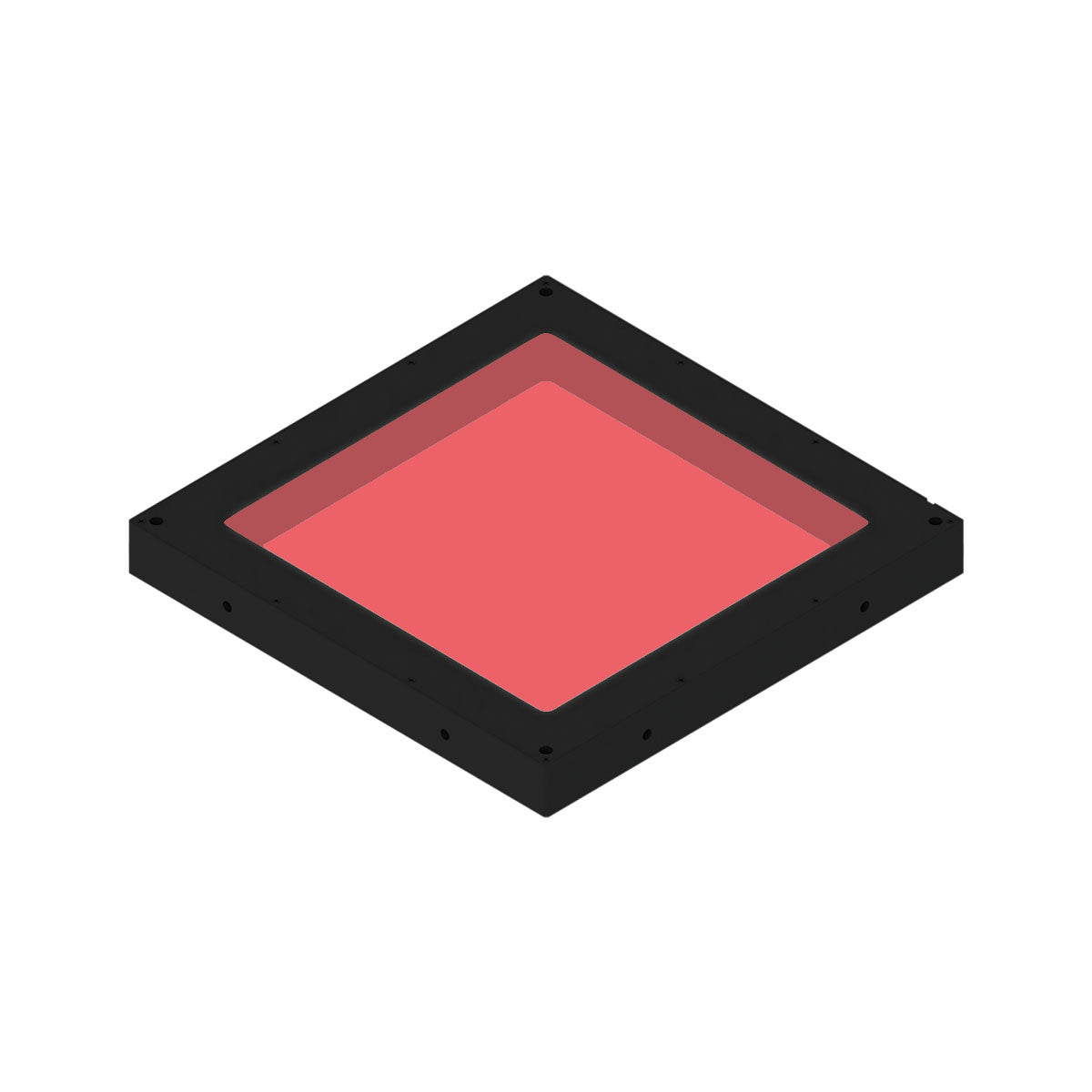
Area lights provide broad illumination over large or irregular surfaces, ideal for general inspection or high-throughput systems.
Selecting the ideal lighting solution involves understanding your system requirements and inspection goals. Consider the following factors:
At FJW Optical, we help customers choose lighting that matches their exact inspection needs to deliver optimal results.
Industrial machine vision lighting is essential across many sectors, including:
By enhancing illumination quality, these lighting systems help improve automation accuracy and reduce downtime.
Quality machine vision lighting offers a number of performance advantages:
Precision lighting results in clearer images that improve feature detection and minimize errors. In high-output lighting systems, Neutral Density Filters help regulate exposure without reducing illumination stability.
With consistent lighting, camera calibration is easier and requires less frequent adjustment.
Improved lighting supports faster inspection cycles, increasing productivity.
Uniform illumination delivers reliable image capture across different batches and conditions.
Machine vision lighting must work in harmony with the camera and lens chosen for the system. Factors to consider include:
FJW Optical offers lighting solutions that integrate seamlessly with vision hardware and software for reliable automation results.
Industrial imaging lighting components are critical to building reliable vision inspection systems. From precision machine vision illuminators to high-intensity LED lighting modules, each lighting component plays a role in delivering repeatable inspection accuracy.
Our industrial lighting solutions support:
Whether you are designing a new vision system or upgrading existing hardware, selecting the correct lighting component ensures optimal image contrast, defect detection accuracy, and system repeatability.
High-performance machine vision lighting is engineered to provide consistent illumination across high-speed and precision inspection environments. Precision machine vision illuminators reduce variability in image capture and improve feature detection in applications such as:
By optimizing wavelength selection, light intensity, and positioning, industrial lighting systems significantly improve inspection reliability and reduce false rejects.
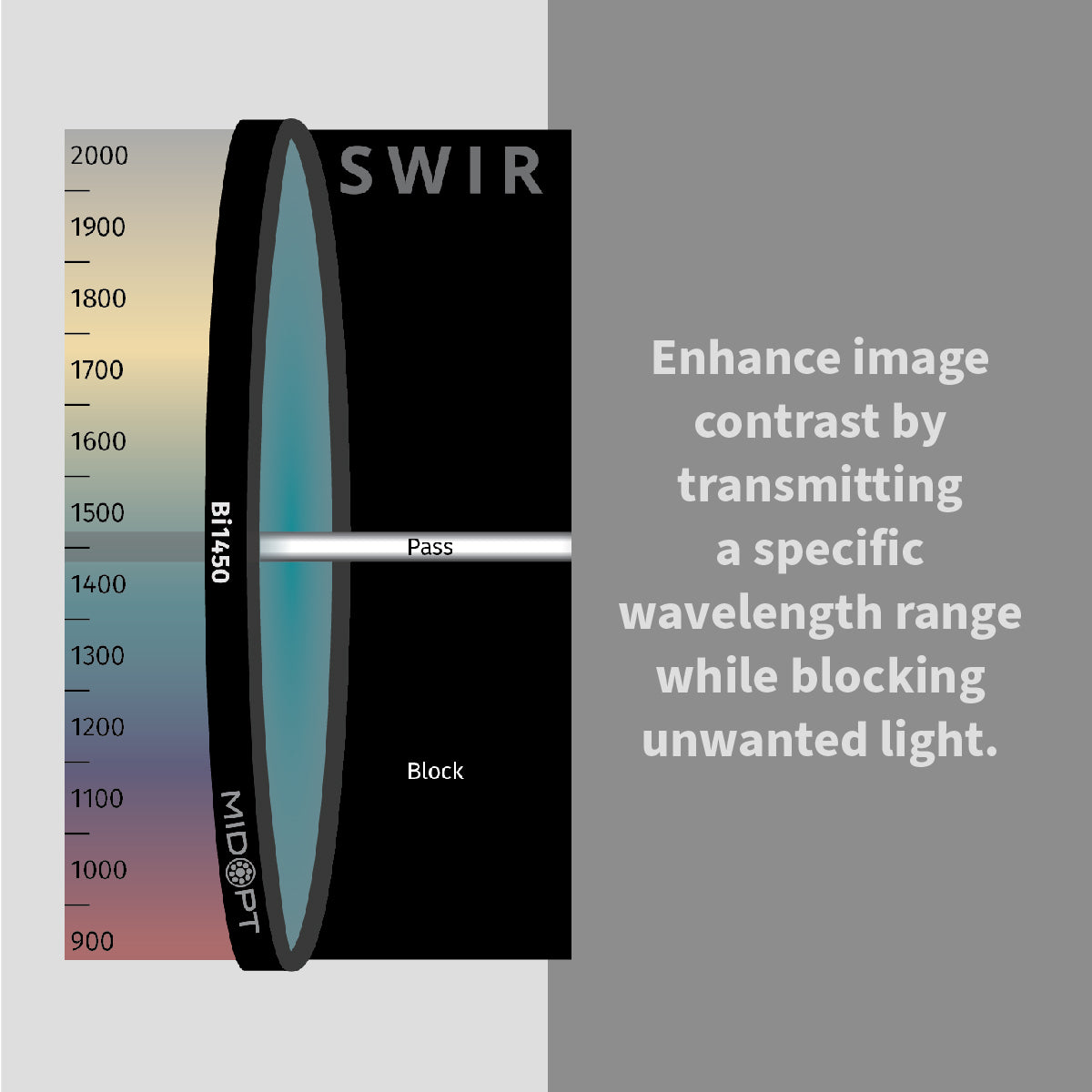
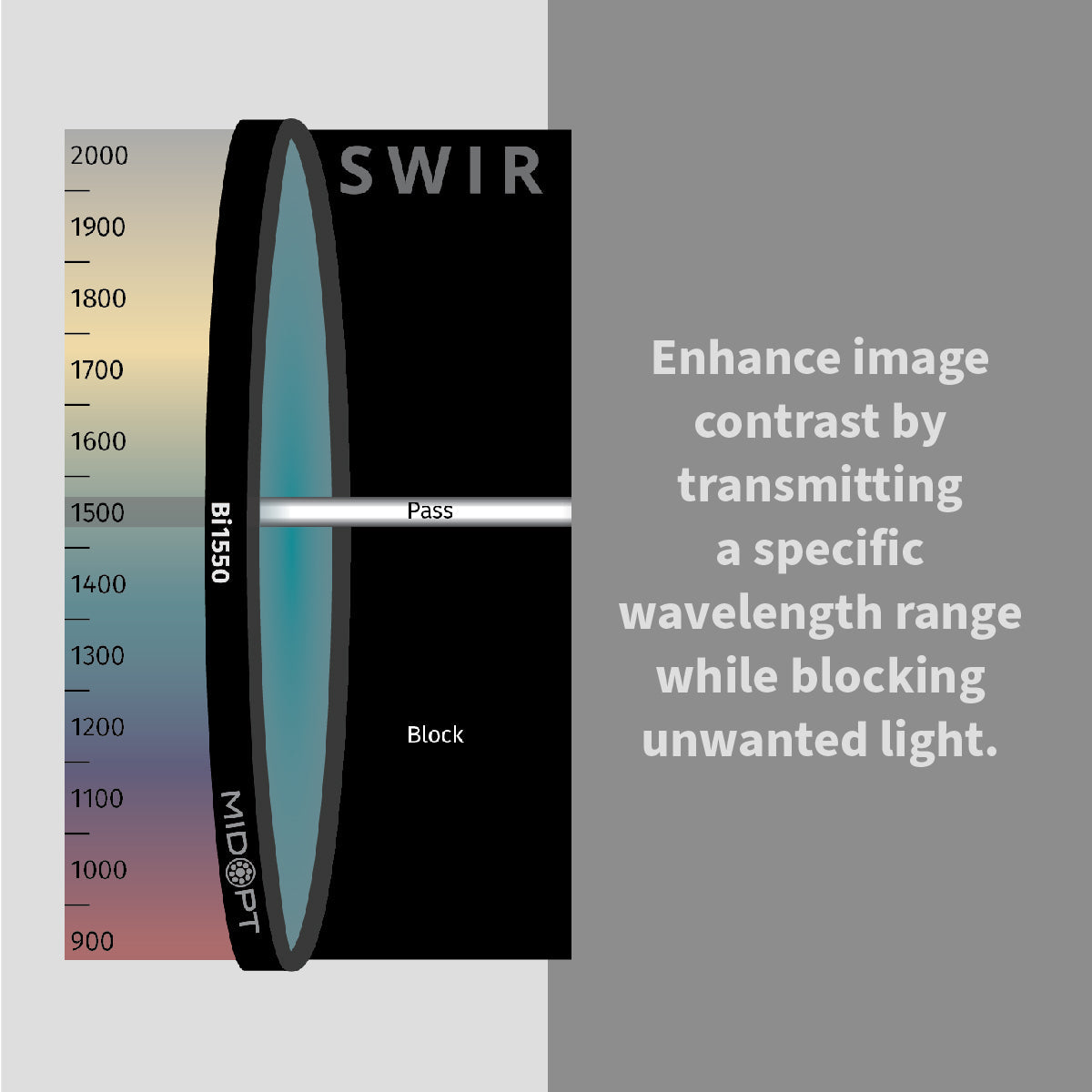
Different inspection applications require specific light wavelengths to enhance contrast and reveal hidden features. Machine vision lighting is available in:
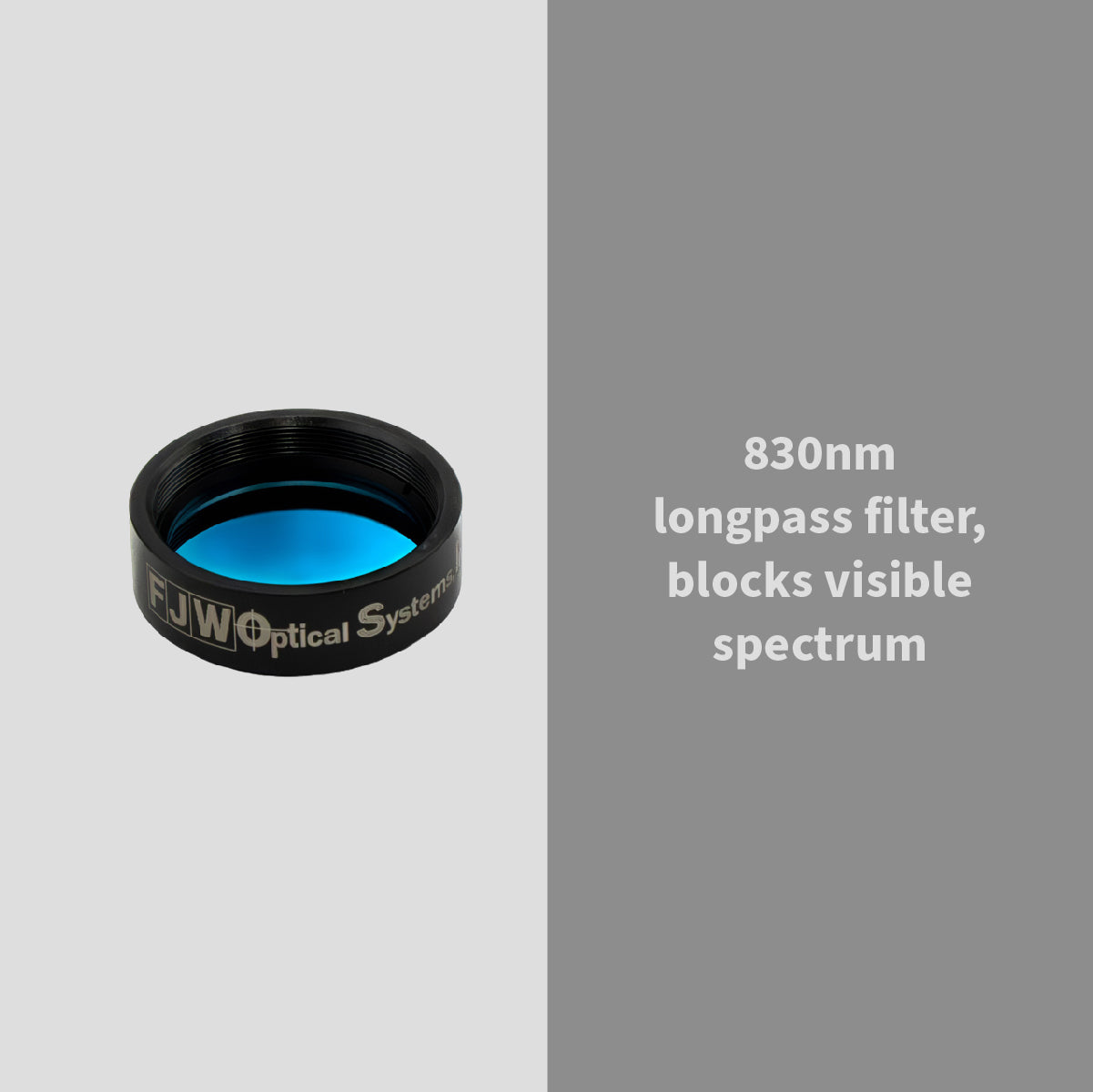
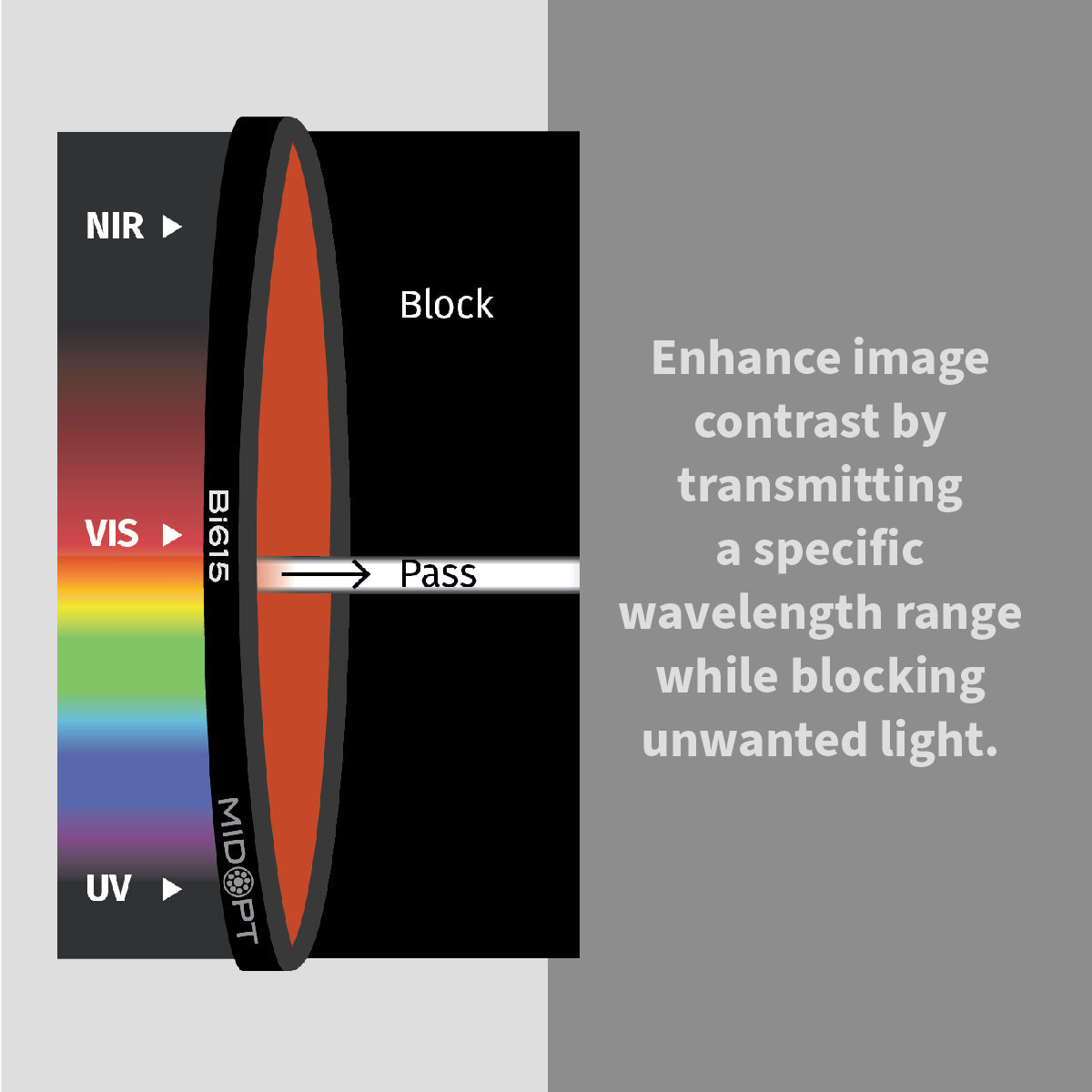
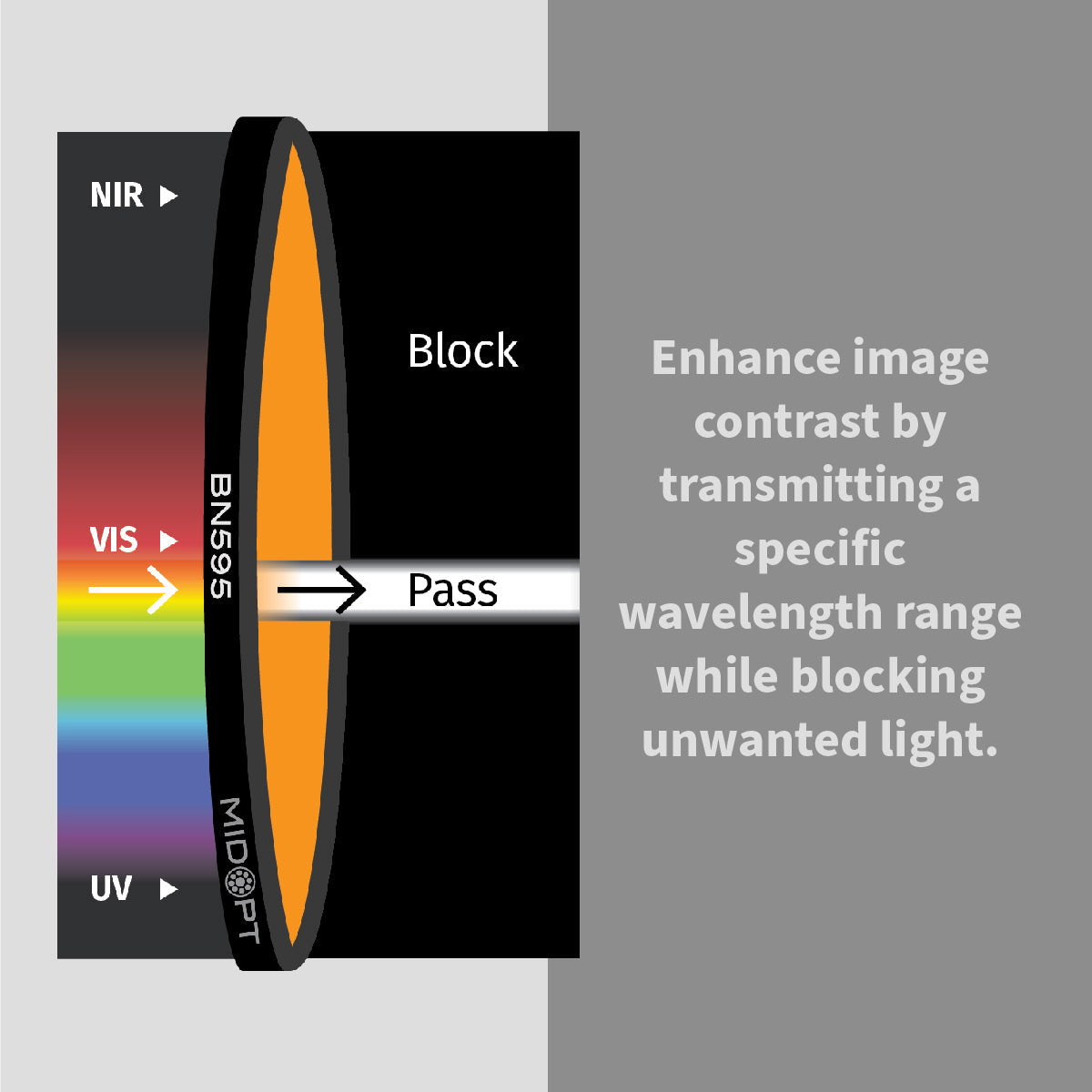
Selecting the correct wavelength dramatically improves image clarity when paired with the appropriate industrial camera and optical filter system.
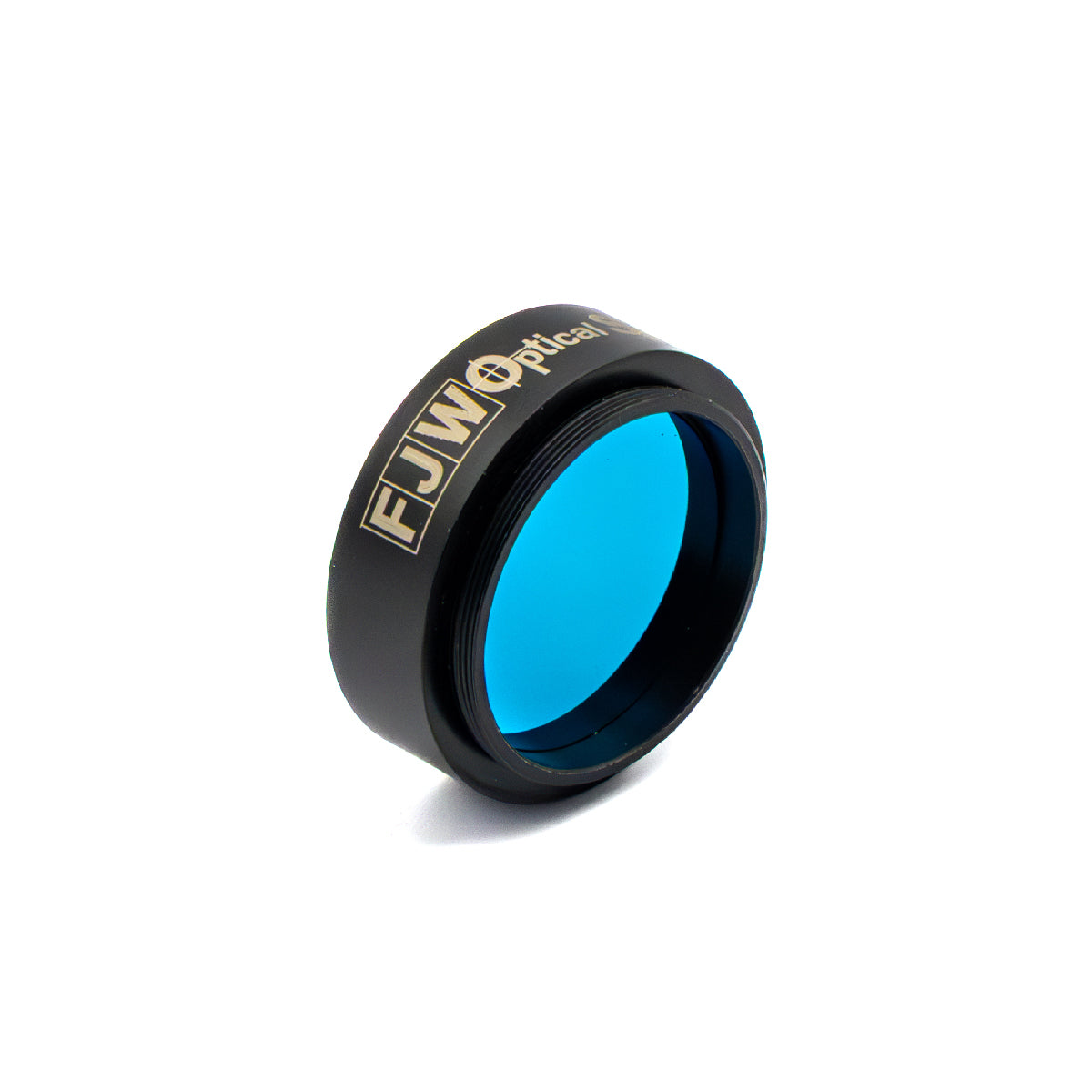
Effective lighting must be matched with the appropriate lens focal length, camera sensitivity, and filter selection to eliminate glare and improve edge detection. Stable mounting accessories further enhance system reliability in automated environments.
With years of expertise in industrial imaging, FJW Optical provides trusted vision lighting solutions that help businesses enhance inspection accuracy and operational efficiency.
When you choose FJW Optical:
We are dedicated to helping you achieve optimal imaging performance and long-term system reliability.
Recent Article: Lighting vs Filters in Machine Vision: How to Optimize Image Quality for Industrial Inspection (2026 Guide)
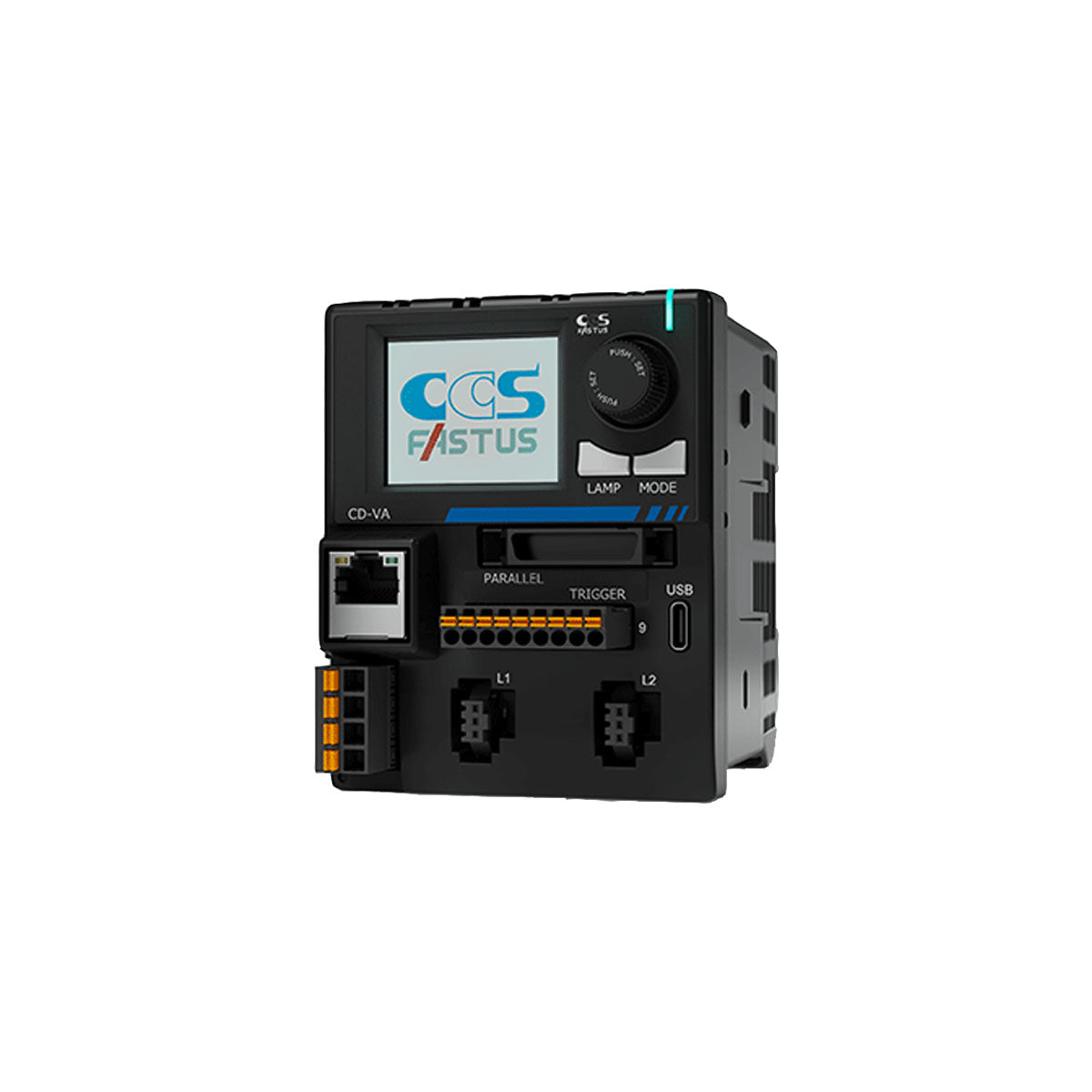
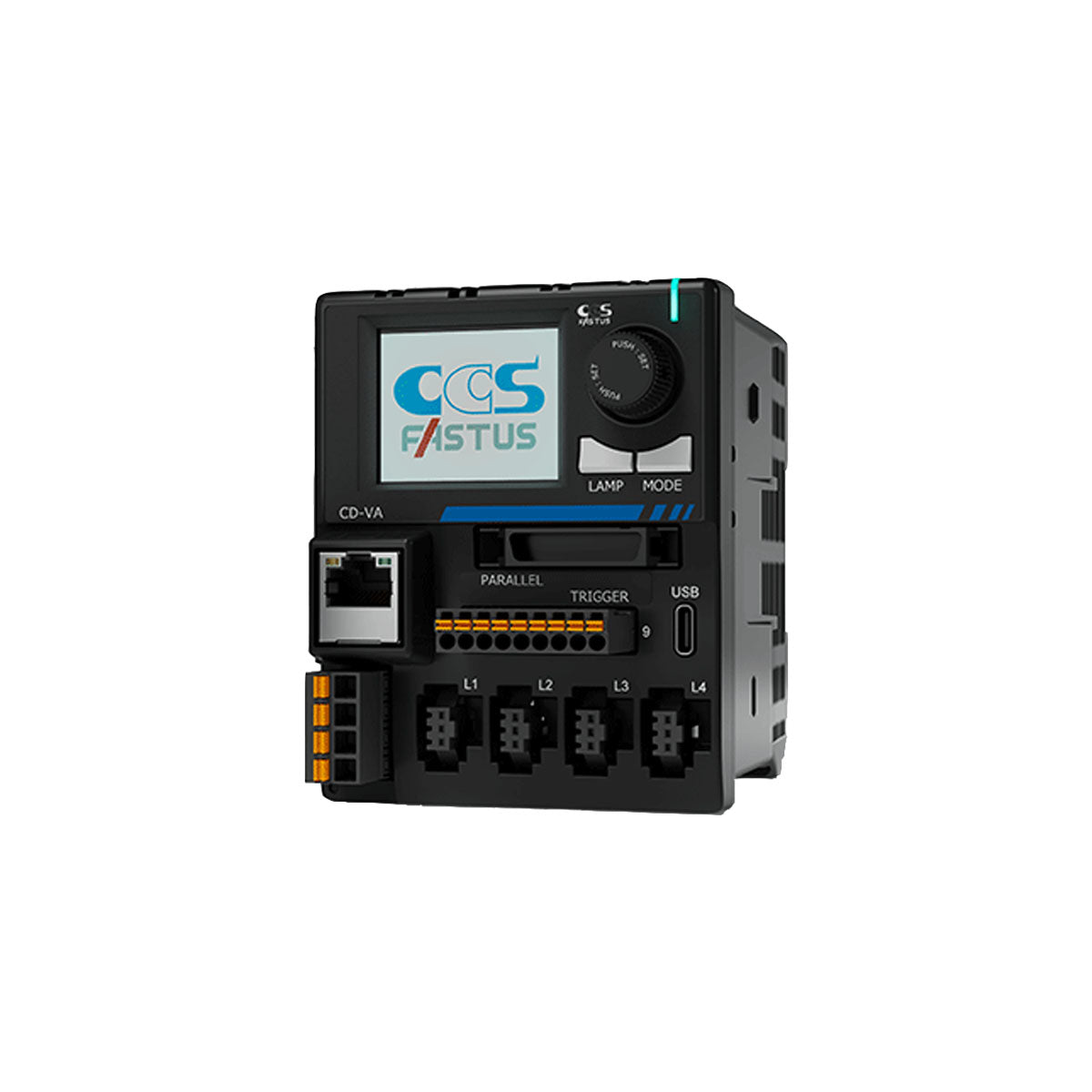
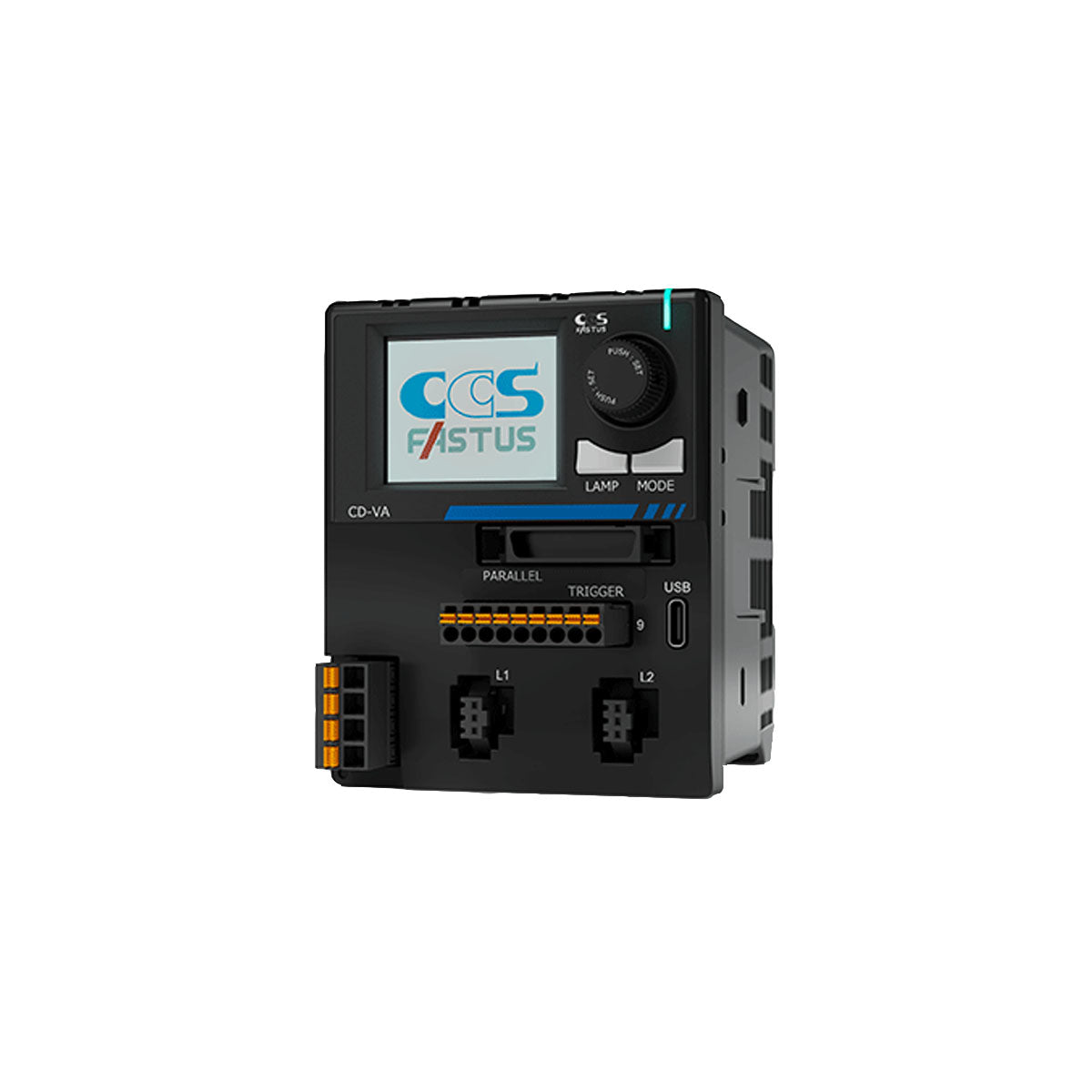
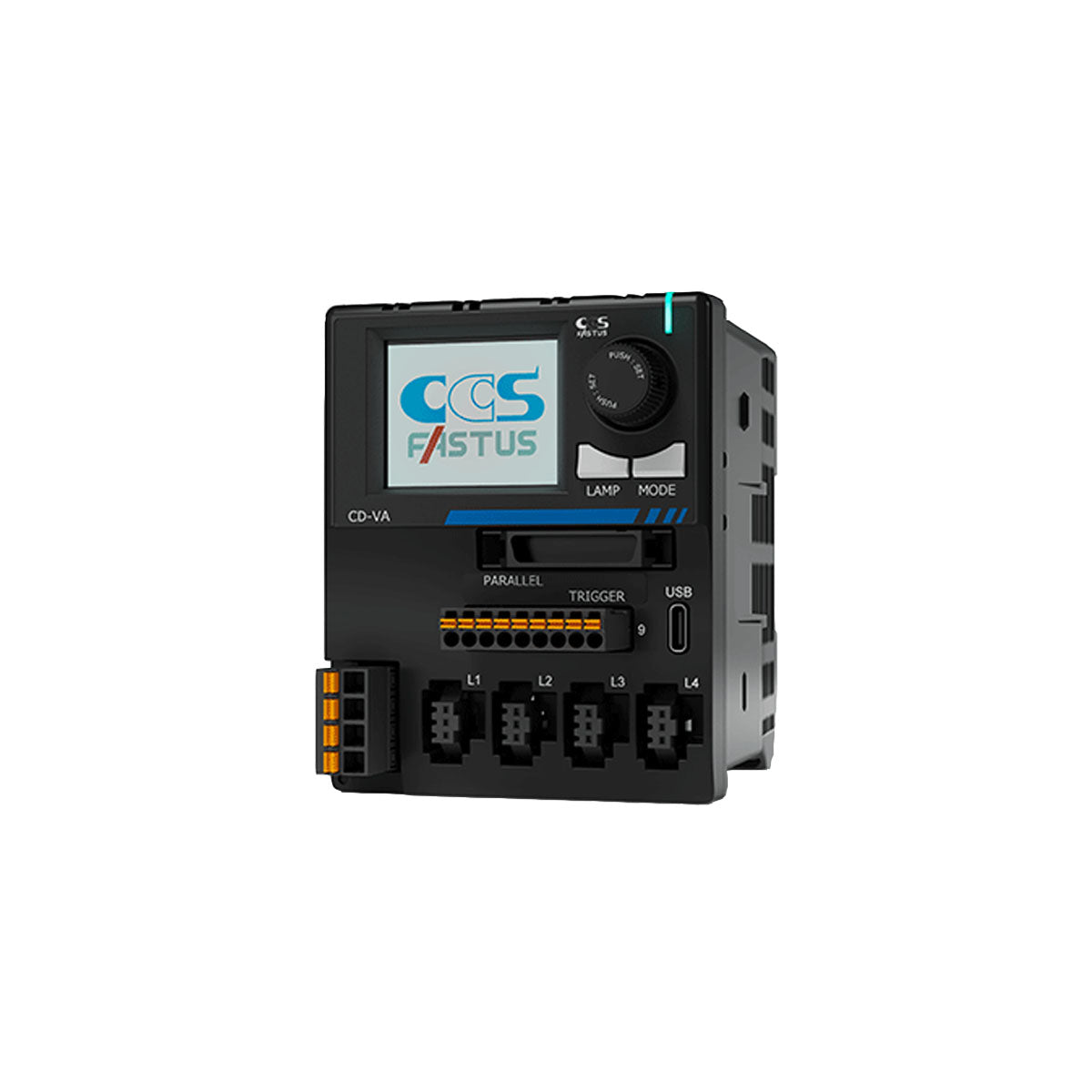
Our machine vision lighting solutions are built around advanced LED technologies from manufacturers specializing in industrial illumination. Lighting systems from CCS America provide uniform, stable illumination that improves contrast and repeatability in inspection, measurement, and automated vision applications.
Machine vision lighting refers to specialized light sources designed to provide controlled, uniform illumination for vision systems used in automated inspection and imaging.
Good lighting increases contrast, reduces shadows, and ensures cameras capture sharp, reliable images, which improves the accuracy and consistency of inspection results.
Common types include ring lights, bar lights, dome lights, backlights, and area lights — each optimized for specific inspection needs.
Consider factors such as surface material, field of view, working distance, ambient light, and camera sensitivity. FJW Optical can help evaluate your exact requirements.
Machine vision lighting can use visible, infrared (IR), or ultraviolet (UV) wavelengths depending on application needs and contrast requirements.
Yes — synchronized lighting with controlled strobing can support high-speed imaging without motion blur.
Many industrial vision lights offer adjustable intensity and lighting modes to match camera settings and improve image quality.
Industrial vision lights are designed for longevity and durability, often lasting tens of thousands of hours, even under continuous operation.