$15.00
$15.00

 Find-R-Scopes
 Filters
 Lenses
 Cameras
 Lighting

 Accessories








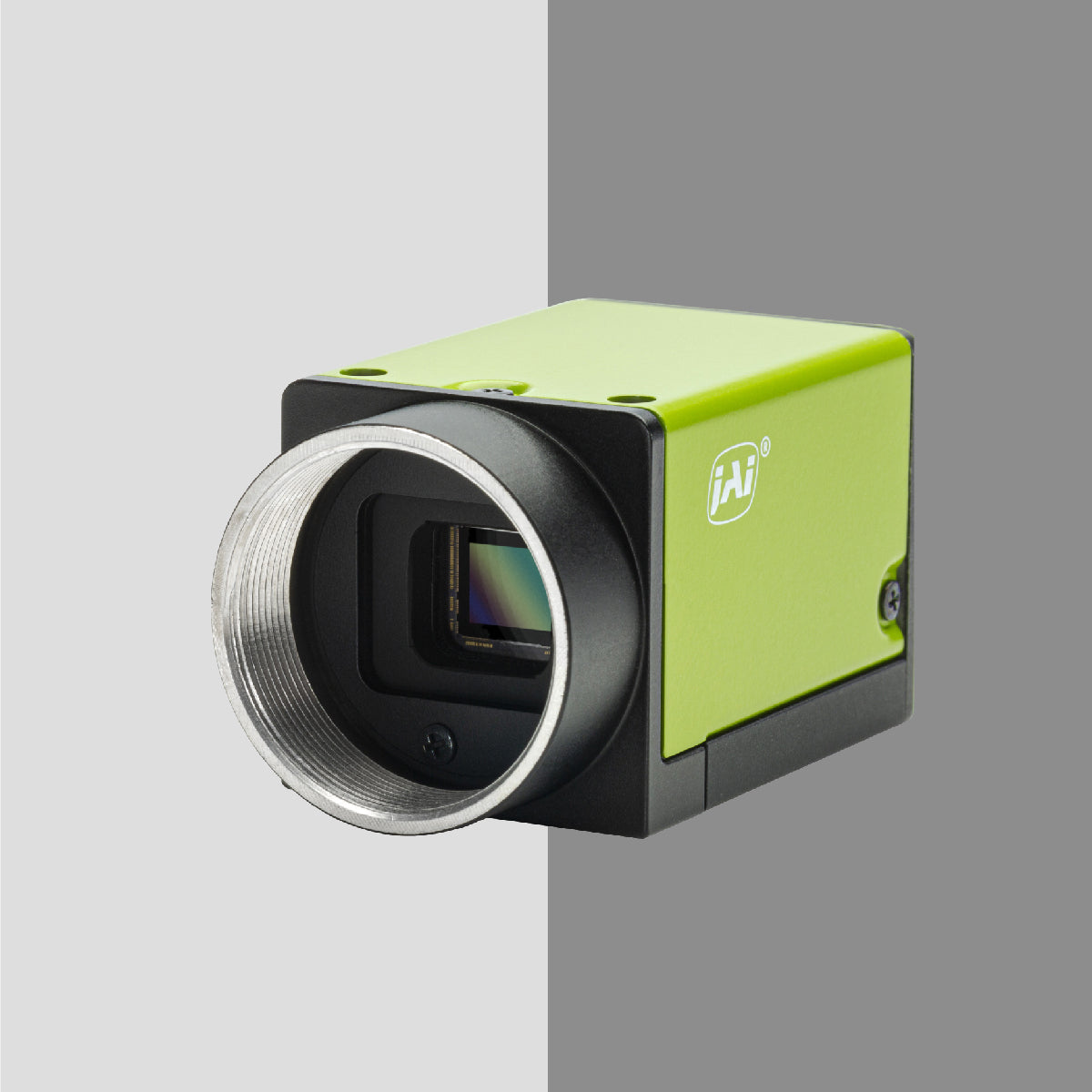
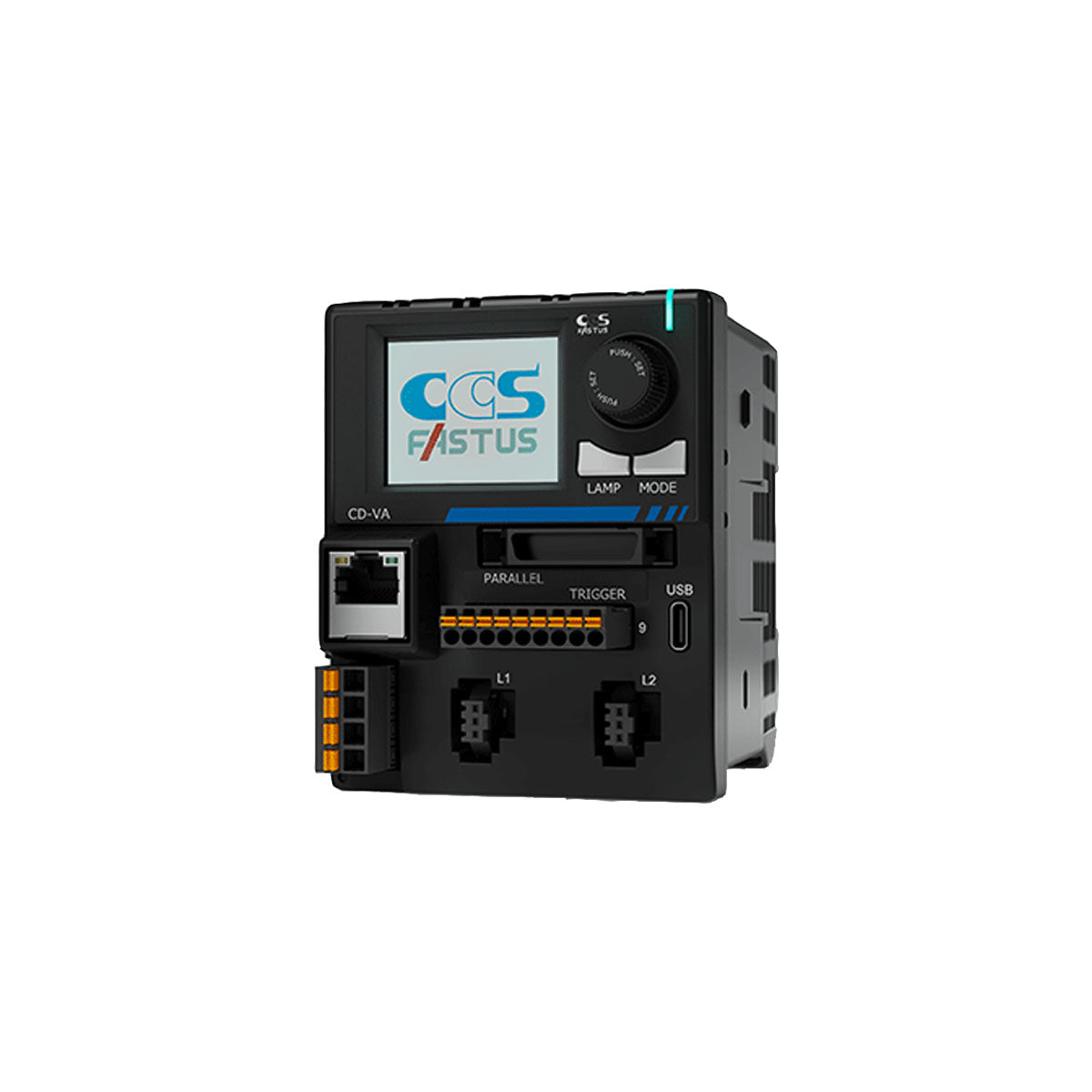
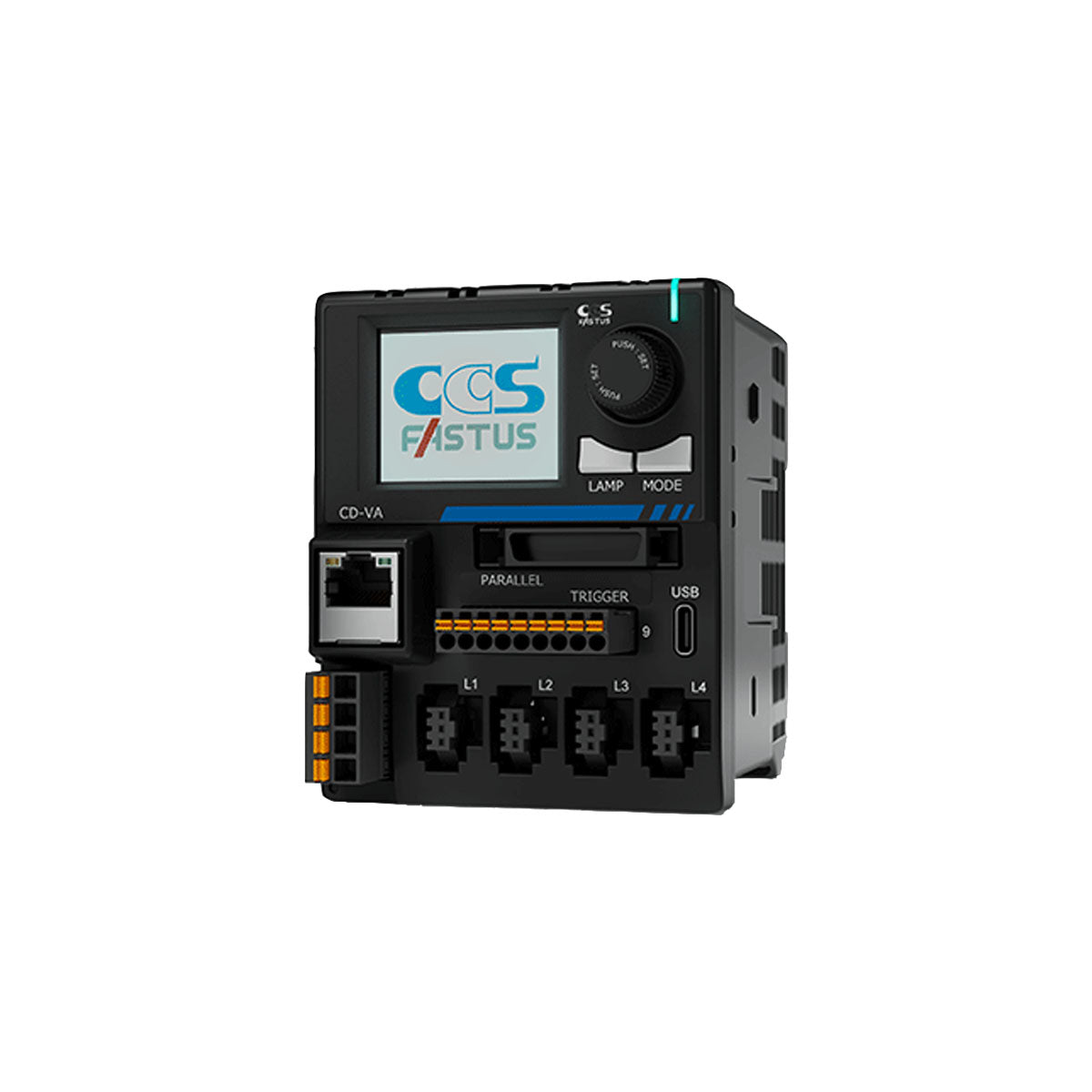
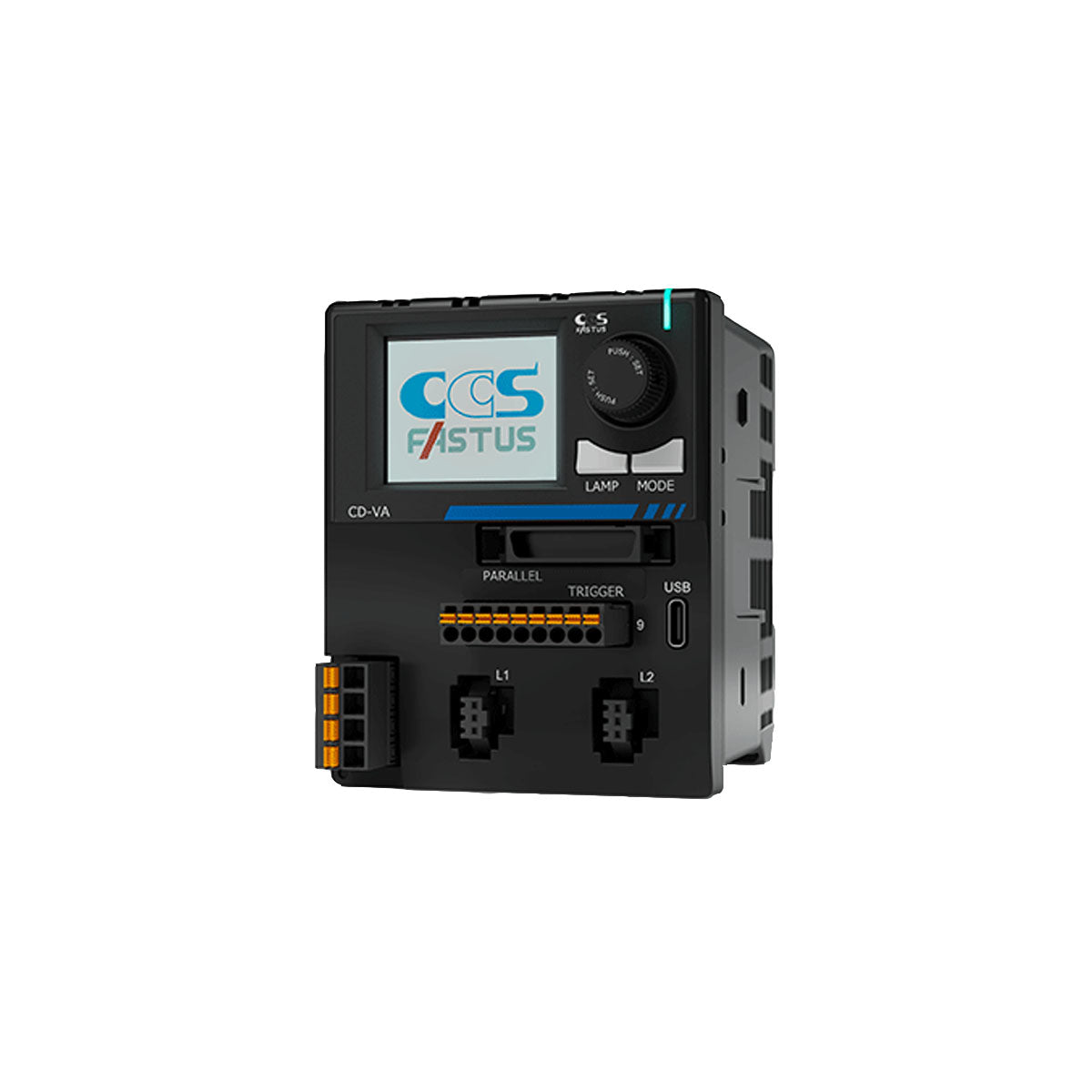
Robotic vision systems depend on more than cameras and software. The quality, direction and consistency of illumination can determine whether a vision system clearly identifies an object or struggles with shadows, reflections and insufficient contrast.

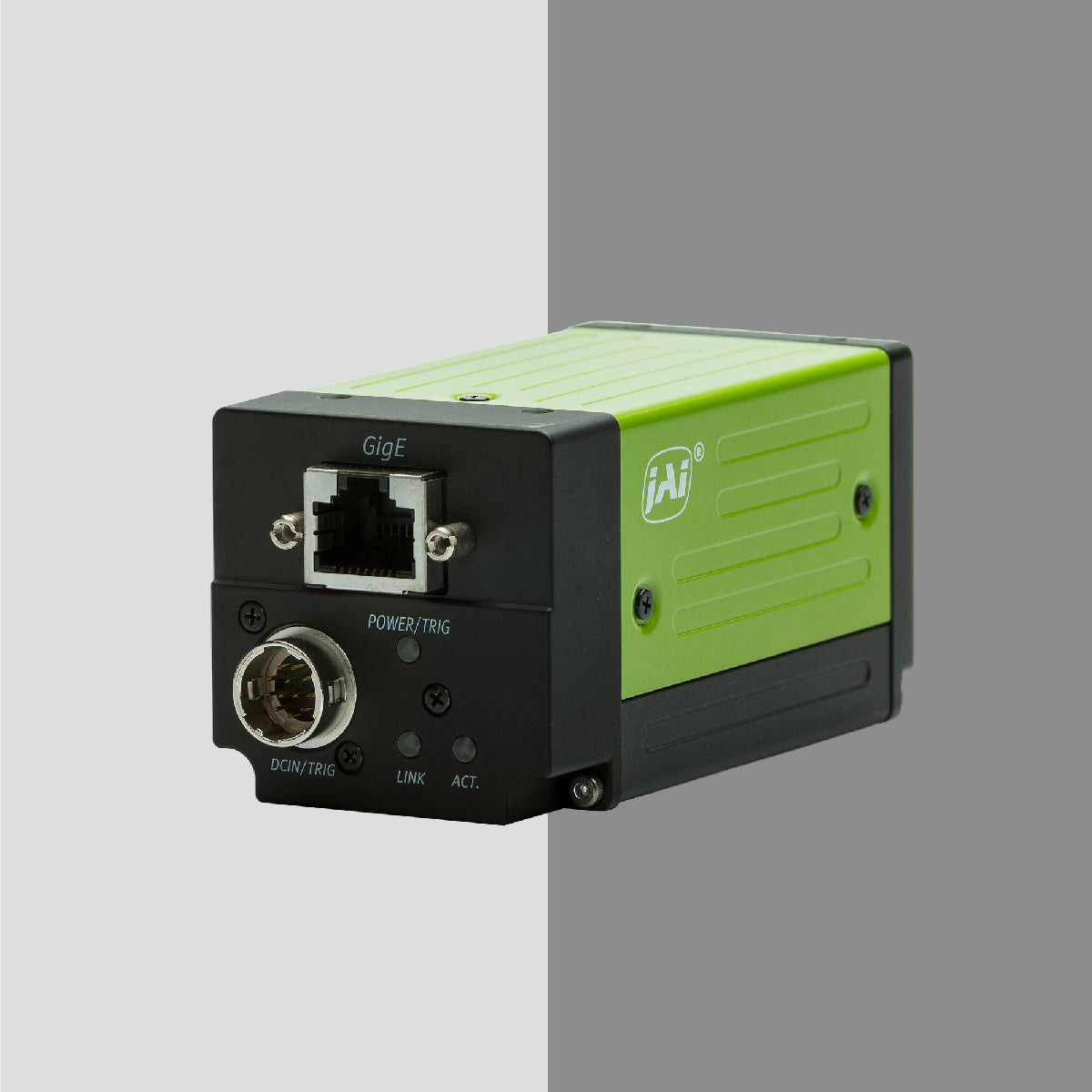
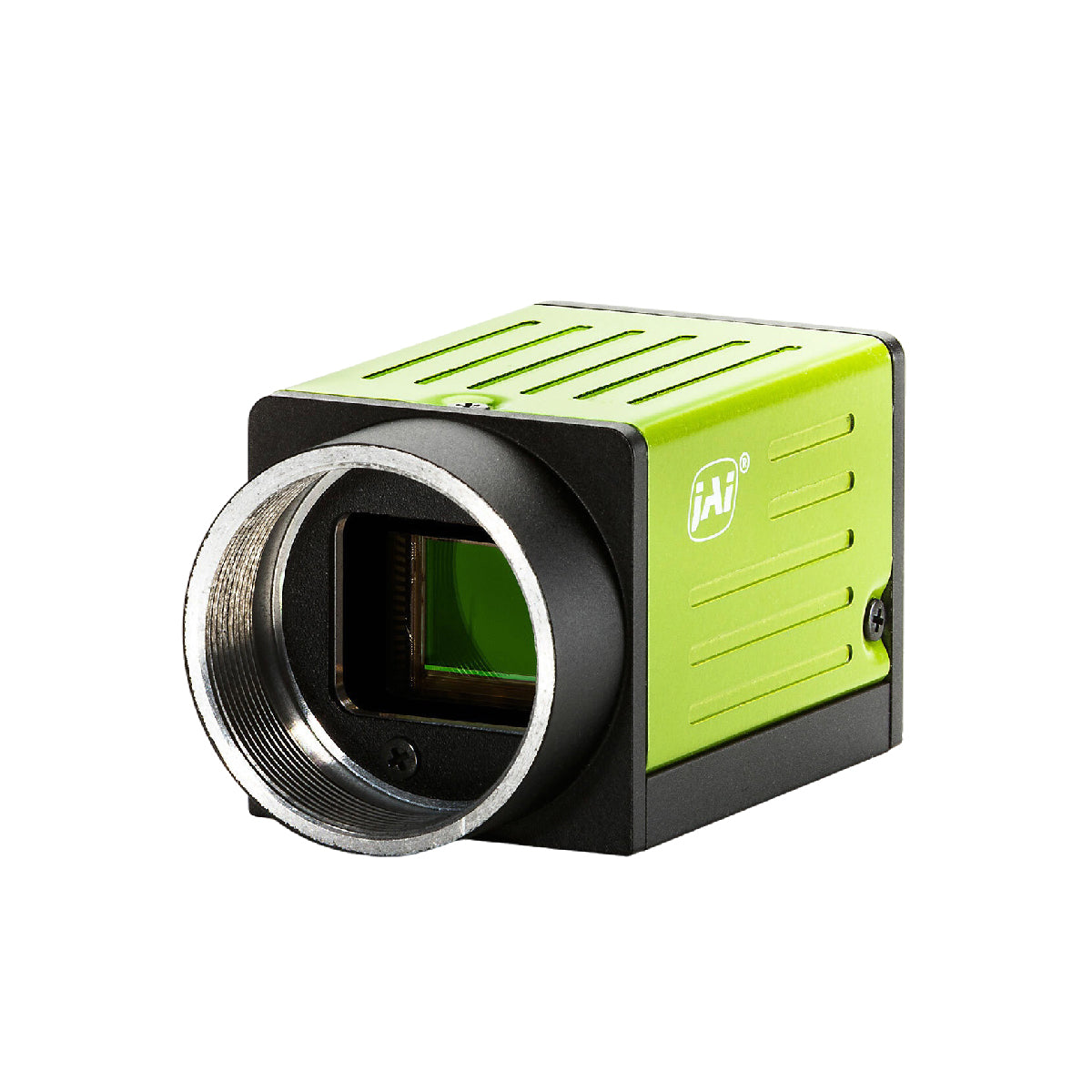
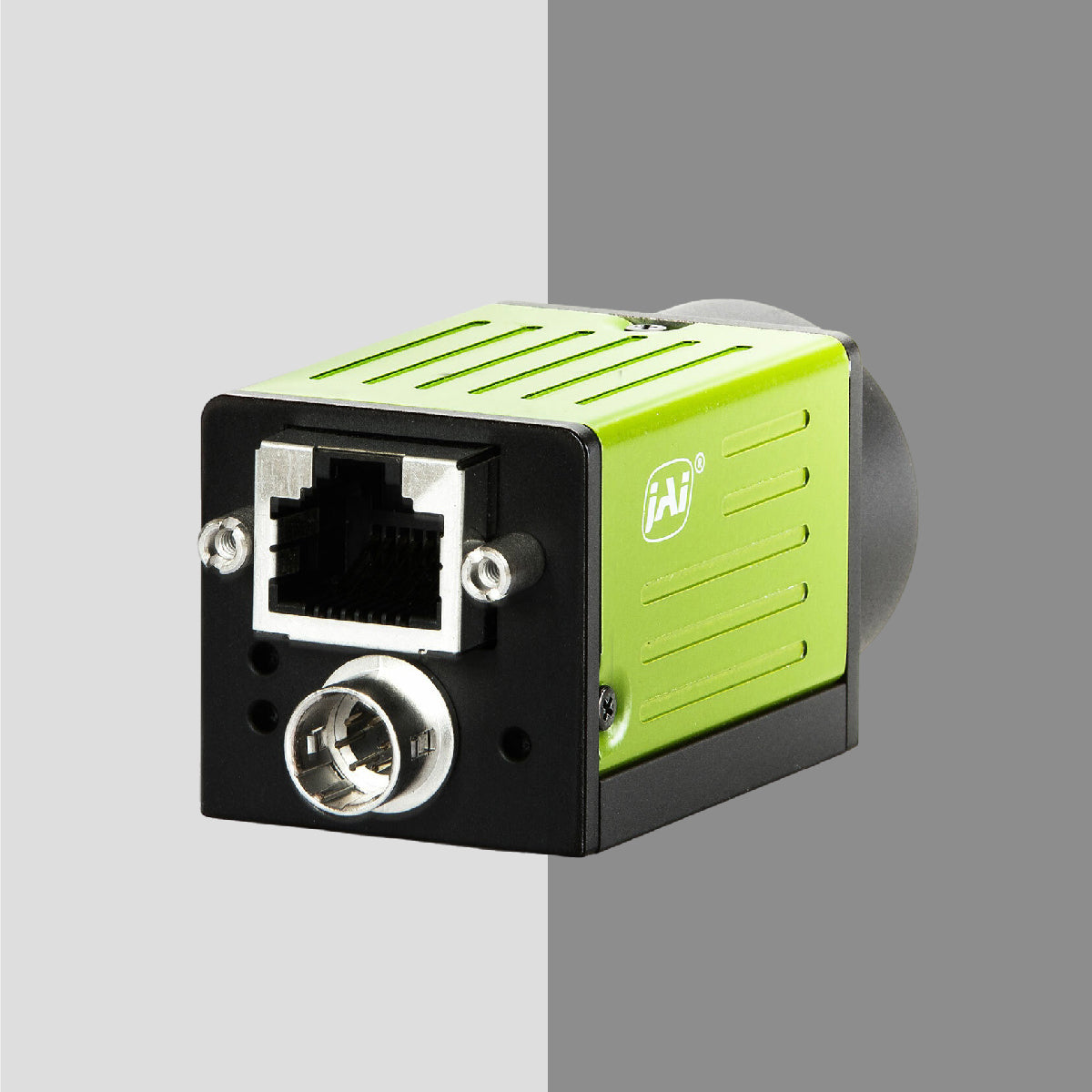
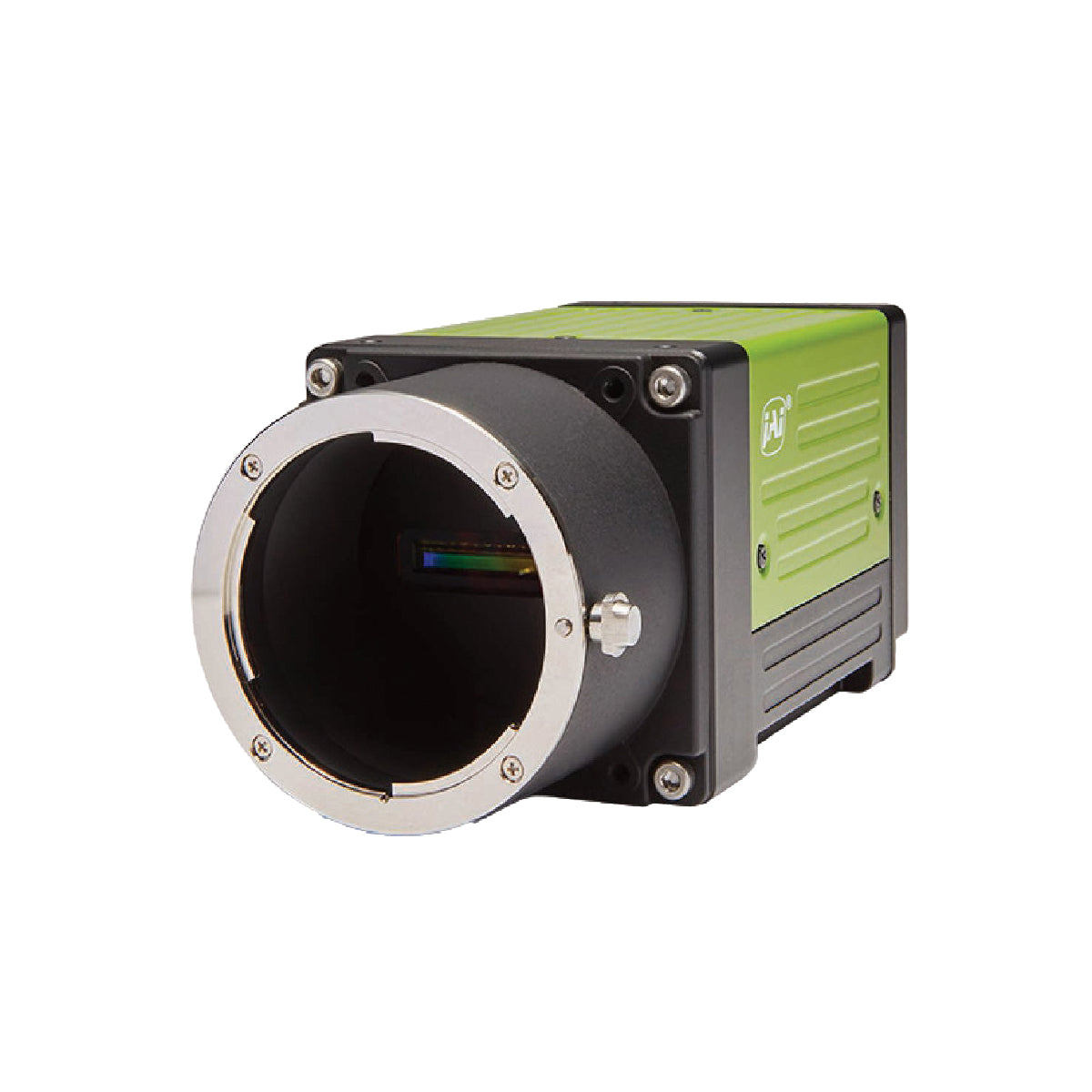
Modern robots are fast, precise and increasingly adaptable, but they still need reliable visual information to understand their surroundings. In robotic guidance and pick-and-place systems, industrial machine vision cameras serve as the eyes of the robot, providing the image data needed to locate parts, determine orientation, verify placement and make automated decisions.

As industrial robots take on increasingly complex tasks, the performance of their vision systems becomes critical to accuracy, speed and repeatability. From robotic bin picking and material handling to automated assembly, sorting and quality inspection, robots rely on cameras to identify objects, locate features and make decisions in real time.

Printed circuit board (PCB) inspection is one of the most demanding applications in machine vision. As electronic assemblies become more compact and densely populated, manufacturers rely on automated optical inspection (AOI) systems to identify increasingly smaller defects while maintaining high production speeds.