
 Find-R-Scopes
 Filters
 Lenses
 Cameras
 Lighting


 Accessories










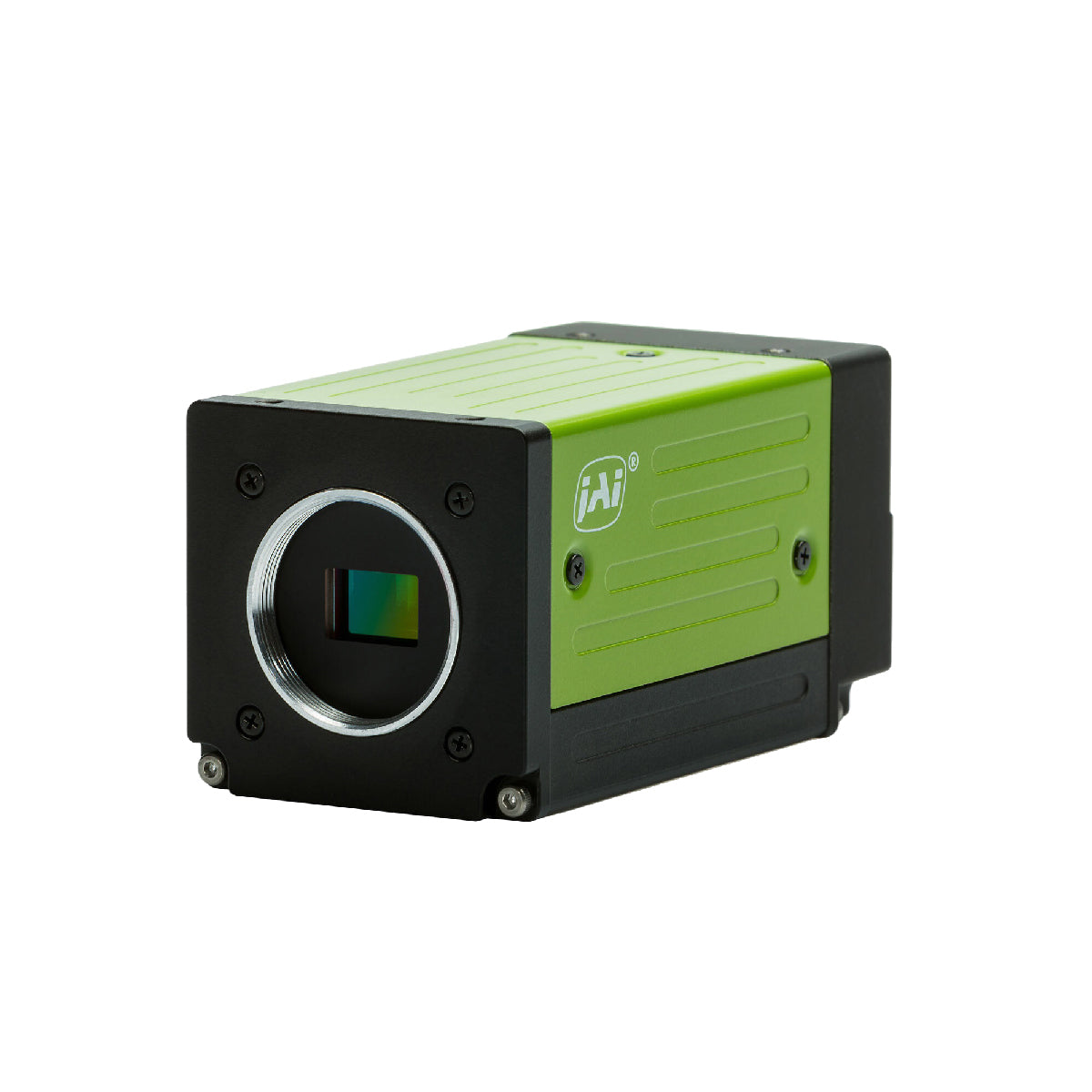
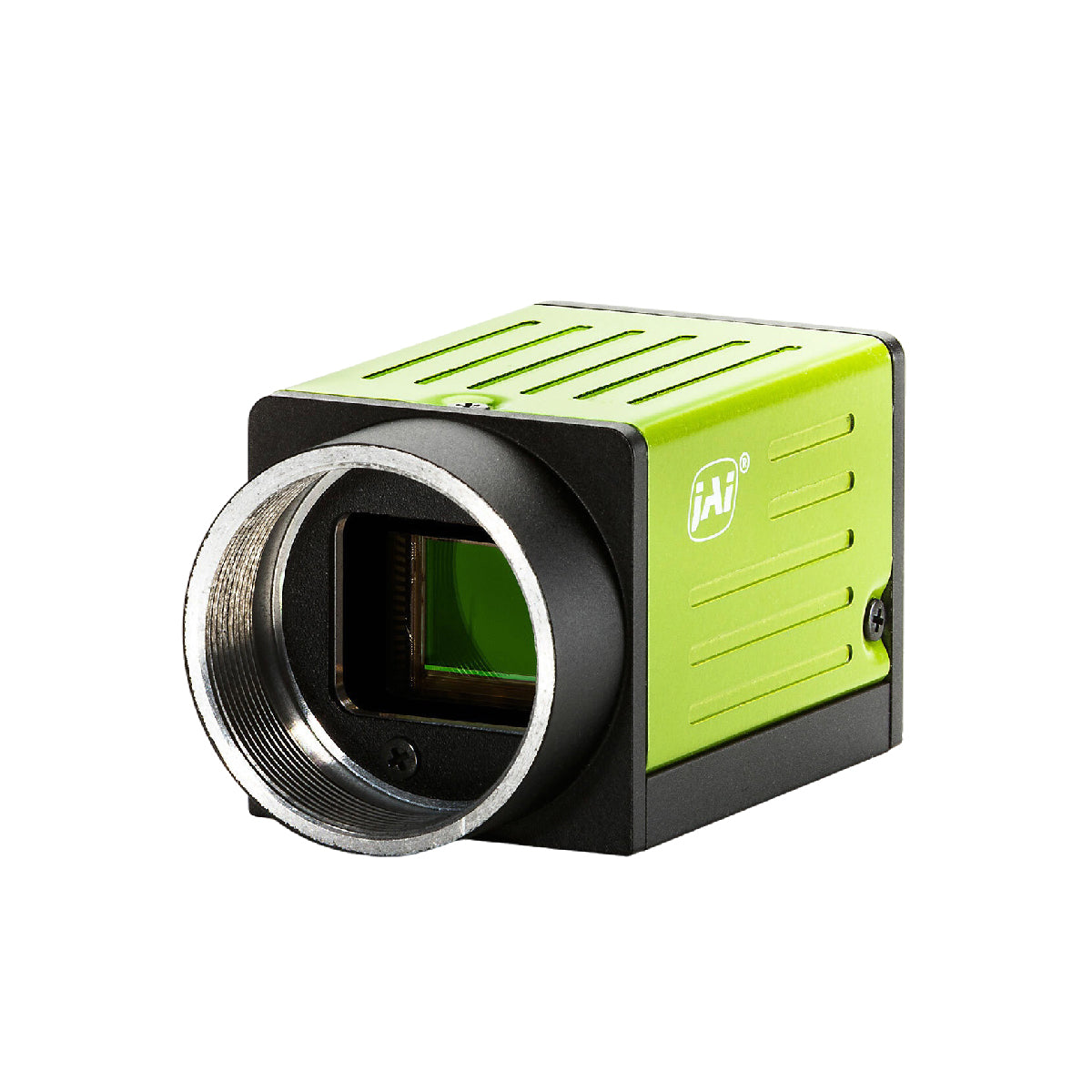
In modern food processing, speed and consistency are everything. From fresh produce and grains to packaged snacks and frozen meals, manufacturers must inspect thousands of products per minute while maintaining strict quality and safety standards. This is where machine vision cameras have become a game-changing technology for the food industry.
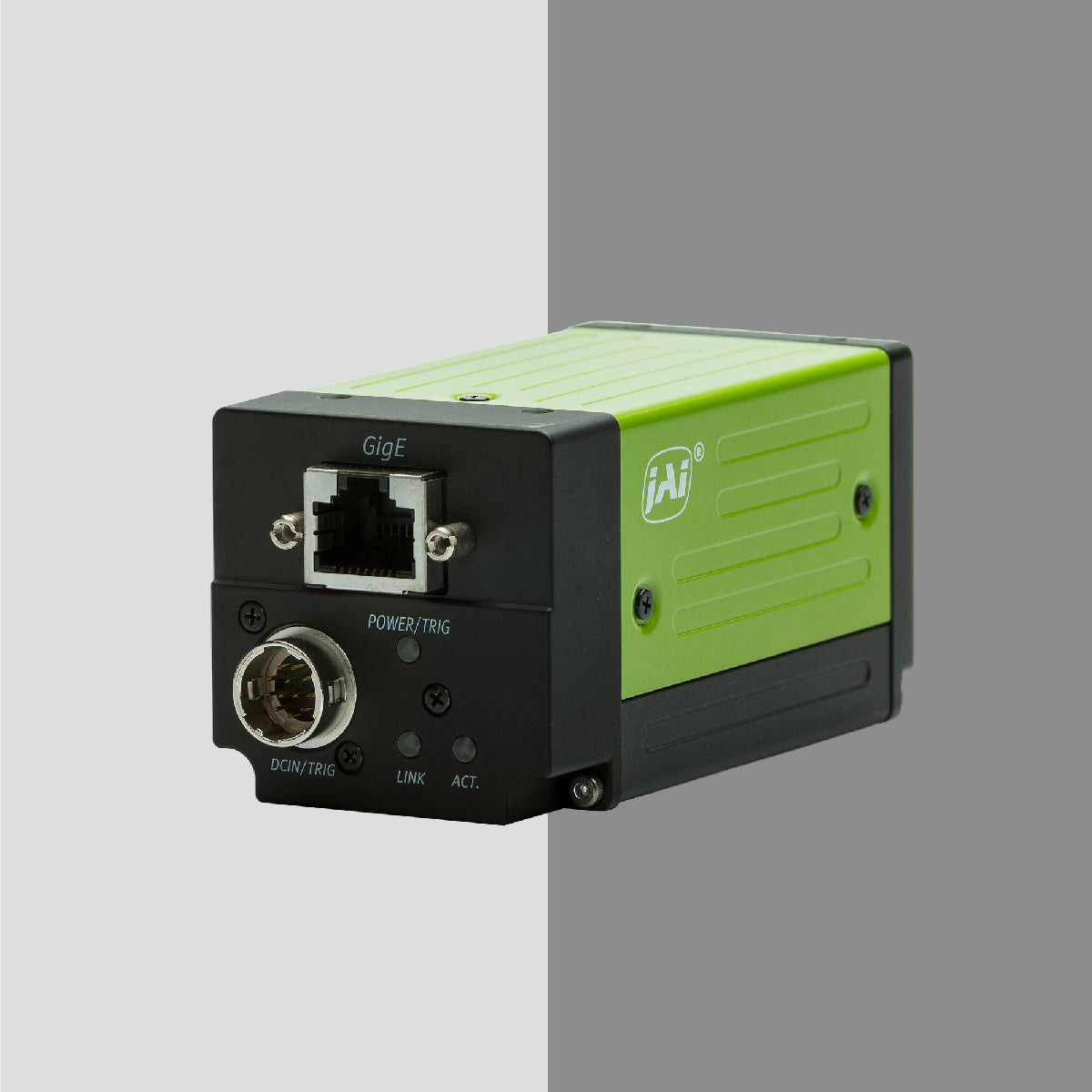
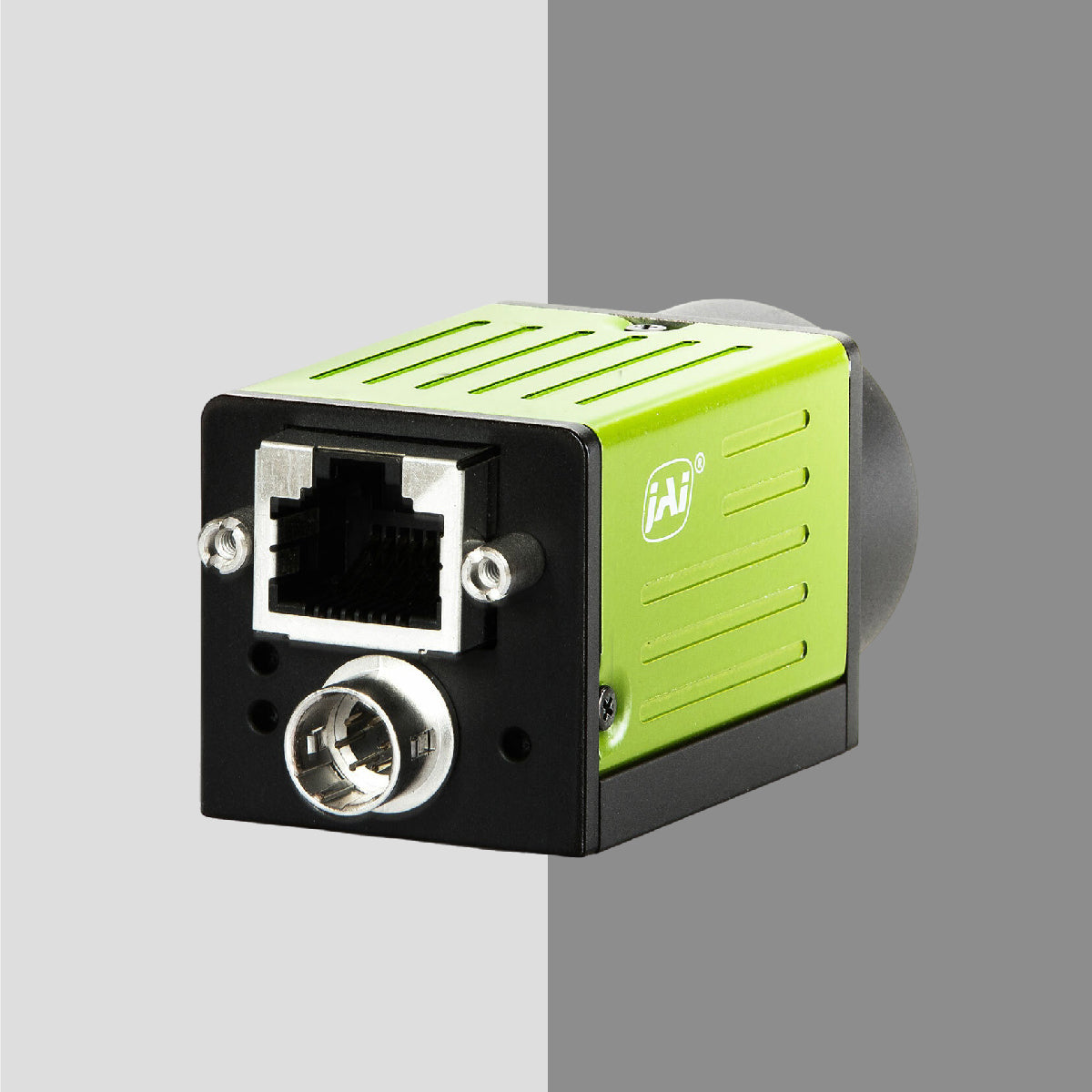
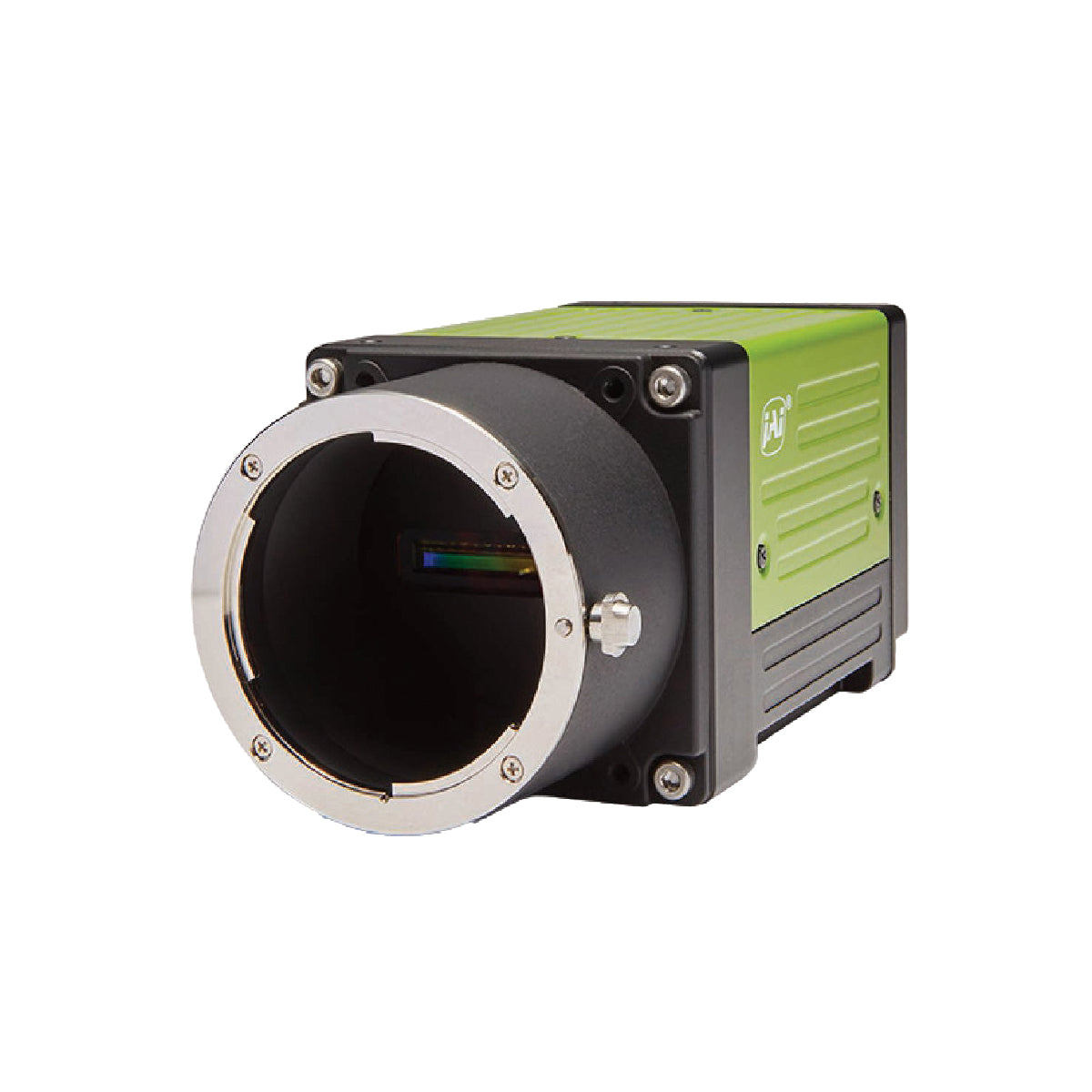
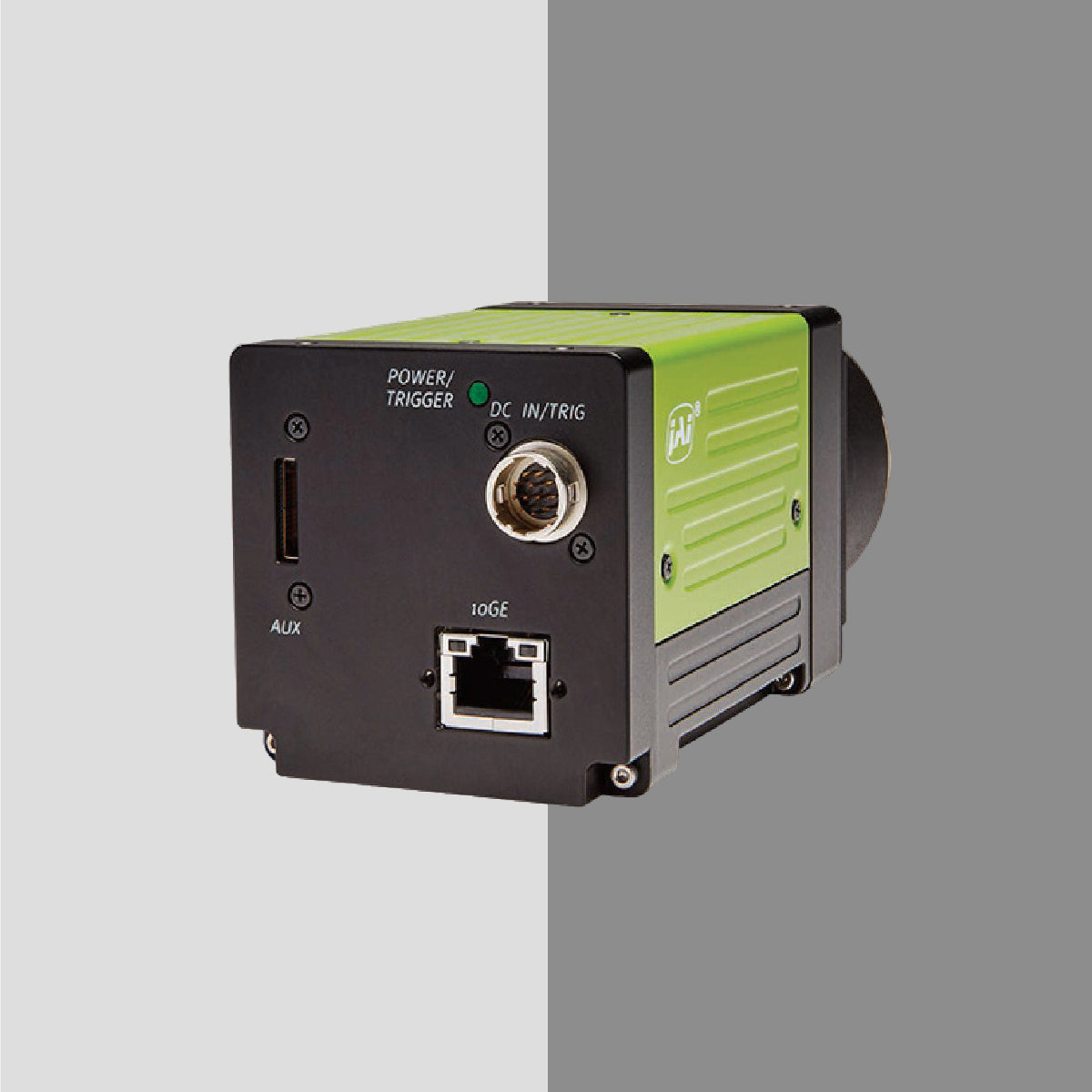
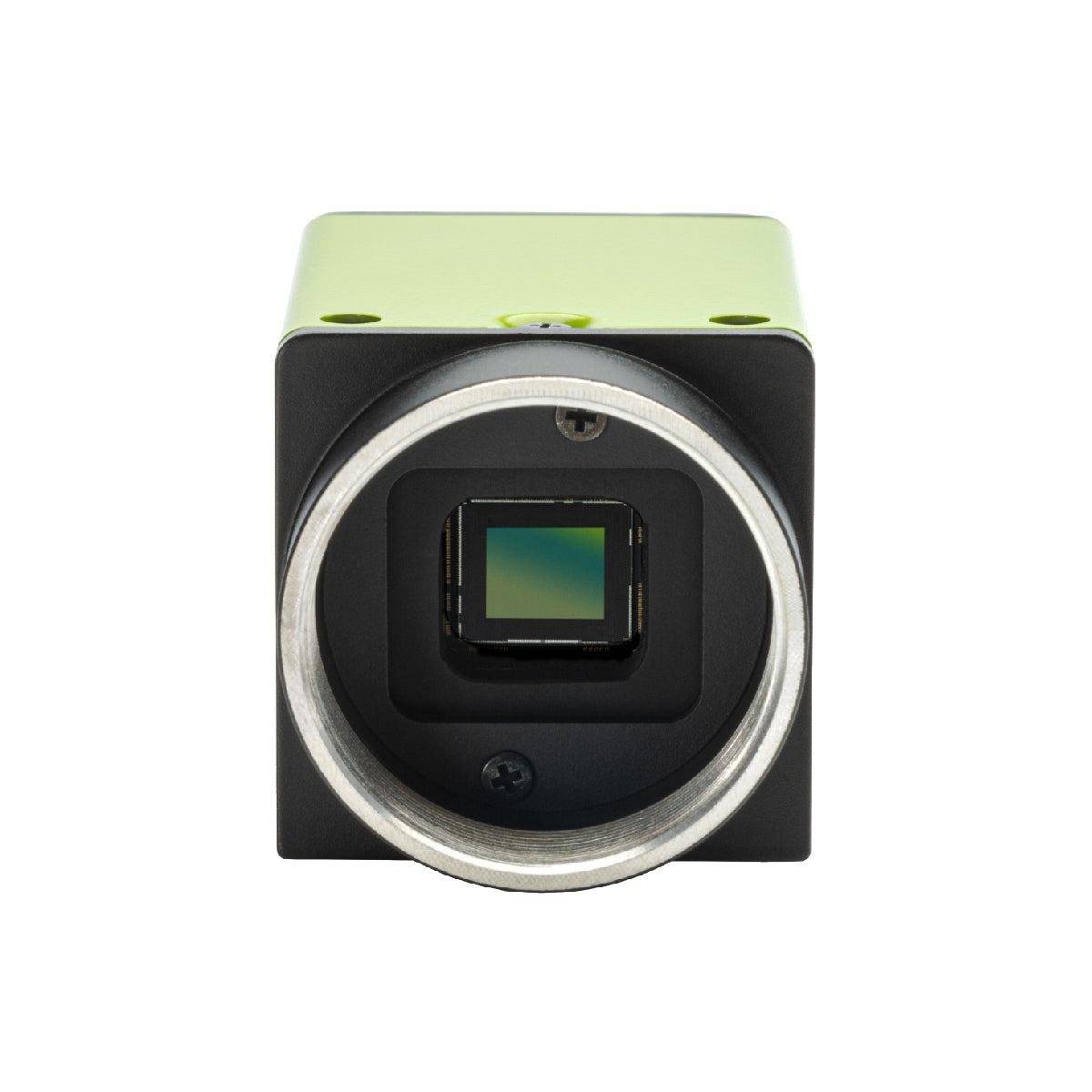
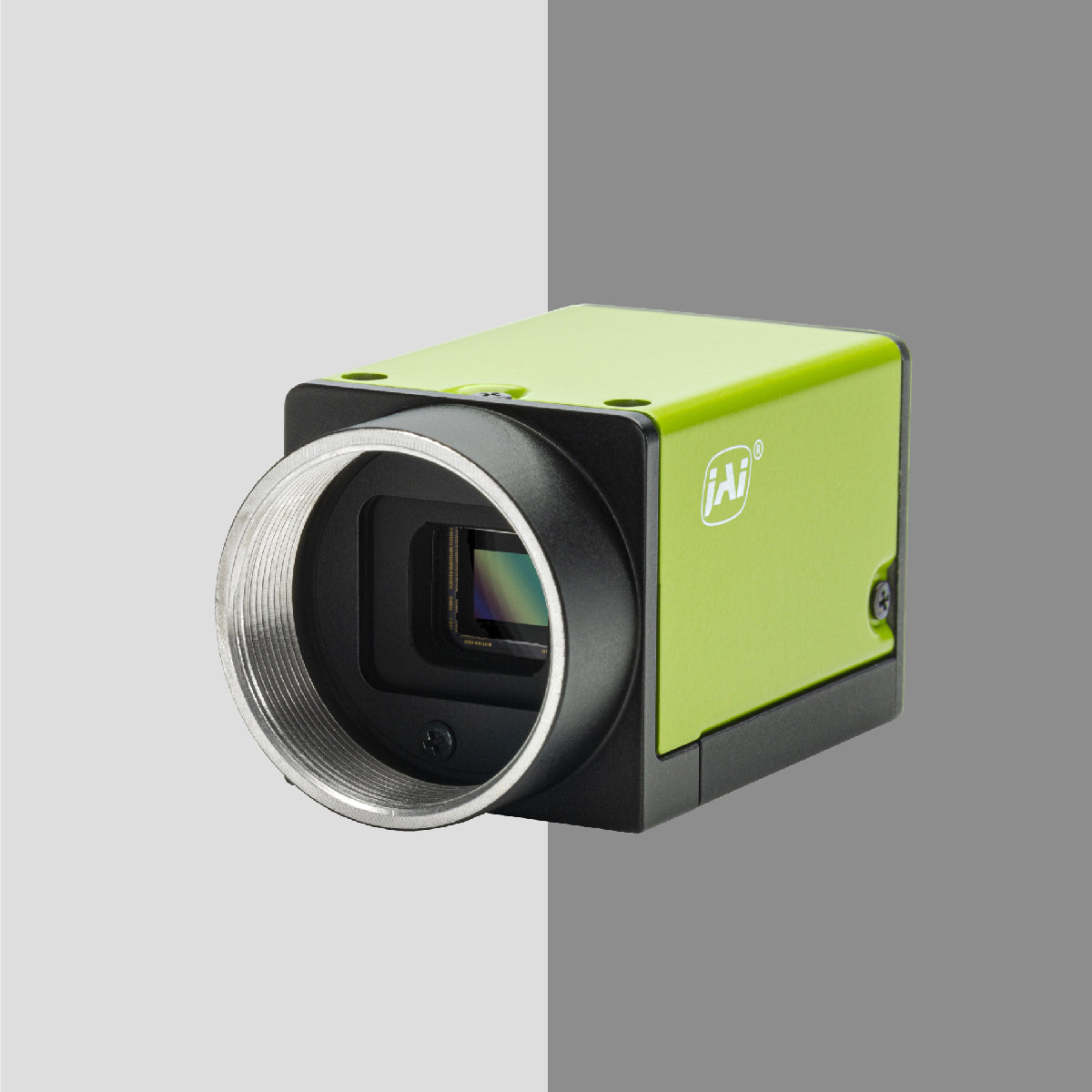
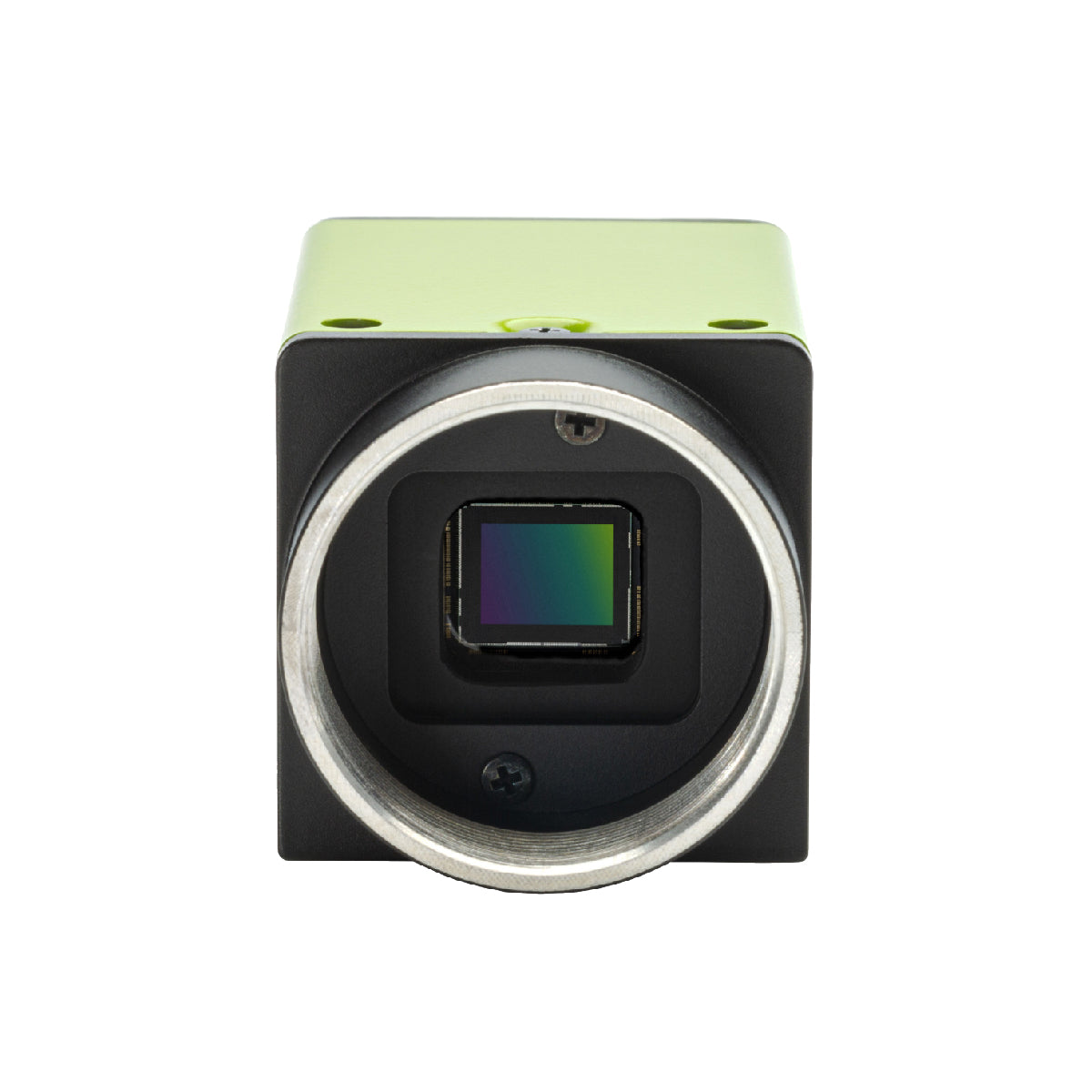
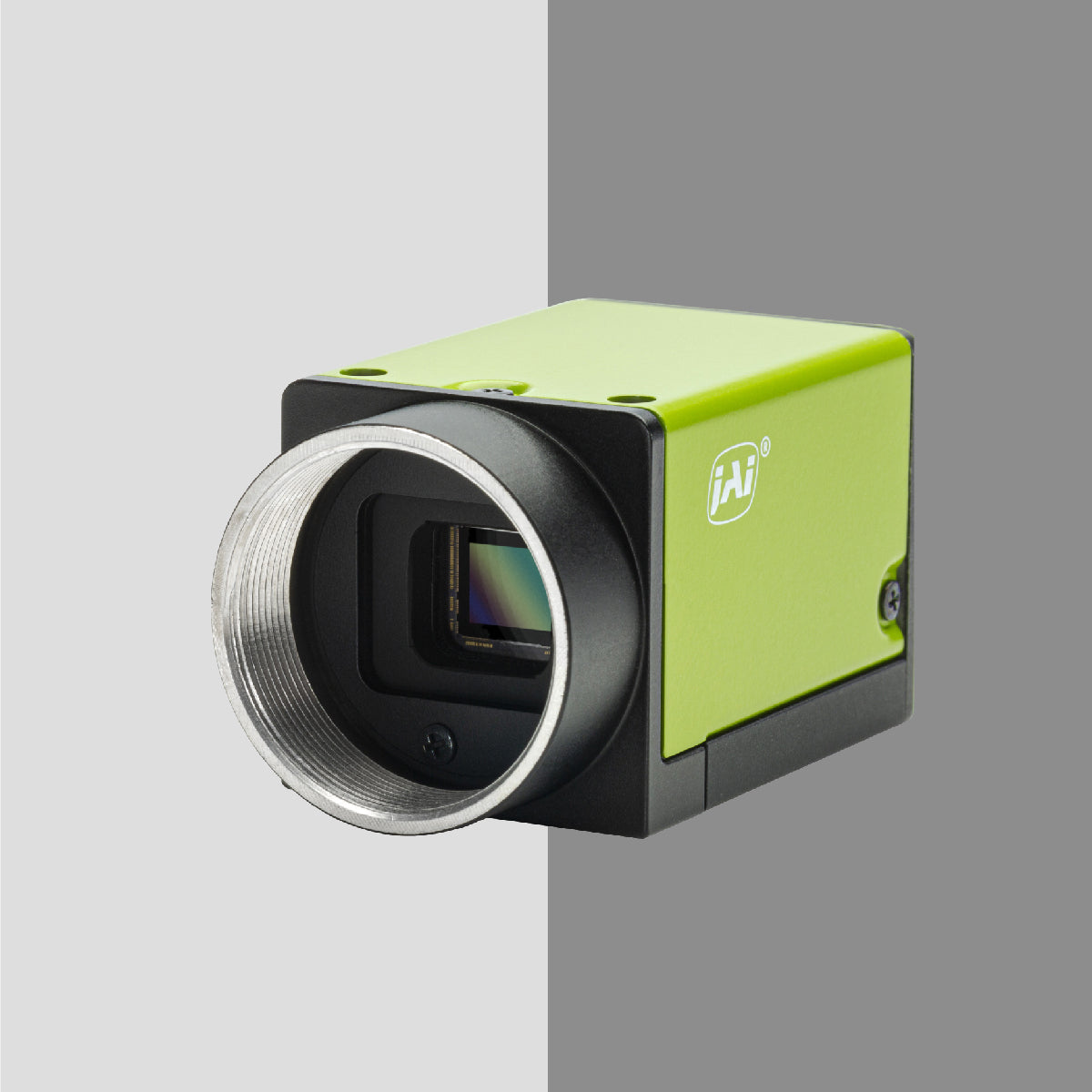
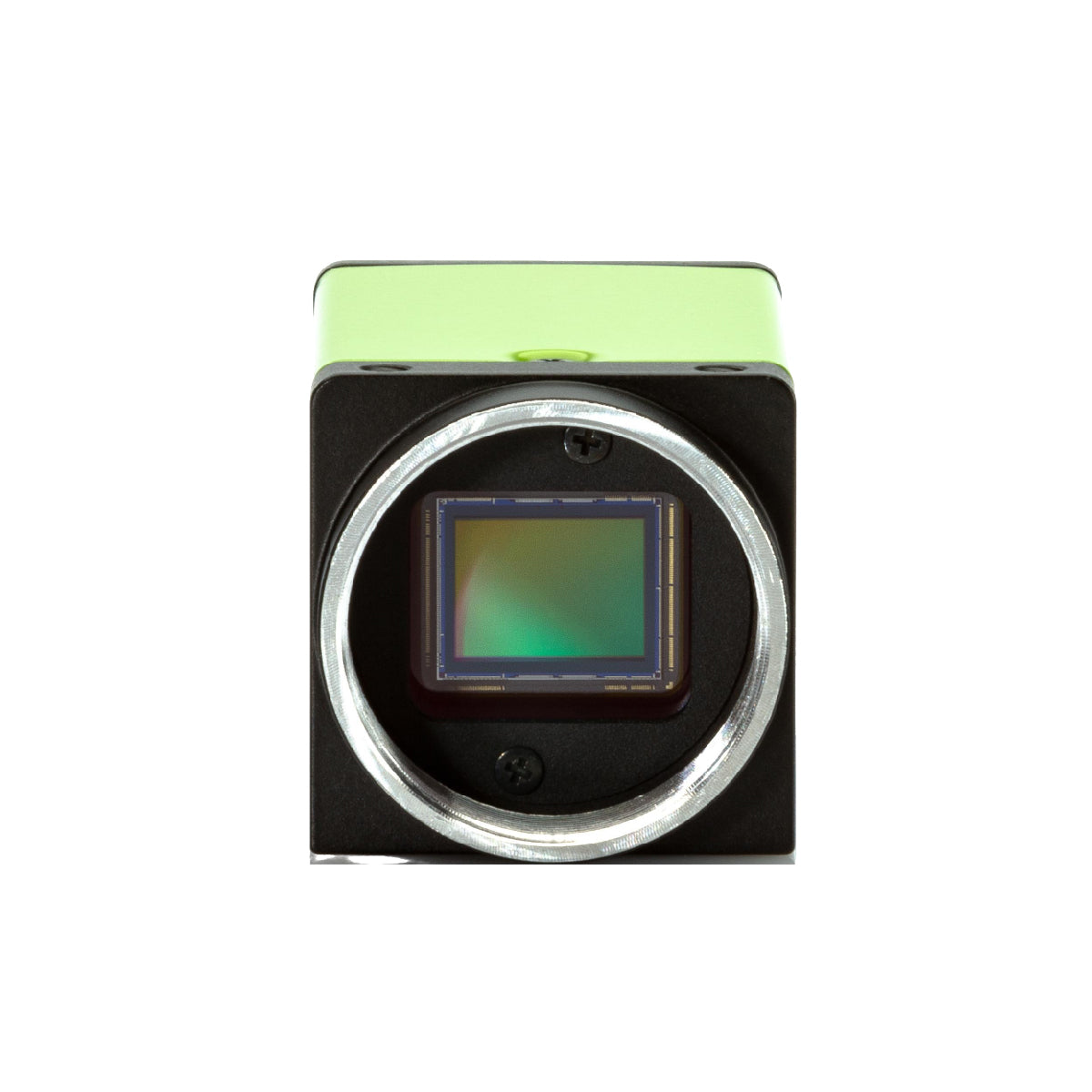
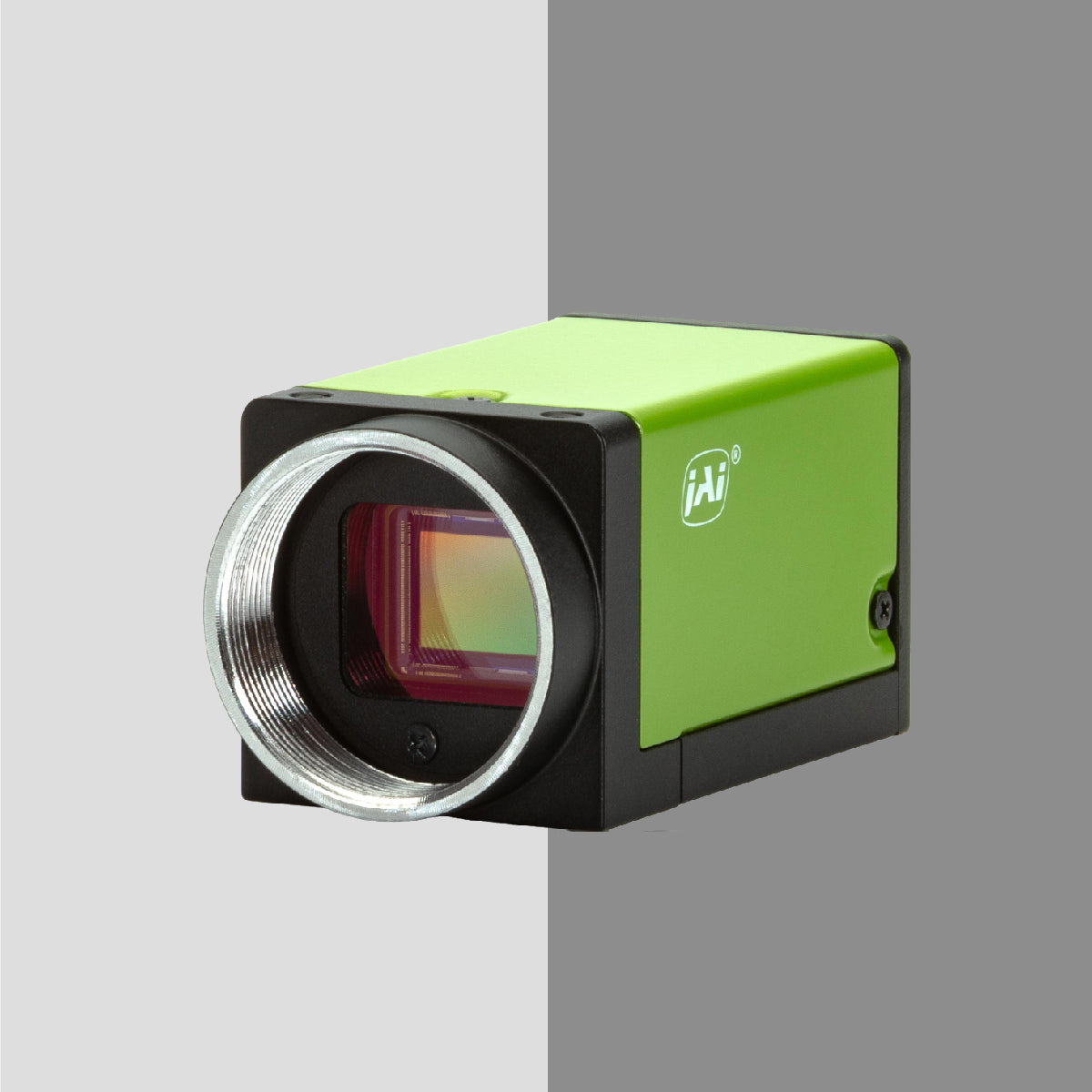
Machine vision systems use high-resolution cameras, lighting and intelligent software to automatically inspect and sort food products on production lines. By capturing detailed images of each item as it moves along the conveyor, these systems can instantly identify defects, contamination, color variations and size differences – often far more accurately than manual inspection.
Improving Food Quality and Consistency
One of the primary uses of machine vision in food processing is automated sorting. Cameras analyze characteristics such as color, shape, size and surface texture to determine whether a product meets quality standards.
For example, machine vision cameras can:
- Detect bruised or damaged fruits and vegetables
- Identify foreign materials such as stones, shells or plastic fragments
- Sort products by size, color or ripeness
- Verify product uniformity for packaging and retail standards
This level of automated inspection ensures that only products meeting strict quality requirements continue down the line, improving consistency while reducing waste.
Enhancing Food Safety
Food safety is a top priority for manufacturers and regulatory agencies alike. Machine vision systems play an important role in preventing contamination and ensuring compliance with safety standards.
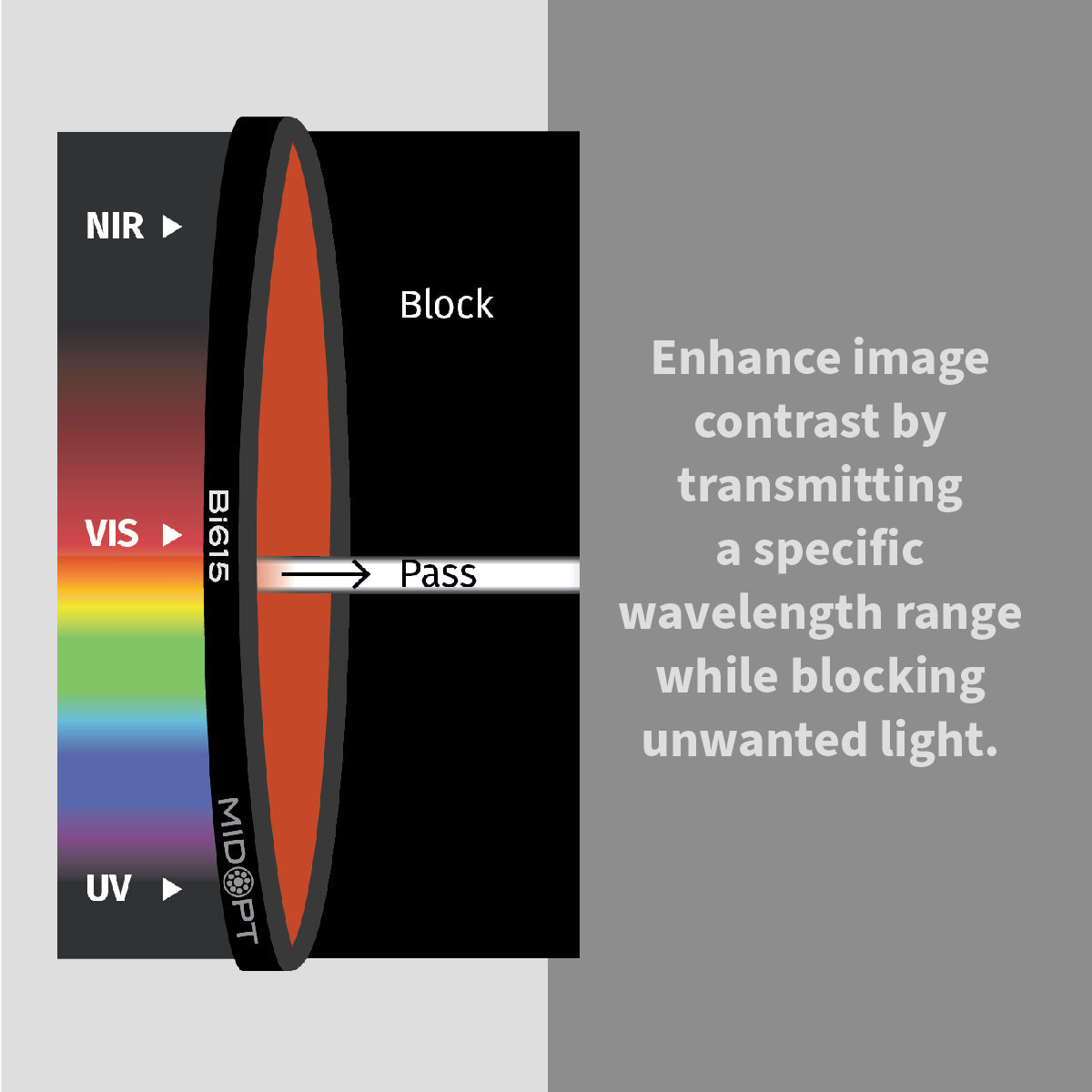
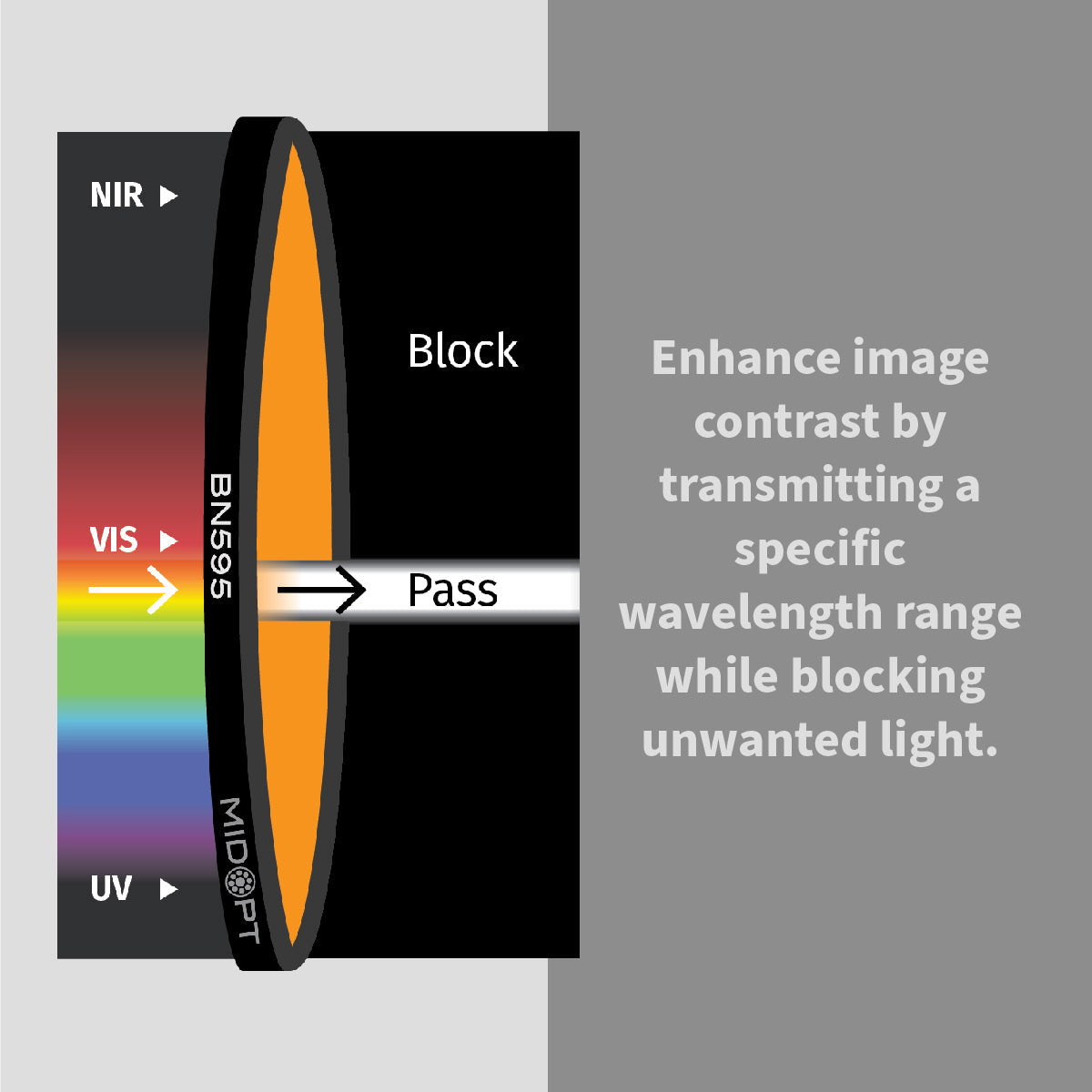
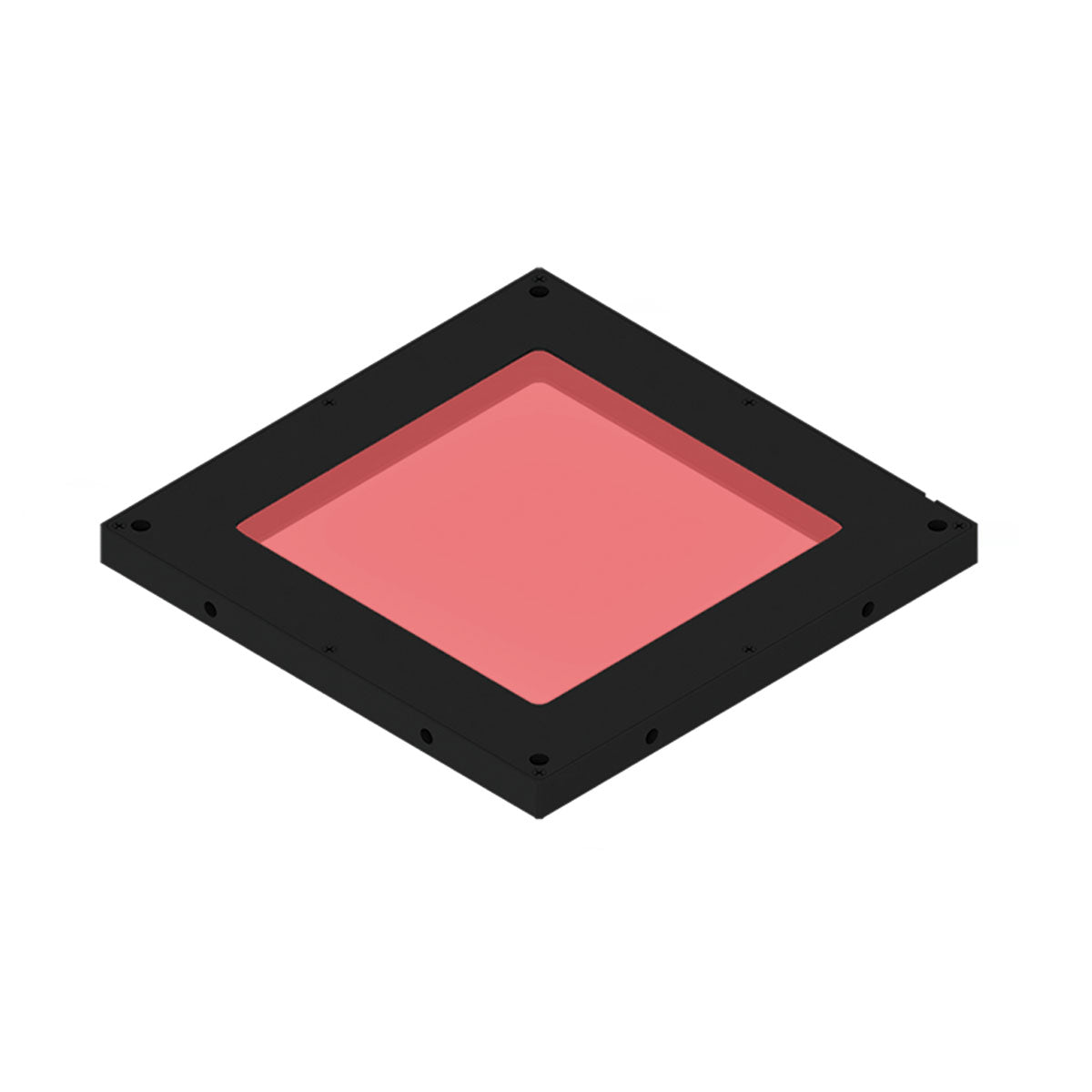
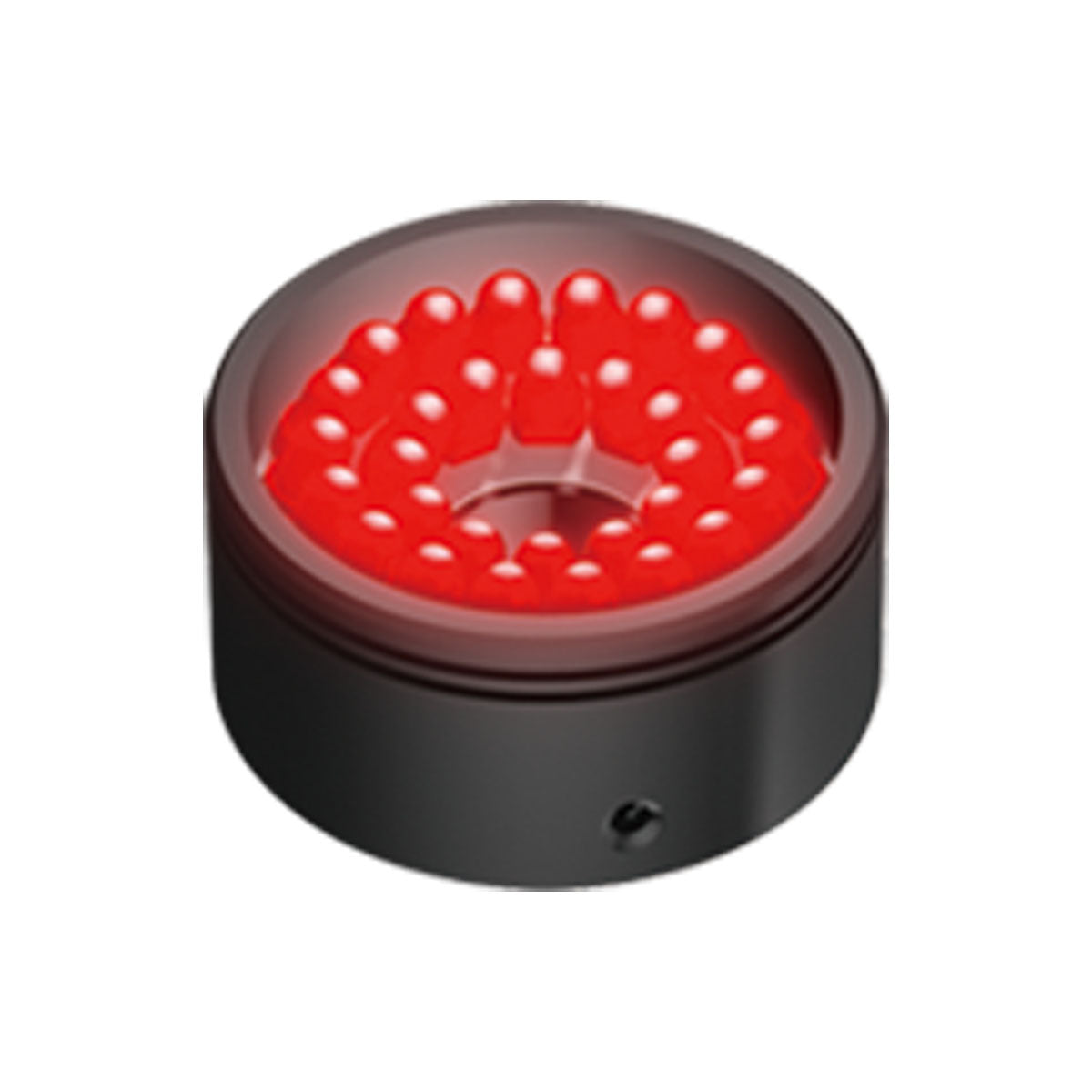
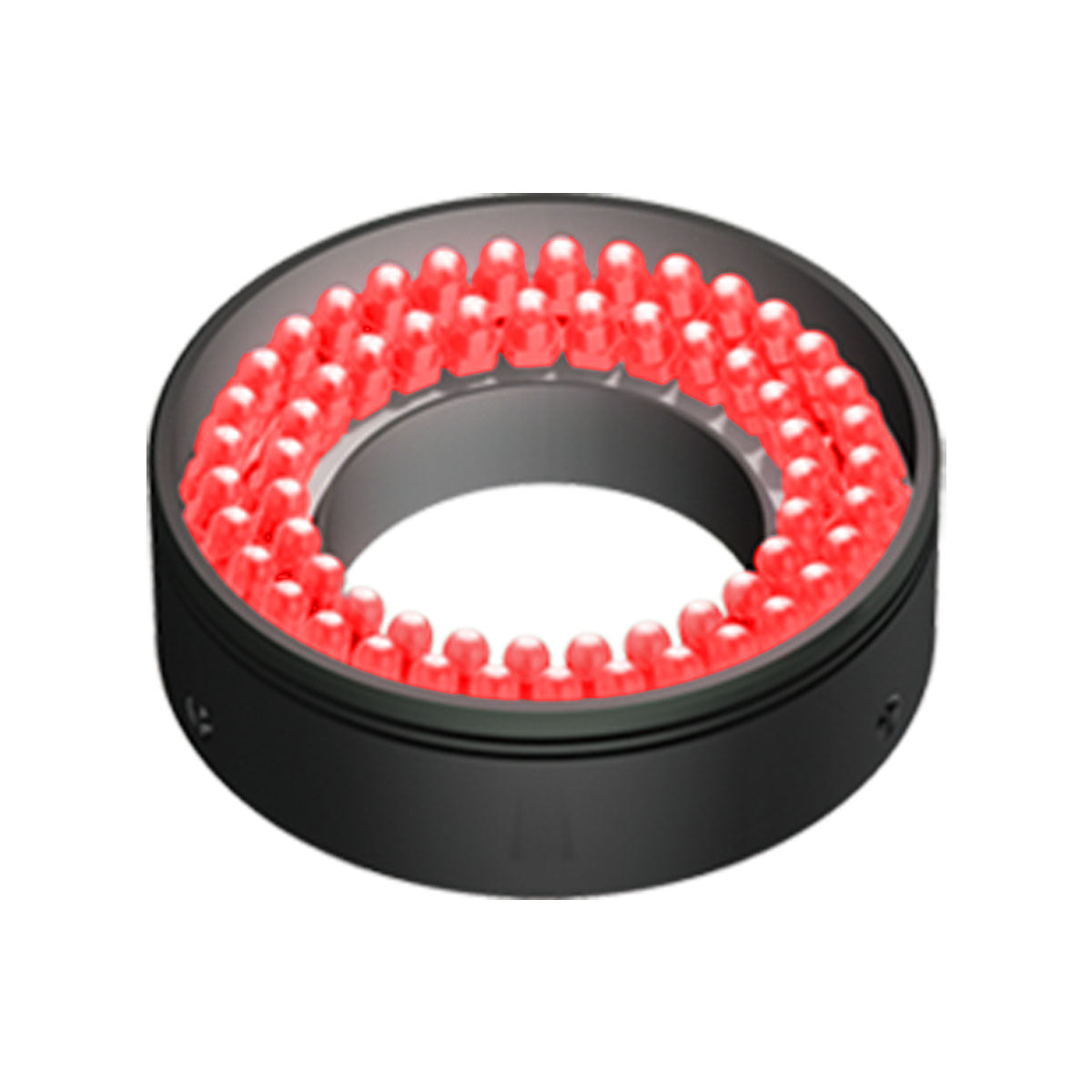
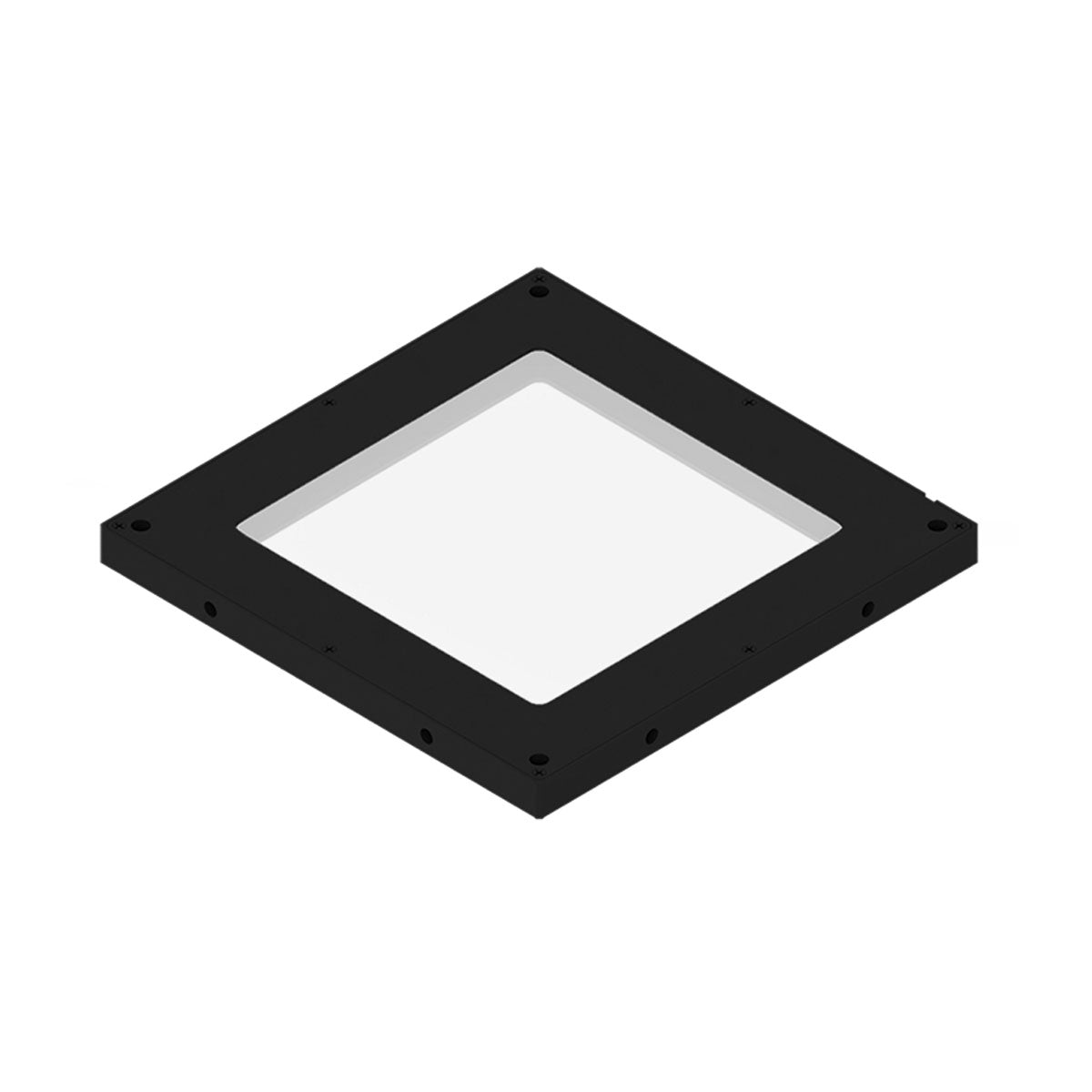
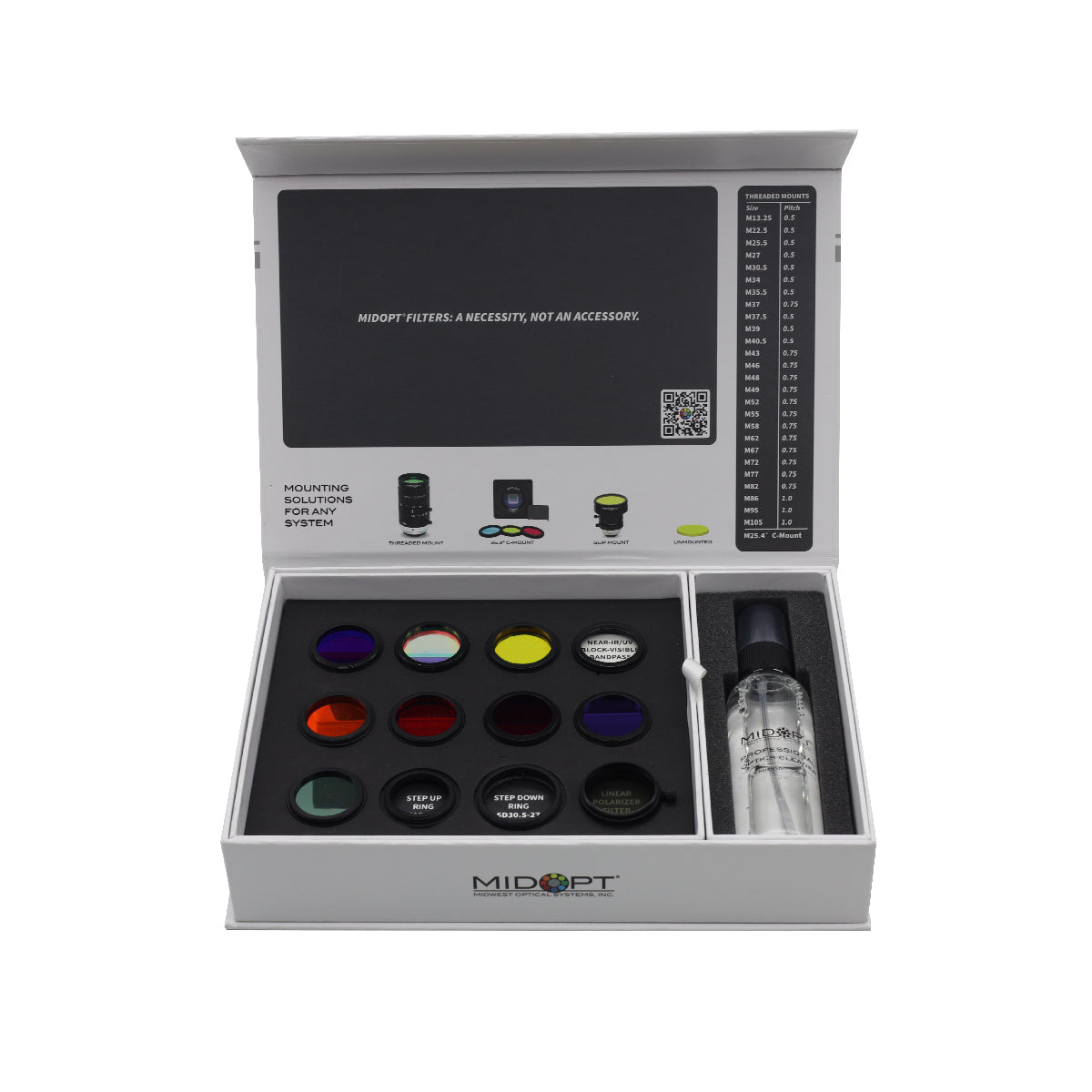
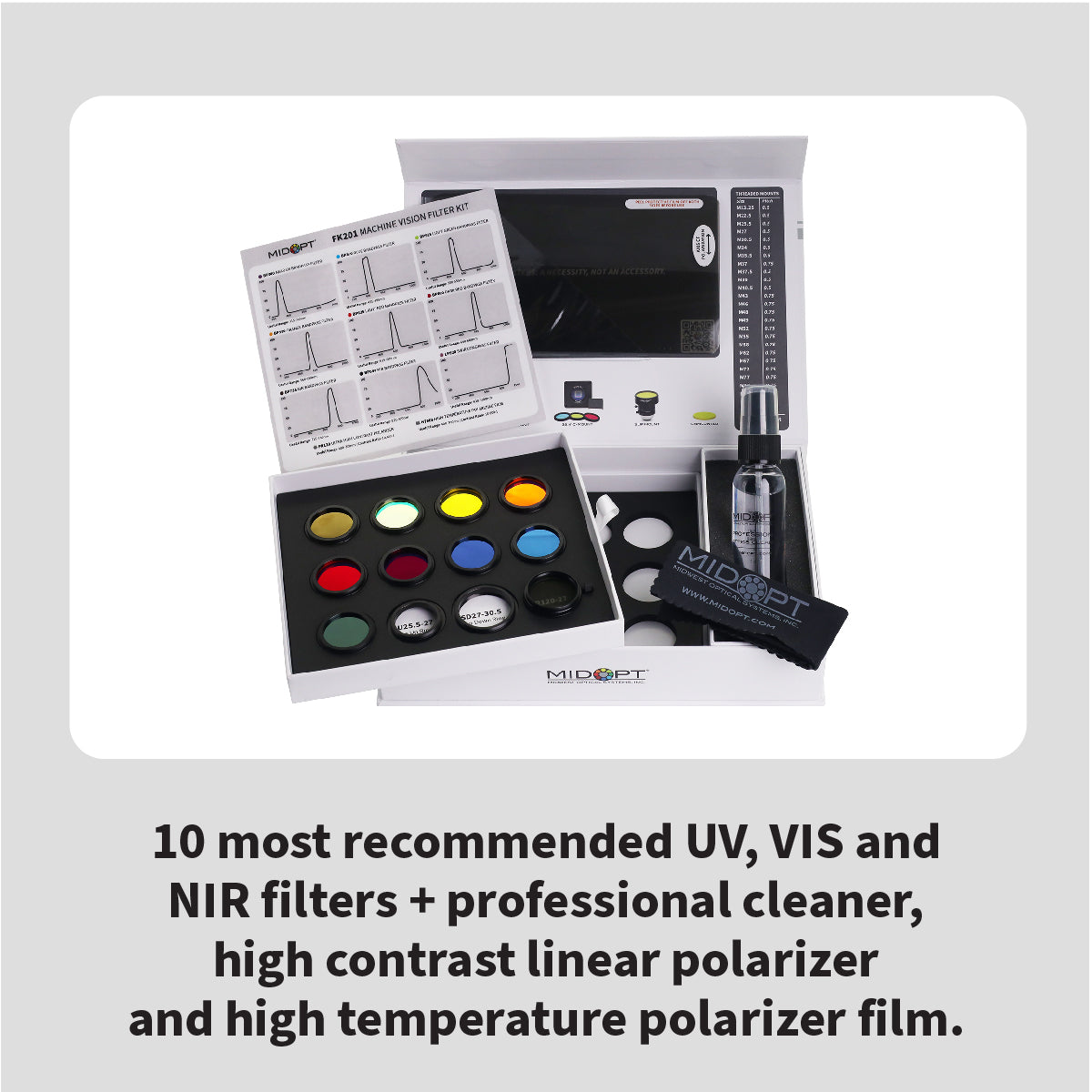
High-speed cameras can detect foreign objects that may be difficult for human inspectors to spot. Combined with specialized lighting and optical filters, these systems can highlight subtle differences in reflectivity or color that indicate contamination.
In addition, machine vision cameras can verify correct packaging, confirm labels are properly applied and ensure seals are intact – helping prevent product recalls and protecting brand reputation.
High-Speed Performance for Modern Production
Food processing environments require technology that can operate reliably at high speeds. Modern machine vision cameras are designed to capture high-resolution images at hundreds or even thousands of frames per second.
When integrated with automated rejection systems, the cameras can trigger air jets or mechanical gates to remove defective items instantly. This allows manufacturers to maintain production efficiency without sacrificing quality control.
The Role of Optics and Lighting
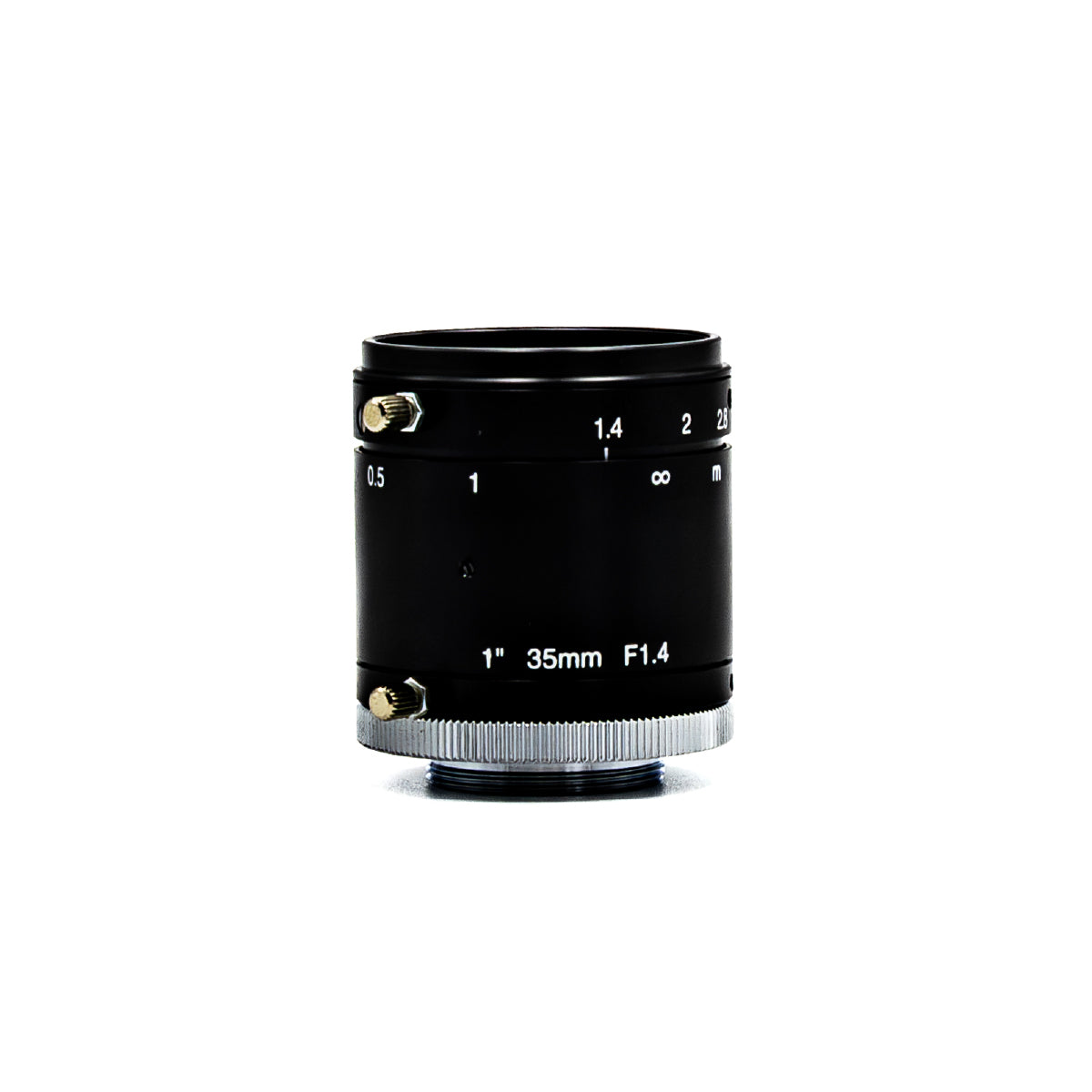
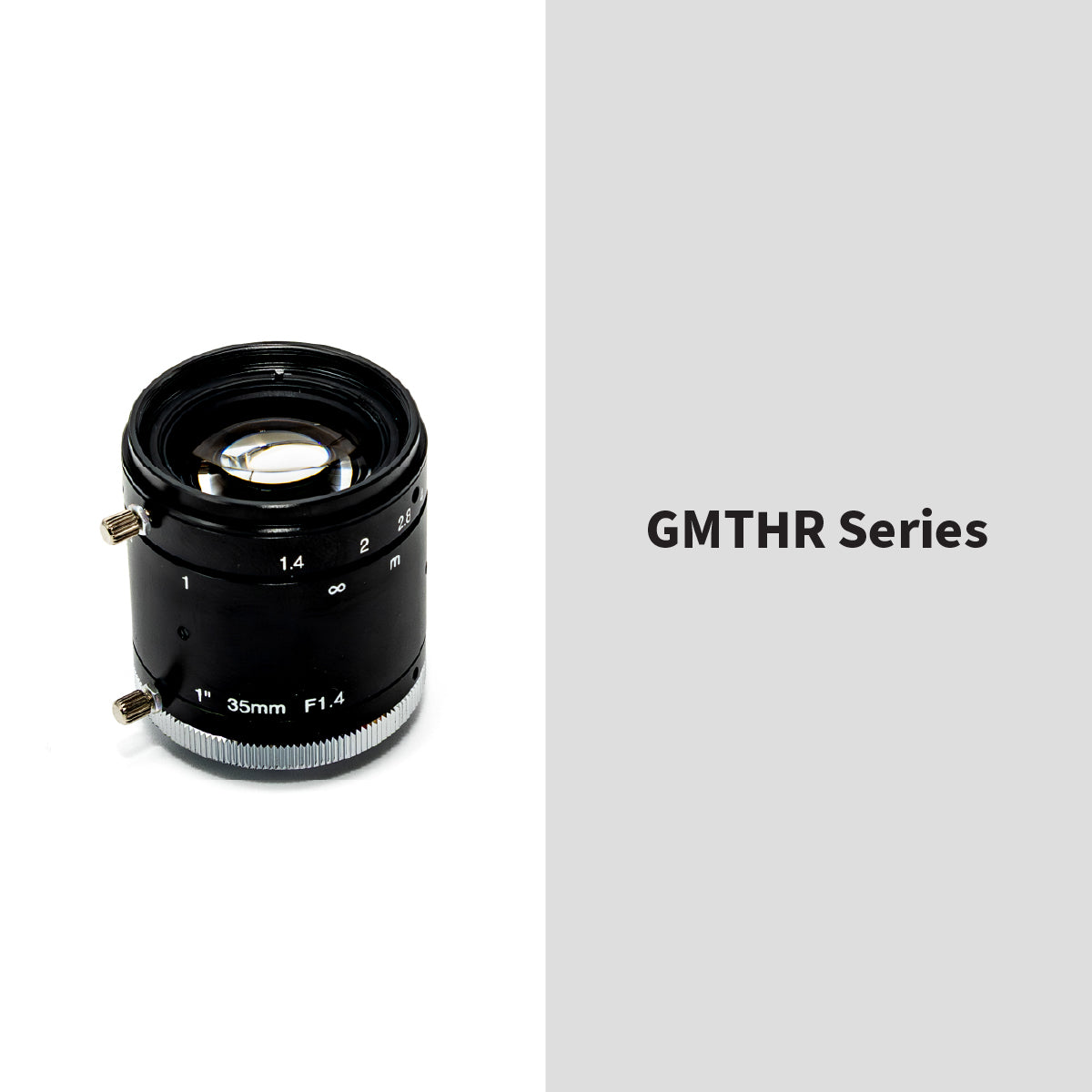
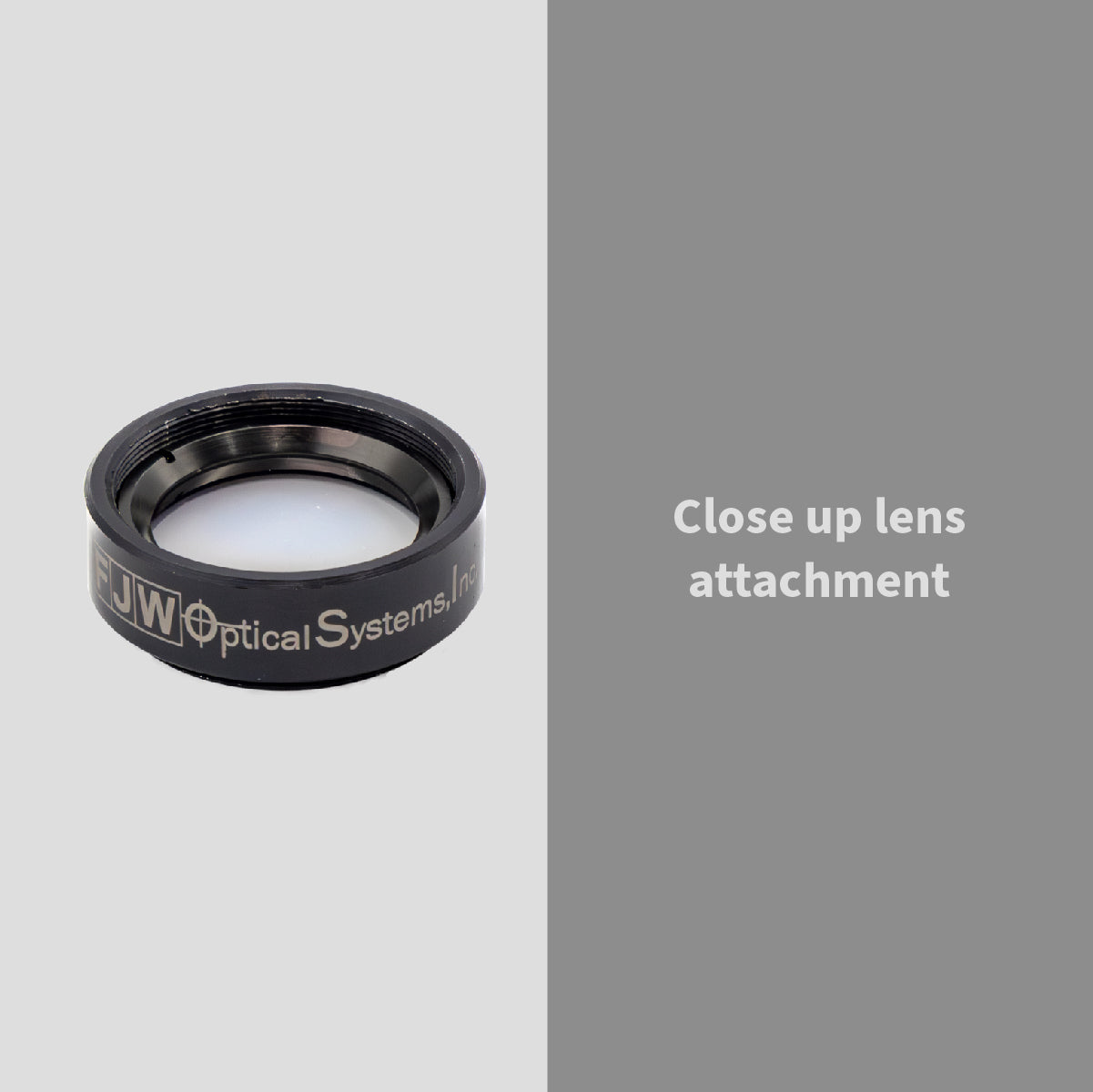
While cameras and software receive much of the attention, optical components play a critical role in machine vision performance. Proper lenses, lighting and optical filters ensure that cameras capture clear, consistent images under challenging production conditions.
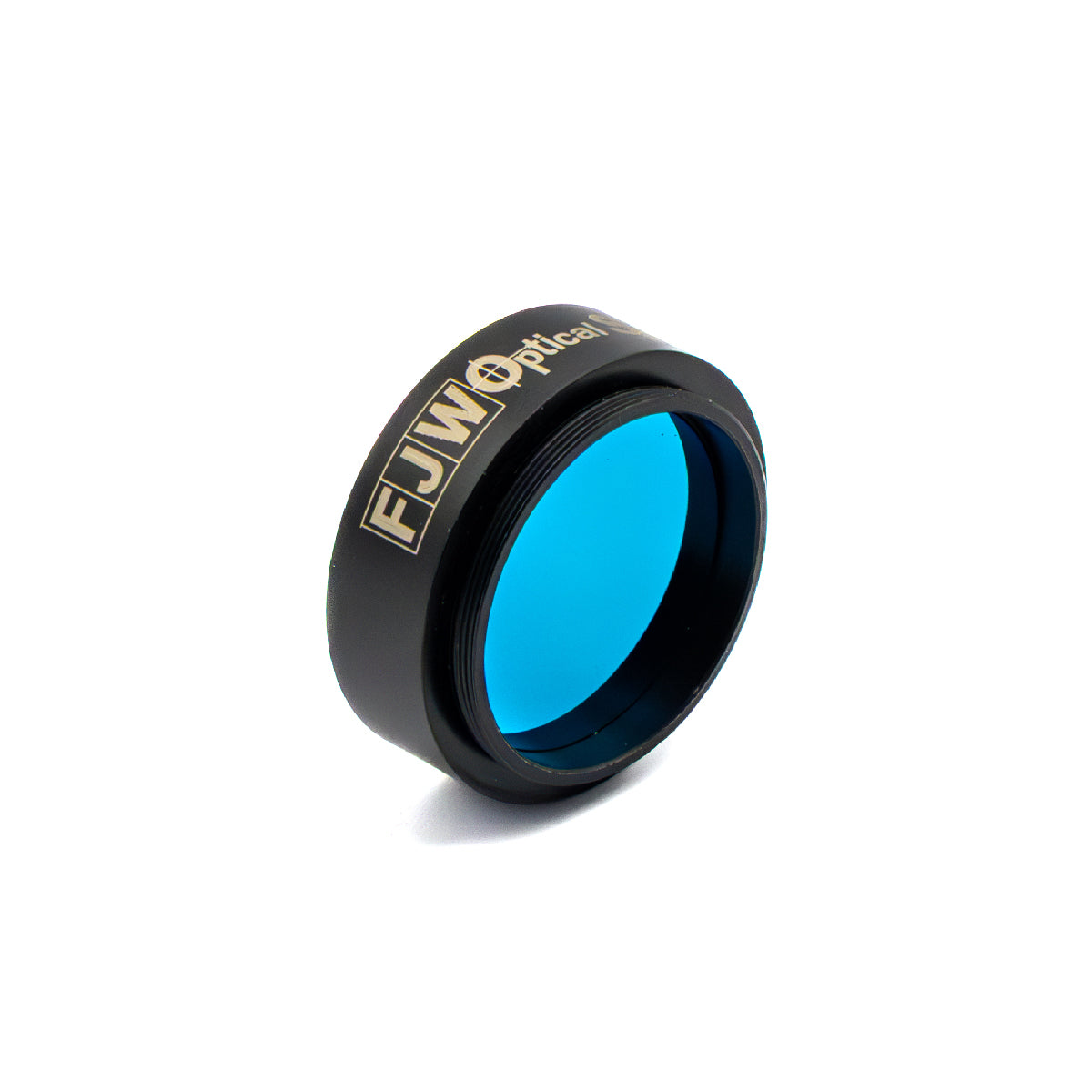
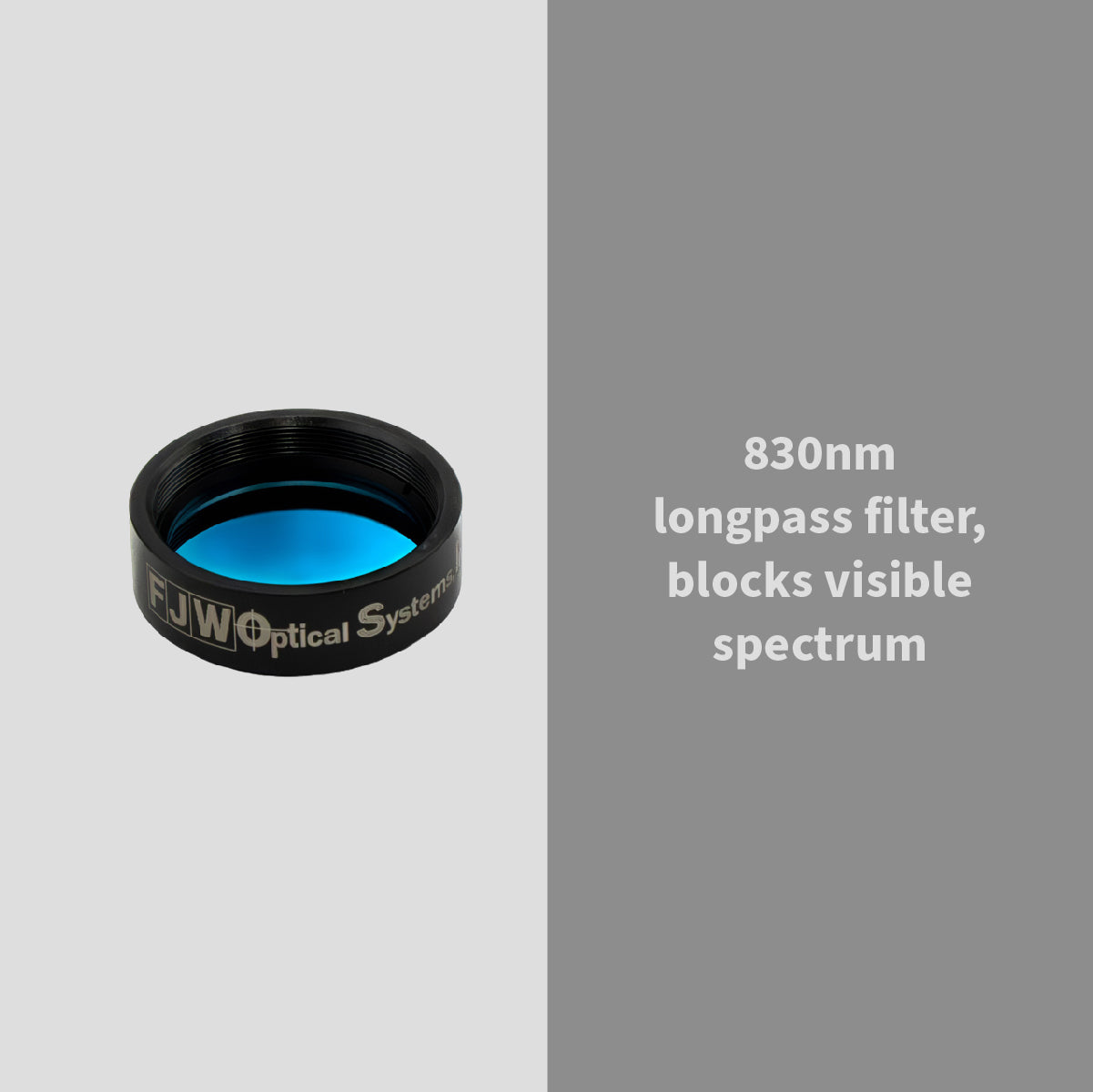
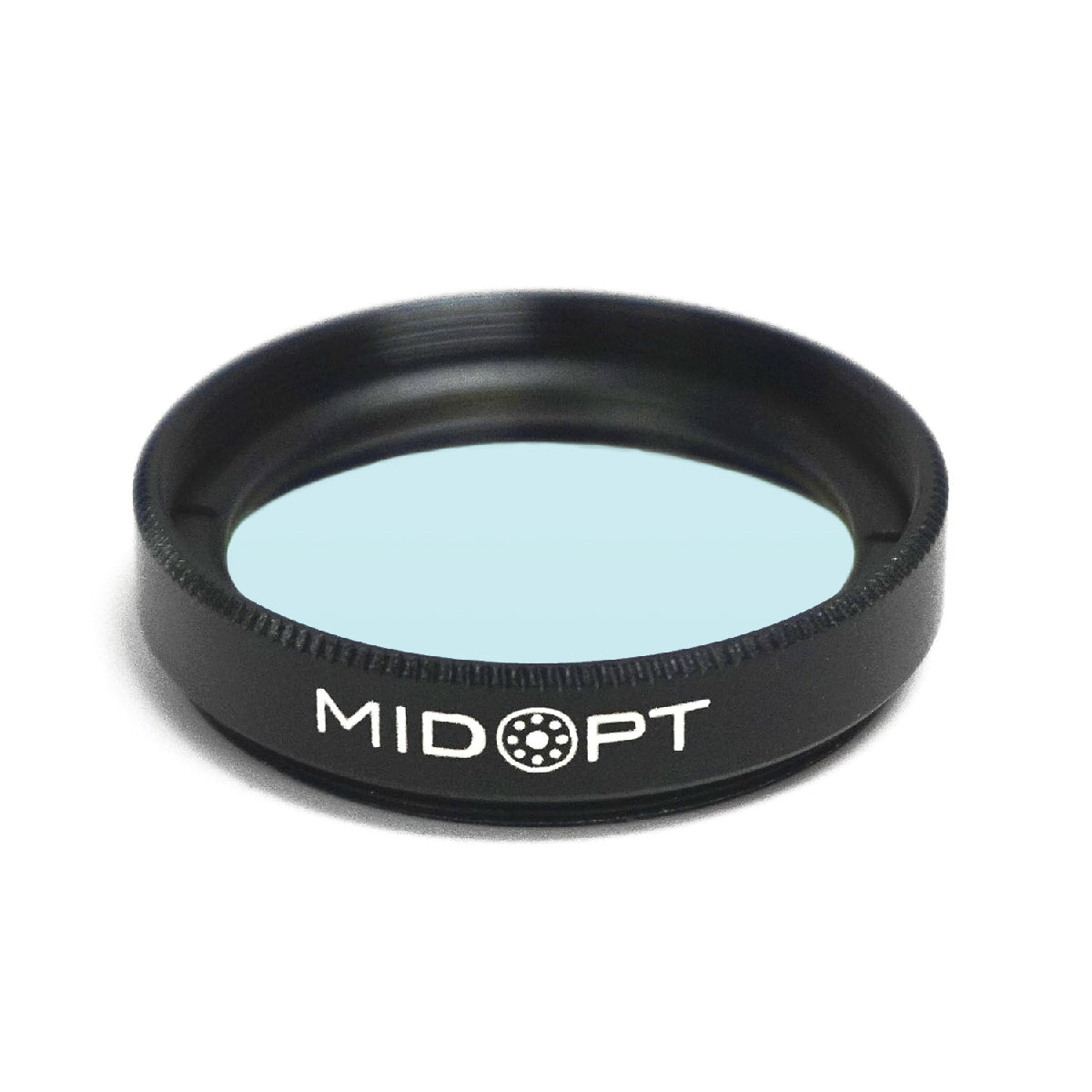
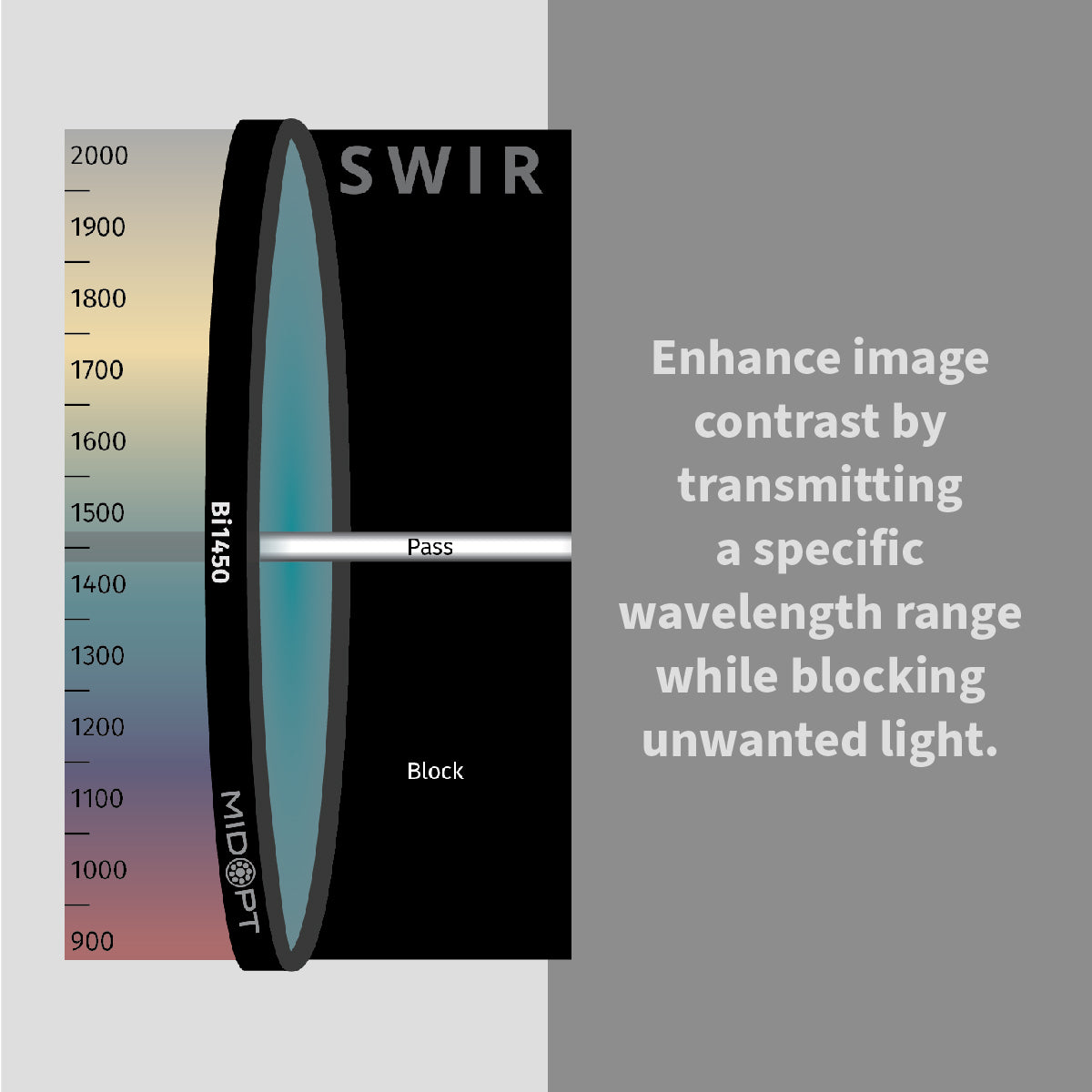
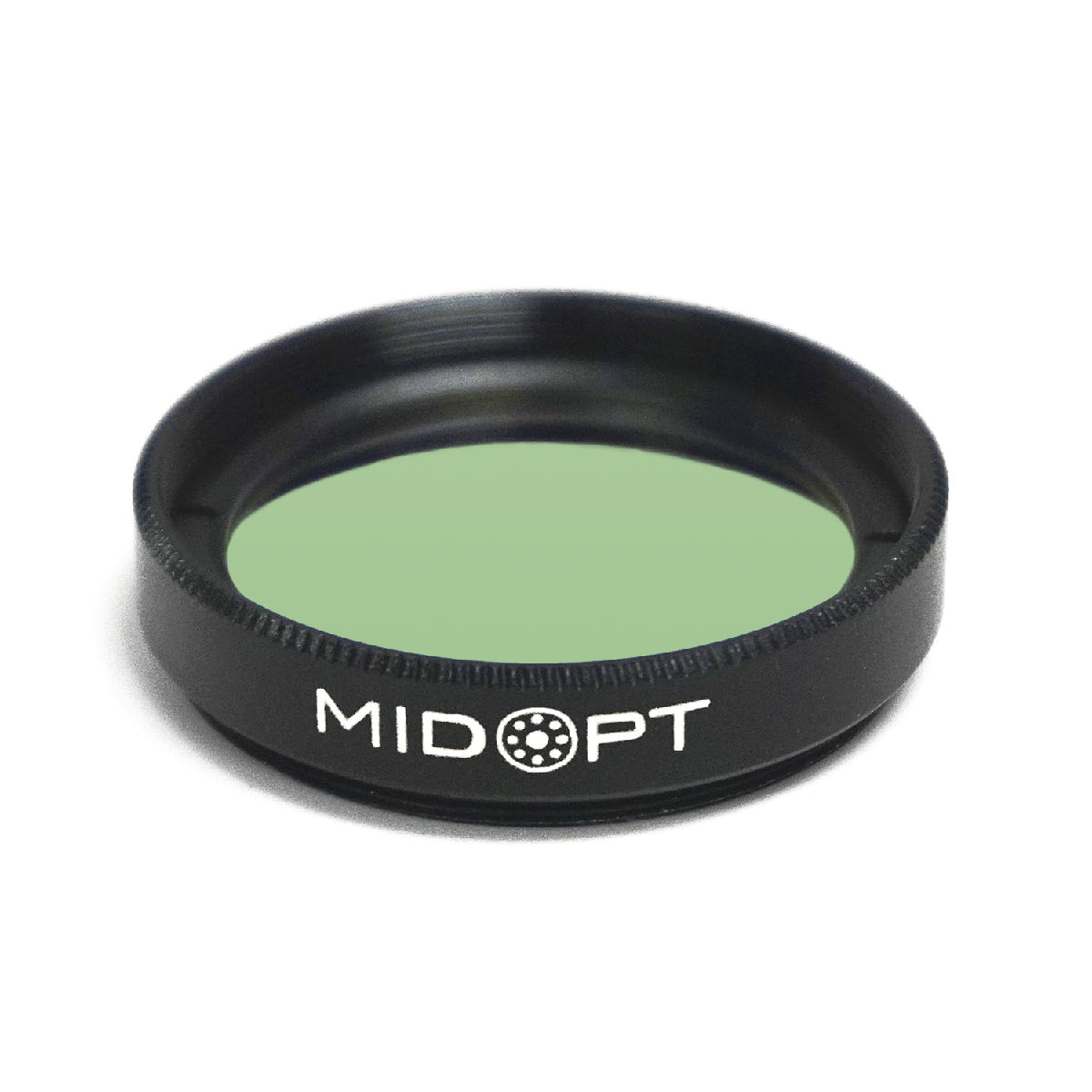
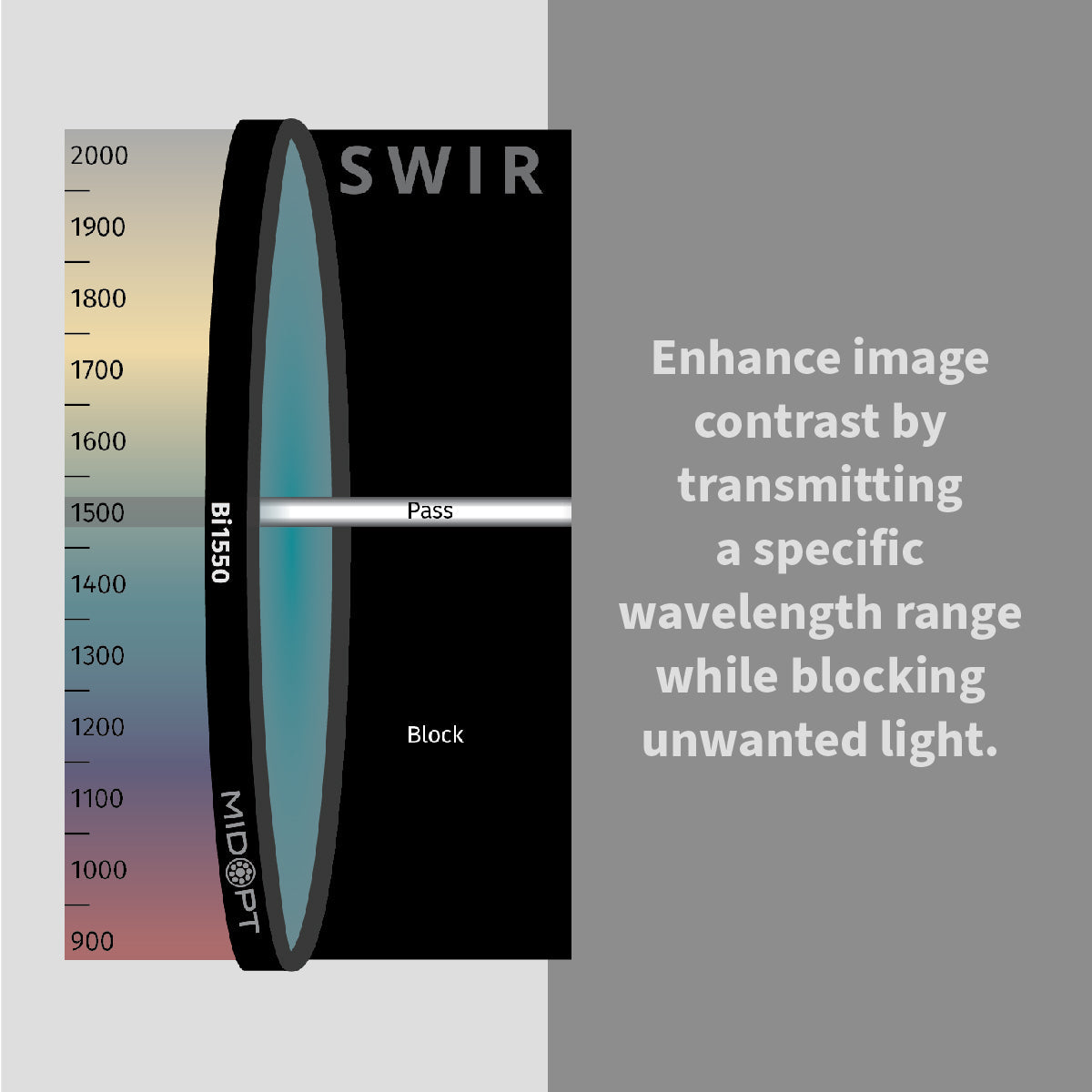
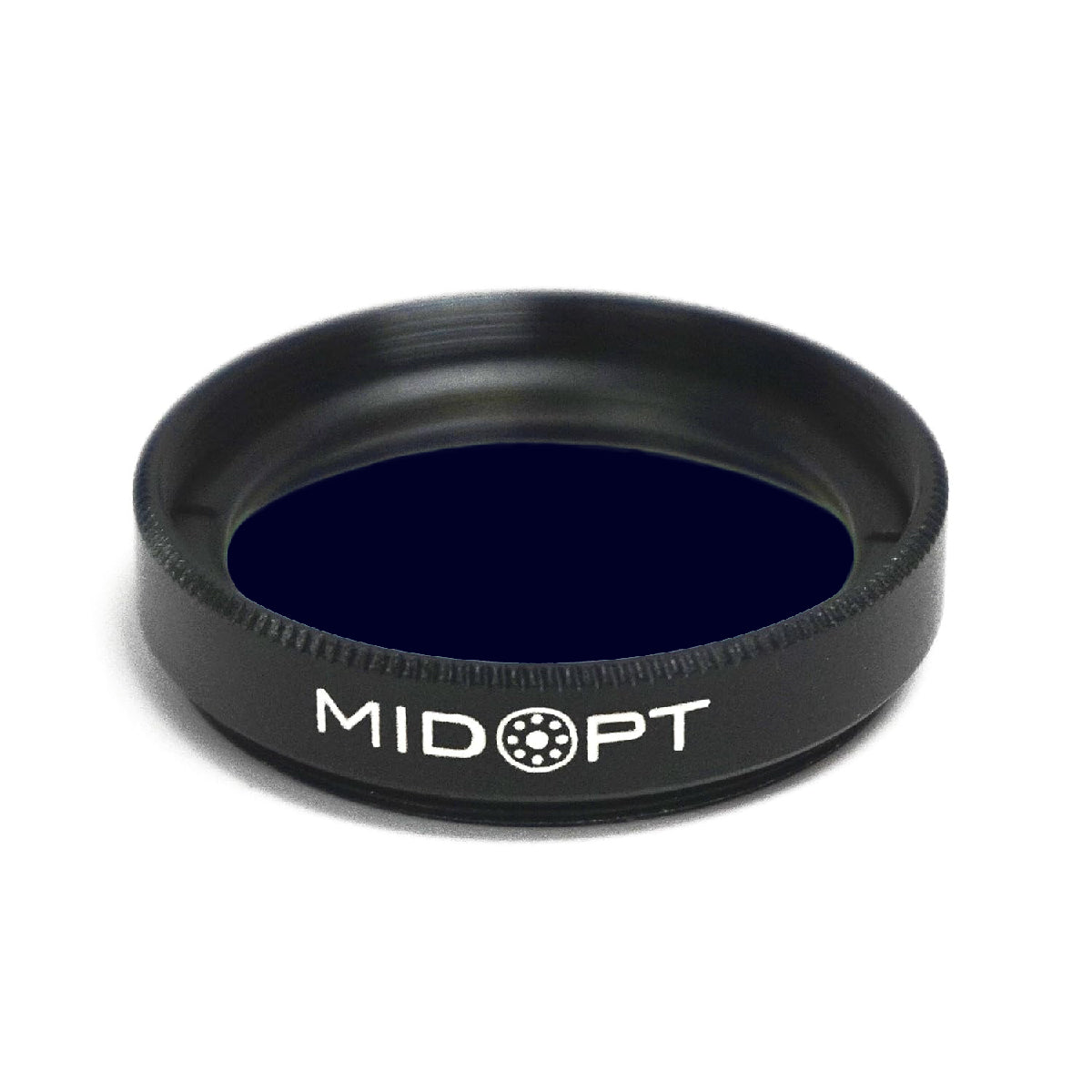
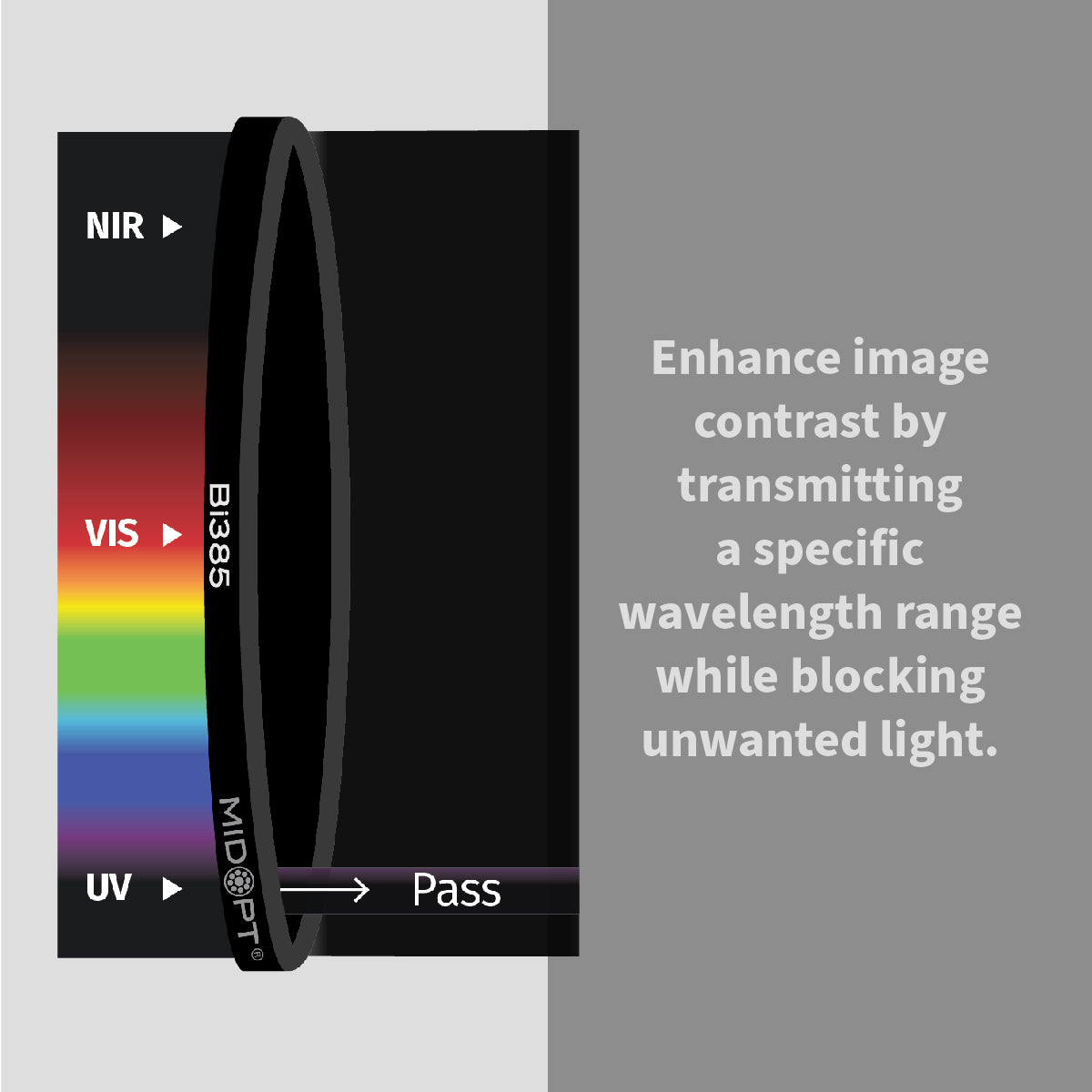
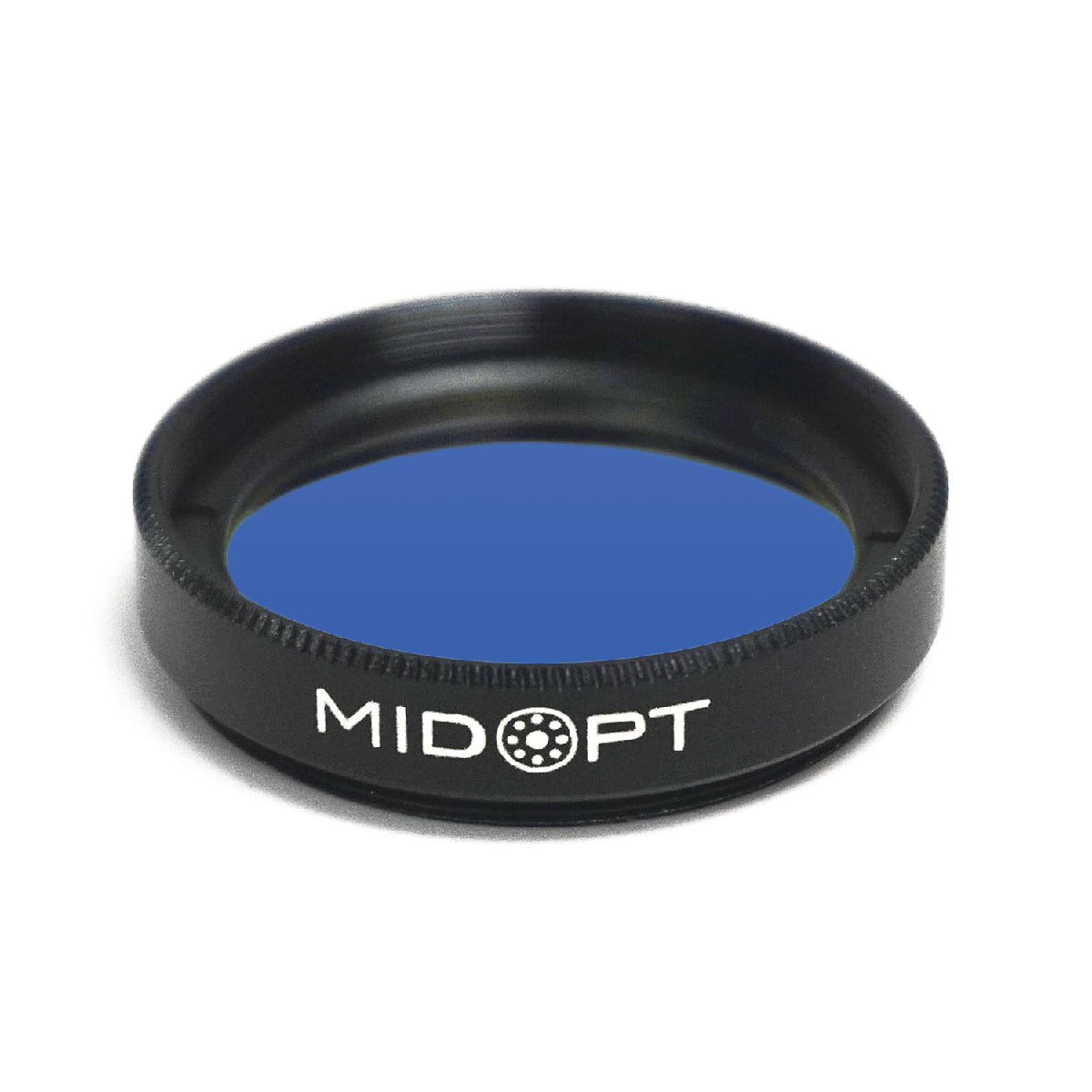
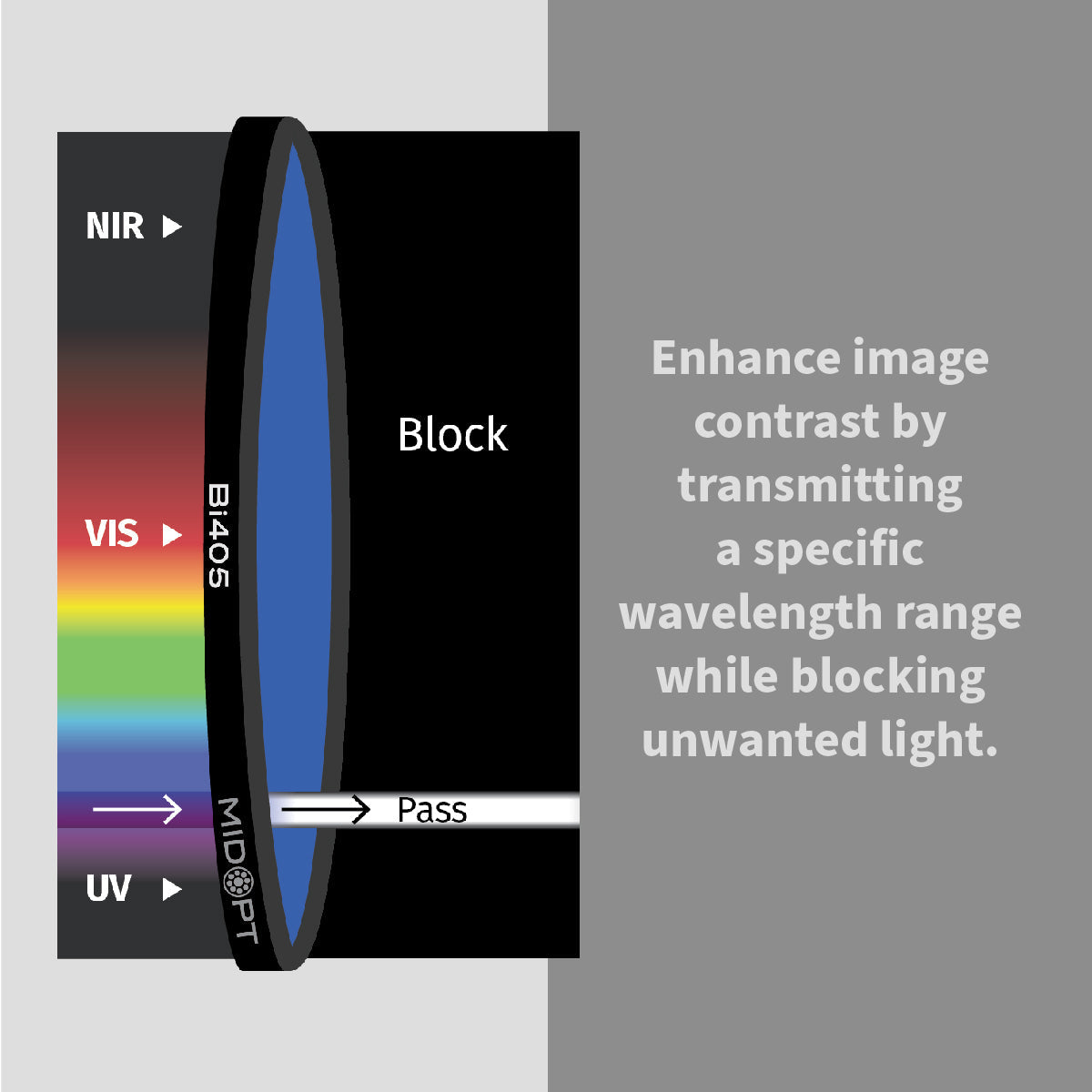
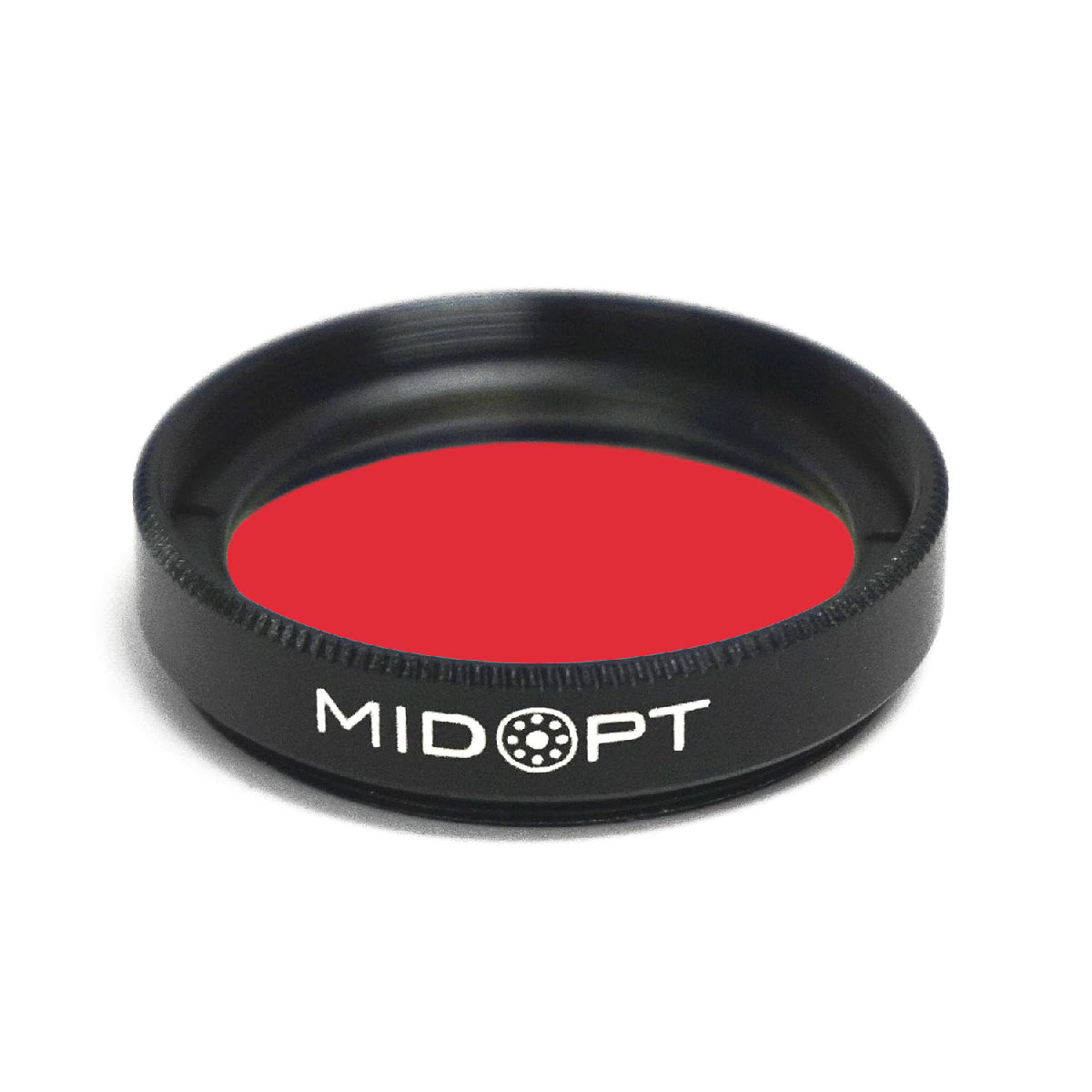
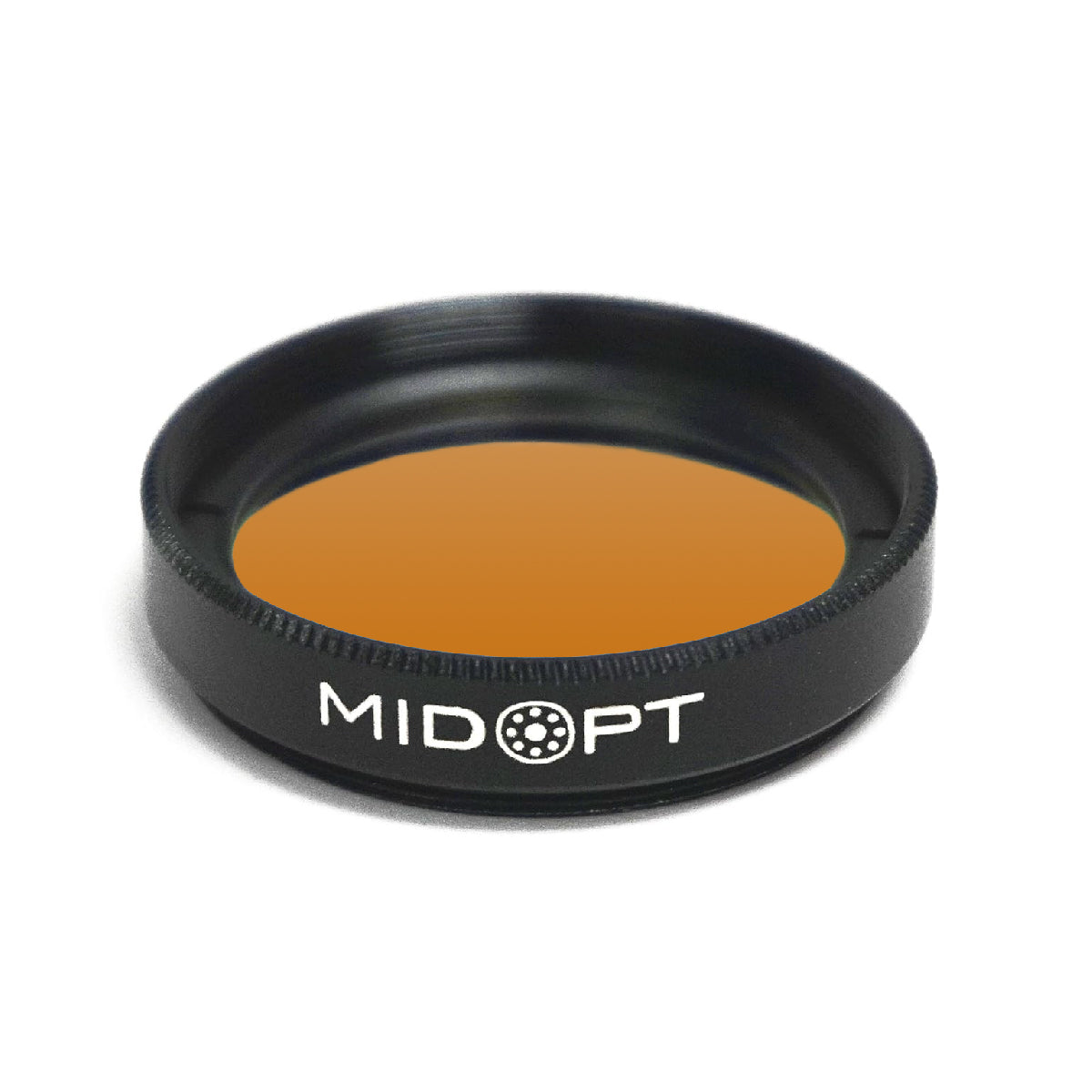
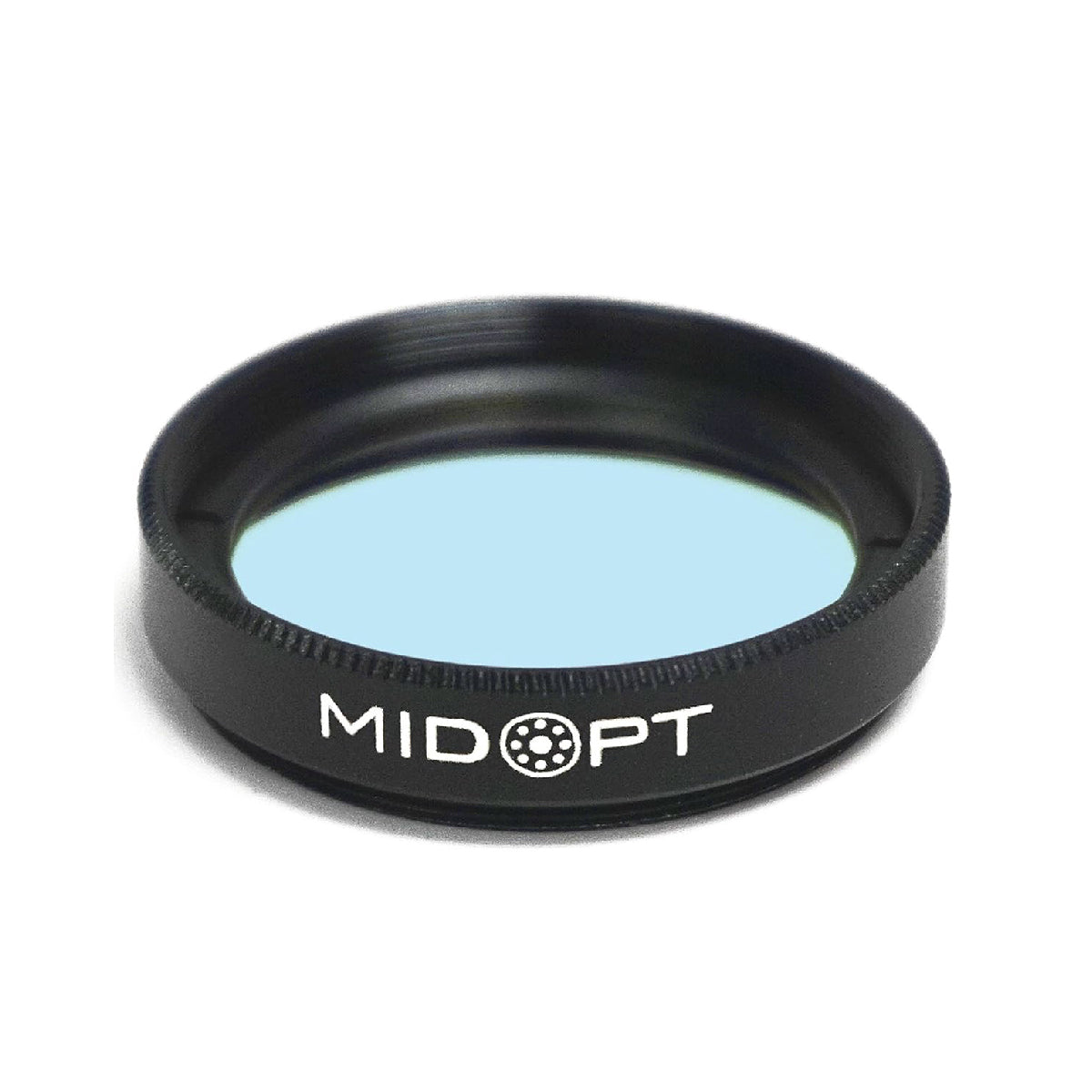
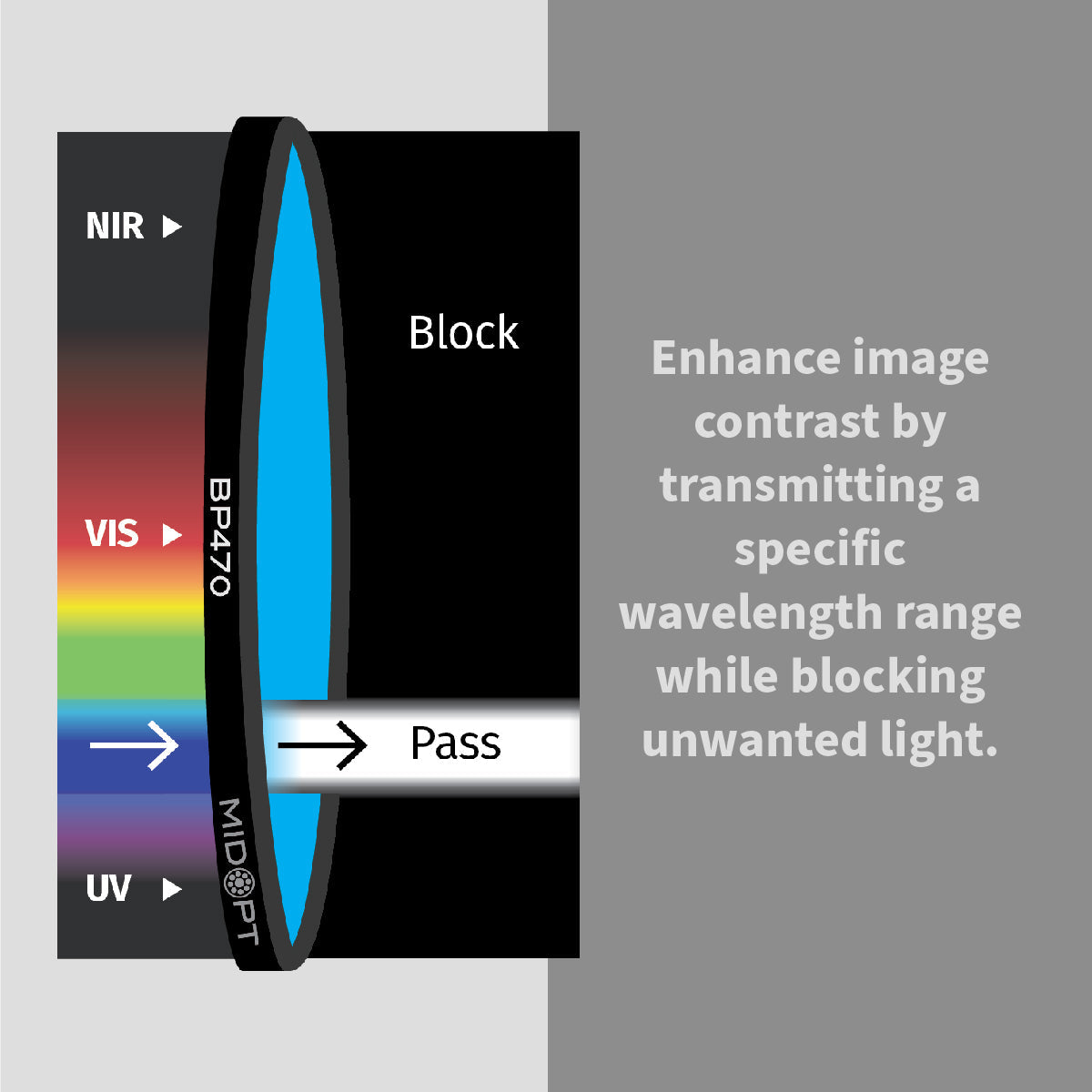
Optical filters, for example, can enhance contrast, reduce glare or isolate specific wavelengths of light. This makes it easier for the vision system to distinguish between acceptable products and defects – especially when inspecting reflective surfaces, wet products or irregular textures.
A Smarter Future for Food Processing
As artificial intelligence and advanced imaging technologies continue to evolve, machine vision systems are becoming even more capable. Modern systems can learn to recognize subtle patterns, improve defect detection accuracy and adapt to changing production requirements.
For food manufacturers, the benefits are clear: improved product quality, increased safety, reduced labor costs and more efficient production lines.
Machine vision cameras are no longer just an optional upgrade – they are quickly becoming a core technology in modern food processing, helping producers deliver safer, more consistent products to consumers around the world.