$15.00
$15.00

 Find-R-Scopes
 Filters
 Lenses
 Cameras
 Lighting
 Accessories






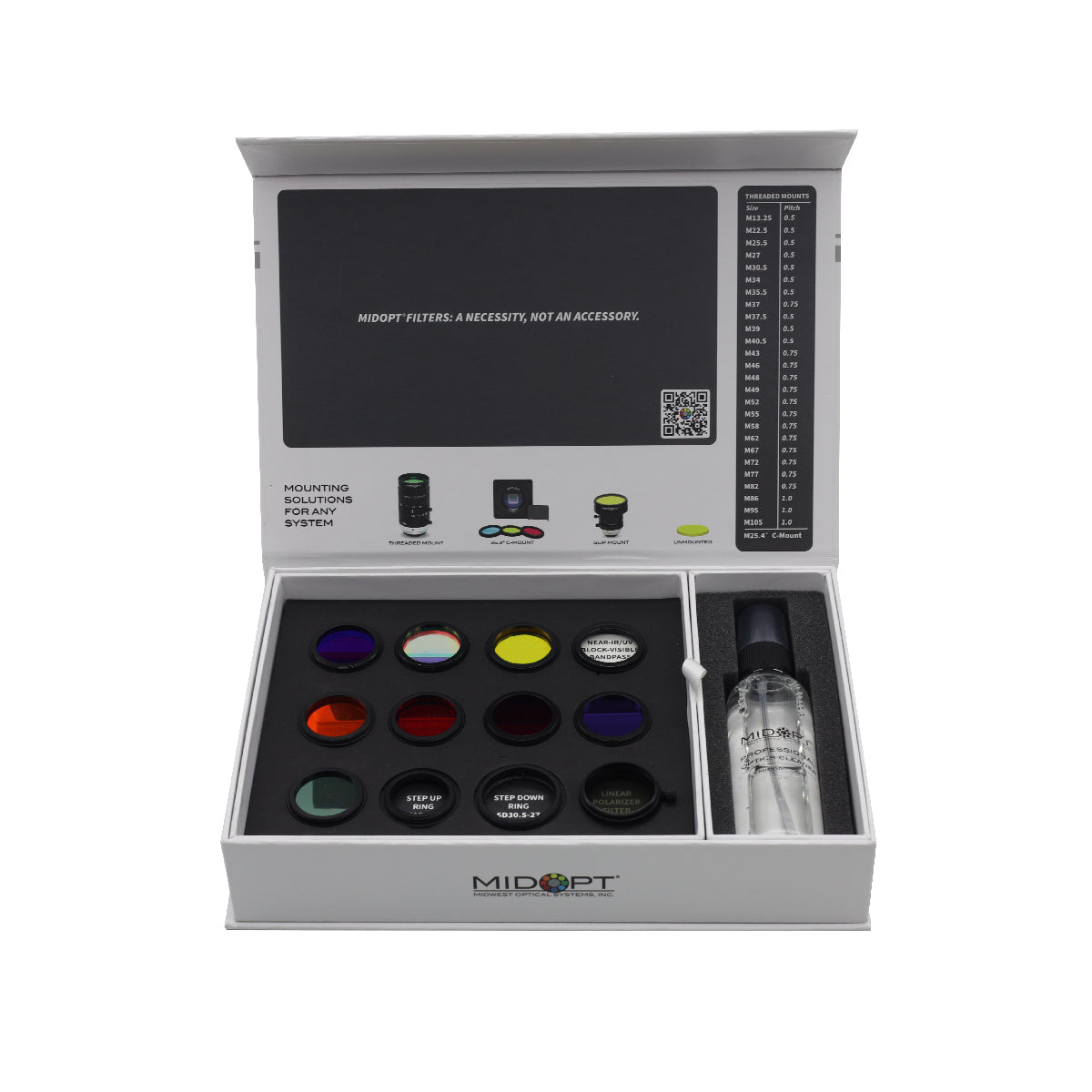
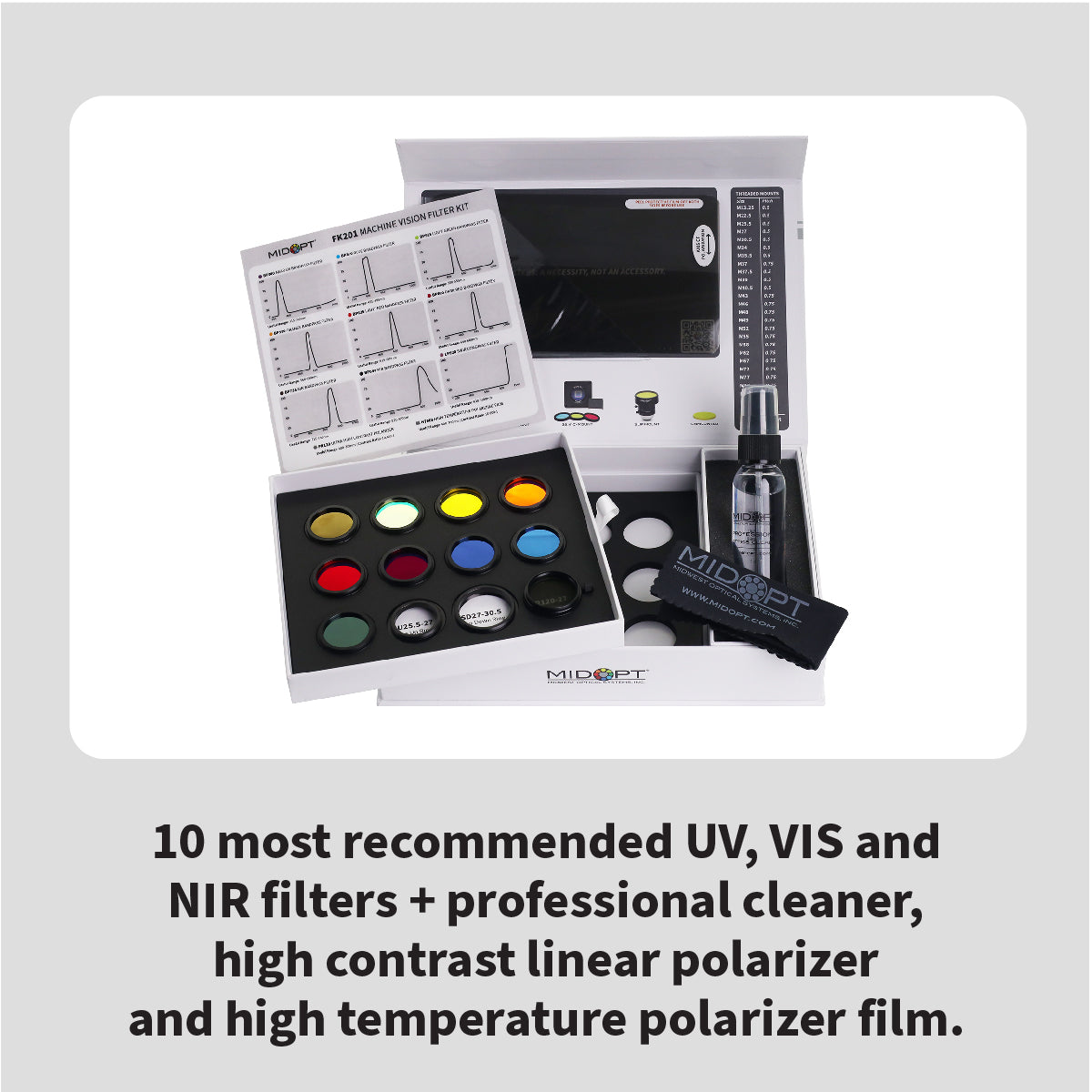
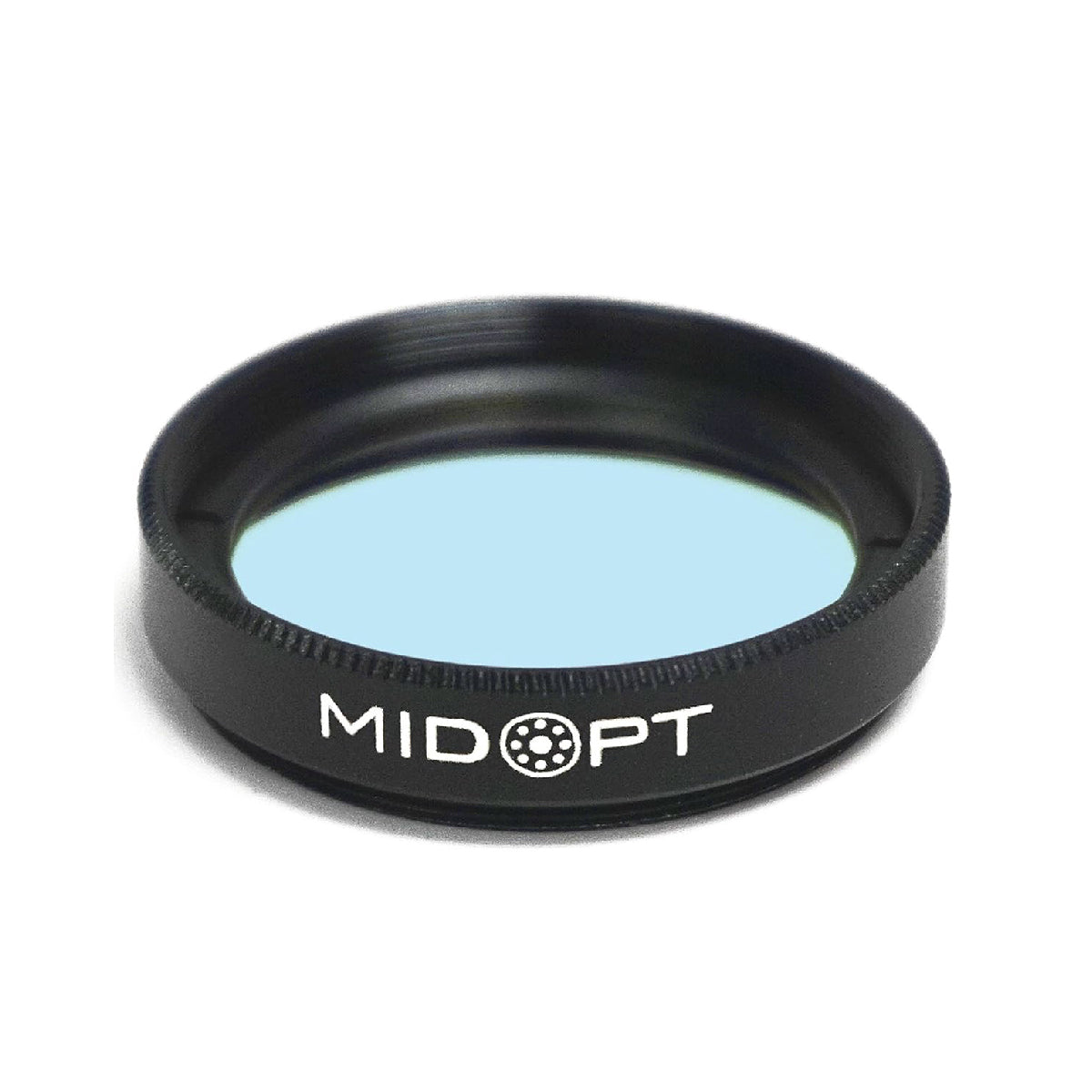
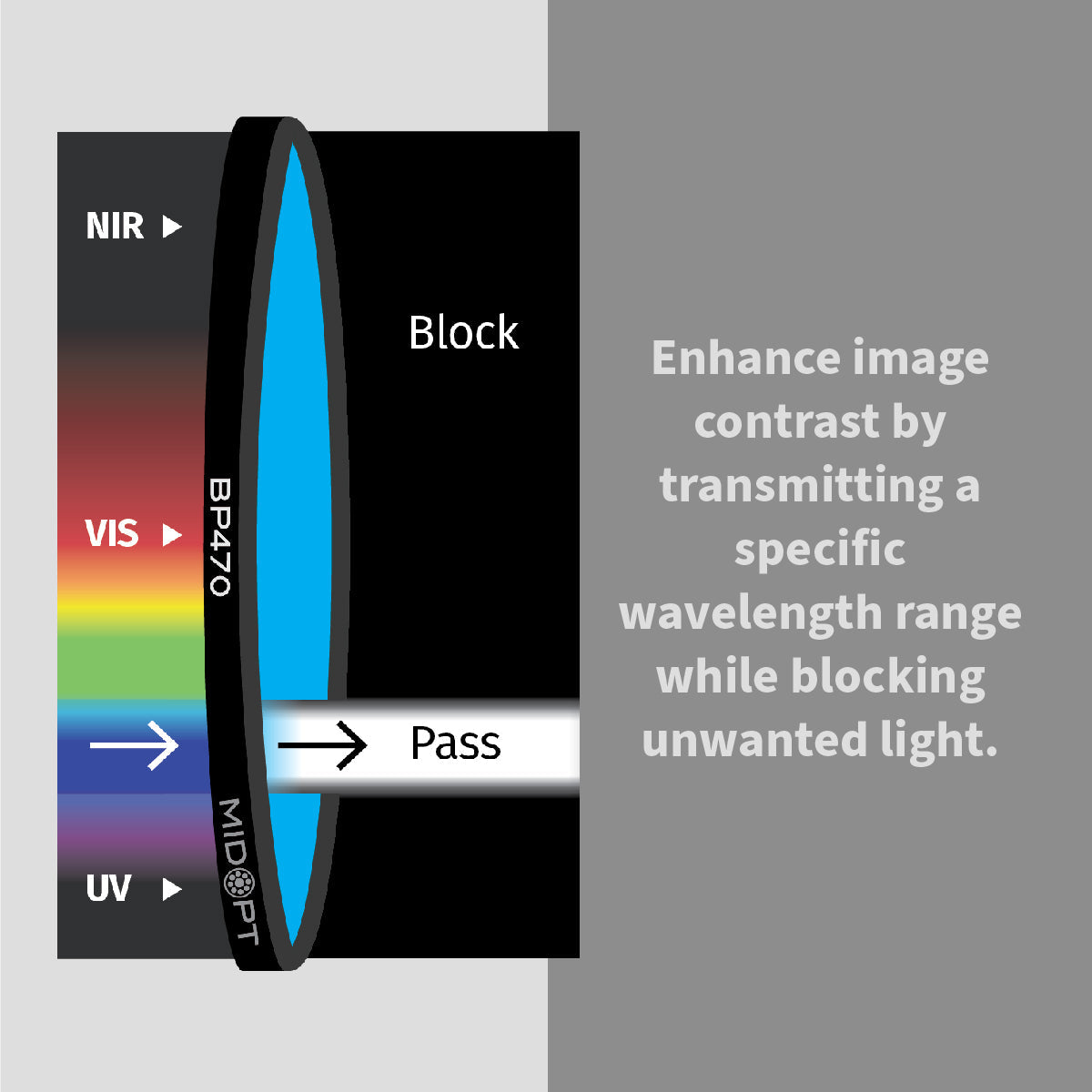

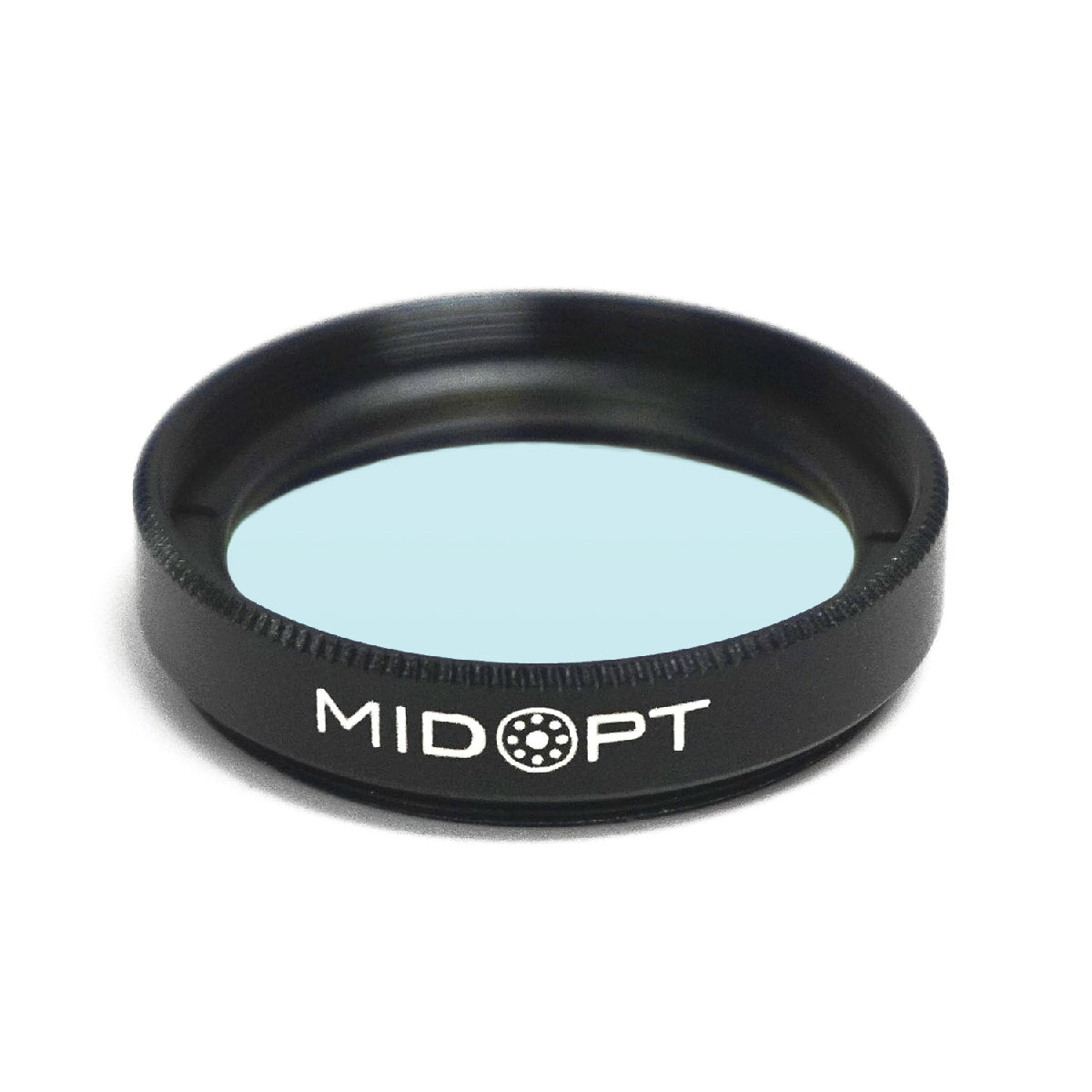
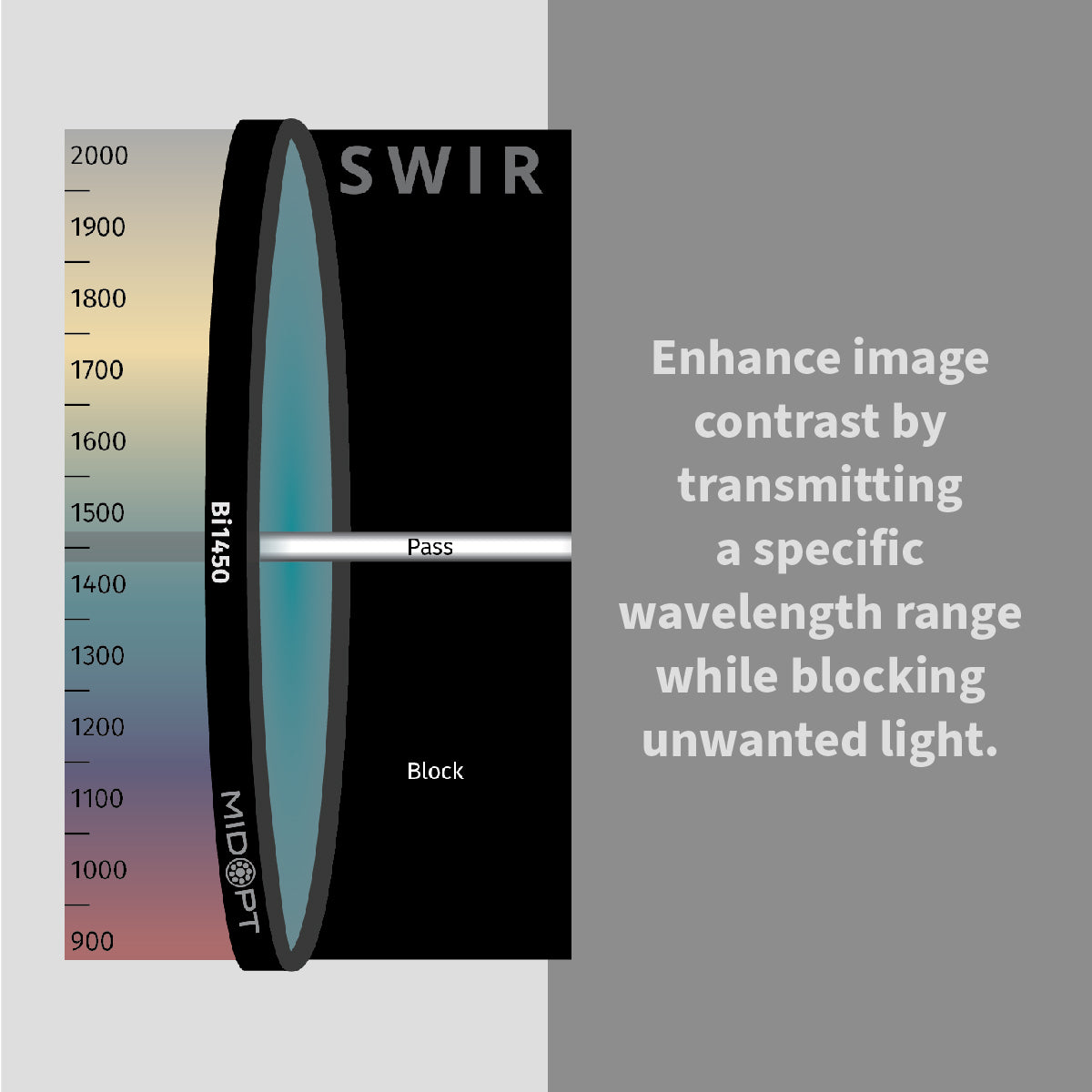
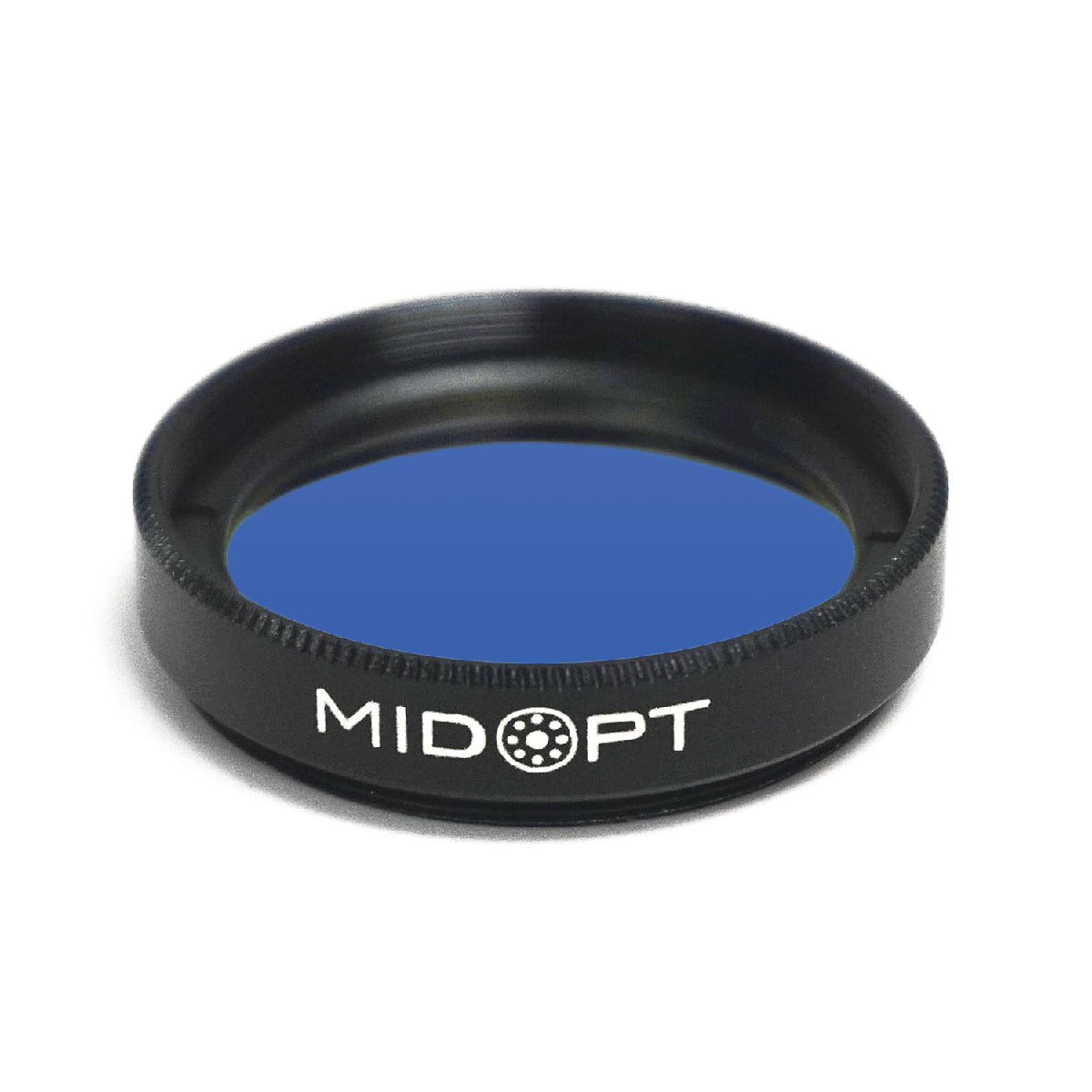
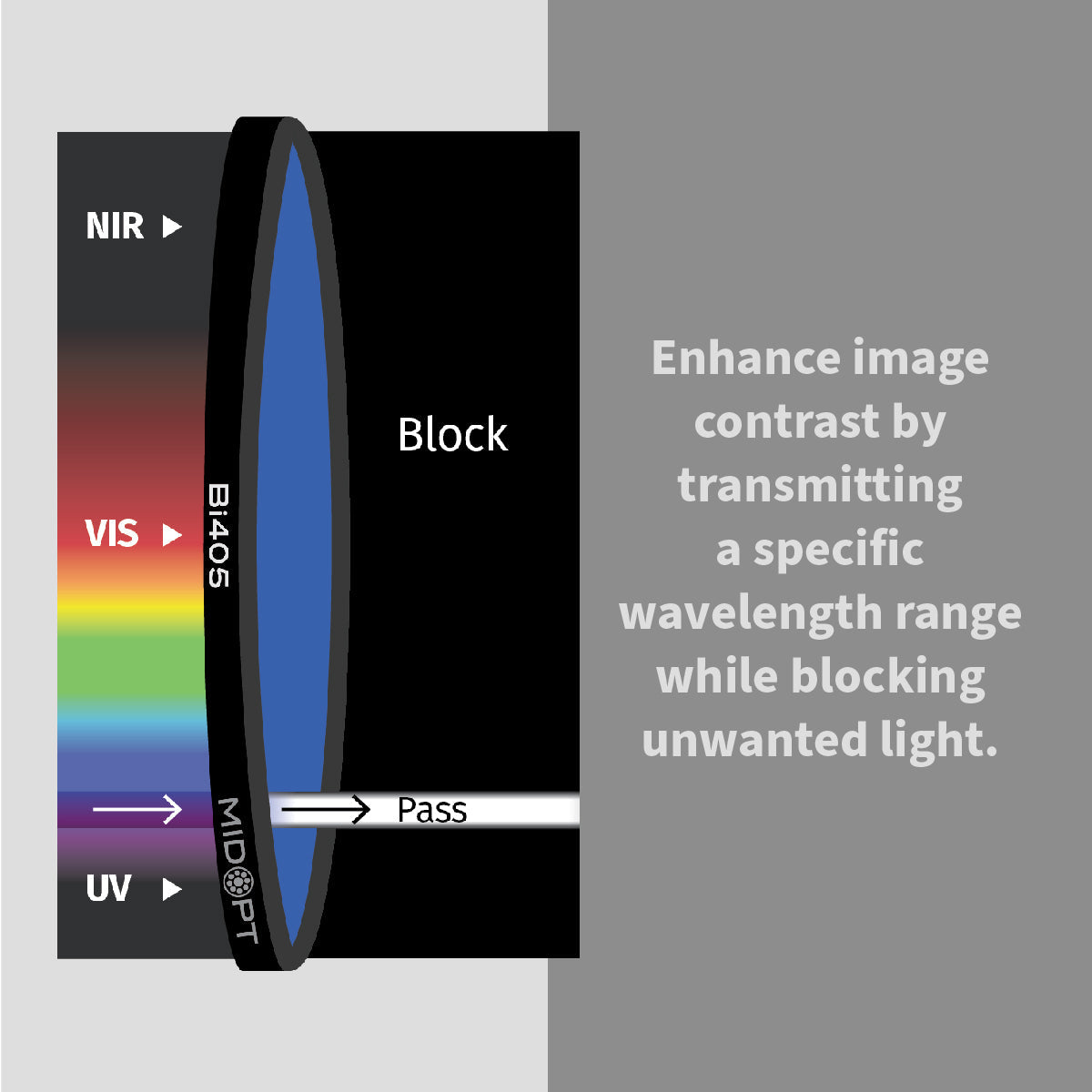
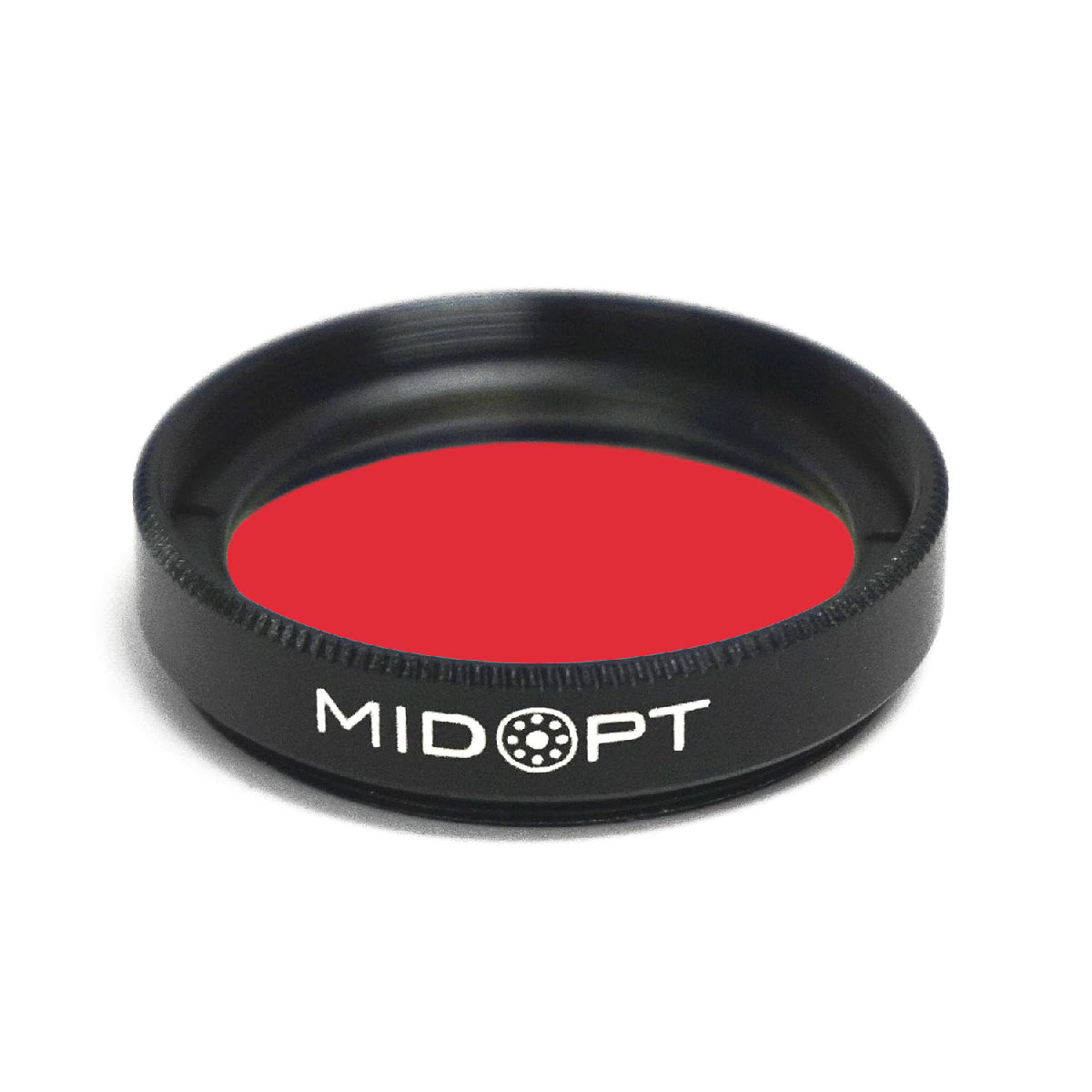
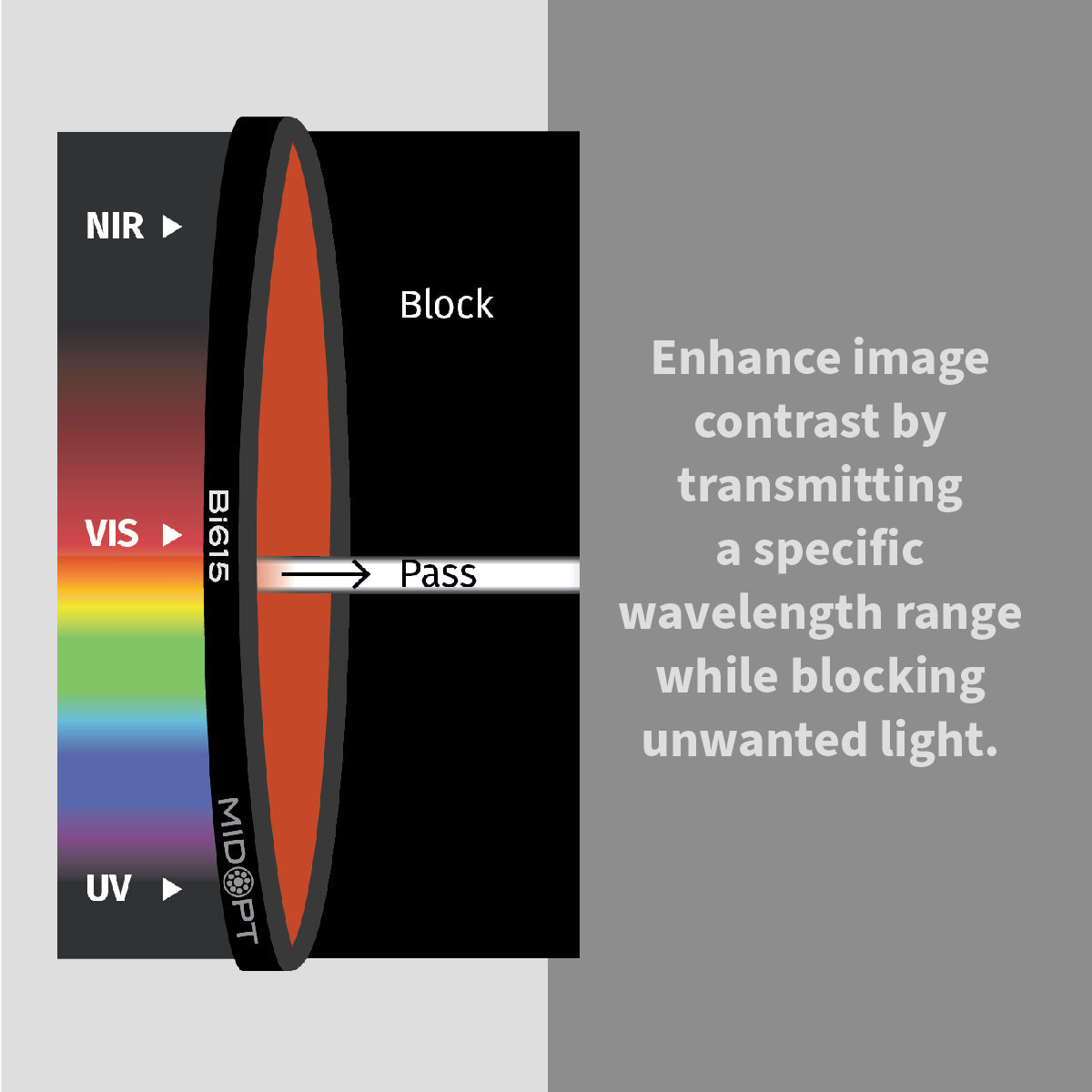
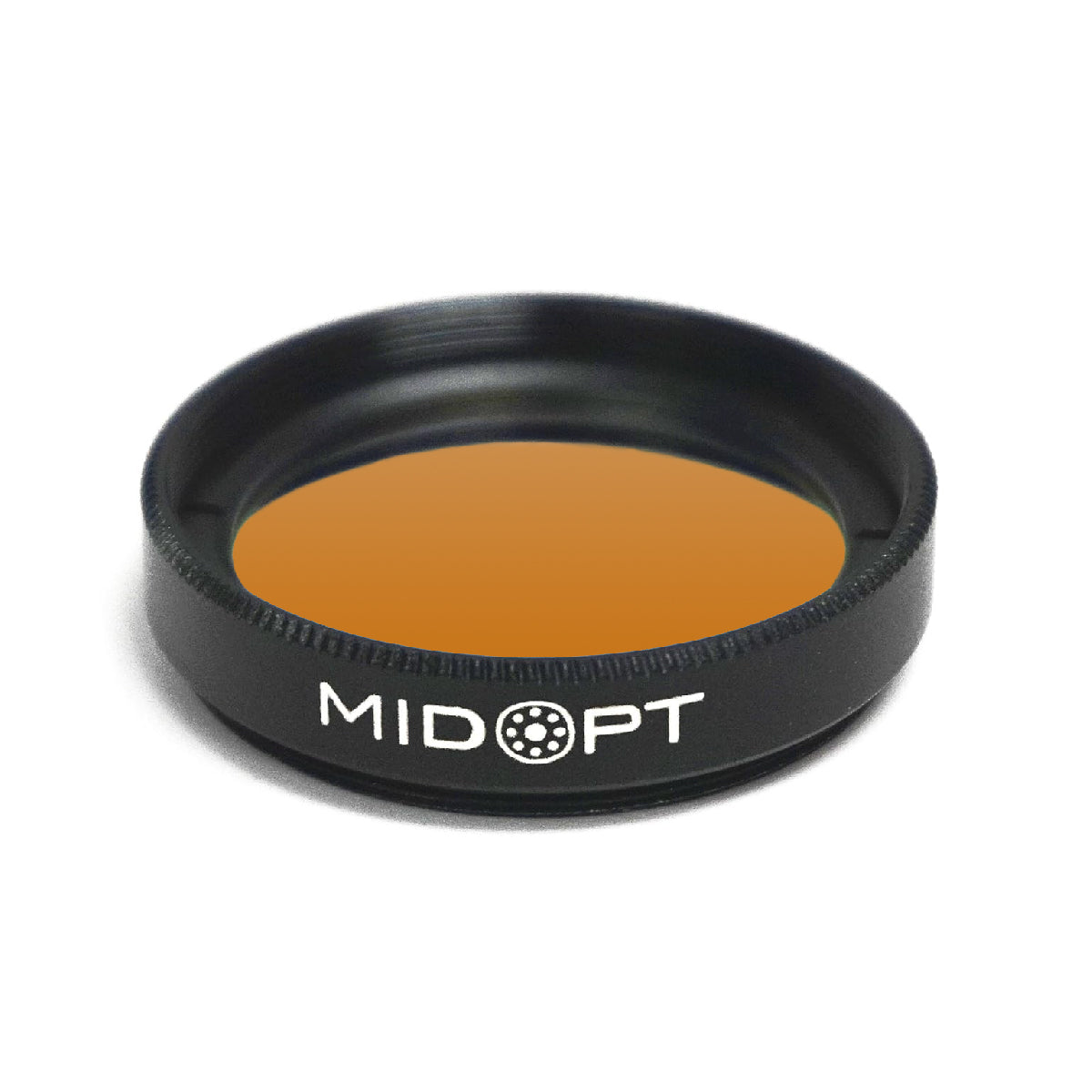
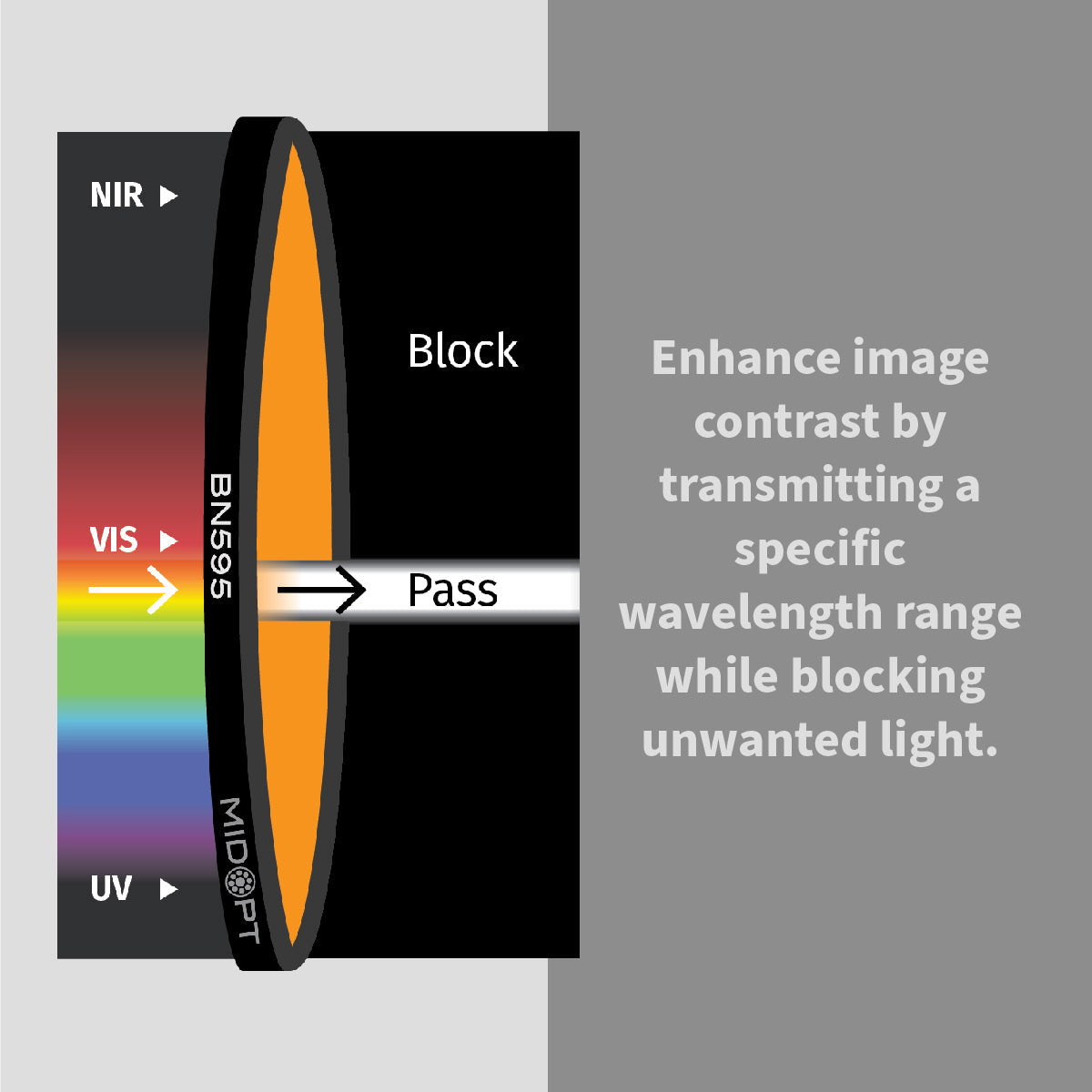
For over three decades, MidOpt® has focused exclusively on developing high-performance machine vision filters designed specifically for industrial imaging applications. Their philosophy is simple: create optical filters for machine vision using the precision of machine vision.

In machine vision, backlighting is one of the most effective ways to achieve high-contrast images for measurement and inspection. But what happens when there’s no room to place a light behind your part?

Sustainability is becoming a key focus across manufacturing, and machine vision systems are no exception. While cameras and software often get the most attention, lighting plays a major role in both system performance and energy consumption. By optimizing illumination, manufacturers can significantly reduce energy waste while maintaining – or even improving – inspection accuracy.

Selecting the right lens is one of the most critical decisions in building a successful machine vision system. While cameras and lighting often get the spotlight, the lens ultimately determines how well your system captures detail, maintains accuracy and performs over time.

Selecting the right lens is one of the most critical decisions in building a successful machine vision system. While cameras and lighting often get the spotlight, the lens ultimately determines how well your system captures detail, maintains accuracy and performs over time.

Selecting the right lens is critical to the success of any machine vision system. While cameras and lighting often get the spotlight, the lens ultimately determines image clarity, field of view, magnification and inspection accuracy. Two of the most common lens types used in industrial imaging are fixed focal lenses and zoom lenses, each with distinct advantages depending on the application.

In machine vision applications, accuracy is everything. Even small optical errors can lead to failed inspections, incorrect measurements or reduced system reliability. One of the most common optical challenges is lens distortion. Understanding what lens distortion is and how to minimize it is critical when designing precision vision systems for inspection, measurement and automation.

Choosing the right lens for a machine vision system involves more than focal length, resolution and working distance. The lens mount, the mechanical interface between the camera and lens, is one of the most important factors in ensuring proper imaging performance. The mount not only affects compatibility, but also impacts back focal distance, sensor coverage, optical stability and the overall footprint of the system.

When building a machine vision system, one of the most-critical parameters to get right is working distance (WD) – the distance from the lens’ front surface (or mechanical housing) to the object being inspected. Getting this distance correct ensures sharp focus, accurate measurements and reliable defect detection.

When building a machine vision or surveillance setup, the sensor size of the camera is a foundational choice. But its full value isn’t realized unless its paired with the right lens. The wrong lens can waste resolution, ruin field of view or degrade image quality. Here’s how to ensure the lens matches the sensor – and optimizes the system.

Machine vision has come a long way, and LED lighting has been a key driver. As inspection speeds increase, product surfaces become more challenging and lighting conditions more difficult, high-quality LED lighting solutions have evolved to meet these demands. Below is a look at how LED lighting for vision applications has developed, and what modern systems demand.

When building a machine vision system, the camera and lighting often get most of the attention. But the lens – and specifically its aperture and DOF (depth of field) – plays just as important a role in achieving clear, reliable images.

In industrial imaging, lenses are fundamental components that shape how the camera captures the world. Among the many lens parameters, focal length plays a pivotal role in determining what and how much we see. Understanding focal length and its effect on the field of view (FOV) is essential for selecting the right lens for your application.

When designing a machine vision system, choosing the right lens is just as critical as selecting the right camera. A common misconception is that a photography lens can do the job. But while both lens types are engineered to capture images, machine vision lenses and photography lenses are built for very different purposes – and understanding those differences can save you from performance issues down the line.